Tag: asia

  • Uniqlo’s Seoul flagship to close

    Uniqlo’s Seoul flagship to close

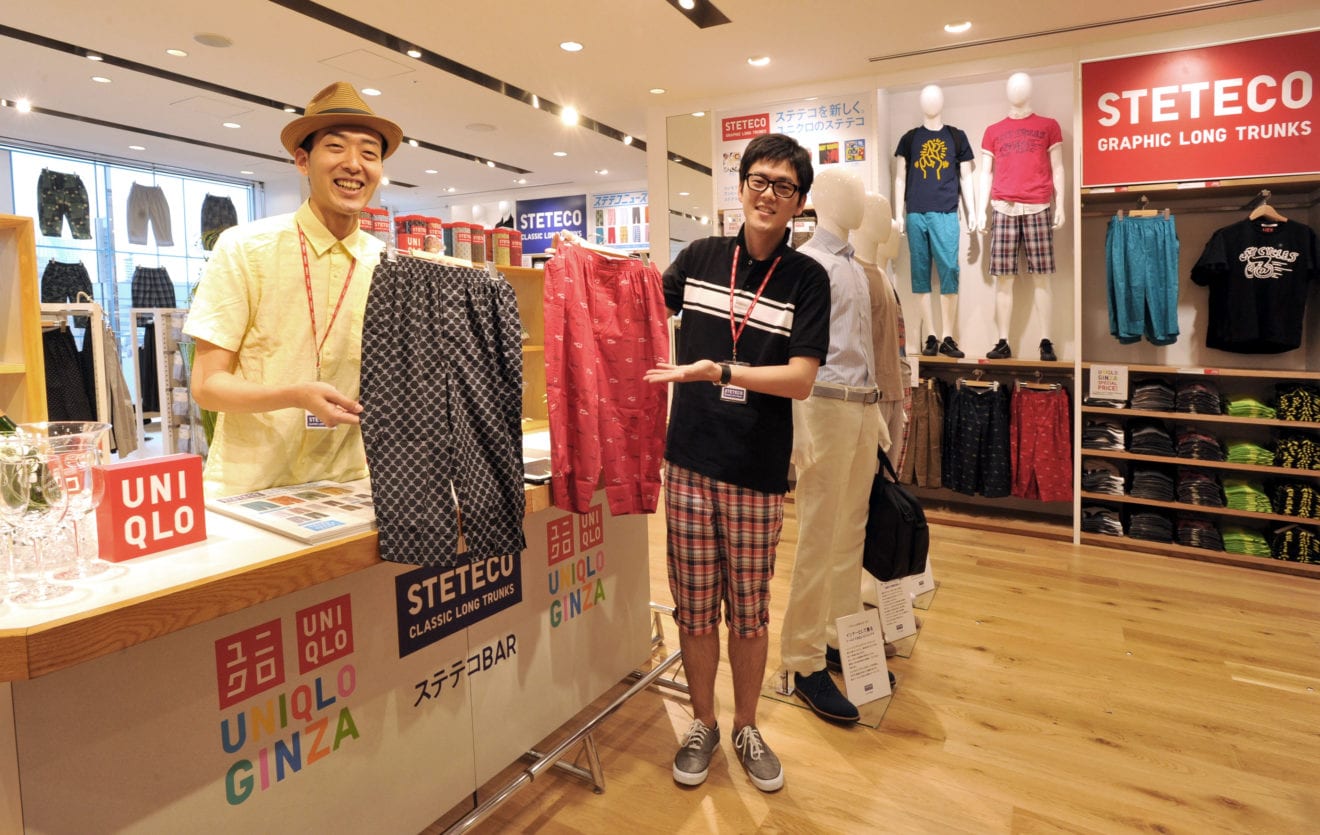
    Casualwear chain Uniqlo’s flagship store in Seoul, which raked in 2 billion won ($1.8 million at current rates) in sales a day when it first opened in 2011, will close its doors at the end of next month.

    The four-floor store, sitting in a prime location at an entrance to Myeong-dong, Seoul’s busiest shopping area, now carries a sign reading, “Thank you for your patronage.”

    The store was a highly visible symbol of one of Japan’s biggest brands — and a focal point of the South Korean boycotts of Japanese products that began in summer 2019. The boycott movement has not fully died down, though it has faded significantly since its early days.

    The reasons for the Uniqlo closure go beyond the boycott. “Foreign tourism has disappeared because of the coronavirus, which has devastated the whole retail sector,” a staffer said. Myeong-dong is a must-see spot for practically all visitors to the country, and with that traffic gone, stores have been shuttered all along the district’s main street.

    But the movement was a contributing factor. With the coronavirus coming on the heels of the boycott, Uniqlo operator Fast Retailing’s South Korean arm saw revenue drop by half for the year ended in August, and logged an operating loss of 88.3 billion won, or more than $80 million, for that period.

    The boycott followed Japan’s decision in July of last year to restrict exports of chipmaking materials to South Korea. While not talked about much now, it has not gone away completely.

    Products with symbolic significance, such as apparel, beer and autos, are still feeling the pinch. Sales of Japanese cars have yet to return to pre-boycott levels. Nissan Motor pulled out of the market entirely and has reported zero sales here since October.

    On the other hand, there are a few Japanese products that have transcended political frictions to gain wide followings in South Korea.

    Toymaker Bandai is set to release the Jordy Tamagotchi on Dec. 18. When preorders opened on Dec. 3, the company immediately sold out the available inventory.

    Jordy is a popular mascot character and stamp on the South Korean chat app Kakao Talk. In the Tamagotchi version, the user cares for Jordy until he lands a full-time job.

    Tamagotchi took the world by storm in the late 1990s. Sales of the device ceased in South Korea once the craze faded away. Last year, Bandai brought back newly designed Tamagotchi with displays in Hangul, the Korean alphabet.

    South Korea is in the middle of a retro boom. The combination of Tamagotchi’s nostalgia value with Jordy’s preexisting popularity (and his struggle to find employment) struck a chord with the younger generation.

    The Tamagotchi “broke the all-time record for toy orders in South Korea,” said a representative from Bandai Namco Korea.

    Sony sold out its PlayStation 5 in South Korea soon after the release. The console is still hard to come by on the Sony Korea online store.

    This spring, long lines formed at electronic shops across the country in anticipation of purchasing Nintendo’s new installment in the Animal Crossing series. Fishing gear made by Japan’s Daiwa and Shimano remain popular as well.

    What facilitated the boycotts of Japanese products are retailers who refrained from stocking the goods out of concern for the blowback from customers. For a time, Japanese-made beer went missing from every convenience store and supermarket.

    Online retailing helped cushion the damage from such business decisions.

    “Internet sales grew in proportion with what couldn’t be purchased at physical stores,” said a source close to a Japanese manufacturer.

    This approach now even has its own name: “selective boycotting.” The idea is that buying Japanese is sometimes unavoidable when there are no alternatives.

    Those who staunchly reject all Japanese products are critical of the selective approach. But some products, like the Tamagotchi and the PS5, continue to capture many South Korean hearts despite even amid anti-Japanese sentiments.

    Relations between Japan and South Korea are now considered to be at one of its lowest points in history. But about 10 million people used to travel between the two countries just two years ago, leading to an increase in South Koreas who have seen Japan firsthand. Many top-notch restaurants serving a range of Japanese foods from ramen to tempura rice bowls are also popping up in Seoul, attracting long lines of customers.

    There is little sign of a thaw in bilateral ties, and the countries still face a multitude of issues from historical disputes to wastewater disposal related to the 2011 Fukushima nuclear accident that could reignite boycotts. Still, strong products and services could override political rifts and pressures.

  • Manulife to become VietinBank’s exclusive insurance partner with Aviva purchase

    Manulife to become VietinBank’s exclusive insurance partner with Aviva purchase

    Canadian insurer Manulife will acquire the Vietnamese business of British company Aviva and its 16-year bancassurance deal with VietinBank.

    It will take over the exclusive partnership with VietinBank when the deal is completed, Manulife and the lender agreed on Monday.

    The state-owned lender chose Manulife as its bancassurance partner because of its long-term commitment to Vietnam, deputy director of VietinBank, Nguyen Duc Thanh, said at the agreement-signing ceremony.

    He said his bank’s board expects the bancassurance business to grow by 30 percent annually and contribute 6-8 percent of the income from services.

    Manulife expects the partnership to increase its market share in the country from 20 percent to 30 percent in the coming years. It is currently the exclusive insurance partner of the country’s largest private lender, Techcombank.

    Aviva did not reveal the value of the sale but said in a statement that it expects the transaction to increase its net asset value and solvency surplus by around GBP100 million ($133.67 million).

    The company is looking to sell its operations in continental Europe and Asia to focus on Britain, Ireland and Canada.

    Vietnam had 18 life insurance companies with combined premium revenues of VND106.6 trillion ($4.6 billion) last year, up 24 percent year-on-year. In terms of new contracts, Manulife led the market for the first time last year with 17.7 percent followed by Bao Viet Holdings with 16.49 percent and Prudential Vietnam with 15.78 percent, according to the Ministry of Finance.

  • Kerry Logistics Network Recognised at the Hong Kong Green Awards 2020

    Kerry Logistics Network Recognised at the Hong Kong Green Awards 2020

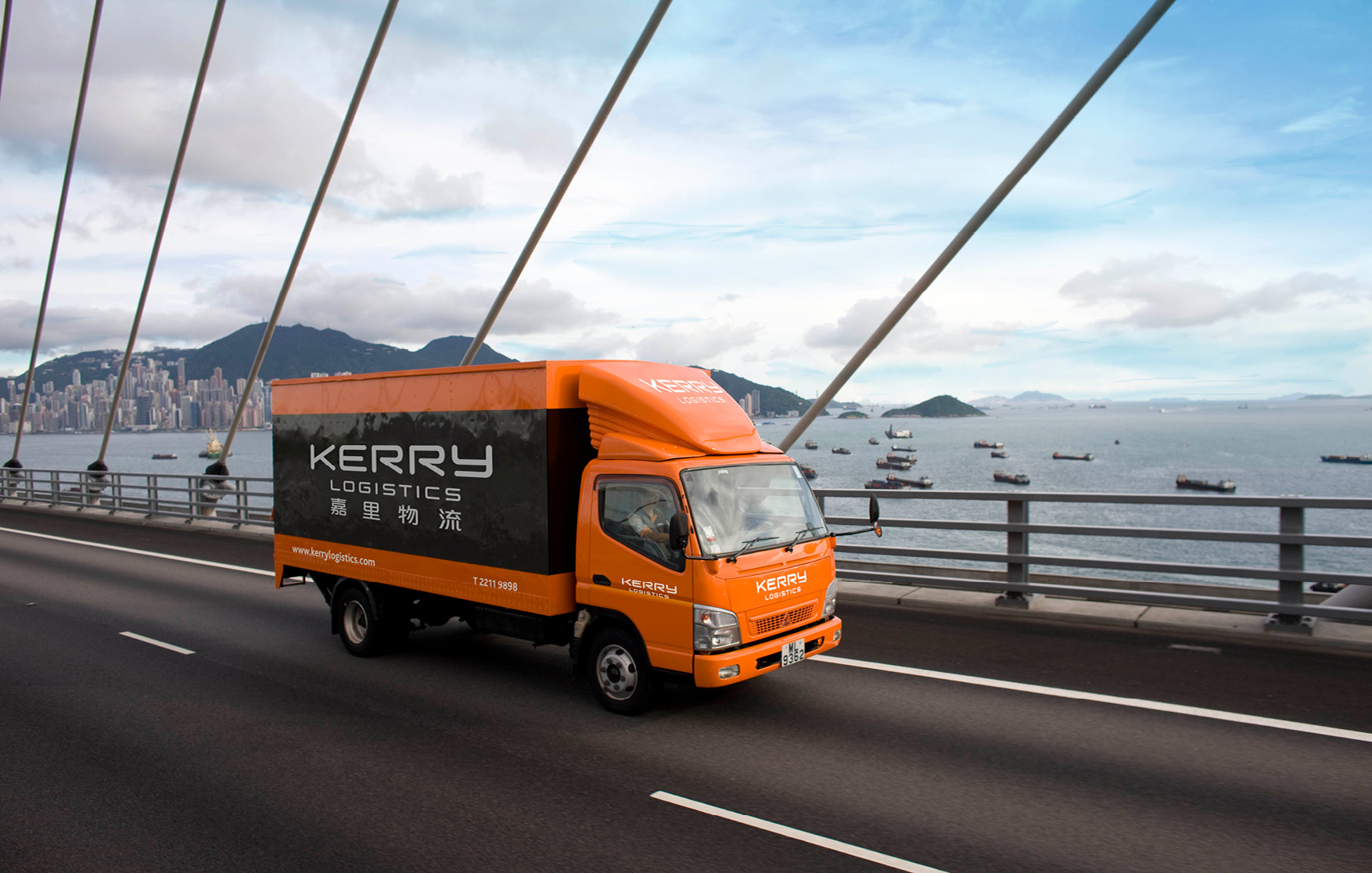
    Kerry Logistics Network Limited (‘Kerry Logistics Network’; Stock Code 0636.HK) is the proud recipient of the Corporate Green Governance Award – Corporate Leadership at the Hong Kong Green Awards 2020 (the ‘Awards’), recognised for its excellent commitment and outstanding execution in the area of green governance policies and implementation.

    Inaugurated in 2010, the Awards are organised and presented annually by the Green Council to acknowledge companies with exceptional performance and achievements in green procurement, green management, environmental, health and safety management and green governance. It also aims at encouraging companies to increase their environmental considerations and responsibility, and to drive better environmental performance.

    William Ma, Group Managing Director of Kerry Logistics Network, said, “We are very happy to receive recognition for our commitment and efforts to incorporate green initiatives and practices into our governance and operations. With environmental management now becoming an essential and pressing issue, we are eager to fulfil our role as a socially and environmentally responsible corporate citizen, to create value for our shareholders while contributing to a sustainable future.”

    Kerry Logistics Network is dedicated to making its operations greener by managing its emissions, optimising the use of resources and protecting the natural environment and ecosystems that we rely on. Guided by its environmental policy, Kerry Logistics Network endeavours to minimise its environmental footprint by reducing air and GHG emissio

  • A Japanese First: Japan Airlines to Offer Complimentary COVID-19 Coverage for International Passengers

    A Japanese First: Japan Airlines to Offer Complimentary COVID-19 Coverage for International Passengers

    Japan Airlines (JAL) today announced that the carrier will provide a new service called JAL Covid-19 Cover, as part of its JAL FlySafe program to provide reassurance and support to passengers with essential travel needs during the global pandemic. The new service provided by Allianz Travel—the first of its kind for a Japanese carrier—includes coverage of up to €150,000 in total medical costs resulting from the initial COVID-19 testing fee and subsequent medical treatment for those that test positive during their travels.

    Additional coverage for isolation costs and repatriation is also included for those requiring such after a positive diagnosis. A global 24-hour support line in English and Japanese will also be available to assist customers exhibiting symptoms, providing further peace of mind throughout their journey. Services related to the coverage will be offered from December 23, 2020.

    “As international flights gradually return to service, the JAL Group has implemented key measures against COVID-19 to provide customers a safe and secure travel experience. While it may take time to welcome back customers on a global scale, we hope this coverage with Allianz Travel will provide reassurance to those that need to travel today,” said Hideo Ninomiya, Managing Executive Officer of Passenger Sales, Japan Airlines.

    “AWP Japan is very proud to support JAL in this service. Our assistance teams will help provide peace of mind to JAL’s passengers in these challenging times. Allianz Travel is the specialized travel-related insurance and services brand from Allianz Partners, and we will leverage our vast experience in emergency assistance to travelers and our global medical network to support passengers affected by COVID-19,” said Patricia Moon, CEO of AWP Japan Co., Ltd., member of the Allianz Partners Group.

    The JAL Group has implemented key measures against COVID-19 at the airport and throughout the travel experience. For details on the JAL FlySafe initiative, click here.

  • Kevin Wong Appointed Commercial Director of Deliveroo HK

    Kevin Wong Appointed Commercial Director of Deliveroo HK

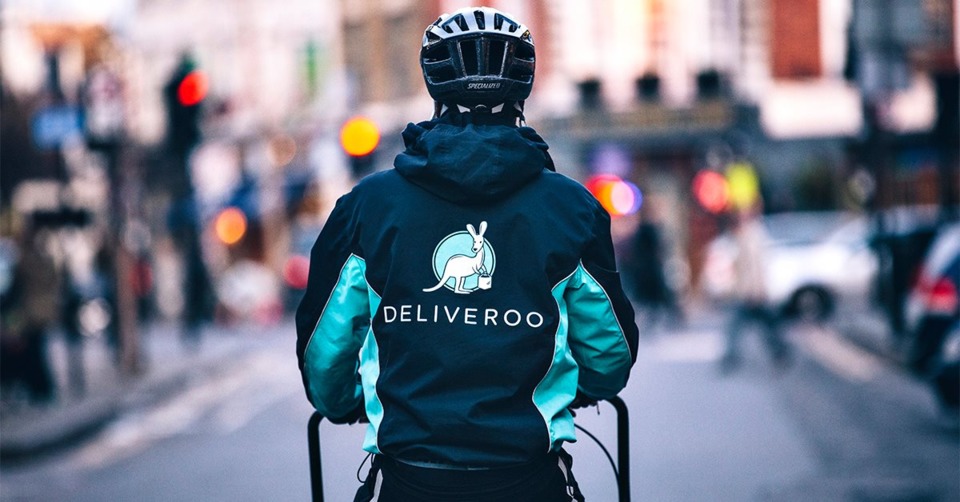
    Hong Kong on-demand platform and food delivery giant Deliveroo has announced the appointment of Kevin Wong Chi Wang as Commercial Director. He will lead the Deliveroo restaurants team, which comprises over 60 account managers, business development professionals, and restaurant operations executives to build the best food delivery partnership experience for restaurants to help them grow their businesses through delivery and establish innovative new ways to drive sales In that context, Kevin will be the face of Deliveroo in the F&B industry to manage a restaurant portfolio of over 8,000 partners and grow Deliveroo’s list of partners in the market.

    Prior to joining Deliveroo, Kevin spent over two decades at The Dairy Farm Group, most recently as the Regional Category Director (Food) in North Asia and as Sales and Merchandising Director for the supermarket leader Wellcome. Immediately prior to joining Deliveroo, Kevin served as General Manager at Asia Wine Service & Education Centre (AWSEC). As the newest member to the Deliveroo Commercial Team, Kevin will utilise his deep understanding of the Hong Kong and Asian food retail markets and current consumer trends, to help the company further its hyper-growth mode. His appointment comes as Deliveroo seeks to boost its commercial team to drive growth ambitions across the city, supporting restaurant and grocery partners, as the company fosters existing relationships and establishes new ones with local favourites, established chains, and homegrown heroes.

    Brian Lo, General Manager of Deliveroo Hong Kong, said: “Kevin is truly a seasoned professional in Hong Kong’s local retail market, and his track record in understanding customers, in-depth industry knowledge, unparalleled merchandising expertise and decades of leadership experience is sure to bring an innovative and thoughtful perspective to the commercial role and the Deliveroo leadership team. He joins Deliveroo at an important time for Deliveroo, as we look to cement the company’s leadership in the on-demand space and amplify recent successes. These include helping steer our ambitious expansion of Deliveroo delivery services, and restaurant partnerships across Kowloon and the New Territories regions, as well as our entry into on-demand grocery delivery. We’re delighted to have Kevin join us here at Deliveroo, and are excited to see what new opportunities and growth he has in store for the business in the coming year.”

    Kevin Wong, newly appointed Commercial Director of Deliveroo Hong Kong, said: “It’s been quite the thrill to see the growth of the food delivery space and the success of Deliveroo in a span of 5 years.Deliveroo is well on its way to becoming the definitive food company here, and I am honoured to be a part of the creative synergy that makes the company uniquely inventive in the on-demand delivery space, especially as we continue to strengthen our relationships with our restaurant partners and help to drive growth here in Hong Kong, while exploring new avenues of growth such as on-demand convenience. I have no doubts that 2021 will be a prosperous year, and look forward to working alongside my passionate team to support more F&B businesses and beyond in Hong Kong to join the thriving Deliveroo network.”

    The expanding Deliveroo team in Hong Kong will support the company’s future ambitions. Following its launch in Hong Kong in 2015, Deliveroo has grown at a record rate and with its accelerated growth and success. Deliveroo is now working with over 8,000 restaurant partners on its platform and has over 7,000 riders. It will continue to invest and expand Editions, which currently has four sites in Hong Kong, supporting 24 kitchens to provide a variety of delicious dishes to consumers. It has attracted significant investment into the HK’s on-demand grocery offerings, partnering with 7-Eleven, Don Don Donki and Marks & Spencer. This year alone, Deliveroo has added more than 3,000 restaurants to its platform, and has opened two new Editions sites within the city, with plans to open more Editions kitchens in Kowloon and New Territories in 2021.

  • Cainiao Launches Reverse Logistics Channel to Provide Cross-Border eCommerce Goods Return Service in Hong Kong

    Cainiao Launches Reverse Logistics Channel to Provide Cross-Border eCommerce Goods Return Service in Hong Kong

    Cainiao Smart Logistics Network, (“Cainiao Network”), the logistics arm of Alibaba Group Holding Limited, today announced the launch of its reverse logistics channel to offer cross-border eCommerce goods return service to Hong Kong customers. Approximately 85 percent of the goods bought on Alibaba’s eCommerce platforms – Taobao and Tmall, and delivered by Cainiao, will be eligible for returns within seven days. Non-returnable goods include food and health products/ supplements. There are plans to launch a direct reverse logistics channel with Mainland China in other key markets such as Singapore, Malaysia, Taiwan, Macau and Russia.

    The streamlined reverse logistics channel comprises 42 drop-off locations across Hong Kong island and a digital customs clearance system. The entire return process can be monitored in real-time by customers on the Taobao app.

    Currently, the eCommerce industry lacks a stable and cost-efficient reverse logistics channel to cater to the needs of merchants’ and Hong Kong customers due to challenges in customs clearance and cross-border logistics. Industry data revealed that the return rates in eCommerce sits at approximately 20 percent, and this figure surges to 30 percent during the holiday season. However, without a reliable goods return service, 31 percent of the customers have kept unwanted items to avoid the hassle of returning them. With an easier return experience, 96 per cent would shop with a retailer again.

    Today, goods returns form an integral part of the holistic online shopping experience, and central to good customer experience and loyalty. Therefore, we are aiming to simplify the returns process with the launch of the first reverse logistics channel between Mainland China and Hong Kong, and deliver a more seamless and fuss-free shopping experience amid the eCommerce boom. As Taobao and Tmall’s official logistics provider, we are continuously leveraging cutting-edge technology and industry partnerships to create a more efficient cross-border logistics service to benefit businesses and consumers,” says Ray Cheuk, Head of Operations (Hong Kong), Cainiao Network.

    This announcement comes after the recent launch of its delivery guarantees to provide assurance and offer protection against late deliveries, damaged and lost goods, while offering value-added services such as customer support via WhatsApp and goods returns.

  • How shoppertainment powers the growth of AliExpress

    How shoppertainment powers the growth of AliExpress

    AliExpress is Alibaba’s cross-border e-commerce platform, which facilitates trade and brings sellers and buyers together. AliExpress does not sell directly, but provides a platform for safe transactions between sellers and buyers. AliExpress was founded in 2010, and is today one of the top cross-border B2C platforms.

    AliExpress is available in more than 200 countries and regions, and recently they launched their selling program to include overseas sellers, limited to some countries. AliExpress was previously only open for Chinese sellers accessing international consumers. Now, they are exploring a change to their business model by opening its marketplace to non-Chinese sellers, which means they will be better positioned to compete against Amazon. About a year ago, AliExpress introduced the platform to international sellers from Italy, Spain, Russia and Turkey.

    To learn more about AliExpress business model and growth plans, I have interviewed Martin Wang, the director of Social Commerce & Innovation Partnership at AliExpress:

    To start off, I would like to introduce my readers to what AliExpress is and what is your future goal and mission?

    • Launched in 2010 by Alibaba Group, AliExpress is a global online retail marketplace that enables consumers around the world to buy directly from manufacturers and distributors from China and other markets. AliExpress is an important part of Alibaba Group’s globalization strategy.
    • Alibaba’s mission is to make it easy to do business anywhere. AliExpress not just serves consumers from all over the world, but also enables small and medium-sized businesses to grow locally and globally. In early 2019, AliExpress opened up its platform for merchants in several pilot markets outside of China, including Russia, Spain, Italy and Turkey. AliExpress’ vision is to leverage its commerce and lifestyle platform to enable consumers and merchants around the world.
    • Leveraging Alibaba Group’s  technology and expertise in commerce, AliExpress has built an infrastructure to provide the best experience for consumers and sellers, including three key components – a well-established platform, localized payment options and an efficient logistic network through local partnerships.
    • Currently, AliExpress operates in 18 local languages and serves more than 200 countries and regions, with strong market presence in Russia, the United States, Spain, France, Brazil, Poland, the UK, the Netherlands, Israel and Korea.

    AliExpress is currently exploring a new business model of welcoming overseas sellers onto the platform, called the overseas seller program. This means overseas sellers can leverage AliExpress as a platform to sell their products. This service is currently limited to Spain, Italy, Russia and Turkey. Any plans in the near future to expand this service to other countries? What are AliExpress global expansion plans?

    • AliExpress’s goal is not just serves consumers from all over the world, but also enables small and medium-sized businesses to grow locally and globally. We started the overseas seller program about 1 year ago, since then, we have seen a huge number of local sellers from the mentioned countries joining the platform, which gave us more confidence on continuing this direction. However, such launching involves a quite heavy investment especially in the beginning like infrastructure, language localization, regulation etc., that’s why we are doing this step by step and will expand when time is ready .

    Amazon recently announced its entrance to the Swedish market. As I live in Norway, I am interested to hear your take on AliExpress positioning in Europe.

    • Europe as a whole is a strategically important market for AliExpress, where we have established strong presence in certain countries, such as Spain, France and Poland. We will continue investing in upgrading infrastructure and user experiences and bringing more quality products and services to consumers there.

    Livestreaming in China has been growing every year, and is now estimated to account for about 9 percent of total e-commerce sales in China. Brands use livestreaming, broadcasting in real-time, as a ‘tool’ to promote products and engage with their potential customers. In Europe, this trend is also gaining traction. Does AliExpress offer merchants this tool in order to reach a bigger audience? If yes, do you have an example of a merchant using livestreaming to succeed on the platform?

    • AliExpress have been offering the livestreaming service for already more than 1 year, and the penetration keeps increasing. We have quite some merchants who have enjoyed a better result via livestreaming, for example, we do have a mobile brand, they held a livestreaming in different languages on AliExpress, and broke the sales record which is more than 400% higher than ever.

    China is the leading nation when it comes to the development of retail and e-commerce. Social Commerce is a pre-existing trend in China, the integration between social networks and commerce. This trend has been amplified during the pandemics. What are your thoughts on the development of social commerce and how are social elements integrated on AliExpress?

    • We believe social commerce is a new trend as consumers are increasingly looking for more from their shopping experience, to interact with brands in new, engaging ways. We’ve seen the tremendous growth in livestreaming sales in China, which have played an important role in driving retail transformation and e-commerce success, and have become a great source of job creation and income especially during the Covid-19 pandemics.  Taking the experiences from China and Alibaba Group, AliExpress has been working with local influencer agencies in Europe, to nurture influencer talent and create a new business approach. We also launched a brand new platform called AliExpress Connect, which is designed to create opportunity for both brands and influencers, as the world moves increasingly toward online shopping. It offers new income sources and job opportunities for influencers and content creators, helping them to scale and digitalize their business. While for brands, it opens up the opportunity to attract new customers.

    Facebook and Instagram are two popular social networks in Europe. Is AliExpress closely linked with these networks?

    • These are two of the most popular social channels where aliexpress is doing different campaigns.

    In China, Key Opinion Leaders (KOLs) and Key Opinion Consumers (KOCs) are essential in marketing to reach more consumers. In the West, we are more used to hear influencers. How is AliExpress looking to use influencers in the West?

    • We do have the AE Connect platform for influencers, both Aliexpress and our sellers will post different tasks such as content creation, livestreaming, brand awareness, new user acquisition etc., and influencers will get paid based on the performance.
    • If anyone is interested in joining the program, you could email to the following: [email protected] or go directly to: https://connect.aliexpress.com/ to check our tasks and terms right away.

    To sum up, AliExpress, among other digital marketplaces, are gaining presence in Europe and around the world. AliExpress is not just a marketplace that connects sellers and buyers, but a lifestyle app that creates unique user experiences.

  • Paul Frank sold to Futurity Brands

    Paul Frank sold to Futurity Brands

    Futurity Brands Switzerland AG today announced the acquisition by its subsidiary, Paul Frank Limited, of all intellectual property rights worldwide to the acclaimed PAUL FRANK pop culture and character lifestyle brand. The global purchase from U.S. company Paul Frank Industries LLC includes an extensive design portfolio including more than 150 characters, headlined by the iconic Julius the Monkey. Futurity Brands will be responsible for the management and growth of the brand’s international licensing, distribution and direct to consumer business. With offices in Zurich, Hong Kong, Tokyo and Sydney, the newly formed Futurity Brands management team, led by Chairman and CEO Stan Wan, will take the evergreen IP back to its Southern Californian roots whilst reshaping its celebrated global appeal for the enjoyment of generations to come.

    Paul Frank Industries was born in 1995 out of Huntington Beach, California. Known for its nostalgic bright colours, quirky humour and the iconic Julius the Monkey, the Paul Frank brand has been creating smiles and bringing whole-hearted sincerity to its global fan base for over 25 years across North and South America, Asia, Europe and Australia.

    Futurity Brands is a purpose-driven, end to end lifestyle brand management company focused on serving brands that can create a better tomorrow. Through its acquisition, licensing, distribution, design and strategic supply chain capabilities, Futurity Brands aims to deliver long term shareholder value by investing in brands and innovation that will provide consumer-centric solutions to global challenges.

  • Hotels continue to suffer Covid-19 impacts

    Hotels continue to suffer Covid-19 impacts

    Vietnam’s third Covid-19 outbreak last month has exacerbated the problems of low occupancy and plunging revenues for hotels and resorts nationwide.

    Average daily rates in October slumped 25 percent year-on-year, said Mauro Gasparotti, director of real estate consultancy Savills Hotels Asia Pacific.

    In HCMC, occupancy has hovered under 20 percent since the April lockdown, compared to 72 percent during the same period last year.

    The latest outbreak in HCMC last month followed the second one that hit July and August with hundreds of cases, all linked to Da Nang City, which badly affected the high season for the hospitality industry, Gasparotti said.

    Savills data shows that overall, the resort market is barely crossing the 25 percent occupancy mark, except for some located in drive-to destinations where it is 10 to 15 percentage points higher than the national average.

    “The market is in a slow recovery. Even though local demand has delivered a strong rebound, it has not proven steady enough to support hotel and resort performances.”

    While expectations for 2021 are positive, they are mainly focused on the third and fourth quarter when it is anticipated that travel restrictions will be eased and corporate guests and independent travellers from neighbouring counties will be able to return, partially supporting recovery of the hotel and resort market, he added.

    In the first 11 months of this year, foreign arrivals hit 3.8 million, down 76.7 percent year-on-year, according to the General Statistics Office.

  • Gojek Vietnam raises fares after tax regime change

    Gojek Vietnam raises fares after tax regime change

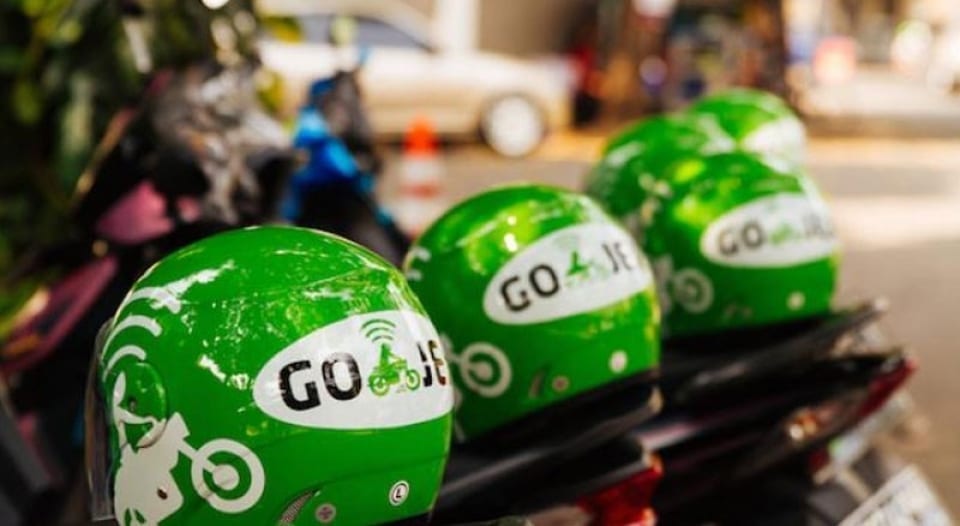
    Ride-hailing company Gojek has raised fares by 8.3-10 percent following the recent revamp of the value-added tax regime, which requires it to pay more.

    The hike applies to all three services it offers in Vietnam, motorbike taxi, food delivery and goods delivery, and takes effect on Saturday, the Indonesian company said in a statement.

    In Hanoi, a two-kilometer GoRide trip now costs 8.3 percent more at VND13,000, while in HCMC, it costs 10 percent more at VND11,000.

    From December 5 the government mandated that ride-hailing companies should pay the VAT of 10 percent on the full fare passengers pay instead of just their share of it.

    Gojek also increased the commission it gets from drivers from 20 percent to 27.2 percent like its competitor Grab did recently.

    But it assured that the increase would not affect drivers’ incomes.

    A trip that cost a passenger VND51,000 before would now cost VND56,000, but the driver’s income would remain unchanged at VND40,000, it said.

    Grab last week raised its fares by 5-6 percent and increased its commission by over 7 percentage points, causing hundreds of drivers in Hanoi and Ho Chi Minh City to strike.

  • How art and apps drove growth for K11 malls

    How art and apps drove growth for K11 malls

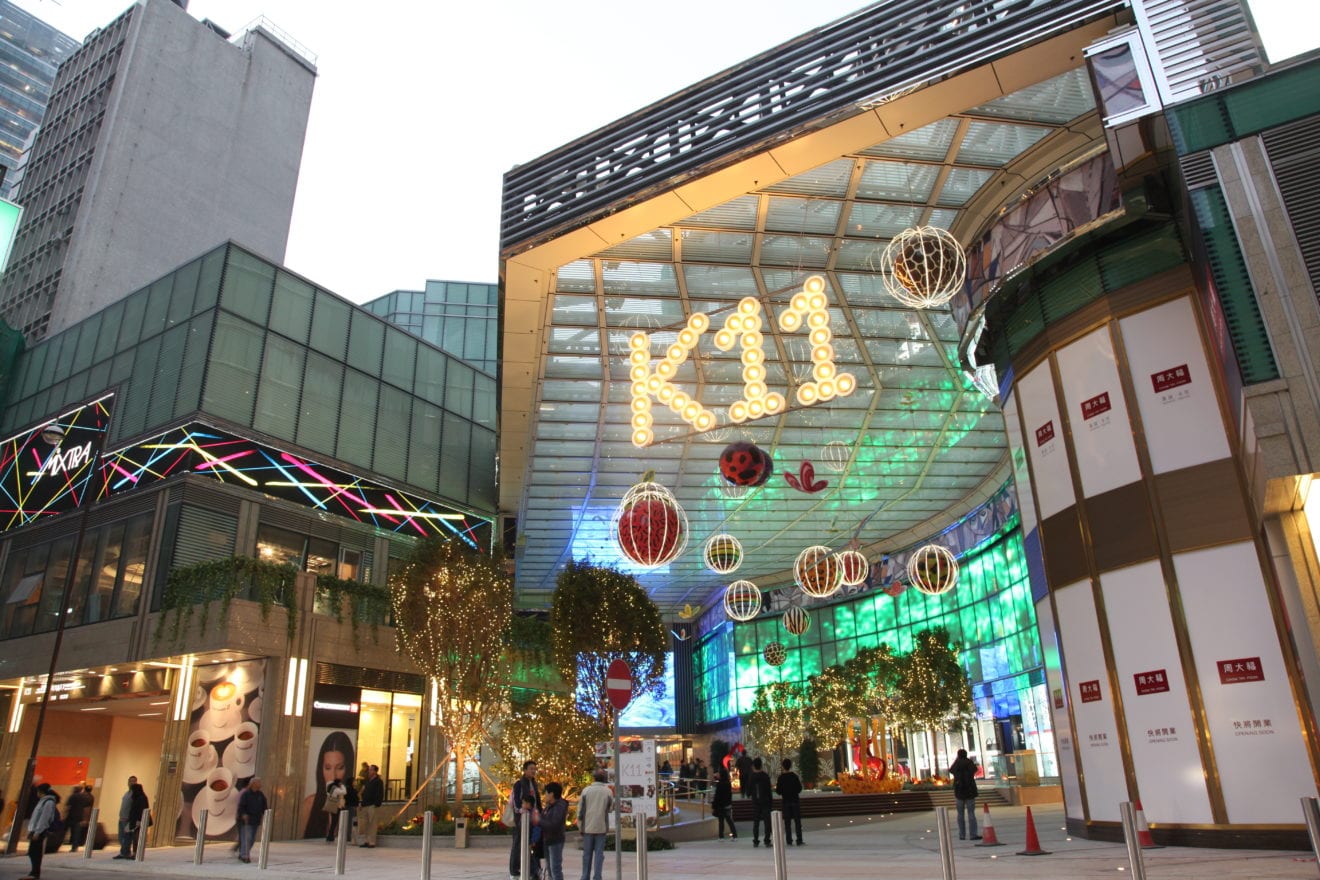
    How art and apps drove growth for K11 malls – before and after pandemic. Revenge consumption has helped K11 shopping centres across Mainland China and Hong Kong flourish in the wake of the Covid-19 pandemic as the company worked to attract customers back to spending mode – and away from rival malls.

  • Shopee celebrates record-breaking 12.12 Birthday Sale

    Shopee celebrates record-breaking 12.12 Birthday Sale

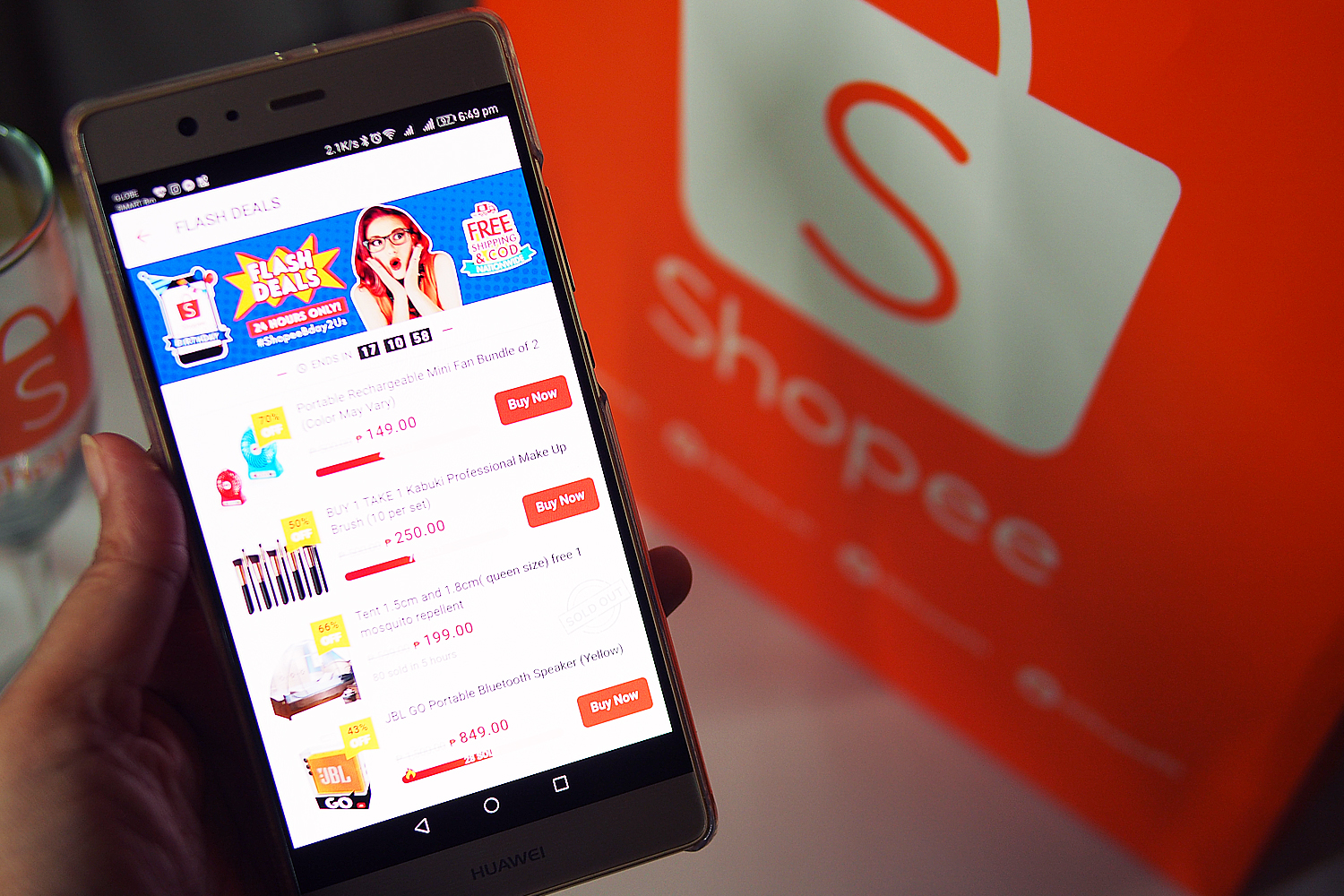
    Shopee, the leading e-commerce platform in Southeast Asia and Taiwan, wraps up the year-end shopping season with a record-breaking 12.12 Birthday Sale. On 12 December, 12 million items were sold in the first 24 minutes and at its peak, 1 million items were bought in a single minute.

    Terence Pang, Chief Operating Officer at Shopee said “We are humbled to end the year on a high note with a groundbreaking 12.12 Birthday Sale. Given the unprecedented year that 2020 has been, we wanted our fifth birthday to be a special day not just for Shopee but for the people we serve. E-commerce has become of increasing importance in our lives and has evolved beyond a platform to access basic needs to one that connects people and businesses. We are glad to have been able to celebrate the past five years with our users, sellers and brand partners and are truly excited for what is to come.”

    Shopee ushered in the festive season with endless fun and greater convenience

    Users joined Shopee every day for four weeks of fun and entertainment leading to 12 December, where they shopped from over 2 billion products. Consumers spent more time on Shopee’s in-app games and features, which offered greater rewards and value.

    • 450 million views were recorded on Shopee Live across the entire 12.12
    • Shopee’s in-app games were played a record of 2.7 billion times
    • Two of Shopee’s newest games, Shopee Bubble and Shopee Candy were a big hit, with a total of 28 million hours played

    The surge in shopping activity was also met with increasing adoption of digital payments. In particular, users enjoyed the convenience of Shopee’s integrated mobile wallet AirPay, with orders paid via the mobile wallet surging 18 times from an average day.

    12.12 Birthday Sale highlights in Thailand

    In Thailand, users enjoyed a constant stream of attractive deals on 12 December, supported by Shopee’s robust ecosystem.

    Thais took this chance to fulfil all their essential and entertainment needs with Home & Living, Beauty & Personal Care and Mobile & Gadgets emerging as the best-selling product categories.

    • Home & Living: Consumers took the time to revitalise their homes on 12 December, with more than 100,000 3D Wallpapers sold.
    • Beauty & Personal Care: Skincare was a big priority as people geared up for the festive season and the new year with 550,000 skincare products sold on 12 December.
    • Mobile & Gadgets: There was strong demand for new phones, gadgets, and electronics accessories. In particular, 400,000 smartphone accessories were sold on 12 December
    • Top Keyword search: On 12 December, the top keywords searched were “iPhone case” and “New Year Gift”, as Thais looked to treat themselves and their loved ones ahead of the new year.
    • Strong demand in the major cities: Shopping activity was highest in Bangkok on 12 December. At its peak, 500,000 items were sold in an hour.

    Powered by the surge in shopping activity, sales peaked for businesses on Shopee. A top electronics retailer recorded THB 7 million in sales per hour on 12 December.


  • Kevin Wong Appointed Commercial Director of Deliveroo Hong Kong

    Kevin Wong Appointed Commercial Director of Deliveroo Hong Kong

    Hong Kong on-demand platform and food delivery giant Deliveroo has announced the appointment of Kevin Wong Chi Wang as Commercial Director. He will lead the Deliveroo restaurants team, which comprises over 60 account managers, business development professionals, and restaurant operations executives to build the best food delivery partnership experience for restaurants to help them grow their businesses through delivery and establish innovative new ways to drive sales In that context, Kevin will be the face of Deliveroo in the F&B industry to manage a restaurant portfolio of over 8,000 partners and grow Deliveroo’s list of partners in the market.

    Prior to joining Deliveroo, Kevin spent over two decades at The Dairy Farm Group, most recently as the Regional Category Director (Food) in North Asia and as Sales and Merchandising Director for the supermarket leader Wellcome. Immediately prior to joining Deliveroo, Kevin served as General Manager at Asia Wine Service & Education Centre (AWSEC). As the newest member to the Deliveroo Commercial Team, Kevin will utilise his deep understanding of the Hong Kong and Asian food retail markets and current consumer trends, to help the company further its hyper-growth mode. His appointment comes as Deliveroo seeks to boost its commercial team to drive growth ambitions across the city, supporting restaurant and grocery partners, as the company fosters existing relationships and establishes new ones with local favourites, established chains, and homegrown heroes.

    Brian Lo, General Manager of Deliveroo Hong Kong, said: “Kevin is truly a seasoned professional in Hong Kong’s local retail market, and his track record in understanding customers, in-depth industry knowledge, unparalleled merchandising expertise and decades of leadership experience is sure to bring an innovative and thoughtful perspective to the commercial role and the Deliveroo leadership team. He joins Deliveroo at an important time for Deliveroo, as we look to cement the company’s leadership in the on-demand space and amplify recent successes. These include helping steer our ambitious expansion of Deliveroo delivery services, and restaurant partnerships across Kowloon and the New Territories regions, as well as our entry into on-demand grocery delivery. We’re delighted to have Kevin join us here at Deliveroo, and are excited to see what new opportunities and growth he has in store for the business in the coming year.”

    Kevin Wong, newly appointed Commercial Director of Deliveroo Hong Kong, said: “It’s been quite the thrill to see the growth of the food delivery space and the success of Deliveroo in a span of 5 years.Deliveroo is well on its way to becoming the definitive food company here, and I am honoured to be a part of the creative synergy that makes the company uniquely inventive in the on-demand delivery space, especially as we continue to strengthen our relationships with our restaurant partners and help to drive growth here in Hong Kong, while exploring new avenues of growth such as on-demand convenience. I have no doubts that 2021 will be a prosperous year, and look forward to working alongside my passionate team to support more F&B businesses and beyond in Hong Kong to join the thriving Deliveroo network.”

    The expanding Deliveroo team in Hong Kong will support the company’s future ambitions. Following its launch in Hong Kong in 2015, Deliveroo has grown at a record rate and with its accelerated growth and success. Deliveroo is now working with over 8,000 restaurant partners on its platform and has over 7,000 riders. It will continue to invest and expand Editions, which currently has four sites in Hong Kong, supporting 25 kitchens to provide a variety of delicious dishes to consumers. It has attracted significant investment into the HK’s on-demand grocery offerings, partnering with 7-Eleven, Don Don Donki and Marks & Spencer. This year alone, Deliveroo has added more than 3,000 restaurants to its platform, and has opened two new Editions sites within the city, with plans to open more Editions kitchens in Kowloon and New Territories in 2021.

  • Sephora lost $6 million in FY19, and Covid-19 has made it worse

    Sephora lost $6 million in FY19, and Covid-19 has made it worse

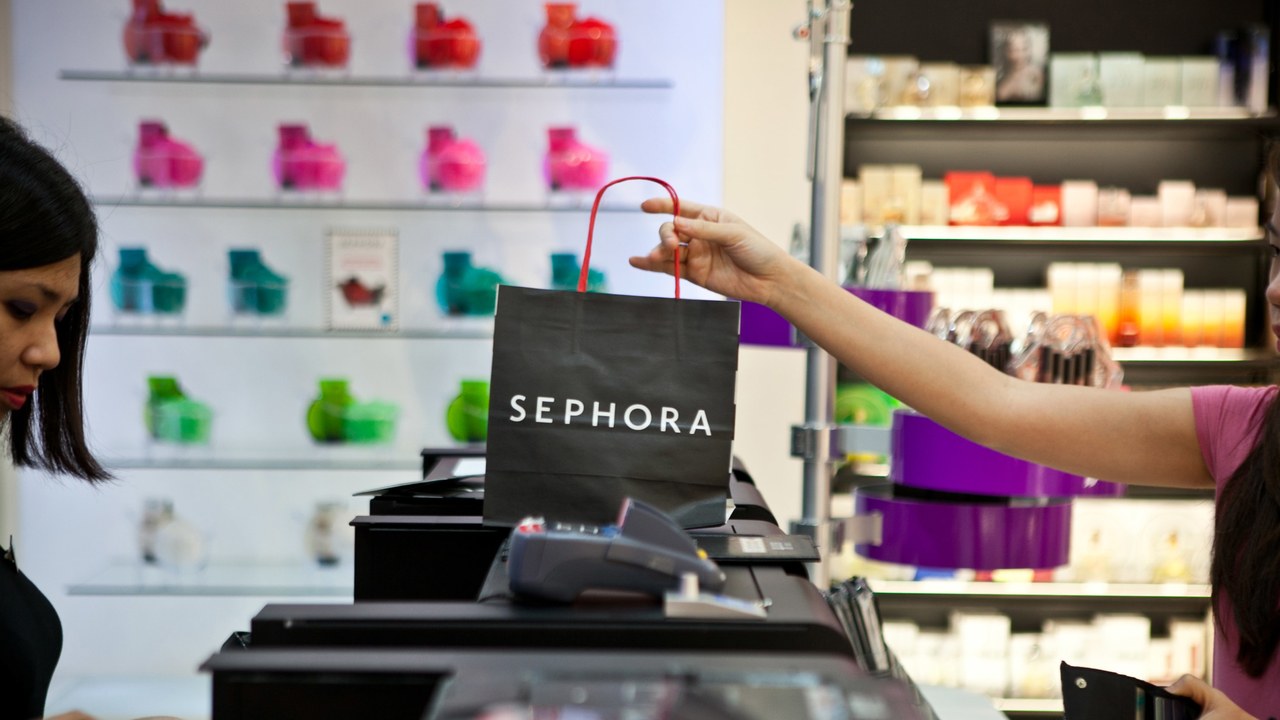
    Sephora has decided to close all North-American stores through April 3. In a statement, the brand states that corporate employees will be working from home, while retail employees will be compensated during their time off. “Following guidance from public health authorities, we understand that practicing social distancing and reducing dense public gatherings as much as possible is critically important at this time,” the company wrote. “This is truly a global effort that requires all of our participation.”

  • Chinese mystery box retailer Pop Mart rakes in millions from millennials

    Chinese mystery box retailer Pop Mart rakes in millions from millennials

    Taking pride of place in 28-year-old Beijing lawyer Wu Ge’s bedroom are dozens of small figurines displayed on clear plastic shelves with designs ranging from cherubic dolls to characters from Japan’s Pokemon series.

    Wu estimates that she has spent over 5,000 yuan ($766) in the past three years buying the pieces from Chinese toy seller Pop Mart International Group, amassing a collection of over 80 figurines.

    Millions of young Chinese toy lovers like her are behind the popularity of Pop Mart, a Beijing-based company due to list in Hong Kong on Friday after raising $676 million in an initial public offering that priced at the top of its range, valuing the decade-old firm at as much as $7 billion.

    The company’s main product is “mystery” toy boxes that each hold a single figurine such as “pool babies” from the elf-like Pucky range, which Wu says are her favorite, or different versions of its best-selling character, the large-eyed, round-faced Molly doll.

    The boxes, which cost about $9 each, have been a big hit with China’s millennials. Consumers born after 1995 spend more on mystery toys than any other hobby, including fancy shoes and esports, according to a report last year by Alibaba-backed online shopping platform Tmall.

    Pop Mart, the market leader, more than tripled its revenues last year to 1.68 billion yuan ($256.8 million), according to its prospectus.

    The IPO drew strong interest from investors, with the retail offer 356 times oversubscribed.

    “The company operates in a niche and doesn’t really have any listed comparables in the region,” said Aequitas Research partner Sumeet Singh, who publishes on the Smartkarma research platform. “In addition, it is continuing to expand its network which will continue to aid growth.”

    Pop Mart and its advisors were so confident the deal would be popular that it elected not to take cornerstone shareholders which are common in Hong Kong IPOs.

    “I think consumer concepts will be a new focus in the market,” said a banker with direct knowledge of the matter who declined to be named as he was not authorized to speak to media. “In China, consumption is the growth engine of the economy.”

    Pop Mart’s listing will make its 33-year-old founder Wang Ning, who holds a 56% share in the firm, a billionaire. Pop Mart did not respond to requests for an interview.

    Mystery toy boxes are not new and trace their origins to Japan’s vending machine capsule models, Gashapon, a cash cow for the likes of toymaker Bandai. But Pop Mart has taken the trend to new heights, teaming up with artists to design new figurines and build up a pool of trademarks.

    The company now distributes its products in 21 countries outside China. Its customers – mostly aged 18 to 35 – are 75% female, the prospectus said.

    A key attraction for shoppers who buy the toys either online, from Pop Mart’s 136 mainland China stores, or 1,001 vending machines, is the surprise element: They do not know which exact figurine they get until they open the box.

    Some have become lucrative collectibles. Wang Di, a 19-year-old university student with more than 100 figurines, said she recently sold a rare Labubu – a rabbit-like creature with monster’s teeth – for over 700 yuan, more than 10 times what she paid for it.

    But other fans say they just love the toys for themselves.

    “Working pressure is huge for young people, and when I see these beautiful figurines on my desk, I’m cheered up. Some people prefer fresh flowers on their desk, and they are flowers for me,” said Wu.