Tag: asia

  • Adyen and Microsoft Launch Network Token Optimization

    Adyen and Microsoft Launch Network Token Optimization

    Adyen , the global payments platform of choice for many of the world’s leading companies, expands its collaboration with Microsoft to accelerate payments innovation for both companies with the launch of Adyen Network Token Optimization. Adyen is one of the first payment platforms to enable tokenized payments across multiple schemes and to offer automated optimization of the use of tokens to increase authorization rates. By adopting Network Token Optimization, merchants like Microsoft are able to realize significantly more revenue due to increased authorization rates.

    “Customer experience is at the center of everything we do, and when it comes to the payments process it’s about making it faster, simple and secure,” said Matt Rossmeissl, Vice President of Commerce Engineering Operations at Microsoft. “Product innovation is at the core of what we do at Microsoft and Adyen’s Network Token Optimization is a factor in driving better authorization rates and customer satisfaction.”

    Adyen and Microsoft have been working together since July 2015, starting with European acquiring. Today, Adyen processes payments for Microsoft globally, across all Microsoft products and services. Microsoft utilizes multiple Adyen products in addition to Network Token Optimization, including Real-time Account Updater to ensure a seamless consumer shopping experience by always charging the most up to date card. Adyen also supports various local payment methods in a number of countries for Microsoft, including U.S.-based debit networks, a more recent Adyen development.

    “We always build products with a focus on our merchants and their end customers, and Microsoft pushes us to help create better global solutions. We have benefited from Microsoft’s consistent desire to provide better experiences for their customers,” said Kamran Zaki, COO at Adyen. “At the forefront of innovation, the Microsoft team is always willing to act as an early adopter for many of our new products and features. We work together every day to create positive shopping experiences for Microsoft customers, and are excited to see what we will create next.”

  • Standard Chartered Receives Enhanced Privileges in Singapore

    Standard Chartered Receives Enhanced Privileges in Singapore

    The recognition comes on the back of the U.K.-Singapore Free Trade Agreement, signed on Thursday.

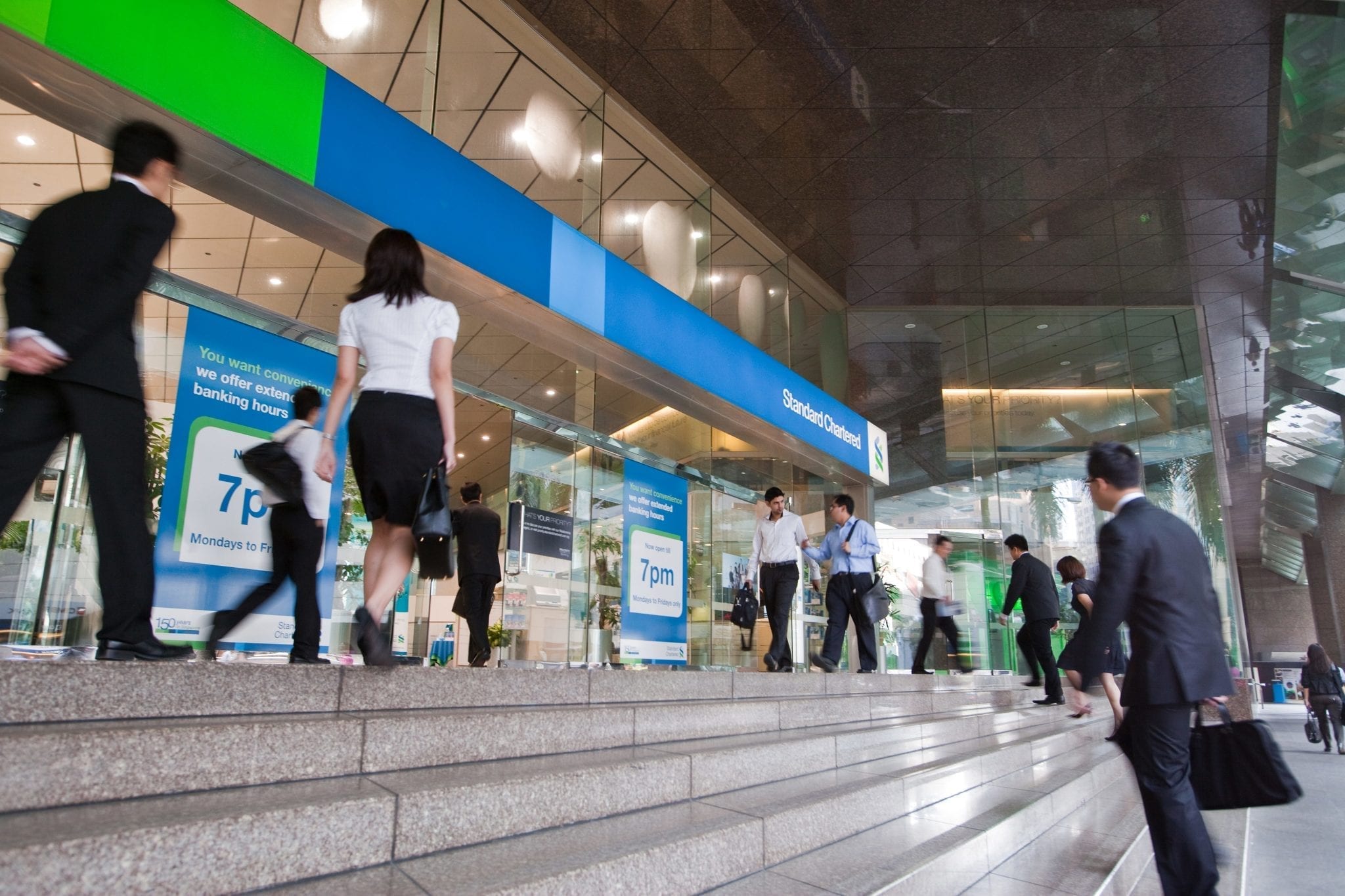
    The Monetary Authority of Singapore (MAS) has granted Standard Chartered Bank (Singapore) enhanced Significantly Rooted Foreign Bank (SRFB) privileges, in recognition of the significantly higher degree of rootedness that exceeds the SRFB baseline criteria.

    As part of the U.K.-Singapore FTA, Standard Chartered will be entitled to additional customer service locations on top of the 50 it is entitled to as an SRFB.

    The enhanced SRFB privileges also give Standard Chartered the opportunity to secure an additional full bank license to establish a subsidiary to operate new or alternative business models such as a digital-led bank with ecosystem partners, which it has been planning as part of a joint venture with National Trade Union Congress (NTUC) Enterprise.

    Standard Chartered’s roots in Singapore trace back over 160 years when it set up its first branch in 1859 under its former name, Chartered Bank of India, Australia and China.

    Singapore is now the group’s operational hub, housing global businesses, technology and operations, and many of the bank’s leadership teams. The country is also home to SC Ventures, the bank’s innovation, ventures and fintech investments unit. The bank also plans to grow its international wealth business in Singapore and has invested S$8 million to train and upskill its workforce in the city-state.

    We have invested and grown in Singapore to be the global business and operations hub that we are today, and we look forward to playing our part in developing the country’s banking landscape, Bill Winters, Standard Chartered group chief executive, said in a statement.

  • HSBC Co-Head of Advisory and Investment Banking Exits

    HSBC Co-Head of Advisory and Investment Banking Exits

    HSBC’s co-head of advisory and investment banking coves has left the bank to pursue a senior role outside of the industry after joining two years ago.

    Peter Enns has left HSBC, after relocating to Asia from London last year where he was last the global head of financial institutions group for the bank.

    Prior to joining HSBC, Enns spent 21 years with Goldman Sachs in various roles including as the head of its Canada business.

    Enns leaves both business areas in stronger franchise positions, with improved financial performance, said Greg Guyett, co-CEO of global banking and markets in the memo. I would like to thank Peter for his contributions to HSBC.

    According to the bank, a search will be launched to replace Enns whose responsibilities in the meantime will be assumed by Adam Bashaw, the other global co-head of advisory and investment banking coverage.

    Separately, the bank is also strengthening its Asia business with the relocation of its global head of fixed income research Steven Major from London to Hong Kong.

  • Marks & Spencer shuts store in Singapore

    Marks & Spencer shuts store in Singapore

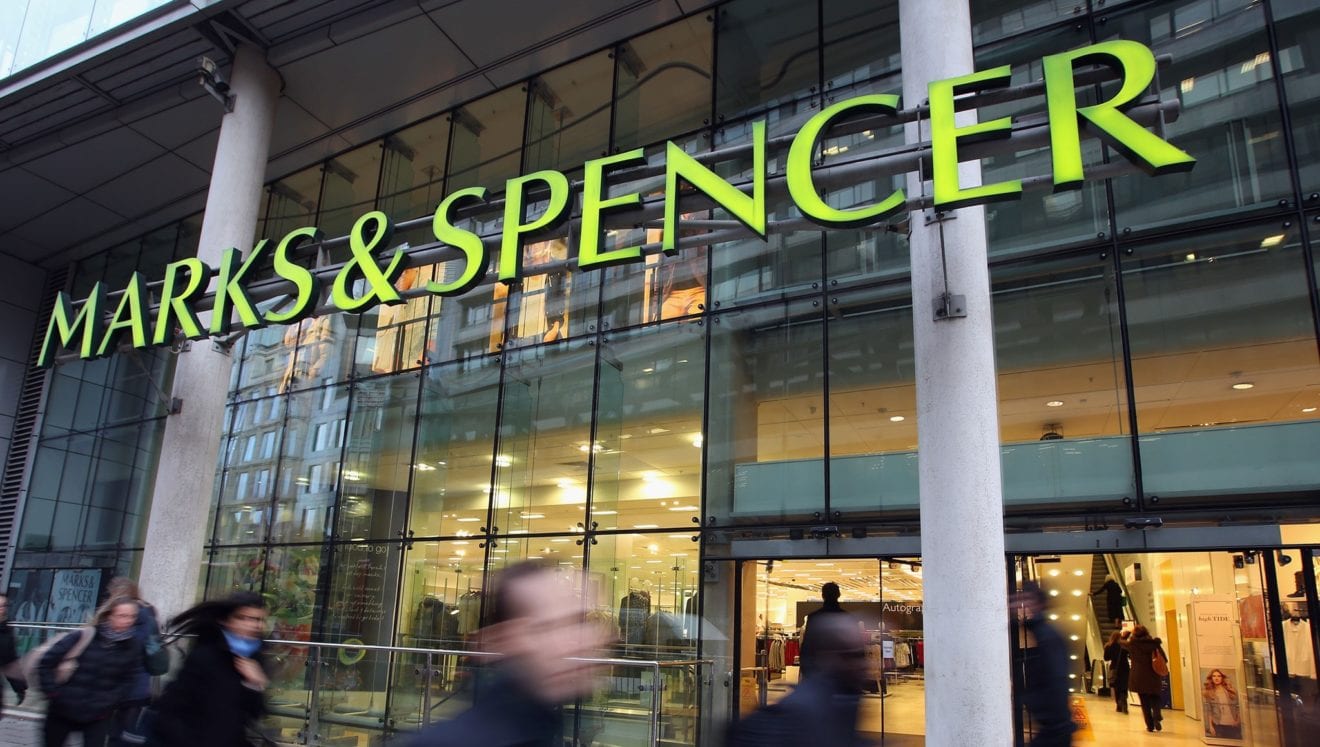
    British retailer Marks & Spencer will be closing its outlet at Raffles City Shopping Centre on Dec 31, but its 10 other stores islandwide will remain open.

    In the advertisement, it said that there are discounts of up to 70 percent for its items. The closure on Dec 31 will bring to an end 34 years of operation in the location.

    “Marks & Spencer remains fully committed to the local market, and is continuing to explore growth opportunities of our business in Singapore. We are continually enriching our services and product catalogs, and are eagerly looking for ways to advance our business with store upgrades,” the retailer’s spokesman told The Business Times on Thursday.

    Both Marks & Spencer and Robinsons are part of the Dubai-based Al-Futtaim group, owned by Emirati tycoon Abdulla Al Futtaim and run by his son Omar, according to Forbes.

    In October, Robinsons announced its exit after 162 years of operations in Singapore. It has continued to keep its last two stores at The Heeren and Raffles City open for closing-down sales.

    Its liquidators told BT that Robinsons’ flagship store at The Heeren will close on Dec 16, but said that they are still in talks with the landlord at Raffles City.

    The Marks & Spencer branch at Raffles City is the only one closing as the lease is signed under Robinsons, BT reported.

    When The Straits Times visited the outlet at about 6.30pm on Thursday, there was no queue to enter the store, which had sales posters displayed at the entrance and in many spots in the shop.

    Ms Marilyn Ng, who works in the finance sector, was there with her husband to buy clothes. Ms Ng said she happened to be doing some Christmas shopping in the area, and chanced upon the sale at Marks & Spencer. Mr Ng, who is in her 40s, said that she has been shopping at Marks & Spencer for about 20 years, and regularly buys clothes and food from the retailer.

    As for the moving out sale, Ms Ng said it did not appear unusual to her, since it is the festive season and many shops are having sales.

    The shop’s staff said that the department store is just moving out of the Raffles City outlet, but is not closing down and that its other outlets will stay open.

    The retail chain had opened a pop-up outlet on the first floor of Waterway Point in Punggol in late October, which will operate for six months.

    Marks & Spencer also said that it had no intention of closing its “thriving business” in Singapore, although the franchise has not been making as much recently, recording earnings of $101,613 in 2018, down from $2.9 million in 2017.

  • UBS Private Bank Shuffles Top Executives

    UBS Private Bank Shuffles Top Executives

    The operating chief of UBS’ flagship wealth unit is leaving the job. His replacements will split oversight of the U.S. and rest of the world.

    Reto Wangler, operating chief to private bank co-heads Iqbal Khan and Tom Naratil, is leaving for a roughly year-long sabbatical from UBS, from February 1, according to a memo.

    He returns to the Swiss bank in a new role next year, the memo said. Wangler advanced to the job in 2018 through a mega-merger of its U.S.-based brokerage and wider, international private bank for the wealthy. A spokesman for UBS didn’t immediately respond to a request for comment.

    He will be replaced by Kate Newcomb as well as Wiwi Gutmannsbauer at the $2.6 trillion unit, effective February 1, according to the memo. Newcomb, who currently oversees operations at the U.S. wealth unit, will continue to do so.

    Meanwhile, Gutmannsbauer, who UBS seconded to Asia nearly three years ago to oversee operations for its regional wealth activities, will take on Switzerland and international. Gutmannsbauer will relocate to Zurich from Singapore in the second quarter of 2020.

    Both he and Newcomb have spent much of their career in operations: she began at Paine Webber, a predecessor brokerage, as an accountant in 1984 and moved to operations just before the financial crisis.

    Gutmannsbauer has held various operations roles in the private bank. With their successful track records, they are ideally suited to further strengthen our digital capabilities and front-to-back efficiency, private bank co-heads Khan and Naratil wrote in the memo to staff.

  • Vietnam jet fuel tax cut to continue through 2021

    Vietnam jet fuel tax cut to continue through 2021

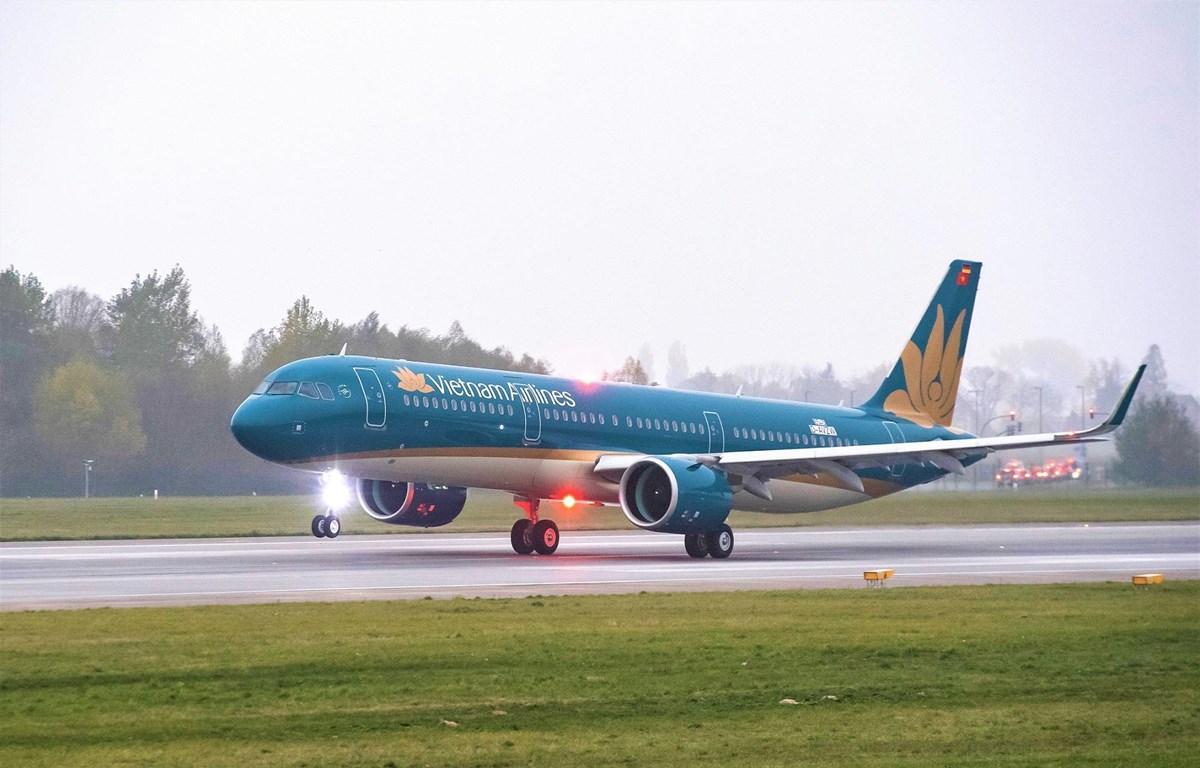
    Lawmakers have decided to continue the 30-percent cut in environment tax on jet fuel through next year to support the aviation industry.

    It will remain at VND2,100 (9.1 U.S. cents) per liter until the end of next year before returning to VND3,000 in 2022, the National Assembly Standing Committee decided on Thursday.

    Deputies had originally approved the cut from August until the end of this year.

    The government’s loss of revenues is estimated at VND360-400 billion this year, but it expects the tax break to reduce airlines’ costs and help them recover from the crisis caused by the Covid-19 pandemic.

    Airlines have gone through major difficulties due to travel restrictions and limited international flights.

    Vietnam Airlines forecasts a loss of VND14.8 trillion this year, while for budget carrier Vietjet it is likely to be VND3 trillion.

    The aviation industry served 29.4 million passengers in the first 11 months, down 41.7 percent year-on-year, according to the General Statistics Office.

  • Apple Services to outperform the iPhone by 2024

    Apple Services to outperform the iPhone by 2024

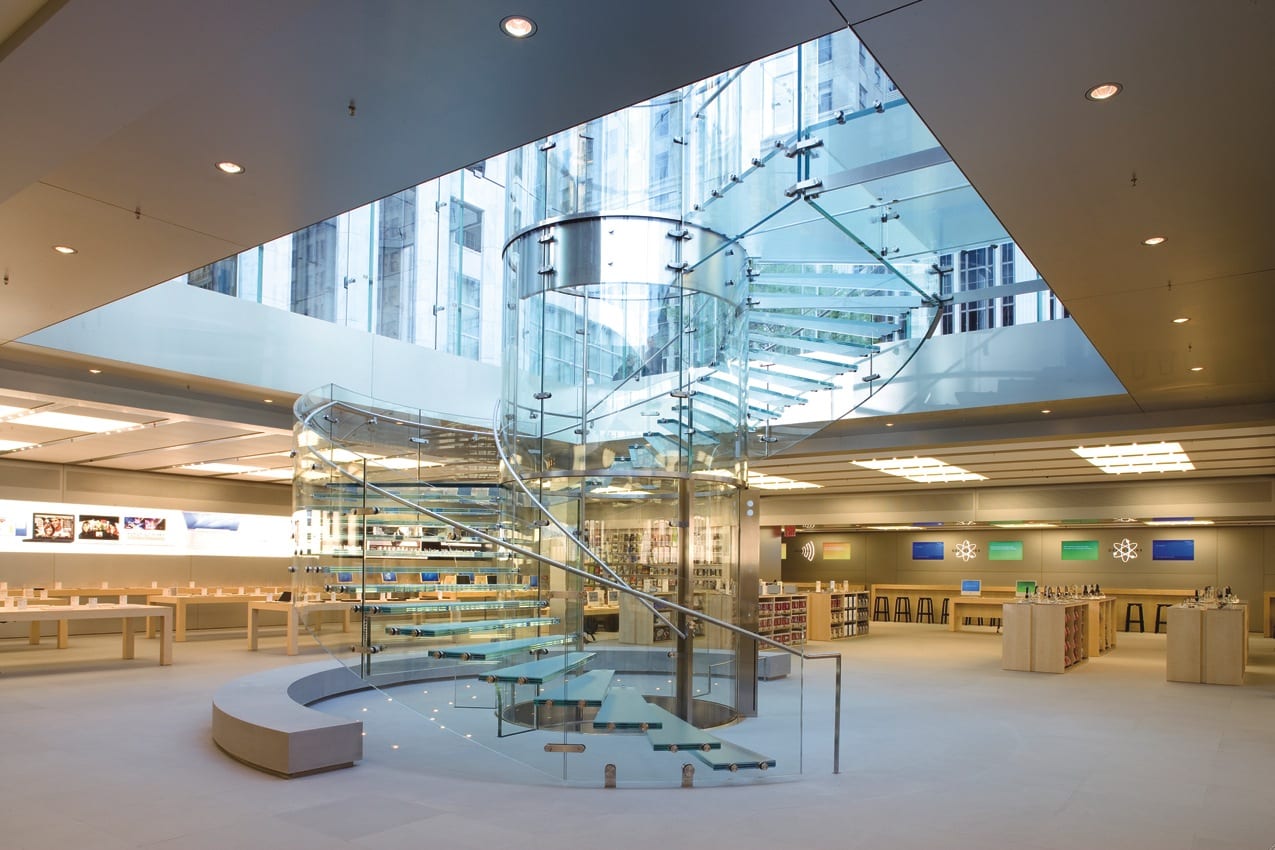
    In the first quarter of 2017, Apple iPhone sales peaked at 78 million units worldwide. Worried that sales of the device were dropping off, Apple decided to start focusing on selling services to the 728 million iPhone users worldwide as the second quarter of 2017 started. Apple set a goal to double its services related revenue to $50 billion from $25 billion by 2020. This was best accomplished by having iPhone users sign up to make recurring monthly payments for subscription services such as Apple Music, Apple News+, and more. And for fiscal 2020, which ended in September, Apple generated $53.77 billion in services revenue topping its goal right on time.

    Within the next four years Apple will be generating the majority of its revenues from Services instead of the iPhone. This will take place even though the growth in Services revenue will decline to 11% a year from the 22% growth rate that the division has enjoyed over the last four years. By Fiscal 2024, the services unit will bring in $81.5 billion says Forbes as Apple relies on the growth of both subscription titles and the apps purchased from the App Store. While Apple’s Services businesses continue to grow, iPhone gross should grow at an annual rate of only 5% per annum over the next five years to approximately $167 billion. Between 2016 and 2020, iPhone revenue was flat.

    Also interesting is a word that Apple’s Services units are now experiencing stronger profit margins than what Apple’s hardware has been generating. During the fiscal year 2020, profit margins for Apple’s hardware products came to 31.5% compared to a much stronger 66% for services. If margins remain at current levels, gross profits for Services would be $54 billion in the fiscal year 2024 topping the iPhone’s $53 billion gross profit for the same year.

    Some of these forecasts are dependent on what happens with the Justice Department’s suit against Google. The latter pays Apple to be the default search engine on iPhone models and if the DOJ blocks Google from making these payments, the result could negatively impact Apple’s Services growth.

  • Malaysian Mattress Start-up Launches German-Designed Mattresses with Free Delivery!

    Malaysian Mattress Start-up Launches German-Designed Mattresses with Free Delivery!

    Malaysian e-commerce, Origin, is gaining a foothold in Malaysia with its German-designed hybrid mattress — Origin Hybrid® Mattress.

    Founded by a pair of Malaysian locals and spearheaded by the German design engineer, Frank Richter, the online brand was established with the mission to simplify the process of buying a suitable mattress.

    By offering quality mattresses from an affordable price at RM1,225 and in-house services such as free, same-day delivery, the company is working to make premium mattresses accessible to Malaysians country-wide. Customers are also entitled to 120-Night Trial as a foolproof way of accessing the suitability of their mattress.

    The Origin Hybrid® Mattress went through a dozen sleeping trials, over 10 product tests, and 100 density changes before its launch. It has been recognised by Drum It Loud and for clinching the Best Mattress Design Award in “The Bester Matratze Design Preis Contest, Berlin”.

    Their Pillow is one of the best available in Singapore and Malaysia, matching even the best and highest priced Pillow in terms of features and function. The pillow was also awarded as one of The Best 8 Pillows in Singapore by Best in Singapore!

    Accolades aside, the Origin Hybrid® Mattress made its mark with this list of exclusive perks as well:

    • Micro Precision Springs™️ with motion isolation features
    • Contains a cooling Tencel layer to increase air circulation and tailored to combat Malaysia’s tropical heat
    • 3-in-1 hybrid mattress featuring memory foam and a later of natural latex for body relief, extreme comfort, and resistant to allergens like dust mites and mould.

    Origin has since expanded its collection to include bed frames, pillows, and mattress toppers.

    Customers can simply purchase their room furniture and bedding via their website or make a trip to their showroom.

    Address: No. 77 Jalan SS2/55 47300, Petaling Jaya, Selangor, Malaysia

    Opening hours:

    Monday to Friday: 10 am – 7 pm

    Saturday: 10am – 5pm

    Closed on Sunday and Public holiday.

    For more info: Website | Facebook | Instagram


  • Cebu Pacific steadily restores capacity in complex Covid-19 times

    Cebu Pacific steadily restores capacity in complex Covid-19 times

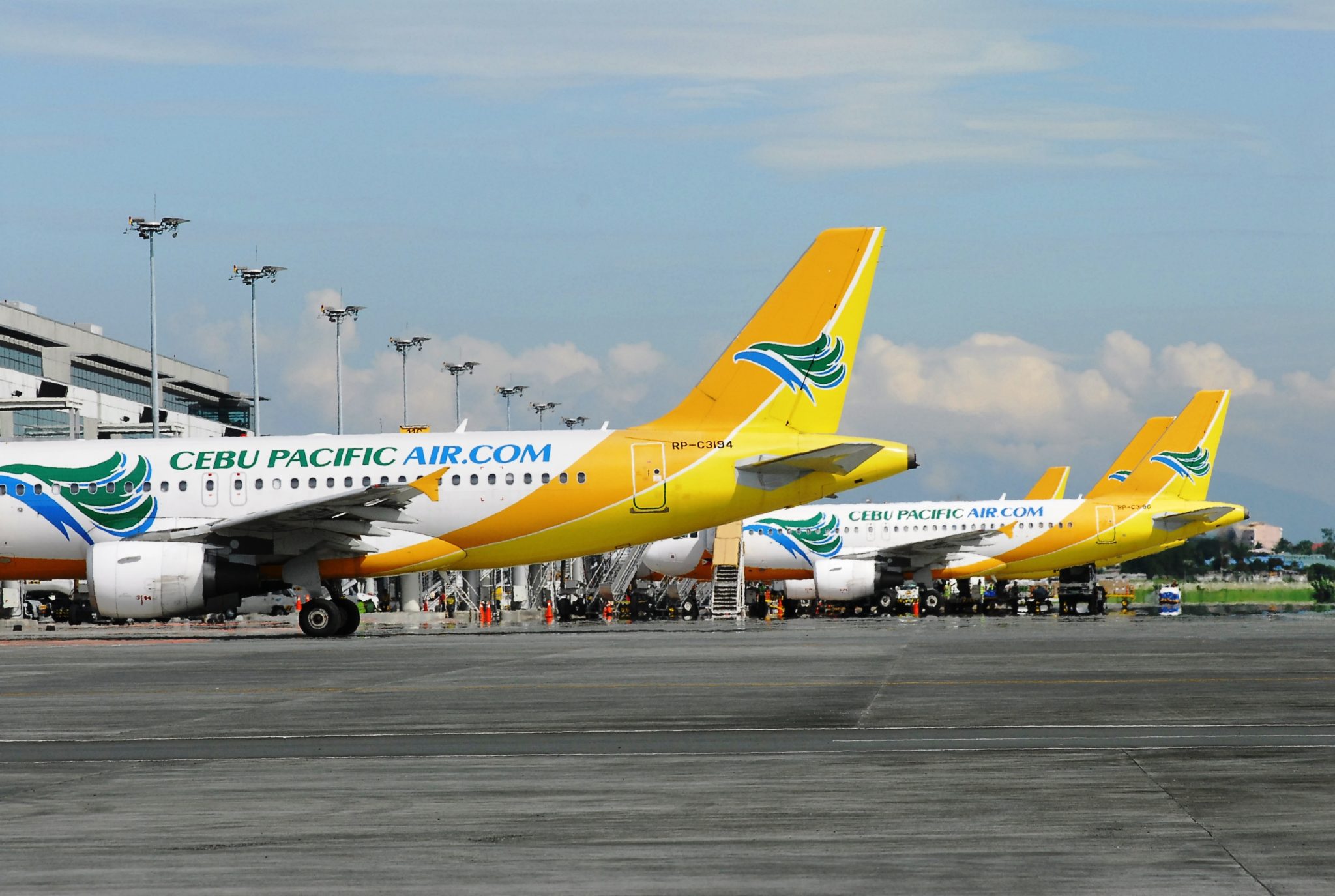
    Cebu Pacific Air has highlighted the bewildering array of coronavirus-related protocols as it works get passengers flying again.

    In a virtual media roundtable, Cebu Pacific head of commercial Alex Reyes says travelers confront “a very complex situation” when making a decision about flying. As with many airlines, Cebu Pacific has a page listing testing and other requirements for various destinations, but it is extremely difficult to keep it fully updated.

    “We try to capture all of the current regulations in place now,” he says. “It’s not perfect because the regulations are constantly changing…whether at the country level or even at the city level. They are constantly evolving and changing, as they react to the unique circumstances of their own locality.”

    More often than not, he says, people still opt to buy a ticket, but there are travelers that are put off by the complexity involved in booking a flight and dealing with the correct testing protocols.

    “I think the traveling public understands is that it is massively complex right now. Everyone is doing their part to try and make sure that yes, you can fly or no, you cannot fly. Or you get to fly as long as you do X, Y and Z.”

    The key is making the process “clear and transparent” to travelers.

    Covid-19 has hit the Philippines hard, including strict lockdowns earlier in the year that all but completely shut down air travel from mid-March to early June. According to the Johns Hopkins Coronavirus Resource Center, the country has 444,164 infections, second only to Indonesia in Southeast Asia.

    Nonetheless, Cebu Pacific has been working to restore flights after operating less than 10% of its domestic network from June to November. It is now operating 400-450 flights weekly to 28 domestic and eight international destinations.

    It has also relaunched services to leisure locations such as Bohol, Coron, Siargao, and Boracay.

    On international routes, the only service operating at normal, pre-Covid-19 capacity is Manila-Dubai, operated daily with an Airbus A330. The carrier recently increased frequencies to Nagoya and Seoul Incheon, and will restart flights to Taiwan on 18 December.

    Still, the low-cost carrier derived 66% of its third-quarter revenue from cargo. It has converted an A330 for cargo work and is carrying cargo on the seats of passenger aircraft.

    In addition, the airline is conducting a trial where passengers are tested at Manila’s Ninoy Aquino International Airport before flights to the southern city of General Santos. From 3 to 14 December, passengers will undergo a free antigen test prior to boarding their flight. Only passengers who test negative will be allowed to board.

    “It’s an approach we’re taking to assure the traveling public and local governments that we are not transporting any asymptomatic Covid-19 patients into their city or locality,” says Reyes. “It is another layer of protection to respond to the pandemic.”

    After analyzing the results of the trial, the airline will consider rolling.

  • Pomelo store lifts off in Jakarta

    Pomelo store lifts off in Jakarta

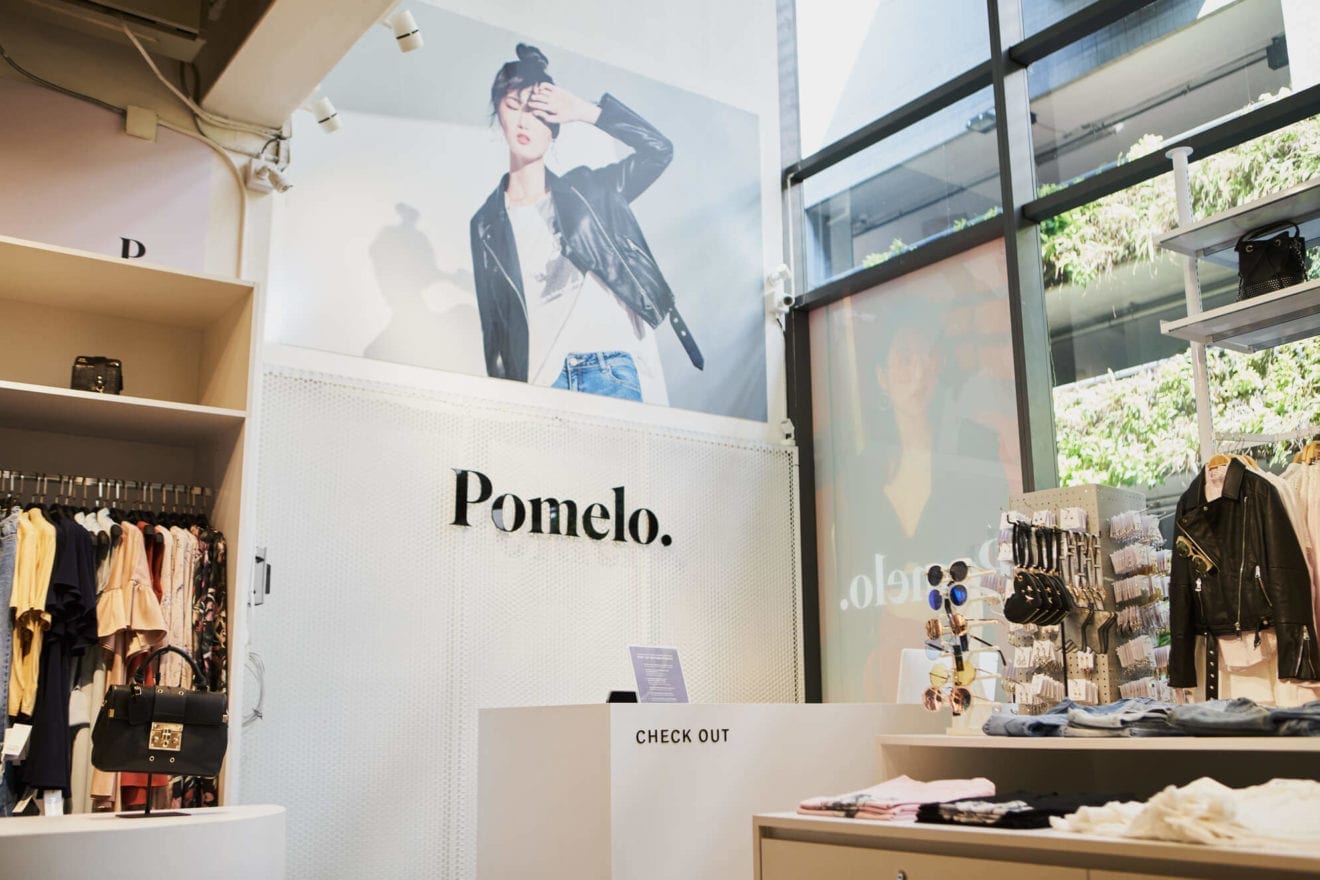
    Omnichannel fashion retailer Pomelo has launched in Indonesia with its first store at Central Park Mall, Jakarta.

    The new store features a new design with an entirely different interior layout and looks to stores elsewhere in Southeast Asia.

    Pomelo Indonesia also embraces sustainability concepts, with sustainably-produced components used in the fit-out and 90 percent of waste produced in-store every day recyclable.

    Beside its usual range, the store shows off exclusive collections, including the collaboration with Thai designers Milin Yuvacharuskul and Pomelo’s collaborative collection with Barbie.

    Pomelo also implements its Tap Try Buy, a rebranded iteration of its Pomelo Pick Up service, at the Jakarta store, allowing customers to shop online and try on at a preferred location and only pay for what they want to keep.

    “We look forward to expanding our offline footprint to even more customers across Indonesia over the coming months,” said Anders Heikenfeldt, chief retail officer at Pomelo.

    The launch is part of the company’s retail expansion plan in Southeast Asia. The first Malaysian store is scheduled to open next year.

  • Ferrari’s Agnelli family buys into Shang Xia

    Ferrari’s Agnelli family buys into Shang Xia

    The Italian dynasty’s holding fund, Exor, will invest around €80 million ($96.5 million) to become the majority owner of the luxury Chinese brand established by Hermès and designer Jiang Qiong Er a decade ago.

    The Parisian luxury house, which previously owned 90 percent of the brand, will remain a shareholder alongside Exor and Jiang. Shang Xia is the first fashion brand to join Exor’s portfolio, which includes Ferrari, Italian football club Juventus and The Economist Group.

    It’s a bet on a home-grown brand with major fashion backing at a time when the Chinese market is booming. Shang Xia focuses its design on Chinese culture and craftsmanship, just as European luxury brands celebrate Italian or French savoire faire.

    Other luxury stalwarts have made similar moves. In 2012, Kering bought Qeelin, a Chinese jewelry brand founded by Jiang’s husband Guillaume Brochard. Richemont owned, but then sold Shanghai Tang in 2017. So far the results have been mixed, with younger Chinese consumers showing limited interest.

  • Indonesia retail sales drops with 15 procent last October

    Indonesia retail sales drops with 15 procent last October

    Retail sales in Indonesia dropped 14.9% on a yearly basis in October, the biggest fall since June and after an 8.7% fall in September, according to a central bank survey released on Thursday.

    Sales of food, beverages and tobacco products contracted in October, after recording positive growth a month earlier, while a drop in sales of communication equipment accelerated, the survey showed.

    The survey estimated an even deeper slump in retail sales of 15.7% in November.

  • Tesco Asia sale to be settled before Christmas

    Tesco Asia sale to be settled before Christmas

    Tesco announced it has met all conditions for the £8bn ($10.8bn) sale of its businesses in Thailand and Malaysia, which means its shareholders can soon expect a £5bn payout.

    Selling around 2,000 stores in Thailand and 74 in Malaysia to Thai conglomerate CP Group is the last stage of the supermarket giant’s exit from Asia.

    “Tesco is pleased to confirm that CP Group has now reviewed and is satisfied with the formal notice of approval” from the Thai Competition Commission, it said in a statement.

    This, along with the approval it received from the Ministry of Domestic Trade and Consumer Affairs in Malaysia last month, “means there are no further conditions outstanding and the disposal is expected to complete on or around 18 December.”

    Tesco had earlier said it intends to return £5bn of the net proceeds from the sale to shareholders via a special dividend, together with a share consolidation, and plans to make a pension contribution of £2.5bn to the Tesco Pension Scheme once the sale is complete.

    Tesco Group CEO, Ken Murphy, said “I’m confident that the agreement with CP Group will ensure that they are well setup for continued success. This sale allows us to focus on our businesses across Europe and to continue delivering for customers, make a significant contribution to our pension deficit and return value to shareholders.”

    Back in the UK, Tesco announced earlier this month it will repay the government £585m it saved under a business rate holiday for retailers during the pandemic.

    But it also mounted a staunch defence of its decision to take the handout, calling it a “game-changer” and saying “every penny” had been spent responding to the pandemic

  • Temasek Bolsters Sustainability with Ikea Hire

    Temasek Bolsters Sustainability with Ikea Hire

    Temasek names a new former head of sustainability from Ikea to replace Robin Hu, who will we leaving the role by the end of 2020.

    Temasek’s current sustainability head Hu will have some of his key function’s taken over by ex-Ikea chief sustainability officer Steve Howard, according to an effective as of January 1 next year.

    Hu will remain with Temasek and the senior leadership while transitioning to another role.

    He first joined the state investor in December 2016 and is currently a senior managing director. During his time with Temasek, his role encompassed the oversight of public affairs, institutional relations, foundations and endowments, and its sustainability policy alongside directorship at some of the firm’s portfolio companies.

    Previously, he was the CEO of Hong Kong’s South China Morning Post under the former owner and Malaysian billionaire Robert Kuok.

    At Temasek, its sustainability goals include a strong focus on carbon emissions where it targets halving in its portfolio by 2030 and full reduction by 2050. This target covers only the firm’s own operations and purchased energy while excluding the broader effects of the related supply chain.

    At Ikea, Howard spearheaded its sustainability efforts until 2017 and is also the co-founder of We Mean Business, a unit of firms and advocacy groups aiming to cut corporate carbon emissions.

  • HSBC Securities Services Joins BlackRock’s Provider Network

    HSBC Securities Services Joins BlackRock’s Provider Network

    The move allows asset managers and asset owners to connect seamlessly with HSBC through a single platform.

    HSBC on Tuesday announced that it will offer access to its Securities Services’ products via «Aladdin» – a Blackrock-run platform that helps assets managers check risk in their portfolios, trade, manage data management, and other operational tasks, from the first half of 2021, starting in Hong Kong and Singapore.

    Aladdin – or asset, liability, debt, and derivatives investment network – was conceived by the New York-based firm in the late 1990s as an internal tool. Today, it is one of Blackrock’s most powerful tech tools that it sells to smaller rivals, in a bid to stave off pressure on its active management fund arm from cheaper index funds.

    Sebastien Danloy, HSBC Securities Services’ global head of asset owners and managers, said joining the network adds to HSBC’s capabilities to connect to its clients’ front-office platforms and to offer front-to-back solutions in an open architecture environment to the asset management community.

    Integrating HSBC’s middle office, custody, and fund administration services with Aladdin will help clients access real-time data, streamline their workflows, reduce their manual processes and improve their operational efficiencies, the bank said in the announcement.

    HSBC currently administers $500 billion in assets for 20 global asset managers who already use Aladdin.