Tag: asia

  • Starbucks teams with Kate Spade New York

    Starbucks teams with Kate Spade New York

    This Holiday season, Starbucks is collaborating with acclaimed American life and style brand kate spade new york for the first time to offer a curated designer merchandise collection, available for a limited time at select Starbucks stores in Asia.

    The Starbucks X kate spade new york collection embodies the holiday spirit, incorporating colorful and playful designs against a New York City backdrop. Motifs of curious cats, as well as kate spade new york’s signature dots and stripes, ring in the season, is a celebration of joy, femininity, and optimism.

    “Starbucks is excited to partner with kate spade new york to bring this fun and festive collection to customers across Asia,” said Erin Silvoy, vice president, Product, and Marketing, Starbucks Asia Pacific. “The Starbucks X kate spade new york collection was created to inspire joyful connections and optimism for the future, two values at the heart of both brands.”

    “We are thrilled to bring our iconic kate spade new york spirit to the Starbucks customers in Asia this holiday season,” shared Charlotte Warshaw, Vice President, Wholesale, Travel Retail and Global Licensing at kate spade new york.  “The Starbucks x kate spade new york collection reflects the playfulness, color, and optimism that our brand is known for around the world, and we hope the product will spark joy for shoppers throughout the holidays.”

    This unique line-up of Starbucks X kate spade new york drinkware and lifestyle accessories is perfect for holiday gifting or as a special treat for yourself. Highlights include a ceramic mug, stainless-steel tumbler, and a stainless-steel water bottle.

    The designer collaboration will be available for a limited time starting December 1, 2020 at select Starbucks stores across Asia, including Australia, Vietnam, Hong Kong, Indonesia, India, Japan, Malaysia, New Zealand, Philippines, Singapore, Thailand, and Taiwan while supplies last.

  • British footwear brand Tricker’s to launch in China

    British footwear brand Tricker’s to launch in China

    The brand has held a Royal Warrant with Prince Charles since 1989 and was recently visited by the Prince of Wales to celebrate its 190th anniversary with a commemorative plaque. It manufactures its leather shoes and boots in a factory in Northampton, a town renowned for its shoe industry. A total of 260 individual processes are involved in the creation of each pair of shoes.

    Martin Mason, brand managing director, told BBC News that footwear made in Northampton was “revered” in Japan and that the brand’s products are seen as a luxury.

    “If you head into Tokyo, Northampton footwear has a really important place,” he said.

    Japan seems to be a big market for English footwear, with Northamptonshire shoemakers said to be exporting £20m worth of shoes to Japan each year.

    For Tricker’s, Japan helps boost international sales, which account for about 80% of the firm’s revenues. The brand is considering opening further stores in countries including South Korea and the United States.

    In a social media post, the brand said its new store located in the wealthy Aoyama neighborhood is an absolute replica of its Jermyn Street shop, which opened in the high-class destination noted for men’s tailoring in 1938.

  • L’Occitane shrugs off Covid impact as Asian sales surge

    L’Occitane shrugs off Covid impact as Asian sales surge

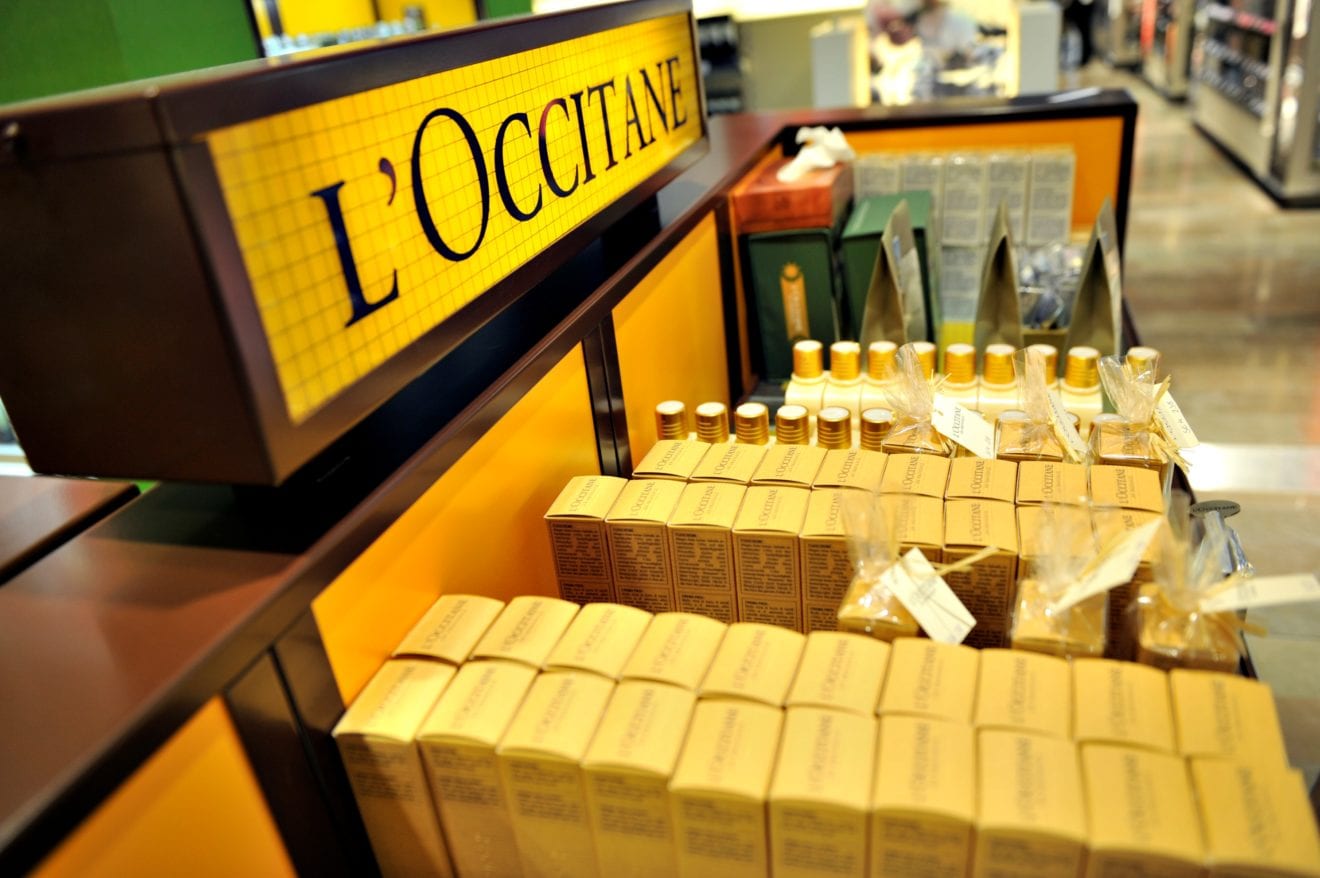
    L’Occitane International is looking to boost development in the hand care category to keep up with demands generated by the novel coronavirus (COVID-19) outbreak. The company’s fourth-quarter net sales saw a decline of 0.7% at reported rates compare to the previous year while FY2020 net sales grew by 15.2% at reported rates.

    According to the company, it managed to maintain good sales momentum in January before COVID-19 impacted the business in the subsequent months due to travel bans, lockdowns, and shop closures mostly in China, Hong Kong, and Japan.

    Currently, almost 75% of the company network of stores throughout Europe, the Americas, Japan, and Australia remain closed.

    The company now plans to undertake certain initiatives to manage the future impact of the crisis.

    “While it is too early to gauge how the COVID-19 pandemic will impact our ongoing performance, we are taking various steps to minimize the fallout from the very serious turndown in business. This includes optimizing our cost structure while ensuring that we maintain the capacity to resume growth as strongly as possible when the conditions allow,” ​said Reinold Geiger, chairman and CEO of L’Occitane.

    The firm has observed demand for hand washes and hand creams. In South Korea, sales of those items helped to boost the company’s performance by 18.8%, making it one of the fastest-growing markets.

    “Sales in our hand care category have increased as a percentage of total sales since the outbreak of COVID-19. We have seen a pronounced boost in our e-commerce sales over the past few months, partly attributed to increased overall consciousness of hand hygiene and hand care — this is a sweet spot for us,” ​said André Hoffmann, vice chairman of L’Occitane International.

    As such, the firm plans to develop new products related to hand care and personal hygiene to keep up with the demands of the market.

    “We are also adapting further to this rising demand by launching new products such as a hand purifying gel, which we feel will be a great add-on product for travel retail,”​ said Hoffmann

    The company will be launching a new hand purifying gel in order to adapt to new consumer demands. The 75-millilitre bottles will be available for sale in key markets in Asia, Europe as well as travel retail.

    Hoffman believes the demand for hand care products will continue well after COVID-19.

    “Innovation has always been at the core of our DNA. But it is more than that. COVID-19 has led consumers to re-discover the premium hand care products that we are known for — we expect this trend to be sustained post-COVID-19 both online and offline as our physical stores around the world begin to re-open.”​

    In spite of the difficulties, L’Occitane remains committed to supporting the community with several relief efforts.

    The group has re-directed some of its manufacturing facilities in Manosque to the production of hand sanitizer and has donated a million bottles of care products in support of healthcare workers.

    “The global COVID-19 pandemic is an extremely challenging period for all of humankind. We are committed to doing everything we can to meaningfully support healthcare authorities and healthcare workers around the world,” ​said Geiger.

  • Startups need partnerships to participate in bigger ecosystems

    Startups need partnerships to participate in bigger ecosystems

    Vietnamese startups need to expand their partnership network with domestic and regional firms for functioning deeper in big firms’ ecosystems, industry insiders say.

    Nguyen Anh Duc, CEO of retail chain Saigon Co.op, said among its 2,500 partners and suppliers in ASEAN, nearly 60 percent are young entrepreneurs in Vietnam who contribute about 28 percent of Saigon Co.op’s annual revenues.

    However, the contribution of young entrepreneurs to the company has been falling in recent years, he said Monday at the ASEAN Young Entrepreneur Carnival held in Hanoi.

    Saigon Co.op is constantly looking to improve it ecosystem and expand its market size, and for this, it needs more contributions from young entrepreneurs, Duc said.

    “There are gaps in the business environment among ASEAN countries, and young entrepreneurs need to fill those,” he said, adding that this process will lead to the creation of more unicorns in Vietnam and other ASEAN countries.

    Other forum participants said Vietnamese startups need to implement their ideas faster in the modern market to improve their ecosystems.

    Nguyen Dang Quynh Anh, chief operating officer of media giant Yeah1 Group, said a key factor in improving a company’s ecosystem is digital transformation, which requires young entrepreneurs to make quick decisions to make their services and products match the demand of modern customers.

    The pandemic will create new shopping habits among consumers who now are more familiar with sitting at home and ordering products to be delivered to their doorstep, and startups need to take advantage of this new trend to expand their market, she added.

    Although one of the biggest challenges startups face in expanding their network is mobilizing funds, experts say that there are many funding sources available now for young entrepreneurs with potential.

    Nguyen Phi Van, chairwoman of startup support organization Vietnam Angel Network, said that a group of angel investors in ASEAN this year has established a financial company to support startups with the biggest potentials in the region. So, if a Vietnamese and a Malaysian investor decide to fund a startup, it will be able sell its products to both markets.

    “Vietnam is currently one of the markets receiving great attention from investors in ASEAN thanks to its growth potential,” Van said.

    Investment in Vietnamese tech startups in the first six months fell 22 percent year-on-year to $222 millionfrom 40 dealsdue to the Covid-19 pandemic, according to a report by Ho Chi Minh City-based venture capital firm Do Ventures.

    Among six major economies in Southeast Asia, Vietnam accounted for 16 percent of the total investment, ranking third behind Singapore (37 percent) and Indonesia (30 percent), it added.

  • UOB to Launch FX Engine

    UOB to Launch FX Engine

    The bank joins other major FX participants in serving strong institutional FX flows in Asia, as the republic aims to boost its role as the global FX price discovery and liquidity hub in the Asian time zone.

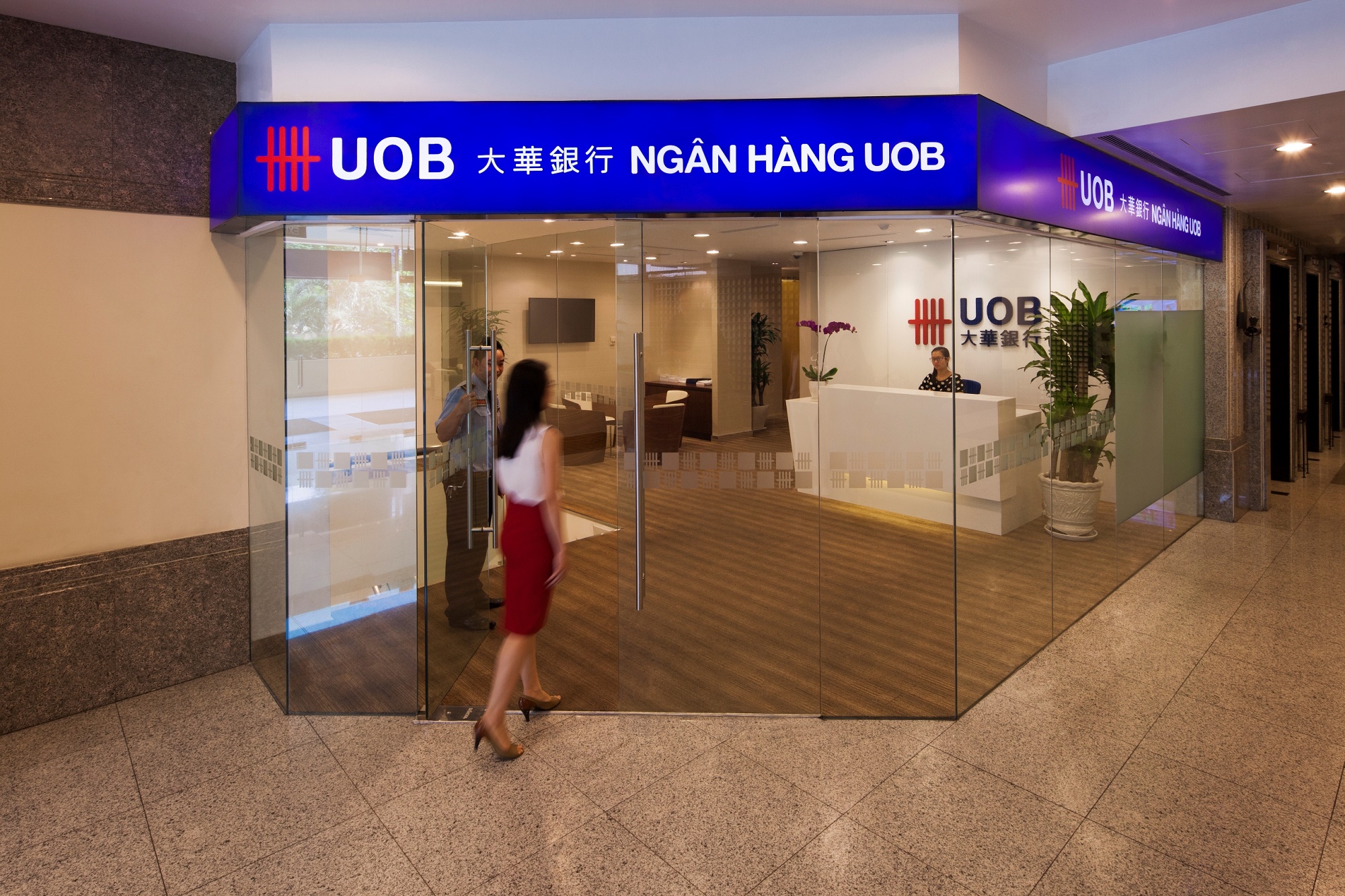
    UOB will launch an electronic foreign exchange (FX) pricing and trading engine in Singapore, which will enable clients to tap the available market liquidity with greater efficiency, in the second quarter of 2021, the bank announced on Monday in a statement.

    The FX trading engine will take advantage of reduced latency via co-location connectivity to improve price discovery and to enhance pricing capability. Leslie Foo, UOB’s head of group global markets, said the bank is looking forward to playing a major role in Singapore’s fast-growing FX e-trading ecosystem.

    Under the Monetary Authority of Singapore’s (MAS) FX Trading Hub strategy, which aims to cement Singapore as the top FX trading center in Asia Pacific, firms like Barclays, J.P. Morgan, Standard Chartered, UBS, Citi, BNP Paribas, Euronext, Jump Trading and XTX Markets have built their own regional trading infrastructure in the city-state.

    It remains a key priority for MAS to further broaden and deepen our FX market, and we welcome more buy-side participants to join the fast-growing FX e-trading ecosystem in Singapore, Lim Cheng Khai, MAS executive director financial markets development, said in the announcement

  • Singapore Banks Unite to Boost Commodity Financing Standards

    Singapore Banks Unite to Boost Commodity Financing Standards

    The ABS Code of Best Practices for Commodity Financing, launched with the support of the Monetary Authority of Singapore (MAS), Enterprise Singapore (ESG) and Accounting and Corporate Regulatory Authority (ACRA), is the industry’s first set of commodity financing best practices.

    The Association of Banks in Singapore (ABS) has launched a set of best practices to ensure a more robust and disciplined financing approach to support the growth of Singapore’s commodity trading sector, it announced on Monday.

    Developed with feedback from a diverse range of commodity trading companies and an industry working group of 28 banks, the Code lays out key principles governing prudent commodity trade financing practices, providing a benchmark for banks’ lending standards in the sector to help enhance the resilience, relevance and competitiveness of Singapore as a global commodity trading hub.

    The Code is designed to provide broad guidance to banks, which are expected to ensure that appropriate policies and procedures, as well as controls, are in place to observe the principles in the Code in a risk proportionate manner, ABS said

    Samuel Tsien, chairman of ABS and Group CEO of OCBC, said the Code is «an important step to strengthen Singapore’s stature as a global commodity trading hub.»

    The Code is a step in the right direction to boost corporate transparency and enhance the trust between the banks and commodity trading companies. This will help to promote accountability and uphold the integrity of the commodity trading sector, Andy Sim, ACRA’s assistant chief executive, legal services and compliance, said in the announcement.

    Singapore’s oil trading sector has come under the spotlight since the commodity’s plunge earlier this year as a result of the Covid-19 pandemic, with several trading firms having trouble repaying their debts. Numerous banks including HSBC, DBS, OCBC, Societe Generale and ABN AMRO, were owed a total of $3.8 billion by oil trader Hin Leong, while Zenrock owes at least six banks a total of $166.1 million and has outstanding balances of $449 million

  • Fintech Lightnet Partners Visa and Velo Labs

    Fintech Lightnet Partners Visa and Velo Labs

    The three partners will collaborate on payment solutions aimed at addressing the under-served micro, small and medium enterprise (MSME) lending market. Singapore-headquartered fintech Lightnet Group has signed a memorandum of understanding with decentralized credit and settlement network Velo Labs and Visa to expand lending to the MSME market in Asia, according to a press statement on Monday.

    This initiative aims to enable users with poor or inexistent credit histories to receive a line of credit by depositing digital assets as collateral, with Velo tokens serving as the digital asset collateralizing financial solutions. This approach is suited to connect over 1 billion unbanked and underbanked individuals in APAC to the global financial system, Lightnet and Velo Labs said.

    Working closely together, the collaboration will also facilitate near-real-time global transactions between participating banks, money transfer operators and other financial service providers.

    The announcement cited the large opportunity for the MSME lending market, noting that $5.2 trillion in MSME lending goes unserved annually, with more than half of this financing gap existing in the Asia-Pacific (APAC) region.

    Being new-to-credit or lacking creditworthiness is often an obstacle to achieving one’s financial goals, such as securing loans to start a business or even buying a car…We are providing customers from the MSME market with another pathway to build credit and improve financial wellness, Tridbodi Arunanondchai, vice chairman and group CEO of Lightnet Group, said.

    Lightnet was co-founded in 2018 by Chatchaval Jiaravanon – a family member of the Charoen Pokphand group in Thailand – and tech entrepreneur and former investment banker Tridbodi Arunanondchai. Earlier this year, the startup raised $31.2 million in a series A funding round led by UOB Venture Management, the private equity unit of UOB Bank. It recently partnered Swiss crypto bank Seba to offer remittance services for migrant workers in Asia.

  • Hyundai To Pay $ 54 Million Penalty In US For Defective Engines

    Hyundai To Pay $ 54 Million Penalty In US For Defective Engines

    The Hyundai Group had issued one of its biggest recalls three years back in the United States, Canada and South Korea. The recall included 1.19 million cars in the US and over 1.14 lakh units in Canada. The vehicles were recalled because of machining errors during vehicle manufacturing that could have led to “premature bearing wear within the engine,” as pointed out by the National Highway Safety Traffic Administration.

    The Hyundai Sonata and Santa Fe models which were manufactured between 2011 and 2014 were impacted and in a service campaign, engines of these units had to be replaced, free of charge. But the matter hasn’t ended here. The Korean carmaker is now paying a penalty and will have to overhaul its manufacturing plants.

    The company has said that it will be paying a cash penalty of $54 million and will be making a further investment of $40 million to improve the safety standards in its operations. The investment will be used to develop a safety field test and inspection laboratory in the US along with setting up the new IT system for batter safety data procurement and analysis and potential safety issue identification.

    Brian Latouf, chief safety officer, Hyundai Motor North America said, “Customer safety is our highest priority and we are taking immediate action to enhance our response to potential safety concerns. We value a collaborative and cooperative relationship with the U.S. Department of Transportation and NHTSA, and will continue to work closely with the agency to proactively identify and address potential safety issues.” Along with Hyundai, some models of Kia Motors were impacted as well and both carmakers agreed to pay a civil penalty of $ 210 million.

  • AirAsia X plunges deeper into red amid ongoing grounding

    AirAsia X plunges deeper into red amid ongoing grounding

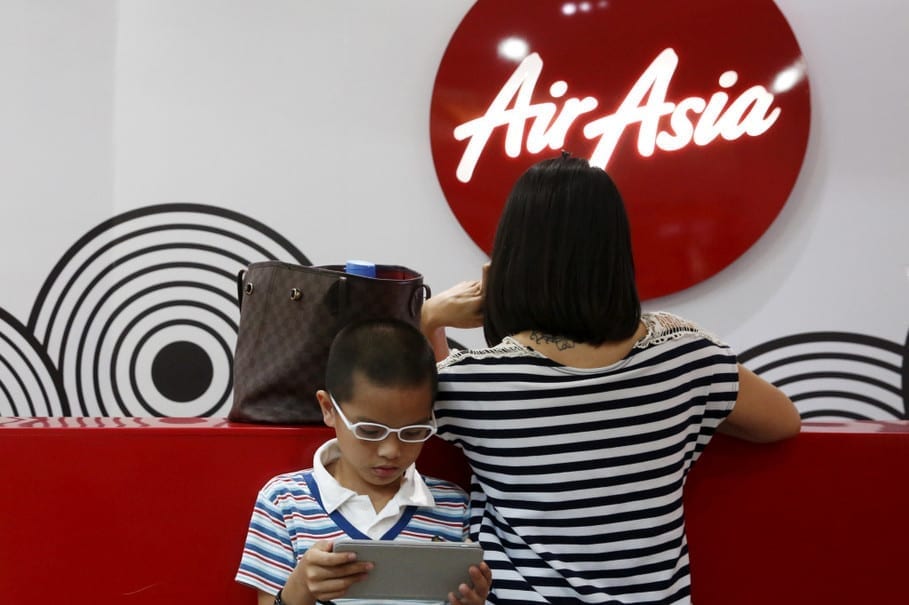
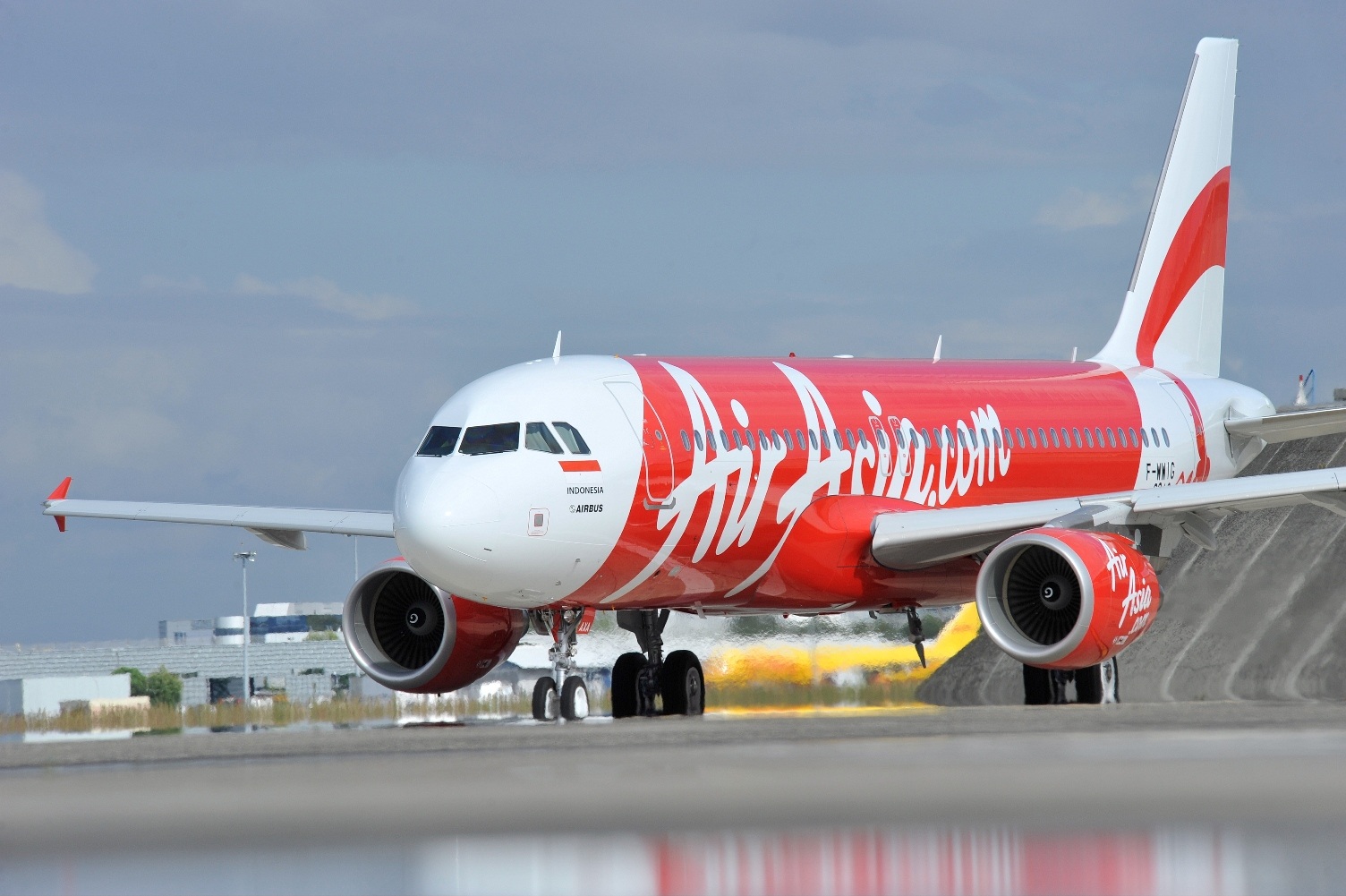
    Troubled long-haul, low-cost carrier AirAsia X widened its quarterly loss, as it remained grounded amid the coronavirus pandemic.

    For the quarter ended 30 September, the carrier, which recently unveiled a restructuring plan, reported an operating loss MYR498 million ($122 million), a staggering seven-fold increase year on year. It was also higher than the previous quarter’s MYR323 million operating loss.

    Revenue for the period plunged 94% year on year to about MYR60 million, as the carrier reported zero revenue from scheduled passenger operations. AirAsia X remains grounded amid international travel restrictions aimed at curbing the pandemic’s spread.

    Revenue from cargo operations and charter flights — amounting to some MYR8.5 million — were not enough to stave off any further revenue loss.

    Meanwhile, expenses for the period fell 53% to MYR487 million, due mainly to its ongoing grounding, which has reduced flying activity.

    AirAsia X widened its net loss to MYR308 million, compared to MYR230 million the same period last year.

    The carrier gave no operational statistics for the quarter, stating: “[The] company has suffered the full impact of the Covid-19 pandemic and, with the suspension of scheduled flight operations in April, and the parking of the majority of the aircraft fleet, the performance indicators for the business are not meaningful.”

    In early October, the embattled carrier rolled out plans to restructure its debts — of around MYR63.5 billion — and trim its network and fleet. It said then that the restructuring — subject to approvals — was essential to its future.

    Under its revised business plan, AirAsia X aims to emerge as a low-cost medium-haul operator. The airline adds that it hopes to restart operations with two aircraft in the first quarter of 2021.

    Cirium fleets data shows that Air Asia X has a fleet of 23 A330-300s, 21 of which are in storage. The carrier owns five A330s and leases the rest from various lessors. It also has orders with Airbus for 10 A350s, 76 A330neos and 30 A321XLRs.

    Among plans outlined to return to profitabilty, AirAsia X says in its latest financial results that it plans to “focus on core markets to improve yield”. These include “focusing on mature routes in core markets with historically proven demand”, as well as axing unprofitable routes. It also plans to operate a “leaner fleet size” in the future, which will necessitate the return of excess aircraft to lessors.

  • Zappos founder dies

    Zappos founder dies

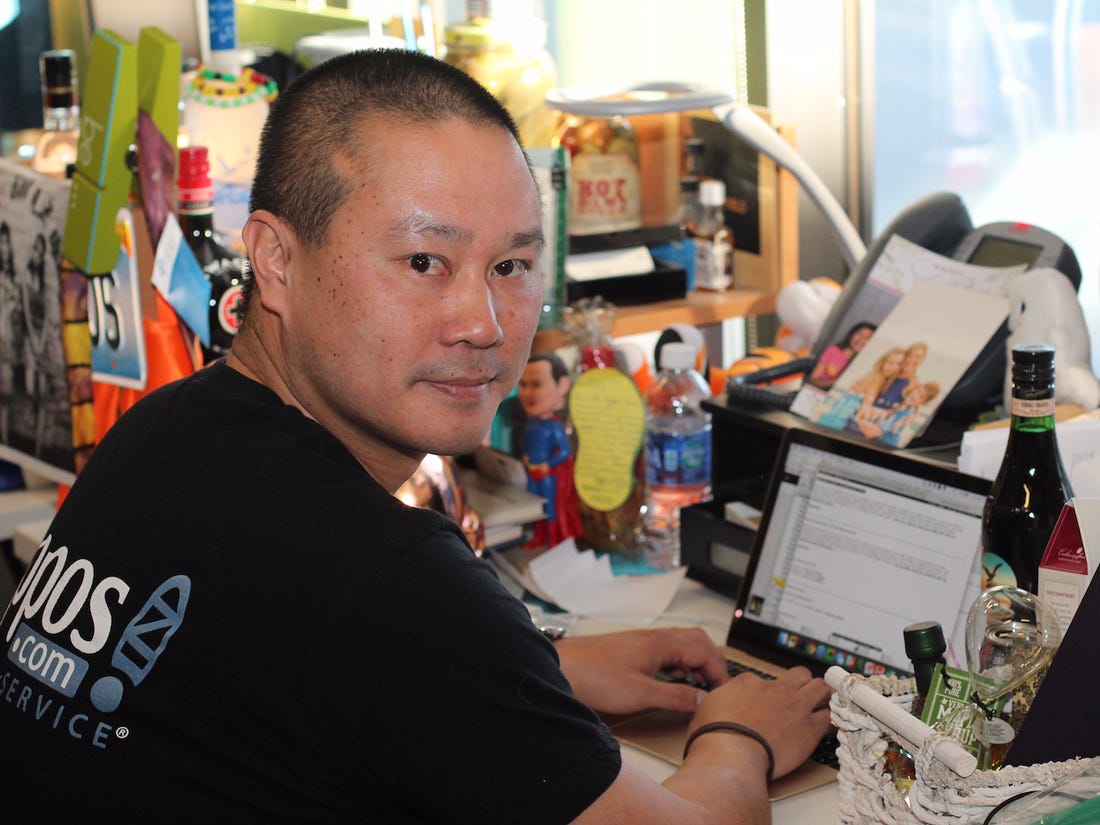
    Tony Hsieh, the former CEO of Zappos, died peacefully and surrounded by family on Friday, according to a statement emailed to CNN by Megan Fazio, a spokesperson for DTP Companies, a Las Vegas-based enterprise for which Hsieh served as the visionary.

    Hsieh, 46, died from injuries sustained in a house fire that occurred in Connecticut while he was visiting family, according to Fazio.

    “Tony’s kindness and generosity touched the lives of everyone around him, and forever brightened the world,” said a statement from his family that was shared with CNN by Fazio.

    His mantra: delivering happiness, his family says.

    “Instead of mourning his transition, we ask you to join us in celebrating his life,” their statement added.

    Hsieh was well known for his leadership of online shoe and clothing retailer Zappos. He had recently retired after spending 20 years with the company, Zappos CEO Kedar Deshpande wrote in a statement Friday.

    “The world has lost a tremendous visionary and an incredible human being,” Deshpande wrote. “We recognize that not only have we lost our inspiring former leader, but many of you have also lost a mentor and a friend.”

    Hsieh also played a “pivotal role in helping transform Downtown Las Vegas,” Nevada Gov. Steve Sisolak wrote on Twitter.

    “Kathy and I send our love and condolences to Tony’s family and friends during this difficult time,” he wrote.

    Las Vegas Councilman Cedric Crear said he was “saddened” to hear the news.

    “Such a creative & innovative person who positively helped change the landscape of Downtown Las Vegas,” he said on Twitter. “We have been working on some cool projects for Downtown. God speed to his family, coworkers and our community.”

    More tributes for Hsieh poured in on social media early Saturday — many from other business leaders and entrepreneurs.

    “Tony Hsieh was always generous with me,” Dan Price, the head of Seattle-based Gravity Payments, said. “He would talk to me about anything and it was always a good time. RIP Tony.”

    He was a “truly original thinker, a brilliant entrepreneur, and a kind-hearted and generous friend to so many,” wrote Max Levchin, co-founder and former chief technology officer of PayPal.

    “He questioned every assumption and shared everything he learned along the way,” said Chris Sacca, a billionaire tech investor, on Twitter. “The earth has lost a beautifully weird and helpful person.”

    And in a tweet, Nevada Gov. Steve Sisolak sent condolences to Hsieh’s family and friends, and said, “Tony Hsieh played a pivotal role in helping transform Downtown Las Vegas.”

  • Apple to open second South Korean store

    Apple to open second South Korean store

    Apple is preparing to open its second retail store in South Korea. Located in Seoul’s main finance district, Apple Yeouido will make direct sales and support accessible to a whole new community.

    Apple first welcomed customers in South Korea in 2018, when Apple Garosugil opened in Seoul’s Gangnam area. The same experience is coming to Yeouido, an island bordered by the Han River and southwest of the Myeong-dong shopping district.

    Apple Yeouido is located on L1 of IFC Mall Seoul, an indoor shopping center directly below the angular office towers of IFC Seoul and near the iconic 63 Building. Shoppers enter the mall through a glass pavilion just steps from Yeouido Park. Three floors of fashion, cinema, and food are tucked below ground.

    In the future, visitors can expect Apple to host educational and creative Today at Apple sessions that engage the store’s surroundings.

    Like all recent Apple Store openings, Apple Yeouido will follow strict safety guidelines including reduced capacity and a mask requirement. Apple Garosugil was the first Apple Store outside of Greater China to reopen during the pandemic and served as an important signal tower for Apple’s global reopening strategy.

  • HSBC Rules Out Full U.S. Exit

    HSBC Rules Out Full U.S. Exit

    A full departure from the largest economy is reportedly no longer being considered but decisions on the retail unit remain unconfirmed.

    A U.S. retail banking pullout could still happen, according to a report citing unnamed sources, though a full exit from the market will not be explored anymore.

    Plans will be outlined by senior managers in the coming weeks alongside suggestions to cut investment banking activities to focus on international clients, especially in Asia and the Middle East.

    HSBC’s decision to downsize its U.S. business is part of a broader overhaul to cut costs and 35,000 jobs globally. According to the British lender, further revisions on plans such as future capital deployment and cost-cutting will be announced during the next annual reporting session.

  • Tata Group may increase stake in AirAsia India and plans to Rebrand it

    Tata Group may increase stake in AirAsia India and plans to Rebrand it

    Tata Group, which was reportedly in talks with AirAsia’s parent company AirAsia Group Berhad last week for a $50 million emergency funding to keep the carrier flying in India, is now planning to raise its stake in AirAsia India to more than 76 percent.

  • How Brands Can Expand to Asian Markets 

    How Brands Can Expand to Asian Markets 

    Expanding into other countries requires a lot of forethought and planning. Expanding into different continents, however, can cause a massive failure without really understanding the culture and consumer. Asian markets are notoriously difficult for Western brands to succeed in, and that’s not just because of the language barrier. Many Asian countries are at a different period in their development than Western nations, and their consumption habits reflect this.

    Going in without respect to their culture, or an understanding of what they value, and need is a big mistake. Even bigger of a mistake is to assume that Asia is one, homogenous market. Every country, and more than that, every region, has its own cultural identity that needs a unique approach to succeed in.

    Without this dedication to connecting to each area, local businesses will destroy your efforts. They have the presence, and they know their audience. It isn’t a mistake that some of the largest and most prominent brands in the world began and operate from these countries.

    Their market is big, and their influence is greater. If you want to expand into the Asian markets, you need to be smart, and you need to use this guide:

    Improve Your House, First

    Expansion needs to be done at the right time. For that right time to be taken advantage of, however, your house needs to be in order, first:

    Improve Your Skillset

    As the owner of your business, the best thing you can do for its future is to complete an online MBA. There are a variety of specializations you can choose when you work on an online MBA, and ideally, you will want to choose one that you are not already excellent at. Rounding out your skillset as a leader and business owner is often hard, especially without someone taking a good, hard look at your current self and figuring out where you can improve.

    With that in mind, the online MBA that you choose must have a few key characteristics:

    • 100% online
    • Flexible; you should be able to take on as little as one course at a time
    • No mandatory log-in times
    • Career coach
    • Accreditation

    With these as the base of qualifications, you can then go on and find an online MBA that offers the specialization that you are most interested in. This could be in marketing, managing, or even data analysis. In regard to expanding into eastern markets, it is best to focus on more technical elements, like data analysis, as this will make the biggest difference both at home and overseas.

    Build a Cloud-Based, Integrated System for Your Business

    Your online MBA will help you better manage the human element of your business, and to take creative challenges to the next level. What it cannot help you with is manual labor. Admin tasks take a long time when done manually, and your business will not be able to keep up if you do make headway in your efforts towards eastern expansion. You, and your team, need a system that works with you.

    Everyone on your team will be put to better use solving and working on creative challenges. To allow them to focus on that, you need a cloud-based, integrated system. What this means in effect is that storge-wise it can expand as you need to, without any need to upgrade your system. It also means that your western and eastern teams can handle and use the same data, and have it updated for each other instantaneously.

    Finally, it means you can introduce automation. Automation is important for any business, as it makes easy work of boring and simple admin tasks that, done by a person, could take days.

    Optimize Your Efficiency

    The last step in improving your house is to optimize your efficiency. You will have learned a lot of possible strategies and possibilities during your online MBA, but never be afraid to outsource help, too. Some people specialize in auditing a company’s efficiency so that you can get a list of areas to improve on, as well as a recommended action. Doing this before you expand is best because these audits – and their improvements – only become more difficult the larger your business becomes.

    Learning About Your New Markets

    One thing that your online MBA will teach you is the importance of study. That is why before you actively make overtures to expand into new markets, you need to research them.

    Research

    You will ideally know exactly what to research and how to research and create detailed reports in your online MBA. If not, then simply brush up on these skills and follow suggestions found from white papers and even from hired consultants.

    You want to understand each country. Getting your foot in the door correctly means choosing the right market to focus on. As stated before, every country is vastly different and even more than that, regions within that country vary drastically. It would be best if you targeted where your customer base is, and ideally where there is a hole in the market for your business.

    Having a good idea about where to start can save a lot of money and headache, but don’t assume that your research alone is enough. If you want to expand into new markets, then you will need people to help you.

    Hiring New Talent

    The right people will help you make the right decisions both in terms of where you intend to launch, and how you can do it correctly. You have two main options. If you can afford to open a head office in that country, then you will ideally want to populate it with talented locals who best understand your new customer base, as well as that culture. Have a few members from your head office to ensure that your brand and values are translated over well, but for the most part, you need to trust your new employees to represent your brand well.

    The second option is to be represented by an agency. Marketing and PR agencies exist that can take you on as a client. They will work on marketing your brand to that new audience successfully. There will even be those you can hire to help you identify unique opportunities to expand further into that market.

    Slow and Steady

    It takes time to do this properly, so don’t put too much pressure on yourself. Instead, use what you have learned in your online MBA and manage. Manage the right people and make smart delegation decisions so that your business doesn’t just open in the right Asian market, but that it has a chance to succeed.

    Trends to Know About Asian Markets

    Building up your team and your business can help you prepare to expand, but you should never start without that key research. Even if your solution is to outsource and hire agencies to help improve the success of your transition, it is foolish not to do your own research. Understanding your customer base is the key to success in every instance and understanding Asian markets can help you provide additional value and cater to their needs as a priority. An online MBA can help you prepare, absolutely, but you must use your new skills to create a unique and comprehensive strategy to help appeal to the Asian markets, rather than expand your existing strategy, as this rarely works.

    1.   Online Shopping and Engagement

    One trend that is universal throughout the world, and why 2020 is a very smart time to expand into Asian markets with a digital branch of your business is the increase in online shopping. Though brick-and-mortar shops are slowly starting to recuperate, night-time shopping, mall shopping, and other key points of contact are still minimal.

    All eyes are online, and not only are they online, but they are spending an average of 21% more than before. Overall, online shopping is an average of 15% higher than it was before the pandemic.

    2.   Marketing to Focus On

    Marketing tactics, in particular, are very different in comparison to the west, and you need to be smart before launching your own brand into that market. Google might be banned from places like China but make no mistake – it was failing in that market long before it was formally pushed out.

    You cannot just expand marketing efforts from the west into the east. To see success, you need to use different strategies, as well as different marketing tactics. Rather than learn as you go, which is very difficult when extending your business’ branch so far out east, it is better to rely on those familiar with the markets in question.

    Hire marketers and experts who have made their career working within Asian markets or rely on external firms and agencies to build a successful expansion plan and marketing strategy so that you can succeed in the area.

    3.   What Consumers are Looking For

    The new decade is sure to bring about some significant consumer trends, particularly in Asian markets. Whereas western nations are waking up to the importance of sustainability, it is countries in Asia that are working fast to mitigate the huge environmental problems their countries face. China, in particular, has made headlines in its effort to cut emissions and clean up their air. It has actively begun to start collecting the funds needed (an estimated RMB 40.3 trillion) through an environmental tax. Coal plants are being shut down, and new sustainable development zones have been approved in Shenzhen, Guilin, and Taiyuan which implement the 2030 SDGs. They are headlining new technologies designed to clean air and new energy solutions, and the fight to clean up their own backyards has infected their citizens as well.

    In the next decade, trendwatchers expect the consumer appetite for new and innovative to take a turn towards the environment, with sustainable stewards, good police, and business as social being the key trends for businesses to watch out for.

    This echoes other consumer trends around the world, where sustainable lifestyles are becoming the latest status symbol, concerns over privacy and data and making headway, and the importance of community has never been so crucial than it is today.

    This occurs alongside a slowing of growth, both in GDP and in personal wage increase. The income growth, in particular, alongside high household debt, is also sure to decrease consumption in these areas. By providing not just a great product, but also catering to that new sense of status, you can appeal to Asian consumers.

    Expanding into Asian Markets

    If you are set on expanding into Asian markets, you have two options. If you operate a large company, then you must set up a dedicated office, with employees who are familiar with and have worked in that country for their entire career. You can have a few of your home office employees work in that eastern office to ensure that the overall brand identity and your values are upheld, but everything else should be decided on by those who understand that market. It is how you will best connect with these consumers, and the fact is this suggestion applies when expanding into any new country.

    Operating and marketing from the US to the UK or Spain, for example, will all look drastically different. There are various cultural attitudes, as well as trends that you can take advantage of to best appeal to those living in the area. Having a team of people who live and breathe these markets will help your business make a big splash abroad.

    Smaller companies can also do this, but rather than hiring an entirely new office, you’ll need to find agencies and outsource to them. This way, you still get the right direction for your expansion, but without the high cost of renting an office and hiring an entirely new team.

    Leverage all that you have learned in your online MBA to manage and transition your business into Asian markets successfully. Understanding how to properly manage your teams, as well as keeping your budgeting and finances in order, will be your secret weapon. It won’t happen overnight, but with the right people and the right vision, you can expand your business into the Asian markets.


     

  • J&T Express expands its network of warehouses in Singapore to deliver quality customer experiences

    J&T Express expands its network of warehouses in Singapore to deliver quality customer experiences

    J&T Express, Southeast Asia’s leading e-commerce logistics provider, today announced the opening of its third warehouse in Singapore as part of its plan to develop a nationwide warehouse network. The opening reflects the exponential growth experienced since its launch in January 2020 and the company’s commitment to drive service excellence in the logistics industry.

    Housed in the west of Singapore, the new warehouse will allow the company to deliver an enhanced experience to both its sellers and consumers in Singapore. The warehouse will enable J&T Express to improve the efficiency and increase its daily volume capacity. 

    “The plan to open our third warehouse within a year of entering the Singapore market is a significant achievement for the team at J&T Express. Our agility and ability to adapt have contributed to our unprecedented growth during this period of drastic change,” said Andrew Sim, CEO, J&T Express Singapore.

    J&T Express has rapidly increased its headcount to deliver on its commitment of service excellence in the e-commerce logistics space. Understanding the importance to resolve feedback at speed, it has achieved multiple growth of seller support strength and customer service team. Furthermore, customer service team’s working time has been extended to seven days a week to effectively act on consumers’ queries and improve the flow of communication.

    “We recognise our role as the bridge between our customers and their consumers”, said Mr Sim. “The opening of our latest warehouse is a reaffirmation of our commitment to the Singapore market and our dedication to improving our suite of offerings so we can deliver the best experience possible.”

    The changes in consumer behaviour are set to stay with more than three quarters (76%) of Singapore consumers indicating that they do not intend to return to the pre-pandemic levels of online shopping, according to Nielsen. In fact, during the recent circuit breaker period, J&T Express experienced a 100% increase in the number of daily deliveries. To meet the rising demand for deliveries, the e-commerce logistics provider accelerates its expansion plans for additional warehouses.

    Operational efficiency is a key priority for J&T Express. In response to the increased demand, the existing operation and delivery capabilities have been strengthened with the enhanced delivery system and tools in place. To ensure the timely delivery of parcels, the company has extended the daily delivery hours from 9am to 10pm, and has hired and trained more drivers, provided with the most optimised routes.

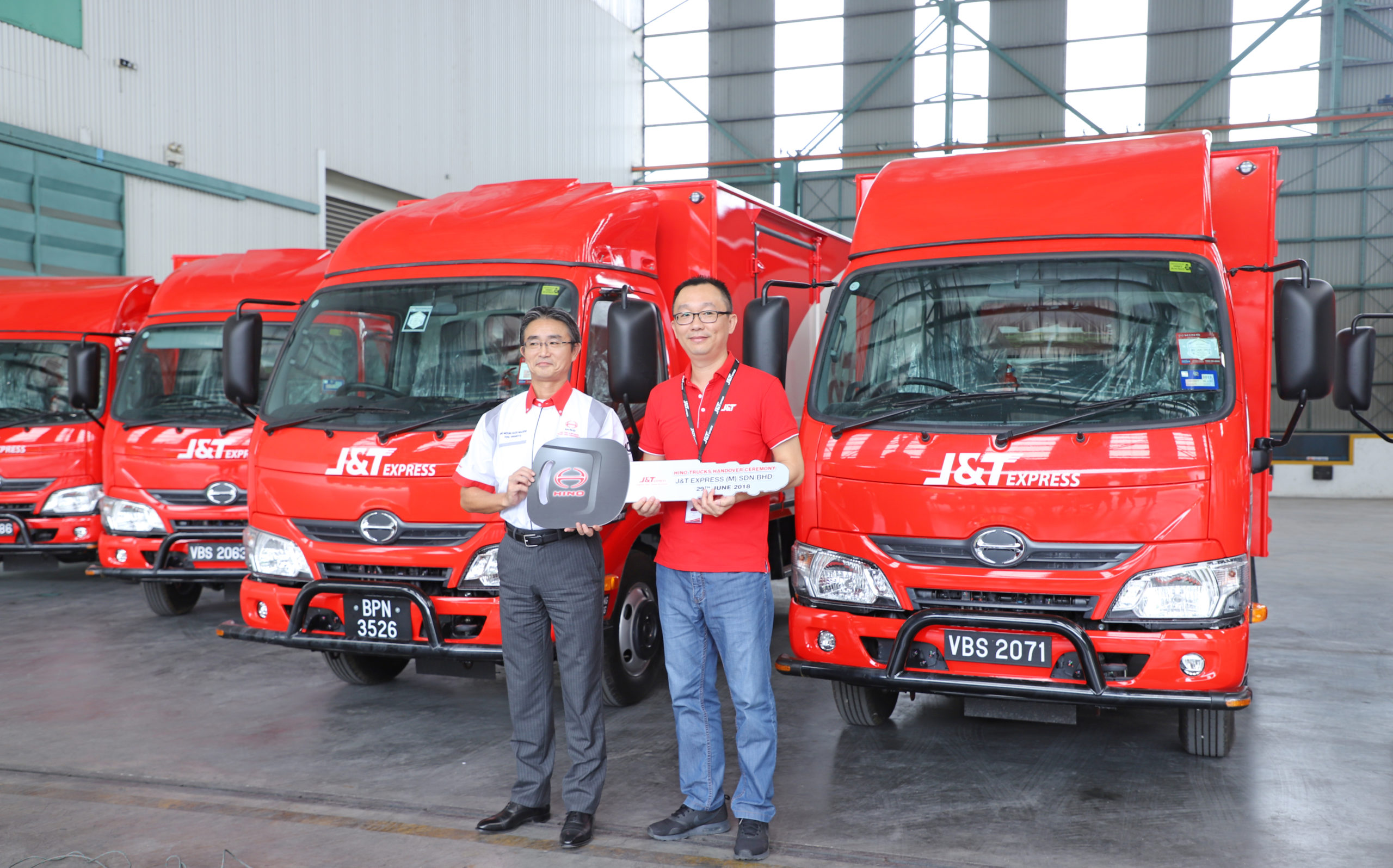
    Complementing more warehouses is an increase in the company’s fleet, which includes a mix of smaller vans and larger trucks. The variety in fleet solutions will allow J&T Express to better support its partners in delivering parcels of all sizes. This comes as the company sees a growth in consumers turning to e-commerce platforms to purchase larger household items, which were previously purchased in-store, such as furniture.

    Recognising that quality control measures is critical to become operationally efficient, J&T Express has expanded its quality control team and enhanced the existing systems. At the same time, its suite of solutions places it in prime position to support the burgeoning demand for deliveries in Singapore and Southeast Asia, fully leveraging the country’s strategic location as a gateway to the region.

    “We are proud to have built strong relationships with our customers, without whom we would not be where we are as a business today,” shares Mr Sim. “E-commerce is here to stay and will be the key driver of the logistics industry in the years ahead. This makes being our ability to pivot a key trait that will allow us to continue supporting our customers as they turn to digitalisation.”

    Since its launch in 2015, J&T Express has grown from humble beginnings in Indonesia, to a network of eight markets across Singapore, Malaysia, Vietnam, the Philippines, Thailand, Cambodia and China, making it one of the fastest growing e-commerce logistics companies in the region. In Singapore, the company’s long-term relationships with both local and global brands across a host of industries and marketplaces including Amazon, Lazada, Shopee and eCapitaMall, have propelled it into a position among the top logistics companies.