Tag: asia

  • Express operators pour investment into Asia Pacific to grab e-commerce traffic

    Express operators pour investment into Asia Pacific to grab e-commerce traffic

    Two of the world’s biggest express operators are beefing-up their Asia Pacific operations amid an “historic” peak season for e-commerce cargo.

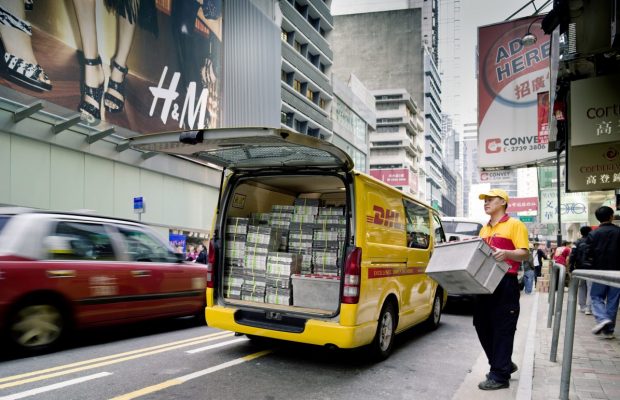
    DHL Express said today it would invest €690m ($813m) to increase capacity in the key growth markets of Australia, Japan, Hong Kong, South Korea, Malaysia, India and Bangladesh.

    It will also spend €60m on new aircraft and direct airfreight routes to South-east Asia.

    The company is expecting shipment volumes in Asia Pacific to be 30-40% up on last year’s peak season, following “unprecedented” 50% growth in e-commerce volumes since the start of the year.

    Ken Lee, CEO of DHL Express Asia Pacific, said: “These investments are testament to our continued confidence in the region. They are crucial not only in the near term as we expect an unusually strong peak season, but will make sure we are well-positioned to keep global trade running as e-commerce and cross-border trade grow.”

    In North Asia, DHL will open a 21,000sq metre facility in Osaka by the end of the year, its largest in Japan. And in South Korea, it will triple warehousing space in Incheon to 58,700sq metres, making it the company’s largest gateway in Asia Pacific.

    In Hong Kong, €377m has been earmarked to boost warehouse space by 50% and increase handling to 125,000 pieces a day.

    Investment in South Asia includes a new facility in Bangladesh to increase shipment processing by 35% by Q1 22 and, in India, construction of a new gateway facility in Bangalore is slated for completion next year.

    In Malaysia, DHL plans to triple warehousing capacity and increase processing by 200% at Kuala Lumpur International Airport to compete with Alibaba logistics unit Cainiao’s new regional hub.

    New air freight routes include direct services to underserved Vientiane and Yangon and more frequent connections to Australia and New Zealand.

    Sean Wall, EVP network operations & aviation, said: “The growth in e-commerce shipment volumes will continue to outpace available air cargo capacity, strengthening the case for investing in adding dedicated aircraft to our fleet, opening new routes and supplementing our fleet with charter flights.”

    Meanwhile, Cainiao has now launched operations in Japan. The Chinese juggernaut said it would provide end-to-end logistics services to local businesses, warehouse management, international shipping, trucking and customs clearance.

    “This will bring about a 40% improvement in shipping efficiency, reducing shipping duration from 18-22 days, to 11-13,” said Cainiao.

    Operations in Japan include warehouses in Tokyo, Osaka, Yokohama and Kobe; air and sea forwarding to and from China; and trucking partnerships with Nippon Express, among others.

    “Japan has always been a key market for us,” said James Zhao, general manager of Cainiao Global Supply Chain. “Our launch in Japan will allow us to provide a stronger logistics infrastructure to support businesses’ export and import needs.”

    Meanwhile, yesterday Alibaba set another record-breaking ‘Singles Day’ shopping festival, with $74.1bn transacted in gross merchandise volume. Anmd during the 11-day event, Cainiao processed 2.32 billion delivery orders and operated more than 700 charter flights.

  • Airbus resells six unwanted jets built for AirAsia

    Airbus resells six unwanted jets built for AirAsia

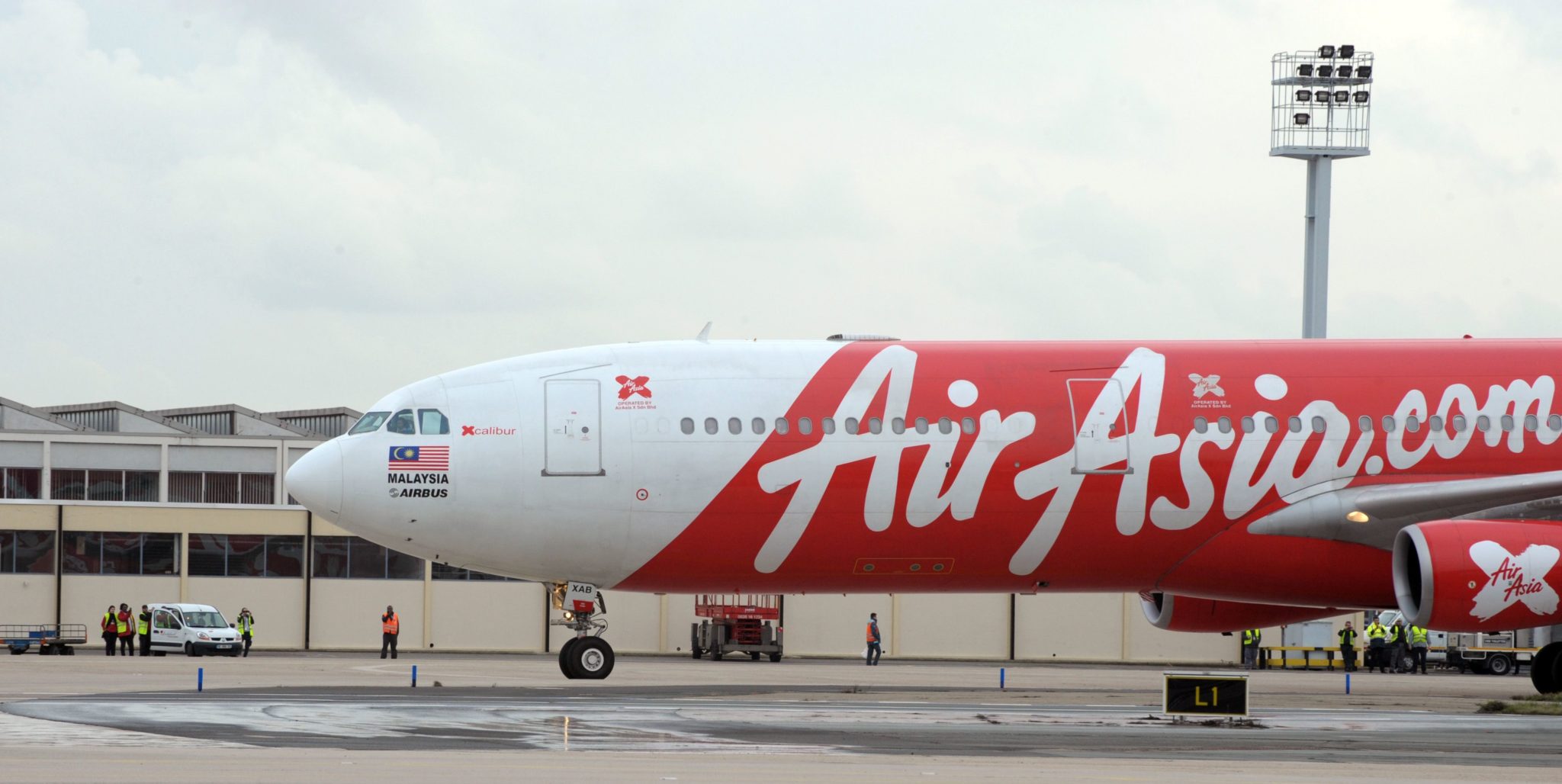
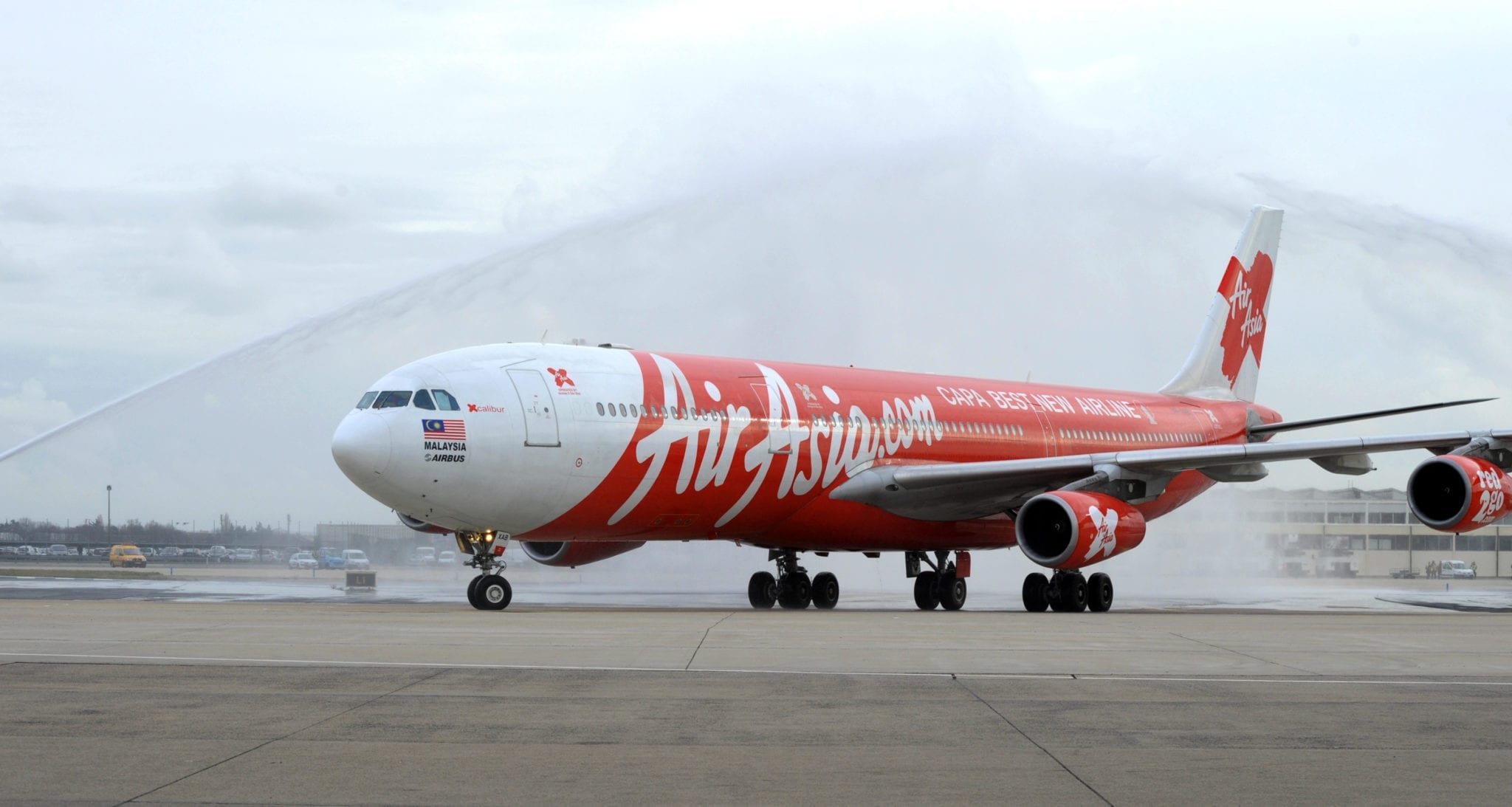
    Airbus has found buyers for six aircraft from the A320neo family rejected by one of its main customers, Malaysia’s AirAsia, as it works off a surplus left by the coronavirus crisis, industry sources said.

    Unwanted jets have become an emblem of pandemic-induced problems in the aerospace industry that have come on top of a chill in ties between two of its major players.

    Tensions became unusually public when Airbus in April invited tenders for six jets that AirAsia had failed to take delivery of.

    It has now found homes for all six, the last of which is being delivered this month, a European industry source told Reuters. Airbus provided no comment.

    Airbus has been steadily increasing deliveries as it strikes deals with airlines to reschedule deliveries or store jets.

    It said last month it had reduced an overhang that it had been unable to deliver during the crisis by 10 units to 135 jets. The redeployment of AirAsia orders is expected to trim the surplus further as deliveries top output in November.

    Airbus is seeing strong demand, relative to the rest of the battered sector, for its A321neo jet, and the aircraft has broadly held its value, the European source said. It is sticking with plans to increase output of the single-aisle jets.

    The A321neo competes with the two largest versions of the Boeing 737 MAX, which won approval last week to re-enter service after a 20-month grounding in the wake of two crashes.

    Boeing is expected to re-sell dozens of 737 MAX whose buyers cancelled during the grounding, potentially depressing prices.

    According to the UK-based consultancy IBA Group, all aircraft have lost some value during the COVID-19 crisis but the A321neo is trading around 5% below its inherent value while the MAX is 10% below – hurt also by the recent grounding.

    Doubts remain, however, about demand for a larger Airbus, the A330neo, whose largest customer, AirAsia’s long-haul unit Air Asia X, is seeking new funding to survive.

    AirAsia said in April it would stop taking deliveries of all Airbus jets this year and review remaining orders.

    The move exacerbated concerns about demand in Southeast Asia, which was already struggling with overcapacity before the crisis.

    AirAsia’s relations with Airbus were further clouded when it was drawn into an Airbus bribery case before being cleared by local investigators, industry sources have said.

    AirAsia co-founders denied any wrongdoing in a sports sponsorship deal cited in a wider Airbus bribery settlement with prosecutors in January. The European source said AirAsia remained an important partner for Airbus.

  • Vietnam leads in number of accounts removed by Facebook

    Vietnam leads in number of accounts removed by Facebook

    Facebook has removed 290 fake accounts in Vietnam so far this year, making the country top in number of account cancellations.

    Of those fake accounts, some had forged that of the Health Ministry to post fake news about the Covid-19 pandemic.

    The removals were made via coordination between Facebook and the authorities of Vietnam, Le Quang Tu Do, deputy head of the Authority of Broadcasting and Electronic Information under the Ministry of Information and Communications, told a conference in HCMC on Friday.

    Aside from the fake accounts, Facebook also removed 330 pages advertising online games and gambling as well as 2,200 links that promote trading of illegal products and services.

    In the past year, Vietnam has led the world in terms of the number of fake accounts being removed and violating posts being deleted by Facebook, Do said.

    Aside from Facebook, the authority had also worked with YouTube to either remove channels with toxic, offending and anti-government contents or block advertisements for them.

    In the year to date, more than 29,000 YouTube videos and 24 accounts have been removed.

    Previously, YouTube only removed or blocked ads for channels whose owners had been prosecuted in Vietnam but now, it will do the same for all videos deemed to have toxic contents by authorities, he said.

    Vietnam has so far licensed 800 social media platforms and the number of social media accounts has risen from 47 million in 2018 to 96 million this year, Minister Nguyen Manh Hung told legislators earlier this month.

    Facebook and YouTube account for the biggest amount of users in the country.

    In 2018, there were about 54.7 million internet users in Vietnam.

    The figure rose to 59.2 million last year and is estimated at 63.6 million this year. By 2023, it was forecasted to be 75.7 million, according to German data portal Statista.

    Statista also said Facebook had removed almost 1.5 billion fake accounts in the second quarter this year, down from 1.7 billion fake accounts in the preceding quarter.

  • Petrol, Diesel Prices Hiked Again Across Metro Cities

    Petrol, Diesel Prices Hiked Again Across Metro Cities

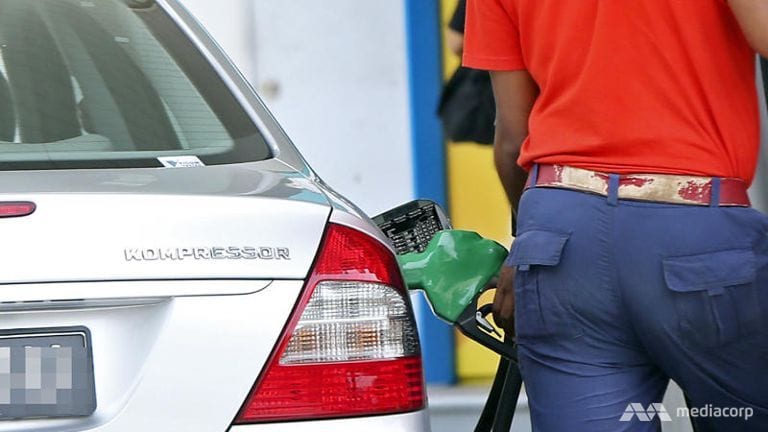
    The oil companies on Sunday, yet again, increased the fuel prices across all the metro cities resulting in a hike of 21 paise and by up to 31 paise in prices of petrol and diesel, respectively. As the price hike continues, the petrol rates on Saturday surpassed the ₹ 82 mark, while diesel breached the ₹ 72 mark in the capital city. With newly revised prices, customers in Delhi will have to shell out ₹ 82.34 per litre for petrol and will have to pay ₹ 72.42 for a litre of diesel. The fuel prices differ from state to state, which depends on the value-added tax (VAT) levied by the state government.

    In the last ten days, petrol price has gone up by ₹ 1.28 per litre and diesel rate has increased by ₹ 1.96 in the national capital. Petrol and diesel rates remained static since September 22 and October 2, respectively. The OMCs started revising rates of auto fuels from November 20 onwards.

    In Mumbai, petrol prices surpassed ₹ 89 mark as it is retailing at ₹ 89.02 per litre against ₹ 88.81 per litre on Friday. Diesel, on the other hand, is retailed at ₹ 78.97 per litre, seeing a hike of 31 paise. In Kolkata, the retail price of petrol went up by 20 paise to Rs 83.87 per litre from ₹ 83.67 a litre and diesel increased to ₹ 75.99 per litre. In Chennai and Bengaluru, petrol retailed at ₹ 85.31 and ₹ 85.09 respectively. On the other hand, diesel retailed at ₹ 77.84 in Chennai and ₹ 76.77 in Bengaluru.

    Oil marketing companies (OMCs) have been revising the retail rates of petroleum products since November 20, 2020. The 58-day hiatus in petrol price revision and 48-day status quo on diesel rates were preceded by no change in rates between June 30 and August 15 and an 85-day status quo between March 17 and June 6.

    Indian Oil Corporation, Bharat Petroleum Corporation, and Hindustan Petroleum Corporation are the three major oil marketing companies in India. The oil marketing companies revise petrol and diesel rates daily and make necessary changes to align the petroleum prices with global benchmark and dollar-rupee exchange rate.

  • Transport Ministry Plans To Introduce Uniform PUC Certificate With QR Code For All Vehicles

    Transport Ministry Plans To Introduce Uniform PUC Certificate With QR Code For All Vehicles

    The Ministry of Road Transport and Highways (MoRTH) is planning to introduce uniform pollution under control (PUC) certificate for all vehicles across the country. As per the report in ETAuto, the transport ministry will soon be made uniform PUC certificates throughout the country and will come with QR code bearing important details. The QR code on the uniform PUC certificates will have specifics of the owner, vehicle and emission status. The ministry of transport issued a draft notification proposing these changes on Friday and has pursued suggestions and objections of the stakeholders.

    The transport Ministry has already proposed the changes in the Central Motor Vehicle Rules and will have the provision for a system generated SMS to the registered mobile number of the owner before getting the PUC done. This system will also help in reducing vehicle thefts which can be detected when taken to testing centres for procurement of a PUC certificate.

    According to the report, officials said that uniform format of the PUC certificates has been proposed for linking the PUC database with the national register. The government has also planned to provide a rejection slip for the first time, specifying the reason for rejection. The rejection slip will also include where the engine emission values exceed the limits set under the CMVR.

    Under the proposed modifications in the law, if the enforcement officer has a reason to believe that a vehicle is not fulfilling the provisions of the emission standards, he can direct the owner or person-in-charge for conducting a test at any authorised PUC testing stations. The communication needs to carried out to the owner or person-in-charge of the vehicle in the form of writing or electronic modes.

    Do note, if the driver or person-in-charge of the vehicle fails to submit the vehicle compliance certificate, he/she shall be liable for plenty under the provisions of Motor Vehicle Act. The owner can face up to three months of jail or up to ₹ 10,000 fine and cancellation of driving licence for three months.

  • DBS Ramps Up Support for Social Enterprises

    DBS Ramps Up Support for Social Enterprises

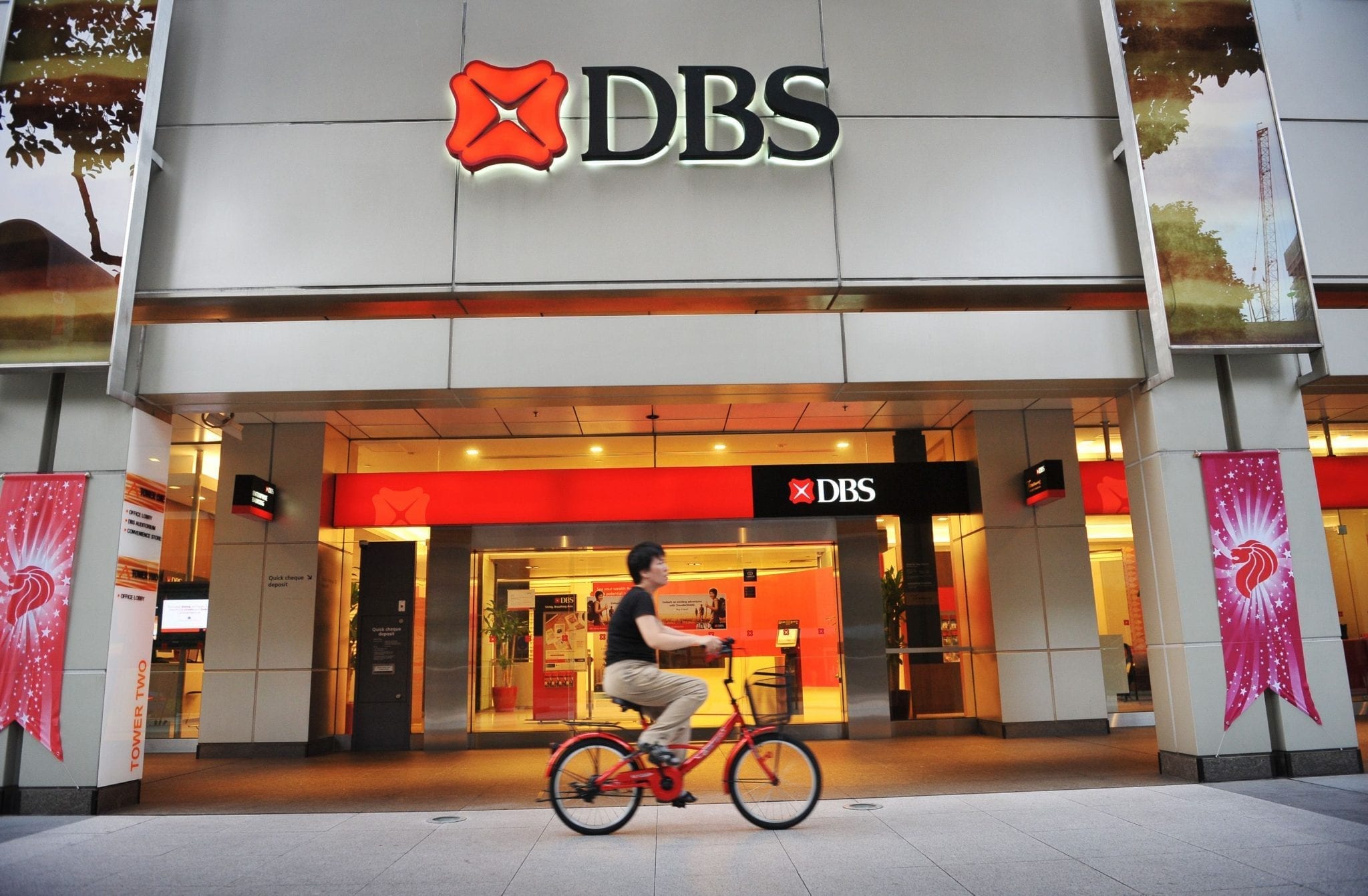
    The bank disbursed S$7 million ($5.23 million) in loans to social enterprises so far this year, up fourfold from 2019.

    Much of this support has gone towards creating and preserving livelihoods, with many of the SEs using the funds to create and retain jobs that hire people from disadvantaged communities, DBS said in a statement on Thursday.

    DBS said that access to working capital was an immediate priority for many SEs when the pandemic emerged, but many of them faced challenges in getting loans as they typically lacked a borrowing history with banks or relevant credit profiles.

    The bank rolled out its SE Digital Business Loan in May this year, which covers working capital needs at preferential rates. The bank also offers the Social Enterprise Business Loan which provides unsecured loans at a preferential interest rate, and the Temporary Bridging Loan, which provides short-term relief assistance.

    In addition, DBS Foundation awarded S$2 million in grants to social enterprises (SEs) to support the deployment of social innovations. The funding includes S$1.4 million given to 13 SEs in six of the bank’s key markets (Singapore, China, Hong Kong, India, Indonesia and Taiwan) in the 2020 cycle of its DBS Foundation Social Enterprise Grant Program.

    Two were from Singapore: Ento Industries – a biotech focused on reducing food waste, and Zigway, a ASEAN-focused fintech that makes bulk buying affordable for low-income families through a monthly subscription model.

    Recipients were chosen from a record 820 applications across Asia, based on social impact, innovation, as well as the sustainability and scalability of their business models. They were also required to demonstrate a path to achieving key business and social impact milestones.

    DBS noted the increasing recognition for the role SEs play in society.

    In the world we’re living in today, companies must not only think about delivering value to shareholders, but also consider the interests of the communities they serve. This has really come to the fore amidst Covid-19, which has sparked unprecedented social and economic challenges – yet, these very issues have also heightened opportunities for social enterprises to make a difference, and helped to cement the importance of their role in society, Karen Ngui, Board Member of DBS Foundation, said in the statement.

  • Libra Set to Launch in Early 2021

    Libra Set to Launch in Early 2021

    The Libra coin may finally launch early next year, but in a slimmed-down version. Which of the original promises will be kept with such a watered-down coin?

    When the Libra Association first went public with its project, the coin was based on a broad basket of currencies. When governments, regulators, and central banks made abundantly clear that they were opposed to such a coin, the Geneva-based association reduced the reach to include several major currencies. Now, the launch seems imminent, but the coin will be based on the dollar only.

    The association, which was founded by Facebook, plans to launch its coin at the beginning of 2021. The story was based on information provided by three people.

    However, even this slimmed-down version of a Libra coin depends on the approval of Finma, the Swiss financial market regulator. Finma refused to comment on Libra’s plans. One can safely say that Finma won’t take any risks given the global attention paid to the plans of Libra.

    The authorities have to ensure that coins such as Libra won’t make it easier for criminals to wash their ill-gotten gains. In other words, the project sponsors must make sure that they adhere to the same strict standards set by money-laundering laws as any other financial-service provider.

    And, what’s more, the idea of a multinational coin may impact the ability of central banks to enforce their monetary policy. The latest version of a slimmed-down Libra may indeed allay such worries.

    But of course, what is the purpose of a single-currency coin? The Libra was an attractive proposition because it promised an easy digital payment system for all: The Libra payment system is built on blockchain technology to enable the open, instant, and low-cost movement of money. People will be able to send, receive, and spend their money, enabling a more inclusive global financial system. Will a dollar-based Libra be of any use to a consumer in the euro-region for instance?

    The private initiatives for digital currencies need to be seen in the context of state-sponsored projects. Some central banks have forcefully advanced their own projects for digital central bank currencies. Including the Swedish and Chinese, while the European Central Bank (ECB) recently made clear that it also aimed to speed up the process.

    The Swiss National Bank (SNB) is also working on a digital currency in the context of the innovation hub with the Bank for International Settlements (BIS). This digital franc project will be presented on December 3, according to people familiar with the plan.

  • Ikea in talks to buy city-centre retail property in big European cities

    Ikea in talks to buy city-centre retail property in big European cities

    IKEA’s Ingka Investments is in talks to buy commercial property in prime locations in several big European cities after it finalised its first-ever such acquisition last month, its managing director said.

    The investment arm of Ingka Group, which owns most IKEA stores, is pushing into the real estate market as part of IKEA’s shift towards big city-centres from out-of-town. So far, such locations are leased.

    Scouting for city-centre retail property more or less ready to house IKEA stores across Europe’s main cities, Ingka Investments’ first deal was in Paris’ Rue de Rivoli.

    “We have ongoing discussions in big European cities,” Ingka Investments Managing Director Krister Mattsson said in an interview. “It takes time to buy properties, but there is a lot in the pipeline,” he told Reuters.

    Inkga Investments is pushing ahead with the new strategy despite the wider retail market uncertainty caused by the pandemic.

    Despite the exodus from high streets prompted by the coronavirus, price tags for the kind of properties that Ingka Investments is hunting for have not tumbled, Mattsson said.

    “For good locations in big cities, which is what we are looking at to meet our customers, there is always demand,” he said. “We haven’t seen any big impact yet on prices for such properties – which one may have expected when the crisis came.”

    Besides good space for the IKEA store, buildings could also include other retail, office and even residential space, and Ingka Group would take over as landlord.

    The decision to build up a real estate portfolio stems from privately held IKEA’s long-standing strategy not to rent. Acquisitions, as IKEA’s other investments, are self financed.

    Separately, Ingka Group’s malls arm Ingka Centres is also shopping for inner-city property, albeit targeting bigger developments aimed at housing IKEA-store anchored malls. Scouting Europe, Asia and the United States, it has so far made two such acquisitions.

    Ingka Investments’ portfolios also include renewable energy and forests.

    Starting in 2017 with the purchase of handyman services platform TaskRabbit, Ingka Investments also buys into startups that may help IKEA speed up its digital transformation, improve its services, and become more sustainable. The latest addition is a stake in logistics solutions and delivery platform Mover Systems.

    Ingka Investments has to date made 23 such minority stake investments totalling more than 200 million euros ($238 million), it said. It has not disclosed the price tag for TaskRabbit and two more full acquisitions.

    Ingka Group is a franchisee to brand owner Inter IKEA.

  • Starbucks Korea to join the delivery fray

    Starbucks Korea to join the delivery fray

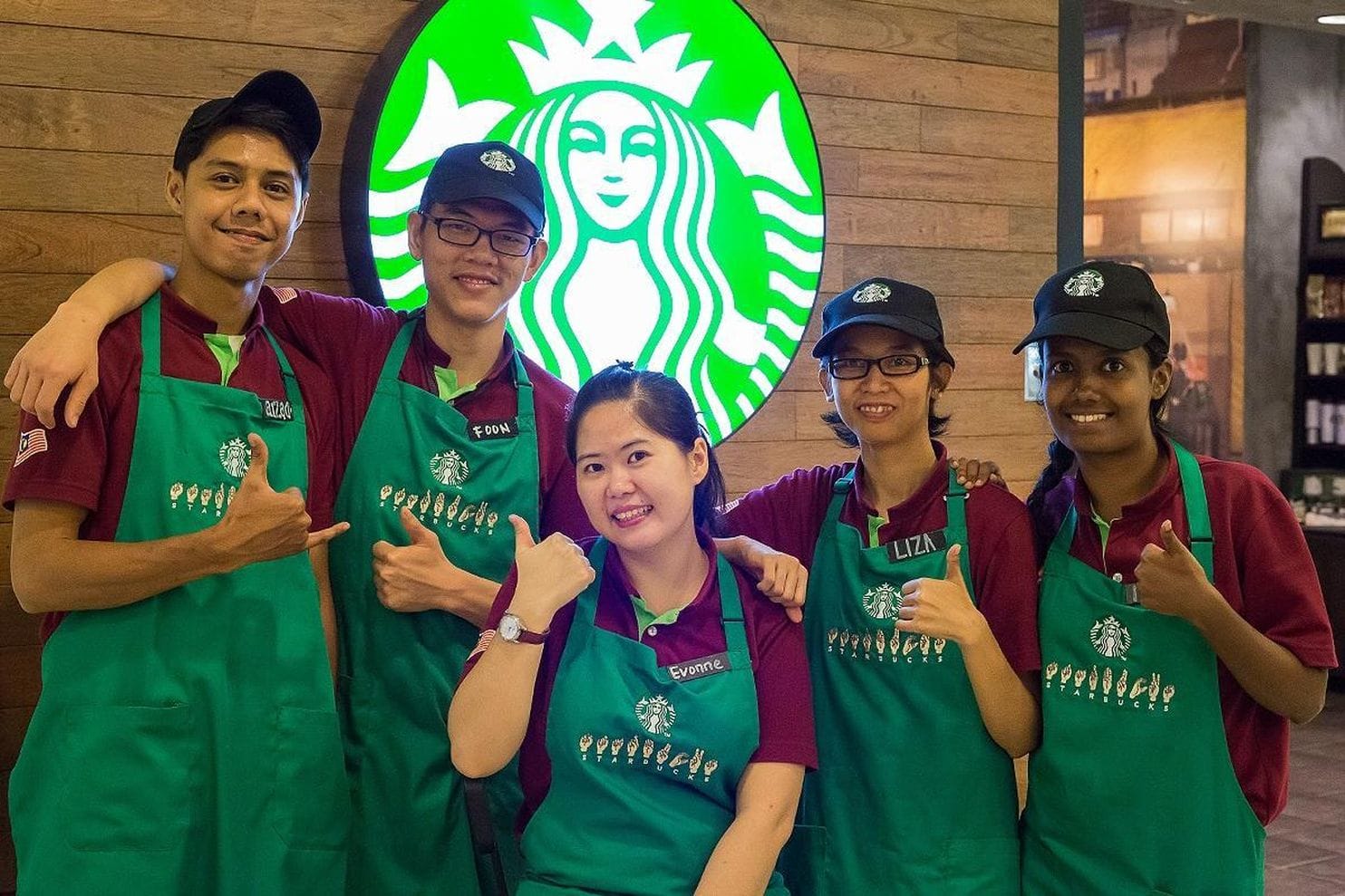
    Starbucks Korea, the nation’s largest coffee chain, has jumped into the delivery fray, in its attempt to boost annual sales in South Korea to 2 trillion won (US$1.86 billion).

    Expanding aggressively its number of stores here, Starbucks Korea has kept growing its presence with its net profit rising 18.5 percent in 2019 from a year earlier, while sales came in at 1.8 trillion won last year, on the cusp of reaching the 2 trillion won milestone.

    The COVID-19 pandemic, however, has served as a bump in the road, slowing the coffee giant’s bid to grab the coveted 2 trillion won title.

    Industry watchers say Starbucks Korea’s decision to enter the delivery service might be its longer-term preparation for the aftermath of the pandemic, which has wreaked havoc on the food and beverage industry.

    Chairs and tables are moved to a corner at a cafe in Seoul on Nov. 23, 2020, as toughened social distancing rules are to only allow takeout and delivery sales at the place.

    Starbucks Korea plans to open a delivery-only store in Gangnam District, Seoul on Nov. 27 as part of a pilot project, and following analysis into demand, it is likely to open another such store in Gangnam District in the middle of next month.

    The delivery-only store has no space assigned for visiting customers, only coffee making stands and a waiting room for delivery persons known as riders.

    In the meantime, other major coffee brands in Korea such as the Coffee Bean & Tea Leaf, Hollys Coffee, Caffe Pascucci and Ediya Coffee are already operating their own delivery services, so they are likely to keep a keen eye on the possible impact Starbucks Korea’s move might result in.

  • Ford’s New CEO Tackles Warranty Costs In Bid To Boost Profit

    Ford’s New CEO Tackles Warranty Costs In Bid To Boost Profit

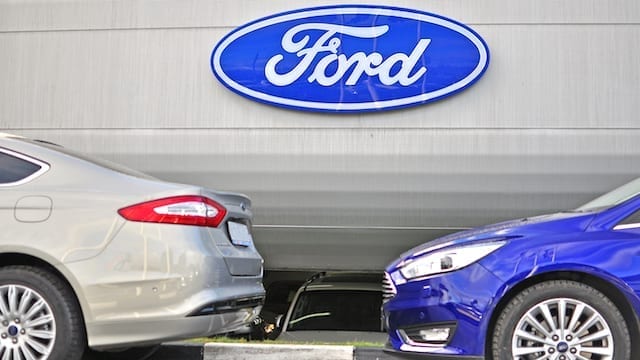
    Quality is once again Job One at Ford Motor Co. Taking a page from the automaker’s ad slogan of the 1980s and ’90s, Ford’s new chief executive, Jim Farley, is aiming to rein in rising warranty repair costs that are a key reason why the Dearborn, Michigan, automaker’s financial performance in North America has lagged that of its archrival, General Motors Co.

    As part of its new effort to cut warranty costs, Ford has told suppliers it will charge them upfront for half the cost of a warranty problem. Suppliers might get some of the money back if they resolve problems more quickly. “What we are striving for is to fix the issues as fast as possible so that those adjustments are as small as possible,” Kumar Galhotra, president of the automaker’s Americas and International Markets group, told Reuters. “They’re more incentivized to work with us.”

    Ford North America’s chief operating officer, Lisa Drake, who is responsible for the quality and vehicle launches, said in the same interview supplier contracts have always allowed such debits. “We were never doing it and frankly, it was probably one of the reasons that we became a bit more uncompetitive,” she said. The move to charge parts makers upfront has some supplier executives worried.

    Ford says that warranty repair costs is one of the key reasons why its financial performance in North America has lagged.

    “They push their suppliers so, so hard that it causes the supply base to be weak in the knees,” said one executive, who asked not to be identified.

    But for Ford investors, action to shrink the U.S. automaker’s outlays for vehicle defects is overdue. Ford’s warranty costs for the first nine months of 2020 were more than $2 billion higher than those of GM.

    Industry officials blame the automaker’s higher costs on the introduction of several major vehicle platforms and powertrains, as well as the fallout from the Takata airbag recall that has now also hit GM.

    Bad parts from suppliers account for about one-third of Ford’s warranty costs, Drake said. The rest stem from design and manufacturing issues, Galhotra said.

    “Warranty recovery is increasingly seen as a revenue source” by the automakers, said Ann Marie Uetz, a Foley & Lardner attorney who works with auto suppliers. “Oftentimes, it can feel like a bit of a grab.”

    To attack internal quality problems, Ford has reconstituted teams that track the quality of inbound parts at its plants. These teams were previously disbanded as cost-cutting moves. Farley is pushing executives to resolve quality issues that linger beyond 30 days.

    Ford’s quality gap compared with GM has worsened during the past three years. Warranty claims have ballooned almost $2 billion since 2017, Credit Suisse analyst Daniel Levy said.

    In 2012 and 2013, Ford’s warranty claims as a share of sales were below 2% every quarter, according to industry publication Warranty Week. But at the end of 2018, warranty costs topped 3% and hit 4.3% in the second quarter of this year as overall sales slid due to the coronavirus shutdown.

    Ford investors are focused on the launches of the redesigned and lucrative F-150 pickup truck.

    For the first nine months of 2020, Ford’s warranty costs totaled $3.87 billion, while GM’s were $1.68 billion, according to regulatory filings.

    “It can be fixed,” Warranty Week editor Eric Arnum said of Ford. “They just have to make the effort.”

    Ford investors are focused on the launches of the redesigned and lucrative F-150 pickup truck, and the new and highly anticipated Bronco SUV, but reducing what it spends on repairing vehicles at dealers could provide a big boost to the bottom line.

    “We’re targeting a fully competitive level of warranty spend on coverages and that’s got lots of zeroes next to it,” Farley said on an Oct. 28 earnings conference call, citing a need to be “punitive” with suppliers who ship faulty parts.

    Galhotra said Ford is applying lessons it learned from the mistakes made in last year’s costly introduction of the redesigned Ford Explorer SUV to keep its current launches on track.

    Part of the quality push involves reducing the complexity of the automaker’s vehicles, Farley said.

    For example, the proximity key for the F-150 truck unlocks all four doors, but Farley said consumers only use it for the front doors, meaning Ford can eliminate two sensors – a manufacturing cost savings and a potential reduction in warranty risk.

    Ford also plans to use data gathered from vehicles to catch problems faster – in minutes rather than months in some cases – and fix them with over-the-air software updates, Farley has said.

    Credit Suisse analyst Levy said investors are hopeful Farley can change things, but he will have to prove it.

    “There was a track record already of Ford underperforming and I think this is a frustration for investors,” he said.

  • Tesla Plans To Produce Electric Car Chargers In China

    Tesla Plans To Produce Electric Car Chargers In China

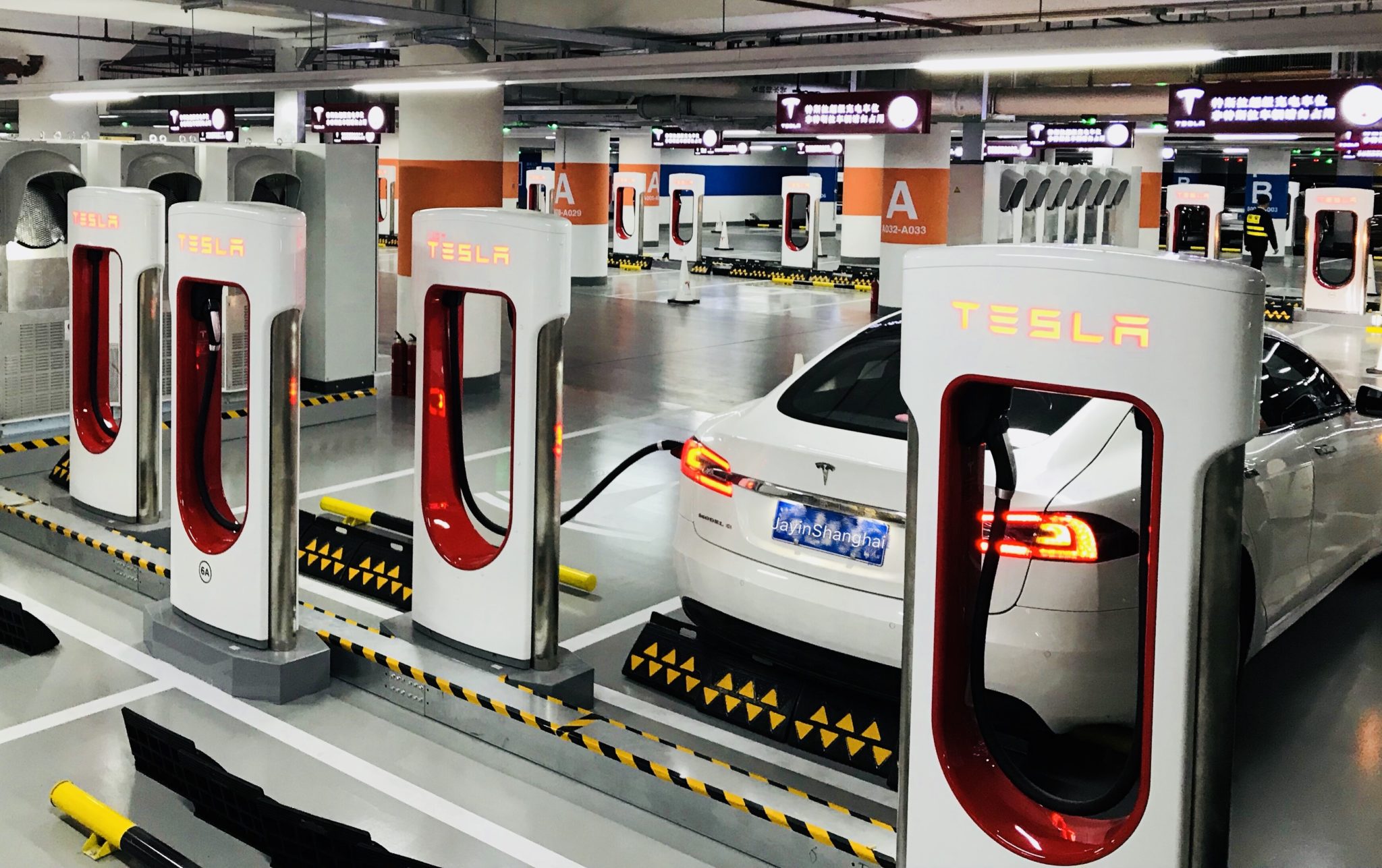
    Tesla Inc plans to start manufacturing electric vehicle (EV) chargers in China in 2021, according to a document submitted to the Shanghai authorities by the U.S. firm which is seeking to expand sales in the world’s biggest car market.

    Tesla, which now sells its Model 3 electric cars in China and plans to deliver its Model Y sport utility vehicles in 2021, plans to invest 42 million yuan ($6.4 million) in a new factory to make the chargers, also known as charging piles, near its car plant in Shanghai, the document seen by Reuters said.

    China, which offers hefty subsidies for electric vehicles as it seeks to cut down on pollution from petrol or diesel cars, has been expanding its nationwide network of charging points, one of the biggest challenges to encouraging the adoption of EVs.

    The factory, which Tesla expects to complete in February, will have the capacity to make 10,000 chargers a year, according to the document submitted by Tesla

    It now imports the chargers, usually installed in charging stations or car parks, from the United States.

    Tesla, which sold over 13,000 vehicles in China last month, did not immediately respond to a request for comment.

    The Shanghai car factory, central to Tesla’s global growth strategy, aims to produce 150,000 Model 3 sedans this year and has started exporting some vehicles to Europe.

    Executives at Tesla said this year that the firm would expand its charging network to provide better service.

  • Air Asia develops digital health pass

    Air Asia develops digital health pass

    Air Asia has launched its digital health pass, Scan2Fly, to streamline health document checks and determine eligibility to travel.

    Developed in partnership with analytics company GrayMatter, Scan2Fly has already launched on routes from Kuala Lumpur to Singapore, Surabaya, and Jakarta. About 4 in 10 passengers on these flights are already using the system, according to the airline.

    Scan2Fly will enable passengers to scan and upload medical certificates at the time of online check-in. Entry documentation required by the destination country, including Covid-19 test certificates, is verified in real-time. The airline said the technology, which helps travelers minimize contact with airport staff, will eventually be rolled out to other Air Asia destinations.

    Javed Malik, chief operating officer at Air Asia Group said:

    “Covid-19 gave us the opportunity to fast track numerous new technologies to make flying not only safe and affordable but also more hygienic and contactless. We believe this innovation, alongside numerous others that we are rolling out across Air Asia Group, will help restore consumer confidence and stimulate future air travel.”

    Air Asia’s proprietary digital health pass comes amid global efforts to harmonize standards in verifying passenger health data.

    Cathay Pacific and United Airlines are among carriers trialing CommonPass, a digital health pass developed by the World Economic Forum and Commons Project Foundation. International SOS, a travel security company, is also in the process of developing AOKpass with trials in the Middle East. Meanwhile, the International Air Transport Association (IATA) is in the final development phase of its IATA Travel Pass.

    Covid-19 testing and document verification is a priority for the airline industry as it lobbies governments for borders to reopen and international travel to resume.

    Some governments, including China, have regulations to ban airlines if a certain number of passengers test positive upon arrival. Digital health passes, like traditional passport and visa checks, can help airlines reduce the risk of penalties for non-compliance.

    “We have built Scan2Fly with both scalability and global compatibility in mind. Should there be an agreed global tracing app or vaccination app, our solutions can seamlessly integrate and or exchange relevant data as and when required,” Malik added.

  • Tiffany beats profit estimates on soaring China demand

    Tiffany beats profit estimates on soaring China demand

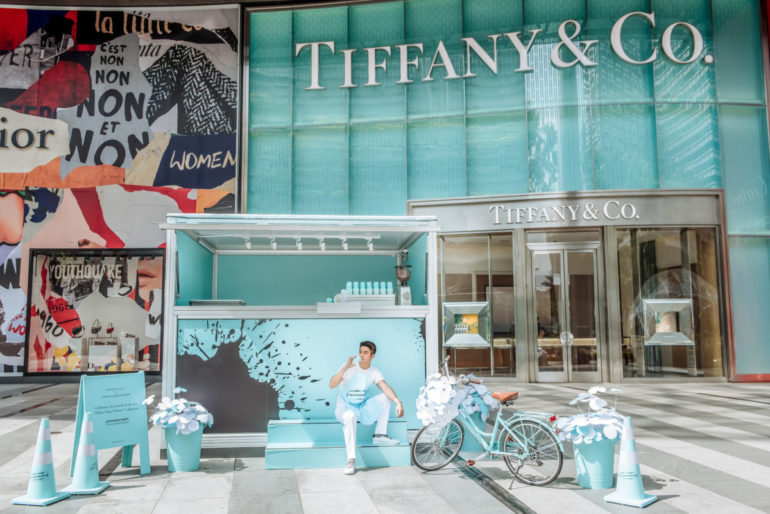
    Tiffany & Co, which is being bought by French luxury giant LVMH, beat Wall Street expectations for quarterly profit on Tuesday as the U.S. jeweler benefited from an over 70% rise in sales in China and a recovery in demand at home.

    The results bode well for the upcoming holiday season for the jeweler and other luxury retailers in general, which have been hit hard by the pandemic. They also underscore the growing importance of sales within mainland China to offset dependence on tourism, especially on Chinese tourists visiting fashion hubs like Milan and Paris.

    “We had a strong third quarter …. which speaks volumes about the enduring strength of the Tiffany brand and gives us confidence as we enter the important holiday season,” Chief Executive Officer Alessandro Bogliolo said, nodding to “the successful completion of the merger transaction with LVMH in early 2021.”

    Tiffany and LVMH ended a bitter legal battle last month and agreed to a new deal that would see the French firm buy out the U.S. jeweler at a slightly lower price of $15.8 billion, or at a discount of $425 million.

    Tiffany said sales in the Asia-Pacific region rose 30%, while sales in the Americas region declined 16% – much smaller than the 46% drop seen in the preceding quarter.

    Tiffany forecast a mid-single-digit percentage decline in holiday quarter sales, while analyst had predicted a 3% drop. It also expects a high-single-digit percentage increase in earnings for the current quarter.

    The health crisis also forced the New York-based retailer to invest in its online business and to introduce curbside pick-up at certain stores. This helped e-commerce sales surge 92% in the quarter.

    Best known for its diamond engagement rings, Tiffany could face more challenges ahead as COVID-19 cases are surging in much of the U.S. and across the world, spurring Britain and other countries in Europe, and many American states, to go into another lockdown.

    As of Oct. 31, most of Tiffany’s 320 retail stores worldwide were fully or partially opened, in accordance with local government guidelines, it said. As of Nov. 20 though, approximately 60% of Tiffany’s retail stores in Europe were temporarily closed.

    But analysts remain optimistic.

    “Q3 results also reiterate our confidence that the Tiffany brand will continue to shine through the holidays,” said CFRA analyst Camilla Yanushevsky.

    According to a CFRA site traffic analysis of Alexa Internet’s data, there is “growing traffic momentum” to tiffany.com entering the all-important holiday season, Yanushevsky added.

    Shares of the company were up marginally on low volumes in premarket trading.

    Excluding certain item, Tiffany earned $1.11 per share, surging past the average expectation of 66 cents.

    Tiffany’s net sales fell about 1% to $1.01 billion in the third quarter ended Oct.31, but beat expectations of $980.71 million, according to IBES data from Refinitiv.

  • Online investment takes into Gap profits

    Online investment takes into Gap profits

    Gap Inc. said Tuesday that it enjoyed a 61 percent jump in online sales during its fiscal third quarter ended Oct. 31 — offsetting a 20 percent fall in in-store sales due to the ongoing pandemic. The retail giant also said that its Athleta chain’s sales rocketed even as revenues plunged at Banana Republic Global.

    “With our teams focused on sales growth and returning to profitability, we’ve made investments in demand generation that are driving engagement, particularly in this dislocated market as customers are looking to trusted brands to provide easy and safe shopping options,” Gap Inc. Chief Executive Officer Sonia Syngal said in announcing the results.

    Management said results at its flagship Gap Global division included a formidable digital performance that partly offset decreased brick-and-mortar presence and lowers physical traffic trends. But all in, Gap Global’s net sales dropped 14 percent year over year, with comparable sales for the brand falling 5 percent from Q3 2019.

    Banana Republic Global fared even worse, with net sales plunging 34 percent year on year for the quarter. However, management said that was a “slight improvement” from Q2.

    Management said that Banana Republic is continuing to focus on acclimating to shopper preferences and bolstering inventory mix by moving away from the label’s usual workwear selection and into casual fashion in the “current stay-at-home environment.”

    On the plus side, Athleta’s sales jumped 35 percent year on year, with comparable sales rising 37 percent to the highest level in the brand’s history. Sales at the company’s Old Navy Global unit likewise rose 15 percent, with comparable sales up 17 percent.

    “Old Navy continued to experience meaningful acceleration in its online business as strong customer response to product was further bolstered by compelling and relevant digital marketing investment,” management said.

    Gap added that it finished Q3 with $2.6 billion in cash, cash equivalents, and short-term investments — way up from $1.1 billion at Q3 2019’s end. Management added that Gap ended the latest quarter with 3,785 retail locations in 43 nations, including 3,178 company-operated stores.

    As for its overall results, Gap reported 25 cents earnings per diluted share on $3.99 billion in net sales. That fell short of analyst estimates of 32 cents per share in earnings but came out ahead of a $3.82 billion forecast in revenue.

  • Harvey Norman sales suffer in Asia

    Harvey Norman sales suffer in Asia

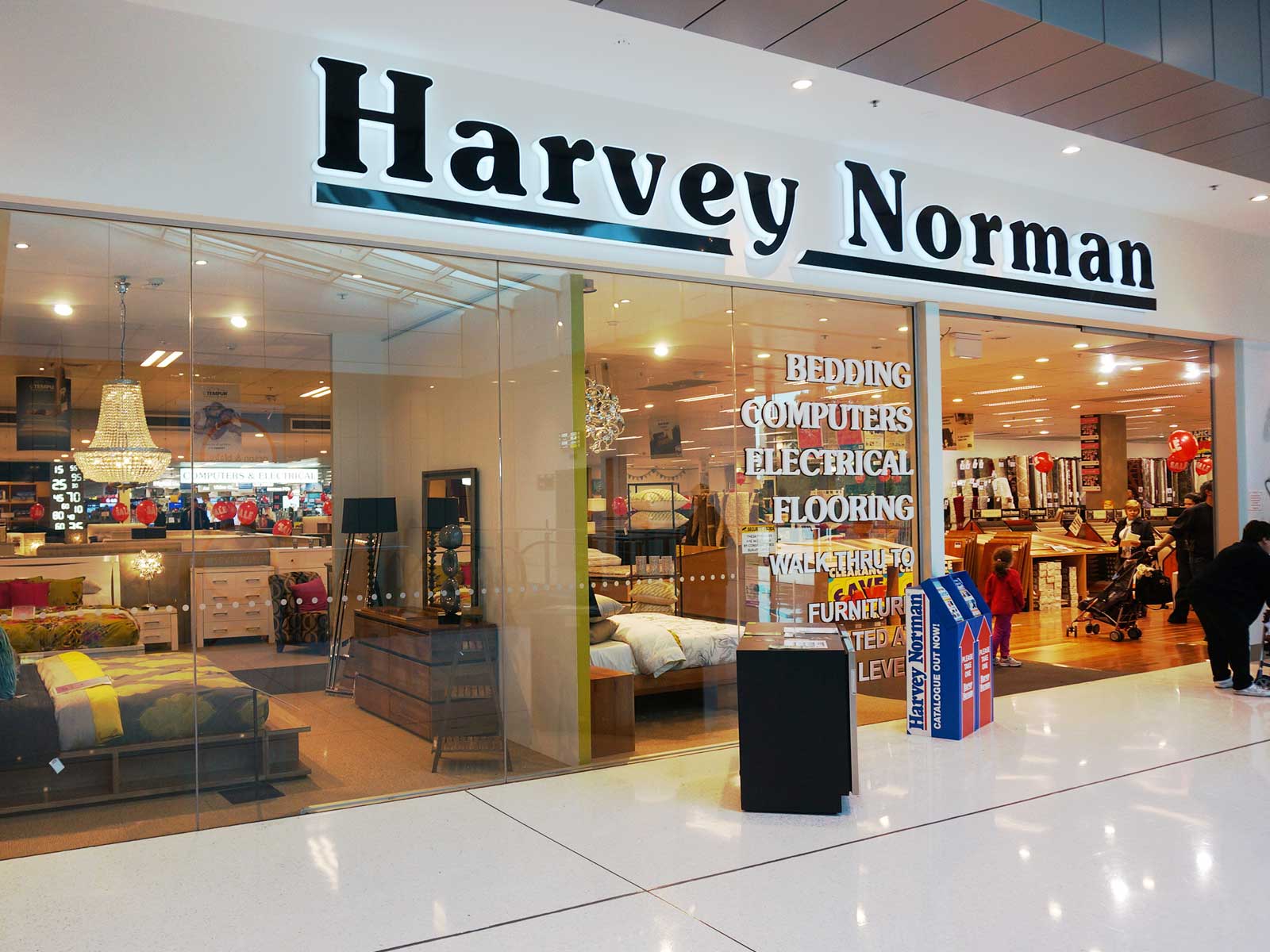
    Australian electronics and furniture retailer Harvey Norman suffered an 18-per-cent decline in sales in its Singapore store network last year.

    While sales dropped 26.1 percent in local currency during the second half-year due to the Covid-19-related lockdown, first-half sales – described by the company as “poor” – were down as well, by 11.9 percent. In Australian dollars, sales benefited from a 5.8 percent appreciation in the Singaporean dollar in the period.

    Harvey Norman’s 12 company-operated stores in Singapore closed on April 7 and still remain closed by government decree. The retailer has continued to trade online during the store closures, and anticipates being able to reopen offline later this month.

    Meanwhile, in Malaysia the company closed its 23 stores from March 18 to April 17, in line with government requirements, and gradually reopened individual stores, starting with just the electrical and computer categories, and eventually furniture and bedding, between April 18 and May 12. Online trade resumed from April 18 for the electrical and computer categories only.

    Sales were down 4.2 percent year on year in constant local currencies for the six months to May 31, and up 6.5 percent for the full year, thanks to a strong 15-per-cent uptick during the first half.

    In Australian dollars, sales were positively affected by a 5.2-per-cent appreciation in the Malaysian Ringgit during the year.

    In New Zealand, Northern Ireland, Slovenia and Croatia, where the retailer operates wholly-owned company stores, sales were down across the board.

    The only outlier was Ireland, where Harvey Norman operates wholly-owned company stores and saw a significant sales increase in the second half, despite only being allowed to fully reopen stores on June 8.