Tag: asia

  • HSBC Private Banking identifies key business solutions for female entrepreneurs in Hong Kong Thriving during Covid-19

    HSBC Private Banking identifies key business solutions for female entrepreneurs in Hong Kong Thriving during Covid-19

    HSBC Private Banking gave a boost of confidence to female entrepreneurs in Hong Kong during the Covid-19 pandemic, as the week-long digital summit FoundHER, held in partnership with AllBright, concluded successfully. The summit, which gathered successful female founders and investors in town, sought to unite and build a strong business network that enables entrepreneurial success.

    The Hong Kong series was convened between 16 and 19 November to tackle challenges female entrepreneurs encounter during times of adversity. The event was tailored to provide practical and timely advice on making a successful virtual pitch; insights from experienced angel investors, business leaders and wealth management experts on new investment opportunities; and real-time consultations on business pitches.

    While investors are more stringent in their assessment of a firm’s business model and medium term growth potential during the Covid-19 pandemic, Fan Cheuk Wan, Managing Director and Chief Market Strategist for Asia, HSBC Private Banking, said, “We observe equally strong interests shared by private investors who are looking for innovative, sustainable investment solutions and business opportunities that will emerge robustly after the pandemic.” She added, “Female founders, especially those at early-stage startups, should stay highly adaptive and responsive to the rapidly changing world. By staying on top of the latest global and industry trends, they can build more robust and resilient businesses. Sustainable business models for startups can be more successful in convincing investors during fundraising, despite external challenges and a lack of track record.”

    Echoing these views is Veronica Chou, a well-known female investor, and founder of Everybody and Everyone, a sustainable and eco-innovative womenswear brand. Chou shared that constant communication and risk aversion are keys for her brand’s success. She said “The one thing we all need to do more of is to connect and learn from other industries and even competitors.” She stressed the importance of collaborating with the industry, communities and society at large, to address the growing need for more sustainable and innovative business practices following the global pandemic. Heeding these calls in advance would help protect one’s business, especially during challenging times.

    The FoundHER series has proven to be a meaningful and purposeful networking event at a time where the pandemic has severely hit growth plans of female founders across the city. HSBC Private Banking takes an active and functional role in enabling access to experts who can guide and support entrepreneurs, to help them grow their business and connect them to a variety of opportunities within its network.

    Cynthia Lee, Regional Head of Wealth Planning & Advisory, Asia Pacific , said, “We are well-placed to push forward our efforts in supporting Hong Kong’s female entrepreneurs, as we partner with AllBright for the second consecutive year. The digital summit underscores the value and power of networking, to constantly bring in fresh ideas and lessons from sustainable and successful business models. We believe the programme will prepare female founders and enable them to thrive when new investment opportunities arise from the post-pandemic global recovery.”


    Debbie Wosskow OBE, co-founder of AllBright said, “What we are doing with HSBC Private Banking is pivotal to create a format where every woman can pitch the investors skillfully and confidently. While many firms found it hard to navigate their business during the pandemic, FoundHERoffers female founders abundant toolkits and industry insights from the global women community.”

     

  • Deliveroo deepens investment into on-demand grocery segment with exclusive DON DON DONKI partnership

    Deliveroo deepens investment into on-demand grocery segment with exclusive DON DON DONKI partnership

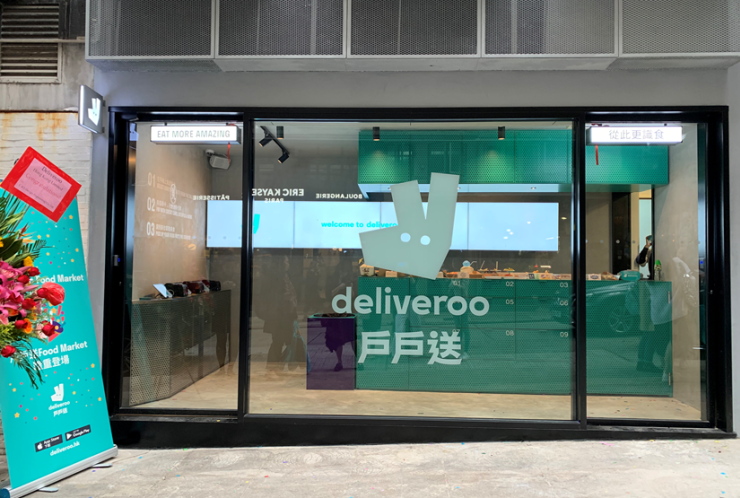
    Deliveroo today announces its partnership with DON DON DONKI, marking the first-ever collaboration with on-demand delivery app in Hong Kong for the Japanese megastore. The exclusive partnership with Deliveroo will enable customers to access a variety of tasty snacks, ready-to-eat meals and daily essentials from DON DON DONKI, making virtual shopping simple and convenient as many people opt to stay home amidst rising COVID-19 case numbers.

    The new partnership represents Deliveroo’s deepening penetration into the on-demand grocery segment. In October, Deliveroo launched its on-demand grocery offer, giving Hong Kong food lovers across the city easier access to supermarket and convenience store retailers such as Marks & Spencer and 7-Eleven.

    Introducing DON DON DONKI on Deliveroo will connect Hong Kongers to a wide variety of exciting and essential items from Japan, starting today. DON DON DONKI to-door delivery will be available across multiple neighbourhoods in Hong Kong Island, Kowloon and the New Territories reaching approximately over 1.5mn customers; or customers can choose pick-up to shop online and skip the queue.

    Via Deliveroo, customers can access some of their favourite DON DON DONKI household essentials, ready-made meals, supermarket staples and fresh produce.  With almost 300 items available to order on Deliveroo, customers can order a wide range of items including Japanese pears, grape shine muscat, wagyu beef, fresh sashimi and sushi, assorted cheese products, snacks and sweets, beverages such as sake and canned chūhai, as well as store beauty supplies, snacks for pets and home essentials.

    The boost to Deliveroo’s on-demand grocery offerings comes as consumers in Asia are eagerly embracing online shopping methods related to F&B. With the online grocery market in Asia expected to reach over US$295 billion by 2023, Deliveroo is making sure its offer to consumers meets changing demands, which is particularly important as consumer habits continue to evolve alongside COVID-19 restrictions.  With a fleet of over 7,000 riders in Hong Kong, Deliveroo is committed to delivering meals and essential grocery items in as little as 30 minutes, ensuring people have the food and other goods they need and want.

    Brian Lo, General Manager, of Deliveroo Hong Kong said, “Deliveroo is committed to more investment in on-demand convenience, following the announcement of partnerships with 7-Eleven and Marks & Spencer earlier this year. Now, we are  incredibly excited to partner with DON DON DONKI exclusively to offer convenient delivery and pick-up access to the megastore’s amazing range of products. We are dedicated to staying on top of consumer trends and catering to what our customers want, so DON DON DONKI is an extremely relevant brand and partner to bring on board as we deepen our on-demand grocery sector penetration. The potential of eCommerce grocery services is significant, particularly in light of COVID-19, and we will continue to work with more large brands to help Hong Kongers conveniently access the products they want and need.”

    Fast and convenient DON DON DONKI shopping

    Skip the line and order online! As Deliveroo and DON DON DONKI kick off their partnership, starting from today, five DON DON DONKI stores located in key areas within Hong Kong will be ready for delivery. Customers can also choose going to any of the five stores to pick up to save time and skip the queue. In recognition of the partnership, Deliveroo is offering delicious deals to new and old Deliveroo customers. New customers can receive two $50 vouchers (T&C apply) when they sign up for Deliveroo, while long-standing customers can enjoy 15 percent off their first DONKI-on-Deliveroo purchase.  Additionally, customers can enjoy a special price for Deliveroo-exclusive Hotpot Combo in a limited co-branded thermal bag from 18 December (available on a first-come-first-served basis while stocks last).

    DON DON DONKI is a beloved Japanese discount chain that first opened its doors in Hong Kong earlier last year. Operating 24/7 in most locations, the megastore offers an abundance of Japanese snacks, beauty items, lifestyle goods, cooked food – including special bento offerings – dry goods, fresh produce, and much more. DON DON DONKI can be accessed via the Deliveroo app to order instant soups, exclusive Japanese sodas, rice bowls and much more, bringing Japan to customers’ doorsteps in Hong Kong.

  • Crêpe Delicious Celebrating Festive Season with Holiday Set Menus for Home and Office Parties

    Crêpe Delicious Celebrating Festive Season with Holiday Set Menus for Home and Office Parties

    Crêpe Delicious is celebrating Hong Kong’s festive season with Holiday Set Menus for home or office parties. Joyous Christmas-themed dessert crêpes, a sharing platter for couples, spectacular new gelato shake and promotion on Somersby Sparkling Rosé cider also launch the season to be merry at the brand’s fashionable ‘urban cafés’ in trendy Lee Tung Avenue, Wanchai and MOKO, Mongkok, from 10 December 2020 into the New Year to 31 January 2021.

    Three party menus priced HK$980 for 4, HK$1,800 for 8 and HK$2,480 for 12 headlines the festive specials – styled especially for Hong Kong’s restrained party season.

    With convenient ordering for pick-up, takeaway sets tailored for various group sizes feature a signature range of popular Crêpe Delicious favorites including snacks & salads, famous ‘puff pizza’, fresh “From the Kitchen” pastas and risottos, iconic dessert crêpes, and soft drinks.*

    An “Early-Bird” promotion is available for party set menu orders before 15 December 2020, for pick-up or delivery from 21-27 December 2020, includes a complimentary bottle of red wine, or four bottles of Somersby Sparkling Rosé and gift set of two glasses.

    For a festive treat, three new Instagrammable dessert crêpes embrace the Christmas spirit.  Winter Butterfly (HK$98) is a delightful rose crêpe with white peaches and raspberries, topped with rose whipped cream, white chocolate chips and raspberry sauce.  Symbolic butterflies also pay tribute to a Lee Tung Avenue neighborhood celebration of the joyous season along a colorful “Butterfly of Hope” theme decorated with over 300 glass butterflies.

    Rum & Raisin (HK$98) with cream cheese filling and rum raisin is topped with rum & raisin gelato, chocolate sauce, and garnished with colorful raspberries and mint.  Also inspired by the classic French dessert, Mont Blanc (HK$98) has a festive edible gold leaf and candied chestnut topping, with chestnut cream and chocolate chips, and a cute cream snowman on the side.

    The brand’s classic home-made gelato range is extended with Pistachio Green Gelato Shake (HK$58) with green-themed pistachio and gelato, topped with whipped cream and pistachio crunch, a variation of signature pink-colored gelato shake Pink Lady (HK$58).

    To complete celebrations, any diner who orders Somersby Sparkling Rosé (HK$48) cider at Crêpe Delicious (Urban Café) in Lee Tung Avenue will receive a complimentary glass gift set.

    Value added offerings are also available through the brand’s Membership Programme.  VIP Memberships with any single spending over HK$300 earns a welcome gift of gelato scoop, along with 10% year-round discount and 20% discount during birthday month.  Premium Membership, for a fee of HK$488, earns a welcome gift of gelato scoop plus Cookieboy Family Cookie Pack, with 15% year-round discount and annual coupons including Four Welcome Cash Coupons, Four Free Takeaway Coffee Coupons, Four Gelato Coupons, Four Gelato Shake Coupons, One Cookie and Cream sweet crepe and One Welcome Hong Kong savoury crepe – total value worth HK$888.

    With a focus on highest quality ingredients and dishes freshly made to order, Crêpe Delicious has pioneered a global craze for the iconic French cuisine classic since 2004 – expanding worldwide from Canada to Hong Kong, USA, UK, the Middle East, India and Thailand.

    The brand’s winning success story is owed to a commitment to leading the resurgence in healthy eating, with signature crêpes weighing-in at just 170 calories and 3 grams of fat, with a choice of fillings of seasonal fresh ingredients.

  • Banks continue to cut deposit interest rates

    Banks continue to cut deposit interest rates

    With the Covid-19 pandemic acting as a drag on credit growth, banks are continuing to cut deposit interest rates.

    State-owned lenders BIDV, Agribank and VietinBank this week reduced their 12-month rates by 0.2 percentage points to 5.6 percent.

    The other “Big 4” state-owned lender, Vietcombank, kept its 12-month rate unchanged at 5.8 percent but cut the 24-month and 36-month rates by 0.2 percentage points to 5.7 percent and 5.4 percent.

    The largest private lender, Techcombank, reduced its 12-month rate by 0.4 percentage points to 4.5-5 percent depending on the deposit amount.

    The rates have thus dropped by 0.4 percentage points within two months.

    Banks have reported high liquidity but difficulty lending as the pandemic hits businesses.

    Banking credit growth in the first nine months of this year was just 5.12 percent, far below the double-digit figures recorded of the last three years, according to the General Statistics Office.

    In August the State Bank of Vietnam revised its credit growth target for this year from 14 to 10.1 percent. It has also cut its policy rates four times so far this year to pump-prime the economy.

  • Grab and GoJek get closer to merger deal

    Grab and GoJek get closer to merger deal

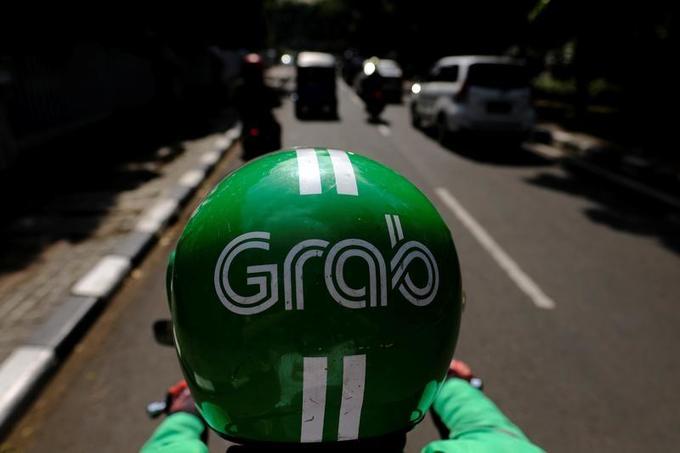
    Grab Holdings. and Gojek have made substantial progress in working out a deal to combine their businesses in what would be the biggest internet merger in Southeast Asia, according to people with knowledge of the talks.

    The region’s two most valuable startups have narrowed their differences of opinion, though some parts of the agreement still need to be negotiated, said the people, asking not to be named because the talks are private. The final details are being worked out among the most senior leaders of each company with the participation of SoftBank Group Corp.’s Masayoshi Son, a major Grab investor, one of the people said.

    Under one structure with substantial support, Grab co-founder Anthony Tan would become the chief executive officer of the combined entity, while Gojek executives would run the new combined business in Indonesia under the Gojek brand, the people said. The two brands may be run separately for an extended period of time, one of the people said. The combination is ultimately aimed at becoming a publicly listed company.

    Representatives of Grab, Gojek and SoftBank declined to comment. The talks are still fluid and may not result in a transaction, the people said. The deal would need regulatory approval and governments may have antitrust concerns about the unification of the region’s two leading ride-hailing companies.

    Grab and Gojek have been locked in a fierce, expensive battle for dominance in that business along with food delivery and mobile payments over the last several years. Investors have been pushing for them to combine forces across Southeast Asia in order to reduce cash burn and create one of the most powerful internet companies in the region. Grab, which is present in eight countries, was last valued at more than $14 billion, while Gojek, valued at $10 billion, has a presence in Indonesia, Singapore, the Philippines, Thailand and Vietnam.

    SoftBank has been pushing for a deal since Son visited Indonesia in January, but he’s grown increasingly frustrated with the lack of progress. The old rivalry and personality clashes between the two companies’ leaders have led to deadlocked negotiations in the past, according to one of the people familiar with the talks.

    Sea Ltd.’s rise as a formidable force in e-commerce and digital payments has injected fresh impetus to the Grab-Gojek conversation, the people said. The Singapore-based company’s e-wallet, ShopeePay, has been gaining market share at a rapid clip, aided by the growing popularity of Sea’s e-commerce platform Shopee. That, in turn, is challenging market leaders GoPay and Grab-backed Ovo in Indonesia.

    Sea’s surprise journey from a scrappy startup to Southeast Asia’s most valuable company in the past 10 years has been the “biggest inspiration” for local internet companies lately, Rohit Sipahimalani, chief investment strategist at Temasek Holdings Pte, said in an interview at the launch of the e-Conomy report in November. Sea went public in 2017 after raising more than $720 million from investors and now has a market value approaching $88 billion.

    “People are now seeing that the public markets are a viable alternative for internet companies in Southeast Asia,” said Sipahimalani, whose firm is an investor in Gojek. “But they also recognize that they need to get to a certain scale, which is why the IPO route is becoming more attractive. I think that’s leading to some dialogue around combinations and consolidations in the region.”

    He declined to comment on the Grab-Gojek deal, adding that Singapore’s state-owned investment firm isn’t taking part in the negotiations.

  • Fiat To Electrify 60 Percent Of Its Cars By 2021

    Fiat To Electrify 60 Percent Of Its Cars By 2021

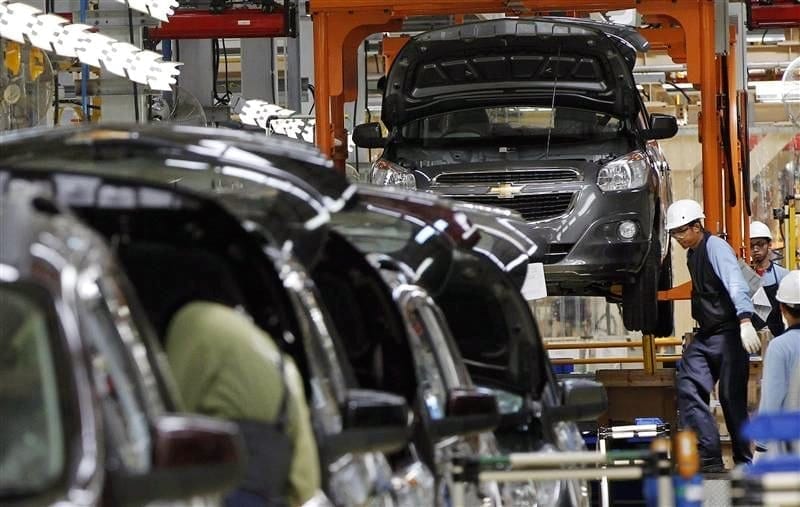
    The automobile industry is changing dramatically for the first time in a century. Volkswagen has already announced that it is stopping all motorsports activities to focus on electrification efforts before this Honda also announced in September that it was going to be focusing on electrification and sustainability which perpetuated its exit from F1. Now, Fiat has joined the bandwagon and its head for EMEA has said that 60 percent of its vehicles will be electrified by the end of 2021. This includes the Fiat, Lancia and Abarth brands.

    Fiat’s approach is a different one, however. Its electrification efforts amount to multiple new hybrid models, unlike the traditional plug-in electric models. It already makes a hybrid version of 500, the Panda and the Lancia Y. It also has a couple of cars incoming — 500X and Tipo, apart from this, there is also a new Fiat 500 electric and Fiat E-Ducato coming in.

    Fiat feels that adding more hybrids and plug-in cars are a necessity for it in Europe. It has also been forced to make this move as it has been lagging behind in its electrification efforts and also been forced by the European Union’s Emission requirements to buy emission credits.

    For this, it has partnered with the big daddy of all-electric cars – Tesla – the world’s highest-valued automotive company for complying with the CO2 emission for the EU. It is also highly dependent on Tesla’s ability to scale up its operations and production in the EU.

  • Citi Digital-Only Offering Targets 200,000 New Clients in Hong Kong

    Citi Digital-Only Offering Targets 200,000 New Clients in Hong Kong

    Citi will look to realize the promises of financial inclusion with its new digital-only proposition in Hong Kong which can be accessed with as little as HK$1.

    And at HK$100, users can even find tailor-made fund portfolios based on investor needs, according to a statement from the bank.

    In addition to the low threshold, users can also earn as much as 1.8 percent on the deposit rate from the platform.

    Entitled Citi Plus, the platform will be first rolled out in Hong Kong before entering other markets in the Asia Pacific region.

    According to the bank, it will seek to add up to 200,000 clients over the next few years with a target of doubling its base within the next 24 months.

    Nowadays, young consumers have endless desires and expectations for digital living, and digital experience on wealth management is becoming part of their daily lives, said Lawrence Lam, consumer business manager at Citibank Hong Kong.

    Citibank has been committed to offering excellent services to best meet client needs. The launch of Citi Plus now is a testament to our customer-centric core principle.

  • Starbucks opens ‘inclusive’ store staffed by people with disabilities

    Starbucks opens ‘inclusive’ store staffed by people with disabilities

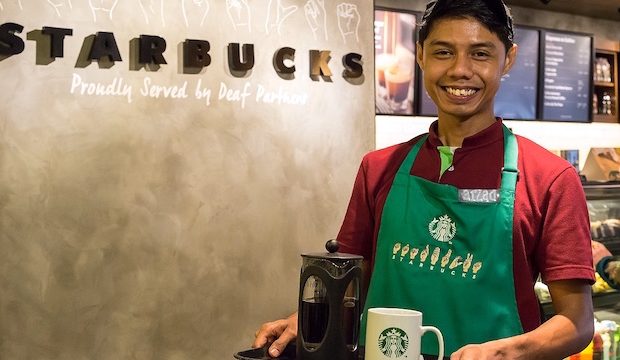
    Today, Starbucks announced the opening of a first-of-its-kind Starbucks store focused on inclusive design in South Korea. Located at Seoul National University Dental Hospital (SNUDH), the store reaffirms Starbucks commitment to diversity, equity and inclusion, and expands career opportunities for Starbucks partners (employees) with disabilities.

    “Opening a store focused on inclusive design marks an important moment for Starbucks in South Korea and around the world,” said David Song, ceo, Starbucks Coffee Korea. “We are excited to have this opportunity to bring Starbucks Mission and values to life in our community and expand opportunities for our partners to develop their careers at Starbucks. Through our partnerships with organizations like the Korea Employment Promotion Agency for the Disabled (KEPAD), we hope to lead the way for other business in South Korea to create an inclusive environment for all.”

    Starbucks partners in the disability community had raised the concept for such a store as an opportunity for the company to have a positive impact. From the beginning, Starbucks Coffee Korea partners with disabilities guided store development and operational testing to create a welcoming Third Place community for partners and customers alike. The company also partnered with the KEPAD and other advocates in the disability community to consult on store design and training.

    Anyone who is passionate about access and disability inclusion can work at the new store. Half of the staff are partners with disabilities, and hold positions at nearly every level. In partnership with KEPAD, partners all receive customized training and development, including basic expressions in Korean Sign Language.

    The store’s central art piece demonstrates the positive impact that Starbucks partners with disabilities have had on the company and partners’ hopes to make a place where all people can come together over a cup of coffee. Partners from across South Korea, as well as partners based at the store, contributed individual clay pieces arranged to create the word “Together” in English, mounted on a background of upcycled Starbucks coffee grounds.

    “I’m so proud of this new store and the important role it will play in bringing our community together and enhancing the career development journey of Starbucks Korea partners,” said Elena Choi, assistant manager of the new store, and a partner who is hard of hearing. “Creating an inclusive space expands the ability of partners to learn and grow in their role, and we’re so excited to welcome customers to our new store.”

    The store was designed to be a warm and inclusive space for people with a wide range of disabilities, from customers to partners. Partners are equipped with digital tablets to facilitate communication with customers, and the store floor, back room and bar have all been designed with additional space for comfortable wheelchair access—a first-of-its kind for Starbucks globally. At the Starbucks design lab in South Korea, members of the disability community helped test the store’s unique bar to better optimize the space for partners using mobility aids like wheelchairs.

    “The new store represents our enduring commitment to diversity, equity and inclusion in every market we serve,” said Sara Trilling, president, Starbucks Asia Pacific. “We understand we are still early in our journey, and will continue to learn and expand our design principles. With feedback from partners, customers and the community, we are constantly reimagining how we build stores to.

  • UBS Poised for Swiss C-Suite Shake-Up

    UBS Poised for Swiss C-Suite Shake-Up

    UBS is reportedly preparing to retire one of its oldest top executives. The move paves the way for the Swiss bank’s highest-ranking female banker to take on a key business unit.

    The Zurich-based wealth manager is preparing to move Sabine Keller-Busse into the job of running its domestic arm, according to Manager Magazin. The German outlet didn’t cite sourcing for the move, nor provide any detail on when such a move could take place. A spokeswoman for UBS declined to comment.

    At the Swiss bank, where Ralph Hamers took over as CEO five weeks ago, she would replace Axel Lehmann, who has been in the top Swiss job for the last two years. The 61-year-old banker, the third person to oversee UBS’ home turf in five years, is among the oldest top executives at the Swiss bank.

    UBS, where the retirement age is 65 for men, doesn’t have a formal cut-off date for its top executives, but it isn’t much of a stretch to posit that Hamers will rejuvenate and diversify the body. The most likely time to do so would be when he hits 100 days in the job, in the spring of next year.

    The German outlet’s reporting is especially noteworthy because it was spot-on about the exit of Martin Blessing, the ex-CEO of Commerzbank, last year. The outlet’s reporting sparked an immediate, fierce rebuttal from CEO Sergio Ermotti at the time.

    The 55-year-old former McKinsey consultant earned plaudits for fast-tracking UBS’ work-from-home arrangements when the pandemic hit. At UBS, she has mainly overseen so-called corporate functions like human resources since 2010.

    She joined top management four years ago, was promoted to operating chief in the same shuffle that elevated Lehmann to the top Swiss job, and last year added UBS’ business in Europe, the Middle East, and Africa to her remit. Keller-Busse, who ran Credit Suisse’s business with private clients in Zurich from 2008 until joining UBS in 2010, was previously touted as a candidate for the top UBS job.

  • Japan May Ban Sale Of New Petrol-Powered Vehicles In Mid-2030s

    Japan May Ban Sale Of New Petrol-Powered Vehicles In Mid-2030s

    Japan may ban sales of new petrol-engine cars by the mid-2030s in favour of hybrid or electric vehicles, public broadcaster NHK reported on Thursday, aligning it with other countries and regions that are imposing curbs on fossil fuel vehicles.

    The move would follow Prime Minister Yoshihide Suga’s pledge in October for Japan to slash carbon emissions to zero on a net basis by 2050 and make the country the second G7 nation to set a deadline for phasing out petrol vehicles in a little over two weeks.

    Japan’s industry ministry will map out a plan by the year-end, chief government spokesman Katsunobu Kato told a news conference on Thursday.

    Japan’s Prime Minister Yoshihide Suga pledge in October for Japan to slash carbon emissions to zero on a net basis by 2050.

    The likelihood of state interventions to lower carbon emissions is fuelling a technological race among carmakers to build electric cars and hybrid petrol-electric vehicles that will lure drivers as they switch from petrol models, particularly in the world’s two biggest auto markets, China and the U.S.

    Measures already in place in Japan mean Japanese automakers, particularly big ones such as Toyota Motor Corp with greater research and development resources, could use electric vehicle technology they have already developed at home.

    Nissan Motor Co chief operating officer Ashwani Gupta last month told Reuters his company was ready to respond to Britain’s decision to hasten a phase-out date for new petrol and diesel powered cars and vans by five years to 2030 because it was part of a global trend.

    Japan’s industry ministry is considering requiring all new vehicles to be electric, including hybrid vehicles, NHK reported earlier, adding the ministry would finalise a formal target following expert-panel debates as early as the year-end.

    Nissan says it’s ready to respond to Britain’s decision to hasten a phase-out date for new petrol and diesel-powered cars and vans by five years to 2030

    Japanese automakers for now are keeping quiet on what impact those measures could have on their businesses.

    Toyota, Honda Motor, Nissan and its alliance partner Mitsubishi Motors Corp declined to comment.

    In Japan, the share of electric vehicles is expected to increase to 55% in 2030, Boston Consulting Group said in a report on prospects for battery-powered cars.

    Globally, “the speed of expansion of the share of electric vehicles will accelerate due to the fact that battery prices are falling more rapidly than previously expected,” Boston Consulting said in the report.

    Japan, China and South Korea recently announced firm targets to end net emissions of carbon, which has given momentum for companies and banks to push for cutbacks to keep global warming in check.

    Apart from Britain, parts of the United States and Canada, Norway and Germany, are or plan to imposed curbs on fossil fuel cars. The wider European Union is expected to decide on future restrictions as early as this month.

  • AirAsia Group to reduce fleet size in 2021

    AirAsia Group to reduce fleet size in 2021

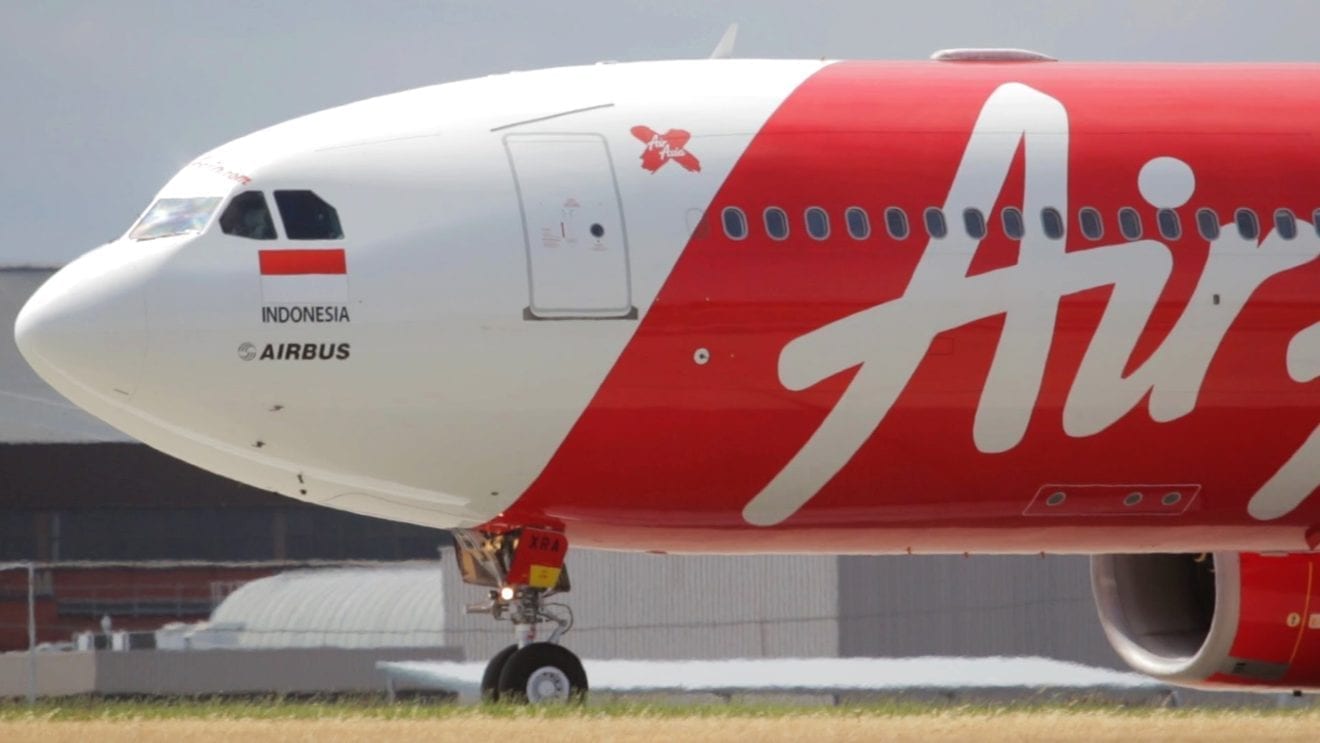
    AirAsia India will be the group’s only unit to see fleet growth by the end of 2021, amid an ongoing investment review conducted by the low-cost group.

    In slides presented at an analyst briefing following the release of its third-quarter results, AirAsia Group states in its outlook that it has “planned for a reduction in our fleet count to match our expected recovery” post-pandemic.

    AirAsia India looks set to expand its fleet by the end of 2021.

    The group, comprising units in Malaysia, Thailand, Philippines, Indonesia and India, anticipates a reduction of 23 aircraft by the end of 2021 to 221 aircraft.

    By the end of 2020, the group will have one less aircraft than the end of 2019. This is led by a decrease in fleet size from Thai AirAsia, as well as the now-shuttered AirAsia Japan.

    Malaysia-based AirAsia Berhad, as well as Indonesia AirAsia, will have zero aircraft growth for the year, while Philippines AirAsia and AirAsia India will expand their fleet by one and four aircraft respectively.

    Information from the AirAsia Group shows an overall fleet reduction of 23 aircraft by the end of 2021.

    By 2021, all of the group’s carriers, except AirAsia India, will reduce their fleet size by between one to eight aircraft. AirAsia India, meanwhile, will add one aircraft to its fleet.

    AirAsia India’s five aircraft addition between 2020 and 2021 is reported to be Airbus A320neos, of which it currently has two examples in its fleet.

    Indian media, citing an AirAsia India spokesperson, says the airline will be taking a third A320neo by December, with the remaining two aircraft arriving by 2021.

    AirAsia India, a joint venture with the group and Indian conglomerate Tata Group, was also reported to have its eyes set on expansion, with the carrier targeting to operate nearly two-thirds its pre-pandemic capacity, an increase from the current 55%.

    The carrier was most recently the subject of ongoing investment review, with AirAsia Group president for airlines Bo Lingam stating that “cost containment and reducing cash burns remain key priorities” for the group, which led to the closure of AirAsia Japan, and an “ongoing review of our investment in AirAsia India”.

    There were also rumors that the Tata Group could increase its shareholding in the carrier, effectively taking over AirAsia Group’s stake. In June, group chief Tony Fernandes was reported to be considering pulling out of the joint venture altogether. AirAsia Group has not publicly commented on the matter.

    The latest fleet update comes after the group said in April it was negotiating its outstanding orders with Airbus, and would be taking no new aircraft in 2020. The group’s earlier estimates indicate that AirAsia and AirAsia X were due to receive 14 aircraft in 2020, and a further 29 aircraft in 2021.

    Cirium fleets data shows the AirAsia Group to have more than 360 A320 family aircraft on order, the majority of them A321neos.

  • Bentley Hires Jets To Fly Car Parts To Britain During Brexit

    Bentley Hires Jets To Fly Car Parts To Britain During Brexit

    Bentley, the luxury carmaker owned by Volkswagen has booked five Antonov cargo jets to help overcome potential supply bottlenecks in the event of a disorderly exit of Britain from the European Union, the carmaker said on Wednesday. Car manufacturers are securing additional supply routes as policymakers in Brussels and Westminster seek to strike a deal to determine the future trading relationship with continental Europe after Britain exits the European Union.

    Bentley, which makes high-end sports cars, buys 90% of its components from continental Europe, and sells around 24% of its cars into Europe, Chief Executive Adrian Hallmark told the Financial Times’ Future of the Car summit.

    “We have spent two years planning. We have five Antonovs that we have on reserve to fly bodies to Manchester,” Hallmark said, adding that in addition to shifting car bodies by air, Bentley has hiked the level of spare parts stored for production.

    Bentley has booked additional warehouses and planned new logistics routes in case traditional supply methods are hampered by bottlenecks

    “We used to run just-in-time with two days stock. Now we have 14 days of stock. That’s 14 working days, so that’s three weeks of stock,” he said.

    The company has booked additional warehouses and planned new logistics routes in case traditional supply methods are hampered by bottlenecks.

    If Britain fails to secure a negotiated trade agreement with European policymakers, Bentley would be able to absorb 10% import tariffs by raising prices and cutting costs. This would be less damaging than supply disruptions.

    “It is not existential as long as everything flows. Stopping flows is far more dangerous than Brexit tariffs,” Hallmark said, referring to supply bottlenecks.

    This year Bentley expects to sell more than 10,000 luxury cars and to reach breakeven, mainly thanks to a rebound in demand in China, Hallmark said.

    China sales are up 35% when compared with before the COVID-19 crisis. Sales in Europe and the United States up 15% Hallmark said.

    “Overall we are in a position where we will do well over 10,000 sales this year,” he said via Webcast. “We are on the cusp of going beyond breakeven.”

  • How Modern-Day Technology Has Placed Casino Industry In A Much Better Position

    How Modern-Day Technology Has Placed Casino Industry In A Much Better Position

    The inception of the internet and thrive in current technology has offered galore of advantages till now. Almost all sectors across the globe have been notably changed because of the flourish in modern-day technology. And, being a renowned one, the casino industry is no exception to it. Because of the inception of high-speed internet and the advancement of portable devices and gaming PCs, casino games have found a new breeze of oxygen.

    Within this very little time, the industry has also adapted various innovative technologies for bestowing the players with a seamless and more immersive gambling experience. The introduction of virtual reality to innovative blockchain technology is the only technology that has made the industry’s path to success smoother.  Let’s discuss how the casino industry has become efficient for punters because of technological development.

    Online Gambling Experience

    The internet had appeared to change the entire scenario of casino gambling, opening up a galore of fresh opportunities for players and casino service operators both.  Gambling games include the element of fortunes and depend on mathematical calculations. Therefore, casino games have been conveniently transformed into online activities. Besides, for playing through online gambling sites, a gambler needs to share minute information with the casino site; hence, it’s relatively easy to access.

    At present, interested players can easily visit the best online casino sites through personal computers and mobile devices for indulging in their preferred wagering variant anytime they desire. The enticing part is that all the casino games are at players’ disposal for 24×7, so they don’t have to wait to play them.

    The Industry has Reached a Wider Audience Base

    Before the internet has appeared, casino-oriented services are limited to a comparably small number of punters. But, in modern times, because of the gradual growth of technology, casino gambling has successfully reached a broader audience base. Anyone who can access the internet can play any online gambling game he desires. Besides, gambling enthusiasts can also indulge in online gambling action with their friends, family, or strangers.

    Enhanced Protection

    Gambling of any kind encompasses real money amounts. Hence, safety concerns are quite natural. Brick and mortar casinos usually offer players physical chips in exchange for cash. As with online casinos, players need to make an online transaction of cash amounts; the service providers took the assistance of technology and put concerns on back seats.

    For protecting players’ sensitive data, online casinos have Security Socket Encryptions. For maintaining fairness in gambling outcomes, they use RNG (random number generators). And, as all renowned online casinos are licensed and regulated by well-known gambling controlling authorities, you don’t need to worry about any deception related issues.

    The Overabundance of Online Gambling Variants

    Do you know it is impossible to play every gambling title available on the internet? Yes! It’s quite right, and hence, it’s very tough to tell you how many games are available online. But, players are enjoying close to all possible gambling game formats, including slot machines, progressive reels, video poker, table games like blackjack, roulette, and many more.

    Besides, many online casino entities are proffering players with specific applications for experiencing their game offerings more seamlessly.

    Marketing Tactics

    The gambling industry has crafted plenty of changes in its style, operations, and features after the appearance of an internet connection. It was challenging for casino operators to perform required marketing as there are prohibitions in different media outlets. However, this impediment, too, has been diminished after online platforms have appeared. Now, over the internet, online casino service providers can extensively market themselves without any such restrictions. And, this has brought them closer to every gambling enthusiast from all around the world.

    Technology is serving the casino industry by making it more entertaining and accessible to gamble loving people. Thanks to the thriving modern-day technology, the sector is also set for a mentionable growth for proffering a more intense convenience level in the future. Players can even choose online platforms for playing live casino games; different games are getting developed with life-like three-dimensional technology. Transaction methods are getting better with lesser time and sturdier security. And, possibly, the introduction of technologies like artificial intelligence and virtual reality will lead the industry towards more success.

  • Social media payment apps test Vietnamese waters

    Social media payment apps test Vietnamese waters

    Social payment, or money transfer via social media, is entering an early development stage in Vietnam as new players step in.

    Payment service company PayMe last month launched its payment solution via chat boxes of popular social media like Facebook, Instagram and messaging app Viber.

    A user can link his or her PayMe and Facebook Messenger accounts and create a link to send money to another person or request a payment. The receiver can pay using his or her bank card.

    Home-grown messaging app Zalo had earlier this year launched a similar service allowing users to transfer money with a few taps on their phone, taking advantage of the company’s e-wallet service, ZaloPay.

    A Zalo spokesperson had said in August that the social payment solution was a factor in the number of transactions on ZaloPay increasing by 300 percent year-on-year in the first eight months of this year.

    Industry insiders say that the large number of social media users in Vietnam makes the country a market with large demand for social payment solutions.

    Facebook has 50 million users in Vietnam, while other social media like Twitter, Google and Instagram combined have around 40 million. Zalo says it has 100 million users.

    In this scenario, companies like PayMe are seeking a head start in the industry by offering social payment solutions to Facebook vendors and other companies with a large number of app users.

    “We are working to provide services to nearly 10 partners, each of them having nearly one million users in their ecosystems, meaning we will immediately have six million users,” said Le Hoang Gia, CEO of PayMe, which received the license for its e-wallet last year.

    He said that the booming of social commerce in Vietnam, or the combination of social media and e-commerce, is key to the development of social payments. Vietnam’s social commerce market was estimated at $5.9 billion in 2018.

    A survey by German statistics portal Statista in May 2019 showed that the penetration of social commerce among people 20-30 years old was over 51 percent.

    Many Vietnamese social media users have gotten used to requesting more information about products and making orders via messaging apps, but they mostly pay with cash on delivery.

    The goal of PayMe is to digitize and automate the social payment solution to complete this final step in the e-commerce system, Gia said.

    Stiff competition in other segments of the e-wallet industry, such as MoMo seeking to be a super-app providing various different types of services and other companies like Grab and VinCommerce having established deals with payment firms or developed their own app, forces new players like PayMe to branch out into a niche segment with potential. For now, that is social payment.

    However, there are roadblocks facing development of this new payment channel. The Military Bank (MB) in 2018 launched a feature to allow users to transfer money via Facebook Messenger using only their phone number. However, it decided to stop focusing on this payment solution and switched attention to developing its own payment app.

    Vu Thanh Trung, director MB’s digital bank department, said security was the biggest roadblock for this type of payment. Many social media users in Vietnam have reported receiving messages from accounts of friends and family members requesting payment. It turns out often that the person asking for money is a hacker.

    As hackers often use links to steal social media accounts, people get suspicious when they receive a social payment link, he said.

    “When it comes to transferring money on social media, even young people become cautious.”

    Most banks have already developed their own payment apps that are fast and convenient with a high degree of reliability and security, so many companies have tended to neglect the social payment segment, Trung said.

  • Sugar producers accuse Thai firms of dumping

    Sugar producers accuse Thai firms of dumping

    Thai companies are allegedly dumping sugar in Vietnam and hurting farmers, according to Vietnamese producers.

    Nguyen Van Loc, general secretary of the Vietnam Sugarcane and Sugar Association, said citing figures from Thailand’s Office of Cane and Sugar Board the average export price of Thai raw and refined sugar is $334 per ton though the cost of sugarcane alone to produce a ton is $410.

    The Thai government in April unveiled a support package of $325 million to sugarcane farmers hit by drought though Brazil had earlier filed a complaint to the World Trade Organization that Thailand had given support to cane growers that was inconsistent with international trade agreements, Loc said at a forum on Monday.

    A decree issued by the Thai government in March showed signs that it was limiting imports to protect domestic producers, he said.

    The influx of cheap Thai sugar is hurting Vietnamese companies and farmers.

    Tran Ngoc Hieu, CEO of Soc Trang Sugar Jsc in the southern province of the same name, said the area under sugarcane in his province has dropped by over 71 percent since 2017 to 2,400 hectares, and is set to fall to 2,000 hectares next year.

    Annual production has fallen 64 percent to 170,000 tons this year, he said. The competition from Thai sugar is the main reason for the declining figures, he added.

    Thai sugar is also smuggled into Vietnam, and whenever smuggled goods are seized, domestic sugar sales rise.

    Tran Thi Yen, a sugarcane farmer in the central province of Phu Yen, said: “Many sugarcane farmers have reduced their farming area or abandoned the farming due to losses.”

    The Trade Remedies Authority of Vietnam is conducting anti-dumping and anti-subsidy investigations into Thai sugar.

    Under ASEAN commitments, Vietnam has to allow unlimited sugar imports from member countries at 5 percent tariff.

    Imports of sugarcane in the first nine months surged five fold year-on-year to 1.06 million tons, with nearly 90 percent of it from Thailand, according to the Trade Remedies Authority.