Tag: asia

  • Hong Kong fintech STATRYS secures USD $5M

    Hong Kong fintech STATRYS secures USD $5M

     Statrys, a Hong Kong-based digital payment services platform, has recently accepted a USD $5M funding round to help kick off its newest products to a rapidly growing market. This round was led via a closed-door funding arrangement with an angel investor in the region with the expectation for Statrys to carve out market share in the growing digital payment and remittance space. 

    The global digital payment and remittance market was valued at USD $2.99 billion in 2019 and is expected to continue growing at a CAGR of 27.6%. According to a recent report by MarketWatch, the global digital payments and remittance market is expected to reach USD $16.79 billion by 2025. 

    Statrys is an innovative payments solution alternative geared towards SMEs, startups, and entrepreneurs who require flexible banking and advanced Forex solutions that can enable them to grow globally. The new funding round is a part of Statry’s global growth strategy, starting with a big push into Asia to help support SMEs and entrepreneurs with business accounts, Forex needs, and other payments solutions that larger payment processors charge higher fees for, or banks simply won’t provide. 

    “After a few months of operations, our business has already reached upwards of HKD500mil remittance and HKD200mil FX dealings. This clearly validates our original assumption that there is a big demand for the services we provide at STATRYS. This new financing will help us to accelerate 

    the development of the company both in terms of products, with the addition of local currency accounts, payment card, integration with accounting software, and geographically, as we will target new markets in South-East Asia” said Bertrand Theaud, Founder & CEO of Statrys. 

    The first project the new funding has been used for was the recent September website overhaul that moved to reinforce Statrys’s branding and deliver a better user experience when it comes to site navigation and usability. 

    The main value that Statrys will bring to SMEs specifically in Asia is the ease of setting up a business account in the face of traditional Asia-based banks where creating business accounts with bootstrapped funding or light runway can oftentimes end in failure. By offering a payment platform that can operate with the same functions of a traditional bank while not actually being a bank, Statrys can fill gaps for SMEs and startups that otherwise couldn’t find themselves with a bank or with a bank that restricts smaller businesses in overall services offered. 

    Among other platform features, integrations are the next big goal post for Statrys to cross for clients with other tools at the heart of their operations. The Statrys-Xero integration which is currently in development, is one of many other integrations planned for Statrys, that will help synchronize payments to their Xero account, bridging a gap between payments and accounting software that never existed before with traditional banks. 

    Statrys’s Forex trading features offer payments and trades in 11 different currencies with plans for more to come in the future. The new funding round is intended to also expand the company’s presence, or ability to serve clients, in other ASEAN countries like Singapore, Thailand and Indonesia where competitors have less focus on solutions for SME customers, startups and entrepreneurs. 

    “Flow of business, and therefore flow of payments, between China, Hong Kong and South-East Asia is rapidly growing. We anticipate that this trend will accelerate with the combined effect of the China-US trade war and the changes in global supply chain that will result from the Covid-19 pandemic. We want to position STATRYS to answer the needs of companies present in these regions as they are looking for better solutions to deal with payments and FX. ” says Bertrand 

    Statrys will also be launching its own Statrys Debit Payment MasterCard for Hong Kong so local Hong Kong entrepreneurs can make payments from their Statrys business accounts at all MasterCard participating retailers and vendors, currently in HKD only. 

    Already quickly becoming an office-name in Hong Kong, Statrys aims to take digital payments and Forex to more SMEs globally with the same price-competitiveness. Compliance is at the heart of every transaction and trade on the Statrys platform, where SMEs can feel safe to make the payments they need around the globe in any currency Payments don’t just happen in Asia, so it’s likely that future funding rounds are around the corner with the expectation to take Statrys out of Asia and beyond. 
  • UOB deepens partnership with VMware to enable safe and effective

    UOB deepens partnership with VMware to enable safe and effective

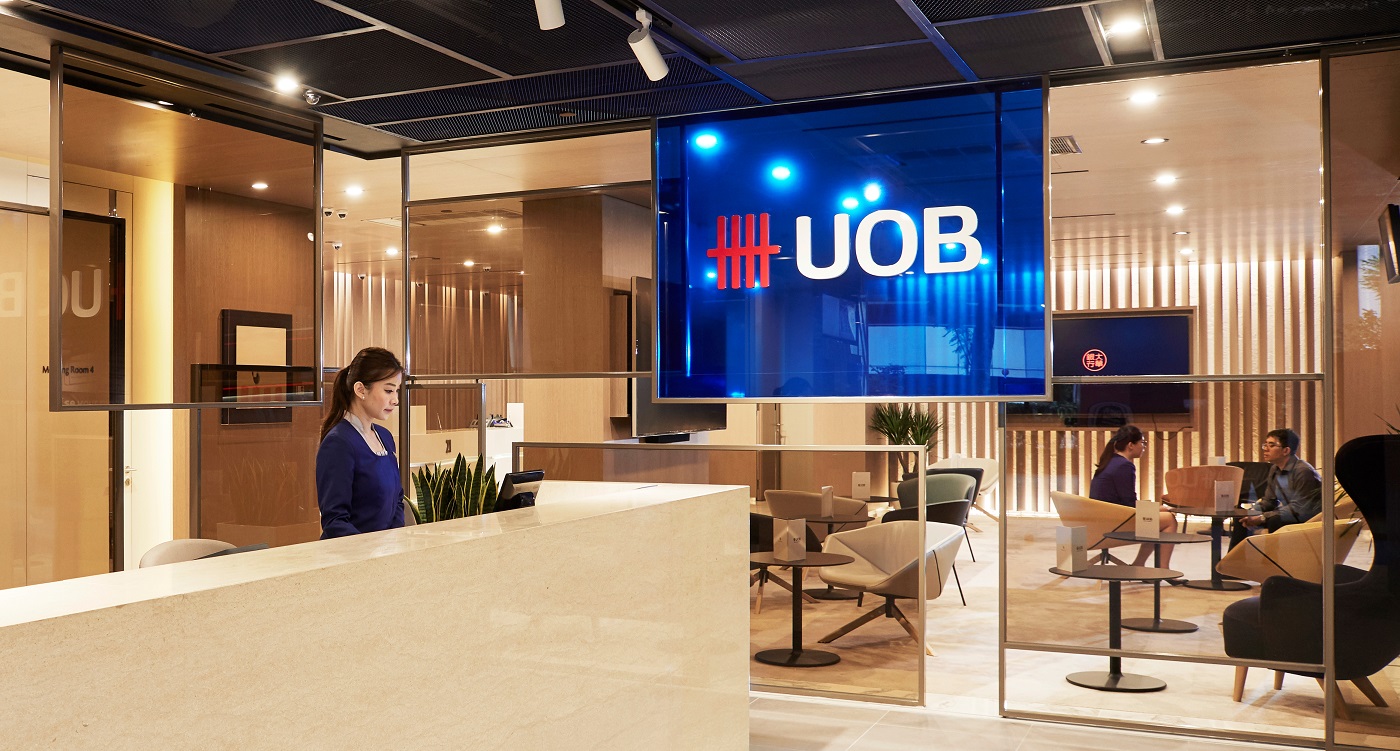
    As the COVID-19 pandemic resulted in the majority of the workforce shifting to home-based work, United Overseas Bank (UOB), a leading bank in Asia, collaborated with VMware to enable the Bank to continue its innovation drive without disruption. UOB was one of the fastest organizations in ASEAN to deploy a secure virtual desktop – UOB DevTop – for its team of 3,000 information technology (IT) developers, having done so in just 21 days instead of the up to three months it would typically take. Designed to meet the Bank’s robust security standards and to minimize risks, UOB DevTop provides IT developers with a secure sandbox to test and to implement upgrades to UOB’s digital services and solutions. This enabled its IT developers to meet the Bank’s software development schedules without disruption or delay as they move to work from home within weeks.

    UOB developed UOB DevTop by integrating VMware’s virtual desktop solution VMware Horizon with UOB’s highly secure IT and hybrid cloud infrastructures. This infrastructure was vital to the Bank being able to accelerate the deployment of UOB DevTop as the Bank did not need to install hardware servers on its premises even as it expanded its computing capacity to meet the surge in load with 3,000 IT developers working remotely.

    Through safer and remote access to the Bank’s development environment, UOB’s team of IT developers achieved significant milestones for several software development projects this year. Within the last three months alone, UOB has launched three industry-leading innovative solutions.

    In August, UOB launched it ASEAN digital bank, TMRW, in Indonesia. In September, the Bank launched its all-in-one mobile banking app UOB Mighty in Malaysia, featuring a new user interface and features that tap artificial intelligence to help customers spend and save more wisely. In the same month, UOB also launched UOB Infinity, a new mobile app for its clients across regions that provides these businesses with intuitive features such as a customizable desktop, cash management capabilities, and trade services to meet their banking needs.

    Ms Susan Hwee, Head of Group Technology and Operations, UOB, said, “As the majority of our colleagues across the UOB Group shifted to home-based working during the pandemic, we prioritized equipping them with the right tools and resources to enable a quick and seamless transition as we continued to serve our customers without disruption.

    Tapping our technology and cloud infrastructure, coupled with VMware’s solutions, we developed and deployed a more secure virtual desktop solution at an unprecedented pace and scale. This enabled our team of 3,000 IT developers to continue to support the Bank’s business activities and innovation drive without compromising on security.”

    Mr Sanjay K. Deshmukh, Managing Director and Vice President, Southeast Asia and Korea,VMware, said, “Digital technologies have shone through during this period of uncertainty as an effective enabler for organizations to conduct business, engage employees and connect with customers. We are excited to continue our partnership with UOB, supporting their operational needs while enabling them to comply with the bank’s stringent security and data privacy requirements.

  • Thai Airways offers ‘semi-commercial’ flights to 7 international destinations

    Thai Airways offers ‘semi-commercial’ flights to 7 international destinations

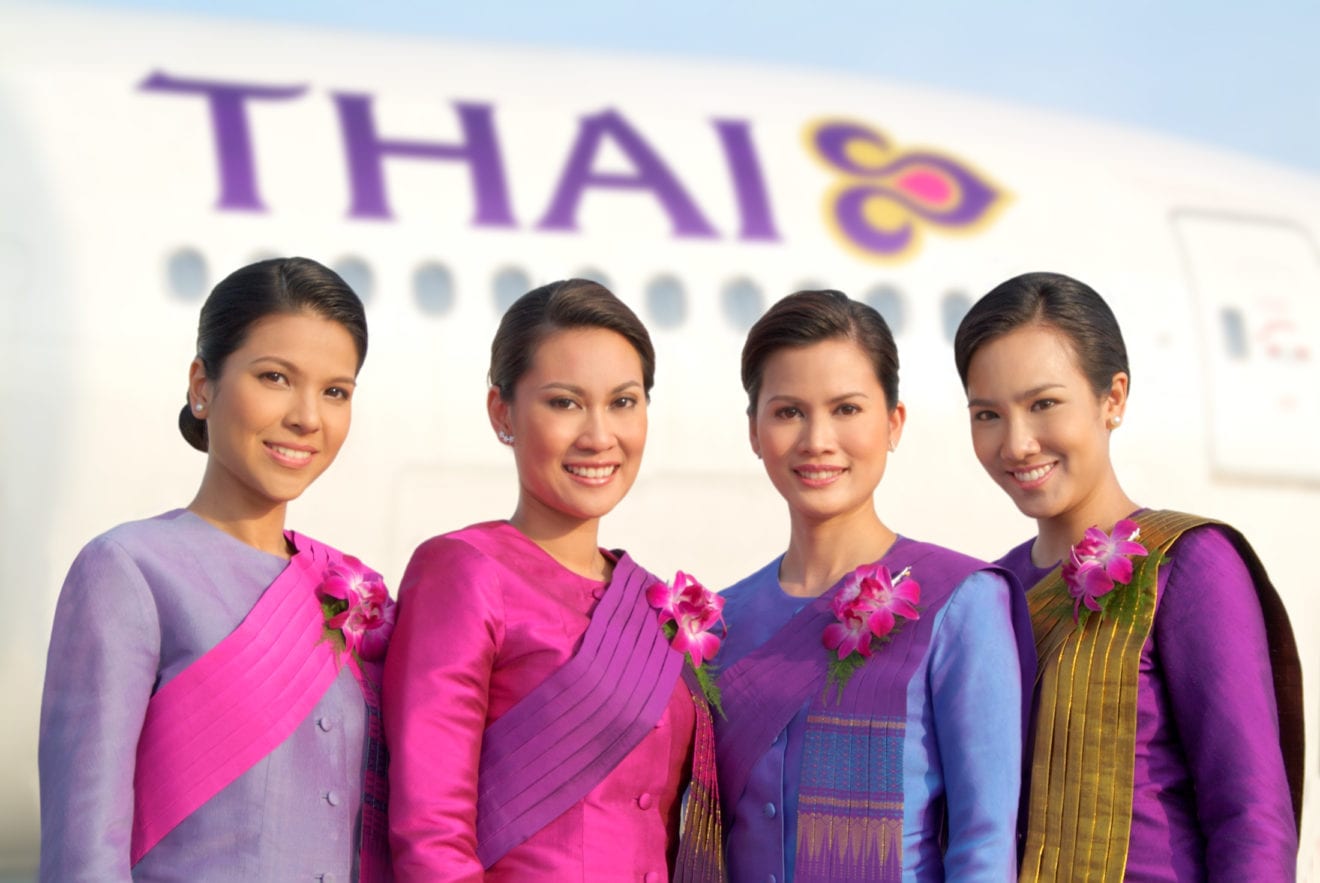
    After a major slowdown in both international and domestic travel due to coronavirus travel restrictions, Thai Airways is now offering flights to and from 7 international destinations over the next 2 months, according to the airline’s chief executive Wiwat Piyawirot.

    These flights are “semi-commercial.” Wiwat says return flights are intended for Thais returning home from overseas, those with families in Thailand, those traveling to Thailand on business, students, and travelers with connecting flights.

    Departures in November and December

    • London – Sundays
    • Frankfurt – Fridays
    • Copenhagen – Sundays
    • Hong Kong – Wednesdays (expect November 11 and 25)
    • Tokyo – Wednesdays and Saturdays
    • Taipei – Fridays and Wednesdays
    • Sydney – Sundays (Must inform the Australian Embassy in Thailand)
  • Asia underpins stable and strong Estee Lauder result

    Asia underpins stable and strong Estee Lauder result

    Estee Lauder Cos reported better-than-expected quarterly results on Monday, as people confined to their homes bought more of its skincare products online and sales improved in its Asian markets. The M.A.C brand owner has ramped up investments in its online business and seen growth in demand for its skincare products as customers opted for serums and moisturizers instead of make-up items during the Covid-19 pandemic.

    “Before, online was mainly the destination of younger people. Now it’s for everyone. Everyone is online,” CEO Fabrizio Freda told analysts on a call.

    The company’s shares rose as much as 8.3 percent to a record high on Monday as online sales soared 40 percent in the first quarter.

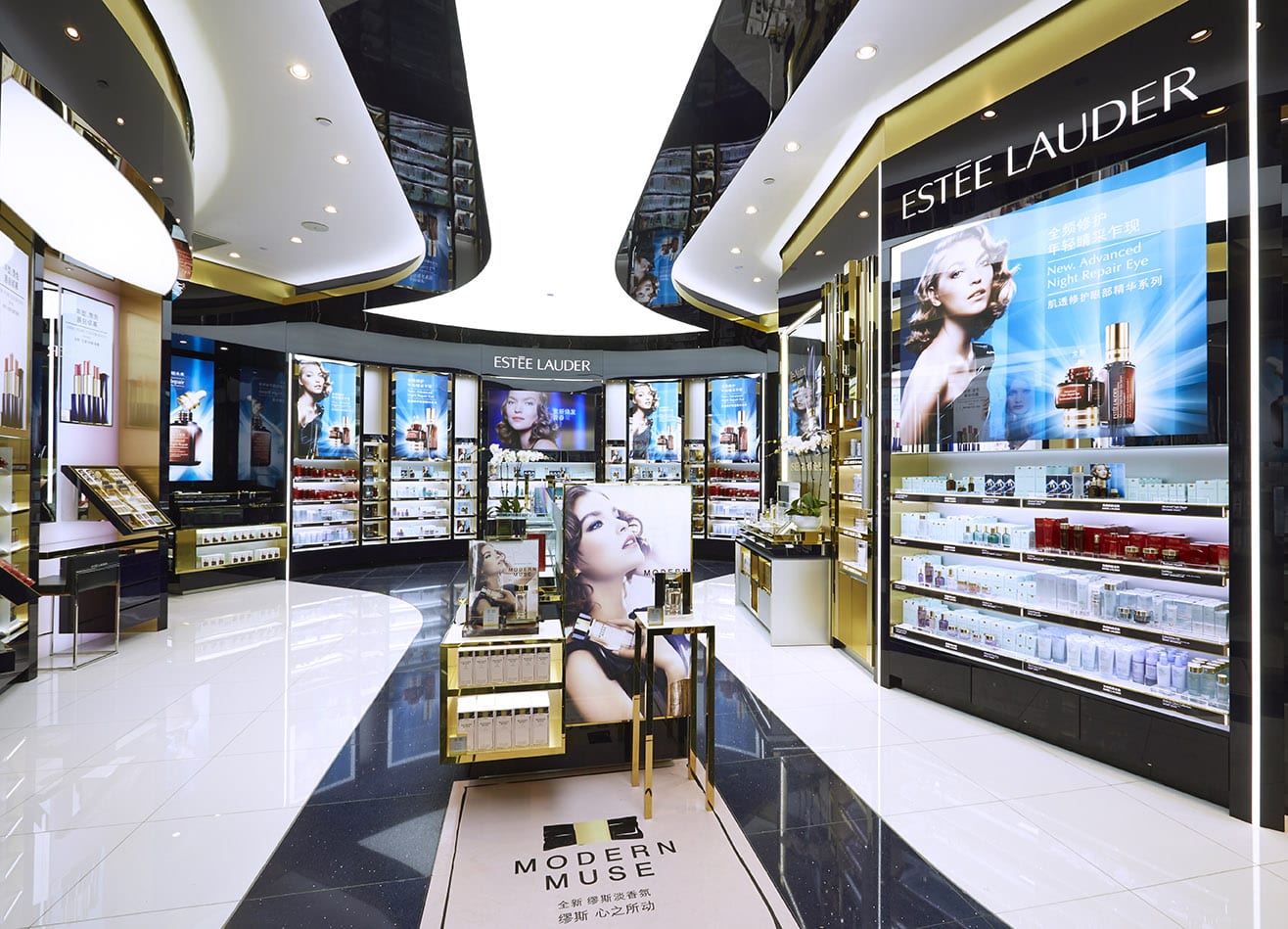
    Its sales in the Asia-Pacific market rose 9 percent on the back of strong growth in South Korea, with demand at the company’s duty-free shops in China getting a boost from the government’s move to raise the annual tax-free shopping limit for tourists in the southern province of Hainan.

    Total sales at the company’s duty-free shops were flat year over year, after dropping roughly 30 percent in the previous quarter due to widespread restrictions on air travel.

    Total net sales fell 9 percent to $3.56 billion but exceeded analysts’ expectations of $3.46 billion, Refinitiv data showed.

    Estee forecast net sales to decline between 3 and 5 percent in the second quarter, compared with estimates of a near 5 percent decline.

  • 7-Eleven Malaysia appoints CEO team

    7-Eleven Malaysia appoints CEO team

    7-Eleven Malaysia Holdings Bhd has appointed CFO Wong Wai Keong and executive director Tan U-Ming as the co-CEOs for the company, effective Dec 1, 2020. Wong will also be appointed as an executive director of the company, effective Nov 1, 2020.

    They will jointly succeed Colin George Harvey, who will relinquish his post as executive director and CEO effective Dec 1, 2020 for health reasons. Harvey will continue with the company in his new capacity as an advisor and consultant.

    7-Eleven Malaysia chairman Tan Sri Abdul Hamid Embong said Wong and Tan’s combined 15 years of experience with the company will provide the strength and stability needed to weather through the uncertain economic conditions caused by the Covid-19 pandemic.

    Wong was appointed as CFO of the company in March 2018. Prior to joining 7-Eleven Malaysia, he was the group finance director of SyAqua Group Inc overseeing the Asian markets and Florida, USA where he was involved in the organization expansion and was instrumental in transforming the group into an integrated functional business. He has previously held management roles in Avon Cosmetics, KFCH Marketing, Ayamas Food Corp, Abbott Laboratories, and Wyeth. He was also a lead application consultant with JD Edwards.

    Wong is also a member of the Chartered Institute of Management Accountant, the Malaysian Institute of Accountants, and the Chartered Global Management Accountants.

    Tan was appointed as a director of 7-Eleven Malaysia Sdn Bhd in 2008, where he was responsible for overseeing the merchandising, supply chain, procurement and marketing functions. He was appointed to the position of executive director in 2011. Tan was appointed to the board of 7-Eleven Malaysia in August 2013. He currently holds directorships in other private companies of various industries.

  • Japanese Eyewear Brand Owndays expands India presence

    Japanese Eyewear Brand Owndays expands India presence

    Japanese eyewear brand OWNDAYS, one of the largest players in the fashion eyewear space, is now expanding its India footprint. The company announced the launch of a new store at Inorbit mall, Mumbai, others being in Kolkata, Chennai, Hyderabad, Bengaluru, and Chandigarh.

    Currently, the company has a global presence of 350 stores spread across 12 countries including Japan, Singapore, Taiwan, Hong Kong, Australia, Thailand, Philippines, Malaysia, Vietnam, Indonesia, and Cambodia. OWNDAYS’ India presence is in collaboration with GKB Opticals, which is a big name to reckon with in Indian Eyewear Industry already.

    Owndays will offer a range of around 1,500 styles from basic to functional, stylish, and fashionable eyewear for men and women starting at Rs. 2,990. With 24 brands under the parent company, Owndays offers eyewear for children, young adults, millennials, and the elderly.

    Established in Tokyo, Japan in 1989, Owndays Co., Ltd has redefined the world of optics by following Simple Pricing, Quick Servicing, and Value. With more than 1,500 designs of frames ranging from basic and functional, to stylish and fashion-forward.

    Owndays outlets have a list of a unique set of pointers to grab your interest:

    • State of the art Japanese eye testing equipment, that helps complete the process in almost half the time the regular testing process takes.
    • The company has a unique 20-minute process feature with over 2,000 lenses stocked in the store which allow glasses to be processed within 20 minutes after the eye check.
    • Pricing is simple and uncomplicated with price of best suitable lenses (minus customised ones) included with the frame

    Speaking on the launch Sanjay Malhotra Business Head – India, Owndays said, “We are thrilled to be opening yet another outlet in India as the demand for quality eyewear at affordable price is increasing considerably and our product has been loved by Indian customer’s youth and matured alike. The fact that we are even opening during the Covid environment shows that we are bullish about Indian market as we have been received exceptionally well in the country”.

    OWNDAYS Outlets in India:

    BANGALORE: Indiranagar & Phoneix Marketcity Mall

    CHENNAI: Palladium Mall

    HYDERABAD: Sarath City Capital Mall

    KOLKATA: South City Mall

    CHANDIGARH: Elante Mall


  • Hermes Logistics Technologies teams up with the IT University of Copenhagen and dnata for machine learning trials

    Hermes Logistics Technologies teams up with the IT University of Copenhagen and dnata for machine learning trials

    Hermes Logistics Technologies (HLT) is working with researchers at the IT University of Copenhagen (ITU), Denmark, and dnata Australia to explore new machine learning models aimed at delivering predictive business analytics.

    The Artificial Intelligence (AI) algorithms will run data from dnata Australia’s new Hermes Digital Ecosystem, which has a full Datalake infrastructure that captures and stores all of dnata’s Hermes New Generation (NG) Business Intelligence events.

    The machine learning models will enable dnata to make predictive business process decisions providing key insights on efficiencies, costs, and new services.

    “Machine learning is part of HLT’s digital agenda and our datalakes are a fantastic source of events and data, which are always up to date and ready to inform and train AI models in the Hermes Cloud,” said Alex Labonne, Chief Technology Officer at HLT.

    “Successfully trained models will form new predictive functionalities for dnata and help them refine an already competitive cargo handling offering.”

    The ITU team, headed by Professor Philippe Bonnet and working with HLT, will create, test, and develop the predictive models over the coming months to explore the design of cloud-native enterprise machine learning solutions.

    “This is the future of enterprise machine learning envisaged by cloud providers, where any enterprise can incorporate data-driven predictions into their business processes,” said Prof. Bonnet.

    “Collaborating with HLT and dnata is a unique opportunity for us to explore the capabilities and limitations of cloud-based enterprise machine learning.”

    dnata recently went live with HLT’s H5 Cargo Management System (CMS) at six airports across Australia in Melbourne, Sydney, Adelaide, Darwin, Perth, and Brisbane.

    “dnata is looking forward to using predictive modelling to enhance our cargo planning and operational processes. This data science not only benefits our interaction with customer airlines, it enables us to anticipate the demand patterns in advance for more efficient operations,” said Terence Yong, Cargo Development Director, Asia Pacific, dnata.

    The dnata machine learning prototype is part of HLT’s digital agenda to deliver value added services using Big Data analytics.

  • Azimut Benetti Group Shines in the Asia-Pacific Area

    Azimut Benetti Group Shines in the Asia-Pacific Area

    The Asia-Pacific Area continues to play a strategic role in terms of Azimut Benetti Group sales. Thanks to its longstanding presence in key countries in the area, the company has an excellent reputation and unparalleled reach across the region. Reporting total sales worth over 150 million euros (the two brands’ results for the last 12 months), the Group is at the top of an ideal ranking of best performers in the area.

    Despite the complexities caused by the global pandemic, Azimut Benetti has put in a particularly good performance, reporting a 10% increase in the results posted for this area last season with Benetti alone nearly doubling the number of units sold.

    This result, which takes into account all of the most important markets in the region, including Hong Kong, Singapore, mainland China, Japan, Australia, and New Zealand, is driven by orders for boats over 24 meters, a segment in which the Group excels throughout the world.

    In more detail, Azimut Yachts has sold and delivered eight yachts in the brand’s flagship Grande Collection (four 32 Metri, two 27 Metri, and two 25 Metri) with 5 more units in the same Collection in delivery in the next six months; Benetti has sold five units.

    With regards to Azimut Yachts, significant contributions to achieving these excellent results were made by Marine Italia, the dealer for Hong Kong, Macau, Guangdong, and Taiwan, and by the new Australian dealer D’Albora, which has established a considerable presence in the region in the space of a single year, as well as opening up new markets on the country’s western coast.

    Turning to Benetti, it is no surprise that Asia-Pacific owners have focused their attention on the new projects and on the Oasis 40M, a glamorous yacht of which a remarkable 12 units have been sold to date.

    “For years Azimut Yachts has been leading the APAC market for a range of 34-120 foot yachts, supported by a very good network of local dealers, to strengthen the Azimut brand and to make sure that each customer feels valued and well looked after. We are especially proud of the results we have achieved this year. The sales results were especially positive in the range between 60 and 80 feet yachts and Grande Collection is clearly a beloved yacht in Asia. The glowing results were achieved with sales covering the whole Region from South East Asia to Oceania and with considerable sales in mainland China. Clients clearly recognized and rewarded the strengths of our products: an Italian design, the cutting-edge technology intrinsic to our boats, and of course, a solid family-owned group.” Says Enrico Chiaussa, Asia Pacific, Middle East & Africa Area Manager of Azimut Yachts

    “APAC continues to be a key market for Benetti and we are pleased to see our efforts to constantly innovate and improve on the quality of our products and processes, along with the hard work of our employees and local partners, has paid off in a year that has provided unique challenges. As we move into the new season, we remain optimistic that demand for our luxury yachts will continue to soar and that the new aggressive production schedule and the new model introductions we have planned over the next 18 months will further strengthen our position as an industry leader in this exclusive market sector.“ Says Peter Mahony, APAC GM of Benetti Yachts.

  • Kerry Logistics Network honoured with Bloomberg Businessweek ESG Leading Enterprises

    Kerry Logistics Network honoured with Bloomberg Businessweek ESG Leading Enterprises

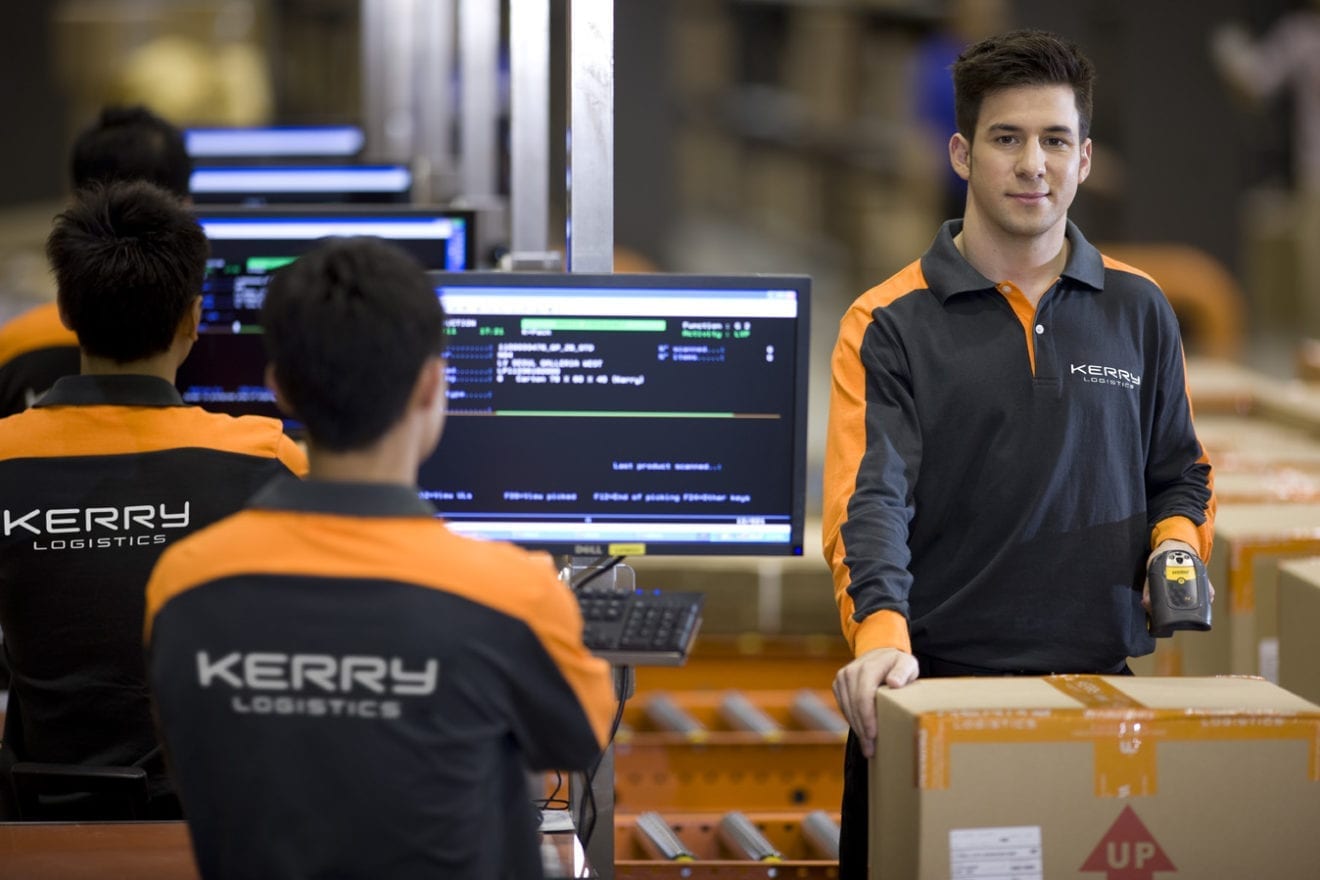
    Kerry Logistics Network Limited (‘Kerry Logistics’; Stock Code 0636.HK) has been honored as the recipient of the ESG Leading Enterprises 2020 Award (the ‘Award’), organized by Bloomberg Businessweek/Chinese Edition and co-presented by Deloitte, for the second year in a row. Kerry Logistics won in the category of enterprises with a market capitalization of over HK$20 billion.

    Inaugurated in 2019 by international business publication Bloomberg Businessweek/Chinese Edition in collaboration with Deloitte, the Award aims at recognizing exceptional enterprises that thoroughly integrate Environmental, Social, and Governance (‘ESG’) goals and activities into their development strategies with remarkable business performance and growth. The Award comprises two categories, namely, the “ESG Leading Enterprises” Award and the “Leading ESG Initiative” Award.

    William Ma, Group Managing Director of Kerry Logistics Network, said, “We are delighted to receive the award, which is a recognition of our persistent commitment to upholding ESG governance standards. As a socially responsible global company, Kerry Logistics values our ESG performance in the way our company is run and in our operations around the world. ESG issues now form part of our essential considerations when we devise our development strategies, and we have been actively following the ESG systems in place in key business decisions. We will continue to play our part in contributing to environmental sustainability and corporate social responsibility in our pursuit of long-term business growth.”

    Kerry Logistics strives to make its operations greener through managing emissions, optimizing the use of resources, and protecting the natural environment and ecosystems that we all rely on. It continues to strengthen the sustainability of its supply chain performance by building a collaborative and “win-win” relationship with suppliers.

  • 100 Million Loyal Watsons Members Reached

    100 Million Loyal Watsons Members Reached

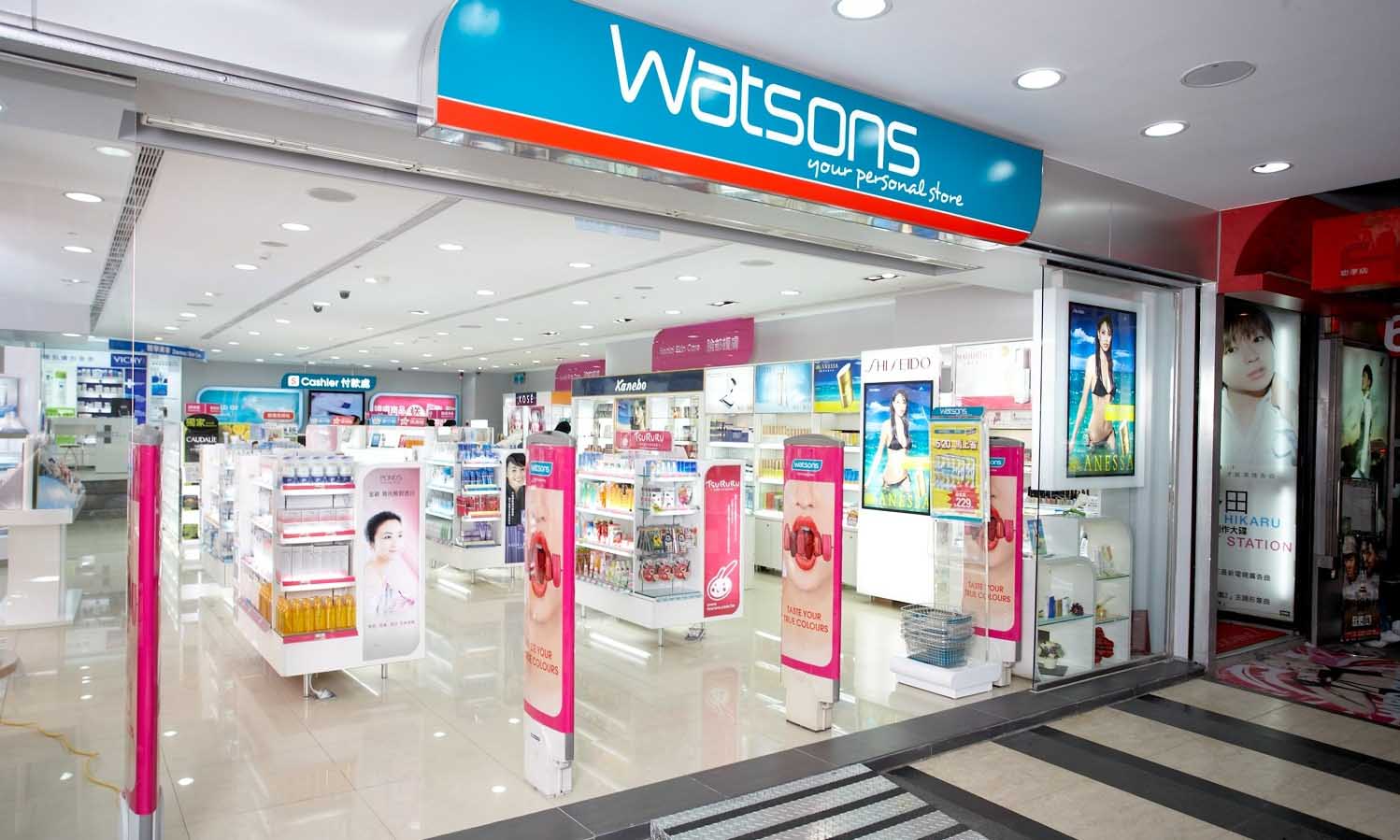
    Watsons, the flagship health and beauty brand of A.S. Watson Group, has reached the phenomenal milestone of 100 million loyalty members in Asia. Having grown rapidly since its launch, the Watsons membership program is now available and well-established in 14# markets worldwide, connecting beauty and wellness lovers and helping them to Look Good Feel Great.

    This is a strong global community of 100 million beauty and wellness enthusiasts, and Watsons is dedicated to introducing a healthier and more sustainable lifestyle. By always staying connected with the members, Watsons strives to inspire them to do good, feel great together as a powerful movement.

    Customer relationships and connectivity are at the heart of Watsons’ strategy and its loyalty program was established in 2008 to reward and connect with customers. Member insights are used to better anticipate customers’ needs and to offer a personalized shopping experience, both online and offline.

    Watsons keeps evolving its offering to further cement its position as Asia’s no.1 brand loyalty program. In 2018, Watsons launched an Elite VIP Members program adding an additional tier for its most loyal customers, and in July 2019 Watsons One Pass© was launched, allowing members to enjoy cross-border shopping benefits at Watsons stores globally.

    Malina Ngai, CEO of A.S. Watson (Asia and Europe), says, “Today, Watsons reached a major milestone of connecting 100 million beauty and wellness lovers in Asia. We’re now growing at roughly one million new members every quarter. This isn’t just a big milestone for us; it’s also an important one for all of our members who form a community that inspires each other to look and feel good inside and outside. The COVID-19 pandemic has created stronger bonds between us and our members and we have been able to stay in touch and share relevant contents during this challenging time. We want to thank every one of you, our 100 million members, for making this milestone happen. Our mission as a community is to Look Good and Do Good for ourselves, the people we love and society.”

    Watsons understands that customers care about the social purpose of businesses, and they want to shop with brands that share their values and take sustainability seriously. The brand has been striving to make a positive impact on its customers, communities and planet through its “Do Good Feel Great” initiatives. Watsons has extended the ban of microplastics in all rinse-off cosmetics and personal care products this year. In June, the Group became the first health and beauty retailer to sign-up to the New Plastics Economy Global Commitment to reduce plastic waste and took membership with the Roundtable on Sustainable Palm Oil to help address the environmental impact of palm oil.

    Improving customer wellness is also one of Watsons’ key initiatives. The “Smile Inside-out” campaign was launched to raise awareness of mental health and wellbeing, encouraging a positive lifestyle to the customers as well as colleagues. Watsons will continue to look for new ways to do more to create a healthier and more sustainable world with its community.

  • Starbucks to open its first coffee store in Laos

    Starbucks to open its first coffee store in Laos

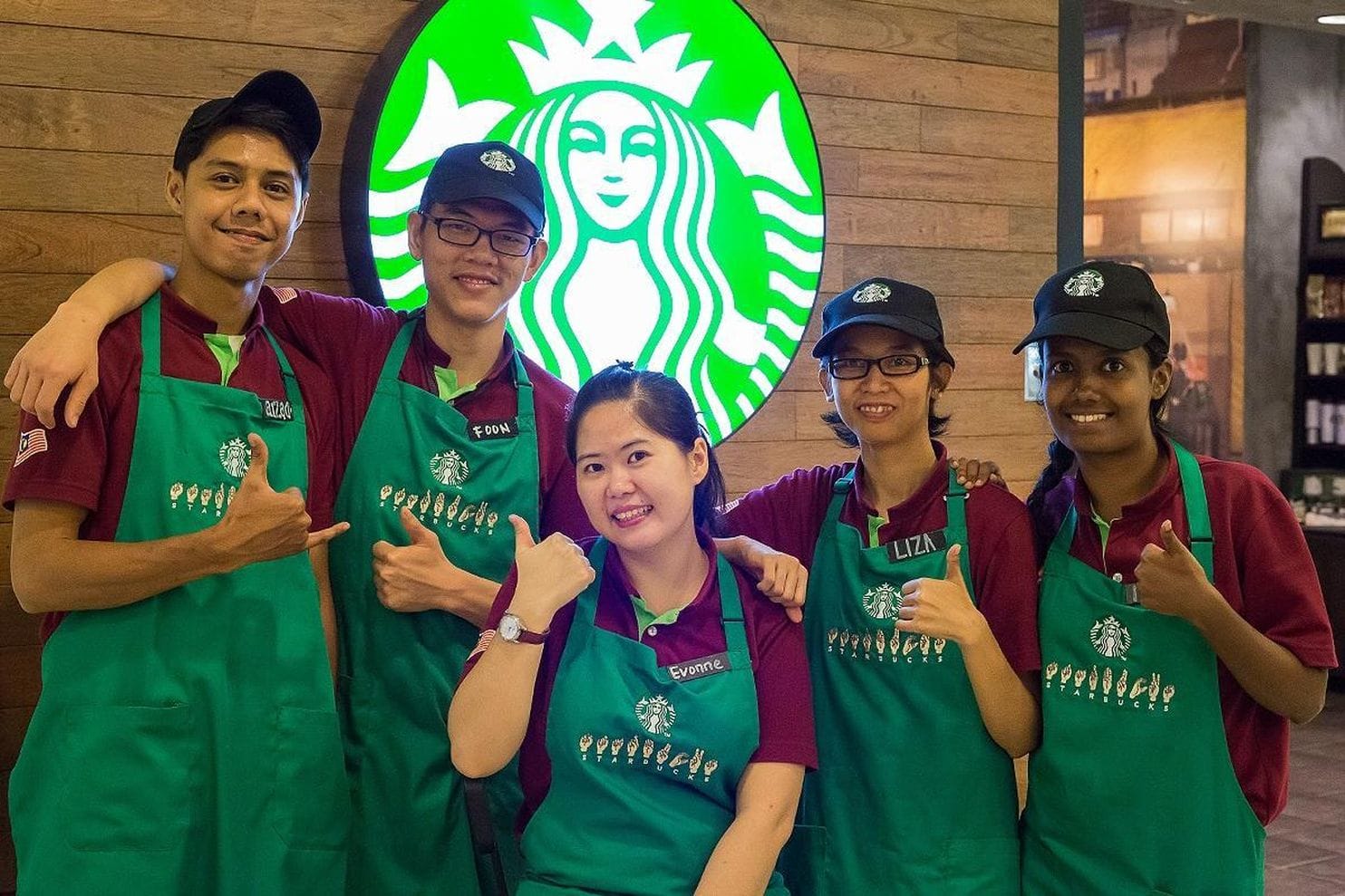
    Starbucks is to make Laos debut next year with its first store opening in the capital city of Vientiane.

    Laos will become Starbucks’s 17th market in Asia, with the first store scheduled to open in the third quarter of next year.

    Starbucks Laos will be managed by Coffee Concepts (Laos) Limited, part of Maxim’s Caterers Limited, a part-owned subsidiary of Dairy Farm International. Through Coffee Concepts, Starbucks operates more than 800 stores across Hong Kong, Macau, Vietnam, Cambodia, Singapore and Thailand.

    According to Starbucks US, the launch is part of its strategy to expand its network across the region.

    “We’re excited to bring the Starbucks Experience to Laos, which has a rich history of coffee production and thriving coffee culture,” said Michael Conway, executive VP at Starbucks International Licensed Stores.

    Michael Wu, chairman and MD at Maxim’s Caterers, added: “We look forward to continuing to deliver the unique Starbucks Experience to customers in the market to earn the trust and respect known by customers around the world.”

  • Sa Sa International flags loss as store traffic drains

    Sa Sa International flags loss as store traffic drains

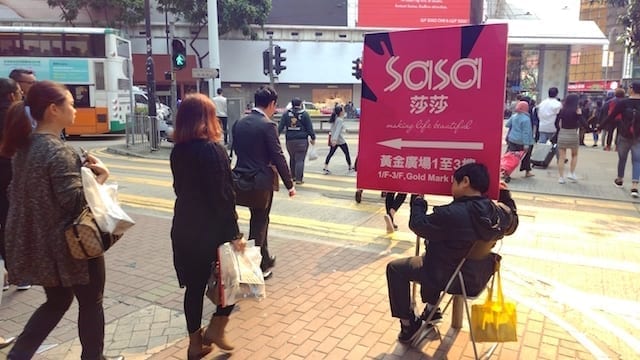
    Plummeting sales and write-downs have led Hong Kong-headquartered beauty-products retailer Sa Sa International to warn of a loss of up to US$38 million in the September half year.

    “The global Covid outbreak has affected the operation of all of the group’s physical stores including its businesses in Hong Kong, Macau, Mainland China and Malaysia,” chairman and CEO Simon Kwok said in a note to shareholders on Friday.

    While cross-border visitor numbers now almost nil in most markets, sales through Sasa stores to local customers were weak for most of the period due to social-distancing requirements.

    “As a result, both the footfall and retail sales at the group’s stores in those markets have fallen sharply. Retail consumption has been very weak,” he said.

    While final results will not be released until late this month, Sa Sa expects a trading loss of and impairments to range between HK$230 million and $300 million, compared to a profit in the same period a year earlier of $35.5 million (US$4.6 million).

    The impairment has arisen from the drastic decline in sales at the group’s retail stores, especially those in Hong Kong’s tourist districts, amid the Covid-19 pandemic.

    However, the group’s cash and bank balances of around HK$590 million as at September 30 are adequate to meet its current business needs.

    Sa Sa has reduced the number of stores in tourist areas, negotiated rent reductions and strengthened its category management to mitigate the decline in customers, along with reducing inventory and managing costs.

    “In addition, the group has accelerated its adaptation to the new retail era by actively developing its e-commerce and online-to-offline (O2O) businesses,” said Kwok.

  • Snapdragon 875 crushes Samsung’s first 5nm chip in benchmark leak

    Snapdragon 875 crushes Samsung’s first 5nm chip in benchmark leak

    Qualcomm’s next flagship chipset, the Snapdragon 875, will likely be unveiled on December 1. Leaker Abhishek Yadav has apparently managed to get hold of the chip’s AnTuTu scores and they are quite impressive.

    The chip is apparently codenamed Lahaina and per the leaker, it scored 847,868 on the benchmarking website. This makes it around 25 percent faster than the Vivo iQOO 5 Pro, which is powered by the Snapdragon 865 and is the current top scorer.

    The Snapdragon 875 will reportedly be made using the 5nm process, which will give it a huge performance and power efficiency advantage over the current premium chip which is based on the 7nm fabrication technology.

    The alleged scores also leave Samsung’s first 5nm chip, the Exynos 1080, in the dust, but doesn’t really come as a surprise, as it is a mid-range chip.

    The result also suggests that Snapdragon 875-powered phones will have a huge lead over Huawei phones fueled by the in-house Kirin 9000, such as the Mate 40 Pro. This again is hardly surprising as although the Kirin 9000 is also a 5nm SoC, it features older Arm cores.

    The Snapdragon 875, on the other hand, will likely have the new Cortex-X1 and Cortex-A78 CPUs. Samsung’s upcoming flagship silicon, the Exynos 2100, is also expected to employ Arm’s new design, and leaked benchmark results imply the two will be pretty similar in performance.

    Both chips are expected to have one Cortex-X1 core, three Cortex-A78 cores, and four Cortex-A55 cores.

    The Snapdragon 875 is also expected to have the X60 5G modem onboard.

  • Update rolling out now adds useful new feature to Google Messages app

    Update rolling out now adds useful new feature to Google Messages app

    Google has started rolling out an update for the Google Messages app that might make it faster to find certain messages. The update adds a new feature that places SMS messages into one of five different categories: personal, transactions, OTP (one-time passwords), offers, and more. The feature can be enabled or disabled through the use of a toggle switch found in the Google Messages app settings.

    If your Google Messages app has been updated, you will see the different categories just below the app’s search bar on the top part of the UI. If you’re not happy with the category that a certain message has been assigned to, you will have the opportunity to do so and even share the message with Google. This will help similar messages get categorized correctly in the future.

    Google has been beefing up the Messages app allowing it to work with many of the features available with Rich Communication Services (RCS). This means that messages are sent through data networks instead of a carrier’s cellular network allowing messages to be sent over Wi-Fi. At the same time, users can fill each message with as many as 8,000 characters instead of the previous limit of 160. And Android device owners will get a read receipt to confirm that their messages have indeed been read.

    Google starts to roll out a new feature that places SMS messages in different categories.

    Not all Android users have received the update. It appears to be disseminated to Android users via a server-side update so just keep your eyes peeled.

  • AirAsia X flying out of money

    AirAsia X flying out of money

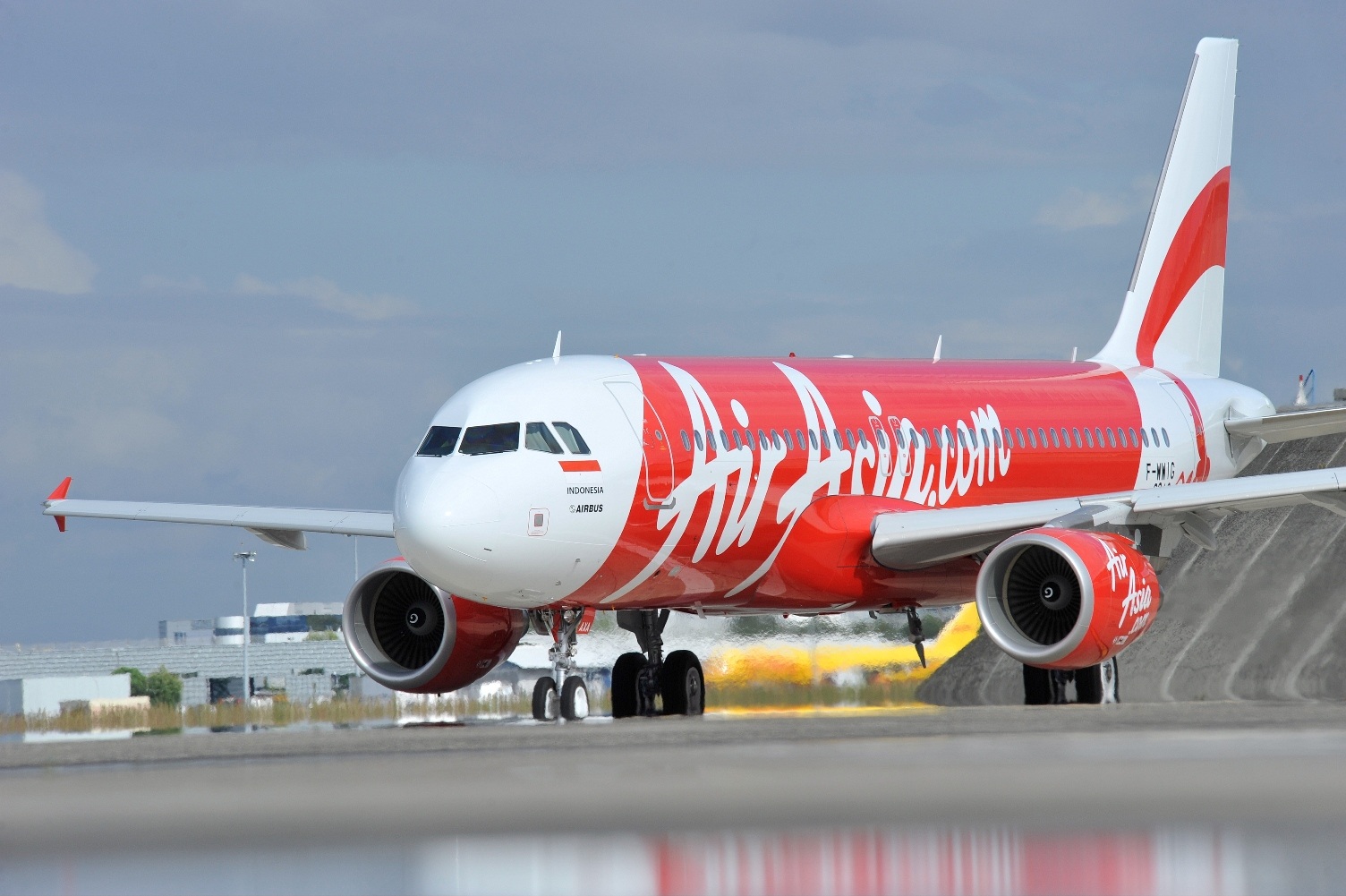
    The long-haul budget carrier AirAsia X Bhd has run out of money and needs to raise up to 500 million ringgit (US$120 million) to restart the airline, according to deputy chairman Lim Kian Onn.

    The Malaysia-based affiliate of AirAsia Group said this month it wanted to restructure 63.5 billion ringgit ($15.3 billion) worth of debt and slash its share capital by 90% to continue as a going concern.

    “We have run out of money,” Lim said in an interview. “Obviously, banks will not finance the company without shareholders, both old and new, putting in fresh equity. So, a prerequisite is fresh equity.”

    He said the airline had actual liabilities of 2 billion ringgit, with the larger figure of 63.5 billion ringgit including all lease payments for the next eight to 10 years and its large order for Airbus planes and contracted engine maintenance with Rolls-Royce.

    “If we find 300 million ringgit in new equity, then the shareholder funds are 300 million at the restart of business and if we are able to borrow 200 million ringgit, we feel that we will have a good platform to start all over again,” Lim said.

    He said AirAsia X also needed to convince its lessors of its business plan, adding that an unnamed lessor recently took back one of the airline’s planes to convert it to a freighter.

    The airline plans to liquidate its small Indonesia-based carrier and has completely written down its stake in Thai AirAsia X, with the Thai carrier not part of the restructuring scheme, Lim told the newspaper.

    Rival Malaysia Airlines is also in financial trouble, but Lim said there would be “no good outcome” from seeking to merge two airlines in dire straits.

    AirAsia X declined to comment beyond the details published in the newspaper article.

    Initial negotiations with creditors have been tough as they are understandably upset, Lim said in the interview. They had asked for better terms, including free equity for the forgiven debt — something that would be impossible for the airline to fulfill, he added.

    Still, Lim said all of them genuinely wanted to find a common ground to take the airline forward. “No one has anything to gain from our demise,” he told the newspaper.

    The airline is planning to resume flights in the first quarter of 2021, though the process remains “dynamic”, said Lim. Should the rescue plan get approval, the company will have to renegotiate every single contract and will do its best to look after all stakeholders’ interests, he said.