Tag: asia

  • Cebu Pacific promotes Philippine tourism with ‘Juan Love’ campaign

    Cebu Pacific promotes Philippine tourism with ‘Juan Love’ campaign

    The resilience of the country’s tourism sector was put to the test as local businesses and industries had to deal with the immense challenges brought about by the COVID-19 pandemic.

    However, it also brought out the Filipino spirit of Bayanihan, sparking hope for the nation as everyJuan provided support to one another.

    As an airline that strongly believes in #EveryJuanWillFlyAgain, Cebu Pacific further encourages everyJuan to step up and support the country as it gradually recovers.

    The country’s leading carrier has launched its newest campaign “Juan Love – One love for the Philippines.” At a time when borders are slowly reopening, this online campaign aims to inspire everyJuan to travel again – to see the places they have missed and experience the local culture and cuisine unique to every destination.

    The Juan Love campaign will not only highlight the beauty and wonders of Philippine destinations but will also capture how flying supports the people keeping the tourism industry afloat. Each flight, each tourist will help people sustain livelihoods – everyJuan for everyone.

    As this campaign showcases the scenic spots, thrilling activities, and native delicacies each destination is known for, Juan Love will also shed light on all the local businesses and fellow Filipinos making all these possible.

    “We are delighted that Cebu Pacific came up with this heartfelt initiative. More than rekindling the desire of Filipinos to travel once again, the Juan Love campaign also puts a spotlight on the people whose jobs and livelihoods depend on the inclusive growth brought about by tourism,” expressed Secretary Berna Romulo-Puyat of the Department of Tourism.

    “We are always grateful for the support, and rest assured that we will continuously collaborate with the aviation sector so we may all help our industries, and our economy, recover,” she also said.

    Staying true to its commitment to provide safe, affordable, and fun-filled air travels for everyJuan, Cebu Pacific celebrates local tourism with a series of exciting Juan Love Seat Sales!

    “We have been continuously working hand-in-hand with our partners in the government to help ensure the nation bounces back from this crisis. We believe as more destinations open up for tourist travel, we are able to support the small businesses and communities,” said Candice Iyog, Cebu Pacific Vice President for Marketing and Customer Experience.

    “With the launch of our Juan Love campaign, we hope everyJuan joins us in showing one love for the Philippines,” Iyog added.

    A total of one million seats to domestic destinations will be up for grabs throughout the ‘ber’ months for the Juan Love push.


  • My Volkswagen Connect App Launched

    My Volkswagen Connect App Launched

    Volkswagen India has joined the connected car bandwagon with the launch of the ‘My Volkswagen Connect’ mobile app. The new interactive sim-based app brings connected car technology to Volkswagen cars sold in the country and provides access to a host of features like vehicle telematics, geofencing, remote tracking and more. The app is available for both Android and iOS devices. The new Polo GT TSI and the Vento Highline Plus will get the new My Volkswagen Connect app as standard, the company has said in a statement.

    Commenting on the launch, Steffen Knapp, Director, Volkswagen Passenger Cars India said, “At Volkswagen India, we have relentlessly been working towards enhancing and providing our customers the best of technology and connected solutions. Today, we introduced the upgraded ‘My Volkswagen Connect’ app that offers customer convenience and safety at their fingertips. Customers will have access to real-time vehicle analysis and assistance that would make them aware of their vehicle condition, driving patterns, and enhance the overall fun-to-drive experience that a Volkswagen stands for.”The new Volkswagen connected car app essentially uses a dongle that’s plugged in the car’s on-board diagnostics (OBD) port that relays information on the mobile app. The app offers a range of data that includes the user’s driving style quantifying speed, braking behavior, coolant temperature, acceleration, and rpm. The app also enables users to locate the point of interest and also reach out to customer care or roadside assistance, in case of emergencies.

    The My Volkswagen Connect app also has the provision to scan and store vehicular documents for a paperless record. You can also use the app to set reminders for vehicle insurance renewal. Volkswagen India is offering the app with a three-year subscription for free and three years of warranty. Similarly, Honda Cars India also offers the Honda Connect app on its cars, while Nissan offers the Nissan Connect app on the same lines. It is noteworthy to mention that both companies among several others have been offering the technology for about a few years now.

  • I.T flags big loss as Covid-19 impacts shoppers’ enthusiasm

    I.T flags big loss as Covid-19 impacts shoppers’ enthusiasm

    Multibrand Hong Kong fashion retailer I.T Limited has warned shareholders it will likely post a loss of at least US$38.7 million for the six months to August, such has been the impact of the Covid-19 on sales.

    Chairman Sham Kar Wai said in a letter to shareholders that the Covid-19 pandemic had led to a decline in consumer-spending enthusiasm across the world. While it has offered extra discounts to boost sales volume amid “an incredibly difficult trading environment” sales were down substantially.

    This is the third profit warning the company has issued this calendar year, following earlier announcements in July and August. It is based on initial figures and subjects to change before final results are reported tomorrow, (October 29).

    “Although during the period ended 31 August, the group took rapid and decisive action to reduce costs considerably, the savings in operating costs were not sufficient to offset the decline in sales and gross margin,” he said.

    August’s likely half-year loss follows a deficit of $9.2 million in the same period last year.

    I.T Group operates its own brands, including Chocolate and 5cm, concept stores Izzue and Double-Park; international brands it has local licenses for including Kurt Geiger and Camper; and A Bathing Ape, which the company rescued from Japanese owners in 2011.

  • L’Occitane sales recover fast in APAC

    L’Occitane sales recover fast in APAC

    Beauty products brand L’Occitane saw sales momentum improve significantly in the September quarter as consumers resumed shopping in the wake of Covid-19 lockdowns in much of the world.

    The year-on-year decline in sales improved from 22.2 percent in the June quarter to a more modest 4.5 percent in the subsequent three months.

    Sales for the combined first half-year reached US$726.2 million, down 13.1 percent in the same period a year earlier. Growth in South Korea was the most spectacular – up 37.4 percent year on year, with China close behind, up by 30.5 percent, and Taiwan up by 15.3 percent.

    While foot traffic into physical stores began to recover, the company’s online channels outperformed brick and mortar shops, soaring 80.8 percent to account for 40.7 percent of total sales in the September quarter.

    L’Occitane chairman Reinold Geiger said all of the company’s brands saw significant improvements in sales momentum in the second quarter, compared to the first. L’Occitane en Provence was particularly resilient — its sales decline narrowing from 25.7 percent to 4.1 percent. The travel retail business also showed some improvements, particularly in Asia.

    The group recently commenced a reorganization process aiming to be more efficient and flexible, which will likely lead to the loss of about 300 jobs, primarily in corporate roles, from its global workforce of 9000.

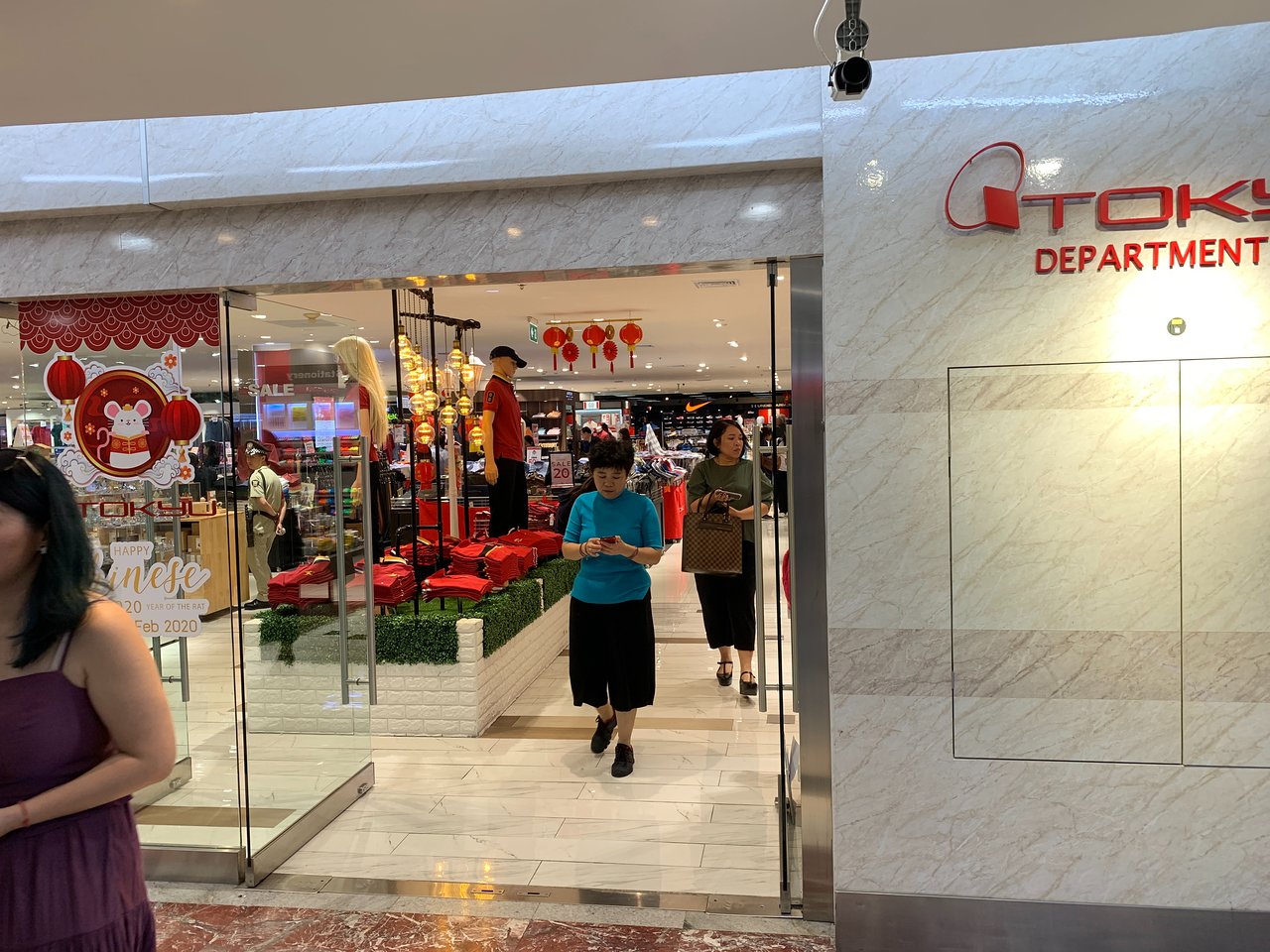
  • Tokyu department store leaves Thailand

    Tokyu department store leaves Thailand

    Japanese department-store chain Tokyu is to exit Thailand, the third Japanese retailer to withdraw from the country this year.

    Tokyu aims to close its last store at Bangkok’s MBK shopping center next January, ending 35 years of trading in the city. The retailer closed its second, newer store at Paradise Park last year.

    The department store has been struggling in the shopping center competition due to the launch of a series of new developments in Bangkok. However, the tourism depression resulting from Covid-19 proved a fatal blow to the company, forcing it to retreat home.

    The closure came suddenly, with the management of MBK saying just two weeks ago that the store would undergo a renovation after the lease agreement was extended for another nine years.

    Tokyu’s withdrawal follows the departure of Japan’s upmarket department store Isetan in September. That company pulled out of Thailand after 28 years of trading there, saying it was unable to continue to compete with other retailers.

    With Tokyu leaving Thailand, Takashimaya will become the only Japanese department-store chain left in the country.

    Another Japanese retailer, FamilyMart effectively withdrew this year after selling its stake to local partner Central Retail, effectively becoming a franchisor.

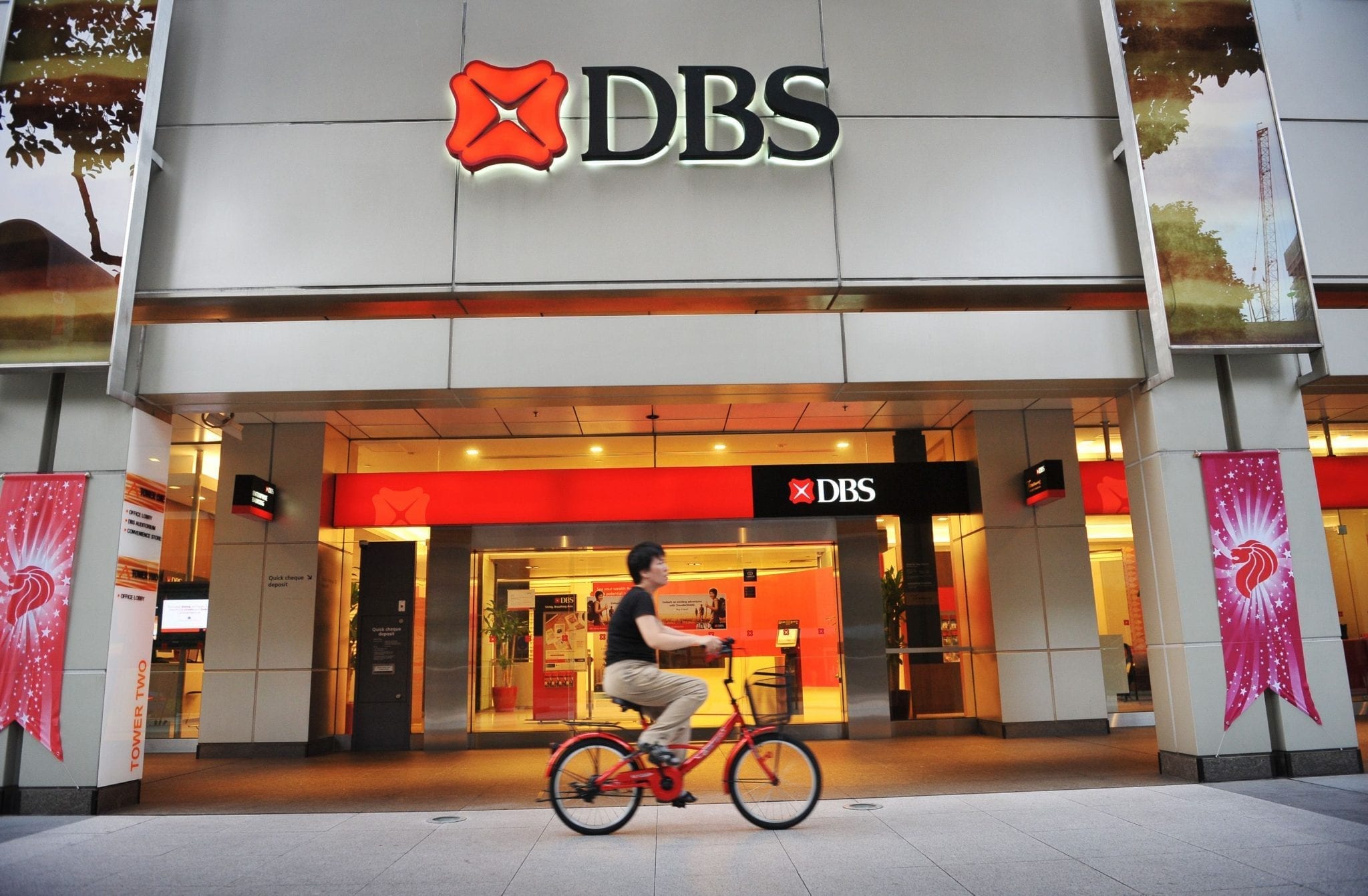
  • DBS Mulls Crypto Exchange Launch

    DBS Mulls Crypto Exchange Launch

    DBS’ plans for a digital exchange are still work in process, and have not received regulatory approvals. Until such time as approvals are in place, no further announcements will be made. DBS is planning to launch a crypto exchange that will allow four digital currencies – Bitcoin, Bitcoin Cash, Etheerum, and Ripple – to trade against the Singapore dollar, Hong Kong dollar, Japanese yen or U.S. dollar, according to a report by digital asset media firm The Block. 

    Dubbed DBS Digital Exchange, the initiative was first unveiled through a website seen by The Block which cached the now removed website.

    Regulated by the Monetary Authority of Singapore, the crypt exchange will be made accessible to institutional investors, including financial institutions and market makers. Retail investors will have access via DBS entities like their securities or private banking arm.

    While most exchanges can execute orders at any time and any day, DBS will similarly follow the same trading hours as stock exchanges, allowing for less than seven hours per day, according to the report.

    In addition to standard trading, the bank will also provide institutional-grade custody solutions for safekeeping digital assets and, in due time, conduct security token offerings to help small and medium-sized firms raise funds.

    Digital assets are poised to be the future of tomorrow’s digital economy, the website originally read.

    With DBS Digital Exchange, a bank-backed digital exchange, companies, and investors can now leverage an integrated ecosystem of solutions to tap the vast potential of private markets and digital currencies.

  • Cebu Pacific and SIAEC dismantle maintenance joint ventures

    Cebu Pacific and SIAEC dismantle maintenance joint ventures

    Cebu Pacific Air (CEB) and SIA Engineering are unwinding their partnership in both their joint venture MRO companies based in the Philippines.

    These are Aviation Partnership (Philippines) Corporation (APPC), 51% owned by SIAEC and 49% by CEB, and SIA Engineering Philippines Corporation (SIAEP), 65% owned by SIAEC and 35% by CEB, established in 2005 and 2008, respectively. SIA Engineering Philippines is based in Clark.

    APPC is based in Manila and provides line maintenance, light aircraft checks, technical ramp handling, and other MRO services, at Manila, Cebu, Davao, and Clark, as well as other secondary airports in the Philippines.

    Clark-based SIAEP provides airframe maintenance, repair, de-lease checks, cabin retrofits, and overhaul services for Boeing 737, Airbus A320, and A330 aircraft, as well as line maintenance at Clark.

    CEB is acquiring SIAEC’s entire 51% stake in APPC for a cash consideration of nearly $5.61 million.

    SIAEC is acquiring CEB’s 35% stake in SIAEP for $7.74 million cash and states that this will be accounted for as an equity transaction.

    CEB and SIAEC signed on 26 October a share sale and purchase agreement for each entity. When completed, each joint venture company will become a wholly-owned subsidiary of the acquiring partner while the divesting partner will cease to hold any equity interest.

    The valuation for each transaction was arrived at after arm’s length negotiations on a willing-buyer, willing-seller basis, taking into account the net asset value and financial performance of each joint venture, among other factors.

    SIAEC states in a disclosure to the Singapore Exchange that based on each entity’s unaudited financial statements for the financial year ended 31 March, 51% of APPC’s net asset value was equivalent to $4.76 million and 35% of SIAEP’s net asset value was $9.32 million.

    According to CEB’s disclosures to the Philippine Stock Exchange, its financial statements for the quarter ended 30 June put its net carrying value of a 35% stake in SIAEP at $7.5 million while 51% of APPC’s net asset value works out to $4.5 million.

    CEB says that acquiring APPC is in line with its overall strategy to align line maintenance operations with its network and service requirements more closely, “for significant operational efficiencies and optimization of resources for an even stronger competitive advantage.”

    SIAEC says that the SIAEP acquisition fits its strategy to strengthen core competencies and enhance the entity’s status as the group’s center of excellence for narrowbody aircraft MRO offerings.

    It states: “The SIAEC Group is now in a stronger position to seize new opportunities, and provide customers with cost-competitive and integrated MRO solutions, from airframe to engines and components, for modern aircraft fleets of various sizes and composition.”

  • Korloff opens new store in Shanghai

    Korloff opens new store in Shanghai

    French jewelry house Korloff has opened its first flagship store in Shanghai.

    Located at Shanghai Avenue Mall, the store offers Korloff’s full range, including fine jewelry, bridal collection, watches, small accessories, and fragrances.

    The store’s facade features glass doors and windows highlighted with back frames. The interior uses beige and brown as its theme colors.

    The launch is part of the brand’s international expansion plan and its strategy to strengthen its presence across Asia. According to Korloff, the company aims to expand in more international markets in the coming months.

  • Revolut Ramps Up Growth Efforts in Singapore

    Revolut Ramps Up Growth Efforts in Singapore

    The fintech hopes to build on the momentum it has gained amid the social and economic challenges brought about by the pandemic.

    Revolut Singapore has made a number of additions to its growing team in Singapore bring onboard digital strategist Sam Chui as marketing manager and media specialist Deborah Tan-Pink as communications manager.

    Chui joins from local marketing agency GoodStuph, while Tan-Pink resigns from her role as CEO of an edtech startup to join the company. She previously spent more than 10 years in lifestyle publishing, including a stint as editor-in-chief of Cosmopolitan Singapore. The pair will report to Pam Chuang, Revolut Singapore’s head of growth.

    Our hiring strategy is to attract top talents in the region with great expertise in specific fields. Both Deborah and Sam have on-ground knowledge of the Singapore market when it comes to our target customers, Chuang said about the new hires.

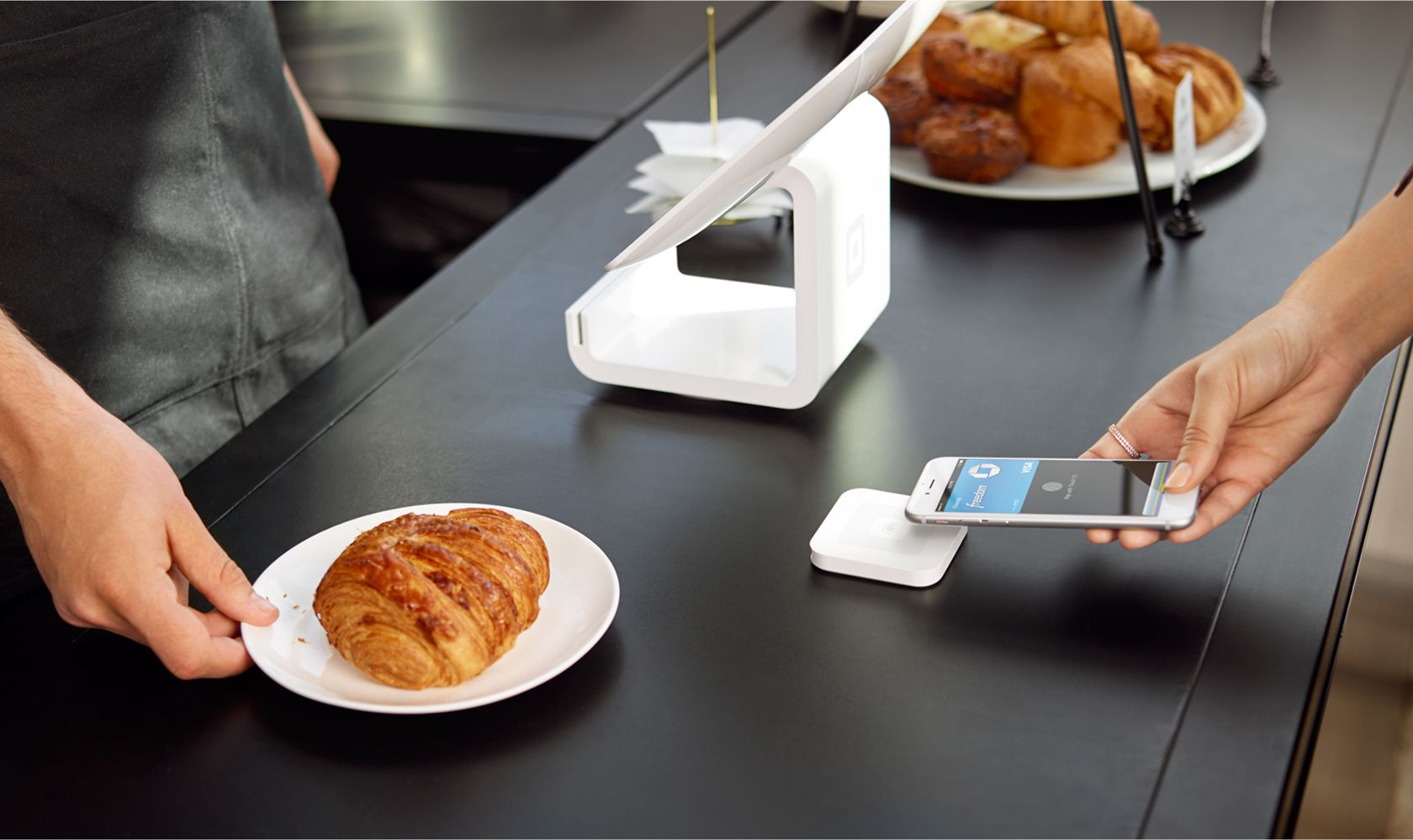
    The total number of e-commerce transactions among Revolut customers more than doubled during Singapore’s «circuit breaker» period earlier this year. Contactless payments also grew by 30 percent, and now comprises 90 percent of its transactions, Tan-Pink said.

    Revolut is currently seeing a recovery in in-store spending, particularly for restaurant dining, with close to 3x growth in total transactions. Year to date, our daily active people figure is close to pre-Covid levels and we are poised to grow this number further this quarter and into 2021, she said.

    The company said it has enjoyed «very positive momentum» since its launch one year ago, with over 70,000 customers, of which 65 percent are Singaporeans. The average age of the Revolut customer in Singapore is 35 and some three-quarters of its active customers use the Revolut card for e-commerce purchases, it noted.

    The company is preparing to bring Revolut Junior to the market in the last quarter of 2020, and expects a full roll-out of Revolut Business at end of the first quarter next year.

  • Puma launches crossover with Chinese streetwear brand Attempt

    Puma launches crossover with Chinese streetwear brand Attempt

    Puma has collaborated with Chinese streetwear brand Attempt to launch a “hacking the archive”-themed range.

    The Puma x Attempt Collection offers a selection of footwear, apparel, and accessories, featuring both classic Puma style and Attempt’s signature minimalist and functional designs.

    “The designs feature deconstructed elements with technical designs and the tonal color palette comes alive with bold color pops, resulting in a collection that is fresh, unexpected, and raw,” the company described.

    The collection also offers a mix of Puma footwear, including the RS-2K, Oslo Pro, and Style Rider. The apparel range features five tees and outerwear items for the warmer months. The accessories range consists of a crossbody bag and a cap.

    Founded in 2015, Attempt is known for its casual clothing featuring minimalist aesthetics with functionality and fresh styling.

  • Mainland China proves key growth driver for fashion retailer SMCP

    Mainland China proves key growth driver for fashion retailer SMCP

    French-headquartered, Chinese-owned affordable luxury fashion retailer SMCP has reported a healthy boost in Asia-Pacific sales, largely on the back of Mainland China during the third quarter.

    Mainland sales surged 29.6 percent, a combination of having more stores in the territory than last year and double-digit like-for-like store sales growth.

    That drove Asia-Pacific regional sales up 13.8 percent, although that was not enough to prevent a global year-on-year decline of 10.6 percent on an organic basis.

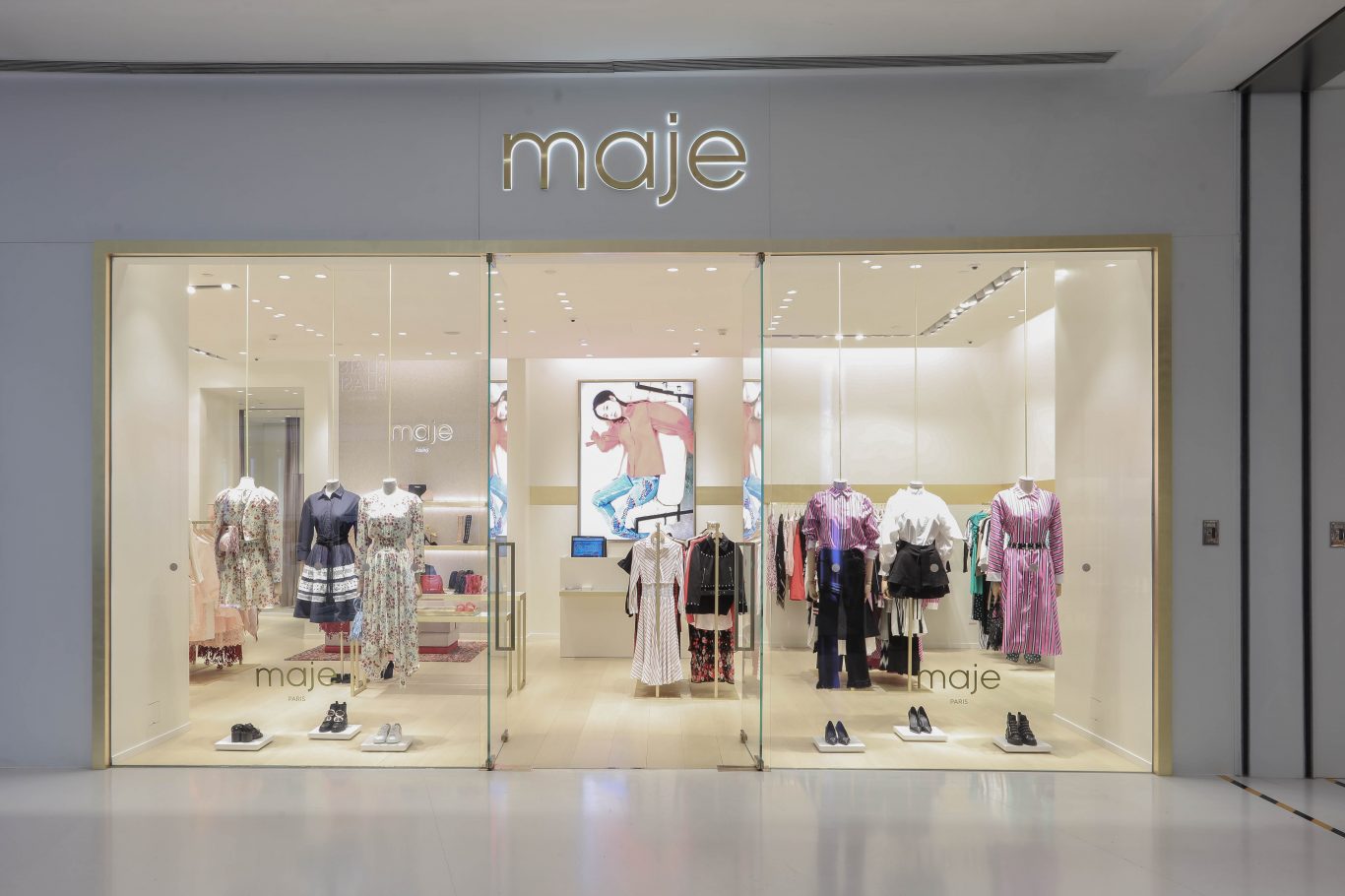
    SMCP sells under the brands Sandro, Maje and Claudie Pierlot.

    Sales were particularly buoyant in South Korea and Taiwan, however, there was only a small improvement due to “challenging” market conditions in Hong Kong, Macau and Singapore.

    The company said sales were strong on Tmall and generally online across the region.

    “Our third-quarter performance is very encouraging,” said SMCP CEO Daniel Lalonde.

    “I am particularly satisfied with our figures in Mainland China, which is undoubtedly a key driver of our future growth. However, as visibility remains limited due to the intensification of the Covid-19 pandemic worldwide, we remain cautious about the coming quarters.”

    Consolidated worldwide group sales for the quarter were €248.4 million (US$293.7 million). E-commerce sales surged 27.6 percent globally.

    During the last year it has expanded its network by a net 38 stores, 20 of those in Asia Pacific, 17 in Europe, Middle East and Africa, (where it closed 10 in France in an ongoing store rationalization program) and 11 in the Americas.

  • HSBC Restructures Further and Faster

    HSBC Restructures Further and Faster

    HSBC will accelerate and expand restructure, despite beating analyst forecast with $3.1 billion of profit before tax in the third quarter. Profits were down $1.8 billion (37 percent) compared to the same period last year, according to the latest earnings release, supported by reducing risky credit and continued cost management. Year-to-date, the London-headquartered bank generated $9.9 billion in profit before tax.

    These were promising results against a backdrop of the continuing impacts of COVID-19 on the global economy, said group chief executive Noel Quinn.

    I’m pleased with the significantly lower credit losses in the quarter, and we are moving at pace to adapt our business model to a protracted low-interest-rate environment.

    Moving forward, the bank will focus on three main strategic priorities: growth acceleration in Asia continued digitalization, and further restructuring.

    On the latter area, the bank is looking to speed up and expand the initiative after saving $600 million in costs this year and shedding 10,000 jobs since the third quarter last year. U.S. and Europe are also restructuring and are also on pace to meet their 2022 targets. We are accelerating the transformation of the Group, moving our focus from interest-rate sensitive business lines towards fee-generating businesses, and further reducing our operating costs, Quinn said. We also intend to increase our rate of investment in Asia, particularly in wealth, the Greater Bay Area, south Asia, trade finance, and sustainable finance.

    According to Quinn, ECL charge for 2020 is trending lower towards the $8-13 billion range but he notes that current guidance makes the assumption that further significant economic deterioration is unlikely.

    In addition, he also highlighted geopolitical risks including U.S.-China tensions as well as uncertainties linked to Brexit.

    We expect lower global interest rates to continue to put pressure on net interest income, Quinn said. Based on current interest rates, we expect further modest net interest income headwinds in 4Q20, with some stabilization as we move into 2021.

  • Rapyd launches payment capabilities in South Korea – extends its Asia Pacific footprint

    Rapyd launches payment capabilities in South Korea – extends its Asia Pacific footprint

    Rapyd, a global Fintech as a Service company, has launched its ‘all-in-one’ payment capabilities in South Korea. By partnering with leading Korean payment service providers, KCP, PayLetter and others, Rapyd now provides access to a robust and comprehensive suite of South Korean payment options across international and local cards (Hyundai Card, Shinhan Card, Samsung Card), mobile wallets (Kakao Pay, Samsung Pay, Toss, and PAYCO), bank transfers, vouchers, and carrier billing.

    According to eMarketer, South Korea is one of the world’s top five eCommerce markets by retail eCommerce Sales volume, accounting for $113 billion sales in 2019. And COVID-19 has further contributed to the rise of digital payments in the country. According to GlobalData, South Korea’s share of cash in transaction volumes is expected to decline to 37.2% by 2023, while non-cash payments will account for two-thirds of payment volumes. The pandemic has also given rise to social distancing, causing a decline in in-store purchases. These are being offset by rising e-commerce spending.

    South Koreans are also quickly moving towards new and emerging payment technologies. According to the Rapyd Asia Pacific eCommerce and Payments Guide 2020, 36% of South Koreans chose mobile wallet payments (also known in South Korea as Simple payments) as their most preferred payment method. Kakao Pay was used by 41% of respondents, followed by Samsung Pay (32%), PAYCO (21%), and Toss (21%). Local cards such as Shinhan, KB, Hyundai, and Samsung Cards are the second most preferred payment methods in the country, chosen by 30% respondents.

    Rapyd now offers the majority of the most popular Korean payments methods identified in the research. The rollout of South Korea payments capabilities will enable international companies to immediately provide localised payment experiences catered to the expectations of modern Korean consumers,  and tap into one of the largest and most advanced eCommerce populations.

    “South Korea is setting many trends in Asia Pacific, and digital payments are not an exception. This market is seeing fast adoption of mobile wallets, such as Kakao Pay, and is incredibly rich in payment services. While competition is heating up and the market is becoming more segmented, the overall pie of Korean mobile payments keeps growing. With the launch of Rapyd’s payment capabilities in South Korea, we are able to bridge the global eCommerce players to a vibrant and exciting Korean market opportunity, and create a truly native South Korean Payment experience,” said Joel Yarbrough, Vice President for Asia Pacific, Rapyd.

    Jaewook Noh, Managing Director, KCP, commented “South Korea is one of the world’s most mature payment markets in the world, and we welcome an opportunity to collaborate with Rapyd and bring Korea closer to the global eCommerce ecosystem. Our partnership is an example of ‘local going global’: it is an attestation of our commitment to building customer-centered experiences, while also supporting the growth of the global Internet economy.”

    Additionally, businesses based in South Korea will also be able to access Rapyd’s Global Payments Network and expand internationally into 100+ markets around the world by accepting payments from consumers in any of the 900 locally preferred payment methods supported by Rapyd.

    One of the first South Korean companies to access Rapyd Global Payment Network capabilities is SENTBE, a Fintech money transfer service, looking to provide easier, faster, and more convenient global remittances.

    “We are pleased to be collaborating with Rapyd, a vital partner in helping SENTBE expand globally as a total FX solution company. As we have recently acquired a Payment Gateway Licence in Korea, we are also looking forward to being a solid infrastructure partner for Rapyd in the near future,” said Alex Choi, CEO, SENTBE.

    South Korea is the sixth global market where Rapyd extends its ‘all-in-one’ payment capabilities. The expansion of the Rapyd Global Payments Network offering all-in-one payment capabilities first took place in Singapore in November 2019, followed by Brazil in March 2020, the United Kingdom in June 2020 and Mexico and India in July 2020.

  • Help small businesses instead of AirAsia

    Help small businesses instead of AirAsia

    A political economist has questioned the decision of the government-owned Sabah bank to lend AirAsia RM300 million and said the money should instead be spent to help small and medium enterprises in the state.

    Firdausi Suffian of Sabah UiTM said he was surprised to read reports that the budget airline has secured an RM300 million loan from Sabah Development Bank, a wholly-owned subsidiary of the state government.

    Firdausi said while there was nothing wrong with a bank to issue loans to a company, a state-owned bank’s priority should be to assist companies in Sabah, particularly SMEs, which have been badly affected by Covid-19.

    “Against the backdrop of Covid-19, one would think that the focus would be on SMEs rather than a company which has been making huge profits for the past few years.”

    Last week, SAPP president Yong Teck Lee had urged the state government to stop the loan, as the bank was mandated to provide financing for projects in Sabah and not on “risky ventures”.

    However, in a stock exchange filing on Friday, the airline said the loan had been secured and disbursed and would be used to enhance logistics in Sabah, helping to create over 100,000 new jobs.

    Firdausi said SMEs were the backbone of the economy, and that Sabah had 55,000 SMEs employing over 150,000 people.

    “SMEs are only getting the assistance of around RM90 million in the two Sabah government stimulus packages,” he said, pointing out that the sector contributes close to 57% of Sabah’s gross domestic product.

    Another economist, Barjoyai Bardai of Universiti Tun Abdul Razak, said he could not see the Sabah government’s rationale in wanting to loan AirAsia so much money that could be used to support struggling businesses in the state.

    “It is a different story if they are investing in the company. I think the state government will have to explain the rationale behind this decision because it will come under scrutiny.”

  • Fintech Launches Low-Cost Customizable Portfolio

    Fintech Launches Low-Cost Customizable Portfolio

    Digital wealth manager Endowus’ new product allows investors to build customizable portfolios with direct access to a selection of low-cost funds.

    The Fund Smart platform, launched Thursday, allows investors to directly access institutional share-class and trailer-free funds using cash, CPF, and Supplementary Retirement Scheme (SRS) funds.

    The platform’s curated model portfolios include an ultra-defensive fixed income portfolio that prioritizes capital preservation, flexible cash management solutions, as well as thematic and sector-focused portfolios such as ESG environment, social, governance (ESG) or socially responsible investing (SRI) funds, Shariah-compliant funds, and thematic funds.

    People struggle with too many options – a growing array of platforms, and far too many funds to choose from with confusing fee structures,» Samuel Rhee, Endowus chairman and chief investment officer, explained in the announcement.

    According to the company, Fund Smart was developed based on a survey of more than 700 investors that focused on their preferences and behavior patterns. Some 71.6 percent of respondents indicated a desire to customize their investment portfolios, with lower incurred costs (84 percent) and the flexibility to choose funds from specific geographies or sectors (74.5 percent) as key considerations.

    We want our clients to experience the same quality of advice we have provided with our core portfolio products, but now with greater flexibility, Rhee said.

    Fund Smart has no sales fees, no transaction fees, no lock-ups, and full trailer fee rebates, along with automated rebalancing and regular savings plans capabilities.