Tag: asia

  • Face unlock support coming soon to WhatsApp on Android

    Face unlock support coming soon to WhatsApp on Android

    WhatsApp already offers users security features that allows the lock of the app using various methods. The easiest form of protection involves the fingerprint sensor, but there’s another one that’s just as easy to use, yet unavailable for WhatsApp users: face unlock.

    It looks like WhatsApp is recognizing that there are phones that don’t feature a fingerprint sensor, so owners have to rely on other methods of protecting their WhatsApp conversations. If your phone does feature support for face unlock, you’ll be happy to know that you’ll soon be able to use it with WhatsApp.

    A new WhatsApp update has been submitted through the Google Play beta program, which adds two important features. The first one is the ability to join a group call even after you missed the initial invitation.

    The second major feature we expect WhatsApp to release soon is face unlock support. A new “Biometric lock” menu has been added in the new beta version of WhatsApp, which will replace the current “Fingerprint lock” menu.

    The new panel confirms that WhatsApp will let users authenticate with fingerprint, face, or other unique identifiers to open the app. As the title says, the new security features have been spotted in the Android version of WhatsApp, although there’s no telling when they will be available for everyone.

  • HCMC real estate business group wants Airbnb-like services legalized

    HCMC real estate business group wants Airbnb-like services legalized

    The Ho Chi Minh City Real Estate Association has called for regulating accommodation-sharing services like Airbnb for better management and taxation.

    Such services have become popular in Vietnam in recent years as they help meet the large demand for low-cost accommodation from tourists and fetch homeowners an income from spare apartments and rooms, it said in a report

    HoREA pointed out that since this kind of business is still not regulated authorities are losing an opportunity to collect taxes and having difficulty managing it.

    There have even been cases of people using accommodation provided by such websites for criminal activities, it said.

    It called for modifying the law to allow homeowners to rent them as long as they register the business and pay taxes.

    There were 40,000 Airbnb listings in the country in January this year compared to 1,000 in 2015, according to tourism development consulting firm Outbox Consulting.

    HoREA also wanted restrictions on the number of days homeowners could rent out in a year and apartment management fees to be increased since it increases management work.

    The number of Airbnb units in Ho Chi Minh City as of the last quarter was 13,200, down 37 percent year-on-year due to the Covid-19 pandemic, according to data from market research firm AirDNA.

    In Hanoi, the figure was down 27 percent to 10,600.

  • 3 Stocks Set To Capitalize On The Booming Sports-Betting Industry

    3 Stocks Set To Capitalize On The Booming Sports-Betting Industry

    After a difficult start to the year, the world economy is finally trying to open up. A good example is the online casino bets and gambling stock, which have taken Wall Street by storm in the recent past as the sports economy reopens and the return of live sports. In this article, you’ll discover three stocks that are positioned to take advantage of the booming sports-betting trend. 

    DraftKings

    DraftKings benefited greatly from the stay-at-home measures that lead to an increase in online sports betting and gambling on online platforms like Betway. When it announced recently that they have a partnership deal with ESPN and Michael Jordan had joined its board as a special advisor, their shares bounced. 

    According to reports, activities on the platform have surged by over 400% since going public on April 24. The DraftKings reported mixed earnings for the second quarter on August 14 as most of the major leagues remained on the break due to the global pandemic. They reported revenue of 75 million USD, surpassing the consensus estimates of 66.4 million USD.  

    Penn National Gaming

    Penn National was in the limelight at the beginning of the year when they expanded into sports media and online betting. They acquired a 36% stake in Barstool Sports, a renowned sports media company that operates up to 41 casinos and racetracks in 19 states across the US. As a result, Penn National’s stock jumped 166% since the beginning of the year.

    Reports indicate that Penn is projected to beat earnings and revenue expectations in the second quarter despite a staggering opening of some of its properties and a lack of live sports. In a statement during the release of the company’s earnings on August 6, The President and CEO, Jay Snoden, reiterated that even though visitation had not returned to pre-COVID levels yet, spend per visit had been strong, leading to better revenues than expected. 

    Apart from EPS and revenue, investors will be eager to hear reports on the Barstool Sportsbook app’s success that was launched in mid-September in Pennsylvania. 

    Boyd Gaming 

    Boyd Gaming is a company based in Nevada that operates sportsbooks in most of its casinos. It runs 29 casinos in 10 states and owns 5% in the Fan Duel, which is an online sports betting platform similar to Betway. 

    Reports reveal that the regional casino operator’s shares have recovered impressively after hitting unprecedented lows during the pandemic’s peak in March. While reporting their second-quarter earnings, Boyd CEO Keith Smith revealed that the company is off to a great start since the reopening. He also said that they managed to do better than had been projected. 

    Bottom Line

    With the return of live sports action, the stock markets are expected to respond positively. Even though many people took to online sports betting sites like Betway during the pandemic, live sports’ return gives them more options. Therefore, in the next few months, you should expect to see the boom in the sports betting market to continue.   


  • The Five Best Online Casinos in Asia

    The Five Best Online Casinos in Asia

    Where can you find the best online casinos in Asia?

    Asia is one of the most beautiful and exotic places on earth. It has long been a mysterious land to Westerners but has some of the most incredible culture and natural wonders you will find. After all, some of the earliest civilizations were founded in this ancient land and have helped to spur legends and stories that still exist today.

    It truly is a spectacular land to say the least, but Asia is no longer a mysterious, forbidden land. It has now become as technologically advanced as any other place on earth, offering residents and visitors the opportunity to enjoy entertainment and adult activities that are as enjoyable as they would be any other place on earth.

    Incredible Local and Online Casinos

    Asia has much to offer to tourists and other visitors. Whether you are coming to the continent on business or for pleasure, you can be sure that there is an abundance of activities that will keep you entertained for your entire visit. This is especially true for those who enjoy playing casino style games. 

    Areas like Hong Kong, Macau, the Philippines, Singapore, Malaysia, and Vietnam all offer great resort-casinos where players can enjoy slot machines, roulette, baccarat, poker, blackjack, and much more. These casinos are fantastic and provide beginners and experienced players a multitude of great games to pass the night away.

    However, you may not be looking for an extended amount of time spent at the casino. In fact, you may not even be near where one is located, but you would still love play. This is where online casinos are the perfect option. 

    These websites offer players the opportunity to play their favorite casino style game, no matter what it is, and to do so legally. They have followed a procedure to gain a licensure to operate within the country, giving players a means to play these games.

    In Malaysia, for example, you can see that there is already a plethora of choices regarding online casinos that are legal for people within the country or in the surrounding areas to enjoy. This is true of a lot of the countries in Asia, including the Philippines, Vietnam, and Macau.

    Choosing an Online Casino

    There is a lot to like about Asia. As governments are getting a handle on Covid-19, retail shops are up and running, hotels are beginning to spring to life once again, and it may not be long before tourists are flocking to these countries. 

    Casinos are opening too, but you may not want to spend your vacation time inside one of these facilities at the moment. You want to enjoy these mysterious lands so an online casino could be a much better option for you. If this is what you are looking for, here are some options for you to consider when visiting Asia.

    Casino Site Number of Games Welcome Bonus Site Rating
    1xBet 2,200+ 100% up to €1,500 welcome bonus + 150 free spins 4.95/5
    Bit Starz 2,700+ 100% up to €100 + 180 Free Spins 4.95/5
    888Casino 1,100+ 100% up to €200 Welcome Bonus 4.9/5
    Royal Panda 3,200+ 100% up to €100 Welcome Bonus 4.9/5
    Casino of the Gods 1,000+ Up to $1,500 Welcome Bonus + 300 spins 4.85/5


    1xBet

    1xBet has one of the largest collections of games available, over 2200. They offer many of the most common and popular table games, including blackjack, craps, roulette, and poker, but also offer slots and video poker. They are available in Hong Kong, the Philippines, Singapore, and in India. The online casino offers limits and many other more popular games, including €0.50 – €1,750 for poker.

    The welcome bonus is a solid one, offering you a large initial deposit bonus as well is 150 free spins. 1xBet has a great reputation across the globe, and that is seen in the operations of their website. The site is available via their mobile app, which you can download to any mobile device. 

    The banking options are exceptional. This includes bank wire transfer, and you can also have money withdrawn and transferred to your bank. Exceptional customer support that is available 24 hours a day. They clearly set themselves apart from their competitors.

    Bit Starz

    Bit Starz offers one of the largest selections of online casino games you are going to find, over 2700 with 2200 slots available. They offer traditional table games, such as craps, blackjack, and poker, and add the additional feature of the live dealer. This makes it so you can watch the action live and jump in. Live dealer games include roulette, blackjack, and baccarat.

    The site is available across Asia, including in India and Japan. They offer a decent welcome bonus, and the 180 free spins was a nice touch. One thing that really set them apart from the others was the acceptance of bitcoin payments and how quick withdrawals are processed. There is just a 10-minute withdrawal processing time before you receive your funds back on your card or in your bank account.

    Bit Starz also offers exceptional customer support. It is available 24 hours a day.

    888 Casino

    For players who have been using online casinos for some time, 888 Casino is a name that is well-recognized. They have over 20 years of experience in the online casino business, which is probably one of the reasons why their welcome bonus is not particularly big. They know that their reputation is one of providing exceptional games and a great user-friendly experience, so they do not feel as compelled to entice customers to the site. They know the reputation does that for them.

    888 Casino offers over 1100 games and they do keep customers by offering a number of promotions and great programs that keep people returning. For example, players can earn a 100% bonus to be used on roulette and poker tables when they use slot machines. They are available in Malaysia and a couple of other locations in Asia, plus they are available in several locations across the globe as well.

    There are over 30 different methods a player can use to deposit funds into their account. One major detractor was that it takes three days to process withdrawal requests.

    Royal Panda

    Royal Panda is available in Japan and India as well as some other parts of Asia. They are looking to expand operations and have some features that make them a very good choice. For high-stakes players, there are very high max limits to their popular games and they also offer live dealers. Live dealer options are available in eight different types of games, including roulette, blackjack, and game shows.

    The site has the largest array of games available, over 3200 with over 3000 of those being slot machines. For those who are mobile users, you still have more than 2500 games available, but there is not a mobile app available for Royal Panda. You have to access their online casino through your browser. One thing that was good about this site was that they offered very high maximum withdrawal limits, far higher than competitors.

    Casino of the Gods

    This site offers a great welcome bonus that includes 300 free spins. This gives you plenty of opportunity to learn how to use the casino and you cannot argue with that amount of matching initial deposit they offer. There are over a thousand games available, with some of the best table game options you are going to find. This includes baccarat, blackjack, and Texas Hold’em, but they also have a number of great theme-based slot machines as well.

    One thing that players will like is that they allow you to do your banking in the currency of your country. This ensures that you do not have to try to figure out what the currency conversion rate is. They also accept a large range of different currencies, including two of the more popular currencies in Asia, the Chinese yuan and the Indian rupee. 

    Common Games Available

    For players, there are thousands of different options available to play. As seen, some sites have literally thousands of slot machines for players, but there are also many of the more popular casino style games that players enjoy. Three types of games that players enjoy include:

    Roulette
    The game which everyone enjoys and understands. Roulette has been the most popular casino game since its creation because of its simplicity, dynamic and luck-based gameplay. There are very few games which are so eye-catching like the roulette table. 

    Poker

    For those who love poker, there are not only options available at every one of these online casinos, but they offer different versions of the popular card game. This includes Texas Hold’em, which is growing even more popular with each passing year.

    Slot Machines

    One thing we really liked was the availability of slot machines. They have become very popular and many casino patrons enjoy them. Fairly simple, effortless, and luck-based games. There are variations of the game available online as well.

    Conclusion

    While these are considered by us to be the top five online casinos in Asia, understand that there are dozens of options available. Malaysia, the Philippines, and Macau, for example, have more than a dozen great options to choose from. Plus, they are great areas where you will love the culture and the sites. Asia is great no matter where you go, but these three are definitely the spot to go if you are traveling in the continent and want to enjoy some amazing casinos.


     

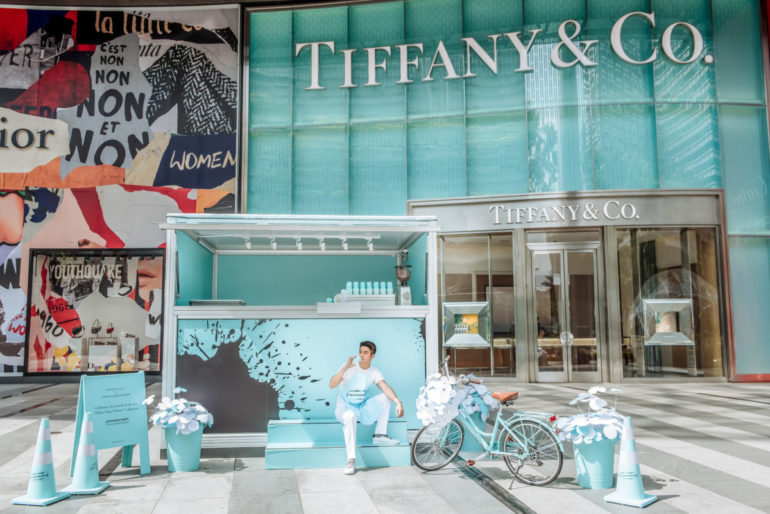
  • Tiffany sees earnings bump during legal case

    Tiffany sees earnings bump during legal case

    In the midst of a legal stoush with one-time suitor LVMH, luxurious chain Tiffany has seen constructive gross sales momentum carry it by means of the final two months.

    Though worldwide web gross sales fell barely, working earnings grew 25 percent during August and September in comparison with the identical interval final 12 months. And e-commerce gross sales continued to point out resilience, making up virtually 13 percent of complete gross sales for the interval – virtually double the August – September interval final 12 months.

    “While we still expect full-year results to be substantially impacted by Covid-19, we are very pleased with the way the business has rebounded following the first quarter and continues to rebound in the third quarter, especially in Mainland China, and to recover in the United States,” stated Tiffany chief government Alessandro Bogliolo

    The enterprise does, nonetheless, anticipate fourth-quarter gross sales to be below these seen final 12 months, however expects greater earnings to proceed.

    The earnings announcement got here because the enterprise continues its legal battle with LVMH, which dedicated to buying Tiffany & Co. however pulled out on the grounds the enterprise had been mismanaged during the pandemic and that the French authorities had requested it to delay the acquisition – one thing Tiffany claims by no means amounted to a legal restraint.

    “LVMH’s specious arguments are yet another blatant attempt to evade its contractual obligation to pay the agreed-upon price for Tiffany,” Tiffany’s chairman Roger Farah stated in a press release final month.

  • Vietnam to tax Netflix’s local revenues

    Vietnam to tax Netflix’s local revenues

    The General Department of Taxation has asked streaming giant Netflix to furnish details about its revenues in Vietnam since its entry in 2016 to assess its taxes.

    The country’s Cybersecurity Law requires all foreign businesses which have income from online activities in Vietnam to store its data in the country and submit their business figures to tax authorities for collection, Vu Manh Cuong, director of the inspection agency under the department of taxation, said at a press briefing Tuesday.

    “Netflix has been working with the Ministry of Finance and the General Department of Taxation to set up a representative office and servers in Vietnam to declare tax,” he added.

    Netflix was not immediately available to comment.

    Vietnamese authorities had earlier said that U.S.-based Netflix, which has around 300,000 subscribers in Vietnam and demand a monthly subscription of VND180,000-260,000 ($7.75-11.19), has never fulfilled any tax duty in the country.

    The country in recent years has been making efforts to collect taxes from internet giants such as Facebook, Google and Netflix.

    Its cybersecurity law, which came into effect this year, also requires foreign businesses to provide users’ data to the Ministry of Public Security if it asks in writing to facilitate investigation of any infringement of the new law.

    The law bans internet users from organizing, encouraging or training other people for anti-government purposes.

    Taxing Vietnamese for their online revenues is another priority of authorities.

    Cuong of the taxation department said that in Hanoi alone there are over 18,300 organizations and individuals making a total of VND1.46 trillion from online sales via Google, Facebook and YouTube, according to data from 45 commercial banks, Tax authorities have so far collected nearly VND14 billion from them, he said.

    He added that in the first eight months they also collected over VND93 billion from organizations and individuals making a total revenue of over VND5 trillion from online booking services such as Booking, Agoda and Airbnb.

    Other Southeast Asian countries have also been making moves to tax Netflix and other internet giants. Indonesia in July imposed a 10 percent value-added tax on sales by technology firms including Amazon, Netflix, Spotify and Google, while Singapore since January has required subscribers of Netflix and other overseas digital services to pay a 7 percent goods and services tax.

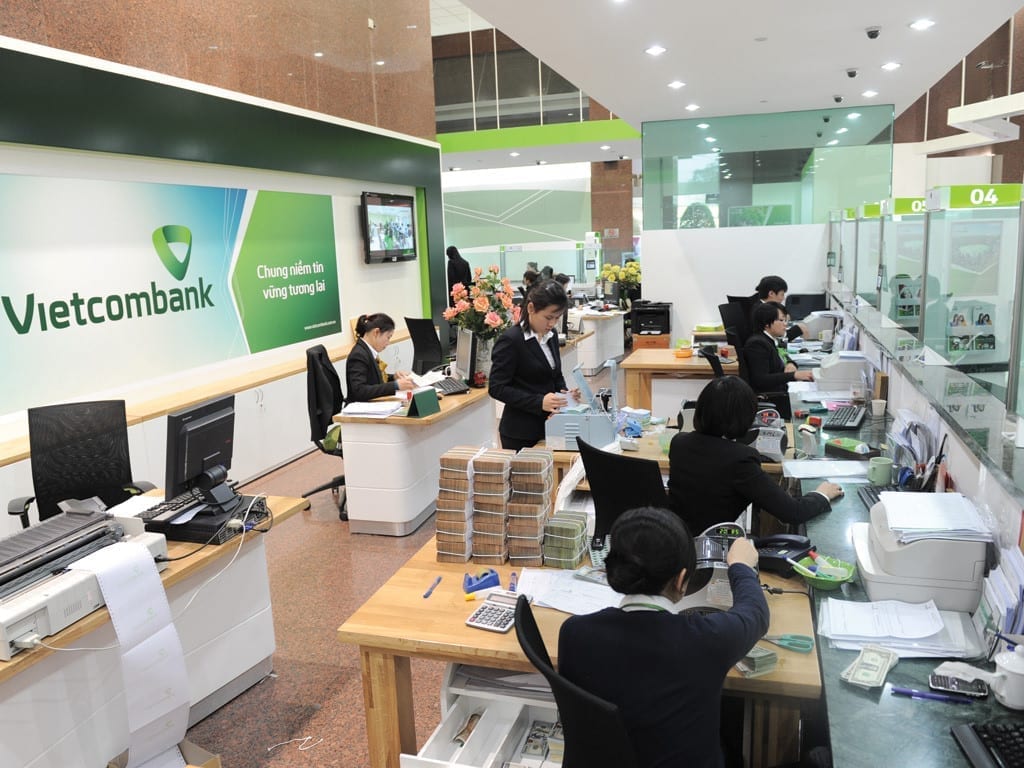
  • Vietcombank profit plunges

    Vietcombank profit plunges

    The pretax profit of state-owned lender Vietcombank in the third quarter fell over 20 percent to VND4.9 trillion ($210.9 million) over pandemic impacts.

    The bank said that provision for bad debt, which rose 35 percent year-on-year to VND2.02 trillion, and lower net interest income were the main reasons for the profit slump.

    Although the bank remains the most profitable lender in the country, its bad debt increased 15 percent in the first nine months to nearly VND7.9 trillion.

    Rising bad debt has become a major concern for Vietnamese lenders this year as the Covid-19 pandemic crippled key industries. With businesses finding it very difficult or impossible to repay loans, banks are forced to increase their bad debt provisions.

    Banks have lowered deposit interest rates from 7 percent earlier this year to 5.8 percent after the State Bank of Vietnam cut policy rates four times, seeking to boost lending to revive the economy, which has posted decade-low growth in the second and third quarters.

    Vietcombank, the fourth-largest lender in Vietnam in terms of assets, also reported that its Q3 revenue fell to near 4 percent year-on-year to VND11.6 trillion.

    The research unit of top brokerage SSI Securities Corporation has recently forecast that the bank’s pretax profit is set to fall by over 13 percent year-on-year to VND20 trillion due to Covid-19 impacts.

    The State Bank of Vietnam in April ordered state-owned lenders to cut profits by 30-40 percent this year to lower lending rates and support economic recovery.

  • Fast Retailing bullish about recovery as Asian expansion pays off

    Fast Retailing bullish about recovery as Asian expansion pays off

    Uniqlo father or mother Fast Retailing might have reported a 12-per-cent drop in gross sales in its full-year outcomes, however, that decline was far lower than predicted as not too long ago as July as a result of the Greater China and Japanese markets recovered at a sooner rate than anticipated.

    The firm reported full-year revenue of US$1.426 billion, down 42 percent, on gross sales of $19.185 billion worldwide.

    Same-store annual gross sales throughout Uniqlo shops declined by 6.8 percent in Japan, whereas fourth-quarter gross sales in Greater China have been up 20 percent yr on yr.

    In South Korea, the place the corporate has been impacted by a broad boycott of Japanese manufacturers by native customers for the final yr or so, gross sales fell sharply and Fast Retailing recorded a loss, regardless of closing its poorest-performing shops.

    Elsewhere, gross sales and revenue have been down throughout most of Southeast Asia and in Australia and India, however, Singapore, Malaysia, Thailand, and Australia recovered favorably within the fourth quarter. Losses have been reported in each North America and Europe.

    Sales by the GU model rose 3 percent for the yr, however working revenue was down by 22.5 percent.

    Looking ahead

    Given the quick recovery to this point for the reason that peak of the Covid-19 pandemic in Asia-Pacific, Fast Retailing is now projecting a 9.5-per-cent enhance in total income for the 2021 fiscal yr and revenue attributable to shareholders of $1.58 billion, which might characterize a rise of 82.6 percent on the yr simply ended.

    Revenue is predicted to say no within the first half as a result of persevering with the effect of Covid-19, “but we forecast large revenue and profit gains in the second half assuming the virus is brought under control,” the corporate stated in its outcomes announcement. “All business segments are forecast to generate full-year revenue and profit gains.”

    Quick revenue

    During the final monetary yr, Fast Retailing has continued its expansion into new markets, opening the primary Uniqlo in Milan in September final yr, the primary in New Delhi a month later, and making its Vietnam debut in Ho Chi Minh City in December.

    “While all those markets were impacted by Covid-19, Uniqlo Italy managed to post a full-year profit, and the Vietnam operation, which was only launched in December, turned a profit in the second half.”

  • Irvins Salted Egg expands into the US via DTC route

    Irvins Salted Egg expands into the US via DTC route

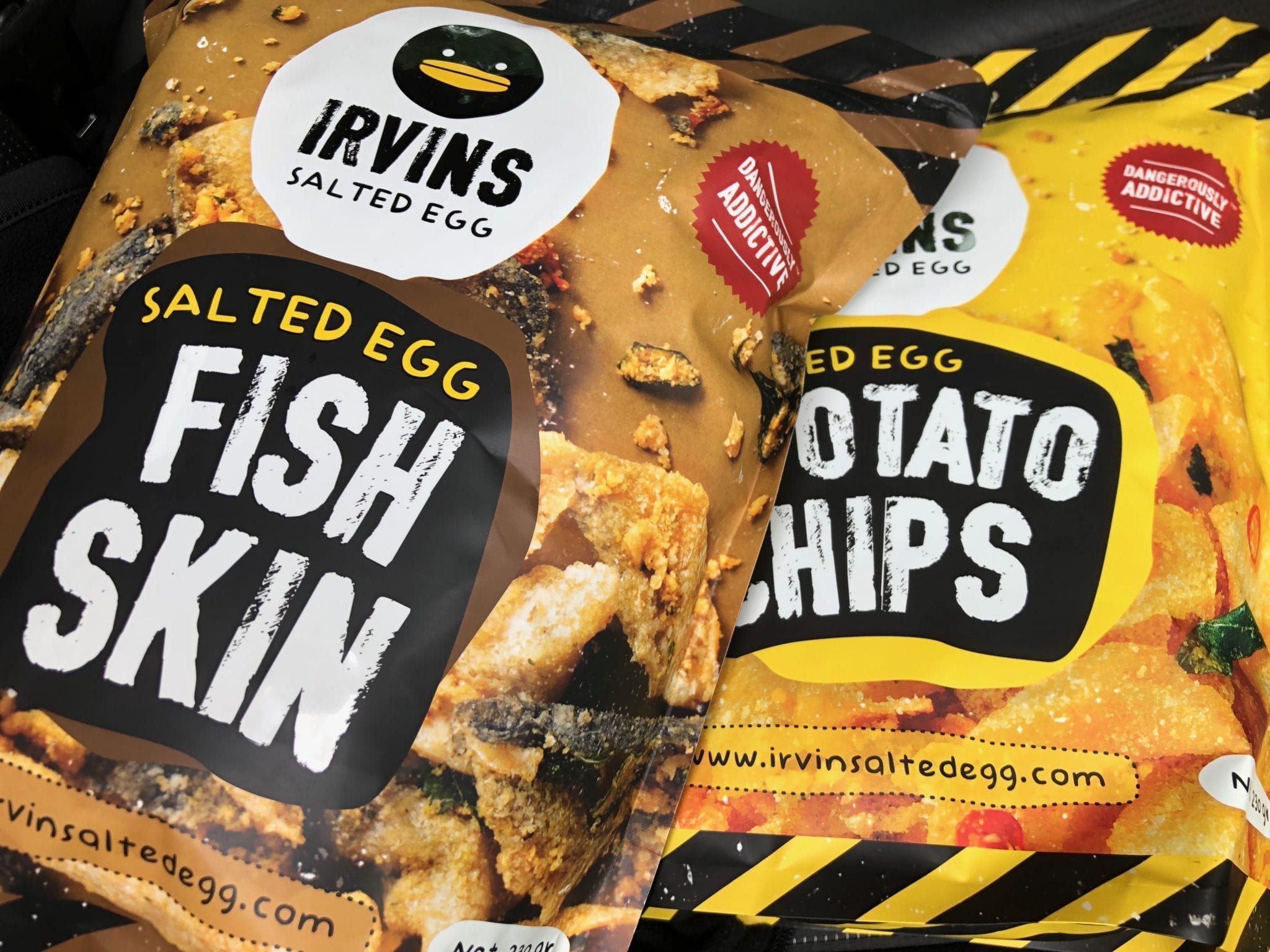
    Singaporean cult snack brand Irvins Salted Egg has expanded online in the US and launching at several Asian specialty stores including 99 Ranch, Seafood City and H Mart.

    The popular brand, which has a cult following in Singapore and Hong Kong, especially, has pop-up style brick-and-mortar stores and sell-through in nine Asian countries. By going online it has taken a direct-to-consumer approach to competing with American snack brands.

    In Australia, it is sold through the e-commerce site Snack Affair.

    “We are ecstatic about our expanded availability in the US. Irvins Salted Egg products bring a distinctive flavor and premium quality to the American snack food market, and we look forward to earning a place in the conversation as more people can try our product,” said Yosuke Yazawa, Irvins chips business development manager of North America.

    Irvins will offer flavors online such as Salted Egg Potato Chips, Spicy Salted Egg Potato Chips, Salted Egg Cassava Chips, Spicy Salted Egg Cassava Chips and Salted Egg Crunchy Roll.

    The salted-egg flavored chips are made in Singapore using Asian flavors such as the salted duck egg yolk, curry leaves, and red chilli pepper without preservatives.

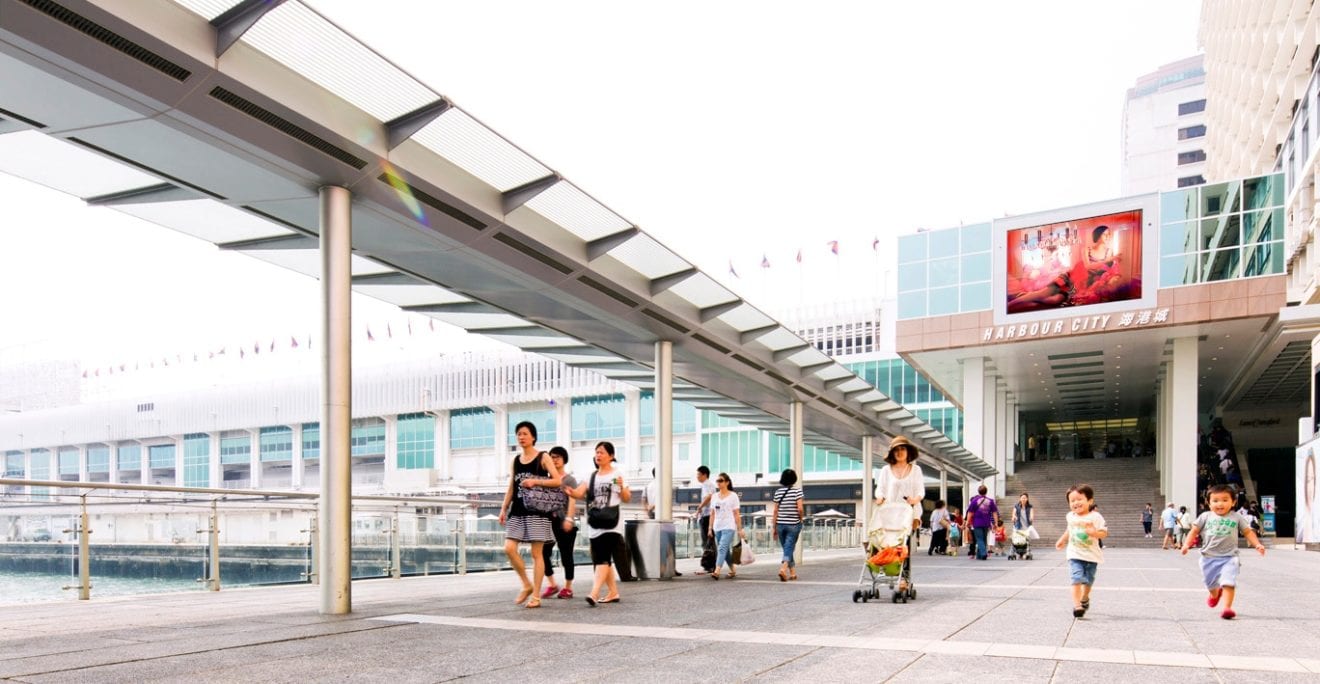
  • Harbour City signs up 70 new tenants as it refocuses from tourists to locals

    Harbour City signs up 70 new tenants as it refocuses from tourists to locals

    The owner of Hong Kong’s biggest shopping center is offering its tenants additional rent concessions, with a catch: extend the leases for at least 18 months in a market facing the third wave of coronavirus infections. The tactic has come as a shock to retailers at Harbour City, an upmarket mall located in Tsim Sha Tsui tourist district that is vying with Causeway Bay for dwindling visitors in the city. The mall, ultimately owned by Wharf Reic, has asked its 400-odd tenants to decide by July 24 in a strongly-worded letter seen.

    Besides committing to new leases, Wharf also requires its tenants to meet other conditions to receive a 40 percent retroactive discount to rents in May, according to the July 10 letter. Wharf had earlier halved rents for tenants from February to April.

    Among other requirements, they will need to have paid up before July 15 all their outstanding rents, charges, and arrears accrued as of June 30, according to the letter.

    The offer “is a one-off measure” to deal with the current situation faced by the retail industry and does not mean more are in store, according to the letter signed by Veronica Chan, who is general manager of retail leasing and business development at Harbour City Estates.

    “If we fail to receive your signed version of the Side Letter by 24 July or if you shall attempt to make any changes to our Side letter, we would treat it as your refusal to accept the arrangement … and in which event we would not consider offering you any rental concession for the month of May,” she said in the letter. “We would like to emphasize that we would not entertain any changes or amendments thereto.”

    While the tenants’ responses to the Harbour City’s letter were mixed, many have quietly expressed their disapproval of the tactic, according to an industry source who declined to be identified because of confidentiality issues.

    Some of them are not signing, while several are signing by crossing out the lease renewal clause, the person said. Others have decided to sign for now and could still return the concession to the landlord when they decide to not renew the lease, the source added.

    The practice of requiring lease renewal in exchange for rent concessions is rare, said Lilian Chiang, senior partner and head of the property department at law firm Deacons.

    “There was actually no such thing in the past until this year. Currently, I have tenants asking me every day whether they could exit [the lease],” she said, adding that it would “shock you” that international brand names are also asking the same thing.

    Hong Kong retail landlords set alarm bells ringing with profit warnings.

    Wharf may not be alone in employing the tactic. Link Reit, the biggest property trust in Asia, is said to have requested lease renewal before granting rent concessions, according to people with knowledge of the matter.

    “There has to be given and take on both sides and any leasing agreement will only be mutual concessions and compromises,” said Link’s spokesperson. “The closest thing to the arrangement is lease restructuring.”

    Every landlord has a different practice to retain tenants and avoid having too many vacant shops, which hurts the overall attractiveness of a shopping centre, Chiang added.

    “Tenants tend to compromise with the new terms and conditions in exchange for rental concession, otherwise they might not be able to keep their business or pay rents or other operating costs to overcome this difficult period,” said Polly Chu, a partner at law firm Withers.

    The letter is a way of rent restructuring by the developer or landlord to keep their tenants, she said. It may also suggest the landlord has confidence that the retail business will return to normal in the future, Chu added.

    Tsim Sha Tsui is a tourist district that is among the hardest hit in the retail crisis. Yet, at the same time, it has recently usurped protest-hit Causeway Bay as the most expensive shopping belt in the city.

    Harbour City is one of the most expensive shopping centres, charging as much as HK$1,000 per square foot on average, according to market sources.

  • Vietnam’s e-commerce market tipped to grow second half of the year

    Vietnam’s e-commerce market tipped to grow second half of the year

    In case the Covid-19 pandemic continues to pose major risks to the economy in the final quarter of 2020, Vietnam’s e-commerce market could be severely impacted, seeing a revenue loss of US$2.6 billion from the previous estimate to US$11 billion this year, according to a report from the Ministry of Industry and Trade (MoIT).

    Such a figure would indicate a revenue growth rate of 13% year-on-year, stated the MoIT.

    In a more positive scenario, the MoIT expected revenue from e-commerce activities to expand by 20% year-on-year in the fourth quarter, resulting in a combined revenue of US$12 billion for 2020.

    In 2019, revenue from online sales of business-to-consumer e-commerce, known as B2C e-commerce, stood at US$10.08 billion, accounting for 4.9% of total goods retail sales and services revenue, while the rate of the population shopping online reached 42%.

    This led to the e-commerce revenue projection of US$13.6 billion in 2020. However, the Covid-19 pandemic has dealt a major blow to the forecast. During the first four months of 2020, 57% of firms operating in the e-commerce market saw their revenue grow less than 30% year-on-year while 24% reported an increase of at least 51% in revenue.

    Revenue growth in e-commerce in the January – June period was estimated to decrease by 6 percentage points year-on-year, despite a 25% surge in the number of transactions.

    In May, the government released a national plan for the development of e-commerce by 2025, which targets revenue from B2C e-commerce to reach US$35 billion, or a growth rate of 25% per annum and to account for 10% of total goods retail sales and service revenue.

    Meanwhile, the government expects the rate of the population using related services, including non-cash payment services, at 50%, and through intermediary payment services at 80%, along with 55% of the population to shop online with average spending of US$600 annually by that time.

    Notably, Hanoi and Ho Chi Minh City would make up half of e-commerce revenues in the next five years.

  • Taxi giant lays off 1,300 employees

    Taxi giant lays off 1,300 employees

    Vinasun has cut its staff by 1,300 in the first nine months as it restructures to reduce costs amid the Covid-19 pandemic. The staff cut has lowered the company’s salary costs by 35.5 percent year-on-year to VND80 billion ($3.4 million), saving it VND4.9 billion each month. It now has 4,480 employees.

    However, lower salary costs have not been enough to offset Covid-19 impacts. The firm’s revenue in the first nine months plunged 52 percent year-on-year to VND734.7 billion, with business mostly frozen in April during the nationwide social distancing campaign.

    It has posted a loss of VND185 billion so far this year, compared to a post-tax profit of VND94 billion in the same period last year.

    It forecasts a post-tax loss of VND115 billion this year.

    Company leaders have said they expect the recovery process to be slow due to a lack of foreign visitors. After Vietnam closed its borders and stopped international flights in March, only a few routes have resumed operations

  • Android 11 bug blocks users from seeing important parts of the screen

    Android 11 bug blocks users from seeing important parts of the screen

    Android 11 is over a month old having been released on September 8th and already there are several complaints from users about apps that are supposed to go full screen but are not able to. And even when these apps are in full-screen mode, the status bar and the navigation bar aren’t disappearing like they are supposed to. For example, games and certain apps like YouTube are supposed to fill up the whole screen with content when full-screen mode is enabled. But ever since Android 11 launched, some Android users have discovered that these apps no longer fill up their phones’ displays entirely.

    As a result, game players, many of whom hold their devices in Landscape mode, are discovering that some elements of a game are being cut off by the status bar or the navigation bar making gameplay impossible. While Android users shared this problem with Google and others on the Google issue tracker site during the time when the Android 11 betas were being released, Google did nothing with the information because it allegedly was unable to replicate the problem. But considering that the issue is beginning to garner attention once again, we’d be surprised if Google didn’t take another look at this bug. Especially since last month, Google admitted that the problem is a product feature issue, not a developer feature.

    Some Android users who have been experiencing the issue say that by closing the apps and restarting them, they are able to fix the problem. If you are having this issue, you might want to give this solution a whirl. We can save you some time and aggravation by letting you know that wiping your Android device will not solve the problem. Hopefully, Google will disseminate an update shortly that will exterminate this bug.

  • Line Launches Social Banking Platform in Thailand

    Line Launches Social Banking Platform in Thailand

    Thailand is the first market where Line has integrated banking services on its main mobile platform. Japan-based Line, which operates one of Thailand’s most popular social media platforms, has rolled out banking services in the kingdom in partnership with Kasikornbank.

    The Line BK service allows users to customers to transfer money, open savings accounts, apply for loans, and make payments directly from the messaging platform. It also promises high-interest rates for saving accounts and a range of banking services, including personal loans for freelancers and individuals without fixed incomes, according to an announcement on Tuesday.

    The company said it plans to expand banking services into other countries, including Japan, Taiwan, and Indonesia.

    The Line messaging app launched in 2011 and since then has grown into a diverse, global ecosystem that includes AI technology, fintech and more.

    In Thailand, LINE introduced its messenger service in 2012, and quickly grew into the country’s leading social media platform.

  • Impossible Foods launches in supermarkets in Hong Kong and Singapore

    Impossible Foods launches in supermarkets in Hong Kong and Singapore

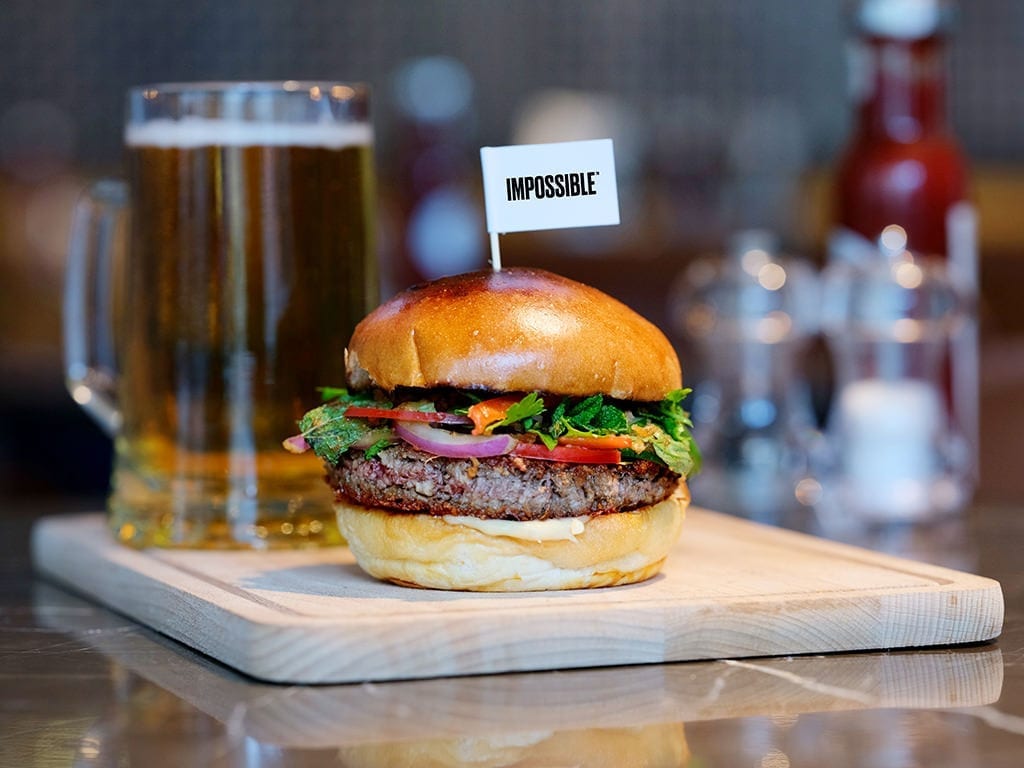
    During an exclusive virtual media conference held today (October 20), which featured the food tech’s senior executives attended by Green Queen, Impossible Foods officially announced the first retail launch of its plant-based products in Asia. From this week onwards, consumers in Hong Kong and Singapore will be able to purchase plant-based Impossible Beef in major supermarket outlets including the biggest chain in Hong Kong, ParknShop, and in Singapore’s FairPrice. It comes shortly after the Silicon Valley startup’s newly debuted Impossible Sausage product made its first foray into the Asian market in a citywide partnership with Starbucks Hong Kong and collaborating restaurants.

    Impossible Foods is establishing its retail footprint in Asia for the first time, launching its Impossible Beef product across nearly 200 grocery stores in Hong Kong and Singapore. In Hong Kong, consumers will be able to purchase the plant-based beef alternative across 100 ParknShop locations, including in its subsidiary brands Fusion, Taste, Food Le Parc and Great Food Hall, as well as via online delivery via the ParknShop website. It will retail at HK$89.90 per 340 gram package. In Singapore, Impossible Beef will be available at close to 100 FairPrice stores and on RedMart, the city-state’s biggest online grocery platform, sold for SG$16.90 per 340 gram retail packages.

    It marks the first time that consumers in the two cities will be able to directly purchase the plant-based beef alternative to cook at home in their kitchens, after the food tech tested the business model amid coronavirus pandemic lockdowns when it gave its foodservice partners the go-ahead to resell their Impossible Beef inventory to customers, firstly in Singapore back in May, then in Hong Kong in August.

    “The world’s most respected chefs consistently tell us that the Impossible Burger blows them away. And we can’t wait for Hong Kong and Singapore’s home chefs to experience the same magic in their own kitchens – whether using Impossible Beef in their traditional family favorites or inventing new recipes that go viral,” said Patrick Brown, Impossible Foods founder and CEO.

    “Hong Kong and Singapore have been great launching pads for us, they have an amazing culinary culture here. It’s been so eye-opening to us and we’ve learned a lot. In the U.S. it’s such a burger heavy market, but here, we can try so many things – meatballs, dumplings, all sides of global cuisines. Just this year, even with such a challenging environment, we’ve seen a huge increase in our restaurant sales. So when we thought about where to launch our international retail, it was clear that Hong Kong and Singapore were going to be the markets,” added Nick Halla, senior vice president of international at Impossible Foods, during the conference.

    Just this year, even with such a challenging environment, we’ve seen a huge increase in our restaurant sales. So when we thought about where to launch our international retail, it was clear that Hong Kong and Singapore were going to be the markets.

    Impossible’s move comes as the firm makes significant inroads into consumer retail as more decide to cook at home instead of dining out. Earlier in June, the food-tech launched its first direct-to-consumer website in the U.S. where customers can order bulk-sized packages for delivery to their doors.

    “We had to pivot quickly to get our consumers to access to retail because of coronavirus and that’s been really successful. In the U.S. we’ve achieved about a 100-fold increase in our retail footprint,” Brown told reporters.

    Soon after, Impossible landed on the shelves of Walmart, the biggest retailer in their domestic U.S. retail market, and has since grown its point-of-sales to over 11,000 outlets nationwide. And according to the company, 92% of sales of its famous bleeding plant-based Impossible Burger is directly displacing animal-derived meats from consumers who are actively shifting away from all meat categories.

    We had to pivot quickly to get our consumers access to retail because of coronavirus and that’s been really successful. In the U.S. we’ve achieved about a 100-fold increase in our retail footprint.

    But with Asian consumers on board – a key market that Impossible has time and again signalled as its target – the environmental impact of more consumers opting for its plant-based alternative could be huge. The brand’s “impact calculator” says that its meatless beef uses 96% less land, 87% less water and emits 89% fewer greenhouse gases compared to conventional beef.

    And if the current rising plant-based and flexitarian trend amongst Hong Kong and Singapore consumers continues, establishing its retail footprint in both cities could be a strong play for the food tech. Since the beginning of this year, sales of Impossible Beef at partnering restaurants have shot up 150% across Hong Kong and Macau and 120% in Singapore.

    Plant-based meat has been a big growing trend, and we’ve begun to introduce more to our shelves and we’ve seen sales triple within just this year.

    “We’re really excited to be the first retailer to launch Impossible Beef. It’s important for us to give that sustainable choice to our customers. In Hong Kong, our ongoing research has shown that they care about the environment, so we’re giving them the choice now. Plant-based meat has been a big growing trend, and we’ve begun to introduce more to our shelves and we’ve seen sales triple within just this year,” Malina Ngai, chief operating officer of ParknShop’s parent company, Watsons Group, said at the press conference.

    Other plant-based brands have too seen their products garner greater shows of support. Take Green Monday’s vegan pork mince analog OmniPork, for instance, which has been added onto the menus of the biggest food players in town, including in all McDonald’s and 7-Eleven locations across the city, no doubt in response to demand from their customers.

    “We’ve seen tremendous growth year-on-year on customers searching for plant-based products, and it’s translated into sales across a number of categories and meat alternatives being one of them. Impossible has been a top search term too, so we know there is enormous demand here in Singapore and it’s exciting to be the first online retailer to launch Impossible Beef in the city,” said Richard Ruddy, chief retail officer at RedMart Singapore.

    When asked about Impossible’s price parity with conventional animal products and Brown was clear that plant-based meats will be cheaper in the short term: “Within a few years, all of the products we make will be less expensive than the animal version,” he predicted.

    One particular highlight during the course of the press conference was when Pat Brown was asked directly about the political turmoil surrounding places like the U.S. and mainland China. He was clear that they don’t get consider politics when tackling new markets: “Would we not launch in a market whose politics we don’t agree with? The answer is no. If we said no, we’re only going into places with whose policies we are in complete agreement, it would thwart our entire mission.”

    “There’s nothing contradictory about us going into a place whether or not we are fully aligned with their politics. We’re not engaged in politics. We’re engaged in an environmental mission, a public health mission,” he added.