Tag: asia

  • Strong third quarter arrests LVMH’s sales decline for the year

    Strong third quarter arrests LVMH’s sales decline for the year

    Luxury items and liquor-retail group LVMH recorded a 21-per-cent decline in income throughout the first 9 months of this year in what it describes as a “very turbulent environment” in the wake of the Covid-19 pandemic.

    The decline in sales – 30.3 billion euros – largely occurred throughout the first two quarters of the three, with the decline recovering to an extra modest 7 percent in the third quarter, largely pushed by rebounding sales of cognac, vogue, and leather-based items. This was particularly sturdy in the US and Asia.

    Liquor sales fell 15 percent over the 9 months and three percent over the third quarter, whereas sales of vogue and leather-based items, led by Louis Vuitton and Dior, have been down by 11 percent for the full 9 months however surged at a double-digit rate in the third quarter. 

    Covid-19 noticed the suspension of the worldwide journeys and the closure of the group’s shops and manufacturing websites in most nations over an interval of a number of months.

    Sales in its watches & jewelry division led by Tag Heuer, Bulgari and Chaumet, declined by 30 percent in the first 9 months, however, a rebound in China throughout the third quarter was inadequate to arrest a general decline of 14 percent for the full interval.

    LVMH’s selective retailing division skilled a 31-per-cent drop in sales throughout the 9 months. The beauty-retail chain Sephora demonstrated “good resilience during the health crisis,” in keeping with the firm regardless of the closure of virtually all its shops globally for almost two months earlier than sales improved in the third quarter.

    Strong online sales noticed Sephora develop market share throughout its major markets. However, DFS predictably noticed a big decline in its exercise in most locations because of the suspension of a worldwide journey.

  • The Starhill reveals high-end tenants ahead of reopening early next year

    The Starhill reveals high-end tenants ahead of reopening early next year

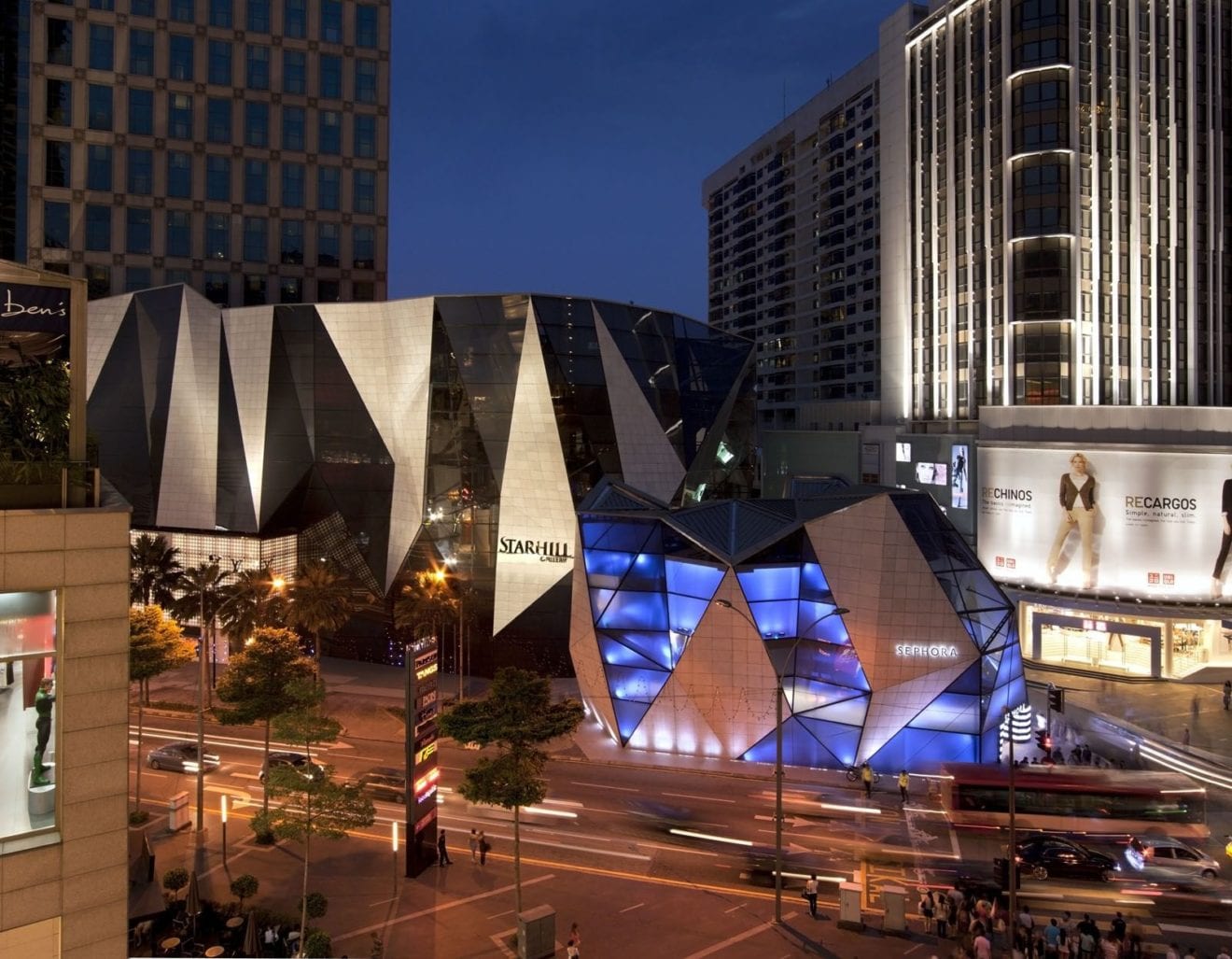
    The iconic Starhill Gallery, which is part of a portfolio of retail assets owned by Singapore-based Starhill Global Real Estate Investment Trust (SGREIT) will undergo a transformation and revealed as The Starhill – Home of the Tastemakers in 2021.

    The mall, the most luxury retail establishment in the Bukit Bintang shopping district was developed by YTL Corp Bhd more than two decades ago.

    It opened in 1996 and houses more than 100 renowned luxury timepiece and jewellery brands, as well as other contemporary luxury labels.

    The mall was renovated in 2005, with renowned American architect David Rockwell at the helm of the project, which resulted in its current glass dome-like façade.

    YTL Land & Development Bhd vice president Joseph Yeoh said the mall will be partially closed (from October this year) for renovation with some brands continuing to operate.

    Yeoh said, the completion of phase one renovation is scheduled for the second quarter of 2020 in tandem with the relaunch of Shook!, Lu Yu Tea House and Jogoya.

    The soft opening of new stores and other food and beverage outlets is scheduled in the last quarter of 2020.

    Hospitality and retail experience under one roof

    Yeoh said the mall, after undergoing the transformation will redefine Kuala Lumpur’s shopping scene in a new concept that infuses hospitality into the retail experience.

    The mall, which sits directly opposite Pavilion KL, is connected to YTL’s five-star JW Marriott Kuala Lumpur hotel by a “Time Tunnel”. The link bridge also connects to YTL’s The Ritz-Carlton Kuala Lumpur.

    Yeoh said, with Kuala Lumpur remaining among the top five most popular tourist destinations in the Asia Pacific region alongside Tokyo, Seoul, Bangkok and Singapore based on Mastercard Destination Index 2019, it is crucial for The Starhill to optimize the cross cultivation of experiences between the retail and hospitality floors to offer unique shopping offerings for hotel guests from the two luxury hotels.

    Key to the refurbishment is to improve spatial layout, circulation and overall shopping experience; all interior common areas will be fully refreshed.

    A new double-volume entrance atrium will feature a lush green wall with multiple LED screens projecting brand videos of The Starhill and tenants to welcome all visitors.

    The central atrium will also be overhauled to include a new connecting bridge plying across the sun-lit atrium and cantilevered balconies designed as pop-up space.

    The Bukit Bintang facade will be given a facelift with new LED screens and a new café terrace on level one overlooking the new piazza.

    Yeoh said, the concept of The Starhill reinforces the group’s positioning as the place to be in Bukit Bintang.

    “The Starhill bucks the city’s cookie-cutter mall trend, going boutique-sized at 300,000 square feet of retail space to cultivate a more personalised retail ambience which is warm yet discreet when others have gone mega with an anodyne take on the shopping experience. Today, discerning shoppers seek special access and discoveries but most importantly, they want meaning, authenticity and connection and this is what we set out to achieve in The

    Starhill,” he said.

    YTL has partnered with top consultants from the region.

    Yeoh said, the consortium comprising Cistri (Singapore), Husband Retail Consultant (Hong Kong), Kokai Studio (Shanghai) and Eight Partnership (Hong Kong) – expert retail, design and branding consultants have meticulously studied the fluid landscape and identified transformative, game-changing strategies for The Starhill over the last two years.

    “With fast-changing values and consumption behavior among savvy and socially-connected consumers, the transformation to become The Starhill is in line with the need for retail malls to constantly evolve and differentiate to stay at the forefront of the changing retail landscape,” said Yeoh.

    More luxury rooms after the transformation

    The JW Marriott Kuala Lumpur will add 162 rooms to its current inventory on the upper floors of The Starhill.

    The Starhill, facing Jalan Gading and Jalan Bukit Bintang, will be distinguished by four floors of experiential retail space and three more floors of hotel rooms creatively converted from former retail space in the upper levels of the mall.

    Offering new and stylish accommodation, the new extension will be seamlessly integrated with the lower retail space in one vertical seven-floor development – a first in Asia that truly breaks down the boundary between retail and hospitality.

    Combining JW Marriott Kuala Lumpur and The Ritz-Carlton, Kuala Lumpur, there will be over 1,100 rooms seamlessly connected to The Starhill in two year’s time contributing excellent footfall to the retail floors, said Yeoh.

    The Starhill, coupled with the new hotel rooms, will officially launch in 2021.

  • Hanoi new apartment supply hits 5-year low

    Hanoi new apartment supply hits 5-year low

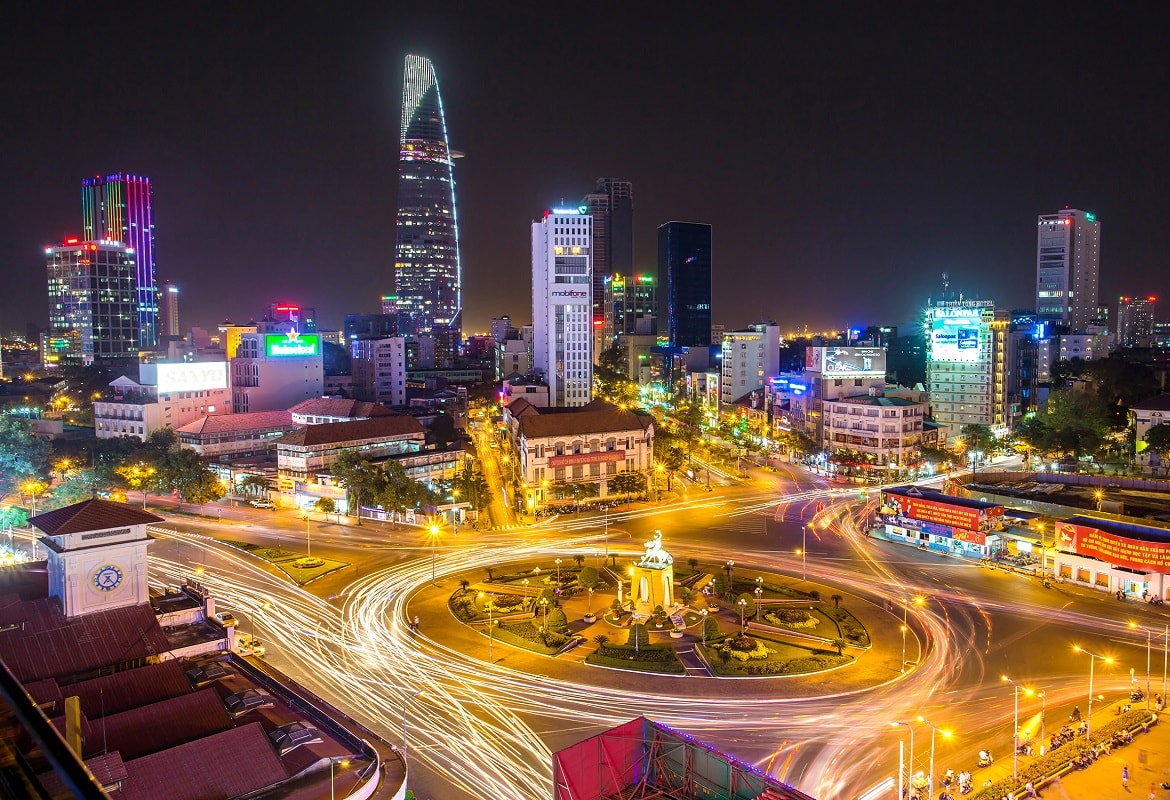
    Hanoi’s Q3 new apartment supply fell 60 percent year-on-year to a five-year low of 3,100 units as Covid-19 hampered new launches. Of the new supply, only 700 units, or 23 percent, came from four new projects, while the rest were from nine existing ones, Do Thu Hang, director of advisory services at real estate consultancy firm Savills Hanoi, said at a press briefing Thursday.

    “Major developers have been delaying launching new units this year due to Covid-19 impacts,” Hang said.

    The supply shortage has caused prices to rise 10 percent year-on-year to $1,500 per square meter, Savills data shows.

    However, these factors have also caused sales to fall 44 percent year-on-year to 5,200 units, with Grade B and Grade C accounting for 99 percent, while the absorption rate dropped 12 percentage points year-on-year to 20 percent.

    In the best-case scenario, apartment sales in the capital city is estimated at 20,000 units this year, nearly half of last year, Hang said.

    In the last quarter, nearly 10,000 apartments, mostly Grade B, are set to enter the market from 12 projects.

    Whether there will be a surge in new supply in the last months of the year depends on Vietnam’s ability to contain the pandemic, said Nguyen Duc Them, project sales manager of Savills Hanoi.

  • Alibaba takes control of Sun Art hypermarkets

    Alibaba takes control of Sun Art hypermarkets

    Alibaba Group Holding Ltd. will invest about $3.6 billion to double its stake in Sun Art Retail Group Ltd., taking control of China’s largest chain of hypermarts to try and fend off rivals like JD.com Inc. in e-commerce’s hottest growth arena.

    Alibaba will raise its direct and indirect stake in the grocery chain to about 72% by acquiring equity from Auchan Retail International SA, then make a general offer to shareholders to buy out the rest of Sun Art. The latter’s Hong Kong-listed stock leapt as much as 30% Monday, its biggest intraday gain since 2011. Alibaba gained as much as 1.8% to touch an intraday record.

  • Porsche Sells More Than 10,000 Units Of The Taycan EV Worldwide In 9 Months

    Porsche Sells More Than 10,000 Units Of The Taycan EV Worldwide In 9 Months

    We saw the production version of the Porsche Taycan at the 2019 Frankfurt Motorshow and the car was subsequently launched in select markets. Porsche’s first all-electric sports car has been well received across the globe as the company has sold a total of 10,944 units worldwide from January to September 2020. These numbers are staggering and show the inclination of buying an electric sports car. Now another statistic which shows this sharp rise in demand is the number of units sold by Porsche in the first half of 2020. Porsche sold a total of 4480 Taycans from January to June 2020, which goes to show that the remaining 6464 units were sold in just three months.

    While the sales of the Taycan could have taken off in the first half of the 2020, the coronavirus pandemic saw a markets and production come to a halt. With the opening up of several markets post lockdown, the pent-up demand for the Taycan seems to have kicked in and that’s why we see more cars being sold in the last 3 months.

    The Porsche Taycan is scheduled to hit the Indian shores as well very soon. We know that it’s good because we’ve driven the car and told you all about it. The Porsche Taycan sports two permanently excited synchronous electric motors that can churn out a maximum of 600 bhp and will a range of over 500 km thanks to its high voltage lithium-ion batteries. The electric car will get 800-volt chargers with fast charging capability, which can offer a 400 km range in 15 minutes of charge time. It can go from 0-100 kmph in under 3.5 seconds.

  • BlackPink’s Lisa becomes M.A.C’s new global brand ambassador

    BlackPink’s Lisa becomes M.A.C’s new global brand ambassador

    MAC Cosmetics just announced its newest Global Brand Ambassador as none other than Lalisa Manoban, otherwise known as Lisa. You know the Thai rapper and dancer as 1/4 of the record-breaking K-pop group BLACKPINK, and her new beauty gig is not only exciting for Blinks, but it’s also the first time a female K-pop star will front an international MAC campaign.

    If you’re new to K-pop or BLACKPINK — first, check out the group’s Netflix documentary — you should know that Lisa is more than just a musical sensation and dancing queen; she’s also a fashion trendsetter who loves to experiment with makeup.

    When it comes to her personal beauty philosophy, the performing artist says she’s always loved MAC makeup, and she aligns with the brand’s focus on self-expression. “To me, beauty is confidence,” Lisa said. “I think beauty comes from one’s confident inner self and one’s attitude — makeup and styling are the cherries on top.”

    Whether she’s performing at Coachella, dancing in a Selena Gomez music video, or sitting front row at Fashion Week, Lisa always serves up a different look. However, in her real life, she favors low-key glam. “I usually enjoy natural makeup,” she tells us, adding that she has a delicate prescription for leveling up her look. “I like to start with a simple base and finish with slightly bolder lip color to add some vibrance. Especially for lip makeup, I like to make an ombré lip that naturally gradates by tapping from the center of my lips.”

    For obvious reasons, MAC is thrilled about Lisa joining the legacy cosmetics brand as its Global Ambassador. Describing her as an “unparalleled talent” with “bold, fashion-forward style,” the company couldn’t imagine a more perfect match. “Always confident and never one to shy away from risks, she embodies our commitment to celebrating individuality and self-expression above all else,” explained Senior Vice President and Global Creative Director, Drew Elliot. “We can’t wait for her fans to see what she has in store for them through our collaboration.”

    As for what we can expect, Lisa says that the partnership will pay homage to her fellow BLACKPINK members as well as the millions of Blinks who have supported the group over the years. “My BLACKPINK members and our fans are my driving forces,” she explains of her humble motivation to keep growing as an artist, both on and offstage. “Thank you for always being there for me through all the happiest and the saddest moments. I am truly grateful.”

  • Budget airline AirAsia X out of money, needs $120 million for restart

    Budget airline AirAsia X out of money, needs $120 million for restart

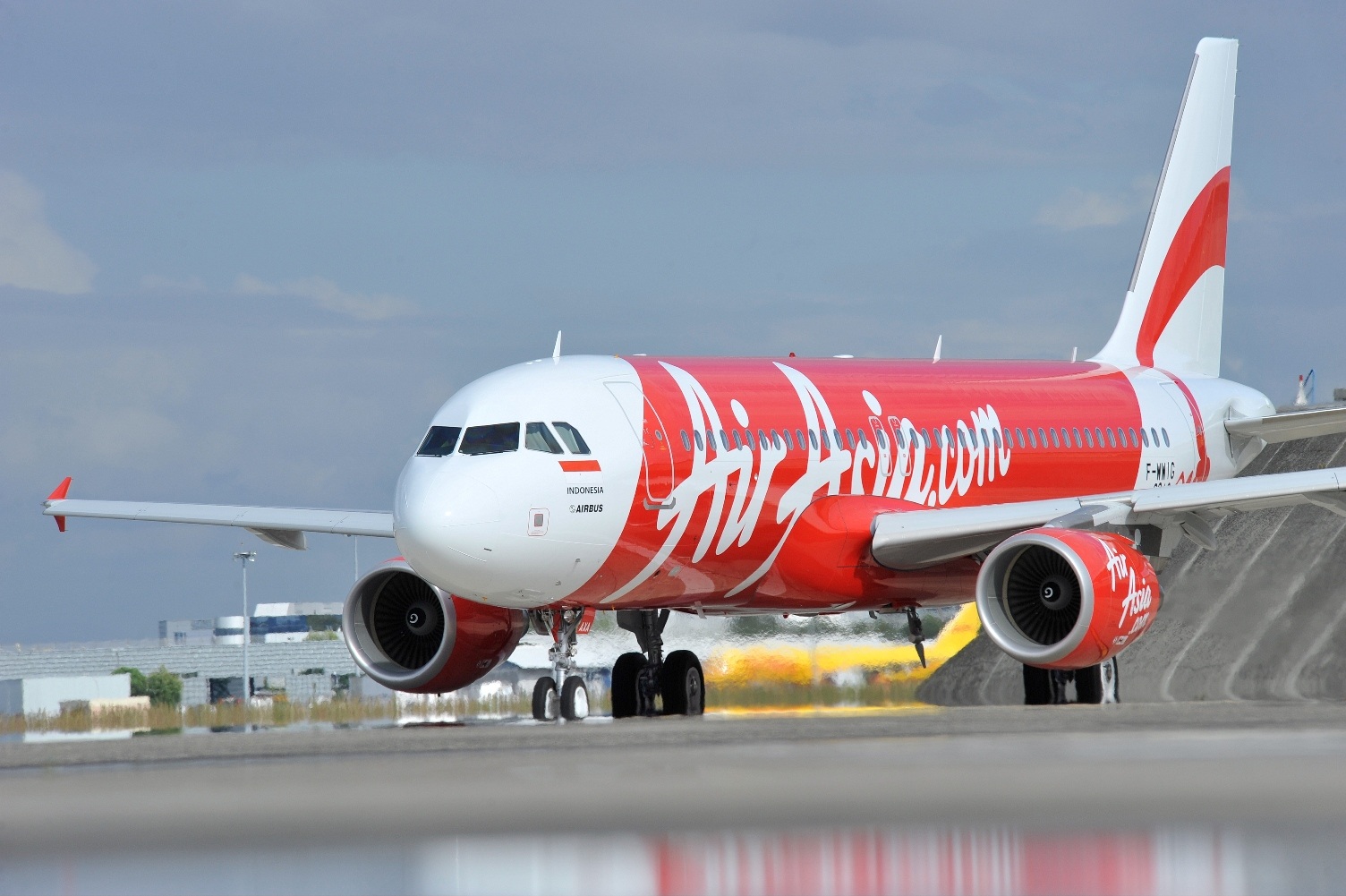
    Long-haul, low-cost carrier AirAsia X Bhd has run out of money and needs to raise up to RM500 million to restart the airline, deputy chairman Datuk Lim Kian Onn said in a newspaper interview published today.

    The long-haul arm of AirAsia Group Bhd said this month it wants to restructure RM63.5 billion of debt and slash its share capital by 90% to continue as a going concern.

    “We have run out of money,” Lim said. “Obviously, banks will not finance the company without shareholders, both old and new, putting in fresh equity. So, a prerequisite is fresh equity.”

    He said the airline had actual liabilities of RM2 billion, with the larger figure of RM63.5 billion including all lease payments for the next eight to 10 years and its large order for Airbus SE planes and contracted engine maintenance with Rolls-Royce Holdings plc.

    “If we find RM300 million in new equity, then shareholder funds would be RM300 million at the restart of the business, and if we are able to borrow RM200 million, we feel that we will have a good platform to start all over again,” he said.

    Lim said AirAsia X also needs to convince its lessors of its business plan, adding that an unnamed lessor recently took back one of the airline’s planes to convert it to a freighter.

    The airline plans to liquidate its small Indonesia-based carrier and had completely written down its stake in Thai AirAsia X in its books, with the Thai carrier not part of the restructuring scheme, Lim said.

    Malaysia Airlines Bhd is also in financial trouble, but Lim said there would be “no good outcome” from seeking to merge two airlines in dire straits.

    AirAsia X declined to comment beyond the details published in the newspaper article.

  • Vietnam workers’ wage rises lowest in a decade

    Vietnam workers’ wage rises lowest in a decade

    Average wages at multinationals and domestic enterprises in Vietnam respectively rose 6.5 percent and 5.2 percent this year, the lowest levels in a decade.

    Over the past 10 years, average salaries in both groups had risen at least 8 percent a year, according to a report by human resources solutions firm Talentnet Vietnam and American human resources consulting firm Mercer.

    The report surveyed 600 businesses in 16 different industries including technology, consumer goods, pharmaceuticals and manufacturing. Average wages were calculated off the firms’ total salary budget for each year.

    According to the report, 14 percent of multinationals surveyed said there will be no increase in employee salaries this year, and 34 percent of domestic firms said the same. Six percent of multinationals and 3 percent of domestic enterprises also said they will continue to implement the same “austere” approach in wage policies next year.

    In 2020, the sectors with the highest wage growth have been insurance with 8.7 percent, hi-tech with 8.5 percent, and pharmaceuticals with 8.4 percent. These are sectors least affected by the Covid-19 pandemic, Talentnet said.

    Meanwhile, the oil and gas industry recorded the lowest salary growth rate at 2.1 percent, followed by banking with 5.6 percent, and processing with 6.5 percent.

    Although almost all companies said they were tightening their purse strings, many said they are willing to give special bonuses to employees who play a key role in their business. As many as 69 percent of companies surveyed said they will pay such bonuses in a lump sum by year-end, while 13 percent said they were doing this quarterly, and another 13 percent were doing it monthly.

    Due to specific industry characteristics, businesses surveyed in the financial sector including banks, consumer lending companies and fund management companies were handing out the highest performance-based rewards, with bonuses ranging between 20-20.4 percent of annual basic salary, the report said.

    As of last year, Vietnam had one of the lowest average wages in the Asia-Pacific Region. An average Vietnamese worker earned $242 per month in 2019, compared to the regional average of $1,801, according to recruitment firm ManpowerGroup’s annual Total Workforce Index 2019.

  • Uber Seeking Options Including Partial Sale For Uber Elevate

    Uber Seeking Options Including Partial Sale For Uber Elevate

    Uber Technologies Inc is seeking options for its Uber Elevate business, including strategic partnerships or a partial sale, Axios reported on Friday, citing multiple sources.

    The move reflects Chief Executive Officer Dara Khosrowshahi’s obsession with achieving profitability, the report added. Uber declined to comment on the report.

  • Singapore and Hong Kong to Create Air Travel Bubble

    Singapore and Hong Kong to Create Air Travel Bubble

    Travelers between the two cities will soon be able to make trips without the need for quarantine, stay-home notice or controlled itinerary.

    Singapore and Hong Kong have reached an in-principle agreement to establish an air travel bubble, following discussions between Hong Kong’s Commerce Secretary Edward Yau and Singapore’s Transport Minister Ong Ye Kung,

    While the bubble allows leisure trips, travelers must still produce negative Covid-19 test results and travel on dedicated flights, according to details announced by Singapore’s Ministry of Transport (MOT) in a press release on Thursday.

    It is a safe, careful but significant step forward to revive air travel, and provide a model for future collaboration with other parts of the world, Ong said about the agreement, which will be fleshed out in the coming weeks.

    Singapore has already set up reciprocal green lanes for essential and official travelers from Brunei, China, Japan, Malaysia and South Korea, although these require controlled itineraries. It has also opened its borders unilaterally to general visitors from Brunei, New Zealand, Vietnam and most of Australia.

  • Uniqlo opens massive store in Hamburg

    Uniqlo opens massive store in Hamburg

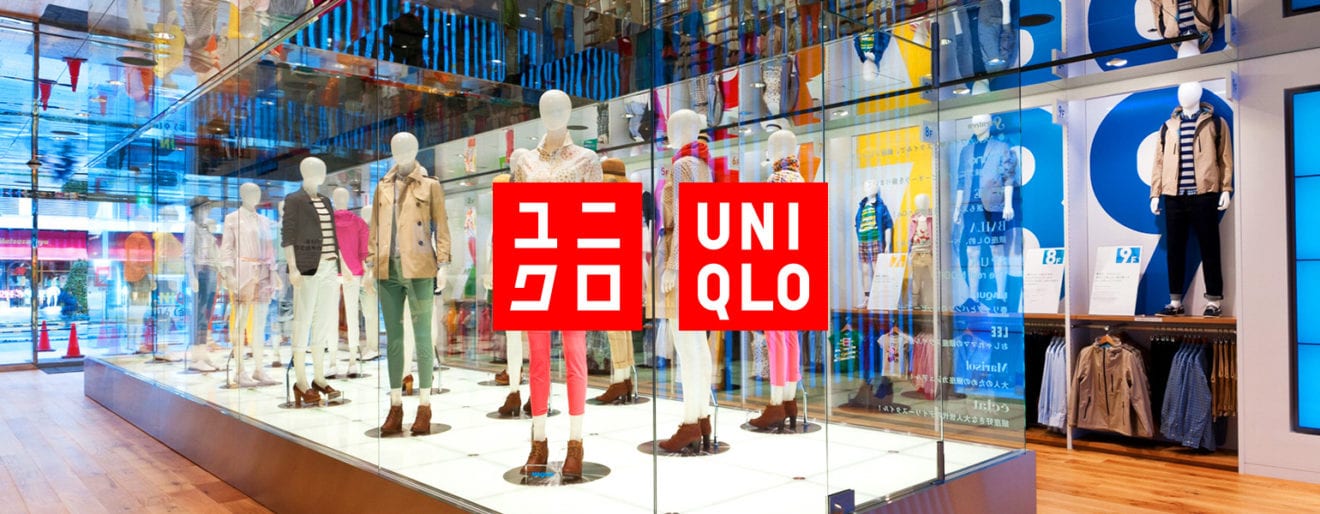
    Japan’s Fast Retailing Co. Ltd. opened Friday (October 9, 2020) its first Uniqlo store in Hamburg on Alter Wall adjacent to City Hall during festivities attended by Japanese Consul General Kikuko Kato and Astrid Nissen-Schmidt, Vice President of Hamburg’s Chamber of Commerce, and other guests. The new 1,750 square metre-store is spread out over four floors.

    The opening of the huge store in downtown Hamburg is an expression of the “belief in retail”, the daily Hamburger Abendblatt quoted Michelle Kronbergs, Head of Marketing and PR Germany at Uniqlo, as saying. Taku Morikawa, Chief Executive Officer of Uniqlo in Europe, stressed: “Hamburg is an impressive city known worldwide for its tolerance, culture and economic importance as a main European trading centre with its port. We are delighted to have found such an exceptional location for our first store in the heart of this great city.”

    The new fashion store, Uniqlo’s tenth in Germany, is located in the former premises of the Bucerius Kunst Forum. The brand highlights Japanese values of “simplicity, quality and durability”.  Since moving to Germany in 2014, Uniqlo has opened six stores in Berlin and one each in Stuttgart, Düsseldorf and Cologne. The company operates more than 2,200 stores in 25 countries.

    Uniqlo is a wholly owned subsidiary of Fast Retailing Co. Ltd, a leading international Japanese apparel retail group that designs, manufactures and sells eight major fashion labels. Fast Retailing achieved global turnover of more than USD 21.5 billion in 2019 making it one of the world’s largest clothing companies and Japan’s biggest fashion brand.

  • Mainland expansion paying off for Chow Tai Fook

    Mainland expansion paying off for Chow Tai Fook

    Growing demand due to innovation in designs and changing fashion trends will help to boost the global jewelry market in the forecasted period. Jewelry refers to ornaments such as earrings, neckless, bracelets, pendants, stones, rings, and metals. Jewelry is available in the form of gold, silver, diamond, platinum, and gems. Upsurging demand for jewelry on Retail and e-commerce platform will help to boost the global jewelry market.

    Government initiative towards Jewellery market is helping to the triggered global market. for example, The Bureau of Indian Standards (BIS) has revised the standard on gold hallmarking in India from January 2018. The gold jewelry hallmark will now carry a BIS mark, purity in carat and fitness as well as the unit’s identification and the jeweler’s identification mark. The move is aimed at ensuring a quality check on gold jewelry.

    AMA Research have added latest edition of survey study on Jewellery Market with 100+ market data Tables, Pie Chat, Graphs & Figures spread through Pages and easy to understand detailed analysis. At present, the market is developing its presence. The Research report presents a complete assessment of the Market and contains a future trend, current growth factors, attentive opinions, facts, and industry-validated market data.

    The research study provides estimates for Jewellery Forecast till 2025*. Some are the key players taken under coverage for this study is Chow Tai Fook Jewellery (China), LVMH (Paris), Rajesh Exports (India), Richemont (Switzerland), Signet Jewelers (Hamilton), Maria Black (Denmark), Missoma (United Kingdom), Gaviria (United Kingdom), Maria Tash (United States), Katerina Makriyianni (United Kingdom) and Swarovski (Austria)

  • Singapore Fintech Gears Up for Global Expansion

    Singapore Fintech Gears Up for Global Expansion

    To support its global ambitions, it has appointed a veteran entrepreneur to its board. Singapore insurtech BetterTradeOff (BTO) is preparing to expand globally through partnerships with major banks and insurance companies looking to offer their customers the benefits of BTO’s life-planning tool through a white-label enterprise solution.

    In addition, BTO plans to roll out both its direct-to-consumer «Up» life planning platform and «Up Adviser» software to new markets, following successful launches in Singapore. It also appointed Jeremie Bonnin to its board of directors, who will support its growth as it launches into new markets, the startup said in a statement on Thursday.

    Bonnin was a founding member of media and telco conglomerate Altice Group, which has recorded $25 billion in revenues across Europe and the U.S. He relocated to Singapore in 2018, where he served as senior advisor to Altice’s founder and management team, while mentoring and investing in Southeast Asian startups eyeing international expansion.

    With Covid-19 negatively impacting so many people, especially the poorest, we’re looking at partnerships that will allow us to make our solution available in more countries and to millions of more people, while bringing the power of sound financial planning to those who need it most, Laurent Bertrand, BTO co-founder and chief executive, said.

    BetterTradeOff was founded in 2015 and offers a software-as-a-service life planning solution that provides financial advisers with a collaborative digital platform for visualizing financial advice and building trust through transparency. It currently operates in Hong Kong, Singapore, Philippines, UAE, and Switzerland. The firm has raised $2 million in seed funding and has 15 staff based in Singapore.

  • What is a markup and how you can get great discounts if you understand it

    What is a markup and how you can get great discounts if you understand it

    When any company sells services or merchandise to consumers, it needs to charge a higher price than the original cost of those goods and labor so a profit is earned. As such, the cost markup represents the percentage of one product’s wholesale cost the retailer adds to the retail cost to create a profit. As you can assume, any total cost indicates the total cost of both variable and fixed and expenses needed for the production and distribution of that particular product. Markup is stated either as a percentage or as a fixed amount from the retail cost.

    Why is markup so important? Understanding it can save you hundreds if not thousands of dollars.

    Shocked? So were we. According to a recent study by The Pearl Source and PriceWaiter, markup can make or break your budget this holiday shopping season.

    How retail markup is calculated?

    The best way to describe the above definition is through a simple example. Let’s say an item that you initially got for $10.00 is sold for $22.50. This means that the product was marked up for $12.50 from the initial price you paid for. The $12.50 earned on top of the cost is known as gross profit. It is called “gross” because of the expenses associated with running the store that is subtracted before reaching the bottom profit line. The profit you have after all expenses are subtracted is called net profit.

    Discounts are out there

    As you see, there is almost no reason for you to accept the full price of anything you purchase in the store. As online shopping keeps on expanding, you can instantly make price comparisons. This puts even more pressure on the brick-and-mortar stores to earn your trust and business.

    To get great discounts, just follow a few strategies that can help you a long way:

    Practice negotiation

    People are not comfortable negotiating. Instead, they are used to opening their wallets and just pay whatever is asked from them. But very often it is worth attempting to bargain. Any savings along the way would be welcomed.

    But you cannot negotiate empty-handed. You must do the homework and be aware of the price that the product has in other places. You should also always talk with a person who can give you a discount. If the offered price is still not something you like, feel free to walk away. And in case it is good, don’t use credit cards – you will be more aware of the overall costs.

    Online tools for offline discounts

    Search for websites where you can find coupons or promo codes. Also, follow the companies you admire on social media. Many of them tend to offer special discounts or share notifications on upcoming store deals. Of course, you could always sign up for their email newsletters where they might share discounts with their subscribers.

    Or try using price-tracker which will do the legwork for you. This tool will allow you to insert products you might like to buy and will alert you any time where the is a price drop at the stores they follow.

    If your search is mostly based online, we suggest to:

    Workaround the pricing trap

    Master the dynamic pricing traps that are used by the online merchants. Their merchandise prices are never standard and change depending on location, purchasing patterns, or product demand. So, to get a fair price for products you want to shop for, you can do the following tricks:

    • Clear browser cookies
    • Sign out from social media
    • Use incognito mode
    • Select a localized website version (whenever possible)
    • During sign-in, pick a less developed country compared to yours.

    Keep products in shopping carts

    Every time you add an item to your shopping cart, it is clear that you are interested in purchasing it. But if you have such a product and just back out before making the purchase, there is a chance that you will receive an email containing a coupon or promo code, just so they can encourage you to finalize the purchase.

    So, try shopping for a few days in advance. Enter your favorite websites, add the potential purchases to the shopping carts, and close your browser. Keep an eye on your email the next days for a potential email with a promo code. You never know when you will get a better price.

    Go for the “Cancel” button

    We are sure you have seen from first-hand experience (or at least heard) that if you threaten to cancel the service, the possibility to get some type of discount is high. The same is for online stores. Many web services would offer a discount if you just click their “cancel” button on even start bringing your mouse towards closing the site.

  • Alibaba’s Taobao to exit Taiwan over political tensions

    Alibaba’s Taobao to exit Taiwan over political tensions

    Taiwan on Monday gave the domestic branch of Alibaba Group Holding Ltd’s e-commerce site Taobao six months to re-register as a Chinese investment rather than a foreign one, or leave, in the government’s latest shot against Chinese firms.

    Amid growing political tension, Taiwan has stepped up oversight of Chinese investment and the operations of Chinese tech firms on the island.

    Last week it said it planned to stop local sales of Chinese internet television streaming services, though it does not plan to block them.

    The investment commission of Taiwan’s Economics Ministry said Taobao Taiwan was operated by a British-registered company called Claddagh Venture Investment, an investment firm that was in effect controlled by Alibaba.

    The commission was also concerned about information security as user data was sent back to China, it said, adding that Taobao Taiwan had been fined T$410,000 ($13,960) and had six months to either withdraw its investment, or re-register.

    “We do not consider the company as foreign investment,” commission spokesman Su Chi-Yun told Reuters. “They will have to decide whether to disinvest or rectify their investment.”

    The company should have registered as a Chinese investment, but came in as foreign investment instead since “it’s more convenient,” he added.

    Taiwan treats investment from foreign countries differently than that from China, with far more stringent rules.

    Su said even if Taobao chose to register as Chinese investment in Taiwan, it could still fall afoul of rules barring Chinese companies from sectors vital to its business model, such as third-party payments or advertising.

    Claddagh’s Taiwan office expressed regret at the move and said it had received no formal notification from the government, but that it respected the decision and would “carry out rectification as soon as possible.” It did not give details.

    Taobao Taiwan, launched last year, has previously said it was an entirely different platform from Taobao China.