Tag: asia

  • StanChart Eyes Mainland Brokerage Business

    StanChart Eyes Mainland Brokerage Business

    Standard Chartered is reportedly applying for a brokerage license in China, joining its peers in the wave of foreign entry into the mainland market.

    Mainland’s securities watchdog, the China Securities Regulatory Commission (CSRC), has accepted an application from Standard Chartered Hong Kong on October 10 to set up a securities firm in the market, according to a report from state-owned media Xinhua.

    According to Standard Chartered, the bank was looking to further develop onshore business through acquiring new licenses.

    Since Beijing made good on a trade deal signed with the U.S. to scrap foreign ownership caps on securities and mutual fund firms, foreign financial institutions from the U.S., Europe, Japan and Singapore have been rapidly seeking to establish a presence to capitalize on new opportunities. Within brokerage, Japan’s SBI was the most recent to express greater interest in the mainland’s sub-sector due in part to growing political instability in Hong Kong.

  • Samsung Galaxy S20 FE owners are reporting touchscreen issues

    Samsung Galaxy S20 FE owners are reporting touchscreen issues

    Samsung recently launched the Galaxy S20 FE – a watered-down version of the Galaxy S20.  The phone sports a 6.5-inch display with a 120Hz refresh rate and it is powered by the Snapdragon 865. It features a triple camera system with a 12MP primary sensor, a 12MP ultrawide unit, and an 8MP telephoto module, and packs a 4,500mAh battery. The handset starts at $699, which makes it much more attractive than the Galaxy S20 which costs $999 in its entry-level configuration. Unfortunately, it seems to have a glaring flaw.

    Many Galaxy S20 FE owners have taken to Reddit and Samsung’s Community Forums to report issues related to the display. The problems differ from person to person but the common theme is that the touch responsiveness is glitchy, as a result of which sometimes the phone takes too long to recognize inputs or it responds to them erroneously. Other times, it ignores touches and swipes altogether or registers ghost touches.

    It is currently not known how widespread the problem is and whether it’s related to the hardware or software, although the latter seems more likely as a factory reset and software update resolved the issue for some people.

    Either way, it’s not a good look for Samsung. The Galaxy S20 FE was launched as a response to lower-than-expected sales of the Galaxy S20 series. It was released only recently and opened mostly to great reviews.

  • Google shuts down Play Music Store, users advised to transition to YouTube Music

    Google shuts down Play Music Store, users advised to transition to YouTube Music

    Despite repeatedly announcing the upcoming closure of Google Play Music, there are probably a lot of people who are still using the music streaming service. Google has been adamant that regardless of whether or not YouTube Music will reach the parity of Play Music feature-wise, those using the latter will eventually have to switch to the former.

    Today, Google took one important step toward the deprecation of Play Music. The search giant announced that the Music store on Google Play is no longer available. If you’re one of the many music lovers who are still using Google Play Music, you have three choices as of today.

    First off, if you wish to continue listening to your Play Music library, discover new music with personalized recommendations, you must transfer your library to YouTube Music. Secondly, if you don’t want to transition to YouTube Music, you can keep your purchased music via Google Takeout. This option allows you to download previously purchased music from Google Play Uploaded tracks, your music wishlist and reviews, a list of the tracks, playlists, and radio stations in your library.

    Finally, there’s also the option to delete your Play Music library and recommendations history from the Google Play Music account settings. No matter which of the three options you choose, you must act by the end of the year, since that’s when the Google Play Music app will no longer be accessible and all data will be lost.

  • Hong Kong jewellery veterans receive top JNA honours

    Hong Kong jewellery veterans receive top JNA honours

    Lawrence Ma and Kent Wong, longstanding pillars of the global jewelry industry, are the Recipients of JNA Awards 2020’s highest accolade – the Lifetime Achievement Award.

    Recognized for helping shape and transform not only Hong Kong’s jewelry industry but that of the global jewelry community, Ma and Wong dedicated their lives to finding new ways to create a richer, more sustainable, and forward-thinking jewelry sector. Their bold ambitions and vision went beyond simple profit-making; they endeavored to affect positive change within their organizations and the communities they serve through leadership and action.

    The JNA Awards’ spotlight will shine on Ma, Chief Executive Officer of Lee Heng Diamond Group, and Wong, Managing Director of Chow Tai Fook Jewellery Group, during the much-anticipated virtual awards ceremony, which will be broadcast live at 8pm (Hong Kong time) on 27 October — the first day of the first edition of the three-day B2B virtual event, Jewellery & Gem Digital World (J&G Digital World).

    “Lawrence and Kent are both legendary figures who have thrived through the many ups and downs of the jewelry industry in the last four decades. They have undoubtedly achieved commercial success for their respective organizations, but what makes them truly stand out are their tremendous contributions to the growth and prosperity of Hong Kong’s jewelry industry, all of which have had a massive impact and influence on jewelry hubs around the world. It is indeed a great honor and privilege to celebrate their lifetime achievements by conferring them the highest accolade of the JNA Awards,” said Letitia Chow, Chairperson & Founder of JNA Awards at Informa Markets – Jewellery.

    Lawrence Ma

    Starting his career in the jewelry industry four decades ago, Ma founded MaBelle Jewelry in the early 1990s, a diamond jewelry brand that speaks to a broader market comprising largely of aspirational consumers. This initiative also marked a turning point in the long-term vibrancy of Hong Kong’s diamond jewelry retailing industry.

    A founding president and current chairman of the Diamond Federation of Hong Kong (DFHK), Ma was instrumental in the promotion and implementation of ground-breaking initiatives that fortified Hong Kong’s unique position as a global diamond and jewellery trading centre. He also led the charge in creating a culture of integrity and excellence in the city’s jewelry market, which to this day, remains the operational guidepost for every jewelry retailer in Hong Kong.

    Commenting on the award, Ma said, “I am overwhelmed and excited to receive the Lifetime Achievement Award from the JNA Awards this year. I have been very blessed and privileged to be surrounded by loving family members, brilliant mentors, capable and loyal colleagues, and partners, as well as genuine and caring friends. I appreciate the great contributions and achievements of all previous recipients of this honor and I am delighted to be one of them. I promise to keep on doing what I believe is vital in my life journey: To bring the best out of myself and of all the incredible people around me.”

    Kent Wong

    Wong has devoted himself to the industry and company for over four decades, joined Chow Tai Fook in 1977 as an apprentice, and promoted to Managing Director in 2011. As the key advocator, he drives the evolution into an exciting, innovative, diversified, and trend-setting Group. Under his leadership, Chow Tai Fook being the first Hong Kong -based Jewellery group to open the first store in Mainland China in 1998 and further expanded its global presence, he successfully turned the business from a homegrown brand to a modern and progressive enterprise, now, with over 4,000 points of sale around the world.

    Indeed, his bold leadership style and open-minded tone not only made the Group’s transformation possible, also broke new and innovative grounds that benefited the industry and customer as a whole. In the 2000s, as an industry first, the Group is spearheading the digital revolution of the industry by enlisting patented Smart Tray with RFID, blockchain technology diamond grading report that serves as brilliant examples to win the customers’ trust.

    Wong is a courageous trailblazer who dedicated most of his life to the advancement of the jewelry industry. He serves as chairman of the Hong Kong Jewellers’ & Goldsmiths’ Association, chairman of the supervising committee of the Hong Kong & Kowloon Jewellers’ & Goldsmiths’ Employees’ Association Ltd, a permanent honorable president of the Kowloon Gold Silver and Jewel Merchants’ Staff Association and a board member of the World Diamond Council.

    “I am very honored and grateful to be the recipient of this year’s Lifetime Achievement Award. Thank you JNA Awards for this prestigious tribute. Having spent 43 years in an industry that I love, I am immensely proud and humbled to have not only witnessed the incredible developments within our industry but also to have worked alongside so many inspiring individuals in our community. Let us all continue to shine on and share the exquisite beauty and joy of jewelry to the world,” Wong said.

    The prestigious JNA Awards was launched by Informa Markets Jewellery in 2012. Serving as a benchmark of excellence, innovation, and best business practices in the jewelry industry, the Awards celebrates the achievements of exceptional individuals and companies whose actions have a far-reaching and positive impact on the global jewelry trade and society, regardless of their scale of operations, areas they serve and fields of expertise.

    JNA Awards 2020 is supported by Headline Partners Chow Tai Fook Jewellery Group, Shanghai Diamond Exchange, and DANAT, alongside Honoured Partners KGK Group and Guangdong Land (Shenzhen) Limited.

  • MyNews to open 500 CU convenience stores across Malaysia

    MyNews to open 500 CU convenience stores across Malaysia

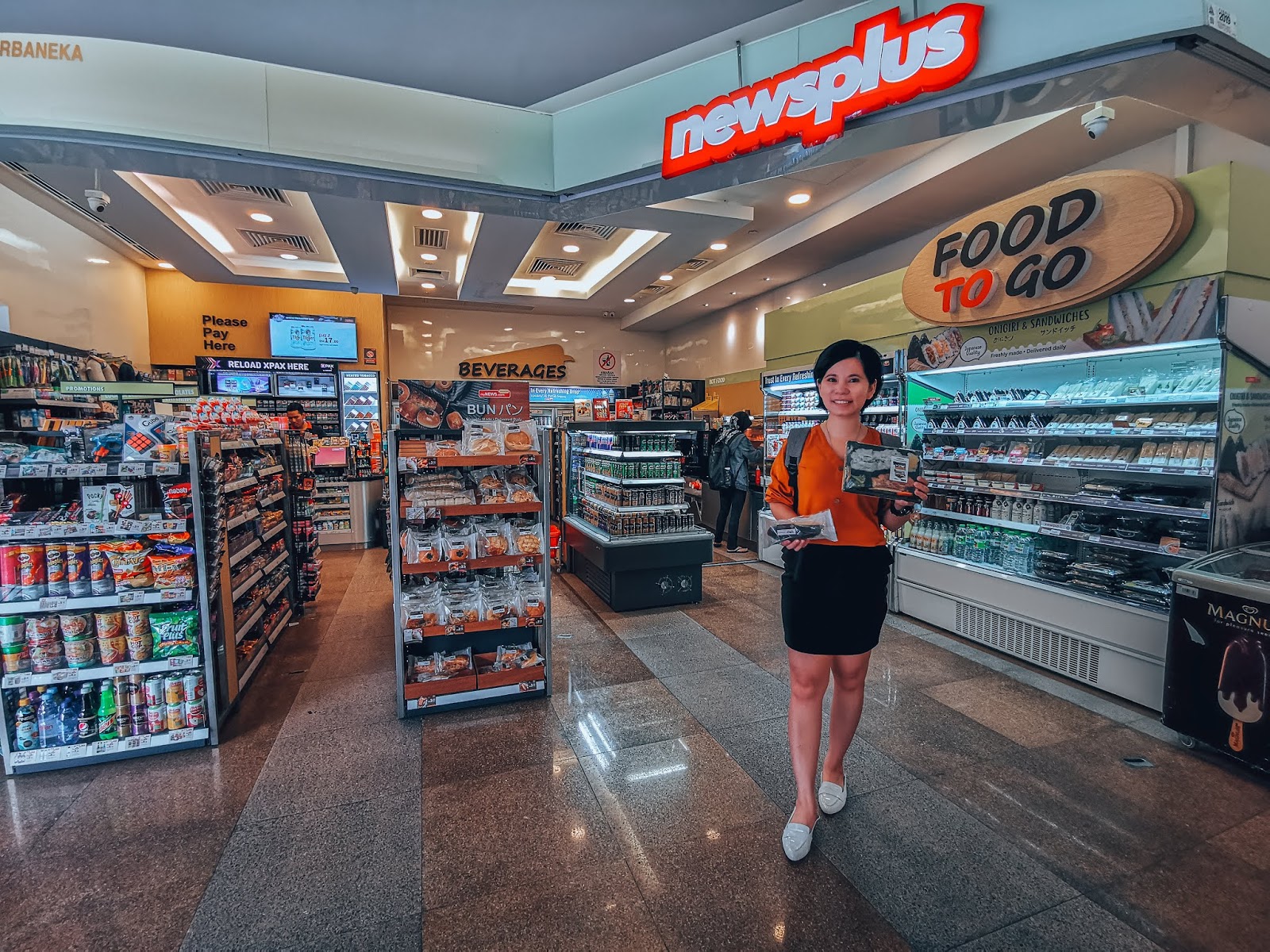
    Home-grown MyNews Holdings Bhd, which already operates some 570 stores, is bringing a South Korean convenient store brand to the Malaysian market.

    At its headquarters in Kota Damansara, the convenience store operator announced that its wholly-owned subsidiary MYCU Retail Sdn Bhd had signed a licensing agreement with BGF Retail Co Ltd, which runs the CU line of convenience stores in South Korea.

    There are some 15,000 CU stores in the republic.

    MyNews chief executive officer (CEO)-cum-founder Dang Tai Luk said the group will open 500 CU stores in five years’ time, with the first set of stores set to be open in Malaysia by early 2021.

    When asked about the geographical location spread of the new stores, Dang said the group will look at launching the stores in bigger cities first.

    “The Klang Valley is where we would start our CU journey,” he said, noting that onboarding the CU stores is part of the group’s expansion strategy.

    In the first year, Dang said, the group will be looking at opening 30 to 50 CU stores first to monitor how they perform.

    He noted that CU will be using MyNews’ food processing center (FPC) and, as a result of this, the center’s utilization rate will be increased to around 70%, partly aided by CU products at end-2021, from 35% currently.

    The group expects the CU stores to break even in two to three years’ time, with MyNews spending RM30 million to RM40 million in capital expenditure (capex) on the stores.

    In terms of earnings contribution, he noted that group will see higher revenue as a result of the new stores that are expected to achieve better gross margins when compared to the MyNews stores, whose margins tend to be 30% to 40% currently.

    He noted that there is a gestational period for the CU stores and that initially the MyNews outlets will continue to be the group’s main earnings contributors, but opined that as the CU stores grow, they will contribute more to the bottom line.

    Dang was not concerned about oversaturation in the convenience store market, noting that the market in Malaysia is still young and growing with the penetration rate still low.

    The licensing agreement will last for 10 years, with an option to renew for another 10 years.

    There are currently 570 MyNews stores at the moment. When queried about whether it will slow the launch of MyNews stores in favor of the CU stores, Dang noted that the group will monitor the situation and adjust its portfolios accordingly.

    MyNews was last traded at 67 sen, with a market capitalization of RM457.04 million.

  • Deliveroo Singapore launches on-demand grocery delivery service, increasing convenience for Singaporeans through access to thousands of grocery products

    Deliveroo Singapore launches on-demand grocery delivery service, increasing convenience for Singaporeans through access to thousands of grocery products

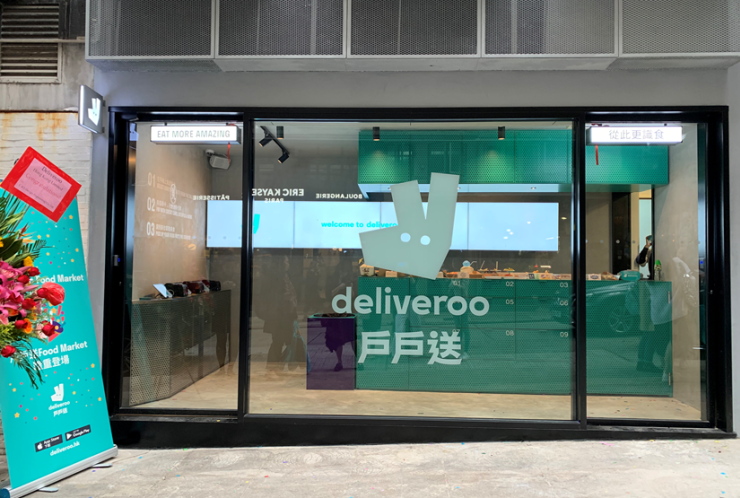
    Deliveroo Singapore today announced the launch of its first ever on-demand grocery delivery service, aimed at providing customers with greater access to a plethora of grocery products, especially important amidst the ongoing COVID-19 pandemic. Following an earlier soft launch on the platform with The Providore and Shell Select, Deliveroo will partner with British retailer Marks & Spencer to offer over 800 grocery products, underscoring the brand’s commitment to delivering amazing food to customers whenever and wherever they want it. This will be followed by further partnerships with specialty store favourites serving different areas of Singapore, including Blu Kouzina Mart, Ryan’s Grocer, Kuriya Japanese Market and Asia Pacific Breweries, all set to launch on the platform in mid-October.

    The new on-demand grocery delivery service will provide consumers with easier access to household essentials such as fruit and vegetables, meat and seafood, eggs, milk and dairy, snacks and sweets, alcoholic and non-alcoholic beverages, as well as store cupboard essentials. With a fleet of over 7,000 riders in Singapore, Deliveroo is committed to delivering essential grocery items to people within as little as 30 minutes, ensuring that great food is never far away.

    “As Singaporeans continue to work from home, Deliveroo’s new on-demand grocery delivery service will make convenience even more convenient for busy Singaporeans, giving people access to the food they want and need within a few clicks. Whether it’s household items from some of Singapore’s most loved grocery brands, or dine-in dishes from local restaurant favourites, Deliveroo continues to raise a smile amongst our customers who now more than ever look for amazing food to be delivered directly to their doors,” said Sarah Tan, General Manager, Deliveroo Singapore.

    Providing Deliveroo customers more food options through Marks & Spencer partnership 

    From today, customers will be able to order an assortment of grocery products on-demand via the Deliveroo platform, including top selling wines, biscuits, baked goods, fruits and vegetables, ready meals and cupboard essentials. Customers will be able to order a plethora of grocery items from Marks & Spencer stores in the Central Business District, Orchard and Eastern areas.

    To help families and communities during these uncertain times, Marks & Spencer food items will be priced at the same price as those in store, giving customers easy access to everyday essentials. Delivery fees will be fixed at S$5.49, with Deliveroo Plus subscribers continuing to enjoy free delivery.

    In celebration of the launch, the first 3,000 customers to shop on Marks & Spencer on the Deliveroo platform will be able to enjoy $5 off when they spend $40 on each of their first two orders with a unique promo code.

    Deliveroo partners with speciality stores to increase on-demand grocery availability across the island

    To make groceries even more accessible to consumers, in addition to Marks & Spencer, Deliveroo is also partnering with a selection of Singapore’s most popular specialty grocery stores. The new line-up will provide on-demand essential grocery delivery coverage across the island, including to the Little Red Dots heartland areas.

    Deliveroo has exclusively onboarded speciality grocer Blu Kouzina Mart, a new venture from the creators of Greek restaurant Blu Kouzina, enabling customers to order Mediterranean favourites such as breads, dips and fresh produce. Customers with a sweet tooth have previously been able to order sweet bakes from deli specialist The Providore, and now fans of the beloved brand also have access to premium grocery items such as La Maison de la Truffe Truffle Brie and Fior di Cotto cheeses, Pat and Stick’s vegan ice cream sandwiches, and a wide variety of premium wines. Blu Kouzina Mart and The Providore are both available on-demand on the Deliveroo platform ow.

    Boutique grocer and butcher Ryan’s Grocery will exclusively join the platform with two stores, while premium fish, seafood and sushi supplier Kuriya Japanese Market, under leading regional food service company RE&S, will join the platform with 11 stores. Deliveroo customers can also look forward to ordering alcoholic beverages to their doorsteps on-demand from Asia Pacific Breweries, Singapore’s only brewery producing world-acclaimed beers such as Tiger, Heineken, Guinness, and more. Ryan’s Grocery will launch their grocery offering on the Deliveroo platform by mid-October, while Kuriya Japanese Market and Asia Pacifc Breweries will both launch by end-October.

    To increase convenience for last minute grocery saves, Deliveroo customers also currently have access to snacks, ready-to-eat meals drinks, party supplies, healthcare and household products through the platform’s current partnership with Shell Select.

  • Lancome opens smart store at Lotte Duty Free

    Lancome opens smart store at Lotte Duty Free

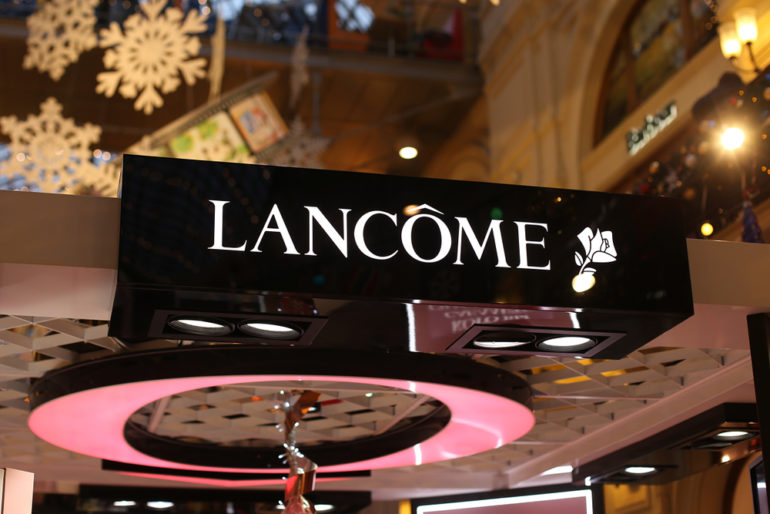
    Lancome has introduced a smart store in partnership with Lotte Duty-Free, occupying a 520sqm space and featuring contactless digital experiences with AR and AI.

    The smart store also houses a selection of skincare and makeup products, including the Advanced Genifique serum.

    The Lancome x Lotte Duty-Free Smart Store in Seoul is a co-creation of a fully integrated physical and digital experience, and a re-imagination of the brand’s relationship with travelers through dynamic, beauty tech innovations, according to Emmanuel Goulin, MD at L’Oreal Travel Retail Asia Pacific.

    Lancome has introduced its first augmented-reality makeup service Modiface, allowing customers to try on beauty products via a virtual mirror from an iPad or by scanning QR codes. The store also houses a giant Advanced Genifique serum LED bottle, featuring personalized engraving service.

    “Lotte’s partnership with Lancome Travel Retail Asia Pacific was a natural one,” said Kap Lee, CEO at Lotte Duty Free. “Both organisations saw technology’s potential to offer the travel retail industry a solution for recovery and growth –– all while offering consumers exciting digital innovations as part of a reinvented travel retail experience.”

  • New management take the helm at Li & Fung

    New management take the helm at Li & Fung

    Li & Fung has appointed a new group CEO and executive chairman following its recent privatization.

    The group has named its group president Joseph Phi as Group CEO and Spencer Fung succeeds William Fung as executive chairman.

    Joining Li & Fung in 1999, Joseph Phi held the group president role since last year before being appointed to the new position. According to the company, he worked as executive director of Integrated Distribution Services Group Limited from 2004 until its acquisition by Li & Fung in 2010.

    “Joseph has a strong track record at the company, having organically grown its logistics business successfully over the past decade,” said William Fung, group chairman. “He was appointed group president, Li & Fung last year to bring his strong execution focus to our Supply Chain Solutions business and has since then expanded his responsibilities to our Sourcing and Production Platform across 50-plus economies.”

    With the new role, Spencer Fung will oversee all of Li & Fung’s businesses, working closely with the company’s new partners GLP and JD.

    Appointed as CEO in 2014, Spencer Fung joined the group as the fourth generation of the Fung family.

    “Spencer has a clear view and great ambition for the future of Li & Fung and what needs to be done to succeed in today’s ever-changing environment,” said William Fung.

  • Nissan Says China Sales Rose 5.1 Per Cent In September

    Nissan Says China Sales Rose 5.1 Per Cent In September

    Japanese automaker Nissan Motor said on Sunday its sales in China rose 5.1% in September from a year earlier, to 141,595 vehicles.

    China’s auto market, the world’s biggest, is a key focus for the embattled carmaker as it struggles to fix problems stemming from ousted leader Carlos Ghosn’s aggressive expansion drive.

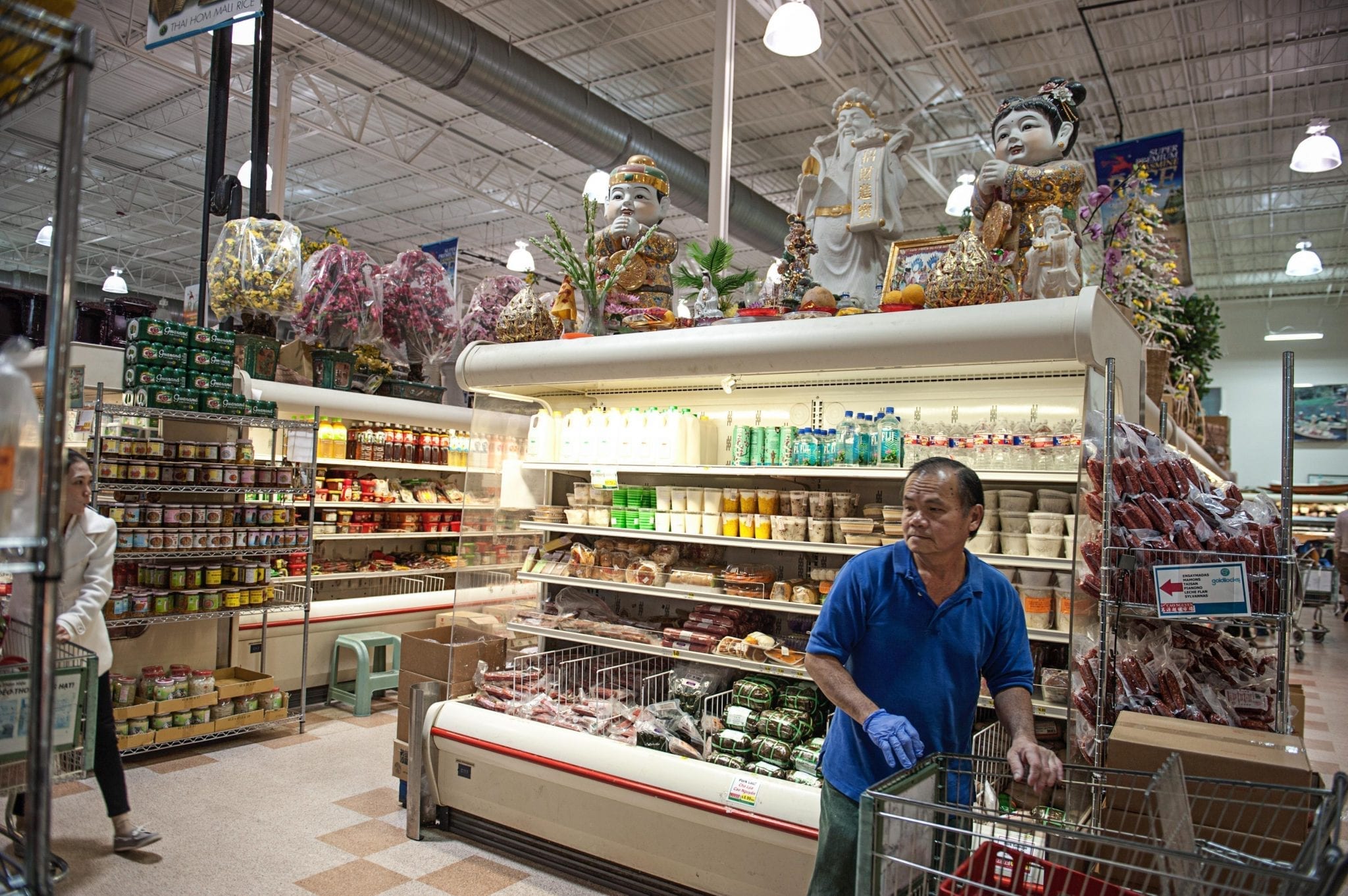
  • Convenience stores are emerging as new centres of day to day life

    Convenience stores are emerging as new centres of day to day life

    In 2018, Nielsen had reported that FMCG sales growth in Southeast Asian convenience stores reached 8.3% and Mintel published that sales through Chinese convenience stores hit US$19.78billion with a CAGR of 24% over the past 5 years.

    These gains made by such retail channels reflect changing consumer lifestyles influenced by the constant and rapid urbanization of Asia’s developed and developing cities. Urbanization across the globe has caused people’s lifestyles to evolve to be more mobile and time-constrained. Concomitantly, these changes lead people to seek new communal spaces and a shift toward having smaller households and families. As such, convenience stores are beginning to adapt to these changes to become more integral to people’s daily lives. This also means emerging opportunities for producers of FMCG and F&B brands to tap into.

    To become an essential part of people’s every day, convenience stores have, and are, taking on new roles through innovation and experimentation in space management and retail strategy. The busy and hectic lifestyles of consumers today have given rise to convenience stores providing one-stop service solutions. These solutions range from bill payment, banking, postal and travel services, online purchase collection points, and even laundry drop off points.

    For instance, e-commerce giants Zalora and Lazada in Hong Kong and Singapore have paired up with 7-11 stores across the city that provide easily accessible and trusted locations to pick up their parcels if they had missed their home deliveries. Here, there is tremendous potential for e-commerce brands to expand their access through convenience stores in more remote or inaccessible areas. Accessibility of convenience stores also presents partnership opportunities for brands and companies offering these services to grow ever closer to consumers. Convenience stores are also starting to provide an extended selection of easy-to-eat meals that have moved beyond mere ‘quick fixes’. Easy-to-eat meals on offer in stores overlap convenience with attributes of quality, authenticity, and health to cater to consumer’s busy schedules without forgoing trends, taste, and dietary preferences. Stores also offer air-conditioned seating areas to take their meals in an affordable and comfortable space. Hence, convenience retail channels are turning into alternative third spaces – new places for social engagement – as lifestyles and social interactions grow more and more fluid and mobile.

    With a wide range of food and beverage options coupled with free wifi and air-conditioned seating areas, convenience stores are being redesigned to attract and retain consumers on-site.

    Furthermore, it is not entirely uncommon these days to see stores such as 7-11 hosting events or musical performances, becoming sites and spaces of entertainment consumption. This presents partnership opportunities for brands to co-host events and invent both novel and practicable product formats for consumers spending more time in the store.

    Thus, convenience stores are no longer just a space to buy basic and practical necessities. It has turned into an experiential place where customers can enjoy and discover things they like. Convenience stores today function as ideal discovery centers for both brands and consumers to experiment with new products in smaller low-risk formats. Brands can use these stores as introductory and experimental test-grounds for new products and packages for consumers to try before full conversion.

    Apart from product testing and brand discovery, convenience stores today also provide novel and experiential consumer retail experiences through creating or testing seamless purchase journeys. In this sense, cashless payments and unmanned kiosks open up opportunities for detailed consumer analytics. Brands can take advantage of this and partner with convenience stores to use data to create personalized marketing campaigns and build stronger customer engagements.

    Tapping into the future of convenience retailing

    The ongoing diversification of consumers’ needs overtime has made convenient stores more than just a convenient space to shop. Convenience is being redefined as this particular channel grows to become more of a cornerstone in people’s daily lives. To grow closer to customers, brands need to adapt to these changes in consumers’ lifestyles and make use of convenience retail channels in varied ways to:

    1) provide access to services and products
    2) provide a wide range of food and beverage options to satisfy different dietary preferences
    3) partner with such channels to host events
    4) use these channels as a testbed for novel and innovative product formats
    5) create personalized marketing campaigns from consumer-generated data

    In order to capitalize on the growth and opportunities convenience stores present, FMCG, and food & beverage brands need to map out areas of play in convenience retail channels to achieve success. This includes an understanding of formats and the market in CVS, along with a thorough comprehension of new developments and trends through general retail and category deep dives, as well as ensuring a design strategy exists for product categories to meet customers’ lifestyle needs.

  • Cebu Pacific to raise $500 million in fresh capital

    Cebu Pacific to raise $500 million in fresh capital

    Cebu Pacific announced plans to raise up to $500 million in additional capital — by selling preferred shares and bonds — as it undertakes a restructuring exercise that sees it cut its fleet and network to cope with reduced travel demand.

    The Philippine low-cost carrier discloses that it will raise up to $250 million in new convertible preferred shares and another $250 million in a private placement of convertible bonds.

    Proceeds from the recapitalization exercise, subject to shareholder approval by November, will help strengthen the carrier’s balance sheet, it adds.

    It also comes as part of a wider business transformation exercise that the carrier is undertaking.

    Like many carriers in and around the region, Cebu Pacific has acutely felt the impact of the coronavirus outbreak, which has seen travel restrictions crimp demand.

    It notes that it is only operating about 15% of pre-pandemic capacity. For the first six months of the year, Cebu Pacific reported a 61% year-on-year decline in revenue, at Ps17.3 billion ($357 million).

    It also reported an operating loss of Ps6.29 billion for the quarter ended 30 June, widening the Ps693 million loss incurred in 2020’s first quarter.

    “Due to this exceptional change in market conditions and industry dynamics, [Cebu Pacific] saw the urgent need to fast track its transformation. It is currently implementing a business transformation exercise that involves the right-sizing of network and fleet to meet new demand, and improvement of operations efficiency through process and policy enhancements and digitalization, among others,” the carrier discloses.

    Cebu Pacific adds that since the start of the pandemic, it has been accelerating efforts in digitalization, “resulting in a significantly reduced unit cost, allowing the carrier to continue offering affordable air travel”.

    “This capital raising exercise will provide the airline with the needed runway to withstand the financial challenges it faces as it slowly goes back to pre-Covid business levels and settles into the ‘new normal’,” it states.

  • Apple TV+ free trials are being extended through February 2021

    Apple TV+ free trials are being extended through February 2021

    Buyers of the iPhone, iPad, Mac, and Apple TV have been entitled to a free year of Apple TV+ since September 2019. The service itself launched in early November, so those trials are now weeks away from ending.

    However, in an unexpected move, Apple has offered an extension to early adopters.

    Apple has announced that it will be extending early Apple TV+ trials through February 2021. If the trial period starting between November 1, 2019 and January 31, 2020 customers will be receiving the extension.

    Users of the service that were paid during those initial months, on the other hand, will be credited for the same amount. That credit is attached to each person’s Apple ID and can be used to pay for Apple services, in the App Stores, or in the iTunes Store.

    Those of you planning to sign up to the Apple One services bundle later this year won’t have to worry either as the credit will still be issued. Again, it can be used to pay for Apple services or other items.

    These account credits will be applied automatically, meaning customers won’t have to do anything. Apple should send out emails to eligible customers over the coming days notifying them of the change.

    Unfortunately, anybody that signed up for Apple TV+ after February 2020 won’t be entitled to an extension of any kind.

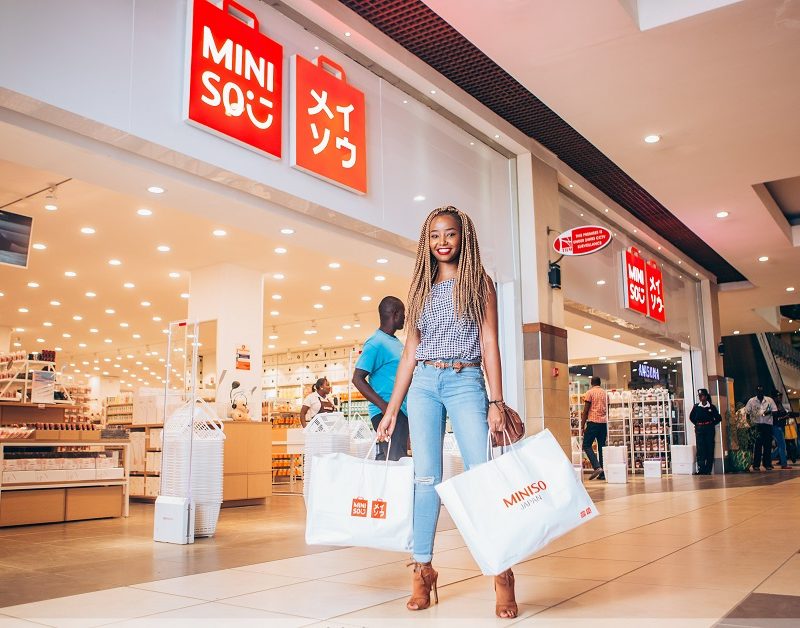
  • Miniso eyes US expansion

    Miniso eyes US expansion

    Miniso, is not, as has been reported, a Chinese dollar store. It is not a Japanese dollar store. In fact, it is not a dollar store.

    But it may give Canadian dollar stores a run for their money.

    When the first GTA Miniso opened in October at Pickering Town Centre in a slip of a space — 1,500 square feet — shoppers lined up to buy the retailer’s whimsically designed plushies, cosmetics and homewares and electronics, ranging in price from $2.99 to $34.99.

    “It’s fun, it’s fresh, it’s new,” said Pickering Town Centre general manager Diane Camelford, explaining the appeal.

    “Our philosophy is high-quality goods at an affordable price. So if people call us a dollar store, that’s fine with us, but we’re more of a variety-retail, lifestyle store at a very reasonable price,” said Sherman Leung, district manager, Miniso Canada Investments.

    Miniso, launched in 2013, is the result of a collaboration between a Japanese designer and a Chinese entrepreneur. It is headquartered in China, where it has more than 1,000 stores and is a mainstay in malls and at transit stops, Leung said. The company also has stores in the U.S., Mexico, Australia, Europe and the United Arab Emirates.

    It opened its first Canadian store in the spring in Vancouver and expects to have about 18 in operation in B.C., Ontario and Alberta by 2018, including locations at Oshawa Centre, Hillcrest Mall and Upper Canada Mall.

    It’s aiming for 100 stores in Canada by the end of next year and 500 in three years, which is still less than half as many locations as Canada’s most successful dollar-store operator, Montreal-based Dollarama, with 1,135 locations.

    The other dollar store chains in Canada together operate fewer than 500 locations: Dollar Tree has 226 stores; Dollar Store with More has 125, Great Canadian Dollar Store has 99 and Buck or Two has 47.

    And Dollarama is still expanding, at a current rate of about 60 to 70 new stores per year, with each averaging 10,099 square feet and stocking an estimated 4,400 items. Party supplies and seasonal items are a big draw at Dollarama.

    Miniso stores vary in size, but the largest in Canada to date is at Bramalea City Centre, at 4,300 square feet, selling 2,500 items, just 500 more than the small store at Pickering Town Centre. Plushies are the biggest seller, according to Leung — a hit with the store’s millennial target market.

    Mall managers like the chain because although Miniso’s target market is 18 to 35, the stores hold appeal for shoppers in all demographics.

    “I think it’s for every shopper, to be honest,” said Hillcrest Mall general manager Brian Marentette.

    The Miniso expansion comes at a time when analysts have been questioning the value underpinning Dollarama’s soaring stock price and whether the sector is ripe for change.

    Dollar stores began expanding rapidly after the 2008 financial crisis and the sector is ready for innovation, according to Doug Stephens, founder, Retail Prophet, a Toronto-based retail advisory.

    “I think there’s an opportunity for someone to come in and say: We know you want inexpensive stuff, but that doesn’t mean that you can’t have nice design at the same time — kind of like what Ikea did for furniture,” Stephens said. “If Miniso gets it right . . . I think they could take a chunk out of Dollarama.”

    Dollarama shares, which hit a high of $166.62 on Nov. 28, suffered a setback after third-quarter earnings released on Dec. 6 failed to meet some performance targets set by analysts.

    Same-store sales growth was 4.6 percent, below forecasts of 5 percent and higher, driving share prices to a close of $149.73 for the day.

    BMO Capital Markets analyst Peter Sklar called the initial adverse reaction “overdone.” Desjardins Capital Markets analyst Keith Howlett, meanwhile, kept a buy rating on the stock, calling Dollarama “the best organic growth story within our coverage universe,” with a target of $165.

    Dollarama company executives seem so far unfazed by the threat presented by Miniso.

    “We consider all retailers to be our competition, of course, and as far as Miniso goes, we consider them a pure China-based, Chinese import dollar store,” said Neil Rossy, Dollarama president and chief executive officer, on the company’s earnings call.

    “They do a very nice job in stores about a quarter to a third the size of ours, but their merchandise is focused on a very different customer base than ours. It’s very much design-oriented non-essentials. We’ll continue to watch them, as we do all other retailers in Canada and abroad, and we have been watching them well before they came to Canada, and we will consider them as competition, as we consider all the other retailers in Canada as competition, but there’s nothing for us to react to at this time.”

    Whether Miniso can catch up to Dollarama remains to be seen — for now, analysts aren’t exactly betting on it.

    Retail expert Farla Efros, president, HRC Advisory, believes the future for Dollarama lies in moving the price point as high as $5 to $6 over time, pointing to Five Below in the U.S., founded in 2002 and expanding rapidly across that country, with more than 600 stores in 32 states. The chain sells everything for $5 and under.

    “Like everybody else, quarter-to-quarter Dollarama will go up and down, but I think they still have a good opportunity in the market,” said Efros.

    Alex Arifuzzaman, founder of InterStratics Consultants Inc., says Dollarama is not in mortal peril yet. “It would take a while to ramp up to the number of stores needed to affect Dollarama,” he said.


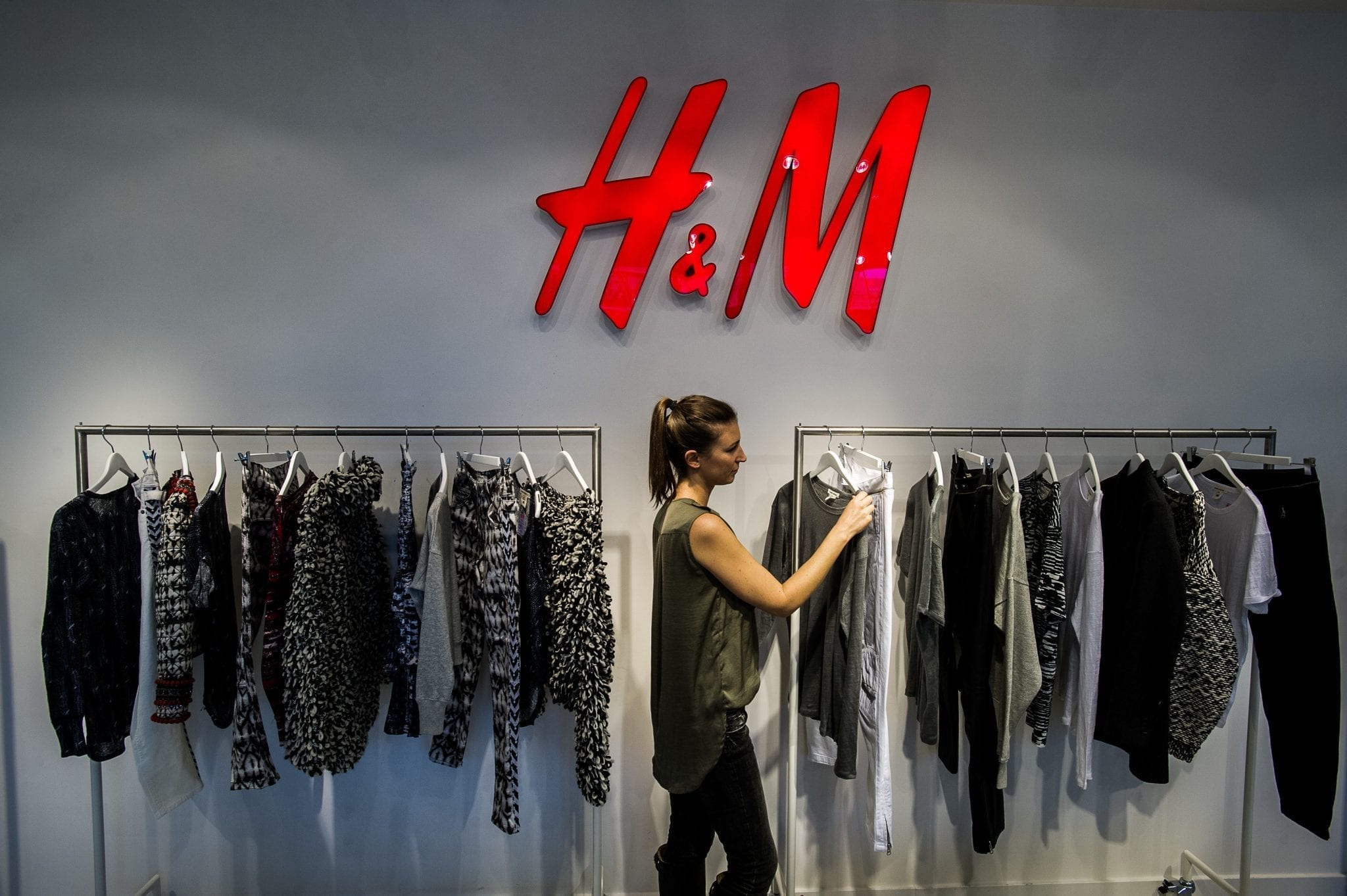
  • H&M India sales face first profit decline ever

    H&M India sales face first profit decline ever

    Though H&M reported lower sales during the nine-month from December 2019-August 2020 loss, it returned to profitability in September as sales recovered in many of its markets. The brand’s sales decline narrowed to 5 percent year-on-year in September. Currently, 166 of its stores are closed, although a large number of stores have opened with local restrictions and limited opening hours.

    From June-August, net sales of the Swedish fashion retail giant fell by 16 percent in local currencies to SEK50.87 billion. Its gross profit for the quarter dropped to SEK24.85 billion from SEK31.81 billion in the prior year’s Q3it. This corresponds to a gross margin of 48.9 percent.

    Profit after financial items was SEK 2.36 billion. Excluding IFRS 16, profit after financial items plunged to SEK2.26 billion from SEK5 billion. The brand’s sales during the nine-month period were significantly affected by the COVID-19 situation. Its net sales fell to SEK134.48 billion from SEK171 billion a year ago as Q2 included the height of the pandemic.

    The company made a loss of SEK1.613 billion during the nine months and a net loss of SEK1.24 billion. Excluding IFRS 16, its loss was SEK1.847 billion, much worse that the profit of SEK11.98 billion a year earlier.

    The firm is on a recovery trajectory even though it’s far from business-as-usual as fashion sales remain challenged globally.

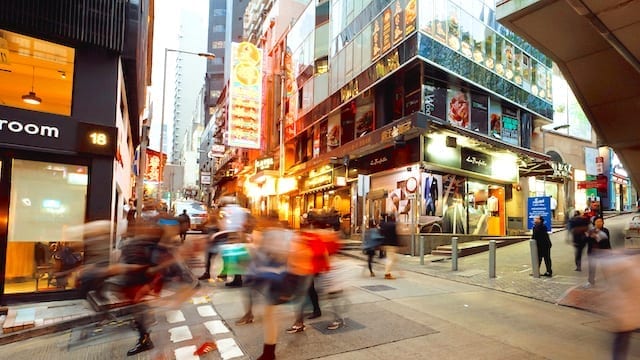
  • China retail is rapidly changing, brands need to adopt

    China retail is rapidly changing, brands need to adopt

    China is ahead of the curve in its recovery from the recent COVID-19 outbreak, with many provinces slowly returning to normal levels of activity. Factories are restarting production and consumers are beginning to spend again. However, the crisis has had a dramatic and lingering impact on the nation’s shopping habits, with implications for brands in China and globally.

    McKinsey worked with MIYA, a leading mobile payment solutions provider, to analyze point-of-sale (POS) data from 31,000 stores and 500 million+ transactions, covering 150+ cities, including Wuhan and Hubei, and 100 million+ shoppers. The data reveals four key shifts that are persisting even as the peak impact of the virus abates.

    1. Offline shopping is slowly recovering, but discretionary spend, nighttime shopping, and epicenter spend are lagging

    Offline consumption is slowly recovering, after falling to around 39 percent of normal levels during the peak period of the outbreak. Many local authorities loosened restrictions in the first week of March, giving shops an opportunity to welcome customers who had been isolated in their homes for as long as six weeks. Over the following days, activity picked up to around 79 percent of pre-crisis levels.

    Despite the partial rebound, there were significant variations, amid continuing pressure on discretionary categories. Supermarkets, convenience stores, and drugstores saw a spike in activity during the crisis, as consumers stocked up on essentials and cooked at home. However, after the peak there was a divergence. Supermarket volumes fell, while convenience stores and drugstores continued to see positive momentum, driven by demand for medicines and a desire among many people to shop near their homes. Discretionary categories, such as foodservice outlets, apparel stores, and department stores were hit hard during the crisis and their recovery has been slow.

    A notable trend across categories during the outbreak was increased basket sizes in non-discretionary categories, reflecting consumer aversion to shopping trips and willingness to spend more per visit to reduce travel frequency. Convenience store basket sizes rose 120 percent during the crisis, and remained 45 percent higher as the crisis abated. Discretionary categories, such as department and apparel stores, on the other hand, saw smaller basket sizes. Department store basket sizes were 54 percent smaller during the crisis, and have recovered only slightly in recent weeks, to a level that is around 33 percent smaller than before the crisis. Again, this may be a reflection of people’s reluctance to spend too long in crowded environments.

    Absolute traffic levels fell dramatically in all categories except drug stores during the crisis (30 percent lower for supermarkets and 88 percent lower for apparel outlets), and continued to be lighter than normal after the peak. Some 80 percent of apparel stores have reopened, but footfall in discretionary categories is still 40-50 percent below pre-COVID-19 levels. In non-discretionary categories, it is around 30 percent lower.

    The impact of the crisis on shopping habits was revealed through the times of day at which people ventured out. In normal times, weekends and evenings are peak shopping times in China—weekend traffic is generally 30 percent higher than weekday traffic, and evening traffic is 50 percent higher than day traffic. The traffic curves were much flatter during the height of the outbreak, with weekend traffic just 10 percent higher than weekday traffic and evening peak hours about 15 percent higher than daytime peaks. Again, the pace of recovery has been slow, with shopping patterns continuing to echo those at the height of the crisis. Daily transaction volumes have recovered by around 50 percent from the trough.

    Tier 1 cities such as Beijing, Shanghai, and Shenzhen are the busiest in China, and these normally crowded environments have been slower to recover than lower-tier cities. Most channels have continued to see much lower spending, in the region of 25 to 60 percent. Cities at the epicenter of the outbreak (in Hubei province) have also seen sluggish recoveries. There has, however, been some variation across channels.

    2. Channel shift to online, offline convenience, and drugstores

    A trend that emerged from the crisis is the accelerating growth of the online channel, which benefited from the lockdown, store closures, and the continued reluctance of consumers to engage in-person with sales and service staff. In the grocery category, there was a spike in online shopping during the peak, with consumers spending more time and money online. Some 74 percent of consumers bought additional groceries online at the peak and 21 percent spent more. Chinese consumers were ahead of consumers in other countries in respect to the frequency of online shopping, including South Korea (51 percent increased frequency) and India (40 percent). In recent weeks, online activity in China has moderated, but visits are still running at 15 percent above pre-crisis levels.

    Another emerging dynamic is that convenience stores have performed well in the wake of the outbreak (as they did at the peak), with tier 1 cities seeing the biggest uplifts. CVS daily consumption in tier 1 cities has run at around 36 percent above pre-crisis levels. Again, this is likely the result of continuing caution in respect of traveling and mixing in large groups. Some cities at the epicenter have seen the strongest rebounds in the hypermarket/supermarket channel, recording a 64 percent rise in volumes compared with December. This has been driven by relatively tighter restrictions on movement than in the rest of the country, and limited alternative sources of food. Drugstores have fared particularly well in provincial capitals, but have seen a drop-off in tier 1 cities as the impacts of the outbreak have diminished.

    3. Health and fitness is here to stay

    COVID-19 has emphasized the importance of staying fit and healthy, and changing attitudes are reflected in shopping behaviors that have persisted in recent weeks. Demand for dairy, vegetables, and eggs was 25-30 percent higher during the initial recovery phase than it was before the crisis. Supermarket and convenience store data shows that, aside from fresh food, popular items during and after the peak of the crisis included grains, ready-to-cook meals, packaged food, and snacks. This reflected a degree of “stocking up” and, again, travel aversion. Demand for these has softened of late but is still running above pre-crisis levels. There was a reduction in demand for personal care products and cosmetics in January and February, and these categories are only recovering slowly.

    As shoppers have gravitated toward local stores, they have expanded the range of items they buy, adding more grains and fresh foods to their baskets. If the trend continues, suppliers in these categories may need to plan for a less centralized distribution model, in which individual CVS stores are likely to carry fewer brands in any single type of product.

    4. Shock to loyalty offline, partly offset by online engagement

    Given the physical constraints of the crisis, Chinese customers have been more willing to try new stores and new brands. After the peak, around 14 percent do not plan to revert to their precrisis store choices and about 6 percent do not plan to return to their previous brands. To engage with these dynamics, hard-hit categories such as apparel have ramped up their digital activities. One premium fashion retailer, for example, invested in online channels such as Tmall, store applications, and social media. Its offline sales fell by about 50 percent in March, but its online sales grew by 60 percent. A large grocery retailer saw a 300 percent spike in demand for its home delivery service and has launched a major effort to triple its online business in 2020.

    In aggregate, the data shows that COVID-19 has had a profound and persistent impact on the nation’s shopping habits. The implications for brands in China, and other countries that may follow China’s path to recovery, can be summarized under four strategic pillars:

    1. Continue to protect customers and employees. COVID-19 is likely to have a lingering effect on consumer attitudes and sentiment. Assuming the virus is not eliminated in the near future, companies should redesign their protocols and operating models to reflect the new reality. This, for example, would include setting out exactly what should happen if a person catches the virus.
    2. Drive triple digital transformation. Digital has been one of the few real beneficiaries of the crisis. We see three ways in which companies can respond:
      • Manage your business in real time and digitally. The POS data has shown that the outbreak has had a significant impact on geographies, channels, and categories. Businesses now operate at a very different cadence, with decision making required at much higher levels of granularity and shorter intervals to reflect increased uncertainty. This requires a digital-first approach and agile organizational capabilities. Many companies set up war rooms during the crisis, but had very limited access to information. In future, it will be critical to have a real-time view on inventory and a strategy for deployment across regions. Data and analytics will be important tools.
      • Don’t just sell online; engage your customers digitally end-to-end. Chinese consumers increasingly demand an omnichannel experience, meaning they want more than to be sold to online. One premium apparel retailer has deployed a range of solutions, including enabling sales reps to use WeChat groups to reach out to VIP customers with individualized products (supported by a CRM system), launching social media shows with with Key Opinion Leaders (KOLs), and ramping up content marketing. The bottom line is that companies must engage the entire organization to prepare for an omnichannel world. This requires a digital network architecture, backed by a dedicated operational setup, KPIs, and objectives and key results (OKR) frameworks that can help the organization define goals and track outcomes.
      • Transform your business model. To increase operating efficiency and effectiveness, companies should aim to incorporate technology across the business. Before COVID-19, retailers were already deploying digital use cases, including seamless checkout, pricing, promotions, assortment optimization, and robotic process automation in the back office. However, few retailers managed to scale across the value chain, typically because of factors including a lack of top-down ownership and ambition, insufficient capabilities, siloed ways of working, outsourced IT functions, and legacy systems. COVID-19 has shown the need to transform the business model to be more tech-enabled, which will both help the company operate under the constraints of pandemics and meet customer safety needs. The business case is there: tech can improve efficiency by 2-5 percent of sales and, depending on starting position, drive sales and make or break market share during a crisis. Retailers need to pursue a triple transformation of people (new capabilities and ways of working), technology (modularizing core tech and deploying software-as-a-service across the value chain) and business (delivering value for the customer).
    3. Align with consumer trends: healthy, local, and delivering value. The data shows that the trend toward healthier lifestyles accelerated during the COVID-19 outbreak. People also shopped local, both in terms of location and products. For companies with strong cash positions, there is an opportunity to respond, leveraging M&A and hiring to expand into adjacencies such as food services, or acquiring smaller brands that may be struggling.
    4. Transform your supply chain to be agile and resilient. Supply chains attracted a lot of attention during COVID-19 and we expect they will continue to sit high on executive agendas. During a crisis, it can be dangerous to have a large amount of working capital locked up in inventory and facing potential write-off (or sale at a deep discount). The acceleration of omnichannel also creates a real challenge for many consumer packaged goods brands and retailers, because of the prohibitive cost: growth in online does not imply growth in profits. Companies should use the coming period to transform their supply chains, accelerating decision making to become more efficient, agile, and resilient.

    As executives consider their options, these strategies may help them support resilience and lay the foundations for the “next normal” in the months ahead. Retailers and consumer brands have been challenged in recent months, but those that can act decisively on all four fronts are likely to emerge ahead of their peers once the crisis is over.