Tag: asia

  • Google makes Gmail Go available to all Android users

    Google makes Gmail Go available to all Android users

    Just like many other popular mobile apps, Gmail has its own lighter version, which is mostly recommended for those using low-end smartphones. Gmail Go has been available to a certain category of Android users in select regions for quite a while, but that’s about to change starting today.

    Google released Gmail Go in the Play Store so that anyone can download and use it. Gmail Go offers the same email experience as the full-fledged app, it’s just that it does away with some visual elements.

    For starters, it doesn’t have the “Meet” button at the bottom of the screen. Also, the overall aspect of the app is slightly “cleaner” in the sense that it doesn’t make use of shadows. Truth be told Gmail users can set up their app’s UI so that the Meet button won’t appear at all, but that’s another discussion.

    The bottom line is if you want to try out a lighter version of Gmail, supposedly optimized to work on devices with less RAM, you should be able to download Gmail Go via the Google Play Store right now.

  • Google Assistant now supports third-party apps shortcuts

    Google Assistant now supports third-party apps shortcuts

    Google Assistant is now smarter and more useful than ever. Google revealed that its personal digital assistant now supports shortcuts for third-party apps. Basically, Android users will be able to use Assistant voice commands within some of the most popular apps not made by Google.

    For example, if you’re looking for something specific within an app, you can say, “Hey Google, open Taylor Swift on Snapchat.” But that’s not all! The new functionality allows Android users to play music, start a run, post on social media, order food, make payments, hail a ride, and much more – all with just their voice.

    To make things even more convenient, Google Assistant now lets users create custom shortcut phrases for their favorite apps. For example, you could create a shortcut to just say, “Hey Google, lace it,” instead of saying the longer version, “Hey Google, tighten my shoes with Nike Adapt.” To start making shortcuts simply say, “Hey Google, show my shortcuts,” and you’ll be taken to the setting screen.

    There are dozens of third-party apps that now support shortcuts, including Yahoo! Mail, Nike Adapt, Nike Run Club, Spotify, Best Buy, Instagram, Google Maps, YouTube, Instagram, Uber, PayPal, Discord, Walmart, Snapchat, and many more.

  • BNP Paribas Nabs Lombard Odier’s Head of Asian Equities

    BNP Paribas Nabs Lombard Odier’s Head of Asian Equities

    BNP Paribas Asset Management hired a trio from Lombard Odier, including a new Hong Kong-based head of Asian equities.

    The French asset manager appointed Zhikai Chen as head of Asia equities, according to a statement, replacing Arthur Kwong who will leave the firm to pursue other opportunities. Chen will report to Guy Davies, global CIO for fundamental actives equities.

    Chen is a 20-year veteran in the financial industry with a wide range of experience including the Monetary Authority of Singapore. He was most recently with Lombard Odier where he was its head of Asia ex-Japan equities since 2012.

    Asian equities is an important asset class for our clients in the region, said Steven Billiet, APAC head of BNP Paribas Asset Management. We will also continue to focus on bringing our Asian equities capabilities to our international client base which is eager to leverage on the growth dynamic of Asia.

    Joining Chen from Lombard Odier are two portfolio managers, Jinwen Ouyang and Roxy Wong.

    Ouyang has 13 years of industry experience and was a portfolio manager for Asia at Lombard Odier. Previously, she had also worked with Value Partners and Société Générale.

    Wong has 20 years of markets and technology experience and was most recently a senior portfolio manager for Asia at Lombard Odier. Previously, she held various tech research roles with Mirae Asset, RCM and Bear Stearns.

  • Vingroup app to digitise 300,000 vietnamese mom-and-pop shops

    Vingroup app to digitise 300,000 vietnamese mom-and-pop shops

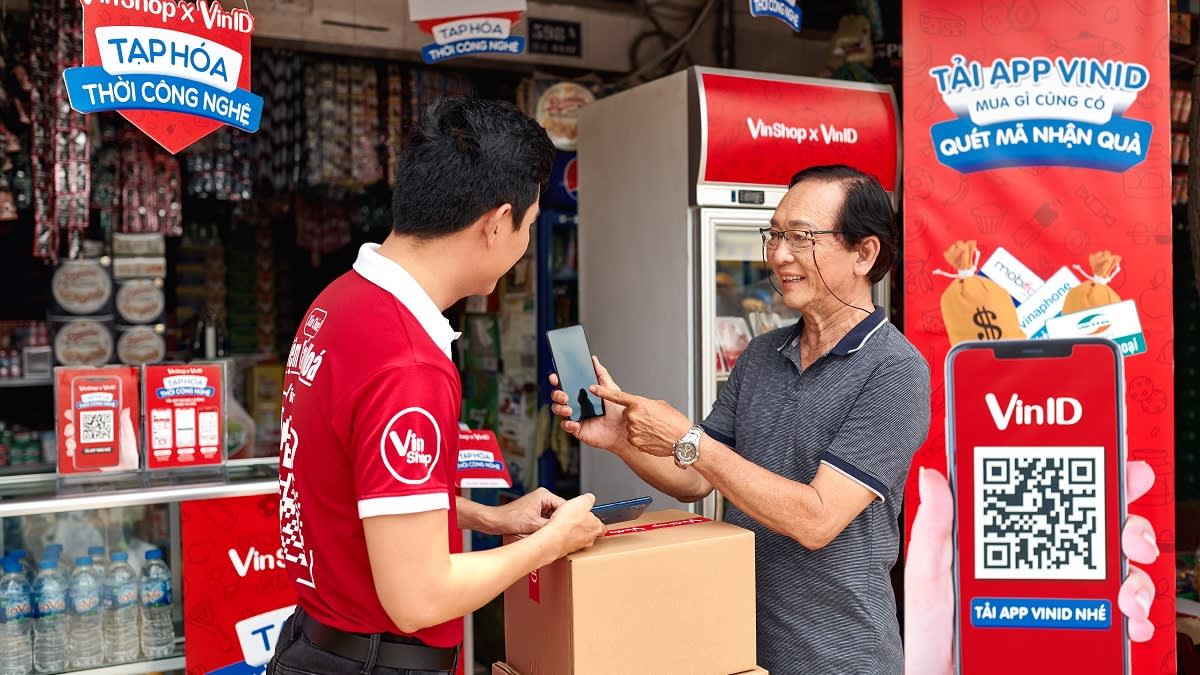
    Vietnam’s biggest conglomerate, Vingroup, has recently launched a mobile app for mom and pop retail stores, helping to digitize a traditional business that has been upended by modern convenience stores such as 7-Eleven.

    Vingroup announced Monday that its VinShop app is used by 20,000 small shops in Hanoi and Ho Chi Minh City. Those stores, called tap hoa, are typically family-run and sell sundries. Shopkeepers use the app to order hundreds of items from suppliers, eliminating the need to contact them individually. They also use it to connect to another Vingroup app, VinID, used by 10 million retail shoppers to make payments.

    VinShop began building its retail network in July, aiming to connect manufacturers and shops through the app, which includes purchase and distribution functions. “VinShop’s revenue will be based on a targeted advertising platform, financial services offerings and market development for suppliers,” Truong Quynh Phuong, business director at Vingroup’s logistics arm, One Mount Group, said last Wednesday.

    Tiny brick-and-mortar shops have long underpinned Vietnam’s “sachet economy,” an allusion to the common practice of selling single-use packets of many daily consumables, such as shampoo and coffee.

    Small shops face growing competition from 7-Eleven, Ministop, B’s Mart, and even Vinmart+, the chain of convenience stores launched by Vingroup now run by local consumer goods giant Masan following a merger in December. Sales at the major chains reached $170 million in 2019, about four times as much money as traditional shops took in, according to a July report from Deloitte, a consultancy.

    The VinShop app is the latest addition to the suite of Vingroup brands, from VinFast cars to VinSmart phones, as the company founded by Vietnam’s richest man, Pham Nhat Vuong, turns its focus to technology and manufacturing.

    Vingroup says its app will raise the income of small shops, which it calls grocery stores, by $432 a month on average by making their operations more efficient and cutting costs.

    “This solution is expected to improve the efficiency of the entire supply chain, and help overcome the current weaknesses in the distribution of products from manufacturers to grocery stores,” the company says.

    National and international convenience store chains have become hangouts for young Vietnamese, who gather to sip juice and slurp instant noodles. Traditional shops, by contrast tend to be windowless rooms that are often attached to owners’ homes, and piled high with things like chips, bottled water and laundry detergent.

    “For many rural consumers and lower-income urban consumer segments, who need to budget daily for food and make purchases in small quantities, traditional grocery retailers, such as local markets and mom and pop shops, are a convenient and affordable alternative to modern trade outlets,” according to the Deloitte report.

    Consumption has dropped across the board during the novel coronavirus pandemic, which has left Vietnamese reluctant to go out, said Infocus Mekong Research. In its July survey of shoppers, 36% said they would visit convenience stores less often, even after the pandemic ends, versus 22% who said they would shop more often.

    Similar efforts to modernize traditional shops through technology are taking off elsewhere in Southeast Asia. In Indonesia, startups BukuWarung and BukuKas have raised millions of dollars for similar smartphone apps.

  • Netflix and Zoom support coming to Facebook Portal

    Netflix and Zoom support coming to Facebook Portal

    The Portal products are getting another update that’s actually useful to those who own one of Facebook’s devices. The most important change is the addition to Zoom support. Although late to the party, Facebook’s Portal smart display joins that plethora of similar devices that offer Zoom support.

    Those who own a Portal Mini, Portal, or Portal+ in any of the countries where Portal is sold, will now be able to host video calls with up to 25 people on screen. On top of that, Facebook announced that it’s expanding the Story Time library with a new collection of stories.

    In addition, AR support is now available for four Dr. Seuss classics: Hop on Pop, Mr. Brown Can Moo! Can You?, The Foot Book, and There’s a Wocket in my Pocket! Keep in mind that these stories are not yet available, but they will be released on Portal sometime this fall.

    The ability to control AR Effects in Photo Booth with your voice via the “Hey Portal” command has been added too. You’ll also be able to take photos and videos with AR effects to share with friends and family via Messenger.

    For those who own a Portal TV, Facebook has finally added Netflix support, although you’ll still need a streaming subscription to watch the shows. Netflix joins other video streaming services already available on Portal TV, including Amazon Prime Video, SHOWTIME, and SLING TV.

    Finally, Facebook revealed that a new remote is now available for Portal TV owners, which features touch buttons for Prime Video, Facebook Watch, and Netflix. The new remote is shipping with Portal TV starting today and will arrive in brick and mortar stores in the coming weeks.

  • Hong Kong retail rents slip

    Hong Kong retail rents slip

    The world’s most expensive retail strip is likely to endure another six months of industry slump as shop owners struggle to replace premium tenants amid Hong Kong’s deepening recession.

    Global brands from Prada to Rolex and Victoria’s Secret have in the past year vacated their space near or along Russell Street in Causeway Bay – whose rents exceeded those in New York, London, or Paris at the peak of the cycle – as the economy suffered from political upheavals and public health crisis.

    “The market has not seen the bottom yet. I think the worst will only come at year-end,” said Edwin Lee, founder, and chief executive of Bridgeway Prime Shop Fund Management, which owns 18 street shops across the city. “People expect the Covid-19 vaccine to be ready and available by early or the middle of next year when confidence is expected to recover.”

    Those vacant shops could end up being absorbed by mass-market fashion stores or supermarket chains, potentially devaluing rent premiums, he added. The pandemic and dwindling tourist arrivals have been a major blow and local consumers alone could no longer support big brands, he added.

    Hong Kong’s economy has contracted in the past four straight quarters, marking its worst recession on record. The Covid-19 pandemic since January, as well as months of social unrest last year, have choked tourism and undermined the government’s efforts to revive activity.

    Without the power of tourist dollars, Hong Kong has recorded steep declines in retail sales for 18 straight months, according to official statistics. They amounted to HK$187 billion (US$24 billion) this year through July, or HK$26.7 billion a month, compared with an average of HK$36 billion a month in 2019.”>“Now that the big brands have left the scene, it is quite difficult to find new tenants,” said Tony Lo, director of shops at Midland IC&I. They are unlikely to be leased out this year as the pandemic has not been resolved, he added. “I’m not very optimistic. Many of the shops in Causeway Bay cater to individual travelers mostly from mainland China.”

    Hong Kong retailers should create experiences for local shoppers to survive with ‘zero tourists’

    Emperor International, one of the bigger landlords on Russell Street, said some of its units “are for lease now,” according to WhatsApp reply to questions from the Post. The firm has “been in touch with different tenants,” it added.

    Shop vacancy rate in Causeway Bay has risen to 11.6 percent in August, according to data compiled by Centaline Commercial, more than triple the level in January. The rate in Central has surged to 20.4 percent from 8.1 percent over the same period, and to 16.5 percent from 10.5 percent in Tsim Sha Tsui.

    “Causeway Bay has almost zero tourists and people are reducing their outings,” said Raiky Wong, director of shops at Centaline Commercial. “The streets seem deserted these days.”

    Hong Kong is not alone in bearing the brunt of the Covid-19 pandemic. Twenty out of 22 Asia-Pacific cities tracked by Knight Frank reported a drop in valuations and forecasts of prime retail property in the first half of this year.

    The bleak outlook suggests rents will weaken in the coming months, said Lee of Bridgeway Prime Shop Fund Management, who regularly buys and sells shop lots in the city.

    Rents along Russell Street have fallen by two-thirds from around HK$3,000 (US$387) per sq ft in 2013 to HK$1,000 currently, Lee said. They could bottom out at HK$500 per sq ft by year-end before some signs of recovery after the Lunar New Year in February, he added.

    Shop owners may be pressured to accept offers even if the rents are lower to generate cash flow, according to Lo of Midland. Some have offered to take up short-term leases this year as many businesses have low visibility on the recovery prospects.

    New tenants that decide to take over the vacant space will be banking on neighborhood spending to survive, said Lee of Bridgeway. These would include mass-market fashion retailers or high-end supermarkets selling imported foods like Japanese wagyu beef, he added.

    For Russell Street’s big brands, retailers can no longer sustain their businesses without tourist spending power. “They definitely cannot sustain by just relying on local consumption,” Lee said.


  • Flipper’s pancake chain opening in Singapore

    Flipper’s pancake chain opening in Singapore

    Traveling to Japan for Flipper’s famous souffle pancakes isn’t an option right now but foodies can just head down to Orchard Road for their fluffy fix really soon.

    Flipper’s first outlet in Singapore will be opening at Takashimaya Shopping Centre in Ngee Ann City in November. It also has outlets in Seoul, Taiwan, Hong Kong, and New York.

    Best known for its “miracle” (or “kiseki” in Japanese) souffle pancakes that’s super soft you’ll need to use two forks to tackle it, the Japanese chain was founded in 2014 in Tokyo.

    Its Singapore outlet will be offering savory and sweet options – you’ll have a choice of having fruits with it or something more hardcore such as salmon, eggs, and bacon.

  • Google adds new “high visibility” security alerts

    Google adds new “high visibility” security alerts

    Google published a blog on Wednesday explaining how the company plans on using a new process to alert Google Account subscribers when a serious security issue pops up. Back in 2015, Android alerts were used to notify people when they had a security issue with their Google Account. This notification would appear if someone’s account was, for example, hacked. With the new notifications, Google saw a 20-fold increase in the number of users who responded to them within an hour of their receipt compared to those who received word of a security issue via email.

    Soon, Google says that it will release a new security alert that will surface on whichever Google app that the user has open and it will help him address a problem. These new alerts cannot be spoofed so if one shows up on a Google app, the user can be sure that it is genuine. This feature will be rolling out on a limited basis over the next few weeks with a broader distribution expected to begin early in 2021.

    Google also announced today that it has added a new Guest mode for Google Assistant. With Guest mode, you can use a simple voice command to save your Assistant interactions somewhere else instead of on your device. You can also turn off Guest mode at any time to get the full personalized version of Google Assistant back again. You can also use your voice to delete what you just said to Google Assistant. And the latter will now instantly answer more questions about privacy and security.

    Google says, “To make it easier to control your privacy, you’ll soon be able to directly edit your Location History data in Timeline by adding or editing places you’ve visited with just a few taps, and because Search is the starting point for so many questions, starting today we’ll display your personal security and privacy settings when you ask things like “Is my Google Account secure?”

    Google claims to block over 100 million phishing attempts a day; the Google Play Project scans over 100 million apps daily looking for malware and other problems.

  • Musk Says Tesla To Use New Batteries

    Musk Says Tesla To Use New Batteries

    Tesla Chief Executive Elon Musk said on Wednesday the company will produce Model Y with a new structural battery design and technology at its Berlin factory next year and that could result in a “significant production risk”.

    The U.S. electric carmaker plans to manufacture a new version of its Model Y crossover vehicle, and possibly even battery cells at the site. Last month, Musk said that Tesla will use its Germany-based plant to demonstrate a radical overhaul of how its cars are built.

    The company plans to start the production of Model Y at Gigafactory Berlin during the second half of 2021.

    Tesla’s new battery cell – a larger cylindrical format called 4680 that can store more energy and is easier to make – is key to achieving the goal of cutting battery costs in half and ramping up battery production nearly 100-fold by 2030.

    The company’s new structural battery pack requires the new 4680 battery cells in order to work.

    Musk said on Wednesday that it will take about two years for Tesla factories in Fremont and Shanghai to embrace the new technology.

    “Fremont and Shanghai will transition in 2 years when new tech is proven,” Musk said in a tweet.

    The company said last week that it delivered 139,300 vehicles in the third quarter, a quarterly record for the electric carmaker.

    Tesla’s delivery push has been supported by its new Shanghai factory, the only plant currently producing vehicles outside California, as it is also building a new vehicle and battery manufacturing facility near Berlin.

  • Shinsegae, Taubman Asia open Starfield Anseong

    Shinsegae, Taubman Asia open Starfield Anseong

    The new Starfield Anseong, the second joint venture between Taubman Asia and Shinsegae Property, opened today in Anseong, Gyeonggi Province, South Korea. The one million square foot, modern shopping, entertainment, and dining destination is Taubman Asia’s fourth successful development project. It will serve as the primary mall for Anseong, one of the fastest-growing areas of South Korea. This press release features multimedia.

    The new Starfield Anseong mall in Anseong, Gyeonggi Province, South Korea Starfield Anseong is nearly 100 percent leased, with over 90 percent of tenants open, and is expected to be fully occupied by year-end. The mall is anchored by Shinsegae Factory Store, E-Mart, Toy Kingdom, and successful entertainment concepts, including Aquafield, Sports Monster, and Megabox, an upscale cinema. Starfield Anseong also offers 280 of the most in-demand fashion, dining, and entertainment concepts. In response to the global pandemic, the mall has implemented a wide variety of enhanced safety protocols in accordance with legal requirements.

    “Starfield Anseong represents the best of the collective expertise of Shinsegae Property and Taubman Asia,” said Paul Wright, president, Taubman Asia. “We are pleased to offer this impressive assortment of retail, dining, and entertainment experiences to customers in Gyeonggi.” “Starfield Anseong will serve customers in the southern region of Gyeonggi and will meet the high expectations of the local residents following the successful opening of Starfield Hanam and Starfield Goyang,” said Young-rok Lim, president, Shinsegae Property.

    “With a high priority on customer safety, we are certain our customers will experience a true shopping theme park previously unseen anywhere in the region. Starfield Anseong’s diverse offerings such as children’s education, entertainment, and food and beverage facilities, which have proven popular in other Starfield facilities, have been strengthened and together with other popular brands making their regional debuts, are all gathered in one place.” Shopping & Dining Starfield Anseong’s wide variety of prominent international brands includes Zara, Nike, Uniqlo, H&M, Vans, COS, Guess, Adidas, BMW, Patagonia, Camper, Polo Ralph Lauren, Lacoste, West Elm, and Under Armour.

    Popular national brands such as SPAO, Genesis, Beanpole, Studio Tomboy, Jaju, Casamia, Wonder Place, and Hanssem are also featured. Approximately 100 of the mall’s brands are the first store of the kind in this region of Greater Seoul. The mall has dedicated 113,000 square feet to dining options, including Gourmet Street’s eight restaurants and the Eatopia food court featuring 21 unique food kiosks, optional outdoor seating, and views of the neighborhood park. City Market, anchored by No Brand Supermarket, offers 15 additional casual dining options, a deli, and nine specialty food concepts that include a wine shop, a butcher, and a bakery.

    Other dining destinations include Sanghaeru, Tokkijung, Lobster Bar, No Brand Burger, and Mansukjang. Entertainment & Experiences Starfield Anseong offers many entertainment options and experiences, including a 48,000 square foot Megabox cinema with seven screens, a 28,000 square foot Sports Monster sportsplex with everything from rock climbing to basketball, and a 98,000 square foot Aquafield indoor/outdoor water park and spa. Concepts focused on children’s entertainment includes Champion 1250X and Sang Sang Sketch Play.

  • Tse Sui Luen warns of loss due to Covid-19 outbreak

    Tse Sui Luen warns of loss due to Covid-19 outbreak

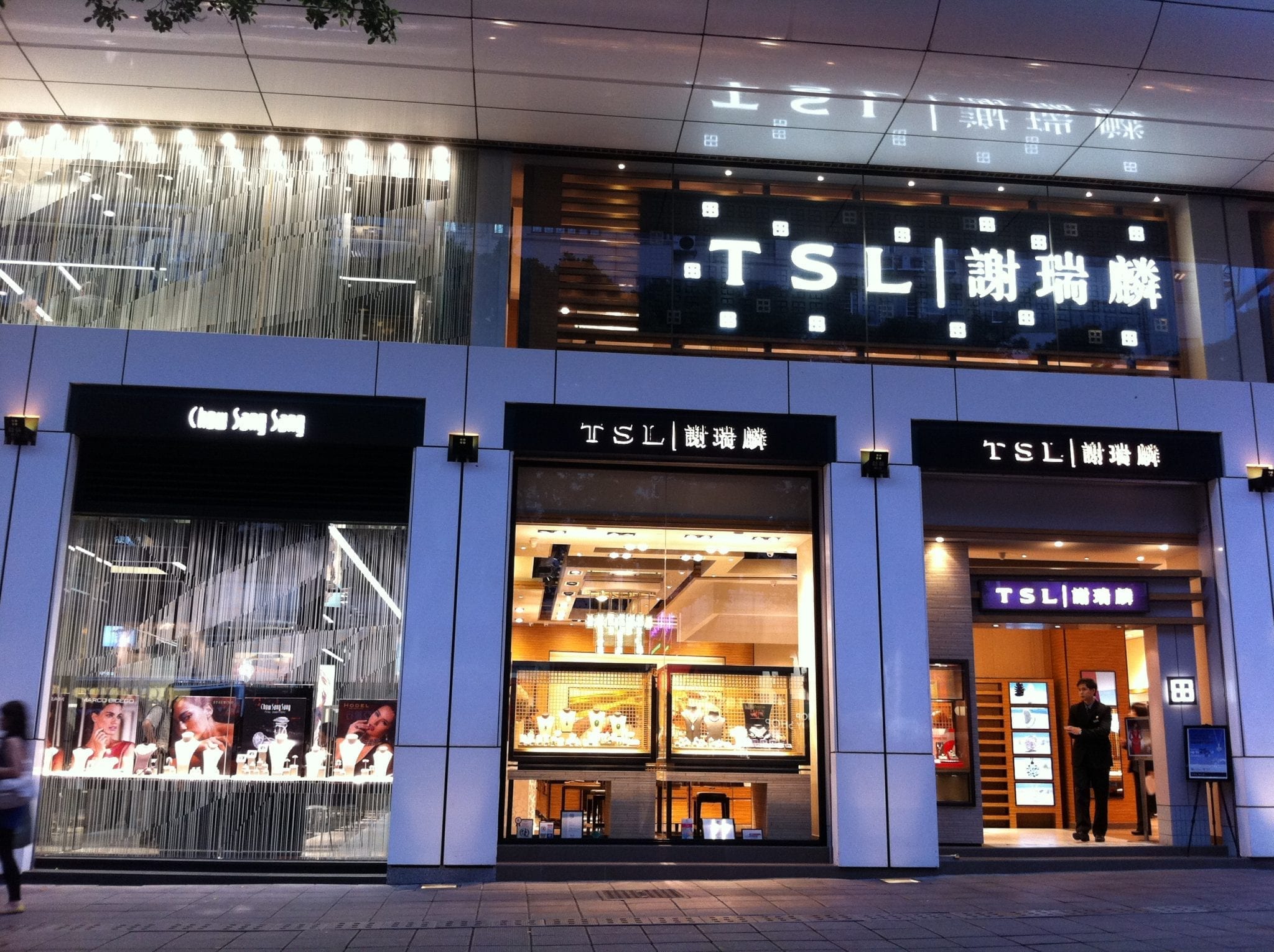
    Tse Sui Luen (TSL) has warned it will report a loss for the fiscal year, with sales hampered by a sluggish retail environment in greater China.

    The Hong Kong-based jeweler expects a loss of at least HKD 80 million ($10.3 million) for the year ending March 31, it said last week. That compares with a profit of HKD 54 million ($7 million) the previous year. The company based the projection on its performance during the first 11 months of the fiscal year.

    The slowdown, which began in July, is the result of a number of factors including the US-China trade war and prolonged social unrest in Hong Kong, TSL said. The COVID-19 outbreak has also impacted sales.

    “The coronavirus outbreak in January 2020 has taken a heavy toll on the retail industry, dealing a severe blow to the Hong Kong and mainland China economies,” the company noted. “The group’s turnover was [affected] further by the weakest overall sales in February 2020, the traditional peak season of the retail industry…which is expected to drop by approximately 88% year on year.”

    In an effort to cut costs, TSL has negotiated rent reductions with landlords, and plans to close some of its stores, it added.

    The company will publish its full-year results by the end of June.

  • Visa expands acceptance of B2B payments using Stripe Connect

    Visa expands acceptance of B2B payments using Stripe Connect

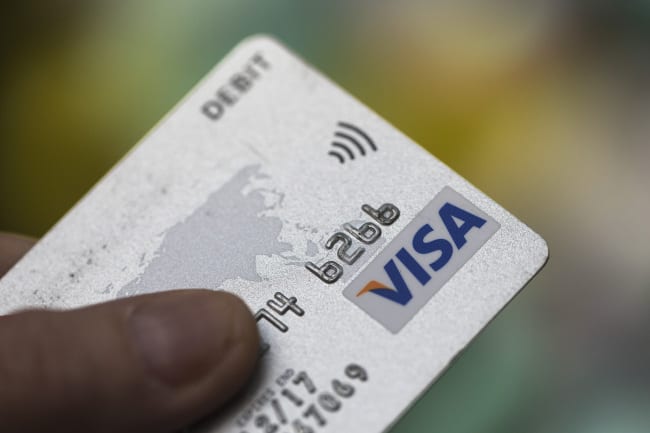
    Visa, the world’s leading digital payments technology company, has teamed up with Stripe, a technology company that builds the economic infrastructure for the internet, to introduce a new set of solutions to help businesses pay and be paid on time.

    The new solutions will be on the Visa Payables Automation platform, which allows buyers to enroll, manage and pay suppliers digitally with a Visa commercial card. This new feature, which is powered by Stripe Connect, the technology company’s solution for multi-sided marketplaces and platforms, enables buyers on Visa Payables Automation to pay suppliers who are unable to accept digital payments easily and securely through the use of a virtual Visa card. This helps bring suppliers who are not plugged into the traditional banking infrastructure into the digital economy.

    “When a buyer needs to pay a supplier, the enhanced Visa Payables Automation platform allows seamless digital payments experience. The supplier will be prompted to register with Stripe Connect, provide a bank account number, and start accepting payments,” said Chavi Jafa, Head of Business Solutions, Asia Pacific, Visa. “Migrating to digital payments benefits both buyers and suppliers, as it eliminates manual processing and enhances reconciliation. This improves productivity while reducing errors and fraud. It also allows buyers and suppliers to better manage their working capital, utilizing a Visa Commercial Card.”

    “We’re excited to see Visa leverage the power of Stripe Connect to facilitate complex payments flows,” said Noah Pepper, Stripe’s Business Lead for APAC. “Less than 10 percent of commerce is online today, and that number is much lower in the B2B space. And when you consider the web has been around for over a quarter of a century, it’s clear that we’ve barely scratched the surface! We are always excited to work with forward-thinking companies in developing better tooling for businesses wanting to accelerate their shift to online.”

    Citi client, Jebhealth is the first user of the integrated Visa Payables and Stripe Connect solution.

    As an online marketplace for healthcare services, Jebhealth uses the solution to facilitate payments for its clients to healthcare service providers on its platform. By using the solution, health service providers are onboarded, just once, via Stripe Connect to become card-accepting merchants. This novel solution is now rolled out in phases and will benefit individuals, corporates and healthcare providers, and ecosystem partners in a virtual integrated pay-out network

    “The Jebhealth team believes strongly in value creation, innovation, and social good. In the backdrop of COVID-19 pandemic, the whole solution was conceptualized, developed, and launched with the help of Citi, Visa, and Stripe, while working from home,” said Jimmy Boey, Founder & CEO, Jebhealth. “With this integrated digital payment method, employees, students, and domestic helpers no longer need to bring a medical chit or cash to pay at the clinic desk whenever they visit the clinics for check-ups. This ensures every clinic visit is shorter and smoother and less exposure from the community.”

    When Jebhealth initiates a payment, a single-use virtual Citi-Visa commercial card is generated. The virtual card is then sent to the receiving healthcare service provider, after which the provider ‘charges’ the virtual card to accept and complete payment through their Stripe Connect account.

    By using a Citi-Visa virtual card, in addition to enabling digital payments, the solution ensures added safety and security. Jebhealth is able to set transaction limits on the virtual cards, including permitted current and merchant types.

    This new service is now available in 30 markets around the world.

    Tarun Minglani, Asia Pacific Head of Commercial Cards, Treasury and Trade Solutions, Citi, said, “Citi is committed to offering our clients innovative B2B payment solutions, enabling them to operate more efficiently in an increasingly digitized business environment. Our Commercial Cards business is active across 14 markets in Asia Pacific. Underpinned by digital solutions and tools, we offer our clients best-in-class products and services through our proprietary solutions as well as through our partnerships in the region. The Visa Payables Automation platform optimizes the payments process while reducing points of friction that are traditionally associated with B2B payments.”

    In 2019, Visa’s commercial card solutions generated more than US$1 trillion in payment volume, making Visa the largest card payment network for B2B payments in the world[1]. As payments migrate away from traditional plastic cards, Visa is working with its partners around the world to enable new experiences that are based on virtual cards and extending its network to collaborate with new players.

  • Uniqlo joins Zara, H&M in tackling waste problem

    Uniqlo joins Zara, H&M in tackling waste problem

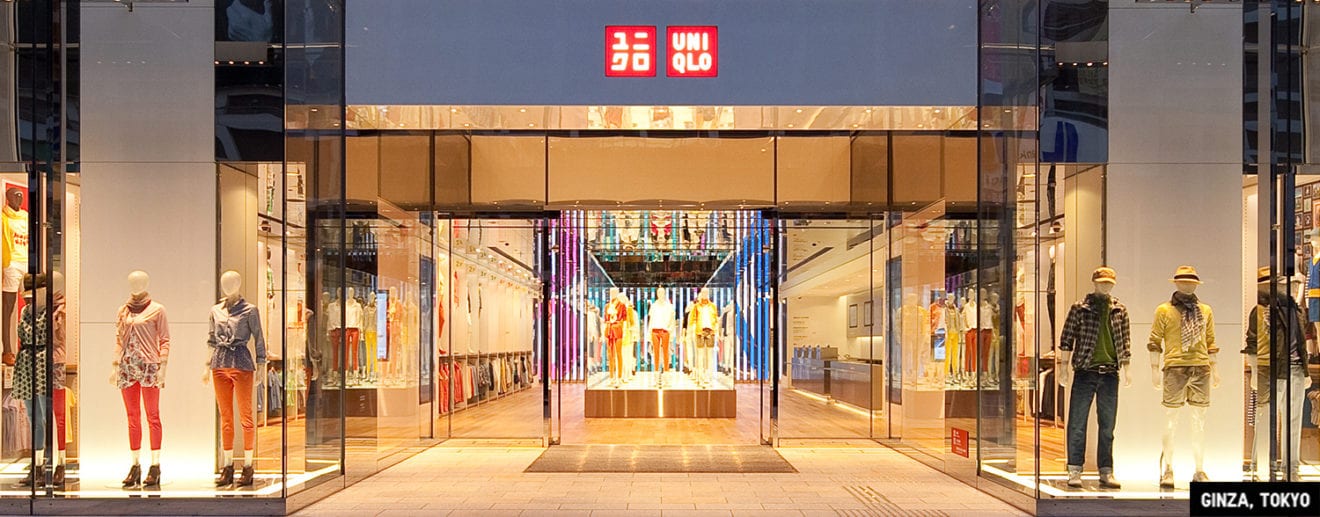
    In an effort to help the homeless restart their lives, UNIQLO Malaysia recently launched a clothing corner at Kuala Lumpur’s Homeless Transit Centre (Pusat Transit Gelandangan KL), a government initiative to help those on the streets get back on their feet. With the help of the centre, those who seek jobs can access proper attire as they embark on their new lives

    The clothes include casual wear, sports attire, and workwear – all of which are donated by UNIQLO’s customers.

    Many praised the company for its initiative in restoring hope for those in need

    UNIQLO’s All-Product Recycling Initiative encourages customers to donate old clothing, which is then recycled into new products

    If the clothes are wearable, they will be donated to refugees, disaster victims, and the underprivileged.

  • Alibaba setting up joint venture with Swiss duty-free giant Dufry

    Alibaba setting up joint venture with Swiss duty-free giant Dufry

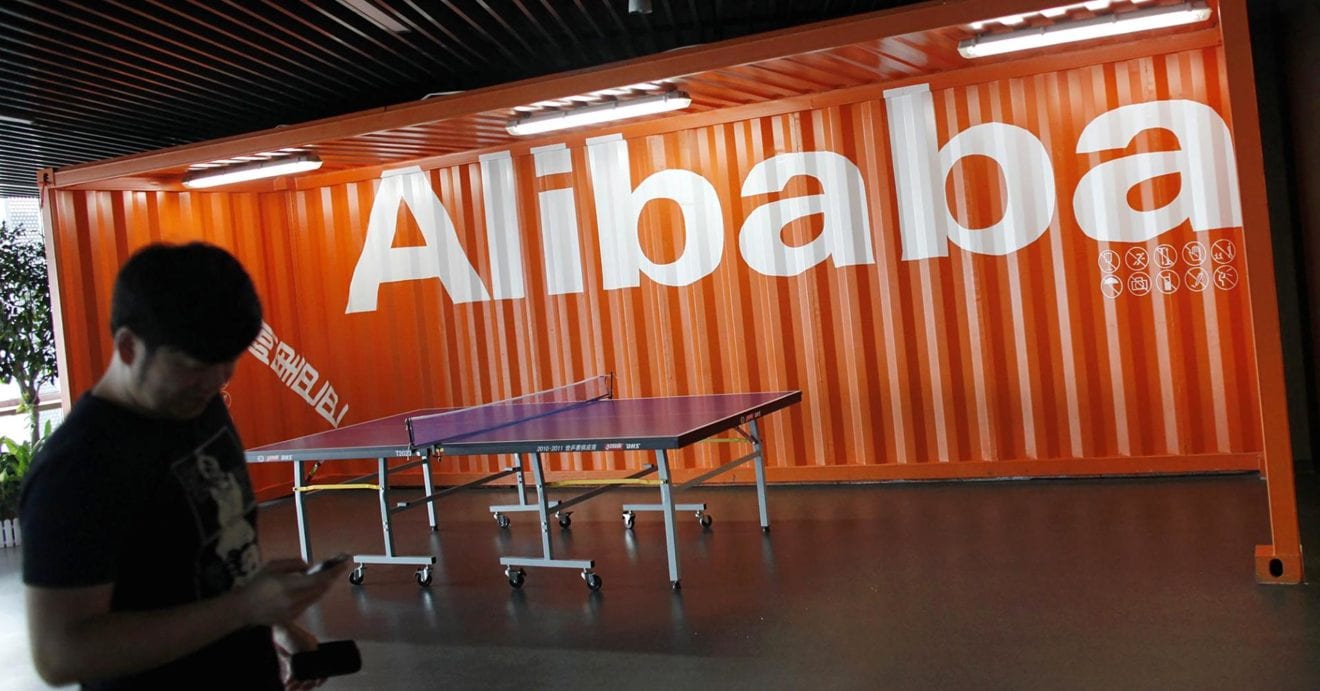
    Chinese tech giant Alibaba has agreed to form a joint venture (JV) with Swiss duty-free group Dufry, as Chinese shoppers’ appetite for overseas luxury goods seemed unfettered by the pandemic.

    It also announced that it would acquire an up to 9.99 percent stake in the duty-free operator in a statement released last Monday.

    Alibaba Group will have 51 percent controlling shares to Dufry’s 49 percent. The joint venture combines Alibaba’s established network and digital capabilities with Dufry’s China travel retail business and operational skills, the statement said.

    “We expect this collaboration to drive growth in Asia and with Chinese customers worldwide with the support of new digital technologies,” said Dufry Chief Executive Julian Diaz on Monday.

    As the coronavirus pandemic halts global travel, Dufry’s revenue fell by 62 percent to 1.59 billion Swiss francs ($1.74 billion) in the first half of 2020. It is an increasing presence in China’s travel retail markets as effective containment of the outbreak allowed the country to travel again.

    With 14,941 flights booked during the country’s eight-day National Day holiday that started on October 1, total air travel booking is comparable with the same period last year. Bookings for domestic flights have increased by 10.5 percent, data from China’s aviation authority showed.

    Dufry is proposing a capital increase that will raise up to 700 million Swiss francs, which Alibaba is to subscribe to up to 250 million Swiss francs of shares.

    China currently taxes imported consumer goods, such as garments and beauty products, an average of 6.9 percent and high-end cosmetics by 15 percent. But tariffs for many luxury products, such as perfumes and watches, exceed 30 percent.

    South China’s island province of Hainan has offered greater visa-free access and duty-free shopping for tourists since July 1. Meanwhile, the annual quota for individuals making duty-free purchases on the island tripled to 100,000 yuan, and the duty-free product catalog increased from 38 to 45 items with some electronic products and wines newly added to the duty-free list.

    China’s duty-free retail giant China Duty-Free Group owns all four offshore duty-free shops in Hainan. Its parent company China Tourism Group Duty-Free generated 19.3 million yuan in revenue in the first half of 2020, beating Dufry as the world’s largest duty-free retailer.

    Its sales in Hainan were the primary driver for China Tourism Group Duty-Free’s revenue boost, contributing 47 percent in the first half of the year. Hainan recorded 8.61 billion yuan in visitor duty-free spending from July 1 to September 30, a surge of 227.5 percent year on year, the local customs data showed.

  • Cebu Pacific promotes Philippine tourism with ‘Juan Love’ campaign

    Cebu Pacific promotes Philippine tourism with ‘Juan Love’ campaign

    The resilience of the country’s tourism sector was put to the test as local businesses and industries had to deal with the immense challenges brought about by the Covid-19 pandemic. Yet, it also brought out the Filipinos’ spirit of Bayanihan, sparking hope for the nation as everyJuan extended support to one another.

    As an airline that strongly believes #EveryJuanWillFlyAgain, the Philippines’ leading carrier, Cebu Pacific, further encourages everyJuan to come together and support the country as it gradually recovers, through its newest campaign “Juan Love — One love for the Philippines.” At a time when borders are slowly reopening, this online campaign aims to inspire everyJuan to travel again — to see the places they’ve missed, and experience the local culture and cuisine unique to every destination.

    The Juan Love campaign will not only highlight the beauty and wonders of the Philippines’ local destinations but will also show how flying supports the people behind the tourism industry — each flight, each tourist, will help people sustain livelihoods — everyJuan for everyone. As this campaign showcases the scenic spots, thrilling activities, and native delicacies each destination is known for, Juan Love will also shed light on all the local businesses and fellow Filipinos making all these possible.

    “We are delighted that Cebu Pacific came up with this heartfelt initiative. More than rekindling the desire of Filipinos to travel once again, the Juan Love campaign also puts a spotlight on the people whose jobs and livelihoods depend on the inclusive growth brought about by tourism. We are always grateful for the support, and rest assured that we will continuously collaborate with the aviation sector so we may all help our industries, and our economy, recover,” expressed Berna Romulo-Puyat, secretary of Department of Tourism.

    “We have been continuously working hand-in-hand with our partners in the government to help ensure the nation bounces back from this crisis. We believe as more destinations open up for tourist travel, we are able to support the small businesses and communities,” said Candice Iyog, Cebu Pacific vice president for Marketing and Customer Experience. “With the launch of our Juan Love campaign, we hope everyJuan joins us in showing one love for the Philippines.”

    Staying true to its commitment to provide safe, affordable, and fun-filled air travels for everyJuan, Cebu Pacific celebrates local tourism with a series of exciting Juan Love Seat Sales! A total of one million seats to domestic destinations will be up for grabs all throughout the “Ber” months.