Tag: asia

  • Tipster says that Samsung will soon introduce the chips that will power the Galaxy S21 line

    Tipster says that Samsung will soon introduce the chips that will power the Galaxy S21 line

    A tweet disseminated on Saturday by tipster MauriQHD (@MauriQHD) says that the next Exynos chipset will be introduced by Samsung at any moment. According to the tweet, the Exynos 2100 will be the successor to the Exynos 990. A recent Geekbench test of the Exynos 2100 allegedly running on the Galaxy S21+ had a single-core score of 1038 and a multi-core score of 3060. That pales in comparison to the Geekbench results recently posted for the Apple A14 Bionic SoC that will power the iPhone 12 series. That chip, tested while powering an iPad, had single-core and multi-core scores of 1583 and 4198 respectively. At this point, it is possible that the Exynos 2100 score is based on a test using unoptimized firmware so we need to hold off on making any direct comparisons.

    Both the A14 Bionic and the Exynos 2100 will be manufactured using the 5nm process which means that more transistors will fit inside a square mm allowing for greater performance and improved energy consumption. Like the Exynos 2100, the Qualcomm Snapdragon 875 chipset will be manufactured by Samsung Foundry using the 5nm process node. We could see the new Snapdragon flagship chip unveiled in December during the Snapdragon Summit.

    The tipster also said in his tweet that the Exynos 2100 should be “way better” than the Exynos 990. Considering that the latter was manufactured using the 7nm EUV process (EUV is a technique used to mark wafers with very thin ultraviolet beams allowing more transistors to be placed inside a chip) compared to the more powerful and energy-efficient 5nm Exynos 2100, this is pretty much a sure thing.

    The Exynos 2100 and Snapdragon 875 will both be found in consumer devices starting early next year. The A14 Bionic, which Apple already introduced when it unveiled the fourth-generation iPad Air last month, could be in consumers’ hands as soon as later this month as the chip will power both the aforementioned tablet and the 2020 iPhone models, both of which are expected to be released later this month. Another 5nm chip manufactured by TSMC this year is Huawei’s Kirin 9000 chipset. The chip will power the Huawei Mate 40 line and the Huawei Mate X2 foldable model. But due to a change in U.S. export regulations, Huawei can no longer get deliveries of this chip sent to it by the foundry. The Chinese manufacturer has been building up a stockpile of Kirin 9000 chips that it will be able to use until the inventory is all gone.

    So how will the Exynos 2100 compare with the Snapdragon 875? Both 5nm chipsets, as we pointed out, will be manufactured by Samsung, but Twitter tipster Ice Universe said back in August that while Samsung will close the gap, the Snapdragon 875 will still be the superior chip (note that the Exynos 1000 is a rumored name for the same chip that we are calling the Exynos 2100). While Samsung is moving to AMD for the GPU on its new component, Qualcomm is debuting the 7 series for the Adreno GPU found inside the Snapdragon 875.

    The Exynos 2100 SoC will most likely make its debut on the Samsung Galaxy S21 line which will probably include the Galaxy S21, Galaxy S21+, and the Galaxy S21 Ultra. If Samsung sticks with tradition, the Exynos 2100 will power the vast majority of Galaxy S21 series models; those in the U.S., China will get the version of the phone powered by the Snapdragon 875. However, for the Galaxy S20 line this year, Samsung equipped all of the units shipped everywhere but Europe with the Snapdragon 865. That humiliated Samsung employees in the company’s home country of South Korea. But the Exynos 990 just did not have the performance capabilities that Sammy’s executives were hoping for. This year, we could see Samsung return to the Exynos chip for its first flagship line of the year in most markets


  • Visa Partnership to Tap on Growth in Digital Economy

    Visa Partnership to Tap on Growth in Digital Economy

    Visa has announced a five-year regional strategic partnership with e-commerce platform Shopee that intends to spur greater participation in Southeast Asia’s digital economy.

    The agreement includes collaboration on a number of initiatives to extend access to the digital economy for micro, small, and medium enterprises (MSMEs) across Southeast Asia.

    These businesses will be incentivized to digitalize their business on Shopee and adopt digital payments through Visa. The payments giant will also tap on Shopee’s extensive user base to expand its presence with Southeast Asia MSMEs and online shoppers, the announcement said.

    Shopee and Visa will also launch co-branded credit cards in selected markets in partnership with local banks in the next few months. The cards will offer shoppers integrated and seamless rewards and allow Visa to reach more local consumers, Shopee said.

    When a small business goes digital, it’s plugged into a much broader commerce landscape. Visa is working to help any business, regardless of their size or location, better attract and serve more local and global customers by getting enabled to accept digital payments in a safe and secure manner,» Neil Mumm, Visa’s regional head of merchant sales and acquiring, Asia Pacific, said.

    The announcement noted that Southeast Asia is on track to become the fourth-largest economy by 2030, with an increasing share of GDP driven by the digital economy.

    The region’s e-commerce market is estimated to be worth $150 billion by 2025, up from $38 billion in 2018, according to a report by Google.

    Shopee, which is owned by internet gaming, commerce and digital payments firm Sea, is a force to be reckoned with in Southeast Asia. Launched in 2015, the platform accounted for nearly a quarter of the combined gross merchandise value in Singapore, Malaysia, Thailand, Indonesia, the Philippines and Vietnam in 2019.

    Sea’s second-quarter earnings, released in August, indicated revenues of $1.3 billion – almost double from the quarter before, fuelled by revenue gains in online gaming and e-commerce, jumping 62 percent to $716 million and almost tripling to $511 million, respectively.

    The company remains unprofitable, with losses for the quarter growing 59 percent year-on-year to $373 million, largely due to Shopee’s costly battle for market share with regional rivals Lazada, which is owned by Alibaba, and Tokopedia in Indonesia, also backed by Alibaba.

  • Google Maps’ coolest new feature becomes more useful to Android and iOS users

    Google Maps’ coolest new feature becomes more useful to Android and iOS users

    Last year, Google Maps tested a beta version of what it calls AR Live Mode that uses augmented reality to layer the Maps UI over a real-time image from your phone’s front-facing camera. The result is the navigation for those-perhaps yourself-who enjoy getting around by walking around a city. The mode points out landmarks, how far they are from you, and how to get there. For example, if you’re walking through the Big Apple and happen to find yourself in Midtown Manhattan, you might see some information in AR Live Mode directing you to the Empire State Building.

    Google posted a blog today in which it says that the landmarks highlighted in Live View include well-known places, like local parks and tourist attractions. Besides the Empire State Building in New York, other noteworthy places include the Pantheon in Rome. 25 cities worldwide will soon have their Landmarks available to be viewed using Live View. Those cities include Amsterdam, Bangkok, Barcelona, Berlin, Budapest, Dubai, Florence, Istanbul, Kuala Lumpur, Kyoto, London, Los Angeles, Madrid, Milan, Munich, New York, Osaka, Paris, Prague, Rome, San Francisco, Sydney, Tokyo, and Vienna.

    Live View can be accessed by tapping on the button of the same name when looking up a place on Google Maps. It now can be used on the transit tab if part of your journey includes walking. Google points out that this is useful when you exit a transit station but don’t know which way to go once out of the station.

    Google also announced today that the Live View feature that previously was added to Location Sharing for Pixel users will soon be available to all Android and iOS users worldwide. Google explained this in today’s blog by noting that if a friend has chosen to share their location, you can tap on his icon and then on Live View to see where and how far away he is. Overlaid arrows and other directions make it easy to figure out how to get to where your friend is.

    Lastly, in Live View, using Machine Learning and Google’s understanding of the world’s topography, Google can more accurately place a destination pin. In the accompanying images, you can see how much closer Lombard Street in San Francisco appears when using Live View.

  • Trading in Tokyo Resumes Following Glitch

    Trading in Tokyo Resumes Following Glitch

    The Tokyo Stock Exchange (TSE) has resumed regular operations on Friday after a technical outage that lasted all day Thursday.

    TSE is currently planning to replace the hardware and taking steps, including other maintenance, to ensure normal trading from tomorrow onwards, bourse operator Japan Exchange (JPX) said on Thursday evening.

    There was no indication that the exchange’s biggest glitch in a decade was caused by hacking or other cybersecurity breaches.

    JPX explained that Thursday’s outage was the result of a hardware failure. «The switchover from the failed device to the backup device did not work properly, and as a result, market information could not be distributed, JPX said.

    JPX has been on the receiving end of criticism over its crisis management and poor communication to investors regarding the outage.

    The matter has also raised questions over Japan’s digital systems and infrastructure, particularly as the country seeks to boost its status as an international financial hub.

  • Tesla Autopilot Scores Low For Driver Engagement In European Safety Rating

    Tesla Autopilot Scores Low For Driver Engagement In European Safety Rating

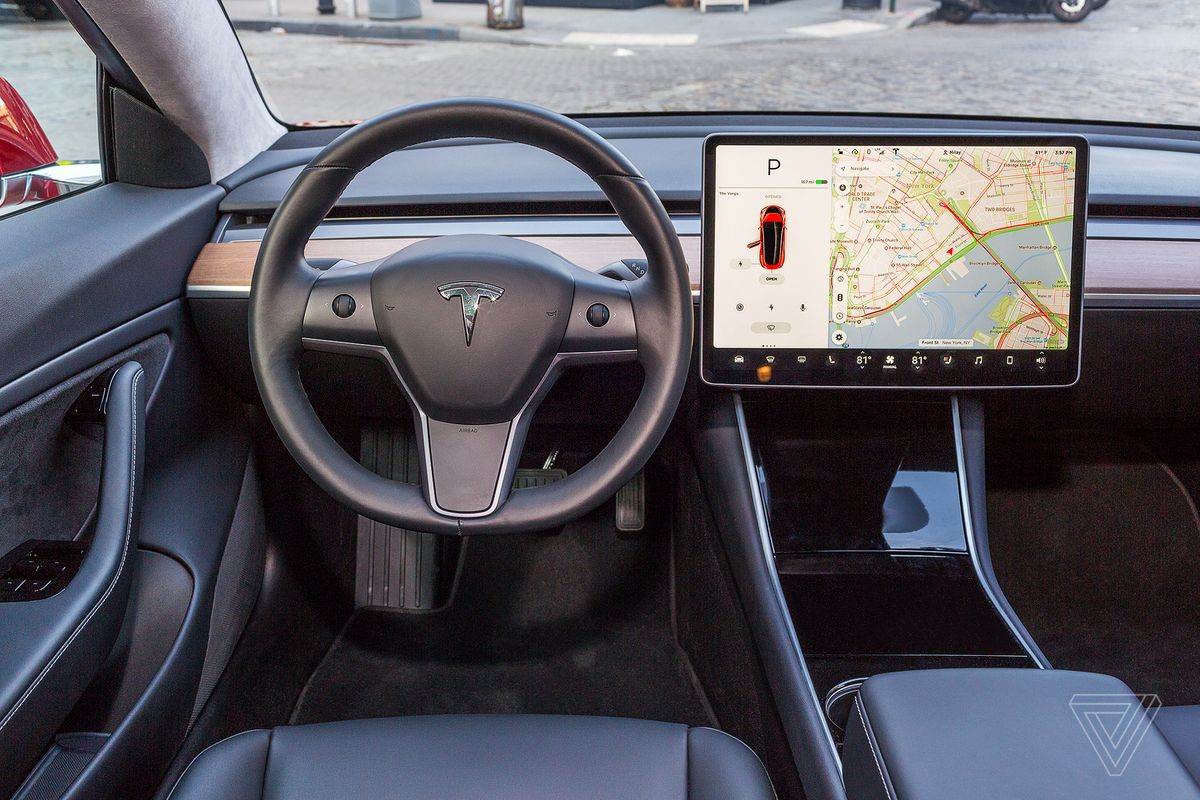
    Tesla’s Autopilot has ranked sixth in 10 driver assistance systems evaluated in a European safety assessment, scoring low on its ability to keep drivers engaged. The Tesla Model 3’s Autopilot scored just 36 when assessed on its ability to maintain a driver’s focus on the road. But it gained the highest marks for performance and ability to respond to emergencies, receiving an overall score of 131 and a rating of ‘moderate’.

    In contrast, the Mercedes GLE’s system, which had the highest overall score of 174 and received the top rating of ‘very good’, received a score of 85 for driver engagement. Most other vehicles had scores of 70 or above for driver engagement.

    The European New Car Assessment Program (NCAP), which worked with UK insurance group Thatcham Research, called the assessments the first consumer ratings specifically focused on driver assistance systems – technology that automates some tasks, including acceleration, braking and steering support.

    Safety and insurance researchers have frequently warned of the risks of consumers overestimating the systems’ abilities, a misconception increased by some automakers calling their products Autopilot, ProPilot or CoPilot.

    Tesla’s Autopilot has been criticized by the U.S. National Transportation Safety Board for allowing drivers to turn their attention from the road and U.S. regulators have investigated 15 crashes since 2016 involving Tesla vehicles equipped with Autopilot.

    “Unfortunately, there are motorists that believe they can purchase a self-driving car today. This is a dangerous misconception that sees too much control handed to vehicles that are not ready to cope with all situations,” said Matthew Avery, a Euro NCAP board member and research director at Thatcham Research.

    In addition to the Mercedes GLE, the BMW 3-Series and the Audi Q8, received the highest rating of ‘very good’ while two models, the Renault Clio and the Peugeot received the lowest rating of ‘entry’.

  • Apple set to add Vietnamese to Siri

    Apple set to add Vietnamese to Siri

    Apple has placed an advertisement for a Vietnamese language specialist for its virtual assistant Siri team.

    According to the LinkedIn job post, the person will be based at Ang Mo Kio in Singapore. The 15 key qualifications applicants require include reading, writing, and comprehension skills in both English and Vietnamese, understanding verbal nuances in Vietnamese, and having an understanding of the Asia-Pacific region and cultural variations where the language is spoken.

    Analysts said the company might be seeking to develop Siri in the Vietnamese market. It currently supports 37 languages, but not Vietnamese.

    According to MacRumors forum, an aggregator of Apple-related rumors and reports on the web, Apple is also looking for Ukrainian, Hungarian, Slovak, Czech, Croatian, Greek, Flemish, Romanian, Polish, and Indonesian language specialists.

    If successful, it is possible these languages will be added to Siri in the iOS 15 update. Apple has gone on a hiring spree in Vietnam since the beginning of this year including from senior roles like regional operations.

  • Traditional matches producer to delist

    Traditional matches producer to delist

    Matches producer Thong Nhat Match Jsc will delist its shares this month since the number of its shareholders has fallen below the minimum requirement of 100.

    They will be delisted on October 21, the Hanoi Stock Exchange announced. It had only 45 shareholders as of the end of last year, according to the company’s annual report.

    The 64-year old company ceased matches production after sales slumped this year and instead switched to importing from India. It had said last year the popularity of lighters was largely to blame for falling demand for matches. Besides, the cost of wood was rising and its outdated equipment could no longer make matches cost-efficiently, it said.

    The company now focuses on producing lighters. Its profit fell 58 percent last year to VND920 million ($39,600). Thong Nhat Match was established in 1956 as a state-owned company with a factory in northern Vietnam. It was equitized in 2002, and has charter capital of VND22 trillion ($950 million).

    Like other traditional companies Thuy Ta Ice-cream and Thuong Dinh Footwear, all over 60 years old, it too has been struggling to grow in the modern competitive market.

  • Monitoring and Controlling Temperature using Wearables

    Monitoring and Controlling Temperature using Wearables

    Regulating body temperature is a problem that humankind has been contending with for millennia. Our physiology adapted to cope with quite a small part of the world, where the climate is a certain way. Once we spread out across the globe, we had to cope with the entire range of weather systems – from hot and humid jungles to icy tundra.

    Of course, when it’s too cold, the technological solution is simple: just wrap up warm. But what happens when it’s too hot? That’s the problem which a new wave of wearable devices aim to solve.

    Perhaps the most eye-catching of these is the Reon Pocket from Sony – a small piece of plastic, chargeable via USB-C, which is built to sit against your skin, and to cool you down via the Peltier effect. Released exclusively in Japan, where the humidity during summer is a problem in some regions, it functions, basically, like a small cold device which sits against the skin, which, while welcome, is a little more local as a cooling effect than some of the marketing material might suggest.

    What’s the Peltier Effect?

    The Peltier Effect is one of three thermoelectric effects, produced by thermocouples of the sort you might find on the RS Components webstore. It allows the creation of solid-state heat pumps. If we take two junctions, and apply a voltage across them to create a current, heat will be removed from one and be deposited at the other. Note that this only works in the case of DC circuits; otherwise you’d have heat being moved rapidly from one junction to the other without any useful effect.

    The traditional means of air conditioning involves pipes of coolant, motors and compressors. Heat is absorbed at one end of a loop and dispersed at the other. This is the function of those big air-conditioning units you might see sprouting from the tops of office buildings. Obviously, this method wouldn’t be practicable in a wearable device. But it’s only very recently that Peltier-based circuitry has gotten small enough that it can be fitted into a wearable device.

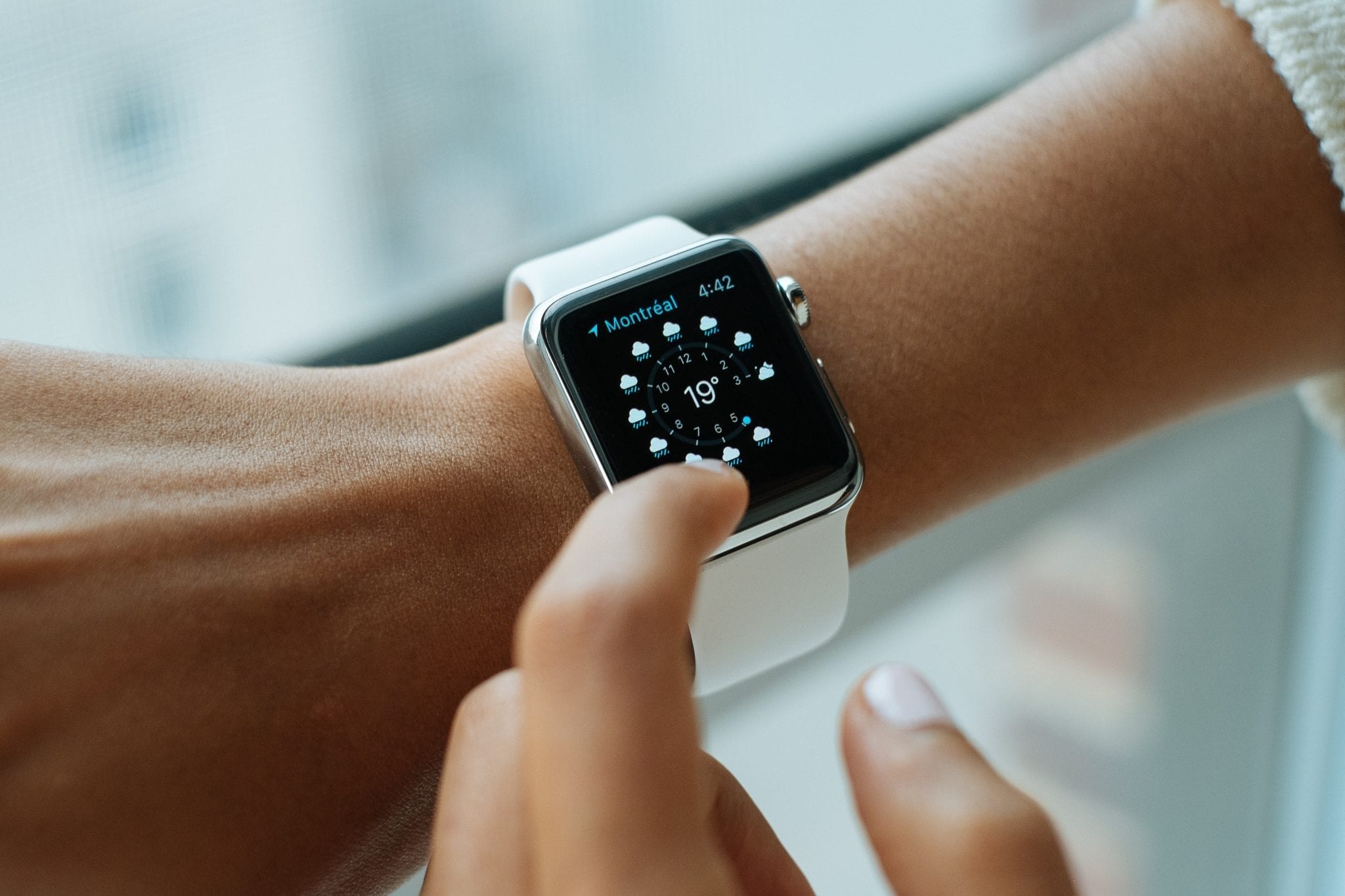
    On the other hand, we also have devices powered by another thermoelectric effect – the Seebeck effect – which actually allows for smartwatches which don’t ever need to be charged. Wearable devices like the Matrix Powerwatch can be powered by body heat alone, meaning that you never have to worry about charging them ever again.

    What about the Environment?

    Naturally, a world where we’re all walking around with air-conditioned jackets is sure to impose a cost on the environment, in much the same way that air-conditioned buildings has done. If the Seebeck effect is properly leveraged, however, then the effect might run in the opposite direction – we’ll have wearable devices that never need to be charged again!

  • DHL Supply Chain partners with Shopee to provide world-class delivery services for the exciting ‘Shopee 10.10 Brands Festival’

    DHL Supply Chain partners with Shopee to provide world-class delivery services for the exciting ‘Shopee 10.10 Brands Festival’

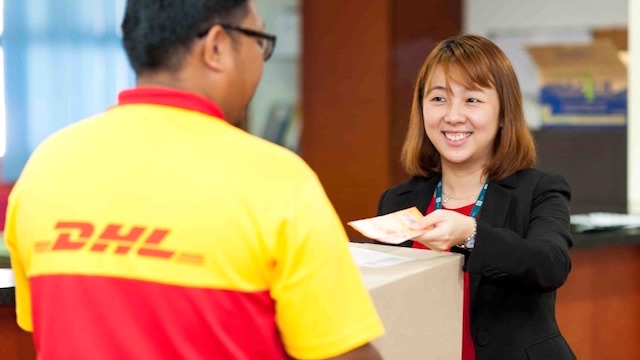
    DHL Supply Chain Thailand, the global market leader in contract logistics solutions, is partnering with ‘Shopee’, the leading e-commerce platform in Southeast Asia and Taiwan, to support  ‘Shopee 10.10 Brands Festival’. In anticipation of the expected spikes in online sales, DHL Supply Chain will extend its logistics support to include the transportation of large and bulky items directly to its customers.

    Kevin Burrell, CEO DHL Supply Chain Thailand Cluster said, “Our partnership with Shopee extends beyond logistics. We see ourselves as a strategic partner who can provide a full range of end-to-end services from warehousing to handling and delivering white goods. With DHL’s innovative technology that is integrated throughout our warehouse and transport services, I am convinced that we are best placed to manage the increased volume with ease and demonstrate our value in ensuring that all of Shopee’s customers receive the best shopping experience.”

    E-commerce is fast becoming a popular choice for savvy shoppers in Thailand, who expect to receive their purchases in pristine conditions and on time. The total value of Thailand’s business-to-consumer sector is valued at about USD 5.5 billion this year up by about 14% as compared to 2019. In reports by App Annie, Shopee continued to rank first in the ‘Shopping’ category by downloads in Southeast Asia in Q2 2020, and was among the top three worldwide in the same category.

    Eric Bui, Head of Operations, Shopee (Thailand) said, “With online shopping growing day by day in Thailand, it is our priority to consistently provide a seamless shopping experience for our users, from the moment they go online, to the purchase, and then delivery. That is why we teamed up with a world-class expert. DHL’s wealth of experience and innovative systems exceeded our expectations from day one, ensuring that we continue to maintain our good reputation with our users. With the previous Shopee double date campaigns, we encountered a spike in demand but DHL was able to meet our customers’ expectations, which made the campaign a resounding success. They will once again be an important partner for us during the Shopee 10.10 Brand Festival.”

    DHL Supply Chain utilizes its expertise to ensure products sold on Shopee are delivered to customers effortlessly. In particular, leading brands on Shopee Mall, which carry many types of products including large and bulky items will benefit from this partnership given that DHL excels in the transportation of such items which require extra care and precision.

  • Google Photos update makes photo editing on Android a breeze

    Google Photos update makes photo editing on Android a breeze

    The Pixel 5 and Pixel 4a 5G are not the only new products revealed today by Google. A couple of newsworthy information regarding Google-made software was announced as well, so if you’re using an Android smartphone, this is certainly for you.

    One of the most important software-related announcements made by Google today involves its Photos app. A new update is now rolling to Google Photos on Android, which makes the app’s photo editing features easier to use than ever before.

    All that is possible thanks to the new, more helpful editor that features smart suggestions and easy-to-use granular adjustments. The latest update adds a new tab in the editor that uses Google’s machine learning algorithm to offer users suggestions suitable to the specific photo they’re editing.

    Suggestions offered to users involve various photo editing features like Enhance, Color Pop, brightness, contrast, and portrait effects. However, in the coming months, Google plans to add even more suggestions to Pixel devices.

    Besides the smart suggestions, the update adds a new layout for the editor that makes it easier to take advantage of granular edits, including brightness, contrast, saturation, warmth, and more.

    A new Portrait Light editing feature will also be coming to Pixel 4a 5G and Pixel 5. This specific feature uses the same machine learning algorithms to further enhance the lighting on faces in portraits. Portrait Light can be added to regular photos too, not just to those captured in Portrait mode. Although it will first be available only on Pixel 4a (5G) and Pixel 5, Google plans to add the feature to more Pixel devices soon.

    As far as the new editor goes, Google Photos users can expect to get it as early as today. The new update is now rolling out to the app on Android, so make sure to download it via the Google Play Store.

  • Facebook merges Messenger and Instagram experiences

    Facebook merges Messenger and Instagram experiences

    We can’t say that this wasn’t bound to happen at some point, but Facebook’s announcement remains a big surprise for Instagram and Messenger users. The social media giant confirmed earlier today that it merged Messenger and Instagram and enabled cross-app messaging.

    According to Facebook, its research revealed that four out of five people who use messaging apps in the United States say that spending more time connecting with friends and family on these apps is important to them. However, one out of three people finds it difficult to remember what app their friends are using.

    In other words, Facebook merged the two messaging experiences to avoid confusion among users, but that’s hardly the main reason. In any case, it’s important to mention that if you’re using Instagram, you can decide whether or not to update your app to benefit from the new messaging experience.

    In addition, Facebook announced that it will roll out more than 10 new features to its Instagram and Messenger users. A new vanish mode has been introduced, which allows users to set messages to automatically disappear after they’re seen.

    To make it clear for those who use one of the two apps or both, the main change is that people using the Messenger app can now reach those on Instagram without needing to download a new app, and vice versa. Furthermore, you can choose where you want to receive messages and calls, like in your chats, in your message requests, or not at all.

    Several Messenger features have been confirmed for Instagram, but they might not be available starting today: Watch Together, Selfie Stickers, Chat Colors, Custom Emoji Reactions, Forwarding, Animated Message Effects, Message Controls, Replies, and Vanish Mode.

  • 2nd airport proposed for Hanoi as air travel boom looms

    2nd airport proposed for Hanoi as air travel boom looms

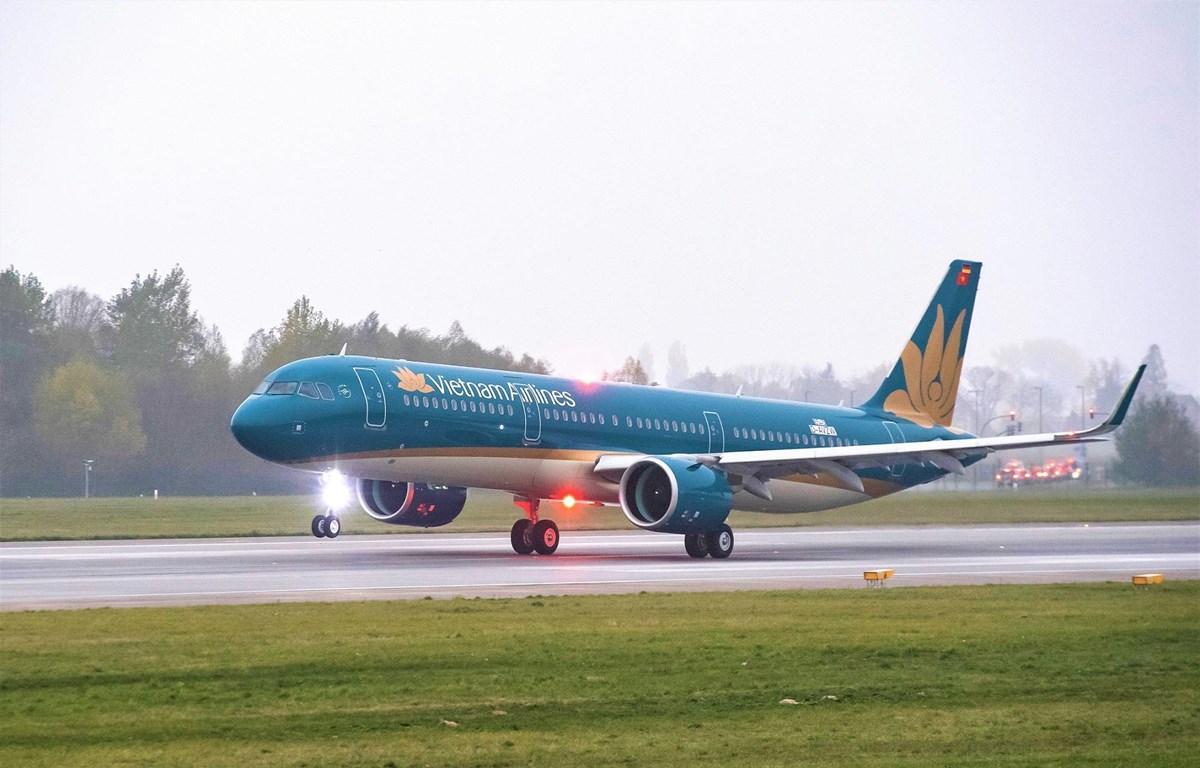
    The Hanoi Department of Planning and Architecture has recommended the construction of a second airport in the city to cope with the rising demand for air travel. The new airport should be built in the southern district of Ung Hoa, 40 kilometers from the downtown, while the existing Noi Bai International Airport should be upgraded and have its capacity doubled to 100 million passengers a year, it said.

    Ung Hoa has several advantages such as good transport links with the city center since it is served by roads, rail, and waterway, and a large area of 1,300 hectares available for the airport, it explained.

    It could become a satellite town with an industrial zone and a logistics complex in the future, it said. Consultancy Transport Engineering Design Inc (TEDI) has said the number of air passengers could reach 150 million a year in the future, and a second airport should be built starting in 2035.

    The number of passengers and cargo passing through Noi Bai Airport has been growing by 10 percent a year reaching 29 million in 2019.

    Its designed capacity is for 25 million passengers. Vietnam generally saw demand for air travel rise before the Covid-19 outbreak, with its airports handling 116 million passengers last year, up 12 percent from 2018, according to the Airports Corporation of Vietnam (ACV).

  • Huawei welcomes a thorough examination of its 5G technology to prove it’s not a security threat

    Huawei welcomes a thorough examination of its 5G technology to prove it’s not a security threat

    Since 2012, Chinese phone and networking equipment manufacturer Huawei has been considered a national security threat. Perceived ties with the Communist Chinese government have the current administration concerned that Huawei collects personal and corporate data using back doors placed inside the company’s handsets and networking gear. Even though this has never been proven and has been denied by the company, President Donald Trump cited “security” for placing Huawei on the Entity List last year preventing the firm from accessing its U.S. supply chain.

    Being placed on the Entity List forced Huawei to scramble to find replacement suppliers for some of the key parts it needs to build phones and networking gear. Losing the ability to license the Google Mobile Services version of Android also meant that Google’s Android apps like Search, Maps, YouTube, Gmail, Drive, and others could not be installed on Huawei phones. In China, where Google’s apps are banned anyway, the absence of these apps wouldn’t affect sales of the manufacturer’s phones. But outside of the firm’s home country, sales of the International Models were reportedly impacted by Huawei’s inability to license Google’s Android ecosystem.

    On the first anniversary of its placement on the Entity List, the U.S. tightened the screws a little more by changing certain export rules. Now, a foundry anywhere in the world must obtain a license before shipping chips made with U.S. technology to Huawei. That includes new cutting-edge 5nm Kirin 9000 semiconductors that are supposed to power Huawei’s most technologically advanced phones this year, the Mate 40 series. These chips are also vital to the production of two-way radios and other gear required for the firm’s 5G networking equipment. The number one provider of such equipment worldwide, the U.S. had asked its allies last year not to use Huawei gear for their 5G networks. Some countries followed the U.S. request while others, like Britain, did not. But now Britain is feeling buyer’s remorse and is thinking about stripping Huawei’s parts out of its new networks.

    According to Reuters, the head of Huawei’s Italian unit, President Luigi De Vecchis, said that the company is ready and willing to have its facilities examined with a fine-tooth comb to prove that its technology does not create a security risk to those countries that use Huawei’s gear in their 5G networks. In Rome on Wednesday, De Vecchis spoke at the opening of the company’s new cyber-security center and stated, “We will open our insides, we are available to be vivisected to respond to all of this political pressure. I am speechless that a country the size of the United States attacks another country through the demolition, via groundless accusations, of a company of that country.”

    Coincidentally, U.S. Secretary of State Mike Pompeo arrived in Italy to begin a two-day visit to the country at the same time that Huawei was opening its cyber-security center. De Vecchis added that the company will not leave the Italian market and in fact is looking to create products for the country in different fields including the energy industry. The Huawei executive said, “It’s extremely unlikely Huawei will leave the market because of the current situation.”

    The U.S. continues to put pressure on Chinese tech firms. U.S. companies now need a license to export certain materials to SMIC, China’s largest foundry (SMIC). And the Trump administration is thinking about adding SMIC to the Entity List as well. Of course, we’ve been closely following what is going on between the White House, short-form video app TikTok, and the latter’s parent ByteDance. Once again it comes down to the same fear over the safety of personal data belonging to American consumers and corporations. And yet, there has been no smoking gun to date.

  • MobiFone offers customers free data, calls to make up for disruption

    MobiFone offers customers free data, calls to make up for disruption

    Telecom operator MobiFone has promised free data, calling, and text credit to customers affected by a network error lasting hours on Tuesday. It will offer 7.5 gigabytes of data for free to subscribers using smartphones and 1,000 minutes of calls in case of feature phones.

    On Tuesday many subscribers complained they were unable to make phone calls, send text messages or access the Internet from around 4.30 p.m. The issue was fixed the same evening. A spokesperson for the state-owned company said Wednesday it was still trying to determine how many subscribers were affected by the issue.

    Many people have expressed indignation that the problem occurred and the fact the operator was slow in notifying them about it. They were unable to contact the operator either during the disruption. In 2005, 2010, 2011, and 2016 too similar problems occurred.

    On December 6, 2018, many MobiFone subscribers in Hanoi and Ho Chi Minh City were unable to connect to the Internet. MobiFone is the third-largest network operator in Vietnam behind Viettel and VNPT.

  • Tokyo Motorcycle Show Cancelled

    Tokyo Motorcycle Show Cancelled

    The 48th edition of the Tokyo Motorcycle Show has been canceled due to the ongoing COVID-19 outbreak, the Tokyo Motorcycle Show Association has announced. The Tokyo Motorcycle Show was scheduled to be held in the spring of 2021, but considering the ongoing coronavirus pandemic, the organizers have decided to cancel the event. The organizers hope to hold the next show in 2022. According to the Japanese publication, Young Machine, the original theme of the 2021 event was meant to be “seeing, touching, and experiencing.”

    The Tokyo Motorcycle Show is one of the biggest motorcycle events around the world, and the Japanese big four manufacturers usually save some of their biggest new models, as well as the most exciting innovations, and the most important launches for the event. The decision to cancel the show will be a disappointment for motorcycle manufacturers, with several other international shows for the year already canceled due to the COVID-19 pandemic. The most popular European show, the EICMA show in Milan, has been canceled, as well as the Intermot show in Cologne, Germany. The UK’s Motorcycle Live show has also been canceled for this year.

    Instead of a physical event where OEMs usually showcase new models and technologies, manufacturers and organizers are expected to host a series of online reveals and ‘shows’ of their own. The change from a physical show has its advantages, of reaching to a wider audience around the world. But there’s nothing like an actual show, where the latest designs and models are on display to be seen up close and make a more personal connection with upcoming motorcycles.