Tag: asia

  • Revolut Singapore Partners Income to Offer Insurance

    Revolut Singapore Partners Income to Offer Insurance

    Both platforms see customer empowerment and digitally-enabled collaborations as key to supporting customer needs. Snack by NTUC Income (Income) and Revolut Singapore will work together to incorporate lifestyle-based insurance offerings on Revolut’s digital banking app to provide more flexibility and boost customer empowerment in money management.

    Snack, launched in June, is a stackable, micro-insurance offering that embeds the purchase of coverage into daily activities. Its partners include Visa, EZLink, FoodPanda and more.

    The partnership with Snack layers insurance protection over our Revolut’s existing money management features and allows our customers access to micro-insurance products that are underwritten by NTUC Income. Customers will have the ability to purchase insurance products such as Term Life, Critical Illness and Personal Accident, with more products to be launched going forward, the announcement said. As part of the partnership, Revolut Singapore customers will also receive a one-time complimentary insurance coverage of S$500 ($367) when they sign up for an account on the Snack app.

    Snack’s modular approach to bite-sized insurance reimagines how people obtain and consume insurance. This provides tremendous flexibility in tailoring solutions based on the needs of customers and integrating it with partners’ platforms to create a unique experience, Peter Tay, Income chief digital officer, said.

    Revolut has reached over 70,000 signups in the republic since its launch one year ago. It has expanded its footprint this year with launches in the U.S., Australia and Japan. In the coming weeks, Revolut will be introducing fast and free top-ups using bank accounts and a prepaid debit card for children aged 7-17 to teach children to better manage money digitally.

  • You might not notice Google’s upcoming change to Gmail

    You might not notice Google’s upcoming change to Gmail

    Google is making a change to Gmail, the company’s extremely popular email service. But this change isn’t adding a new feature or even taking one away. In fact, the effect of this news won’t change the way you use Gmail at all. As it announced, Google is about to change the name of its enterprise-focused G Suite offering. These are apps like Gmail, Calendar, Drive, Docs, Sheets, Slides, Meet, and many more that soon be under the Google Workspace umbrella. Google said today, “Whether you’re returning to the office, working from home, on the frontlines with your mobile device, or connecting with customers, Google Workspace is the best way to create, communicate, and collaborate.”

    In July, Google integrated its video conferencing service Meet with the Gmail app calling it “your new home for work.” Today, the company introduced a brand new logo for Gmail that will bring it more in line with Google’s branding. Instead of the current logo, which uses red lines to create the letter “M” on the back of a white envelope, Google is removing the envelope and is replacing the colors of the four lines. The four colors used in the revised logo, blue, red, yellow, and green, are the colors used by Google for its icons and corporate logo.

    Besides the new Gmail logo, the company is adding a touch of red to the Drive icon so that all four Google colors are included. Other apps, like Duo and Docs, are also getting an icon makeover. Currently, those two have a blue and white color scheme for their icons. But after undergoing their beauty treatment, the Duo and Docs icons will incorporate Google’s colors only. You can also expect the Google Calendar icon to change from blue, white, and gray to blue, red. yellow and green. The accompanying video will show you the changes.

    Google says, “Google Workspace embodies our vision for a future where work is more flexible, time is more precious, and enabling stronger human connections becomes even more important. It’s a vision we’ve been building toward for more than a decade, and one we’re excited to bring to life together with you.” Keep an eye open for the logo and icon changes on your devices.

  • Twitter begins testing new grouped follow feature on Android

    Twitter begins testing new grouped follow feature on Android

    Twitter is constantly testing out new features across its mobile apps. Most recently it made some changes to its automated cropping feature and started testing a ‘read before sharing’ prompt on iOS.

    Today, the social media platform has announced another test.

    Available to a select number of Twitter for Android users, the latest Twitter feature involves a suggestion to follow a group of relevant accounts on the profile page of someone you’ve just followed.

    The accounts can all be followed at once with a simple tap, or users can choose to remove the ones they aren’t interested in. Twitter’s algorithm presumably generates the list of accounts based on what content each one shares.

    The feature replaces the existing suggestion box which lists three users and provides the option to see more relevant accounts.

    Twitter has provided no further information about the test, but if it proves popular among users the feature could eventually makes it way over to iOS through testing before expanding to all users.

  • Deliveroo Singapore partners with barePack to curb  single-use packaging waste from food deliveries

    Deliveroo Singapore partners with barePack to curb single-use packaging waste from food deliveries

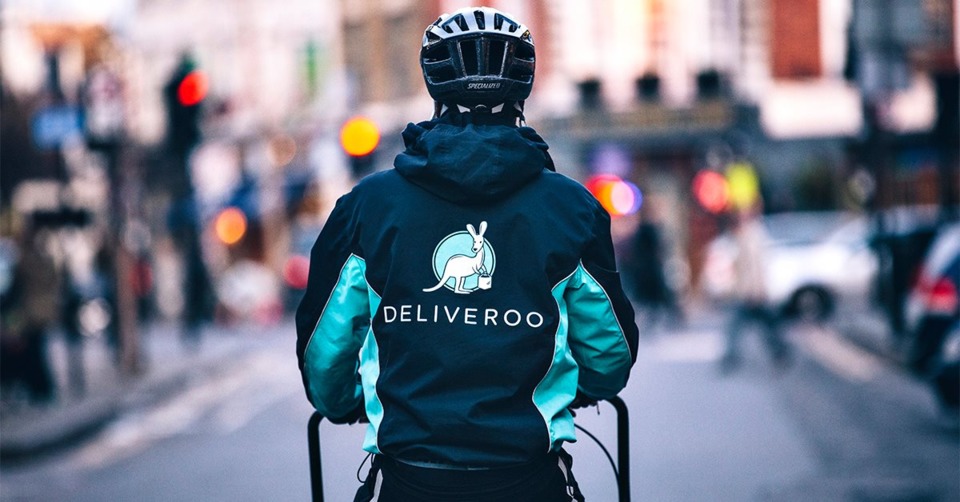
    Leading food delivery service Deliveroo Singapore today announced its new sustainability partnership with Singapore startup barePack to offer customers a returnable container system where customers can elect to use reusable containers for delivery and pick-up orders from over 50 best-loved restaurants across Singapore.

    Deliveroo customers can enjoy their meals in a sustainable way by looking for the “barePack” option in the Deliveroo app. Customers can then select from barePack’s reusable boxes and cups – FlexBox or KindCup – when placing their food orders. To ensure that the containers are safe for food use, barePack’s boxes are made from food-grade silicone and come with BPA-free polypropylene lids, while cups are made from stainless steel. Participating restaurants include large chains and family favourites such as Spizza, SaladStop! and Real Food.

    The new in-app feature will be available for both barePack members and non-members. Existing barePack members can order their food in reusable containers for free on Deliveroo by entering a One-Time Password (OTP) provided in their barePack app. For non-members, the reusable containers are available with a refundable deposit of S$6. Deposits will be refunded when customers return the box to any of the 100 restaurants in the barePack network, half of which are on the Deliveroo platform, across the city.

    barePack’s returnable container system not only leads to less unnecessary waste but also enables a 90% reduction in CO2 emissions compared to the most commonly used disposable alternatives. According to barePack, reusable products when used 50 times has a significantly positive impact on global warming potential. With the initiative, Deliveroo hopes to combat rising disposable packaging waste in the city-state as a result of movement restrictions, especially during the circuit breaker period.

    “As a socially responsible company, we are committed to helping our restaurant partners become more sustainable. We also want to encourage customers to make environmentally friendly choices. We believe amazing food shouldn’t cost the earth and our partnership with barePack marks the latest efforts in our mission to bring customers amazing food in the most sustainable way. We made plastic cutlery an opt-in in 2018, resulting in over 90% of meals now being delivered without disposable cutlery. We are confident that our customers will welcome this new feature and help us foster a reusable takeaway culture in Singapore,” said Sarah Tan, General Manager, Deliveroo Singapore.

    “barePack’s reusable containers are kinder for the planet, better for your food, and safer for your health. We are committed to replacing the millions of disposables used for F&B consumption every day, and this partnership with Deliveroo will go a long way in helping us reach a wider audience and achieve our goals. Great collaborations such as this are really key to achieving a more circular economy,” said Roxane Uzureau, Co-Founder of barePack.

    To ensure the health and safety of customers in light of COVID-19, Deliveroo and barePack have also implemented stringent safety protocols, ensuring that barePack’s reusable containers are collected away from the serving area and batch processed with used crockery. A new sanitised box or cup will also be issued to customers who purchase any of barePack reusable containers, thereby complying with standard vendor health and safety processes and regulations.

    Deliveroo Singapore’s partnership with barePack is part of the company’s ongoing commitment towards sustainability. Initiatives over the past 12 months include a partnership with BioPak, where Deliveroo offered sustainable packaging options to all restaurant partners with discounts to help them make the easy switch to eco-friendly packaging. Deliveroo has also signed the WWF’s (World Wide Fund for Nature) PACT (Plastic ACTion) pledge, committing to encouraging consumer behaviour change as well as restaurant partners to improve their packaging materials.


  • Apple AirPods Pro Lite release date, price, features

    Apple AirPods Pro Lite release date, price, features

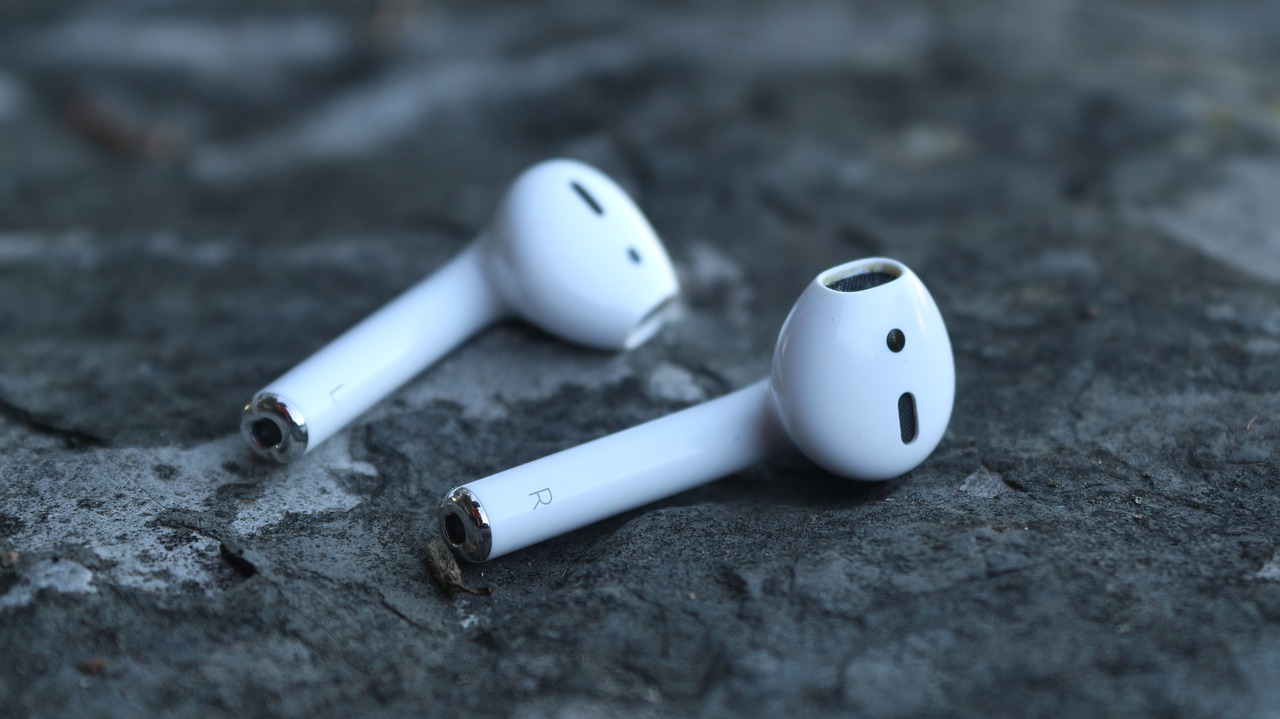
    The AirPods Pro Lite are rumored to be an upcoming model of truly wireless headphones by Apple. They are expected to be more capable than the regular AirPods, but slightly cheaper than the premium AirPods Pro.

    The original AirPods (late 2016) were among the first truly wireless earphones. They boosted the interest in this fledgling category of tech products and established themselves as undisputed leaders. In early 2019, Apple followed with an upgraded version which added a number of things such as wireless charging, “Hey Siri” and slightly better battery life. In late 2019, Apple released a higher-tier variant called AirPods Pro. The AirPods Pro have been a runaway success – they came at a significantly higher price but introduced an improved design, dramatically better sound quality and active noise cancellation.

    Now, the word is Apple is working on a product that is supposed to slide between the AirPods and the AirPods Pro. The rumor mill is referring to that product as the AirPods Pro Lite, but that is by no means its official name.

    So, when will AirPods Pro Lite come out? We wish we knew! And sadly, it’s not like we’re drowning in leaks right now.

    But we can take a look at the next probable dates when Apple could announce the mysterious earbuds. Naturally, what comes to mind first is Apple’s September event – the company’s flagship event where it always reveals its big iPhone releases. This isn’t at all unlikely, as the original AirPods were unveiled at precisely such an event. So, this year, we might see the new AirPods Pro Lite launch alongside the iPhone 12 series.

    Alternatively, the AirPods Pro got their own “online” release in November last year, which was after the big iPhone event had long finished. So the possibility of Apple launching the new AirPods Pro Lite at any time later this year is also quite real. No single release window currently has any real backing, though. Hopefully, we get more AirPods Pro Lite leaks soon that would narrow the options a bit.

    Ah, this is the other money question: how much are the AirPods Pro Lite going to cost! The only lead we have in terms of pricing is that the Pro Lite are supposed to be positioned between the AirPods and AirPods Pro.

    The basic AirPods cost $159.The same AirPods but with a wireless charging case come in at $199. The premium AirPods Pro cost $249.

    Now, that obviously doesn’t leave much room for the Pro Lite to slot in, does it? The way things stand right now, we can’t really see how the rumored model could squeeze itself into the line-up. That said, the TWS (true wireless stereo) market is beginning to saturate, and, as usual, Apple is starting to feel some pressure from the more affordable segments. With that in mind, Apple might want to push the price of the regular AirPods a bit lower to fend of the players in the low-$100 space.

    A fairly conservative possibility would be to have the AirPods at $149, and then the AirPods Pro Lite at $199, and the Pro at $249. That would make for a nice, even distribution across the TWS price spectrum. But this, of course, is pure speculation. Regardless, the $200 mark is roughly the area we expect Apple to position the Pro Lite in, if the model ever comes to light.

    At this point, there is absolutely no information with regards to the eventual AirPods Pro Lite specs. There is some debate going on around the tech community what the middle-of-the-road earbuds should be like, and while some see active noise cancellation as a must-have feature, we believe it might as well not be present.

    ANC is fairly taxing and makes for a great premium differentiator. On the other hand, the AirPods Pro also brings a superb audio quality enhancement over the regular AirPods. With this in mind, it wouldn’t surprise us if the mythical AirPods Pro Lite keep the same design as the AirPods Pro, and deliver the same superb audio quality, but lose the active noise cancellation. This doesn’t seem so unthinkable if you consider the rubber-tip design of the Pro (and possibly the Pro Lite), which is among the best when it comes to the rubber material, the fit and the comfort. Thus, Apple could easily market the Pro Lite as having passive noise cancellation, and call it a day.

    Aside from all that, as we said, if we can trust that the nickname Pro Lite describes the rumored model accurately enough, we’d expect it to keep the same physical design and audio quality. Also, there will surely be Hey Siri support, as well as the same degree of water-resistance.
  • Berluti opens first Malaysian store in KL

    Berluti opens first Malaysian store in KL

    French men’s fashion house Berluti has opened Malaysia’s first store in Kuala Lumpur in partnership with Indonesian retail firm Time International.

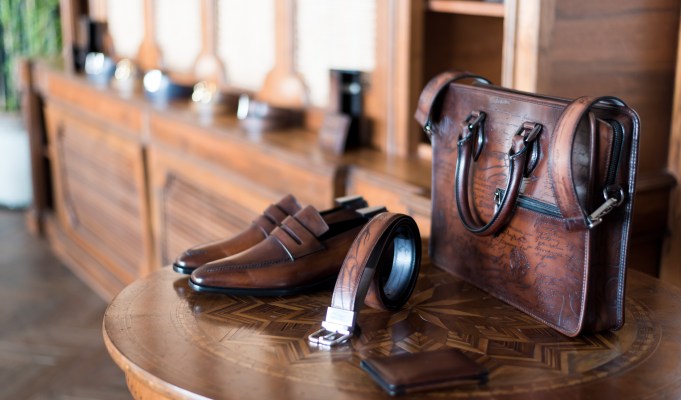
    Located at Suria KLCC, the Berluti store occupies a 105sqm space, offering a selection of men’s shoes, leather goods, ready-to-wear and accessories.

    The store’s facade features a wooden-patterned wall and a display box showing the latest Berluti collection. The interior design uses a warm brown beige palette to highlight the masculinity elements.

    “The ‘full-grain’ club ambiance flawlessly complements the speakeasy reference of the Patina Wall, a genuine ode to Berluti’s savoir-faire,” the company said in a statement.

    “This store shows our commitment to build and expand the brand’s presence in Malaysia and celebrate the iconic French brand with our clients,” said Irwan Danny Mussry, president and CEO of Time International.

    The store also houses the Fall/Winter 2020 ready-to-wear and accessories collection and the Maison’s first patterned canvas collection designed by Artistic Director Kris Van Assche.

  • Ella takes up role as Singapore’s first robotic barista

    Ella takes up role as Singapore’s first robotic barista

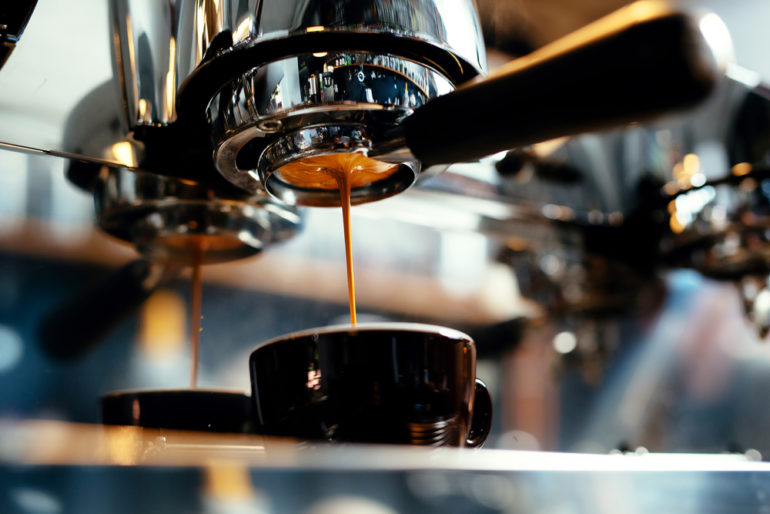
    She is a barista with a very strong arm. And “Ella”, Singapore’s first fully automated robot barista, will be serving customers their caffeine fixes at CityHub mall in Lavender from Saturday (Oct 3).

    Crown Coffee, the food and beverage arm of Crown Group, said the outlet was launched in an effort to push automation and reduce physical interaction in the light of the coronavirus pandemic.

    Ella, named after Crown Group founder and chief executive Keith Tan’s wife, served a range of hot drinks to Minister of State for Trade and Industry Low Yen Ling and members of the media at a launch event on Friday.

    In a speech at the event, Ms Low, who is also Minister of State for Culture, Community and Youth, emphasized the importance of digitalization and automation in navigating the pandemic and zoomed in on Ella as a solution that creates opportunity from chaos.

    “While Covid-19 has severely impacted our businesses and economy, it has also created the impetus for us to build stronger business capabilities and seek out new growth opportunities,” she said.

    Crown Coffee’s new robot barista is able to make up to 200 cups of coffee an hour. It joins a host of new innovations spurred on by Covid-19 such as cleaning robots.

    Ella brews and serves coffee behind a transparent screen in a contactless set-up. Users will have to download the Crown Coffee mobile app, through which they can order drinks, from $4 each.

    Developed by Crown Group’s technology arm, Crown Digital, Ella is Mr Tan’s response to the cost pressures of training and retaining human workers, and a pre-emptive response to digital disruption.

    “We need to disrupt ourselves, as opposed to waiting for things to change,” said the former wealth manager, who started Crown Group in 2016 to follow his passion for coffee.

    Ella has been in development since 2017, when the first prototype was built.

    Mr Tan, 40, said Ella is part of his company’s aim to serve consistent, barista-quality coffee to more people conveniently.

    He added: “Ella’s main application will be in high-traffic areas like MRT stations or airports. Imagine you’re on your way to work and you order your coffee from the mobile app and when you get to the station your coffee is waiting for you.”

    Crown Group is currently seeking funding to expand Ella across Singapore and beyond, said a spokesman.

    Asked about the costs involved compared to employing human baristas, Mr Tan said that it will take some time for any savings from automation to accrue.

  • Qualcomm Snapdragon 875 will be unveiled in December

    Qualcomm Snapdragon 875 will be unveiled in December

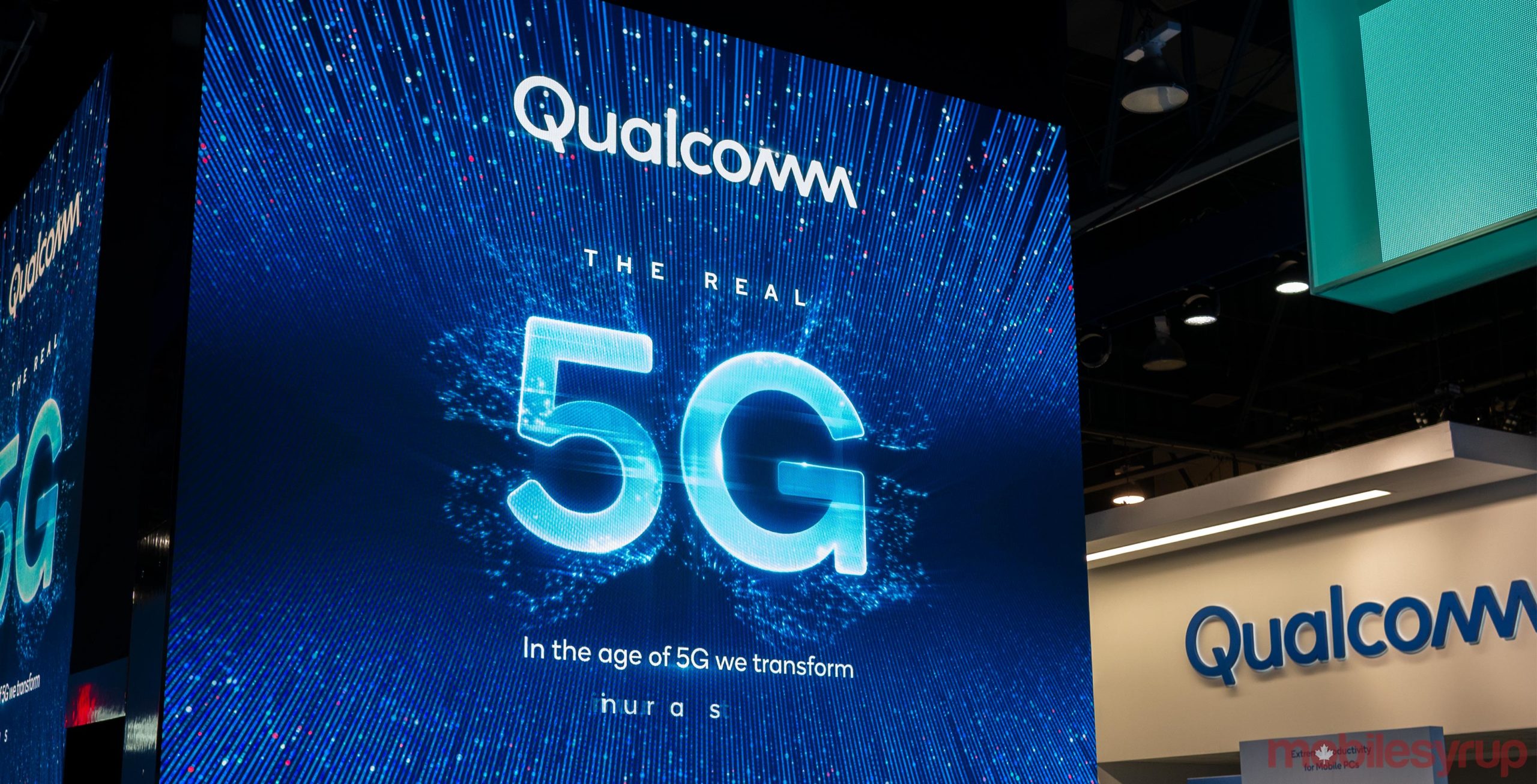
    Qualcomm has started sending out invites for a two-day digital event that will kick off on December 1 and although the chipmaker hasn’t confirmed this, it’s a given that the Snapdragon 875 will be unveiled during the Tech Summit.

    Per rumors, the Snapdragon 875 will be Qualcomm’s first SoC to employ the 5nm manufacturing process. It is expected to have one Cortex-X1 core, three Cortex-A78 cores, and four Cortex-A55 cores. The chip will reportedly be manufactured by Samsung.

    We can expect it to be around 20 percent more power-efficient than the Snapdragon 865. Performance could get a 10 percent boost.

    The Snapdragon X60 5G modem will apparently be integrated within the chip.

    It is not clear at the moment if Qualcomm also plans to announce other chips during the event. The company is apparently working on its first 6nm chip dubbed Snapdragon 775G which will succeed the Snapdragon 765G. Another 5nm silicon and an entry-level chip are also in the pipeline reportedly.

    A couple of reports suggest that Snapdragon 875 powered phones will be faster than the iPhone 12. While Android users may rejoice at the prospect, the alleged high price of the chip could prevent some Android manufacturers from equipping their 2021 phones with the SoC.

    For instance, the grapevine has it that only the highest-end Samsung Galaxy S21 model will be powered by the Snapdragon 875, and the rest will either employ an in-house chip or settle for the Snapdragon 865.

  • Tesla To Buy German Battery Assembly Maker

    Tesla To Buy German Battery Assembly Maker

    Tesla, the California-based electric vehicle manufacturer will soon be acquiring a German battery assembly manufacturing company. As per a report filed by Reuters, the EV maker has agreed to buy ATW Automation company, which is a subsidiary of the Canadian ATS Automation Tooling Systems Inc. It majorly focuses on assembling battery modules and packs for the auto industry. As per a German media report in September, the company was on the brink of liquidation due to a massive slump in orders.

    Last month, the company announced that certain assets and employees at one of its Germany-based units would be sold and transferred to a third party. However, the company did not disclose the name of the company. Based in western Germany, ATW has completed over 20 battery production lines for international automakers.

    As far as Tesla is concerned, the company plans to ramp up battery production in the coming year. And, the EV maker recently confirmed during an event that it would sharply reduce the cost of battery packs within the next three years. The company is also building its third Gigafactory near Berlin, which will also include a battery plant. It also aims to initiate construction at its new vehicle factory in Texas later this year.

    Tesla’s future product line-up includes the light-duty Cybertruck and the Semi truck. Both vehicles will require higher battery capacities. The company on Friday announced that it had delivered over 1.39 lakh vehicles globally in the third quarter and aims to sell half a million vehicles by the end of 2020.

  • Coloring foods black, a growing trend in Vietnam

    Coloring foods black, a growing trend in Vietnam

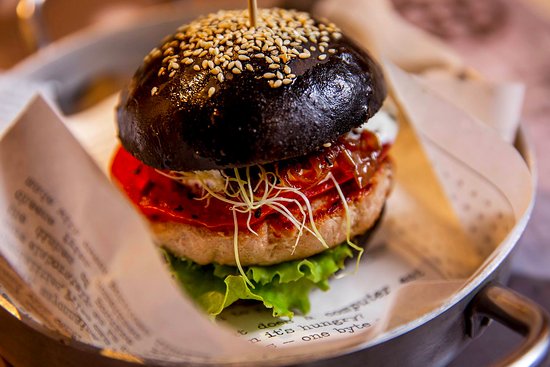
    Whether its bread, ice cream, or moon cake, Vietnamese are increasingly preferring it to be black-colored. Tuan, owner of a bakery in northern Ha Long Town, sells 300-700 black banh mi (Vietnamese sandwich) a day for VND25,000-45,000 ($1.08-1.94) each.

    He makes the bread using flour and bamboo charcoal, which is believed to be a natural detoxifier though there has been no formal research into it.

    He said many people come to buy the sandwiches for their unusual look and taste.

    Similar black sandwiches are also sold in Ho Chi Minh City, Binh Duong, and Dong Nai in the south. Hieu in HCMC’s Phu Nhuan District sells over 1,000 of them a day. A friend had suggested the idea to him after returning from Japan, where bamboo charcoal is a popular ingredient in food and beauty products.

    During the Mid-Autumn Festival this year, on October 1, black charcoal moon cake was a sought-after item. Hang in HCMC’s District 3 sold out all 3,000 of her black moon cakes a week before the festival though they cost more than regular cakes.

    But there are concerns about the use of imported bamboo charcoal without quality standards, he said. Bamboo charcoal is also used in ice cream. Mai Truong Giang, the owner of fried chicken chain Otoke Chicken which sells this product, said bamboo charcoal has been used in food in many countries for long to create an unusual look.

    Coloring food black could just be a fad and fade away after a while, he speculated.

  • Apple sues recycling firm seeking $22.7 million for theft of over 100,000 iPhones

    Apple sues recycling firm seeking $22.7 million for theft of over 100,000 iPhones

    Apple is back at its home away from home; in court, we mean. The tech giant is suing a Canadian recycling firm called Geep Canada alleging that the firm stole 100,000 Apple devices including iPhones, iPads, and Apple Watches. Apple has been using the firm since 2014 to strip down these devices and recycle them.

    The interesting thing is that Geep Canada doesn’t deny that the devices in question were stolen. But in a countersuit filed by the firm, it claims that three rogue employees were responsible for the thefts which reportedly occurred without the company’s knowledge. Apple says that the three so-called “rogue employees” are actually members of Geep Canada’s senior management.

    The filing that Apple submitted to the court says that between January 2015 and December 2017, the company shipped 531,966 iPhones, 25,673 iPads, and 19,277 Apple Watches to Geep Canada. When Apple visited the recycler’s warehouse to perform an audit, it discovered that some of its devices were being stored separately from devices from other companies. When Apple discovered that there were no security cameras monitoring that gear, the company decided to check the serial numbers of all of the devices it sent to Geep Canada. What it discovered was that 18% of the devices it had sent to Geep to be stripped for parts, a total of 103,845 phones, tablets, and watches, were active on networks belonging to wireless providers. Apple notes that the actual number of stolen devices is higher since the non-cellular iPad and Apple Watch models wouldn’t show up on the carriers’ lists.

    Apple’s lawsuit shows that “At least 11,766 pounds of Apple devices left Geep’s premises without being destroyed – a fact that Geep itself confirmed.” The manufacturer is seeking $22.7 million from Geep Canada. Since someone was able to sell the devices in question, you might wonder why Apple just didn’t decide to sell them itself. But the tech giant told The Verge that “Products sent for recycling are no longer adequate to sell to consumers and if they are rebuilt with counterfeit parts they could cause serious safety issues, including electrical or battery defects.” Selling these devices when they are no longer safe or good to use can not only harm consumers, doing so can also harm Apple’s reputation if these products can’t perform up to par. Apple filed the suit in January 2020 although the thefts were discovered in 2017-2018. Since Apple confronted Geep Canada, it has stopped working with the company.

    At the beginning of this year, we told you that Apple is looking to recycle all of the parts used on its devices and become a closed-loop manufacturer. Apple also relies on robots like Daisy that can strip and keep the parts of 200 iPhone units an hour. But not everyone believes that Apple is best served by recycling old products. Consider Kyle Wiens, the founder of device repair company iFixit. He would prefer that Apple repair older iPhones rather than strip them down and recycle the parts.

    Daisy the robot can disassemble an iPhone (think of it doing the opposite of what Foxconn’s assembly line does) using a blast of freezing cold air weighing in at -176 degrees Fahrenheit. Apple removes and keeps screws and modules and sends some parts to recycling firms tp extract the minerals. Cobalt is removed from the batteries inside these older devices and is used on new batteries. Once Daisy removes an iPhone’s display, sensors, screws, logic boards, and the wireless charging coil, all that is left is an aluminum chassis. The aluminum is reused on newer devices while the solder used to mount components on new devices is produced from 100% recycled tin.

  • Cartier opens Sanya flagship

    Cartier opens Sanya flagship

    Cartier has teamed up with China Duty Free Group to unveil its new-look boutique at Sanya International Duty-Free Shopping Complex.

    The Cartier Sanya boutique features an activation pad, which plays a “central” role in the concept, bringing the boutique “to life” for new launches and gatherings.

    In the brand’s first-ever rollout of a new waiting lounge concept, guests at the shop are welcomed in a décor featuring subtle shades of champagne and wood details, accompanied by curled walls in a rectangular space.

    To mark the boutique’s opening Cartier has curated pieces including the Panthère de Cartier Jewellery Collection – as modelled by actress and singer Victoria Song at the opening event – as well as a number of other highly sought-after signature Panthère de Cartier pieces.

    They include the Révélation d’une Panthère Watch, La Panthère Watch, Panthère de Cartier Necklace, Panthère de Cartier Ring, and Pasha de Cartier skeleton steel watch.

  • H&M launches E-commerce initiative on Zalora Philippines

    H&M launches E-commerce initiative on Zalora Philippines

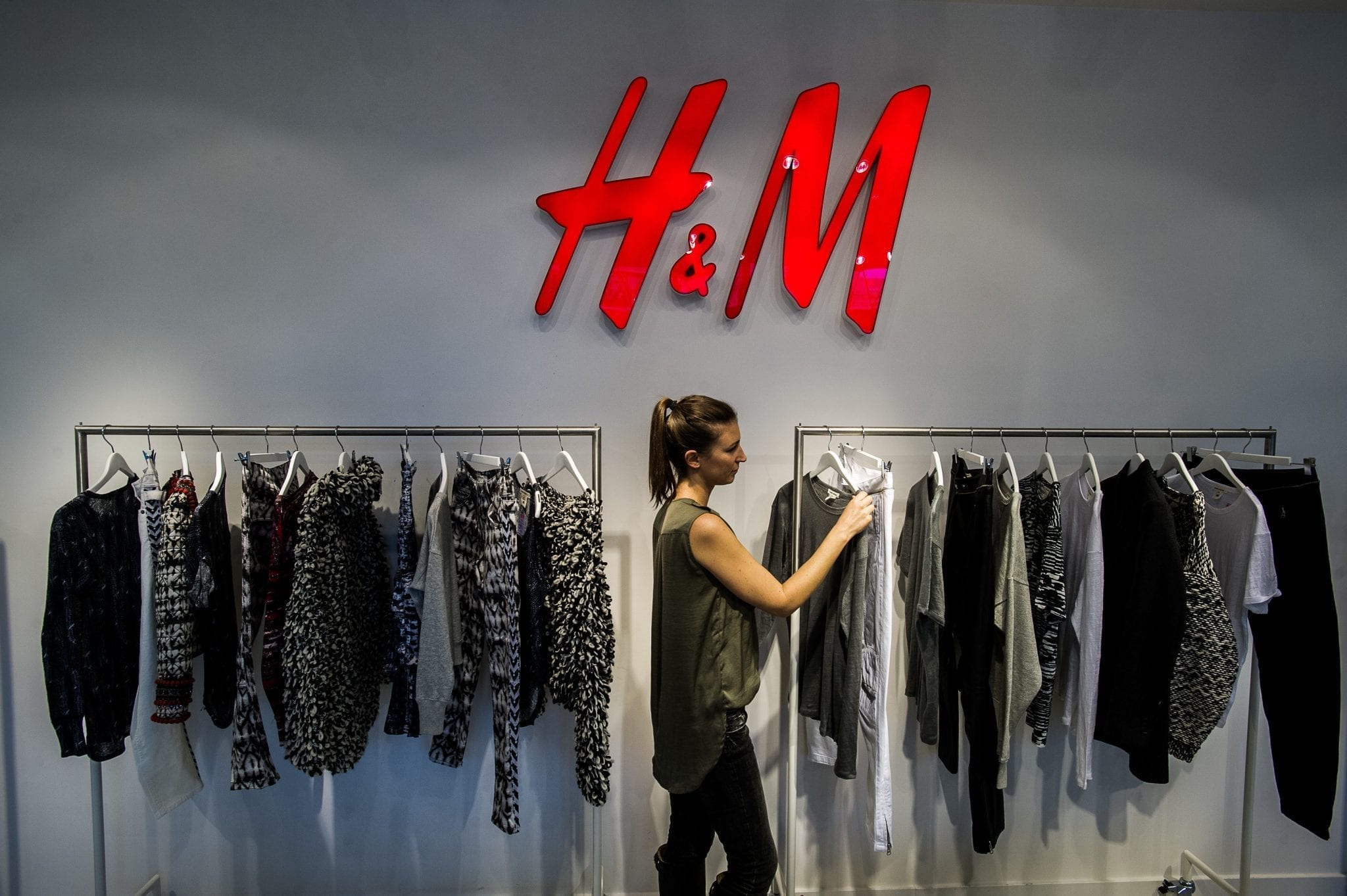
    Global Fashion Group (GFG), the leading online fashion & lifestyle destination in growth markets announces the launch of a two-month partnership between H&M and ZALORA Philippines.  ZALORA is the first e-commerce platform H&M has worked within the region.

    The two-month partnership with global fashion brand, H&M will be available from 1 October to 30 November 2020 on the ZALORA Philippines website where customers can shop a diverse range of H&M apparel, shoes, bags, and accessories ranging from Ladies, Young Ladies, Men and Kids.

    “We are delighted to collaborate with ZALORA on this new journey that we are exploring in the Philippines. For us to meet new and existing customers where they are and when they want is something we have been looking forward to. They will be happy to find stylish and basic essentials that are affordable and friendly to our planet, true to our business idea of offering all our customers fashion and quality at the best price in a sustainable way. ZALORA’s values and culture align well with ours and we admire their commitment to providing good and trustworthy customer experience, something that we deeply commit to at H&M,” shares Sylvain Crouzat, Country Sales Manager for H&M Philippines.

    This partnership is not only ZALORA’s biggest brand launch in 2020 to date but also broadens access to innovative options for the conscious shopper. H&M’s Ladies Fall Collection will feature sustainable pieces built around recycled materials—giving new life to old PET bottles, old garments, or textile off-cuts. All the pieces from the Kids Category are also made with 100% sustainably sourced cotton and zero harmful chemicals. Shoppers may easily search for these sustainable finds by using ZALORA’s Earth Edit filter on the website and app.

    “In true ZALORA style, we are kicking off the final quarter of the year with a bang through this very exciting partnership with H&M. Since we launched ZALORA, H&M has been among the most sought-after brands by our customers so we’re excited to allow them to conveniently shop their favorite brand from the safety of their homes, especially during this time,” shares ZALORA Co-Founder and CEO, Paulo Campos III. “As advancements in technology continue to push fashion to more progressive heights, H&M and ZALORA are at the forefront of this endeavor. The collaboration reflects how both brands are committed to expand opportunities and options for shoppers in the digital age,” he adds.

    H&M is now available on ZALORA at  zalora.com.ph/hm with prices starting at PHP 299.

  • New investment venture UCG to buy hip brands and scale them for China

    New investment venture UCG to buy hip brands and scale them for China

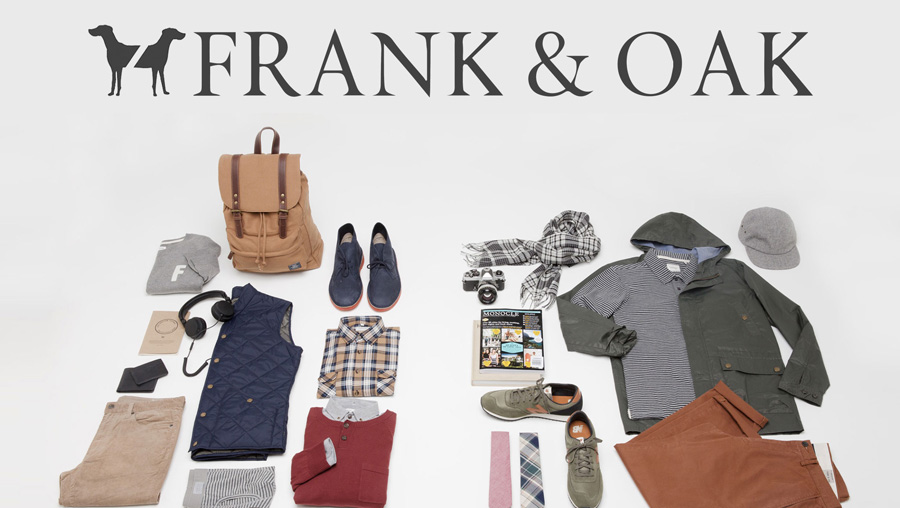
    Unified Commerce Group, an exciting new retail acquisition and advisory group designed to drive innovation in the retail industry, and Frank And Oak, Canada’s award-winning sustainable fashion brand, today announced UCG’s strategic investment in Frank And Oak. Through access to its multi-disciplinary retail experts and vast industry network, UCG will provide Frank And Oak with the necessary resources to continue to nurture the brand’s strong following within Canada as well as fuel its expansion into the United States and its growth into new markets, including Asia.

    UCG was founded in 2020 by Omnichannel & New Retail pioneer Dustin Jones and Wall Street veteran Greg Freihofner to build a portfolio of purpose-driven brands that connect with consumers on a global scale and in the world’s most dynamic markets. Frank And Oak is UCG’s first strategic investment and sets the stage for future global brand investments and acquisitions. UCG’s tech-enabled platform drives scale for its brands through unified services; harmonizing strategy and execution to design, operate, and push boundaries in retail.

    “We are delighted to welcome Frank And Oak to UCG,” said Dustin Jones, co-Founder and Chief Executive Officer of Unified Commerce Group. “Frank And Oak is exactly the type of brand we set out to work with and we are excited to embark on its next chapter. In collaboration with the brand’s skilled CEO Jeremy Brown and the talented team in Montreal, we look forward to furthering the brand’s success in Canada and abroad.”

    Launched in 2012 by long-time friends Hicham Ratnani and Ethan Song, alongside a small group of passionate creatives, Frank And Oak design men’s and women’s apparel and accessories from its Montreal headquarters that are made to last with the highest standards to keep up with our demanding lifestyles, while ensuring minimal impact on the planet. A certified B Corporation, Frank And Oak is beloved in Canada and the US for its core values of sustainability, transparency, and functionality that are reflected in both its products and business practices. Like many retail brands worldwide, Frank And Oak has been significantly impacted by the Coronavirus pandemic and, as a result, filed a notice of intention to make a proposal in June 2020. The brand’s restructuring and its newly announced partnership with UCG are to be implemented through an asset sale transaction for which Modasuite Inc., the current Frank And Oak operator, is seeking the approval of the Superior Court of Quebec. Provided such approval is obtained, it is anticipated that the transaction will close shortly thereafter.

    Jeremy Brown, Chief Executive Officer of Frank And Oak said, “We are privileged to partner with Dustin, Greg, and the multi-faceted team at UCG who truly embody our values and share our optimism and vision for Frank And Oak. The support and guidance from UCG will allow us to drive sustainable long-term growth for Frank And Oak.”

    Hicham Ratnani, co-Founder and Chief Operating Officer of Frank And Oak said, “UCG provides an exciting path forward with a group that appreciates and will invest in our unique assets, vision, and team. I’m immensely proud of all that we have accomplished and overcome and the direction we are moving in as a brand.”

    As UCG and Frank And Oak embark on their partnership, together they will work to further Frank And Oak’s commitment to sustainability, and introduce the brand to new markets. Frank And Oak will proudly remain headquartered in Montreal – the city that inspired its creation and continues to fuel its evolution.

  • Hypebeast opens its first cafe, in Hong Kong: Hypebeans

    Hypebeast opens its first cafe, in Hong Kong: Hypebeans

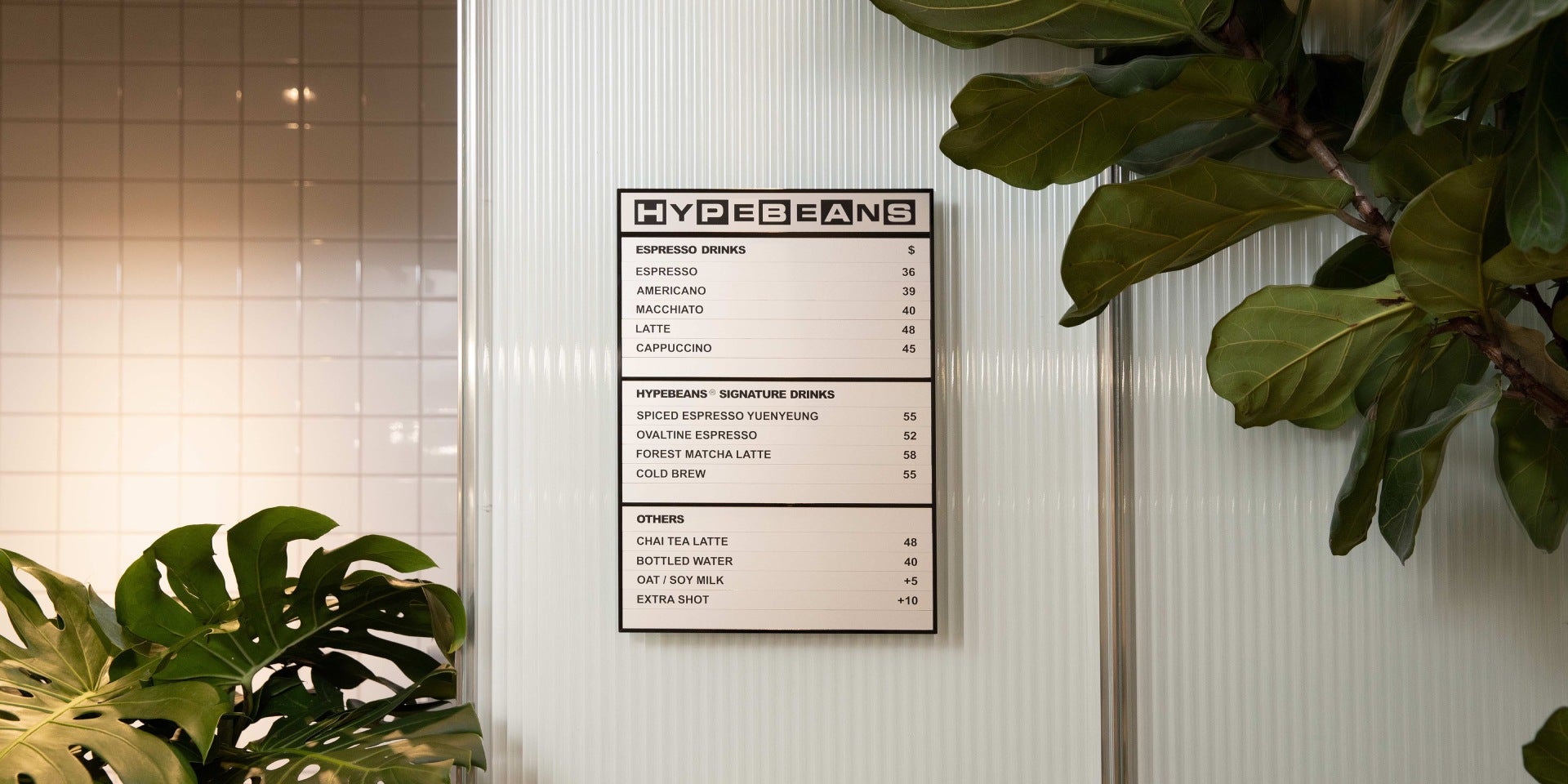
    Following the reopening of the HBX Hong Kong location, HYPEBEAST is now officially launching HYPEBEANS. Serving as HYPEBEAST’s first step into the realm of culinary culture, HYPEBEANS is a communal destination centered around quality coffee.

    Located inside the retail expression, the offshoot offers a menu created with quality over quantity in mind. HYPEBEANS strives to accent lifestyles, effortlessly becoming part of daily routines. HYPEBEANS is a reflection of the intimate friendship between Kevin Ma and world-renowned barista Hiroshi Sawada, connected by mutual friend Hiroshi Fujiwara. The two became closer through a shared interest in fashion and the culinary arts, commemorating their bond through space where like-minded individuals in the city can gather.

    “Here at HYPEBEANS, we want to promote a lifestyle surrounded by culture,” says Kevin Ma, CEO and founder of HYPEBEAST, “we encourage creative collaborations here as an extension of the HYPEBEAST community.”

    For the menu, Sawada drew inspirations from Hong Kong-style cafés to present contemporary creations with nostalgic flair and traditional beverages crafted with a unique blend of coffee beans roasted by Japanese artisans. Signature drinks include the Spiced Espresso Yuenyeung – inspired by the iconic black tea and coffee drink and finished with star anise, Ovaltine Espresso – a milky drink utilizing the classic milky malt extract, Matcha Latte – a signature at SAWADA COFFEE USA centered around a custom blend of matcha and espresso, along with the HYPEBEANS Cold Brew.

    Take a look at the space below and check out some of the offerings at HYPEBEANS above.

    HYPEBEANS
    Shop B30, LANDMARK MEN, LANDMARK ATRIUM
    15 Queen’s Road Central
    Central, Hong Kong
    Opening Hours: Monday – Friday: 8 a.m. – 6 p.m. / Saturday, Sunday & Public Holidays: 10 a.m. – 7 p.m.

    For more food and beverage news, Shake Shack recently introduced its interactive “Shack Camp” family experience.