Tag: asia

  • Outdoor Venture unveils new retail concept

    Outdoor Venture unveils new retail concept

    Despite COVID-19 restrictions, there is plenty to do outdoors and plenty to do in Scouting. The Chief Cornplanter Council of the BSA and Chapman State Park are sponsoring a Cub Scout Outdoor Venture from 2 to 6 p.m. Sunday. The event is intended to give families a feel for the kinds of activities Scouts participate in, District Executive Jim Shaw said. And, “we’re trying to show people you can still do things outdoors.

    Chapman Dam is such a great asset. It’s amazing how beautiful it is and how many different things they can do.”

    “We’ll have a treasure hunt geocache,” he said. “Knot-tying, tree identification nature hike, archery, boating, fishing, and field games like capture-the-flag and tug-o-war.”

    The Martz Observatory is providing a solar scope. There is a special filter on the telescope that will allow visitors to look directly at the magnified sun. Most of the events will be ongoing from 2 to 6, but some, like geocaching and the guided hikes, will follow a schedule.

    “You can bring the whole family,” Shaw said. “Everybody’s welcome. No charge.”

    The registration area will be located in the pavilion nearest the spillway. Visitors should take the left turn at the park entrance, cross the bridge at the spillway, and turn into the first parking lot. There will be signs to help with navigation.

    Families are welcome to sign up youngsters for Scouting. Anyone who signs up will be entered into drawings for door prizes, Shaw said.

    Precautions against the spread of respiratory illness will be taken, according to Shaw. Masks will be available for those who do not bring them. Social distancing will be maintained. Hand sanitizer will be available at each station and Scouts and volunteers will wipe down equipment between each use.

  • China’s Miniso makes it’s Parisian debut

    China’s Miniso makes it’s Parisian debut

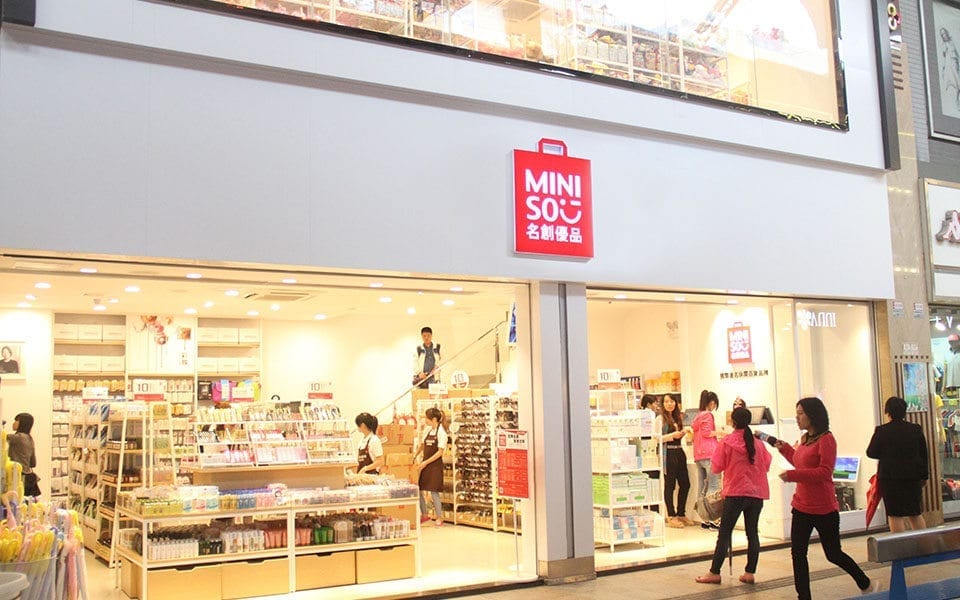
    MINISO, the Japanese-inspired lifestyle product retailer, opened its inaugural outlet in Paris today. The first store to open in Europe since the company’s successful listing on the New York Stock Exchange earlier this month, it signals continued global expansion for the brand as retail rebounds in Europe.

    Two more store openings are planned in France for this year, and MINISO aims to open additional locations in 2021. The retailer offers around 2,000 creative and low-priced goods ranging from creative home necessities, health and beauty products, fashion accessories and stylish gifts to office supplies, boutique package decorations, digital accessories, as well as food and seasonal products.

    Luxury bargains for fashion-forward consumers

    Shoppers in the chic District 8 now have the choice to purchase sleek goods without worrying about the price tag. Located on 58 Rue de la Chaussée-d’Antin, MINISO’s new store is within walking distance of Paris’ luxury stores, and offers more than 80% of its well-designed, quality products priced at under 10 euros.

    Before officially bringing its international aesthetic to the global fashion capital, MINISO first caught Parisians’ attention by debuting 40 original products at the Manson & Objet Fair last September. Almost exactly one year later, the brand was introduced to the French market by seasoned retail businessman Jonathan Siboni, the President of Luxurynsight.

    “Following much anticipation, I am thrilled to bring MINISO to French consumers. MINISO was a love-at-first-sight story for me at the Maison & Objet Fair last year,” said Siboni. “From the start, Ye Guofu’s vision has been generous and consistent, with an accent on customer experience. We have solid evidence that only being a visionary in retail can lead to also becoming a giant in digital. I was set on bringing this popular brand to the French market the moment I saw their stylish yet affordable products together with their advanced store management, and even more so determined after visiting dozens of MINISO stories throughout Europe.”

    MINISO, too, shares that excitement and eagerly looks forward to bringing its successful brand to France.

    “For MINISO, the French market is one of the most important and influential markets in Europe and across the world. Through our close collaboration with Mr Siboni and his team, we plan to open two other stores in Paris by the end of this year, said Edward Zhu, MINISO regional director. “We are confident that French consumers will increasingly fall in love with the thousands of affordable, quality products that MINISO has to offer.

    International design influence

    In 2018, the company established the MINISO Design Academy (MDA) in order to create more high-quality products that skillfully blend creativity and practicality. As of this June 30, the MDA has teamed up with 25 external partners and 49 brilliant designers from FinlandDenmarkNorwaySpain and South Korea. Their work has won 28 renowned international design awards such as the iF, Red Dot and ‘K Design’. The company is also continuously searching for and cultivating young designers with its MINISO Design Day, participating in art fairs and holding design competitions.

    MINISO opened its first store in Guangzhou, China, in 2013. Following seven years of rapid growth, MINISO has now opened more than 4,200 stores in over 80 countries and regions, including the US, UK, CanadaAustraliaSpain, UAE, India, and Mexico. Earlier this month, MINISO listed on the NYSE, becoming the fastest budget chain to go public.

  • Tesla May Build A Battery Plant In Indonesia

    Tesla May Build A Battery Plant In Indonesia

    Tesla is reportedly planning to build a facility for making batteries in Indonesia a report by CNBC revealed. “Minister of Industry (Menperin) Agus Gumiwang confirmed about Tesla’s plan, he said that Tesla would later be directed to build a factory in Batang. Currently, the discussion process between Tesla and the government is still ongoing,” says the report.

    “I said you put the investment here today, we will give the reserves. So, if we always change from commodity base to downstream. So, we see production downstream. That will turn Indonesia into a great country into the global supply chain,” said Indonesia’s coordinating minister of maritime affairs and investment, Luhut Binsar Pandjaitan.
    Reportedly, this facility would come up in Batang. All this comes after Tesla CEO Elon Musk pleased with mining companies to increase their Nickel production. Tesla was already in talks with the Indonesian government for building a new venture for nickel as the South East Asian country has rich reserves of the mineral.

    Indonesia has banned exporting Nickel which could be one of the reasons why Tesla is now keeping to invest in the country. Tesla has already outlined its vision for scaling the production of its batteries to 200 GWh by 2023 and 3 TWh by 2030 and the only way it will achieve this ambitious target is by having a facility in Indonesia.

  • Daimler Chief Eyes China Growth As Trade Tensions Rise

    Daimler Chief Eyes China Growth As Trade Tensions Rise

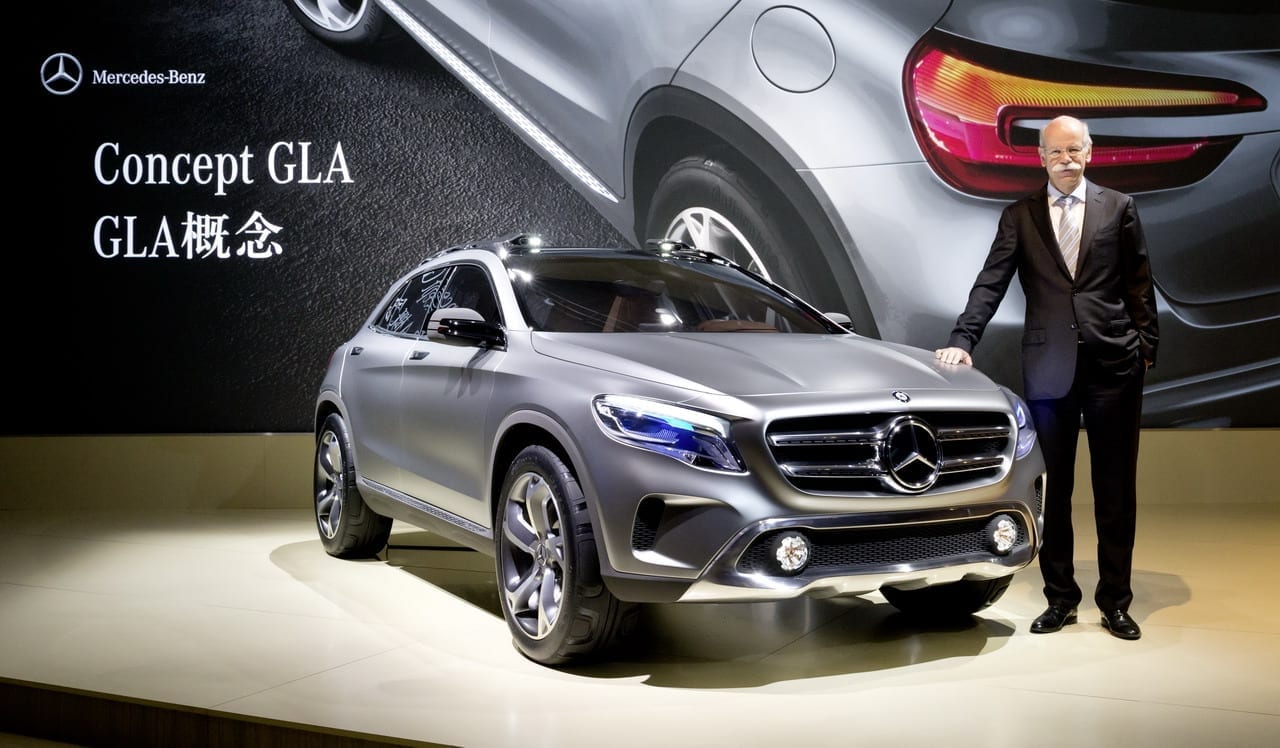
    Daimler’s Chief Executive said China will remain Mercedes-Benz’s biggest growth market in the next decade and the German carmaker will adjust production locations to capture shifts in demand as global trade tensions continue to rise.

    The remarks by Ola Kaellenius come against a backdrop of increasingly strained relations between the United States, China and Europe after almost a decade of growth that has helped Mercedes to emerge as the world’s biggest-selling luxury car brand.

    “The situation has become much rougher, with a tendency toward rougher talks, right up to and including trade conflicts,” Kaellenius told the Frankfurt-based ICFW Journalists association late on Monday. “We need to look at our production footprint and where it makes sense, shift our production,” he said during the video call meeting.

    “Last year we sold around 700,000 passenger cars in China. The next biggest market is the U.S. with between 320,000 and 330,000 cars.”

    Thanks in large part to a strong rebound in demand from China, Daimler and German rival BMW both pre-released forecast-beating third-quarter results.

    “In the next 10 years we also expect the biggest growth in China,” Kallenius added, explaining that the luxury carmaker will follow the market.

    But with international trade tensions on the rise, the outlook for global sales remains uncertain.

    Britain’s Brexit negotiations could end without tariff-free trade with the European Union and serves as an example of how things can go wrong, the Swedish executive explained.

    If Britain and the European Union fail to clinch a deal, World Trade Organization (WTO) rules would apply, resulting in tariffs.

    “In the event of a so-called hard Brexit, we would not open factories, because this would not be worth it, given our sales numbers,” Kaellenius said, referring to sales in Britain. “We would have to learn to live with WTO rules.”

    Increasingly fragmented global markets make it harder to build cars at a profit because it reduces economies of scale in production, he said.

    Mercedes-Benz, for example, only builds its top-of-the-line S-Class model in Germany. With global sales of only 100,000 vehicles, it hardly makes business sense to build new production lines in the United States and China to build these cars locally, he said.

    However, tensions between the United States and the rest of the world are likely to remain, regardless of whether the Republicans or Democrats win the U.S. election next month.

    “What the two (presidential) candidates are saying is that they have an interest in improving the trade balance, and we need to be ready for that,” Kaellenius said.

  • Vietnam PM tells Samsung to set up chip plant

    Vietnam PM tells Samsung to set up chip plant

    Prime Minister Nguyen Xuan Phuc has called on Samsung Electronics to build a semiconductor plant in Vietnam. He made the suggestion at a meeting on Tuesday with the South Korean company’s vice chairman, Lee Jae-yong, who is on a three-day business trip to Vietnam to explore business opportunities, the Government news site reported.

    He said a semiconductor plant would enable the company to have a closed production chain in Vietnam where it already has smartphone and consumer electronics plants.

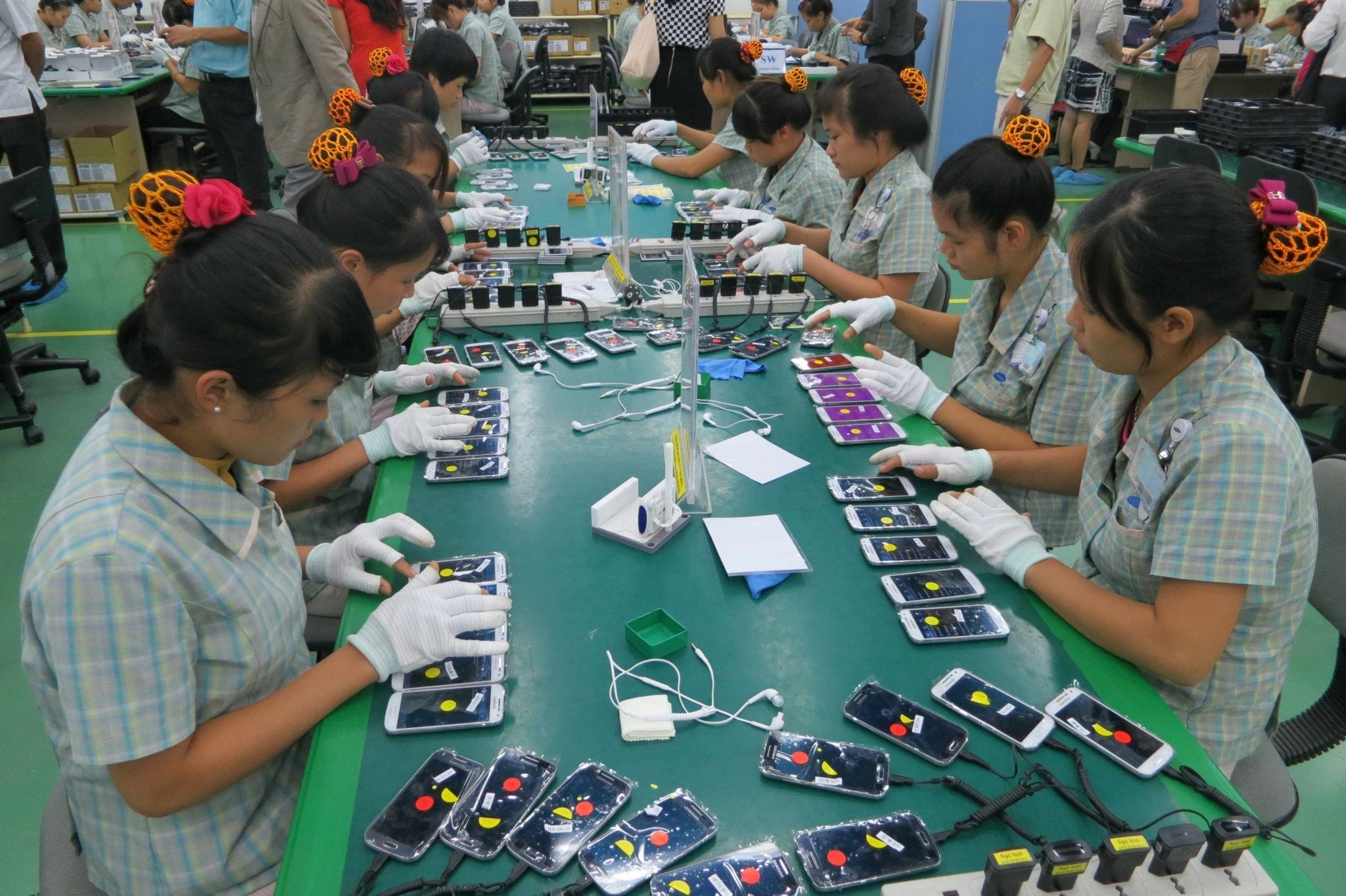
    Samsung has two factories making smartphones in the north and a consumer electronics manufacturing plant in Ho Chi Minh City.

    Phuc promised Vietnam would create the best possible conditions for Samsung to invest, including in R&D and hi-tech projects.

    He said Vietnam has managed to contain the Covid-19 pandemic and would be the only country in Southeast Asia to achieve positive growth this year, possibly emerging as the fourth-largest economy in the region this year.

    Lee said Samsung’s $220 million research and development center in Hanoi, the first of its kind outside South Korea, would begin functioning in 2022. Construction began in March this year.

    With more than 3,000 engineers it would become the company’s key R&D center globally, he said.

    He thanked the Vietnamese government for allowing more than 3,000 Samsung personnel to enter the country to work since March through the Covid-19 pandemic.

    If Samsung’s production units in Vietnam did not function normally, it would disrupt its global production and supply chain, he said.

    He plans to visit TV screen producer Samsung Electronics HCMC CE Complex (SEHC) at the Saigon Hi-Tech Park in HCMC’s District 9 and consider expanding it.

    The PM told him the government had agreed with HCMC’s proposal to allow SEHC to become an export processing company to enable it to expand and strengthen its global competitiveness.

    Vietnam is Samsung’s largest smartphone production base, with half of all its phones being made in the country. It has invested over $17 billion in Vietnam so far.

  • Hyundai Department Store to open Pet Park complex

    Hyundai Department Store to open Pet Park complex

    A pet park complex that features daycare centers for pets as well as pet swimming pools is coming soon.

    Retail giant Hyundai Department Store Group announced Tuesday that one of the largest ‘pet parks’ in South Korea will open at the new Hyundai Premium Outlet Space 1 that is scheduled to open on Nov. 6 in Namyangju, Gyeonggi Province.

    The park will be named after the pet park’s signature mascot, Heendy, and will cover an area of 1,322 square meters on top of the outlet store.

    Playgrounds, feeding tables, photo zones, water fountains, and other facilities will become available as well as premium pet facilities including pet schools, swimming pools, spas, hotels and grooming shops.

  • Jollibee increases stake in Tim Ho Wan

    Jollibee increases stake in Tim Ho Wan

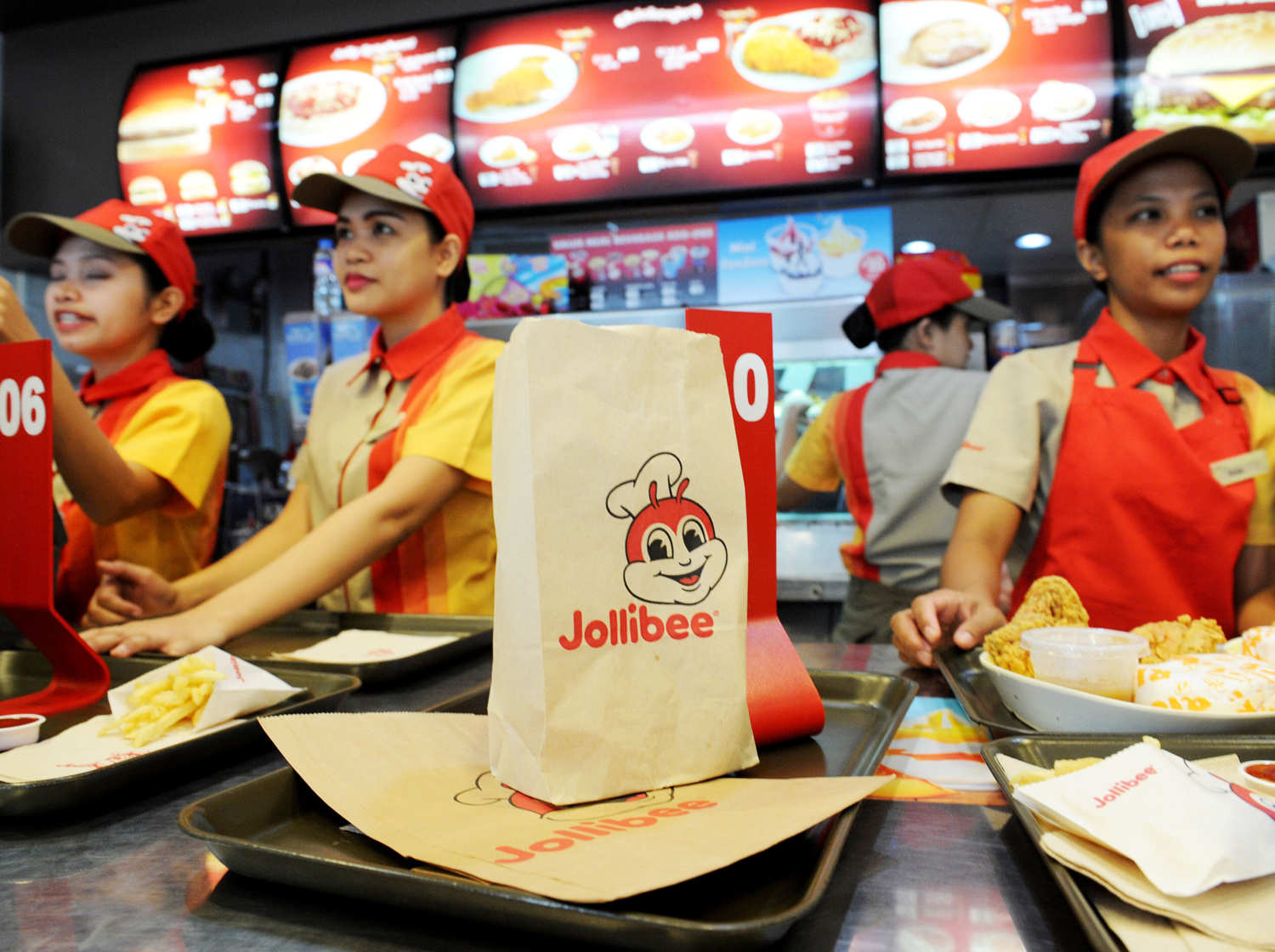
    Despite uncertainties in the food industry due to the coronavirus pandemic, Jollibee Foods Corporation is increasing its stake in the ultimate holding entity of popular restaurant chain Tim Ho Wan.

    Through its subsidiary Jollibee Worldwide, it increased its stake in the Michelin-starred restaurant to 85% from 60% by purchasing the 25% interest of Aragon Investments in Titan Dining, the private equity fund and ultimate holding entity of Tim Ho Wan.

    The transaction worth SGD36.3 million to be paid in cash is expected to be completed on October 30.

    In May 2018, Jollibee invested SGD45 million in Titan Dining, representing a 45% stake. The deal gave Jollibee an opportunity to acquire a “substantial ownership” in the dim sum restaurant chain’s master franchisee in the Asia Pacific in 7 years.

    When the deal was made, Tim Ho Wan and its affiliate Dim Sum Pte Ltd, which owns and operates Tim Ho Wan stores in Singapore, also had franchisees in Cambodia, Indonesia, Japan, Macau, Taiwan, Thailand, Vietnam, Australia, and the Philippines.

    In October 2019, Jollibee increased its investment to SGD120 million, representing a 60% stake.

    Jollibee then opened the first Tim Ho Wan restaurant in China in September 2020.

    Jollibee currently has 3,247 restaurants in the Philippines and 2,566 stores overseas.

  • Singaporeans expect retailers to adopt unified commerce to enrich their shopping experiences

    Singaporeans expect retailers to adopt unified commerce to enrich their shopping experiences

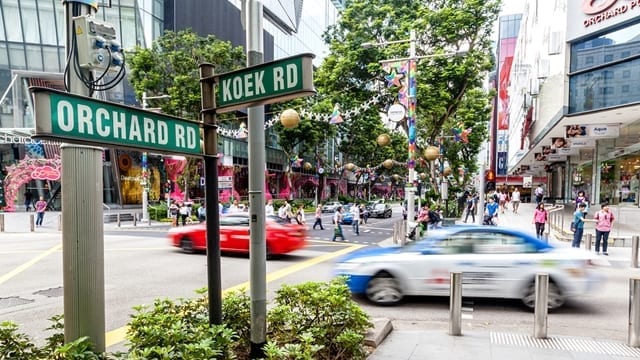
    The COVID-19 pandemic has shaken the retail sector to its core and forced an abrupt change in Singaporeans’ shopping habits and expectations. New data released by Adyen, the global payments platform of choice for many of the world’s leading companies, reveals that consumers in Singapore were quick to adapt, adopting online channels at a rate well above the global average. While restrictions are easing, consumer behaviours and expectations have changed permanently, and retailers will need to evolve to stay competitive in the new normal.

    The 2020 Agility Report, commissioned by Adyen, interviewed over 25,000 consumers across 16 countries, including more than 1,000 in Singapore, to understand what people expect from shopping and dining experiences today. It found that the pandemic led to a mass migration to online channels, with around half (49%) of the Singaporeans surveyed saying they shopped more online than prior to the pandemic, more than the global average of 33%. However, while many consumers moved to online alternatives, 72% of Singaporeans are looking forward to shopping in an offline store for pleasure again, higher than the global average of 55%.

    Warren Hayashi, President, Asia-Pacific, Adyen comments: “Singaporean consumers are agile and will find ways to shop that work for them. While restrictions are easing, and people are returning to offline stores, shopping behaviours and expectations will not be the same as what they used to be. With many impressed with how the retail sector adapted quickly to offer new services online, expectations have increased as a result and consumers want online options to stay. To thrive, retailers will need to maintain or exceed these new expectations and adopt a seamless, omnichannel approach.”

    Consumers moved online during the pandemic to continue shopping

    According to Adyen’s research, most (59%) Singaporeans prefer to shop in a physical store. However, despite this, many turned to online alternatives during the pandemic to continue shopping. Apart from using websites, 64% also used shopping apps more during this period than previously, especially amongst 18 to 34-year olds (71%).

    While there is a preference for shopping offline, there’s some hesitance about going back despite restrictions easing, with 75% still avoiding shopping in store for non-essential items. The most common reason has been the close proximity to strangers (57%), with those over the age of 55 being the most concerned (63%). Other common reasons include Singaporeans watching how much they spend due to economic uncertainty (50%), as well as not wanting to stand in length queues (46%).

    New consumer expectations in Singapore

    Findings from the Agility Retail Report point to consumer behaviours having changed permanently. Despite this, Singaporean consumers remain loyal. The report found that 53% would shop at retailers they deem as important heritage or traditional brands to see them survive, and 65% would visit physical stores near them because they want them to stay open.

    While loyalty is there, expectations of retailers who moved online to offer ecommerce offerings have changed, and they will need to maintain these experiences to sustain loyalty. According to the research, 87% of Singaporeans believe that if retailers can sell across multiple channels during the pandemic they should adopt the same flexible approach permanently.

    The need to maintain and offer these online offerings moving forward is especially important as more than half (54%) of the Singaporeans surveyed said they plan to shop more online despite the easing of restrictions, significantly higher than their global (36%) and Hong Kong counterparts (47%).

    The wants of Singaporeans: The new normal retail experience is unified

    To capitalise on these new customer behaviours, retailers will need to focus on delivering seamless and secure omnichannel experiences through unified commerce. The demand is there from consumers, as the majority (87%) of Singaporeans believe retailers should maintain a cross channel approach following the pandemic, even when stores open again.

    Additionally, retailers should also offer the following to cater to the new demands and expectations of Singaporean consumers:

    1. Contactless payments for hygiene: For payment experiences, most Singaporean consumers want choices and prefer cashless and contactless options as they are concerned about hygiene (72%). In fact, they are more concerned about this than their global (54%) and Hong Kong (59%) counterparts. Retailers can cater to this by reducing person-to-person contact by offering solutions such as self-checkout with mobile apps or kiosks.
    2. Ease of use critical: Customers want ease of use, so ahead of the busy shopping peaks of Christmas and Chinese New Year, retailers would be wise to implement the right technology that will help customers easily navigate their online offerings. If not, 83% of Singaporeans said they would not shop with a retailer whose website or app are difficult to navigate.
    3. Improving loyalty: Retailers should consider changing how they currently offer their loyalty and rewards programmes, as 82% of consumers believe those being offered to them can be improved. Two options for consideration would be making the program available through an app or linked to the customer’s credit card. Connecting a loyalty programme to an app would also be beneficial to the brand, as 56% of Singaporeans believe there’s currently not enough advantages to download a retailer’s app.


    Chen Yongchang, Head, Research & Consulting, Institute of Service Excellence at Singapore Management University comments: “Prior to the pandemic, we were already observing a steady increase in the proportion of consumers shopping online. The Agility Retail report by Adyen supports the notion that this trend has not only accelerated, but has also fundamentally changed customer expectations, attitudes and behaviour towards digital technologies and contact-less payment systems. Retailers need to consider deploying some form of omni-channel digital strategy to stay relevant and to tap into these shifting consumer behaviours and consider leveraging technologies to redesign service processes to meet these new demands.”

  • Tesla Is Pushing New Software Update To Increase The Range The Model Y

    Tesla Is Pushing New Software Update To Increase The Range The Model Y

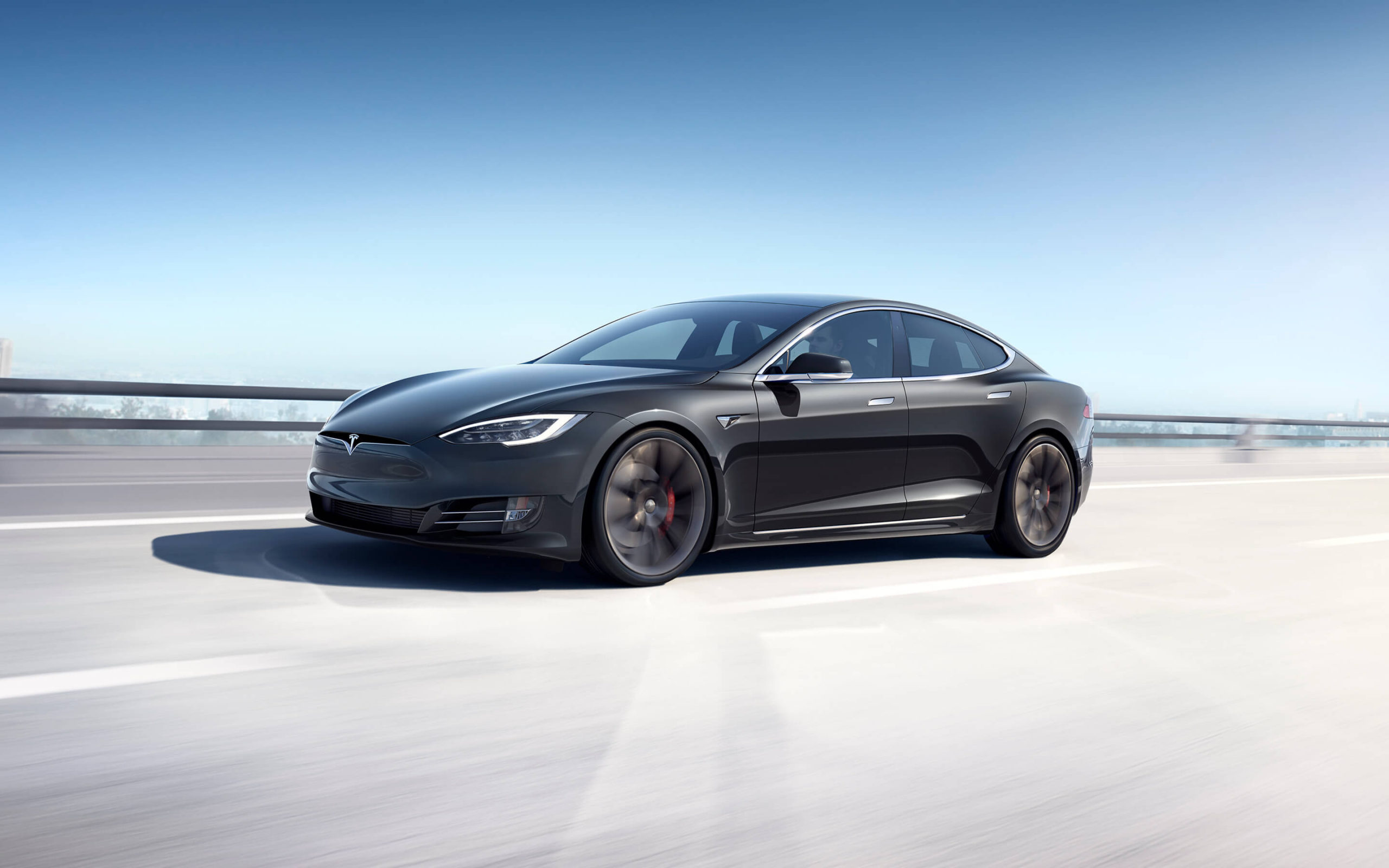
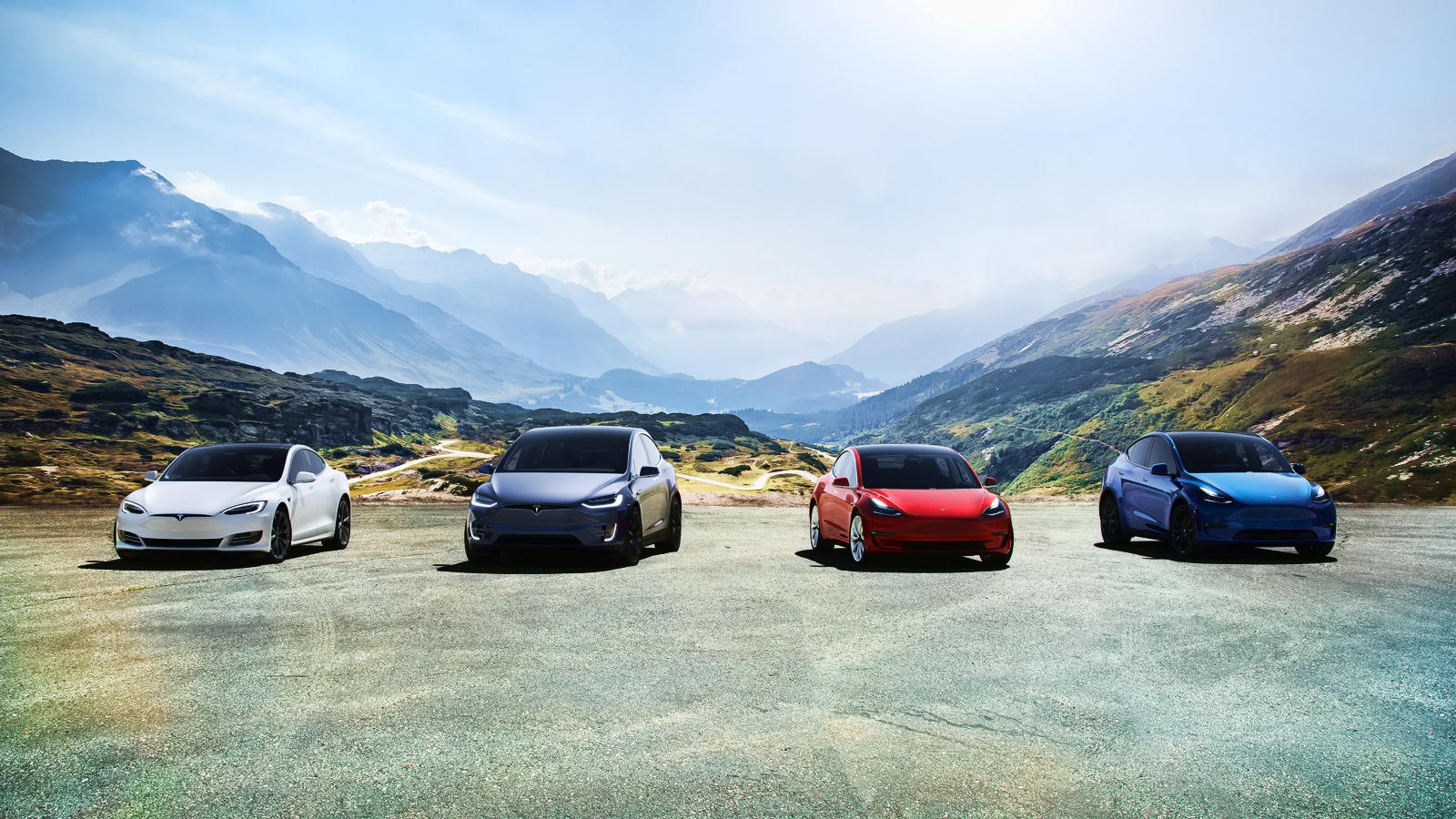
    Tesla has been relentlessly improving its cars and now a new software update that is coming to the relatively new Model Y will enhance the range of the vehicle. The software update numbered 2020.40.7 is behind these new efficiency improvements.

    “Your car’s range has increased with new software that improves the efficiency of the motors and the climate control systems,” Tesla said in the update release notes.

    It also notes that there is no impact on the efficiency of the HVAC system or the performance of the vehicle with these range enhancements. Fundamentally, there are no trade-offs.

    “Note: These changes do not impact acceleration or overall climate control performance,” Tesla added.

    As reported by Electrek, a Tesla Model Y owner noted the new software update accounted for a meager enhancement in range to something between 320 and 325 miles. Tesla officially has also enhanced the range of the Model Y from 316 miles to 325 miles.

    This is not the first time the company has done this as it recently increased the range of the Model 3 by 15 miles.

  • NASA awards Nokia a $14.1 million contract to build a 4G LTE network on the Moon

    NASA awards Nokia a $14.1 million contract to build a 4G LTE network on the Moon

    If you’re planning on taking a trip to the Moon in the near future to escape the madness of this planet, we have some good news and some bad news. The good news is that Nokia has been awarded a $14.1 million contract from NASA to build the first 4G network on the Moon. The bad news is that for now, the Moon will not have 5G service. NASA’s current plans call for a sustainable human presence on the Moon by 2028. Elon Musk’s SpaceX, Jeff Bezo’s Blue Origin, and a company named Dynetics will develop the human landers that will deliver humans to the Moon.

    In late 2022, Nokia Bell Labs will “build and deploy the first ultra-compact, low-power, space-hardened, end-to-end LTE solution on the lunar surface.” Nokia will integrate the network into Intuitive Machines’ lunar lander and when deployed, the network will self-configure to produce the first LTE system on the Moon. The network isn’t being made just so astronauts can use TikTok. Nokia says, “The network will provide critical communication capabilities for many different data transmission applications, including vital command and control functions, remote control of lunar rovers, real-time navigation and streaming of high definition video. These communication applications are all vital to long-term human presence on the lunar surface.”

    Nokia says that its LTE network is perfect for any activity that astronauts might need it for including “voice and video communications capabilities, telemetry and biometric data exchange, and deployment and control of robotic and sensor payloads.” The lunar LTE network is designed to survive the harsh conditions of the launch and the landing on the moon. NASA says that “the system could support lunar surface communications at greater distances, increased speeds, and provide more reliability than current standards.”

    If you’re bummed out that connectivity on the Moon is limited to 4G, don’t fret. Nokia says that it will work on developing space applications for 5G connectivity. Imagine how fast you’ll be able to download Apollo 13 on your 5G handset to prepare for your space flight to the Moon. The manufacturer is the second-largest networking equipment supplier to Huawei.

    In its blog post, Nokia says “As a market leader in end-to-end communication technologies for service provider and enterprise customers globally, Nokia develops and provides mission-critical networks adopted by airports, factories, industrial, first-responders, and the harshest mining operations on Earth, for automation, data collection and reliable communications. By deploying its technologies in the most extreme environments, Nokia Bell Labs will validate the solution’s performance and technology readiness level, and further, optimize it for future terrestrial and space applications.”

  • Samsung heir visits Vietnam to discuss possible investments plan

    Samsung heir visits Vietnam to discuss possible investments plan

    Samsung Electronics vice-chairman Lee Jae-yong departed for Vietnam for a three-day visit to explore business opportunities. He is scheduled to meet Prime Minister Nguyen Xuan Phuc on Tuesday to discuss possible investment plans and visit Samsung’s plants in Hanoi.

    The focus will be on whether Lee announces new investment plans including the construction of a factory for electronic-car batteries in Vietnam.

    Lee is also expected to inspect the progress of a Samsung Electronics research center that is currently under construction in Hanoi.

    Construction of the $220 million research and development center, the first of its kind outside South Korea, began last March.

    It is Lee’s first visit to Vietnam since October 2018. He is exempt from mandatory quarantine after the government scrapped the quarantine requirement for foreign managers, investors, and diplomats visiting the country for less than 14 days.

    Vietnam is Samsung’s largest smartphone production base, with half of all its phones being made in the country at plants in Bac Ninh and Thai Nguyen provinces in the north. It has invested over $17 billion in Vietnam so far.

  • UBS as Training Ground for Female Executives

    UBS as Training Ground for Female Executives

    Schwyzer Kantonalbank, one of the plethora of Swiss cantonal, or state, banks, has appointed a new female CEO. She joins the bank from banking giant UBS. The switch away from the big firm is not a first. Schwyzer Kantonalbank (SZKB) is early out of the starting block and has found a replacement for outgoing CEO Peter Hilfiker. Hilfiker is handing over responsibility for the bank at the end of March 2021 and will retire.

    Susanne Thellung has been selected as his successor. She joins from UBS, where she currently heads the business management corporate and institutional clients. From 2004 through 2018 Thellung was working for UBS Switzerland, including as regional head of all customer segments for the entire central Swiss region.

    She will be the first female head of a cantonal bank. These banks, typically owned by the regional tier of the Swiss state, have some catching up to do in respect to the representation of female top managers.

    In 2018, the share of female managers at 19 such banks was 45 percent. In the middle management though the share was 17 percent and among top managers, the number dropped to a paltry 9 percent, ie less than one in ten. The executive boards had 8 percent women, while 18 percent of supervisory board members was female, with 16 percent of the chairs taken by women. The background of Thellung comes as less of a surprise. UBS has a good reputation as a training ground for female managers. But, equally so, a perceived difficulty to tie the women to the bank. For a variety of reasons, they tend to leave earlier or later.

    One such example is Laura Meyer. She is managing director and head of digital distribution and analytics at UBS Switzerland. At the end of the year, Meyer will join Hotelplan, the travel agency of Swiss retail giant Migros. The company employs 2,100 staff and has sales of 1.54 billion Swiss francs.

    Another well-known case was Dagmar Kamber Borens. She first signed at the Swiss unit of Credit Suisse as chief operating officer (COO), before later joining Quintet, the private-banking group assembled by ex-UBS executive Juerg Zeltner.

    Kamber Borens had spent 17 years with UBS, having started in its private bank after her Ph.D. At the turn of the century, Kamber Borens joined the M&A-desk in London. For another four years, from 2004 through 2008, she worked in the personal staff of the chairman, before being appointed as chief of staff of the group finance.

    And sometimes they even retrace their steps and return to the fold. Simone Westerfeld (pictured below), who had been with the bank from 2000 to 2006 had then joined the University of St. Gallen. In 2015 she be CFO at Basler Kantonalbank and later had a spell as interim CEO of the bank (2018-2019).

    She has since rejoined UBS and received the position as deputy head of corporate and institutional clients international. There, she catered to the complex world of global corporate clients. In 2020, Westerfeld became head of personal banking, taking charge of the business with private clients for the bank in its home market of Switzerland.

  • Japan’s Tsutaya Books opens first China outlet

    Japan’s Tsutaya Books opens first China outlet

    Famed Japanese franchise Tsutaya Bookstore said at the ongoing Shanghai Book Fair that its first branch in the city is scheduled to open in December.

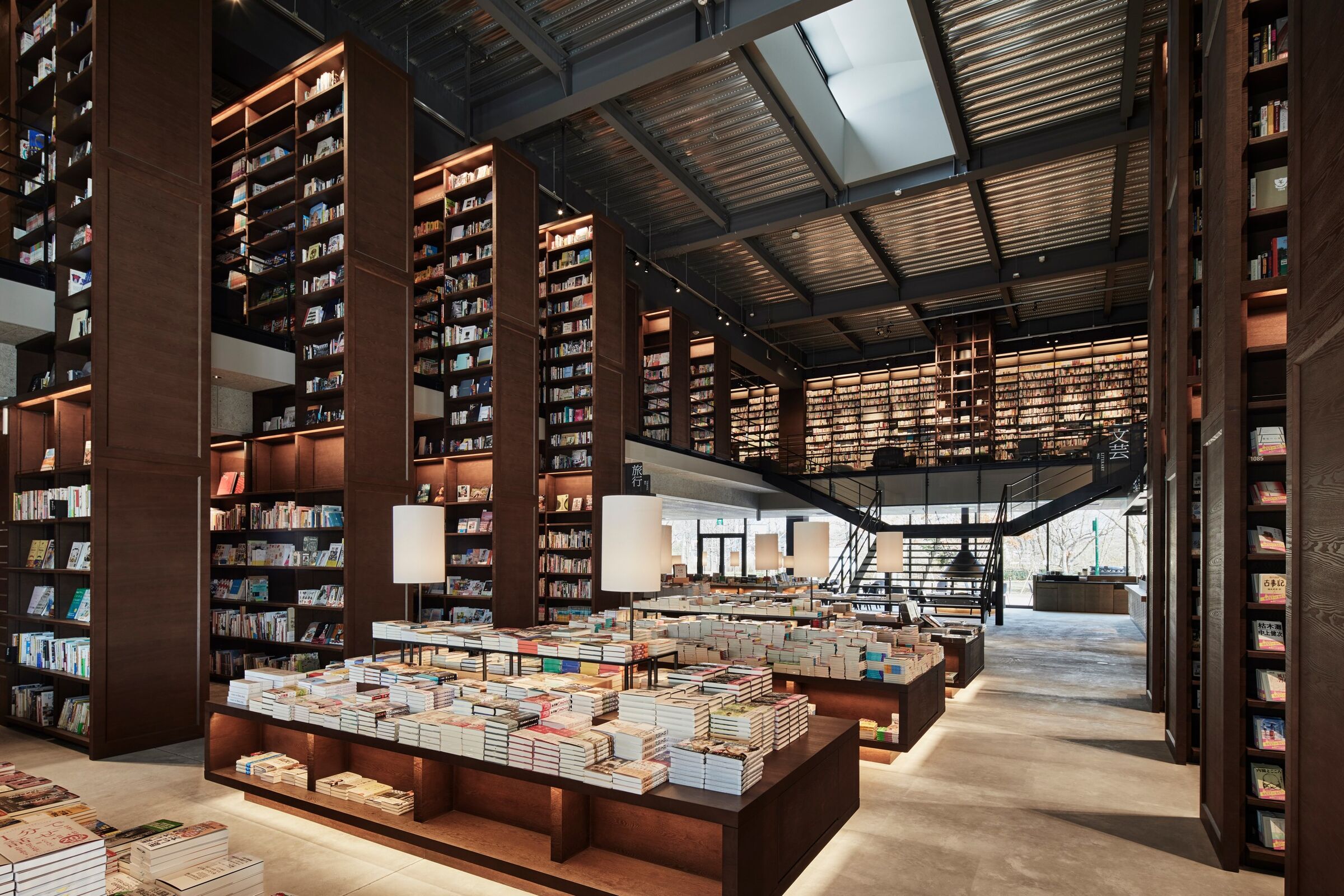
    The bookstore chain has joined hands with major Chinese property developer Vanke to build an artistic outlet in the Changning District of Shanghai, which will be on a par with its famous branch in the Ginza Six shopping center and its flagship store in Daikanyama in Tokyo.

    Takuya Nomura, general manager of Tsutaya Investment (Shanghai) Co., Ltd., said Tsutaya’s new store will be located in the Columbia Circle, a redeveloped culture park with preserved, old mansion-compound and industrial buildings, widely known for the Columbia Country Club in the 1920s.

    The new two-story bookstore will cover an area of 2,000 square meters and provide a large collection of selected books and limited commodities, as well as rich experiential activities, according to Tsutaya.

    The book retailer, an affiliate of the Tokyo-based culture and entertainment service group Culture Convenience Club Co., ran about 1,198 outlets around the world.

    The new Shanghai outlet is aimed at providing Chinese readers with more lifestyle choices and enhancing the public’s perception of beauty, said Shohei Matsuo, producer of the new store, who also noted that more clerks will be recruited in China.

  • Crepe Delicious expands Hong Kong footprint

    Crepe Delicious expands Hong Kong footprint

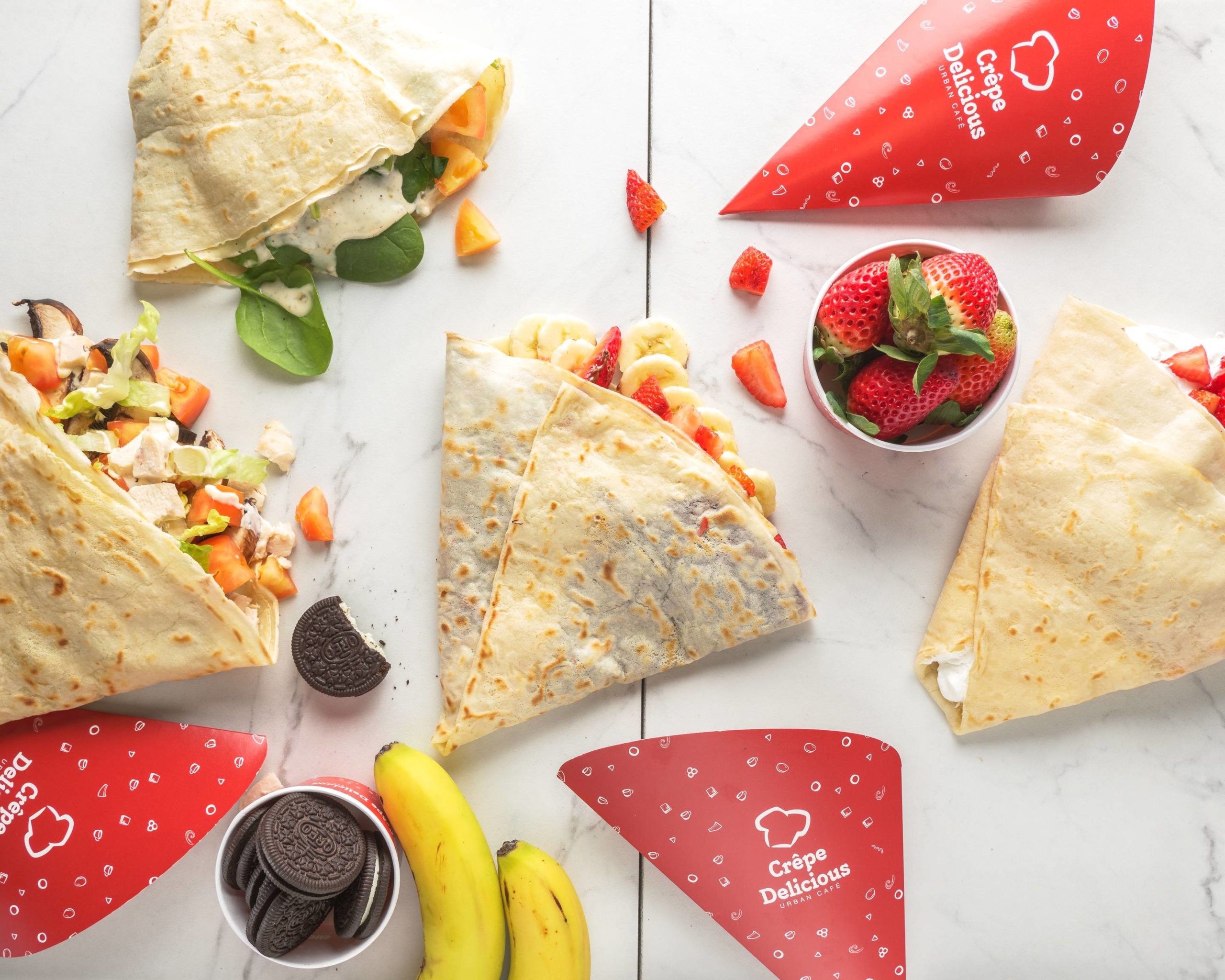
    Crêpe Delicious has opened its first Hong Kong Island branch and a brand new youthful urban café concept in trendy Lee Tung Avenue, Wanchai, presenting the brand’s premium quality, healthy sweet and savory crêpes, hand-crafted gelato, and puff pizzas.

    With a focus on the highest quality ingredients and dishes freshly made to order, Crêpe Delicious has pioneered a global craze for the iconic French cuisine classic since 2004 – expanding worldwide from Canada to Hong Kong, USA, UK, the Middle East, India, and Thailand.

    Following its successful launch in Hong Kong in December 2017 at MOKO in Mongkok, Crêpe Delicious is now continuing the winning recipe with its first Hong Kong Island branch and a brand new youthful urban café concept.

    Among classic savory crêpes such as Hokkaido Scallop and Salmon Deluxe, Big Feast is a new hearty combo of braised BBQ pulled pork, with butter lettuce and red onion. Welcome Hong Kong is an exclusive creation for the Hong Kong market launched in late 2017, topped with truffle scrambled eggs, butter lettuce, cheddar cheese, mozzarella cheese, and truffle mayonnaise dressing.

    Exclusive Hong Kong headliners extend to signature ‘Puff Pizzas’ on light puff pastry, with new creation BBQ Pulled Pork, along with signatures such as Chorizo Supreme, Quattro Formaggi, and more.

    New salads and snacks presented at Crêpe Delicious include Caprese Salad (HK$108), Arancini Ball (HK$88); Baked Beef Meatball Bolognese (HK$88); Crab & Avocado Stack; and Wings Platter chicken wings served in two styles, in honey and spicy buffalo sauce.

    Along with pastas and risotto, new favorites include Grilled Salmon Fillet (HK$188) with lemon butter dill sauce; well-marbled, juicy and savory Grilled Angus Ribeye (HK$218), served with homemade beef gravy; Roast Spring Chicken (HK$138), Sous Vide Beef Cheek with Mashed Potato (HK$188), BBQ Ribs (HK$168) and Creamy Mussels with French Fries (HK$168).

    Enhancing the trendy dining experience, Crêpe Delicious’ home-made gelatos and sorbets are a double dose of refreshing and flavourful goodness. Handcrafted daily with over 20 choices of fresh flavors to mix and match, the brand’s signature gelatos weigh-in at just 95-125 calories, and sorbets 125-155 calories for a healthier, vitamin-rich choice.

    Newly-created Gelato Shakes are an indulgent variation of the signature gelato recipe, including strawberry flavored Pink Lady and The Naughty, with chocolate and hazelnut.

    Along with Instagrammable sundaes and desserts, even more, tempting sweet treats feature Panna Cotta with new daily flavors, Homemade Brownie, and Lava Cake. Dessert Combo combines all three house-made signatures – Panna Cotta, Lava Cake and Gelato for enjoying with friends and family.

    An extensive range of drinks completes the menu at Crêpe Delicious with fresh juices, Brazilian Tierra 100% Arabica Lavazza coffees, and teas, with wine also served exclusively at the newly-opened Lee Tung Avenue branch.

    The new 1,219 sq. ft. Crêpe Delicious (Urban Café) extends over two floors seating 50 in a cozy, warm, and friendly setting at Shop G26 & F26A, Lee Tung Avenue, 200 Queen’s Road East, Wanchai, Hong Kong.

    A visually-stunning ‘Open Bar’ on the ground floor serves convenient ‘grab and go’ of the brand’s signature sweet treats and coffee. Interior design is in white marble with weathered wooden stairs and timberwork, and grey cement walls and floors for a light and spacious street-style ambiance – complete with red and blue columns symbolizing a traditional French-style crêperie and simple, natural designer Scandinavian chairs.

    Crêpe Delicious also makes the perfect healthy meal on-the-go for takeaway; or delivery from November 2020 for a chic dinner at home via Deliveroo, FoodPanda and Uber Eats.

  • Dairy Farm sells Rose Pharmacy chain to Robinson Retail

    Dairy Farm sells Rose Pharmacy chain to Robinson Retail

    Listed Robinsons Retail Holdings reported on Friday that it acquired local drugstore chain Rose Pharmacy Inc. through its subsidiary South Star Drug Inc.

    In a disclosure, the Gokongwei-led retailer said South Star Drug and Dairy Farm International Holdings Inc. subsidiary Mulgrave Corp. B.V. (MCBV) signed a share purchase agreement to buy Rose Pharmacy.

    Dairy Farm acquired a 49-percent share in Rose Pharmacy in 2015 before increasing it to 100 percent in November 2018.

    “I am delighted that Rose Pharmacy will be part of our portfolio as it takes us back to our hometown in Cebu, where my father and JG Summit Holdings and RRHI founder John Gokongwei Jr. started as an entrepreneur. Mr. John also admired Rose Pharmacy for its strong brand reputation in the Visayas and Mindanao,” Robinsons Retail President and Chief Executive Officer Robina Gokongwei-Pe said in the disclosure.

    “The deal also further bolsters our strategic partnership with Dairy Farm to strengthen our position in Philippine multiformat retailing. We first worked with Dairy Farm for the acquisition of Rustan Supercenters Inc. in 2018, which deepened our footprint in the premium supermarket space. Our acquisition of Rose Pharmacy yet again offers ripe opportunities for innovation through strategic synergies,” she added.

    Rose Pharmacy was established as a family-run drugstore in Cebu City in 1952. It generated P9 billion in net sales last year and has over 300 branches in the Visayas and Mindanao.

    “Rose Pharmacy is a very strategic addition to our drugstore portfolio with its highly regarded brand in VisMin and complementary network to South Star Drug’s strong presence in Luzon and Metro Manila,” South Star Drug Managing Director David Goh said.

    “Together, we can leverage our scale and synergies to drive wider product assortment, better customer service and offer greater value to our customers across Philippines when they need it most,” he added.