Tag: asia

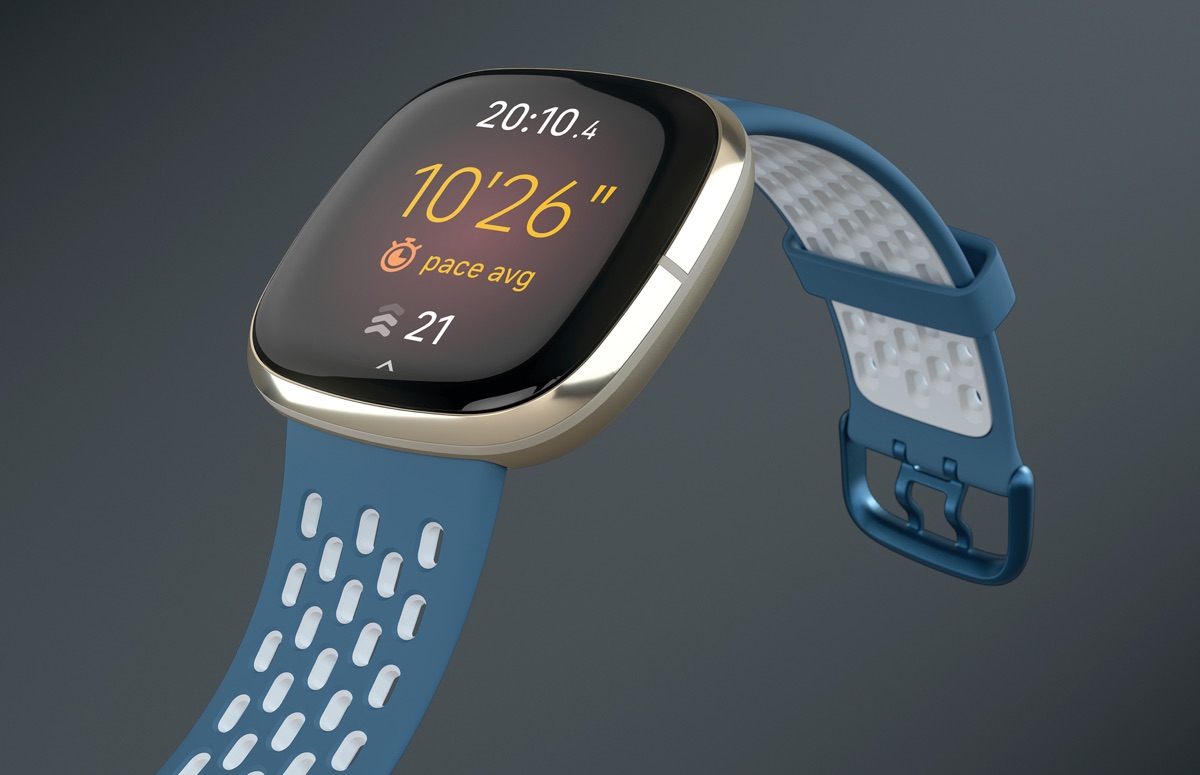
  • The Fitbit Sense will match the Apple Watch’s ECG capabilities next month

    The Fitbit Sense will match the Apple Watch’s ECG capabilities next month

    While its name might be synonymous with low-cost fitness trackers for many consumers around the world, Fitbit has faced quite the uphill battle trying to gain a foothold in the fast-growing smartwatch market over the last few years.

    Although the company’s rookie Apple Watch-rivaling effort was released all the way back in 2017 (to tepid reviews and overall indifference even from its core fanbase), followed by the slightly better-received Versa the next year, Fitbit still failed to make the industry’s top five in terms of revenue for H1 2020, ranking behind everyone from Apple to Garmin, Huawei, Samsung, and even Imoo and Amazfit.

    As you can imagine, that’s a very poor result for a 2007-founded outfit with Fitbit’s brand recognition, but instead of waiting for Google to arrive on a white horse and miraculously right the ship, the US-based company stepped things up to unveil its “most advanced health smartwatch” last month.

    Much like 2019’s Samsung Galaxy Watch Active 2, the Fitbit Sense went official with a dormant ECG monitor. This is the same exact feature that made its debut on the Apple Watch Series 4 two years ago, saving countless lives between then and now in conjunction with fall detection capabilities and Cupertino’s all-around impressive heart rate sensor.

    While Fitbit needed a lot of time to catch up to the heavyweight champion of the wearable device world, it looks like the company will be able to miraculously beat Samsung to the commercial ECG punch. That’s because the potentially life-saving technology has already received clearance from the US Food and Drug Administration (FDA) ahead of public October 2020 availability on the recently announced Sense.

    The aptly named Fitbit ECG App will be enabled stateside sometime next month, as well as in a host of European countries including Austria, Belgium, Czech Republic, France, Germany, Ireland, Italy, Luxembourg, the Netherlands, Poland, Portugal, Romania, Spain, Sweden, Switzerland, and the United Kingdom. That’s right, Fitbit pulled a double, obtaining both FDA approval and Conformité Européenne (CE) marking in the European Union.

    Last but certainly not least, early Fitbit Sense adopters in Hong Kong and India are also slated to get access to the Apple-matching ECG app in October. That makes for a pretty remarkable list of supported countries straight off the bat, mind you, but in case you’re wondering, Apple’s list is unsurprisingly even longer.

    Meanwhile, Galaxy Watch Active 2 and Galaxy Watch 3 owners can still measure their ECG exclusively in South Korea, although for what it’s worth, Samsung has at least made a big step recently towards finally spreading the love to the US at some point by the end of the year. This time for real.

    In a nutshell, this is what separates the serious health-tracking smartwatches from the casual fashion-centric wearable devices. As explained by Fitbit, the main purpose is to detect atrial fibrillation (AFib), a condition that affects more than 33.5 million people (!!!) globally, increasing the risk of complications like stroke.

    A large chunk of those suffering from AFib is unlikely to become aware of their problem until it’s too late to keep it in check, which is where the Apple Watch lineup and now the Fitbit Sense comes in, assessing a user’s heart rhythm for early signs of atrial fibrillation so you can receive the necessary medical attention to live a long and normal life.

    Obviously, the ECG monitor built into a $330 commercial device also featuring a bunch of other sensors may not prove as reliable as a medical-grade system typically found in a hospital, but Fitbit claims the multi-site clinical trial is conducted as part of the submission process to regulatory agencies yielded a stellar 98.7 percent sensitivity score and a perfect 100 percent specificity rating.

    In other words, you should absolutely consider the Fitbit Sense as an alternative to the Apple Watch Series 5 or the soon-to-be-released Series 6 if you have heart problems, trouble sleeping, or even if you need help managing day-to-day stress. Keep in mind that the Android and iOS-compatible smartwatch is still up for pre-order ahead of an actual September 25 release. And no, we’re afraid Amazon’s early discount is no longer available.
  • Popeyes may immediately stop all operations in South Korea

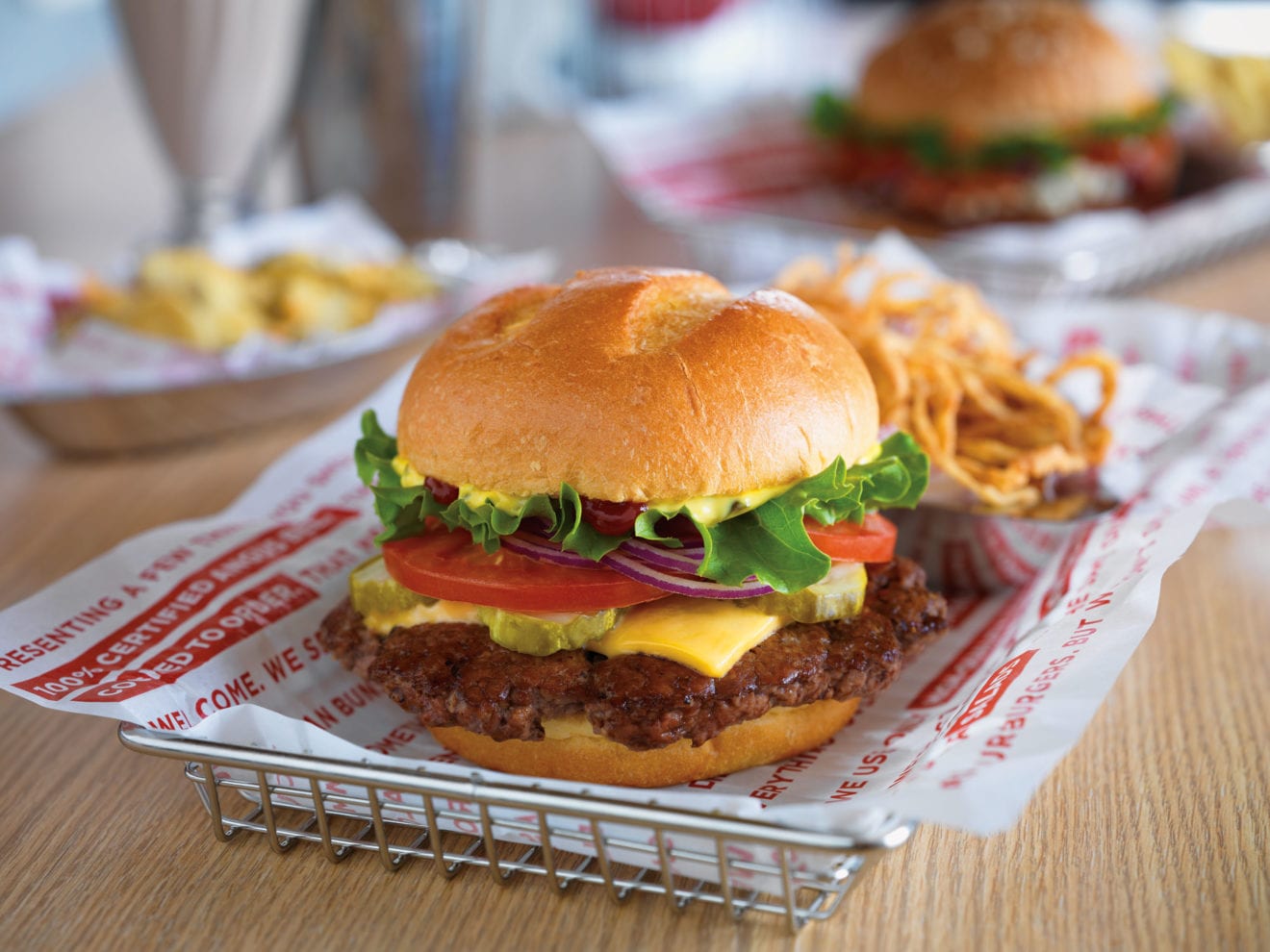
    Popeyes may immediately stop all operations in South Korea

    American fast-food chain Popeyes said it is to withdraw business from South Korea, however, the local franchisee TS Corporation has denied the report.

    According to The Korea Times, reports of the exit began when a memo was written by a Popeyes’ employee headed “Popeyes brand will no longer pursue business in Korea as of November” went viral on social media. The employee’s memo went into detail, to the point of stating that the chain’s Gwangjin-gu branch would be the last to close before the brand ceases its operations in South Korea.

    A spokesperson from TS Corporation confirmed that some of the restaurants will shut down – but not all of them. The person didn’t share any further information except to state that the company will continue to operate the brand there.

    The struggling fast-food chain has been attempting to turn its fortunes around for two years, however, the process has not gone smoothly.

    Having entered South Korea with TS Food & System in 1993, the company recorded an impaired equity ratio of 40 percent, and last year it was in negative equity.

    Local media said Popeyes has recently been in negotiations with another operator to increase the brand’s value. That company is believed to be SPC Group, which operates Shake Shack and Eggslut in the country, but that has not been confirmed.

  • Bamboo Airways poised to expand international services

    Bamboo Airways poised to expand international services

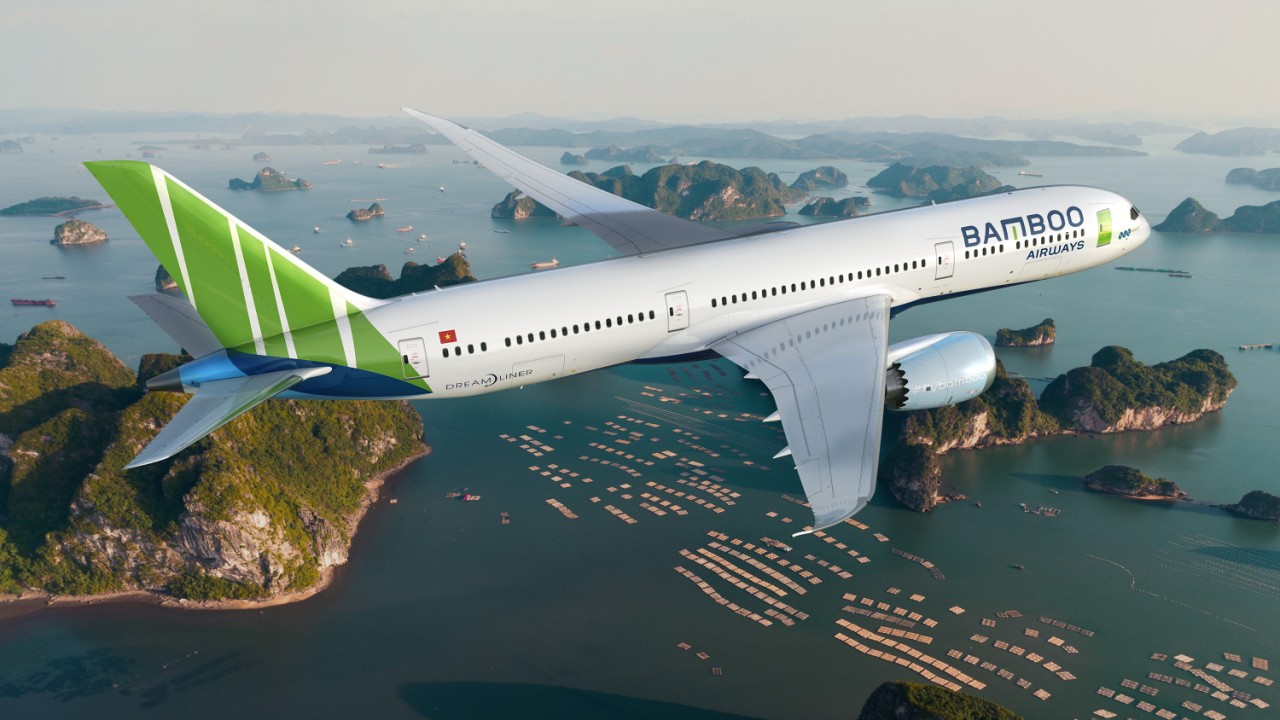
    Bamboo Airways plans to launch more new routes to Asian destinations like Japan, Singapore, and Australia besides resuming services to Taiwan and South Korea.

    It will resume flights from Hanoi to Taipei in Taiwan on September 29 and Seoul in South Korea on October 7. There will be one weekly round trip to begin with.

    The airline will begin to fly on the HCMC-Tokyo sector from November 1 and the Hanoi-Tokyo sector from December.

    It will also begin service between the northern port city of Hai Phong and Singapore besides direct flights from Hanoi and HCMC to Melbourne, Australia, in the fourth quarter.

    A spokesperson for the airline said wide-body Boeing 787-9 Dreamliner aircraft would be used for long-haul flights, adding preparations are underway to fly to Europe once Covid-19 is contained globally.

    It is scheduled to start services from Hanoi and HCMC to London in the U.K. and Munich/Frankfurt in Germany in the first quarter of 2021 and is awaiting approval.

    Nguyen Ngoc Trong, the deputy CEO of Bamboo Airways, said there are long-term plans to fly to 27 European destinations. Vietnam suspended all international flights on March 25.

    Bamboo Airways, launched in January last year, was operating on 40 domestic and international routes before the pandemic struck in January. It reported a pre-tax profit of VND303 billion ($13 million) in 2019.

  • Alibaba eyeing cornerstone stake in Grab

    Alibaba eyeing cornerstone stake in Grab

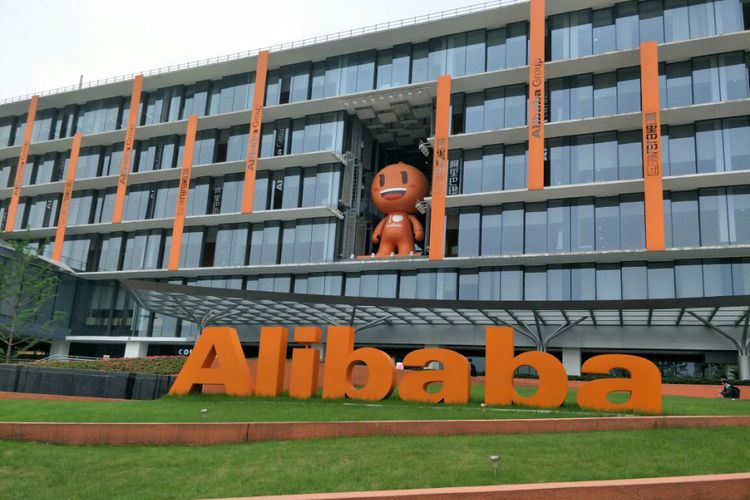
    Attracted by a massive database of customer behavior spanning eight countries, Chinese tech giant Alibaba is said to be on the brink of investing US$3 billion into Grab Holdings.

    With its origins as a ride-hailing company Grab has expanded into an app-anchored ecosystem covering food delivery, payments, courier services, and wealth management. It also operates cloud kitchens in several markets.

    In Southeast Asia, where the vast majority of Grab’s business is conducted, there would be potential synergies with Alibaba’s Lazada online marketplace, not just through marketing alliances and cross-promotions, but in last-mile delivery solutions.

    Citing “people familiar with the matter,” Bloomberg has reported that Alibaba will deploy some of the funds to acquiring part of Uber’s stake in Grab, the result of a merger deal in March 2018 which saw Uber’s regional operations and brand name disappear leaving Grab in a market-dominating position.

    Grab currently has a market valuation of $14 billion which means Alibaba’s investment would equate to about 20 percent of its value.

    The negotiations come at a time when Grab and its archrival GoJek are under increasing pressure to explore merger opportunities which would reduce intense competition between the two companies, most likely raising fares and fees and thus creating a more viable long-term business model.

    As Bloomberg put it, existing investors in Grab have been frustrated by what they see as value-destroying competition with GoJek. But negotiations of a merger “are hampered by a hostile relationship between the two companies and the complexity of coordinating between so many investors,” Bloomberg reported, citing sources.

    Any attempt at a merger between Grab and GoJek would spark a tortuous path of negotiations with regulatory bodies in the region given in most of the countries in which the two operate, they are the dominant players leading to market dominance concerns.

  • Alexander McQueen opens Tokyo flagship store

    Alexander McQueen opens Tokyo flagship store

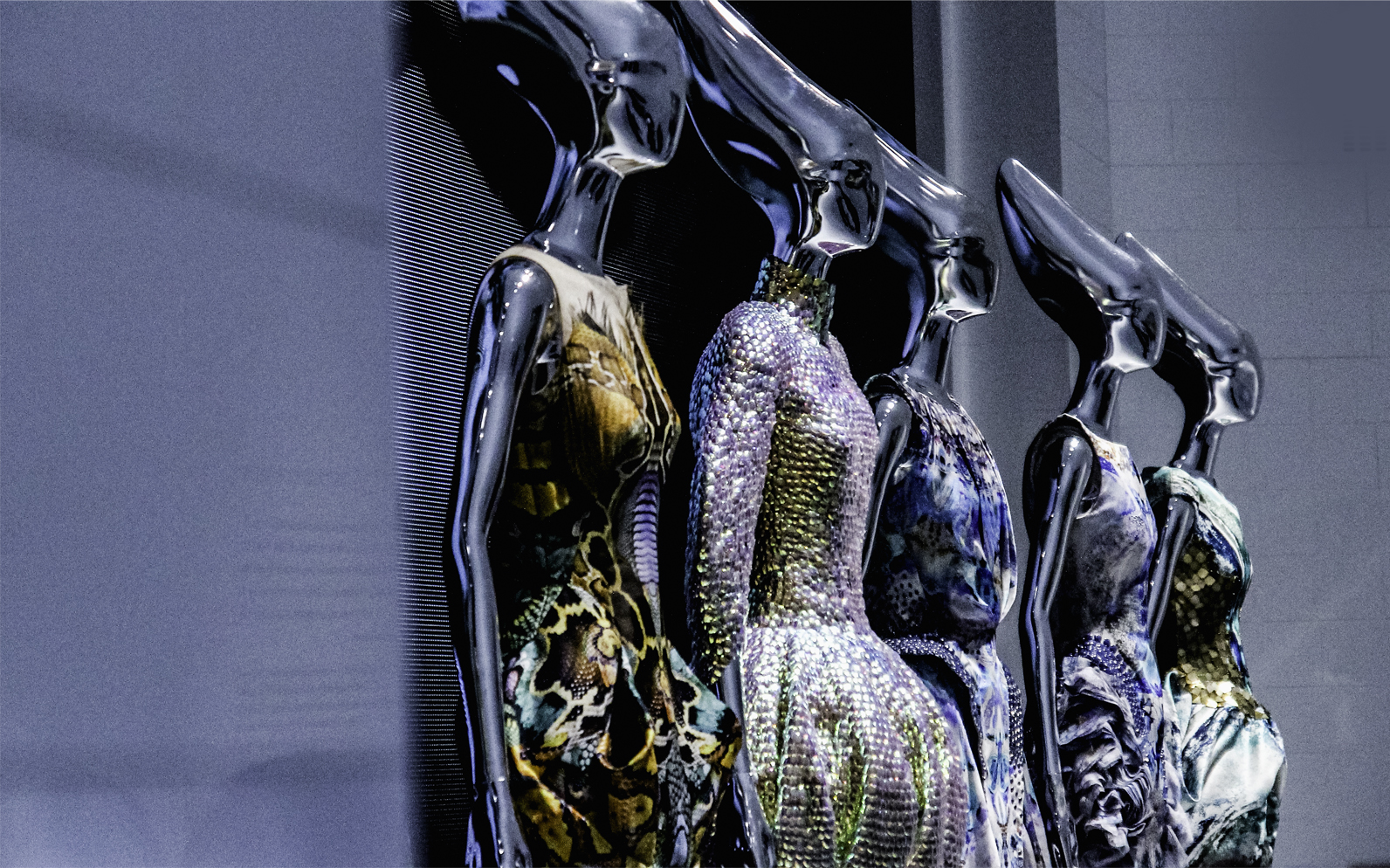
    British fashion label Alexander McQueen has opened a flagship store at Omotesando, Tokyo.

    Located in the shopping complex Oak Omotesando, the store occupies a 253sqm space and spans two stories. The first floor houses women’s clothes and accessories while the second floor features apparel and accessories for men.

    The Alexander McQueen Omotesando concept is a result of the collaboration between creative director Sarah Burton and architect Smiljan Radic. The store exterior features glass floor-to-ceiling doors and windows with grey metal frames, allowing customers to see into the store from the outside. The interior uses woods such as oak or walnut as the main material, creating a warm ambiance.

    The storehouses four fitting rooms designed in a glass cylinder shape with butterfly-patterned curtains. The patterns were previously featured in the brand’s Fall/Winter 2018 and 2019 Collection.

  • Tencent to Launch Regional Hub in Singapore

    Tencent to Launch Regional Hub in Singapore

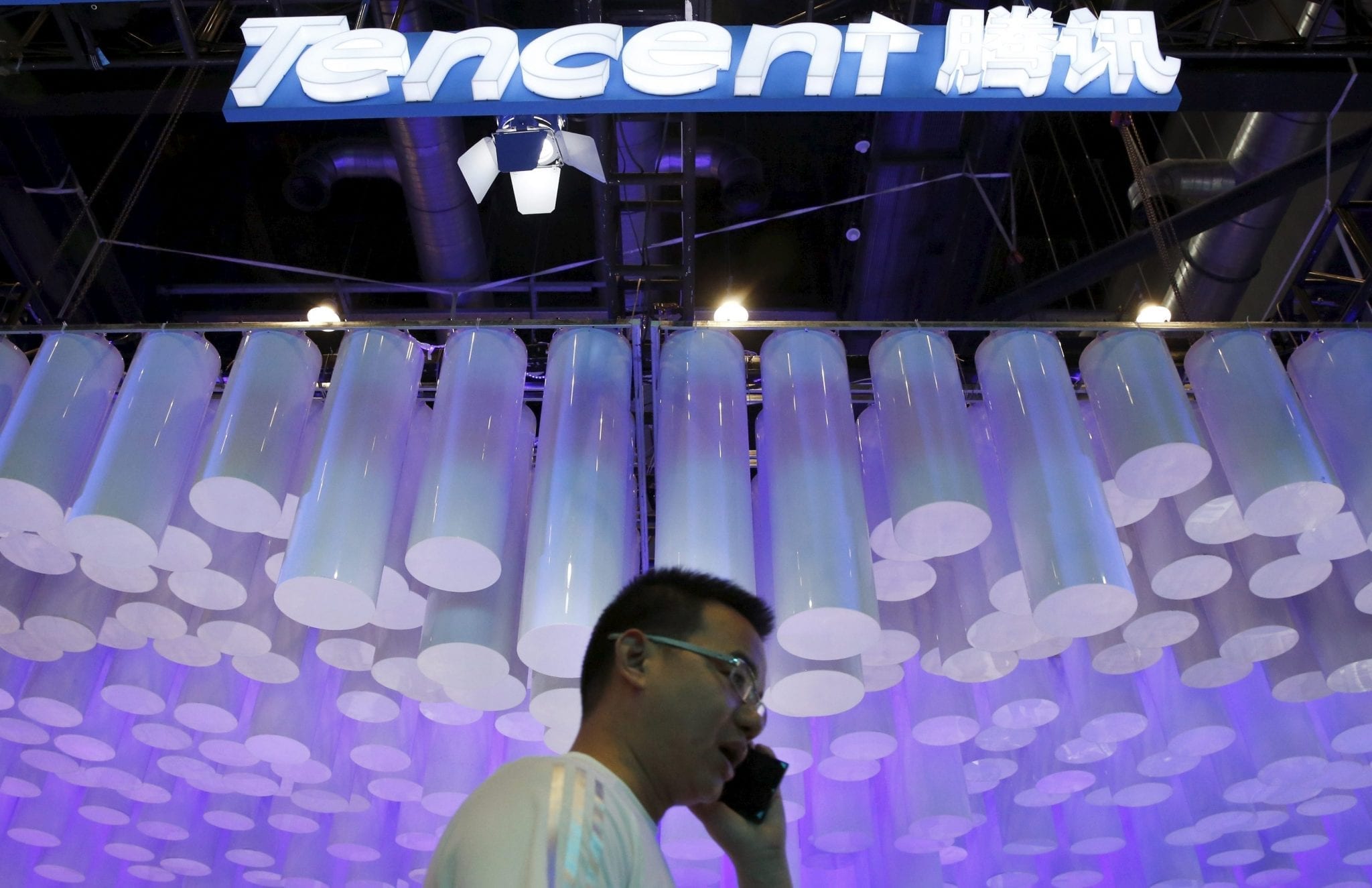
    The Chinese technology conglomerate is pushing ahead with global expansion plans, despite recent app bans in India and the United States. Tencent is planning to open a new office in Singapore, which will be its regional hub for Southeast Asia, where it also has offices in Malaysia, Indonesia, and Thailand, the company said in a statement on Tuesday.

    The Singapore office will also enable us to capture potential from the rapid pace of digitization and meet the demand for internet-based services and solutions in Singapore, Tencent said in a statement. Tencent’s cloud computing arm, which seeks to tap into the demand for remote IT services for home-based workers, as well as its financial cloud platform that provides digital banking services to small and medium enterprises, have been growing in the region amid the coronavirus pandemic.

    The company had been discussing Singapore as a potential regional hub and geopolitical tensions accelerated its plans, according to a Bloomberg report. The company is already hiring for software engineers, data analysts, business development, and compliance roles in the city-state, according to its careers portal.

    Singapore, with its business-friendly policies, is benefitting from the growing hostility towards Chinese tech firms in the U.S. and other markets. Chinese tech start-up ByteDance, the owner of video-sharing app TikTok, are among those which are shoring up its presence in the country, where it is looking to spend several billion dollars and add hundreds of jobs here over the next three years.

    U.S. President Donald Trump has banned U.S. entities from dealing with Tencent’s super-app WeChat from September 20, while the company’s hit games PlayerUnknown’s Battlegrounds (PUBG) Mobile and Arena of Valor are banned in India.

  • Fiat Chrysler Automobiles And Groupe PSA Amend Merger Terms To Conserve Cash

    Fiat Chrysler Automobiles And Groupe PSA Amend Merger Terms To Conserve Cash

    Peugeot maker PSA and Fiat Chrysler (FCA) have restructured the terms of their planned merger to conserve cash, and also stepped up the promised levels of cost-cutting during the pandemic. The two companies, which are set to merge into Stellantis, the world’s fourth-largest carmaker, said in a joint statement late on Monday that FCA would cut to 2.9 billion euros ($3.4 billion) the cash portion of a 5.5 billion euro special dividend its shareholders will receive under the terms of the accord they signed last year.

    France’s PSA, whose brand portfolio also includes Citroen and Opel, will in turn postpone the planned spinoff of its 46% stake in parts maker Faurecia until after the merger’s closing and extend it to all shareholders of the new group. Faurecia’s market capitalization is around 5.9 billion euros. “Amendments preserve the balance of original combination agreement,” the two groups said, adding that ownership of Stellantis would still be split 50/50 between current PSA and FCA shareholders.

    A source said on Monday that the aim of those changes was to reinforce the balance sheet structure of both companies after the COVID-19 crisis and ensure that the merger plan is concluded as soon as possible.

    Analysts had argued that such a large cash payout to FCA shareholders, led by controlling investor EXOR , the holding company of Italy’s Agnelli family, could weaken the new carmaker’s finances, as the auto industry is paying a high price for the coronavirus outbreak.

    Confirming last week that the deal was on track, FCA Chief Executive Mike Manley said both he and PSA CEO Carlos Tavares were aware of the need for the two firms to get to the merger with the strongest balance sheets possible as well as for shareholders to get what they expected.

    FCA and PSA said annual estimated synergies from their merger were now seen at more than 5 billion euros, compared with an initial estimate of over 3.7 billion.

    The two carmakers confirmed that they expect to complete the tie-up process by the end of the first quarter of 2021.

    Both earlier this year scrapped dividend payments on 2019 results, each worth 1.1 billion euros.

  • 60,000 file for unemployment benefits in Hanoi

    60,000 file for unemployment benefits in Hanoi

    The number of applications for unemployment benefits in Hanoi as of September 10 has risen 22 percent year-on-year to nearly 60,000 as a fallout of the coronavirus pandemic.

    Last month the Hanoi Center for Employment Services (HCES) received 9,000 applications, down from the monthly peak of 10,000 in June, Vu Quang Thanh, deputy director of the center, said Monday.

    Half the applicants said they were affected by the impacts of Covid-19, he said. The second wave of the disease last month did not have as severe impact as in the second quarter because the government did not impose social distancing, he explained.

    With nearly 4,000 businesses resuming operations last month, the labor market is less affected, he added.

    Hundreds of people queued up for tokens at HCES in Cau Giay District on Monday, and of them, Hao was lucky to get one. The 34-year old mother is now looking forward to the VND2.8 million ($121) monthly support after losing her human resources job in April after nine years of service.

    Tai, a 28-year old man in the queue, said the VND2.5 million unemployment support would be a third of his family’s income after losing his lobby manager’s job at a downtown hotel in May.

    With a baby expected by the end of this month, he now works as a driver for a motorbike ride-hailing company.

    Thanh of HCES said that the number of applications would rise or fall in the remaining months of the year depending on the Covid-19 situation. If there is a surge in the number of cases, 90 percent of businesses would be affected, and monthly applications could double to 20,000, he added.

    In the first eight months, nearly 34,300 companies nationwide suspended business, up 70.8 percent year-on-year, according to the General Statistics Office.

  • Topshop, Topman leaving Singapore

    Topshop, Topman leaving Singapore

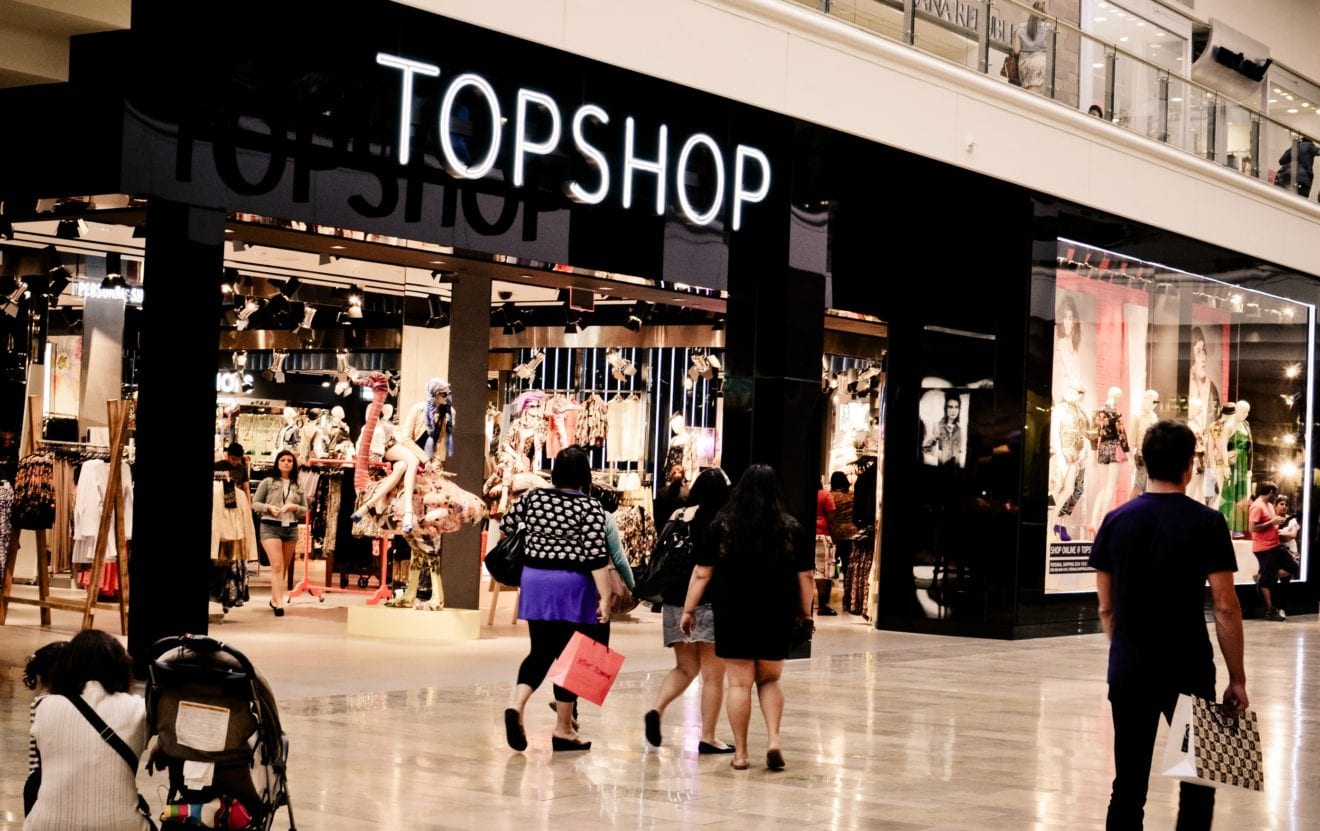
    Topshop and Topman Singapore are to close its last store in VivoCity and move online this Thursday (September 17).

    Topshop and Topman brand manager Wing Tai Retail told The Straits Times that the brands will focus on an omnichannel retail strategy to suit consumer preferences, maintaining a presence on its own online store as well as on Zalora.

    Last week, the brands ran a ‘limited time’ sale promotion where customers could get one free item for every two bought at its VivoCity store, to help reduce stock levels. A sign displayed in the store said it is moving out on September 17.

    Topshop’s exit from Singapore follows the announcement of the closure of its 14,000sqft store in Hong Kong’s Central next month to move online, after seven years in the city.

    Topshop and Topman entered Singapore with the first store at Orchard Road in 2000. The brands are managed by Wing Tai Retail, which also manages other international brands including Adidas, G2000, Dorothy Perkins, and Uniqlo.

  • McDonald’s US starting up innovating cup-reusing system with Terracycle

    McDonald’s US starting up innovating cup-reusing system with Terracycle

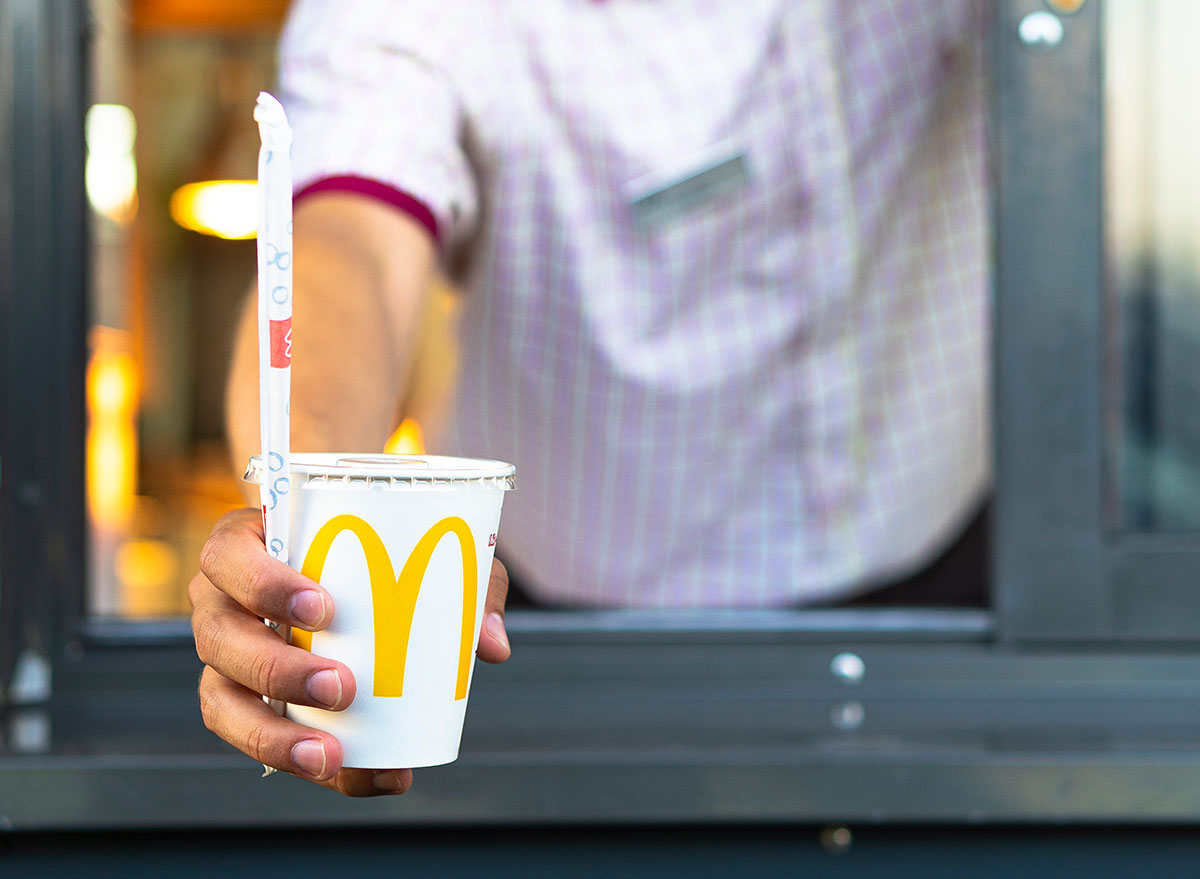
    McDonald’s is to launch a reusable cup option for hot beverages with TerraCycle’s circular packaging service Loop. At first, the service will be trialed in the US before being introduced in other markets.

    In the program, customers will get the durable cup for a small deposit, which can be redeemed by returning the cup to participating McDonald’s restaurants. The Loop system, in partnership with Ecolab, will sanitize the cup for the next use.

    “We’re on a journey to rethink how we package products to give customers options that reduce waste, maintain the highest safety standards, and enhance the McDonald’s experience they expect and enjoy,” said Jenny McColloch, vice president global sustainability at McDonald’s.

    “This pilot will generate important local insights and lessons to share along the way. We will accelerate circular-packaging solutions with our partners around the globe,” McColloch said.

    McDonald’s will pilot the campaign at select McDonald’s restaurants in the UK next year. McDonald’s has invested in several packing initiatives across the world, including the Recup system in Germany and NextGen Cup Challenge in the US.

    “The partnership paves the way for reusables to become an accessible option for consumers as they enjoy their meal on the go.” said Tom Szaky, CEO at TerraCycle and Loop.

    As yet, no images of the new device have been released, and it is not clear what it will be constructed of. Nor is it clear if the cups will be washed in stores or returned to a central hub.

  • NVIDIA rumored to pay $40 billion for ARM Holdings

    NVIDIA rumored to pay $40 billion for ARM Holdings

    Back in July, we told you that Japan’s SoftBank was talking to American GPU manufacturer NVIDIA about selling it ARM Holdings. The latter’s main business is the design of CPU cores such as the 64 bit Cortex-A78 CPU core. Both sides are closing in on a deal that would be valued at over $40 billion. The deal would give SoftBank a multi-billion dollar profit after it purchased the company for $32 billion. NVIDIA is the world’s third-largest GPU supplier and ARM is the third-largest in the world thanks to its Mali line of graphic chips.

    The Journal report noted that ARM and NVIDIA have been talking on an exclusive basis over the last few weeks and a deal could be announced as soon as early next week. NVIDIA’s shares have soared over 100% this year thanks to heavy demand for its GPUs which are used in video games, cloud computing, and in other devices that have taken off thanks to the coronavirus. If a deal can be agreed to not only would it be one of the biggest transactions of the year, it could also be the largest deal of all time involving the purchase of a semiconductor company.

    However, as with most tech-related deals these days, the purchase of ARM by NVIDIA could set off antitrust alerts. Regulatory agencies could put such a deal under intense scrutiny and ARM customers like Samsung and Apple could try and put the kibosh on the transaction. If the merger closes, NVIDIA would control the pricing on ARM’s CPU cores and Adreno GPU chips along with the pricing of the Mali GPU line.

    According to the Journal, SoftBank has been working with a small team on the final terms of the ARM deal. The team includes ARM CEO Simon Segars and Chief Financial Officer Yoshimitsu Goto.

  • Miniso sees positive and steady development in Vietnam market

    Miniso sees positive and steady development in Vietnam market

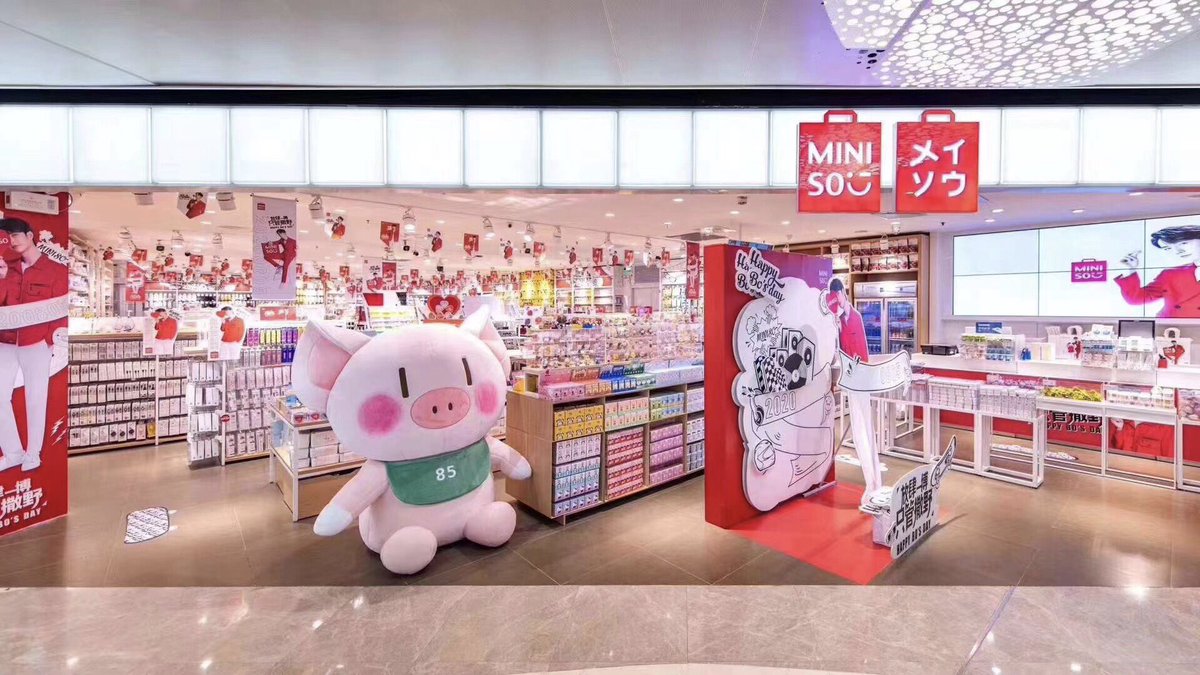
    Chinese discount retailer Miniso has opened more than 40 stores in Vietnam, four years since it launched in the market.

    Miniso entered Vietnam with its first store in Hanoi in 2016. Since then, the brand has been the local’s favorite destination for discount merchandise. Miniso now has more than 700,000 fans following its Facebook account.

    Miniso operates in key cities in the country and has a presence at major shopping malls including Aeon, Lotte, and Vincom.

    During the early stages of entering Vietnam, Miniso showed its understanding of the market by choosing local top star Son Tung M-TP as a brand ambassador. The brand also teamed with well-known Vietnamese host Sam to launch a beauty line called Sam Skin and Makeup.

    “The Vietnamese market has always shown great potential for development,” the company said in a statement. “Even under the epidemic, the market’s increasing demand for consumer experience and cost-effective products have made Miniso very confident in the future development of the Vietnamese market.”

    Miniso has not only joined several e-commerce channels, including Shopee, Lazada, and Tiki, but also created Shopify to provide “a barrier-free shopping environment”.

  • Japan retail sales remain lacklustre last month

    Japan retail sales remain lacklustre last month

    Japan’s retail recovery continued to proceed slowly during August following the largest recorded single-quarter sales decline in the nation’s history.

    According to the country’s Cabinet Office, the national real gross domestic product for April to June fell by 28.1 percent year on year, performing worse than at the depths of the global financial crisis in 2009.

    WWD reported a poll of major retailers in the market, finding sales performance between the firms generally low. Uniqlo operator Fast Retailing was an exception, seeing a 29.8-pera-cent increase in same-store sales growth during August, with summer products selling fast in the midst of the current Japanese heatwave. About 90 Uniqlo stores are still operating below peak hours, however, two have been permanently shuttered and six remain closed due to the Coronavirus pandemic.

    In contrast, Isetan Mitsukoshi saw sales drop by 29.1 percent under last year’s results, especially hard hit at its Mitsukoshi store in an area traditionally popular with foreign travelers, where sales fell 47.8 percent. Takashimaya’s sales dropped 18.8 percent against August figures for last year across 13 department stores.

    “In addition to a drastic decline in tax-free sales, the effects of a heatwave and the continuing trend of people refraining from going out resulted in not being able to meet the sales levels of last year,” Takashimaya was quoted by WWD. “On the other hand, we did see the movement of items meant to make people’s time spent at home more comfortable, as well as of luxury brand goods.”

    Hankyu and Hanshin department store chains operator H2O Retailing saw a sales decline of 15 percent, with same-store sales down 26.9 percent. J. Front Retailing was hit with a sales drop of 29.4 percent year on year in August, commenting “Sales of volume fashions and food products in particular suffered”.

  • Singapore Watchdog Fines Ride-Hailing App Grabcar $10000 For Data Privacy Violation

    Singapore Watchdog Fines Ride-Hailing App Grabcar $10000 For Data Privacy Violation

    Singapore’s privacy watchdog fined ride-hailing app Grabcar S$10,000 ($7,310), saying a 2019 update put the data of some users at risk of unauthorized access in what the watchdog said was the fourth breach of data privacy regulations and “a significant cause for concern”. In a filing published on Sept. 10, the Personal Data Protection Commission (PDPC) said the update risked the personal data of 21,541 drivers and passengers, including profile pictures, names and vehicle plate numbers, related to carpooling service GrabHitch.

    Grabcar, a unit of Southeast Asia’s largest startup Grab Holdings, rolled back the app to the previous version within about 40 minutes and took other remedial action, the PDPC said.

    “Given that the organization’s business involves processing large volumes of personal data on a daily basis, this is a significant cause for concern,” the PDPC said.

    The regulator also directed Grab to put in place data protection by design policy, where data protection measures are considered and built into tech systems as they are being developed.

    In a statement, Grab said: “To prevent a recurrence, we have since introduced more robust processes, especially pertaining to our IT environment testing, along with updated governance procedures and an architecture review of our legacy application and source codes.”

  • Moleskine’s new CEO discusses creativity and the brand’s plans for Asia

    Moleskine’s new CEO discusses creativity and the brand’s plans for Asia

    Premium brand Moleskine is setting its eyes on Asia as a major potential growth market, planning expansion both online and offline and integrating more smart technology into its product range.

    In an interview with Inside Retail Asia, recently appointed CEO Daniela Riccardi says one of the core priorities of a five-year plan she has drafted for Moleskine globally will be to create greater brand awareness among Asian consumers.

    “We want to share with them the Moleskine heritage and values in order to develop brand presence and overall business throughout this very important region.”

    Moleskine was founded 23 years ago in Milan, Italy. It began with a little black notebook with rounded corners and ivory-hued pages inspired by those used by great writers and artists of the past – prodigious note-takers who would inspire generations with their creative genius. Since then, it has evolved into a whole ecosystem of notebooks, diaries, bags and accessories, and smart tools and services.

    The conspicuous quality and style of Moleskine products notwithstanding, these kinds of items have become rather commoditized in many parts of Asia. Riccardi believes the brand is up for the challenge of building a premium brand in such a context.

    “I believe that what has made Moleskine so unique is that what Maria Sebregondi and the founders of the brand created was more than a bundle of pages within two covers: what was created was a tool for the creative community,” Riccardi explains.

    “Every detail of the notebook was carefully looked at when it was designed: the quality of the paper, the “in case of loss” label, the pocket on the back cover to hold bits and bobs, the rounded corners that allow it to slip effortlessly into a pocket, the elastic band closure. It was first distributed in bookstores and labeled “the book yet to be written”, because a Moleskine notebook becomes meaningful once our customers start filling its pages. It is quite simply more than a notebook and our ever-growing community embraces that.”

    Overcoming the Covid-19 era

    While the onset of the Covid-19 pandemic has disrupted business throughout the world, Ricccardi is confident Moleskine will ride out the storm and remains committed to its growth agenda.

    “Clearly Covid has been difficult for all businesses worldwide and Moleskine has also inevitably suffered, but I am working alongside all the people in the company to implement a long-term plan that will ensure that Moleskine will ride this extraordinarily difficult wave and overcome what I am certain is a moment.”

    The five-year plan she created soon after taking office on April 1 is based on the belief that a brand can never rest on its laurels.

    “Any evolving company needs to constantly look at itself in order to renew and continue to grow, which is why building this plan was my first order of business.”

    The plan includes equal focus both on- and off-line in order to optimize the customer experience for all of its customers.

    We have also partnered with some of the most significant institutions and brands worldwide and will continue to do so with a focus on bigger strategic partnerships with cultural institutions such as universities and museums. Partners with whom we share a like-minded ethos. Learn more about Moleskine’s co-branding project.

    The shift to digital 

    As the world moves increasingly to digital – with less reliance on paper and physical (rather than virtual) note taking – Moleskine is mindful of adjusting its business model to adapt.

    “Moleskine has grown alongside the internet and when our founders created the brand, the importance and the relevance of the digital world was very clear in their minds. We create objects that live together with the digital world, that complement each other. The Smart Writing System is a perfect example of this: it is composed of a smartpen and centers around a specially created paper that when written or drawn on recognizes pen strokes. The system allows for all notes and thoughts to appear in real-time on digital devices as they are written on this almost “magical” paper,” says Riccardi.

    “We have always embraced technology as it is an essential part of everyone’s lives.”

    Alongside its digital foray, Moleskine continues to work on new products and designs to remain relevant to today’s consumers.

    “We have a small in-house team that has worked on creating new ideas and designs. This is one of the areas I intend to better develop going forward. The Moleskine aesthetic is very clear and staying true to those values is what makes the brand so authentic and appreciated by our customers.”

    Such a focus will help the brand build greater market share in existing markets as well as expanding into relatively new frontiers like Asia and Africa.

    “In terms of product categories, I believe that we have a great richness in our original and iconic notebook from where it all started. It is a small but great tool that we hope contributes to the development of creativity, culture, and knowledge and I would like to see a return to our origins as the first step to future growth.”

    Taking the reins

    Taking over the helm of Moleskine in a world where borders were closed was a surreal experience for Riccardi, an executive with previous management experience in companies including Procter & Gamble and fashion brand Diesel in 2010, where she was CEO, before taking over as CEO of 250-year-old French crystal maker Baccarat in 2013.

    “Taking over the helm of a company without meeting the team in person was an extraordinary experience to say the least. Not being able to travel to see the markets myself was initially a challenge. But as the saying goes, where there is a will there’s away, and I am confident that together with the team we will overcome this difficult time and move forward as a stronger company and brand.”

    Riccardi’s greatest achievement in business to date, she tells Inside Retail Asia, is building gender diversity within the companies she has led.

    “Gender diversity has always been important to me and throughout my career, I have sought to inspire and empower women, particularly in circumstances where age or social or religious factors can be a challenge.”

    At Moleskine she wants her legacy to have grown the brand to greater heights and recognition than when she took over this year.

    “I am very careful about the projects I decide to undertake and the brands I decide to work with. It is important to me that I have the utter conviction of the strength of a brand and its unique values. Moleskine has these qualities in spades, and I see in it untapped opportunities that are the cornerstone of my work for developing a framework for growth in the years to come.”

    Based in her native Italy, Riccardi has several directorships in addition to her Moleskine role. She is on the board of French luxury-goods powerhouse Kering, of Comité Colbert, an association of French Luxury Brands and cultural institutions, and the world’s largest communications and advertising company, London-based WPP.

    If there is a common element to the companies which Riccardi commits her time to it has to be style and creativity – not to mention heritage – a group into which Moleskine fits perfectly.

    “Moleskine at its core celebrates the power of creativity and has a unique connection to paper where human genius has always given its best. We provide tools for empowerment and spaces for ideas to grow, with the idea of unleashing the limitless human potential,” reflects Riccardi.

    “After all creativity is universal and timeless and will always be relevant to the world.”