Tag: asia

  • LVMH whitdrawing Tiffany deal

    LVMH whitdrawing Tiffany deal

    French luxury-goods group LVMH has dropped its plan to take over Tiffany & Co, prompting the  New York jeweler to announce it will file a lawsuit to enforce the deal.

    The US$16.2 billion takeovers was agreed to before the advent of the Covid-19 pandemic and the jeweler’s share price had dropped well below the price LVMH had agreed to pay.

    However, LVMH’s board is using geopolitical and taxation factors to defend its position with the board issuing a brief statement late Wednesday Asian time after a board meeting confirming it would “not be able to complete the acquisition of Tiffany & Co”.

    The statement referred to a letter from the French European and Foreign Affairs Minister which directed LVMH to “differ” (sic) – thought to mean defer – the acquisition until after January 6 next year in “reaction to the threat of taxes on French products by the US”.

    Tiffany & Co had earlier requested LVMH to extend the closing date for the deal from the current expiry date of November 24 to December 31.

    LVMH’s board, having taken legal advice from advisors to its teams, said it resolved to comply with the merger agreement signed by the two companies in November last year, which stipulated the November 2020 closing date.

    “As it stands, the Group LVMH will therefore not be able to complete the acquisition of Tiffany & Co.”

    Tiffany & Co meanwhile, is alleging that LVMH has deliberately stalled the takeover to force a renegotiation of the price.

    The company will file a lawsuit with the Delaware Court of Chancery Wednesday US time seeking to force LVMH to close the transaction by the November deadline.

    “Tiffany alleges that LVMH has delayed the EU regulatory process to avoid closing before a mandated deadline, and threatened to walk away from the takeover unless the price tag is reduced,” the FT reported, citing “people briefed about the matter”.

    The Tiffany & Co sale has been the subject of considerable ongoing speculation since the impact of Covid-19 on luxury retailing and international travel.

    At one point, analysts were speculating that LVMH might begin acquiring shares on the open market at a price lower than the company had agreed to pay under the merger agreement. However, after a board meeting in June, LVMH issued a statement reiterating it would not buy shares on the market and was sticking to the deal.

    Reuters reported back then, however, that LVMH CEO Bernard Arnault was exploring ways to reopen negotiations in an attempt to reduce the price.

    “While Arnault now has concerns about overpaying for Tiffany, he still believes in the deal’s strategic rationale, according to the sources,” reported Reuters. “Tiffany will give LVMH a bigger share of the lucrative US market and expand its offerings in jewelry, the fastest-growing sector in the luxury goods industry.”

  • Social distancing sparks flurry of in-car accessory sales

    Social distancing sparks flurry of in-car accessory sales

    Car accessory sales are increasing in South Korea as the coronavirus pandemic continues to rage on and people spend more time in their vehicles to avoid physical contact.

    Online shopping giant 11St reported that over the past two weeks, sales of laptop/book stands for cars and multipurpose seat pockets jumped by 27 percent following the spike in confirmed coronavirus infections between August 18 and 30.

    Cup-holder sales jumped by 19 percent over the same period. Do-it-yourself car wash kits also gained popularity among consumers and car shampoo sales jumped by 53 percent, while washing tools and towels sales increased by 16 percent and 27 percent, respectively.

    Sales of other indoor car-cleaning tools jumped as well: portable vacuum cleaners by 24 percent, air purifiers for cars by 38 percent and car air fresheners by 21 percent.

    The majority of the increase in car accessory sales appears to be via online platforms.

  • AirAsia Seeks Up to $600 Million Cash Injection to whitstand Crisis

    AirAsia Seeks Up to $600 Million Cash Injection to whitstand Crisis

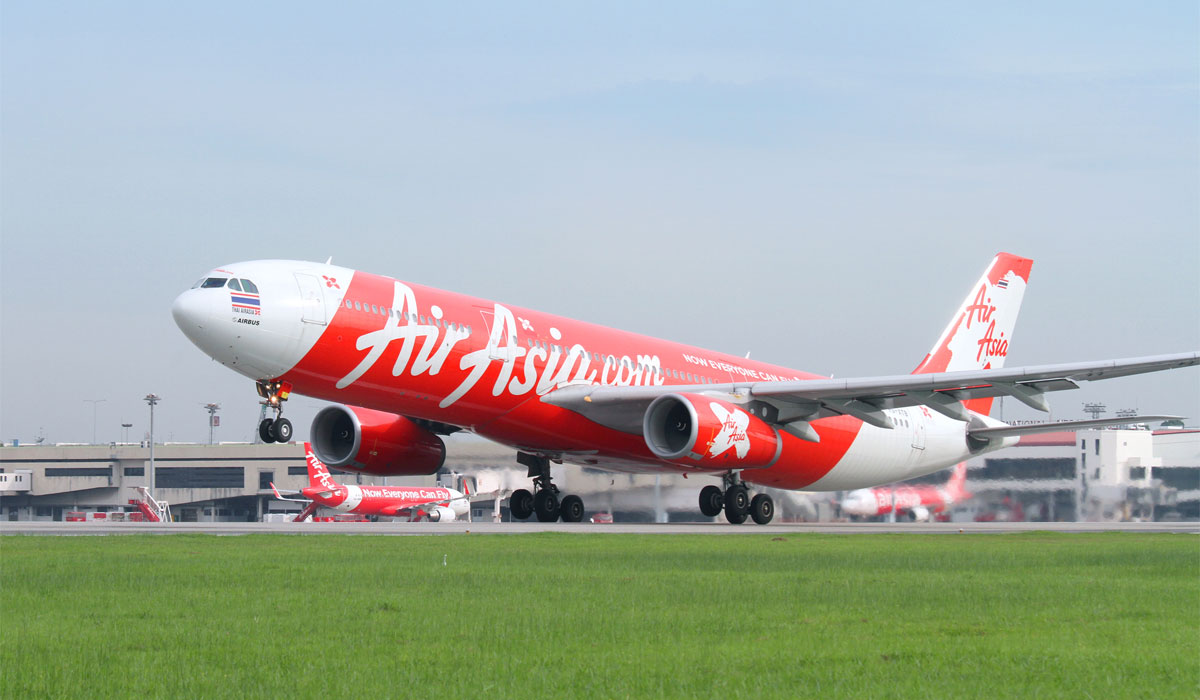
    AirAsia Group is seeking to raise as much as 2.5 billion ringgit ($600 million) by the end of the year as it tries to survive a business slump exacerbated by the coronavirus pandemic.

    The Subang, Malaysia-based budget carrier may borrow up to 1.5 billion ringgit from banks and another 1 billion ringgit from investors, a spokeswoman said Tuesday. AirAsia is also in talks with local and foreign investors including private equity firms, strategic partners, and conglomerates, she said, confirming an earlier report that cited Group Chief Executive Officer Tony Fernandes.

    Airlines around the world are losing money after grounding thousands of planes as countries shut borders and restrict people’s movements. AirAsia, which last month posted its largest quarterly loss on record, resumed domestic operations in late April but its long-haul unit, AirAsia X Bhd., still isn’t flying. Auditor Ernst & Young said in July their ability to continue as going concerns may be in “significant doubt.”

    South Korea’s SK Group said in June that it was in talks to buy a small stake in AirAsia, without providing further details. AirAsia has also cut the salaries of management, trimmed jobs, and deferred plane deliveries in an attempt to shave costs by 30% this year.

    AirAsia is also evaluating its operations in Japan and will make a decision very soon, the company’s spokeswoman said Tuesday. Its India venture remains as is, she said without elaborating. The airline is looking to consolidate and strengthen its business in Southeast Asia, even if that means exiting Japan and India, Reuters reported earlier.

    AirAsia said last month that it needs to reach agreements with major creditors to restructure outstanding debt because it faces “severe liquidity constraints” that threaten its ability to resume flying and continue as a going concern.

    The long-haul budget unit and its AAX Leasing Two Ltd. have received a claim from BOC Aviation Ltd. regarding $23 million of outstanding amounts due under lease agreements, according to an exchange filing Friday. AirAsia X, which said it is seeking legal advice, leases four aircraft from BOC.

    AirAsia is one of Airbus SE’s major customers for A320s while AirAsia X is the world’s biggest customer of Airbus A330neo planes. AirAsia X has 78 of the aircraft on order, according to Airbus’s website, and has already deferred the delivery of some A330neos.

  • Vietnam currency to remain stable throughout the year

    Vietnam currency to remain stable throughout the year

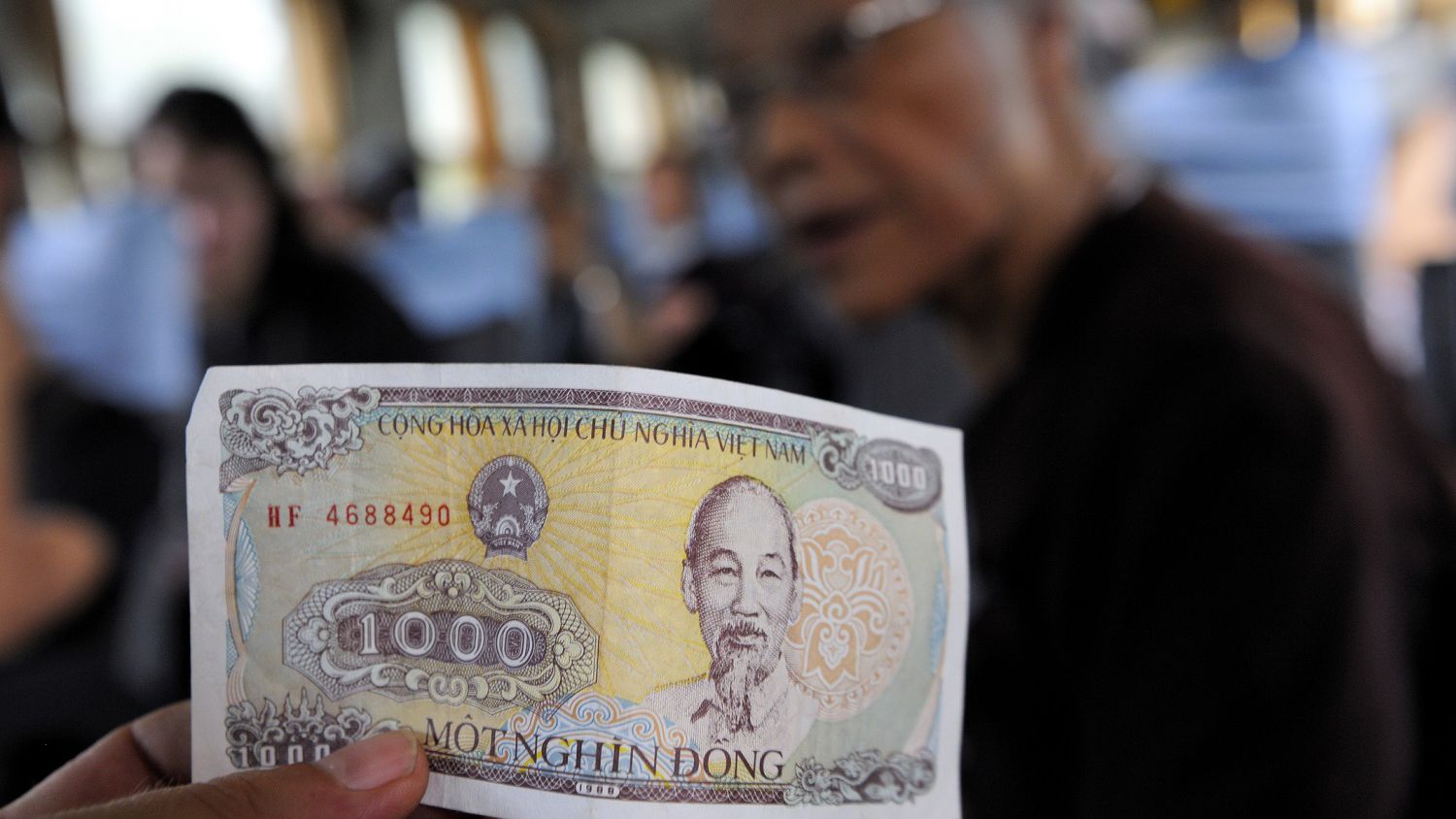
    Vietnam’s currency will likely remain stable this year as the greenback weakens and foreign exchange reserves rise, experts say. The reference rate set by the State Bank of Vietnam (SBV) has remained mostly stable this year and was at VND23,205 Tuesday.

    Rates at commercial banks for the last two months have also been stable. Vietcombank was selling the dollar for VND23,270 Tuesday morning. Ngo Dang Khoa, head of global markets at HSBC Vietnam, said that the VND/USD exchange rate will remain stable for the last four months thanks to a weakened dollar, Vietnam’s record-high trade surplus in the first eight months, and the record-high currency exchange reserves of the SBV.

    A poll of 75 foreign exchange strategists showed that 45 of them, or 60 percent, said the dollar would weaken slightly over the coming year. Analysts said the U.S. Federal Reserve’s policies have been the main reason for the dollar weakening sharply over the last four or five months. The Fed announced last week that it would tolerate periods of higher inflation and focus on employment.

    “So they’ve basically slashed rates to zero, that yield differential in America over the rest of the world is compressed and that obviously helped keep the dollar at such strong levels in previous years, which is no longer the case,”  quoted currency economist Lee Hardman as saying.

    Vietnam’s trade surplus climbed to a new peak of $11.9 billion in the first eight months as imports declined due to the fallout of the novel coronavirus pandemic, according to the General Statistics Office. A trade surplus increases the country’s supply of foreign currency.

    Prime Minister Nguyen Xuan Phuc on September 4 said that Vietnam’s foreign exchange reserves were at nearly $92 billion and could reach $100 billion by the end of the year.

    However, analysts from brokerage Bao Viet Securities said the SBV could slightly weaken the dong in the upcoming months amid the U.S. watching several countries, including Vietnam, for currency manipulation, or the use of unfair currency practices to gain trade advantages.

    A Vietnamese currency expert who asked not to be identified said that although Vietnam’s currency reserves have been increasing, it was still lower than other countries.

    The government has also been working closely with American authorities to prove that Vietnam is not intentionally using currency as a tool to boost exports, he added.

    Vietnamese authorities have repeatedly affirmed that the country does not use monetary policies to unfairly compete with trading partners.

  • StanChart Fined for 2007 Takeover Blunder in India

    StanChart Fined for 2007 Takeover Blunder in India

    India’s regulator fined Standard Chartered one billion rupees over violation of foreign exchange rules during a takeover of a local bank in 2007. India’s anti-money laundering agency slapped one of the country’s largest fines on a foreign bank in history following an 8-year probe that found it in violation of the foreign exchange management act which monitors offshore financial transactions.

    According to a report citing an order from India’s enforcement agency, Standard Chartered – the country’s largest foreign bank by branches – acted as a dealmaker and custodian for the transferal of Tamilnad Mercantile Bank (TMB) shares to a group of overseas investors 13 years ago without seeking permission from the local central bank.

    Senior officials at Standard Chartered saw an investment in TMB shares as an opportunity that might ripen into eventually larger ownership for the bank,» Sushil Kumar, the enforcement agency’s special director, said in the order.

    46,862 shares were transferred to foreign investors including GHI, Swiss Re Investors, FI Investments, Cuna Group and Sub-Continental Equities, an affiliate of Standard Chartered in April 2008. The transfers were made through escrow accounts with Standard Chartered, which acted as both a transaction agent and a lender to one of the investors on the deal.

    Standard Chartered through its affiliate Subcontinental was a proposed and eventually an actual investor in TMB shares to be purchased through the escrow agreement arrangements, Kumar added.

    Separately, TMB was fined almost 170 million rupees ($2.3 million) for similar charges.

  • Thai government bans online liquor purchase

    Thai government bans online liquor purchase

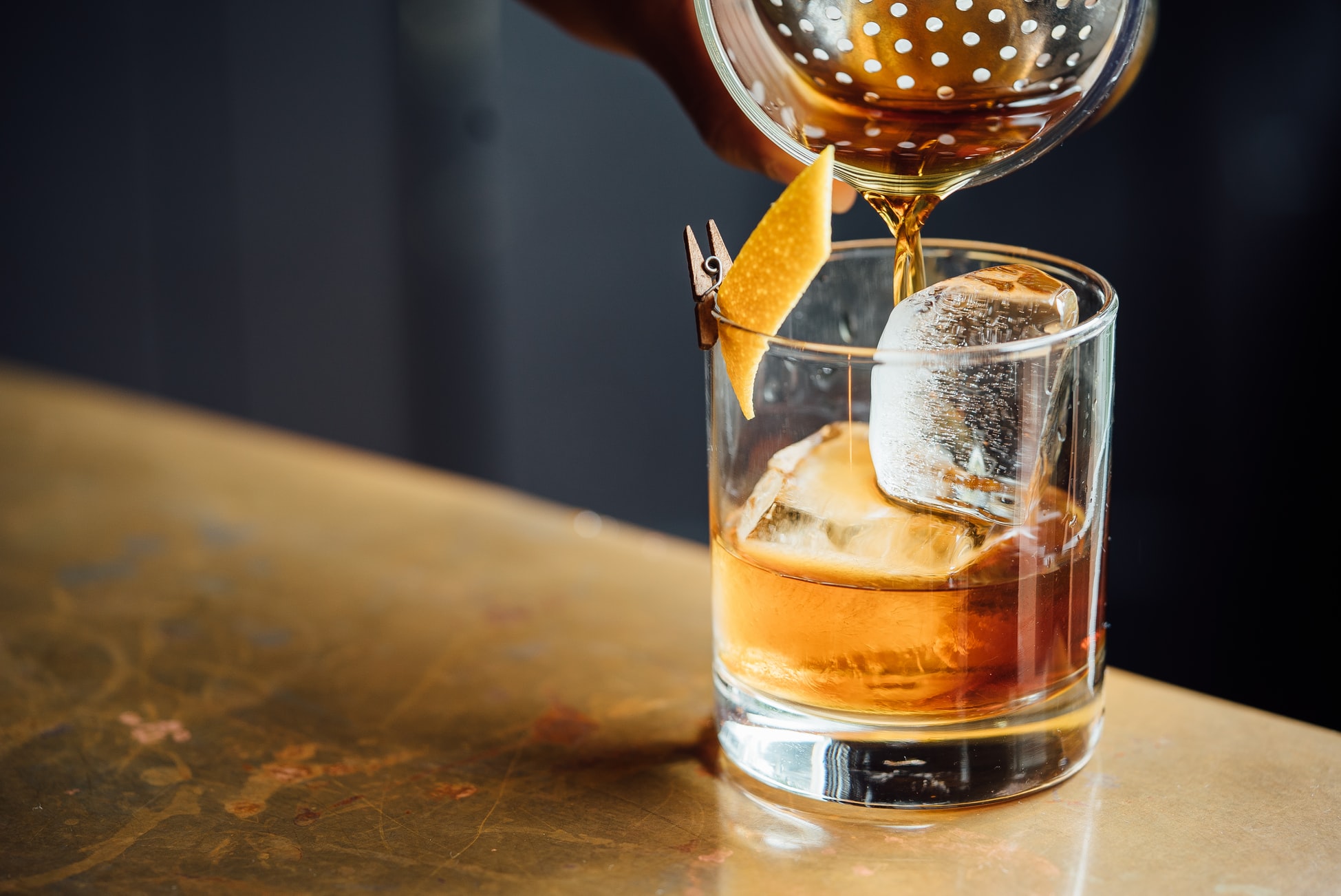
    Thailand is to ban the sale of alcohol online because the government says it is too difficult to ensure broader liquor sales are being respected.

    The decision has been signed off by Thai Prime Minister Prayut Chan-o-cha, who said that alcoholic drinks have become a popular item traded via e-commerce, creating difficulties in oversight.

    Thailand’s Alcoholic Beverage Control Act BE 2551 sets legal limits for the sale of alcohol that have proved impossible to adequately enforce on digital trading, which has presented problems in controlling the date, time, venue, and target groups buying alcohol.

    Thai law prohibits the sale of alcohol in retail stores before 11 am, between 2 pm and 5 pm and after midnight. The kingdom also has numerous full-day bans throughout the year including Buddhist holidays and days in which elections are scheduled.

    According to the Prime Minister’s announcement, prohibited activities include the direct sale of alcohol online, as well as persuasion, introducing alcoholic products or related services via electronic channels that allow for retail transactions for alcohol to occur without physically meeting.

    It does not include in-person electronic transactions such as purchases made by digital means in restaurants and stores.

    The ban will be put into place within 90 days of being published in the Royal Gazette.

  • Ikea Hong Kong launches mooncakes for Mid-Autumn Festival

    Ikea Hong Kong launches mooncakes for Mid-Autumn Festival

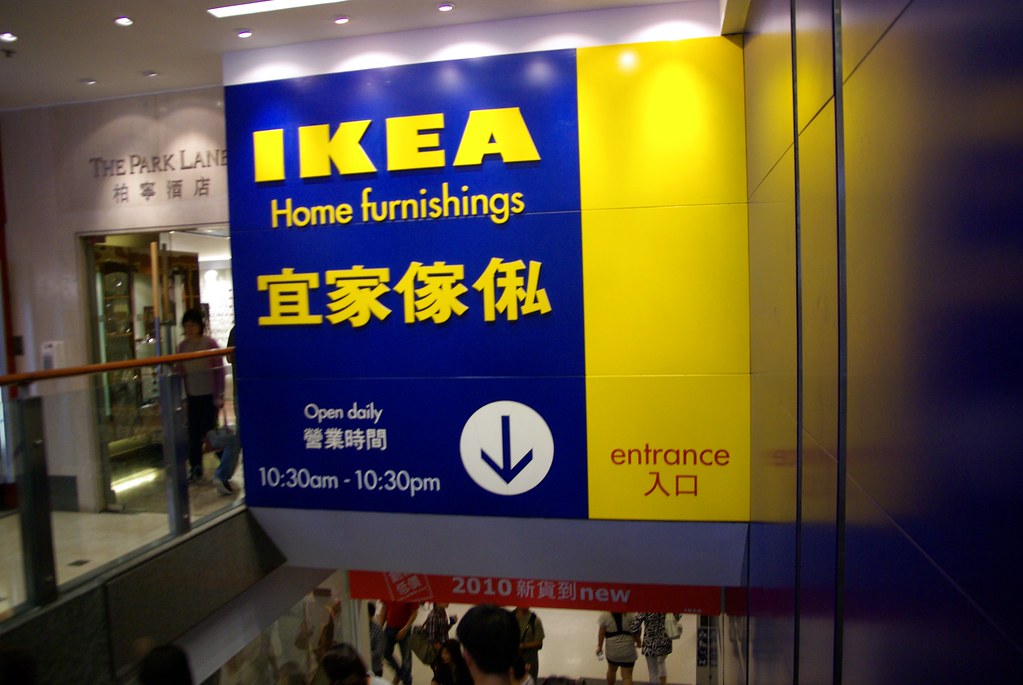
    Swedish furniture retailer Ikea has yet again stepped out of its aisle, expanding its food range with localized mooncakes for the Hong Kong market.

    Launching four fruit-flavored ‘snowy’ mooncakes (with non-baked glutinous rice flour as a shell), the mooncakes feature Hongkongers’ favorite mango and chocolate flavors, along with elderflower with kumquat and lingonberry with cream cheese – an homage to its signature meatball jam.

    Priced at HKD$49 (US$6.30) per box of four, the relatively affordable mooncakes will be available across all four Ikea branches in the territory.

    The retailer has also been expanding outside of furniture and working on building its offer of food along with designer homewares and even clothing recently. Last month it launched a range designed in partnership with fashion label and cafe operator Greyhound in Thailand.

  • Designer-bag rental platform Style Theory makes great Hong Kong start

    Designer-bag rental platform Style Theory makes great Hong Kong start

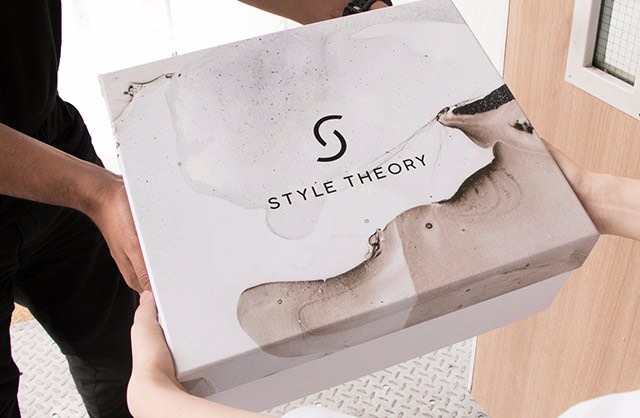
    Online circular fashion platform Style Theory has expanded its network to Hong Kong, its first market outside Southeast Asia.

    Style Theory Hong Kong members now can have access to more than 2000 designer bags from luxury brands, including Hermes, Celine, Chanel, Dior and Saint Laurent, with a rental subscription starting at HK$899 (US$116 per month).

    “Hong Kong was a natural fit in our regional growth plans to lead the circular fashion revolution in Southeast Asia,” said Raena Lim, co-founder of Style Theory. “Hongkongers can be more empowered to access fashion without the guilt of trying new styles or worrying about storage and maintenance.”

    Style Theory Hong Kong will focus on rental subscription and resale services for designer bags before considering other categories.

    Founded in Singapore by Raena Lim and Chris Halim, Style Theory started as an apparel rental subscription service before expanding into luxury bags.

    Style Theory is one of Southeast Asia’s largest online circular fashion platforms with offices in Singapore and Jakarta. The brand launched its flagship brick-and-mortar store in the heart of Orchard Road, Singapore last November.

  • Bamboo Airways eyes direct route to Australia

    Bamboo Airways eyes direct route to Australia

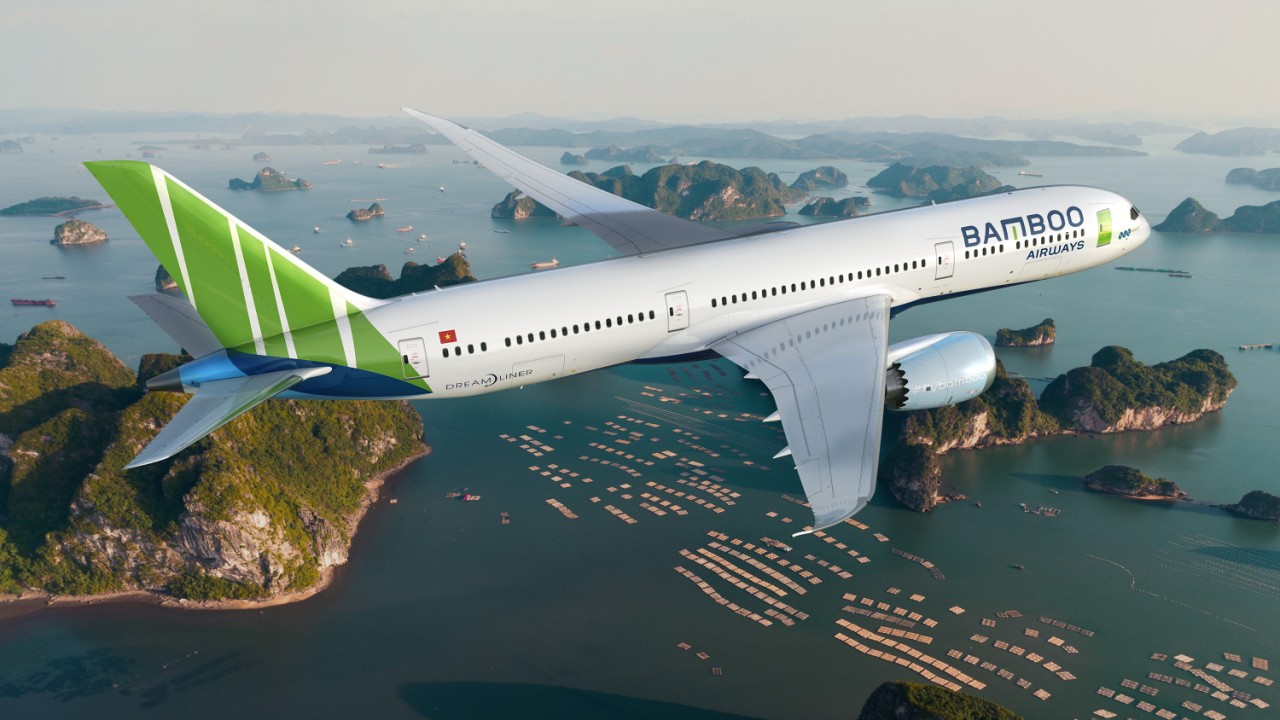
    Bamboo Airways plans to open a direct regular route between Hanoi and Melbourne early next year using the wide-body aircraft Boeing 787-9 Dreamliner.

    The airline made this announcement after conducting its first flight to Australia last Sunday to carry nearly 300 Vietnamese workers and students home. Nguyen Ngoc Trong, the deputy CEO of Bamboo Airways, said in a statement that Australia was one of the most important aviation markets for Vietnam.

    The airline is preparing to operate international flights once the Covid-19 situation has been contained globally. It is eyeing in particular flights connecting Vietnam with destinations in Oceania, Southeast Asia, and Asia.

    For the remaining months of this year, Bamboo Airways will continue to operate charter flights to international destinations like South Korea, Australia, Malaysia, Singapore, Taiwan, mainland China, Prague, and the U.S., Trong said.

    The airline was launched in January last year and was operating 40 domestic and international routes before the pandemic struck Vietnam this January.

    It conducted 2,040 flights last month, up 21 percent year-on-year, according to the Civil Aviation Authority of Vietnam (CAAV).

  • Apple Singapore’s floating store opens this week

    Apple Singapore’s floating store opens this week

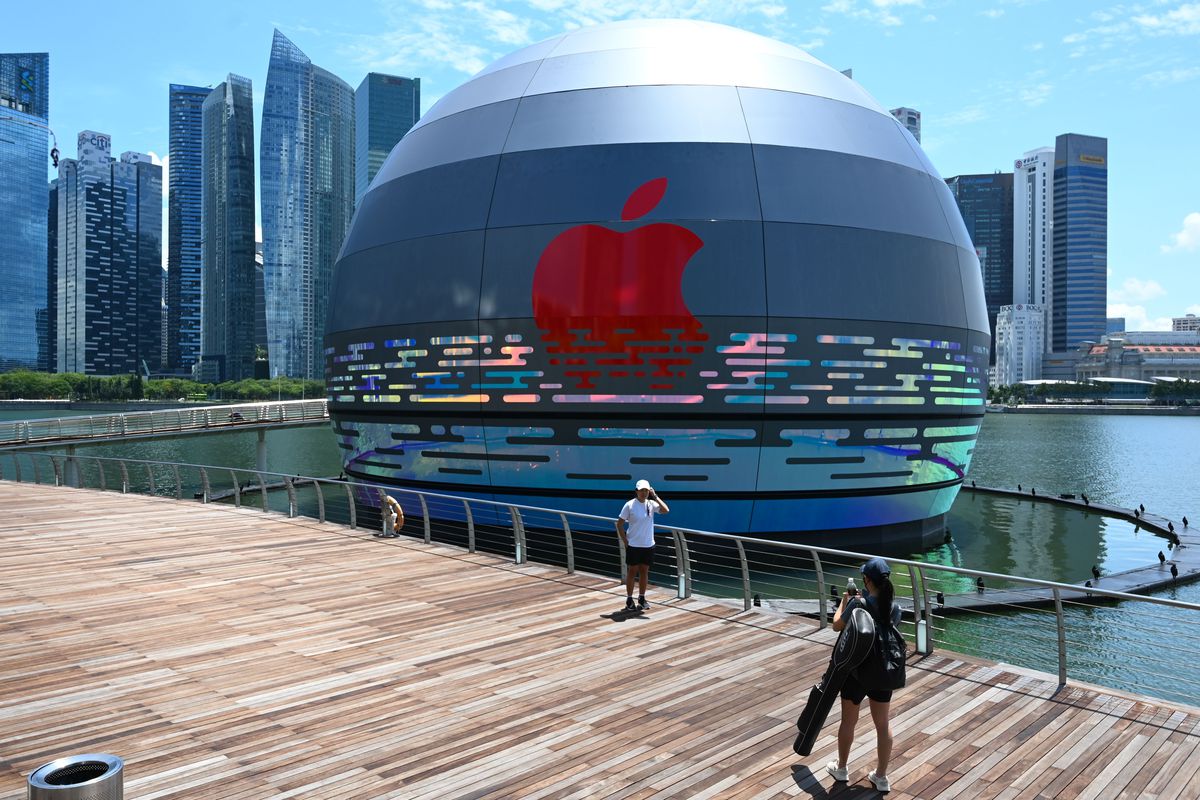
    Apple’s most ambitious store project yet will open its doors to the public this Thursday, a round structure that appears to float on Singapore’s harbor.

    The spherical shaped store features an all-glass dome structure above the waterline, with 114 panes of glass, affording 360-degree panoramic views of the city.

    Inspired by the Pantheon in Rome, an oculus is built at the apex of the dome, letting a ray of light flood the interior. Custom baffles, which are uniquely shaped, helps counter sun angles and create a nighttime lighting effect, according to Apple.

    Indoor trees are placed in a circular line, “providing additional shading and soft shadows through the foliage”.

    “We couldn’t be more excited to open the breathtaking Apple Marina Bay Sands in Singapore, building on our commitment to this special place that began more than 40 years ago,” said Deirdre O’Brien, senior VP of Retail + People at Apple.

    “Our passionate and talented team is ready to welcome this community to our new store and deliver the care and support that our customers around the world love.”

    Apple Marina Bay Sands houses The Forum meeting pace and a giant video wall, where Today at Apple sessions featuring Singapore’s artists and creators will be held. Apple’s first underground ‘Boardroom’ located on the lower level beneath the waterline is where entrepreneurs and developers can receive training and advice from the Apple team.

    On the opening date, store capacity will be limited and access will be by appointment only. Temperature checks will be taken, masks required and social distancing enforced.

  • Singapore government issues retail pricing transparency guidelines

    Singapore government issues retail pricing transparency guidelines

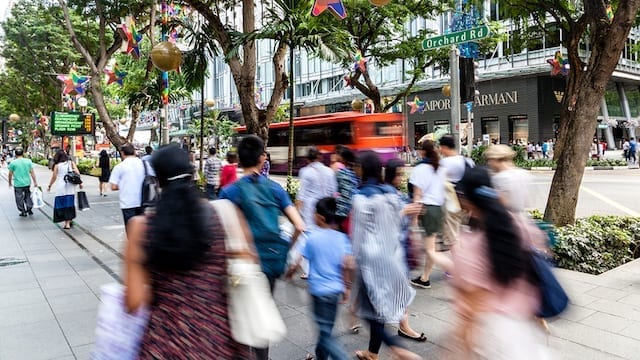
    Singapore retailers are on notice: tough new rules have been released covering drip pricing, price comparisons, discounts, and the improper use of the term “free” in a bid to eliminate misleading pricing practices.

    The state’s regulatory body, the Competition and Consumer Commission of Singapore, has issued a set of guidelines designed to educate retailers on pricing behavior. They take effect on November 1.

    The guidelines clarify how the commission will apply the Consumer Protection (Fair Trading) Act, to mandate price transparency.

    Under the guidelines, suppliers should ensure all charges (including taxes, surcharges, service fees, etc) are disclosed in total headline prices and institute an “opt-in” approach to any purchase add-ons that carry a charge. They must also take care that price comparisons with competing suppliers are accurate, based on genuine research, and not misleading – regardless of any offer of a refund.

    Discount prices must be genuine and reflect an actual drop from a demonstrably higher previous price and should be provided on a valid basis, with any time limits openly stated.

    “Free” items must represent a price of SG$0, and any qualifying terms clearly represented. Suppliers are encouraged to notify consumers before the end of any free-trial period, providing clear information on any subsequent fees as well as the cancellation procedure.

    “These guidelines aim to give suppliers greater clarity on how to comply with the CPFTA,” said CCCS CEO Sia Aik Kor. “Suppliers should ensure that their prices are represented accurately and communicated clearly and prominently so that consumers can make informed choices and shop confidently.

    “Suppliers also stand to gain as fair-trading practices can go a long way in building a solid reputation as a trusted trader. In short, the guidelines help to build a credible marketplace.”

  • HSBC Life Names Duo Chiefs in Singapore

    HSBC Life Names Duo Chiefs in Singapore

    HSBC Life Singapore appointed two senior executives to further expand manufacturing and distribution activities in the city-state. HSBC Life Singapore named Philip Pang and How Chee Koon as a chief investment officer and chief product officer, respectively, according to a Business Times report.

    Pang is responsible for developing, executing, and overseeing the investment strategy of HSBC Life Singapore. He 15 years of experience in insurance and investments including eight years as the head of investments with Prudential Singapore and NTUC Income Singapore. Previously, he also worked with HSBC Global Asset Management in Hong Kong and Singapore.

    How is responsible for strategic implementation and execution of new product developments and the management of HSBC Life Singapore’s product suite. He has nearly 15 years of life insurance experience across product development, actuarial pricing and valuation, data analytics, distribution and marketing, and was most recently head of consumer marketing at AIA Singapore.

    According to HSBC, its life insurance unit in Singapore will play a key role in the broader bank’s ambitions to become a top wealth manager in Asia.

    HSBC Life Singapore’s chief executive Carlos Vazquez also underlined greater internal collaboration with the asset management and the $1.4 trillion wealth management unit – newly formed earlier this year by merging retail and private banking.

    HSBC rebranded its Singapore insurance business in May last year and has since signaled a growth drive by rolling out more products and expanding distribution to include partnerships with independent financial advisory firms.

    The British financier is not alone in expanding its insurance business in Singapore. Most recently, China Life Singapore said it would also accelerate expansion by hiring over 500 consultants by 2023 to target wealthy individuals in the city-state.

  • Starbucks expands plant-based range in Asia Pacific

    Starbucks expands plant-based range in Asia Pacific

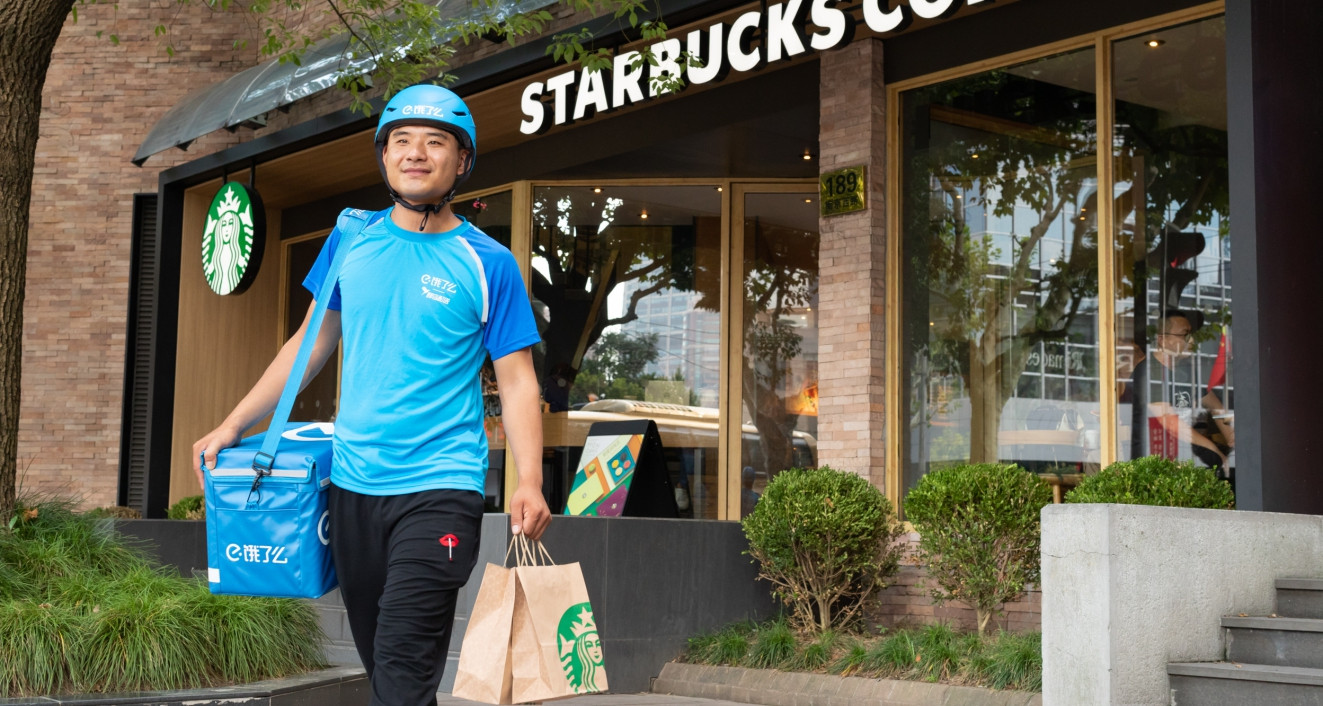
    Starbucks has rolled out a new plant-based menu in selected Asia-Pacific markets. The brand has added two new seasonal plant-based beverages – Oatmilk Cocoa Macchiato and Almondmilk Hazelnut Latte. The beverage range will be available across eight markets: Hong Kong, Indonesia, Malaysia, New Zealand, Philippines, Singapore, Thailand, and Vietnam.

    The new options will remain part of the chain’s core menu in up to seven of these markets when the seasonal promotion ends.

    Starbucks’ new plant-based food options will be sold in five markets: Hong Kong, New Zealand, Singapore, Taiwan, and Thailand. The company says they were created to suit the tastes and preferences of consumers in specific markets.

    They are:
    Hong Kong: Maize Impossible Sandwich, the Spiced Impossible Puff, and vegan chocolate breadstick.
    New Zealand: Mince & Cheese Pie.
    Singapore: Impossible Wrap.
    Taiwan: Beyond Meat Bolognese Penne, the Beyond Meat Sausage Sandwich, and the Beyond Meatball Sandwich.
    Thailand: Beyond Meat Sandwich.

    “As customer demand for plant-based choices increases, Starbucks remains committed to expanding plant-based food and beverage offerings in locally-relevant ways…,” the company said in a statement.

    “This menu expansion is designed to offer our customers the same flavors and handcrafted service they know and love from Starbucks, in a new way,” said Sara Trilling, president at Starbucks Asia Pacific.

    According to Euromonitor, Asia Pacific is the largest market for plant-based milk options as traditions in food culture have been well established.

    Industry manager at Euromonitor said plant-based options are strongly ingrained in Asian culture. Innovation is key to meeting the taste preferences of consumers seeking out new flavors and modern takes on traditional diets.

  • Foodpanda lifts off 24/7 Singapore Pandago goods-delivery service

    Foodpanda lifts off 24/7 Singapore Pandago goods-delivery service

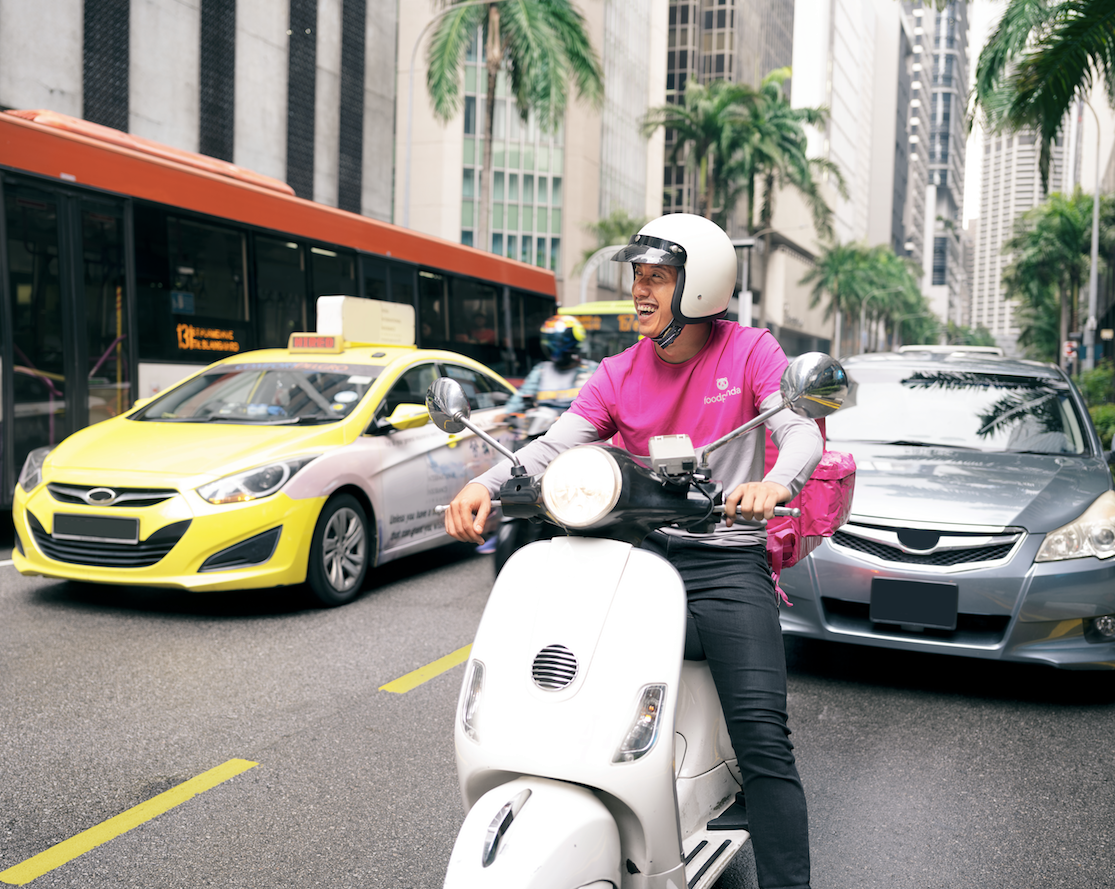
    Singaporean food-delivery platform Foodpanda has launched a logistics-as-a-service solution targeting businesses, using its community of more than 12,000 riders.

    Businesses requiring package-delivery services are now able to request a rider via a Pandago account on a pay-per-use basis, whether or not they are currently a Foodpanda customer. The service’s delivery fees are distance-based, charged over a base fee of SGD6 (US$4.39).

    The service builds on the rising demand for delivery within the territory, allowing businesses to request drivers to immediately deliver orders from their e-commerce channels and answering customer expectations for the most convenient possible shopping experience. The service also allows a real-time tracking feature.

    “Fast and reliable deliveries are becoming a must in today’s ‘convenience economy’ or quick commerce (q-commerce) economy,” stated material released by the firm. “The availability of on-demand delivery has universalized expectations of being able to get purchases delivered in real-time, and businesses that are not able to offer such services will see themselves losing out to those who can.”

    Pandago charges neither onboarding nor commission fees, and can perform as an “emergency” solution for businesses with existing delivery capacities during a surge in demand.

    “Q-commerce is the natural evolution of e-commerce,” said Foodpanda Singapore MD Luc Andreani. “We are acutely aware of the challenges that come with on-demand deliveries, especially for smaller businesses. The launch of pandago aims to solve exactly these challenges so that businesses can focus on what they do best.”

  • Digitalization of Asian Private Banking in Numbers

    Digitalization of Asian Private Banking in Numbers

    Even private banking in Asia – awash with not only the usual posh amenities but also various other characteristics that make it uniquely more high-touch – was not immune digital disruption during the pandemic.

    Within the banking sector, private banking has often been named as one of the segments most immune to digital disruption due to several common factors: larger account sizes and transaction sums that justify human resource costs; complex products and sensitive issues that are difficult to discuss while not in-person; and an older and traditionally less tech-savvy client demographic.

    This is even more amplified in Asia due to a hands-on investor culture coupled with a high share of active trading, leading to more need for manual interaction with clients. But increased market volatility and unprecedented geopolitical uncertainty, amidst an ongoing pandemic, has created an impetus for engagement regardless of method.

    We have met all our clients in their living room over the last six months, which was the first time ever, said Lombard Odier’s Asia chief executive, Vincent Magnenat, in a recent online conference. And guess what? We could have done this before Covid. We needed something like Covid to realize that we don’t need to take a flight to engage with our clients and partners.

    Many of the digital tools and capabilities being showcased during the pandemic, such as secure instant messaging or interactive virtual events, were already available to clients before the outbreak. But against the backdrop of restricted physical access, greater uncertainty and a digital option, a new factor has emerged: self-motivation.

    In the past if you wanted to share your view on macro or on markets, you basically had two ways: set up a large client event or distribute research documents and have bankers follow-up, said Omar Shokur, Asia chief executive of Indosuez Wealth Management in a previous interview. But during this crisis, we have seen bankers and clients becoming more receptive to interaction through new channels like virtual events, not to mention a much faster time to market.