Tag: asia

  • How to Trade Online

    How to Trade Online

    Learn to Trade Online- It’s an Intricate Affair

    Trading online may not be as easy as you think. Also, it is riskier than many perceive it to be, especially if you are involved in guess work, and haven’t done your homework. Many of us have capitalized on online money making opportunities, leaving no stone unturned. For those who are net savvy or perhaps just more entrepreneurial, taking a step into trading online requires sound trading skills. You may be privy to some of this information, or be using a renowned company for the same. Either way, it is not a trade for the weak at heart as there will be grave losses without informed decisions.

    Take Courses on Online Trading 

    Before we get to the nitty-gritty on how to trade online and go about perfecting this art (if at all that’s possible), let’s examine the options available to you

    Foreign Exchange Trading

    This is the first type of trading amateurs look at to make a buck. If you are not familiar with online trading at all, this may be the perfect starting point for you. It involves buying and selling popularly used and traded currencies. Making a profit is easy once you learn when to buy and/or sell

    Trading in Shares

    This is what you ordinarily come across when you catch a glimpse of NYSE or NASDAQ on CNN. It is buying and selling of company shares and usually attracts the richest investors. Take ample time to learn this trade prior to considering putting any money in

    Traders Buy and Sell Shares on the Stock Exchange

    Binaries

    Are you a gambler by any chance?  Ever placed an all-or-nothing bet? It’s basically going all out and expecting to either win, or end up broke. Based on predictions of how a certain event will pan-out, it is quite simple and only requires some insight, or instincts regarding an event.

    How Can One Prepare for Online Trading?

    Financial (market) literacy

    For starters, you will not be gambling a few pennies to the dollar, nor will you be gauging weak odds for marginal profit-making. This form of trading revolves around buying and selling financial securities. That being the case, you need to invest A LOT into learning about commodities, equities and currency indices. You may need to read on more than you planned to- it is essential because trading transcends different market sectors and may require knowledge from your college diploma. Read literature on how to win on Wall Street, analyzing financial markets, and of course, how trading online can help you earn a living. 

    Many of these learnings can be achieved for pennies on the dollar (unlike trading online). You should make use of online shows and television programs oriented toward financial markets. Yahoo Finance, CBS Market Watch and the like all cater for novice, as well as professional traders. For those seeking top notch insight from the comfort of their living rooms, Bloomberg and The Wall Street Journal will not disappoint.

     Market Literacy is Important

    Seminars on Trading

    Find professionals, no matter how much they cost, to guide you along the way. Most people (unfortunately) take their first trading steps with money allotted for something else. This, by the way, is not recommended nor endorsed by any of us. However, seeing as we have no control over which funds are spent for this endeavor, we can only recommend that you find specialists in the same. Also, while in the process of attending seminars, it would be beneficial to find a mentor- specifically, someone who has worlds of experience trading. They should also be trading in the field YOU want to participate in, otherwise their insight may be superficial.

    Practice makes perfect

    There are online games that get you heading in the right direction. These simulations may allow you to play with a little bit of cash, which is a great way to ensure you are not spending thriftily and losing embarrassingly. This paper trading removes the psychological effect of losing money. Once you move on to trading with your own cash, the emotions will kick in, but it helps a great deal if you have some foresight as to what may/ may not happen.

    To finalize your lessons and find your footing in the trading world, use credible and renowned firms to engage with. Forums can help you find the right ones, or if you have a mentor, they will undoubtedly link to one- or two worth checking out. If you are up for it, and your trading game is witnessing growth, take on a diverse portfolio. The more options you have to trade with, the more you can spread your risk and reduce your losses. 



  • Ikea proposes one-third price cut by boosting local sourcing

    Ikea proposes one-third price cut by boosting local sourcing

    Ikea India is proposing an economical solution by sourcing materials from the local market to cut down the budget, according to The Economic Times.

    The company said it is talking to the government and other players in the market to form furniture hubs. By sourcing wood locally, including Sheesham and bamboo, Ikea expects to cut prices by a third.

    The home-furnishing giant has been using wood imported from Europe.

    “We have had to accelerate our work to new categories and have had good success with metal, plastic and comfort categories, such as mattresses and sofas,” Kavitha Rao, country commercial manager of India, told The Economic Times.

    As part of its strategy to boost affordability in the India market, the brand has lowered product prices in certain categories, including chairs, toys, sofas, and bookshelves.

    “Local sourcing remains a key driver of affordability and over a third of the products under new lower prices are made in India,” he said.

    Entering India in 2018, Ikea India has increased its local sourcing from single digits to 20-25 percent. Local sourcing is a condition for many multinational companies to gain approval to open retail stores in India.

  • Pomelo speeds up Southeast Asian retail expansion

    Pomelo speeds up Southeast Asian retail expansion

    Pomelo is speeding up its retail expansion plans across Southeast Asia as part of a multi-market retail strategy.

    The company said it will enter Indonesia and Malaysia next. Indonesia’s first store will open at Central Park mall this November, while Malaysia’s first store is expected to launch in the first quarter of next year.

    “Creating a seamless omnichannel experience has always been at the core of what we do at Pomelo, and it’s what allows us to continue expanding our retail presence at a time when other brands may be doing the opposite,” said Anders Heikenfeldt, chief retail officer at Pomelo.

    Last month, Pomelo Thailand opened two retail stores – at The Mall Ngamwongwan and Terminal 21 in Bangkok. By November, the brand will roll out three more stores in the city’s popular shopping locations, including Fashion Island and Siam Center. The company said it plans to reach 20 stores in the country by the end of this year.

    In Singapore, Pomelo will open the city’s second store at Nex mall in November.

    Pomelo’s Tap Try Buy, a rebranded iteration of the Pomelo Pick Up service, makes up almost half of Pomelo’s online orders, with this percentage continuing to increase during Covid-19.

    “With Tap Try Buy, we’ve seen a huge increase in user adoption, especially as Thailand started to ease lockdown restrictions,” said Heikenfeldt. “For us as a brand, this emphasized the importance of opening more physical touchpoints to both engage with our existing customers as well as enable new shoppers across the region to experience our unique omnichannel approach.”

  • Rimowa opens Hong Kong flagship

    Rimowa opens Hong Kong flagship

    Premium luggage brand Rimowa has opened its first flagship store in Hong Kong, located at Lee Gardens. Occupying 192sqm, the store offers a selection of premium luggage, including the Original, Classic, Essential, and Hybrid collections

    The store’s facade features floor-to-ceiling glass windows and strong vertical lines incorporating lighting that “pays homage to the brand’s renowned groove design while also evoking the densely packed, iconic skyline of Hong Kong,” the company said.

    The Rimowa Lee Gardens store interior follows the minimalist design, using modern elements such as a bold pink ceiling, grey walls and floor, metallic displays, and contemporary track lighting.

    The store features a ‘sticker wall’ made from mirrored vertical metal panels. The design resembles a traditional Chinese painting known for its hanging scrolls. The sticker collection celebrates cities from across the globe and designs created in collaboration with the brand’s worldwide network of artists.

    Rimowa Lee Gardens also houses a Client Care counter where customers can schedule product servicing, and receive and inspect repaired luggage.

  • AirAsia to start charging customers for checking in at airport counters

    AirAsia to start charging customers for checking in at airport counters

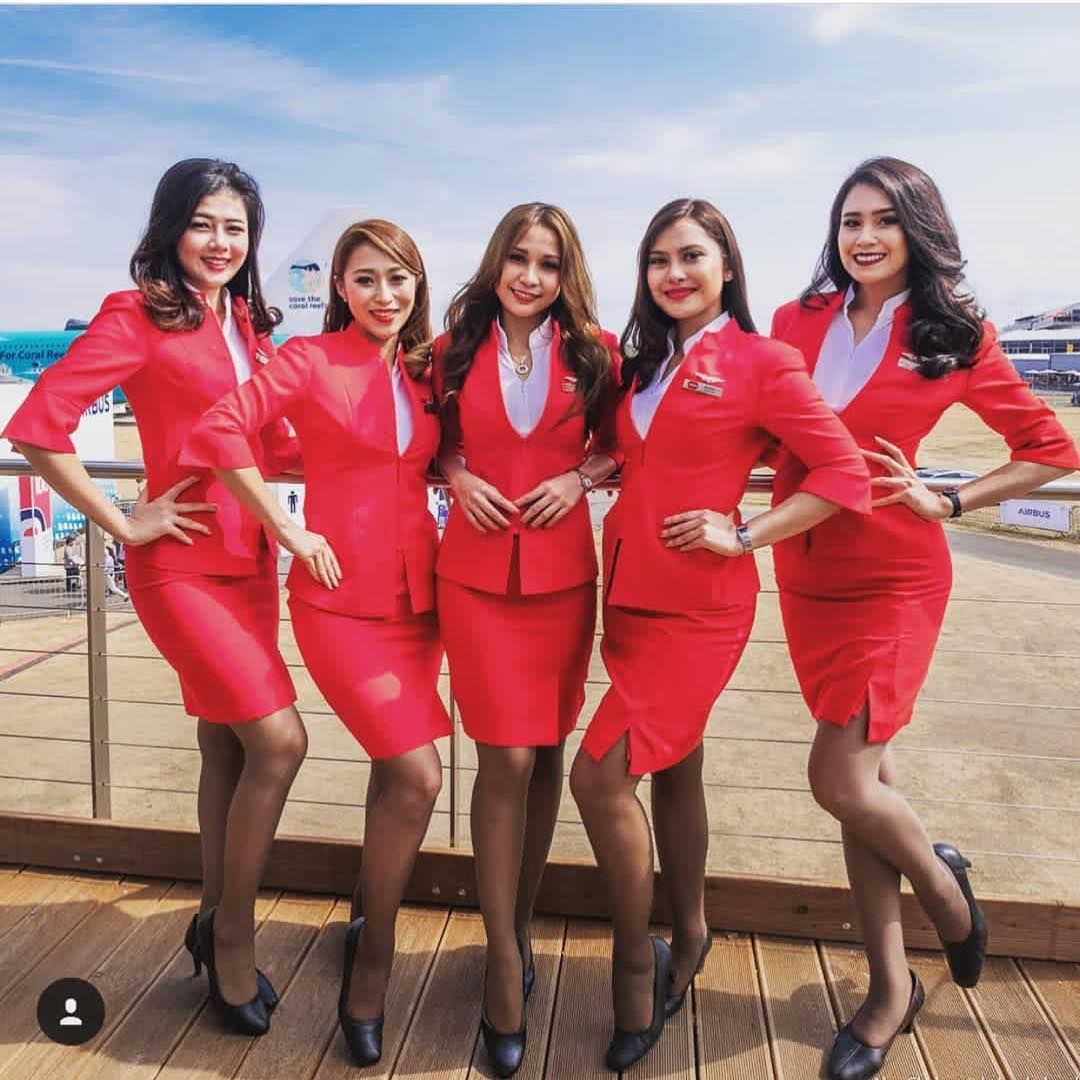
    Cash-strapped budget airline AirAsia Group Bhd said on Tuesday it would begin charging customers a fee to check-in at airport counters, in part to encourage them to minimize physical contact with staff during the coronavirus pandemic.

    Travelers who do not check-in via the airline’s website, mobile app, or airport kiosk will be charged 20 Malaysian ringgit ($4.83) for domestic flights and 30 Malaysian ringgit for international flights, though some exceptions will apply.

    AirAsia Group Chief Operations Officer Javed Malik said the fees would help motivate travelers to make use of the airline’s investment in digital technology.

    “In view of the Covid-19 pandemic, these self-check-in facilities have become very crucial in minimizing physical contact between our guests and staff,” he said in a statement.

    AirAsia last month reported the biggest quarterly loss in its history due to the devastating impact the pandemic has had on travel demand, with revenue down 96%.

    The airline said it had applied for bank loans in its operating markets and had been presented with proposals from investment bankers, lenders, and potential investors to raise capital.

    The new AirAsia check-in fees are well below European budget carrier Ryanair Holdings’s PLC 55 euro ($65.95) charge for airport check-in, which was put in place before the pandemic.

    US low-cost carrier Spirit Airlines charges $10 for boarding passes to be printed at the airport, according to its website.

  • Covid-19 precautions drag Hong Kong retail sales in July

    Covid-19 precautions drag Hong Kong retail sales in July

    The tightening of social-distancing regulations helped fuel a 23.1-per-cent decline in Hong Kong retail sales in July.

    Nevertheless, the decline was sharper than expected given July last year was the first full month when retail was affected by the outbreak of social unrest sparked by the proposed anti-extradition law, creating a lower base for this year’s July figures.

    A government spokesman said that while Hong Kong’s Covid-19 situation has stabilized since July, potentially improving consumer sentiment, the retail business environment will continue to be “very difficult in the near term” with inbound tourism remaining at a standstill.

    The decline in Hong Kong retail sales in July was only marginally less than June’s adjusted 24.7-per-cent drop.

    For the first seven months of this year, Hong Kong retail sales have dropped by 32.1 percent compared with the same period last year. However, on a more positive note, retail sales for the three months to July rose by 16.9 percent over the prior quarter.

    Reflecting on the limitations on restaurant and cafe trading, the value of sales in supermarkets in July surged 26.5 percent over last year’s figures. Sales of fuels rose by 3.8 percent and of furniture and fixtures by 0.3 percent.

    Every other retail category recorded a decline for the month, with the greatest impact on the overall decline being sales of food, tobacco, and liquor, down by 12.9 percent. In descending order of impact, declines were posted of 7.2 percent for miscellaneous consumer goods, 53.7 percent for jewelry and watches, and 5.6 percent for electrical goods and other consumer durables.

    Sales in department stores fell by 28.8 percent, of apparel by 42.5 percent, of medicines and cosmetics by 50.9 percent, motor vehicles and parts by 13.1 percent, books, newspapers, stationery, and gifts by 41 percent, of Chinese drugs and herbs by 26.5 percent, of footwear and accessories by 53.6 percent, and at optical shops by 37 percent.

  • DBS to Form Securities Joint Venture in China

    DBS to Form Securities Joint Venture in China

    The firm joins a string of international banks that have registered with Chinese authorities to set up onshore brokerages after the financial market supervisor loosened the rules on foreign access to financial markets.

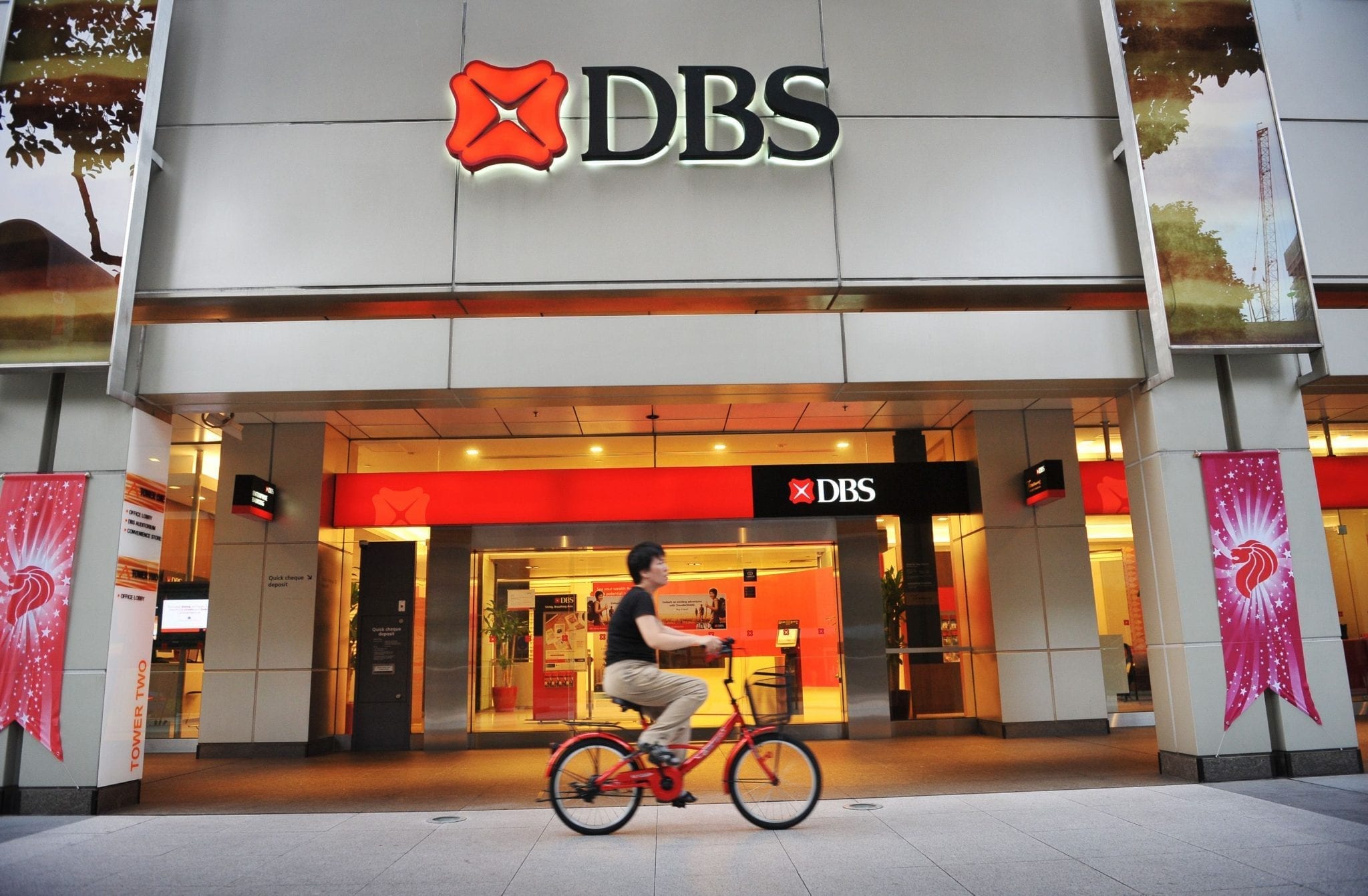
    DBS Bank has received approval to establish a securities brokerage joint venture in China, which will provide brokerage, securities investment consulting, securities underwriting and sponsorship, as well as proprietary trading, the bank announced on Wednesday in a statement.

    The bank had been in discussions to set up a securities firm in China together with a local partner as far back as 2018.

    DBS Securities (China) will be 51 percent owned by DBS Bank, 24.67 percent by Donghao Lansheng Investment Management, 13.33 percent by Shanghai Huangpu Investment Holdings, 6.5 percent by Shanghai Huiyang Asset Management, and 4.5 percent by Shanghai Huangpu Guidance Fund Equity Investment.

    DBS chief executive Piyush Gupta called it a key milestone for the bank, and said it would «make available the best of DBS’ capabilities and offerings, and provide customers in China with a full range of onshore and offshore financial services.»

    The establishment of DBS Securities will further support the long-term sustainable development of DBS Group in China and meet the changing needs of customers in multiple aspects, Neil Ge, China head of DBS Group said.

  • Alibaba.com initiative helps Vietnamese SMEs venture abroad

    Alibaba.com initiative helps Vietnamese SMEs venture abroad

    Alibaba.com, the global B2B e-commerce platform of Alibaba Group, launched a landmark initiative Monday to help companies in Vietnam go online and reach an enormous pool of qualified global buyers.

    As an international extension of the 2020 Spring Thunder program initiated by Alibaba Group, Alibaba.com’s ‘Project Sprout Up’ is a timely and tailored digital solution aimed at helping local SMEs compete through digitization amid the re-surfacing Covid-19 epidemic in Vietnam.

    The initiative will support Vietnamese SMEs in three key areas – faster onboarding onto the Alibaba.com platform for establishing a global reach, access to solutions designed to accelerate business growth, and tailored services to help SMEs deepen their online trade capabilities. These tailor-made services and a specially developed local program are bespoke to Vietnamese sellers on the Alibaba.com platform.

    “Vietnam has been gaining a strong reputation amongst global buyers with its manufacturing capabilities, high-quality products, competitive pricing and focus on exports. While the B2C segment has adopted e-commerce more instinctively, some entrepreneurs have also established global B2B trading using digital channels,” said Zhang Kuo, general manager of Alibaba.com.

    “This year even more businesses have felt the need for sustainable business models. We believe that global trade through B2B e-commerce can provide that opportunity and enable more SMEs to recover and even generate sustained growth,” Kuo added.

    A survey by Alibaba.com shows 65 percent of global buyers are now using online platforms to source products in place of on-site visits. There are now more than 20 million active buyers from over 190 countries and regions and an average of 300,000 inquiries made daily for goods ranging from raw materials to finished products on the platform. Over 600,000 products from Vietnamese sellers are currently listed on the Alibaba.com platform, including items from key local industries like food & beverage, furniture, home & garden, agriculture, and apparel.

    Alibaba Group’s 2020 Spring Thunder initiative was launched in April 2020 by Daniel Zhang, Chairman, and CEO of Alibaba Group. The program deploys the power of commerce and technology Alibaba Group has harnessed over the past two decades to create new supply chains, stimulate new demand, and promote new trade through a series of key measures.

    As an extension to this initiative, Alibaba.com’s ‘Project Sprout Up’ aims to help SME suppliers in Vietnam create sustainable business models through customized solutions.

    As part of the ‘Project Sprout Up’ initiative, Alibaba.com will offer its suppliers a complete 90-day onboarding service covering a range of features including online store set-up, support on product postings, understanding of keyword advertising, and support on traffic management and inquiries.

    This is backed by the use of AI to match buyers and sellers rapidly and more accurately on the Alibaba.com platform, coupled with the sheer number of inquiries each day from buyers around the world.

    With the aim of facilitating digital transformation awareness across the country, enabling local SMEs, and helping them to recover, the Alibaba.com platform has identified several changes in global consumer trends. The changes include increasing acceptance of e-commerce and the emergence of new e-commerce models, growing focus on health awareness led consumption, the popularity of products suited for in-home consumption while oriented towards value and purpose-driven consumption.

    Understanding these trends can create significant opportunities for Vietnamese sellers in the global arena. To give SMEs more confidence when participating in global trade, Alibaba.com will make it’s Smart Marketing Solution, an intelligent keyword advertising tool, available to suppliers in Vietnam.

    The tool draws on insights from the platform and AI algorithms to help suppliers market their products with intelligent pricing without additional labor or investment required. This solution will also enable businesses to understand the demand for a product category, offer pricing suggestions for their keyword bids to acquire new customer traffic and fine-tune their business strategies via a simple and basic interface, even for businesses new to the Alibaba.com platform.

    Vietnam has weathered the Covid-19 pandemic relatively well recently, however, one of the biggest challenges facing Vietnamese SMEs today is the lack of online trading skills.

    To address the issue, Alibaba.com will offer tailor-made training programs, which will highlight adaptable practices for all kinds of enterprise structures. Through systematic customer training sessions and service support programs, the ‘Project Sprout Up’ initiative will aim to create a successful roadmap for its members.

    Alibaba.com has been enabling the growth of SMEs since 1999 with tools designed specifically for B2B trade. Supplier members on the Alibaba.com platform are entitled to a suite of tools and services including a customized digital storefront, buyer analytics, targeted advertising, and support in the form of online courses as well as live customer support, among others.

    SMEs interested in learning more about ‘Project Sprout Up’ can click here to fill in a survey, after which a representative of Alibaba.com will reach out with further details.

    The first business of Alibaba Group, Alibaba.com was China’s largest integrated international online wholesale marketplace in 2019 by revenue, according to Analysys.

    It connects Chinese and overseas suppliers to international wholesale buyers, who are typically trading agents, wholesalers, retailers, manufacturers, and SMEs engaged in the import and export business. It provides them sourcing, online transaction, digital marketing, digital supply chain fulfillment, and financial services.

    In the 12 months ending March 31, 2020, over 20 million buyers from approximately 190 countries had sourced business opportunities or completed transactions on Alibaba.com.

  • Beer companies enjoy recovery

    Beer companies enjoy recovery

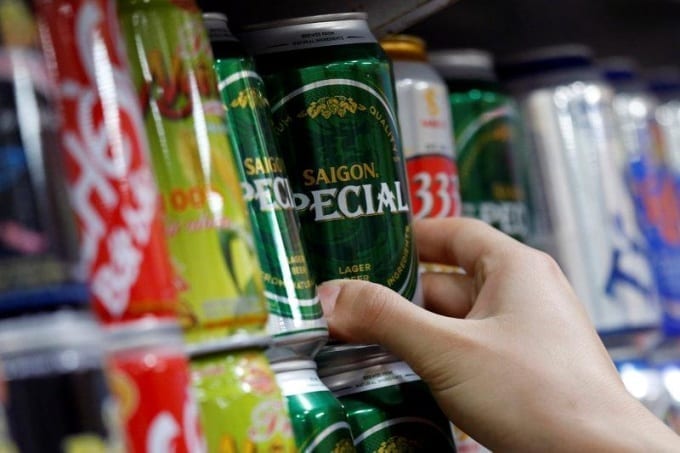
    Better second-quarter figures could indicate that the most challenging period for beer makers this year could have ended, a report says.

    Vietnam’s biggest brewer Sabeco saw a year-on-year revenue fall of 21 percent in the second quarter, smaller than the 47 percent recorded in the first quarter, according to a recent report from top brokerage SSI Securities Corporation.

    Its SAB shares’ prices have risen 66 percent from the lowest point it had reached this year on March 24 to VND191,500 ($8.26) Monday.

    The SSI analysts expect Sabeco sales to improve in the second half of the year if a nationwide social distancing campaign is not imposed as had happened in April.

    They also estimate that Sabeco’s revenues rise 23 percent over this year to VND33.3 trillion ($1.4 million) in 2021.

    A similar trend can be seen at the Hanoi Beer Alcohol and Beverage Jsc (Habeco), the report said. Its year-on-year revenues fell just 12.9 percent in the second quarter, compared to 50.6 percent the previous.

    Prices of Habeco’s BHN shares have risen 28 percent from its bottom on April 8 to VND52,400 ($2.2) Monday.

    However, the SSI analysts also said that beer consumption in Vietnam will take years to recover to levels recorded before the pandemic and imposition of tougher fines for drunk driving in January this year.

    Beer consumption in the first half of this year fell 12.7 percent year-on-year, according to a report by market research firm Nielsen. However, production in May rose 60 percent from the monthly average between February and April, it added.

    Vietnam consumed more than 4.6 billion liters of beer last year, up 10 percent from 2018, according to SSI.

  • Ford Is Developing Technology Which Could Predict Accidents

    Ford Is Developing Technology Which Could Predict Accidents

    Ford is developing a technology in the UK that could make road travel in the urban jungle safer and easier reports the Drive in Australia. Ford’s technology is said to have the ability to ‘foresee traffic incidents’ and present them from happening.

    Ford Mobility has formed an alliance with a group of bodies that consist of councils, transport bodies and universities to create a predictive road safety tool that utilizes data from local authorities, roadside sensors and connected vehicles to identify the high-risk hotspots.
    The program which is 18 months old had received its funding from the UK government. The program will collect data from 700 connected vehicles both commercial and passenger. This also includes the 100 roadside sensors, across Oxfordshire and London.

    The plan is to collect data which is gathered from driver’s brake or accelerator pedal pattern usage, to steering wheel angular use, how cyclists play on the roads and pedestrians alike and any near-miss incidents.

    The tool not only will define the hotspots of accident-prone areas but it will also predetermine the causes that result in accidents in that zone which are defined as hotspots. It will prepare the councils of that area to take preventive measures.

    The predictive solutions and improvements could include the introduction of red-light cameras at high-risk intersections. Initiatives like removal of nearby trees or the plantation on the intersection to improve the sensors to collect the data of the vehicles plying or any accidents happening could also be in the mix. They are also planning to raise the height of the signages for the drivers to have better visibility of the caution.

    The insights and analysis will be used to further prove and develop the digital road safety algorithm and tool into a scalable, commercial product to benefit cities and citizens around the world, the manufacturer said in a statement.

    The consortium will also seek to uncover further real-world applications for predictive road safety-related insights. Similar operations are being planned in partnership with authorities in places like Cologne in Germany, and Valencia in Spain.

  • July retail sales in Japan slide

    July retail sales in Japan slide

    Japanese government data shows a significant drop in retail sales for July this year.

    Retail sales in Japan declined by 2.8 percent for the calendar month compared with the same period last year, reaching US$117.4 million. The decrease was higher than the median market forecast of a 1.7-per-cent drop, and compounds last month’s fall of 1.3 percent.

    Retail sales shrunk by 3.3 percent month on month, a stark contrast to a 13.1-per-cent rise in June.

    The numbers were released by Japan’s Ministry of Economy, Trade, and Industry.

  • New feature for Android tablets helps parents keep track of their kids’ online experiences

    New feature for Android tablets helps parents keep track of their kids’ online experiences

    Being a parent these days means having to make some difficult decisions for your kids. There are choices that you never thought that you would have to make such as setting limits on screen times. And today, Google is introducing Google Kids Space, a new mode for select Android tablets that include apps, books and videos; the new feature provides more than just screen time limits and safety features designed to keep children safe. With kids tab, parents can easily find and pick “teacher-approved” apps for their children.

    Kids Space will soon be available globally on the new Lenovo Smart Tab M10 HD Gen 2, and will be available on more Android tablets shortly. Google says, “To evaluate and select “teacher-approved” apps in Google Play, we worked with academic experts and children’s education specialists to define rubrics. For Kids Space, we’ve built on that foundation and applied our quality standard to an ever-expanding library of apps and books in the Play and Read tabs. We worked with top publishers to make popular children’s books free of charge, and have over 400 free books available in the U.S. alone. In the Watch and Make tabs, your kids can view creative and fun videos from YouTube Kids that are engaging and encourage off-screen activities. And if you’re looking to customize, even more, parents can download additional content from Google Play.”

    Kids Space requires a Google Account for your child. Parental controls require the Family Link app on a supported Android, Chromebook, or iOS device. Books and video content might not available in all regions. Video content is subject to the availability of the YouTube Kids app and book content requires the Play Books app. The availability of apps, books and video content may change without notice.

    There are 400 free books in the watch and make tabs, and creative and fun videos can be viewed from YouTube Kids. Google is giving your kids enough content to stay entertained while also helping to educate them. And that is exactly what you want from an online baby sitter.

  • Yum China confirms US$2.5 billion Hong Kong listing

    Yum China confirms US$2.5 billion Hong Kong listing

    Yum China Holdings, the parent of the Pizza Hut, KFC and other restaurant chains in Mainland China, has confirmed it will list on the Hong Kong stock exchange, raising up to US$2.5 billion.

    The company’s stock will continue to be listed on the New York Stock Exchange, with Hong Kong a secondary listing.

    In a statement, the company said it would use the net proceeds from the listing to “expand and deepen” its restaurant network and to invest in digitalization and supply chain, food innovation and value proposition, and high-quality assets.

    Yum China is the nation’s largest restaurant operator based on last year’s sales figures and at the end of June it had 9954 restaurants in more than 1400 cities and towns.

    The exclusive licensee of US part-parent Yum! Brands’ quick-service restaurant brands, which also include Taco Bell, the company has also invested in local chains Little Sheep, Huang Ji Huang, East Dawning and Coffii & Joy. Yum China is also partnering with Lavazza to explore and develop the Lavazza coffee shop concept in China.

    In its announcement, the company said it would offer 41,910,700 new shares of common stock at an offer price of not more than HKD468, based on the closing price of the stock on the last trading day on or before Friday (September 4) in New York. The shares will be listed on the Hong Kong exchange under the stock code 9987.

    The offer opened today and will close at noon Friday, Hong Kong time.

    Goldman Sachs (Asia) is the sponsor, joint global coordinator, joint bookrunner and joint lead manager for the offering, while Citigroup Global Markets Asia, CMB International Capital Corporation and UBS Group are acting as joint global coordinators, joint bookrunners and joint lead managers.

  • Thailand’s CP All to launch 7-Eleven in Laos

    Thailand’s CP All to launch 7-Eleven in Laos

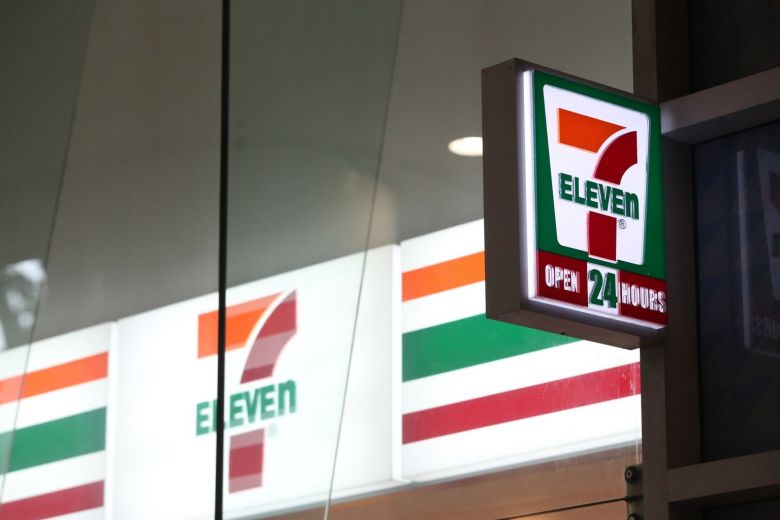
    Thailand’s CP Group is taking the 7-Eleven convenience-store chain into Laos after winning franchise rights for the country.

    The first 7-Eleven store in Laos will be opened in the capital city, Vientiane in 2022.

    “With its remarkable success in Thailand, I can think of no one better than CP All to bring the 7-Eleven brand to consumers in Laos,” said Joe DePinto, CEO at 7-Eleven. “This relationship promises to bring additional jobs and economic opportunities throughout the region.”

    Under the agreement, CP Group’s subsidiary CP All will oversee store construction and start to modernize the small-retail environment, according to the company. The 7-Eleven Laos network will offer international products, beverages, snacks, and consumables fresh foods with recipes developed for regional tastes.

    CP All now holds franchise rights for 7-Eleven in three Southeast Asian countries, with Laos following Thailand and Cambodia. Laos will be the 7-Eleven’s 20th international market.

    CP Group signed a master franchise agreement to operate the chain in Cambodia last year. In July, the company received reports of an unauthorized party representing itself as 7-Eleven’s master franchisee in the country and attempting to sell outlets.

  • Seoul cafes face new trading restrictions as Covid-19 returns

    Seoul cafes face new trading restrictions as Covid-19 returns

    South Korea is restricting operations of restaurants, bakeries and franchised coffee chains in the greater Seoul area in an effort to contain a new outbreak of Covid-19. Under the plan that lasts until next Sunday, restaurants and bakeries can operate until 9pm, and only takeaway and delivery will be permitted from 9pm to 5am.

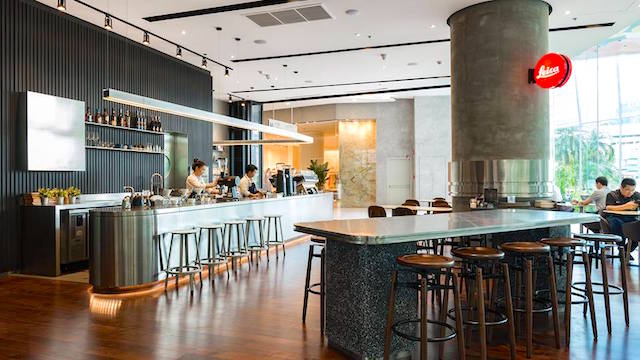
    For Seoul cafes, only takeout or delivery will be permitted regardless of operating hours, as cluster infections traced to coffee shops have been reported.

    Customers visiting coffee chains for takeaway must follow quarantine measures, such as making entry logs, wearing masks, and keeping a safe distance.

    The move is part of the government’s strengthened virus curbs in Seoul and the surrounding areas, home to half of the country’s 51 million population, as the country is struggling to curb spiking virus cases.

    On Sunday, the country reported 299 new Covid-19 cases – a drop below the 300 marks for the first time in five days – but health authorities remain on high alert as the triple-digit daily increase continued.

    Instead of raising the level of social distancing to the highest Level 3, the country unveiled stronger and “tailored” virus curbs last Friday for vulnerable groups and risk-prone facilities, a move widely viewed as ‘Level 2.5’.

    The government has been cautious about raising the social-distancing guidelines to Level 3 from the current Level 2 due to the far-reaching impact on the economy.

    In line with the stricter social distancing guidelines, cafe workers are putting store chairs upside down to indicate they operate only for takeaway or delivery.

    Some customers who frequent such coffee joints to study or read books have shifted to bakeries that operate normally until 9pm.

    Meanwhile, South Korea began to suspend the operation of indoor sports facilities, including fitness centers and billiard halls, in the wake of virus infections at indoor sports centers.

    The government also expanded no-assembly orders from large academies to almost all cram schools in the wider Seoul area. Only online lectures will be permitted.

    To protect the elderly from the risk of infection, visits to nursing homes, and facilities will be banned.

    Health authorities will also make one-third of all employees at government agencies and public institutions work from home. They also recommended private companies take similar steps.

    In mid-August, the government raised virus curbs to Level Two in the Seoul region for two weeks and expanded it across the nation starting last Sunday.

    Health authorities extended the current step for one more week in the wider Seoul region, as the number of new infections has not shown signs of easing.