Tag: asia

  • Investors fail in plans to increase Vinamilk stake

    Investors fail in plans to increase Vinamilk stake

    Vietnam’s sovereign fund and two Singaporean investors failed to acquire stakes in dairy giant Vinamilk this month as they had planned. A subsidiary of the State Capital Investment Corporation (SCIC) was unable to buy 225,000 VNM shares, or a 0.01 percent stake, due to “market volatility”, according to a Vinamilk statement on Friday.

    SCIC is the largest shareholder in Vinamilk with a 36 percent stake. F&N Dairy Investments Pte Ltd failed to buy 17.41 million shares, or nearly 1 percent, between July 17 and August 14. It already owns 17.69 percent.

    Another company, Platinum Victory Pte Ltd, too failed to buy a nearly 1 percent stake and its ownership stays at 10.62 percent. Both Singaporean companies have registered again to buy in September. They have been seeking to increase their stakes in Vinamilk repeatedly since early 2018 but in vain.

    Vinamilk saw first-half pre-tax profit rise by 3 percent year-on-year to over VND7 trillion ($302 million). CEO Mai Kieu Lien said earlier the company had stocked ingredients so that it could have an advantage when the trade is disrupted by travel bans. The company, which holds half the Vietnamese dairy market, last year acquired a majority stake in a competitor, Moc Chau Milk, and has recently announced plans to set up a cafe chain in Vietnam and increase its investment in a Laotian subsidiary.

  • Japan Display to sell LCD factory to Sharp and use the cash to pay back Apple

    Japan Display to sell LCD factory to Sharp and use the cash to pay back Apple

    Back in 2014-2015, Japan Display (JDI) was considered to be Apple’s major smartphone display supplier. At that time, the iPhone 6 and the iPhone 6 Plus were bringing larger-sized LCD screens to iPhone users. The original 3.5-inch display found on the first iPhone models rose to 4-inches with the iPhone 5 and to 4.7-inches on the iPhone 6. The iPhone 6 Plus carries a screen size of 5.5-inches and those sizes remained the same until 2017’s iPhone X weighed in with a 5.8-inch OLED screen.

    The iPhone X was the beginning of the end of Japan Display’s importance to the iPhone since the supplier was late to embrace OLED. JDI borrowed $1.5 billion from Apple to build a new LCD plant. With smartphone manufacturers-including Apple-turning away from LCD, JDI’s new factory was running at only 50% of capacity. Friday Japan Display announced that it will sell a smartphone display factory and the land it sits on to Sharp for 41.2 billion yen (the equivalent of $386 million). The Hakusan LCD factory along with equipment that will be sold to a customer believed to be Apple, will bring Japan Display $668 million while at the same time cutting excess capacity that has negatively impacted its earnings. This specific factory has been idle since 2019.

    The facility was supposed to have been sold by the end of this past March but the global pandemic caused the plans to change. When the factory was built, Apple covered most of the 170 billion yen cost ($1.61 billion USD) of the facility. Production started in late 2016 with up to seven million smartphone panels manufactured each month. As time went on, the number of panels churned out by the factory declined on a monthly basis. Japan Display will use the funds it receives from the sale of the plant to pay back Apple for the prepayment it made toward the facility.

    Sharp, which is owned by iPhone assembler Foxconn, will rent the necessary equipment from Apple that will allow it to produce LCD displays for older iPhone models. Sharp also expects to use the facility for developing and producing the next generation of displays including microLED screens which use millions of tiny light-emitting-diodes to produce a sharp display (no pun intended). Sharp does plan to spin-off its LCD panel business in October.

    Japan Display has lost money in 11 consecutive quarters and the company does produce the AMOLED displays that grace the Apple Watch.

  • Massive China retail sales boost for Tiffany & Co

    Massive China retail sales boost for Tiffany & Co

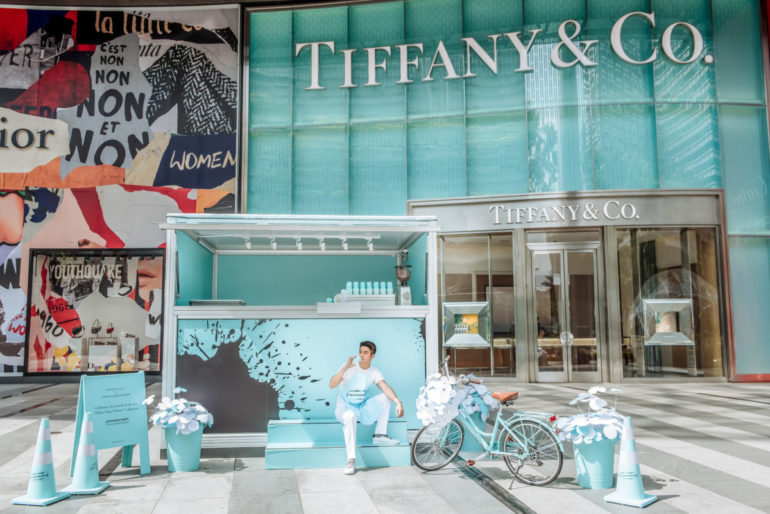
    Aided by a massive sales boost in Mainland China, luxury jewelry retailer Tiffany & Co returned to profitability in the second quarter of this year.

    “Retail sales in Mainland China began to rebound in April and continued to accelerate in the month of May, during which retail sales increased approximately 90 percent as compared to the same period in the prior year,” said CEO Alessandro Bogliolo.

    “This robust recovery continued throughout the balance of the second quarter with retail sales up approximately 80 percent for the full quarter as compared to the same period in the prior year.”

    Tiffany’s second-quarter, worldwide net sales declined 29 percent from the prior year to $747 million and comparable sales declined 24 percent from the prior year. Net earnings of $32 million were down by 77 percent against the previous year’s $136 million. But that marked a welcome return to profit after a torrid, Covid-19 hit first quarter.

    For the half-year to July 31, worldwide net sales declined 37 percent year on year to $1.3 billion and comparable sales declined 34 percent. The company reported a net loss of $33 million compared with net earnings of $262 million the prior year.

    In the Asia-Pacific region, total net sales were flat in the second quarter and decreased 24 percent in the first half, to $299 million and $473 million, respectively, which included a comparable sales increase of 17 percent in the second quarter and a decrease of 16 percent in the first half.

    Besides the stellar China performance, Tiffany said its sales in South Korea rebounded strongly, however these increases were offset by softness across other markets and a decline in wholesale travel-retail sales, all related to the Covid-19 outbreak.

    In Japan, Tiffany’s net sales decreased by 28 percent in the second quarter and 34 percent in the first half to $111 million and $197 million, respectively.

    Bogliolo said the company’s global sales strengthened in August, with preliminary month-to-date worldwide sales through to August 25 “slightly positive” compared to the same month-to-date in the prior year.

    “Our focus on effective local market messaging continued with a marketing campaign, featuring the new Tiffany T ambassador Chinese singer Jackson Yee, which generated impressive levels of social media fan growth and consumer engagement that well exceeded our expectations.”

    Meanwhile, the company’s total e-commerce revenue was up 123 percent during the second quarter, accounting for 15 percent of overall sales – significantly higher than the 6-per-cent rate of the preceding three fiscal years.

    Bogliolo is bullish about the jeweler’s future prospects, despite the Covid-19 crisis. “I firmly believe that Tiffany’s best days remain in front of us because of the team’s demonstrated agility in response to unforeseen hurdles and our stated strategies, which continue to prove sound.

    “Our second-quarter results and August trends to date, in light of these challenging times, confirm the power and resilience of this venerable brand.”


  • Green light for carrier KiteAir likely delayed until 2022

    Green light for carrier KiteAir likely delayed until 2022

    The Planning and Investment Ministry has suggested that the PM delays his approval to new carrier KiteAir’s investment proposal over Covid-19 impacts. The establishment of the new airline would add to the business woes wreaked on the local aviation industry by the pandemic, the ministry said in a document recently sent to Prime Minister Nguyen Xuan Phuc. “A suitable time for a new carrier would be 2022 when the market has recovered.”

    The ministry added that the current priority and focus should be the restoration of domestic and international aviation markets and support for existing carriers.

    Earlier, in July, the Transport Ministry (MoT) had also proposed that the government not license any new carrier, including KiteAir, till 2022, when the local aviation market is expected to recover.

    Based on the MoT’s proposal, Deputy PM Trinh Dinh Dung in July “agreed in principle” with the temporary suspension as proposed by the MoT. Dung, however, assigned the MPI, as an investment proposal appraisal agency, to report to the PM about the KiteAir investment proposal which was already submitted by hospitality group Thien Minh.

    The MPI had said earlier that KiteAir has a sufficient legal basis to have its investment proposal appraised. The MoT, meanwhile, had said the establishment of the new carrier was in line with the orientation and development plans of the industry.

    But in April, amid the Covid-19 pandemic, the PM requested ministries to review and consider the establishment of any new carrier, including KiteAir, given the new context.

    KiteAir, which planned to take off in the second quarter of 2020, was to be headquartered in the central province of Quang Nam with a charter capital of VND1 trillion ($43 million), invested in by Thien Minh, a leading Vietnamese hospitality group.

    It planned to operate six short-haul ATR-72 aircraft with a capacity of 78 seats in the first year of operation and expand the fleet to 30 jets by the fifth year, including 15 narrow-body Airbus A320/321 aircraft.

  • KFC most favored fast food chain in Vietnam

    KFC most favored fast food chain in Vietnam

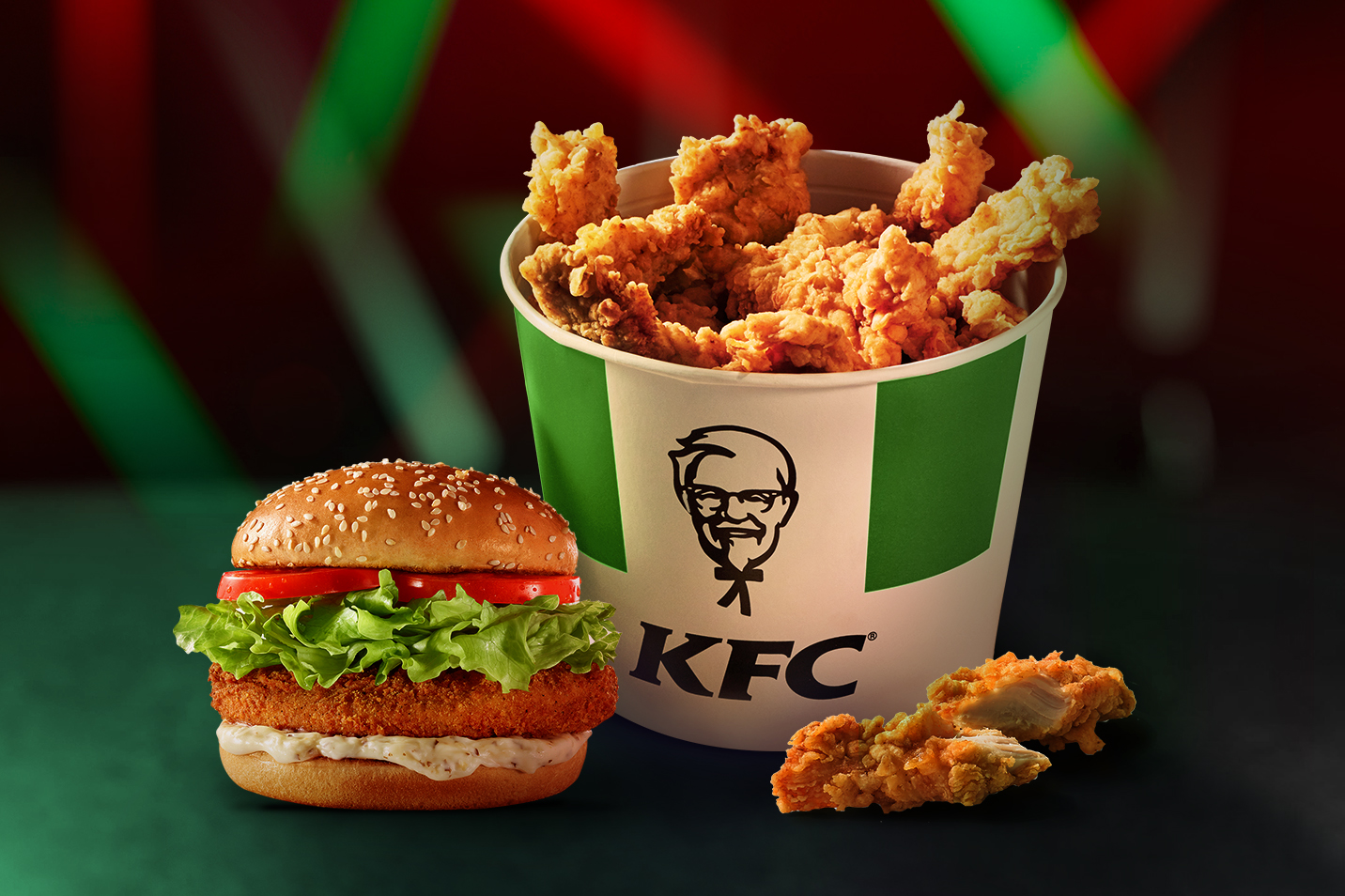
    American chain KFC is the most frequently visited fast food restaurant chain in Vietnam, with 45 percent of respondents visiting its stores often, a new survey found. It is followed by South Korea’s Lotteria with 17 percent of 600 respondents, and American restaurant chains Pizza Hut and McDonald’s both at 6 percent, according to the survey by Ho Chi Minh City-based market research firm Q&Me.

    Top reasons cited for favoring KFC were: delicious food (66 percent); convenient location (63 percent); suitable for family and the youth (60 percent); and variety on the menu (56 percent).

    The survey found 87 percent ordering food online from fast-food chains. Of these, KFC was the most ordered from at 52 percent, followed by Lotteria (30 percent) and Pizza Hut (21 percent).

    “Now” was the most popular delivery app for fast food online orders with 24 percent of the respondents opting for it, followed by GrabFood (20 percent). In Vietnam since 1997, KFC now has 135 outlets, mainly in HCMC and Hanoi, Vietnam’s two biggest metropolises, while Lotteria has around 200. Market research firm Euromonitor said in a recent report that international players dominate the limited-service restaurant market in Vietnam, since local independent chains are mostly small family-based businesses with insufficient resources to take on the big players.

    But, as a whole, fast food chains are experiencing slower growth. Market observers have said one of the reasons could be that the eating habits of Vietnamese are changing, with health being prioritized over convenience.In 2018, there were 7,000 fast food outlets in Vietnam, a relatively insignificant number considering there are around 540,000 food and beverage businesses comprised of 430,000 street vendors, 80,000 restaurants and 22,000 cafes and bars, according to Dcorp R- Keeper, a global company which provides technological solutions to food and beverage businesses.

  • Gap closing over 225 stores globally as sales continue to drop

    Gap closing over 225 stores globally as sales continue to drop

    Struggling US apparel retailer Gap Inc has revealed plans to shutter more than 225 stores globally this year with another batch to follow next year.

    The company has reported a second-quarter net loss of $62 million on sales down 18 percent. Sales through physical stores were down by 48 percent, offset by a meteoric 95-per-cent rise on online sales. The company gained more than 3.5 million new customers during the period.

    The company did not give any indication of where in the world its stores would close, or which banners are most affected by the plan, although its namesake Gap network and Banana Republic stores seem to be performing the worst. As at August 1, Gap Inc had 1643 stores trading under those two brands.

    The decline in sales in physical stores during the quarter was caused by enforced temporary closures due to the Covid-19 pandemic, with shops beginning to reopen from May. As of August 1, about 90 percent of its stores globally were trading again.

    Worldwide sales by the Gap brand were down 28 percent and at Banana Republic by 52 percent. Old Navy performed better, down by 5 percent overall, and aided by a 136-per-cent increase online.

    Athleta was the standout, boosted by consumers purchasing more relaxing apparel as they moved to work from home. Sales were up 6 percent overall, and online by 74 percent.

  • TikTok says it is close to announcing its sale following the departure of its CEO

    TikTok says it is close to announcing its sale following the departure of its CEO

    When TikTok hired Kevin Mayer to be CEO in May, some viewed it as a ploy, a stunt if you will. That was due to the fact that the short-form video app was being attacked by the U.S. government for having a parent corporation based in China and Mayer had been working for Disney’s streaming service, Disney+. Yes, nothing screams Americana more than Disney and its iconic cartoon characters like Mickey M-O-U-S-E, Donald Duck, and Goofy.

    But as the great Robert Zimmerman (you probably know him as Bob Dylan) once sang, “you don’t need a weatherman to know which way the wind blows.” Mayer knew that his days at TikTok were probably numbered since U.S. President Donald Trump was forcing ByteDance, the Chinese firm that owns TikTok, to divest the latter’s U.S. operations by September 15th or face a nationwide ban. Mayer composed a letter to his staff before departing in which he said that the CEO’s role at TikTok was expected to change dramatically. The Wall Street Journal saw a copy of the note which said, “I understand that the role that I signed up for—including running TikTok globally—will look very different as a result of the U.S. administration’s action to push for a selloff of the U.S. business. I’ve always been globally focused in my work, and leading a global team that includes TikTok U.S. was a big draw for me.”

    The plan was for Mayer to announce his departure at the same time TikTok announced a sale. However, word of Mayer’s intentions leaked overnight forcing him to come clean about his intentions earlier than he had hoped. Several ByteDance staffers said that they were stunned by Mayer’s move and said that they didn’t see it coming.

    As with many Chinese tech companies trying to operate in the U.S., the current administration accuses TikTok of being a national security threat because it might pass along to Beijing data obtained about U.S. consumers and corporations. ByteDance says that TikTok uses only two servers to store personal data with the main one in the U.S. and a backup server housed in Singapore.

    But Mayer’s departure isn’t even the top story involving TikTok this morning. That’s because CNBC reports that a deal to sell the app’s operations in the U.S., Canada, Australia, and New Zealand could be announced as soon as next week. Those in the know say that Microsoft and Oracle are the leading contenders to close on a deal and that a final decision has yet to be made. Earlier, Twitter had explored making a bid as did a partnership made up of Walmart and SoftBank. The value of any deal could be in the range of $20 billion to $30 billion, but sources say that a final price has not been agreed on.

    In an update to its story, CNBC quoted Walmart as saying that it might partner with Microsoft on a deal for TikTok. W Walmart spokesman said, “The way TikTok has integrated e-commerce and advertising capabilities in other markets is a clear benefit to creators and users in those markets. We believe a potential relationship with TikTok U.S. in partnership with Microsoft could add this key functionality and provide Walmart with an important way for us to reach and serve omnichannel customers as well as grow our third-party marketplace and advertising businesses. We are confident that a Walmart and Microsoft partnership would meet both the expectations of U.S. TikTok users while satisfying the concerns of US government regulators.”

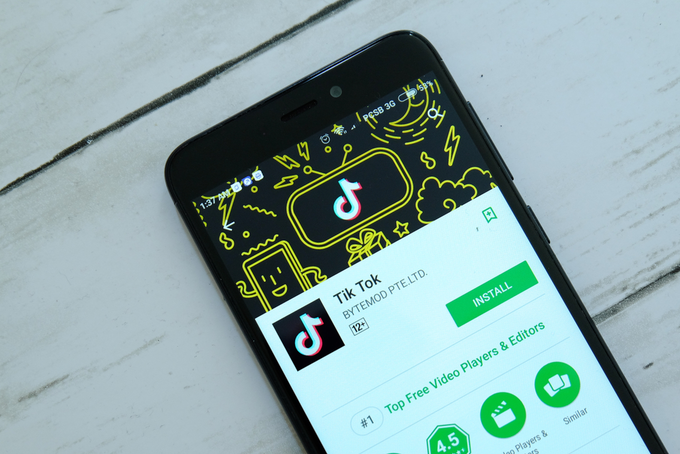
    TikTok has become very popular and was one of the top apps on the App Store and the Google Play Store even before the global pandemic helped pump up its numbers even more. With a large number of teens and pre-teens stuck inside during the peak of the summer, many turned to the app to pass the time. Users can record videos of 15 seconds or 60 seconds in length and content includes lip-syncs, dances, pranks, comedy, and more. In the states, TikTok has 100 million users with 800 million using the app worldwide. It has been installed more than 2 billion times from the App Store and the Google Play Store.

    If no deal is reached and the U.S. government bans TikTok, 1,500 Americans will lose their jobs. TikTok also noted that as many as 10,000 Americans would lose the opportunity to be considered for new job opportunities working for the app.

  • JD teams with brands to launch an organic alliance

    JD teams with brands to launch an organic alliance

    JD’s online supermarket JD Super has formed an organic alliance with brands trading on its platform.

    More than 10 companies, including domestic and international ones, have joined the alliance, including Milk Deluxe, Bellamy’s, Abbott, Anchor, and Gerber.

    Under the alliance, JD Super and other members will work together with government bodies, channel merchants, and inspection institutes to collectively build an “organic traceability” mechanism, which records information about product life cycles, according to JD.

    “JD hopes to establish an organic industry ecosystem through the optimization of industry standards for organic products as well a wide range of support for organic brands to grow their appeal among Chinese consumers,” the company said in a statement.

    JD Super will also support the organic alliance’s members with organic labeling and to develop the platform.

  • Japan’s 2nd Street to launch in Taiwan

    Japan’s 2nd Street to launch in Taiwan

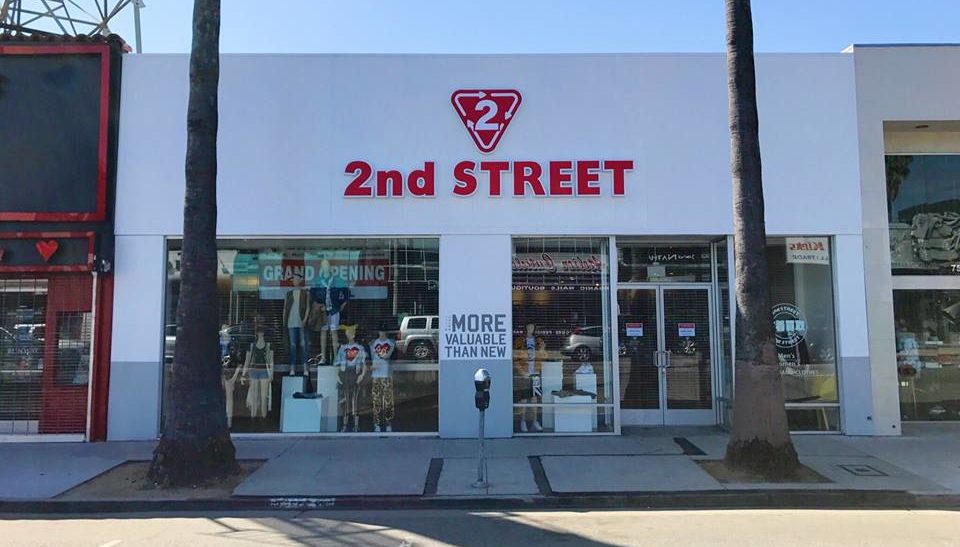
    Japanese pre-owned fashion retailer 2nd Street is launching in Taiwan with its first outlet set to open in Taipei. Located in the Ximen neighborhood, the store offers some 7000 items, including clothing, handbags, shoes, and accessories from Japanese designer brands such as Comme des Garcons and Under Cover as well as luxury brands like Louis Vuitton and Chanel.

    The brand plans to open three 2nd Street shops in Taiwan by next March.

    The 2nd Street Taiwan store’s layout and service will follow that of the stores in Japan. Prior to the launch, 2nd Street opened a pop-up store in Breeze Nan Shan mall to test the potential of the brand in the country.

    “Our aim is to expand the fan base for 2nd Street with a combination of the experience developed in Japan for the re-use business and the retail management skills beloved by the people of Taiwan,” said Sadaharu Deguchi, chairman, and GM at 2nd Street.

    “I sincerely hope that 2nd Street Ximen Taipei will become an attractive location for many customers,” Deguchi said.

    Launched in 2018, 2nd Street handles the sales of pre-owned products, including clothing, furniture, and appliances.

  • TWG Tea plans opening 20 online stores this year

    TWG Tea plans opening 20 online stores this year

    TWG Tea is expanding its digital footprint with more than 20 new online stores scheduled to open this year.

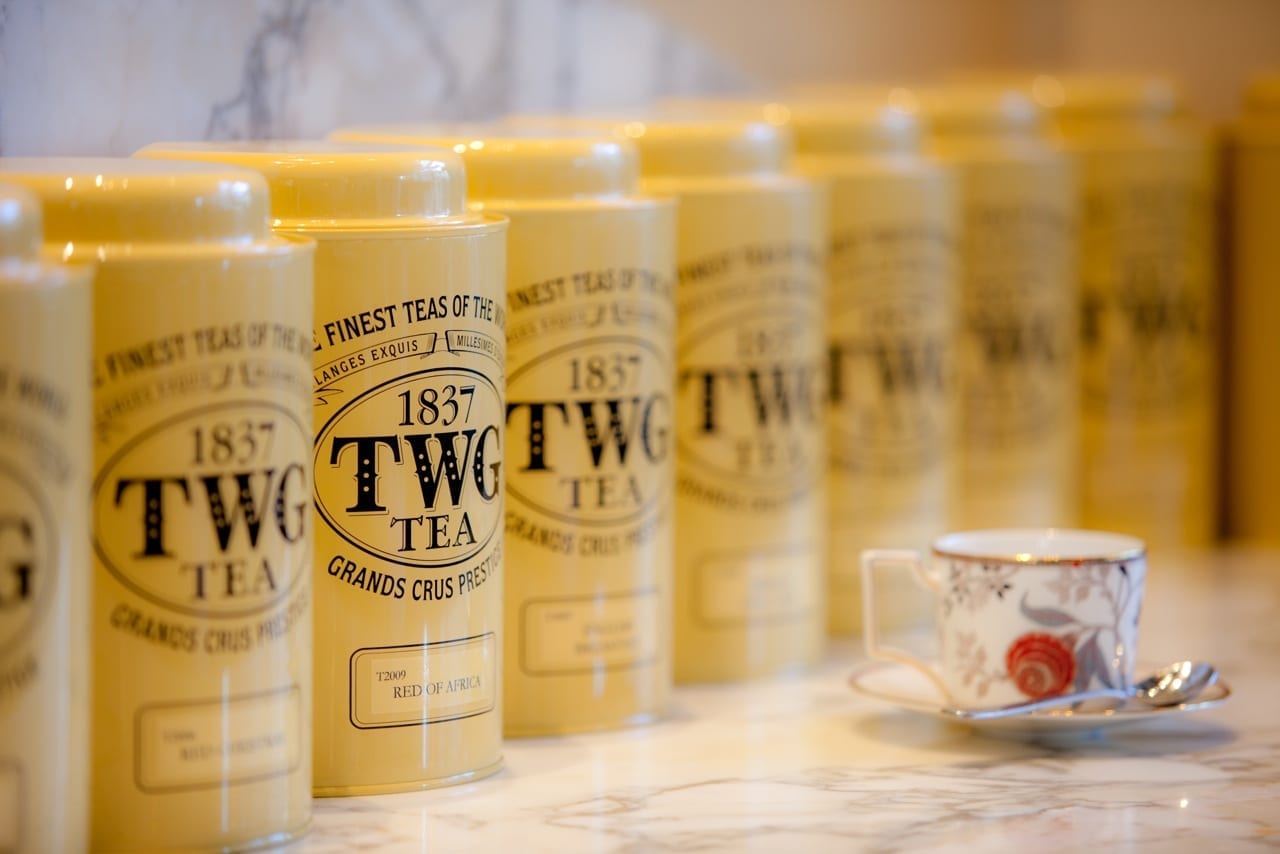
    TWG Tea’s online stores will be rolled out across Asia Pacific, North America, and Europe on third-party marketplaces, including Amazon, Zalora, and Lazada. The company said more products will be exclusively launched online, including its Autumn Haute Couture Tea blends, New World Tea and Destiny Tea.

    “We know that even during this pandemic, demand for TWG Tea is high,” said Maranda Barnes, co-founder of TWG Tea. “With this in mind, we went the extra mile to reach out to consumers through some of their preferred third-party online platforms in each of our markets.”

    “Rather than solely concentrating on expansion through brick-and-mortar locations, these new digital shopfronts are now quickly becoming an integral part of our global expansion strategy and are allowing us to provide an integrated luxury e-retail experience to customers around the world,” she said.

    TWG Tea operates 68 ‘Tea Salons’ and boutiques in 19 countries and has nine online ‘flagship stores’.

  • Cebu Pacific strengthens contact info database

    Cebu Pacific strengthens contact info database

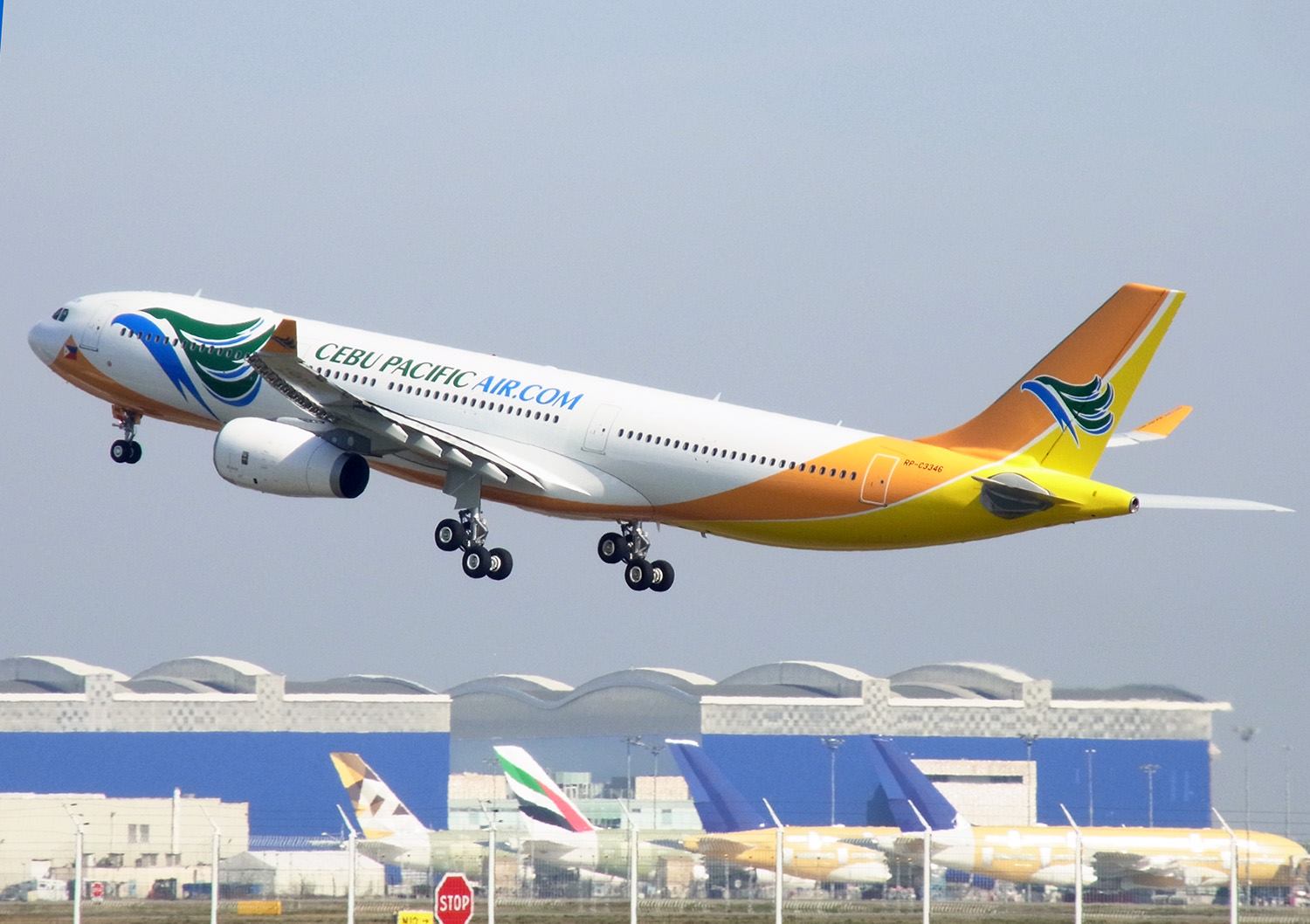
    The Philippines’ leading carrier, Cebu Pacific has enhanced its Manage Booking portal to allow passengers to easily update their contact information after booking has been finalized.  This is available for both passengers who booked online or through a travel agency.

    “Now more than ever, we have seen how important it is for airlines to have the accurate passenger contact information – not only to keep passengers updated on flight changes but also to support contact tracing efforts,” said Candice Iyog, CEB VP for Marketing & Customer Experience.

    This enhancement will provide support to local government units who require passenger details prior to the flight.

    “We believe with this multi-layer approach to safety and convenience, we will be able to restore trust and confidence in air travel for everyone”, added Iyog.

    Beginning today, passengers may already conveniently update their contact information anytime, from post-booking until check-in, through CEB’s Manage Booking portal on the website.

    Fill out necessary details on the manage booking page, then select which flight you’d want to modify. Click on “Update Guest Details” and click continue until done.

  • AirAsia X to implement further payroll cut next month as losses swell

    AirAsia X to implement further payroll cut next month as losses swell

    AirAsia X Bhd’s net loss for the second quarter ended June 30, 2020 (2QFY20) widened to RM305.24 million, 47.4% more than the RM207.11 million it recorded a year ago as the airline bore the full brunt of travel restrictions implemented to curb the Covid-19 pandemic.

    AAX sees more turbulence ahead due to uncertainties surrounding the lifting of travel restrictions, which have grounded most of its aircraft fleet.

    The low-cost carrier revealed that its severe liquidity constraints persisted. “In the short term the company will need to seek agreement with major creditors to restructure outstanding liabilities, which have accrued during the period since the start of the Covid-19 pandemic, in order to continue as a going concern,” AAX said in its quarterly financial result announcement.

    Meanwhile, the carrier continues to seek payment deferrals and concessions from its suppliers, lessors, and lenders. “Further payroll reductions will be implemented in the next month to reflect the significantly lower level of operations both at the current time and also when the company is able to start operating again,” it added.

    However, the quarter’s performance was an improvement over the preceding quarter’s in which the long-haul low-cost carrier posted its largest-ever net loss of RM549.7 million due to large foreign exchange losses and losses from the hedges against higher crude oil prices.

    Quarterly revenue shrank to barely RM91.44 million compared with the RM1.01 billion reported a year ago as AAX operated only 16 scheduled flights throughout the three months versus 4,824 a year ago.

    Its total cash balance contracted almost 30% to RM252.04 million from RM357.96 million at the end of last year. Deducting pledged deposits, its cash pile stood at RM211.94 million, a drop from RM307.85 million previously.

    The airline’s current liabilities ballooned by nearly 31% to RM3.38 billion from RM2.58 billion as at end-2019. The spike in its current liabilities was mainly attributed to trade and other payables, which rose to RM1.31 billion from RM823.81 million.

    “AAX will not be able to restart scheduled operations until international borders reopen and, in recognition of the current degree of uncertainty and the timing of the lifting of restrictions, the company has stopped selling tickets for future travel dates,” said the carrier.

    Shares in AAX closed unchanged at 6.5 sen today, giving the airline a market capitalization of RM269.63 million. Year-to-date, the counter has plummeted by more than half from 15.5 sen.

  • DBS Issues First SORA-Based Loan for Agribusiness Industry

    DBS Issues First SORA-Based Loan for Agribusiness Industry

    This is the industry’s first SORA loan coupled with an interest rate swap, which provides certainty of interest rates.

    DBS has issued a $200 million ($146.4 million) loan to agribusiness group Wilmar International –  the agribusiness industry’s first corporate loan agreement pegged to the Singapore Overnight Rate Average (SORA), the bank announced on Thursday.

    The loan facility’s interest rate, which references SORA, comprises a compounded daily SORA rate calculated in arrears and an applicable margin.

    Charles Loo, Wilmar chief financial officer, said the loan will put the company in good stead to ride the wave of interest rate reforms and drive better understanding and greater adoption of risk-free rates in general, which is more stable and robust.

    SORA is a transaction-based interest rate benchmark underpinned by the SGD overnight interbank funding market. To determine the interest rate of a SORA-based loan facility, the daily SORA rates are compounded in arrears and the interest rate is determined by the end of the relevant interest period.

    Singapore plans to shift away from the SGD Singapore Interbank Offered Rates (SIBOR) in three to four years and adopt SORA as the new interest rate benchmark for the Singapore Dollar cash and derivatives market, saying this will bring more transparent loan market pricing for borrowers and more efficient risk management for lenders.

    The SORA IRS demonstrates DBS’ commitment to increase liquidity in SORA-derivatives, Andrew Ng, DBS group head, Treasury & Markets, said. This will allow clients like Wilmar to continue to hedge their loan exposures and facilitate a smoother transition into the new benchmark.

  • R&B Tea expanding in the Philippines 

    R&B Tea expanding in the Philippines 

    Singapore-based Koufu Group is taking R&B Tea to the Philippines with Shakey’s Pizza.

    Under the franchise agreement, Shakey’s will sell selected R&B Tea drinks in Shakey’s and Peri Peri stores in the first year of business, and subsequently open at least five stand-alone R&B Tea outlets in the Philippines.

    “This marks our second milestone this year, following the acquisition of Deli Asia Group, despite the challenging market conditions from the impact of the Covid-19 pandemic,” said Pang Lim, executive chairman, and CEO at Koufu.

    “We have carefully considered the market trends and found the conditions in the Philippines to be favorable, with a growing receptiveness towards the bubble-tea culture in recent years.”

    R&B Tea is one of Asia’s most popular bubble-milk tea brands, operating more than 1000 outlets across China, the US, Singapore, Cambodia, Vietnam, Malaysia and Indonesia.

    “This co-branding initiative is likewise in line with our renewed focus on out-of-store consumption, enhancing sales through these channels with minimal additional investment and maximizing the use of our existing assets,” said Vicente Gregorio, president and CEO of Shakey’s.

    Gregorio is confident the bubble-tea sector can create a third pillar of growth for Shakey’s.

    Shakey’s is the Philippines’ largest casual dining restaurant brand

  • Most Asia-Pacific consumers unhappy with delivery experiences

    Most Asia-Pacific consumers unhappy with delivery experiences

    Only 22 percent of Apac consumers report having product delivery experiences that meet their expectations every time, according to a new study by BluJay Solutions.

    The research finds that with contactless delivery options becoming more prevalent against the backdrop of the coronavirus pandemic, consumers’ expectations for transparent, reliable, and accurate delivery information is greatly enhanced. In spite of this, deliveries often fall below expectations.

    “With consumers stuck at home due to Covid-19 restrictions, we’re seeing a shift in delivery needs and preferences towards contactless ‘click and collect’ in addition to increased demand for precise collection and delivery times,” said BluJay Solutions GM Apac Katie Kinraid.

    “However, the delivery experience is being hindered by issues such as delayed deliveries, long wait times, and a lack of proactive communications.”

    The research also indicated that consumer age groups previously reluctant to switch habits to shopping online are now making e-commerce purchases on a fortnightly basis, predominantly purchasing clothing, footwear, small electronics, groceries, and supplements/beauty products. Half of all Apac consumers surveyed reported shopping more online since the outbreak.

    A significant problem is a delay in delivery, with only 14 percent of respondents reporting regular timely deliveries. While 87 percent of consumers check the cost before completing purchases, 71 percent check the delivery timeframe and 51 percent consider delivery tracking functions.

    BluJay surveyed more than 7000 shoppers throughout the region, including Australia, New Zealand, Singapore, Thailand, Philippines, Malaysia, and Indonesia in the course of the report.

    “Retailers and carriers must adapt to suit consumer preferences that have transformed as a result of this pandemic,” said Kinraid. “Returns policies, for instance, will become more important as consumers increase their online shopping.

    “With consumers now preferring contactless, same-day delivery, retailers and carriers need to reassess how they will manage the new model moving forward,” she said.

    “Areas for improvement that retailers and carriers should consider include the need for new communication channels with customers, as well as the need for greater transparency and accuracy on the delivery and collection times. Most importantly they will need to look at how they can help ensure a seamless and safe delivery that maintains zero contact and reduces the potential for theft.”