Tag: asia

  • Kerry Logistics Network scores repeat wins at the Frost & Sullivan Asia Pacific Best Practices

    Kerry Logistics Network scores repeat wins at the Frost & Sullivan Asia Pacific Best Practices

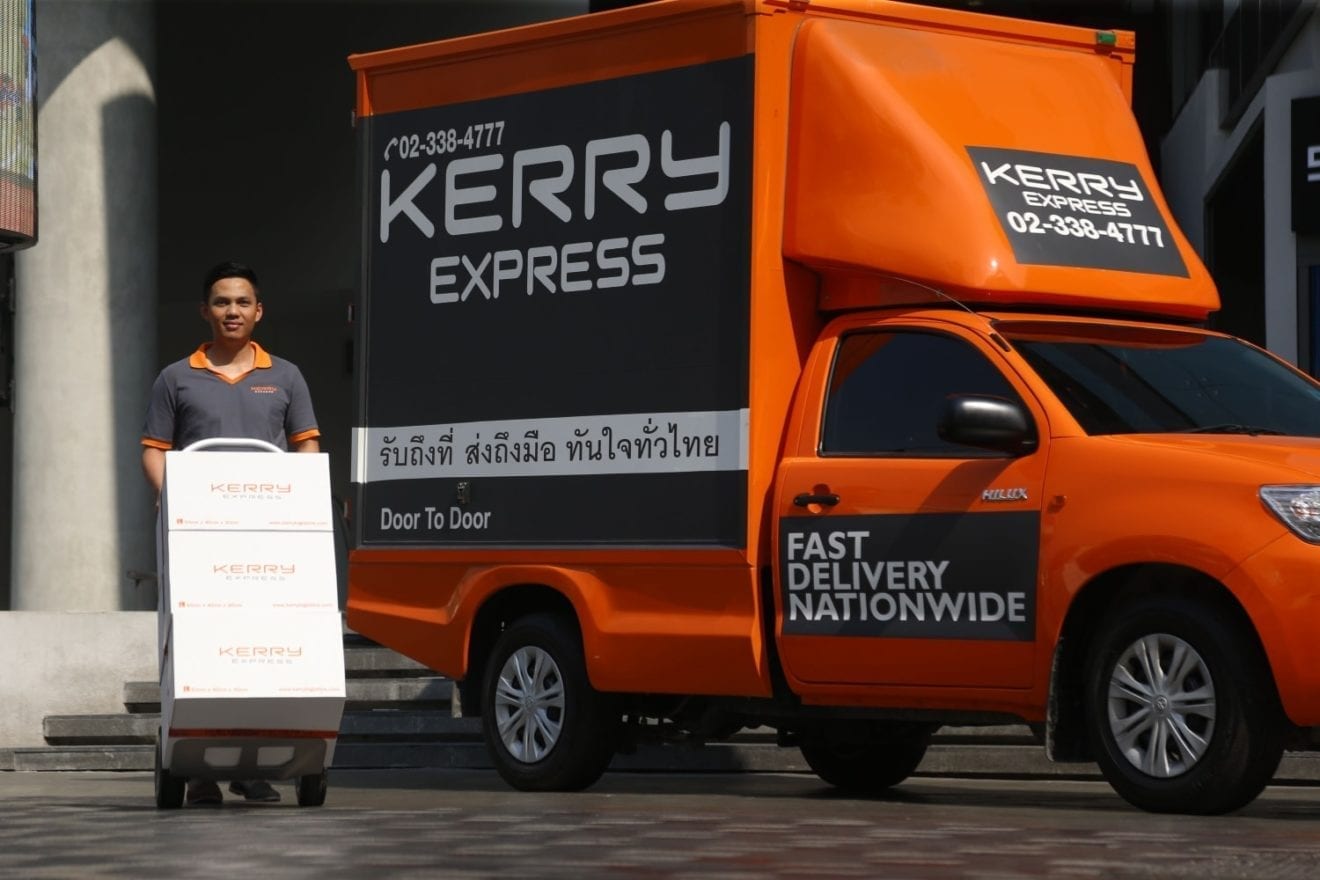
    Kerry Logistics Network Limited has been conferred the titles of the Frost & Sullivan Asia Pacific Best Practices Awards (the ‘Awards’) for the fourth consecutive year, winning the “2020 Asia-Pacific Logistics Services Provider of the Year Award” and the “2020 Asia-Pacific Road Transportation Services Provider of the Year Award”. The Awards were presented last night in a virtual ceremony.

    Organized annually by global business consulting firm Frost & Sullivan, the Awards recognize outstanding achievements in the Asia Pacific covering various sectors. The recipients are selected through a rigorous measurement-based methodology that encompasses industry trends analysis and research interviews, according to parameters including revenue growth, market share in specific category and growth in market share, demonstrated leadership in new product introduction and innovation, breadth of products and solutions, major customer acquisitions, subscribers and growth in subscriber base and business/market strategy.

    William Ma, Group Managing Director of Kerry Logistics, said, “We are thankful to the organizer for recognizing our dedication and achievements over the years. The accolades are a testament to our commitment to industry best practices and our strengths as one of the very few Asia-based global logistics companies. While the global economic outlook is overcast by uncertainties, we are confident that we will leverage our extensive geographical coverage, solid presence in various markets, and diversified business segments to continue serving our customers well.”

  • Singtel and Great Eastern partner to offer general insurance products with telco-centric benefits

    Singtel and Great Eastern partner to offer general insurance products with telco-centric benefits

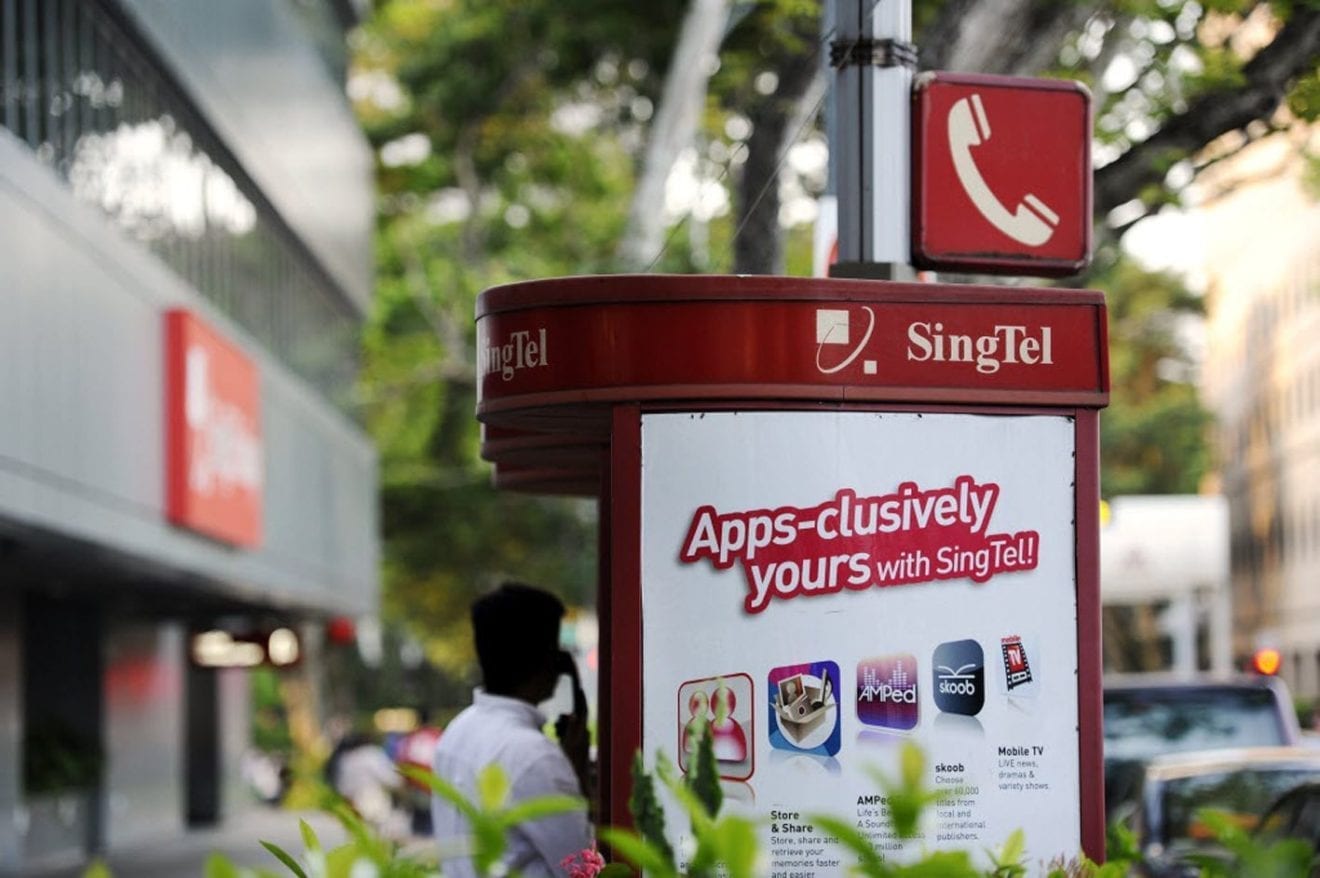
    Singtel and Great Eastern today announced their partnership to launch a range of general insurance products spanning home, motor and travel, jointly developed by both companies. These innovative insurance offerings, underwritten by Great Eastern, seek to address customer needs arising from their increasingly digital lifestyles, featuring telco-centric benefits that are industry firsts. This collaboration expands Singtel’s foray into insurance, tapping its wide customer base to reach more than 60% of all households in Singapore, and valuable customer insights that help tailor insurance products to customers’ lifestyle needs.

    To start, Singtel and Great Eastern will be introducing Singtel Home Protect, a home insurance first that provides coverage for both telco bills and home contents. The plan reimburses Singtel broadband expenses besides covering renovation, furniture, appliances, valuables and personal effects, which most home owners do not insure today. Insurance that bundles both home contents and broadband is synergistic, as home owners typically sign up for or re-contract their broadband services when they shift or renovate their homes.

    Mr Yuen Kuan Moon, CEO of Consumer Singapore at Singtel said, “With the shift to work from home since the onset of COVID-19, many people have made home improvements to create a more conducive environment. This makes protecting their homes with Singtel Home Protect more important than ever. On top of better coverage for home belongings, we want to give our customers additional peace of mind by providing extra protection for their telco bills. We’ve worked closely with Great Eastern to enhance traditional insurance with the kind of telco benefits that speak to our reliance on technology and this will also be extended to motor and travel insurance.”

    In the coming weeks, Singtel and Great Eastern will also be offering car owners motor insurance. For travellers keen to tour the world once more travel restrictions lift, Singtel will be introducing travel insurance with mobile-related benefits. This is another first in Singapore as it includes unique benefits such as reimbursement of Singtel mobile bill during hospitalization due to an accident, and of additional Singtel mobile data expenses incurred due to delays in travel, as well as repair or replacement of mobile phone in case of loss.

    Mr Ryan Cheong, Managing Director of Digital for Business, Great Eastern, said, “The partnership with a trusted telco like Singtel is yet another milestone in our digital affinity strategy and expansion into new customer segments as a leading regional insurer. To provide value-added protection to augment Singtel’s existing customer offer, we leveraged data insights to develop affordable, relevant general insurance solutions with unique benefits to help protect their everyday needs. Through continuous engagement and a seamless consumer purchase journey, we are making customized protection solutions easily accessible to Singtel customers to LifeProof their assets through home, and later motor and travel insurance.”

    Singtel Home Protect is offered to Singtel broadband customers at launch and will be made available to all Singtel customers later. For as low as S$6.50 a month, they can sign up for the plan on the Singtel website or through My Singtel app. The plan covers reimbursement of Singtel bills of S$280 per month for up to three months, and up to S$80,000 for home contents and renovation in the event of a disruption to services due to a fire or other types of damage to the home. Available for S$84 for 12 months of coverage, or S$156 for 24 months of coverage, customers can enjoy 10% off Home Protect from now until 18 September 2020. For more details, visit singtel.com/homeprotect.

    The launch of these general insurance products adds to Singtel’s expanding range of insurance offerings for its customers. Singtel first made its foray into the local insurance market last July, when it launched free personal insurance cover for its prepaid customers as part of mobile data plans. Earlier in the year, Singtel extended free 30-day COVID-19 insurance coverage to prepaid and Dash customers. Singtel also introduced an insurance savings plan for Dash customers who wish to start saving regularly for the future.

  • Fintech Lightnet Partners Swiss Crypto Bank

    Fintech Lightnet Partners Swiss Crypto Bank

    The Singapore joint venture will serve both retail and institutional investors from the globe with a more transparent and secure settlement solution.

    Bangkok-based fintech Lightnet’s partnership with SEBA will strengthen its remittance settlement capabilities and provide a seamless, secure and accessible bridge between digital and traditional assets, as it sets its sights on the region’s remittance market.

    Under the memorandum of understanding signed by both parties, SEBA will serve as the banking counterparty for the Lightnet Group, enabling settlements, correspondences and remittances in both fiat and digital currencies, an announcement on Tuesday said. Zug-based SEBA will also act as an alternative settlement banking network, account and custodian as well as the settlement bank for money transfer operators (MTOs) in digital currencies.

    Asia is a promising market not only because of its size but especially because of the affinity of the people towards digital services and digital assets, Matthew Alexander, head of asset tokenization of Seba Bank, said about the partnership.

    Lightnet said it will use a blockchain financial protocol developed by Velo Labs, a decentralized credit and settlement network in Asia, to transform remittance services for the millions of unbanked migrant workers across Southeast Asia, which is currently characterized by high transaction fees, fragmentation and unreliable payment routes.

    The company said it also plans to introduce multi-currency virtual accounts to address the inefficiencies of global trade finance.

    Lightnet was co-founded in 2018 by Chatchaval Jiaravanon – a family member of the Charoen Pokphand group in Thailand – and tech entrepreneur and former investment banker Tridbodi Arunanondchai. Earlier this year, the startup raised $31.2 million in a Series A funding round led by UOB Venture Management, the private equity unit of UOB Bank.

  • Stablecoins Boost Capital Flight From China

    Stablecoins Boost Capital Flight From China

    Amid an escalating trade war with the U.S., Chinese citizens moved $50 billion worth of cryptocurrency out of the country over the past 12 months, with stablecoin Tether mainly used to facilitate the outflows.

    Over the last twelve months, with China’s economy suffering due to trade wars and devaluation of the yuan at different points, we’ve seen over $50 billion worth of cryptocurrency move from China-based addresses to overseas addresses, blockchain analysis company Chainalysis said in a report.

    In comparison, Western Europe, the next largest cryptocurrency market, saw $38 billion of outflows. We believe that at least some of this activity represents capital flight from China, the report, published Thursday, said.

    The Chinese government allows its citizens to move up to $50,000 out of the country each year. Foreign investments in real estate and other assets have allowed wealthy individuals to skirt these rules, but cryptocurrency assets may be picking up the slack amid a crackdown by authorities on these practices.

    The use of stablecoins, which are digital currencies backed by other assets like cryptocurrency, exchange-traded commodities or fiat money to reduce volatility, is particularly high in East Asia, making up 33 percent of all value transacted on-chain, due to China’s ban of direct exchanges of yuan for cryptocurrency, the report noted.

    Stablecoins are particularly useful for capital flight, as their fiat currency-pegged value means users selling off large amounts in exchange for their fiat currency of choice can rest assured that it’s unlikely to lose its value as they seek a buyer,» the report said, noting that Tether, which is pegged to the U.S. dollar, is disproportionately popular in East Asia – accounting for 93 percent of transactions – compared to other regions.

    In total, over $18 billion worth of Tether moved from East Asia addresses to those based in other regions over the last 12 month, Chainalysis said.

  • BreadTalk launches cafe chain concept, Butter Bean

    BreadTalk launches cafe chain concept, Butter Bean

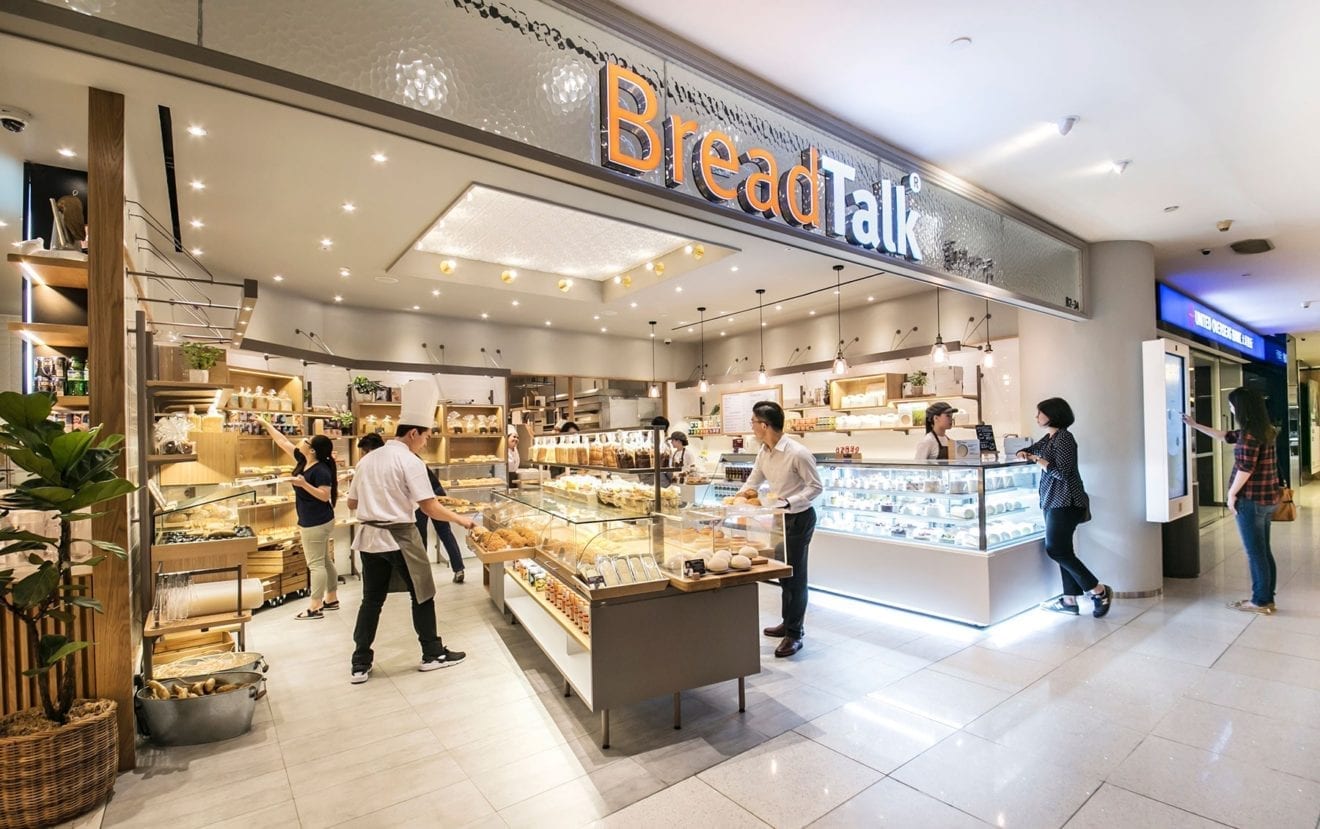
    BreadTalk is launching a cafe chain concept called Butter Bean in Singapore, with the first outlet opening at Funan Mall.

    Centred around the traditional Singaporean Nanyang coffee concept, Butter Bean offers a menu of coffee-based beverages and reimagined Singaporean dishes made without pork or lard, including toasts, baked goods, mains, and sandwiches.

    “We aim to present traditional Nanyang Coffee in an engaging manner that appeals to the younger generation’s evolving lifestyle,” said Vincent Lim, regional GM at BreadTalk Group. “Our outlets are also designed as a social space centered on good vibes, conversations and connection.”

    The Butter Bean at Funan Mall houses 45 seats and features yellow and marble interiors together with a ‘Cherry to Cup’ wall mural designed by 8EyedSpud. The store also offers contactless service where customers can order and pay by scanning a QR code.

    The first new Butter Bean opens this Friday (August 28), followed by a second store at Vivo City next month.

    According to Singapore blog Hook Coffee, Nanyang coffee, usually served at Kopitiams, is traditionally viewed as a cheaper variety of coffee beans because when the coffee scene took off, not everyone had money to buy ‘the good stuff’. People would add palm oil, butter, margarine and/or sugar into the coffee to enhance the flavor.

  • Rolls-Royce Announces New Brand Identity

    Rolls-Royce Announces New Brand Identity

    Rolls-Royce has announced its new brand identity and this new identity continues Rolls-Royce’s journey from automotive manufacturer to a house of luxury. In recent years, Rolls-Royce has experienced change at a quicker rate, and with the portfolio of cars now expanded to five models, the company is looking at a diverse and discerning crowd. It is no surprise, therefore, that the age and demographic of the marque’s clients have decreased significantly to an average of just 43.

    Torsten Müller-Ötvös, Chief Executive, Rolls-Royce, said, “As the marque’s digital presence increases, there has never been a more important time for the visual language of the company to reflect our standing as the leading luxury brand in the world. We have embarked on a fascinating journey of modernizing our brand identity to echo those changes seen in our portfolio, our client demographic, their lifestyle, and the luxury world that surrounds them.”

    Rolls-Royce appointed Marina Willer, partner at Pentagram to create a new brand identity that could move beyond the mechanics of being the ‘Best Car in the World’, and also define the very pillars of luxury the company is known for. Pentagram embarked upon a deep exploration of Rolls-Royce, including its products – both new and old, its design ethos, its designers, clients, and a lot more.

    Willer was able to approach the re-design from a completely fresh perspective and the new look celebrates the luxuriousness of the brand while providing it with the means to visually communicate with Rolls-Royce’s younger, increasingly diversified audiences.

    The Spirit of Ecstasy, which has graced the prow of Rolls-Royce Motor Cars since 1911, will now gain increased prominence in the marque’s brand identity. The original figurine was drawn and sculpted by British artist Charles Sykes. In homage to this historical commission, Chris Mitchell, a leading illustrator of brand and identity icons, was called upon by Pentagram to envisage the distilled form of the iconic statuette. Working closely with Pentagram’s direction, Chris, paid close attention to her proportions which embrace strength and power that cannot be deemed fragile or meek. When depicted in two-dimensional form, her direction has changed from left to right, boldly facing the future, reflective of the marque itself.

    When choosing a color palette for the new identity, Pentagram’s design team initially turned its attention to the company’s products. It was drawn to purple hues, specifically those with a deep and majestic tone. Historically rare in nature and with roots in mythology, art, piety and royalty, purple has always signified wealth and power. A metallic Rose Gold is chosen to complement this color.

    The badge, representing Rolls and Royce, the marque’s founding fathers, is known worldwide as a symbol of engineering excellence and the very best of human endeavor. It is no surprise, therefore, that this famed signifier remains unchanged. The Badge of Honour will reside on the marque’s products alone – reserved solely for the precious creations born at the Home of Rolls-Royce in Goodwood, West Sussex.

  • Apple Korea makes US$84 million offer to ease anti-competitive concerns

    Apple Korea makes US$84 million offer to ease anti-competitive concerns

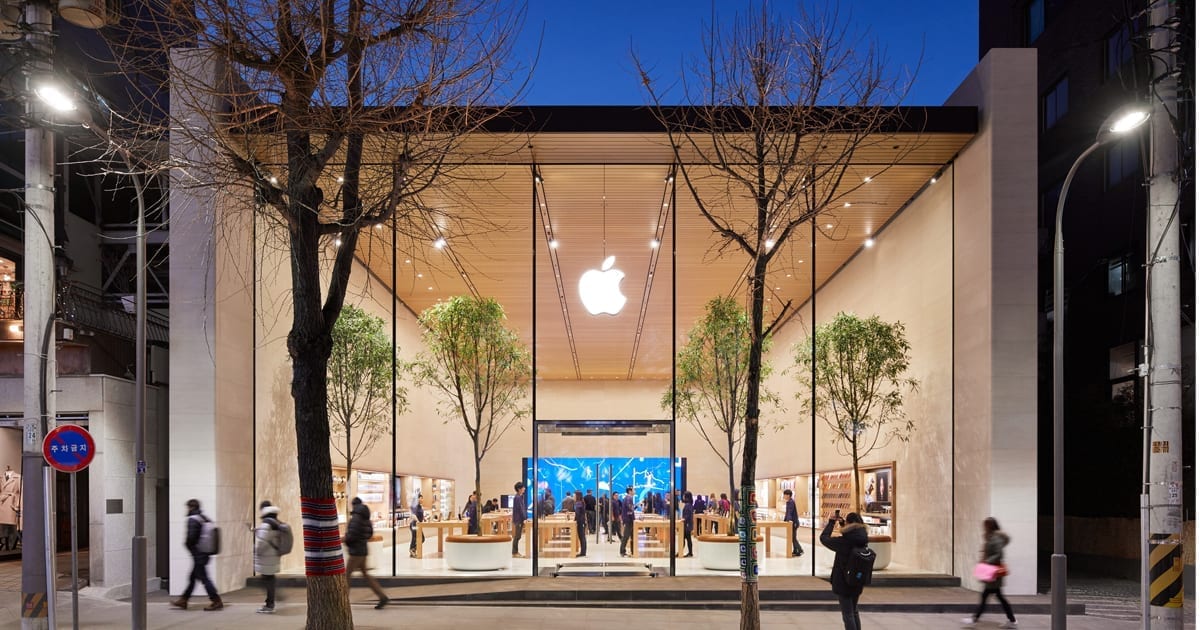
    Apple’s South Korean unit has offered 100 billion won (US$84 million) worth of programs for consumers and mobile phone carriers, in an effort to address concerns about the company’s alleged violation of competition law.

    Apple Korea has been under probe by the Korea Fair Trade Commission (KFTC) over allegations that it had required the country’s three mobile operators — SK Telecom Co, KT Corp and LG Uplus Corp — to pay the cost of television advertisements and warranty service for its iPhones.

    The KFTC has said Apple Korea holds a clear advantage over local mobile carriers and that handing over the cost of advertisements is only another means to squeeze their profits.

    Under the programs, Apple Korea promised to spend $33.7 million to build a research-and-development center for local small and medium-sized firms in the smartphone-manufacturing sector.

    Another $21 million will be spent to give consumers 10-per-cent discounts on repairs and a smartphone insurance service, the KFTC said.

    Apple Korea will spend another $21 million to set up an education center to train professionals in the sector of information, communication, and technology, the KFTC said, and give mobile carriers more say in sharing their advertising costs and approving their ads.

    Song Sang-min, director-general handling the issue at the KFTC, said such measures are expected to help reduce the advertising burden on mobile carriers.

    Apple Korea had unilaterally ordered mobile carriers to set ad costs, but the measure will help Apple Korea and mobile carriers discuss how to share such costs, Song said.

    The KFTC said relevant parties will discuss whether to accept Apple Korea’s proposal by October 3.

    If relevant parties decide to accept the measures by Apple Korea, the KFTC will finally endorse them.

    South Korean law allows a company accused of anti-competitive practices to state a correction scheme without deliberating whether those practices violate the country’s competition law.

    In a statement, Apple pledged to step up cooperation with its business partners and consumers in South Korea.

    “We are looking forward to deepening our relationships in Korea by enhancing support for education, small businesses and facilitating future generations with new skill sets,” the statement said.

  • Malaysian Starbucks operator posts loss due to Covid virus outbreak

    Malaysian Starbucks operator posts loss due to Covid virus outbreak

    Malaysian F&B franchise operator Berjaya Food Berhad, which operates Starbucks, Kenny Rogers Roasters, and Jollibean in the territory, has reported a loss of US$1.82 million for the last financial year.

    The firm’s Malaysian stock-exchange filing attributes its losses to the impact of the coronavirus pandemic, which saw movement control orders in effect within the country between March and June.

    “Even though the group’s sales were recovering at a fast pace when Malaysia entered into the Recovery Movement Control Order (RMCO) phase which started on 10 June 2020, the group still recorded a much lower sales in the current quarter under review,” the company reported in the filing.

    The period hardest hit corresponds with a contraction of 17.1 percent of Malaysia’s total GDP, the worst since 1998.

  • Tmall seeks to boost engagement with Chinese Gen Z luxury consumers

    Tmall seeks to boost engagement with Chinese Gen Z luxury consumers

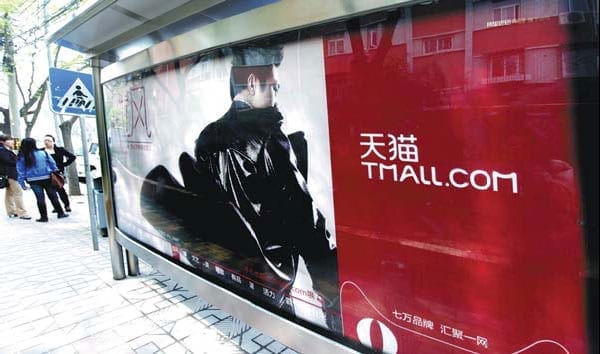
    High-end Chinese e-commerce platform Tmall Luxury has implemented new features to boost its brands’ appeal for Gen Z consumers in the region.

    The three new features include a daily live streaming service on luxury topics, a content-rich magazine channel featuring fashion news, and an upgraded membership program offering personalized services. The features are a response to the strong spending power for luxury items exhibited by consumers within the Gen Z age group, spending on average US$3600 annually on high-end goods.

    Data collected by Tmall Luxury shows that four-fifths of its user base are below the age of 35, with the number of luxury consumers aged 18–25 age group more than doubling between July 2018 and June last year. The emerging consumer dynamic has attracted top brands in the category such as Valentino and Balenciaga to collaborate with the platform.

    “By providing Tmall’s unparalleled analytics and insights on luxury consumption in China, we empower luxury brands with a deeper and more accurate understanding of local consumer preferences,” said Alibaba VP and GM of Tmall luxury, fashion, and FMCG Mike Hu. “These insights allow luxury brands to precisely tailor their communications to Chinese young audiences while staying true to their brand identities.”

    Almost 200 brands have opened flagship stores on the Tmall Luxury platform.

  • Southeast Asia’s largest used car platform unveils experience centre

    Southeast Asia’s largest used car platform unveils experience centre

    Southeast Asian online used car trading platform Carsome has launched its new Carsome Experience Centre in Kuala Lumpur.

    The move signals the opening of the firm’s B2C segment, introducing a highly digitized and transparent car-purchasing process, aimed at addressing consumer distrust when buying second-hand cars. The firm works to enhance trust and assurance throughout the industry’s supply chain in the areas of sourcing, financing, retailing, and after-sales services.

    “We want to create an end-to-end trusted experience for consumers when it comes to buying used cars,” said Carsome co-founder and CEO Eric Cheng.

    “Our Car Purchase Preference Survey showed that 70 percent of car buyers want detailed information on car condition; 60 percent appreciate an extended warranty; and 40 percent value test drive experience and money-back guarantee.”

    The firm offers a one-year warranty and five-day money-back guarantee on selected vehicles. The service also features a home-delivery option. Test drives take place in a controlled setting from the Experience Centre.

    “Carsome’s B2B business has solved a persistent issue for used-car dealers when it comes to sourcing inventory,” said Cheng. “With the launch of our B2C segment, we are now creating a new customer-acquisition channel for our partner dealers to remarket and sell more cars through our extensive marketing reach. This is an exclusive, value-added service to our partner dealers, who can now list their cars on Carsome website for free.”

  • Mastercard Deepens Commitment to Myanmar; Announces Local Presence

    Mastercard Deepens Commitment to Myanmar; Announces Local Presence

    Mastercard today announced that it is deepening its commitment to Myanmar by taking steps to incorporate an entity in the country – thereby establishing a local office presence in Yangon – and to appoint a country business development manager.

    Mastercard aims to support the advancement of Myanmar’s digital payments ecosystem and its efforts to build a futuristic and inclusive cashless society. The establishment of the local office also underscores Mastercard’s long-term commitment to advancing Myanmar’s national digital agenda and reflects the company’s continued confidence in the market.

    Myanmar’s GDP growth is expected to rebound to six percent in 2021, making it one of the fastest-growing economies in the Southeast Asian region. The market has successfully leapfrogged several of the usual transition steps on its way to becoming a digital economy. For example, despite less than a quarter of the country having a bank account, 80 percent of its citizens own a mobile phone, with many using their devices to conduct transactions and remit funds digitally. The government of Myanmar has been actively leveraging these advances to lay the foundation for a modern payments’ infrastructure designed to allow entrepreneurs and businesses to capitalize on opportunities across consumer, commercial and government payment flows.

    “With its futuristic vision to enable sophisticated capabilities like real-time payments for its citizens and businesses, Myanmar is at a truly pivotal stage in its economic evolution.  Mastercard has a long and established history in partnering with hundreds of nations around the world on growing and scaling their payments ecosystems. Mastercard’s ambition for Myanmar is no different – the organization is focused on bringing its global best practices, coupled with a deeply rooted local presence and understanding of the domestic environment, to bear, to help the country secure a digital future defined by efficiency, agility, and security” said Safdar Khan, Division President, Southeast Asia Emerging Markets, Mastercard.

    “As Myanmar continues its digital transformation, it is also necessary to empower its people with the skill sets and knowledge they need to participate actively in the digital economy. Mastercard will bring to Myanmar decades of experience in technology skilling that will enable the country to accelerate human capital development. Furthermore, as part of the organization’s commitment to grow the local talent pool, Mastercard is well on its way to assembling a local team which will lead the local efforts and facilitates Mastercard’s objective for sustainable, domestically relevant, long-term success” he added.

    Mastercard has been working for nearly a decade, with government and key stakeholders in Myanmar, to digitalize its payments environment, achieving a number of critical firsts and milestones, including:

    • Being the first international payments network to issue a license to a local bank (Co-Operative Bank Limited), paving the way for Mastercard cards to be issued and accepted in the country
    • Reducing the month-long national SME registration process to just one day by launching the MSME Webportal, an e-government web portal, in partnership with CB Bank and the Myanmar government
    • Issuing Myanmar’s first credit card designed exclusively for women, MAB Lady’s, in partnership with Myanmar Apex Bank
    • Partnering with Yoma Bank to digitalize and tailor products and solutions for the bank’s customers, including SMEs
    • Curating exclusive offers for all Mastercard cardholders to enjoy until 2021 in celebration of Mastercard’s 8th year in Myanmar
  • AirAsia’s 1Q e-commerce sales leap 118%

    AirAsia’s 1Q e-commerce sales leap 118%

    Budget airline AirAsia Group Bhd saw revenue from its e-commerce platform, AirAsia.com, rose 118% year-on-year in the first quarter of this year as it rolled out new offers, promotions, flights and hotel bundle packages.

    “As travel continues to gradually resume, more activities are authorized… which in turn will support the growth of our non-airline business divisions, particularly in the lifestyle, e-commerce and media verticals,” said AirAsia.com chief executive officer Karen Chan in a statement today.

    AirAsia anticipates that its airline and ancillary revenues will gradually stabilize as non-airline revenues become a key driver of growth and business priority.

    “In the future, we foresee our non-airline revenues will outperform our airline performance which is why our focus is on offering innovative products that encompass travel, lifestyle, e-commerce and media verticals, in both the B2B and B2C segments,” said Chan.

    “While Asean is our home and domestic travel is our short-term focus, we look forward to the reopening of international borders to realize the potential of AirAsia.com,” she added.

    In anticipation of international borders reopening soon, Chan said AirAsia is in final stages of discussions with key international airlines to connect their European and MEA networks directly with AirAsia’s vast Asean network.

    “These strategic partnerships will complement our existing partnership with Kiwi.com, which provides a virtual interlining and connectivity optimization engine to offer a one-stop-shop, best-price-guaranteed service for our customers.”

    The airline wants to position AirAsia.com as a leading one-stop travel and lifestyle e-commerce platform in Asean, offering products from flights, hotels, travel activities, shopping and more.

    Chan said AirAsia has always regarded Asean as its playground, connecting its 640 million people to 160 destinations across Asia and the Pacific. “But with the pandemic still at large and continued restrictions to cross-border travel, we are looking at creative ways to overcome these limitations.”

    For now, the focus for AirAsia.com is to promote domestic travel until international borders reopen and travel restrictions are relaxed.

    “Given AirAsia’s dominant market position (with over 73% market share in capacity in Malaysia), we are using our position of strength to stimulate domestic air travel where there is demand.

    “Going back to our DNA which is all about making travel affordable for everyone, we will continue to innovate with more exciting products, leveraging on our one-stop travel shop ecosystem and focusing on our business divisions which are most relevant given current market conditions,” said Chan.

    “Based on our recent market survey, close to 45% of travelers want to travel immediately post lockdown. Flight searches on our website have increased by more than 150% post-hibernation period and as of June 2020, AirAsia.com receives 1 million daily active users.

    “Our domestic travel promotions have been very well-received. We sold over a million seats group-wide in July and we continue to ramp up capacity. With restrictions on activities being lifted, we hope to achieve a load factor of 70%-80% by the third quarter of 2020,” she said.

    Chan noted that the aviation industry, being one of the heaviest impacted by the Covid-19 pandemic, is undergoing a period of consolidation — fare rationalization will be a natural outcome.

    “We continually review our products and innovate to best meet our customer’s needs, at unbeatable prices. We survived for 18 years in a hyper-competitive industry and became the leader of the low-cost carrier segment by providing the best prices, best Asean connectivity and best customer experience.”

    Under its recently-launched Unlimited Flight Pass in Malaysia and Thailand, AirAsia sold more than 200,000 passes and has received many requests for the product to be introduced in other markets.

    “We are closely monitoring the domestic travel situation in all of our markets (that AirAsia operates) and are looking forward to extending the Unlimited Flight Pass to other markets such as Indonesia and the Philippines when flight restrictions have eased,” said Chan.

    To date, AirAsia.com partners close to 400 hotel chain properties and over 100 independent hotels across Malaysia, Thailand and Indonesia.

    In Malaysia, AirAsia.com is working closely with the Malaysian Association of Hotels to collaborate with more hotels, and hopes to increase its partnerships with independent hotels in Kuala Lumpur, Langkawi, Penang, as well as Sabah and Sarawak.

    AirAsia shares closed up one sen or 1.52% at 67 sen today, bringing a market capitalization of RM2.24 billion. A total of 11.91 million shares were traded.
  • Mercedes-AMG Opens First Ever Experience Centre In China

    Mercedes-AMG Opens First Ever Experience Centre In China

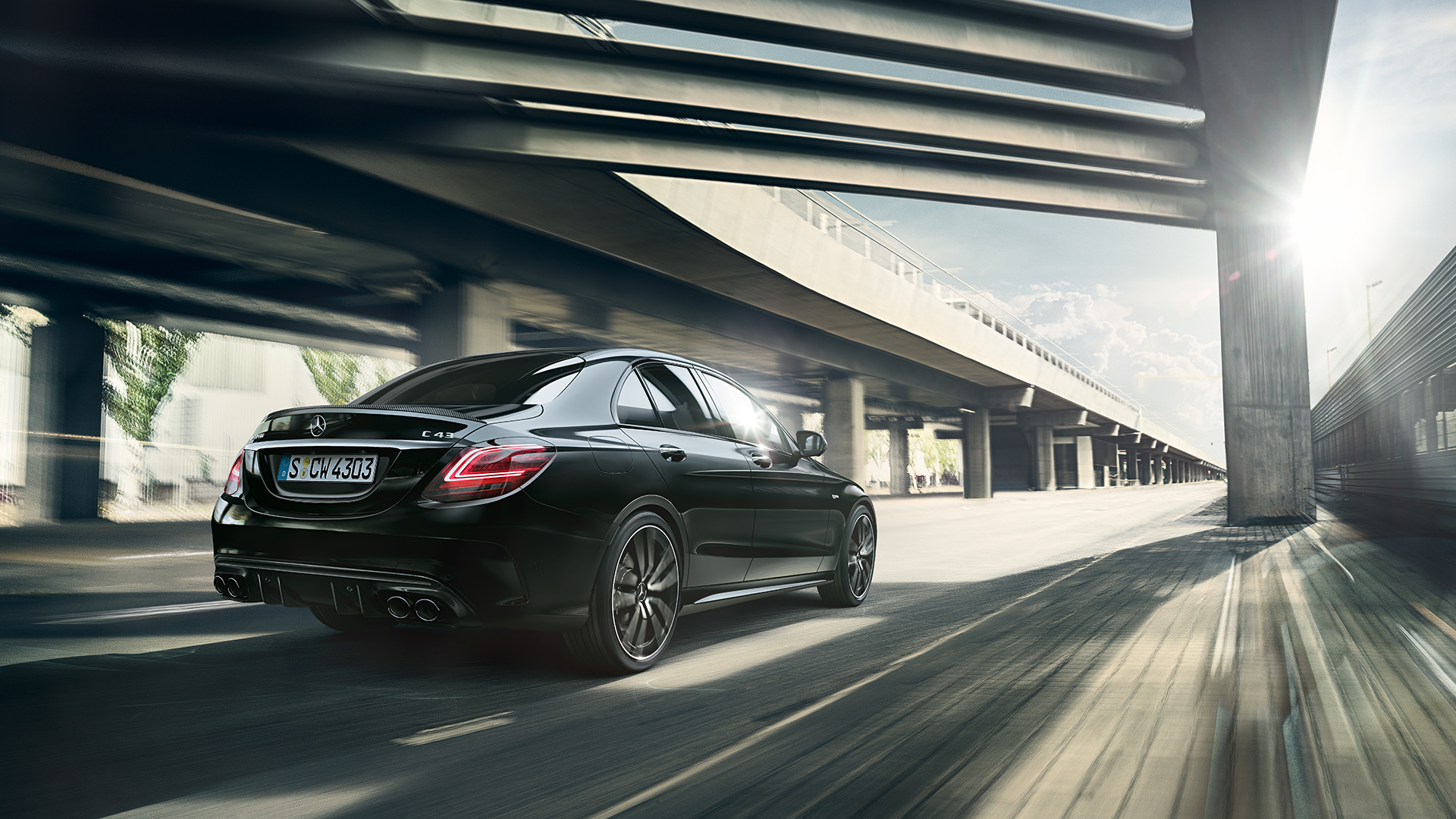
    Mercedes-AMG is opening its first Experience Centre in the world in China. Customers and fans can experience the motorsport DNA of the brand from Affalterbach in close-up – on and alongside the immediately adjacent racing circuit. The new AMG Experience Centre lies about two hours’ drive from Shanghai, occupying an area of around 1305 square meters directly adjacent to the Zhejiang International Circuit. The exclusive AMG format offers twelve functional areas and four display areas over two floors, adding up to an extremely comprehensive brand and product experience and allowing visitors to discover for themselves the many facets of Driving Performance.

    The vehicles and technologies on display can be explored in analog form as well as digitally using VR technology. Specially trained AMG experts are on hand to provide detailed information and individual guidance. If a customer expresses an interest in buying, they will be put in touch with their nearest AMG retail partner. The facilities on offer are further enhanced by the “Café63”, a lounge and an exclusive selection of high-quality lifestyle accessories available from the AMG Shop. The whole area can furthermore be used as an event location, for which it can be flexibly configured. Stairs lead up to the interactive experience zone on the first floor. Motorsport enthusiasts can experience racing simulators and AR applications here, set among the successes of the AMG Customer Racing Teams. A slot car race track controlled via brainwaves is yet another technological highlight that serves to emphasize the experience-oriented nature of the format.

    The opportunity to experience the AMG vehicle range on the race track is of course on the table. An extensive pool of vehicles which includes the GT3 and GT4 racing vehicles in which visitors can experience the true fascination of motor racing. In addition to this exclusive use of the track, the Zhejiang International Circuit offers special monthly track days, in which interested customers and fans can take part either in their own vehicles or in AMG vehicles booked from the Centre.

  • Hong Kong To Issue First-Ever Crypto Exchange License

    Hong Kong To Issue First-Ever Crypto Exchange License

    Hong Kong’s Securities and Futures Commission is en route to issue the city’s first-ever license to a cryptocurrency firm.

    OSL Digital Securities – a unit within Fidelity-backed BC Group – said that Hong Kong’s securities regulator has agreed in principle to issue a license, according to exchange filings.

    According to BC Group chief executive Hugh Madden, the license will help increase ease of doing business by being able to engage other regulated entities. Final approval is subject to certain conditions, the filing added without providing details.

    In addition to the cryptocurrency business where it generates the majority of its revenue, BC Group also provides business park and advertising services. In the first half of 2020, it posted a net loss of 90.8 million yuan ($13.1 million).

  • Uniqlo launches new range with French fashionista Ines de la Fressange

    Uniqlo launches new range with French fashionista Ines de la Fressange

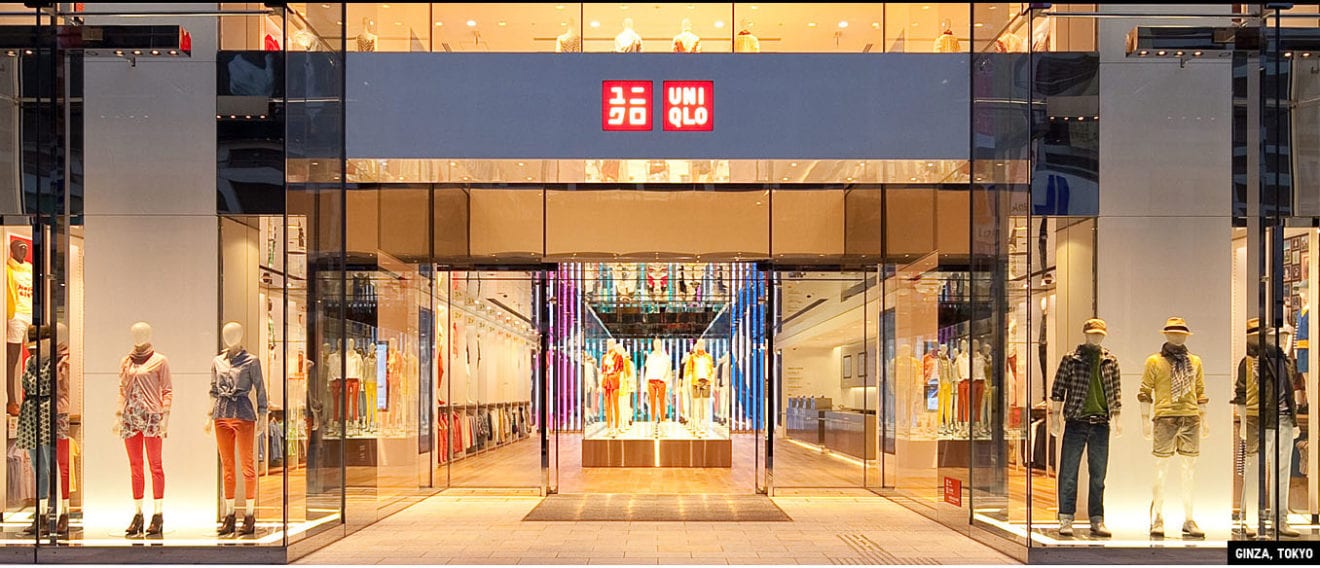
    Uniqlo has teamed up with former French fashion model Ines de la Fressange to produce a range of clothing where comfort meets luxury style.

    Born and raised in France, de la Fressange became a top international model soon after starting her career at the age of 17. In 2013 she created her own brand Ines de la Fressange Paris and first collaborated with Uniqlo in 2014.

    The new range, which goes on sale this Friday (August 28), will feature three themes.

    Bohemian is inspired by the free-spirited culture of the 1970s, celebrated in a variety of flowy, twist pleated skirts and dresses with paisley and polka dot prints.

    Neobourgeois features 100-per-cent silk blouses and wrap dresses, while the third, Mannish, includes coats, classical tweed jackets, corduroy pants, and other essentials for “masculine coordination”.

    De la Fressange says the new lines are influenced by the styling of fashion adopted by women she admires from the 1970s. Among them: actress, songwriter, and model Jane Birkin and singer-songwriter Francoise Madeleine Hardy.

    “Back in the seventies, many women were determined to emancipate themselves from traditions,” de la Fressange explains. “These liberated individuals took fashion and their lives in exciting new directions.”

    The new collaboration will be sold through Singapore Uniqlo stores (excluding at Changi Airport) and online, as well as other selected Uniqlo stores throughout Asia.