Tag: asia

  • Foot Locker establish presence in Macau

    Foot Locker establish presence in Macau

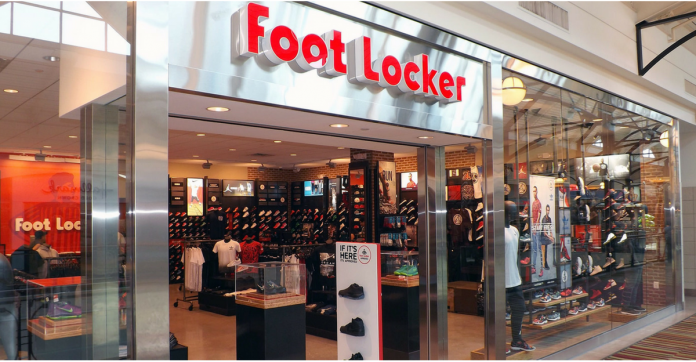
    Foot Locker has made its Macau debut with two stores opening this month.

    Located in Shoppes at the Parisian Macau, the Foot Locker’s first Macau store features a wide selection of footwear and apparel collections from different global brands, including Nike, Jordan, Adidas and Puma.

    “Opening our first store in Macau marks another milestone in our journey, where we aim to engage and inspire youth culture within the local community,” said Tomas Petersson, GM and VP at Foot Locker Asia.

    According to the company, Foot Locker’s second store in Macau is scheduled to launch later this month in The Shoppes at the Venetian Macau.

    Foot Locker operates 3129 retail stores across 27 markets across North America, Asia, Europe, Australia and New Zealand.

  • New retail brands join line-up at The Shoppes at Marina Bay Sands

    New retail brands join line-up at The Shoppes at Marina Bay Sands

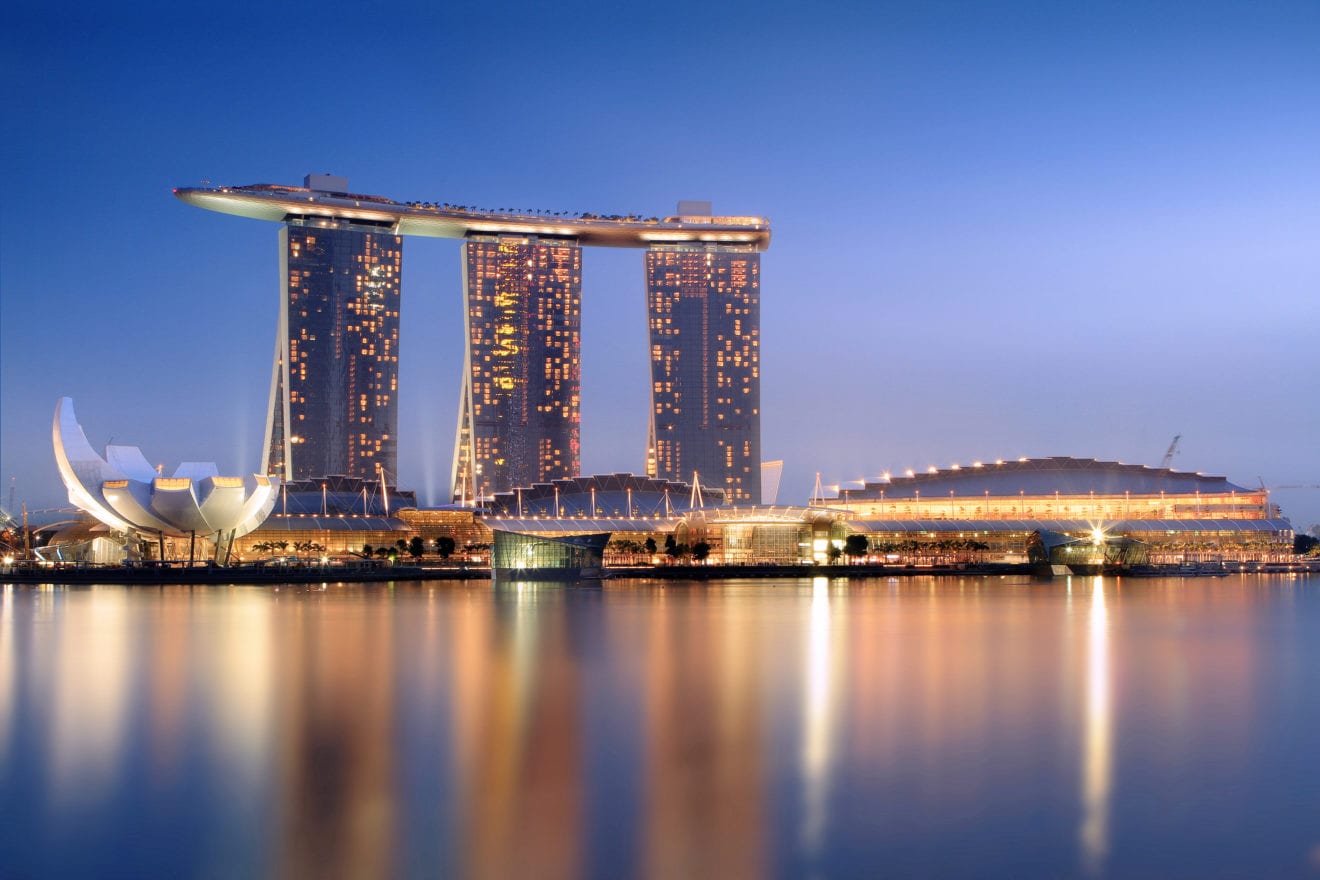
    The Shoppes at Marina Bay Sands has revealed a list of store openings and new brands for the shopping center this year.

    In the childrenswear category, Italian label Monnalisa has opened its first Southeast Asian standalone store, following the opening of Fila Kids last month.

    The Shoppes at Marina Bay Sands has also announced a plan by British luxury fashion house Alexander McQueen to refurbish its retail store. Relocated in the center, the new store will occupy a 3300sqft space, three times the size of its existing outlet, and featuring a new-generation store design. It is scheduled to re-open at the end of this year.

    Watch and jewelry brands to join The Shoppes include Japan’s Ahkah (this month) and Chinese label Qeelin whose first Singapore store will open later this year.

    High-end luxury Korean skincare brand Su:m37 will launch its first standalone kiosk and a skincare line in Singapore in the fourth quarter of this year.

    In the food & beverage category, renowned Chinese restaurant Putien is to join The Shoppes dining options early next year, taking up space previously occupied by the DC Comics SuperHeroes cafe.

  • Cebu Pacific to refund tickets of 1.5M passengers

    Cebu Pacific to refund tickets of 1.5M passengers

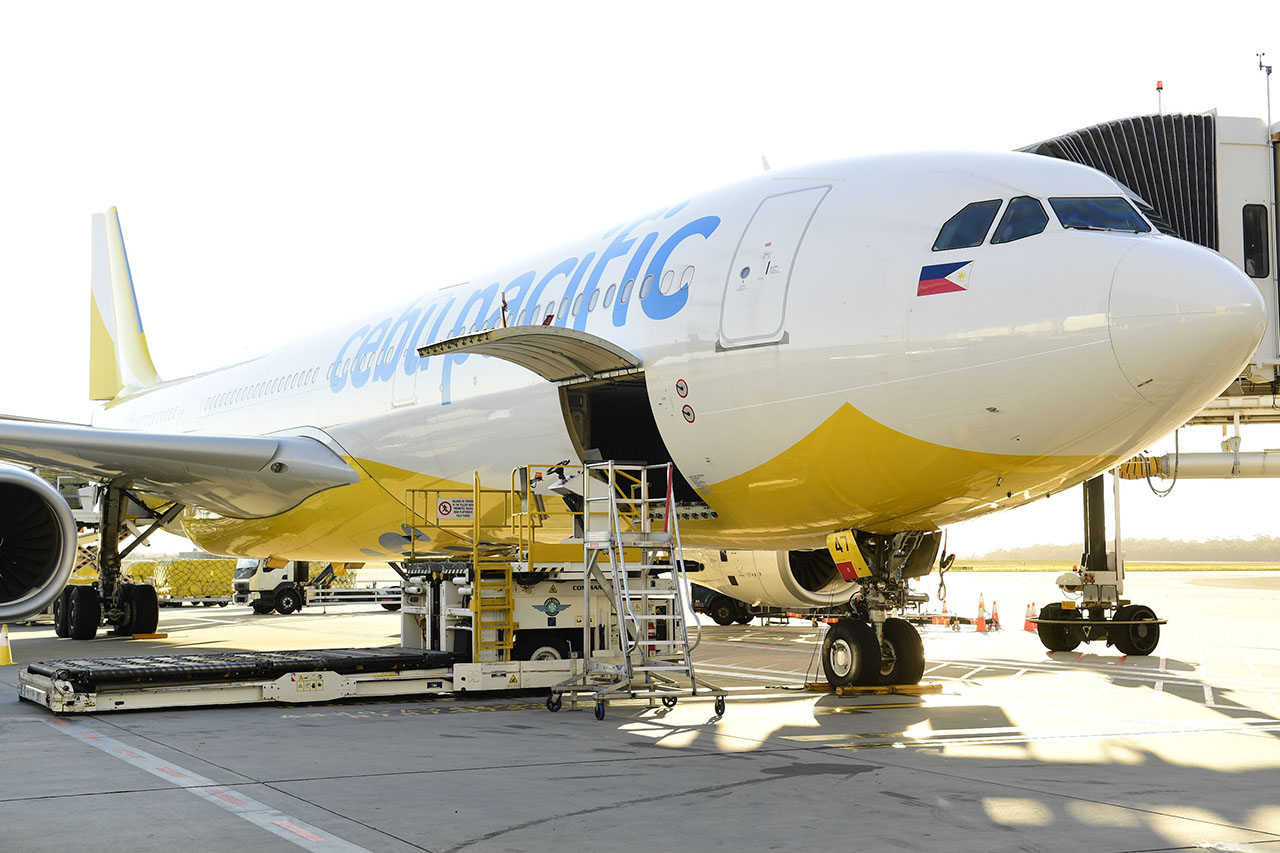
    Budget carrier Cebu Pacific will provide refunds to an estimated 1.5 million passengers as 50 percent of its fleet remains grounded due to the coronavirus pandemic.

    Charo Logarta Lagamon, corporate communications director for Cebu Pacific Air, assured that passengers who requested refunds since April or earlier will be refunded by August.

    “All of a sudden, we have a situation where hundreds of thousands of passengers are all clamoring for a refund in a 160-day time frame. It’s not that simple to refund, especially now that there’s no cash flow in the airline. Nothing is going in and everything is going out,” she said in a Zoom meeting Friday, Aug. 7.

    Lagamon said they are doing their best to fast-track the process and that there are reforms underway to help in the refund process.

    She said the airline will reimburse payments made through credit or debit card while for those who paid in cash, the refund will be deposited in the bank account of the customer.

    Moreover, to stay afloat during these challenging times, the airline also implemented cost-cutting measures like the layoffs of 800 employees, which is 20 percent of the airline’s 4,000 employees.

    Company officials also had pay cuts.

    “Our second-quarter performance was very challenged due to the prolonged Covid-19 situation,” she said.

    Meanwhile, Cebu Pacific placed 14 of its 76 aircraft in long-term storage in Alice Springs, Australia to preserve the airline’s condition. Others were parked in the different hubs in the country.

  • Financial aid for AirAsia crucial due to high multiplier effect

    Financial aid for AirAsia crucial due to high multiplier effect

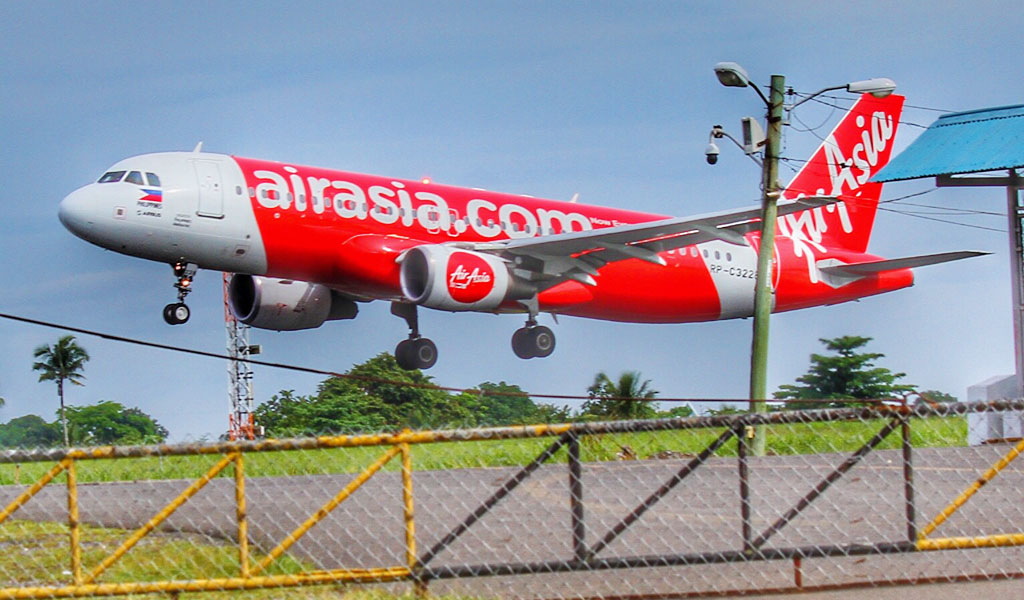
    Financial assistance such as loans with easier terms to AirAsia Group is crucial in helping the struggling low-cost carrier to turn around as its recovery will bring about a huge spillover effect to the broader economy.

    AirAsia X  chairman Tan Sri Rafidah Aziz reportedly said easier loan terms will not only provide the carrier with operating funds but also create a high multiplier effect in boosting and reviving the country’s economy.

    She was quoted by Utusan Online as saying AirAsia is negotiating for bank loans with low-interest rates and longer tenures.

    “We have a multiplier effect from flights which is 12 times, with every RM1 we bring in, another RM12 given to (economic) sectors such as hotels, resorts and restaurants, ” Rafidah was quoted as saying in the report.

    She said countries understand, when the aviation industry opens, business people and tourists will come, so hotels and restaurants will resume operations and receive visitors

    According to Rafidah, support and financial assistance is needed by the airlines affected by the enforcement of the Movement Control Order (MCO) to curb the Covid-19 pandemic.

    She noted that no income is earned during the MCO period because flights in and out of the country are stopped while expenses continue to be incurred.

    Rafidah said the Covid-19 pandemic situation has not stopped AirAsia from continuing to find new flight destinations.

    However, she said, various aspects need to be looked at first including the number of visitors and fuel prices.

  • H&M suspends employees over use of racial slur

    H&M suspends employees over use of racial slur

    Fashion giant H&M says it has suspended a number of employees over the use of a racial slur relating to the name of a hat to be sold at stores of its & Other Stories brand.

    CNN Business, which first reported the incident, said that the slur, in an internal H&M document, related to a hat that appeared on a list of items and accessories to be sold in the autumn/winter collection.

    “We are deeply sorry to have discovered that one of our brands, & Other Stories, used a racist slur in an internal product overview,” H&M spokeswoman Ulrika Isaksson said in a written comment to Reuters.

    “We take the use of racially offensive language extremely seriously. While internal and external investigations are taking place, we have suspended the team and managers responsible for this area of the business.”

    H&M, the world’s second-biggest fashion retailer, did not say how many employees had been suspended.

    In 2018, the Swedish company was forced to apologize for an advert that was widely perceived as using racist language and in its statement on Thursday H&M acknowledged that it had “challenges with the diversity of some of our own teams”.

    It said it would also take further measures including specific targets for boosting diversity in its major markets by the end of 2020 and the creation of an external advisory council to consult on its business direction.

    According to H&M’s website, & Other Stories has 70 stores in 17 markets in Europe, the United States and Asia.

  • DBS Private Bank Names Fund Selection Head

    DBS Private Bank Names Fund Selection Head

    DBS Private Bank has appointed a successor to Piere DeGagne, the former head of fund selection and advisory who is leaving the bank.

    John Ng was appointed as DBS Private bank’s new head of fund selection and advisory last month to replace DeGagne, who is returning to Canada this month for personal and family reasons, according to a report from Fund Selector Asia, after seven years with the bank.

    Ng joined the bank in 2017 as its head of portfolio counseling and product strategy, then a newly created role focused on providing strategic portfolio advice and building model portfolios to cater to different market segments.

    Prior to joining DBS, Ng was with Bank of Singapore for eight years where he was responsible for the cash equity, bond, fund, and private equity research teams alongside product marketing.

  • Apple Glass could put you anywhere in the world

    Apple Glass could put you anywhere in the world

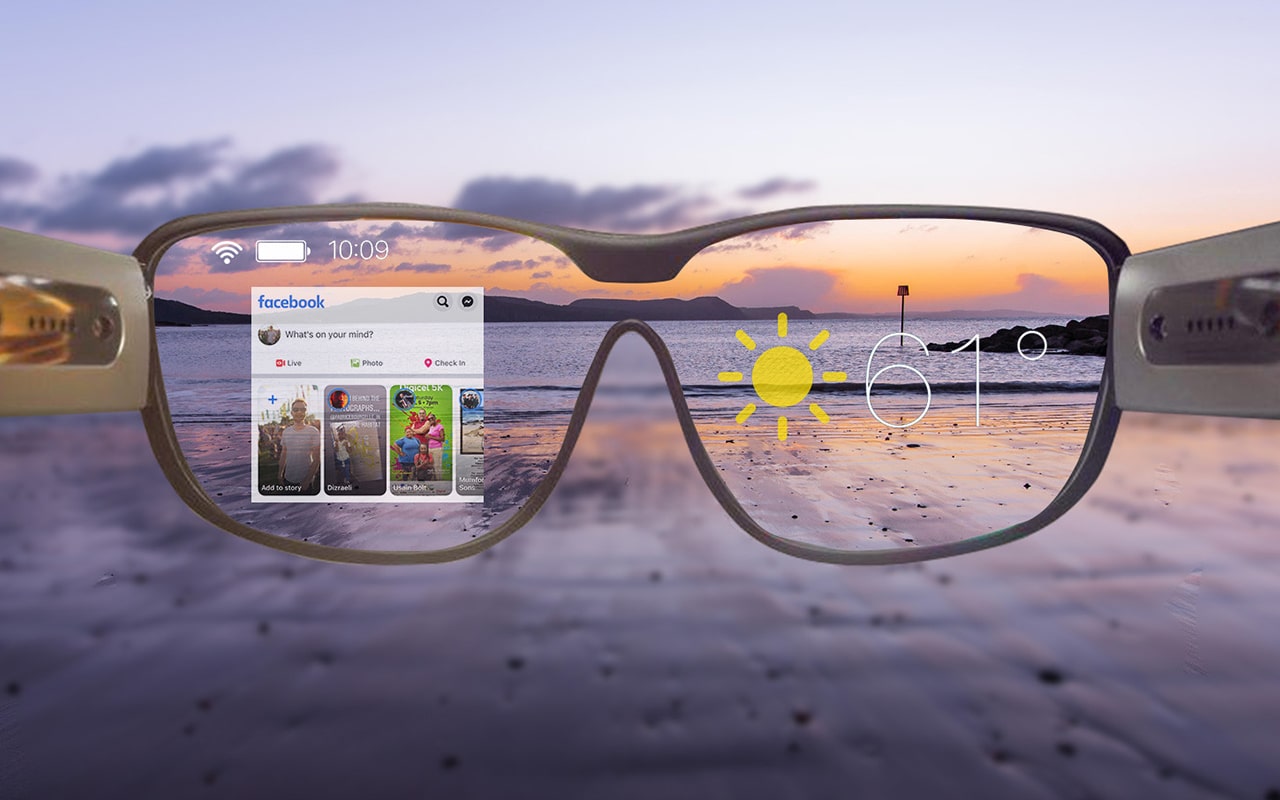
    Apple is considering a system that will allow the wearer of Apple Glass or another Apple-made headset to choose the background that will appear when someone is standing in front of them. The technology is similar to the “green-screen” used on television shows and movies that make it look as though an actor is somewhere else rather than standing in front of a screen on a studio lot.

    Unlike the 2D system used by Skype and Zoom, Apple’s patent application envisions the use of a 3D system that lets the Apple Glass user replace the background of a subject while he or she is moving and walking around. As Apple’s patent application notes, “Low latency is a key element required to achieve great immersion (often called “Presence”). The color keying processing which is embedded in the Head-mounted display (HMD) detects the selected range of color and mixes in the virtual content coming from the HMD itself or from an external source such as a connected computer. Virtual content can also be composited on top of the color-keyed area to allow mixed-reality content occluding real-life objects.”

    The patent application was filed in February and published today by the U.S. Patent and Trademark Office (USPTO). It is titled “Low latency chroma keying embedded in a head-mounted display for mixed reality.” The low latency used with this system is important because it allows the processing to be done at a speed that prevents users from getting ill when viewing the fake backdrop stutter and lag. And the low latency is made possible by embedding the processor inside the HMD.

    Interestingly, the current thought is that at least in the early days of Apple Glass, users will need to pair the wearable with an iPhone and allow the handset’s processor to do the heavy lifting. That is what Apple first did with the Apple Watch; the latter originally required the processor from a user’s iPhone to run most features before Apple released a standalone version of the timepiece. As a result, the technology mentioned in the patent might not be employed on Apple Glass until the third-generation of the AR glasses or later.

    The patent application explains that “The system achieves mixed reality by having a user look at a display through wide-angle lenses (with a field-of-view of 110 degrees or more). Two cameras located behind the HMD display capture the environment from viewpoints located a few centimeters in front of each eye.”

    If you don’t mind the patent jargon, Apple says, “While chroma keying is usually a post-production effect or done live with dedicated equipment/software, it can be applied in the context of augmented reality (AR) headsets, also referred to as mixed reality (MR), where virtual elements are composited in real-time into the real-world environment seen by the user through the head-mounted display. One example is a crane simulator where the controls would be real objects and where a color screen would be replaced by a virtual crane and a virtual environment. Another example would be a social MR experience using a color screen that covers the whole field of view and only the user’s hands and/or body are not replaced by virtual content (unless their color is the same as the screen). This example application is sometimes classified as virtual reality (VR) but for simplicity, we here consider it as augmented reality (AR).”

    As with any patent application filed by the company, or even with a patent received by the tech giant, there is no guarantee that Apple will actually use the patented technology. Apple applies for and receives a large number of patients each year and while some are for innovative technologies actually employed by the firm, some ideas are just patented to protect Apple from the competition.

  • FamilyMart set to test robotic c-store staff

    FamilyMart set to test robotic c-store staff

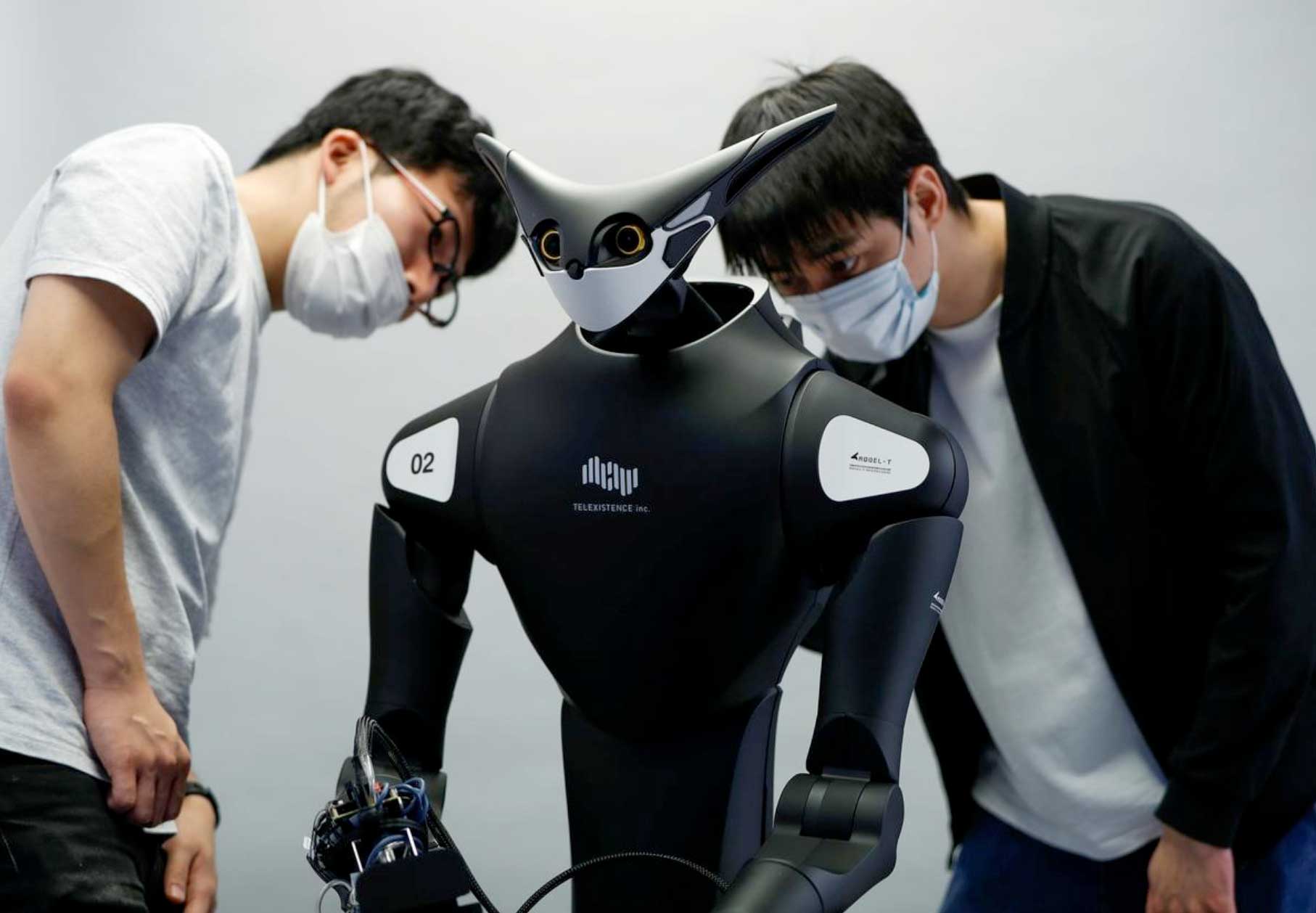
    FamilyMart will this month deploy a robot that vaguely resembles a kangaroo to stack sandwiches, drinks and ready meals on shelves at a Japanese convenience store. The robot’s maker, Telexistence, hopes the trial will help trigger a wave of retail automation.

    Following the trial, FamilyMart says it plans to use robot workers at 20 stores around Tokyo by 2022. At first, people will operate them remotely – until the machines’ artificial intelligence (AI) can learn to mimic human movements. Rival convenience store chain Lawson is deploying its first robot in September, according to Telexistence.

    “It advances the scope and scale of human existence,” the robot maker’s chief executive, Jin Tomioka, said as he explained how its technology lets people sense and experience places other than where they are.

    The idea, dubbed the existence, was first proposed by the start up’s co-founder, University of Tokyo professor Susumu Tachi, four decades ago.

    Their company has received funding from technology investment company SoftBank Group and cell phone service operator KDDI in Japan, with overseas investors including Airbus Ventures, the venture capital arm of European aircraft maker Airbus SE.

    It dubbed its robot the Model T, a nod to the Ford Motor car that began the era of mass motoring a century ago.

    Its quirky design is meant to help shoppers feel at ease because people can feel uncomfortable around robots that look too human.

    Robots are still a rare sight in public. Although they can outperform humans in manufacturing plants built around them, they struggle with simple tasks in more unpredictable urban settings.

    Solving that performance problem could help businesses in industrialized nations, particularly those in rapidly aging Japan, cope with fewer workers. Firms hit by the coronavirus outbreak may also need to operate with fewer people.

    Since the outbreak started, hotels, restaurants, and even gas and oil companies have contacted Telexistence, Tomioka said.

    “It’s difficult to tell now what impact robots might have in restaurants – it could mean fewer people, but it could also create new jobs,” said Niki Harada, an official at Japan’s Restaurant Workers Union.

    Using human operators with virtual reality goggles and motion-sensor controls to train its machines slashes the cost of retail robotics compared with complex programming that can cost 10 times more than as the hardware and take months to complete, Telexistence says.

    Although FamilyMart will still need humans to control its robots, operators can be anywhere and include people who would not normally work in stores, said Tomohiro Kano, a general manager in charge of franchise development.

    “There are about 1.6 million people in Japan, who for various reasons are not active in the workforce,” he said.

    Future te existence robots could also be used in hospitals so doctors could perform operations from remote locations, predicted Professor Takeo Kanade, an AI and robotics scientist at Carnegie Mellon University in the United States, who joined Telexistence in February as an adviser.

    It might take another 20 years before robots can work in people’s homes, however, he said.

    “In order for robots to be really usable at home, we really have to be able to communicate. The fundamental thing that is lacking is knowing how humans behave.”
  • Hong Kong DTC label Lane Eight launches sustainably made workout shoe

    Hong Kong DTC label Lane Eight launches sustainably made workout shoe

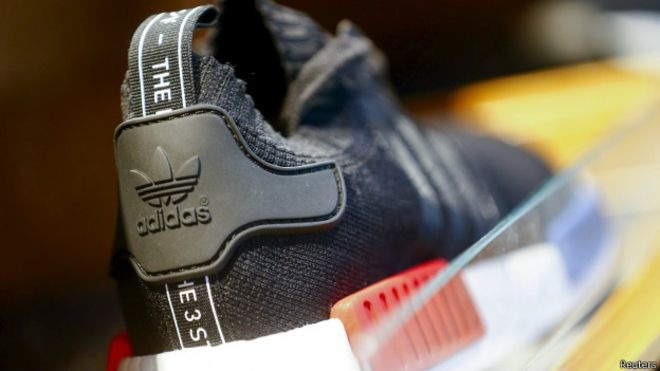
    Hong Kong-based DTC footwear start-up Lane Eight, has just released an all sustainable workout shoe range. Released in three colorways – Electric Neon, Cloud White and Lunar Grey – the brand’s signature AD 1 trainers have been redesigned with all-sustainable and recyclable materials comprising microfibre in replacement of suede; polyester yarn from 11 plastic bottles, and an algae-based midsole.

    With every pair of Lane Eight’s produced, 31.5 liters of freshwater are returned to the environment, and 64 cubic meters of carbon is removed from the atmosphere.

    Launched in 2017, the brand was conceived by James and Josh Shorrock, brothers with a background in Adidas product development and the Hypebeast editorial team. The digitally native brand holds a mass presence in the US and a growing following in Hong Kong, owing to its efforts in building partnerships with local fitness studios and influencers, alongside community workout events with customers.

    The omnichannel retailer currently has one physical brick-and-mortar store located on the trendy premises of Swire Properties-owned Star Street precinct in Wan Chai, its neighbors including lifestyle brands Monocle and Kapok. The store doubles as a distribution hub for online orders and a physical showroom for offline purchases.

    Highly coveted and with a long waitlist, the brand has upped its production and will be releasing new colors every month to meet the growing demand for the signature AD 1 trainers.

  • Singapore Director Charged in Wirecard Scandal

    Singapore Director Charged in Wirecard Scandal

    A Singaporean director of Citadelle Corporate Services has been charged for falsifying letters related to Wirecard.

    R. Shanmugaratnam, a director of Citadelle, has been charged by Singapore authorities for «willfully and with intent to defraud» falsifying letters from Citadelle to Wirecard representing that it held money in an escrow account when it did not, as reported on Friday.

    The 54-year-old Singaporean is the first person to be indicted in Singapore over the collapse of Wirecard the report said, according to charge sheets filed last month, which were viewed by the news wire. He faces four charges of false statements, each of which carries a maximum 10-year jail term.

    Citadelle has been under scrutiny in the Philippines since a Filipino lawyer said he opened six euro bank accounts in the name of his law firm, MKT Law, on behalf of Citadelle. The accounts were supposedly for Wirecard.

    According to a previous report on July 3, Singapore Police Force’s (SPF) Commercial Affairs Department (CAD), which deals with white-collar crimes, launched an investigation into Citadelle, payments operator Senjo Group and its subsidiaries after scrutinizing Wirecard’s local operations.

    Wirecard is at the center of one of the region’s biggest corporate accounting scandals in recent years, having admitted that €1.9 billion is missing from its financial accounts.

  • Axa Joint Venture Buys Amazon Japan Warehouse

    Axa Joint Venture Buys Amazon Japan Warehouse

    The firm’s real estate investment arm has acquired the ¥39 billion ($369 million) Tokyo logistics facility in a joint venture with fund manager ESR.

    The ESR-Axa vehicle purchased the 142,000-square-meter ESR Kuki, located in the north-eastern area of Saitama prefecture, from ESR-managed vehicle Redwood Japan Logistics Fund II (RJLF II) and co-investors.

    The site is built to the highest specifications and meets the latest ESG standards (CASBEE A certification), and is energy-saving compliant. The asset benefits from a human-centric design with plentiful amenity space for workers, such as children’s daycare centres, and access to 241 parking spaces, the announcement said. According to real estate intelligence platform Mingtiandi, Amazon leased nearly half of the facility just seven months ago.

    The demand for modern logistics space in this market is likely to remain strong due to tight supply and we are confident that this, coupled with the continued growth of e-commerce, will enable us to deliver secure income returns over the long term for our clients, alongside our joint venture partner, Laurent Jacquemin, Axa IM – Real Assets head of Asia-Pacific, said in a statement on Thursday.

    The acquisition adds to Axa Investment Managers – Real Assets’ Japanese logistics platform which comprises a six asset portfolio acquired on behalf of clients last year for over ¥100 billion, as part of its Japanese joint venture with ESR established in 2018.

    Axa said the joint venture will seek further investment and development opportunities diversified across Japan’s gateways cities, targeting large-high-quality modern logistics facilities that have the ability to deliver secure income returns over the long term.

    Axa IM – Real Assets is part of Axa IM Alts, which has €146 billion of assets under management as of end of March 2020, across real estate, infrastructure, private debt, structured finance and hedge funds

  • Adidas China sales goes flat but bright outlook

    Adidas China sales goes flat but bright outlook

    German sportswear firm Adidas says it expected a rebound in profits in the third quarter after it plunged to a big loss in the second quarter when the majority of its stores were closed due to coronavirus lockdowns.

    Adidas reported a second-quarter operating loss of US$396 million, worse than the $344 million expected by analysts on sales down 35 percent to $4.25 billion.

    The company said its sales were flat for the second quarter in China, however it saw double-digit growth in May and June.

    But CEO Kasper Rorsted said the company expects to benefit from more people exercising and dressing down with around three-quarters of companies planning to allow staff to continue to work from home.

    “The work environment will have changed forever,” he said, noting that sales of plastic slip-on Adilette bath sandals had tripled during the crisis.

    The loss included coronavirus-related charges of around $297 million, mainly due to an increase in inventory and bad-debt allowances, as well as the impairment of retail stores and the trademark of its struggling Reebok brand.

    Adidas expects a material improvement in third-quarter sales assuming there are no new major lockdowns, but still down on last year by a mid to high-single-digit rate.

    It sees an operating profit of between $712 million and $831 million in the period. The company declined to give an outlook for the full year.

    “We are now seeing the light at the end of the tunnel as the normalization in the physical business continues,” said Rorsted in a statement.

    E-commerce sales jumped 93 percent in the quarter and remained at a very high level even as stores started to reopen, with 92 percent already back in business, albeit with reduced opening hours.

    Rivals Nike and Puma also reported quarterly losses, while Nike saw a 75-per-cent rise in online sales.

  • Harley-Davidson Creates Chief Digital Officer Role

    Harley-Davidson Creates Chief Digital Officer Role

    Harley-Davidson has announced that former Bose executive Jagdish Krishnan will take over the newly created role of Chief Digital Officer. Krishnan will be responsible for the development of a new digital strategy intended to improve the customer retail experience with direct-to-consumer technology for e-commerce and dealer digitization. This includes building seamless digital interfaces with products, services, commerce, and Harley-Davidson’s global dealer network. To enable this strategy, Krishnan will also lead the modernization of the company’s global information systems to make them more customer-centric.

    The creation of the new Chief Digital Officer role is part of The Rewire strategy, unveiled by Harley-Davidson’s new CEO. The Rewire is aimed at overhauling the company’s operating model and provide a better starting point for the future. The Chief Digital Officer is one of several roles and functions created or elevated to report directly to the Chairman, President, and CEO, Jochen Zeitz to build desirability for the Harley-Davidson brand and products.

    “Harley-Davidson is all about experiences, and an enhanced digital experience is absolutely critical for us to make our GIS and digital capabilities more customer-centric. We will take a completely different approach to apply digital technology across the company to fundamentally change how we operate and create value. To deliver on our objectives, we must have an innovative and high-performance IT function,” said Jochen Zeitz, chairman, president, and CEO of Harley-Davidson. “We need to be a high-performing team with cutting edge leadership to move us forward. Jagdish is exactly the right leader and he will ensure we connect with our customers at all touch-points.”

    Krishnan has over two decades of experience leading digital transformation and delivers solutions to position organizations for advanced growth. Prior to joining Harley-Davidson, Krishnan served as Vice President and Chief Digital Officer at Bose Corporation. Before Bose, he was with Deloitte & Touche and Patni Computer Systems, where he had a broad mix of experiences including Profit & Loss responsibility, information security, enterprise software deployment, programming, and IT operations. Krishnan has a Bachelor of Science with Honours in Computer Engineering from Pune University and a Master’s Degree in Data Communication and Distributed Systems from Oxford University.

  • Asian online shoppers are visiting more sites before buying

    Asian online shoppers are visiting more sites before buying

    Savvy Southeast Asian consumers are shop-hopping across an average of 5.2 online sites before making a purchasing decision, up from 3.8 sites last year.

    The insight is among those unveiled by a new joint Facebook and Bain & Company report that shows digital growth in the region has surpassed previous projections. This year’s survey covered around 16,500 digital consumers in six nations within the territory who made an online purchase in at least two product categories within the past three months.

    The report finds that consumers are ultimately searching for better pricing (42 percent of respondents) and product quality (34 percent) when browsing across sites, suggesting the potential for building brand loyalty and growth in a fractured e-commerce market for players offering reliability and value.

    According to the report, Southeast Asian digital consumers will number around 310 million by the end of the year, 75 percent of total consumers within the region – growth originally forecasted for 2025 in last year’s study, indicating a five-year acceleration within this year alone. The average spend per consumer by 2025 is now projected to be 3.5 times that of figures for 2018, with spending patterns between Tier 1 and 2 cities narrowing.

    “With five years of digital acceleration condensed into one – the impact of digital adoption on businesses has never been more apparent,” said Gaming MD Sandhya Devanathan. “It is vital for businesses to connect with consumers in ways that are frictionless and to replicate in-person interactions through social platforms, messaging and short videos as much as possible to drive discovery and loyalty,”

    Stronger disposable incomes and a distinct lean towards contactless transactions are now significant driving factors in digital-economy growth. At the same time, 68 percent of consumers admit to not knowing what they want to purchase before going online to shop, 62 percent of whom learn about new products and brands via social platforms – especially short videos.

    “The last decade was about bringing consumers online,” said Facebook director of digital natives and technology Dhruv Vohra. “Now, with the rapid immigration of digital consumers from offline to online, coupled with the evolution of home-consumption habits, we will see more brands shifting their business models beyond the ‘omnichannel’ option to meet the consumers where they are.

    “What’s key is that businesses will need to adapt to today’s consumer trends as it continues to shape the next normal.”

  • Asian Institute of Digital Finance launched in Singapore

    Asian Institute of Digital Finance launched in Singapore

    Singapore is one of the largest financial centers of the world with a clear dominance over the Asia-Pacific region. Following the liberal economic reforms by the progressive government, this sovereign Island-State has managed to become a true leader in Asia. Today, Singapore hosts more international financial institutions from overseas than any other city within the region. Therefore, its importance in terms of the financial sector is undoubtedly big. 

    The economy of Singapore is quite completely dependent on the services industry, primarily specializing in finance. Therefore, its workforce is tailored to the country’s needs and the labor market, resulting in the ever-growing number of economists, financial advisers, and accountants. However, with the sudden rise of the forex trading sector, the workforce seems to be needing a refresh. The Singapore forex brokers list is expanding constantly and quickly due to the soaring demand for foreign currencies within the state. However, other factors such as the tolerant environment and regulation-free market are also contributing. 

    Moreover, the high rate of digitalization has brought many benefits, as well as challenges to the Singapore economy. Financial institutions benefit from faster, more efficient, and convenient services. However, Singapore, despite being highly technologically advanced, does not possess an adequate workforce with commuting abilities. Software and hardware developers are high on demand across the entire country. However, more specifically, demand is extreme for fintech specialists. This invention of the recent decade allows institutions to provide better services at lower costs. Therefore, this mega financial hub of the Asia-Pacific is taking its chances within the niche. 

    This is exactly why the Monetary Authority of Singapore (MAS) is setting up a one of a kind research facility working with the future generation of fintech learners. The work was done in cooperation with the National Research Foundation (NRF) and the National University of Singapore (NUS). Yet, the institution offering courses will be the Asian Institute of Digital Finance. This is the official name of the newly established body, bracing to work within this very specific area in an attempt to deliver highly qualified workers for the Singapore labor market. It will also feature an incubation unit in order to foster innovation and novelty in the digital finance field. 

    The joint program of these very influential and well-respected educational institutions will offer a master’s degree in digital finance. Students with outstanding records will have an opportunity to access the scholarship, allowing them to conduct research studies at a doctoral level. The institution will also train post-graduate fellows in the specific areas they choose. The NUS President, Tan Eng Chye said that the new institution will serve as a hub and kind of a ‘pipeline’ for Singapore and a general region. “Fintech is making a profound impact on financial services, and will continue to drive the transformation of the financial services industry in Singapore,” he says. “NUS’ thought leadership in digital technologies such as artificial intelligence, blockchain, cloud computing, and data science makes us perfectly positioned to address the challenges of the digital economy in Singapore and other parts of the world.”

    NUS will also conduct research in fintech and discover new areas. It will operate a so-called “fincubator” project, driving innovation and developing ideas that exist within the institution and beyond. With its extensive infrastructure and the network of influential academic stuff, NUS will certainly become a jewel of modern financial education in Singapore and a wider region. Through applied research and active collaboration with industry, AIDF will help to build strong capabilities in digital finance and fintech. The Institute will facilitate the expansion of knowledge and skills among fintech leaders in the region and support the digitalization of economies in ASEAN and beyond.” said Ravi Menon, the Managing Director of MAS.