Tag: asia

  • Deliveroo Seeks Hong Kong Government Support on Urgent Action to Further Aid Restaurant Sector hit by COVID-19

    Deliveroo Seeks Hong Kong Government Support on Urgent Action to Further Aid Restaurant Sector hit by COVID-19

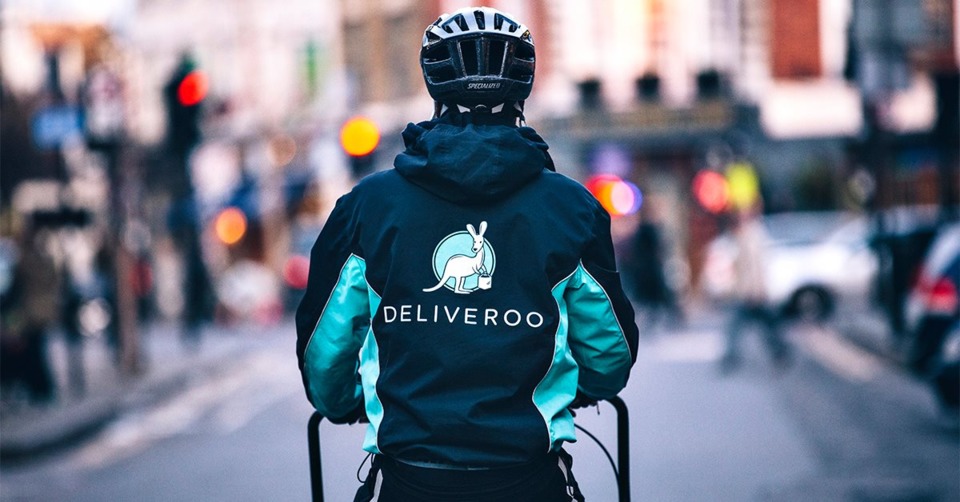
    Deliveroo is calling on the Hong Kong Government to build on recent measures and further aid the restaurant sector, in the face of continuing and unprecedented challenges posed by the third wave of COVID-19. Brian Lo, General Manager of Deliveroo Hong Kong and Board Director of the HK Federation of Restaurants and Related Trades, has written to Chief Executive Mrs. Carrie Lam on the matter, asking for urgent action.

    Brian Lo said, “The Government has taken a number of steps to support Hong Kong’s restaurant industry this year, including the Employment Support Scheme, the Food Licence Holders Subsidy Scheme and the Catering Business (Social Distancing) Subsidy Scheme. These one-off subsidies have prevented thousands of restaurants from going out of business and protected many people from losing their jobs – but the crisis is far from over. Restaurants continue to see significant revenue losses under the current dine-in ban and 50% reduced capacity; and while these measures are critical for public safety, urgent action is needed to protect the sector.”

    Deliveroo partners with close to 8,000 restaurants in Hong Kong, representing around 40% of the city’s licensed food providers. A recent survey of Deliveroo’s small and independent restaurant partners revealed that more than 50% are facing the prospect of immediate business suspension. Many predict that if the current situation continues, within the next three months they will be forced to permanently close or even pushed to bankruptcy.

    Lo added, “Restaurants have seen significant revenue losses during the lockdown even if they are able to remain open for delivery business. The growing contribution of delivery sales to their total revenue is not sufficient to cover cumulative fixed costs such as rent obligations. The precipitous drop in dine-in sales means restaurants are finding it close to impossible to operate and cover their day to day costs. Since last week, we saw close to 1,000 restaurants on our platform alone temporarily shut their doors. Many of these are small and medium sized businesses with no foreseeable date to reopen.

    As the leader in the food delivery sector and as an important stakeholder in the F&B industry, we have invested over HK$30 million in a number of measures in the past 6 months including commission reduction, payment delay, funding promotions and rider COVID-19 testing kits, to support our restaurant partners and the industry, as well as our rider community. However, without further Government support to help restaurants to generate revenue and cover costs, more than 5,000 restaurants may be forced to permanently close their doors in the coming months, putting at risk over 80,000 jobs in the industry itself, as well as the loss of income and jobs in businesses providing goods and services to the F&B industry.”

    In its detailed submission to the Government, Deliveroo, based on extensive consultation with a large proportion of its 8,000 restaurant partners in Hong Kong, has formulated a series of key policy proposals which would help the industry to recover through this challenging period, adapt to the new economic environment and thrive in the future. These include:

    1. Subsidy Scheme Extensions: Following on from the success of the first Licensed Hawkers Subsidy Scheme and Food Licence Holder Subsidy Scheme back in March 2020, Deliveroo proposes the provision of incremental HK$200,000, HK$80,000 or HK$5,000 payments per licensed outlet for every three months of continued enforcement of social distancing measures. This will be vital in allowing restaurants to pay rent, supplier bills and staffing costs; and to stave off immediate liquidity concerns.
    2. Action on Rents: Rent costs in Hong Kong are equivalent to around 20-25% of a restaurant’s usual revenue, compared to the 10-15% range in major European markets, the UAE, Australia and Singapore. The recent drop in sales of 50% or more due to COVID-19 means that rent as a percentage of sale has increased even further, squeezing Hong Kong operators’ margins to the breaking point. Deliveroo proposes a series of measures including waiving rental fees for four months, introducing an evictions moratorium, and encouraging landlords to use turnover leases.
    3. Action on Staffing Costs: The unemployment rate for the F&B industry rose from 8.6% in Q1 to 14.7% in Q2, according to Government Census data. Deliveroo’s data shows further signs of deterioration, indicating a 300% increase in restaurant closures in July alone compared to the same period last year. Deliveroo therefore urges the Government to extend the Employment Support Scheme for at least six more months or as long as social distancing measures prevent restaurants operating at full capacity. This will potentially safeguard tens of thousands of jobs.

    Other areas for proposed action include helping restaurants meet the cost of becoming COVID-secure, launching a government-led campaign making clear that restaurant food is safe, and providing a subsidy for restaurants to conduct deep-cleaning

    Restaurants such as Mini Bangkok, Man Kee Cart Noodle, Chilli Fagara, Golden Monkey, Holy Eats, nood food, La Rotisserie, Limewood, Sip Song, Mott 32 and Pololi are in support of the suggestions Deliveroo has put forward.

    Mark Lam, Owner of Mini Bangkok, a popular Thai restaurant in Kowloon City, said, “Like many others in our industry, we’ve had to make major readjustments to cope with this extremely difficult time. It’s tough not knowing from day to day if we will be able to maintain our operations – and the situation continues to become increasingly urgent. While delivery and takeaway is an important part of our business, the revenue lost through minimizing dine-in truly challenges us, preventing us from being able to support fixed costs that we can’t escape. We need further support from the government to safely sernoodve customers, maintain our workforce, ensure a steady supply chain, and so on. We hope that further action will be taken to help us and others in the industry to weather the ongoing storm.”

    Tracy Wong, Owner of Chilli Fagara, a modern Sichuan restaurant in Lan Kwai Fong, said, “While we completely understand the need for social distancing measures, the unfortunate truth is that our business has suffered heavy losses as a result of the downfall in foot traffic, especially as a restaurant located in Lan Kwai Fong when alcohol selling and dine-in are prohibited. If we were to cut losses and close the business today, we would still continue to lose money, as a result of forgoing the rent deposit. It has truly become a desperate situation for our restaurant and from what I understand, for many other operators in our same position. We strongly urge the Government to further bolster support for the industry at this difficult time.”

    Lo concluded, “We are proud to be a part of Hong Kong’s restaurant sector, renowned as one of the most vibrant and dynamic food scenes in Asia and indeed around the world. We are glad to support our restaurant partners via increased delivery sales during this time, but we recognise that more and urgent action is necessary to counter the financial effects of yet another wave of COVID-19. We believe the measures that Deliveroo is today proposing to the Government can help to ensure that Hong Kong’s restaurant industry survives this pandemic and rebounds after it; and we look forward to further opportunities to discuss and aid the sector during these difficult times.”

  • Starbucks unveils first unmanned self-serve outlet in Thailand’s

    Starbucks unveils first unmanned self-serve outlet in Thailand’s

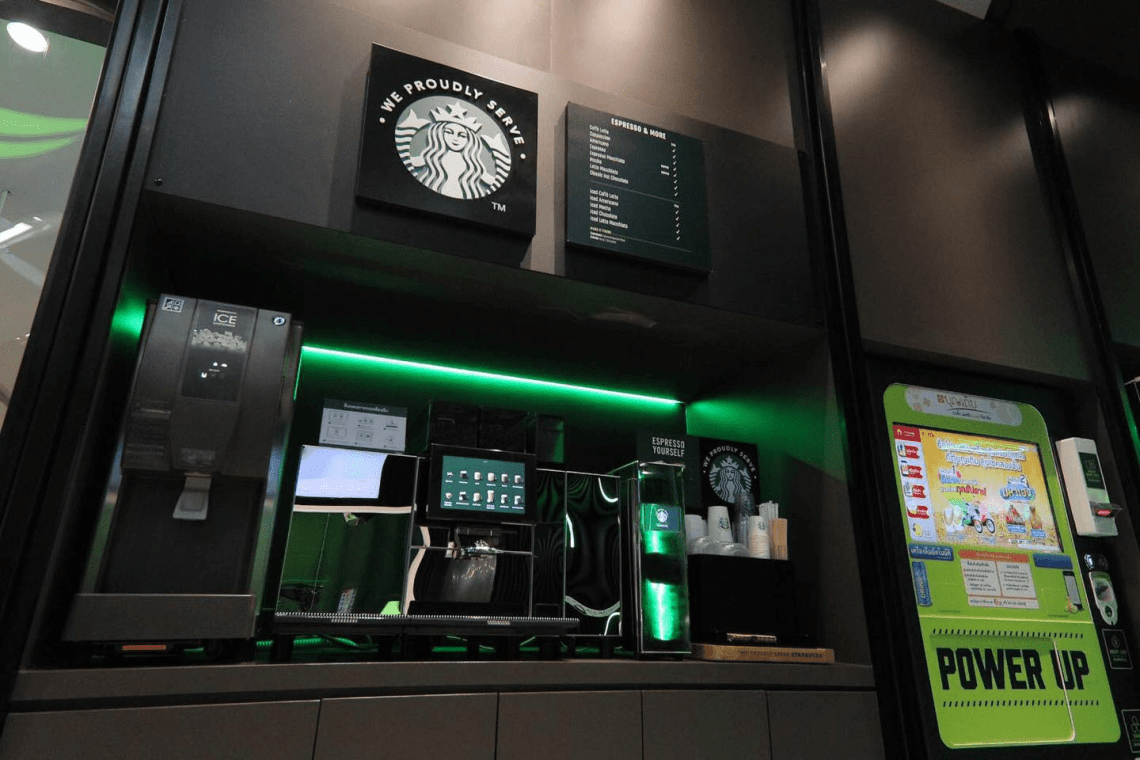
    Starbucks Thailand has launched its first-ever self-service machine with full customizable capabilities and digitized payment options.

    Located inside Bangkok’s new AIS eSports studio at Samyan Mitrtown mall, the venue aims to serve a boost of caffeine for the gamers, serving beverages 24 hours a day.

    A cup of coffee from the machines is priced from US$1.93 (THB 60) which is less than the price at a staffed branch. The drink is fully customizable via a digital touch screen.

    In five easy steps, a consumer can select their drink, tailor it to their liking and scan the QR code to pay either through Rabbit Line Pay or using a general QR code payment through their native banking app.

  • Pierre Herme opens its first Japanese store with Lagardere Travel Retail

    Pierre Herme opens its first Japanese store with Lagardere Travel Retail

    French pastry chef and chocolatier Pierre Herme has partnered with Lagardere Travel Retail to open the first of several food & beverage concept stores in Japan.

    Located in Tokyo Station, the store occupies a 105sqm area, and is branded ‘Made in Pierre Herme’. Besides food, the store offers a variety of products from different regions of Japan to support agriculture and promote local and ethical food production.

    These products include prepared and packaged food, specialty drinks, and a variety of branded gifts and items carrying Herme’s signature.

    Located in one of Japan’s busiest railway stations, the ‘Made in Pierre Herme’ flagship is expected to draw the attention of commuters, local and foreign visitors, and neighboring office workers alike.

    “We believe this is the beginning of a strong partnership and we expect this first step in Japan will create new opportunities for Lagardere and its partners in this exciting market which has attractive growth prospects,” said Eudes Fabre, CEO at Lagardere Travel Retail North Asia.

    The ‘Made in Pierre Herme’ concept store is the first of several openings planned jointly by the two companies, according to Lagardere Travel Retail.

    “Pierre Herme has been present in Japan for more than 20 years, and it is part of our mission to help French companies internationally recognised know-how to develop here,” said Richard Ledu, CEO at Pierre Herme Paris Japan.

    “There are significant synergies between Pierre Herme and Lagardere so this is a fantastic opportunity with further openings already planned.”

  • Yokohama Begins Tyre Production After Phase Two Expansion

    Yokohama Begins Tyre Production After Phase Two Expansion

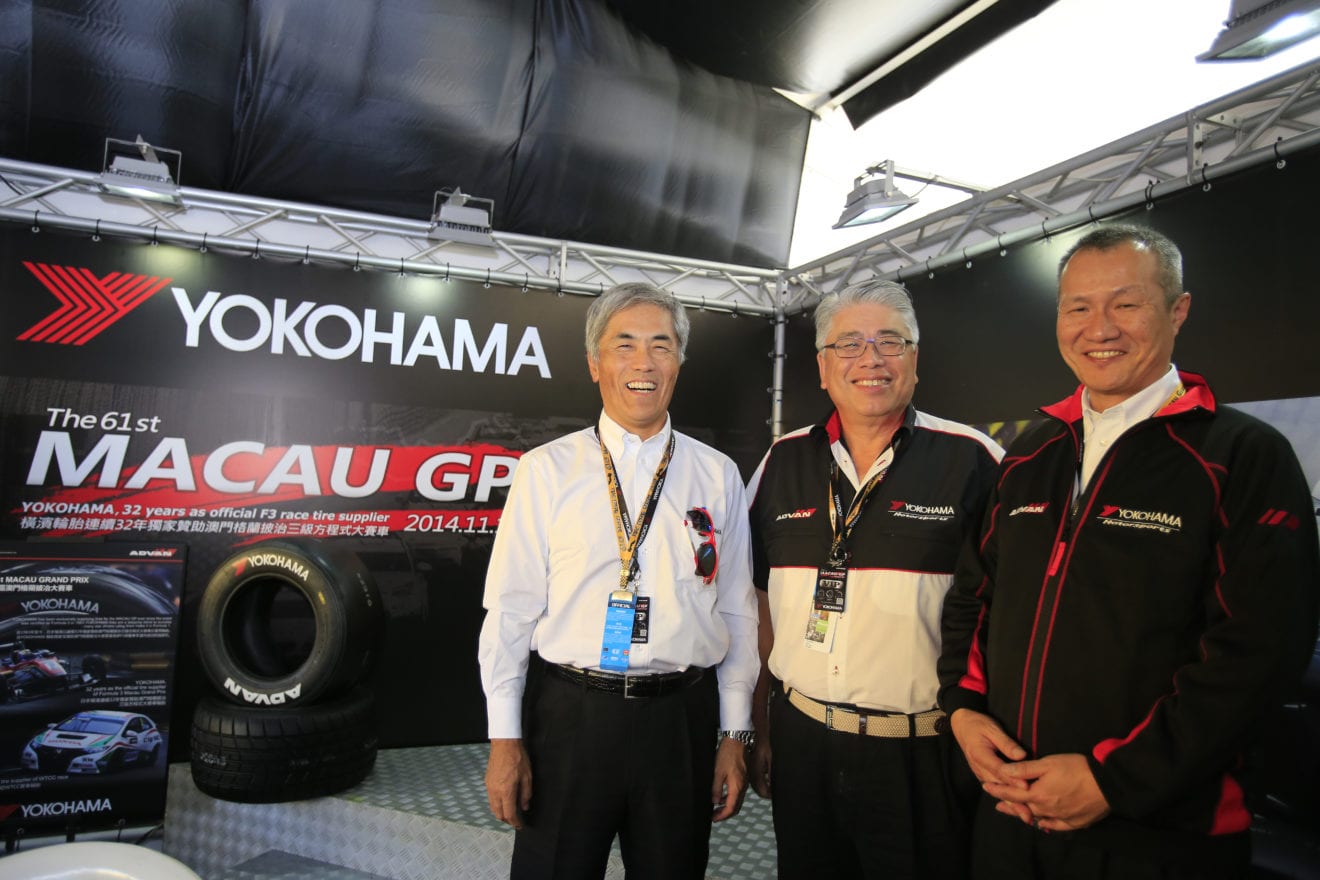
    Yokohama India has begun manufacturing tires after the completion of its second phase of expansion. The company began its manufacturing operations in India in 2014 with an annual capacity of 0.7 million and now it has gone up to 1.6 million tires per year. The company has also strengthened its standard operating practices in a bid to facilitate smooth progress of production lines at the factory. Yokohama entered the Indian market in 2007 and achieved the 1 millionth tire production mark in 2016.

    Anil Gupta, Vice Chairman Yokohama India said, “In response to the increasing demand for Yokohama Tyres in India and keeping in mind the projected market growth, we decided to double our domestic manufacturing capacities. Incidentally, it has happened at an opportune time as restrictions on the import of tires have been announced by the government. This decision is in line with the government’s clarion call for “Atmanirbhar Bharat” – from the drawing board to the dealer shops, the new Phase-2 facility is fully equipped to meet Indian market needs.

    With technological expertise from its parent company in Japan, Yokohama now manufactures its extremely popular Geolandar A/T along with Geolandar SUV tire and the BluEarth-RV02 tire at the new facility. The company says it has several new tire models on the anvil, ready to be launched in the near future.

    The company says that the expansion will also help increase employment opportunities at the Bahadurgarh plant. At present, the plant has 500 employees and with the increase in production, the plant will require an additional 200 people. The Yokohama Club Network or YCN is a specialized sales network that aims to provide a good experience to customers at the point of purchase and India has these dealerships as well. Yokohama is the original equipment supplier to automotive brands like Audi, Mercedes-Benz, Porsche, Nissan, Honda, Suzuki, Toyota, and Mitsubishi as well.

  • Lady M teams with Netflix to create Over the Moon mooncake lantern

    Lady M teams with Netflix to create Over the Moon mooncake lantern

    Luxury cake boutique Lady M is serving a limited-edition mooncake lantern to celebrate the musical Over the Moon, in a partnership with Netflix and Pearl Studio.

    Timed to mark the Mid-Autumn Festival, Lady M’s Over the Moon mooncake lantern also marks a rare collaboration with Netflix – and illustrates the potential for seemingly unrelated brands to collaborate on products.

    Lady M’s pastries will come with an exclusive lantern package illustrating scenes from Pearl Studio’s animated musical Over the Moon.

    The lantern features gold and jade colors with laser-cut imagery of characters and scenes from the film with an interactive illumination effect. Inside the lantern is a collection of six individually-wrapped Lady M mooncakes in two flavors – sweet egg custard and chocolate custard.

    Each lantern package comes with a gift bag, a greeting card, an instruction card, and an envelope creating a memorable gift for family or friends.

    The movie Over the Moon tells the story of a bright young girl who builds a rocket ship to the moon to prove the existence of a legendary Moon Goddess. It will begin streaming on Netflix this fall.

  • SGX to Expand Equity Derivatives Shelf

    SGX to Expand Equity Derivatives Shelf

    The bourse is adding 13 Asia ex-Japan and emerging markets Asia regional and single country futures to its shelf of benchmark equity derivatives.

    The new futures are based on Net Total Return (NTR) and Price Return indices calculated by FTSE Russell, which has approximately $16 trillion in reported fund assets under management (AUM) tracking its benchmarks.

    SGX said the benchmarks of the new future, which cover Indonesia, Malaysia, Philippines, Taiwan, Thailand, and Vietnam, addresses customers’ «increasing demand for institutional-grade exchange solutions in Asia which offer superior operational and capital efficiency.»

    The new contracts are expected to be certified by the Commodity Futures Trading Commission (CFTC), enabling US investors to trade them directly from within the U.S.

    SGX currently has the largest and most liquid FTSE and MSCI equity index derivatives for Asian markets.

    Michael Syn, head of equities at SGX, said its collaboration with FTSE Russell is the «next step in further developing and advancing SGX’s Asia-access waterfront.»

    «We look forward to bringing investors even more asset-class opportunities within the pan-Asian capital structure, based on broad strategies, sectors, and themes,» Syn said.

  • The SM Store Advances Omnichannel Merchandising Strategies with Aptos Technology

    The SM Store Advances Omnichannel Merchandising Strategies with Aptos Technology

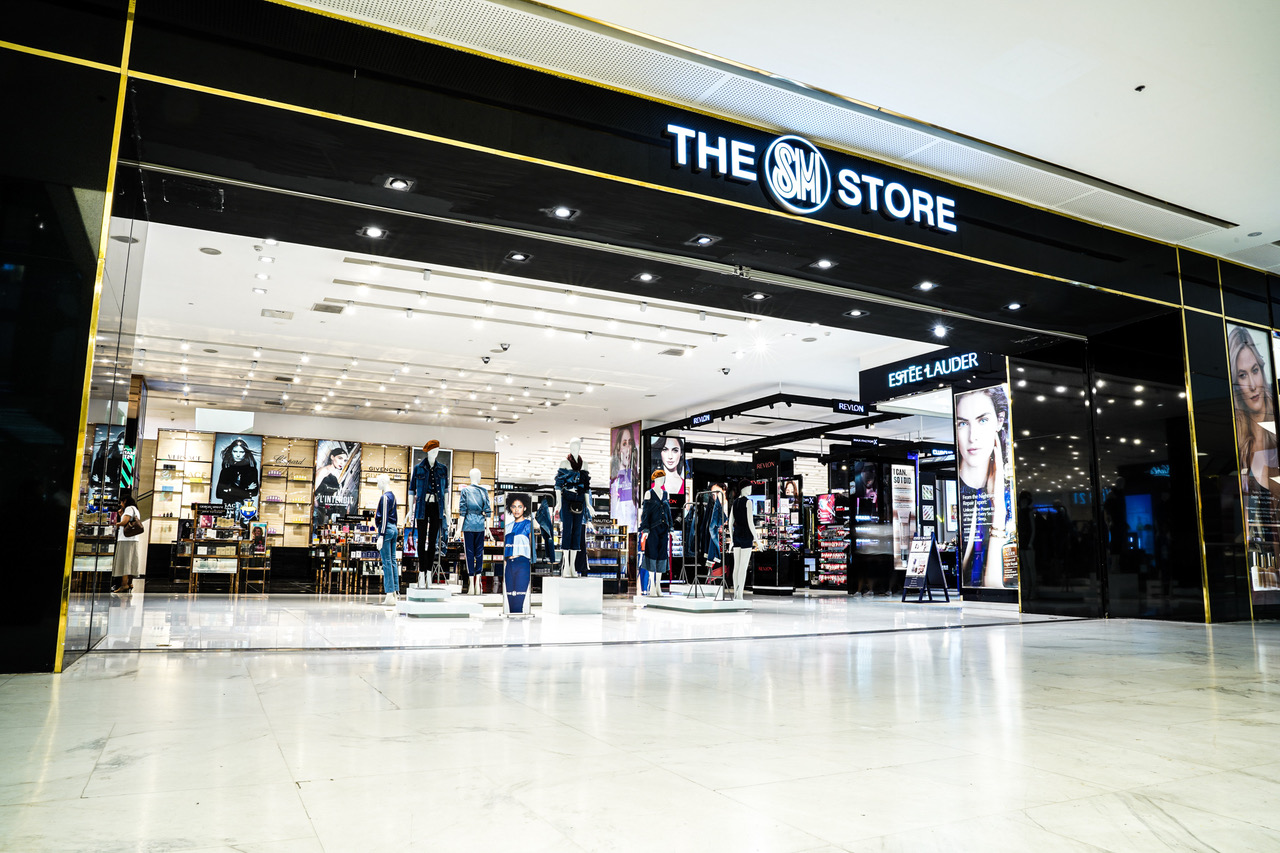
    Aptos, a recognized market leader in retail technology solutions, today announced that The SM Store, the largest department store chain in the Philippines, will deploy Aptos Merchandise Financial Planning to optimize its omnichannel merchandising strategies. The solution will provide end-to-end support for the retailer’s merchandise planning activities across its bricks-and-mortar and online channels.

    The SM Store, formerly known as SM Department Store, has over 60 stores strategically located in key cities throughout the Philippines and carries a wide range of apparel, accessories, housewares, general merchandise and lifestyle products. The SM Store is part of SM Retail, Inc., a significant player in the retail industry in the Philippines.

    SM Retail has come a long way since its founder, Henry Sy Sr., realized his dream to open a shoe store in Manila in 1958. Today, SM’s retail operations are the country’s largest and most diversified, with food, nonfood and specialty retail stores.

    With the guiding principle of offering a one-stop shopping experience, The SM Store continues to enhance the way it engages with its loyal customers. This has included investments in its online shopping platform, ShopSM, allowing customers to shop anytime, anywhere.

    As customers’ browsing and buying behaviors have expanded, so too has The SM Store’s complexity in planning merchandise across channels. In order to delight customers with the right merchandise while consistently meeting financial goals, the Aptos solution will provide end-to-end support for The SM Store’s merchandise financial planning activities. This includes strategic planning and budgeting, planning by attributes, buying and assortment strategy, in-season management, and more.

    Once deployed, Aptos Merchandise Financial Planning will be utilized by over 120 merchandise planners within The SM Store business. The Aptos solution was selected over competitive offerings due to its ability to support The SM Store’s different shop formats and an increasing number of channels, the ease of use and intuitiveness of the application, and the flexibility of the solution to evolve with The SM Store over time.

    “SM’s tagline of ‘We’ve got it all for you’ emphasizes the importance this retailer places on its merchandising strategy, buying decisions and vast assortment,” said Noel Goggin, Aptos CEO and culture leader.

    “Merchandise planning is the foundation of developing, buying and delivering the best assortments to customers while achieving margin and inventory investment targets. With Aptos Merchandise Financial Planning, The SM Store can optimize product distribution and stock levels across channels — a powerful differentiator as it advances its omnichannel vision. We are proud to work with this customer-centric and highly diversified retailer, a true leader in the dynamic and growing Philippine retail market.”


  • Total Investment Partners with Alibaba to Drive its Digital Transformation

    Total Investment Partners with Alibaba to Drive its Digital Transformation

    Total (China) Investment has signed a Memorandum of Understanding (MoU) in order to pursue strategic collaboration with Alibaba Group (“Alibaba”) (NYSE: BABA; SEHK: 9988) and leverage their respective resources to drive the digital transformation of the Company’s operations in China.

    Under the MoU, the two companies will develop in-depth collaboration based on the Alibaba Business Operating System (ABOS). Total (China) Investment will utilize Alibaba’s leading digital capabilities and technology across e-commerce, online payments, local services, supply chain, big data, and organizational management. The partnership will provide digital infrastructure and support for TOTAL’s service stations, lubricants and special fluids businesses in China, helping the company to enhance the accessibility and flexibility of its product offerings and services, accelerate its branded retail and outlet footprint and drive sustainable growth opportunities.

    Total has been present in China for almost 40 years. This collaboration signifies that Total has become the first international energy company to leverage Alibaba ABOS, setting a digital transformation benchmark in the energy industry.

    “Digital technology is a critical driver for achieving our excellence objectives across all of Total’s business segments. Total Group’s ambition is to generate as much as $1.5 billion in value per year for the company by 2025 through digital transformation initiatives,” said Ian Lepetit, President of Total (China) Investment. “China has a world-leading environment for digital innovation and a fertile ground for making it a reality. We hope the partnership will not only improve our business in this country but also create a best practice that we can roll out to Total Group’s overseas business, delivering better products, services, and better customer experiences to more than 8 million customers everyday worldwide.”

    “As one of the foremost players in the global energy industry, Total is renowned for an excellent lineup of products and services”, said Jet Jing, Vice President of Alibaba Group. “It is a privilege to work together and leverage the Alibaba Business Operating System to accelerate Total’s digital transformation, particularly in the areas of product innovations, customer acquisition, order fulfillment and organizational development. We believe the ABOS will support Total to establish a data-technology-driven and customer-centric operating system. Thriving on Alibaba’s integrated platforms and customer touchpoints, the ABOS will also facilitate Total to serve more customers, serve each customer to the fullest and provide better customer experience at a lower cost and in a more efficient manner.”

    The partnership will cover Total (China) Investment’s major business activities (including service stations, lubricants business and car care business) and cooperate with more than 10 business units in the Alibaba Digital Economy. Total will have a cross-platform consumer-facing storefront, which will be launched to the market soon. Customers will be able to enjoy a seamless online-to-offline experience for TOTAL’s products and services on various popular apps, such as Taobao, Tmall, Alipay, Eleme and Amap, at anytime and anywhere.

    Total has long been pursuing digital transformation. As part of an effort to efficiently implement its digital strategy, Total has adjusted its enterprise organizational structure, establishing the new role of Chief Digital Officer and appointing digital officers to its business segments.

  • SingPost Partners with Tech Startup Shippit to Fuel Small Business Growth in Asia

    SingPost Partners with Tech Startup Shippit to Fuel Small Business Growth in Asia

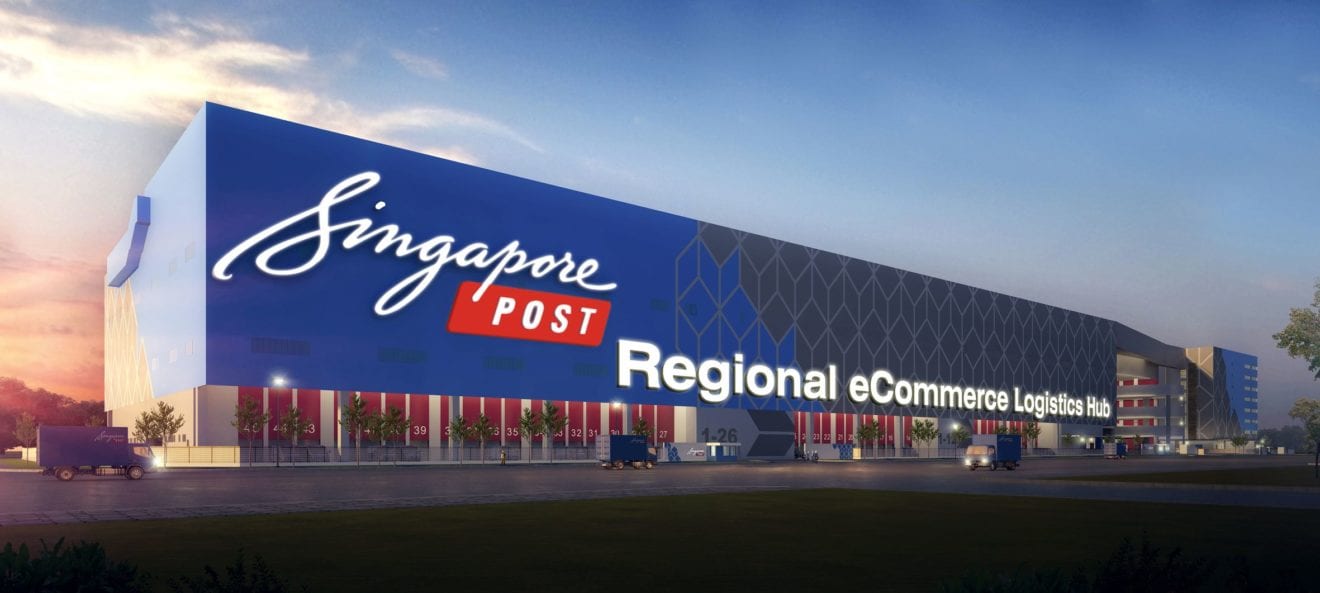
    Today, fast-growing logistics technology company Shippit, announced a new partnership with Singapore Post (SingPost), Singapore’s leading homegrown e-Commerce courier. The deal allows Shippit to empower small and medium-sized enterprises (SMEs) to scale by providing them with instant access to more delivery options — including packages to be delivered directly to Pick Own Parcel Station (POPStations) and letterboxes — a service typically reserved for larger companies. As part of the deal, Shippit will also offer SingPost’s Speedpost Express Service to SMEs, alongside discounted, pre-negotiated rates for next day and economy delivery services.

    SMEs on the Shippit platform will now be able to also offer end-customers parcel collection at any time by tapping into the islandwide POPStation network that SingPost currently operates. This brings added convenience to end customers, since parcels can be deposited directly at their closest available POPStation for pickup, without the need to wait for delivery at home.

    These SingPost services are integrated directly into Shippit’s existing online platform, which enables SMEs to access data-driven delivery insights that can be used to optimize shipping costs and share better customer experiences. SMEs also get access to pre-negotiated, delivery SingPost rates on the platform, enabling them to tap into SingPost’s large delivery network and fleet, at a lower cost.

    Lavneesh Arora, Director of Market Development at Shippit, said: “Shippit aims to disrupt the way legacy logistics firms operate. We are always looking for great partnerships to expand our capabilities and give clients a competitive edge. Through the latest partnership with Singapore’s largest and most prominent logistics company, SMEs can use Shippit to get direct access to SingPost’s premium, enterprise-grade delivery services at a fraction of the cost.”

    Shippit’s intelligent tracking system benefits both senders and receivers through proactive delay avoidance technology and accurate delivery estimates — SMEs will know exactly where the parcel is, ensure delivery issues are resolved before customers find out and can also send branded push emails and SMSes to keep their customers informed. On the receiver’s end, one-link tracking and smart notifications are automated, so customers can easily track their shipment, get real-time updates and access delivery support directly from the track page.

    Sara Kalle, Senior Vice President of Group Sales at SingPost, said: “We are tremendously excited to offer our last-mile services to Shippit. Customers can look forward to a hassle-free shipping experience from the moment they confirm their order on Shippit’s award-winning platform, to collecting their shipments from us at their doors or at a nearby POPStation.”

    Shippit officially launched in Singapore on 14 July, to serve as the startup’s regional headquarters. It plans to expand into Malaysia, Philippines, and Indonesia in the near future. Shippit’s existing client base currently includes Sephora, UNIQLO, CottonOn, and Harvey Norman — to name a few.


  • Amazon Project Zero Launches in Seven New Countries

    Amazon Project Zero Launches in Seven New Countries

    Amazon announced the expansion of Project Zero to seven new countries – Australia, Brazil, Netherlands, Saudi Arabia, Singapore, Turkey, and the UAE – making it available in 17 countries where Amazon has a store. Project Zero combines Amazon’s advanced technology, machine learning, and innovation with the sophisticated knowledge that brands have of their own intellectual property so we can together drive counterfeits to zero.

    Launched in 2019, Project Zero builds on Amazon’s long-standing work and investments to ensure that customers always receive authentic goods when shopping on Amazon. Over 10,000 brands – from large, global brands to emerging entrepreneurs including Arduino, BMW, ChessCentral, LifeProof, OtterBox, Salvatore Ferragamo, and Veet – have already enrolled in Project Zero.

    “Amazon is committed to protecting our customers and the brands we collaborate with worldwide,” said Dharmesh Mehta, Vice President of Worldwide Customer Trust and Partner Support. “Project Zero has been a leap forward in protecting brands, especially for those that use all three of its components.”

    BMW, one of the world’s leading automotive brands with a portfolio of global trademarks, said: “Project Zero has been a very easy and effective tool at protecting BMW on Amazon. We are very appreciative of the tools Amazon has built to enable us to protect our brand.”

    “We are excited to see that Project Zero is expanding into the new marketplaces,” said Adrienne McNicholas, Co-Founder and CEO of Food Huggers. “The program has already had a very positive impact on our enforcement efforts and we are glad to see Amazon’s continued commitment to protecting our brand across the world.”

    Brands that are enrolled in Amazon Project Zero and already have a trademark enrolled in one of the newly launched countries will automatically be able to use Project Zero in these additional stores. New brands can learn more about and enroll in Amazon Project Zero at: https://projectzero.com/sg.

    Project Zero uses three key components to protect and empower brands:

    • Amazon’s automated protections proactively and continuously scan more than 5 billion attempted daily product listing updates globally to look for suspicious listings. These automated protections are powered by Amazon’s machine learning and are continuously fed new information, so we continue to get better in automatically preventing and blocking potential counterfeit listings.
    • We have invested significant resources over the years to proactively prevent counterfeits and continue to innovate and build technology-based solutions. Project Zero goes further with a self-service tool to empower brands and provides them with an unprecedented ability to directly remove listings from our store. These removals also feed into our automated protections, so we can better catch potential counterfeit listings proactively in the future.
    • Product serialization is enabled by a unique code that brands apply within their manufacturing or packaging process, and it allows us to individually scan and confirm the authenticity of every single purchase of a brand’s enrolled products from Amazon’s stores. While product serialization is optional, brands enrolled in Project Zero are seeing the best results when using product serialization.

    Project Zero is among a suite of tools Amazon has introduced to empower brands to protect their IP.

    • Amazon IP Accelerator helps businesses more quickly obtain intellectual property (IP) rights and brand protection in Amazon’s stores. The program was designed specifically with small and medium businesses in mind and is available to entrepreneurs worldwide that are looking to secure intellectual property in the U.S. IP Accelerator connects entrepreneurs with US law firms with expertise in trademark applications. Entrepreneurs also benefit from pre-negotiated rates. To learn more: https://brandservices.amazon.com/ipaccelerator
    • Amazon Brand Registry, a free service that gives brand owners access to a powerful set of tools that help them deliver an accurate and trusted customer experience on Amazon while protecting a brand’s IP. To enroll and learn more: https://brandservices.amazon.com/
  • Cebu Pacific sends 14 planes for storage

    Cebu Pacific sends 14 planes for storage

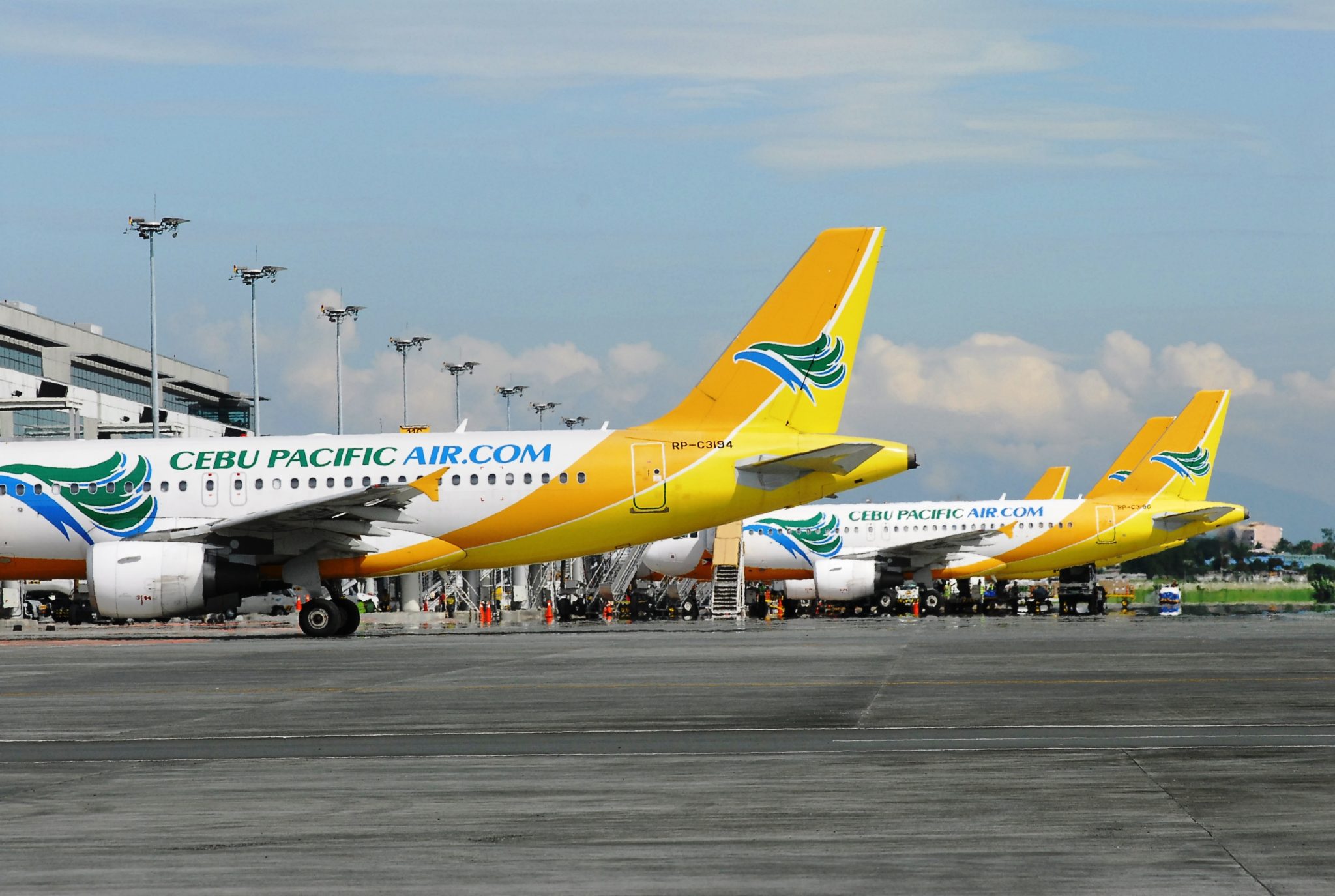
    Budget carrier Cebu Pacific has now sent a total of 14 aircraft for storage at Alice Springs in Australia, with more possibly eyed as travel demand is not expected to return to its robust state anytime soon.

    On top of the 14 aircraft that have been sent so far, Cebu Pacific spokesperson Charo Logarta Lagamon said the next batch is still under study.

    “We have a fleet of 75 aircraft. Because costs continue to be challenged, we have sent aircraft to Alice Springs along with many other airlines, and we are looking to send additional aircraft there for additional storage because obviously we do not see demand coming back in the immediate future,” Lagamon, who is set to leave the airline effective Aug. 15, said yesterday.

    “We will have to store these aircraft in a more proper setting and in a cost-efficient manner,” she said.

    As part of its cost mitigation measures, Cebu Pacific last month said it sent nine aircraft to the Asia Pacific Aircraft Storage at Alice Springs for storage.

    “The best place to store aircraft is somewhere that is dry. This is a facility that stores aircraft because we need to make sure that it stores in a facility that will minimize damage or be equipped for storing aircraft so that once the demand comes back we can easily bring the aircraft back into the line,” Cebu Pacific vice president for marketing and customer experience Candice Iyog earlier said.

    Meanwhile, Lagamon said Cebu Pacific management and their counterparts in Airbus are currently in discussions on the adjustment in delivery or possible cancellation of some of the company’s aircraft orders given the impact of the COVID-19 pandemic to the aviation industry.

    “This is subject to discussions with Airbus. But again, it’s not only Cebu Pacific that is the only carrier in the world that is in talks with the manufacturers for the delay or adjustment of delivery schedules of these orders,” she said.

    Quoting Cebu Pacific president and CEO Lance Gokongwei, Lagamon said the airline is expecting challenging numbers in its second-quarter financial results.

    “This is on account of the course of continuing quarantine. We are still unable to fly the majority of our flights. We’re only at 10 percent of what our capacity used to be,” she said.

    Lagamon said Cebu Pacific has canceled some 150 flights a week, or a total of about 300 flights, from Aug. 4 to Aug. 18 following the return of Metro Manila to modified enhanced community quarantine.

    Cebu Pacific incurred a P1.18 billion net loss in the first quarter, a turnaround from the P3.36 billion net income it recorded in the same period last year, as travel restrictions brought about by the COVID-19 pandemic started taking its toll on its operations.

  • Fuelled By Volvo, China’s Geely Seeks Launchpad To Enter Auto Giant Orbit

    Fuelled By Volvo, China’s Geely Seeks Launchpad To Enter Auto Giant Orbit

    Chinese carmaker Geely plans to use a platform developed with input from Volvo to build new models in Malaysia for its partly owned Proton brand, a strategy that shows how it aims to accelerate its push to become China’s first global auto giant. The yet-to-be-finalized plans for Proton are just one strand of a Geely project to revamp factories at home and abroad using joint platforms it has been perfecting with Volvo since 2013. Geely bought the Swedish brand 10 years ago for $1.8 billion (1.4 billion pounds) – a deal that raised its international profile and sent shockwaves through the global auto trade.

    Senior Geely officials and engineers told Reuters that a project dubbed Compact Modular Architecture (CMA) will allow them to develop, design, and build different types of compact cars with similar mechanical layout faster than before – and at a lower cost.

    They said CMA, along with a platform for smaller cars known as B-segment Modular Architecture (BMA) that Geely plans to roll out for Proton, allows them to harness the Swedish automaker’s technologies and Geely’s capabilities in cost control, supply chain management, and local production.

    “CMA will be the core of Geely’s future architecture design … We learn technologies and build up talents through developing it,” said Li Li, vice president at Geely Automobile Research Institute, confirming the Proton plan during an interview in Ningbo, south of Shanghai. Li declined to disclose details of the general investment, financial targets, or a timetable for expansion plans.

    From its lowly foundation in 1986 in Taizhou on the east coast as a maker of refrigerator parts, Geely has grown into one of the biggest players in China, the world’s largest auto market accounting for nearly one in every three passenger cars sold around the planet. Geely now sells more than 2 million cars a year across all brands, ranking it not far from the world’s top 10 automakers by unit sales.

    The CMA platform in particular will allow Geely and Volvo to design vehicles more quickly and cost-effectively, Li said, providing a technological springboard towards a higher market share at a time when the auto industry must embrace a future featuring electric and autonomously driven transport.

    Like Geely – an anglicization of the Chinese word for ‘lucky’ – domestic peers Great Wall Motor and GAC have branched out with their own versions of vehicle platforms, harboring greater ambitions for selling cars in major Western markets.

    But grand plans have previously been delayed, or simply canceled, amid a lack of practical preparedness, analysts have said, against a backdrop of years of trade tensions between China and the United States that have roiled the global economy. At the same time, attention has been diverted to deal with stalling sales at home as the pace of China’s growth has slowed.

    Geely Automobile and its sister company Volvo Cars are planning to merge and list in Hong Kong and possibly Stockholm, giving Volvo access to public markets after it dropped a move to list its stock two years ago.

    In its pursuit of global automaker status, Hangzhou-based Geely is now holding talks to merge the Volvo Cars business with its Hong Kong-listed Geely Automobile – worth about $22 billion by market value, bigger then famed industry names like Fiat Chrysler Automobile and Nissan Motor.

    As well as the 49.9% stake it took in Proton three years ago, the broader Geely group – Zhejiang Geely Holding Group, led by Taizhou-born billionaire Li Shufu – now also comprises a 9.7% stake in Germany’s Daimler AG and a majority stake in British sports car brand Lotus.

    And while giants from Toyota Motor Corp to Volkswagen AG and General Motors Co have followed a similar shared platform project for their respective brands, Geely’s strategy is a first for a Chinese company.

    The automaker plans to develop all its future models for the Geely and Lynk & Co brands on CMA or other related product platforms, like BMA. It is also developing a new architecture to accelerate the launch of pure battery electric vehicles with intelligent connectivity functions, said Li, a former Ford engineer.

    In addition, Geely wants to shift the development of next generations of some popular existing models, like Borui and Emgrand sedans, to those architectures, he said. It takes around 18 months for Geely to significantly change a CMA-based car, versus 24-30 months to do so on a non-CMA-based model.

    Using CMA, plant managers can switch production of different models to maintain smooth overall capacity utilization rates at production lines, said Oskar Falk, the Volvo-trained head at Geely and Volvo’s first joint production site in Taizhou.

    The plant already exports Volvo Polestar 2 electric sedans to the United States and Europe, and is preparing to make Volvo’s first battery-powered electric vehicle, Falk said.

    Geely also plans to start exporting China-made Lynk & Co 01 SUVs to Europe this year.

  • Saigon zoo operator posts $800,000 loss

    Saigon zoo operator posts $800,000 loss

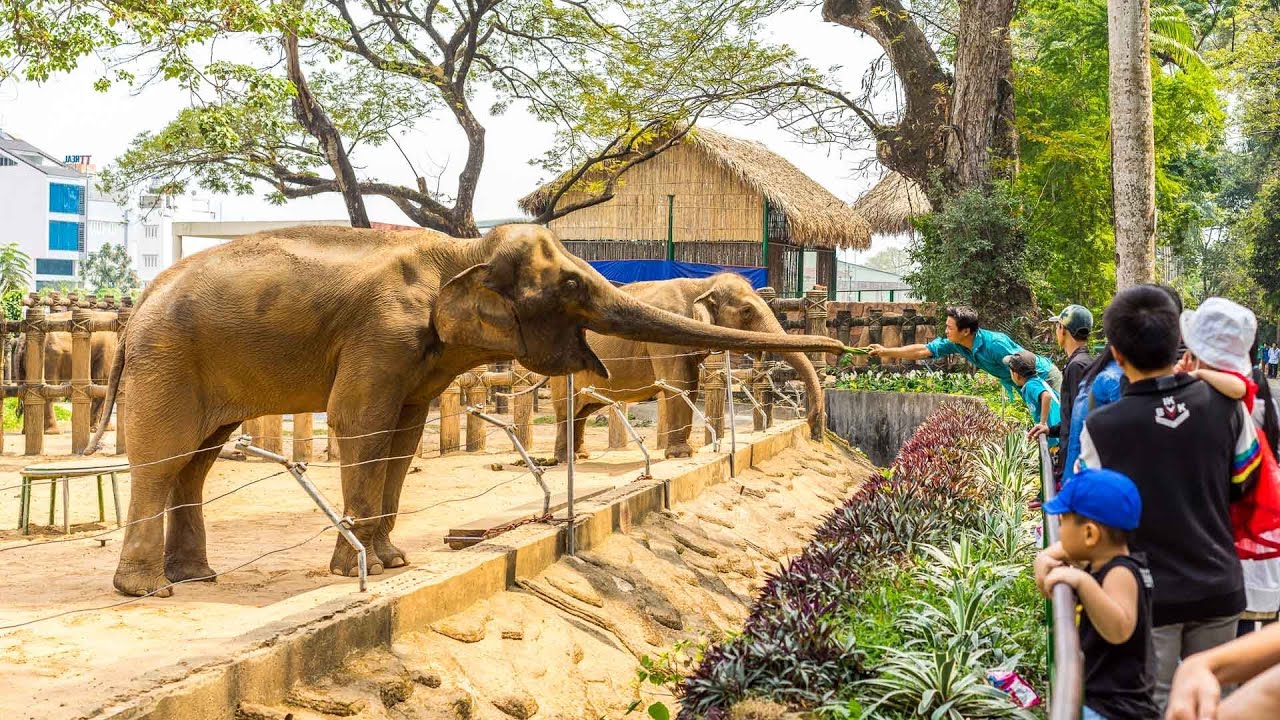
    The Saigon Zoo-Botanical Garden Company Ltd reported a loss of VND18.8 billion ($809,600) for the first half as Covid-19 kept people away from its zoo.

    The operator of the country’s largest zoo in Ho Chi Minh City saw revenues drop by half year-on-year to VND27 billion ($1.2 million). The 156-year old zoo in District 1 closed for two months from March 20 as Covid-19 containment measures took effect. Its loss was the third largest among seven loss-making state-owned companies based in the city. The operator also has VND18 billion ($775,200) in debts, mostly salaries. Its 270 employees have agreed to a 30 percent salary cut this month.

    It recently called for public donations to help the zoo care for its 1,500 animals, which require nearly five tons of meat, vegetables, fruit, and leaves daily.

    The zoo has over 125 animals and 900 plant species.

  • Yum China eyes US$2 billion HK stock listing

    Yum China eyes US$2 billion HK stock listing

    Yum China – the operator of KFC, Pizza Hut, Taco Bell, and local restaurant chains – is reportedly preparing to list on the Hong Kong stock exchange as early as next month.

    The IPO, should it proceed, is likely to raise as much as US$2 billion, according to Bloomberg, which cited inside sources who asked not to be identified

    Approval for the listing will be sought from the territory’s stock exchange as early as this month.

    Yum China, controlled by its US namesake Yum! Brands, has been working with Goldman Sachs, China International Capital, Citigroup, UBS and CMB International to prepare for the listing.

    Last month, Yum China marked its 10,000-store milestone, opening a KFC in Bo’ao, Hainan province, and CEO Joey Wat said then that the Covid-19 pandemic will not impact this year’s store rollout plan.

    “With our innovation capabilities, strong digital strategy, and resilient business model, I believe we will emerge from this pandemic stronger than ever, and ready to capture the exciting long-term market opportunity in China,” she said.

    Yum China’s total sales fell 11 percent year on year to US$1.9 billion in the first quarter of this year, while net income fell 26 percent to $132 million.

    Michael Pearson, head of corporate equities at Oak Stone Limited, said the specifics of the deal such as timing and size have not yet been finalized and are likely to change in the coming weeks.

    “New York-listed Yum China is another company who join the growing wave of US-listed Chinese firms seeking a trading foothold in Hong Kong due to the deteriorating relations between the US and China,” added James Burnley, head of wealth management at Oak Stone.

    “Regulators in the US are threatening to restrict the access of Chinese companies to the American capital markets if they refuse to let authorities review their audits,” he said.

  • Total’s Indian Joint-Venture To Seek Fuel Retailing License

    Total’s Indian Joint-Venture To Seek Fuel Retailing License

    A joint-venture by India’s Adani Gas and France’s Total will soon seek government permission to open retail fuel stations in India, Adani’s chief executive said on Wednesday. India has become a lucrative market for global oil majors after the government removed controls on the retail pricing of gasoline and gasoil and relaxed rules for setting up fuel stations in the country, the world’s third-biggest oil consumer and importer. The joint venture, Total Adani Fuels Marketing Pvt Ltd, will soon apply for a license under the new liberal fuel retailing rules, Manglani said.

    “Definitely we will take full benefit of the expertise and strength of Total,” Suresh Manglani told reporters on an earnings call, adding that the intent was to become a full-service operator, providing a multi-fuel offering.

    Fuel demand in India is expected to rise in the coming years as Prime Minister Narendra Modi pushes for Asia’s third-largest economy to grow from $2.9 trillion of gross domestic product in 2019 to $5 trillion by 2025.

    British oil major BP has already teamed up with Reliance Industries in a fuel retailing joint venture, and Shell and Abu Dhabi National Oil Co also both want to strengthen their presence in India.

    Total bought a 37.4% stake in billionaire Gautam Adani-promoted Adani Gas last year to capitalize on India’s push for cleaner sources of energy. Adani Gas, which has so far focused on selling gas to industry and households, also wants to sell liquefied natural gas (LNG) for transportation. Modi wants to raise the share of gas in India’s energy mix to 15% by 2030 from the current 6.2%.