Tag: asia

  • Foot Locker launches Singapore’s largest store on Orchard Rd

    Foot Locker launches Singapore’s largest store on Orchard Rd

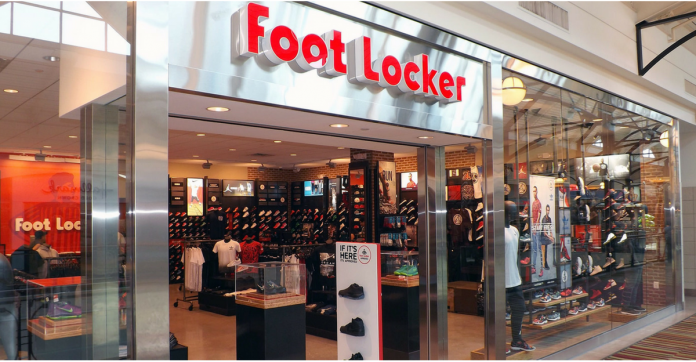
    Foot Locker Singapore has opened its largest store yet on Orchard Rd, celebrating basketball culture.

    Located at Orchard Gateway @Emerald, the Foot Locker store spans five stories, three of which are retail spaces, offering a multi-branded basketball collection.

    Foot Locker Singapore also partnered with local artists MessyMsxi and Clogtwo to feature artworks at both Level 1 and the B2 basketball half-court, expressing the brand’s appreciation for basketball culture.

    “This is where we embarked on our Asia journey and Singapore has really embraced our brand out of the gate,” said Tomas Petersson, GM, and VP at Foot Locker Asia. “Our purpose is to inspire and empower youth culture and our belief is that when we speak to the consumer through the lens of curated brand and product stories via our omnichannel focus, then we connect deeply with the Sneaker and Sport community.”

    Besides basketball collections, Foot Locker Orchard also features a wide range of footwear and apparel from global brands, including Nike, Jordan, Adidas, Puma and New Balance.

    “The Orchard Road store is a pinnacle expression of our brand together with our partners and we are especially proud as a team to deliver this in these challenging times, as this will give the Singaporean consumer a truly unique experience,” said Petersson.

  • Audi India Introduces Ready To Drive Service Campaign With Special Offers

    Audi India Introduces Ready To Drive Service Campaign With Special Offers

    Audi India has rolled out its new Ready To Drive service campaign that brings a host of offers and benefits for its customers. Under the Ready To Drive campaign, customers can avail a 20 percent discount on brake pads, discs, and sensors, as well as a 10 percent discount on Audi genuine accessories, Audi Collection and merchandise for all models. The discount also extends to purchases made on the company’s virtual store. Customers can also avail savings up to 50 percent on myAudi Connect dongle on select vehicles in the range.

    Customers can save up to 20 percent on purchasing an extended warranty under the service campaign.

    Furthermore, Audi is offering savings up to 20 percent on availing extended warranty and service plans as well as the Comprehensive Service Value Package. For cars older than five years at the start of the campaign, customers will be eligible for a complimentary lube service. Customers will need to get in touch with their nearest authorized workshop to avail of the benefits of the campaign. The service campaign begins from August 17 and will continue until September 30, 2020.

    Commenting on the announcement, Balbir Singh Dhillon, Head of Audi India said, “At Audi, the customer is at the heart of everything we do. In line with our overall business strategy, we are happy to announce a service-specific campaign that brings savings and a host of offers that will ease a return to normalcy in the post lockdown period. All our workshops are fully sanitized and are constantly monitored to ensure that maximum hygiene is maintained at all times. We have seen increased aftersales activity over the last few weeks and we look forward to welcoming back our customers to our service centers. It is our endeavor to ensure that all Audis are running at their best, always.”

    The new campaign comes as life across the country goes back to normalcy in a phased manner with vehicles spending more time on the road instead of the garage. The service packages will also help those customers that have had their vehicles parked for a long time since the start of the lockdown.

    Audi India has been on a product offensive since October last year and has introduced four new models so far including the new-generation A6 and A8 L, Q8 SUV, and the RS7 Sportback. The automaker is gearing up to introduce the RS Q8 by the end of this month or in early September. The automaker also commenced online sales and service of its vehicles in May this year in the wake of the lockdown. More recently, the company announced the ‘One App’ that caters to the needs of new and existing customers.

  • Tata Starbucks opens all-women stores

    Tata Starbucks opens all-women stores

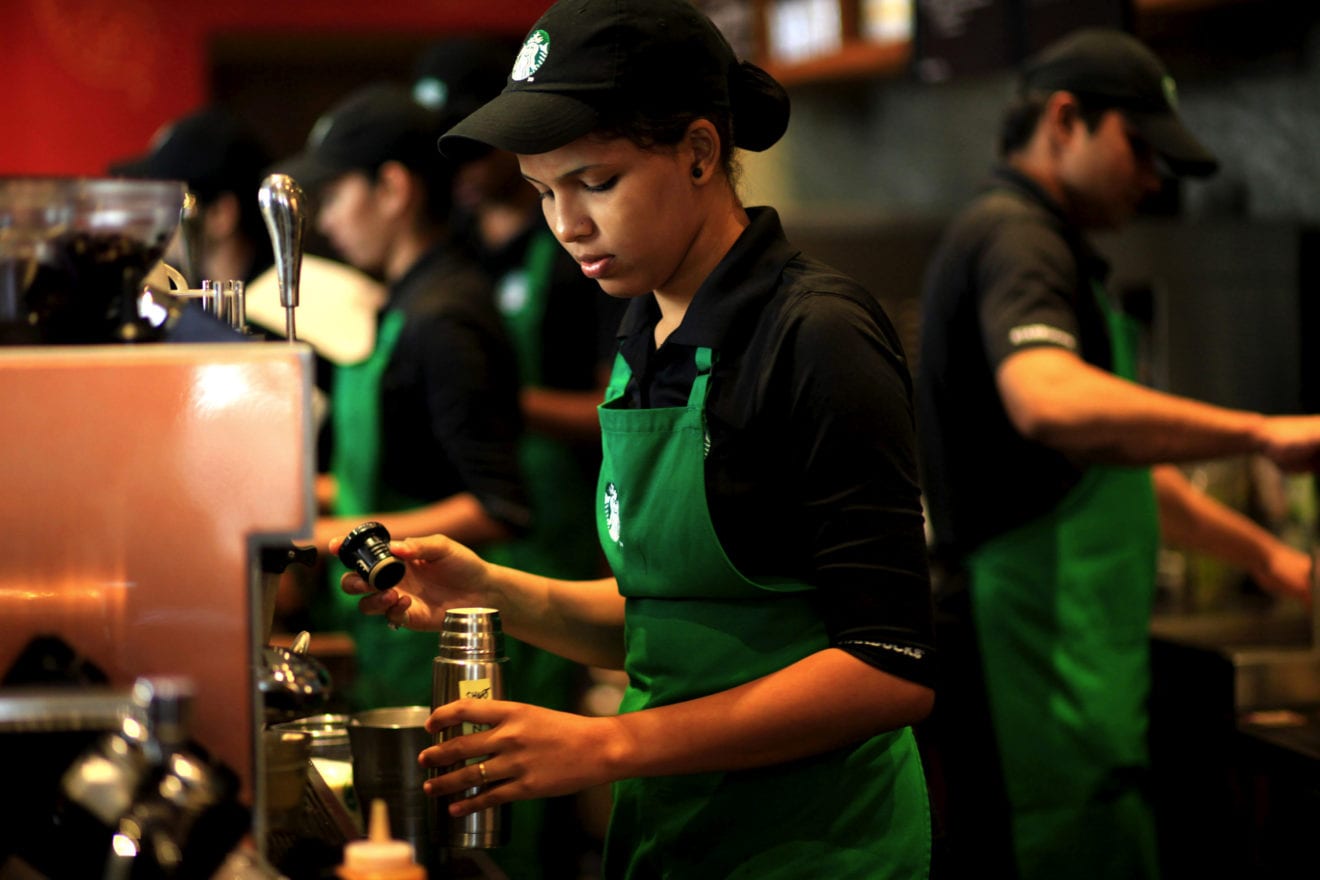
    Tata Starbucks has opened two stores in India operated entirely by women as part of the firm’s efforts to address systemic inequities in opportunities for female workers within the country.

    The two female-staff-only stores are located in Delhi and Mumbai, and constitute a step forward in Tata Starbucks’ commitment to expanding the representation of women in the workforce. The program also includes initiatives to offer opportunities to women that take into account the responsibilities of motherhood. The firm offers 100-per-cent gender pay equity and aims to ensure women make up 40 percent of its total workforce by the end of 2022.

    Tata Starbucks says it will double the number of its female-led stores by the end of this year in the interests of empowering and supporting women leaders.

    “Tata Starbucks remains focused on creating and strengthening opportunities for women and fostering diversity across our organization,” said Tata Starbucks CEO Navin Gurnaney.

    “We are proud to open these all-women stores that will increase our commitment to diversity and inclusion in India and empower our female partners in new and meaningful ways.”

  • Thai, Vietnam retail back at pre-Covid-19 levels says Central Retail CEO

    Thai, Vietnam retail back at pre-Covid-19 levels says Central Retail CEO

    Thailand’s Central Retail Corporation says sales in its home and offshore markets have already bounced back to pre-Covid-19 levels.

    Revealing a loss of US$80.7 million in the June quarter, CEO Yol Phokasub said its businesses are showing a positive sign of recovery, thanks to the group’s agility.

    “Since June, our business in Thailand, Vietnam and Italy has resumed its sales at the same pace as what had happened before the Covid-19 outbreak in February,” he said. “Its profit (EBITDA) has also been positive again.”

    Phokasub said trading at more than 80 percent of the group’s retail space was suspended for more than 46 days of the 91-day second quarter when the pandemic hit all three countries. But despite the restricted trading, the company’s quarterly revenue was down only 21 percent year on year to $1.33 billion.

    Revenue for the first six months of the year reached $3.07 billion, declining by just 10 percent, with a half-year loss of $52.2 million, down by 139 percent.

    Phokasub said the company’s investment in an online model three years paid off during the pandemic as it was able to migrate some trade online.

    “During the Covid-19 crisis, the main factor that allowed the business to continue in a secure manner was solid support from customers, business partners, and the contribution from all employees who whole-heartedly worked hard and adjusted their work to offer the best services to customers, as well as resilient business strategies, including cost, investment, and expenditure management, and an efficient liquidity boost enabled Central Retail to regenerate its profit quickly,” he said.

    “Central Retail foresees the continuous recovery of the business in the second half of 2020 regarding positive signs including the policies of the government and the capability of its new economic team that will be driving the economy, helping SMEs and stimulating employment, especially in retail and service sectors which cover more than 19 million workers. Public health measures are also important.”

  • AirAsia’s charter flights to boost Malaysia’s medical tourism

    AirAsia’s charter flights to boost Malaysia’s medical tourism

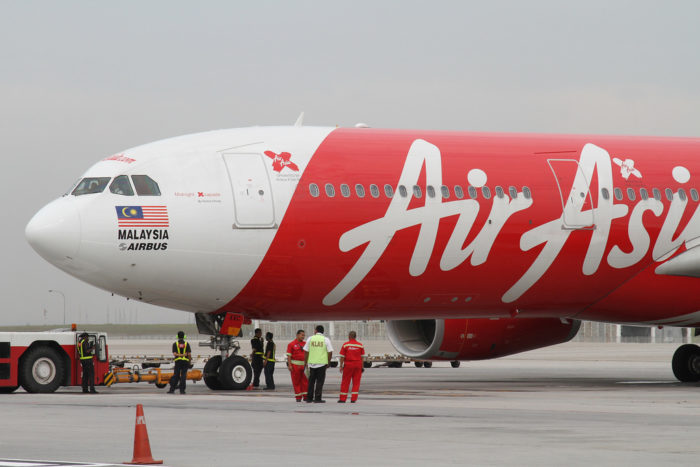
    AirAsia is set to grow its medical tourism business by providing charter flight services from Indonesia, giving patients and medical tourists from Indonesia greater access to medical treatments and health services in Malaysia.

    On August 14, AirAsia welcomed its first international medical charter flight from Medan into Penang International Airport. The next medical charter flight from Indonesia will be from Jakarta to Kuala Lumpur on August 24.

    AirAsia set to grow medical tourism business with charter flight service from Indonesia

    The medical charter service will be expanded to other cities in Indonesia and soon develop into an end-to-end service offering under the AirAsia.com platform.

    AirAsia.com CEO Karen Chan said that the carrier is committed to connecting people to their critical needs amid Covid-19 travel restrictions.

    “These are stressful times for families with members suffering from chronic illnesses that require specialized medical treatments. AirAsia is working closely with medical institutions and government authorities to ensure inbound patients have a seamless traveling experience from Indonesia to Malaysia,” she said.

    She added that the airline will continue to work with strategic partners like Island Hospital in Penang, and with the full support of Malaysia Healthcare Travel.

    According to Chan, Indonesia as a country accounts for the highest inbound healthcare tourists arriving into Malaysia.

  • Apple removes Fortnite from the App Store after Epic added its own purchase system

    Apple removes Fortnite from the App Store after Epic added its own purchase system

    Apple has quite strict rules when it comes to App Store, so developers who want their apps on the iOS ecosystem must respect Apple’s policies. That’s one of the reasons Microsoft couldn’t bring its upcoming Project xCloud streaming service to iOS and, more recently, why Apple has removed Fortnite from the App Store.

    Epic Games introduced earlier today its own purchase system for Fortnite on Android and iOS, which will skirt Apple and Google’s 30% fee on every purchase made through its app stores.

    The company announced a permanent discount on V-bucks, the in-game currency Fortnite is using to buy cosmetics, as well as other cash purchases in the game of up to 20%. In a statement published today, Epic Games said that these are the new prices for Fortnite’s currency on mobile since it introduced its own purchase system that won’t go through either the App Store or Google Play Store.

    Basically, this means that Epic Games no longer pays 30% fees for each transaction it makes in Fortnite through App Store or Google Play Store. As such, the company decided to offer what would have been paid to Apple and Google to the players in the form of a permanent discount on V-bucks. By offering an alternate payment system, we’re not only offering players more choice, but we’re able to pass along the savings to players.

    Unfortunately, the move didn’t remain unsanctioned by Apple, as the company decided to completely remove Fortnite from the App Store just hours after Epic Games added its purchase system in the game.

    The way Epic Games decided to get around App Store’s fees probably infuriate some people at Apple, which decided to show them otherwise. Apple claims that the reason it removed Fortnite from the App Store is that Epic Games rolled out an update for the game without getting permission from Apple. The update introduces the changes to the payment system that we’ve detailed above and would’ve probably rejected by Apple.

    Epic Games took the unfortunate step of violating the App Store guidelines that are applied equally to every developer and designed to keep the store safe for our users. As a result, their Fortnite app has been removed from the store. Epic enabled a feature in its app which was not reviewed or approved by Apple, and they did so with the express intent of violating the App Store guidelines regarding in-app payments that apply to every developer who sells digital goods or services.

    The statement also mentions that there will be no negotiations with Epic Games, so unless the developer doesn’t abide by App Store’s rules, Fortnite won’t return to the iOS store. Apple also states that there’s no room for exceptions, so any Epic Games decision that violates the App Store’s terms and guidelines will be rejected.

    Epic has had apps on the App Store for a decade, and have benefited from the App Store ecosystem – including its tools, testing, and distribution that Apple provides to all developers. Epic agreed to the App Store terms and guidelines freely and we’re glad they’ve built such a successful business on the App Store. The fact that their business interests now lead them to push for a special arrangement does not change the fact that these guidelines create a level playing field for all developers and make the store safe for all users. We will make every effort to work with Epic to resolve these violations so they can return Fortnite to the App Store.

    Fortnite would’ve have been the only app that features its own payment system. Other apps like Best Buy, Uber, and a lot of others don’t pay the 30% fee to Apple for transactions and are allowed to operate normally.

    It’s not surprising that Epic Games’ move comes only days after Microsoft complained about Apple’s strict App Store rules. It looks like several giants that do business with Apple are starting to show their discontent about the way the Cupertino-based company chose to treat their successful products. It’s like Apple wants a piece of everyone else’s pies at any cost, even if that means losing some customers in the long run.

  • ShopBack launches cashback reward platform in Vietnam

    ShopBack launches cashback reward platform in Vietnam

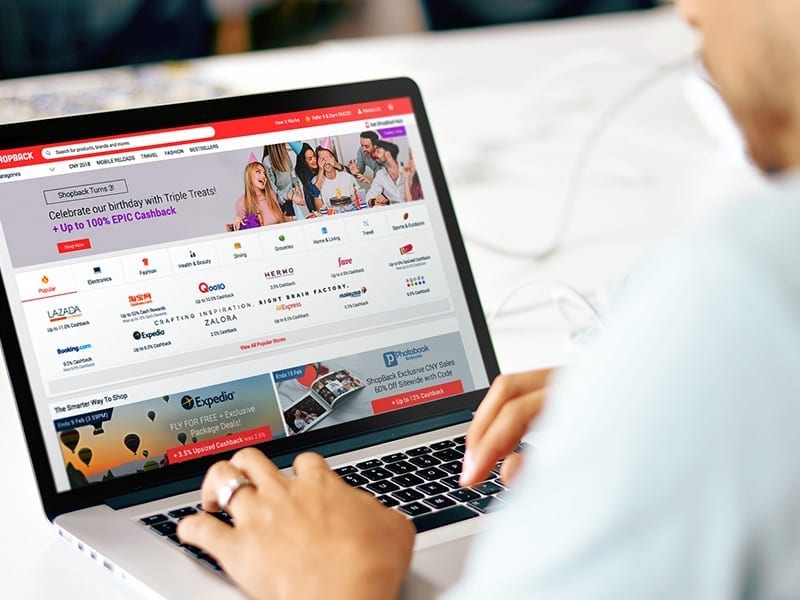
    ShopBack’s website and mobile app made their official debut in Vietnam on Saturday, bringing about a smarter way for local online shoppers to “shop, save and discover”. Online shoppers in Vietnam can now earn up to 25 percent cash back from ShopBack Vietnam’s roster of over 150 merchants. These include international and regional brands like Lazada, Shopee, Watsons, Booking.com, Klook and 7-Eleven, as well as local brands Tiki, Sendo, Juno, G Kitchen, Vascara, and Fahasa.

    Founded in 2014, ShopBack, a leading rewards and discovery platform, now serves over 20 million users in nine markets across Asia Pacific. Besides Vietnam, it is also present in Singapore, Malaysia, the Philippines, Indonesia, Taiwan, Thailand, Australia, and South Korea.

    ShopBack rewards users with cashback across a wide range of categories including general merchandise, travel bookings, fashion, health and beauty, groceries, and food delivery.

    “At ShopBack, one of our six core values is ‘Never Ending Customer Obsession’, and we hope to bring the high-quality ShopBack experience that our users know and love to consumers in Vietnam,” said Josephine Chow, head of expansion at ShopBack.

    Chow added that the increasing number of internet users, rising internet penetration, and a steady increase of the e-commerce share of total retail sales in Vietnam make it a core and high-potential market for the company.

    ShopBack Vietnam was launched in Beta at the end of 2019, and since has acquired over 150 merchants and around 800,000 users. The firm has seen consistent month-on-month growth of over 150 percent in sales and over 150 percent in orders this year. To date, VND4 billion ($172 million) has been given out to ShopBack users in Vietnam.

    Jacky Ha, commercial director, ShopBack Vietnam, said: “With a strong and clear value proposition – to simplify the shopping experience and help users save time and money – ShopBack is well-positioned to attract consumers in Vietnam, especially those looking to cut costs and maximize savings during this challenging period.”

    Ha cited a survey conducted by McKinsey that stated Vietnamese are feeling the impact of Covid-19 on their livelihoods, with some 70 percent expecting to be more careful with their spending going forward.

    “In fact, ShopBack Vietnam has been very well received since its beta launch late last year. We are thrilled to be officially launching ShopBack Vietnam and excited for what’s in store next,” Ha added.

    As part of its 8.8 launch campaign on August 8, 2020, ShopBack Vietnam will be teaming up with selected merchant partners like Lazada, G-kitchen, Watsons, Shopee, Booking.com, and Klook etc. to offer deals exclusive to ShopBack users.

    During the campaign, ShopBack users can earn up to 100 percent cashback during two flash sales. In line with the official launch, ShopBack Vietnam has rolled out new features including a new ‘Coupon’ icon on its homepage, whereby users can click to view a consolidated list of promo codes.

  • OCBC Partners Asset Manager for New Fund

    OCBC Partners Asset Manager for New Fund

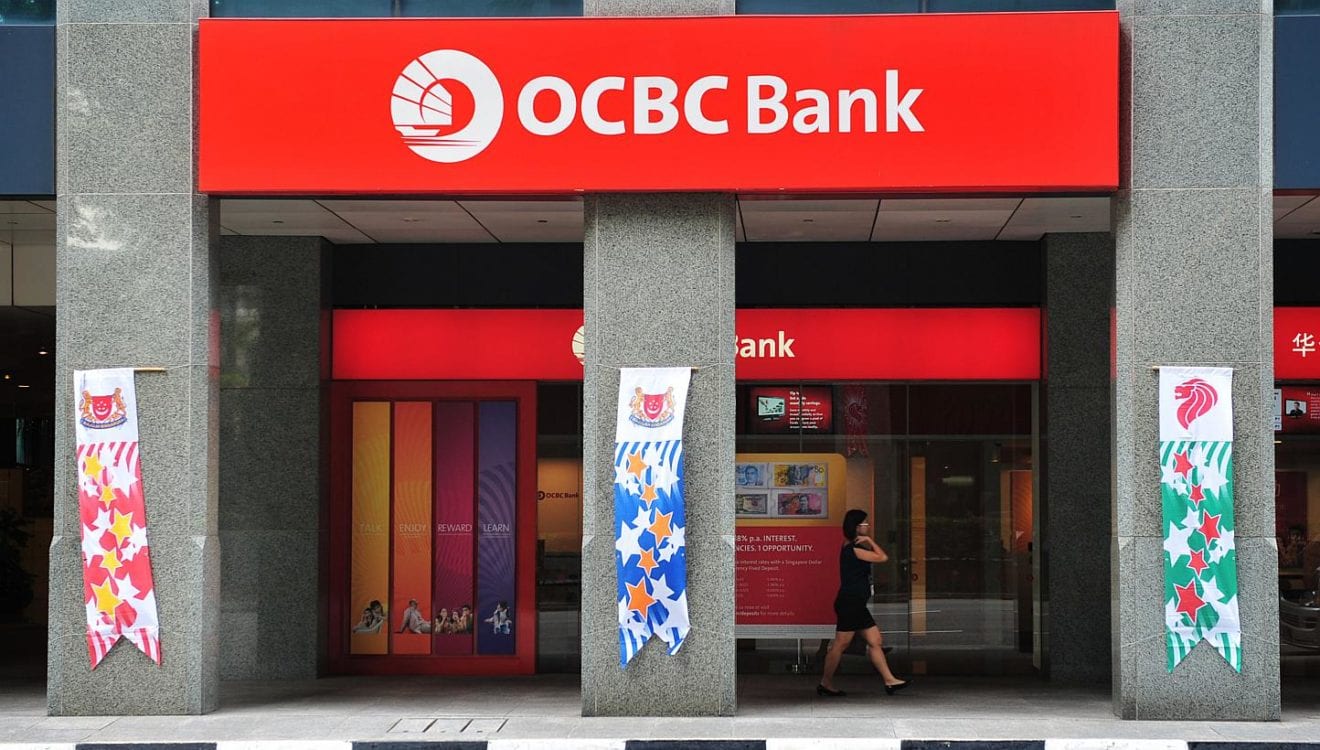
    The co-branded solution to address investor needs during times of stress and uncertainty and has a built-in dollar-cost averaging feature. French asset manager Amundi and OCBC Bank on Wednesday announced the launch of the Amundi-OCBC Momentum Fund – a mixed-asset product that invests in global bonds and equity ETFs.

    According to its prospectus, the Momentum Fund lets the portfolio manager initiate dollar-cost averaging for the investor. The fund leverages the cost-averaging effect when it systematically allocates assets from an initial pool of fixed income securities to equity ETFs, which helps to average out the costs of investing into equities and position the fund for a potential equity market recovery. Investors are also paid a quarterly dividend of up to 3 percent per annum.

    The fund is the first co-branded tie-up between the two partners, though OCBC has been distributing four other products from Amundi, according to the bank’s website.

    Investors should stay invested in the market and not wait for blue skies. They should manage risk by investing carefully and staying diversified across asset classes and by taking on risk gradually over time through regular investments – in other words – dollar-cost averaging. This can benefit investors by potentially lowering the average cost per unit of an investment, especially during times of volatility, Tan Siew Lee, OCBC’s head of wealth management, Singapore, said about the new fund.

    The bank noted the benefits of a multi-asset strategy in an uncertain economic environment, as it provides relative stability over equities. The fund has a target allocation of 50 percent global bonds and 50 percent global equity ETFs, with a maximum of 25 percent into non-investment grade bonds.

    DBS Bank also recently launched a multi-asset fund with Schroders that includes a unique decumulation share class targeted at retiree investors, with exposure to a range of investment growth themes across Asia.

  • Samsung tops Vietnamese smartphone market

    Samsung tops Vietnamese smartphone market

    Samsung increased its market share to 33 percent in the second quarter to become the largest smartphone brand in Vietnam. Despite the impact of the Covid-19 pandemic, the South Korean firm increased its sales by 4 percent year-on-year, Singaporean technology market analysis firm Canalys said in a recent report.

    China’s Oppo and Vivo followed with 17 percent and 12 percent share of the market, respectively. But their sales trends diverged wildly, with Oppo’s falling by 26 percent and Vivo’s increasing by 246 percent. VinSmart, a subsidiary of Vietnam’s largest listed company, Vingroup, was fourth with an 11 percent market share. It had launched its first product at the end of 2018, and produced its first 5G smartphones in collaboration with U.S. chip giant Qualcomm last month. VinSmart is focusing on the low-end segment with 12 offerings all priced at below VND5 million ($212).

    China’s Realme was in fifth place with a market share of 9 percent after growing at 63 percent. According to We Are Social, a social media marketing and advertising agency, around 75 million people, or almost 80 percent of the country’s population, use smartphones.

  • The world’s last Blockbuster can now be rented for a sleepover on an Airbnb

    The world’s last Blockbuster can now be rented for a sleepover on an Airbnb

    The manager of the world’s last Blockbuster video rental outlet Sandi Harding is listing the store on vacation rental marketplace Airbnb as an accommodation venue for three nights only.

    The Oregon store will be available for a “90s-themed stay” on September 18, 19 and 20 as a chance to relive the Friday night tradition of video watching during the era. It is open to guests residing in the surrounding Deschutes County, a community that has supported the business ever since the demise of VHS technology.

    Residents of the country will have the opportunity to book a “slumber party” at the Blockbuster store from August 17 at a cost of US$4, just a penny more than the rental cost of a movie. Guests will sleep on a futon under 90s-era blankets set up in front of a large TV. The store shelves will be fully stocked with the store’s complement of movies on tape.

    While the atmosphere of the sleepover in the world’s last Blockbuster store may hearken back 20 years, in at least one respect the mood must necessarily be overshadowed by the 2020 reality of the coronavirus pandemic – guests will need to follow Covid-19 precautions, and overnighters must come from the same family unit to avoid potential cross-infection. The store will be cleaned and prepared in accordance with CDC guidelines and consistent with the Airbnb enhanced cleaning protocol.

    Oregon’s Blockbuster store has been in continuous operation since 2004.

  • Ikea Thailand and Greyhound collaborate on designer homewares range

    Ikea Thailand and Greyhound collaborate on designer homewares range

    Ikea Thailand has launched a limited collection with local retailer Greyhound Original, which operates fashion shops and restaurants in Southeast Asia.

    Called “Sammankoppla”, which means interconnect or unify, the Ikea x Greyhound collection offers furniture and home accessories for small-space living.

    “Since multi-function and creativity is key in order to enable both a small-space living solution and an expressive design piece, we turned to Greyhound Original,” says Michael Nikolic, creative leader at Ikea Sweden.

    Designed by two Thai fashion designers from Greyhound,  Bhanu Inkawat, and Vitchukorn Chokedeetaweeanan, the Sammankoppla collection features bold patterns found in traditional Thai weaving.

    “Incorporating recycled materials that have their own history adds to this, with sustainability and creative re-purposing processes being key to the Sammankoppla collection,” said Clotilde Passalacqua, interior design manager at Ikea UK and Ireland.

    The Ikea x Greyhound collection includes a geometric cushion, a reusable carrier bag with “a unique twist on Ikea’s Frakta bag” and jug-shaped light.

    Launched in 1980 with a tagline “Basic with a twist”, Greyhound has marked its footprint in overseas markets including Hong Kong, Shanghai and London.

  • South Korean bakery franchise Tous Les Jours for sale

    South Korean bakery franchise Tous Les Jours for sale

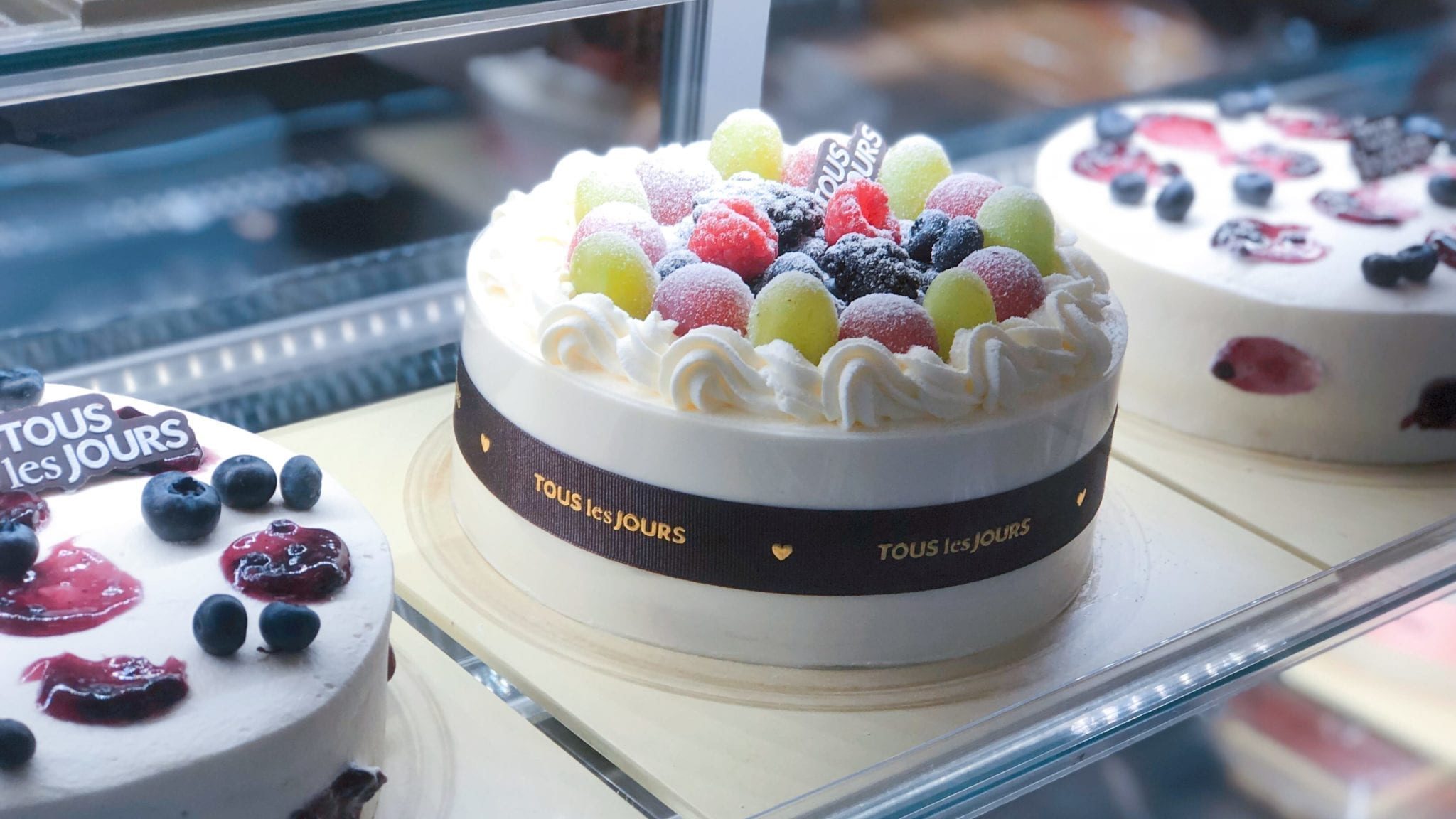
    South Korean food and entertainment conglomerate CJ Group has announced it plans to sell its retail bakery franchise Tous Les Jours.

    CJ Group has chosen accounting firm Deloitte Anjin to manage the sale process and at the same time launched a review of options to boost the chain’s competitiveness.

    Tous Les Jours is South Korean’s second-largest bakery chain between its archrival, SPC Group-owned Paris Baguette. Both chains have expanded overseas into markets including Mainland China, Malaysia, and Vietnam, with Paris Baguette’s footprint spreading as far as the US and even its namesake city Paris.

    CJ Group has sent background documents about the business to private-equity companies located domestically and offshore to gauge interest in the business.

    Tous Les Jours operates about 13,000 stores across South Korea.

    Market analysts say that in looking to sell the chain, CJ Group’s CJ Foodville is looking to use the proceeds to expand its food-service business amid the Covid-19 crisis.

    Last year, CJ Foodville sold its coffee chain brand Twosome Place to a Hong Kong-based private-equity fund for US$168.8 million.

  • Asos upgrades sales and profit outlook as returns drop

    Asos upgrades sales and profit outlook as returns drop

    British online fashion retailer Asos forecast full-year sales and profit significantly ahead of market expectations, saying it was benefiting from stronger than anticipated underlying demand and fewer products being returned by shoppers.

    Shares in Asos surged 8.5 percent on Wednesday morning UK time, extending gains this year to 36 percent after it said revenue growth for its 2019-20 year was now expected to be between 17 and 19 percent.

    It forecast pretax profit in the region of $170-$196 million, up from $43.2 million in 2018-19.

    Several British clothing retailers, including Next and Superdry , have recently reported better-than-expected trading as Britain emerged from coronavirus lockdown.

    Asos, whose fast fashion is popular with shoppers in their twenties, said it had expected to see return levels normalize once lockdown measures eased and customers were able to ship returns and felt more comfortable doing so.

    However, it said returns were not increasing at the rate it had anticipated due to strong demand during the lockdown for activewear and a shift to more deliberate

    It said this reflected robust demand for “lockdown” categories, such as activewear, and a prolonged shift in customer behavior towards more intentional purchasing across all ranges.

    German online fashion retailer Zalando said on Tuesday it had also benefitted from a decline in returns, though it assumes the fall will be temporary

    “Looking forward, the consumer and economic outlook remains uncertain and it is unclear how long the current favorable shopping behavior will persist,” Asos said.

    Last month Asos said it would repay the money it claimed under Britain’s scheme to furlough workers during the crisis.

  • Leaked White House document shows how U.S. plans to hurt TikTok financially

    Leaked White House document shows how U.S. plans to hurt TikTok financially

    With short-form video app TikTok about to be banned in the U.S. starting in the middle of next month, a Harris Poll that was shared with USA Today found that 64% of adult Americans are against the presidential executive order that will end the app’s presence in the states. The order was signed by U.S. President Donald Trump because the app’s parent company, ByteDance, is a Chinese company. Many U.S. lawmakers and members of the Trump administration believe that Chinese manufacturers use backdoors embedded in their products to capture data from consumers and companies and send it to the Communist Chinese government.

    While a majority of those adults polled are against Trump’s executive order, 57% of tall Americans agreed with the move by the president to kick TikTok out of the states. However, those answering the poll were 18 years of age or older while most TikTok users are younger. The app has been installed two billion times from the App Store and the Google Play Store. Content includes lip-syncing, dancing, pranks, protests, singing, and more. During the pandemic, TikTok picked up interest from those who were stuck at home.

    Microsoft has reportedly been looking at buying the North America, Australia, and New Zealand operations of TikTok although company founder Bill Gates has stated his reservations. Twitter has supposedly has had preliminary meetings with TikTok to form some sort of combination. However, this would be quite a longshot considering that the estimated valuation of TikTok is well above the $30 billion that Twitter is worth. But even if a deal with a U.S. firm is completed, the Harris Poll found that 62% of Americans would continue to believe that the app would pose a national security threat because of its ties to China. The rest of the poll saw 67% of Americans worried that the Chinese are using personal data collected by TikTok, a sentiment agreed to by 59% of TikTok users.

    A document from the White House indicates how the U.S. plans to impact TikTok’s operations in the country. One way that this could happen is by disrupting the app’s operations and sources of funding. A source inside the White House verified the authenticity of the document which said, “Prohibited transactions may include, for example, agreements to make the TikTok app available on app stores … purchasing advertising on TikTok, and accepting terms of service to download the TikTok app onto a user device.” Industry analysts say that if the ban prevents TikTok from appearing in the App Store and the Google Play Store, the result would sharply damper the growth of the app.

    Also facing a ban in the U.S. is messaging, social media, and mobile payment app WeChat. The latter, launched by Tencent in 2011, has over one billion users and many Chinese consumers rely on the app every single day. Trump also signed an executive order that will ban U.S. firms from doing business with WeChat. The White House document seen by Reuters is not clear on whether WeChat will indeed be banned in the states.

    The U.S. ban on TikTok would take effect starting on September 16th, the same date that any WeChat ban would also begin. James Lewis, a cybersecurity expert with the Washington-based Center for Strategic and International Studies, said, “That kills TikTok in the U.S. If they want to grow, these rules are a huge obstacle.” Lewis did note that the U.S. government might not be able to prevent American TikTok fans from downloading the app from a foreign website. TikTok has 100 million users in the U.S. and has stated that data from its U.S. subscribers is stored on servers in the U.S. and Singapore and that such information would not be given to the Chinese government.

    TikTok says that it plans to continue honoring ad campaigns although some corporations say that they have made plans to advertise on other apps if TikTok is shut down in America.

  • World-first Sour Patch Kids store launches in New York City

    World-first Sour Patch Kids store launches in New York City

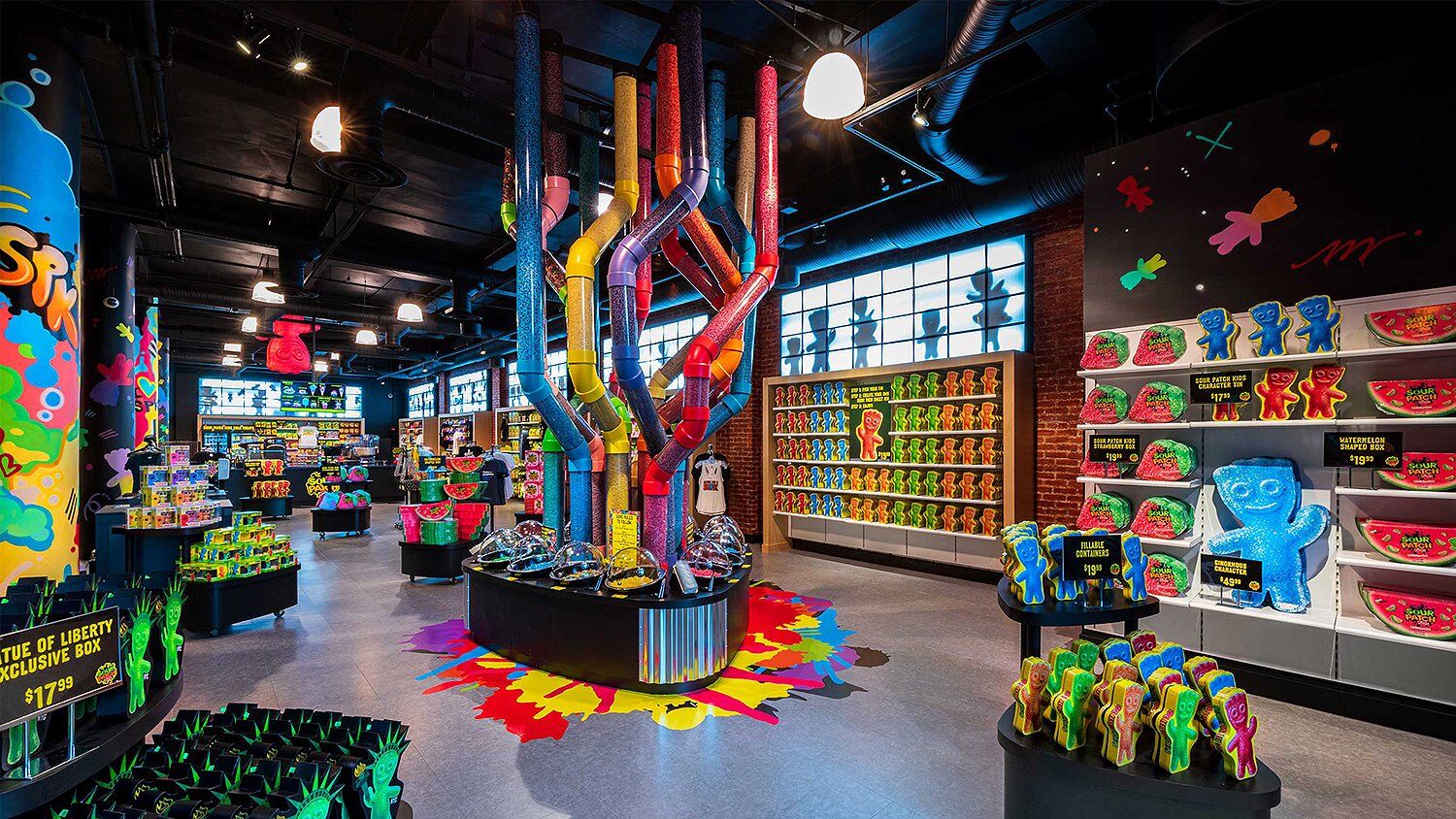
    Soft-candy brand Sour Patch Kids has launched a world-first store in New York City selling confectionery and a raft of themed products.

    Located between New York University’s Washington Square campus and the SoHo Shopping district, Bond Street and Broadway, the Kids’ permanent home features a wide selection of the brand’s merchandise, including mugs, t-shirts, socks, and beach totes.

    “We created this new experience for our fans to engage with the Sour Patch Kids brand on a whole new level, but of course understand that these are uncertain times,” said Danielle Freid, the brand’s manager.

    “With this store as our new permanent home, we want our fans to know that the Kids aren’t going anywhere. We welcome visitors to join us for a colorful, flavourful experience whenever they’re ready to explore the city again,” he said.

    Operated by specialty candy retailer It’sugar, the store also houses a Sour Patch Kids Sweets Bar where customers can find a selection of desserts, including ice creams, smoothies, and cookies.

    The Kids’ store also features a create-your-own candy mix station and a full-size Instagrammable Yellow Cab for customers to take photos with.

    “The concept behind this store is about bringing the beloved Sour Patch Kids brand to life through exclusive products and unique experiences,” said Jeff Rubin, CEO of It’sugar.

    As New York City just begins to reopen, to ensure visitors’ safety, the Sour Patch Kids’ customers are required to follow social distancing and wear face coverings. The Sweets Bar features only a to-go menu until indoor dining is allowed.