Tag: asia

  • DBS to Train Staff in AI and Machine Learning

    DBS to Train Staff in AI and Machine Learning

    The bank hopes to equip its employees with skills in these areas, under a partnership with cloud services provider Amazon Web Services (AWS).

    DBS Bank will accelerate the use of artificial intelligence (AI) and machine learning (ML) across its business by training its staff in these skills with the launch of the AWS DeepRacer League, the bank announced on Tuesday.

    As part of the program, DBS staff will learn the basics of AI and ML through hands-on online tutorials and will use their knowledge in programming an autonomous model race car to compete in a virtual racing environment. The bank hopes to train some 3,000 employees, including its senior leadership, by the end of the year. The league is the largest among Asian-headquartered enterprises and one of the first in the world to be organized at scale by a financial institution, the announcement said.

    Employees are also encouraged to develop their talent beyond the bank’s league and compete globally – the bank said six of its employees have already qualified for the AWS DeepRacer Championship Cup to be held in Las Vegas later this year.

    We have never believed in limiting digital expertise to a small team. Instead, we passionately believe in democratizing technology skillsets among all employees, so that they can run alongside the company as we advance on our digital transformation together, Paul Cobban, DBS chief data and transformation officer, said.

    DBS said it is preparing for the next stage of its digital transformation efforts and has been leveraging AI and ML in areas such as advanced credit risk management, and to provide accurate self-service digital options to its retail customers based on their digital footprint.

  • Amazon India diverts into online medicines sales

    Amazon India diverts into online medicines sales

    Amazon India has opened a digital pharmacy trading in Bangalore in an attempt to grow its market reach in the highly competitive territory.

    The new Amazon Pharmacy service extends the firm’s online offer by trading in prescription and over-the-counter drugs, in a region where restricted medicines can often be purchased without evidence of the prescription. The firm will also trade in traditional remedies and health devices.

    India’s online medications industry operates in an environment where regulations are unclear, and where numerous startup-level firms are operating on a local scale. Amazon moved into the sector in its home market two years ago, purchasing American online pharmacy Pillpack.

    Amazon has recently expanded into food delivery, liquor trading and automobile insurance within the Indian market as part of its expansion moves.

  • Mask exports fall as global demand declines

    Mask exports fall as global demand declines

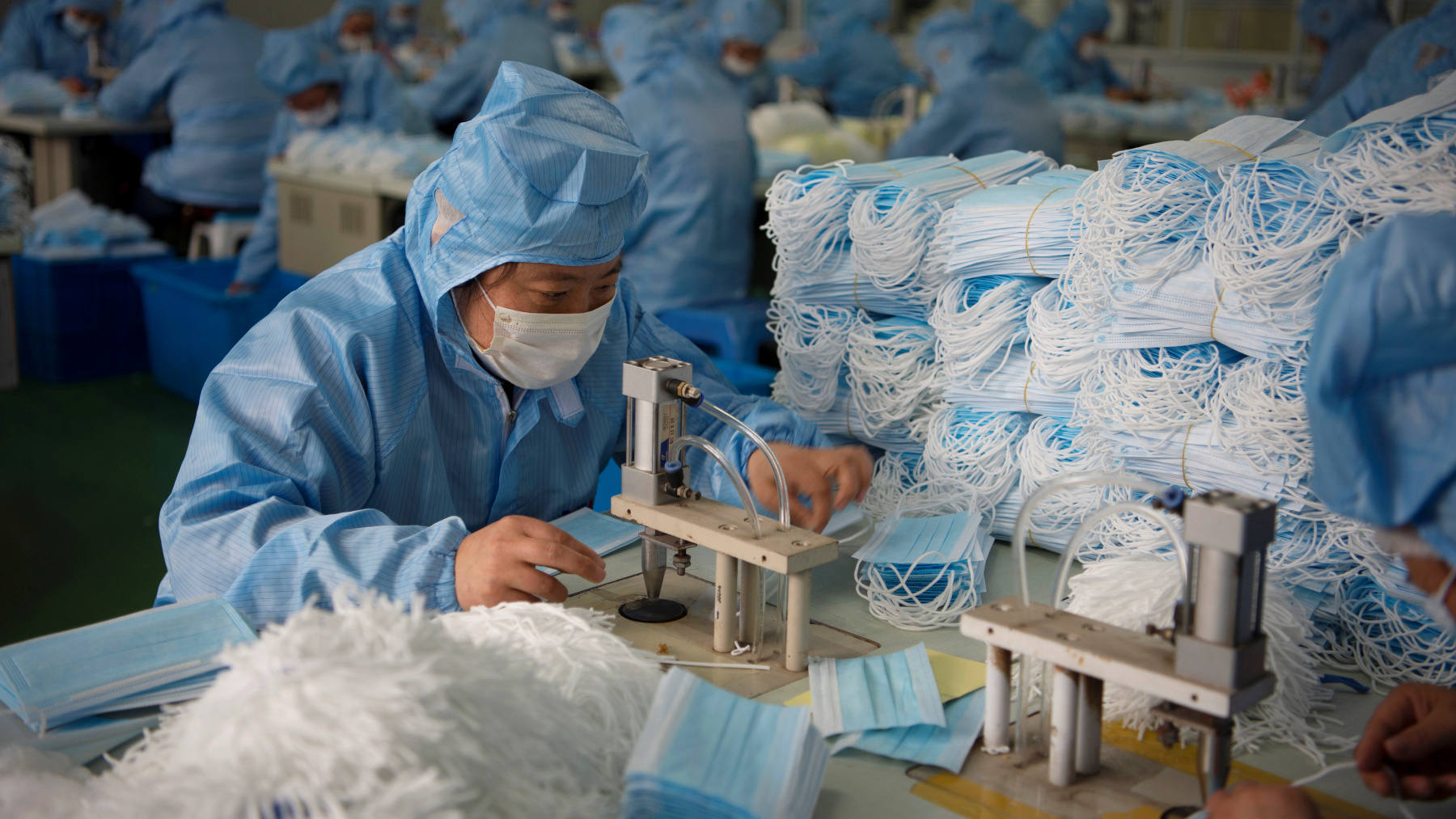
    Vietnam’s mask exports fell by nearly 35 percent in July to 154 million units as global demand dwindled.

    By the end of the month, the country had exported 711 million masks to the U.S., Europe, Singapore, South Korea, and other markets since the Covid-19 pandemic began early this year.

    The government started allowing unlimited exports of masks since the end of April to help businesses take advantage of the high demand for them as the disease spread rapidly.

    Industry insiders now say demand is falling since many countries have been able to contain the pandemic.

    Nguyen Van Thoi, chairman of garment company TNG in the northern province of Thai Nguyen, said last month his company had ceased production of masks. Other garment producers have also done so and gone back to their normal products.

  • Pacific Airlines gets new CEO

    Pacific Airlines gets new CEO

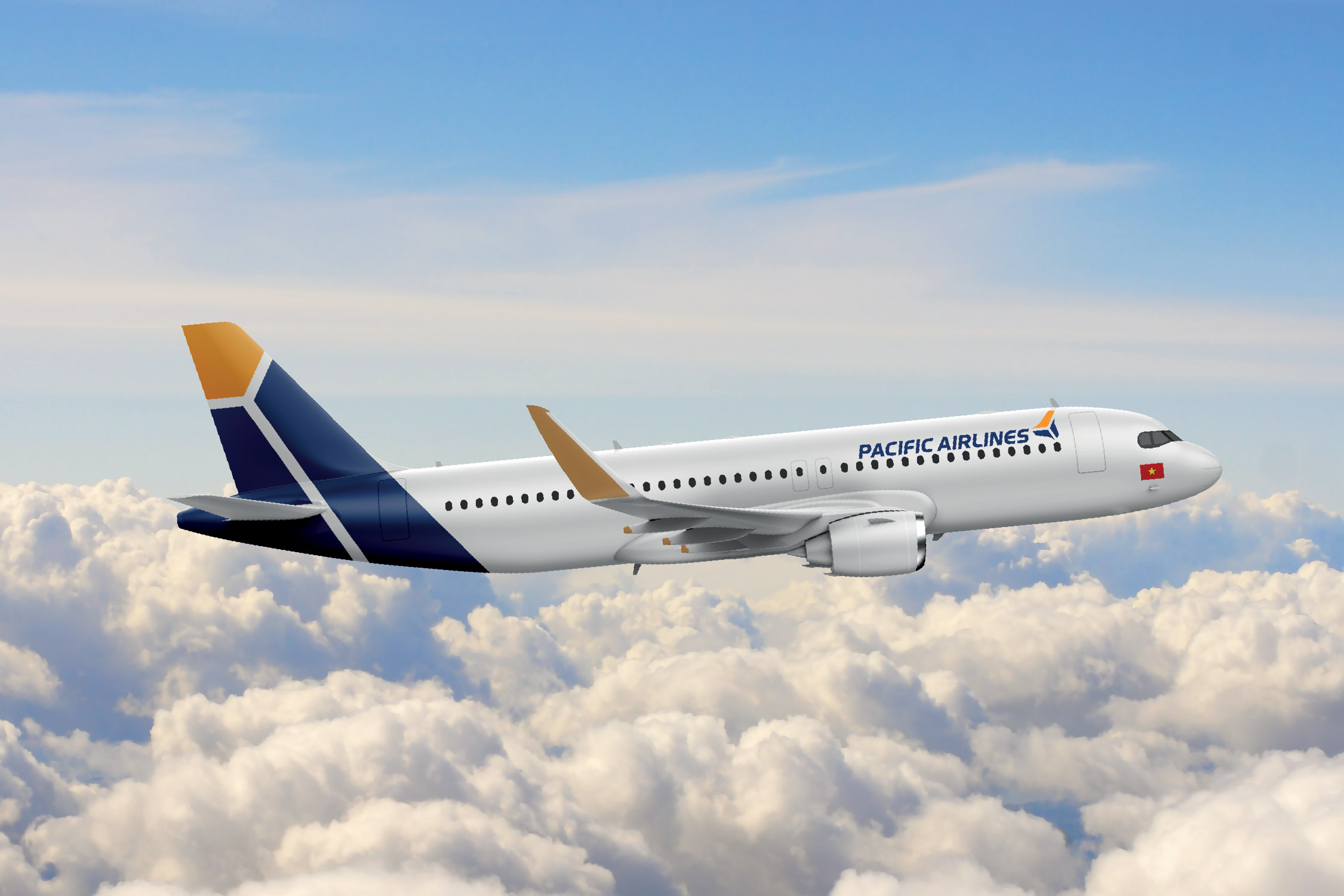
    The board of Vietnam Airlines has named a new CEO for subsidiary Pacific Airlines, formerly Jetstar Pacific.

    Dinh Van Tuan, 50, has taken from Nguyen Thuong Hoang Hai, who quit for personal reasons. Tuan was earlier the director of Vietnam Airlines’ operations center, and has served in various capacities at the carrier since 1996.

    Jetstar Pacific became Pacific Airlines on August 1 and got a new logo as Vietnam Airlines, which owns a 68.86 percent stake in it, seeks to buy another 30 percent stake from Australia’s Qantas.

    The first joint-stock airline in Vietnam was set up in 1991. In its 29 years, it has only reported profits for four years. It has major expansion plans, with the current fleet of 18 aircraft set to be increased to 50 by 2025.

  • Epic Games dares to challenge the 30% Apple Tax and gets its developer account closed in return

    Epic Games dares to challenge the 30% Apple Tax and gets its developer account closed in return

    Apple and Fortnite developer Epic Games are in the middle of a, well, epic battle. The fight is over Apple’s in-app payment system and the 30% cut that the company takes on in-app payments. Apple says that it will revoke Epic Games’ developer privileges by shutting its accounts starting later this month. Last week, Apple told the developer to “remove the ‘Epic direct payment feature’ that bypasses Apple’s in-app payment system which counts seven beans for Epic and three for Apple with each purchase. On Epic’s website, the developer wrote, “Apple is keeping prices high so they can collect 30% of your payments, and is blocking.

    Epic, very publicly, is revealing what is going on. A Tweet disseminated by the game developer revealed that Apple has removed Fortnite from the App Store and will terminate its developer accounts on Friday, August 28th. Epic will not have access to iOS or Mac developer tools starting on that date. Epic filed a lawsuit today seeking a Temporary Restraining Order against Apple; the suit requests that the latter be restrained “from removing, de-listing, refusing to list or otherwise making unavailable the app Fortnite, including any update thereof, from the App Store on the basis that Fortnite offers in-app payment processing through means other than Apple’s In-App Purchase…”

    Epic’s Preliminary Statement included with its court filing explains everything from Epic’s point of view. It says, “Apple has for years used its complete monopoly over the distribution of apps to the billion users of iOS, the Apple operating system running on all iPhones and iPads, to coerce app developers into using Apple’s payment platform, In-App Purchase (IAP) for all in-app purchases of digital content used in their apps. By tying IAP to app distribution, Apple eliminates all competition in the market for in-app payment processing, allowing it to impose an exorbitant 30% “app tax” on all in-app purchases of in-app content.”

    The filing goes into more detail as Epic explains what took place earlier this month. “Just over two weeks ago, Apple’s CEO Tim Cook was asked during a Congressional hearing whether Apple has “ever retaliated against or disadvantaged a developer who went public about their frustrations with the App Store”. Mr. Cook testified, “We do not retaliate or bully people. It’s strongly against our company culture.” But Apple has done just that. When Epic gave users of its app Fortnite a choice of how they wanted to make purchases, Apple retaliated by removing Fortnite from its App Store. Then when Epic sued Apple to break its monopoly on app stores and in-app payments, Apple retaliated ferociously. It told Epic that by August 28, Apple will cut off Epic’s access to all development tools necessary to create software for Apple’s platforms—including for the Unreal Engine Epic offers to third-party developers, which Apple has never claimed violated any Apple policy.”

    Apple has said that it is willing to work with Epic but the developer notes that “Apple’s actions will irreparably damage Epic’s reputation among Fortnite users and be catastrophic for the future of the separate Unreal Engine business.” The optics just do not look good for Apple especially since the App Store and the tech giant’s 30% cut are under the regulatory microscope in the states and Europe.

    Epic believes that it is “likely to succeed on the merits of its claims,” but is asking for the restraining order anyway. That is because it is concerned that it will be irreparably harmed before the court reaches a final decision. It should also be pointed out that Epic is not asking for monetary damages, nor it is asking for a ruling that would favor it above other companies. What Epic is asking for is “injunctive relief to allow fair competition in these two key markets that directly affect hundreds of millions of consumers and tens of thousands, if not more, of third-party app developers.”
  • MerryMart set to open it’s first drive-thru store

    MerryMart set to open it’s first drive-thru store

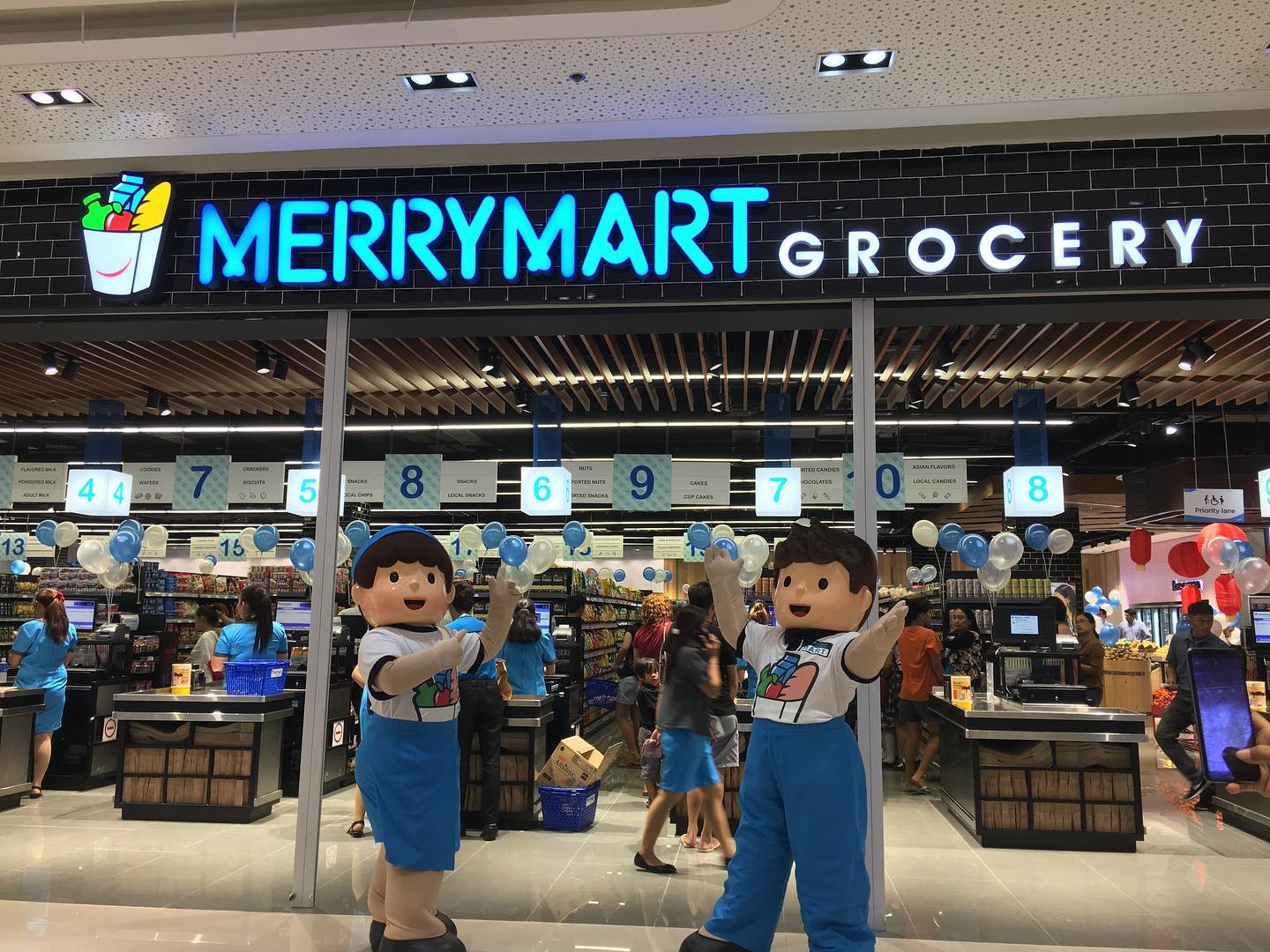
    Philippines grocery chain MerryMart will launch its inaugural drive-thru outlet in Iloilo City in January.

    MerryMart’s new drive-thru is in part a response to the impact of the coronavirus pandemic. The firm is planning to deploy this concept in multiple locations at various major thoroughfares.

    The firm’s owner, Edgar “Injap” Sia II, launched an IPO several months ago on the strength of his achievements in the fast-food franchising sector via the Mang Inasal restaurant chain, which was eventually purchased by Jollibee a decade ago. MerryMart’s concept takes its cues from Sia’s innovations in the former business.

    Funds from the IPO are being used for network expansion.

    The MerryMart stores will be serviced by distribution centers operated by sister business DoubleDragon as the firm expands nationwide. The firm currently has nine branches and is aiming to run 1200 outlets within the decade with total revenues of US$2.46 billion.

  • World’s first % Arabica drive-thru store piping up for its first serve

    World’s first % Arabica drive-thru store piping up for its first serve

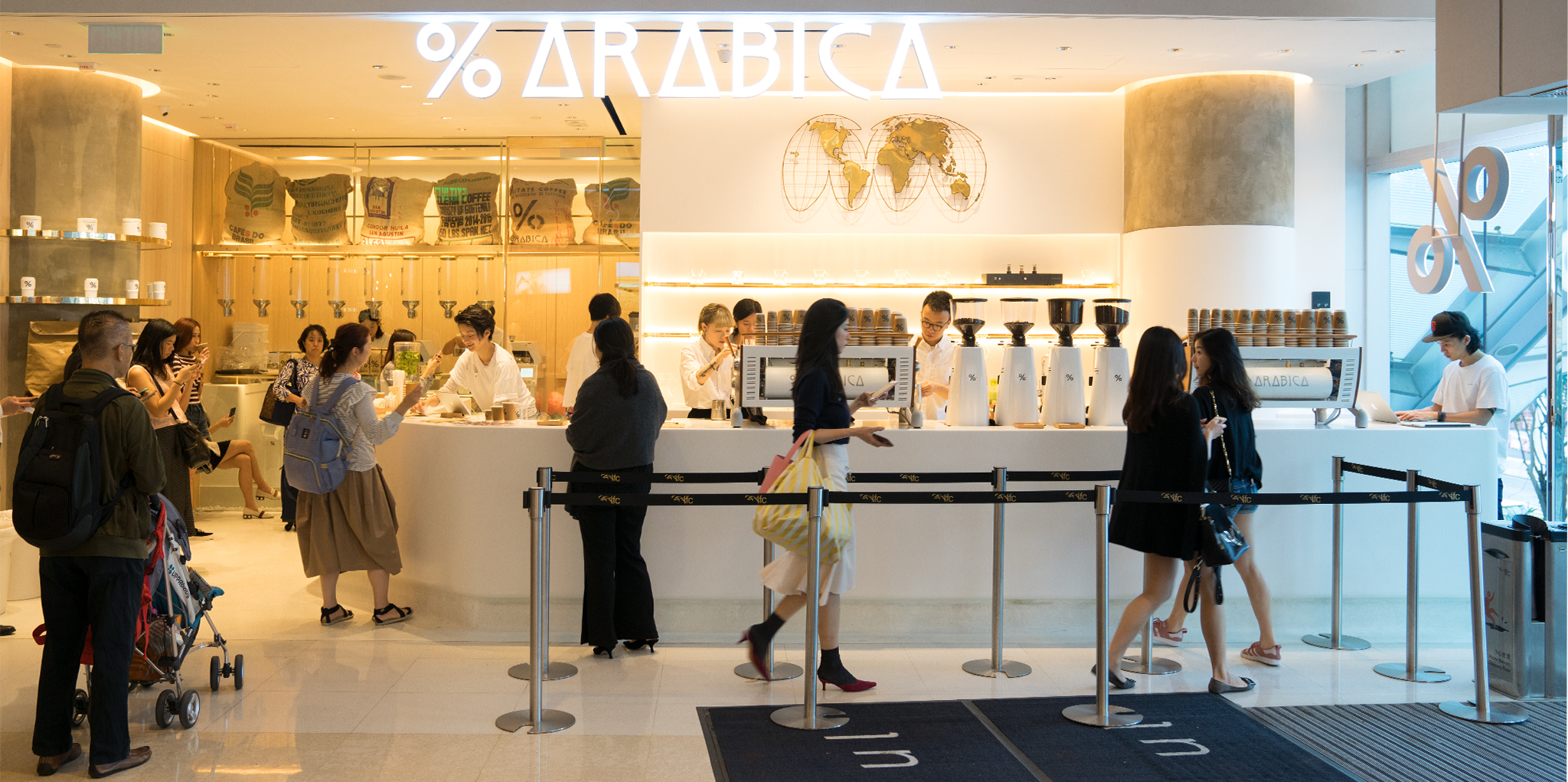
    Japanese gourmet coffee chain % Arabica is to open its first drive-thru concept store, in Murouj, Kuwait.

    The Murouj cafe is the brand’s eighth in the country and it’s first in the world to have a drive-thru facility. The launch comes just a month after the opening of the % Arabica Kuwait store in Mangaf.

    Designed by Japanese architecture firm no.10 of Nomurakougeisha, the Kuwait Murouj cafe houses indoor plants and glass-house drinking spaces, creating a giant open space filled with natural light.

    Besides a drive-thru lane, the store also features an outdoor drinking area for customers.

    % Arabica is also planning to expand in Southeast Asian markets with Indonesia and Malaysia as their next destinations. The brand has revealed it will open its first outlet in Malaysia soon, in Kuala Lumpur.

  • LINE Wins Red Dot Design Award 2020

    LINE Wins Red Dot Design Award 2020

    LINE’s Global WOW Project Awards was selected from over 6,900 entries submitted from 50 countries, chosen for its excellent and simple approach that emphasizes corporate identity and branding. Created by the Creative Center at LINE Plus, LINE’s focus on branding design helps to deliver LINE’s brand identity and creativity, motivating and energizing the entire LINE workplace.

    The Global WOW Project Awards 2019 was LINE’s internal award ceremony that discovered and honored projects that demonstrated meaningful results and achievements in line with LINE’s values and culture of “LINE STYLE”. The design also featured a creative reinterpretation of the company’s “WOW” concept, using those letters to also spell “No. 1”. This message represents the idea of creating a “WOW”, an unprecedented experience that’s so amazing that you just have to share it with friends, leads to bringing the best services to the world.

  • AEON Thailand Foundation donates computers and school necessities to The Thai Red

    AEON Thailand Foundation donates computers and school necessities to The Thai Red

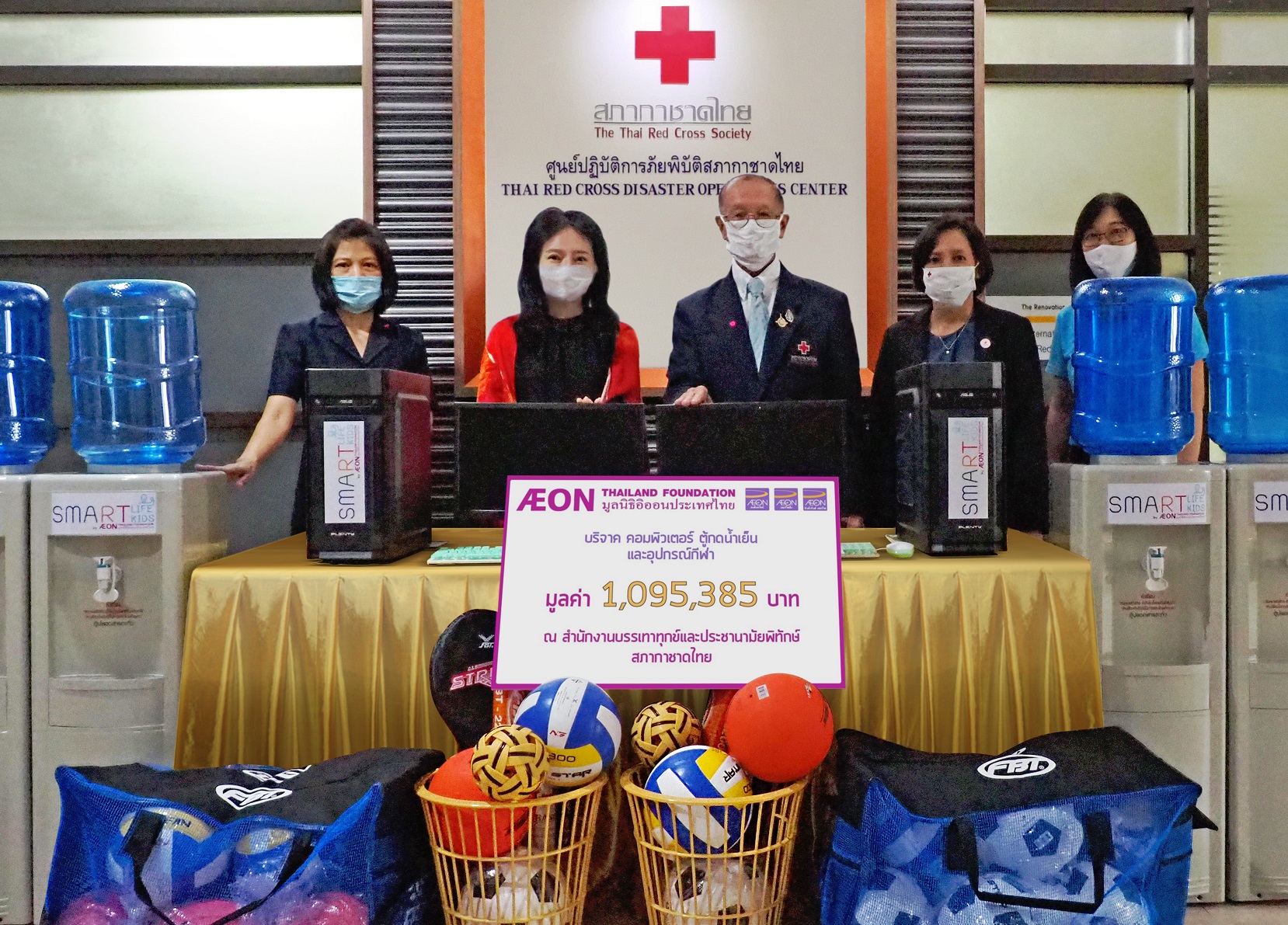
    Ms. Suporn Wattanavekin (2nd from left), chairman of AEON Thailand Foundation donated computers, sport equipment, and water dispensers valued 1,095,385 Baht to Relief and Community Health Bureau, The Thai Red Cross Society, received by Lt.Gen.(Rtd) Amnat Barlee, M.D., Director (at the center). The supplies will transfer to schools and unprivileged communities nationwide. One of AEON Thailand Foundation’s mission is to make better living for local areas across Thailand.

  • AirAsia resumes KL-Singapore flights under RGL scheme

    AirAsia resumes KL-Singapore flights under RGL scheme

    AirAsia resumed its Kuala Lumpur to Singapore flights today, allowing cross-border travel for essential and official travellers, following the implementation the Reciprocal Green Lane (RGL) scheme by both countries.

    AirAsia Malaysia CEO Riad Asmat said both countries have taken relentless efforts and strict discipline in containing the spread of Covid-19, and the RGL is a first step towards reviving the economy, especially for those who have essential travel needs between both countries.

    “We look forward to seeing more ‘travel bubbles’ and ‘green lanes’ formed between countries with low infection rates or active cases, and proven pandemic curbing systems to facilitate the need for air travel.

    “At the same time, we urge all guests to adhere to the required regulations and follow the safety measures for a safe flying journey,” he said in a statement today.

    The flight departed from klia2 today at 11.50am to Changi International Airport, and returned to klia2 at 2.35pm.

    He said AirAsia will continue to review the suitability of introducing more frequencies between the two countries.

    “AirAsia would like to remind guests of travel requirements set by both countries under the RGL scheme, all inbound and outbound travellers for essential business and official travel between Malaysia and Singapore via the RGL are required to check their eligibility and travel requirements before their scheduled departure,” he said.

    More information on the matter is available on AirAsia’s Travel Requirements page.

  • UBS Asia Head Promises Higher Return

    UBS Asia Head Promises Higher Return

    Asia will contribute a much higher percentage to UBS’ earnings going forward, according to Edmund Koh, the head of the company’s business in the region. One reason is the region’s faster recovery from the corona-crisis.

    Asia contributed 30 percent to the profit of UBS in the first half of 2020, the first time that the region has had such a major impact on Switzerland’s largest bank. While Asia previously contributed with a share of between 14 and 20 percent of group earnings, the division now aims to go beyond 30 percent, said Edmund Koh, the head of UBS Asia-Pacific in an interview.

    The Asian economies seem to be emerging from the pandemic-induced slump much earlier than European and American economies, which is one of the main reasons for the surge in the contribution of the region to UBS earnings. UBS Asia-Pacific pretax profit jumped 71 percent to $233 million in the second quarter compared with a year earlier.

    With plenty of liquidity in the market and very low-interest rates, clients went shopping for higher yields in the first half, which meant that trading was brisk and invested assets rose, according to Koh.

    The banker expects the good earnings momentum to persist throughout the second half of 2020, with July being described as «pretty good». Koh told the newspaper that based on the team’s performance in the first half and since he would expect the unit to maintain the result and end the year on an all-time record.

    The U.S. elections and the economic slump in parts of the world most affected by the pandemic will create more «nervousness» in the market in the second half, which will present more opportunities for investors, Koh added. Overall, trade and consumption will fuel economic growth in Asia in the second half, which gives the bank reason to remain «risk-on» in the region. Singapore and India are the equity markets most preferred by UBS in Asia.

    Koh also suggested that the banking industry may suffer in coming quarters as government support measures end. Still, with UBS being in the market for the wealthy clientele, it is likely to be less affected by the risk of bad debt.

  • Mr DIY revives IPO plan, launches new format

    Mr DIY revives IPO plan, launches new format

    Mr DIY Group has revived plans for a US$500 million IPO following the postponement in March due to the coronavirus.

    The deal, which could be the largest Malaysian IPO in four years, is now pending the enthusiasm of potential investors and could be scheduled for October. It would be singularly responsible for lifting the country’s beleaguered equity capital market, floundering at just $70.7 million worth of IPOs thus far this year.

    Mr DIY saw record sales in May and June following the partial lifting of Malaysia’s movement restriction order.

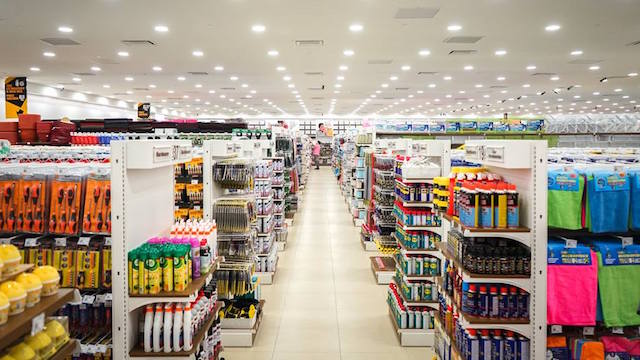
    The firm has recently launched its new dollar store concept in the territory, selling snacks, drinks and food items for either RM2 or RM5, while its core business is now trading in Vietnam through a franchise partner, with two stores already in business and another under construction in Ho Chi Minh City’s Estella Place, scheduled to open in October.

  • Fatburger to buy Johnny Rockets

    Fatburger to buy Johnny Rockets

    Fatburger’s parent, Fat Brands, is to acquire the US restaurant chain Johnny Rockets. The acquisition, worth about US$25 million, is expected to be completed this September.

    Founded in 1986, Johnny Rockets is known for its 1950s diner-style decor, serving hamburgers, sandwiches, hand-spun shakes and malts. The restaurant chain operates more than 325 locations across more than 25 countries.

    “Similar to Fatburger, Johnny Rockets got its start in Los Angeles, and we couldn’t be more pleased to add another true staple in our home city to our portfolio,” said Andy Wiederhorn, president and CEO at Fat Brands. “This acquisition is a transformative event for Fat Brands in terms of scale and brand awareness. We see a lot of synergy with Johnny Rockets and our current restaurant concepts and we are eager to take the brand to new heights.”

    The acquisition of Johnny Rockets will increase the number of Fat Brands’ franchised and company-owned restaurants to more than 700 with annual system-wide sales exceeding US$700 million, according to the company.

    Fat Brands currently owns eight restaurant chains, including Fatburger, Buffalo’s Cafe, Hurricane Grill & Wings, Elevation Burger, and Bonanza Steakhouses, and franchises more than 375 units worldwide.

  • JD outlines aggressive expansion strategy for Mainland China

    JD outlines aggressive expansion strategy for Mainland China

    Chinese e-commerce giant JD is planning on a widespread store network expansion within five years.

    The firm will open 20 E-Space experience stores in first-tier cities, 300 home-appliance flagship stores in prefectural-level cities and 5000 stores in towns and villages by 2025, according to the firm’s senior VP Yan Xiaobing.

    Yan made the announcement at a press conference marking the completion of JD’s full acquisition of home-appliance chain 5Star, commenting that the complete store network “will create a new offline JD”.

    The E-Space stores, known for allowing consumers to try anything in store, will be 50,000–100,000sqm in size, while the home-appliance stores will be 10,000–20,000sqm each.

    5Star, to be renamed JD 5Star, is the third-largest home-appliance chain in the territory, with annual sales of more than US$2.6 billion.

    “The Covid-19 pandemic took its toll on the home appliance industry in the first of this year,” said China Household Electrical Appliances Association director Jiang Feng. “JD’s acquisition of 5Star could play a key role in driving the industry’s transformation.”

  • 7-Eleven launches apparel range with Forever 21

    7-Eleven launches apparel range with Forever 21

    Forever 21 has teamed with 7-Eleven to launch a casual apparel range, featuring the US convenience chain’s famous logo and soft drinks.

    The US-released 7-Eleven apparel collection comprises 16 colorful pieces, including regular Tees and hoodies, representing the convenience-store chain’s summer drinks – Slurpee and Big Gulp.

    “7-Eleven is a modern breathing brand, but also a nostalgic phenomenon for many,” said Joanna Choo, global creative director at Forever 21.

    “Forever 21 echoes this mindset by presenting a collaboration for its customers that pays homage to everyone’s favorite memory of being out, but staying close to home, heading out for a quick snack run with friends, and finding comfort in the little things.

    “During this time, it makes sense to create a capsule that’s about being cozy but stylist,” she said.

    Forever 21 has launched several promotions on Instagram and TikTok, including a dance challenge, poll, games, and sweepstakes. A Slurpee AR hologram in the Forever 21 app allows followers to take photos and share on social media.

    “When this year turned everyone’s summer plans on their head, including our free Slurpee drink birthday celebration, we were thrilled to add some sizzle to the summer through our collaboration with Forever 21,” said Marissa Jarratt, chief marketing officer and senior VP at 7-Eleven.”

    The Forever 21 x 7-Eleven collection is sold only online.