Tag: asia

  • Singapore second most transparent property market in Asia

    Singapore second most transparent property market in Asia

    Singapore ranked second in Asia for real estate market transparency and was rated as “highly transparent” for the first time.

    The city-state moved up one spot from last year to 13th place globally, achieving an overall score of 1.92, citing the Global Real Estate Transparency Index 2024 published by property consultancy JLL on Tuesday.

    The index evaluates market transparency by combining quantitative data and survey results from 89 countries and 151 city markets.

    An overall score from one to five is given to each city based on six factors including performance, regulatory and legal policies, market fundamentals, transaction process, corporate governance and sustainability efforts.

    A lower score indicates a higher level of market transparency. Scores below 1.96 are designated as “highly transparent,” while those above 1.96 are categorized into four other groups, ranging from “transparent” to “opaque.”

    The only other Asian market in the “highly transparent” group – the top ranking category – is Japan at the 11th spot, scoring 1.83.

    Singapore’s advancement to the highest group this year is attributed to its commitment to sustainability and efforts to enhance technology and digital services.

    Notable initiatives introduced by the city-state include mandatory climate-related reporting requirements for listed companies, effective from 2025, and the Real Estate Industry Transformation Map 2025, a roadmap that aims to future-proof the property industry by upskilling the workforce and enhancing the efficiency, security, and professionalism of property transactions.

    Globally, the U.K. is the most transparent property market this year with a score of 1.24, followed by France with 1.26 and the U.S. with 1.34, according to the index.

  • Vietnam pepper exports to top $1B in 2024

    Vietnam pepper exports to top $1B in 2024

    Vietnam could ship more than US$1 billion worth of pepper abroad for the whole 2024 on the back of high global demand and limited supply, according to the Vietnam Pepper and Spice Association (VPSA).

    The pepper industry, the association said, is on track to return to the “billion-dollar” club, with export revenues hitting US$764.2 million as of July 30.

    During the seven-month span, more than 164,300 tonnes of pepper was sold to foreign markets at an average export price of $4,568 per tonne for black pepper and $6,195 per tonne for white pepper, up 32.7% and 25%, respectively, year on year.

    The U.S. was the largest purchaser, followed by Germany, the United Arab Emirates (UAE), and India.

    Brazil, the world’s second-biggest black pepper producer and exporter, has suffered crop failure, driving global prices skyward for the remaining months of 2024. Production in Vietnam, Malaysia and Indonesia is also forecast to fall sharply due to the impacts of El Nino.

    In the next three to five years, pepper supply will lag behind demand.

    Domestic pepper prices in July fetched VND150,000 (over $6) per kilogram, rising 82.9% against January, and 120.6% year-on-year.

    The VPSA forecasts a fluctuation in pepper prices in the coming time due to formidable challenges in the market.

    According to a survey conducted by the VPSA in three Central Highlands localities in July, along with extreme weather caused by climate change, farmers chose durian and coffee production over pepper as the first two fetch higher prices.

    Vietnam’s key pepper planting areas of Gia Lai, Dak Lak and Dak Nong in the Central Highlands, and Binh Phuoc, Dong Nai and Ba Ria–Vung Tau in the southeastern region slashed cultivation acreage by 50% as compared to peak cultivation times.

  • Taiwan denies taking its chip manufacturing industry from the U.S.

    Taiwan denies taking its chip manufacturing industry from the U.S.

    The world’s largest foundry, Taiwan Semiconductor Manufacturing Company Ltd., is better known by the acronym TSMC. Its largest customer is Apple as the foundry produces the tech giant’s A-series and M-series processors among other chips. It also does work for Qualcomm and MediaTek and many other fabless chip designers. While countries like the U.S. and China would love to become self-sufficient in this industry, the former might not be able to accomplish this due to the costs required to build a fab in the states. The latter has had sanctions placed on it by the former that prevent it from obtaining self-sufficiency in this space.

    Taiwan’s economy minister Kuo Jyh-huei felt the need to make a statement today in Taipei denying comments made last month by Republican presidential nominee Donald Trump. The comment by Trump, who was quoted in the July 16th edition of Bloomberg Business Week, said, “Taiwan took our chip business from us. I mean, how stupid are we? They took all of our chip business. They’re immensely wealthy.”

    “Of course Taiwan is not stealing the chip industry from the US. The chips we made are commissioned by U.S. companies, which still have the highest gross margin. Trump might have some misunderstanding on such matters, and we will clarify that.” Kuo Jyh-huei, Taiwan’s economy minister

    Minister Kuo chalked up the issue to a misunderstanding on Trump’s part which he said will be clarified. When the Republican candidate’s comments were published in July, officials in Taiwan were concerned that if Trump were to regain the presidency, he might not be as committed to defending Taiwan from an attack by China. Beijing says that there is only one China and it isn’t Taiwan. A successful attack on Taiwan would also bring TSMC into that country’s fold.

    Because Taiwan officials fear that Trump bases his actions on transactional relationships, they are concerned that under a second Trump administration, the U.S. will back off pledges made by President Joe Biden to help defend Taiwan from China unless Taiwan pays the U.S. for protection. Trump has actually floated the idea of Taiwan paying the U.S. for protection from China, a suggestion that led Taiwain Premier Cho Jung-tai to say back in July, “It’s our shared responsibility and goal to maintain the peace and stability in the Taiwan Strait and the Indo-Pacific region.”

    It should be noted that under the Trump administration, TSMC agreed to build multiple fabs in Arizona. The first one was supposed to start operating this year but a lack of skilled U.S. workers has pushed back the plant’s opening to 2025. That fab will turn out chips using the foundry’s 4nm (N4) process node. TSMC is expected to build a total of three fabs in Arizona.>

    The second fab is expected to open in 2028 and will produce cutting edge 3nm and 2nm chips. The third factory will be ready at the end of the decade and is expected to churn out 2nm or more cutting-edge chips. When completed, the fabs will be the most technologically advanced semiconductor manufacturing facilities in the U.S.

  • WhatsApp is working on a voice chat mode for Meta AI

    WhatsApp is working on a voice chat mode for Meta AI

    WhatsApp, the popular messaging platform, is rolling out a new beta update for Android users that hints at an interesting feature in development – voice chat mode for interacting with Meta AI.

    This new feature will enable users to engage in real-time conversations with Meta AI using voice commands, providing a hands-free and potentially more efficient way to interact with the AI chatbot.

    According to the findings, in addition to voice commands, users will be able to personalize their experience by choosing from a selection of voices for Meta AI’s responses. This feature will likely be available in a future update, allowing users to customize the AI’s voice to their liking.

    WhatsApp is also testing a shortcut to activate Meta AI’s voice chat mode directly from the chats list. This will allow users to quickly and easily start voice interactions with the chatbot without having to navigate through multiple menus.

    While Meta AI will continuously listen to voice commands in voice chat mode, users will have the ability to stop the mode at any time by leaving the chat or switching to text mode. This ensures that users maintain control over their privacy and interactions with the AI. Additionally, a visual indicator provided by the Android OS will inform users when Meta AI is actively listening, offering further transparency and control.

    This latest development affirms Meta’s commitment to incorporating AI chatbots across its platforms. It’s part of a broader strategy to make their apps more interactive and engaging, and ultimately keep users coming back for more.

    Although the voice chat mode feature for Meta AI is still in development, it represents yet another step forward in the integration of AI with everyday communication platforms. While the potential benefits are clear, it remains to be seen how widely adopted and truly useful this feature will be in practice. Will users embrace voice interactions with AI chatbots, or will concerns about privacy and the accuracy of voice recognition technology limit its appeal? As AI continues to evolve, the future of communication on platforms like WhatsApp may be shaped by our willingness to engage with these increasingly sophisticated AI companions.

  • WhatsApp working on allowing you to choose which contacts to sync on Android

    WhatsApp working on allowing you to choose which contacts to sync on Android

    WhatsApp is consistently working on introducing new features to its platform, and we hear about them quite often. Some are still in development, others are in beta testing. Now, the latest WhatsApp beta for Android, version 2.24.18.14 was discovered by the folks at WABetaInfo to have a very useful new feature: managing contact syncing. I’d honestly think this would be a feature by now, though.

    The feature is compatible with the ability to use multiple WhatsApp accounts on the same phone. It will basically let you have separate contacts for each account, which is very useful. I mean, why would you have separate accounts if everything has to be the same in them, including the contacts?

    The new feature allows you to choose which contacts to sync to your phone, and you can manage WhatsApp contacts from your linked devices.  So basically, if you want to, you will be able to disable syncing to your phone from your secondary WhatsApp account.

    Additionally, if you disable contact syncing for an account, you will still be able to manually sync each contact with an upcoming beta release of the popular chat app. If you sync a contact manually, it will be available across all linked devices. You’ll also be getting a new contact backup option, which is there to help you restore your contacts if you reinstall the app. All the features are quite useful, it seems.

    Keep in mind that these WhatsApp features are still in development. This pretty much means that we will have to wait for a few months before these features become globally available. And it’s always possible (although it happens somewhat rarely) that WhatsApp will decide to ditch the feature altogether.

    Recently, WhatsApp was discovered to work on a feature that allows you to have a Passkey for enhanced backup security. This is a passkey authentication feature for end-to-end encrypted backups. Passkey authentication is already available for account verification, but it will be available for backups too in the future.

    In my opinion, WhatsApp’s new features in the works are more of a quality-of-life type of feature rather than something overly dramatic. Little improvements matter just as details matter, so I’m all for that.

  • Gasoline prices remain at 15-month low

    Gasoline prices remain at 15-month low

    Gasoline prices in Vietnam continued to fall Thursday and remained at its lowest level since May last year.

    Diesel fell 1.60% to VND18,470.

    Regulators said that prices fluctuated in the last seven days due to new developments in the Middle East crisis and declining crude oil inventory in the U.S.

    Gasolines fell 0.3-0.9% and oils dropped 0.2-1.6%. RON95 is now at $87.7 per barrel and diesel $89.1.

  • Iconic Australian Athletic Brand 2XU Partners with Pattern for International Repositioning

    Iconic Australian Athletic Brand 2XU Partners with Pattern for International Repositioning

    Leading global ecommerce and marketplace accelerator, Pattern, today announced it has supported iconic Australian athletic wear brand 2XU to pivot its international business, solidifying its position as a leading specialist technical athletic brand in key markets, including North America. This strategic partnership has enabled 2XU to achieve an 80% full-price sales rate and increase its average selling price by 25% to $200.

    With pre-existing operations in North America through wholesale, D2C, and Amazon channels, 2XU identified the need to reimagine its sales strategy to regain control of its brand and product positioning. The shift was motivated by recognising that the brand’s complex distribution model and the practice of uploading a wide range of seasonal end-of-life products to Amazon had diluted the brand’s premium image.

    Marc Boelen, CEO at 2XU, explained, “The international sportswear market is very crowded and highly competitive. As a premium technical brand, we needed to take control and differentiate ourselves. This meant simplifying our distribution to focus on our unique selling point (USP) as a technical compression and triathlon brand, which 2XU is well known for and consumers are willing to pay a premium for. Our data further supported this, showing that content from 2XU’s athletes and ambassadors focused on the technical benefits of our range outperformed other products and content in the US.”

    Previously, 2XU’s distribution model into markets like North America included multiple channels, creating inconsistencies in pricing and brand perception. The strategy of uploading a wide range of end-of-life products exclusively to Amazon was intended to reduce channel conflicts and maintain stock keeping unit (SKU) continuity. However, this strategy negatively impacted 2XU’s brand perception

    The decision to overhaul 2XU’s Amazon strategy was driven by the fact that in 2024, over half (56%) of US consumers start their product search on Amazon, rather than other search platforms like Google. This meant that for many US consumers, their first encounter with 2XU would be through Amazon, making this channel crucial in shaping their perceptions of the brand.

    “Moving from a multi-channel distribution model to a direct-to-consumer (DTC) model is a major strategic change. As a brand, we saw a critical need to build out our international DTC business, even if it meant accepting a short-term impact on sales, to achieve long-term control over pricing and positioning,” said Lindsay Swaik, VP of Digital, 2XU. “Given Amazon’s dominance among US consumers, we felt it was necessary to showcase leading content and a smaller range of our best-selling premium products on Amazon as a first brand impression. This was crucial in enhancing our brand story and positioning us as the leading technical performance brand and the world leader in compression.”

    As the number one global seller on Amazon, Pattern leveraged its expertise to drive 2XU’s transition from a 1P to a 3P account on Amazon, delivering the brand greater control over its product listings and customer perception. Pattern and 2XU closely collaborated to design A+ content aligning with brand guidelines, manage in-platform marketing strategies, and control stock replenishment and pricing strategies to maximise sales and meet key benchmarks. Additionally, Amazon’s delivery speed provided a benefit that 2XU’s own supply chain could not match.

    “2XU had to transform its strategy to target a new customer base willing to pay full price for high-quality technical products. This shift was essential to drive profitable growth and achieve the brand’s business goals in international markets like the US,” said Merline McGregor, Managing Director of Pattern Australia. “The results have been remarkable, with 2XU now achieving an impressive 80% full-price sales rate. This transition underscores the brand’s commitment to premium quality and demonstrates the effectiveness of a well-executed ecommerce strategy.”

    In recent years, run clubs have taken off worldwide, largely driven by the rising cost-of-living and the affordability of running as a way to stay fit and socialise. 2XU recognises that this trend aligns well with its brand, as more runners seek technical and scientifically proven apparel to best support their fitness goals. Over the past year, this has helped 2XU differentiate itself as a premium technical brand, avoiding competition with the crowded athleisure wear market and opening up new customer opportunities.

    “Moving to a premium pricing model required a leap of faith, but it has paid off,” said Boelen. “We now operate as a premium, full-price brand with healthy margins and the ability to reinvest in acquiring new customers. Our growth over the past two years across Amazon and ecommerce has exceeded 25%, and we continue to see strong performance on both fronts.”

    Switching to a DTC approach and taking full control on Amazon has streamlined 2XU’s brand identity by eliminating inconsistencies from wholesalers and mitigating risks from unauthorised resellers on the platform.

    Pattern has also been able to scale up to support 2XU’s ecommerce channel when necessary, assisting with paid social, paid search, and email marketing. Additionally, Pattern manages 2XU’s DTC operations across the Australian and UK markets. This comprehensive partnership has been vital in driving the brand’s growth globally.

    About Pattern Inc

    Pattern is the category leader in global ecommerce and marketplace acceleration. Since 2013, Pattern has profitably grown to more than 1,400 employees operating from 24 global locations – including Melbourne, Sydney and the Gold Coast – to help leading brands achieve accelerated growth on D2C websites and global ecommerce marketplaces. As well as being one of the largest Amazon sellers in the world, we are also present on Tmall, JD.com, eBay and other ecommerce marketplaces. We act as the authorised Amazon seller to more than 200 brands globally, buying their stock to sell on the marketplace and taking care of every aspect of their Amazon presence. For more information, visit https://au.pattern.com/

  • YouTube now offers QR codes for channel sharing

    YouTube now offers QR codes for channel sharing

    YouTube is now offering its creators another convenient way to share their channels with their audience, via QR codes. This feature is being rolled out to all creators globally and can be accessed easily from the YouTube app itself.

    If you’re a creator, here’s how you can grab your QR code:

    1. Open the YouTube app on your phone (Android or iOS).
    2. Tap on the “You” tab at the bottom.
    3. You’ll see a little button under your channel name that says “Share channel”. Tap it.
    4. In the menu that pops up, tap “QR code”.
    This will generate a full-screen QR code that you can save to your camera roll or take a screenshot of. This QR code prominently features your channel logo, making it visually identifiable.

    This update from YouTube is more than just a cool feature. It’s a smart move that benefits both creators and viewers. For creators, it’s a simple and effective way to promote their channels and gain new subscribers. For viewers, it’s a hassle-free way to find and follow the channels they love. For viewers, it simplifies the process of finding and subscribing to channels, as all they need to do is scan the QR code with their phone’s camera, and they’ll be taken directly to the channel.

    In the past, creators had to rely on third-party apps to generate QR codes for their channels. This often meant dealing with ads or limited customization options. Now, YouTube has built this feature right into their app, making it seamless and user-friendly.
    Ultimately, YouTube’s new QR code feature is a win-win for everyone involved. It’s a small but impactful change that makes the platform even more accessible and engaging. Whether you’re a creator looking to grow your audience or a viewer looking for great content, QR codes are a handy tool to have in your back pocket.
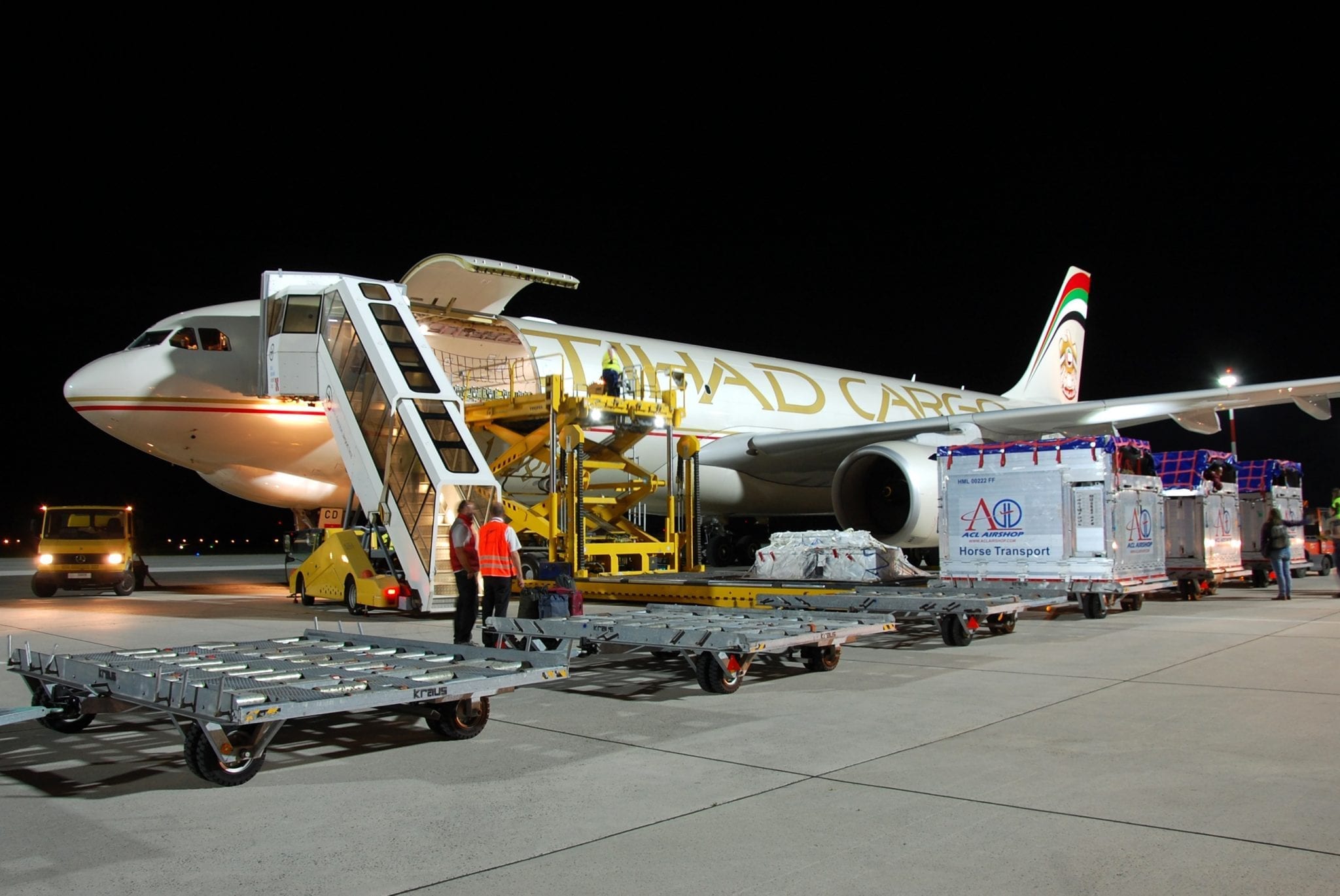
  • Etihad Cargo’s cutting-edge solutions bridge the gap between East and West for high-value shipments

    Etihad Cargo’s cutting-edge solutions bridge the gap between East and West for high-value shipments

    In the ever-evolving landscape of global logistics, ensuring the safety and security of high-value is paramount. Etihad Cargo, a leader in the air freight industry, continuously enhances its security measures to meet the demands of transporting valuable goods. By leveraging specialised products, technological advancements, and strategic partnerships, Etihad Cargo remains at the forefront of secure cargo handling.

    Added security when transporting high-value goods
    In the context of evolving security threats, Etihad Cargo ensures continuous enhancement and robustness of security measures for handling high-value cargo through its specialised SafeGuard product. For goods classified as “valuables,” which exceed a certain value per kilogram, Etihad Cargo also leverages the expertise of its sister company, Etihad Secure Logistics.

    Leonard Rodrigues, Director Revenue Management & Network Planning at Etihad Cargo explains, “The partnership, in combination with our SafeGuard product, provides state-of-the-art security measures, including secure transit via dedicated, armoured vehicles and security personnel.” For vulnerable goods, such as electronic products, Etihad Cargo offers SecureTech, a process-based product that controls more aspects of the transportation process. SafeGuard and SecureTech serve the transportation needs of both valuable and vulnerable goods, ensuring high standards of safety and security.

    Enhanced security and transparency
    Technological advancements enable more intermediate milestones for tracking, reducing physical touchpoints and human intervention. Leonard says, “This approach increases digital updates, enhancing functional tracking while minimising the risk of errors and security breaches.”

    Etihad Cargo’s digital transformation initiatives have significantly enhanced the safety and security of high-value cargo during transit. A dedicated Cargo Control Centre team monitors shipments and alerts stakeholders if there are any deviations from the SLA. Recognising the crucial role of technology, Etihad Cargo plans to introduce live monitoring, allowing customers to view the real-time status of their shipments. By engaging with multiple service providers, Etihad Cargo aims to implement the best solutions.

    Enhancing efficiency and security in high-value cargo handling
    In June 2024, Etihad Cargo expanded its partnership with SF Airlines, increasing the frequency of flights between mega hubs Abu Dhabi and Ezhou to boost cargo connectivity and capacity between China, the UAE and other global destinations.

    Strategic partnerships, such as this, enhance Etihad Cargo’s ability to handle and transport goods, especially in the e-commerce sector, by leveraging state-of-the-art facilities and digital controls.

    Leonard highlights that SF Airlines’ Ezhou hub employs dedicated staff and advanced digital systems to increase handling security. The partnership, which provides full control over the process unlike traditional reliance on third-party providers, ensures more efficient and secure management of high-value cargo. This is especially true for goods from China, where much of today’s mobile phones and consumer technology are manufactured. The entire platform is digitally monitored, and all staff are under the direct control of the operator. The collaboration allows Etihad Cargo to benefit from dedicated teams and enhanced oversight, improving overall efficiency and security in transporting valuable and vulnerable goods.

    Elevating security and customer trust with SecureTech
    Etihad Cargo’s state-of-the-art facilities and security protocols ensure the security of high-value electronic devices transported under its SecureTech program. Security supervision is provided at every stage, from acceptance to transit, buildup, and delivery. This comprehensive approach ensures continuous monitoring and protection throughout the transportation process, safeguarding high-value electronic devices from potential risks.

    Leonard adds that the introduction of SecureTech has significantly enhanced customer trust and satisfaction for high-value or vulnerable cargo shipments. “We saw a 40% growth in Q1 compared to last year following the launch of SecureTech. The main USP is the handling and security we offer, ensuring electronic shipments are protected throughout transit, with the added option to clear cargo immediately upon arrival at the destination.” Through this, Etihad Cargo has created more alignment and clarity throughout the supply chain, ensuring consistency in service delivery and allowing customers to understand exactly what they are receiving.

    Strategic location, efficient cargo transit
    The location of Etihad Airlines and Etihad Cargo’s hub, Zayed International Airport in Abu Dhabi, significantly enhances the efficiency of high-value cargo transit. The airport features security vaults, special storage areas, security escorts, and CCTV surveillance, making it a secure hub. Serving as a central hub, the airport receives shipments from multiple destinations.

    Leonard notes that for Etihad Cargo’s SecureTech product, top markets include Vietnam, China, Hong Kong, and India; while for SafeGuard products, top markets include Singapore, Hong Kong, Pakistan, and India. Additionally, Abu Dhabi’s central location is ideal for handling high-value cargo efficiently between these key markets and connecting destinations across the carrier’s global network, essentially bridging the gap between East and West.

    Looking forward, Etihad Cargo is exploring new technologies to further secure and optimise shipment handling. “The goal is to provide more information with less human intervention, ensuring every shipment follows a pre-approved path and progresses as expected, with alerts being sent if shipments deviate from this path. This approach focuses on utilising advanced technology rather than increasing human involvement,” Leonard concludes.

    As global trade and security challenges are evolving, Etihad Cargo remains steadfast in its commitment to innovation and excellence. By continuously refining its security protocols, embracing technological advancements, and fostering strategic partnerships, Etihad Cargo ensures that high-value goods are transported with the utmost care and precision. With ambitious plans to further enhance their digital monitoring capabilities and streamline operations, Etihad Cargo is well-positioned to lead the industry in secure cargo handling. In bridging the gap between East and West, Etihad Cargo not only meets the demands of today but also sets new standards for the future of high-value shipments.


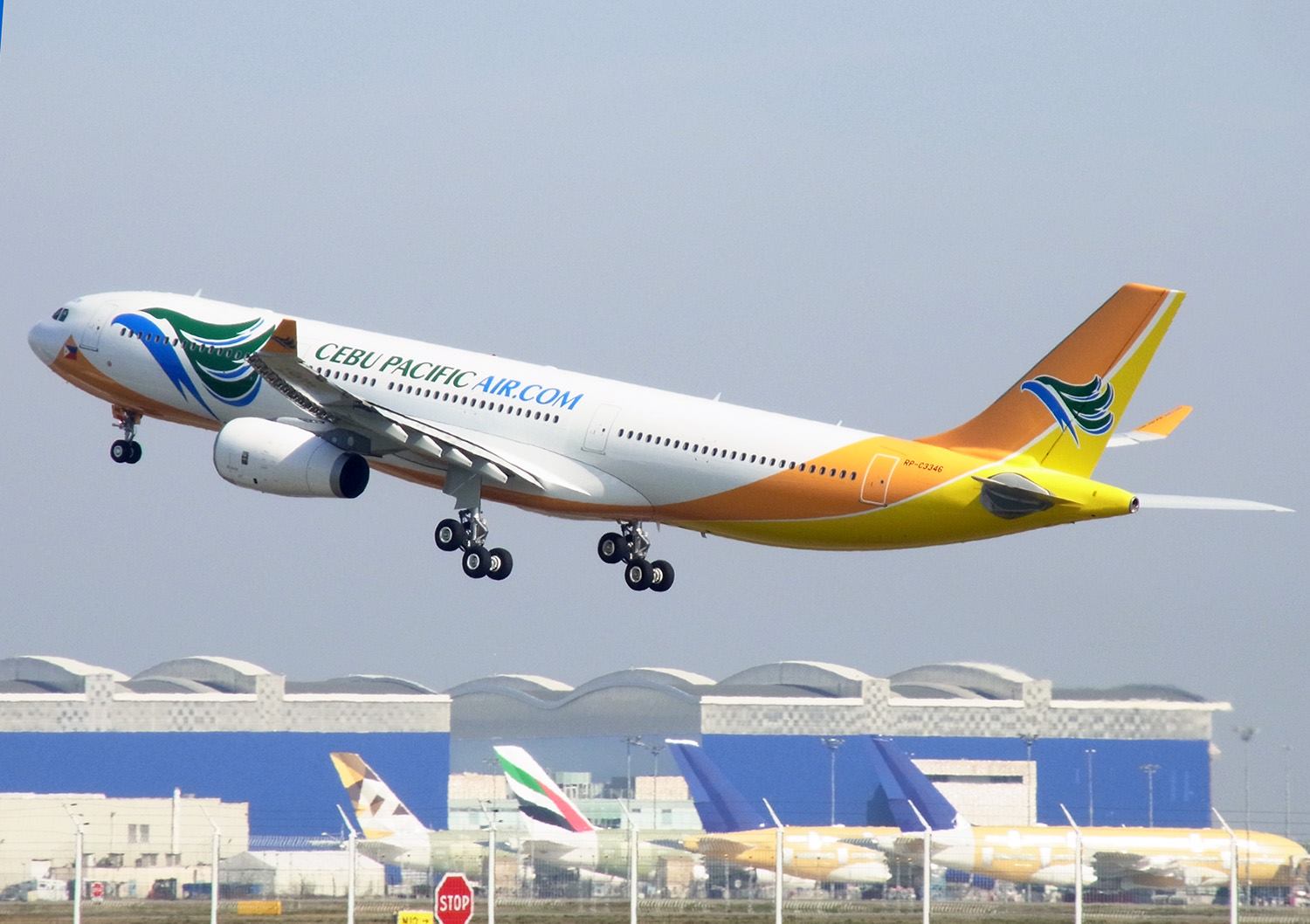
  • Philippines’ Cebu Pacific fuels recovery with relaunched routes, aircraft orders

    Philippines’ Cebu Pacific fuels recovery with relaunched routes, aircraft orders

    Philippine budget airline Cebu Pacific has been relaunching routes to international destinations and ordering new jets to fuel its post-pandemic recovery.

    The country’s biggest airline this month relaunched routes to Taiwan, Hong Kong, Singapore, and opened a new direct route between Manila and Thailand’s Chiang Mai.

    This year it has received 10 new aircraft, including three Airbus NEOs which were added to its fleet this month. It now operates 70 Airbus aircraft and 15 ATR turboprop planes.

    In July the airline signed a memorandum of understanding with Airbus to purchase up to 152 aircraft in a $24 billion deal, the biggest order in Philippines aviation history.

    “As the demand for air travel to continues to rise, we are confident that we will be able to cater to more passengers looking to connect with other people or discover new destinations with Cebu Pacific,” president and chief commercial officer Xander Lao said in a press release.

    It now operates in 35 domestic and 26 international destinations spread across Asia, Australia, and the Middle East.

    Cebu Pacific is also considering acquiring AirSWIFT, another Philippines aviation company which mostly operates short-range flights to and from resorts.

    Leaders of the two airlines aim to reach an agreement in the upcoming months, according to local media.

    With strong discounts such as zero-fare flights and limited offers, the company served 20.86 million passengers last year, while its competitor Philippines Airlines recorded only 14.7 million.

    The Philippines saw the number of passengers on international flights more than doubled last year to 24.81 million, nearly 80% of 2019 levels, according to the Civil Aeronautics Board.

  • Over 600 Lexus cars recalled in Vietnam

    Over 600 Lexus cars recalled in Vietnam

    Toyota Vietnam has issued a recall for 634 Lexus cars in Vietnam due to potential issues with their cameras and fuel injectors.

    Most of the recalled vehicles were produced between November 2022 and August 2023, according to Vietnam Register.

    The cover of the front and rear cameras of these units can be exposed after time, allowing water to enter and causing internal short circuit that can disable them.

    Among the recalled vehicles are 26 units that have fuel injectors which can be distorted over time, increasing risks of explosion.

    While no incidents have been reported so far, the manufacturer is recalling these vehicles as a precautionary measure.

    Owners of the affected vehicles are entitled to a free replacement of these parts at Lexus dealerships in Hanoi and Ho Chi Minh City. The recall service will be available for three years, starting from Aug. 13.

  • Google Messages to receive a much-needed update to improve RCS media quality

    Google Messages to receive a much-needed update to improve RCS media quality

    Google has been working on improving communication between Android and iPhone users, and it looks like they’re making some great strides. The latest Google Messages beta reveals a new feature that allows Android users to send high-quality media to iPhone users over RCS.

    Currently, Google Messages compresses media heavily before sending it, which means that iPhone users often receive blurry or pixelated images and videos, even on RCS. This is a major pain point, especially when trying to share important memories or documents. Now that iOS will soon have RCS support, this is an issue that must be remedied as soon as possible.

    Fortunately, as discovered in the latest beta version of the Messages app, Google is finally addressing this issue by giving users the option to send media in its original quality. In the latest beta, users will be prompted to choose between two options when sending media:

    • Optimized for chat: Send faster with reduced quality
    • Original quality: Send with no changes to quality, uses more date

    Once you make your selection, this option will apply to all current and future chats.

    This update is a big deal for a couple of reasons. First, it means that Android and iPhone users will finally be able to share high-quality media with each other seamlessly. No more blurry photos or pixelated videos. Second, it shows that Google is committed to improving the RCS experience. They’re listening to user feedback and making the necessary changes to make RCS a viable alternative to traditional SMS.

    It’s also worth noting that this update is just one of many that Google has made to Google Messages in recent months. The company has been working hard to improve the app’s overall experience, and it’s clear that they’re committed to making it the best messaging app on the market.

    That said, there are still a few unknowns. We don’t know when this feature will roll out to all users, and we don’t know when Apple will fully enable RCS support on all iPhones, as it is still in beta. However, it’s likely that both of these things will happen in the near future.

  • Google Maps rolls out redesigned pins and new colors

    Google Maps rolls out redesigned pins and new colors

    Last week, Google Maps rolled out a simplified bottom bar on mobile. Now, we’re getting an update that brings new pin colors and shapes.

    The iconic pin shape with a sharper point at the bottom is now gone. However, it’s still in the app icon. Instead of it, with this new update, we’re getting something shorter and more rounded with a white background. The icon that shows the category is housed in an inner circle. This matches the existing icon design for starts, flags, and hearts.

    Most pins have remained the same while some have changed. For example, the one for museums is now purple instead of teal. Other color tweaks with the update are more subtle like the zoo icon going lighter. The change is also applied to text.

    The new pin design makes the icons smaller which might allow Google to show more per map view. This server-side update is now rolling out for Android, iOS, and the web version.

    I like the new design for the pins as it really does seem to allow for a more simple map, and can fit more information in it. The smaller pins give a cleaner look, and I’m all for that.

  • WestJet Cargo expands pet transportation services to major European destinations on International Dog Day

    WestJet Cargo expands pet transportation services to major European destinations on International Dog Day

    As the world marks International Dog Day on August 26, WestJet Cargo is pleased to announce the expansion of its pet transportation services to three major European airports: London Gatwick (LGW), London Heathrow (LHR), and Edinburgh (EDI). This expansion comes in response to the growing demand for secure and reliable international pet travel between Canada and Europe, reinforcing WestJet Cargo’s commitment to providing specialized care for pets during their journey.

    “At WestJet Cargo, we recognize that pets are beloved members of the family, and their safety and comfort during travel are our utmost priorities. By extending our pet transportation service to LGW, LHR, and EDI, we are enhancing connectivity for pet owners and ensuring that their pets receive the highest standard of care throughout their journey,” said Kirsten de Bruijn, Executive Vice President of WestJet Cargo.

    WestJet Cargo’s pet transportation service is tailored to meet the specific needs of all pets, including brachycephalic breeds, which require special attention during air travel. The airline strictly adheres to IATA’s Live Animals Regulations, and all pet transport occurs in pressurized, temperature-controlled cargo holds to ensure a safe and comfortable environment. Pet owners are provided with comprehensive pre-flight preparation guidelines, and WestJet Cargo maintains open communication throughout the journey, offering support in the event of any unexpected changes.

    Pet owners and specialized freight forwarders can easily arrange transportation through WestJet Cargo’s customer service or online booking system. The service is designed to comply with European regulations, accommodating the specific requirements of international pet travel.

    In addition to the new routes, WestJet Cargo has been operating year-round pet transportation services to Paris Charles de Gaulle (CDG) since this year. In response to continued strong demand, some of the routes scheduled to pause later this year will resume next year. Looking forward, WestJet Cargo plans to leverage its strong passenger network to expand its pet transportation services across Europe further.

  • Vietnam’s economy projected to grow 6.1% this year

    Vietnam’s economy projected to grow 6.1% this year

    Vietnam’s economic growth is expected to pick up in 2024, driven by a rebound in manufactured exports and tourism, and recovering consumption and business investment, the World Bank (WB) said on August 26 in a new report.

    The economy is forecast to grow 6.1% in 2024, and 6.5% in both 2025 and 2026, up from 5% last year, according to the bank’s latest bi-annual economic report on the country Taking Stock.

    The report, “Reaching New Heights in Capital Markets,” highlights the resilience of the Vietnamese economy despite rising global challenges. However, it notes that the economy is not yet back on its pre-pandemic growth path.

    Enhanced public investment would provide short-term stimulus while also addressing emerging infrastructure gaps – for example in energy, transport, and logistics – which are becoming a growing constraint on growth, it said. Bank asset quality remains a concern given rising non-performing loans and should be closely monitored by the authorities.

    “During the first half of the year, Vietnam’s economy benefited from the rebound in export demand,” said WB East Asia and Pacific Practice Manager for Macroeconomics, Trade, and Investment Sebastian Eckardt. “To sustain growth momentum not only for the rest of the year but over the medium-term, the authorities should deepen structural reforms, step up public investment while carefully managing emerging financial risks.”

    A special chapter of the report finds that development of capital markets would provide a vital source of long-term funding for Vietnam’s economy and help the country achieve its goal of becoming a high-income nation by 2045. The report highlights key challenges, including underdevelopment of the institutional investor base and underutilization of the Vietnam Social Security fund (VSS).

    The report recommends a stronger policy framework, in which VSS could be a force in driving capital market development. Policies that would allow markets to reclassify Vietnam from Frontier Market status to Emerging Market status would help attract more foreign investors, as would reforms to enhance market transparency and investor protection. Effective coordination among financial regulators is crucial for achieving these goals.