Tag: asia

  • Google launches new quick reply experience for Gmail users on Android

    Google launches new quick reply experience for Gmail users on Android

    Google is adding a new quick reply experience to Gmail on Android devices, which will allow users to skip a few steps when they want to reply to emails. The new quick reply experience is available starting today on Android only, Google announced.

    Up until now, Gmail offered Android users multiple options such as Reply, Reply all or Forward a message when in the conversation view of an email. Once the users selected one of the options, they would be directed to a full screen compose view to send their reply.

    Thanks to the updated quick reply experience, users can reply to emails directly from the bottom of the conversation, without having to open a new screen. This option has been specifically designed for quick, lightweight replies, so for longer responses, users can expand the text box to access more formatting options.

    Although Google announced that the new quick reply experience is only available on Android device, the search giant confirmed iOS users will get it too sometime later this year.

    To start using the quick reply experience, simply open an email, click into the text box at the bottom, type your reply, and then tap the send icon. As mentioned earlier, for more formal replies, you can tap the “Expand to full screen” icon to switch to the full screen compose view.

    The new feature is available to all Google Workspace customers, Google Workspace Individual subscribers, and users with personal Google accounts.

    As far as availability goes, Google announced that Workspace customers will get it in the next two weeks, while Google accounts and Workspace Individual subscribers already benefit from the new quick reply experience.

  • Chrome on Android now vibrates when you pull to refresh

    Chrome on Android now vibrates when you pull to refresh

    Chrome 128 for Android now has a small but useful feature: a subtle vibration when you pull-to-refresh a page. This adds a tactile element to the usual visual cues, like the spinning icon and loading bar. It’s a small detail that could make refreshing pages feel a bit more responsive.

    The vibration only happens when you pull down from the very top of the page, not when you use the refresh button in the three-dot menu. This seems like a good choice, as it helps distinguish between the two actions.

    So far, this feature has been spotted on Pixel and Samsung Galaxy phones. It’s not clear if other Android devices will get it too, but it seems likely.

    Besides the vibration feedback, Chrome is also expected to replace the Chrome Sync option with a simple Google Account sign-in. This will simplify the process of syncing all of your personal data, such as browsing history, cookies, passwords, or bookmarks and tabs, from your desktop to your Android device

    While the addition of haptic feedback for page refreshes might seem like a minor update, it’s part of a larger trend towards making our digital interactions more engaging and intuitive. Subtle cues like vibrations can provide valuable feedback and enhance the overall user experience.

    Chrome 128 itself is currently rolling out gradually through the Play Store. If you don’t have it yet, you might need to wait a bit. But it’s worth keeping an eye out for, especially if you’re the type who refreshes pages a lot.

    Of course, Chrome 128 is just one update in a long line. There’s always something new on the horizon, and it’ll be interesting to see what Google has in store for us next. For now, though, let’s enjoy the little things, like a gentle vibration when we refresh a page. It’s a small reminder that our phones are getting smarter and more intuitive all the time.

  • Thai durian dominates Chinese market

    Thai durian dominates Chinese market

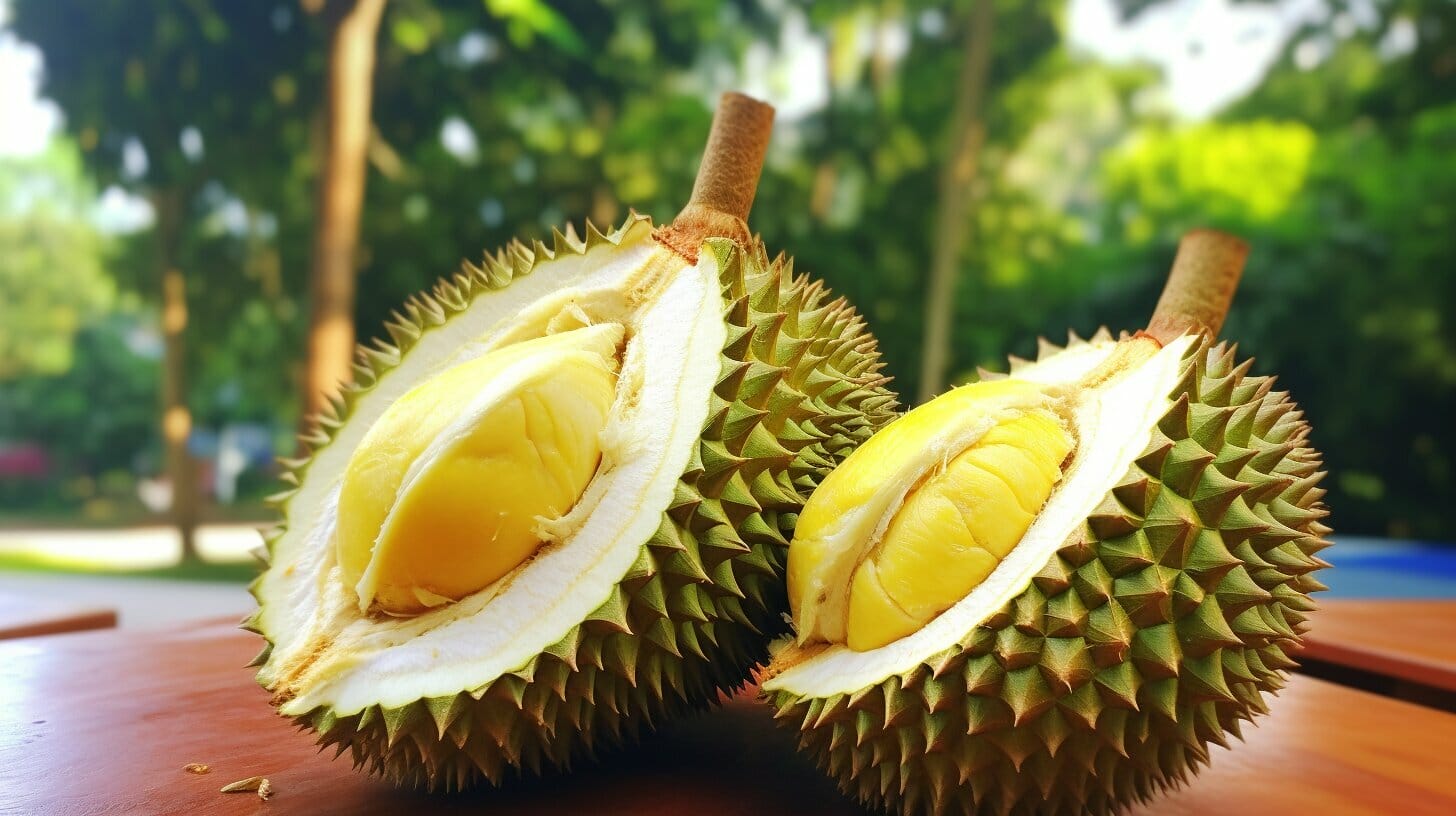
    Thailand is consolidating its position as the leading supplier of durians to China, reported the South China Morning Post.

    Shipments of fresh durians from Thailand to China – the world’s top consumer of the pungent fruits – rebounded in the second quarter after a drop earlier this year. It is attributed to a seasonal harvest spike and a lasting reputation for quality.

    Data from China Customs showed that durian imports from Thailand reached nearly $2.67 billion, accounting for 75% of total fruit imports. This figure is a significant improvement compared to the 42.5% recorded in the first quarter of this year. In addition, Thailand accounted for 68% of China’s durian import market share in 2023.

    Thailand’s main competitor, Vietnam, supplied almost all of the remaining shipments in the second quarter. Vietnamese durians are more competitive in terms of price than their Thai peers in China due to lower transport costs thanks to the use of land border.

    According to Liang Yan, an economist at Willamette University in the U.S. state of Oregon, Thailand has long had a “first mover advantage” among Chinese consumers.

    The second quarter of each year marks the major harvest season for Thai durians, observers said, while consistency of flavour and brand recognition grant additional appeal.

    Thailand’s increased share in the second quarter can be mainly attributed to the seasonal peak of Thai durian production, their strong and established trade networks, and consumer preference for Thai durians during this time, said Lim Chin Khee, an adviser with the Durian Academy, an institution that trains Malaysian growers.

    China, the world’s biggest buyer of durians, imported 1.4 million tonnes in 2023. Dubbed “king of fruits” by many consumers, it is treated as a delicacy and has even been given as a gift to celebrate special occasions such as weddings.

    Thai durians remain popular in China largely because the flavour seldom wavers, though the fruits lack the variety of taste, said Song Seng Wun, an economic adviser at the Singapore-based financial services firm CGS.

  • Chinese tourists drive up Louis Vuitton

    Chinese tourists drive up Louis Vuitton

    Chinese tourists are fueling a surge in luxury goods sales in Japan, capitalizing on the weakened yen, which has plummeted to its lowest level in decades this year.

    Major luxury brands, including Yves Saint Laurent, Louis Vuitton, and Burberry, have reported significant sales growth in Japan during the first six months, despite experiencing weaker results in other markets.

    French fashion house Yves Saint Laurent’s sales jumped 42% in Japan “due to strong growth in the number of tourists visiting from China and Southeast Asia, who were attracted by the pricing differential arising from the favorable exchange rate,” its parent company Kering said recently.

    Another French brand, Louis Vuitton, operated by conglomerate LVMH, saw “exceptional growth in Japan arising in particular from purchases made by Chinese travelers.

    British brand Burberry has seen slower sales in China, its biggest market. But Japan posted a 6% growth, thanks to a surge in tourists’ spending, especially those from China, it said in a financial report last month.

    “Globally, the Chinese customer group also declined but held up better than mainland China as spend was diverted offshore,” it said.

    “Japan continued to grow, benefiting from strong tourism spend mainly from Chinese and near shore customers in Asia, whilst locals remained soft,” it added.

    The number of Chinese tourists in Japan quadrupled year-on-year in the first six months to 3.1 million, according to the Japan National Tourism Organization.

    The Japanese yen has been the one of the most depreciated currencies in the world this year and is hovering around the lowest in nearly four decades against the U.S. dollar.

    The Chinese yuan has risen 6.9% against the yen so far this year. Last month it reached a 24-year high against the Japanese currency.

    This currency disparity created opportunities for Chinese nationals like Snow and her boyfriend, who spent their first Japan visit indulging in luxury purchases.

    At a Gucci shop in Tokyo, the 30-year-old spent US$3,390 on a bag and two accessories.

    Another tourist who visited Japan in June said: “With the effect of the weak yen, shopping is quite affordable.”

    “You could buy a Bulgari necklace that costs 368,000 yen in mainland China for 300,000 yen in Japan.”

    Interest among affluent Chinese households in visiting Japan increased by 5 percentage points in May compared to a survey conducted last September, according to a study by consulting firm Oliver Wyman.

    Their travels are motivated by affordability. Prices for a range of luxury products in Japan were 10% to 30% lower than in mainland China, it added.

    Foreigners visiting Japan spent JPY2.14 trillion in the second quarter, a new quarterly record, according to the Japan Tourism Agency. Apart from mainland China, other major inbound tourism markets included South Korea, Taiwan and the U.S.

    Large department stores have also reaped the benefits of the luxury shopping boom. Isetan Mitsukoshi Holdings’ three flagship stores in Tokyo experienced a 20% year-over-year sales increase in the first half of July.

    Daimaru Matsuzakaya Department Stores’s tax-exempt sales jumped nearly 22% during the same period.

  • WeTransfer on mobile now lets you extend link expiration dates

    WeTransfer on mobile now lets you extend link expiration dates

    If you often send files online, you’ve likely heard of WeTransfer, a go-to platform for sending large files. And if you’ve used it, you probably know that the expiry dates for files can be a hassle. If you don’t download the files right away, it is easy to forget before the link expires, leading to the annoying need to ask for a resend. But here is some good news: a new feature for the mobile app is set to change this.

    WeTransfer has rolled out a new feature that lets you tweak the expiry date of files right from the mobile app. With the new “Save for Later” option, you can now hang onto a transfer for up to 30 extra days. This gives you more time to check out or download files on your mobile or even send them to yourself to access later on your desktop.

    Your saved transfers will be sorted in a special section of the WeTransfer app, so you can quickly grab what you need. You will also have the freedom to decide how long you want to keep access to your files (well, within 30 days), which means no more awkward follow-ups for resends. Curious about trying out this new feature? Here is how to get started:

    1. Download and launch: Grab the WeTransfer app from the App Store or Google Play, then open it and log in to your account.
    2. Receive a transfer: Whenever you get a new transfer, just open the WeTransfer app.
    3. Save for later: Tap on the transfer you want to keep, then hit “Save for Later.”
    4. Extend expiry dates: Need more time? You can extend the file’s expiry date up to 30 days right from the saved transfers section. Just select the file and choose a new date.
    5. Quick access: Access your saved files whenever you need them. The app stores everything in one easy-to-find section, so your files are always within reach.
    Actually, WeTransfer kicked things off with a bit of a mix-up on its X account. It announced that users could extend link expiration for up to 30 days in the mobile app and claimed that “WeTransfer links will no longer expire.” But let’s be real – 30 days isn’t exactly forever, right? To make things even trickier, a shared image  on the company’s blog showed an option for extending to 60 days, while the blog post stuck with the 30-day claim.

    Eventually, the company clarified that how long users can extend the expiry really depends on their plan and that if you don’t use that save option, your links can still vanish, so they can expire after all.

    While you still have to take steps to keep the link from expiring in just three days, I think this new feature is a welcomed addition. It is perfect for those times when you can’t download files right away but want to grab them later without digging through your email.

  • J&T Express turns to net profit in H1 2024

    J&T Express turns to net profit in H1 2024

    J&T Global Express Limited a global logistics service provider, announced its 2024 interim results for the first half of 2024. In the first half of the year, J&T’s revenue reached US$4.86 billion, representing a year-over-year increase of 20.6%. Revenue of its core business, express delivery services, reached US$4.74 billion, marking a YoY increase of 33.7%. Gross profit showed a YoY increase of 176.8% to US$540 million.

    In H1 2024, all of J&T’s profit metrics swung to positive. The Company reported a net profit of US$31.026 million, a significant turnaround compared to the loss of US$670 million over the same period last year. Adjusted net profit was US$63.248 million, compared to a loss of US$260 million over the same period last year. Adjusted EBITDA soared by 795.6% to reach US$350 million. Adjusted EBIT also turned positive and reached US$120 million, underlining a healthy and sustainable level of profitability.

    During the Period, J&T’s total parcel volume increased by 38.3% YoY to 11.01 billion. The business scale of all operating regions continued to expand, with parcel volume consistently achieving double-digit growth. In Southeast Asia, parcel volume increased by 42% YoY to 2.04 billion, raising its market share to 27.4%. In China, parcel volume grew by 37% to 8.84 billion. In newer markets such as Saudi Arabia and Mexico, parcel volume surged approximately 64% to 140 million.

    China’s parcel volume growth leads the industry; cost per parcel reduction drives adjusted EBIT to profitability for the first time
    During the Period, J&T’s market share continued to rise, with a 37% YoY growth in parcel volume outpacing its peers. J&T’s market share, in terms of parcel volume in China, reached 11%, up 1.1 percentage points YoY. This was primarily driven by J&T seizing the growth opportunities brought by the rapid growth of social e-commerce and enhancing customer acquisition with cost-effective services. At the same time, J&T continued to explore its business development in China’s lower-tier markets, cooperating with a number of e-commerce platforms to undertake consolidation delivery business targeting at remote areas, thereby helping e-commerce vendors and e-commerce platforms to expand to areas that were originally difficult to reach.

    In the first half of the year, J&T revenue in the Chinese market was approximately US$3 billion, a year-on-year increase of about 36%. The adjusted EBITDA reached US$200 million, and the adjusted EBIT turned positive for the first time, reaching US$59.595 million. This is mainly due to the Company’s relatively stable revenue per parcel in the first half of the year, with the unit cost per parcel of express delivery continuing to decline. Specifically, the unit cost per parcel dropped by about 6% to US$0.32. Benefited from to the continuous implementation of refined management and operational optimization in each process in China, which has continually enhanced the strength and efficiency of our entire network.

    Maintaining its lead in SEA for four consecutive years with growing market share; continually optimizing service quality
    J&T’s full coverage and well-established logistics network in SEA, as well as its cost-effective services and strong customer relationships, have continued to serve as competitive advantages. As a result, the Company’s parcel volume in the region increased by 42% YoY. J&T’s market share reached 27.4%, up 2 percentage points compared to 2023.

    In SEA, J&T continues to seize opportunities in the e-commerce market and actively develop non-e-commerce platform customers. The Company also benefits from both the overall rise in e-commerce volume and the emergence of social commerce, while maintaining a strong commitment to service quality. In H1 2024, the Company’s average parcel delivery time in SEA was shortened by 13.8% YoY.

    In the first half of 2024, revenue of the Company’s SEA operations increased by 22% to US$1.52 billion, adjusted EBITDA grew by 13% to US$210 million, and adjusted EBIT grew by 46% YoY to reach US$130 million.

    New Markets business maintained rapid growth and actively expands local e-commerce customer base
    J&T continues to penetrate new markets, rapidly expanding its business scale. The volume of packages in J&T new markets is growing at a high speed. While maintaining close cooperation with Chinese cross-border e-commerce platforms, we are actively developing and maintaining good relationships with major local e-commerce platforms such as Noon in the Middle East and Salla in Saudi Arabia. At the same time, the demand for parcel services from individual customers and commercial organizations in new markets is increasing. To better serve this need, we have launched the J&T SPEED product in the Middle East.

    In 1H 2024, revenue from new markets reached US$290 million, representing a near 1.2x YoY increase. This growth was fuelled primarily by a 64% YoY surge in regional parcel volume. During the Period, gross profit turned positive, reaching US$35.022 million, while the adjusted EBITDA loss narrowed significantly to US$7.84 million compared to the same period last year.

    Continue to enhance service experience: Solidifying the path to global development
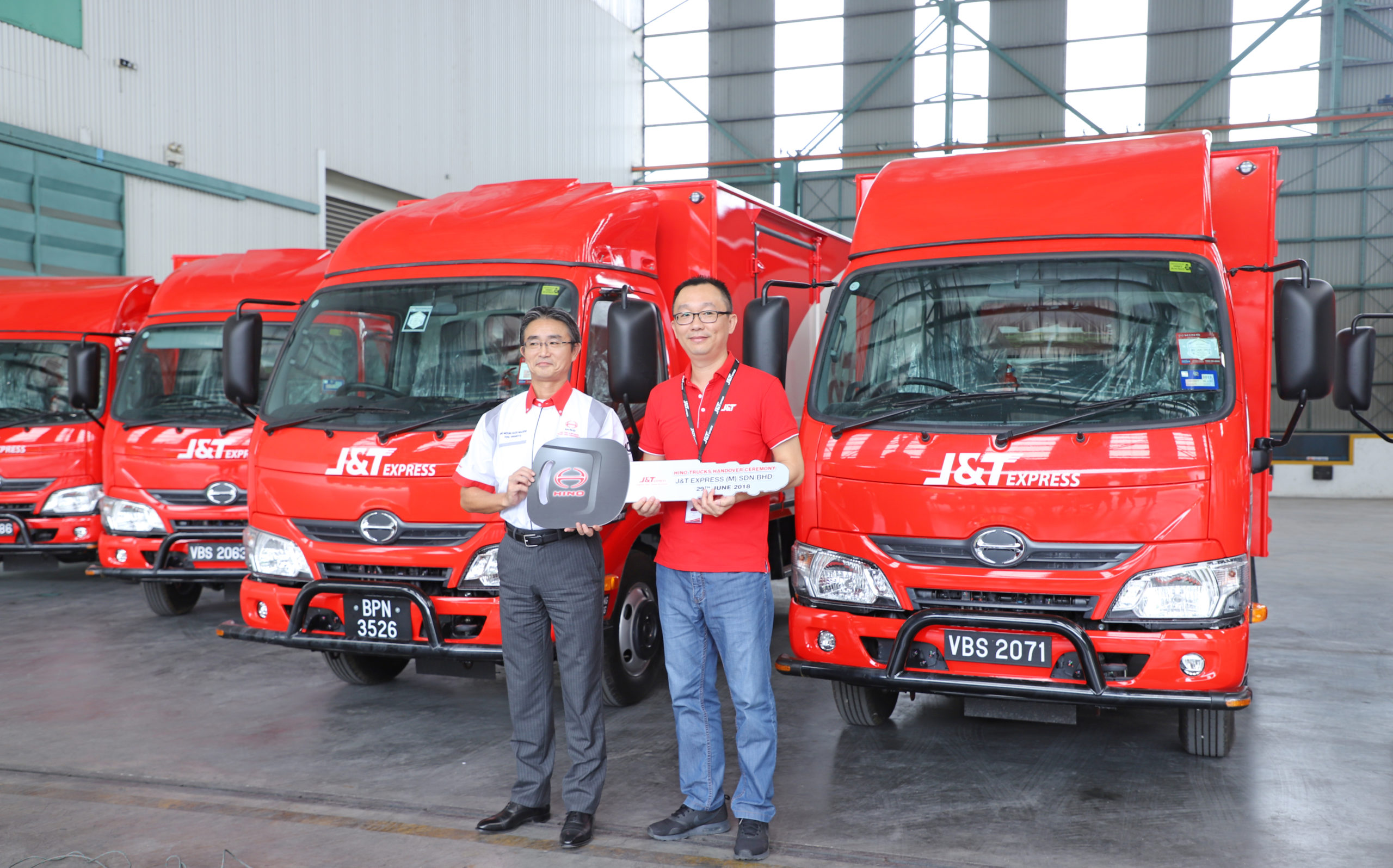
    J&T is committed to providing customers with an enhanced logistics service experience by continuously building its own sorting centers, enhancing the efficiency of self-operated transportation fleets, and investing in automated equipment across various markets. As of 30 June 2024, the Company had approximately 8,000 network partners and around 19,900 outlets. The Company operated 237 sorting centers equipped with 254 automated sorting lines. Its transportation network comprised over 4,100 line-haul routes, utilizing more than 9,900 vehicles, including over 5,700 that were company-owned.


  • Japan’s biggest sushi chain Sushiro launches first Beijing store

    Japan’s biggest sushi chain Sushiro launches first Beijing store

    Japan’s biggest sushi restaurant chain Sushiro opened its first store in China’s Beijing Wednesday as part of its expansion in the world’s most populated country.

    Its new store, located in the Xidan Joy City shopping mall, has four private rooms, each allowing up to 10 customers, who can order from a touch screen and pick up their food from a conveyor belt, according to Nikkei Asia.

    This is Sushiro’s 45th location in China. It launched the first store in Guangzhou in 2021 and has expanded to several cities since.

    Sushiro, headquartered in Osaka, has over 500 restaurants in Japan. It was founded 30 years ago and is now present in many Asian countries including South Korea, Thailand and Singapore.

    Its competitor Hama Shushi has also been expanding in China and opened the first Beijing store earlier this year.

    China has prohibited the import of seafood from Japan due to the discharge of treated radioactive wastewater. In China, conveyor belt sushi restaurants primarily offer locally sourced seafood.

  • EU slashes tariffs on Chinese-made EVs

    EU slashes tariffs on Chinese-made EVs

    The European Union has slashed its planned extra tariff on Tesla electric vehicles imported from China by more than half, the bloc’s executive said on Tuesday, following further investigations requested by the company.

    The European Commission also revised its proposed punitive duties on imports of Chinese-made EVs in draft findings, in the highest profile EU investigation of alleged Chinese subsidies, which has provoked threats of retaliation from Beijing.

    It set a new reduced extra rate of 9% for Tesla, lower than the 20.8% it had indicated in July, and said some Chinese companies in joint ventures with EU automakers may also receive lower planned punitive duties on Chinese-made EV imports.

    The tariffs are on top of the EU’s standard 10% duty on car imports, a measure the Commission says is aimed at levelling the playing field and countering what it says are unfair subsidies.

    Tesla had requested a recalculation of its rate, to be based on the specific subsidies the company had received. The Commission said on Tuesday it had verified that it received less subsidies from the Chinese government compared with the country’s EV makers which Brussels had investigated.

    The Commission, which sets EU trade policy, said it still believed Chinese EV production has benefited from extensive subsidies and proposed duties on other companies of up to 36.3% – slightly lower than the maximum initial planned duty of 37.6% set in July for companies that did not cooperate with the EU’s anti-subsidy investigation.

    China’s commerce ministry said in response it is “firmly opposed to and highly concerned” about the findings, and vowed to take all necessary measures to protect Chinese firms.

    The draft findings were based on “facts unilaterally determined by the EU side, not on facts mutually agreed upon,” the ministry said in a statement.

    China hopes the EU side will expedite the exploration of proper solutions in a rational and pragmatic manner, and take practical actions to avoid the escalation of trade frictions, it added.

    Beijing launched a challenge at the World Trade Organization earlier this month.

    Lower duties

    Tesla was among the companies classed as cooperating with the EU investigation. It did not respond to a request for comment on Tuesday.

    The Commission said three companies it had sampled would each receive slightly lower provisional duties than indicated in July. China’s BYD would face a rate of 17.0% from 17.4% levied in July, Geely 19.3% versus 19.9% and SAIC 36.3% from 37.6%.

    Chinese firms in joint ventures with EU producers may also be eligible for the lower duties planned for the Chinese companies in which they are integrated, the Commission said.

    Volkswagen’s SEAT subsidiary was now expecting to receive a lower tariff of 21.3% on its Cupra Tavascan, which is produced by a joint venture in China majority-owned by the German automaker, a source close to the matter told Reuters.

    A spokesperson for SEAT said it was working with the VW Group to reduce the impact of the tariffs further.

    BMW said in a statement its joint venture in China which produces the electric Mini was also classed as a “cooperating company”, qualifying it for a lower duty of 21.3%, versus the 37.6% Brussels had indicated last month.

    The planned tariffs could become the EU’s final measure on Chinese-made EVs once its investigation is concluded in about two months.

    Interested parties have until Aug. 30 to submit their comments on the Commission’s findings.

    The proposed final duties will be subject to a vote by the EU’s 27 states. They will be implemented unless a qualified majority of 15 EU members representing 65% of the EU population vote against.

    It is a high hurdle that is rarely reached, although this is a politically charged file.

    In an advisory vote in July, 12 EU members supported the provisional tariffs, four voted against and 11 abstained, sources said.

  • Pattern Creators Launches Next-Gen Ambassador Marketing

    Pattern Creators Launches Next-Gen Ambassador Marketing

    Leading global ecommerce and marketplace accelerator Pattern, today announced the launch of ‘Pattern Creators’ to help Australian brands reach new audiences, build brand equity and create engaging user-generated style content  through ambassador-led marketing. Pattern Creators, is fuelled by its own proprietary software ‘Current’. The platform centralises all aspects of creator marketing, enabling brands to truly scale their ambassador programs, from recruitment and product seeding to content approvals, campaign management and revenue tracking.

    In 2024, social media is a crucial source of product information for consumers, with around a third (36%) of Australians using their social networks to find information about brands and products.

    “Today’s consumers have a highly tuned radar for inauthenticity. They seek genuine and credible voices. Influencers bring a level of relatability and trust that is unparalleled, making them a critical component in any modern marketing strategy. Pattern Creators helps to bridge the gap between consumer trust and brand engagement and by leveraging authentic ambassador connections, brands can grow awareness and their customer base,” said Merline McGregor, General Manager of Pattern Australia.

    An increasing number of brands are partnering with micro-influencers to promote products, as 67% of Australian brands looked to increase their influencer budgets from the start of 2023. This surge in investment reflects the fact that 61% of Australian brands planned to repeat partnerships with influencers, highlighting the need for brands to build their own team of creators, rather than repeatedly sourcing new individuals who don’t have an ongoing affiliation with the brand.

    “In a world where social media platforms like TikTok and Instagram thrive on authentic user-generated content, over highly polished branded content, Pattern Creators enables brands to seamlessly engage with existing and potential customers on a deeper level. It does this by generating robust AI-driven ambassador prospect lists with a few simple prompts, allowing brands to identify influencers who can genuinely and effectively tell a brand’s story,” commented McGregor.

    Pattern Creators enables brands to centralise their influencer management across central functions including recruitment, product seeding, contracting, reporting, content approvals and communications. This allows brands to truly scale their ambassador programs, reducing the time and effort typically required to source and manage bespoke influencer talent and content production.

    Measuring the true impact of ambassador marketing can be challenging, but Pattern Creators has transformed this process. It allows brands to develop their own direct relationship with ambassadors to negotiate diverse commission models, utilise promo codes, and monitor affiliate links, providing clear insights into how an influencer’s endorsement translates into product sales.

    “Traditional influencer management platforms typically rely on a pool of existing ambassadors shared amongst all brands. What sets Pattern Creators apart is that we recruit unique creators specifically for each brand we work with,” explained McGregor. “We also ensure that the brand themselves directly own the relationship with these ambassadors. This approach results in unique and authentic partnerships resulting in quality content production, reflecting the individual needs and identity of each brand.”

    “Brand leaders understand that scaling a community of creators is incredibly challenging. Our platform supports brands to navigate these complexities much more effectively. By developing strong ambassador programs, this solution sets brands up for success in the next frontier of social media marketing,” McGregor concluded.

    For more information about Pattern Creators and how it can elevate your brand, reach out at [email protected].

    About Pattern Inc

    Pattern is the category leader in global ecommerce and marketplace acceleration. Since 2013, Pattern has profitably grown to more than 1,400 employees operating from 24 global locations – including Melbourne, Sydney and the Gold Coast – to help leading brands achieve accelerated growth on D2C websites and global ecommerce marketplaces. As well as being one of the largest Amazon sellers in the world, we are also present on Tmall, JD.com, eBay and other ecommerce marketplaces. We act as the authorised Amazon seller to more than 200 brands globally, buying their stock to sell on the marketplace and taking care of every aspect of their Amazon presence. For more information, visit https://au.pattern.com/

    Media Contact

    Corinne Nolte

    Mulberry Marketing Communications

    [email protected]

  • Vietnam gains approval to export frozen durian

    Vietnam gains approval to export frozen durian

    Vietnam is allowed to export frozen durian and fresh coconuts to China under an official quota, following the signing of protocols between the two countries on Monday.

    These protocols signed by Vietnam’s Ministry of Agriculture and Rural Development and China’s General Administration of Customs in Beijing under the witness of Vietnam’s Communist Party General Secretary and President To Lam and China’s Communist Party General Secretary and President Xi Jinping are expected to increase shipment of the fruits.

    Another protocol that was signed allow the export of Vietnamese crocodiles to China under official quota.

    The protocols, which are key components of the Goods Trade Agreement and took effect immediately upon signing, include specific requirements for animal and plant quarantine as well as food safety.

    The protocols, which integral parts of the Goods Trade Agreement and took effect immediately after signing, consist of specific requirements on animal and plant quarantine and food safety.

    All exporters that have completed necessary procedures and meet the import country’s quarantine requirements can deliver their products across the border.

    Agriculture minister Le Minh Hoan said that the three protocols are the results of negotiations between the two countries, which allows Vietnamese frozen durian and fresh coconuts to reach a market of 1.4 billion people.

    Dang Phuc Nguyen, general secretary of Vietnam Fruits and Vegetables Association, said that the majority of Vietnamese frozen durian has so far been exported to mostly Thailand, the U.S. and Europe with a total value of several hundred million U.S. dollars a year.

    With China opening its door, exports of this fruit will likely surge, he added.

    Last year Vietnam exported 500,000 tons of fresh durian with a total value of $2.3 billion, in which China bought 90%.

    Vietnam now has 154,000 hectares of durian with a total yield of 1.2 million tons, and the latter figure grows around 15% a year.

    The country is also a major exporter of coconuts with 175,000 hectares of the fruit, mostly in the Mekong Delta region.

    With the new protocols signed, frozen durian exports are expected to reach $400-500 million this year, while fresh coconut exports are set to increase by $200-300 million.

    To Lam and his spouse are on a state visit to China from Aug.18-20.

  • WhatsApp working on a feature to block messages from unknown accounts

    WhatsApp working on a feature to block messages from unknown accounts

    WhatsApp’s latest beta update for Android is focused on bolstering privacy for its users. This includes a forthcoming feature that will block messages from unknown accounts, enhancing user control and potentially improving device performance.

    WhatsApp is actively developing a feature to block messages from unfamiliar accounts. This feature, slated for a future update, aims to protect users from unwanted or even harmful communications. Users will be empowered to set a limit on the number of messages they’re willing to receive from unknown contacts within a given time frame. Once that limit is surpassed, the app will automatically block any further messages from those accounts.

    This update has a performance angle as well. Spam and unwanted messages can overload the app and slow down your device. By enabling this blocking feature, users can significantly decrease the volume of data the app needs to handle. This reduction in processing load should translate to a smoother and more responsive app experience.

    WhatsApp is no stranger to the battle against malicious activity. They already use automated tools to detect and filter out bad actors while maintaining user privacy. These tools include algorithms designed to spot suspicious behavior and bulk messaging. This new blocking feature adds another layer of user control, allowing people to protect their accounts from spam and potentially harmful content proactively.

    The feature aims to minimize the risks of phishing attempts and malicious content that can compromise both device performance and storage. By filtering out messages from unknown sources, WhatsApp is taking another step towards creating a safer and more secure messaging environment.

    The feature to block messages from unknown accounts is still under development. It’s important to remember that features seen in beta versions might change or even be removed entirely before reaching the final release. However, it’s encouraging to see WhatsApp actively working on new ways to protect its users.

  • UBS Gets Business Back on Track

    UBS Gets Business Back on Track

    Switzerland’s largest bank indicated that profitability in the second quarter returned to the levels it saw before being forced to rescue Credit Suisse.

    UBS indicated that profit before taxes in the second quarter was $1.5 billion, a media release sent by the group on Tuesday (year-earlier figures are not directly comparable given the first-time integration of Credit Suisse).

    The bank nevertheless said it experienced continued client momentum, with its core wealth management business seeing net new assets of $27 billion.

    Of the net new assets, UBS said $16 billion were fee-generating assets. In the first half, net new assets totaled $54 billion, it indicated.

    Beyond that, UBS’s investment bank saw strong transactional activity, with the Global Markets business, where revenues were up 18 percent, experiencing its best second-quarter performance since 2013.

    Overall, the bank maintained that it had returned to the levels of profitability it had before being forced to rescue its former peer and competitor, Credit Suisse.

    We are now entering the next phase of our integration, which will be critical to realize further substantial cost, capital, funding and tax benefits, the media release stated.

    It realized additional cost savings of $0.9 billion in the second quarter, which corresponds to 45 percent of the cuts it is targeting by the end of 2026.

    By the end of this year, it expects to be in a position to realize 55 percent, or more than half, of its final target.

    The bank also managed to reduce risk-weighted assets in its non-core and legacy business by 42 percent year-on-year while its CET1 capital ratio was at 14.9 percent and its CET leverage ratio at 4.9 percent.

    It also restarted its share buyback program with the total amount of shares bought back at $467 million as of 9 August.

    The outlook for the remainder of the year continues to be «clouded by ongoing conflicts, other geopolitical tensions and the upcoming US elections.

    Entering the third quarter, we are seeing positive investor sentiment and continued momentum in client and transactional activity,» the bank maintained.

  • eleport and Etihad Cargo partners in line with growing trade flow between Southeast Asia and Middle East

    eleport and Etihad Cargo partners in line with growing trade flow between Southeast Asia and Middle East

    Teleport, an integrated logistics provider, and Etihad Cargo have partnered to inject cargo capacity and frequency into their respective cargo network between Southeast Asia and the Middle East, with plans to increase frequency shortly. This move is against a backdrop of growing airfreight demand and trade between the two regions.

    Trade between the Gulf nations and emerging Asian nations continues to show high growth momentum, surging 35% from US$383bil in 2021 to US$516bil in 2022, and is expected to reach US$757bil by 2030, outstripping growth rate with Western nations such as the US, UK and the Euro Area. At the same time, air freight demand continues to pose double-digit growth across all regions, having risen 14.1% as of June 2024.

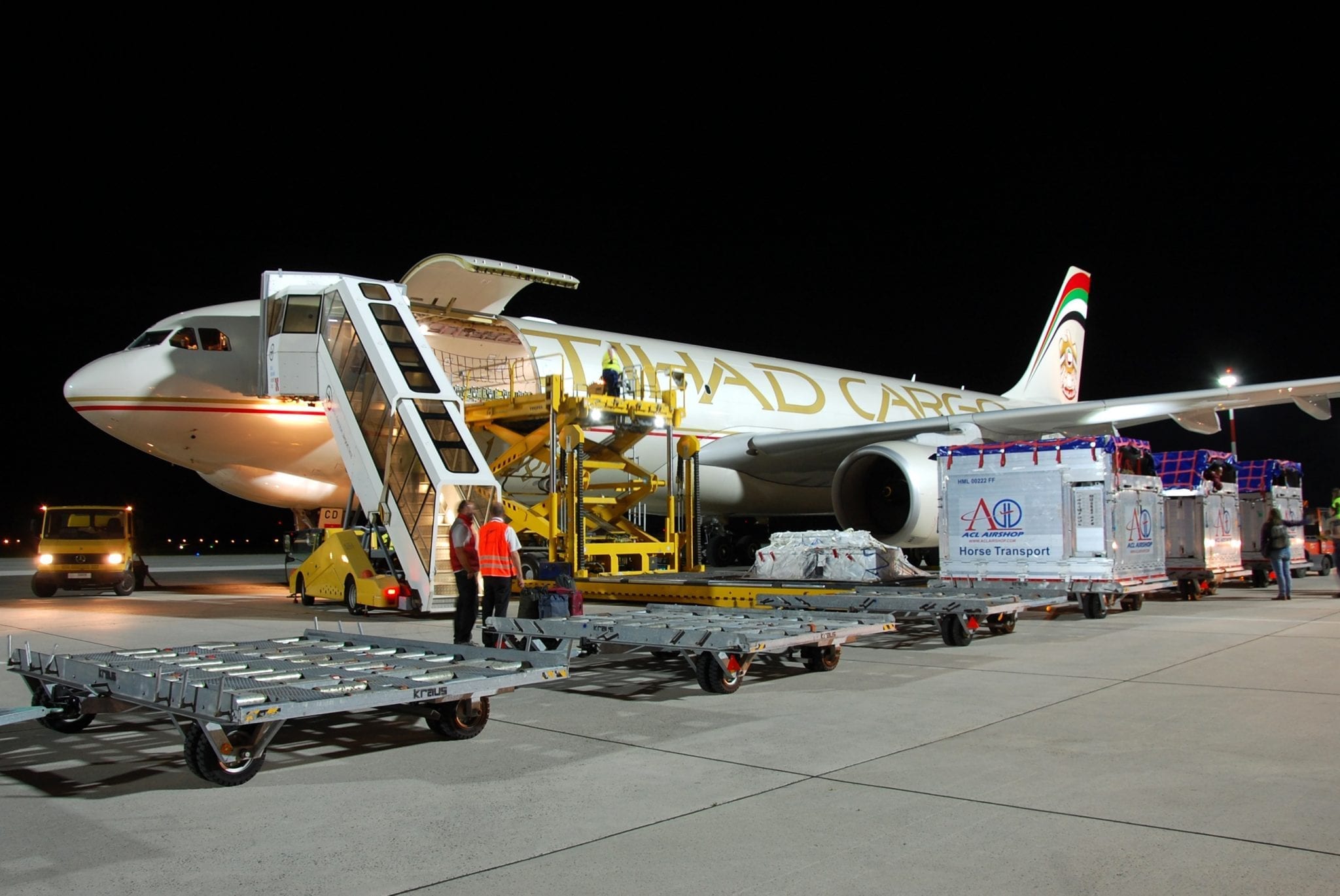
    Since signing the partnership in May this year, Teleport has deployed its freighters for Etihad to ship machines, raw materials, phones and chip sets among others, from Ho Chi Minh to Kuala Lumpur twice a week, with onward connection via Etihad’s capacity to Abu Dhabi and beyond. This partnership also enables both parties to maximise the available passenger belly capacity especially out of leisure hubs such as Bali and Phuket, by leveraging on each other’s network strength. Etihad will deepen its connectivity in Southeast Asia on the back of Teleport’s extensive network in the region, while Teleport leverages Etihad’s strong global network to expand its network reach into the Middle East, Europe, Americas and the African regions. By the end of this year, the partnership is expected to see 1600 tonnes of cargo moved between the two destinations with the potential for an increase in flight frequency and new routes.

    Stanislas Brun, Vice President of Cargo at Etihad Cargo said, “We continue to anchor our strategy on key partnerships that will enable us to better serve our customer needs while supporting global trade. This recent partnership with Teleport is important to enhance our connectivity to Southeast Asia, and we are confident that through the integration of their freighter operations and our capacity, we are able to continue to grow and build a more efficient and robust network that better serves both regions, and quickly. The market environment is highly favourable to grow our presence here today, and with a strong air partner like Teleport.”

    Jagedeswaran Nadrajah, Head of Air Partners at Teleport, commented “The integration of Etihad’s global network with our largest Southeast Asia network has opened up a more dynamic way to connect cargo between these two regions – leveraging on the strengths of both our networks. This is valuable to both our existing and new customers trading between two important regions. This sort of synergy is testament to what Teleport has been building through its Air Partners programme as a win-win solution for all Teleport Air Partners, where we can continue to build and grow, and never fly empty.”

  • Uniqlo headhunts managers in Southeast Asia,

    Uniqlo headhunts managers in Southeast Asia,

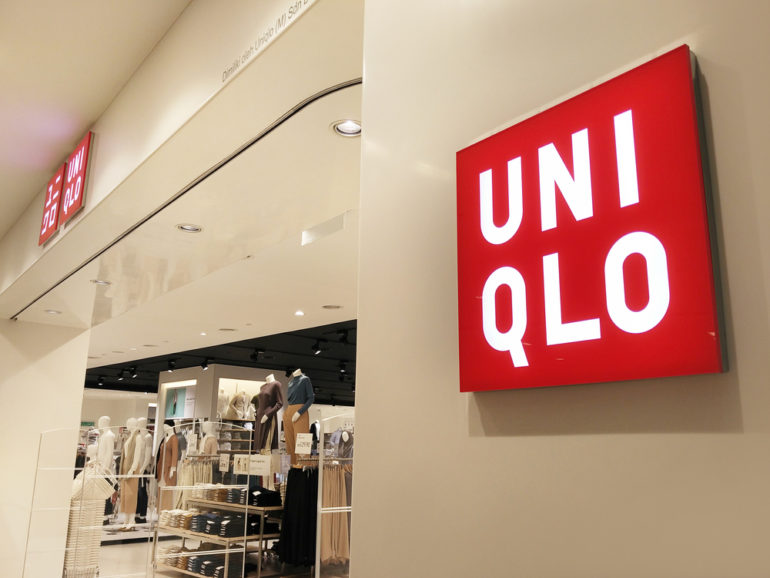
    Japanese fashion retail chain Uniqlo is expanding its recruitment scheme to India and Southeast Asia where its number of stores have been growing fast.

    In the past two months, Uniqlo’s parent company Fast Retailing has been sending staff to Vietnam, Singapore and the Philippines to meet with students and university directors to discuss partnerships.

    The company has been accelerating recruitment in South and Southeast Asia because of a practical need for more human resources there, its chief adviser Noriaki Koyama said.

    “These regions have great potential for future development, and we will be able to find very talented people there,” said Koyama, who is in charge of human resource strategy.

    Fast Retailing has been setting up many new stores in South Asia, Southeast Asia and Oceania. As of February, it had 367 stores in those areas, up 14% from 2023. It now operates 13 stores in India and plans to have 28-30 outlets in next three years.

    To find potential managers, the company now partners with more than 40 universities in Asia and Oceania to organize internships at local offices and stores. In the fiscal 2023 (which ended in August), it hired 1,100 new graduates globally.

    It also seeks to be competitive in terms of compensation. “We are adjusting the pay scale for our store employees to be among the best in each country, not only in the local retail industry but also in other industries,” said Koyama.

    Around 56% of Fast Retailing management positions are given to non-Japanese staff. The company targets to bring the figure to 80% by 2030.

  • Vietnam’s coffee export value rises 31% in 7 months

    Vietnam’s coffee export value rises 31% in 7 months

    Vietnam exported 964,000 tonnes of coffee in the first 7 months of 2024, worth nearly US$3.54 billion, down 13.8% in volume but up 30.9% in value compared to the same period last year.

    The Agency of Foreign Trade under the Ministry of Industry and Trade and the Vietnam Industry and Trade Information Center forecast that Vietnam’s coffee exports in the remaining months of the third quarter would decrease due to low supply.

    Supply will not increase until October, when the 2024-25 coffee harvest begins. Statistics from the Ministry of Agriculture and Rural Development show that the country’s coffee output is estimated at 1.47 million tonnes in the 2023-24 crop year, the lowest level in four years, down 20% compared to the 2022-23 crop year.

    Coffee output in the 2024-25 crop year is forecasted to continue to decrease due to unfavorable weather factors.

    Without including the inventory carried over from the previous year, Vietnam will only have about 200,000 tonnes left to export from now until September.

    However, the Vietnamese coffee industry will benefit in terms of price.

    The Global Robusta coffee prices would fluctuate in a strong and prolonged upward trend due to concerns about scarce supply from Vietnam.

    According to the International Coffee Organization (ICO), the world may face a shortage of Robusta coffee of up to 35 million bags (60kg/bag) by 2040.