Tag: asia

  • JD invests US$141 million in building fashion platform

    JD invests US$141 million in building fashion platform

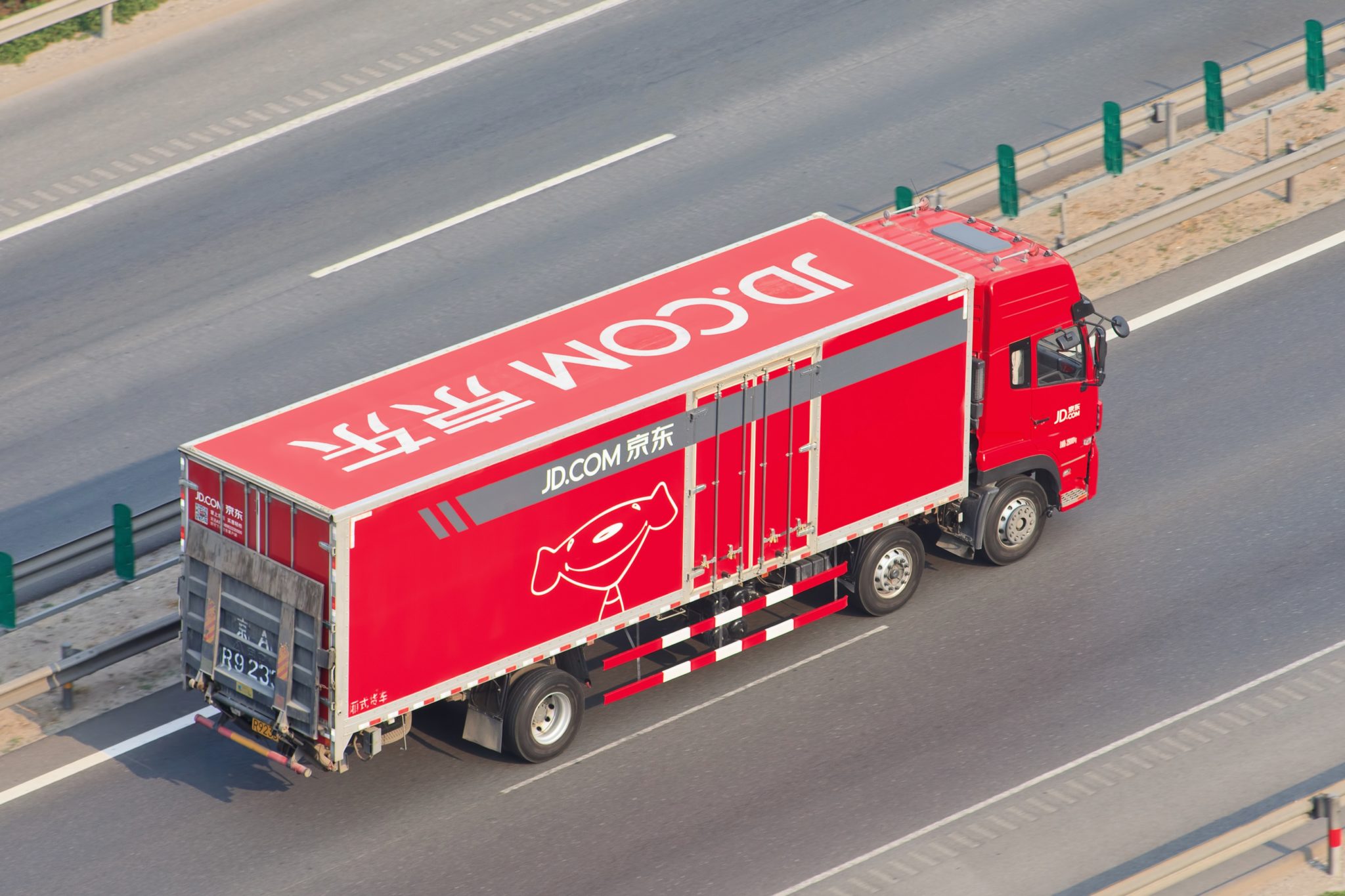
    Chinese e-commerce giant JD has announced a RMB1 billion (US$141 million) investment in the expansion of its apparel business.

    The investment, a combination of financial capital and market resources, aims to broaden and enhance the range of fashion offerings, providing a significant boost for both domestic and international brands.

    The company plans to introduce a variety of new products via simultaneous launches from thousands of brands on JD’s online platform. These launches will be bolstered by enhanced marketing initiatives, partnerships with celebrities and designers, and cross-industry collaborations.

    As part of this investment, the ‘10-billion-yuan Discount’ program will offer customers a RMB30 discount on purchases of RMB300 or more.

    In addition, the company will collaborate with platforms such as Vogue and Xiaohongshu to unveil upcoming fall and winter fashion trends next month.

    Since the beginning of this year, JD has seen a 60 per cent increase in leading apparel and footwear brands and a 200 per cent increase in third-party apparel merchants. The company has signed partnerships with fashion groups, including Inditex, H&M, and Gap, and offers selections from over 90 per cent of global luxury brands.


  • Thai wellness brand Panpuri opens first international flagship in Hong Kong

    Thai wellness brand Panpuri opens first international flagship in Hong Kong

    Thai wellness brand Panpuri has made its international debut, beginning with its first flagship located in K11 Musea, Hong Kong.

    Designed in partnership with MLKK Studio, the boutique is inspired by the concept of “The Perfumist’s Chamber”, which combines the “elegance” of Thai culture with the “dynamic energy” of Hong Kong.

    The company said a key design element is the fusion of Thai-made, Hong Kong-familiar mosaic tiles locally known as Mak Suk. The terracotta shade – integral to Thai architecture – and Hong Kong’s urban landscape create a visual bridge between the two cultures.

    At the boutique’s core lies a Bespoke Sensorial Bar where customers can design their signature scent with the help of Panpuri Scent specialists. It has six product formats, from essential oils to perfume diffusers, and a collection of 65 fragrances.

    Pramote Dechaboonsiripanich, MD Panpuri, said the Hong Kong launch serves as the brand’s gateway to the Mainland and an ideal location for expansion.

    “Our data also shows that Hong Kong customers rank among our top clients, so this move allows us to serve both local and international customers better,” said Dechaboonsiripanich.

    The company aims to expand to three or four stores in Hong Kong and establish its main office, capitalising on the city’s status as a “strategic gateway” to the region.

  • Victoria’s Secret swings to net income despite lower sales

    Victoria’s Secret swings to net income despite lower sales

    Victoria’s Secret swung to a net income despite lower sales in the fiscal second quarter, which an analyst attributes to better inventory management discipline and efficient cost control.

    The lingerie and perfume brand’s net income was US$32.1 million, while net sales fell 0.7 percent year over year to $1.42 billion.

    North America store sales decreased 2.1 percent to $800 million, and direct sales slid 0.9 percent to $430.2 million. International sales climbed 6.4 percent to $187 million.

    “Some better discipline around inventory management and strong cost control have both helped to boost the bottom line,” said Neil Saunders, GlobalData MD.

    “The better financial health of the business means that when Hillary Super takes the reins as CEO in early September she will, at least, inherit a company that has been stabilized.”

    The company forecasts net sales to increase low-single digits in the fiscal third quarter from the year-ago period.

    “We are encouraged our North America business trends have continued to improve as we’ve moved through August and the start of the third quarter,” said Timothy Johnson, Victoria’s Secret interim CEO, and chief finance and administrative officer.

    “While we are optimistic about the positive signs we’re seeing in our business, we recognize the consumer environment remains challenging and our customer is pressured economically.”

    For the full fiscal year, the company expects net sales to be down by about 1 per cent.

  • As it exits other markets, Flash Coffee doubles down on Indonesia

    As it exits other markets, Flash Coffee doubles down on Indonesia

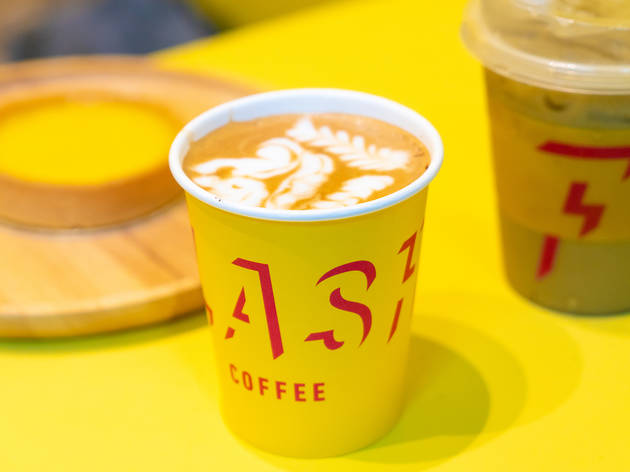
    Flash Coffee is expanding its footprint in Indonesia, with new store openings planned across Jakarta and Bandung and the rollout of new food and beverage offerings.

    The coffee chain said each outlet offers a larger space with a sit-and-stay design to encourage customers to have their coffees in-store. At the same time, it launched a more user-friendly process for digital ordering on its proprietary app.

    After last year’s restructuring, the company said its main focus is now on Indonesia and franchising the brand in other countries, following the closure of Flash Coffee in other Asian markets and the sale of its brand in Thailand as a franchise.

    Flash Coffee founder and CEO David Bruinier thanked its customer base and said the company is “just getting started” on its Indonesian expansion.

    “We are now expanding our footprint in the country, with plans to add many new stores to our portfolio within the next 12 months,” he added.

    The coffee chain now operates 67 stores and reported an increase in revenue per store by over 50 percent from early this year, reaching operational profitability.

    Launched in Singapore in 2020, the “tech-driven” coffee chain is now backed by New York-based venture capital firm White Star Capital as its largest shareholder after raising US$50 million in a Series B funding round last year.

    Jakob Angele, executive chairman of Flash Coffee and venture partner at White Star Capital, said the company is pleased with the brand’s success in Indonesia.

    “Indonesia is one of the most exciting and vibrant coffee markets worldwide. Flash Coffee is uniquely positioned to serve its growing demand for high-quality coffee,” he concluded.

  • Miniso opens the world’s largest store in Indonesia

    Miniso opens the world’s largest store in Indonesia

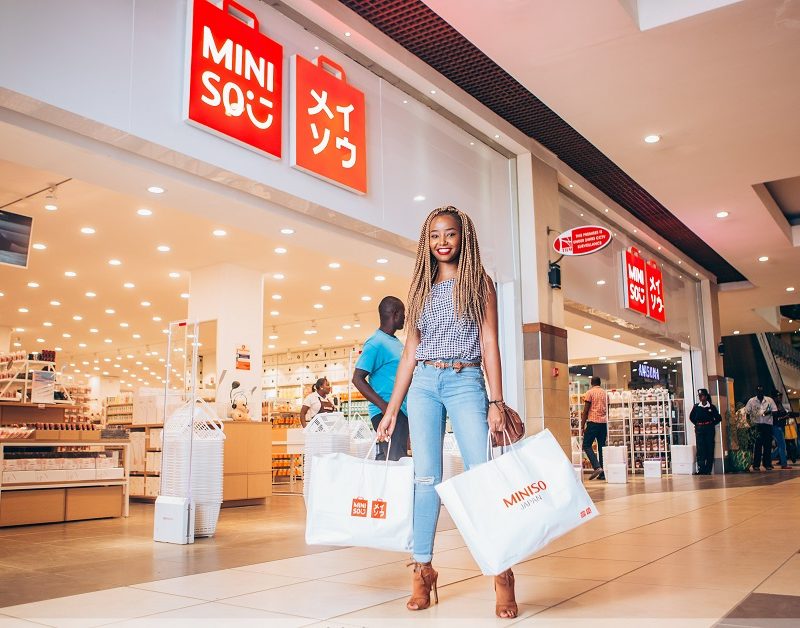
    Chinese lifestyle brand Miniso has launched its flagship store in Jakarta, Indonesia, marking the brand’s largest store globally.

    Located inside the Central Park Mall, the 2941sqm store is designed with the concept of a Dream Castle Park. There are eight product categories with three IP zones: Harry Potter, Sanrio, and Disney.

    “With the opening of the Jakarta Central Park flagship store, Miniso takes another solid step towards realizing its vision of becoming the world’s leading IP design retail group,” said Bella Tu, VP and GM of Miniso for overseas directly operated markets.

    “We hope to continue leading the trend of interest-based consumption through our Super Stores, providing consumers worldwide with emotional value and an exceptional shopping experience.”

    In addition, Miniso organised a perfume event with a seven-metre-tall perfume model as the visual highlight. The brand offers a collection of seven perfume series.

    According to Miniso, Indonesia, which currently has more than 300 Miniso stores, is a crucial directly controlled market for the brand and a popular household name.

    “The launch of our largest global store in Indonesia further cements this market’s importance,” added Tu.

    “From core cities like Jakarta, Surabaya, and Bandung to regions such as Bali, Sulawesi, and Papua, Miniso’s presence is felt throughout Indonesia. Through store development, product innovation, and localization strategies, we have continuously enhanced our brand influence, successfully establishing Miniso as one of the most sought-after brands among local consumers.”

    The Jakarta launch coincides with the 200th store opening in the US, demonstrating the brand’s expansion in the market. Miniso has opened stores in strategic locations across the US, including Times Square and Tangram in New York and the American Dream Mall in New Jersey.


  • Wendy’s Philippines sold to new owner as Dennis Uy exits food retail

    Wendy’s Philippines sold to new owner as Dennis Uy exits food retail

    Wendy’s Philippines and Conti’s Bakeshop, run by Filippino businessman Dennis Uy, have been sold to a local entrepreneur.

    Uy has decided to sell his Eight8Ate Holdings company, which operates the two chains, to Crystal Jacinto. The sale comes after the multibillion-peso food retailing business bundle has been on the market for almost two years.

    Jacinto, who runs European Wellness Villa Medica Manila – a health and wellness centre specialising in anti-aging and disease management solutions, will take full control of the company, according to the news agency’s sources. She is also reportedly backed by her husband and Malaysian businessman Jaya Sudhir.

    Wendy’s, which had 70 stores as of June, and Conti’s, which had 74 stores, were acquired by Uy in 2019, shortly before the pandemic.

    Conti’s is considered the more profitable of the two brands, which led to the bundling of Wendy’s in the deal.

    The sale also includes the remaining shares of Conti’s founding sisters – Cecille Conti Maranon, Carole Conti Sumulong, and Angela Conti Martinez – who have agreed to sell their residual stake directly to Jacinto, cites the news agency.

    Neither Uy nor Jacinto has yet to comment on the transaction at the time of writing.

    Apart from Eight8Ate Holdings, Uy is also the founder of Udenna, a conglomerate involved in petroleum, oil and gas, shipping, logistics, real estate, education, and gaming.

  • Uniqlo names Clare Waight Keller as creative director

    Uniqlo names Clare Waight Keller as creative director

    Uniqlo has appointed British designer Clare Waight Keller as its new creative director.

    On top of the new appointment, Keller will continue in her role as designer for the Uniqlo: C womenswear project.

    In her new role, Keller will also lead Uniqlo’s mainline collection, including menswear, beginning this year’s fall/winter.

    “Clare Waight Keller’s work with Uniqlo: C has convinced me that she is one of the few creators in the world able to achieve a high level of balance between creation and merchandising,” said Yukihiro Katsuta, Uniqlo Fast Retailing group senior executive officer and head of research and development.

    “I believe that with her, we will be able to evolve LifeWear, the ultimate everyday wear, into something even richer and create clothes that will make our customers even happier,” added Tadashi Yanai, Uniqlo fast retailing chairman, president and CEO.

  • Gojek to exit Vietnam

    Gojek to exit Vietnam

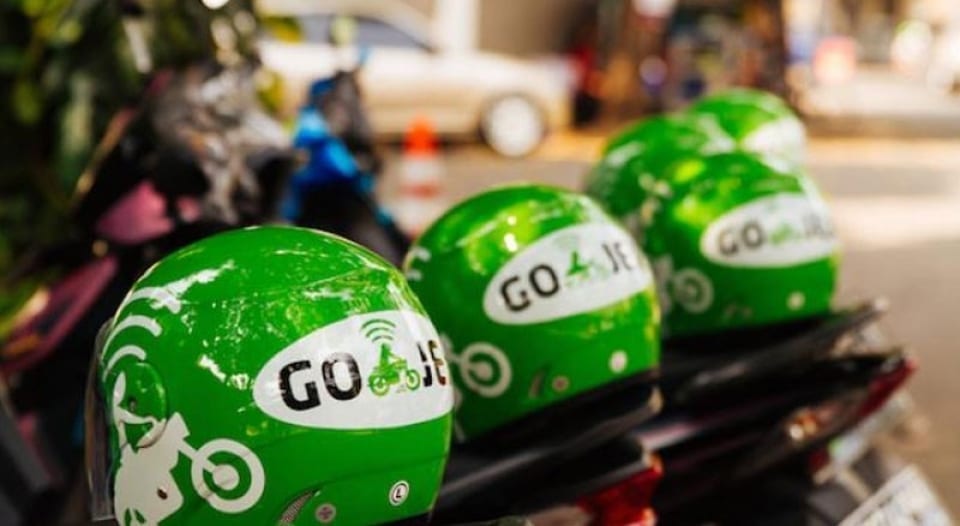
    Indonesian ride-hailing and delivery company Gojek has announced it will stop operating in Vietnam starting Sept. 16 after 6 years in the market.

    It said the decision, made by its parent company GoTo after assessing its market presence in Vietnam, aims to strengthen business operations and aligns with the company’s long-term growth strategy.

    “We will provide the necessary support to all affected parties and comply with current regulations and laws throughout this transition.”

    Gojek was founded in 2010 with a focus on delivery and ride-hailing services, and its app was launched in January 2015 in Indonesia.

    Since then it has grown to become that country’s leading on-demand service platform.

    It entered Vietnam in 2018 as GoViet, which merged with the Gojek brand in 2020.

    It offers two-wheel (GoRide) and car (GoCar) rides, food delivery (GoFood) and parcel delivery (GoSend), and operates in HCMC and Hanoi and Binh Duong and Dong Nai provinces.

    According to market research company Mordor Intelligence, Vietnam’s ride-hailing market is expected to be worth US$880 million in 2024 and grow to $2.16 billion by 2029.

    Another market research company, Q&Me, found that 42% of users in Vietnam favor Grab for motorbike rides followed by Be with 32% and Xanh SM with 19%. Only 7% said they frequently use Gojek.

    With the Vietnamese operations accounting for less than 1% of GoTo’s gross transactions in the second quarter of this year, the exit from the market is expected to have little impact on its financial situation.

    Gojek previously pulled out of Thailand in 2021 and is focusing on its home market and Singapore.

    In Indonesia, Gojek’s gross transaction value increased by 18% year-on-year in the second quarter of this year while its number of completed orders rose 24% to reach record levels. It also saw a 3 percentage point increase in market share in Singapore.

  • Cathay Pacific cancels 90 flights over aircraft engine issue

    Cathay Pacific cancels 90 flights over aircraft engine issue

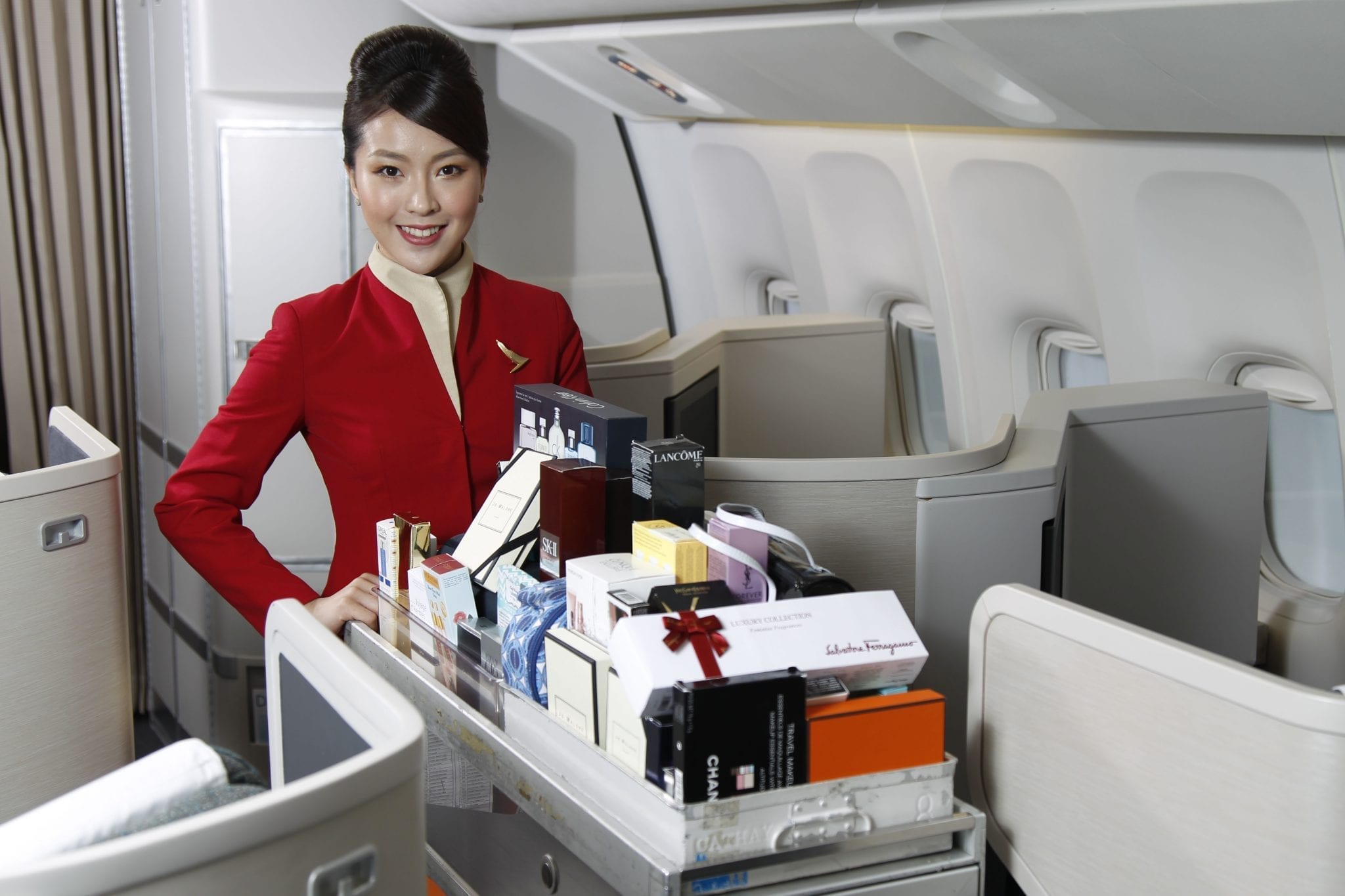
    Hong Kong-based airline Cathay Pacific Airways has canceled 90 flights this week due to an engine component issue affecting its Airbus A350 fleet.

    The firm initially canceled 48 flights on Tuesday and 20 on Wednesday before axing another 22 from Thursday to Saturday.

    All the flights canceled this week are for regional destinations except for one long-haul flight on Monday, the airline said.

    The canceled flights on Tuesday and Wednesday included routes between Hong Kong and cities such as Sydney, Osaka, Tokyo, Taipei, Bangkok, and Singapore.

    The airline announced on Tuesday that all affected travelers had been notified and provided with alternative travel options.

    To help passengers adjust their travel plans, Cathay Pacific waived ticket change fees, including charges for rebooking and rerouting.

    The flight cancelations followed a component failure on Monday that led Cathay Pacific to ground and inspect its entire Airbus A350 fleet.

    The inspection found that 15 planes required fuel line repairs, six of which have been fixed and cleared to operate as of Wednesday.

    Cathay Pacific said no further flight cancelations were expected, and all affected aircraft are anticipated to resume operations by Saturday.

    The cancelations have caused confusion and frustration among customers, many of whom had to make last-minute travel rearrangements.

    Lim and his family from Singapore were looking forward to their five-day trip to Hong Kong when their Tuesday flight was delayed and then canceled.

    They were later rebooked on a flight departing 12 hours later than originally scheduled.

    “We’re very disappointed in the way Cathay has handled this issue,” Lim said. “Until now, no one has come to let us know the cause of the delays and cancelations. I had to google media reports to find out what happened. They don’t even have a statement on Facebook.”

    Complaints about canceled flights have also surfaced on the Chinese social media platform Xiaohongshu, where users traveling from Hong Kong to Singapore and other cities voiced their frustration over disrupted travel plans.

  • Indonesia encourages people to embrace EVs​

    Indonesia encourages people to embrace EVs​

    Indonesian Transportation Minister Budi Karya Sumadi is encouraging more people to embrace electric vehicles (EVs) in their lives as the country wishes to boost its e-mobility adoption.

    However, the minister admitted that convincing people to use EVs could be hard as they were still pricey at this time. Promoting green transport should also start as soon as possible so people will get used to riding EVs, according to Budi.

    He said this is a grand idea that will certainly benefit all, particularly for the future generations. But it is not an easy task.

    He also said he hopes that there will be a rise in the EV lifestyle, although electric cars and two-wheelers are still expensive.

    Indonesia is aiming to reach net zero emission by 2060 or sooner. The country has set a goal to have 2 million electric cars and 13 million electric two-wheelers on its roads by 2030.

    The government earlier this year reported that Indonesia had recorded 144,547 units of EVs as of May 2024.

  • Rice exports top $3.8B in 8 months

    Rice exports top $3.8B in 8 months

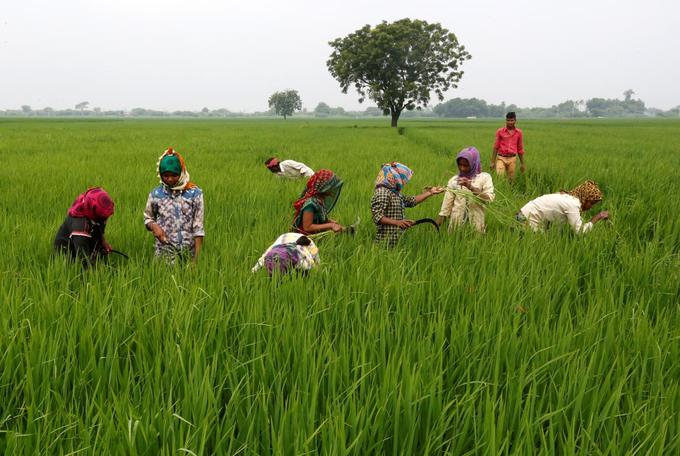
    Vietnam exported 6.16 million tons of rice worth nearly US$3.85 billion in the first eight months of this year, the Ministry of Agriculture and Rural Development (MARD) has said.

    This marked a 5.9% increase in volume and a 21.7% growth in value from the same period last year.

    According to the MARD, along with the increase in output, the average rice export price in the period also rose about 14.8%, reaching $625 per ton.

    In the domestic market, prices of many types of rice in the Mekong Delta region remained stable last week compared to the previous week.

    Specifically, prices in the Mekong Delta province of An Giang remained unchanged for popular varieties such as Dai Thom (fragrant rice) 8, OM 5451 and OM 18.

    Regular rice retails at VND15,000-16,000 (US$0.6-0.64) per kilogram, while long-grain fragrant rice is sold at about VND20,000-21,000.

  • Bluesky user base soars to two million new members in just one week

    Bluesky user base soars to two million new members in just one week

    Bluesky, the decentralized social network, has recently announced a remarkable surge in its user base, adding an impressive two million new members in just one week. This significant growth brings the platform’s total user count to around 8.4 million, marking a substantial increase in a short period. The announcement, which was also translated into Portuguese, suggests that a considerable portion of these new users might be from Brazil.

    Bluesky’s growth can be attributed to several factors. The platform has been actively introducing features that users seek, such as direct messaging, with plans for group messaging, media support, and end-to-end encryption in the pipeline. Additionally, Bluesky’s decentralized nature and focus on user control might be appealing to individuals looking for alternatives to traditional social media platforms.

    Of course, the elephant in the room is this: Is this incredible and sudden growth attributed to X’s ban in Brazil? Speculation seems to agree with this, considering the recent post on the platform’s blog in the country’s native language.

    While Bluesky may not yet match the feature set of more established platforms, it plans to introduce video functionalities in its next major update, which could further enhance its appeal and help retain its growing user base. The platform, founded in 2019 by Twitter’s Jack Dorsey, initially launched as an invite-only network but opened to the public earlier this year.

    Interestingly, Dorsey, who left Bluesky’s board in May, has since expressed concerns about the platform “repeating the mistakes” he made while running Twitter. Despite this, Bluesky’s recent surge demonstrates its growing popularity and potential to become a significant player in the social media landscape.

    Bluesky’s rapid growth points to a broader trend of users seeking alternative social media platforms that prioritize user control, privacy, and innovative features. As the platform continues to evolve and expand its offerings, it will be exciting to see how it shapes the future of social networking and whether it can sustain its current momentum.

  • Instagram Stories adds comments with anti-troll measures

    Instagram Stories adds comments with anti-troll measures

    Instagram Stories is rolling out a major change – comments are finally here! This means you’ll be able to publicly interact with your friends’ Stories, adding a new layer of engagement beyond just reactions and direct messages. However, Instagram has taken steps to make sure this new feature doesn’t become a haven for trolls.

    In an effort to maintain a positive atmosphere, Instagram has introduced two key restrictions on story comments:

    • Visibility: Only your followers will be able to see the comments on your stories.
    • Commenting: Only people you follow back (mutual follows) can leave comments.
    These limitations are designed to prevent unwanted interactions and keep the comment section focused on genuine engagement from people you actually connect with.
    Instagram has generally been a more positive social media platform compared to others, and these new comment restrictions aim to keep it that way. By limiting visibility and commenting to trusted connections, the chances of encountering trolls or negative comments should be significantly reduced.
    Just like Stories themselves, comments will also vanish after 24 hours. So, if you want to preserve any particularly meaningful interactions, you’ll need to screenshot them before they disappear.

    If you prefer to have complete control, you can also disable comments on a story-by-story basis. This gives you the flexibility to choose when and how you want to engage with your audience.

    The addition of comments to Instagram Stories is a significant step in enhancing interaction and engagement within the app. By implementing thoughtful restrictions, Instagram is clearly prioritizing a positive and safe environment for its users. As the feature rolls out to everyone, it will be interesting to see how it impacts the way we connect and share on Stories.

  • Vietnamese are working too many hours

    Vietnamese are working too many hours

    Readers have expressed concerns that the working conditions in Vietnam are exhausting the younger generation, calling for more and longer holidays throughout the year to enhance both physical and mental well-being.

    “My husband and I are civil servants. We’re supposed to have two days off on weekends, but in reality, we still have to work, leaving us with almost no days off. My wife works at a land registration office, and every night she has to continue unresolved work from the office. It’s really tiring for us, and we can’t properly take care of our children. We need to modernize and liberate human labor. If additional days off are granted but there’s still too much work, laborers won’t be able to truly rest,” shared reader Vu Hai Nam regarding the working hours in Vietnam.

    Current labor laws stipulate that employees should work no more than 48 hours per week, allowing employers to require workers to put in at least six days per week, eight hours per day. However, according to data from the International Labor Organization (ILO), Vietnam ranks among the countries with the highest working hours globally. In 2023, the total working hours in Vietnam (excluding holidays) reached 2,320 hours—440 hours more than Indonesia, 184 hours more than Cambodia, and 176 hours more than Singapore.

    Commenting on the pressures faced by Vietnamese workers, reader Hung Minh said: “More than a decade ago, when I was single, I used to work 14 hours a day, including Saturdays. I was young and enthusiastic, so I worked a lot and earned a lot. But when I started a family and had children, I had to say goodbye to that work intensity.”

    Reader Mirae added, “People often cite low labor productivity in Vietnam as a reason against reducing working hours. But having worked with companies in Japan, Italy, and Korea, I’ve found that increasing labor productivity relies heavily on automation, not longer working hours. No one wants to work up to 12 hours a day.”

    Reader Vu noted, “Office workers like me actually work beyond office hours. Even when I go to shower, I have to take my phone to respond to potential work messages. Phone alerts have become a source of stress for me, and deadlines are overflowing. Besides, each worker nowadays needs to find time to upgrade their skills to stay competitive. We’re in a period where young people are physically and mentally exhausted. It’s crucial for management agencies to conduct systematic and comprehensive research to improve the working environment.”

    Reader Kid expressed frustration, saying, “I find it hard to understand some people’s argument that Vietnamese must work more to escape poverty. They fail to grasp that income is directly proportional to labor productivity, and productivity is greatly influenced by physical and mental health. The only way to improve these factors is to give workers more rest time. The number of holidays in Vietnam is currently among the lowest in the region and the world, far behind countries like Japan, Korea, and Germany, resulting in one of the highest numbers of working days. I strongly support the idea of more holidays. Ideally, there should be a vacation of about a week every three months, which would stimulate demand and give workers time to recuperate, ultimately boosting labor productivity.”

  • Saxo Bank Partners with Zurich Fintech Leonteq

    Saxo Bank is enhancing its structured investment product offerings through a strategic collaboration with Leonteq.

    Leonteq and Saxo Bank have initiated a partnership focused on the development and distribution of structured products, as announced by both companies on Tuesday. Under this agreement, Saxo Bank will take on the role of a sponsor within a standardized white-label issuance model developed by Leonteq while also managing the distribution of these financial products.

    Moreover, Leonteq has secured an international distribution mandate from Saxo Bank, granting the firm access to Saxo’s global distribution network. The first structured products, backed by Saxo Bank, are expected to be available on the Leonteq platform by 2025, subject to regulatory approval.

    Focus on the Swiss market

    Leonteq also intends to feature Saxo Bank-backed structured products on its digital investment platform.

    «The partnership with Leonteq marks a significant step for Saxo Bank in expanding our structured investment product offerings, particularly for our rapidly growing Swiss client base. This collaboration represents a genuine win-win situation,» stated Kim Fournais, CEO of Saxo Bank.