Tag: asia

  • Burberry sales growth was promising and stable

    Burberry sales growth was promising and stable

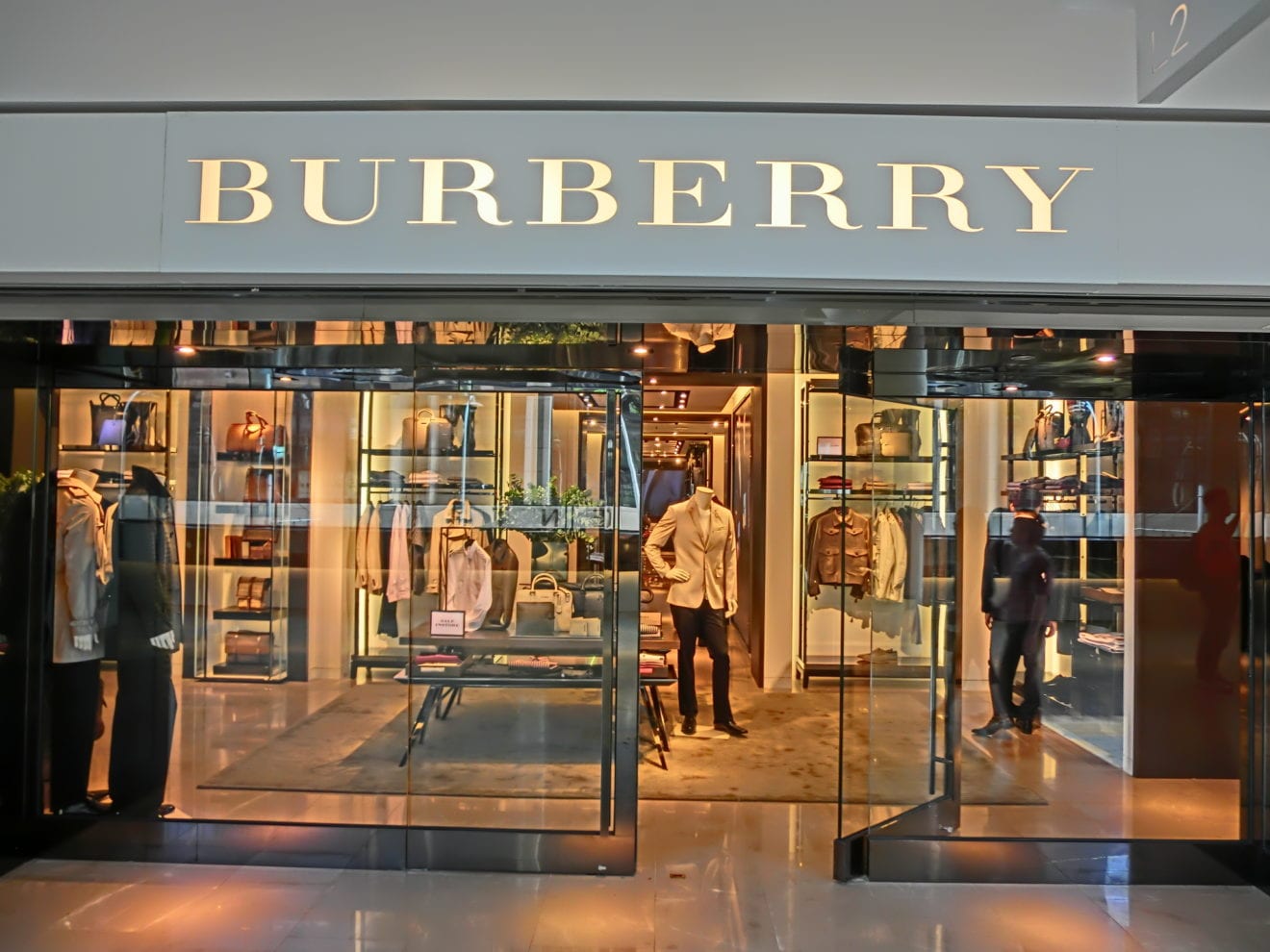
    Luxury fashion label Burberry was delivering growth in sales and profitability ahead of expectations last year – until Covid-19 stopped the momentum in its tracks.

    “Since then, the global health emergency has had a profound impact on the world, our industry and Burberry but I am very proud of the way we have responded,” explained CEO Marco Gobbeiit in the company’s preliminary results announcement.

    “We have taken swift action to mitigate the financial impact on our business while prioritizing the safety and wellbeing of our teams and customers. We have a strong balance sheet and liquidity, with space for investment when markets recover.”

    Fourth-quarter sales slumped by 27 percent year on year as the company was forced to shutter about 60 percent of its retail stores to comply with lockdowns and social-distancing measures around the world. Prior to that, sales were running at 4 percent ahead of the previous year.

    Full-year revenue of £2.633 billion was down just 4 percent.

    With a solid first three quarters, Hong Kong-listed Burberry ended the year to March 28 with an operating profit of £189 million, down 57 percent on a reported basis, primarily due to £244 million of adjustments such as impairments inventory provisions and other charges resulting from the expected impact of the pandemic.

    Despite the challenges, Gobbetti said Burberry had found new ways to strengthen its connection with consumers, drawing on its digital leadership. The company achieved double-digit growth in followers and engagement on social media platforms, including through the crisis.

    “We have also mobilized our resources in support of the relief efforts. It will take time to heal but we are encouraged by our strong rebound in some parts of Asia and are well-prepared to navigate through this period. Now, more than ever, our strategy to secure our position in luxury fashion is key,” he said.

    Year-to-date sales since March in Mainland China and South Korea are already ahead of last year and continue to show an improving trend, the company said, suggesting consumers are returning to stores once lockdowns are lifted.

    During the last financial year, Burberry has opened flagship stores in IFC Shanghai, China World Beijing and Tokyo’s Ginza district. The transformation program converting stores into the company’s new format has seen 64 completed including one in every major city around the world. To date 23 ‘non-strategic’ stores have been closed with the pre-announced rationalization due to be completed this year.

    Gobbetti said he cannot forecast the company’s performance for the current year as the course of the pandemic and longer-lasting economic impact is difficult to predict.

    “We currently have 50 percent of our store network closed and we expect our first quarter (to June 2020) to be severely impacted with store closures likely to be at or near peak for most of the quarter. We are leveraging our digital platforms to forge stronger connections with our customers and have mitigation plans to conserve cash and reduce operating costs, whilst retaining flexibility to respond rapidly and optimize revenues in markets as they start to recover.”

    Burberry finished March with a strong balance sheet with cash of £887 million to hand.

    Sofie Willmott, lead retail analyst at GlobalData, said Burberry’s performance prior to the impact of Covid-19 was showing “green shoots of recovery” in Europe.

    She said that with many consumers apprehensive about traveling abroad this year, Burberry will see its sales in the US, Europe and the Middle East – markets usually boosted by Asian tourists – move to Asia Pacific until shoppers feel confident traveling globally again.

    “Burberry has a robust online proposition which will help to protect its overall sales throughout the pandemic. It is in a better position than most luxury brands considering it has heavily invested in online in recent years, has an engaged digital following and regularly brings innovative concepts to its customer base, such as a live-streamed tour of its flagship Shanghai store with influencer Yvonne Ching, which attracted 1.4 million viewers,” said Willmott.

    “Other luxury retailers pale in comparison to Burberry when it comes to their digital presence and the brand’s commitment to the online channel will help to weather the coronavirus storm.”

    She added that improvements Burberry has made to its product range to focus on new collections and its monogrammed logo, have reignited the brand’s appeal in the last year, attracting younger consumers which will help to boost sales in the long term.


  • Vegan food orders surge in Hong Kong in Covid-19’s virus

    Vegan food orders surge in Hong Kong in Covid-19’s virus

    Vegan food orders have experienced significant growth in Hong Kong as people are switching to what they perceive to be more healthy and sustainable food options.

    Hong Kong food-delivery service Deliveroo says vegan food orders surged 104 percent last year and order volume is up by a further 20 percent since January. The growth has reflected the increasing popularity of the vegetarian trend in Hong Kong which has led Deliveroo to partner with more restaurants offering sustainable menus.

    While the increase in vegan food orders is significant, Deliveroo also says its overall order volume grew 100 percent last year versus 2018 and has doubled during the first quarter of this year compared with the December 2019 quarter, so it is difficult to assess whether vegan food is taking sales away from meat-based meals.

    However, according to the company, the proportion of restaurants serving plant-based food has been growing in almost every district across the city to meet customers’ high demand. The number of Deliveroo’s partners offering vegan options has tripled in the past year, and more than doubled in the Central district.

    “There has never been a better time for healthy eating in Hong Kong, whether you’re a full-time vegan or a part-time plant-based food fan,” said Brian Lo, GM at Deliveroo Hong Kong. “The growth of vegan restaurant options and vegan order volume is truly staggering.”

    One of Deliveroo’s partners, the restaurant Treehouse, has reported 1226-per-cent growth in sales from October through March, with online orders increasing 125 percent and the number of new customers increasing by 113 percent.

    “We have expanded through Deliveroo and Editions in Wan Chai and Quarry Bay, and by doing so we have been able to create two more new virtual brands,” said Christian Mongendre, founder of Treehouse. “The first being, Origin by Treehouse, which has a Middle Eastern focus, and the newly-launched and very exciting vegetarian high-quality burgers brand, Burgers by Treehouse.”

    Besides facing the upcoming challenges of Covid-19 situation, Hong Kong people are now more aware of the benefits of a healthy living habit and healthy conscious dining will soon be a permanent choice for many families in the city.

  • French Connection will collapse without fresh investments

    French Connection will collapse without fresh investments

    Without securing an imminent financial lifeline, ailing UK-headquartered fashion chain French Connection is likely to collapse. The Retail Gazette reports the company has warned that if urgent funding is not secured its cash resources will be eroded within the next couple of months. Like most retail chains entering administration or bankruptcy – or likely to – French Connection was in trouble well before Covid-19 destroyed the brick-and-mortar retail sector this year.

    For the 12 months to January 31 last year, the company’s operating loss almost tripled, from £3.8 million (US$4.97 million) in 2018 to £9.3 million ($12.2 million). It did, however, record an underlying profit, a somewhat modest £100,000 which was a stark contrast to the previous year’s £2.1 million loss.

    With falling sales – both at home and in markets like Asia and Australia – French Connection has been reducing its store network for years. Founder and CEO Stephen Marks has been seeking a buyer for the company since mid-2018 while in the meantime trying to right-size the business.

    This week the company said that having agreed to new payment terms with suppliers, negotiated rent relief with landlords, and reduced its factory orders as the Covid-19 crisis impacted its sales, the company was confident of securing funding to survive.

    Online sales during the last six weeks have been up 44 percent in both the UK and the US.  But Sofie Willmott, lead retail analyst at GlobalData, says the online channel accounted for only around a quarter of revenue prior to Covid-19. “In addition, online revenue fell 8.1 percent to the end of January, highlighting that its strong digital performance is coming from a low base and is not as impressive as it first appears.”

    French Connection said in a statement reported by Retail Gazette: “In the light of the company’s current cash position and the continued expected weak trading environment, we have been inactive discussions with a number of potential funding partners.”

    “This process is proceeding well and we are making good progress on due diligence and agreeing on terms.”

    French Connection – once internationally famous for printing its initials FCUK on its t-shirts – has fallen from consumer favor since its heyday. In September 2016, Sarah Johns, of GlobalData predecessor Verdict Retail, observed of the brand: “The FCUK branding on selected lines is outdated, collections can be hit-and-miss while upper-mid and premium price points make it difficult for shoppers to justify paying full price for items when similar styles and quality can be found elsewhere for less.”

    Those comments followed the company reporting a first-half loss of £7.9 million.

    “The clothing and footwear retailer is struggling to compete with the likes of H&M, Zara, Topshop, Asos and Coast due to its inability to communicate clear brand identity and gain a loyal customer following.”

    Nearly four years on, little has changed. Today, Willmott described French Connection’s prospects as “bleak”.

    “French Connection’s brand desirability has continued to dwindle as designs lack originality, and therefore struggle to excite shoppers or justify premium price points. With its close competitor Reiss far outperforming (pre-Covid-19) and French Connection failing to find a buyer, after being for sale for a significant period of time, it raises the question once again whether French Connection can rebuild relevance as it will fail in the post-Covid-19 market if a product, pricing, and branding remain unchanged.”

  • Agoda axes staff as Covid-19 virus outbreak decimates bookings

    Agoda axes staff as Covid-19 virus outbreak decimates bookings

    Asian online travel agency and metasearch engine Agoda has shed 1500 staff in a major downsizing brought on by the impact of the coronavirus pandemic.

    The cuts equate to more than a third of the company’s regional payroll believed to be 4000.

    The move is a “last resort”, according to CEO John Brown, who has personally pledged to waive his own salary for the rest of the year while the travel industry plummets globally. Another senior staff has also faced 20-per-cent cuts in salaries.

    “Before getting to this decision we took aggressive measures and every opportunity to reduce costs across the business,” said Brown. “Staff reductions will always be the last resort, but we have had to make this very difficult decision. The truth is that while we are seeing some signs of recovery in our core markets in Asia-Pacific, the impact of Covid-19 on the travel industry is deeper and will be more prolonged than we could have envisaged.”

    The announcement was made during a virtual town hall with employees this week and formalized in an email to all staff.

    According to Brown, most staff cuts are in the firm’s customer experience group, as well as in product, IT, finance, partner services, marketing, and the Rocketmiles program. The CEO said this will be the first and last cut in staff.

  • GoJek and Deliveroo join forces in Singapore

    GoJek and Deliveroo join forces in Singapore

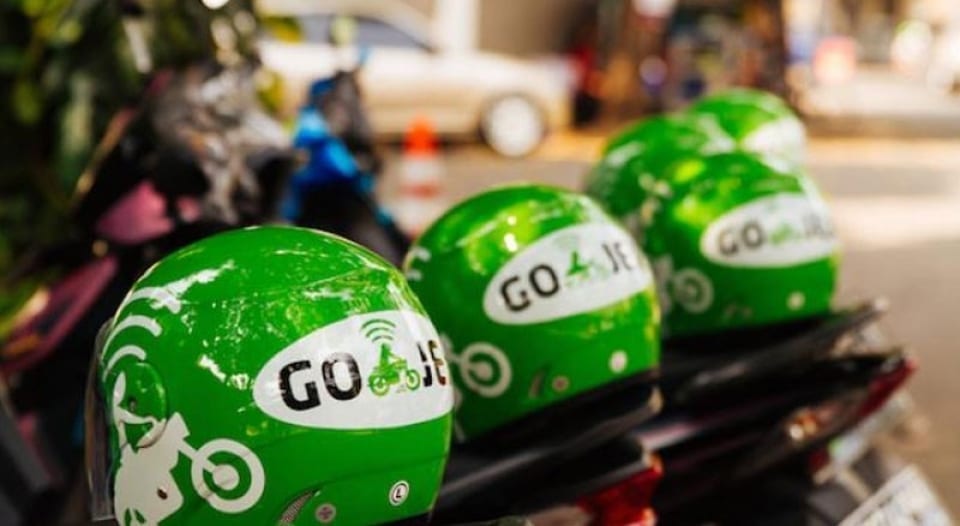
    Indonesian ride-hailing operator Gojek and Deliveroo, the food-delivery service, have joined forces in Singapore.

    Following a change in law allowing taxis to provide food and grocery deliveries – in response to increased demand during the Covid-19 lockdown – drivers will now have the option of making food deliveries around central Singaporean locations as a way to supplement their income, reports Channel News Asia.

    Many drivers on the platform have reported an income drop of up to 70 percent during the lockdown period, with some subsisting on grocery vouchers provided by a support fund established by the firm. Now they will be able to help ends meet by serving both GoJek and Deliveroo.

    “By strengthening Deliveroo’s supply of delivery riders, the company can better cater to the increased demand for food delivery during the current ‘circuit breaker’ period, when more people are eating at home,” said Gojek.

    The firm is also participating in a charitable effort to provide meals to vulnerable single-parent homes in the territory.

    Several competing ride hailers and taxi services are already providing food delivery solutions, with arch-rival Grab offering its own food platform. Gojek has its own food delivery platform in Indonesia.

    Gojek will “continue to find ways to look after our driver-partners and support the wider Singapore community,” said Singapore GM Lien Choong Luen.

  • Vespa, Aprilia Reopen Dealerships Across Karnataka

    Vespa, Aprilia Reopen Dealerships Across Karnataka

    Piaggio India has re-opened its Vespa and Aprilia dealerships across Karnataka, in Bengaluru, Mysore, Belgaum, Mangalore, Bijapur, Davangere, Shimoga and Udupi to serve the brands’ customers. The dealerships have been opened in a staggered manner over the last few days, after receiving permission from local authorities. All the touchpoints across the 21 dealerships have been fully and partially operational with due health, safety and care measures. The showrooms and workshops are completely sanitized in accordance to the guidelines introduced by the company for maximum safety of the employees and customers. Additional health and safety guidelines and protocols are also being followed, including usage of Arogya Setu App.

    “We have been working together with our dealers in navigating through the new reality and the opening of dealerships is a key step in that direction. Keeping in mind the anxiety of our customers we had previously announced extension of original equipment warranty and free services which expires during the lockdown period, and our dealerships are prepared to address all vehicle sales and service requirements. We want to ensure that our customers face no hurdles during the purchase of a new vehicle and are able to avail services seamlessly,” said Diego Graffi, Chairman and Managing Director, Piaggio India.

    The dealerships are operating in a safe environment and teams at every dealership are following social distancing protocols including contactless greeting, wearing protective gear and using hand sanitisers while addressing sales and service needs of the customer. Customers can call and pre-book service appointment to avoid crowding at the dealership. Piaggio India has also resumed manufacturing operations at its Baramati plant for the supply of Vespa and Aprilia scooters.
  • Current Generation Honda City to Continue with only the Petrol Engine

    Current Generation Honda City to Continue with only the Petrol Engine

    The fifth-generation Honda City was slated to debut in March this year but the unprecedented lockdown due to the Coronavirus pandemic has pushed the launch for the all-new model. The new-gen Honda City launch is just around the corner. In an interesting move, the fifth generation and the fourth generation (current) models will co-exist in the market. Rajesh Goel, Senior Vice President & Director, Sales & Marketing, Honda Cars India, confirmed the development on the latest episode of Freewheeling With SVP and said, “In the fourth generation, the BS6 is only available on the petrol, and that’s how we intend to keep it. ”

    Elaborating more on the same, Goel revealed that while the next-generation Honda City will be sold in both petrol and diesel engine options, the current model will get only the 1.5-liter BS6 petrol engine. The sedan was updated to the BS6 norms earlier this year and the move could see Honda take a dual approach to the compact sedan segment with a wider portfolio. The fourth-gen Honda City has been around for a while and continues to be a popular seller in the segment. It is likely that the model will get a more competitive price tag that will help take on the Maruti Suzuki Ciaz and the entry-level trims of the Hyundai Verna, Volkswagen Vento and the Toyota Yaris. Meanwhile, the 2020 Honda City will be a major overhaul over its predecessor and will see an all-new 1.5-liter petrol engine with more power, a revised diesel engine and a host of new features and goodies on offer.

    While there have been rumors that Honda plans to target the fleet segment with the sale of the current generation City in India, the same is yet to be confirmed by the automaker. Goel also did not reveal the variant break-up on the old City, but did say that the model will be sold in a fairly loaded guise, in-line with the premium benchmark that the City has set for itself over the last two decades across four generations.

    The move does beg the question if the new generation Honda City will see a premium price tag. The sedan made its debut in Thailand last year and looks extremely promising with an appreciable list of features. It’s also grown in proportions and is now wider and longer by a considerable margin. The new car also mimics the cabin from the new generation Jazz, which makes it a clutter-free yet feature-laden interior.

    With respect to the current model, the fourth generation Honda City gets all the essentials including the touchscreen infotainment system and even the HondaConnect app. Power comes from the BS6 compliant 1.5-liter i-VTEC petrol motor that develops 117 bhp and 145 Nm of peak torque. The motor is paired with a 5-speed manual and a CVT automatic. It will be interesting to see if the current Honda City will be offered with a CVT once the new model arrives.

    In contrast, the all-new Honda City uses a revised 1.5-liter petrol engine that develops 119 bhp while peak torque remains the same at 145 Nm. Expect the transmission options to remain the same. The 1.5-liter i-DTEC diesel, on the other hand, makes 99 bhp and 200 Nm, and is paired with a 6-speed manual.

    The new-generation Honda City is expected to debut in a few weeks and initial production will be restricted till the company chooses to scale things up, depending on the situation. More details will be available in the coming days.

  • Google Search gets dark mode settings toggle for iOS and Android

    Google Search gets dark mode settings toggle for iOS and Android

    A tweet from the Google SearchLiaison reveals that starting today and for the remainder of the week, Google will be disseminating an update for the Google Search app for Android 10, iOS 12, and iOS 13. By default, the app will follow the system-wide setting of your phone. So if your iOS or Android device is set on dark mode, that is how the app will appear by default.
    You can override the default settings.
    Let’s say that you have your Android phone set on dark mode system-wide but for some reason, you like the look of the Google Search app in light mode better. You can change this by going into the app’s settings to make the adjustment. On Android 10 or on iOS 12/13 you can open the Google Search app and tap the three-dot More tab at the bottom right corner of the screen. From there, tap on Settings > General, scroll down to Theme, and change the setting. This will not affect your system-wide settings. While our Pixel 2 XL received the update, it has not yet hit our Apple iPhone 11 Pro Max.
    Dark mode inverts the UI on the phone from dark text on a white background to white text on a dark background. It prevents the user and any passersby from having their retinas melted by the blaring white background light during the night or in a dark room. It also helps extend battery life a little on phones with an AMOLED display. That’s because such panels create the color black by turning off pixels in the appropriate location. Pixels that are turned off don’t use the phone’s battery, so the more black on the screen, the less energy the phone is consuming.
    If you haven’t received the update yet, check back in later during the week. Remember, Google says that it will be rolling out the update for the rest of the week.
  • HSBC Zones in on Family Offices in Asia

    HSBC Zones in on Family Offices in Asia

    The U.K.-headquartered bank will place a much greater focus on the family office segment in Asia following the new merger of its wealth unit.

    Over the next three years, HSBC will look to grow client assets in the unit at a double-digit rate, according to a report. The recent merger of the private banking and retail wealth business formed a unit that now manages around $1.3 trillion in assets globally including nearly half from Asia.

    And of the broader market, HSBC will look to add greater focus on wealthier clients, especially those with sufficient assets to oversee via a family office.

    With the combination, there is a big, big focus on family offices going forward,» said Greg Hingston, recently appointed regional head of wealth and personal banking at HSBC. «And it all fits within that focus around increasing penetration into the high and ultra-high net worth segments.

    In addition to segment focus, the bank has also seen a boost in digital activities in the midst of a coronavirus pandemic that has reduced physical traffic and branch access.

    In Hong Kong, average monthly equity and FX transactions surged 63 percent and 65 percent, respectively. Retail activities saw similar trends with 94 percent of all regional transactions in March conducted online.

  • The Coffee Academics releases Dalgona coffee

    The Coffee Academics releases Dalgona coffee

    Hong Kong specialty coffee chain The Coffee Academics has launched its own version of Dalgona coffee at its Thai flagship store in Bangkok.

    Dalgona coffee, which originated in South Korea, has become a viral craze on social media throughout Asia and sparked a leap in sales of instant coffee products which consumers use to make the beverage at home.

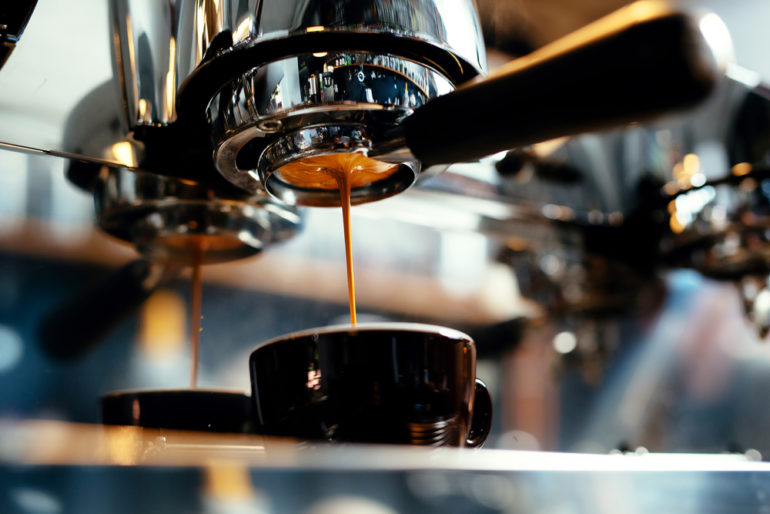
    Different from the original recipe – which uses only instant coffee, sugar and milk – The Coffee Academics has elevated the concept with house-blended espresso, oat milk and organic coconut sugar to create its own version.

    With Thai stores now reopened for dine-in service, guests can have the new coffee at The Coffee Academics’ stores or order it delivered via Wongnai or Lineman app.

    A Dalgona coffee costs THB240 (US$7.40) and will be available until June 30.

    We’ve reached out to The Coffee Academics in Hong Kong to see if there are plans to release the blend in other markets.

  • Amazon plans buying JC Penney and change retailing forever

    Amazon plans buying JC Penney and change retailing forever

    Amazon has been tipped to take over collapsed US department-store giant JC Penney in a move that could redefine the nature of US retailing. According to an exclusive report in WWD, Amazon has a team of senior management and consultants at JC Penney’s Texas headquarters going through the numbers and the store portfolio.

    And while JC Penney says it is planning to permanently shutter 245 of its 846 stores across the country as part of a restructure under Chapter 11 bankruptcy protection, Amazon may take over as much as the entire fleet.

    Amazon has made no official comment on its plans with the news leaked by people with close knowledge of the proceedings. That makes all of the following commentary speculation. But here’s how JC Penney may look after a takeover…

    The Seattle-based company already dominates the US e-commerce market with a market share of around 49 percent. Small businesses across the US reportedly sell some 4000 items every minute on the platform.  However, as a digital-native company, Amazon has very little physical presence in the form of brick-and-mortar stores. It bought the upmarket Whole Foods grocery chain in 2017 which it has now expanded to 500 stores in the US and it also developed a high-tech, small-format hybrid grocery-convenience store model called Amazon Go which now numbers 26 outlets.

    If Amazon was to buy JC Penney, it is hard to see the brand name enduring. Analysts estimate, on average, that Amazon has cash reserves of around US$43.7 billion, so buying the business, taking over the properties and completely reformatting stores would be a lesser challenge cost-wise than for any other retailer.

    The vast majority of JC Penney stores anchor shopping malls, many of which are struggling to retain footfall and have relatively short life expectancies, worsened in a post-Covid-19 world where social distancing is likely to endure until a vaccine is found or the coronavirus dies out of its own accord.

    Amazon could potentially convert the JC Penney stores into a tech-driven, hybrid model of fulfilment centre and retail showcase. This would give its online customers a place to view goods in a truly omnichannel business model similar to what traditional brick-and-mortar retailers around the world – and e-commerce giants like Alibaba and JD in China – have been trying to develop during the latter half of the last decade.

    Many of the JC Penney stores are larger than they need to be, so Amazon is likely to hand back some of the space to landlords, a palatable solution to property owners who would have serious doubts about JC Penney’s ability to survive and continue paying rent long term and very few other opportunities to replace them with another anchor tenant. Some of the unwanted retail space could be kept and converted to storing stock, allowing faster delivery promises to online shoppers.

    New Whole Foods stores could be opened and Amazon could sublease spaces to selected retail partners, including – for example – the Seattle’s Best Coffee which already has cafes in many JC Penney stores.

    JC Penney also has its own warehouse and logistics systems which Amazon could absorb into its own.

    One source told WWD that Amazon was interested in JC Penney for its strength in apparel in both range and brands. “I’m told it has a lot to do with Amazon eager to expand its apparel business — for sure,” the unnamed source said.

    For now, this is all speculation, but it seems to be reliable information that Amazon executives are in “dialogue” with the stricken retailer.

  • Kia Motors Resumes Production At Anantapur Facility

    Kia Motors Resumes Production At Anantapur Facility

    Kia Motors India has announced the resumption of production at its Anantapur manufacturing facility in Andhra Pradesh. The company is operating in a single shift at present and will resume full operations once the Coronavirus pandemic subsides. The Anantapur plant resumed operations on May 8, 2020 and has been catering to both domestic and export demand with the production of the Seltos and Carnival models. The automaker had temporarily suspended production on March 23, 2020, following the government’s decision to impose the nationwide lockdown. The company has received the necessary permissions from the Anantapur local municipal corporation.

    Commenting on restarting production, Kookhyun Shim, MD & CEO, Kia Motors India said, “These are unprecedented conditions and we are committed to adapting to the new norms of the world while we work towards normalcy. Our initial focus is to keep our employees motivated, retain a positive outlook, and deliver on our promises to our customers. Kia Motors India priorities are to clear pending orders for the best-selling Seltos and luxurious Carnival, and also to prepare the line for the eagerly anticipated compact SUV, Sonet. Our stakeholders, including suppliers and logistics partners, are all in-line with the current production and have assured us support in case we have to increase production volumes over the coming days.”

    Kia India is maintaining high health and hygiene standards. The company is conducting sanitization drives by spraying disinfectants on common computers, biometric systems, and in common areas. Social distancing is being followed in the canteen, team meeting areas, walkways, washrooms, meeting rooms, and more. The automaker is distributing masks and has made it mandatory to wear the same, while regular temperature checks and medical check-ups are being done before entering the facility. Kia is also following social distancing in company-run buses, while interstate and inter-district employees are not being called at the plant.

    Keeping up with the times during the lockdown, Kia India has commenced the online sale of its cars, while dealerships are following a detailed guideline with regards to the hygiene and distancing protocols. The South Korean auto giant has also announced several support initiatives for its dealer partners including improved cash flow and distribution of 50,000 masks. The automaker more recently also started the delivery of its vehicles at select locations.

  • Chaos, privacy fears as Bangkok malls reopen doors

    Chaos, privacy fears as Bangkok malls reopen doors

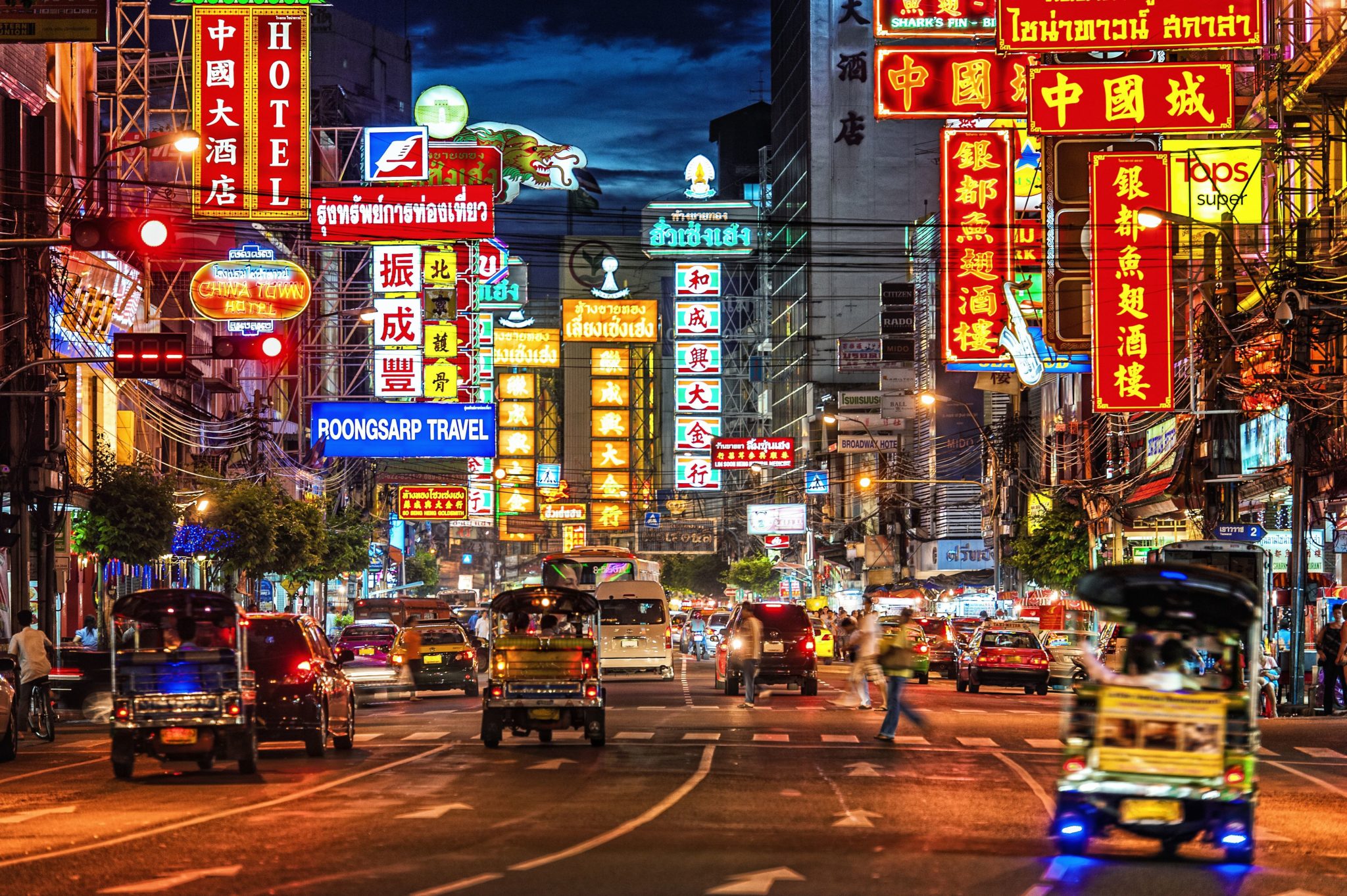
    As Bangkok malls reopened in line with relaxed lockdown rules, Thais are being forced to download a tracking app to enter properties, sparking privacy concerns.

    Consumers rushed to return to shopping as usual from Sunday following two months of restricted movement, with most venues requiring the use of hand disinfectant and fask masks as a condition of entry as well as instituting temperature checks on all mall-goers. In some malls, consumers were photographed and registered before being allowed entry, and in other cases entry to individual stores was controlled by a QR code scanning system.

    Customers and retailers were asked to concede to restrictions on the number of shoppers allowed in retail spaces and an alcohol ban on in restaurants. Robots measuring customer temperatures were seen roving around some crowded food courts, as tables were divided by plastic and cardboard barriers to enforce social distancing.

    Disposable plastic gloves were provided to customers while shopping at some malls, with UV machines being used for the sanitation of shopping bags.

    “We are pleased to see Thailand’s success in handling this crisis which enables us to resume operations,” said The Mall Group CEO of The Emporium and Executive Committee Kriengsak Tantiphipop, “but, for us as for our clients, this comes with a strong sense of responsibility and a need to adapt to the new normal.”

    The nationwide mall reopening saw lengthy queues outside popular venues in Bangkok and in the provinces even before opening hours, with overcrowding forcing some businesses to temporarily close, overwhelmed by the number of shoppers. The Ikea store in Bang Na closed its doors as a means to control high shopper traffic, while Future Park Rangsit monitored consumer numbers based on scans of a QR code upon entry.

    Major mall operator Central Pattana reopened all 33 branches of its shopping centers nationwide under tight density control measures, limiting crowds to one person per five sqm. The owners of Bangkok malls reopened are continuing to offer rental discount rates to tenant stores over the next three to six months, with customer traffic in the early phase of the reopening expected to be just 25–40 percent of normal.

    According to a report in the Bangkok Post, some customers faced difficulties registering their details on an app designed to boost safety by reporting on store congestion. An average of 4635 people were using the app per minute. The app, named “Thai Chana” (“Thailand Wins”) is designed to be used by the Thai government to trace social contacts in case of a new outbreak of the coronavirus. The government will send messages via the app if a coronavirus case is discovered in a specific venue.

    One foreign consumer described the app to Inside Retail Asia as “shocking” reflecting widespread concern about the tracking feature of the app. However, government authorities rushed to assure consumers the app would only be used to identify people who potentially came into contact with a Covid-19 infected person if a patient was identified as having been in a store.

    Bangkok malls reopened following a slowing down of Thailand’s outbreak, with only three new cases announced on Sunday, and total cases just cresting 3000. The impact of the virus and subsequent lockdown is expected to see the Thai economy contract by more than six percent.

  • OCBC Expects Branch Closures

    OCBC Expects Branch Closures

    The bank said branch closures during the Covid-19 «circuit breaker» has diverted traffic from physical branches.

    A surge in the adoption of digital baking services is prompting OCBC to rethink its branch network strategy while providing an impetus for the bank to continue its investment in technology and digitalization, said Samuel Tsien.

    The bank is expecting a higher net operating profit in the longer term as a result of reduced manpower costs and fewer physical branches and offices being open in the future, the bank’s chief executive officer said during its virtual annual general meeting on Monday.

    We do expect that the cost increase will be managed and the cost-income ratio of the bank would continue to improve,» Tsien said, noting that despite branch closures, the bank has not made overhead cost savings as its network of ATMs remains operational and continues to pay its branch staff in full.

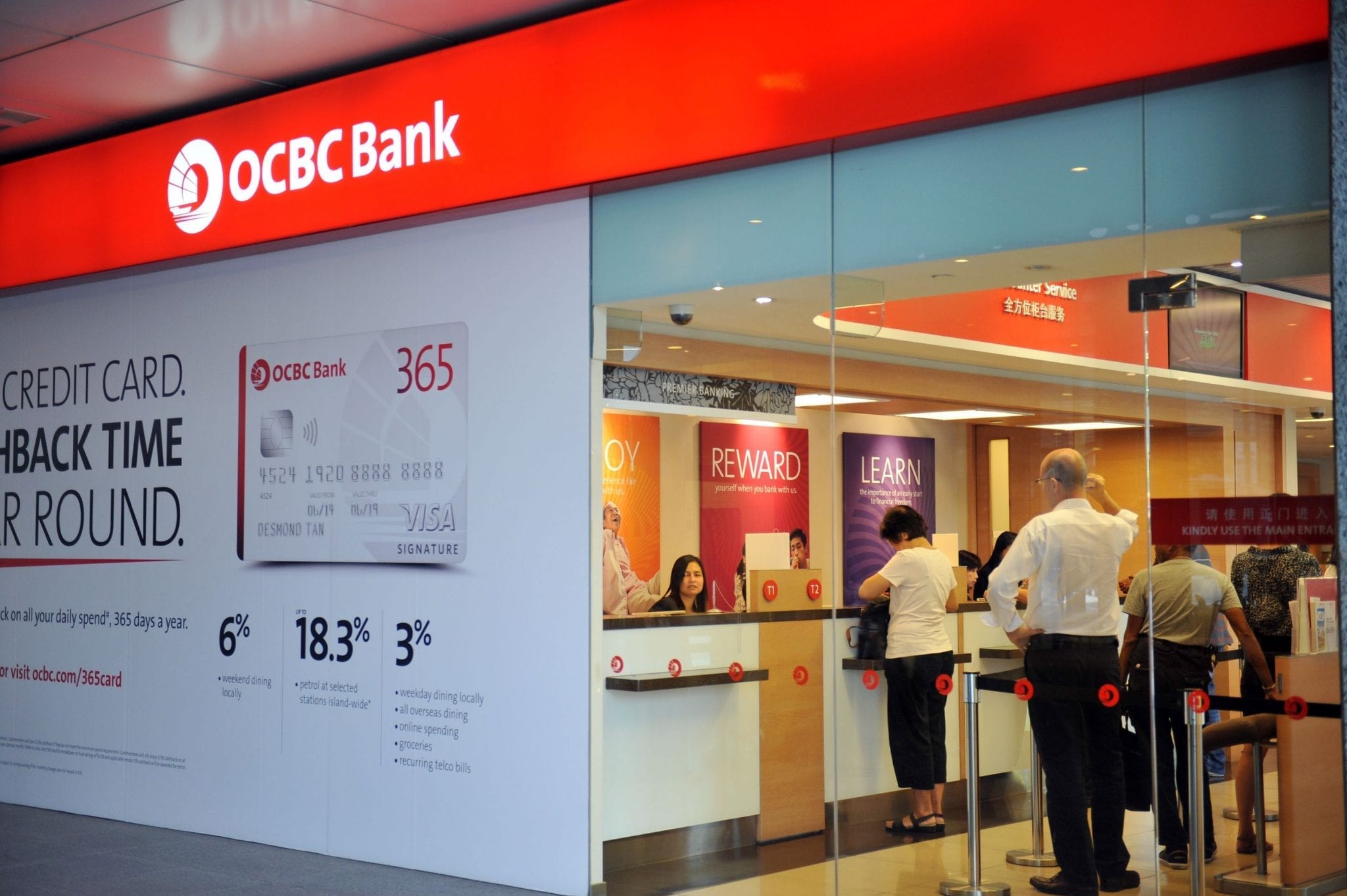
    The bank closed 22 of its 46 branches in early April as part of Singapore’s stricter social distancing measures to contain the spread of Covid-19. OCBC Securities, its wholly-owned brokerage subsidiary, temporarily closed its Investors Hub and encouraged customers to use digital, email, and telephone channels as far as possible and minimize face-to-face interactions.

    According to OCBC Bank, there has been a huge acceleration in the take up of digital services, from new account opening to day-to-day transactions to investments.

    In the first quarter of the year, OCBC opened three times the number of SME accounts digitally compared to the year before and saw a sevenfold increase in the number of PayNow Corporate transactions. The share of SME loans applied digitally has also grown to 49 percent, up from 30 percent in 2019.

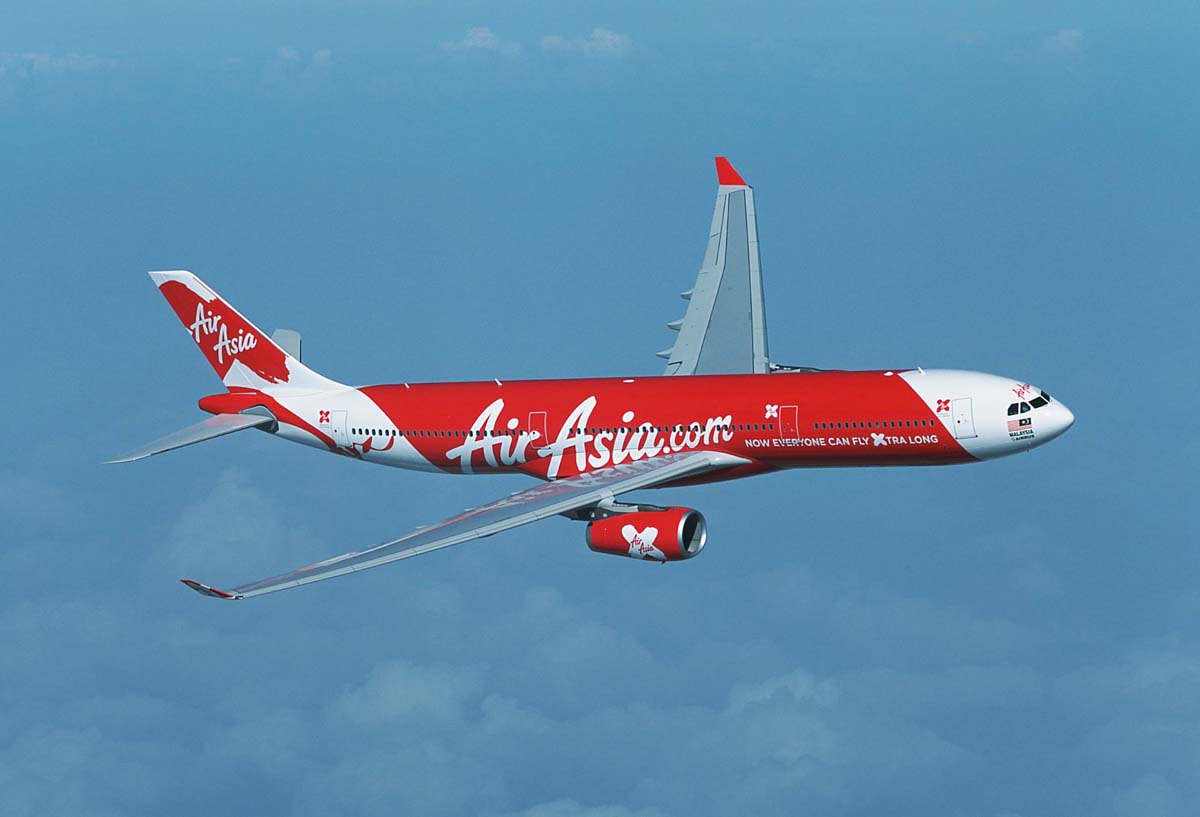
  • AirAsia Indonesia extends flight operation suspension until May 31

    AirAsia Indonesia extends flight operation suspension until May 31

    Low-cost carrier AirAsia Indonesia has extended the suspension of flight operations in Indonesia until May 31. Previously, the airline had announced it would suspend flight operations within the country until May 7.

    Following the latest decision on the suspension of operations due to the COVID-19 pandemic, which was announced on Friday, earlier plans to resume limited flight operations from Surabaya in East Java to two Malaysian cities, namely Kuala Lumpur and Johor Bahru, on May 18 have been shelved.

    According to a statement, the company will gradually begin QZ-coded scheduled flights on selected international and domestic routes starting on June 1, in response to the extension of large-scale social restrictions (PSBB) in several regions.

    Passengers affected by the suspension are advised to look for the latest information on airasia.com or the carrier’s app.

    All AirAsia Indonesia passengers will be required to wear face masks throughout their flight, from check-in to baggage collection at their destination airport. The company also urged them to bring a spare face mask and hand sanitizer.