Tag: asia

  • StanChart Defends Climate Change Credentials

    StanChart Defends Climate Change Credentials

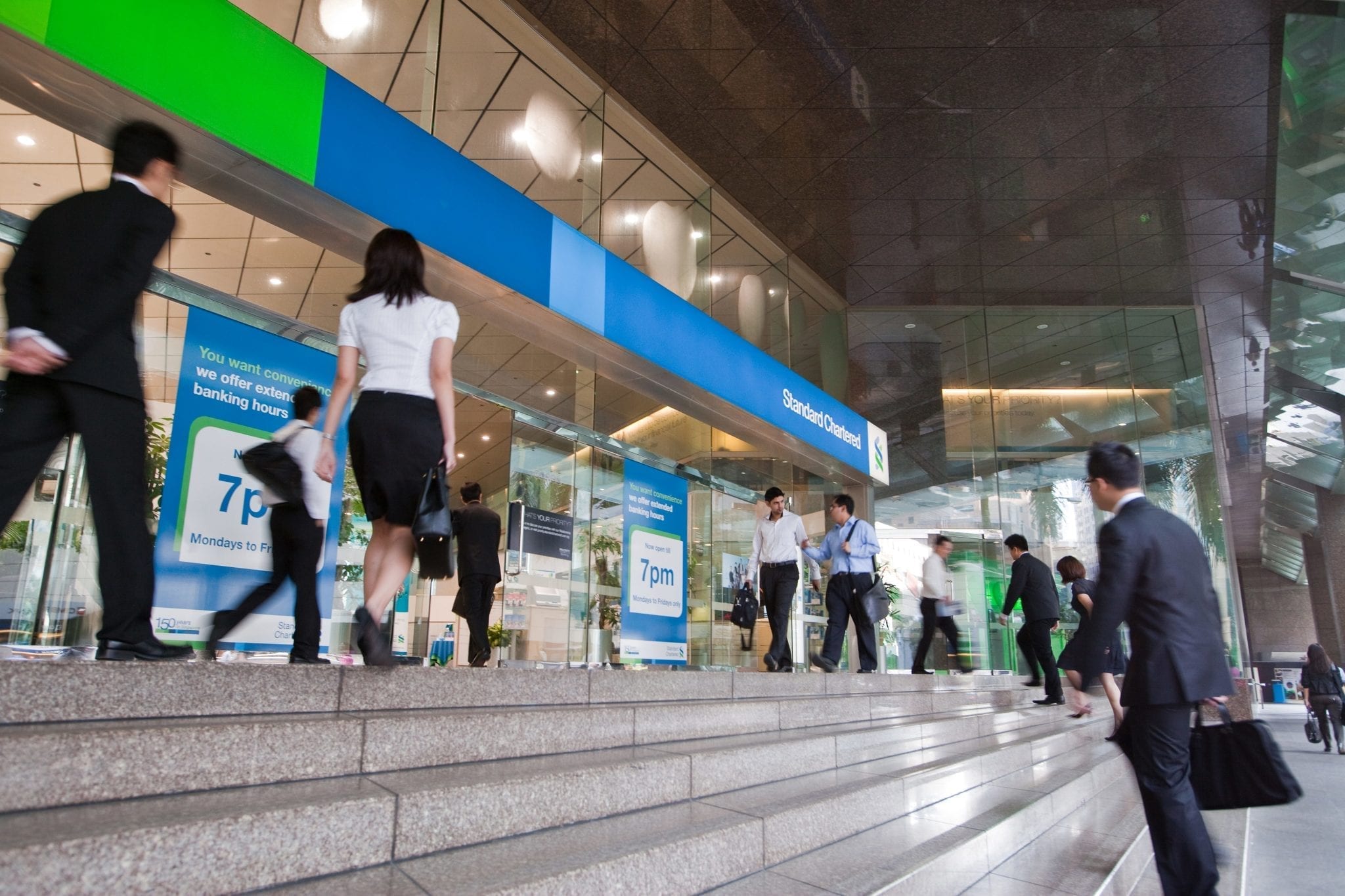
    Standard Chartered defended its pro-environmental credentials after facing fresh attacks from activist group Urgewald.

    German environmental and human rights organization Urgewald called out Standard Chartered for being the largest British financier of coal expansion since the Paris Agreement. According to Urgewald, the bank has provided $8.5 billion in funding to coal plant developers, mainly in India alongside Indonesia and the Philippines.

    One day later, Standard Chartered chairman Jose Vinals defended the bank, reiterating its target to help clients transition to less than 10 percent revenue generation from coal and net-zero carbon emissions from its own operations by 2030.

    We have been pushing capital from here it is now to where it is most needed, Vinals said.

    Standard Chartered faced similar issues last year when another activist group, Market Forces, lambasted the bank’s leadership position in Equator Principles, a pro-environment initiative, likening the situation to putting the fox in charge of the hen house.

    This was due to the concurrent coal projects in Vietnam that the bank was financing from which they subsequently withdrew.

  • Record slump in Hong Kong restaurant sales

    Record slump in Hong Kong restaurant sales

    Hong Kong restaurant sales plunged 31.2 percent in the first quarter of this year – the largest decline on record – as consumers practiced social distancing and the government restricted occupancy.

    Significant growth in home deliveries of restaurant meals was insufficient to stem the dramatic fall in patronage.

    According to the Census and Statistics Department, Hong Kong restaurant sales were down by 10.8 percent in January, at the time the coronavirus began to affect inbound visitors from Mainland China. Sales in February plunged 42.1 percent and in March by 41.7 percent.

    Full-quarter restaurant receipts were estimated at HK$21.7 billion (US$2.8 billion), while purchases by restaurants fell 29.1 percent to $7 billion.

    Chinese restaurants appear to have been hit hardest, perhaps reflecting the disappearance of mainland tourists. Sales for the quarter fell by 39.6 percent in value and 40.9 percent in volume.

    Turnover at non-Chinese restaurants were down by 29 percent in value and 29.9 percent in volume, while fast-food shops experienced a decline of 17.1 percent in value and 18.2 percent in volume.

    Bars – worst affected by social-distancing measures – saw receipts down by 37.5 percent in value and 40.8 percent in volume.

    A government spokesman said that while there have been some signs of relative improvement in Hong Kong restaurant sales recently from the very austere situation earlier, the business environment of the food and beverage sector will remain difficult in the near term amid the economic recession.

  • Marks & Spencer Food teams with Foodpanda in three markets

    Marks & Spencer Food teams with Foodpanda in three markets

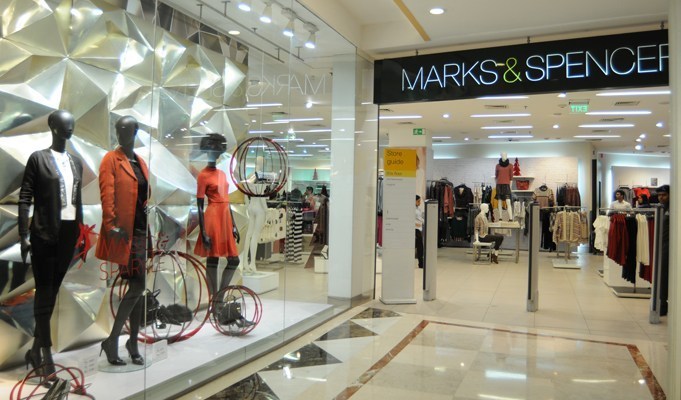
    Marks & Spencer Food is now available through the Foodpanda food-delivery app in three Asian markets: Hong Kong, Singapore, and Malaysia.

    The two companies are promising orders of packaged foods, along with wine, in under 30 minutes – although delivery is restricted to areas near existing Marks & Spencer Food stores.

    The partnership follows Foodpanda’s development of a grocery delivery service, Pandamart which has been incorporated into its existing restaurant meal-delivery app.

    Marks & Spencer Food also recently partnered with HKTV Mall, the homegrown Hong Kong online marketplace.

    Via Foodpanda, consumers will be able to order up to 300 food and drink SKUs in Hong Kong and Singapore immediately, with the Malaysian service launching at the end of this month. The product range available may differ between markets.

    “We know our customers across Asia are passionate about Marks & Spencer Food, which is why we’ve partnered with Foodpanda to help get them the products they need as well as supporting those who currently aren’t able to visit stores easily,” said Christine Choi, CEO of Marks & Spencer Asia.

    Pandamart will deliver orders free on minimum purchases of HK$40 in Hong Kong, SG$5 in Singapore, and RM5 in Malaysia.

    In Singapore, ordering via Foodpanda is currently available only at locations near Wheelock Place, VivoCity, Parkway Parade, and One Raffles Place.

    The launch date in Malaysia remains subject to Malaysia Control Movement order.

  • Asia Most Popular Sports Bookies

    Asia Most Popular Sports Bookies

    Asian gaming companies have always been at the forefront of sports betting for ages. Local and regional sporting events take place all over the world every day. And not everyone previously had access to the results of these games unless they were registered with a sports bookie.

    The digital age has now made streaming of games in real-time possible no matter which parts of the globe you are in. The rise in popularity of online betting is reflected in changing regulations and policies worldwide. This has opened up various new avenues for sports gamblers and sports bookies alike.

    Sports betting is now considered a legitimate activity within various international jurisdictions. And this has led to a rampant increase in the number of new providers entering into this very profitable industry.

    Why Is It Important To Choose The Right Sports Bookies?

    Finding a bookie that offers sports gambling services is quite easy nowadays. The internet is filled with hundreds of virtual platforms that facilitate the wagering of bets on popular international sporting events. Anyone with internet connectivity and a functional bank account is eligible to sign up for these services at any time.

    However, very few of these sports bookies are licensed and verified by the appropriate gaming authorities. Bettors must ensure that they do background research before selecting a legitimate and reliable provider. This is so that their bankroll and future prospects are protected. In order to choose the right provider, you must:

    • Ensure that your sports bookie has multiple and authentic deposit options. Make sure that the games they offer are verified and unbiased.
    • Double-check if they offer a good selection of games and tournaments and leagues to follow that are in alignment with your interests and preferences. Keep in mind that you could choose to pick a sports bookie that focuses on one field of sport or even sign up with a high variance bookie that follows several international and regional sporting fields from around the world.
    • Keep in mind that you will find vastly different betting odds, bonuses, promotions, and withdrawal options across different platforms. So make sure you pick a provider that you can take advantage of and who plays to your strengths.

    Best Sports Bookies In Asia

    With one of the largest populations, it’s no surprise that Asia has the largest sports betting market in the world. It is home to one of the most advanced and diverse online gambling services that are renowned internationally.

    The legality of sports betting in some regions of Asia varies drastically from country to country. Thus, often making online gambling an extremely trendy, easy, and profitable solution for gambling on sports.

    Here’s a list of the most popular Asian Sports Bookies in the market:

    1. Maxbet Sports Bookie

    Maxbet was originally known as IBCBet. They’ve been in the industry long enough to have established themselves as the leading gambling provider in Asia. The platform’s diverse service offerings include a very lucrative sports betting category as well as an online casino that features live games and tables from all around the globe.

    Maxbet prides itself on the smooth integrations of its web and mobile platforms making the website compatible with both ios and android. Maxbet has remained the first choice of sports lovers when it comes to online sports betting due to its 24/7 broadcast of live scores, tables, and odds. All from a variety of international sporting tournaments such as football, motorsports, soccer, tennis, e-sports, horse racing, and so much more. Another advantage of this versatile platform is that it also features coverage on several local and minor leagues as well.

    Maxbet also features an intuitively designed and authentic live casino category on the website. Log on to the platform at any time to avail live card games such as baccarat, blackjack, roulette, and poker. Users can engage with fellow players and community members through the live chat option which enhances the player’s casino experience.

    Daily users of the casino services are even rewarded with loyalty points and free spins on their virtual slots. This is likely to increase a user’s chances of winning cash. If you value a large selection of games and odds along with the freedom to switch between gambling trades according to preference, then Maxbet is your ideal betting solution.


    2. SBOBet Sports Bookie

    SBOBet is one of the most well-known providers for its unique Asian Handicap betting services. SBOBet has been awarded with several accolades over the years for providing exceptional services in the Asian handicap betting market.  In reference to this space, SBOBet also has the absolute lowest margin on bets, making it a suitable option for players on a strict budget.

    In particular, SBOBet has gained popularity for its wide coverage of pre-match and in-play betting odds around the world. Due to popular demand, soccer is now the main attraction and focus of the site. However, the platform also features odds on about 500 other sports events weekly as well. That being said, coverage of events outside of the Asian handicap is somewhat limited compared to the site’s primary offerings. Live-streams and live betting options are mainly optimized for Asian handicaps.

    The soccer betting segment of SBOBet is well-known among Asian bettors for offering very high betting limits. Although high betting limits are perceived to be riskier, it is what makes them an ideal choice for professional bettors. Currently, the maximum bet limit on the site is at £100,000 making it an extremely popular service among high rollers that are chasing those big payouts.

    The SBOBet community comprises experienced individuals that are willing to raise the stakes by betting large values on their predictions. This happens so frequently that SBOBet users invariably end up deciding the change in betting odds across various matches around the world.

    SBOBet has also received recognition for its unparalleled customer support service, available 24/7 through telephone, email, live chat, and even skype. If you are an experienced professional, with conviction in your sports knowledge and a thirst to take your betting skillset to the next level, then SBOBet is the platform for you.
  • AirAsia Malaysia starts flying again, passengers need to bring own masks

    AirAsia Malaysia starts flying again, passengers need to bring own masks

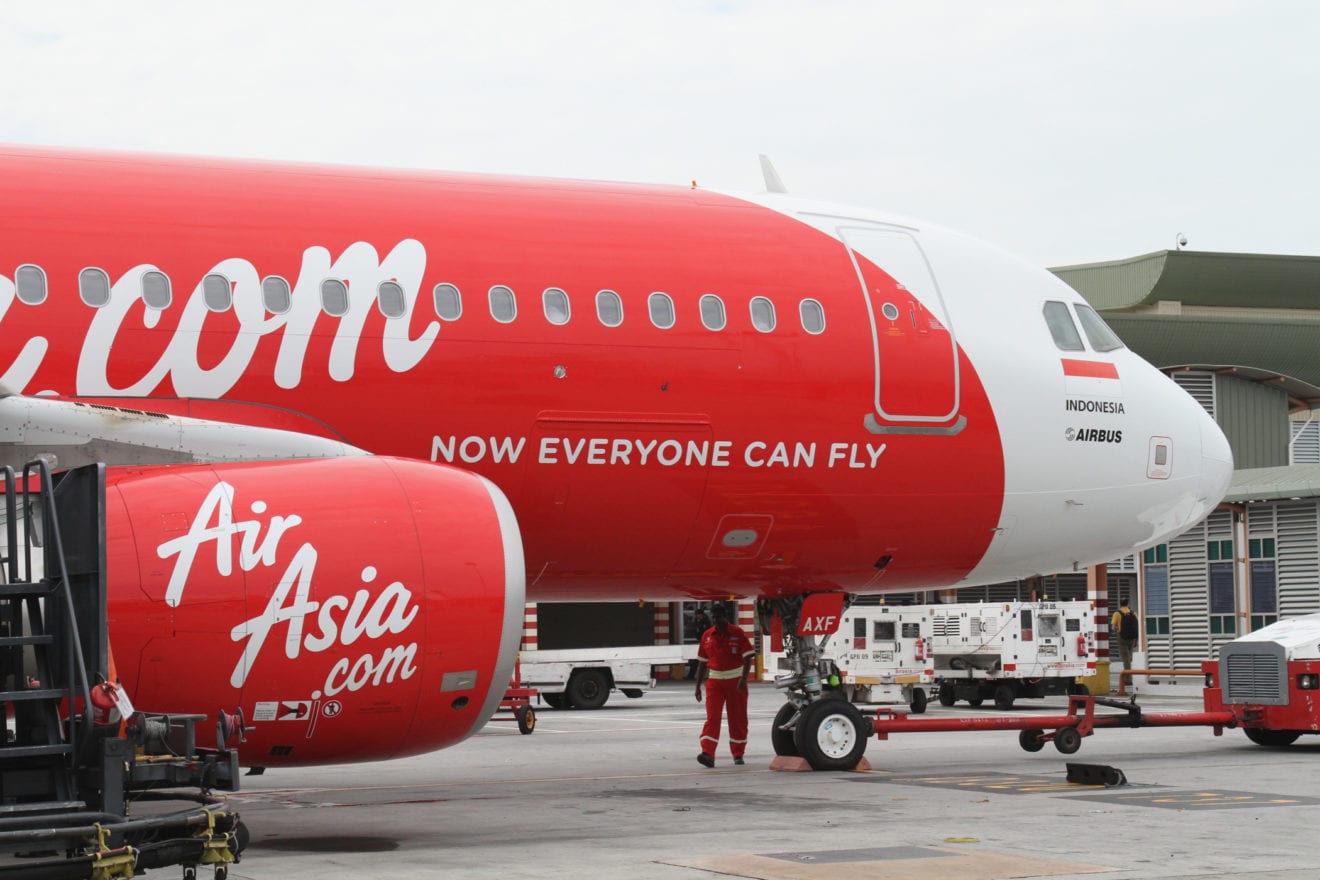
    AirAsia returns to the skies with domestic flights in Malaysia starting today (April 29), but passengers will need to follow Covid-19 safety measures.

    Each passenger will need to bring their own mask and wear it properly before, during and after the flight, including during check-in and bag collection. Any guest without a mask will be denied boarding.

    AirAsia chief safety officer Captain Ling Liong Tien said the carrier is stepping up all precautionary measures to ensure a safe journey.

    “First and foremost, it is your responsibility to ensure that you are eligible to travel, be it international or domestic, before booking a flight.

    “We kindly ask that you observe the universally recommended protective precautionary measures, including practicing high personal hygiene, ” he said in a statement.

    Other Covid-19 safety measures include a baggage allowance of only one piece (instead of the usual two), not exceeding 7kg, and earlier arrival at the airport – at least three hours – before departure.

    AirAsia Group president (Airlines) Bo Lingam said the carrier has undertaken a thorough review of guest handling procedures both on the ground and onboard in light of the Covid-19 pandemic.

    “We have been working closely with the airport authorities to ensure that all relevant precautionary measures are in place to ensure a safe, pleasant and comfortable journey for everyone,” he said in a statement.

    Bo added that AirAsia will adhere to guidance from the World Health Organisation (WHO) and International Civil Aviation Organisation (ICAO) to ensure “the highest standards of compliance and conformance”.

    The resumption of services will initially be for key selected domestic routes, which will increase gradually to include international destinations around the network, once the situation improves and governments lift borders and travel restrictions.

    AirAsia also recently made news when reports surfaced of the carrier introducing a new personal protective equipment (PPE) for its cabin crew.

    When contacted, an AirAsia spokesperson said the matter is still being reviewed.

    “AirAsia Philippines initiated a trial run of a customised PPE design. It was first used in a recent recovery flight and a further assessment of the design is underway.

    “The customised PPE is still being reviewed,” the spokesperson said.

  • Fiat Chrysler Plunges To Loss

    Fiat Chrysler Plunges To Loss

    Fiat Chrysler Automobiles (FCA) plunged to a first-quarter loss of $1.8 billion and warned of a “significant” loss this quarter, even as it prepares to reopen its most profitable North American truck plants on May 18 as coronavirus lockdowns ease.

    The Italian-American company, which has struck a binding merger deal with France’s PSA Group to create the world’s fourth-largest carmaker, said on Tuesday that work on the tie-up was “progressing incredibly well.”

    On a conference call, Chief Executive Michael Manley said “the terms of the deal have not changed” and FCA remained “committed to completing the transaction by the end of this year or early 2021.”

    Car sales across the world have slumped as measures to contain the coronavirus pandemic forced production lines to shut and showrooms to close, leaving manufacturers scrambling to try to conserve cash.

    Manley said a planned 1.1 billion euro ($1.2 billion) dividend was under review, as part of FCA’s efforts. The company also scrapped its full-year earnings forecast.

    FCA has begun reopening plants in China and Europe, and said most of its North American ones were expected to reopen on May 18.

    In the United States, UAW president Rory Gamble responded to the planned restart by saying automakers must “implement and follow the guidelines” for worker safety that the union had worked out with them. The union had objected to automakers’ original plans to reopen in early May.

    Peugeot-maker PSA is braced for a slump in demand but says it has the funds to cope without government help.

    Much of FCA’s revenue and profit come from North America, where quarterly sales of its Ram truck brand were up 7% from the previous year and its share of the full-size pickup market rose to 24%.

    Capital expenditure (capex) was up in the quarter, driven by spending on the new Jeep Wagoneer and Grand Wagoneer, and redesigned Jeep Grand Cherokee models. But executives said full-year capex estimates would be trimmed by 1 billion euros as key program launches had been delayed by an average three months.

    FCA said it made a net loss from continuing operations of 1.69 billion euros ($1.83 billion) in the quarter. That compared with a 508 million euro net profit a year earlier.

    “The pandemic has had, and continues to have, a significant impact on our operations,” the company said in a statement.

    However, FCA still made an operating profit, albeit 95% lower than a year earlier. Adjusted earnings before interest and tax (EBIT) amounted to 52 million euros.

    FCA’s Milan-listed shares extended their gains after the results were released and were up 2.2% at 1355 GMT.

    The automaker said that due to the continued uncertainty related to the pandemic, it had withdrawn its full-year guidance and would update it when it had better visibility of the overall impact of the crisis.

    In February, the group guided for an increase in adjusted EBIT to more than 7 billion euros this year and industrial free cash flow of over 2 billion euros.

    In the first quarter, industrial free cash flow was around minus 5 billion euros. But FCA said it had available liquidity of 18.6 billion euros as of March 31, including a 6.25 billion revolving credit facility which was fully drawn down in April.

    Liquidity was further strengthened last month with a new 3.5 billion euro incremental bridge credit facility, which remains fully undrawn.

    “We continue to assess all funding options,” FCA said.

  • Thailand’s Central Group commits space to communities

    Thailand’s Central Group commits space to communities

    Thai retail conglomerate Central Group is reducing and pegging the price of more than 3000 essential consumer products, as well as reducing prices at 87 foodcourts by 20 percent to help citizens impacted by the Covid-19 pandemic.

    The move is in response to government-led initiatives to assist national economic recovery in establishing and implementing a broad-ranging social responsibility plan.

    Central Group has also committed to measures to assist 74,000 staff across its various business units, pledging to maintain their employment terms and to provide them with Covid-19 insurance.

    The firm has also inaugurated new projects this year aimed at stimulating local economies and generating income by donating 90,000sqm of rent-free space to small local traders and growers in 100 shopping malls across 44 provinces; buying produce directly from growers and community enterprises; and promoting product development and local tourism.

    The group says its existing social-responsibility project is being rapidly expanded to create occupations by means such as giving knowledge on agriculture and product development, reducing social inequality by supporting the creation of occupations for people with disabilities, and developing communities as tourist attractions. It is also creating a crowdfunding platform for entrepreneurs starting a new business but lacking capital, as well as supporting students, schools, hospitals and research work, with the target of raising more than THB100 million (US$3 million).

    Thailand’s Central Group aims to boost health by creating new standards for safe business to prevent the spread of infection – including implementing measures of hygiene and safety in tenants’ stores – and donate medical equipment for staff fighting Covid-19 at 30 hospitals nationwide through the Thai Medical Association.

  • Vietnam retail sales down since January

    Vietnam retail sales down since January

    Vietnam retail sales fell 9.6 percent year on year over the first four months of this year, according to the General Statistics Office.

    However, sales of consumer goods across the country increased by 0.4 percent, reflecting increasing demand for groceries and online shopping during the Covid-19 outbreak.

    Sales in the restaurant and accommodation sector plunged 23.6 percent year on year as consumers were banned from eating on-premises and due to travel restrictions.

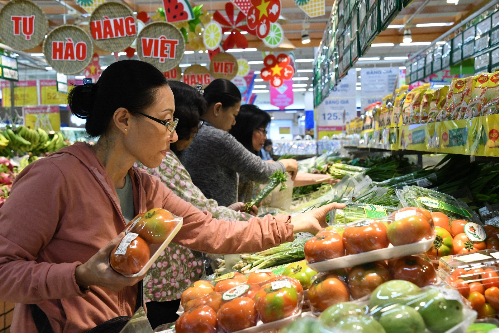
    Meanwhile, retail sales in Ho Chi Minh City, the country’s commercial capital with a population of 9 million, surged in both supermarkets and traditional markets ahead of the country’s four-day holiday which began on April 30, as myriad promotions were offered.

    According to the Vietnam News Agency, discount promotions at Co.opmart and Co.opXtra supermarkets during the holiday saw sales rise by more than 30 percent compared to normal days.

    The most popular items include local seafood, poultry, fruit and vegetables, soft drinks, masks and kitchenware.

  • India’s Reliance Retail opens over thousand new stores

    India’s Reliance Retail opens over thousand new stores

    India’s Reliance Retail opened 1533 new stores last fiscal year, taking its network to 11,784 as it boosts its strength across the food, fashion, and digital sectors.

    In results published this week the company says pre-tax earnings grew 55.7 percent to Rs 9654 crore (US$12.75 million) on sales up 24.8 percent to Rs 1.63 lakh crore. Fourth-quarter revenue rose by 4.2 percent as lockdowns across the nation restricted customer footfall in stores.

    However, grocery store sales reached record levels in March due to the advent of Covid-19 restrictions, but despite supply-chain challenges.

    During the lockdown period, daily orders quadrupled, with the company’s Smart and Reliance Fresh chains leading the growth.

    “In a response to the lockdown situation, all grocery stores were kept open for extended hours to provide access and availability of essential products to customers in these trying times,” Reliance Retail said in a results release.

    Including the company’s fashion and lifestyle business, the year saw solid growth for the business, despite the “tepid” March, the company said.

  • BMW Cuts Margin Outlook For Cars Division

    BMW Cuts Margin Outlook For Cars Division

    BMW on Tuesday lowered the outlook for the profitability of its automotive and motorcycles divisions, citing worse-than-expected demand which has been hit by measures to contain the coronavirus.

    BMW said it expects the earnings before interest and taxes (EBIT) margin for the automotive segment to fall within a range between 0% and 3% this year, adjusting its outlook from a previously expected margin range of between 2% and 4%.

    “The decisive factor for the adjustment is that the measures to contain the coronavirus pandemic are lasting longer in several markets and are thus leading to a broader negative impact than was foreseeable in mid-March,” BMW said.

    Delivery volumes in these markets will not rebound within a few weeks as BMW had assumed, with the highest negative impact now expected in the second quarter of 2020, the carmaker said, cautioning that matters could still get worse.

    The third-generation BMW S 1000 RR has been launched in India. It was always one of the best liter-class sportbikes one could ever buy. Here’s everything you need to know about the 2019 BMW S 1000 RR.

    “The updated guidance does not, in particular, include, a longer and deeper recession in major markets, a more severe economic slowdown in China as a result of recessions in other parts of the world,” BMW added.

    Further margin pressure could come from market distortions caused by an even stronger competitive environment or from the second wave of infections and associated containment measures.

    The Munich-based group further said it now expects deliveries of motorcycles to be down significantly from 2019 levels.

    The EBIT margin in the motorcycles segment will now be within a range of between 3% and 5%, rather than 6% and 8%, BMW said.

    Last month BMW warned it was expecting a further decline in global demand even after a 20.6% drop in first-quarter sales to 477,111 vehicles.

    BMW said in March that its pre-tax profit and vehicle deliveries would drop significantly this year as the coronavirus spreads, and that this – combined with higher research and development spending – would lower the profit margin in its automotive segment.

    BMW is due to publish first-quarter earnings on May 6.

  • Honda Retrofits 10 Minivans To Transport Detroiters For Virus Tests

    Honda Retrofits 10 Minivans To Transport Detroiters For Virus Tests

    Honda Motor Co said on Tuesday it has delivered 10 modified Odyssey minivans to the city of Detroit to safely transport healthcare workers and people potentially infected with COVID-19 for testing in one of the U.S. cities that has been hardest hit by the coronavirus pandemic.

    The minivans have been retrofitted with a plastic barrier behind the front seating area and a modified ventilation system to maintain an air pressure differential between the front and rear seating areas to reduce the risk of coronavirus transmission.

    Detroit has been especially hard hit by the outbreak, reporting 9,394 cases to date and 1,097 deaths through Monday, or 26% of all COVID-19 fatalities in Michigan.

    The Japanese automaker in April said it had remodeled 50 minivans to transport COVID-19 patients to hospitals and quarantine facilities in Japan, sealing off the rear section of the vehicles to keep drivers safe from infection.

    From the newly launched Hyundai Creta to the soon to be launched new-gen Honda City, here are 5 car we are eager to get our hands on as soon as the lockdown ends.

    After reading news reports, officials from the state of Michigan and city of Detroit approached Honda about the possibility of acquiring similar vehicles.

    A team of volunteers at Honda’s R&D center in Ohio conceived and designed a method to quickly modify the U.S. Odyssey. The minivans have a sealed clear polycarbonate panel between the front seat compartment and rear two-row seating area, while the ventilation system software was rewritten to ensure different pressure levels between the front and rear compartments.

    Detroit Mayor Mike Duggan noted the city has tested over 20,000 residents and employees for COVID-19. Many people in the city lack access to personal transportation.

    “Transportation is a critical component of ensuring every Detroiter has access to a test. We are very appreciative of Honda for choosing Detroit to deploy these newly modified vehicles,” Duggan said in a statement.

    Honda engineers and other employees in Ohio took the project from the initial concept to completion in less than two weeks.

    “We’re very proud of the efforts made by Honda engineers in Ohio to quickly devise a plan and modify a small fleet of Honda Odyssey minivans to support the people of Detroit in the face of this unprecedented global pandemic,” said Rick Schostek, executive vice president of American Honda Motor Co.

  • Hong Kong retail sales down in March

    Hong Kong retail sales down in March

    March Hong Kong retail sales slumped by 42 percent year on year as the Covid-19 pandemic forced Mainland Chinese shoppers to stay at home.

    According to The Census and Statistics Department (C&SD) retail sales reached just HK$23 billion (US$2.97 billion) during the month.

    March’s fall was slightly less than the 44 percent decline of February. The revised combined January-February decline was 31.8 percent year on year, (a comparison which evens out any influence of the change in timing of the Lunar New Year holiday season from year to year).

    A government spokesman said the drop in March Hong Kong retail sales was a result of government measures to restrict the transmission of the virus, which brought inbound tourism to a standstill and “seriously disrupted local consumption-related activities”.

    For the March quarter, Hong Kong retail sales fell by 36.9 percent year-on-year – the single largest quarterly decline on record.

    “The business environment for the retail trade will remain very difficult in the near term amid the deep economic recession and a sharp deterioration in the labor market,” the spokesman said.

    In March, a 21.2-per-cent decline in sales of food, liquor and tobacco had the greatest impact on the overall figure, with a 42.7-per-cent fall in sales through department stores having the next greatest effect.

    Sales of jewelry, watches and luxury goods plunged by 75.2 percent, but in the bigger picture, this was less of a contribution to the bottom line than other categories, including electrical goods down by 39.6 percent and consumer goods not otherwise categorized, down by 29.1 percent.

    Sales of medicines and cosmetics fell by 63.8 percent, apparel by 67.2 percent and furniture and homewares by 14.4 percent.

    Books, newspapers and stationery dropped 48.4 percent, Chinese drugs and herbs by 51.7 percent, footwear and accessories by 60.6 percent, and sales through optical shops fell 46.6 percent.

    The only category to post growth was supermarkets, where sales surged 16.1 percent.

  • Victoria’s Secret sale cancelled due to spin off activity

    Victoria’s Secret sale cancelled due to spin off activity

    The ongoing saga of Victoria’s Secret’s survival took another significant turn overnight as parent L Brands confirmed the deal with private-equity company Sycamore Partners was canceled and it now plans to spin the business off.

    The two companies have announced a “mutual termination” of the deal – itself a twist after L Brands last month commenced legal action to force Sycamore to honor the sale.

    Sycamore had agreed to pay US$525 million for a 55 percent stake in L Brands back in February, a deal most analysts at the time considered a bargain. But the subsequent advent of the coronavirus pandemic which saw most of the company’s stores shuttered, decimating sales, has made L Brands less desirable, even at that price.

    Last month, Sycamore declared the purchase agreement was invalid, claiming that by closing stores during the Covid-19 pandemic, laying off staff and withholding rent, L Brands was in breach of the sale agreement under which the retailer was obliged to continue to conduct business ‘as usual’ ahead of settlement. L Brands disagreed.

    In a press statement confirming the mutual termination, Sycamore said neither company would be required to pay the other a termination fee or any other consideration in both canceling the deal and settling the litigation.

    L Brands’ board decided a protracted court battle worth neither the effort nor the expense.

    Furthermore, with L Brands to retain a 45-per-cent stake in the Victoria’s Secret business under the agreement, the two companies would have made uneasy bedfellows after a lengthy court fight with each other.

    L Brands says its new plan is to spin off Victoria’s Secret, but the details on how and when are far from clear. According to a statement overnight, L Brands will focus on building the profitable Bath & Body Works business as a pure-play public company, separating the Victoria’s Secret lingerie, beauty and Pink entity into a standalone company.

    It is hard to see this being done through an IPO given the underwhelming financial performance of the business and its tired retail format, let alone in an economic climate where there is little appetite for new investments.

    “Like all retailers, the company faces an extremely challenging business environment,” said Sarah Nash, who will next week assume chairmanship of the company.

    “We are implementing significant cost reduction actions and performance improvements at Victoria’s Secret while continuing to drive strong growth at Bath & Body Works. We will continue to make decisions and take actions with the best interests of all our stakeholders and the future of our company in mind.”

    Most of the changes which were planned after Sycamore’s investment will still proceed. At next week’s virtual board meeting Leslie Wexner will step down as CEO and chairman, but will remain a member of the board as ‘chairman emeritus’. Andrew Meslow, CEO of Bath & Body Works, will become CEO of L Brands and join the board. In addition, Stuart Burgdoerfer, currently CFO, will immediately assume the role of interim CEO of Victoria’s Secret while continuing to serve as CFO.

    Nash says L Brands will provide further details of its plans for restructuring during a scheduled earnings call on May 21.

    L Brands operates 2920 company-owned specialty stores in the US, Canada, Greater China and the UK as well as selling through more than 700 franchised locations worldwide.

  • Robinsons Jem mall store in Singapore about to close

    Robinsons Jem mall store in Singapore about to close

    Singapore department store Robinsons is to close its store in Jem mall in what it terms an “amicable exit” after negotiations with landlord, Lendlease.

    The Robinsons Jem store will close by the end of August, leaving the Al-Futtaim Group-owned retailer with just two remaining stores in the city-state, at The Heeren on Orchard Road and Raffles City.

    In a statement, Robinsons said it had been discussing its future at Jem since November and “the timing of the exit has been scheduled on a mutually agreed basis”.

    The company offered no further explanation or comment on the closure, although it did indicate it sees its future appealing to “a new generation of shoppers which includes customers both online and offline”.

    “Robinsons is an iconic brand, and the management is committed to ensuring viable and successful operations in Singapore. They are grateful for the ongoing support received from their Jem store customers over the years, and look forward to serving them at their other locations,” said the statement.

    The retailer plans to revamp its online presence, adding additional solutions for buying products and services and last month it opened a store on LazMall.

  • France says that Apple won’t allow the iPhone to work with its “StopCovid” app

    France says that Apple won’t allow the iPhone to work with its “StopCovid” app

    European countries have been upset at Apple for making it harder for them to get their own contact tracing platforms up and running on the iPhone. These countries want to use Bluetooth to keep track of the phones that pass by the vicinity of other devices. This way, smartphone users will know if they have been in close contact with someone who tested positive for COVID-19.
    The problem with using Bluetooth is that it would require Apple to change the settings on the iPhone. Currently, Apple blocks apps from using Bluetooth if the latter is running in the background and data from that particular app is going to be removed from the device. Since the Europeans want the data collected by contact tracing through Bluetooth to be sent to a centralized server, that would violate Apple’s rules. France, for example, wants Bluetooth to keep running in the background even though the data collected would be sent to a centralized server. For that to take place, Apple would have to change some iPhone settings which it is loathe to do. Allowing Bluetooth to run in the background for contact tracing will drain the battery on a user’s iPhone.
    France’s minister for digital technology, Cedric O, said during a television appearance, “Apple could have helped us make the application work even better on the iPhone. They have not wished to do so. I regret this, given that we are in a period where everyone is mobilized to fight against the epidemic, and given that a large company that is doing so well economically is not helping out a government in this crisis. We will remember that when time comes.” While O could not venture a guess about what could be behind Apple’s decision not to make the necessary changes, the minister added, “We consider that oversight of the healthcare system, fighting the coronavirus, is a matter for governments and not necessarily for big American companies.”
    The minister also stated that France’s “StopCovid” contact tracing app will be ready to go on June 2nd regardless of what Apple does. Testing will begin next Monday, May 11th. That happens to be the date when the country will officially start to reopen from its lockdown. In the country, Android is the leading mobile operating system with a 78.8% share. Apple’s iOS is next with 21.1%. Since Android phones don’t have the same restrictions, France feels confident to go ahead with its plans anyway.
    Still, Germany gave in to Apple and decided not to use a method of centralized storage called Pan-European Privacy-Preserving Proximity Tracing (PEPP-PT) for its COVID-19 contact tracing. Britain started testing its contact tracing app today and it has decided to go the centralized route like France is.
    Last month more than 300 professors from around the world signed an open letter that said while Bluetooth based contact tracing is strongly preferred, the centralized approach could lead to unprecedented government surveillance. In the letter, the professors wrote, “Some of the Bluetooth-based proposals respect the individual’s right to privacy, whilst others would enable (via mission creep)  a form of government or private sector surveillance that would catastrophically hamper trust in and acceptance of such an application by society at large. It is crucial that citizens trust the applications in order to produce sufficient uptake to make a difference in tackling the crisis. It is vital that, in coming out of the current crisis, we do not create a tool that enables large scale data collection on the population, either now or at a later time. Thus, solutions that allow reconstructing invasive information about the population should be rejected without further discussion. Such information can include the “social graph” of who someone has physically met over a period of time.”