Tag: asia

  • Tesla Applies To Become UK’s Electricity Provider

    Tesla Applies To Become UK’s Electricity Provider

    U.S. electric carmaker Tesla Inc has applied for a license to supply the electricity in the United Kingdom, The Telegraph reported on Saturday.

    The purpose of the license from the energy regulator may be to introduce the company’s Autobidder platform, the report said, citing a company source. The application did not make clear why Tesla has applied for the license, The Telegraph reported.

    Autobidder is a platform for automated energy trading and is currently being operated at Tesla’s Hornsdale Power Reserve in South Australia.

    Shares of Tesla tumbled on Friday (May 1) after Chief Executive Officer Elon Musk tweeted that the electric carmaker’s high-flying stock was overly expensive. This report produced by Chris Dignam.

    Having built a significant battery business in recent years, the carmaker is now preparing to enter the British market with its technology, the paper said, citing industry sources.

    The company did not immediately respond to a request for comment.

    In 2017, the carmaker built world’s largest lithium-ion battery to help keep the lights on in South Australia.

    Shares of Tesla fell 9% on Friday after Chief Executive Officer Elon Musk tweeted that the electric carmaker’s high-flying stock was overly expensive. “Tesla stock price is too high,” Musk said on Twitter.

  • Muji Japan moves online as Covid-19 crisis closes stores

    Muji Japan moves online as Covid-19 crisis closes stores

    Muji Japan has launched an online store on Amazon, strengthening its e-commerce presence as the Covid-19 crisis closes stores.

    According to the Nikkei Asian Review, the new Muji Japan online store will feature 250 items, mostly beauty products, storage containers, and cooking utensils.

    It is the first time Japan’s Ryohin Keikaku has sold Muji products via an online platform outside its own e-commerce store. With Amazon’s extensive user base, the company hopes to attract more potential customers.

    The launch with Amazon follows the closure of 280 physical stores across Japan and many others having to trade for reduced hours due to social-distancing requirements in the wake of the Covid-19 pandemic.

  • Chinese tea chain Heytea leaving Hong Kong

    Chinese tea chain Heytea leaving Hong Kong

    Chinese tea chain Heytea has closed three-quarters of its Hong Kong network, leaving just two stores operating, at Causeway Bay’s Times Square and Sha Tin’s New Town Plaza.

    Three of Heytea’s outlets in Tsim Tsa Tsui – at The Sun Arcade and New World Development’s two K11 malls – have been boarded up. A K11 representative shared with Apple Daily that Heytea had rescinded its tenancy at the end of April. The tea chain had entered K11 Art Mall and K11 Musea in March and September last year, respectively. The K11 Musea flagship dubbed the ‘Heytea Lab’ spanned 4000sqft, offering patrons views overlooking Victoria Harbor and featuring the brand’s first tea-cocktail bar. It lasted less than one year.

    Heytea entered Hong Kong in late 2018, with customers queueing for up to four hours at the opening of the inaugural store at New Town Plaza. However, since the protests from June last year, many pro-democratic locals had boycotted the once-hyped tea brand due to its mainland Chinese origins.

    With Hong Kong now divided along political lines, locals initiated their own ‘Hong Kong 5.1 Golden Week’ protest action over the recent long weekend, a reference to the “Five Demands, Not One Less” slogan at the core of last year’s protests. The protest actively supported ‘yellow economy’ businesses that openly support Hong Kong protestors.

    More than 300 Heytea stores continue to operate in Mainland China and the brand made its first international foray into Singapore in 2018. The company sourced its initial funding from He Boquan, an angel investor from IDG Capital, and has just completed another round of financing led by Hillhouse Capital and Coatue Management, valuing the business at RMB16 billion (US$2.3 billion) post-investment.

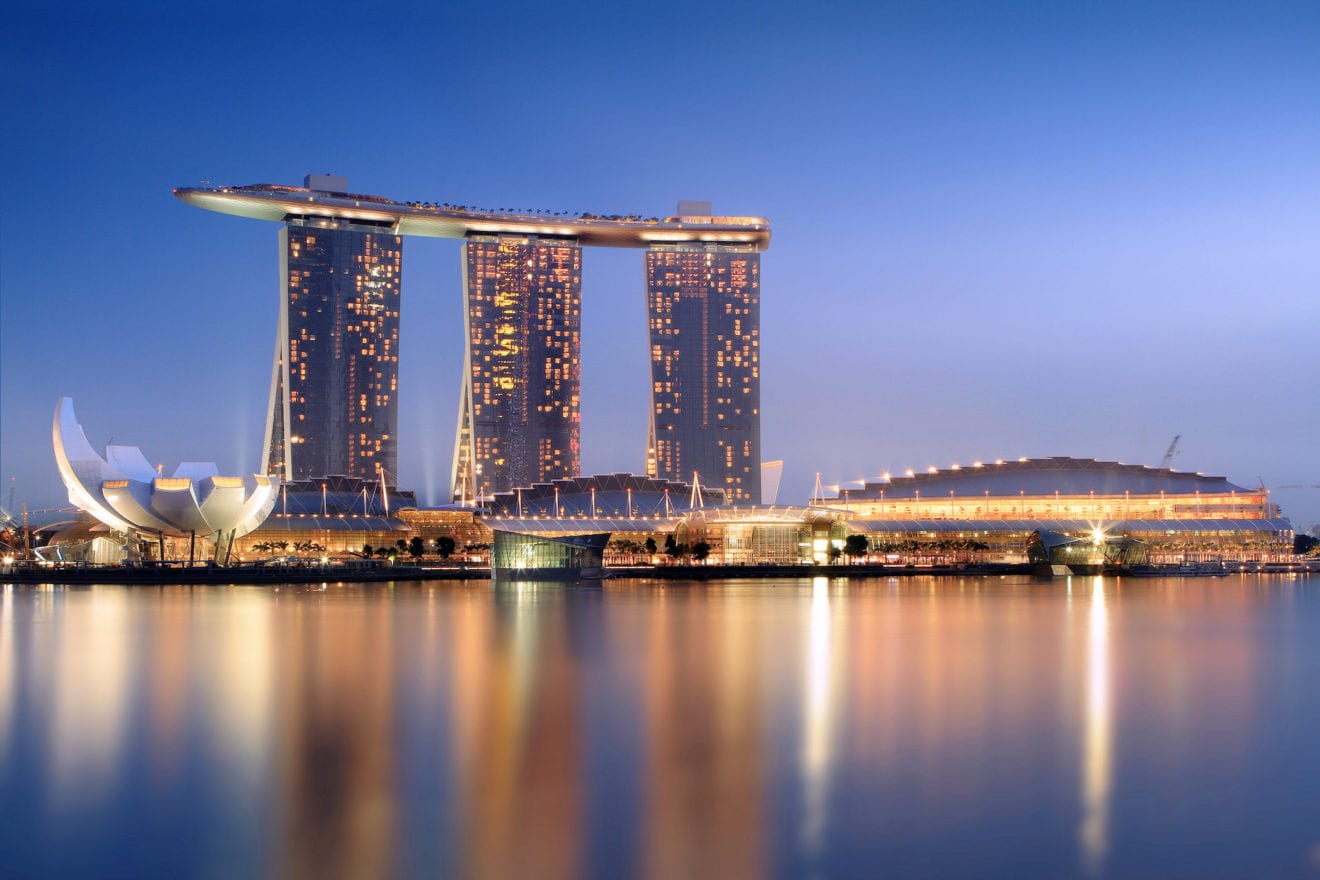
  • The Shoppes at Marina Bay Sands launches E-commerce concierge

    The Shoppes at Marina Bay Sands launches E-commerce concierge

    The Shoppes at Marina Bay Sands has launched a ‘click-and-deliver’ digital shopping concierge for online shoppers.

    The new service – the first of its kind among Singapore’s luxury shopping malls – features hundreds of selected fashion items that can be delivered free anywhere on the island. It launches with more than 10 participating brands including Bally, Boss, Bottega Veneta, Fendi, Jimmy Choo, Loewe, Manolo Blahnik and Moncler.

    “This new service is an extension of The Shoppes Edit portal,” said Marina Bay Sands VP of retail Hazel Chan. “Beyond simply reserving products online, shoppers can now choose to have them delivered directly to their doorstep. Through this service, we want to make luxury shopping an effortless pursuit for our customers.”

    A shopping voucher promotion is currently on offer to celebrate the launch of the service until May 31.

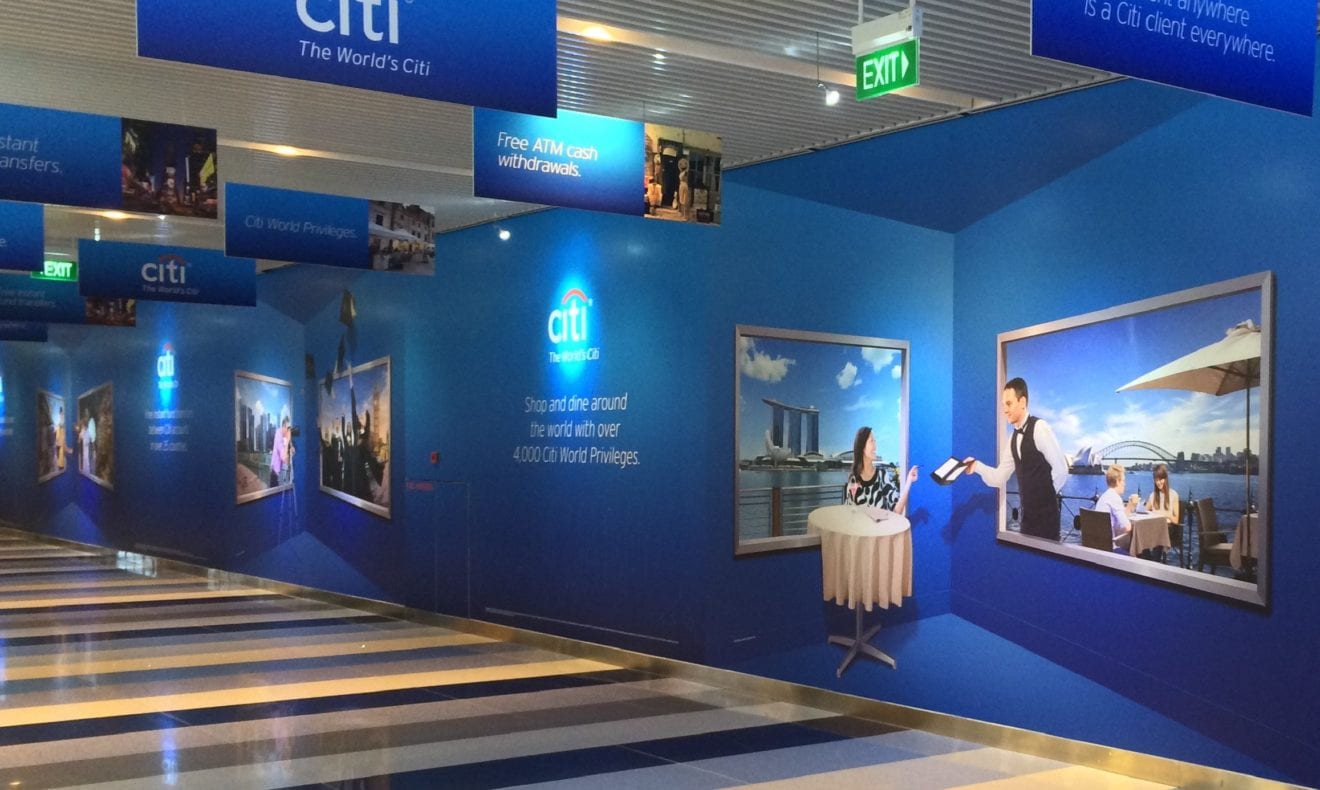
  • Citi Names APAC Corporate Banking Head

    Citi Names APAC Corporate Banking Head

    Citi names the successor to former Asia Pacific head of corporate banking Gerry Keefe, who will take on the new role in the bank. Citi appointed Kaleem Rizvi as its new APAC head of corporate banking last week, according to a statement. In his new Hong Kong-based role, Rizvi will report to Jan Metzger, APAC head of banking, capital markets and advisory, and Jason Rekate, global head of corporate banking.

    Rizvi joined Citi in 1996 in its Pakistan-based offices across roles in investment banking, institutional remedial management, corporate banking and commercial banking. Since then, he’s held other roles in a covering diverse range of markets including Nigeria, Thailand, Vietnam, Bangladesh, Sri Lanka, and, most recently, the Americas as Citi’s Colombia-based CIB head for the Andea, Central American and Caribbean cluster.

    Rizvi’s predecessor Keefe remains with the bank and will take on a new role as global head of TTS corporate and public sector sales.

    The bank also named Christie Chang as its new corporate banking chairman for the region, in addition to her existing roles as head of Taiwan BCMA and president of Citibank Taiwan. Chang will provide leadership and targeted client coverage in the region. 

    Chang joined Citibank in 1989 as a management associate and has since held various senior Taiwan roles. These appointments underline the importance of Asia Pacific to our global corporate banking franchise, Metzger said. We look forward to this new leadership building further on the strong relationships we have across the region with corporates, financials, and public sector clients and the 95 percent of the ‘Fortune 500’ who bank across the region.

  • Datalogic Magellan 1500i delivers high-performance scanning for retailers

    Datalogic Magellan 1500i delivers high-performance scanning for retailers

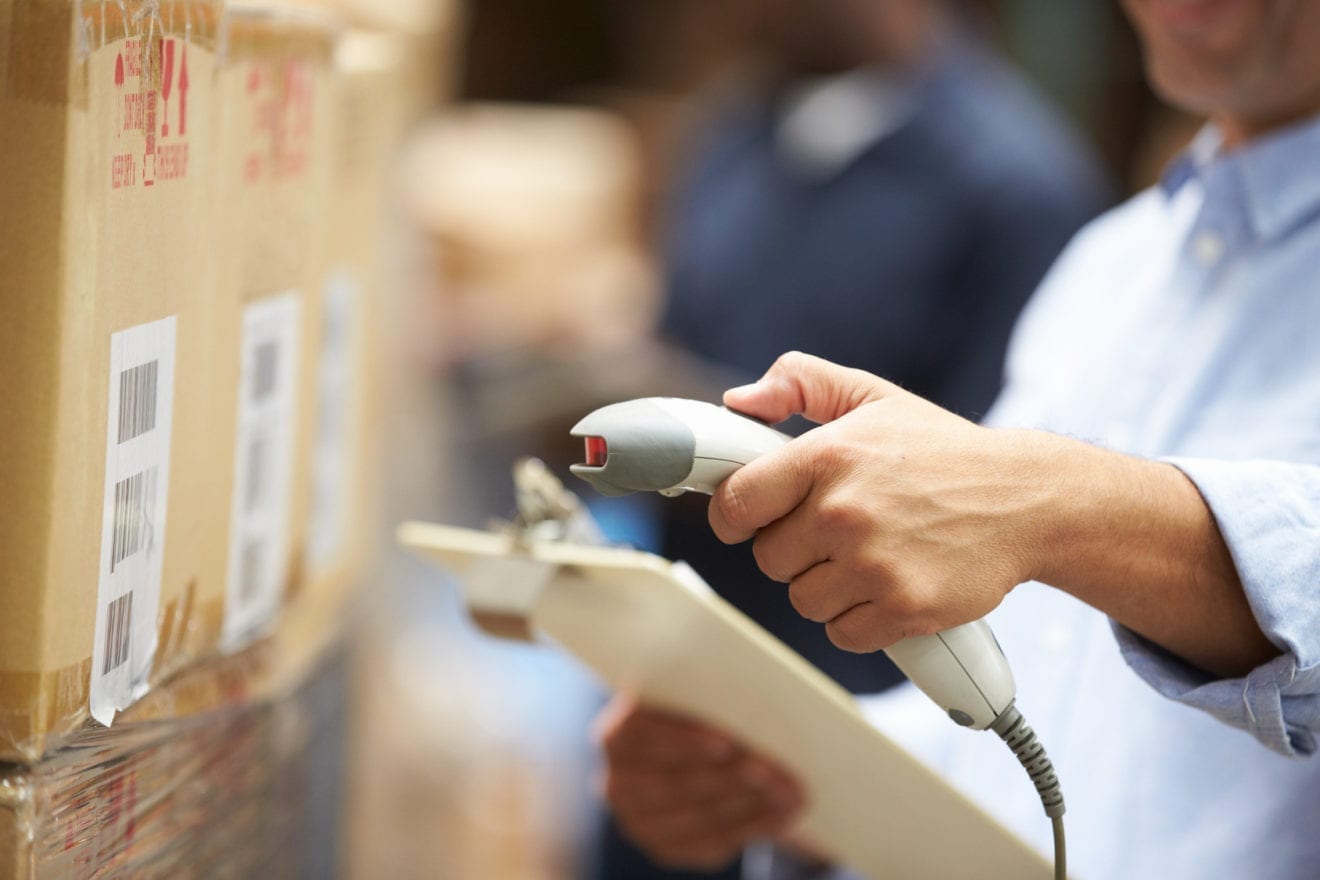
    Datalogic’s Magellan 1500i merges imaging excellence with innovative design in a high-performance presentation scanner ideal for retailers.

    Uniquely user-friendly and powerful, the Magellan 1500i is suitable for all types of retail store, including pharmacies, customer-service counters, kiosks, pop-up stores – and even self-checkouts.

    A compact footprint and discrete cable routing ensure the scanner takes up as little space on counters as possible, maximizing the area left for serving customers.

    Yet, despite it compact size, the Magellan 1500i has a large reading area and a fast sweep. It can read at distances of up to 25 cm and with 1D-sweep speeds of up to 1.5 m/s. This makes scanning 1D, 2D and Digimarc barcodes from printed labels, packaging or mobile phones easy and intuitive.

    Datalogic technology built-in includes soft-red adaptive illumination, minimizing light when it is not needed and adjusting the depth of field to suit the operating environment. And the scanner comes with multiple mounting options, including magnetic, allowing it to be used by both cashier and customer.

    Powerful decoding algorithms provide unmatched performance on a variety of 1D and 2D labels, including hard-to-read, truncated and damaged codes.

    The Magellan 1500i can be used in hands-free stand mode or hand-held mode. When the scanner is placed on a counter, items can be swept past or presented to the scanner. But if an item to be scanned is too large to lift, the Magellan 1500i can also be used as a hand-held scanner.

    When picked up from the counter, Datalogic’s Motionix motion-sensing technology detects the movement and activates an LED aimer. Users simply place the aimer on the target bar code, depress the trigger and Datalogic’s patented ‘Green Spot’ technology provides good-read confirmation. When the scanner is returned to the counter, the scanner automatically returns to stand mode.

    Remote management is supported for OPOS, JavaPOS, Toshiba Remote Management with IBM Systems Director® and Wavelink® Avalanche®. Additional capabilities are available with the value-added features included in every Magellan scanner.

  • WeChat launches plan to stimulate retail growth

    WeChat launches plan to stimulate retail growth

    Chinese social-media and mobile-payment app WeChat has introduced measures aimed at boosting the recovery of the retail industry.

    The firm’s Wechat Retail Growth Plan is intended to help global businesses and brands strengthen their understanding and use of WeChat’s tools and functions to better resolve the challenges created by the coronavirus pandemic.

    The plan uses several recent services launched by WeChat, including WeChat Live for businesses – which allows them to interact with customers and generate sales via live streaming – and WeChat Work 3.0, which has become a key platform for remote working during the pandemic, connecting enterprises with customers.

    WeChat’s key services promoted by the growth plan also include 1 on 1 Consultant – which allows retailers to tap into existing user bases and manage fans as well as initiate direct conversation with followers – and WeChat Pay, which has encouraged cross-border e-commerce, local orders, and scan-and-go self-service during the pandemic.

    The firm has also launched a range of supportive policies for merchants facing challenges during the coronavirus outbreak.

    More than 1 billion Chinese consumers use WeChat’s platform.

  • Lavazza launches with a strong partner with with Yum Brands

    Lavazza launches with a strong partner with with Yum Brands

    Fast-food and QSR-restaurant operator Yum China has partnered with Italian coffee company Lavazza to develop a network of coffee shops across the country.

    The companies have opened a Lavazza Flagship store in Shanghai, first outside Italy, as the first step in the new partnership.

    The flagship is located in Jing’an, Shanghai’s historic downtown district, offering what the companies describe as “an immersive Italian coffee shop experience that is almost identical to what they could expect to find in Italy”. High ceilings, artistic murals and marble furnishings help deliver the Italian ‘feel’ and the coffee is complemented with a “gastronomic cafe” serving traditional Italian-inspired snacks.

    “We see great potential for coffee in China and Lavazza shares this enthusiasm,” said Joey Wat, CEO of Yum China. “Leveraging our deep understanding of Chinese consumers, we look forward to working together with Lavazza to explore the coffee market in China.

    Antonio Baravalle, CEO of Lavazza Group, described Yum China as “a prestigious partner with in-depth knowledge of the market and the needs of Chinese consumers”.

    “China is an important market with huge untapped potential for coffee consumption. We have been searching for the right opportunities to establish Lavazza in China and Asia, and this partnership is an important first step,” he said.

    The 125-year-old family-owned Lavazza positions itself as a premium brand offering high-quality coffee. It has a strong presence across Asia at the retail level and as a supplier of beans to independent cafes, which must meet strict standards of coffee-making to be allowed to serve the brand.

    Lavazza has created a blend exclusively for the China market: Bel Paese Coffee, which it says offers tastes from across the different regions of Italy, including using historic espresso recipes and local interpretations.

    A range of ‘Coffee Design’ specialty coffees is also available at the Lavazza Shanghai Flagship Store.

    The food menu was created in partnership with an unnamed Michelin-starred chef to provide an authentic Italian offer.

    Yum China says its brands – including Pizza Hut, KFC and a growing portfolio of Chinese food chains – sold 130 million cups of coffee to consumers last year

  • DBS Q1 Profit Falls as Bank Makes Covid-19 Allowances

    DBS Q1 Profit Falls as Bank Makes Covid-19 Allowances

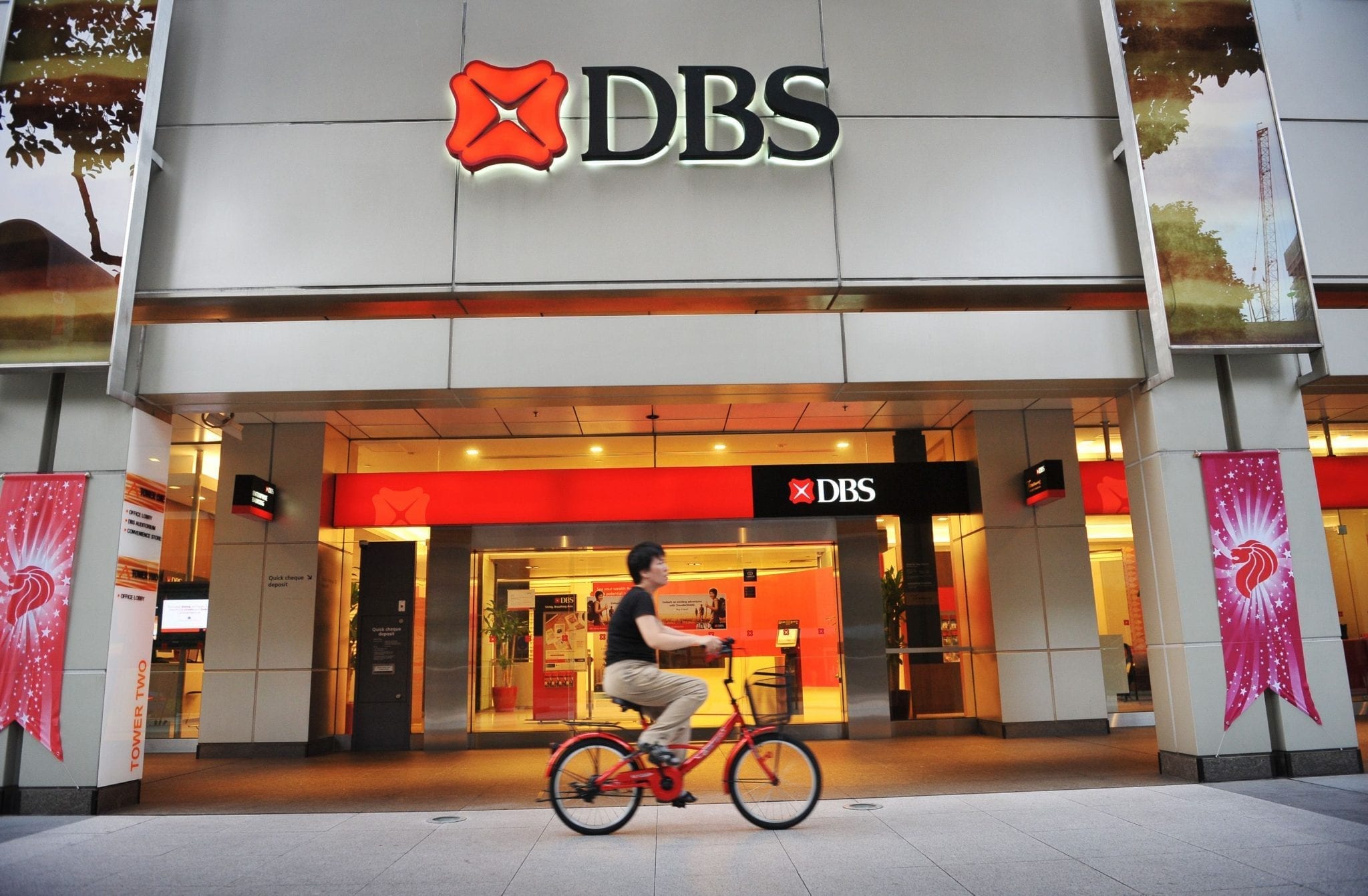
    While the bank’s first-quarter income grew 13 percent to cross $4 billion for the first time, pre-emptive allowances it has made for uncertainty due to Covid-19 has resulted in its lowest profit in six quarters.

    DBS Bank’s first-quarter net profit is down 29 percent year-on-year, at S$1.17 billion ($830 million), as it set aside general allowances of S$703 million for risks arising from the ongoing Covid-19 pandemic, the bank said in a statement on Thursday.

    The bank’s total income of S$4.03 billion, however, was up 13 percent on year and 16 percent on quarter, on the back of broad-based growth in non-trade corporate loans and fee income, as well as gains from investment securities. Fee income grew 14 percent from a year ago to a new high of S$832 million, led by a 28 percent increase in wealth management fees, a 17 percent rise in loan-related fees, and a 64 percent increase in investment banking fees, though card fees fell 8 percent due to lower transactions across the region. Non-interest income grew 39 percent from a year ago to S$712 million.

    Expenses grew by 4 percent from the year before, but was still 3 percent lower on quarter to S$1.56 billion, from lower general expenses and staff costs. Profit before allowances grew 20 percent to S$2.47 billion.

    Its balance sheet was bolstered with reserves growing by 29 percent to S$3.23 billion, as the bank is anticipating a «deeper and more prolonged economic impact» from the pandemic.

    The magnitude of the crisis will be greater than 08-09 and Sars, DBS CEO Piyush Gupta said in a media briefing on Thursday, with the bank expecting increased credit risks going forward. However, it maintains a positive business outlook, with resilient loan growth, record deposit inflows, and upside from non-interest income.

    As a result of the uncertain economic outlook, DBS expects a full-year profit before allowances to be around 2019 levels after factoring in declines for the next three quarters, Gupta said, noting that its operating performance in the first quarter has given DBS a strong head-start.

    We will maintain a solid balance sheet with ample capital, liquidity, and loss allowance reserves that give us strong buffers to absorb external shocks, Gupta said in the statement.

    The board announced a quarterly dividend of $0.33 per ordinary share, unchanged from the quarter before. It will be paid together with the dividend for Q4 2019 on 26 May.

    DBS said it would continue to assess the prospective impact of the pandemic on financial performance, credit costs, and capital ratios, and adjust its dividend policy as appropriate.

  • Chinese phone manufacturer caught using a backdoor but it’s not Huawei or ZTE

    Chinese phone manufacturer caught using a backdoor but it’s not Huawei or ZTE

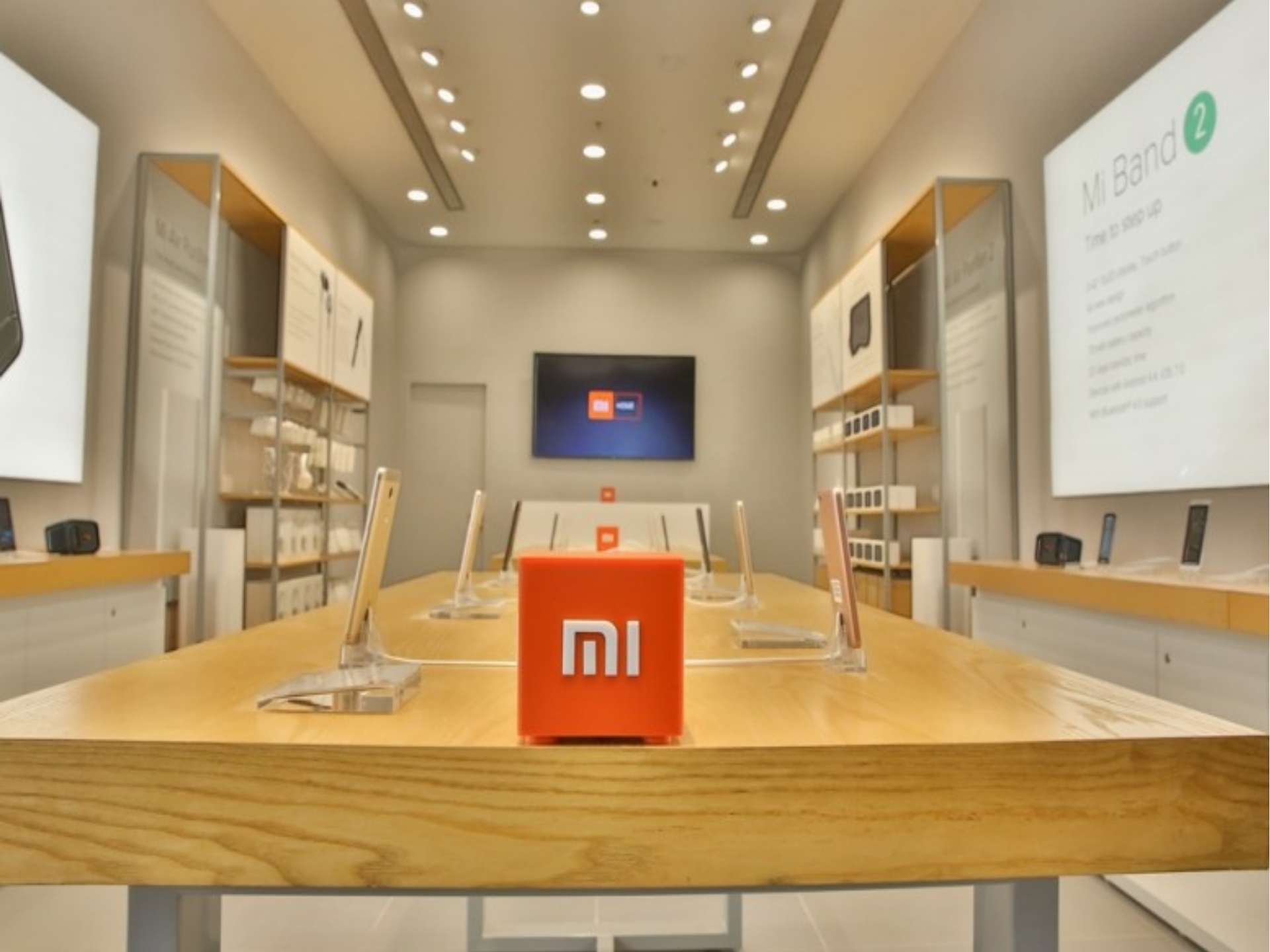
    Last year, Xiaomi was the fourth-largest smartphone manufacturer in the world after shipping approximately 125.5 million units. The company has done an amazing job in India, the world’s second-largest smartphone market. That’s because Xiaomi produces handsets priced appropriately for the developing country; using a value for money retail strategy, Xiaomi has done very well in India.
    For years now, we have been waiting for Xiaomi to invade America, but year after year such a move has never come. And outside of OnePlus, Chinese phone manufacturers aren’t exactly being greeted in the U.S. with open arms. Even ZTE, which was the fourth-largest smartphone shipper in the states in 2018, dropped out of the top five after being banned from accessing its U.S. supply chain. And no Chinese smartphone manufacturer wants to get the same treatment that the U.S. has given Huawei.
    While Xiaomi has always tried to give the impression that it was “China’s Apple” and above the fray, the company has now found itself accused of using a backdoor to send user information to a server. A cybersecurity expert named Gabi Cirlig discovered some strange behavior on his Xiaomi Redmi Note 8. He found that Xiaomi’s default browser was recording all of the websites he visited. Even searches made with the privacy-first search engine DuckDuck Go and websites he visited while in the incognito mode were being tracked by the browser. Even worse, all of this data was being sent to servers in Singapore and Russia that used web domains registered in Beijing. These servers are being used by Xiaomi according to Cirlig.
    Other researchers discovered that Xiaomi’s browsers on the Google Play Store, the Mi Browser Pro, and the Mint Browser, were guilty of the same behaviors. Together, both browsers have been installed over 15 million times. And Cirlig found the same browser code on other Xiaomi handsets including the Xiaomi Mi 10, Xiaomi Redmi K20, and Xiaomi Mi MIX 3; that leads him to believe that these phones have the same privacy issues as his Redmi Note 8.
    Xiaomi has responded by saying that the data it was sending to the servers was encrypted. But Cirlig said that he was able to crack the code in seconds. The cybersecurity expert also said, “My main concern for privacy is that the data sent to their servers can be very easily correlated with a specific user.” That’s because the data being sent to the servers included metadata associated with a specific device including its unique ID number and the Android version that it runs. Cirlig says that this data can “easily be correlated with an actual human behind the screen.”
    The manufacturer contradicted itself saying that the research claims weren’t true and that the company “strictly follows and is fully compliant with local laws and regulations on user data privacy matters.” But a spokesman for Xiaomi admitted that it was collecting data that was anonymized to prevent it from being tied to specific individuals. When Forbes showed Xiaomi a video that confirmed the behavior of the browser claimed by Cirlig, the company responded by saying, “This video shows the collection of anonymous browsing data, which is one of the most common solutions adopted by internet companies to improve the overall browser product experience through analyzing non-personally identifiable information.”
    Yesterday Xiaomi published a blog post in which it said that it collects the data to check the compatibility between the operating system and apps. Xiaomi claims that the information is harvested by permission and consent from its users and is anonymous and encrypted. “The collection of aggregated usage statistics data is used for internal analysis, and we do not link any personally identifiable information to any of this data.”
    Today, the company wrote that it will send out an update to its browsers that will prevent a user’s internet travels from being sent through Xiaomi’s servers. There also will be an option in incognito mode to toggle on or toggle off data collection. Xiaomi said, “We believe this functionality, in combination with our approach of maintaining aggregated data in a non-identifiable form, goes beyond any legal requirements and demonstrates our company’s commitment to user privacy.”
  • US cafe chain Blue Bottle lifting off in Hong Kong

    US cafe chain Blue Bottle lifting off in Hong Kong

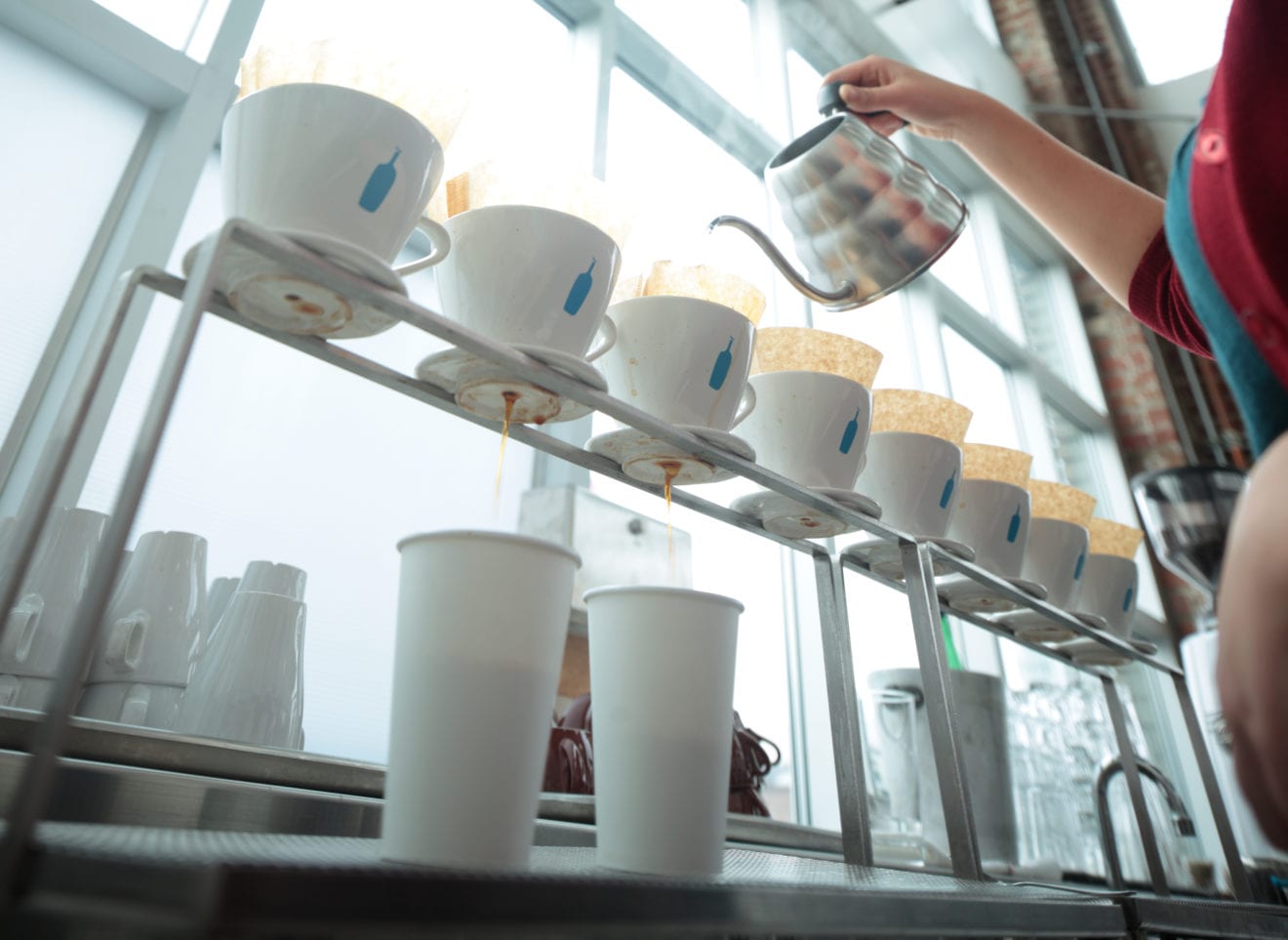
    After months of speculation, US coffee chain Blue Bottle has launched in Hong Kong.

    The modern coffee roaster is currently serving only takeaway coffee from its location in Lyndhurst Terrace due to restrictions on restaurant trading during the coronavirus pandemic.

    The store, expected to open for dine-in services when social-distancing restrictions are eased, features “an industrial medley of timber work surfaces [and] exposed support beams” design, according to LifestyleAsia.

    The store is Blue Bottle’s 22nd venue in Asia. It currently has more than 50 cafes in the US, and recently debuted in Japan and South Korea.

    The brand is known for its single-origin beans and cold-brew coffee which prompted consumer-goods giant Nestle to acquire a 68-per-cent stake for US$425 million back in 2017.

  • Taiwanese fashion platform Pinkoi lands in Hong Kong

    Taiwanese fashion platform Pinkoi lands in Hong Kong

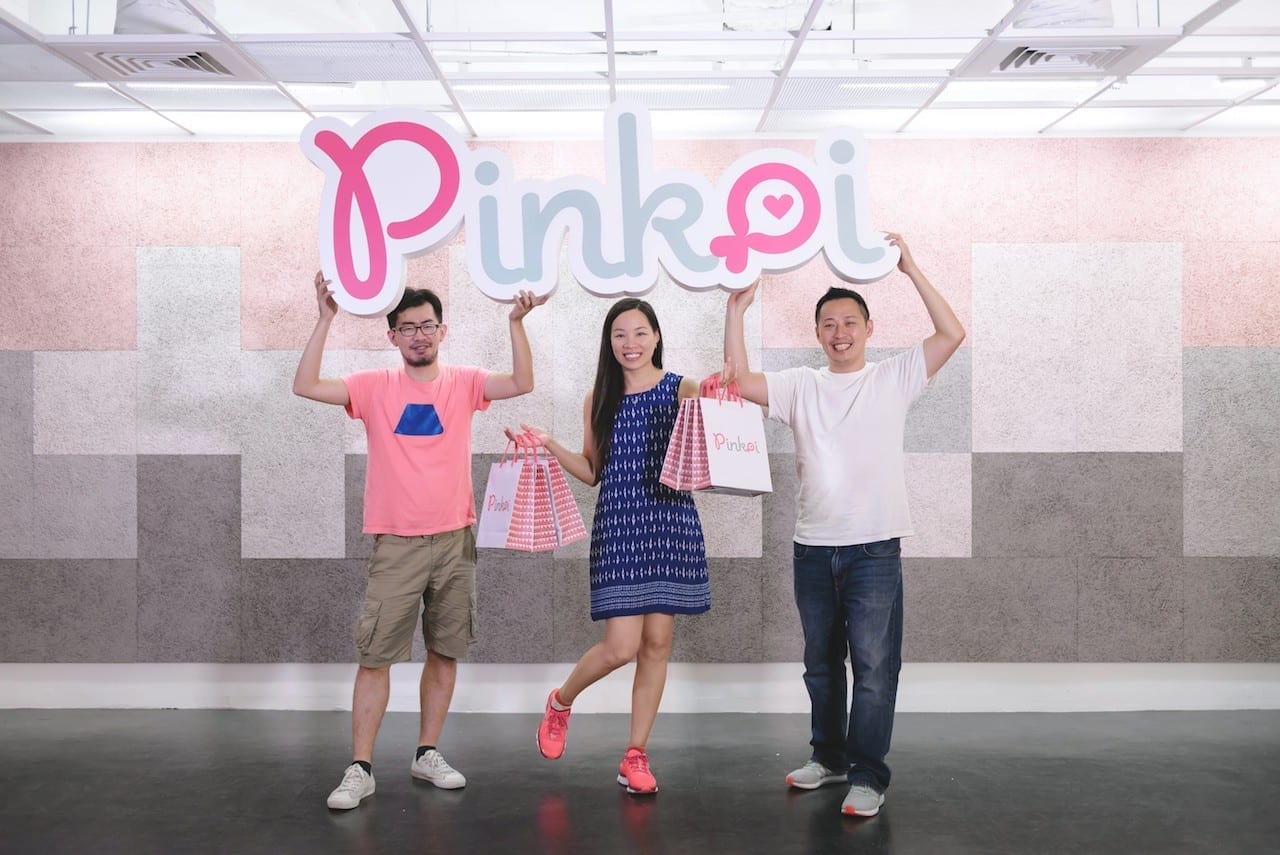
    The firm predominantly represents indie brands and independent designers, taking orders on its platform and passing on notifications to sellers who then ship their products to consumers directly.

    Pinkoi is expanding into Hong Kong against the backdrop of the coronavirus pandemic, which has seen the firm reduce its transaction fees for orders worth less than US$10 to 5 percent – a reduction of 10 percent – until June 30.

    The firm has also pledged to invest more than US$660,000 in advertising in order to strengthen promotion for member shops before the end of May. This investment will go towards advertising on platforms such as Google, Facebook, Criteo, Instagram, and Twitter, amongst others. It will simultaneously launch a range of themed online promotions and discounts in order to promote partner designs to its 3.2 million members.

    Pinkoi has opened a physical store in Hong Kong at The Mills.

  • Yum China Profit gain despite Covid-19 virus impact

    Yum China Profit gain despite Covid-19 virus impact

    Yum China emerged from the first quarter in profit despite the disruptive effects of the Covid-19 pandemic on sales and operations.

    While revenue was down 24 percent for the operator of KFC, Pizza Hut in Mainland China, and several local restaurant chains, the company reported an operating profit of US$97 million. That was achieved even after extending support to staff and franchisees, whose income was affected by store closures during the pandemic. Total sales were $1.75 billion, down from $2.3 billion.

    “This achievement under extraordinary circumstances is a testament to our resilient and flexible business model,” said Yum China CEO Joey Wat. “Weathering this storm of all storms gives us great confidence in our ability to thrive in the years ahead by serving our employees, customers, and shareholders.”

    Yum China opened 179 new stores during the March quarter – mostly prior to Lunar New Year – extending its store count to 9295 across more than 1400 cities.

    During the Covid-19 crisis, the company began temporarily closing stores in late January, working within the guidelines of respective local city authorities. Some 35 percent of stores were closed by mid-February at the peak of the outbreak, with significant regional differences. As of last week about 99 percent of its stores have either partially or fully reopened.

    Same-store sales declined in restaurants which remained open, due to reduced operating hours and falling customer numbers. Many of the stores provided only delivery or takeaway services.

    During the first three weeks of January – prior to the pandemic taking hold – the company experienced strong trading across its network. But then same-store sales declined by 40-50 percent compared with last year’s Lunar New Year holiday turnover. By late March, same-store sales had recovered somewhat, down by about 20 percent. Delivery sales accounted for 35 percent of total sales throughout the quarter, almost double the share of a year earlier.

    The company said sales during April – the early weeks of the second quarter – were down by more than 10 percent on a same-store basis.

    The reason Yum China performed so well during the quarter was a mixture of cost control, landlord support, assistance from government agencies and improved labor productivity, which mitigated lower sales and increased expenses due to contactless delivery and increased delivery costs.

    By channel, Pizza Hut was affected more than KFC, with sales down 38 percent, compared to 15 percent (excluding foreign-exchange adjustments).

    Yum China’s net income declined 72 percent from $222 million to $62 million, primarily due to the reduced operating profit and losses in an equity investment in Meituan Dianping.

    Wat said the company relied on its “culture of innovation” to protect stakeholders and support the business during the pandemic-related lockdown.

    “Most importantly, we quickly implemented a safe way to reach our customers through highly sanitary contactless delivery and contactless takeaway. Our digital infrastructure enabled us to stay nimble and communicate quickly with customers and employees online and through mobile technology. We were able to inform our members about compelling offers through our apps, while efficiently adjusting labor hours based on rapidly changing traffic and sales patterns,” he said.

    CFO Andy Yeung said that while the situation in China is gradually stabilizing, the company remains cautious as restaurant traffic is still below pre-outbreak levels.

    “We expect an extended recovery period, and that the pace will be uneven across regions, day parts and segments. On the other hand, global infections continue to rise. It remains difficult to predict the full impact of the pandemic on the broader economy and how consumer behavior may change.”

  • Nepal’s Per-Capita Income Projected

    Nepal’s Per-Capita Income Projected

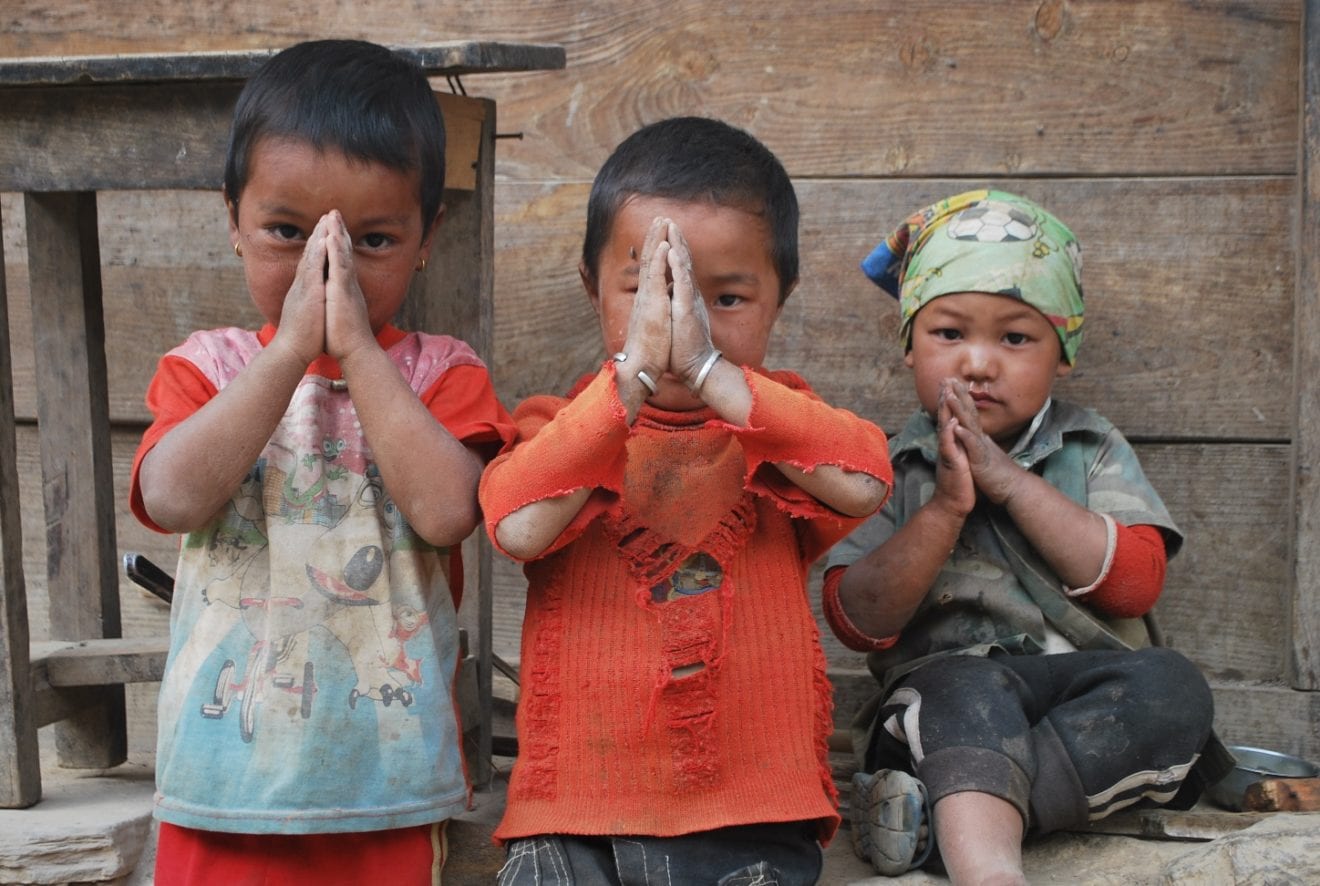
    Due to constant changes in the political scene, Nepal’s economic development has always been complicated. From being ruled by a monarchy to being under the leadership of the communist party last year, this country’s economic state has been tough. The isolated agrarian society entered the modern era in 1951, with no hospitals, roads, electric power, civil service, industry, or schools. However, the country has made significant progress in achieving sustainable economic growth.

    According to the Central Bureau of Statistics, Nepal will have a 2.27% annual economic growth in 2020 due to the impact of the ongoing pandemic. The CBS also projects that the growth rate of the nation’s GDP (gross domestic product) will be around a quarter of what the government projected. That has been caused by the ongoing lockdown in most countries, which has hindered travel and tourism in fascinating sites like Mount Everest and other scenic areas.

    The hospitality industry is also going through a major hit, leading to a significant loss of income as people continue to adhere to social distancing advice. While releasing their report, CBS, which is Nepal’s central agency for collecting, analyzing, processing, consolidating, and publishing statistics, projected the country’s per capita income to be Rs 126,018 for the year 2076.

    The CBS also corrected the projected per capita income for this fiscal year. The organization announced a per capita income of USD 1039, after projecting it to remain at USD 1034. As a result, Nepal’s annual GDP is expected to grow at a rate of 2.27% compared to the current price.

    Comparing the statistics of the last three years, the report concludes that the contribution of tertiary and primary sectors has been increasing gradually. However, secondary sectors have been decreasing their contribution to the economy to some extent.

    Nepal’s main economic activity remains agriculture, employing about 65% of the country’s population and contributing 31.7% GDP. That’s quite impressive, considering that only 20% of the country’s total area is arable, while 40.7% is covered by pastureland, forest and shrubs. The rest of the country is covered by mountainous regions.

    The main crops grown in the country are fruits and vegetables like potatoes, tomatoes, apples, peach, pears nectarine, and various salads.  Nepal also grows wheat and rice, with the lowland Terai region producing agricultural surplus that feeds food-deficient hill areas. However, the country’s GDP heavily depends on foreign workers, who contribute 9.1%.

    While analyzing this year’s statistical data, CBS divided the industrial sector into three sections. That includes Tertiary, secondary and primary sectors. The primary sector features agriculture and fishery, mining & quarrying and forestry, all contributing a total of 28.20% to the GDP. Manufacturing, construction, water, gas, and electricity were categorized in the secondary sector, contributing 13.72% to the GDP.

    The CBS also projected that the tertiary sector’s contribution to the country’s GDP would be 58.08%. This sector includes retail and wholesale trade, restaurant and hotel, communication and storage, social work, health, education, defense, financial inter-mediation, transportation, and other community services.

  • Uber Resumes Operations In Green And Orange Zones

    Uber Resumes Operations In Green And Orange Zones

    The Union Home Ministry has announced a considerable number of relaxations starting today in the movement of citizens across the country. These relaxations are valid across all 3 zones – Green, Orange and Red from 7pm to 7am. However, the Government has clarified that Cab services are allowed only in Green and Orange zones and in compliance with this Cab aggregator, Uber, has said that it is resuming services in 27 towns and cities panning across these 2 zones. This includes 6 cities in the Green zones and 21 Orange zone cities.

    To maintain social distancing, it has been recommend not more than two riders should travel at a time, besides the driver and no one should be seated right next to the driver. Green zone cities where services have been resumed include Cuttack, Jamshedpur, Daman, Silvassa, Guwahati and Kochi. 21 Orange zone cities where you can now hail an Uber cab include Amritsar, Asansol, Dehradun, Durgapur, Ghaziabad, Gurgaon, Hubli, Kozhikode, Mangalore, Mehsana, Mohali, Nadiad, Panchkula, Prayagraj, Rakjot, Rohtak, Thiruvananthaouram, Thrissur, Udaipur, Vapi and Vishakhapatnam. Services remain suspended in all cities which fall under the Red zones, however, Uber Essential and UberMedic services will continue to be available for emergency hospital trips.

    Apart from seating, the company has also issued additional instructions to be followed during rides. It is mandatory to wear a face mask and if you need to sneeze or cough, you have to do so into your elbow or a tissue. The rider can either open the windows for ventilation or ask the driver to switch on the A/C in the fresh air mode only. The company has requested the passengers to use digital payments whenever possible and handle their personal luggage and belongings themselves. Importantly it has also added that drivers and riders can cancel trips if they don’t feel comfortable due to safety reasons. In such cases, a full refund of cancellation charges will be provided, if the rider submits a cancellation request through the app.