Tag: asia

  • 500,000 Zoom logins are being sold on the dark web

    500,000 Zoom logins are being sold on the dark web

    According to its listings in the App Store and the Google Play Store, the Zoom Cloud Meeting app delivers the best iPhone, iPad, and Android video meeting quality and screen sharing quality. Those using the iOS app on the iPhone 8, iPad 5, iPad Pro, and all later models can add a virtual background to their video teleconference. This is an amazing time for Zoom as the pandemic is forcing wedding receptions to be held on the platform. Zoom was even used to help direct the cast of the “Parks and Recreation” reunion that NBC broadcast last week.

    Zoom has been the subject of several complaints. Founder and CEO Eric Yuan explained some security problems that Zoom had by stating that the platform was designed for large firms that have an IT department. This past March, the Zoom iOS app was caught sending user information to Facebook without the user knowing. Zoom responded by saying that Facebook’s SDK was collecting data related to the make and model of the device and the operating system being used to login to the app. An update removed the SDK. A lawsuit was filed that same month accusing Zoom of passing user information to third parties including Facebook.

    Last month, a data-mining feature on Zoom, using a tool designed to match Zoom users’ names and email addresses with their LinkedIn user profiles, was discovered by the New York Times. Other people in the same video meeting using LinkedIn Sales Navigator were able to see other participants’ LinkedIn profiles without permission by tapping on an icon next to their names. Both Zoom and LinkedIn ended this feature.

    In an attempt to earn back user trust, CEO Yuan recently announced a 90-day security plan. One of the new initiatives allows users to decide which regions their data will be run through. Previously, all data was run through China which made ears perk up in Washington D.C. among the anti-Huawei crowd.

    Could things get worse for Zoom users? More than 500,000 Zoom logins have been offered for sale on the dark web. The price for each login is a penny (1.25 U.S. cents) or $6,250 USD for the entire list. Cybersecurity intelligence company Cyble purchased the logins from a Russian-sounding person over the Telegraph app. A Zoom spokesman said, “We continue to investigate, are locking accounts we have found to be compromised, asking users to change their passwords to something more secure, and are looking at implementing additional technology solutions to bolster our efforts.” The company has also hired intelligence firms to find who is responsible for selling the passwords and the tools used to collect them. It is also investigating an unnamed company that has tricked people into downloading malware and revealing their login information on certain sites.

    The company recently had to walk back a claim that it had 300 million daily users and said that it actually has “300 million daily meeting participants.” These are two different metrics because a person can take part in more than one meeting in a day. Zoom has yet to release the number of active daily users, although to be fair this is a number that is constantly changing because of the pandemic. Zoom’s growth during the COVID-19 outbreak can easily be seen in the jump from 10 million daily participants in December to 300 million last month.

    Yuan recently said that the company is working hard to prevent Zoombombing. The latter takes place whenever an uninvited person crashes a Zoom video conference without an invitation and has become a major annoyance for users of the Zoom platform. Zoom investors also have been cashing in. The company’s stock (ZM-Nasdaq) has more than doubled since the end of last year closing Friday at $138.56.

  • More Loan Loss Provisions at HSBC After Q1 Profit Plunge

    More Loan Loss Provisions at HSBC After Q1 Profit Plunge

    HSBC reported a 48 percent year-on-year drop in pre-tax profits and increased its reserve for in anticipation of loan losses fuelled by the ongoing pandemic and volatile oil prices.

    The British lender registered $3.23 billion of quarterly pre-tax profits, falling short of the average analyst forecast of $3.67 billion. It also upped loan loss provisions by $2.4 billion to $3 billion attributing the headwinds to coronavirus and oil, citing «a significant charge related to a corporate exposure – a likely reference to reported recent troubles with oil trader Hin Leong.

    Revenue was down 5.1 percent to $13.69 billion and operating expenses also fell 4.5 percent to $7.85 billion.

    According to an HSBC statement, the outlook for world economies in 2020 has substantially worsened in the past two months» and warned of the potential for more bad loans and weaker margins from lower rates. Expect materially lower profitability in 2020, the statement added.

    On dividends – a thorny issue from the bank which has faced outrage from disappointed Hong Kong retail shareholders – the bank will review at or ahead of HSBC’s year-end results for 2020.

  • Meal kits drive strong sales and profit growth for GS Retail

    Meal kits drive strong sales and profit growth for GS Retail

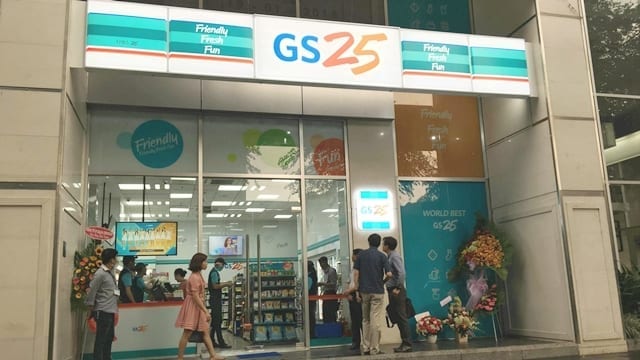
    GS Retail, which operates the South Korean convenience-store chain GS25, has reported a huge profit increase for this year’s first financial quarter, boosted by sales of pre-packed meal kits popular during the coronavirus lockdown.

    GS Retailreported a KRW88.8 billion (US$72.1 million) in profit from January to March, a 314.7-per-cent increase over last year’s figures. The result was considerably higher than the projected KRW23.9 billion ($19.5 million) profit for the period and sparked a 16.6-per-cent rise in its share value.

    A 98.7-per-cent surge in online sales was also a significant contributor to the firm’s first-quarter good fortune, with overall sales totaling KRW1.6 trillion ($1.3 billion).

    Last year, in the same period, GS Retail recorded a loss of KRW4.8 billion ($3.9 million).

  • YouTube Music gets improved, easier to explore library on Android

    YouTube Music gets improved, easier to explore library on Android

    YouTube is making changes to its Music app that will make it easier for users to explore some of its features. YouTube Music’s changed library design was first spotted early this month by AndroidPolice, but it was only available to a limited number of Android users.

    The most important improvement is the ability to add songs and albums to your library without having to manually subscribe to the artist. An “Add to Library” option will now appear in the new menu, which will allow you to add albums and songs directly to your library, a couple of screenshots posted on Reddit suggest.

    The organization of the library has been changed too, so now the most important things like artists and songs are front and center. The previous version of the library displayed recent items and shortcuts to downloads and playlists. You had to scroll at the bottom of the list to actually find songs and artists.

    Unfortunately, the update that’s not rolling out to Android devices doesn’t include the new player UI and the Explore tab that YouTube Music announced last week. Another update will most likely enable those new features in the near future.

  • Covid-19 exacerbates apparel-sales down in Japan

    Covid-19 exacerbates apparel-sales down in Japan

    Sales of apparel and accessories at Japanese department stores plummeted 40 percent last month compared with a year earlier.

    The figures were released by the Japan Department Stores Association showing the impact of the coronavirus outbreak on its member businesses. Data showed ¥97,548 million (US$911.5 million) in revenues for the month, compared to ¥243,870 million ($2.28 billion) for March last year.

    According to the association’s data, based on member polls, womenswear sales fell 44.2 percent during the period, with menswear falling 39.7 percent and kidswear 24.9 percent.

    Covid-19 is not the sole factor in the industry downturn, with sales figures already dropping since October last year, well before the coronavirus was discovered.

    The downward trend was aggravated by the Japanese administration’s restrictions on movement and by temporary store closures during the pandemic.

  • SGX Expands Partnership With Citic Securities

    SGX Expands Partnership With Citic Securities

    The collaboration covers fixed income, currencies and commodities (FICC), real estate investment trusts (REITs), and capital raising.

    Singapore Exchange (SGX) and Citic Securities, China’s largest securities firm, will jointly explore the feasibility of developing and listing new bond and risk management products for international participants who are looking to invest in China’s bond market, under a new agreement signed between the two parties on Wednesday at a virtual ceremony.

    The ongoing pandemic has not dampened both parties’ determination in working together to develop new financial products and support China’s continuous internationalization and opening of its financial markets, SGX CEO Loh Boon Chye said about the agreement.

    The partners will also jointly promote SGX’s real estate investment trusts (REITs) and large-cap stocks in the Mainland China and Hong Kong markets, as well as engage and educate Greater China companies on the benefits of raising funds in Singapore’s capital markets, the announcement said.

    Singapore is one of Asia’s largest REIT and property trust markets, with a combined market capitalization of over S$85 billion ($60 billion).

  • Disney+ app update adds data saver mode on iPhones, iPads

    Disney+ app update adds data saver mode on iPhones, iPads

    The way that Disney is expanding and improving its streaming service across the world is a real tour de force. Disney+ accomplished what took Netflix 7 years in just five months. Two weeks ago, the streaming video service confirmed it has more than 50 million subscribers.

    Even the small things like launching a mobile app or improving streaming quality on all platforms contributed to Disney+’s impressive rise. One of those smaller improvements has just been pushed to Disney+ subscribers using iOS devices.

    The iOS app has just received an update that introduces an extra layer of security and, as the title says, some sort of data saver mode. With the latest version of Disney+, you will be able to choose to log out of your account across all devices when want to reset your email or password.

    Also, the mobile app will now allow iOS users to choose the video playback quality on their home network to save data. Two new options are now available in the app – Automatic and Save Data. If you choose the latter, Disney+ will cap streaming speed to standard quality, whereas Automatic option can theoretically stream up to 4K UHD.

  • KFC tests plant-based chicken meals in China

    KFC tests plant-based chicken meals in China

    KFC has launched a three-day test of its plant-based chicken meals in China starting from today, April 28.

    Partnering with US food manufacturer Cargill, KFC China debuts its plant-based chicken nuggets, which are made from soy, wheat, and special pea, at selected stores in Shanghai, Guangzhou, and Shenzhen.

    “We are committed to embracing innovation and continue to delight and surprise our customers with tasty products,” said Joey Wat, CEO of Yum China. “The test of KFC’s Plant-Based Chicken Nuggets caters to the growing market in China for delicious alternative meat options on the go.

    “We believe that testing the plant-based chicken concept with one of our most iconic products will take this increasingly popular meatless trend to a new level.”

    Before the test was launched, consumers downloaded some 7000 coupons required to purchase the food from the KFC app. In Shanghai, the coupons sold out in just one hour. The company has also changed the layout and decor of participating stores to promote the initiative.

    KFC is not the only food-retailing brand to roll out plant-based meals in China this month – Starbucks recently launched a plant-based menu in stores across the country.

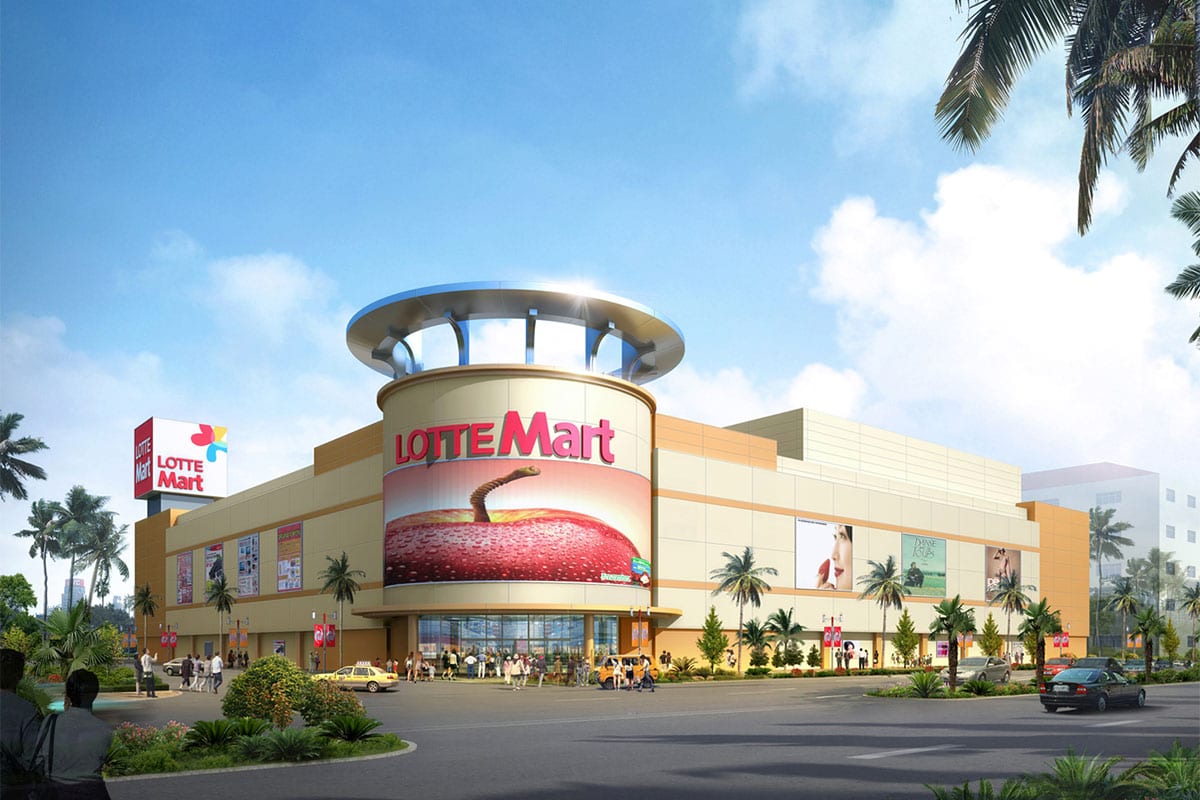
  • Lotte forecasts to double e-commerce sales by 2023

    Lotte forecasts to double e-commerce sales by 2023

    South Korean retail conglomerate Lotte is expanding its e-commerce offering with one-hour delivery grocery services, as part of a plan to double online sales by 2023.

    The rush grocery delivery service is paired with upgrades to the firm’s product recommendations system in a move to attract higher volumes of online purchases in a market increasingly shifting to internet buying.

    Lotte is currently targeting a doubling of last year’s e-commerce sales levels to KRW20 trillion (US$16.3 billion) by 2023.

    As part of the upgrade, the firm will merge its seven online operations onto a single platform – combining convenience stores, pharmacies and department store trading with its supermarket and electronics businesses. Lotte will collect sales figures for more than 20 million SKUs under the system going forward, which will serve to improve its product recommendation algorithms.

    Rush deliveries are commencing in Seoul for rollout to other areas within the territory later on.

  • Singapore Press Holdings sells its Buzz convenience-store chain

    Singapore Press Holdings sells its Buzz convenience-store chain

    Singapore Press Holdings has sold its wholly-owned convenience-store chain Buzz Shop to Thai-Pore Enterprise.

    “This divestment of a non-core business will sharpen SPH Group’s strategic focus on its main business segments of media, retail real estate, purpose-built student accommodation, and aged care,” the firm said in a statement. “SPH will continue with its disciplined approach as it reviews its investments and businesses on an ongoing basis to maximize shareholder value.”

    As part of the deal, the price of which was not disclosed, the publisher retains the rights to distribute its publications through the Buzz Shop network.

    The move sees Thai-Pore expanding from its core business of liquor imports into the convenience-store business.

    According to CEO Wee Eng Tee, the acquisition “supports our growth strategy and enhances our presence in the retail market”.

    “We look forward to growing the Buzz brand which SPH has laid a strong foundation (for) in the past decades,” he said.

  • Ford Expects $5 Billion Loss In Current Quarter As Coronavirus Hits Demand

    Ford Expects $5 Billion Loss In Current Quarter As Coronavirus Hits Demand

    Ford Motor said on Tuesday its second-quarter loss would more than double to over $5 billion from $2 billion in the first quarter due to the impact of the coronavirus pandemic, but added it had enough money despite the crisis to last the rest of 2020.

    “We believe the company’s cash is sufficient to take us through the end of the year, even with no additional vehicle wholesales or financing actions,” Chief Financial Officer Tim Stone said in a statement.

    But he called the current economic environment “too ambiguous” for the No. 2 U.S. automaker to give a full-year 2020 earnings forecast.

    “There’s no denying the negative economic consequences of a pandemic,” Chief Executive Jim Hackett said on a conference call with analysts.

    The Dearborn, Michigan-based company has slashed costs during the COVID-19 outbreak to weather the shutdown, including cutting salaries of executives and white-collar employees.

    Hundreds of workers at General Motors and other auto companies have gone back to work to make face shields, surgical masks, and ventilators in a wartime-like effort to stem shortages of protective gear and equipment.

    Ford also moved to cut spending on projects, saying on Tuesday it was pushing back its commercial autonomous vehicle services by a year to 2022 and that it had decided not to develop a previously announced luxury electric Lincoln sport utility vehicle in partnership with electric vehicle maker Rivian.

    Ford shares were down more than 4.6% in after-hours trading on Tuesday after closing the regular session at $5.38.

    Ford’s market value of $20.6 billion is now less than the $35 billion in cash it had on hand as of last Friday, an indication that investors expect the company to burn through significant amounts of cash before a recovery takes hold.

    Ford had preannounced the pandemic-fueled first-quarter loss earlier this month. That warning came the same day the company raised $8 billion from corporate debt investors.

    Last month, Ford moved to hoard cash on its balance sheet, drawing down $15.4 billion from two credit lines and suspending its dividend, in a move to bolster reserves to ride out damage to its business.

    Virtually all U.S. automotive production ground to a halt in March as the number of COVID-19 infections grew rapidly. But with President Donald Trump pushing for Americans to get back to work and several U.S. states beginning to reopen their economies, the focus in the auto sector has shifted to when production can be restarted.

    In an earlier conference call with reporters, Stone, the CFO, said the company would restart U.S. production “as soon as practicable,” but did not give a timeline.

    Ford’s captive finance arm posted $30 million in first-quarter pretax earnings, down $771 million from a year ago. That included $600 million in additional-loss reserves, plus higher depreciation of former lease vehicle sales and expected lease defaults – in preparation for the estimated future impact of the coronavirus on the finance unit’s performance.

    Ford, General Motors Co and Fiat Chrysler Automobiles NV (FCA) are aiming to resume production sometime in May, and are negotiating with the United Auto Workers (UAW) union, which represents their U.S. hourly workers, about how to safely resume vehicle production. FCA and GM are scheduled to report quarterly results on May 5 and 6, respectively.

    Last week, the UAW said it was “too soon and too risky” to reopen auto plants in early May.

    Ford, whose credit rating has been downgraded to “junk” status by Standard & Poor’s, said previously it hoped to resume production in April at plants that make its most profitable vehicles but subsequently backed off those plans.

    Ford said on Tuesday it would restart most of its European manufacturing starting next Monday. It has already resumed operations in China, where the pandemic began and where sales fell 35% in the first quarter. U.S. sales fell 12.5%.

    Once North American production resumes, the question will be how fast U.S. demand bounces back.

    Ford said it expected to spend $700 million to $1.2 billion on its global restructuring this year, but executives said the automaker was looking at additional actions.

  • Insurtech Startup to Grow Platform in Indonesia

    Insurtech Startup to Grow Platform in Indonesia

    It will use the funding raised on technology upgrades, growing its team, and branding to fuel its multi-channel strategy.

    Indonesia insurtech Qoala has successfully closed a $13.5 million Series A funding round, the largest raised by an Insurtech from Indonesia, the startup announced on Tuesday in a statement.

    The round was led by Centauri Fund, a $150 million growth-stage joint-venture between South Korea’s KB Financial Group and Telkom Indonesia. It also saw participation from new investors Sequoia India, Flourish Ventures, and Mirae Asset Management, which join existing investors Surge, MassMutual Ventures, Seedplus, Central Capital Ventura (Bank BCA fund), MDI Ventures.

    During the present crisis we are seeing an increased demand for innovative and scalable services to support the industry as physical contact restrictions are impacting traditional offline sales of insurance, said Qoala co-founder Tommy Martin.

    Qoala works with large-scale platform partners to drive awareness about insurance in Indonesia, where it has a low penetration rate among consumers. It also supports traditional offline insurance channels, which currently contribute to 99 percent of insurance premiums, to become digitally enabled through its app.

    Launched in 2019, Qoala processes more than 2 million policies per month as of April 2020. Its key partners include Tokopedia, Shopee, JD, Grab for merchants/Grabkios, MAP Group, PegiPegi (Traveloka), and Investree. Its portfolio serves five core industries: travel, fintech, consumables, logistics, and employee benefits.

    To build on its growth, Qoala said it would be hiring across teams, and plans to double its headcount to 300 over the next year.

  • Starbucks China and Sequoia Capital launch technology investment plan

    Starbucks China and Sequoia Capital launch technology investment plan

    Starbucks is to partner with the investment company Sequoia Capital to invest in new technologies that will accelerate the company’s digital innovation in Mainland China.

    The two companies plan to focus on next-generation food and retail technology companies whose products will help Starbucks grow the coffee and retail industry in China, one of its fastest-growing markets globally.

    An early focus will be opportunities to embed digital technologies across Starbucks’ retail business, making the most of data-driven analytics, modeling, and decision making.

    “These may entail adopting creative solutions to enhance front- and back-of-house operations, such as the use of machine learning and predictive intelligence tools in managing Starbucks growing retail operations in China, or the optimization of Starbucks supply chain through precise, real-time inventory management,” the company said in a statement.

    “China’s vibrant environment is a rich ground for entrepreneurship that has seen the emergence of many local innovators that we hugely admire,” said Starbucks China CEO and chairman Belinda Wong.

    “The partnership enables Starbucks to tap into the most dynamic Chinese technology entrepreneurs in order to delight our customers with meaningful innovations created in China, for China.”

    By partnering with Sequoia Capital, Starbucks will gain early access to technologies which it expects will create investment opportunities to grow its China business and keep pace with technology innovations which are driving structural reform across digital, online, and brick-and-mortar retailing.

    “Beyond the direct benefits from this collaboration, Starbucks also hopes to leverage its retail expertise, scale, and infrastructure to help realize the growth aspirations of like-minded purpose-driven companies that have a passion for leading positive change for customers and communities,” said Wong.

    “The partnership presents an exciting platform for our portfolio companies to test, commercialize and scale new innovations for China,” added Neil Shen, steward of Sequoia Capital, and the founding and managing partner of Sequoia Capital China. “Together with Starbucks, we look forward to bringing the digital transformation of the consumer retail industry in China to the next level.”

    This is not Starbucks’ first commitment to identifying and funding new technologies. Last year it launched Siren Ventures in the US to invest in new concepts and technologies.

    “We are excited to tap the tremendous energy of technology entrepreneurs from two of the world’s largest and most dynamic markets, to pioneer innovative solutions that could reimagine the global retail landscape,” said Kevin Johnson, president, and CEO of Starbucks.

  • Profit increased for Singapore supermarket Sheng Siong

    Profit increased for Singapore supermarket Sheng Siong

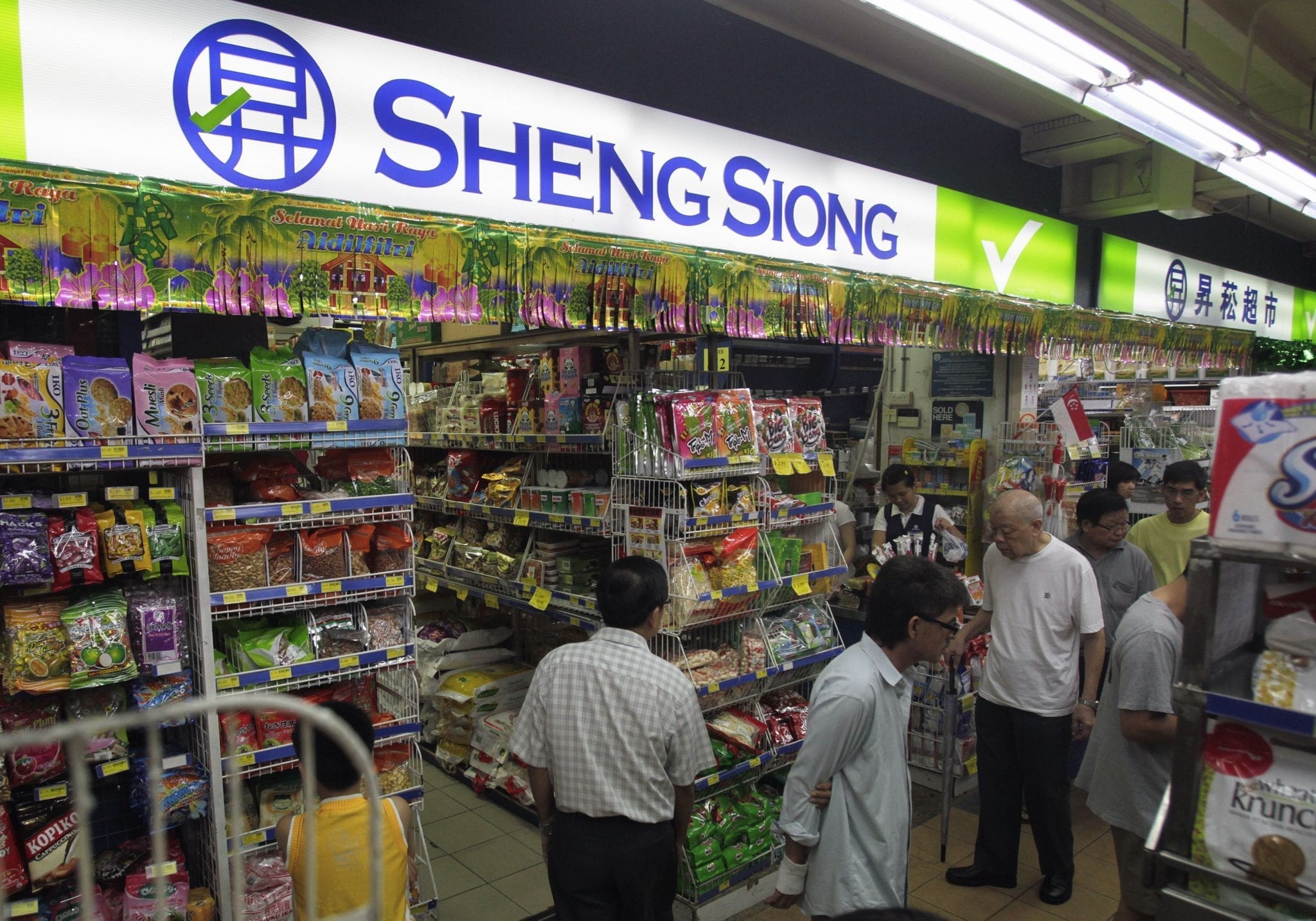
    Singapore supermarket operator Sheng Siong boosted net profit by 49 percent in the March quarter as sales surged due to the Covid-19 pandemic.

    Sales were up by 30.7 percent in the quarter, or by 19.7 percent on a same-store basis, initially due to stronger Lunar New Year sales. When Singapore’s government introduced a round of restrictions on public behavior due to the pandemic on February 7, demand for groceries soared.

    “Since then, demand has been elevated as more people are eating at home and probably loading up their pantry as well,” the company said in a statement.

    Profit for the March quarter was S$29 million on sales of $328.7 million, with gross margin improving from 26.1 percent to 27 percent, largely due to increased sales of house brands.

    The company says it is uncertain how long Singapore’s economy will take to normalize once the Covid-19 pandemic passes.

    “When that happens, the group expects revenue to taper off from the current elevated levels as buffer stocks kept by households are consumed. In the meantime, the group will continue to hold a higher-than-normal level of inventory to hedge against potential disruption in the supply chain.”

    The group is also wary of Covid-19’s effect on the supply chain, with some international food companies warning of future disruptions and an increase in the price of some goods due to the now worldwide lockdown.

    Sheng Siong CEO Lim Hock Chee says the company remains committed to a strategy of opening supermarkets in areas where potential customers reside but where it has no presence yet.

    “We will continue with our efforts to nurture the growth of the new stores and build on the momentum of improving comparable same-store sales in Singapore and China, while focusing on improving gross margin and cost efficiency by changing the sales mix with a higher proportion of fresh produce and deriving more efficiency gains in the supply chain,” he said.

    Since March 31, the company has secured two new HDB stores in Singapore which were tendered in January – at Block 872C Tampines Street 86 (8490sqft) and Block 455 Sengkang West Avenue (9040sqft). It also won a tender for a 4610sqft shop in the Potong Pasir Community Club at 6 Potong Pasir Ave 2.

    Sheng Siong will open five stores this year taking its network to 64 and its combined retailing area to 575,160sqft.

  • Eating at home will be ‘the new reality’ for Asian consumers after Covid-19

    Eating at home will be ‘the new reality’ for Asian consumers after Covid-19

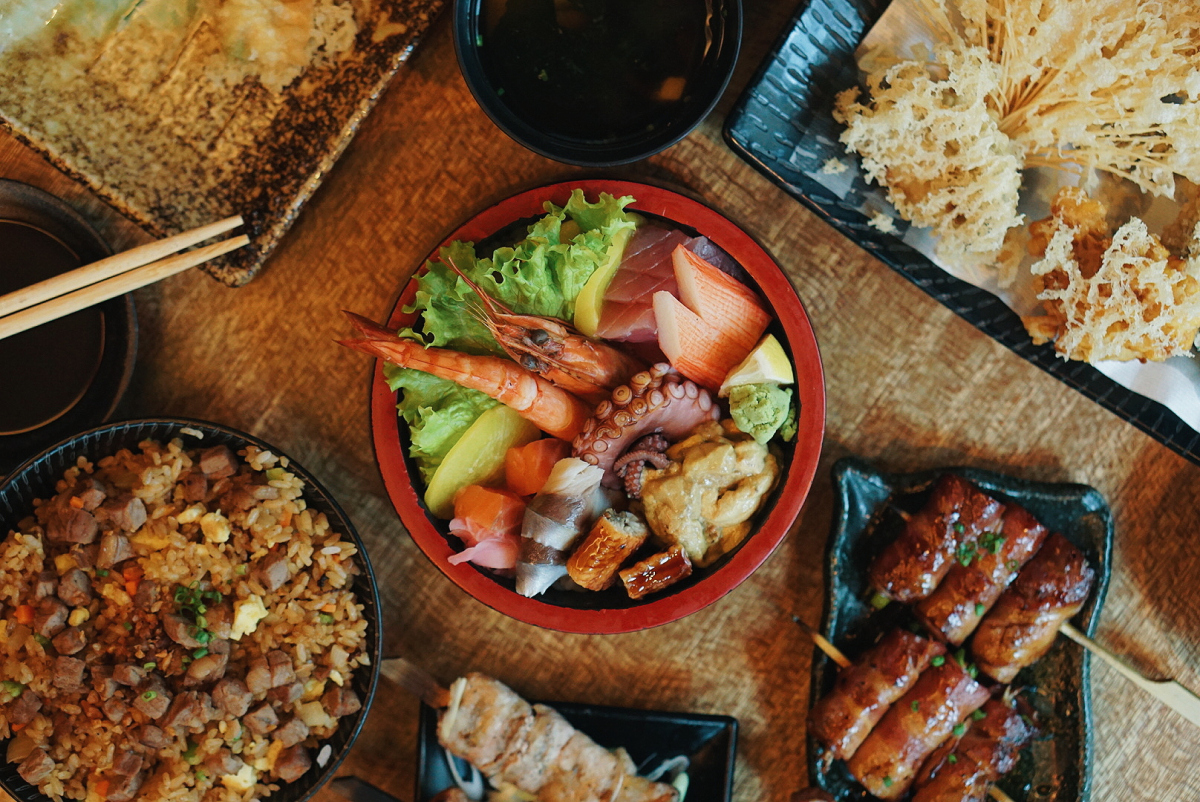
    Covid-19 has changed Asian customers’ habits, especially in Hong Kong, as more of them decide to eat at home.

    And according to a study conducted by Nielsen, the trend will continue once the pandemic passes, potentially reshaping the foodservice and grocery industries.

    Nielsen found that 86 percent of mainland Chinese customers prefer to eat at home more often now than before the Covid-19 outbreak. In Hong Kong, 77 percent of consumers surveyed said they want to cook at home more often.

    “As Hong Kong consumers adjust to the ‘new normal’, people are spending more time at home to prepare meals for their families,” said Andrea Borelli, MD at Nielsen Hong Kong and Macau. “With the redefined ‘stay-at-home economy’, it has helped to reinvigorate packaged-food sales as this provides the opportunity for FMCG players in these categories to engage with their consumers more closely.”

    This trend also became popular in other Asian countries including South Korea, Malaysia, and Vietnam (all approximately 62 percent).

    “The shifts away from out-of-home dining to at-home food delivery, takeaways and cooking during the Covid-19 period are locally nuanced by traditional consumption habits but also by the different quarantine and shutdown measures by market,” Borelli added.

    He said Covid-19 has reoriented consumer thinking and actions, which will have long-term consequences. Consumers will not only re-evaluate places for eating out but also be far more cognizant of what they’re eating.

    The trend is also evident in countries outside of Asia. According to GlobalData, both the UK and France are witnessing slow demand for takeaway meals.

    “In response, players such as Deliveroo and UberEats are looking to reduce risk exposure by forging partnerships with food retailers, working with major players such as Co-op and M&S in the UK and Carrefour in France,” said Thomas Brereton, retail analyst at GlobalData.

    “In that sense, the virus is accelerating the existing shift towards online food shopping; however, all parties must be aware of the expected duration of such alliances, with more thorough reviews – particularly on the dynamics of joint responsibility for ESG, brand image, etc – needed as the outbreak progresses.”