Tag: asia

  • Cafe de Coral warns of 90-per-cent profit plunge

    Cafe de Coral warns of 90-per-cent profit plunge

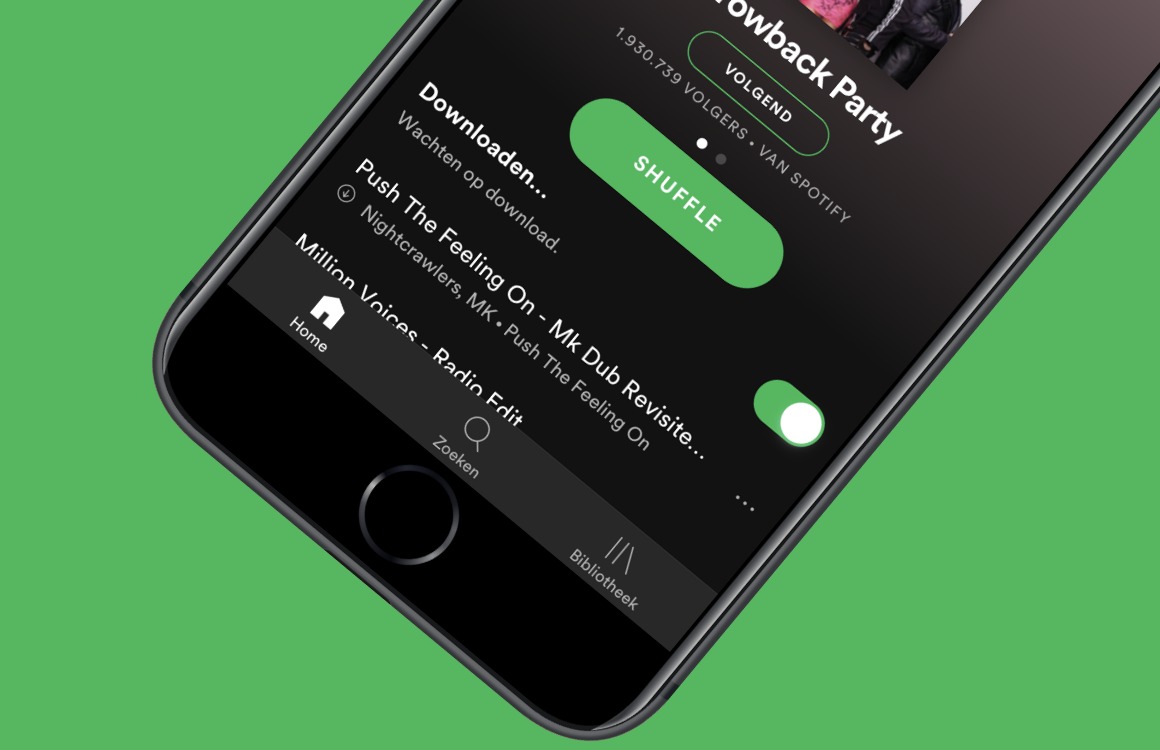
    Cafe de Coral group expects its full-year profit to plunge by up to 90 percent for the March year as the Covid-19 crisis and last year’s protests dented customer traffic.

    In a profit warning to shareholders, chairman Sunny Lo said that during the fourth quarter, the group entered into the deficit when the outbreak of Covid-19 occurred.

    “Business operations and consumer spending in the group’s key operating territories have been severely impacted by the outbreak of Covid-19 since January,” he said in a stock-exchange filing. “The group’s business performance, which had already been impacted by poor market conditions and weak consumer sentiment during the first half of the year, was even more significantly impacted during the fourth quarter when our business and operations were further affected by Covid-19.”

    Besides its namesake brand, Cafe de Coral Holdings operates chains including The Spaghetti House, Oliver’s Super Sandwiches, Super Super Congee & Noodles, Shanghai Lao Lao and Mixian Sense.

    During the six months to September 30, Cafe de Coral group recorded a decline in profit of 34.5 percent. Full-year results are expected to be released in mid-June.

    Lo said the group has been closely monitoring market conditions and has adjusted its business strategies and operations to minimize losses. In an attempt to increase sales, the Cafe de Coral group has introduced simplified menus featuring low price meals and extensive promotions.

    “Adapting to social-distancing trends, marketing focus on takeaway and home delivery have increased,” said Lo.

    “The group has also implemented proactive cost control measures on rent, labor and food – and is stringently managing working capital to ensure healthy cash flow and a strong cash position to weather the currently difficult operating environment.”

  • European Carmakers Restart Production As Coronavirus Lockdowns Ease

    European Carmakers Restart Production As Coronavirus Lockdowns Ease

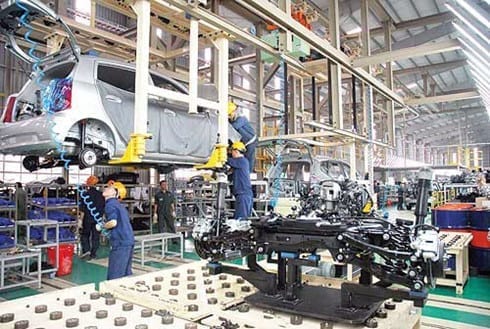
    Volkswagen will restart production at its Wolfsburg factory in Germany on Monday, the latest of a fleet of European carmakers to take advantage of eased coronavirus lockdown rules to resume manufacturing. VW, the world’s largest car manufacturer, is celebrating the reopening of its biggest plant, in Wolfsburg, by projecting a cartoon of a VW logo squashing coronaviruses.

    Encouraged by a fall in infection rates, Germany has allowed small retail stores to reopen, provided they adhere to strict distancing and hygiene rules. Now large corporations are following suit.

    BMW, Daimler and VW are banking on Germany’s ability to trace and contain the new coronavirus, and a healthcare system capable of extensive testing to identify possible carriers of the disease.

    This stands in stark contrast to the United States, where the head of the United Auto Workers union said on Thursday it was “too soon and too risky” to reopen auto plants in early May, citing insufficient coronavirus testing. German carmakers like BMW, Daimler and VW are banking on Germany’s ability to trace and contain the new coronavirus. European factories have changed work patterns, to incorporate more rigorous hygiene and cleaning intervals as well as more generous spacing between workers.

    As part of Volkswagen’s cartoon, the VW logo celebrates with a “thumbs-up” after defeating the virus.

    “On Monday, the German auto industry is back. We at Volkswagen have used the five-week pause to prepare ourselves for restarting production,” said VW works council chief Bernd Osterloh.

    BMW says it is cranking up engine manufacturing starting this Monday. BMW wants to reopen its British plant in Goodwood and its Spartanburg, South Carolina on May 4, followed by Dingolfing, Germany and San Luis Potosi in Mexico on May 11, depending on market demand, the carmaker said.

    Other plants in Leipzig, Regensburg, and Rosslyn South Africa will open after May 18, starting with a one-shift system the carmaker said. BMW’s factory in Shenyang, China has been producing since Feb. 17.

    Little relief for Europe’s carmakers Monday as BMW says sales have plunged and Peugeot-owner PSA says it’s raising new funds to help it see out the crisis.

    Workers need to wear masks and keep a distance to one another. The seating order on BMW factory buses has been changed, as has the process for entering and exiting the bus.

    Workers need to come to the plant already wearing their factory clothes, to avoid time stuck in changing rooms, and designated pathways in the plant have been altered to ensure there is “one-way” traffic only, BMW said.

    European factories have changed work patterns, to incorporate more rigorous hygiene and cleaning intervals

    Mercedes-Benz plants in Sindelfingen and Bremen are also making preparations to ramp up production.

    Unlike Italy and Spain, Germany never banned car production, though factories came to a standstill after authorities restricted the movement of people and ordered the closure of car dealerships, hitting demand.

    FiatChrysler will open its Sevel plant in central Italy on Monday, with plans to resume production at a rate of between 70%-80%.

    In France, Toyota this week restarted an assembly plant in Valenciennes and Renault began producing engines at its factory in Cleon, west of Paris. It will be followed by Renault’s Flins plant, west of Paris, where only 25% of the workforce is due to resume work.

    Sweden’s Volvo Cars reopened its Torslanda factory this week after overhauling its production processes.

    “The economy has come to a halt in Europe. A vaccine will take a long long time. It is important to restart in a safe way. Hopefully we can contribute to a normalization,” Volvo cars Chief Executive Hakan Samuelsson told Reuters.
  • Covid-19 blunts tremendous growth of footwear brand Skechers

    Covid-19 blunts tremendous growth of footwear brand Skechers

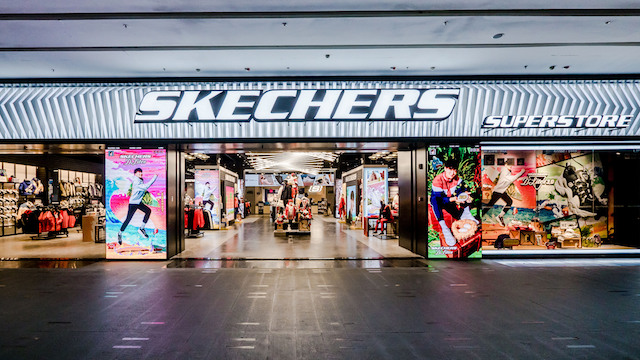
    US footwear brand Skechers has reported a modest 2.7-per-cent drop in first-quarter sales brought on by the coronavirus outbreak – and painted a rosy picture of life beyond the coronavirus crisis.

    “We are in unprecedented times, facing difficult decisions daily as we navigate this global pandemic that has negatively impacted every business throughout our industry and most others,” said Skechers CEO  Robert Greenberg.

    “We know from the triple-digit growth we are experiencing so far this month in our e-commerce business and the positive sales trajectory of our recovering business in China, that Skechers’ product continues to resonate with consumers. As our business begins to return to normal, we firmly believe that our retail partners and customers will look to a brand they trust that delivers comfort, innovation, style, and quality at a value.”

    The firm’s net earnings during the period were US$49.1 million, with adjusted net earnings $59.9 million, reflecting the impact of negative foreign currency rates and certain purchase price adjustments related to the company’s Mexico joint venture.

    “We experienced strong momentum throughout 2019, which continued into the first two months of 2020,” said Skechers COO David Weinberg. “However, due to significantly reduced economic activity in China after January, and the spread of the Covid-19 pandemic around the rest of the world in March, sales decreased 2.7 percent in the first quarter. Until then, Skechers’ business was on track for a new first-quarter sales record.”

    CFO John Vandemore said that despite “an extremely strong end” to last year and an equally strong beginning to this one, the company saw a notable slowdown in markets impacted by the Covid-19 pandemic.

    “We have taken decisive action to fortify our business for the duration of this crisis, including drawing down on our senior unsecured credit facility, actively managing operating expenses, inventory levels and production orders, and deferring non-critical capital expenditures. We are confident that the actions we have taken and will continue to take, combined with the global strength of our brand and balance sheet, will position Skechers to successfully navigate this situation, and poise us to return to growth in the future.”

  • Apple releases a new TV ad for its latest iPhone

    Apple releases a new TV ad for its latest iPhone

    Apple U.K. has just shared the company’s new 30-second ad for the second-generation Apple iPhone SE which officially launches today, right in the middle of a global pandemic. The iPhone SE (2020) borrows the look and the design of the iPhone 8 including the 4.7-inch LCD display with a 750 x 1334 resolution. That works out to an old school 16:9 aspect ratio and there is no notch, no TrueDepth camera, and no Face ID. In fact, the iPhone SE (2020) is equipped with the Touch ID fingerprint scanner.

    To power its new budget-priced phone, Apple is using the A13 Bionic chipset. Built using TSMC’s 7nm process node, the chip carries 8.5 billion transistors and is the same powerful component used to drive the entire iPhone 11 family. Apple also saw fit to give the phone’s memory a 50% bump from 2GB of RAM to 3GB, and also improved the single 12MP camera on the back with a new Image Signal Processor (ISP). Apple claims that the new ISP, together with the A13 Bionic, makes the rear camera the best single snapper setup on a smartphone. That’s a clear shot at the Google Pixel 3a series.

    Available in White, Black, and (PRODUCT)RED, the iPhone SE (2020) is offered with 64GB, 128GB and 256GB of memory for $399 (24 monthly payments of $16.62), $449 (24 monthly payments of $18.70) and $549 (24 monthly payments of $22.87) respectively. As we mentioned, the device is available starting today.

    The new 30-second ad, which you undoubtedly will see on television this weekend in the U.S. and U.K., is called “The Opening” and shows a man who has just received his iPhone SE and is ready to unbox it. On his knees in front of a table, he makes some room by pushing everything off the table. He dramatically opens the box and with sweaty hands (you can see him wipe them on his pants) he peels off the plastic protective film. You might remember that there was a time when enthusiasts could not get enough of the sound of the plastic film being peeled off a brand new phone. And as the film is removed, you can see that another change Apple made to the iPhone SE (2020) was to move the iconic Apple logo to the middle of the rear panel matching its location on the iPhone 11 series. And the ad concludes with Apple’s new tag line, “Lots to love. Less to spend.”

    So now we await the unveiling of the 2020 iPhone 12 series which will be the company’s first to offer support for 5G connectivity. Most analysts are now going along with TF International’s Ming-Chi Kuo, who seems to have a direct link to the mind of Apple CEO Tim Cook. Kuo expects four new iPhone models to be delivered this fall including the 5.4-inch iPhone 12, the 6.1-inch iPhone 12 Plus, the 6.1-inch iPhone 12 Pro, and the 6.7-inch iPhone 12 Pro Max. All four models will be powered by the more powerful and energy-efficient 5nm A14 Bionic chipset and all four will also support both sub-6GHz and mmWave 5G networks.

    The new iPhone 12 handsets will borrow a design from the iPhone 5s as the rounded top is flattened out and a stainless steel strip surrounds the casing. The standard models will feature a dual-camera setup on the back (12MP Wide, 12MP Ultra-Wide) and we should see a quad-camera setup on the “Pro” models (12MP Wide, 12MP Ultra-Wide, 12MP Telephoto and a LiDar Time of Flight depth sensor). The iPhone 12 Pro Max could feature sensor-shift image stabilization instead of optical image stabilization (OIS) for “shake-free” videos. The new technology stabilizes the camera’s sensor while OIS stabilizes the camera’s lens.

    Depending on the analyst, Apple will either have the iPhone 12 series ready on time, or they will delayed by four to eight weeks because of the pandemic.

  • Burberry management take pay shave as luxury brand keeps staff on payroll

    Burberry management take pay shave as luxury brand keeps staff on payroll

    Senior management of British luxury fashion house Burberry has taken a voluntary pay cut and the company has opted to retain base pay for all its employees during the Covid-19 crisis, without relying on UK government support for jobs.

    During the past three months, the firm has temporarily closed retail stores and implemented strict social-distancing protocols.

    As reported last month, Burberry has converted its Castleford trench coat factory into a manufacturer of personal protection equipment (PPE) for medical and care workers during the pandemic.

    “While we continue to take mitigating actions to contain our costs and protect our financial position, we are also committed to safeguarding jobs and supporting the relief efforts during this global health emergency,” said Burberry CEO Marco Gobbetti.

    “I would like to thank our teams for their continued determination and resilience as we continue Thomas Burberry’s legacy of protecting others and caring for the community.”

    Savings on executive salaries between now and June will be contributed to support communities in need globally is additional to the financial donations Burberry has made to vaccine research and charities alleviating food poverty – with monies going towards procuring and distributing PPE, helping food banks and supporting healthcare charities around the world.

  • Sunway Malls retailers granted flexible operating hours post MCO

    Sunway Malls retailers granted flexible operating hours post MCO

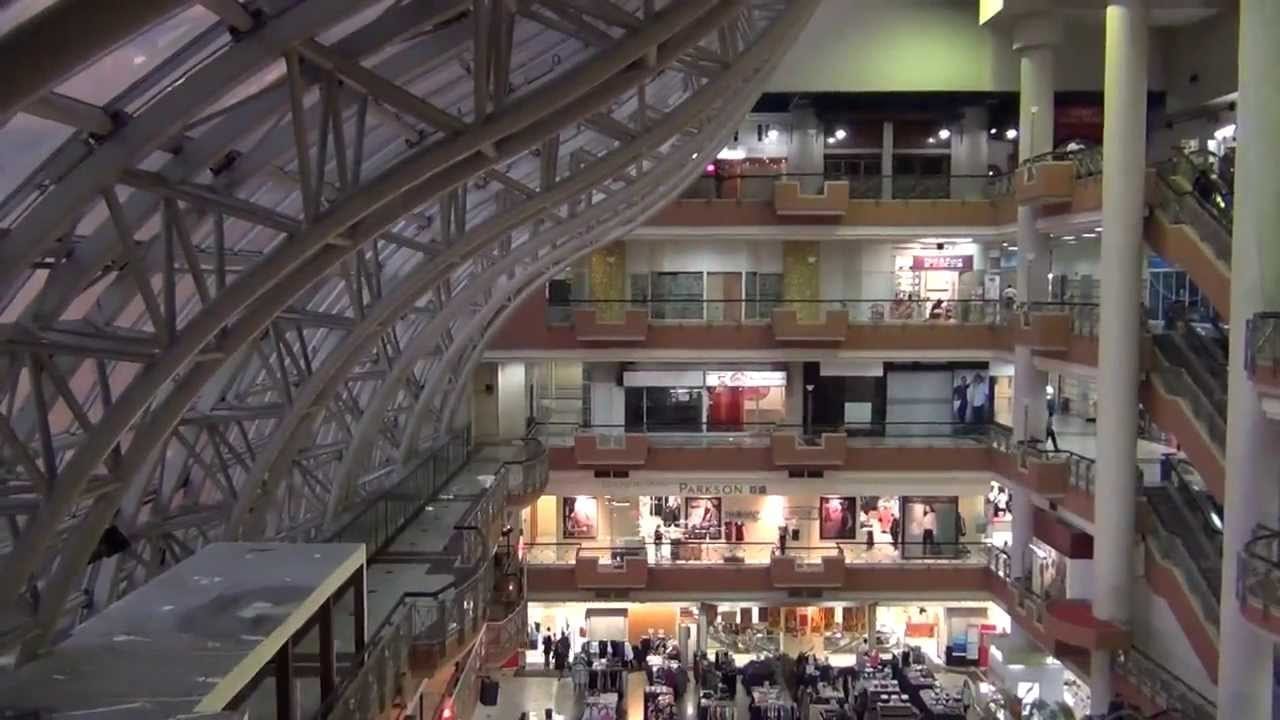
    Malaysian mall operator Sunway Malls is testing a new policy to allow non-essential retailers to implement flexible operating hours following the advent of government movement control orders.

    If the one-month test proves to be effective, Sunway will extend the policy for another two months.

    The move will see participating retailers trading eight hours daily rather than the current 12, yielding a cumulative 30-day saving of 120 trading hours and allowing improved optimization of staffing arrangement from two working shifts to one.

    Market estimates show that 35 percent of tenant retailer costs arise from wages, while rent constitutes 15 percent. Savings from the move are anticipated to be equivalent to a half-month’s worth of rental costs.

    “We foresee after the resumption of business post MCO, there will be a gestation period before full recovery takes place,” said Sunway Malls and Theme Parks CEO HC Chan. “We understand too that the new normal of social distancing and absence of mass gathering will have the greatest impact for the first three months post-MCO. Taking cognizance of this, we have to accord some degree of business flexibility to our business partners.”

    Sunway Malls will continue to operate as usual from 10 am–10 pm daily.

  • WhatsApp claims surveillance company used US-based servers to spy on users

    WhatsApp claims surveillance company used US-based servers to spy on users

    In May 2019, WhatsApp identified and fixed a loophole that enabled cybercriminals to install spyware on smartphones just by ringing the victim’s phone. The video calling system was exploited in particular and it did not require users to answer the calls.

    Around 1,400 users were affected, including journalists and human rights defendants in at least 20 countries. Later in October, the attack was blamed on the Israeli spyware developer NSO Group, also known as Q Cyber Technologies.

    Facebook, which owns WhatsApp, is now saying that US-based servers were used by the NSO Group to target WhatsApp users using signature Pegasus software.

    The social media company says that Los Angeles-based hosting service QuadraNet’s server was used over 700 times during the attack to install malware on the devices of WhatsApp users between April and May 2019. The spyware developer is also accused of using an Amazon-hosted remote server to launch attacks.

    When Facebook sued the surveillance firm in October, the NSO group denied the allegations, claiming that its technology is only sold to government clients.

    However, now that Facebook is accusing it of using US-based servers to stage attacks, it could weaken the software developer’s case. That’s because NSO had earlier said that it couldn’t run operations in the US.

    Additionally, Facebook has also challenged NSO Group’s claim that the case should be dissolved as its government clientele grants it immunity and also because of jurisdictional technicalities. Facebook says the company hasn’t named even one country it sold software to and it has provided no proof, such as a document, which proves its role was only operational. This could have helped absolve the spyware maker of the action of its clients. Basically, the NSO Group wants to get off scot-free just because governments seemingly use its products and Facebook isn’t buying that.

    The NSO Group, on the other hand, is still standing its ground. The company has reiterated that the Pegasus software doesn’t work in the US.

  • Ex-UBS Chairman Marcel Ospel Dies

    Ex-UBS Chairman Marcel Ospel Dies

    Marcel Ospel, the chairman of UBS until shortly before a 2008 Swiss government rescue, has died. He was 70. Ospel was eventually ousted after UBS was forced to repeatedly go cap in hand to shareholders as well as seek an injection from Singapore’s sovereign wealth fund

    Ex-UBS overseer Marcel Ospel stepped down in April of 2008, eight months before the Swiss-based bank was forced to take a bailout after more than $50 billion in crisis losses. He died after a prolonged battle with cancer.

    The mercurial Swiss banker had largely retreated from public life following UBS’ fall from grace, after which he was considered a persona non grata in Switzerland. He is survived by his wife, Adriana Bodmer and their two children as well as four children from two previous marriages.

    Ospel’s legacy is his 31-year career at UBS, where he began as an apprentice in 1977. He was the chief architect of the landmark merger between Union Bank of Switzerland (former UBS) and Swiss Bank Corporation (SBC), which is now UBS, in 1998.

    Ospel was also instrumental in a long deal spree including Brinson Partners, GAM, Warburg, and O’Connor, the Chicago derivatives firm which brought wunderkind David Solo into the UBS fold. Ospel remained close to Solo, who ran GAM until 2015 and is now chairman of a Credit Suisse joint venture.

    Ospel climbed into the chairman’s job from the CEO in 2001, handing over the top job to Peter Wuffli. Swissair went bust in the first year of Ospel’s tenure as chairman – bringing the Swiss banker public anger for his perceived failure to extend the flagship carrier a line of credit.

    As chairman, maintained tight control from behind the scenes via a so-called chairman’s office. In practice, this meant that everyday operational decisions like big investment banking loans were vetted by Ospel and two close associates, Stephan Haeringer and Marco Suter – to whom he also remained close until his death.

    Ospel was eventually ousted after UBS was forced to repeatedly go cap in hand to shareholders as well as seek an injection from Singapore’s sovereign wealth fund. The bank took years to stanch its crisis-era withdrawals and recover from damaging tax probes.

    It also spent the post-crisis years setting aside scandals including rigging foreign exchange and metal markets as well as Libor, the then-benchmark interest rate. Ospel, reportedly worth north of $150 million, emerged as a private investor, including in fintech firm Evolute.

  • Record numbers show Taiwan food-service sales decline

    Record numbers show Taiwan food-service sales decline

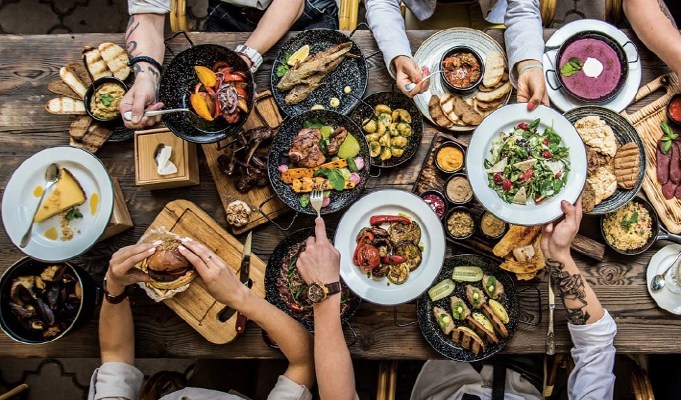
    Taiwan foodservice sales have slumped by 21 percent year on year due to the coronavirus pandemic.

    Ministry of Economic Affairs data revealed total F&B sales of NT$51.9 billion (US$1.73 billion) this year across the territory, the steepest decline since reporting on sales figures began in January 2000.

    A parallel survey of Taiwanese restaurant sales saw a 23-per-cent drop in sales early this month. Figures revealed a downward trend in Taiwan foodservice sales before the government introduced social-distancing measures, with venues serving Chinese cuisine the most strongly affected.

    Ministry deputy head of statistics Wang Shu-chuan said that full-month figures for April could see a similar drop of around NT$16 billion ($532.5 million).

    General retail sales for the first financial quarter this year dropped 0.6 percent from last year to NT$924.5 billion ($30.8 billion), with revenues for March hitting NT$290.6 billion ($9.7 billion), down 3.4 percent. At the same time, e-commerce operators saw sales rise 19.1 percent year on year to NT$81.1 billion ($2.7 billion) during the first quarter.

  • Ikea stores record strong footfall as life eases back to normal in China

    Ikea stores record strong footfall as life eases back to normal in China

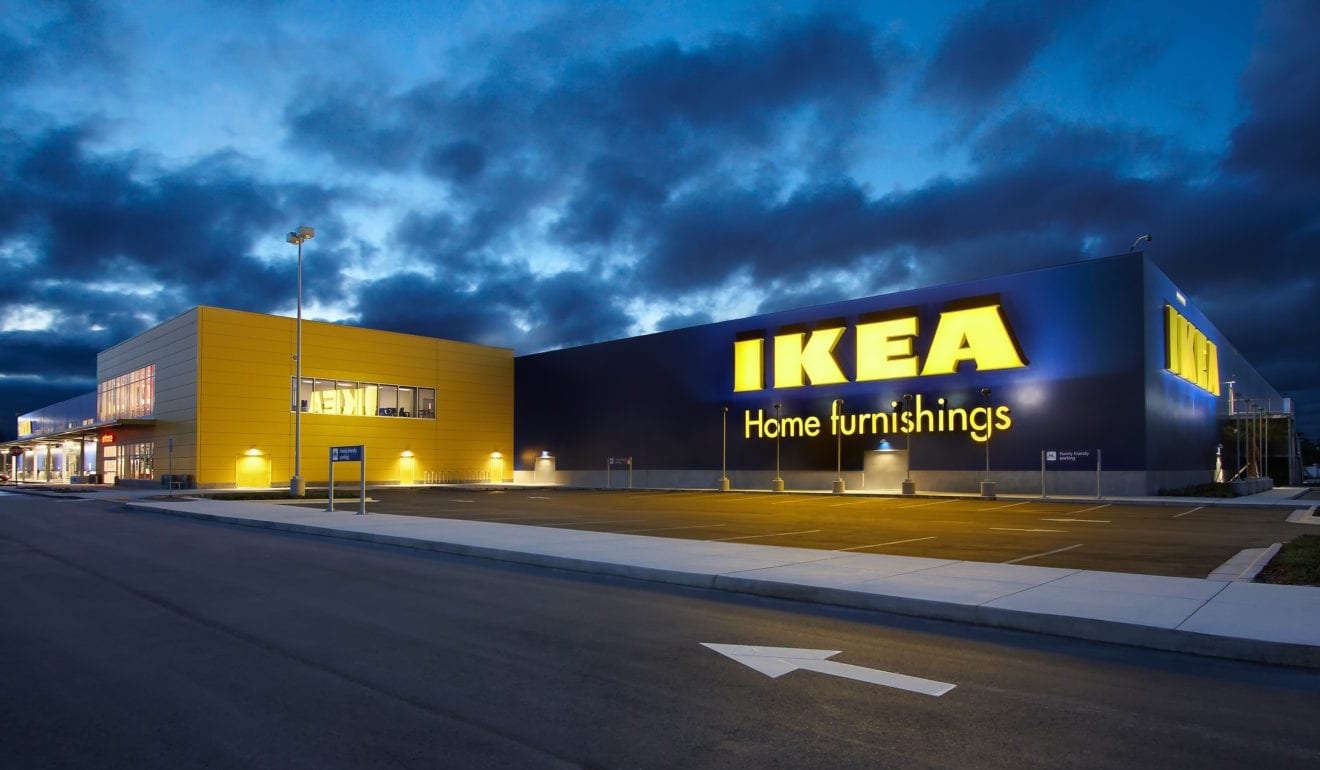
    Furniture and homewares giant Ikea is reporting a quick return of customer footfall to its stores in China as they reopen after the Covid-19 crisis.

    The company opened another three of its large-format stores in Mainland China last week, including one in Wuhan city, and others in Germany and Israel, as movement restrictions were eased. More stores are scheduled to reopen this week.

    Ingka Group, one of Ikea’s largest retail operating divisions, owns 45 shopping centers in China and Europe. It reported that customer footfall in the Chinese centers was back to the level of between 70 and 80 percent of the numbers at the same time last year.

    Shopper confidence there was “recovering rapidly” a spokesperson for the company said.

    Most Ikea China stores have now reopened and some have been trading since the end of last month.

    However, the picture was a little less rosy in German, where 40 of its mall’s 57 tenants had reopened and visitor numbers were at 63 percent of a year earlier.

    During the closures, Ingka waived rent and service charges for tenants and launched e-commerce initiatives to drive traffic to tenants’ websites. The company also helped tenants out with click-and-collect and home-delivery services.

  • Thai Vietjet offers THB9 promotional tickets for flights from August

    Thai Vietjet offers THB9 promotional tickets for flights from August

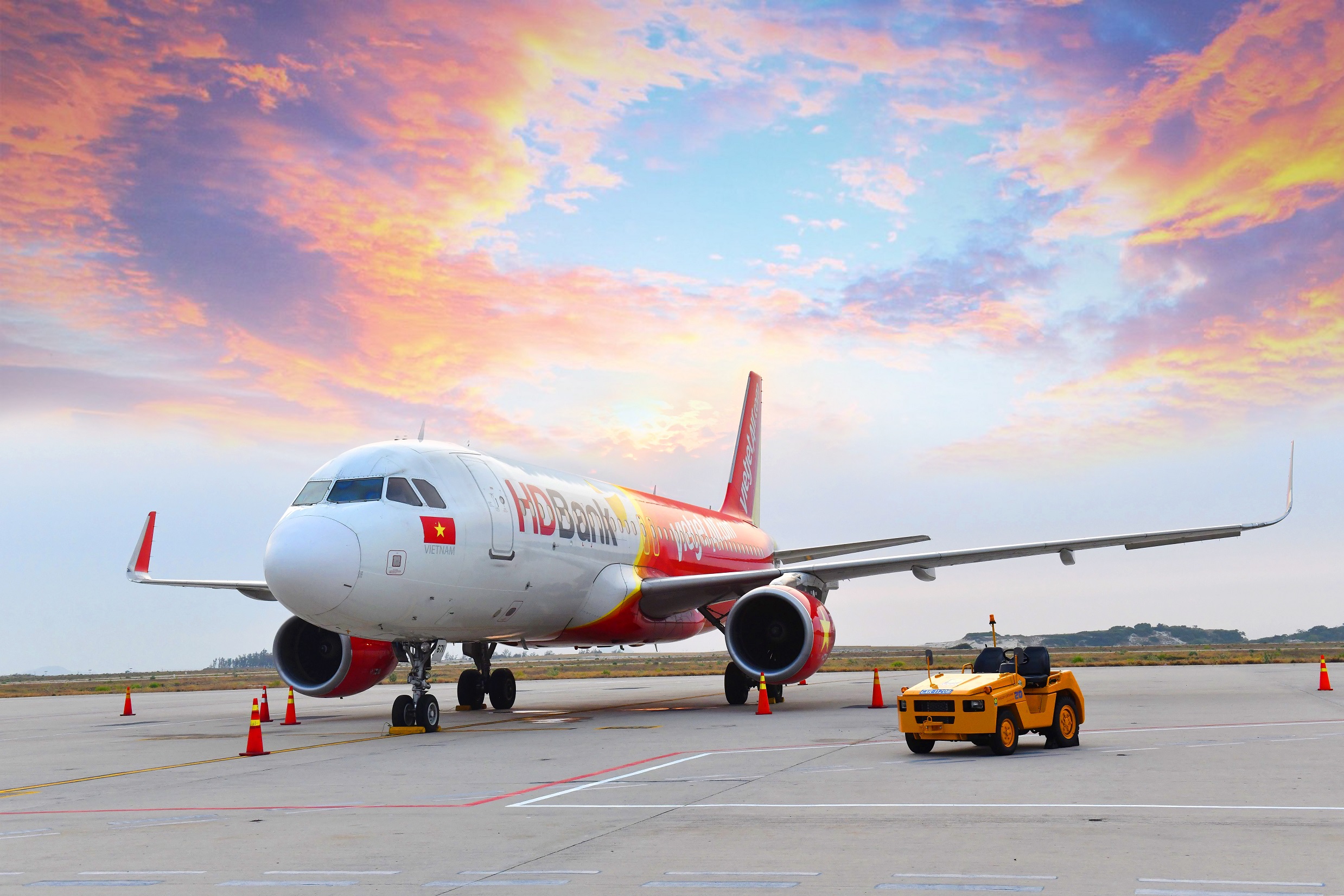
    Thai Vietjet is offering more than a million promotional tickets priced from only THB9 (approximately USD 28 cents) (*) for Thailand flights from August. Passengers can book the promotional tickets on Vietjet’s website from 27 April to 3 May 2020. Tickets are valid for travel between 1 August to 31 December 2020.

    The promotional tickets are applicable for all routes from Da Nang and Da Lat in Vietnam to Bangkok (Suvarnabhumi airport), and from Ho Chi Minh City in Vietnam to Udonthani. This also includes Thailand’s domestic routes from Bangkok (Suvarnabhumi airport) to Chiang Mai, Chiang Rai, Phuket, Krabi, Udon Thani, from Phuket to Chiang Rai, and from Udon Thani to Chiang Rai.

    More detailed information about the flight schedules will be available on Vietjet’s official channels including Vietjet’s website, hotline (19001886), official Facebook page, ticket offices and official agents of Vietjet. Payment can be easily made with Visa/ MasterCard/ AMEX/ JCB/ KCP/UnionPay cards.

    Vietjet is currently offering Power Passes that allows its holders to take unlimited flights within Vietnam. The two Power Pass options include the Power Pass Sky6 priced at VND8,999,000 (approximately USD 382) (*) for unlimited domestic flights until the end of 30 September 2020, and the Power Pass Sky12 priced at VND16,999,000 (approximately USD 724) (*) for unlimited domestic flights until the end of 31 March 2021.

    To improve public health and prevent the spread of COVID-19, Vietjet conducts disease prevention, thorough health check procedures for all passengers and crew before all flights and follows all mandatory requirements such as the wearing face masks. All Vietjet flights are in alignment with all global standards and guidelines from the local authorities, the World Health Organization and the International Air Transport Association (IATA) to ensure the health and safety for passengers, flight crew and the community.

  • Kerry Logistics expands its coffee business into Taiwan

    Kerry Logistics expands its coffee business into Taiwan

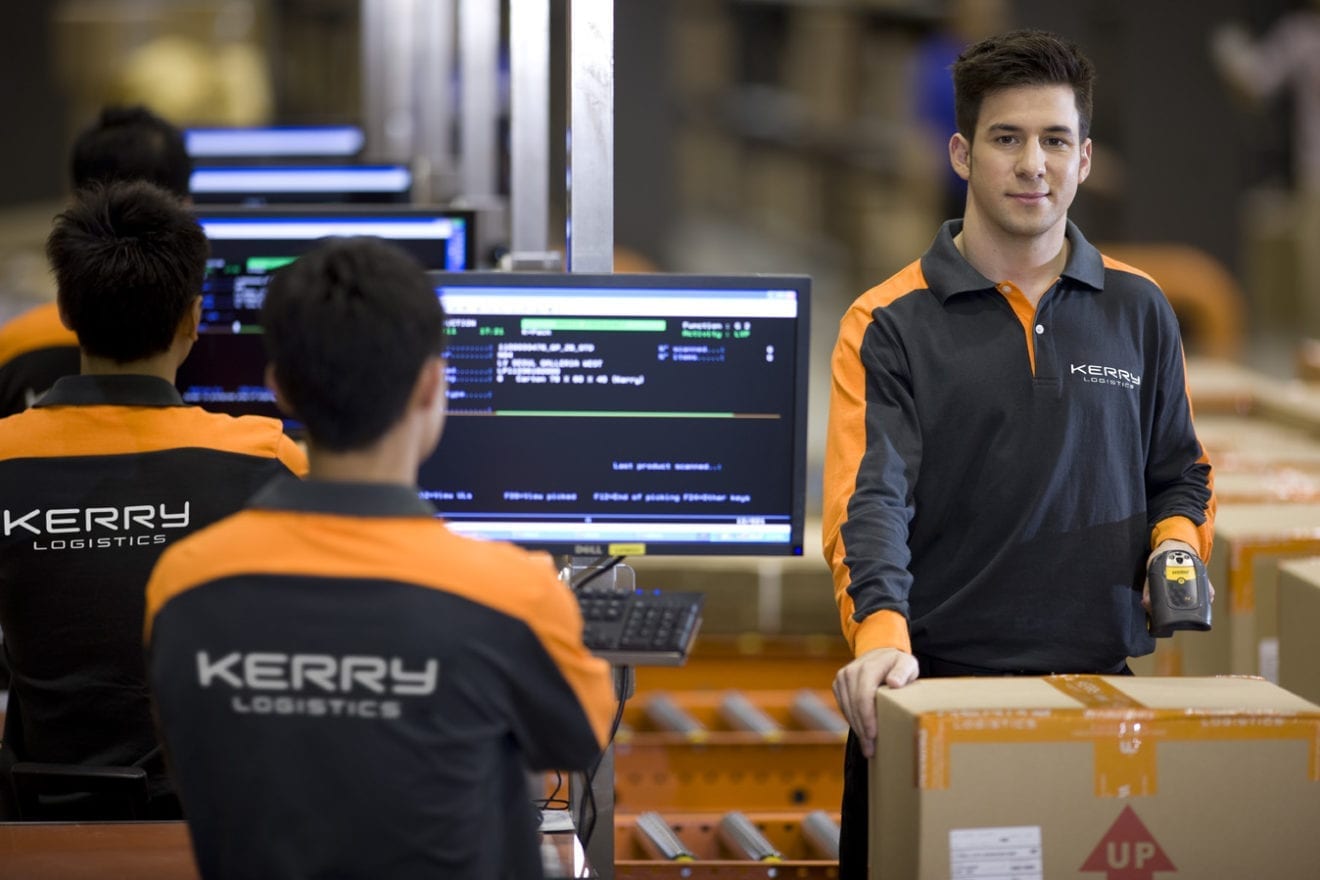
    Kerry Logistics Network Limited (‘Kerry Logistics’; Stock Code 0636.HK) announced the expansion of its coffee trading business into Taiwan, as the sole distributor of Italian coffee group illycaffè’s complete product range in Taiwan. The move marks Kerry Logistics’ extension of its footprint into a society with a rich coffee culture.

    Kerry Logistics, through its sub-brand Kerry Coffee, is now the sole distributor of illycaffè’s iperEspresso coffee machines, capsules, coffee beans and other coffee-making equipment and accessories in Hong Kong, Macau and Taiwan.

    Kerry Coffee was established in 2019 for the trading and distribution of illycaffè’s products in Hong Kong and Macau. It was a progression of the partnership between Kerry Logistics and illycaffè that began in 2017 to provide total integrated logistics solutions for illycaffè and act as the sole distributor of iperEspresso coffee machines and capsules in Hong Kong.

    Robert Berger, Executive Director of Kerry Coffee (Hong Kong), said, “We are delighted to take our collaboration with illycaffè further and into a society that appreciates the finer points of coffee. Taiwan has a deep-rooted and booming coffee culture. So we are optimistic in deepening Taiwan’s love of coffee by bringing the unique Italian coffee culture and flavour embodied by illycaffè there. This expansion is a substantial increase in presence for the illy brand, complementing Kerry Coffee’s existing operation in Hong Kong and Macau and strengthening its position in the coffee market.”

    illycaffè is one of the world’s most global coffee brands. As its sole distributor in Hong Kong, Macau and Taiwan, Kerry Coffee is responsible for providing total logistics solutions, sales and marketing to its entire product selection.

  • Gojek Completes Deal for Payments Startup

    Gojek Completes Deal for Payments Startup

    The deal for the Jakarta-based mobile point-of-sale (POS) market leader Moka, which would make Gojek to become a major player in Indonesia’s digital payments space, has been in the making since early 2019.

    Indonesian ride-hailing giant Gojek completed the deal for Moka, announced in December, for $130 million a month ago, according to a report that cited people familiar with the deal.

    This means the acquisition was made in the wake of the ride-hailing giant’s $1.2 billion Series F raise in mid-March, which brought the current round’s total rise to almost $3 billion.

    Launched in 2011, Gojek has been expanding its platform to include a range of on-demand services and allow its customers to make online payments, and has been beefing up its coffers to take on regional rival Grab in ride-hailing, meal deliveries and payments.

    Founded in 2014, Moka’s cloud-based POS system allows businesses to order stock, issue invoices, and accept payment from mobile wallets from iOS and Android devices.

    It is the second POS SaaS platform that Gojek has acquired after Nadipos (now rebranded as Spots) in late 2018.

  • Spotify launches new app for Android TV

    Spotify launches new app for Android TV

    Spotify seems to have launched a new version of its app on Android TV. If you already have the old installed, you might want to check for an update via Google Play Store because you’ll certainly benefit from lots of improvements.

    The entire Spotify app has been redesigned, and that includes background images and the addition of sidebar for navigation. A new UI is now available to Spotify users on Android TV, which contains a couple of tabs that offer access to various features.

    For example, the Home tab now brings up your most recently played albums and playlists, while the Search tab revealed the “Genres & Moods” options that are completely new for the Android TV app. The new app also features multiple sections like Daily Mix, recommended radio stations, and a couple of others depending on your listening tastes.

    All these can be accessed from the sidebar on the left that also includes Your Library and Account tab from where you can make changes to your app or sign out from your account. The album and playlist screens, along with Now Playing did not suffer any changes, so don’t look expect any visual improvements when it comes to these aspects.

    The update is already rolling out to Android TV devices out there, so make sure to head to Google Play Store and check for its availability.

  • Digital transformation driving demand for Asia’s IT vendors

    Digital transformation driving demand for Asia’s IT vendors

    The demand for digital transformation is presenting Asia-Pacific IT retailers with a substantial revenue growth opportunity in the medium to long-term, according to new research.

    The findings, released by GlobalData, analyse the importance of digital adoption amongst enterprises against the backdrop of the continuing coronavirus outbreak. According to the firm, growth in the sector is reigniting concerns regarding business continuity, data security, collaboration and seamless customer experience.

    “The Covid-19 outbreak will definitely lead to increased uptake of digital adoption amongst enterprises over the next few years,” said GlobalData’s lead ICT analyst Sunil Kumar Verma. “During this period, vendors should leverage government framework and policies along with inorganic/organic growth strategies to create a digitized environment and develop digital capabilities.

    “IT providers that can leverage capabilities around technologies such as AI, blockchain, cloud, and big data, and rethink their future business models by evaluating digital transformation will have a competitive edge.”

    The firm’s data shows that spending on IoT technology is relatively smaller in Apac than in other regions. Apac enterprises have however shown interest in embracing digitalization across multiple verticals such as manufacturing (Industry 4.0), telecommunications (BSS/OSS overhaul), retail (visual search and deep tagging), professional security services (AI-based security surveillance CCTV), and banking (virtual assistants/chatbots).

    A review of multiple IT providers in the region showed that digital capabilities have continued to boost revenues and have become increasingly important to the industry.

    “The pandemic will only accelerate the demand for digital transformation, and IT vendors in Apac will do well to prepare for the impending explosion in opportunities around digital transformation,” said Sunil. “Vendors need to continue to fill gaps for the new age digital experiences by leveraging partner capabilities and pursuing selective acquisitions to have an extensive digital portfolio for these impending opportunities.”