Tag: asia

  • Google Assistant update adds more ways to improve accuracy

    Google Assistant update adds more ways to improve accuracy

    Google is making it easier for users to set up their personal digital assistants using Voice Match, a feature that teaches Googles Assistant to recognize a voice. With the latest update, you’ll be able to set up Voice Match to let Google Assistant prompt you to say full phrases rather than the usual hot word “Hey Google.”

    It will allow Google Assistant to identify your voice with more accuracy than before. In order for that to happen, Voice Match will now ask you to say phrases like “Hey Google, play my workout playlist,” which will allow it to better identify the speaker.

    Moreover, Voice Match now allows you to link up to six people to a single Google Assistant account, each receiving personalized results when using the device. That’s just one new feature that will allow Google Assistant users to fine-tune their personal digital assistant.

    Another one would be the option to adjust how sensitive Google Assistant is to the environment because that can affect its responsiveness to the hot word. This is especially important since Google Assistant can accidentally be enabled if it hears something similar to “Hey Google” in a noisy environment.

    In the coming weeks, Google will roll out a new option that will allow users to adjust the sensitivity of smart speakers and smart displays to the hot word. The new option should appear in the Google Home app as well, but it will only support the English language with more to follow.

  • Acne Studios open Hangzhou boutique

    Acne Studios open Hangzhou boutique

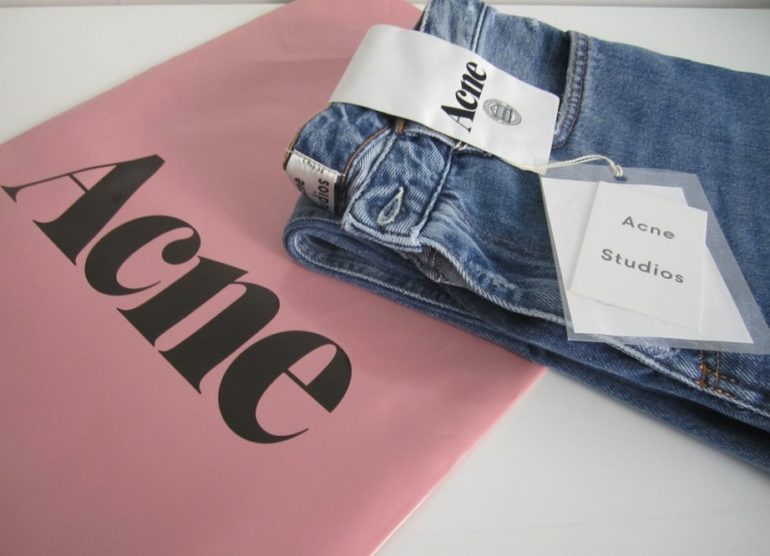
    Swedish luxury-fashion house Acne Studios has opened a new store in Hangzhou following its Nanjing launch.

    The new outlet is setting up a shop in Hangzhou Tower, situated in fast-developing Gongshu as part of a high-end mixed-use complex. With its all-glass facade, the corner store takes its place among other luxury brands poised to do business at the mall and features the architectural design work of Stockholm’s Christian Hallerod.

    The interior is punctuated by grand shelving columns that reach to the ceiling of a store otherwise marked by minimalist elements exemplified by steel shelves and clothing racks. The outlet features fine lighting fixtures by Benoit Lalloz and product display tables by UK designer Max Lamb.

    Acne Studio’s complete product range is available in-store, including its menswear and womenswear collections as well as bags, shoes and accessories.

  • Razer to Support Fintech Community

    Razer to Support Fintech Community

    Razer Fintech, the financial technology arm of Singapore gaming and technology brand Razer, is partnering with the Singapore Fintech Association (SFA) to address business continuity concerns, high business costs, funding and employment issues arising from the Covid-19 pandemic.

    The partnership will leverage Razer’s $50 million Covid-19 fund to support business partners and help them tide over the negative impact brought about by the virus outbreak.

    Four pillars of support are being provided: cash flow and marketing support programs; partnerships or investment for best-in-class companies; support for certification, screening and reference checks; and joint networking events, according to an announcement on Thursday.

    Assistance in the form of bridge financing, equity or equity-linked instruments ranging from $100,000 to $1.5 million is also available.

    We look forward to working closely with SFA to achieve the objectives we have in mind, which is to ensure sustainability and growth for the fintech community here in Singapore, said Razer chief strategy officer and Razer Fintech CEO Li Meng Lee said about the partnership.

    Razer Fintech is one of the largest offline-to-online digital payment networks in Southeast Asia and has processed billions of dollars in total payment value since its establishment in 2018. Razer is part of a consortium that is vying for one of five licenses in Singapore’s digital banking regime.

  • Fifth Hong Kong Lego shop opens despite absence of mainland tourists

    Fifth Hong Kong Lego shop opens despite absence of mainland tourists

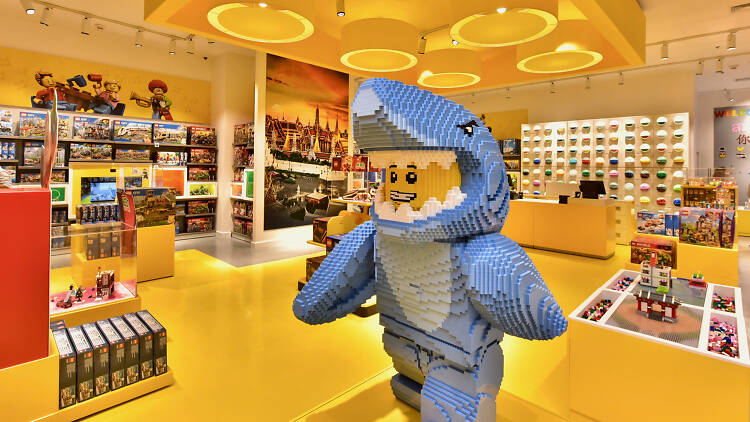
    Chinese toy retailer Kidsland International is opening its fifth Hong Kong Lego store, despite the economic downturn and the continuing coronavirus pandemic.

    “We see resilient demand for Lego products for kids and for those who are spending more time at home,” Kidsland executive director Sherman Hung told the South China Morning Post. “We believe a highly integrated offline and online operation will thrive in the redefined retail landscape post Covid-19.”

    The new 2400sqm Hong Kong Lego store in Tuen Mun is targeting consumers in the New Territories West area and positioned as a base for home delivery of online purchases, according to a report in the SCMP. The store will also launch an appointment service for customers who book visits via an online app.

    “Although the Covid-19 pandemic currently presents substantial challenges to the operating environment, the group’s Hong Kong business performance remains robust,” said Kidsland’s chairman and CEO Lee Ching Yiu, “and we remain cautiously optimistic about the group’s prospects and will continue to reform our operations.”

  • Tan Mujiang opens Japanese flagship

    Tan Mujiang opens Japanese flagship

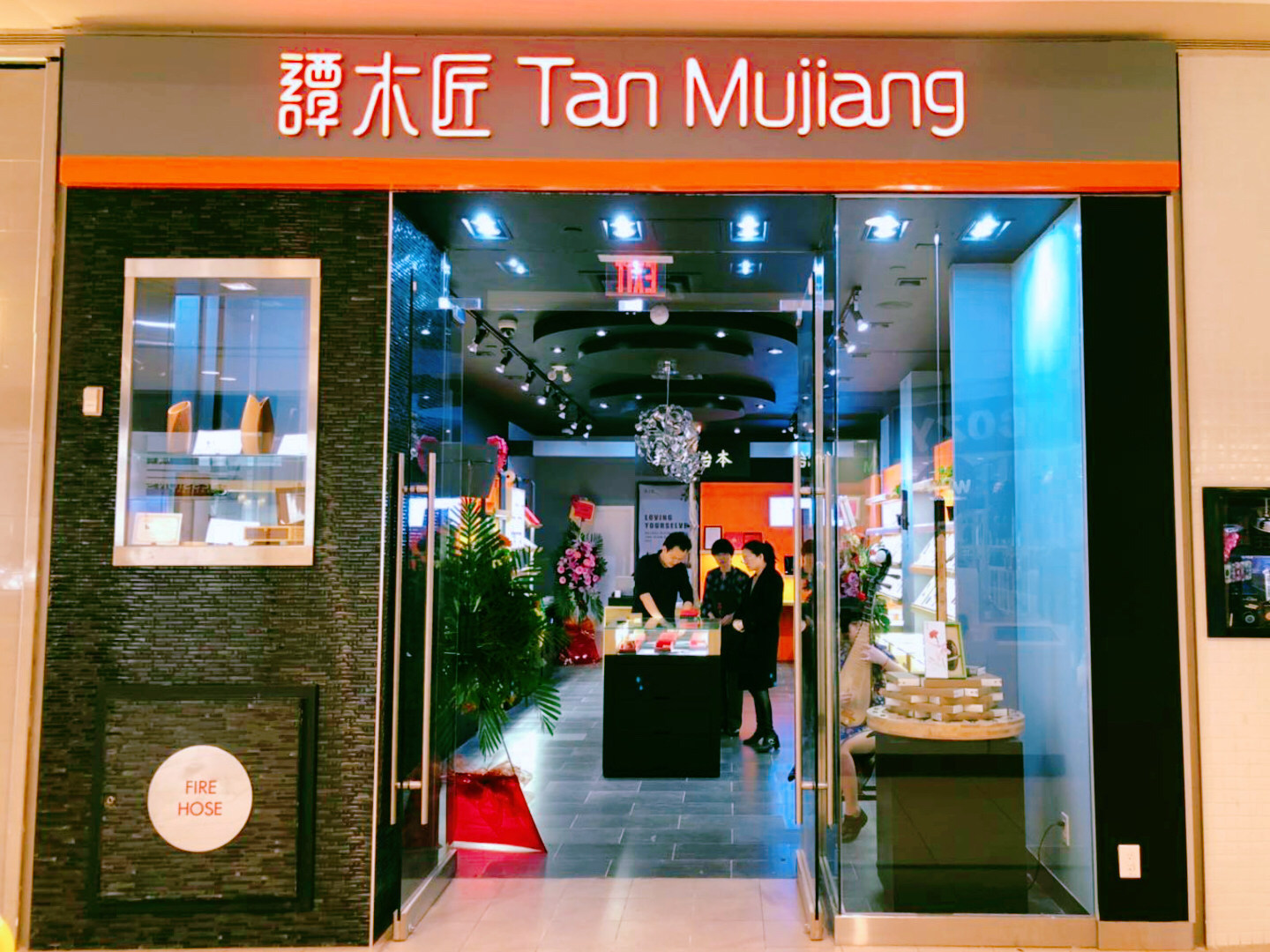
    Chinese wooden-comb retailer Tan Mujiang has opened a new Japan flagship store.

    Located at Musashino city, the Japanese store houses a wide range of Chinese handcrafted combs made from natural materials with “beautiful shapes, smooth lines, exquisite textures and rich colours”. The Musashino store is the second flagship store in Japan after Tokyo, which opened last November.

    Since 2013, the company has obtained more than 80 patents, providing supplies to more than 1200 shops in Mainland China, three in Hong Kong and one in Taiwan.

    Tan Mujiang operates seven international flagship stores including in the US, Singapore, Germany and Japan. The US store is at at Flushing Main Street in New York City.

  • Renault Seeks State-Backed Loan As Coronavirus Crisis Drags On

    Renault Seeks State-Backed Loan As Coronavirus Crisis Drags On

    Renault is in talks with the French government to secure a state-backed loan worth several billion euros by mid-May to shore up its liquidity during the coronavirus pandemic, the French carmaker said on Thursday.

    Interim Chief Executive Clotilde Delbos said Renault, which is 15% owned by the French state, was lining up credit lines and aid when possible, including in France and emerging markets.

    “It is our duty to be on the safe side and to cover even black, black, black scenarios,” Delbos said on a call with analysts, adding that it was unclear how long the crisis would last and what impact it would have on earnings this year.

    She said, however, that Renault had enough liquidity to make it through the coronavirus turmoil, including covering a monthly cash burn of 600 million euros ($647 million) linked to the closure of its plants and dealerships during the health crisis.

    Renault quits main China venture after weak sales

    French automaker Renault is ditching its main passenger car business in China following poor sales at the loss-making venture with Dongfeng Motor Group. Ciara Lee reports

    The company had 10.3 billion euros of liquidity reserves at the end of March – including an unused 3.5 billion euro credit line – though that was still 5.5 billion euros lower than the end of 2019. The first quarter is traditionally a period when carmakers use cash to boost vehicle stocks.

    Renault shares were up 1.9% at 0903 GMT.

    Sales of Renault vehicles have been hit hard by the pandemic as governments enforce lockdowns around the world. Rivals have reported slumps in sales and some, such as Ford Motor Co. have also been beefing up their cash reserves.

    But the French carmaker was already struggling with faltering demand before the crisis, attracting scrutiny over its cash levels and financial position after posting its first loss in a decade in 2019.

    “Liquidity remains high in light of cost reduction but leverage concerns unresolved,” analysts at Jefferies said.

    Renault’s Japanese alliance partner Nissan posted its first quarterly loss in nearly a decade in February and the two are due to present plans to reboot their partnership in May, including industrial projects.

    Delbos said in February that Renault was embarking on a “no taboo” plan to cut 2 billion euros of costs which could include job reductions as it reviewed performance at factories.

    She said on Thursday there were no strings attached to the state-backed loan that would have implications for the plans, bar canceling dividend payouts, which it has already done.

    Few major French companies have yet tapped this form of state aid, barring consumer electronics retailer Fnac Darty. Air France KLM is also moving towards a government-backed rescue deal.

    Renault, which has suspended its outlook for 2020, posted a 19.2% drop in first-quarter revenue to 10.13 billion euros. It said it would look to resume production in Europe where possible and was cutting costs in areas such as advertising.

    Renault sold more cars in Russia than in its home market in the first quarter as demand slumped in Europe, the first time France has fallen from the top spot.

    The carmaker benefited slightly from selling more expensive SUV-style models such as the Renault Captur but this was not sufficient to offset tumbling sales volumes.

  • Seoul department store to host online fashion show to help small brands

    Seoul department store to host online fashion show to help small brands

    Hyundai Department Store will hold the industry’s first no-guest fashion show to help small and medium-sized fashion brands suffering from the aftermath of the novel coronavirus pandemic.

    The fashion show will feature 25 Korean small and mid-sized fashion brands and be broadcast live on Hyundai Department Store’s official YouTube channel for three hours from 7 pm on Saturday.

    In partnership with the Global Video Commerce Association, the fashion show will also be broadcast on live channels of overseas online malls such as Taobao, an online mall in China, and Shopee, an online mall in Southeast Asia.

    In addition, 30 influencers will participate in the event and broadcast the fashion show live on their respective social media accounts.

  • Indian retailers urge landlords to adopt revenue-sharing rent model

    Indian retailers urge landlords to adopt revenue-sharing rent model

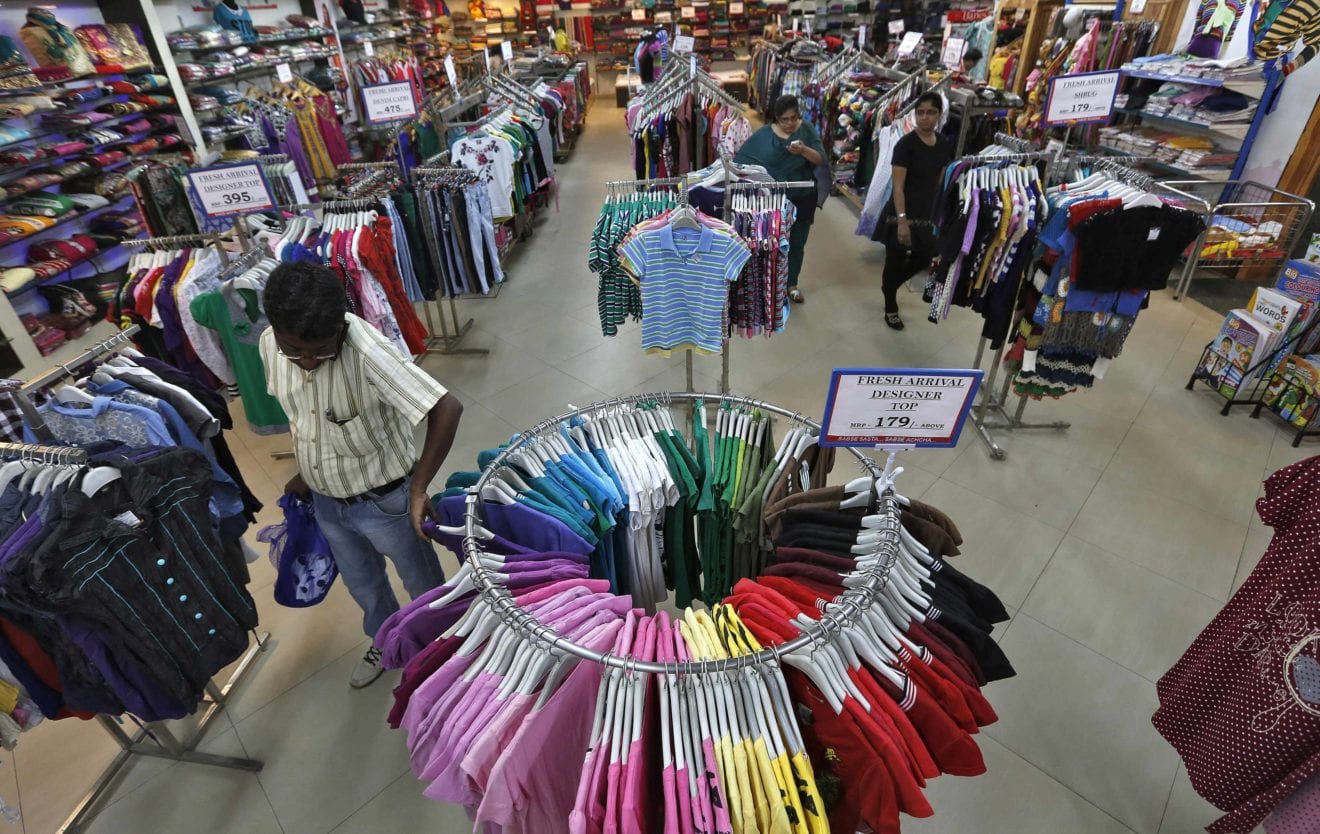
    High-profile Indian retailers are lobbying mall owners to transition to a revenue-sharing rent model in the wake of the coronavirus pandemic.

    Times of India reports that the companies, including Future Group, Aditya Birla, Arvind, Raymond and Litebite Foods, believe moving to a revenue-share model from fixed or minimum guaranteed rentals is critical to the survival of the industry. The retailers are seeking for the revenue model to be calculated from March 1.

    A letter to mall owners signed by around 75 retails firms operating 200 brands proposed a flat revenue share percentage based on tenant categories. The letter suggests regular brands could contribute 10–12 percent of takings, including common area maintenance, while fast-food brands could contribute 7–8 percent.

    “Our objective is to ensure that all businesses in the retail industry are able to survive this pandemic and its aftermath and thereby sustain 6 million jobs that this industry generates,” read the letter. “For that it is critical that mall owners and tenants (brands and retailers) are able to arrive at a mutually agreeable arrangement on rentals, not only for the period of the shutdown but also thereafter till normalcy returns.”

    The report suggests large mall owners remain undecided on the issue of whether rent waivers or revenue sharing models are the more appropriate response to the impact on the business of the coronavirus pandemic.

  • Ikea Macau opens – with a two-week wait to get inside

    Ikea Macau opens – with a two-week wait to get inside

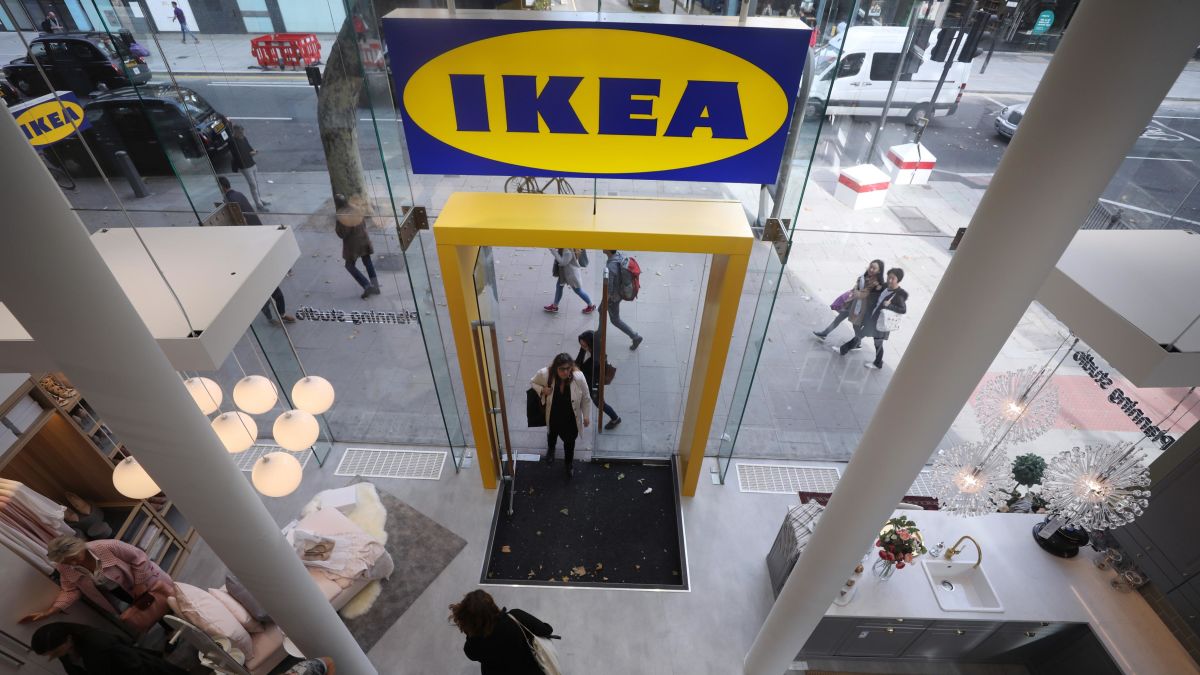
    Ikea Macau opened its doors yesterday, the first of the Swedish furniture homeware retailer’s stores in Asia which does not feature the brand’s traditional one-way ‘winding path’ format.

    The 90,000sqft store, the territory’s first Ikea, opened at Nova Grande residence’s shopping mall in Taipa. It includes an Ikea Cafe, Swedish Food Market and has 600 parking spaces for customers.

    However, in line with government-mandated social-distancing requirements, the store is for the time being open only to shoppers who pre-register online, nominating a time slot, and who complete a mandatory Electronic Health Declaration Form in advance. No walk-in customers will be permitted. These measures will ensure the store limits the number of customers inside at any one time to minimize the risk of people contracting Covid-19.

    With the opening of the Ikea Macau store much anticipated by locals, who previously had to shop in Hong Kong stores and ship products back, all shopping slots for the first 14 days of trading were booked out before yesterday’s opening.

    Ikea Macau is operated by Dairy Farm Group, which also holds the Ikea license for Hong Kong, Taiwan and Indonesia.

    “Ikea is a fantastic and growing business and a very important part of the Dairy Farm family,” said CEO Ian McLeod in an email to Inside Retail Asia.

    “With the opening of this, our 13th store, we are delighted to be bringing Ikea’s unique home-furnishing experience to our customers in Macau with this innovative store.”

    Of the store’s 90,000sqft total footprint, about 60,000sqft is dedicated to retail space and 6000sqft to a dining area which seats 286. The Swedish Food Market & Bistro takes up about 2000sqft. It employs 120 staff and trades from 10am to 10pm daily.

    Store manager Jacklyn Tse said in a message to customers that now the Macau store is open, no further orders for Macau delivery will be accepted through Hong Kong stores. However, Macau customers can now shop or order online on both the Hong Kong and Macau sites and opt into local delivery, pick-up and assembly services.

    The first Ikea Hong Kong store opened in 1975. Today, there are five stores across the two territories – located at Causeway Bay, Kowloon Bay, Shatin, Tsuen Wan in Hong Kong, and now Taipa.

  • ‘Revenge spending’ fuels luxury goods rebound

    ‘Revenge spending’ fuels luxury goods rebound

    So-called ‘revenge spending’ has been credited with a significant upturn in sales of high-priced retail goods in South Korea which has tentatively emerged in recent days from a lockdown during the Covid-19 pandemic.

    Industry analysts say that the pent-up desire for consumption is leading to an increase in purchases of luxury goods to display wealth.

    Revenge spending refers to the outpouring of pent-up desire for consumption at once. Another factor cited by South Korea’s fashion industry experts is the ‘Veblen effect’ which refers to a phenomenon in which products sell better as prices rise – a form of conspicuous consumption.

    Although low- and mid-priced brands in South Korea are struggling with the effects of the Covid-19 outbreak, expensive brands are doing well.

    At the height of the spread of COVID-19, sales at Lanvin Collection and Time have increased significantly, Handsome Corp, an affiliate of Hyundai Department Store, and the top player in the women’s fashion industry.

    Lanvin Collection, which is one of the most exclusive offerings among the Handsome brands, is a license brand introduced jointly by Handsome and French luxury brand Lanvin Paris. It saw sales rising 35 percent year on year during the first quarter.

    Time, the flagship brand of Handsome, also saw its online sales jump 58 percent in the first quarter.

    Meanwhile, Isabel Marant, a French luxury brand imported by LF Corp., saw its sales rise 10 percent year on year.

    A similar phenomenon is emerging in the men’s clothing market. Thom Browne, imported and sold by Samsung C&T Corp, saw its sales rise 20 percent thus far this year.

    Thom Browne is a semi-luxury brand known for its men’s suits, and has recently enjoyed explosive popularity among young people with the release of Samsung Electronics’ Galaxy Z Flip Thom Browne edition.

    With the coronavirus crisis reshaping the online market, some commentators say these brands are benefitting from quickly establishing online sales systems.

    All of the brands whose sales have increased tout their wares via online portals — Handsome.com, LF Mall, and SSF Shop.

    The fact that there is no difference between offline and online prices also contributed to the increase in sales.

    “Covid-19 is intensifying the gap between the rich and the poor in the fashion industry,” an official from the fashion industry told Korea Bizwire.

    “A growing number of young and middle-aged people are now purchasing products from expensive brands online that they would never have considered in the past.”

    Meanwhile, according to a McKinsey study, luxury sales by South Korean department stores dipped in the double digits in March when social-distancing measures became widespread. But during the first week of April, sales rebounded. Overseas luxury brand sales rose by 5.4 percent and overseas watch and jewelry sales were up 27.4 percent at Lotte.

    McKinsey suggests that as other regions continue to struggle during the Covid-19 crisis, South Korea could emerge as a fast-rebounding market for luxury sales and one brands should keep their eyes on to understand future consumer trends and behavior across Asia-Pacific.

  • Victoria’s Secret deal may be off as L Brands

    Victoria’s Secret deal may be off as L Brands

    Sycamore Partners’ rescue plan for troubled lingerie retailer L Brands is all but off with the two companies headed to court after the private-equity company unilaterally canceled the bid.

    Sycamore agreed to pay US$525 million for a 55 percent stake in L Brands, the parent of Victoria’s Secret, back in February in a deal most analysts at the time considered a bargain. But the subsequent advent of the coronavirus pandemic which saw most of the company’s stores shuttered, decimating sales, has made L Brands even less desirable, even at that price.

    On Wednesday, Sycamore notified L Brands it was terminating the deal, a move the target company described as “invalid”.

    Sycamore is claiming that by closing stores, laying off staff and withholding rent, L Brands was in breach of the sale agreement under which the retailer was obliged to continue to conduct business ‘as usual’ ahead of settlement.

    In a statement, L Brands said it would “vigorously defend the lawsuit and pursue all legal remedies to enforce its contractual rights, including the right of specific performance”.

    L Brands’ share price took a 20-per-cent hit in the wake of Sycamore’s actions.

  • Kia Motors Europe Post Record Electrified Vehicles Sales In Q1

    Kia Motors Europe Post Record Electrified Vehicles Sales In Q1

    Electric and electrified vehicles are gradually picking up the pace in the global car market and carmakers that already have already ventured into that space have been gaining traction as well. Kia Motors has posted record sales of new hybrid and electric vehicles in the European market in the first quarter of 2020, despite a decline in total vehicle sales owing to the coronavirus crisis. Kia also captured its highest-ever share in the European market in the same period.

    Kia’s total sales in Europe declined by 14.5 percent at 1,13,026 units in the first quarter of 2020 compared to 1,32,174 units sold in the same period last year. However, the decline was lesser compared to last year helping Kia to achieve an all-time high market share of 3.7 percent. Sales of hybrid, plug-in hybrid, and electric vehicles grew by 20.8 percent to 21,340 units in the same period. Electrified models now account 18.9 percent sales in the European market, up from 13.4 percent.

    Emilio Herrera, Chief Operating Officer (COO)- Kia Motors Europe said, “The first three months of 2020 have been challenging for the whole industry due to social distancing and lockdown measures adopted across many European markets. However, we have seen growing sales for Kia’s range of hybrid and electric cars – every electrified model line we sell in Europe has seen sales growth this quarter. The arrival of new plug-in hybrid models, improved availability of EVs, and an expanded Ceed model family has also boosted our sales and market share this quarter.”

    In the first three months of 2020, Kia’s battery electric vehicles, the e-Niro and e-Soul, accounted for 32 percent of all electrified vehicle sales, up from 22 percent in 2019. Plug-in hybrid models, including new Plug-in Hybrid variants of the XCeed and Ceed Sportswagon, also grew in popularity, and now account for 30 percent of all electrified Kia sales.

  • Chinese Prestige Time Experience store opens in Hong Kong

    Chinese Prestige Time Experience store opens in Hong Kong

    Hong Kong’s first Chinese Prestige Time Experience store has launched in Yue Hwa.

    Opened by Sun International Concepts, the outlet serves as a platform to showcase multiple Chinese watch brands, aiming to promote Chinese watch culture against the backdrop of the coronavirus outbreak.

    As the first platform for Chinese watch brands in the territory, consumers can find long-established brands such as Seagull, Shanghai, Beijing and Peacock – all of which have a 60-year history – alongside modern brands.

    A “Lab Tourbillon” area within the store introduces a variety of designer watches highlighting and introducing advances in Chinese tourbillon craftsmanship to the Hong Kong market.

    The 80,000sqft Yue Hwa store has traded in fine Chinese products within Hong Kong since 1959.

  • Online retail the ‘silver lining’ in Singapore retail space

    Online retail the ‘silver lining’ in Singapore retail space

    The Singapore retail real estate market has weakened amidst the coronavirus pandemic, according to a quarterly market report released by Edmund Tie.

    Transactions fell across all real estate sectors despite significant support measures passed by the government under its Unity Budget, Resilience and Solidarity Packages.

    In retail, an industry already battling a recession throughout last year, with weak signs of recovery reversed by the outbreak, travel restrictions and social-distancing measures are thought to have largely contributed to a downturn in sales.

    Turnover by retailers in prominent Singapore retail districts such as Chinatown plummeted by as much as 80 percent. Sales at Jewel Changi Airport contracted by as much as 70 percent in the same month.

    “A silver lining in this otherwise gloomy scenario is that the demand for online shopping has surged, as people turned to e-commerce in lieu of physical stores,” said Edmund Tie’s paper. In February, online retail sales accounted for 7.4 percent of total retail transactions, up from 5.5 percent in January.

    “The pandemic will fast-track the adoption of technology, from omnichannel retailing to greater use of data analytics to better understand consumers and their preferences,” said Edmund Tie CEO Ong Choon Fah.

    “New and creative ideas will emerge when the situation stabilizes and we enter a new normal. The diversification of revenue streams arising from adopting an omnichannel approach will make retailers more resilient over the long term.

  • Central Pattana improves Covid-19 communication to reassure shoppers

    Central Pattana improves Covid-19 communication to reassure shoppers

    Thai shopping center operator Central Pattana is promoting new hygiene and preventive measures to reassure customers their centers are safe during the coronavirus pandemic.

    Central Pattana’s ‘Central’s Hygiene and Safety’ plan is designed to reassure customers that the highest standards of hygiene and safety are being observed in shopping centers should they need to visit for buying essential products.

    The new plan covers five key core ideas with more than 75 measures, including extra screening, social distancing, safety tracking, extra cleaning and a touchless experience.

    “Despite some uncertainty around the current Covid-19 situation, the company is deeply concerned and has been proactively pioneering a master plan … to implement in our shopping centers, stores and with employees to help curb the spread of the pandemic and to ensure everyone’s highest safety at our shopping centers,” said Central Pattana deputy CEO Wallaya Chirathivat.

    “In response to this ‘new normal’ of changing consumer behavior facing the pandemic, this master plan is open as a guideline for general use for the best interest of the nation to hereafter set a new retail and social norm.”

    Central Pattana’s properties include CentralWorld, CentralPlaza, CentralFestival, Central Phuket and Central Village malls.

    “Central Pattana has been fully cooperating with the government’s mandates as well as encouraging social distancing,” added Wallaya, “… in the midst of this uncertainty, the re-opening of our shopping centers will be strictly in compliance with government’s mandate.”