Tag: asia

  • Malls in India seek government aid during shutdown

    Malls in India seek government aid during shutdown

    Malls in India affected by the coronavirus outbreak are seeking a bailout from the government to compensate for losses incurred during a mandatory shut down period through to March 31.

    The decision has affected both retailers and developers in the various states that have implemented the ban on trading during the affected period in a bid to slow the spread of the virus.

    “A shut down like this effectively means that there are all kinds of expenses to be borne by everybody; malls may not get rent and would not be able to service loans they have taken for creation of the mall, capital expenditure, etc,” said Retailers Association of India CEO Kumar Rajagopalan in a report. “It’s all going to be a big loss. The government needs to look into this and support these entities to save lakhs of jobs”.

    A representative body for malls in India is seeking a lending window, a moratorium on loan repayments or to allow banks to reschedule debt, as well as a potential waiver of property tax and electricity charges.

    Industry experts have expressed skepticism that footfalls will return to normal within the next few months no matter how brief the shutdown period may be, which is likely to impact rental negotiations for retailers, as well as the deferment of new mall openings.

    Observers of the situation have commented that any five-day halt to business will erase the month’s profits for retailers.

    “Mall operators stand to lose 20 to 25 percent of their annual revenue assuming that a rent-free period is given to retailers,” read an ICICI Securities report. “In our view, the most likely scenario is that mall operators and retailers may share the losses given that malls have now become a relationship-based business with the same retailer having presence across malls.”

  • SM, Jollibee roll out emergency packages for employees

    SM, Jollibee roll out emergency packages for employees

    As the community quarantine continues all over Luzon, Philippine conglomerate SM Group has committed to maintaining regular pay for all of its employees, without deductions from their vacation or sick leave entitlements.

    The company will also give a US$97.64 (Php5000) additional payment to security staff and janitors, who the company describes as front liners.

    Hans Sy, chairman of the executive committee of SM Prime said that in such trying times, “we are in uncharted territory”.

    “Let’s be one with each other, united in the spirit of service. Let’s be mindful of our front liners and help with their need to be alert so they can continue to do their best in working for the safety and health of our communities.”

    SM earlier said it would waive tenant rentals nationwide as well as support health workers fighting the spread of COVID-19 with $1.95 million (Php100 million) worth of protective equipment, testing kits and supplies.

    Meanwhile, Jollibee Foods Corp has announced a $19.52 million (Php1 billion) emergency-response package for employees affected by the quarantine.

    “In these times, we know how people are worried about their safety and how to take care of their families. We want to help lessen their worries and we are setting up this fund to be able to help them through this difficult time,” said JFC founder and chairman Tony Tan Caktiong.

    The employee package will be given to Jollibee Group’s offices, stores, commissaries, and logistics centres, including the senior citizens and PWDs assigned to stores under the joint employment program with local government.

    The same assistance will be provided to partner employers in stores and other locations.

    Jollibee employees are scheduled to receive their 13th-month pay by April 30. This is in response to President Rodrigo Duterte’s appeal to employers to pay the 13th month early, due to the coronavirus crisis.

    In addition, affected employees may convert the leave credits in advance and can also file for personal leave as necessary until the situation normalizes.

    Jollibee Foods is providing $1.95 million (Php100 million) worth of food to healthcare workers and personnel manning checkpoints around quarantined areas.

  • Smartphone shipments suffer a record breaking decline

    Smartphone shipments suffer a record breaking decline

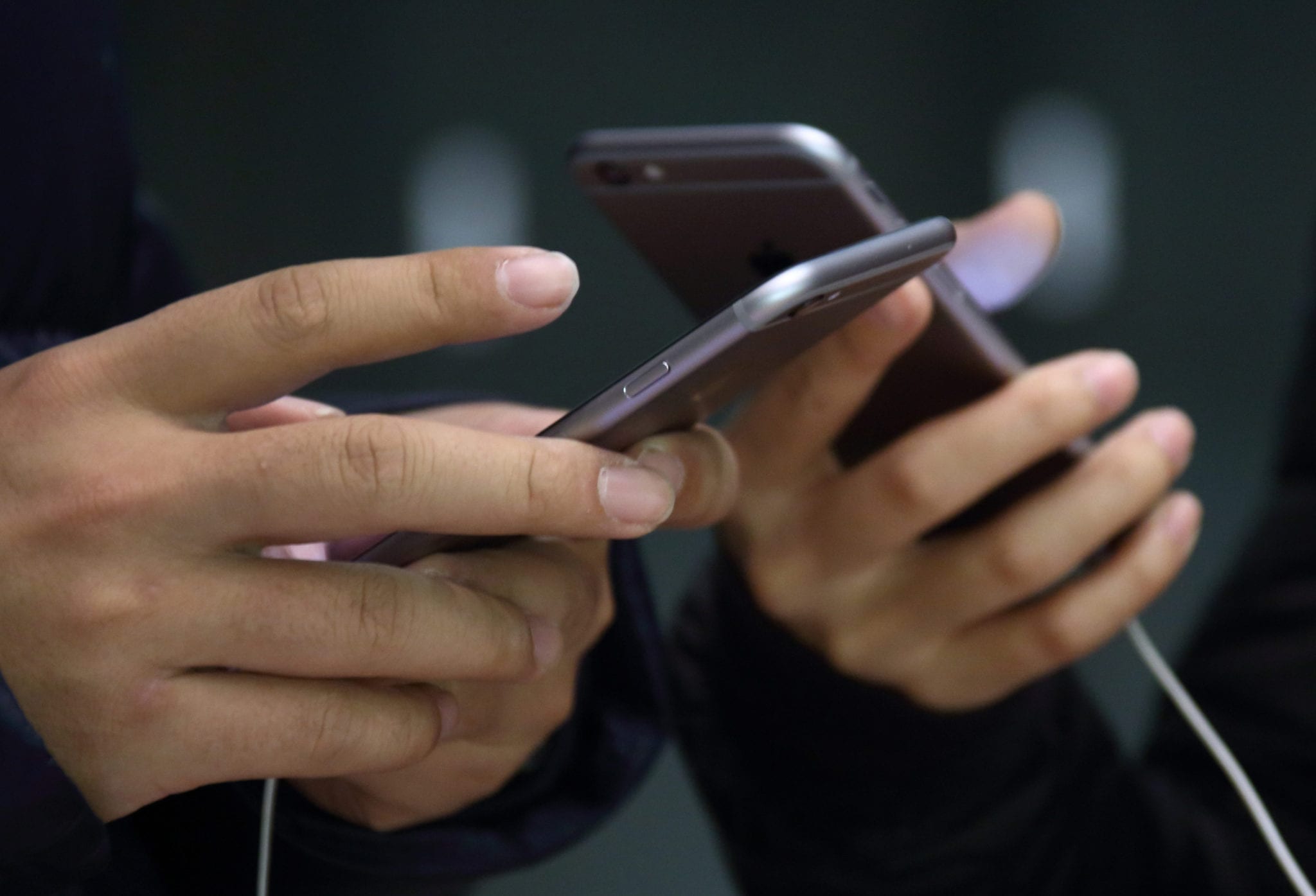
    Thanks to the coronavirus, February was the worst month in the history of the smartphone industry as global shipments plunged 38% year-over-year. Strategy Analytics says that this was the biggest year-over-year decline in the history of the worldwide smartphone market. The number of smartphones delivered globally last month plunged to 61.8 million units from 99.2 million handsets during the same month last year. On a sequential basis, the 61.8 million phones shipped in February represented a 39% drop from January’s total. The COVID-19 outbreak forced manufacturers in China to shut down assembly lines and retail stores in the world’s largest smartphone market.
    “February 2020 saw the biggest fall ever in the history of the worldwide smartphone market,” according to Neil Mawston, Executive Director at Strategy Analytics. He added that “Supply and demand of smartphones plunged in China, slumped across Asia, and slowed in the rest of the world. It is a period the smartphone industry will want to forget.”
    During February, Samsung led the way in global smartphone shipments and sales. During the month, the manufacturer unveiled the new Galaxy S20 line and released the foldable Galaxy Z Flip. Following Samsung in both shipments and sales were Apple, Xiaomi, Huawei, OPPO and Vivo. And the research firm expects the numbers for this month to show weakness as well. Yiwen Wu, Senior Analyst at Strategy Analytics, says, “Despite tentative signs of recovery in China, we expect global smartphone shipments overall to remain weak throughout March 2020. The coronavirus scare has spread to Europe, North America and elsewhere, and hundreds of millions of affluent consumers are in lockdown, unable or unwilling to shop for new devices. The smartphone industry will have to work harder than ever to lift sales in the coming weeks, such as online flash sales or generous discounts on bundling with hot products like smartwatches.”
    It’s ironic that just as assembly lines are ramping up in China and Apple has reopened all 42 Apple Stores in the country, it shuts down its stores throughout the rest of the world. It obviously is going to be sometime before we return to some semblance of normalcy. As a result, we can expect further weakness for the industry not only for the current month but perhaps throughout the spring and summer.
  • Venus Tears opens flagship store in Singapore

    Venus Tears opens flagship store in Singapore

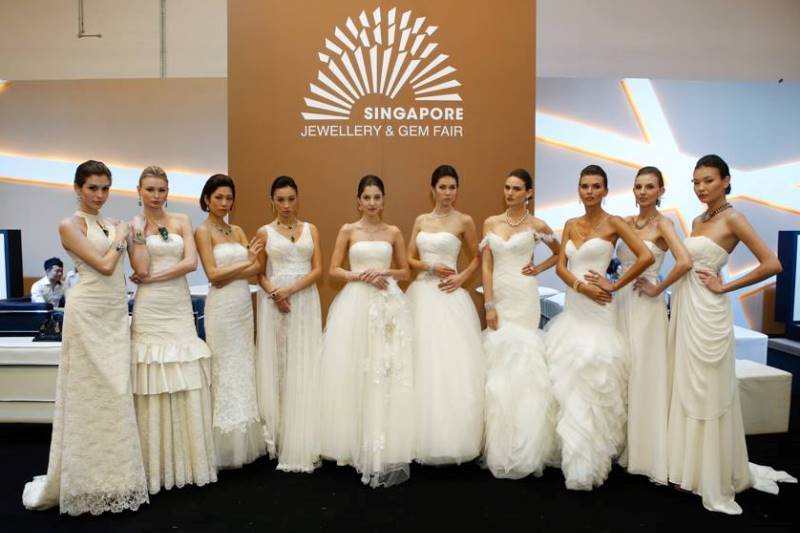
    Singaporean and Japanese Bridal jewelry brand Venus Tears has opened a flagship store off Orchard Road.

    Located inside Wisma Atria shopping mall, Venus Tears features wedding bands and engagement rings which are designed and manufactured in Japan. The brand also offers customization of jewelry, ensuring the uniqueness of each item for its customers.

    “Our goal with this new bridal jewelry shop is to make access to our high-quality products even more convenient,” said a spokesperson.

    To mark the launch, Venus Tears flagship store introduced three new lines that are popular in Japan: Colany, Ankhore and Aimokume.

    Venus Tears originally started in Singapore and developed stores in Japan. It is now operating eight outlets in both countries.

  • Bankruptcies, store closures dent Li & Fung turnover

    Bankruptcies, store closures dent Li & Fung turnover

    Record store closures and bankruptcies in the retail industry dented turnover and profit for supply-chain solutions company Li & Fung.

    However the company said the results would have been worse had it not been for market-share gains by some of its key customers.

    The company released its results on Friday, along with notice of a takeover proposal which would see the company delisted.

    Core operating profit fell by 22.9 percent to US$228 million, which the company attributed to a 10.1-per-cent decline in turnover to US$11.4 billion. Besides store closures and bankruptcies, a trend of continued destocking by customers and a decision to exit “a number of higher-risk and non-strategic customers” also impacted sales. Net profit attributable to shareholders was US$17 million, representing a return to profitability.

    “While our financials were affected by strong headwinds in the retail sector and global markets, we achieved important gains in our goal of creating the Supply Chain of the Future in our recently completed three-year plan,” said Spencer Fung, Group CEO.

    “We are successfully transforming from a traditional, analog agent into a unique digital supply-chain service provider. We now have a leadership position in 3D digital product development and are delivering a suite of value-added services to our customers.”

    He said the group is continuing to manage the ongoing impact of the US-China trade war, increased complexity of global supply chains and, more recently, the coronavirus pandemic.

    “We are working around the clock with our customers and suppliers during this period of deep uncertainty. Our teams on the ground across the world are actively supporting customers, just as we did during the US-China trade war to help address the disruptions to their business.”

    Meanwhile, Li & Fung revealed a proposal has been lodged to privatize the company. Subject to shareholder approval, the Fung family, which already has a controlling interest in the group, will partner with Singapore-headquartered logistics warehouse operators and investor Golden Lincoln (GLP) to buy outstanding shares in the business. After the transaction is complete the Fung family will hold 60 percent of the shares and GLP 40 percent, with the company delisted from the Hong Kong stock exchange.

  • Menswear chain China Lilang flourishes from move into malls

    Menswear chain China Lilang flourishes from move into malls

    Menswear manufacturer and retailer China Lilang has reported a 15.5 percent increase in sales for last year to RMB3.658 billion, (US$515.78 million).

    The top line was boosted by store network expansion. The company opened an average of nearly three new stores each week last year, ending it with 2815 Lilanz-branded outlets nationwide. Many stores were relocated as well, to improve the brand’s exposure to consumers. Almost 28 percent of stores are now located in shopping centers.

    China Lilang said profit from operations rose by 11.1 percent to RMB980 million ($138 million) and net profit rose by 8.1 percent to RMB812 million ($114.5 million).

    Wang Dong Xing, chairman and executive director of China Lilang, said the abnormally high temperatures nationwide during the fourth quarter of the year – the traditional peak season for the retail sector – added more challenges to the apparel industry. As a result, the company provided rebates to distributors as an incentive to discount slow-moving stock through clearance sales.

    He said brand and product competitiveness, retail management and shop location have become increasingly important determinants of operating efficiency for the company.

    Looking ahead, Wang Dong Xing said the coronavirus outbreak has hit retail sales hard and the group will consequently reduce the production of Autumn 2020 products to help stores destock Spring inventories.

    Despite strong Lunar New Year sales in January, China Lilang is expecting a 40-per-cent decline in first-quarter sales with an adverse effect on full-year results.

    Chairman Wang Dong Xing concluded: “The epidemic will have some impact on the retail market in the first half of the year; but we expect its impact on our business to be temporary. In mid-March, about 70 percent of Lilanz stores resumed operations. As a well-established menswear enterprise, the group believes that China Lilang has distinctive advantages in both original designs and value-for-money of its products.”

  • Hong Kong recession sees locals sell off luxury goods

    Hong Kong recession sees locals sell off luxury goods

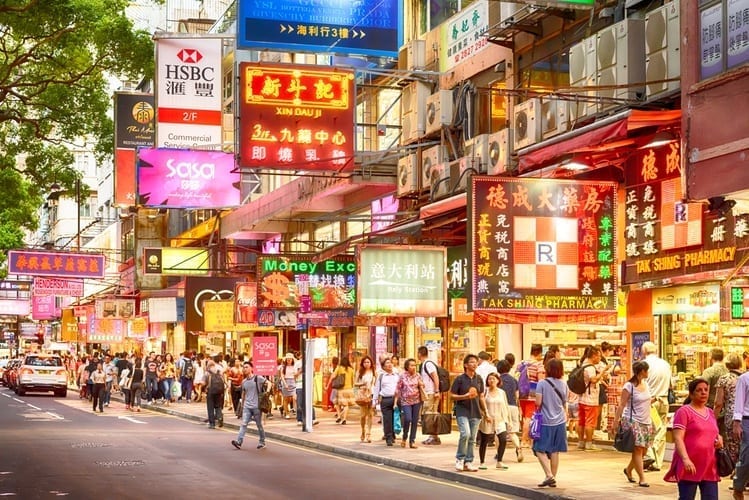
    The Hong Kong recession has proved a strong incentive for locals to sell off their luxury goods, according to a report by the Nikkei Asian Review.

    Several local citizens and businesses told the Japanese publication of an uptick in the private trade of luxury items, including those of a grounded flight attendant who traded her personal collection’s best-loved items to ensure sufficient cash reserves in case of losing her full-time job.

    Multinational diamond firm WP Diamonds reported a 70-per-cent increase in inquiries to sell diamonds, jewelry and luxury watches, including a doubling of inquiries to sell engagement rings. Secondhand luxury-bag trader Milan Station Holdings reported a 30-per-cent increase in bags sold to its stores during the past two months.

    “There seems to be a trend of people monetizing to make sure they are liquid in the event of a prolonged crisis,” said WP Diamonds CEO Andrew Brown told Nikkei Asian Review. “It is the perfect time for consumers to think about selling their pre-loved jewelry pieces that were left to gather dust in the dresser.”

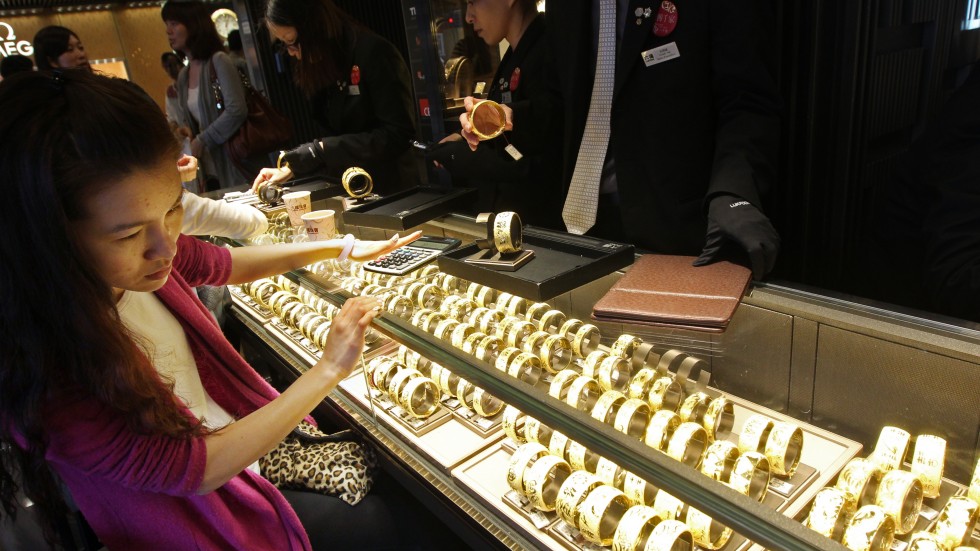
    The increase in private sales occurs at a time when normal retail sales of jewelry, watches and valuables dropped 42 percent in January year on year. At the same time, gold trading in the city has increased at a time when global stocks are affected by the coronavirus outbreak.

    The Hong Kong recession commenced before the outbreak of coronavirus took hold, the economy battered by ongoing political protests during the second half of last year.

  • Smiggle parent Premier Investments feeling the impact of Covit-19

    Smiggle parent Premier Investments feeling the impact of Covit-19

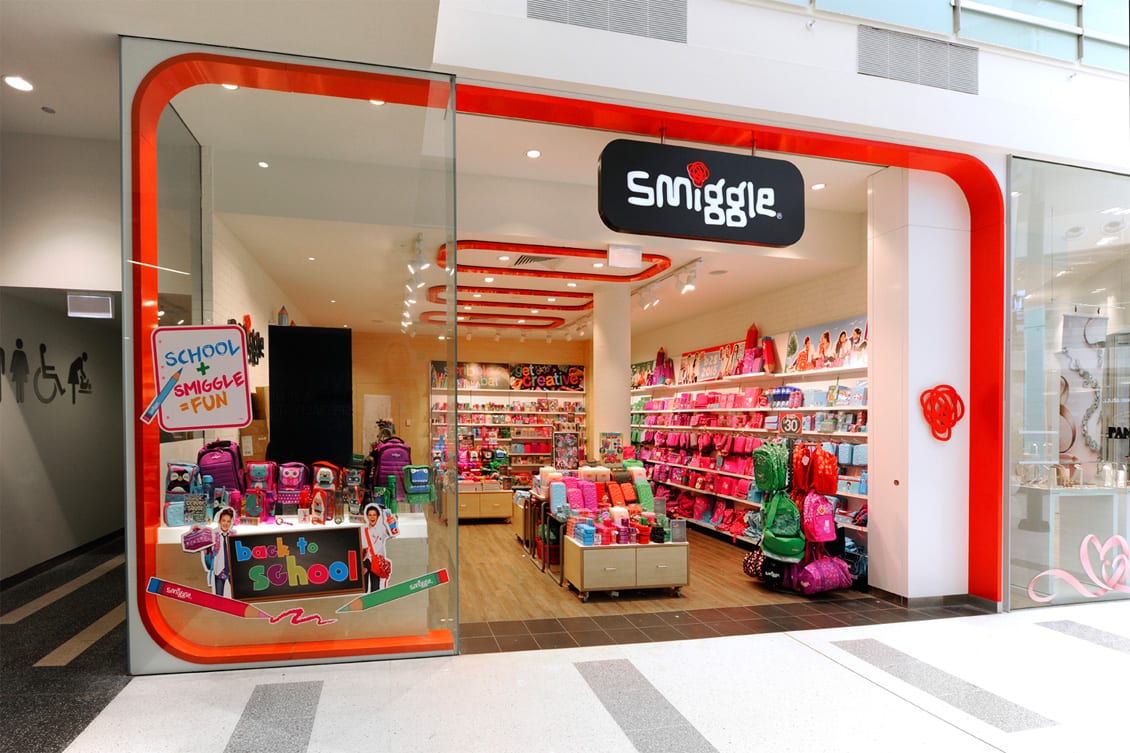
    Premier Investments has weathered a string of global crises, including Brexit, Hong Kong protests and Australia’s bushfires to post record sales and earnings in the first half of the financial year – but now it says the coronavirus pandemic is impacting trade across every brand in its portfolio.

    On Friday, the owner of major national and international retail brands, including Smiggle, Peter Alexander, Just Jeans, Portmans, Dotti, Jacqui E, Jay Jays and Breville, reported a 7.6-per-cent increase in first-half sales year on year, to $732.1 million (US$427.7 million), and a 10.7-per-cent increase in earnings before interest and tax, to $126.1 million ($73.7 million).

    But the strong performance may be cold comfort, as the coronavirus outbreak and strict self-isolation measures introduced to contain the spread in certain markets have already severely impacted Premier’s trade in the second half.

    Smiggle sales have been “severely disrupted” in Hong Kong, Singapore, and Malaysia, and “deteriorated significantly” in the UK and Ireland, the company said in a statement to the Australian Stock Exchange.

    Trade-in all brands in Australia and New Zealand have been impacted, and the company warned gross margin could be affected as it moves to clear inventory in each market.

    Premier Investments CEO Mark McInnes declined to provide specifics on changes in sales or foot traffic, saying on a media call that the company was not “in control of what’s happening on a daily basis” and “merely responding” to the crisis at hand.

    He described the current situation as “unprecedented” and unlike anything he has experienced, including the Global Financial Crisis in 2008 and recession in 1991.

    He also warned there could be widespread store closures if landlords do not start supporting their tenants by renegotiating rents.

    “Since the outbreak of COVID-19, we have closed two stores in Hong Kong, and we are prepared to close many more stores globally if landlords do not respond to the current crisis,” McInnes said.

    While he noted that Premier Investments could exit 70 percent of its leases in Australia and New Zealand with just 30 days’ notice, he said it wasn’t about “profiteering”, but rather “sharing the reality”.

    “Historical rents are just…all we’re pointing out to landlords is the reality of the situation,” he said.

  • Australian Banks Launch Small Biz Relief Package

    Australian Banks Launch Small Biz Relief Package

    In the midst of an ongoing outbreak, Australian lenders help lighten the load for affected small businesses which are estimated to house 5 million workers in the country.

    The relief package will apply to more than A$100 billion of existing small business loans and provides a 6-month deferral of loan payments for those affected by the coronavirus, according to the Australian Banking Association. This follows recent collaboration between banks, the Australian treasurer and government to identify support measures.

    This could put as much as $4.6 billion back into the pockets of small businesses as they battle through these difficult times,» said the association’s CEO Anna Bligh in a statement. This is a multi-billion-dollar lifeline for small businesses when they need it most, to help keep the doors open and keep people in jobs.

    In a relatively rare scenario, banks globally have an opportunity to play the role of financial rescuer after the last crisis when large parts of the industry benefited from taxpayer-backed bailouts. Outside of Australia, for example, Swiss financial giant Credit Suisse’s chief executive had suggested co-establishing a lending fund targeting small businesses in the country alongside fellow giant UBS.

    While this is first and foremost a health crisis, this pandemic has begun to have serious impacts across the economy, with small businesses beginning to feel the devastating effects, Bligh added. Australia’s banks have supported the country through difficult times in the past and continue to do so.

  • Ducati Posts Turnover Of 716 Million Euros In 2019

    Ducati Posts Turnover Of 716 Million Euros In 2019

    Ducati has closed 2019 on a positive note, consolidating the growth of the past few years for the Italian motorcycle manufacturer. In 2019, Ducati sold 53,183 motorcycles, compared to 53,004 motorcycles that were delivered to customers around the world. The result demonstrated that Ducati’s sales remained above 50,000 units for the fifth consecutive year, and confirmed positive signs of the market, which, in the above 500 cc segment, recorded a global growth of 1.4 percent. Among Ducati’s bestselling models across the world are the Ducati Panigale and the Ducati Multistrada.

    Ducati’s turnover, at the end of 2019, reached 716 million Euros (over Rs, 57,000 crore), a growth of 2.4 percent from 699 million Euros (over ₹ 56,000 crore) in 2018. Ducati’s operating profit of 2019 stood at 52 million Euros (Around ₹ 419 crore), up from 49 million Euros in 2018 (over ₹ 395 crore). The Borgo Panigale manufacturer of high-end motorcycles reached an operating margin of 7.2 percent against 7 percent in 2018.

    Turnover per bike figure stood at 13,500 Euros per motorcycle, which according to Ducati, represents the highest value in the history of the company, and indicates the evolutionary trend of the range of products offered towards the highest and premium part of the market.

    The Ducati Panigale remained the best-selling superbike in the world for the second consecutive year, with a market share of 25 percent, while with the addition of the 950 S and the renewed 1260 Enduro, the Multistrada family recorded the highest value of motorcycles sold since entering the market in 2003. Ducati now has 1,655 employees, with a sales network of 720 dealers and service points in over 90 countries. With the recent outbreak of the COVID-19, or coronavirus pandemic, Ducati has shut production at Borgo Panigale, but the company has announced that support for all customers will continue.

  • Luk Fook sales plummet by half in first two months of 2020

    Luk Fook sales plummet by half in first two months of 2020

    Hong Kong jeweler Luk Fook says its sales halved during the first two months of this year as the coronavirus outbreak caused an extensive lockdown of mainland Chinese cities and visitors to Hong Kong and Macau fell sharply.

    While most mainland stores have reopened this month, customer footfall of the shops operating in Mainland China, Hong Kong and Macau was “still sparse” said chairman and CEO Wai Sheung Wong in a profit warning. “It is expected to take some time for the business to resume normal.

    “Therefore … there will be an acute drop in revenue for the period from January to March. It is therefore highly likely that certain losses will be incurred in the fourth quarter. It may lead to a substantial decline in the group’s revenue and profit for the financial year ending March 31.”

    With Macau stores closed for most of February, sales in the combined Hong Kong and Macau market decreased by more than 50 percent.

    “Economic activities in Mainland China were almost halted due to the outbreak,” said Wong. “In the first two months of this year, industry, consumption and investment all hit record low with the double-digit decline, crashing the macro-economy severely.”

    Group-wide, same-store sales of gold products and gem-set jewelry products in Luk Fook’s own stores were down by 45 percent and 54.9 percent, respectively. In Hong Kong and Macau overall sales were down by 52.8 percent, with gold products down by 47.3 percent and gem-set jewelry products by 58 percent.

    On the mainland, where shops were closed in February, same-store sales fell by 37.1 percent. Gold sales were down by 38.6 percent and gem-set jewelry sales by 31.8 percent.

    Retail sales through licensed shops and self-operated shops of the group in Mainland China fell by half.

    During the pandemic, the company has not replaced staff leaving of their own accord and introduced leave without pay to reduce staffing costs. It has also negotiated rent reductions with landlords.

    Expansion plan on track

    Despite the huge impact of the coronavirus on sales, Luk Fook remains committed to its expansion plan which Wong said “has not been seriously affected”.

    “It is estimated that the net shop additions for the current financial year would only be a bit less than the target of 300 shops. In addition, the group’s unaudited revenue and profit for the period for the nine months ended December 31 were about 60 percent and 55 percent respectively ahead of those for the year ended March 31, last year.”

    He said fourth-quarter operational data will be released in mid April.

  • Yum! Brands to take over The Habit Burger Grill chain

    Yum! Brands to take over The Habit Burger Grill chain

    Yum! Brands has bought California-based The Habit Burger Grill, adding its first fast-casual burger chain to its portfolio which already includes KFC, Pizza Hut and Taco Bell

    The company says it has bought all of The Habit Burger Grill’s issued and outstanding common shares in a deal worth US$375 million.

    “The Habit Burger Grill is a sweet spot within fast-casual because of its delicious California-inspired menu with premium ingredients at a QSR-like value, strong unit economics and tremendous untapped growth potential in the US and internationally,” said David Gibbs, CEO of Yum! Brands.

    As a subsidiary of Yum! Brands, The Habit Burger Grill will continue to be run as an independent brand, the company said in a statement.

    President and CEO of The Habit Burger Grill, Russell Bendel, said, being part of Yum! will take The Habit Burger Grill to the next level by leveraging Yum!’s global scale, resources, and franchising capabilities to strengthen and significantly grow our beloved brand for many years to come.”

    Founded in California in 1969, fast-casual restaurant concept The Habit Burger Grill operates about 300 restaurants across 13 states in the US.

  • Singapore Bank Shares Offer Value

    Singapore Bank Shares Offer Value

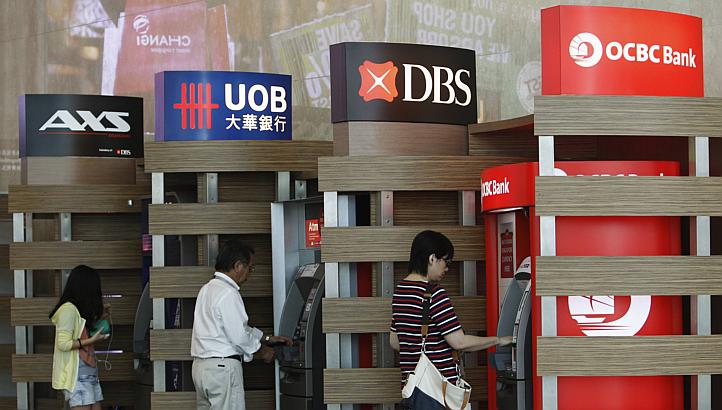
    Shares of Singapore banks offer good value now that they have fallen by 26 percent year-to-date. With better capital positions as compared to during the global financial crisis, they have the capacity to retain dividend payout.

    Even as the coronavirus outbreak drags Singapore into negative growth territories, Singapore banks are in better shape today as compared to the period during the global financial crisis (GFC). The higher capital ratios, high provisioning levels, and geographic diversity should serve to limit further falls in the share prices of the three local banks, said analysts.

    We expect a rapid rise in non-performing loans (NPLs) and credit charges may surpass levels seen during the 2017 O&M crisis. However, unlike past crises, these banks are starting with strong capital ratios, high provisioning levels, and wider geographic diversity. Unprecedented, coordinated fiscal and monetary stimulus efforts by governments focused on liquidity support should also provide downside support, in our view, wrote Thilan Wickramasinghe, an analyst with Maybank Kim-Eng on Wednesday.

    The three pressures on banks’ earnings include the COVID-19 pandemic, interest rate cuts, as well as the oil price war that continues. The coronavirus pandemic would affect small-medium enterprises most, followed by housing loans if employment levels fall. However, there are no indications of a rapid fall in asset qualities yet, wrote Tay Wee Kuang, an analyst with Philip Securities in a research note on Thursday.

    The oil price war reminiscent of the 2016 oil price meltdown will have a limited impact on asset quality because all three banks have taken steps to clean up their oil and gas loan books in prior periods by reducing exposures in the industry and accounting for necessary provisions. Banks’ exposure to the oil and gas sector has dwindled to below 2 percent of their loan books.

    Moreover, various fiscal and monetary stimulus rolled out by governments worldwide should provide cushions to the downside. For instance, Singapore has unveiled a fiscal boost to tackle the Covid-19 virus outbreak with an S$6.4 billion package targeted at epidemic containment, as well as support for industries that are directly impacted. Initiatives include Co-Funding schemes for affected sector SMEs, rebates on corporate and property tax, cash grants for retaining local employees and targeted assistance to defray business costs and other concessions for the aviation and maritime sector.

    The Malaysian government also unveiled its Covid-19 impact-targeting 20 billion ringgit Economic Stimulus Package late February, modeled after responses during the SARS crisis. These programs are primarily focused on ensuring liquidity flow to impacted SMEs and individuals, aimed at helping them weather uncertainty and keep their debt obligations current and staff employed. These should provide significant downside support in mitigating defaults and credit risks, in our view, wrote Wickramasinghe.

    The sector is now trading at 0.8 times forward price-to-book, or two standard deviations below mean. Despite aggressive cuts to earnings per share and target prices, the banks offer significant value, in our view. While valuations are about 30 percent above GFC troughs, we believe the sector is significantly different from then and so is its risk profile, wrote Wickramasinghe, who has upgraded OCBC on potential market share gains in the region.

    Meanwhile, the sector provides a highly visible dividend yield of 6.4 percent, 136 basis points higher than peers in Southeast Asia. The fact that the three banks’ Common equity tier 1 ratios are above 14 percent- comfortably above the regulated 10.5 percent set out in the Basel III accord – means that banks are unlikely to trim dividends, notes Tay.

    The last dividend cut undertaken by banks was during the GFC. However, the current situation is not comparable to the GFC, where the global financial system collapsed when the credit quality of the banks came under pressure, wrote Tay.


  • Digital payments and E-commerce in India rise as consumers stay home

    Digital payments and E-commerce in India rise as consumers stay home

    Digital payments in India have risen by 10 percent over the last month, despite a 30-per-cent decline in online travel spending.

    According to payments platform Razorpay, as human interactions are reducing across the country, consumer payment habits are changing. “For the first time ever, online grocery shopping climbed the ladder with a growth of 9 percent, and government and utility bill payments grew by 30 percent, reflecting precautionary measures that customers are taking by staying indoors,” the company said in a statement.

    Advisories against overseas travel and the closure of borders by a growing number of nations have led to a significant reduction in travel from India.  Last year, according to Statista, the travel sector accounted for 40 percent of digital payments in India.

    Correspondingly, digital payments for hospitality services, which typically account for 10 percent of payments processed by Razorpay, fell by 12 percent over the last month.

    Consumers fearful of running out of essential supplies during the coronavirus crisis saw the grocery category move into the top three sectors on the platform, growing 9 percent.

    UPI (19.6 percent), NetBanking (11.5 percent), and Wallets (10.3 percent) became the three leading modes of payments during the pandemic.

    “From a macroeconomic perspective, we are seeing an increase in the demand for digital payments across a few sectors – grocery, e-commerce and utility bills have gone up, given the social isolation,” said Harshil Mathur, CEO, and co-founder at Razorpay.

    “On the flip, people are having to stay indoors and not having enough spending power, this can make the overall consumer spending go down creating a lasting (negative) impact.”

  • Xiaomi reopens its 1,800 stores across China

    Xiaomi reopens its 1,800 stores across China

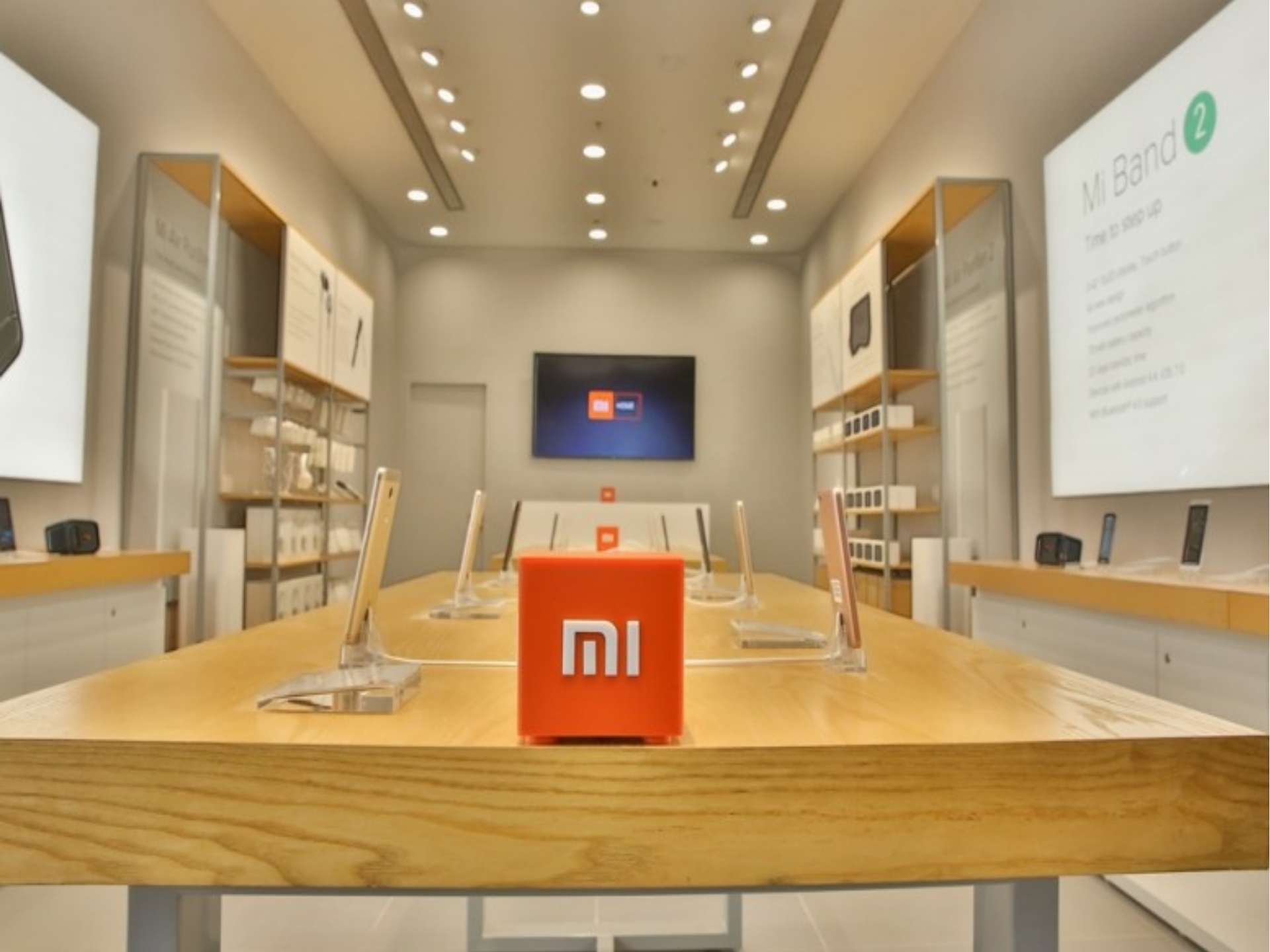
    As Mainland China registered no new cases of coronavirus for the first day since the disease emerged late last year, Chinese tech retailer Xiaomi says it has reopened more than 1800 retail stores across the mainland.

    The company also says the majority of its component suppliers – about 80 percent – had resumed operations.

    In a telephone conference call yesterday, Xiaomi president Wang Xiang said the company was working with its suppliers and service providers both upstream and downstream to achieve a stable supply line of products during the coronavirus crisis.

    Many other retail groups are steadily reopening stores across China. Some, including Apple and Lego, have closed their entire global store networks until at least late this month, with the exception of China.