Tag: asia

  • Sasa joins Shopee in Singapore after closing its physical stores

    Sasa joins Shopee in Singapore after closing its physical stores

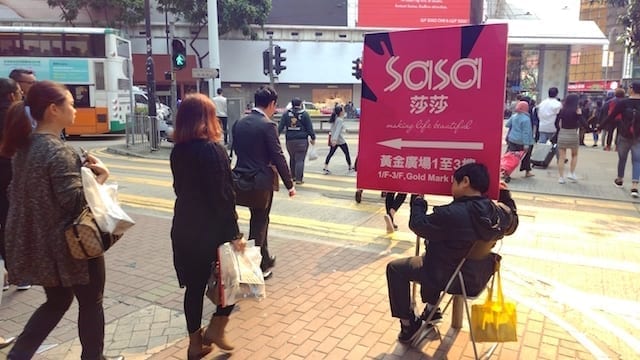
    Hong Kong-headquartered cosmetics retailer Sa Sa International has relaunched its presence in Singapore with an exclusive online partnership with e-commerce platform Shopee.

    Following the firm’s exit from the territory, last year and the closure of all its Singapore outlets, the new Sasa official store on Shopee Singapore aims to tap the platform’s extensive user base to reach a wider audience.

    “The launch of the Sasa official store will allow us to bring a greater variety of beauty products and tools to a wider audience,” said Sa Sa International chairman and CEO Dr Simon Kwok. “This will enable us to effectively drive sales growth and lay a solid foundation for the development of our new retail model. We look forward to strengthening our e-commerce business further and are positive that working with Shopee will allow us to achieve success in the near future.”

    The strategic partnership will enable Shopee to drive growth in one of its top-performing categories – Beauty & Personal Care – by providing a broad assortment of Sasa’s products on the platform. The range will be discounted through to March 1 as part of Shopee’s Brands Festival.

    “Shopee is committed to helping our brands and retail partners unlock their full potential,” said Shopee CCO Zhou Junjie. “This campaign is another step forward for us in bringing our users the most popular and exciting products from their favorite brands.”
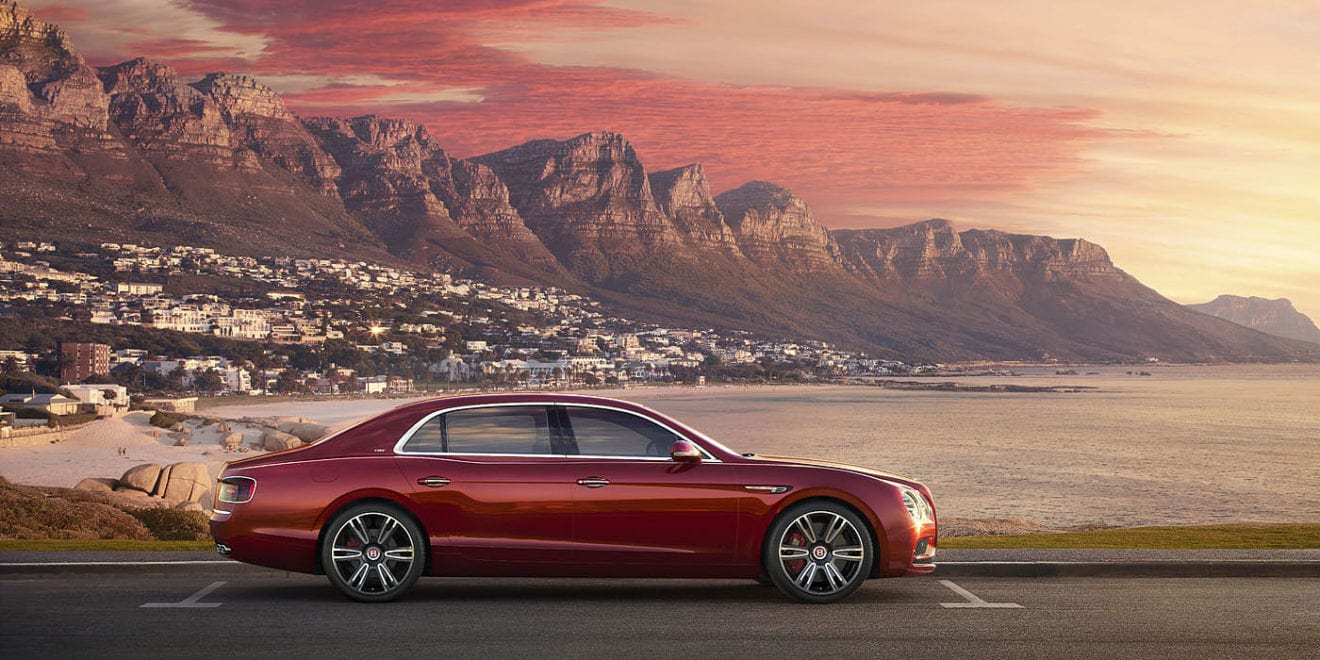

  • Bentley Continental GT Mulliner Revealed

    Bentley Continental GT Mulliner Revealed

    Bentley took the wraps off the Continental GT Mulliner and will be showcasing it at the upcoming Geneva Auto Show as well. It will be a limited edition model and it will also be the flagship of Continental GT range. We all know Bentley for making uber-luxurious cars, but the Continental GT Mulliner is the next level, as far as comfort and exclusivity is concerned. Bentley says that this car is made for those who want an “even greater focus on beautiful details”. The new Continental GT Mulliner gets a new double-diamond grille, which looks gorgeous and is complemented by ‘Mulliner’ branded side vents with the silver-on-black diamond scheme.

    Apart from that, the interior too gets the typical Bentley diamond-on-diamond quilting on the seats, door panels, and the tonneau cover as well. The threads are of different colors so as to accentuate the stitching. Each diamond gets exactly 712 stitches. There will be eight three-color combinations, all of which are custom made. The center-piece is the Breitling timepiece on the dashboard, which is finished in brushed silver and gets a quartet of chrome bullseyes offering a lovely bejeweled look. Other features include 7 different themes for mood-lighting along with illuminated tread plates and LED welcome lamps that project the Bentley logo on the ground as you step inside.

    Each Continental GT Mulliner gets a ‘Naim for Bentley’ premium audio system which includes 18 speakers and two active bass transducers, driven by a 2,200 watt, 20-channel amplifier and also gets eight DSP sound modes with an active bass.

    The Bentley Continental GT Mulliner can be specified with either the V8 or the W12 powertrains. The 6.0-liter twin-turbo W12 motor enables the car to do a 0-100 kmph sprint in 3.8 seconds and reach a top speed of 333 kmph. The 4.0-liter Twin-turbo V8 Mulliner model does the 0-100 kmph sprint in 4.1 seconds and has a top speed of 318 kmph.

  • Renault Files Civil Claim Against Carlos Ghosn

    Renault Files Civil Claim Against Carlos Ghosn

    French car giant Renault said Monday it was filing a civil claim for damages against former CEO Carlos Ghosn over alleged financial misconduct.

    “Renault has filed a legal action to assert its rights” the company said in a statement, adding that it reserved the right “to solicit damages with interest” from an investigation into numerous claims of financial misconduct in France.

    On December 29, former Nissan, Renault boss Carlos Ghosn, who was under house arrest facing charges of diverting millions in company funds for his personal use, walked out of his house in Tokyo wearing a hat and a surgical mask.

    Lawyers for Brazilian-born Ghosn, who jumped Japanese bail in December and is now in his native Lebanon, on Friday delayed a lawsuit seeking a hefty retirement payout for their client from Renault, saying the company had not given them enough time to prepare arguments.

    Ghosn is seeking a 250,000 ($270,000) retirement payout, which Renault refuses to pay because it says he was forced to quit after his shock November 2018 arrest in Japan on multiple charges of financial wrongdoing.

    The former industry titan claims he retired in due form of his own accord.

    He faces a French inquiry into two parties he threw at the Palace of Versailles, including his opulent 2016 wedding, allegedly financed in part by Renault funds.

    A party for his 60th birthday two years earlier, replete with musicians, a top chef, period costumes for attendees and a firework display ostensibly to mark 15 years of the Reault-Nissan alliance allegedly cost 530,000 euros.

    Ghosn is also under investigation by France’s tax fraud office over suspicious financial transactions between Renault and its distributor in the Gulf state of Oman, and over contracts signed by Renault and Nissan’s Dutch subsidiary RNBV, the public prosecutor said last week.

    In Japan, he still faces multiple charges including a claim he under-reported millions of dollars in salary as chairman of Nissan.

    He has denied all the charges but fled while on bail before he could face trial.

  • Coronavirus case confirmed in Samsung factory in South Korea

    Coronavirus case confirmed in Samsung factory in South Korea

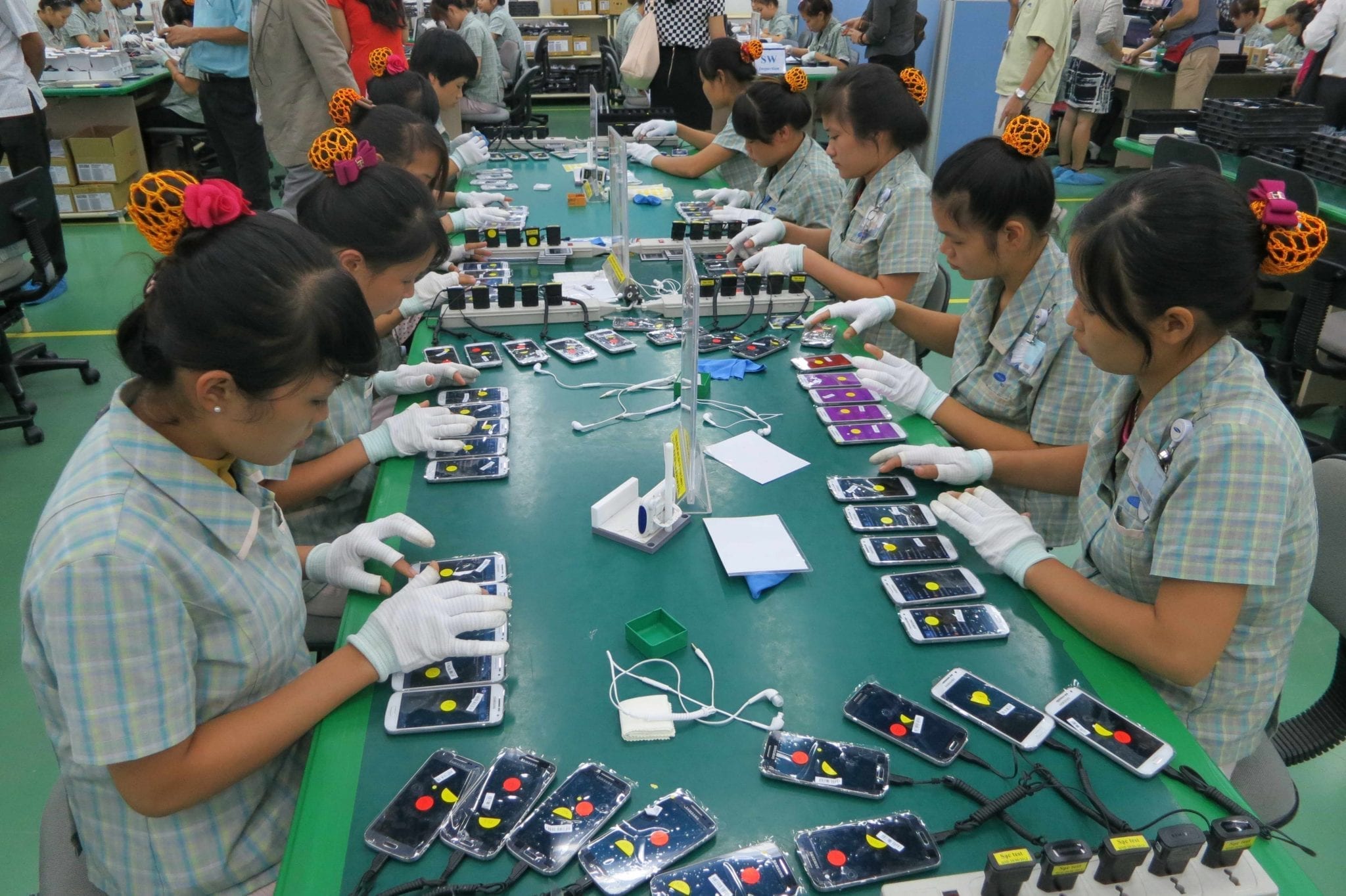
    We have been hearing news about different factories’ production struggles over the coronavirus outbreak for almost two months now. Unfortunately, on Saturday, Samsung temporarily closed one factory in South Korea over a confirmed case of the coronavirus, reports Reuters. Until now, Samsung has remained fairly unaffected by the public health crisis.

    The aforementioned factory complex is situated in the South Korean city of Gumi, close to the center of South Korea’s largest coronavirus outbreak (in the city of Daegu), where, reportedly, the cases of infected with the illness amount to around 433. However, the factory is responsible only for the production of a small portion of high-end phones, in particular the Galaxy Z Flip and the Galaxy Fold, primarily for the domestic market.

    The facility is to remain closed until Monday morning, while the floor where the infected employee worked will be shut down until February 25, Tuesday. Workers that came into contact with the employee in question are now in self-quarantine and will be tested for possible infection with the virus.

    Samsung states that production in other factories in South Korea will remain unaffected for now.

  • The TSA bans use of TikTok over national security threat allegations

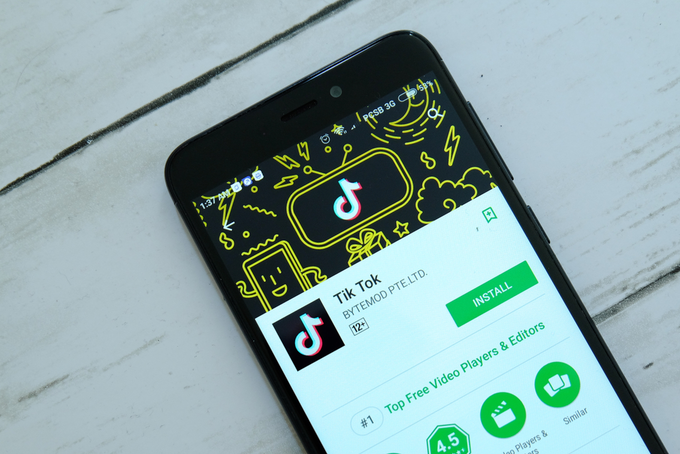
    The TSA bans use of TikTok over national security threat allegations

    The United States Senator for New York Charles E. Schumer has been concerned about national security risks posed by China-owned social media platform TikTok and other similar platforms operating in the US since October last year. He has now reached out to the Transport Security Administration’s (the TSA) Administrator David Pekoske, expressing his concern over the use of the platform by the agency.

    In consequence, the TSA has banned the use of TikTok by its employees. The agency has stopped allowing its employees to use the platform on Sunday. National security experts have been concerned about TikTok’s collection and handling of user data and personal information. Additionally, concerns regarding the fact that Chinese companies have to work in accordance with the Chinese Communist Party’s demands have also been raised. According to Schumer’s press release, those companies do not possess means to decline requests made by the Chinese government.

    Since October 2019, multiple governmental organizations, including the US Army, the Marines, the Navy, as well as the Air Force and the Coast Guard, have banned or imposed hard limitations on the usage of the app. They are also encouraging personnel to avoid the app even in regard to personal use.

    Although TikTok’s parent company ByteDance has not specifically commented on those issues, it maintains the position that it is a trusted and responsible corporate citizen of the US.

  • WhatsApp private group links visible in Google search results

    WhatsApp private group links visible in Google search results

    Journalist Jordan Wildon stated on Twitter that WhatsApp groups may not be as secure as people thought they were and shared a screenshot, showing some links to groups appearing in Google search results. Apparently, when users create a link to send to someone to join their group, it gets indexed by Google and is accessible.

    A WhatsApp’s spokesperson reminded people that links that should be private shouldn’t be disclosed on publicly accessible websites, apparently explaining that the issue was due to unreasonable public posting of some links. When a link for a private group is posted on publicly available websites, it can be used by anyone to join the group and in consequence, see all the messages in it.

    However, reverse engineer Jane Manchun Wong’s post on Twitter regarding the situation brings another perspective on it – she is stating this situation was a result of a misconfiguration which allowed around 470,000 Group Invite links to be indexed, and not because someone has not been careful enough when sharing private links. According to her, WhatsApp could change certain configurations in order to exclude the invite pages from appearing in search engines.

    Nevertheless, for the time being, WhatsApp maintains the position that this is intended behavior, not a bug.

  • Netflix adds new feature that lets you see most popular series and movies

    Netflix adds new feature that lets you see most popular series and movies

    The most popular movie streaming service, Netflix is adding a new feature that will allow its users to pick what to watch based on the popularity of the shows. A long-overdue feature is now making its way to Netflix users on all platforms – top 10 list.

    Those who already got it should see a new row that will feature the top 10 list in their respective countries. Netflix mentions that the names on the list will be updated daily and that the position of the row will vary depending on how relevant the shows and films are to each user.

    In addition to the top 10 list row, Netflix is adding two other features – the top 10 most popular series and the top 10 films. Both will be available when you click on the movies and TV shows tab, so they’re not immediately visible when you open Netflix.

  • Gold prices hit 7-year high

    Gold prices hit 7-year high

    Vietnam’s gold prices hit a seven-year high Friday as the coronavirus outbreak pushed investors to seek safer assets.

    The country’s second-largest jewelry company, DOJI, was selling gold at VND45.59 million ($1,964) per tael (1.2 ounces), up 1.3 percent from Thursday, the highest since January 2013.

    Phu Nhuan Jewelry, meanwhile, sold its gold at VND45.75 million ($1,971), up 1.7 percent.

    The domestic price surge followed a global rise in gold prices of 0.9 percent to $1,635 per ounce Friday, the highest in seven years.

    Gold has become a more attractive investment option as the ongoing novel coronavirus outbreak will have negative impacts on the global economy.

    The gold price rise has happened alongside a fall in stocks. On Friday, Vietnam’s benchmark VN-Index fell 3.5 percent from the beginning of the year to 933.09 points.

  • Bamboo Airways suspends S.Korea flights to contain coronavirus

    Bamboo Airways suspends S.Korea flights to contain coronavirus

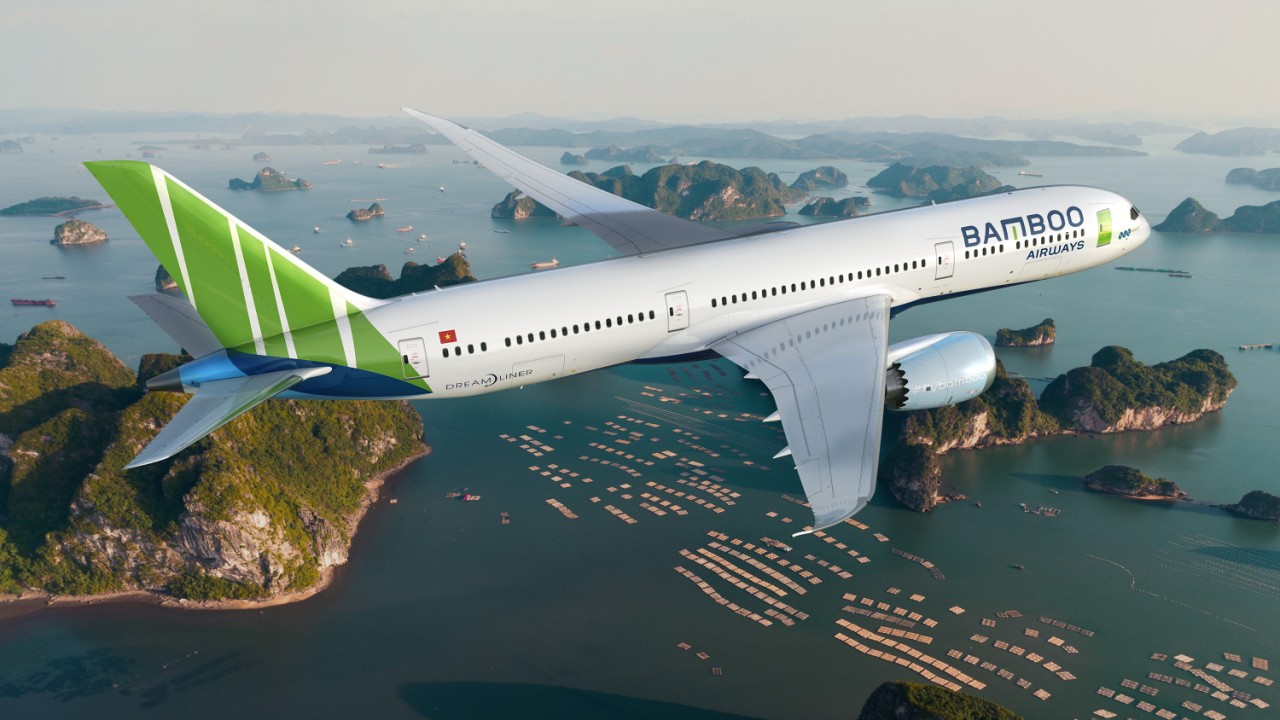
    Vietnam’s private airline Bamboo Airways will suspend all routes to and from South Korea to stem the spread of the novel coronavirus.

    Both routes from central Da Nang and Nha Trang to Seoul’s Incheon International Airport will cease operation starting February 26, it stated Monday.

    The airline is currently operating seven trips a week on each route with the narrow-body Airbus A21neo capable of carrying nearly 200 passengers.

    It stated flight suspension is vital to warding off the coronavirus from South Korea where the number of confirmed cases has reached 763, and death toll 7 as of Monday.

    Last year, South Korea was Vietnam’s second-largest tourism market behind China with 4.3 million visitors, up 23 percent year-on-year.

  • Chinese Startup Fundraising Plunges

    Chinese Startup Fundraising Plunges

    The ongoing coronavirus outbreak has caused capital flows into mainland China’s startups to plunge 60 percent year-to-date.

    Year-to-date, Chinese startup fundraising registered $1.79 billion from a 6-year low of 168 deals – a major plunge from last year’s $4.18 billion and 440 deals in the same period, according to alternatives data provider Preqin. Venture capitalists have only closed six funds thus far, raising $300 million.

    The capital slowdown will likely drag the broader outlook for private equity in the region. Within Asia Pacific, China accounted for around half of all private equity investments and 80 percent of the nearly 3,000 country-specific deals Preqin tracked since 2016.

    A partner at major Chinese venture capital firm SB China Capital, Zhao Chenxi, warned startups to brace for the potential of receiving no venture capital for all of 2020 in his social media account. Wu Shichun, founding partner of Plum Ventures, called the current period a test of the «hell model» for small and medium-sized enterprises that continue to bleed costs with no income.

    Despite assurances from Beijing and regulators about providing financial buffers, data signals a bleaker reality. A report by Tsinghua University and Peking University said that 85 percent of the 1,506 SMEs surveyed in early February expect to run out of cash within three months with one-third of respondents expecting a more than 50 percent cut to annual revenue.

    More mature startups have been the exception to the rule thus far as fundraising activities were relatively less affected. This is especially the case for businesses with strong digital capabilities to navigate around an outbreak that has created a market of 50 million homebound consumers in Hubei province.

    According to a China TH Capital survey, over 81 percent of the 40 late-stage private equity and venture capitalists saw no impact with the remainder seeking to cut back on investment plans for the year ahead.

  • Online focus pays off as Sabina sales surge

    Online focus pays off as Sabina sales surge

    An aggressive online focus saw listed Thai lingerie retailer Sabina achieve 14.3 percent sales growth last year.

    Sabina CEO Bunchai Punturaumporn, pictured above, said the company’s performance last year outperformed expectations, despite declining consumer purchasing power due to a slowing economy and falling confidence.

    Sales totaled US$103.5 million and net profit reached $13 million.

    In Thailand, Sabina opened two new stores, at Central Village and Samyan Mitrtown, and home-market same-store sales rose 3.7 percent last year.

    But the real growth engine was online, with sales up 32.3 percent year on year.

    “At the end of last year, Priceza studied online sales and found that lingerie was the best-selling product in the fashion category and that Sabina had earned the highest sales online, especially during the 11.11 and 12.12 shopping festivals held in November and December last year,” said Punturaumporn.

    Last year was the first that Sabina had participated in the shopping festivals. Apart from experiencing online success, the company also developed new lingerie collections it says caters to changing demands and requirements of today’s consumers.

    Outside Thailand, Vietnam was a standout market, with Sabina achieving 25.7 percent year-on-year growth there. Cambodia, Laos, and Myanmar also saw good growth, he said.

    Sabina also manufactures products for European retailers, but that side of its business posted a lackluster result, with sales up a mere 0.1 percent.

    Meanwhile, the company says that last year 37 percent of its products were made in China through sub-contract manufacturing with local factories, the majority 63 percent made in its own Thai factories. But since the coronavirus hit this year, Sabina has migrated some contract manufacturing from Mainland China to Vietnam, spreading its risk factor as well as becoming a base for the Vietnamese market, which has shown strong growth potential.

  • Metro Cash & Carry India plans more stores

    Metro Cash & Carry India plans more stores

    European wholesale group Metro Cash & Carry will launch five new locations in India by the end of the year.

    The firm is also building its supply partnerships with local small-scale “kirana” stores, and has already secured 2000 partners in Bengaluru, Hyderabad, and Delhi. It has provided these small businesses with specialized point-of-sale devices outfitted with an app to help owners order items from Metro online, as well as generate daily sales and profit reports and track sales data.

    “We believe in helping kiranas in increasing their sell-out,” said Metro Cash & Carry India MD and CEO Arvind Mediratta to ETtech, “not just sell to them because if their sell-out improves, and if they think Metro can help increase their sell-out, we automatically become their preferred supplier.

    “The whole idea is how to make a kirana store smarter in terms of usage of technology, by running business more efficiently, targeting more customers using data analytics, drive more customer traffic and make it more successful and profitable.”

    Metro’s devices allow the kirana stores to trade using e-payment services. The firm is also offering loans for remodelling costs to help modernise these outlets.

    The firm’s five new cash & carry stores will be established in Karnataka, Andhra Pradesh and Telangana. It currently operates 27 such outlets in 17 cities within the territory.

  • Samsung and BTS enter global marketing collaboration

    Samsung and BTS enter global marketing collaboration

    South Korean electronics giant Samsung and BTS the K-pop superband, have entered a global collaboration to market smartphones.

    Samsung will first work with BTS for the boy band’s global contemporary art initiative, “Connect, BTS,” before expanding their collaboration to other areas, according to the officials.

    Connect, BTS is a global initiative spearheaded in collaboration with curators from five major cities — London, Berlin, Buenos Aires, Seoul and New York — to connect people from across the world through art.

    The project was designed to dovetail with BTS’ philosophy that centers around diversity, love and ‘care for the periphery’.

    Samsung said it will support augmented reality (AR) docent service for the project, in which members of BTS appear and explain art pieces in a virtual system.

    The South Korean tech giant also installed a media facade with its Galaxy devices for the art project in Seoul and New York.

    Samsung and BTS did not disclose further details of the partnership, but industry insiders expect that the septet will participate in the company’s various promotion and marketing events regarding its new smartphones launched earlier this month.

    BTS member V was spotted at Samsung’s “Galaxy Unpacked 2020″ in San Francisco, where the company unveiled the new-generation 5G Galaxy S20 series and the Galaxy Z Flip smartphones.

    “We hope we can deliver a good experience to fans of BTS and Galaxy devices around the globe through collaboration with BTS,” a Samsung official said. “We are planning various activities other than ‘Connect BTS.’”

  • Deliveroo Hong Kong doubles virtual restaurant ranks

    Deliveroo Hong Kong doubles virtual restaurant ranks

    Hong Kong food-delivery service Deliveroo has doubled the ranks of virtual restaurants supplying meals through its platform to 200.

    Virtual brands are concepts developed by existing restaurant operators to trial new menu collections or options not available in physical stores, available only through the Deliveroo app. Examples include a Greek restaurant offering healthy protein bowls, or a pizza outlet delivering wraps.

    Brian Lo, GM of Deliveroo Hong Kong, says in other international markets, restaurants launching virtual brands on Deliveroo have seen an average a 70-per-cent increase in sales as a result.

    “In Hong Kong this is higher at 85 percent, thanks to the city’s enthusiasm towards ordering in and eagerness to try new things.”

    At a time when the number of physical restaurants in Hong Kong has fallen by between 1.5 percent and 5 percent due to falling footfall since January, virtual brands offer an opportunity to recover lost ground – all without the overheads of a physical store.

    Deliveroo encourages the development of virtual brands by using its data to identify hotspots for growth and cuisine types which might be missing in some neighborhoods. Lo says the company also helps by offering strong marketing support, access to its global network for more cost-effective ingredient sourcing and new recipes, and the chance to license foreign brands.

    One successful virtual brand Deliveroo has fostered in Hong Kong is Caramba Mexican Cantina, owned by Eclipse Hospitality Group. Caramba was a popular restaurant in Soho for 16 years until rising rents and competition forced it to close its doors in 2016.

    Deliveroo encouraged Eclipse, which also owns Cafe Siam in Lan Kwai Fong, to revive Caramba as a virtual brand because there was a space in the market for Mexican cuisine in Central. Since launching on the app in November, the company’s revenue has grown four-fold.

    “We’re grateful to Deliveroo for coming to us with their expertise and advising us to bring back a part of our history we thought we had to say goodbye to for good,” said William Chan, marketing manager at Eclipse. “The food industry may be changing rapidly but it’s for the better, and bringing back Caramba is a sure sign of it.”

  • PepsiCo plans to buy Chinese snack Be & Cheery

    PepsiCo plans to buy Chinese snack Be & Cheery

    PepsiCo is poised to purchase Chinese online snack vendor Be & Cheery owned by Haoxiangni Health Food Co.

    PepsiCo had proposed the Be & Cheery acquisition before the coronavirus outbreak began in China.

    Valued at US$705 million, the acquisition will help PepsiCo strengthen its position in Mainland China as the company suffers slowing business growth globally.

    “Be & Cheery adds direct-to-consumer capability, positioning us to capitalize on continued growth in e-commerce, and a local brand that is able to stretch across a broad portfolio of products, through both online and offline channels,” said Ram Krishnan, CEO of PepsiCo Greater China.

    “We also expect to leverage Be & Cheery’s innovation and consumer insights capabilities to drive innovation in other key PepsiCo growth markets.”

    The acquisition still needs approval from Haoxiangni’s shareholders and other customary conditions, according to the company.

    Founded in 2003, Be & Cheery is one of the China’s largest online snack companies. Its products include nuts, dried fruits, meat snacks, baked goods and confectionery.