Tag: asia

  • BreadTalk Group to be privatised by founder and Minor International

    BreadTalk Group to be privatised by founder and Minor International

    A small group of key Breadtalk Group stakeholders, including founder and chairman Dr George Quek, have offered to acquire all the ordinary shares in the firm and delist the company.

    The group, including Quek’s wife Katherine Lee and existing shareholder Minor International, has formed a new company BTG Holding Company which aims to buy all the shares in Singapore-listed BreadTalk which has just posted a US$3.7 million loss for the year.

    Minor International is a Thai-based multinational food & beverage and hotel operator, whose food businesses include The Coffee Club, Sizzler, Dairy Queen and franchises in some markets for Bonchon and Burger King.

    The new company will be 74.9-per-cent owned by Dr Quek and related parties and 25.1-per-cent owned by Minor.

    Mint and Quek say they plan to undertake a review of the business following its delisting with a view to streamlining such business activities, refocus on and strengthen core business activities and explore the potential disposal of non-core property assets.

    Poor performances in China and Thailand have been implicated in the firm’s losses, as has the effect of social unrest on its businesses in Hong Kong. The current coronavirus outbreak is expected to continue to affect operations going forward.

    BreadTalk Group operates established food brands, including BreadTalk, Toast Box, Food Republic and Din Tai Fung, together numbering more than 1000 outlets.

    “I believe in the growth potential of the BreadTalk brands, building on today’s solid network of outlets and underpinned by Asia’s continued rise in household income,” said Quek.

    Group CEO of Minor International, Dillip Rajakarier,  said hsi company has invested in BreadTalk Group since 2012 because it believes in the brands and the company’s potential. “Today, we are delighted to further strengthen our partnership with Dr George Quek. With BreadTalk Group’s strong brand recognition, market knowledge of Singapore and China and expertise in the food industry, we have a strong growth platform.”

    The offer is being made under expectations that privatization will allow greater flexibility, as well as ease of management, with significant funding saved on maintenance costs involved with remaining a listed firm. It will only go ahead if acceptances are received for 90 percent of the shares by the time the offer closes, but given Quek and Minor between them currently hold 70.5 percent of the shares, acceptance would seem to be a formality.

  • Macau chain Koi Kei Bakery shuts stores as tourists stay away

    Macau chain Koi Kei Bakery shuts stores as tourists stay away

    Macau souvenir bakery Koi Kei Bakery, known for its peanut brittle and almond biscuits, will be closing its Hong Kong branches in Tsim Tsa Tsui, Causeway Bay and Mong Kok this Saturday, leaving the airport outlet (pictured) its sole remaining store in the territory.

    Hong Kong’s tourism board says inbound visitor numbers have plunged 98 percent this month against last year’s figures, affecting businesses that are heavily reliant on foreign and mainland visitors, including chains such as Sasa, watch and jewelry stores and luxury retailers.

    Koi Kei Bakery says the ongoing epidemic has led to problems sourcing raw materials, managing logistics and labor shortages at their Macau headquarters. While production lines are expected to resume soon, the company sees few signs of tourist numbers rebounding in the near future.

    Despite the retailer strikes against shopping center owners last week, some tenacious landlords are still unwilling to ease rents.

    Even though several property groups, such as Hysan Development and MTR Corp, have offered rent relief to tenants, many retailers are unable to keep afloat due to the effect of the tourists disappearing.

    Annie Tse, chairwoman of Hong Kong Retail Management Association, told the South China Morning Post she predicts more than 7000 retailers will be forced to close their stores if landlords fail to show leniency.

  • Embattled Esprit posts another loss as sales tumble SE Asia

    Embattled Esprit posts another loss as sales tumble SE Asia

    Embattled fashion label Esprit posted another loss in the December half-year, as sales plunged by HK$1 billion – largely due to a major store cull in Asia.

    Esprit recorded a loss of HK$331 million (US$42.46 million) for the period, compared with a $1.773 billion (US$227 million) deficit in the December 2018 half. The previous year’s figures were impacted by one-off restructuring costs and write-downs associated with implementing its strategic plan.

    Global sales were down from $6.766 billion ($867.931 million) to $5.763 billion ($739.249 million). In Asia, the company reported a sales decline of 40 percent, as it heavily rationalized its store network.

    Despite the red ink, Esprit’s management says the execution of its strategic plan to restructure the company and revitalize the brand “has continued to progress well and is on track”.

    “Overall, the management is pleased with the performance of the group for the six months … as we have delivered financial results in line with management expectation despite the challenging market conditions,” it said in a results filing.

    Asia, where Esprit has stores in China, Singapore, Malaysia, Taiwan, Hong Kong, Macau, Thailand and the Philippines, accounted for just 7.2 percent of group sales in the period. Sales across the region fell 40 percent year on year, mainly due to a 36-per-cent reduction in the trading area as unprofitable stores were closed.

    The Asian network was culled from 82 standalone stores on January 1 to just 55 by December 31 and concession counters from 111 to 75. All 33 outlet stores in the region were closed last year.

    “Consumer traffic remains one of the biggest problems for retail in the region which recorded a decline in comparable consumer traffic of approximately 23 percent. Comp-store sales in the region declined by 16.9 percent,” the company said.

    In China, Esprit entered into a partnership with Mulsanne Group to manage the market, which it says will create a strong base for the brand, improve the relevance and accelerate growth.

    In Europe, which now accounts for 45 percent of its sales, the company has increased the proportion of stock sold at full price, improved its gross profit margin and grew comp-store sales in three of the six months.

    Global operating costs were slashed by 20 percent during the half-year, and underlying operations “almost broke even” with a loss of HK$15 million (US$1.9 million).

    “Today the group’s business is in a much better state than 12 months ago,” the company said in its results filing. “It is leaner, quicker, fitter, more agile, and is well along the way to creating a new culture which is all about empowering and having fun while delivering results.”

  • Livestreaming in China on the boom during coronavirus crisis

    Livestreaming in China on the boom during coronavirus crisis

    Taobao Live, Alibaba Group’s live streaming platform, saw a sharp rise in brand activity this past month as merchants slowly resumed their operations and looked for ways to reach consumers in the midst of the coronavirus outbreak.

    In early February, live stream sessions on the platform had increased by 110 percent compared to the same period last year, according to Taobao Live. Driving that growth was the surge of businesses using online tools to maintain sales and engagement with consumers while their physical stores remained shuttered and millions were confined to their homes to prevent further spread of the coronavirus, officially known as Covid-19.

    Public facilities, retail stores, offices and schools throughout the country are now cautiously reopening after an extended closure. But virus fears still loom – despite a drop in new cases of infections – and more time is needed to bring economic activities and production levels back to normal.

    For merchants across different industries, live streaming has become an important tool not only to offset the decline in an offline business but also to encourage creativity in marketing and developing customer relationships. This month, Taobao Live users would have seen chefs broadcasting cooking tutorials in restaurant kitchens, real-estate agents giving tours of apartments, celebrities and singers performing in an online concert from their homes, rural farmers promoting their fruits and vegetables and even auto dealers showcasing the interior of luxury cars.

    Auto brands such as BMW are leveraging live streaming to introduce consumers to car models, interiors and experience of test drives.

    “We want to make it easier for different clients across sectors to make use of live streaming and help them more quickly resume operations,” said Yuan Yuan, head of content operations at Taobao Live.

    Her task force worked closely with other Alibaba business units, such as DingTalk, Tmall, Taobao and Juhuasuan, to connect with more merchants – removing barriers for them to register accounts, as well as providing training and marketing resources.

    “The project turned out to be more than a way to support brands. It also helped some discover their potential in live streaming,” said Yuan. “It was truly impressive to see how nimble and decisive our brand partners were. Their management capabilities helped transform a crisis into an opportunity.”

    Shanghai-based cosmetics brand Forest Cabin temporarily closed about half of its 337 stores across China due to the virus. Its stores that did remain open found few shoppers. In an interview on January 31, founder Sun Laichun said sales had dropped 90 percent during the Spring Festival holiday, traditionally a peak season for shopping.

    If circumstances continued, he estimated a loss of up to RMB30 million (US$4.26 million) a month and possible bankruptcy in under two months. But the band embarked on a turnaround strategy with live streaming at its center, and in just 15 days, Forest Cabin’s sales surpassed the same day last year by 45 percent.

    The brand trained 1600 shop attendants on how to host a live stream on Taobao Live and was soon adding some 3000 new loyalty members a day, up from the typical average of 800 to 1000 people. Sun, himself, joined in and hosted a two-hour session on Valentine’s Day in front of more than 60,000 viewers. By the end of the session, he had sold nearly 400,000 bottles of camellia moisturizing oil and generated close to RMB400,000 in sales.

    While online-only represented about 25 percent of Forest Cabin’s sales before, it now accounts for 90 percent. “The results were beyond my imagination,” Sun said.

    For some brands, live streaming is not just a standalone marketing tool but can be used strategically alongside other online resources to drive sales for new products. On February 13, Chinese technology brand Xiaomi tapped Taobao Live, among other live stream channels, to broadcast the launch of its new flagship smartphone, Mi 10, from its Beijing headquarters. The phone officially went on sale the next day during Xiaomi’s Tmall Super Brand Day, which rallies all the resources across the Alibaba ecosystem to create a smaller version of the company’s annual 11.11 mega-sale for a single brand, and became the top-selling smartphone on Tmall, leading to over RMB300 million in total sales for the brand.

    Sportswear giant Adidas also hosted an exclusive online debut of its limited-edition Superstar sneaker during its Super Brand Day last week. Its “See Now, Buy Now” stream, which lets consumers make real-time purchases of featured items from their mobile phones, drew 2.23 million viewers and generated more than RMB200 million in sales in 10 hours. The format has become so popular among brands that product debuts on the platform are now scheduled up to the end of April, said Taobao Live.

    The spread of the virus has also taken a heavy toll on the restaurant business. Last year, earnings over the Spring Festival holiday represented about 15 percent of the annual revenue of China’s food and beverage industry, which totaled RMB4.67 trillion, per a report released by the China Cuisine Association earlier this month. The survey found that about 73 percent of companies chose to close all of their offline stores in response to the coronavirus. The CCA also estimated that consumers – many who called off family reunions to avoid face-to-face contact during the outbreak – canceled about 94 percent of food orders ahead of Chinese New Year. Beijing-based restaurant chain Meizhou Dongpo, for example, said it canceled 11,144 table reservations across its 100-plus stores during January 21-30 and lost about RMB17 million over the Spring Festival period.

    With offline businesses at a standstill, Meizhou Dongpo began leveraging its brick-and-mortar staff to virtually connect with consumers and drive sales to its online store. Its chefs appeared in live streams to show viewers how to make traditional delicacies like homemade glutinous rice balls ahead of the Lantern Festival. This allowed the brand to share its craft with fans and receive direct feedback on things such as popular dishes. The sessions also directed consumers to products like braised pork belly in the chain’s Tmall flagship store, creating another revenue stream for the restaurant.

    Businesses have also taken the opportunity to train employees and build partnerships based around live streaming. China’s second-largest home-improvement and furniture retailer, Easyhome, said staff from 232 of its stores nationwide broadcast 4810 sessions last week to 3.58 million viewers. Meanwhile, in collaboration with brand partners such as Estee Lauder, Lancome, Kiehl’s, Vans and Baodao Optical, Intime department store launched an initiative encouraging staff to stream from their homes.

    Idle factories and traditional markets, like the wholesale marketplaces in the Chinese city of Yiwu, are also using the tool to bring in business. Taobao said it plans to hold an online market on February 27 for all brick-and-mortar business owners, including the 3000-plus Yiwu-based merchants already registered on Taobao Live.

    To help more small- to medium-sized enterprises learn how to effectively use live streaming for business, Taobao University, Alibaba’s education platform for e-commerce operators, will also stream a free online course on February 25, covering topics from developing followers and campaign planning to live-hosting techniques. Brands including Volkswagen, Nike and Mars have also set up training sessions through Taobao University to help employees get the most out of the live streaming platform.

    Taobao Live said it is now collaborating with even more industries to bring their offline experiences and products online. These include tourism agencies, fashion shows and museums, such as the National Museum of China, Suzhou Museum and Dunhuang Museum.

    “The future of shopping will be more dynamic, interactive and driven by real-time feedback. Livestreaming offers a peek into that future and new possibilities,” said Yuan.
  • Nokia to enable Rakuten Mobile’s automated network operations

    Nokia to enable Rakuten Mobile’s automated network operations

    Nokia and Japan’s newest mobile network operator Rakuten Mobile are working together to enable the operator’s implementation of a fully automated operations environment for the 5G era. Nokia will operate Rakuten Mobile’s virtualized core network to manage total cost of ownership (TCO). The agreement will allow Rakuten Mobile to focus on developing its portfolio of disruptive services and expanding its service footprint while developing operational maturity and automation capabilities.

    Rakuten Mobile is a disruptive new player in the Japanese mobile marketplace with ambitious objectives for the launch of its network and services, simultaneously deploying an innovative cloud-native greenfield LTE network which will rapidly evolve to enable 5G services. Nokia’s operational support services enable Rakuten Mobile to maintain their focus on growing LTE coverage footprint and 5G service capabilities while ensuring the reliability of launched services.

    Nokia is enabling groundbreaking levels of automation in network and service lifecycle management within the Rakuten Mobile cloud environment. This will accelerate the pace of service innovation and deployment while controlling OPEX. This managed services deal will ensure predictable OPEX costs to minimize financial risk while guaranteeing a secure, best-in-class cloud, incorporating network and IT operations. This will allow Rakuten Mobile to bring new services to market in the fastest possible way while assuring service reliability through a highly reliable telco cloud.

    Nokia is supporting over 160 virtual network function instances across two data centers in an industry-leading multivendor cloud environment. As an essential part of Rakuten Mobile’s operations organization, Nokia’s domain expertise and value-add will be incorporated into the core of Rakuten’s business.

    Friedrich Trawöger, Head of Operate & Managed Services Unit at Nokia, said: “By managing its telco cloud we can help Rakuten Mobile to focus on its objectives; to launch its mobile LTE network and to rapidly realize its vision as a 5G digital service provider. We support Rakuten Mobile in bringing new services to market quickly by utilizing the latest innovations in automated operations while focusing on the total cost of ownership.”

    Tareq Amin, Chief Technology Officer of Rakuten Mobile, Inc., said: “With Nokia supporting the operation of our cloud-native network, we can focus on service launch and expansion. Nokia is an integral partner in our network operations, and we look forward to future business opportunities that this partnership brings.”

  • AirAsia X Asks To Put Off Aircraft Lease Payments

    AirAsia X Asks To Put Off Aircraft Lease Payments

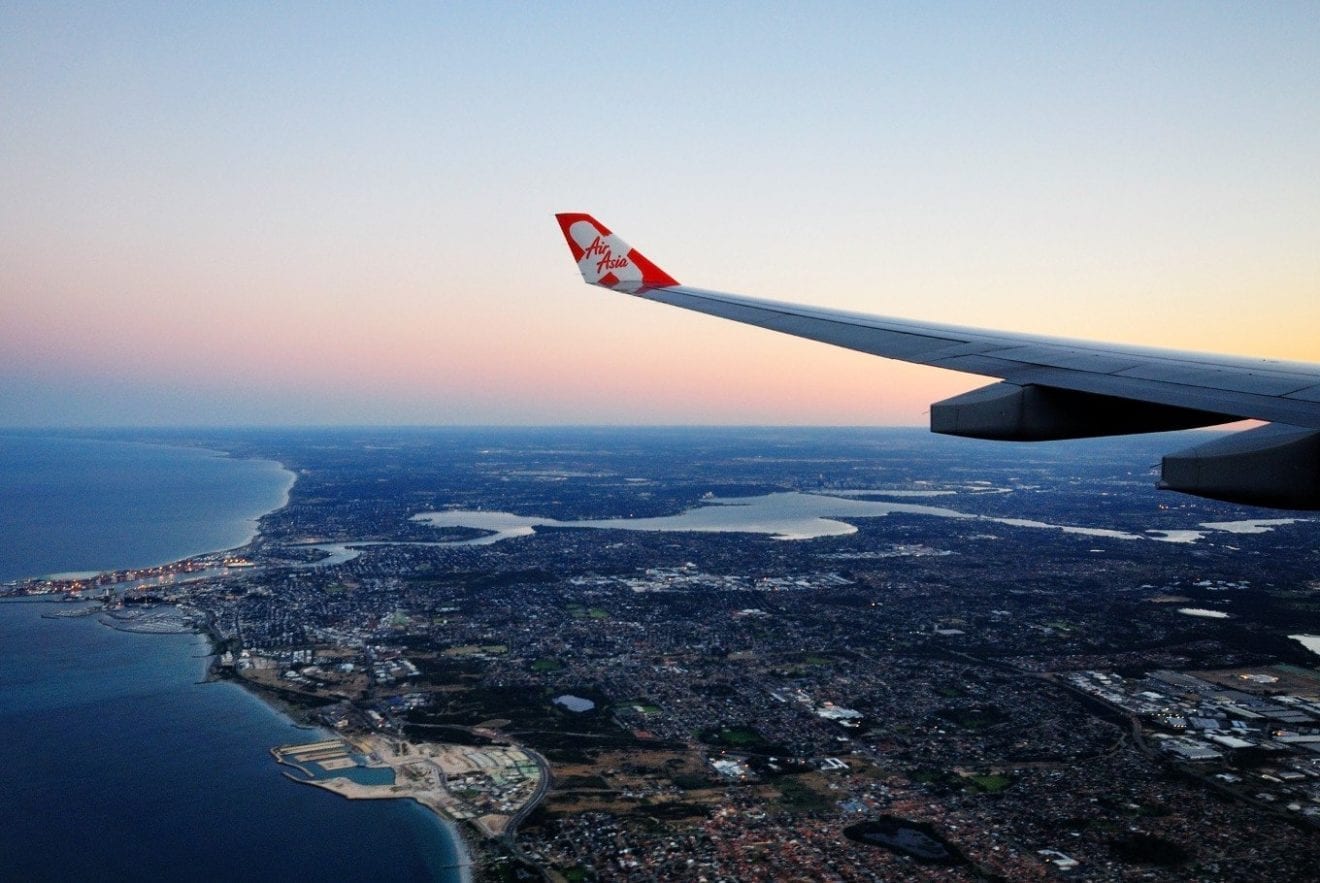
    AirAsia X leases 17 A330-300 aircraft from nine lessors. While the majority of lessors have one or two aircraft each flying under AirAsia X colors, BOC Aviation and ICBC Leasing have three aircraft each at AirAsia X.

    We have approached AirAsia X to confirm this. They declined to address our questions, citing a blackout period pending release of the latest financial information later in February.

    One unidentified lessor says they value their relationship with AirAsia X. However, the depth and breadth of that relationship does not extend to, say, letting the airline skip lease payments for three months.

    AirAsia X is the long-haul sibling airline to AirAsia. AirAsia X has been around for over 12 years and now flies to 22 destinations around the Asia Pacific rim with its 24 aircraft.

    Even before the coronavirus outbreak in January, AirAsia X was encountering financial turbulence. The airline lost nearly USD$39 million in the first half of 2019. This was a ten-fold increase on its loss for the first half of 2018.

    Ongoing financial problems at AirAsia X have caused the airline to ask for lease payment holidays before.

    The coronavirus outbreak and subsequent downtown in travel demand will deepen AirAsia X’s financial woes and is likely behind this latest request from the airline.

    AirAsia X is highly reliant on Chinese tourism, dedicating 30% of its available seat capacity to the country. China is usually Malaysia’s third-biggest source of tourists. Now flights on nine of AirAsia X’s twelve Chinese routes are either suspended or canceled.

    Besides China, most of Malaysia’s tourists come from within Asia. As a low-cost tourist airline, AirAsia is a proverbial canary in the coalmine when tourist travel patterns shift.

    There is considerable speculation that the coronavirus and its impact on airlines will send some over the financial edge. Some of this speculation has come from the CEOs of stronger airlines. One CEO said he expected “weaker” airlines in the Asian region to be consolidated or go out of business.

    Despite its mediocre financial performance, AirAsia X does have significant financial firepower behind it. The airline was floated on the Malaysian stock exchange in 2014. The largest shareholder is Tune Group (the investment company for AirAsia’s Tony Fernandes and Kamarudin Meranun). AirAsia itself and various AirAsia subsidiary businesses all have significant stakes.

    AirAsia X probably has the financial muscle to pull through the current downturn in travel demand. But it will not be easy. Having to go cap in hand to aircraft lessors to ask for a payment holiday is a sign of that.

    It makes me wonder how airlines under the Lion Air group are going to survive. Two of them in mind are Malindo (of Malaysia), and Thai Lion Air. They don’t publish their financial results, do they? Or do they?

    RH Hastings

    As per the recent Airbus bribery settlement (31Jan20) and in addition to their financial issues AirAsia executives may have been bribed by Airbus to buy planes. So, the UK Serious Fraud Office (SFO) and Malaysia’s government’s are investigating further. Reports suggest their payment was to AirAsia executives’ now defunct Caterham F1 car racing team. Do airline manufacturers or their representatives rank the financial and airline’s regional reputation during sales negotiations? In the west it is common to research via the likes of a Dun & Bradstreet report to ascertain reliability and condition of a seller or buyer.

  • Vinamilk signs $20 mln Dubai export contract

    Vinamilk signs $20 mln Dubai export contract

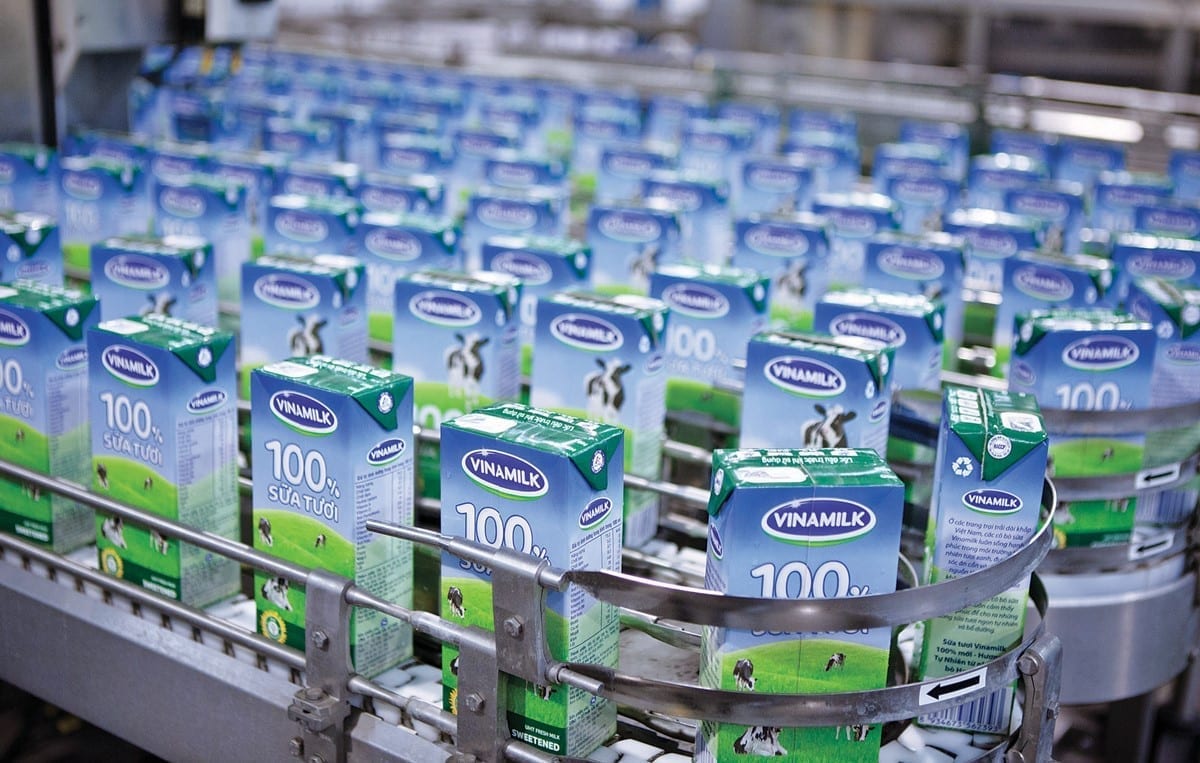
    Vinamilk has signed a $20 million deal with a distributor in Dubai to supply dairy products from the second quarter of 2020.

    Vietnam’s biggest dairy company said in a statement that the deal with the distributor, whom it did not identify, was signed at the Gulfood Dubai 2020 trade exhibition this week.

    The Middle East currently accounts for 75 percent of Vinamilk’s exports. Its other major foreign markets are Japan, South Korea, Singapore, and China.

    Vinamilk, one of the world’s 50 largest dairy producer, saw its export revenues rise 14.8 percent last year to VND5.17 trillion ($223 million).

  • Audi Vietnam recalls SUVs to fix loose fender trims

    Audi Vietnam recalls SUVs to fix loose fender trims

    Audi Vietnam is recalling 618 Q5 SUVs to fix loose rear wheel fender trims that could be a road hazard if they detach.

    The affected Q5 vehicles were manufactured between January 2017 and August 2019 in Mexico, according to Audi Vietnam’s filing with Vietnam Register, the vehicle registration, inspection and quality control agency of the Ministry of Transport.

    Due to errors in the assembly process, a piece of the rear wheel fender trim may loosen during use and eventually detach from the SUV, and could become a hazard to other vehicles on the road, Audi Vietnam said in its filing.

    Audi Vietnam said it has so far not recorded cases of the piece falling off, but urged customers to take their vehicles to Audi Vietnam’s authorized dealers as soon as possible, who will secure the trim piece free of charge. This would take about 30 minutes, the company said.

    The recall program will take place from February 25, 2020 to February 25, 2023. Audi Vietnam said it will also service cars that were not officially imported but brought into the country individually (like diplomatic vehicles, for instance), upon receiving approval from the parent company.

    Audi opened its first dealership in Saigon in 2008, and now possesses three dealerships, the other two in Hanoi and Da Nang. It does not publish official sales figures in Vietnam.

  • Harley-Davidson Softail Standard Unveiled

    Harley-Davidson Softail Standard Unveiled

    The 1,750 cc v-twin is blacked out, with chrome accents, and dual shotgun exhausts. It’s a single-seat Bobber-styled motorcycle, with steel spoked rims with a 19-inch front and 16-inch rear combination, and a single seat with an exposed rear fender.

    The high ‘ape-hanger’ type handlebar is complemented by a single round headlight, which is an LED unit. The H-D Softail Standard is only offered in black and tips the scales with a 291 kg dry weight. At the front is the teardrop-shaped 13.2-liter fuel tank, which reveals the frame and big Milwaukee-Eight engine.

    The suspension is handled by Harley-Davidson’s dual bending valve cartridge-type front fork, covered with clear-coated fork sliders, and at the rear is a mono-shock. Priced at $ 13,500 the Harley-Davidson Softail Standard will offer an entry-level machine and a perfect platform for customizing the bike further according to individual tastes and choices. Harley-Davidson also offers four dedicated accessory packages for those looking to customize the bike with genuine accessory packages right at the showroom.

    As of now, we’re not sure if the new Softail Standard will be offered on sale in India. But it could very well be introduced, as a new 2020 model in the coming months.

  • Japanese Payment Solutions Firm Invests in Grab

    Japanese Payment Solutions Firm Invests in Grab

    Together with MUFG’s $726 million investment, the super-app has raised $876 million for its financial services push.

    TIS, a Japanese provider of network solutions and system integration services, is investing $150 million in super-app Grab in a strategic partnership that aims at supporting Grab’s regional expansion plans, the firm said in a press release.

    According to the statement, both companies will collaborate on developing emerging payment technologies and enhancing the digital payment infrastructure in the region and in Japan to enable greater adoption of cashless payment options, such as GrabPay.

    Digital payments are taking off in Southeast Asia, as it caters to a largely mobile yet underbanked population. We need to create better experiences to pay for daily transactions, Ming Maa, president, Grab, said about the partnership.

    On Friday, Grab announced that Mitsubishi UFJ Financial Group (MUFG) was making a strategic investment of 80 trillion yen ($726 million) in the company. Grab said MUFG will offer a range of financial services and loans to its user base across Southeast Asia.

    The bank will also tap on Grab’s artificial intelligence systems and data analysis capabilities, as it competes more with online banks and IT startups in its home market.

    Grab, already a leading food delivery and ride-hailing provider in Southeast Asia, has long had ambitions in the financial services space, saying it wants to be the region’s largest merchant network, insurtech policy provider and fintech lender. In the last two years, Grab has built solutions in payments, rewards, lending, and insurance under its GrabPay wallet and Grab Financial.

    Earlier in February, Grab announced the acquisition of Bento Invest, a Singapore-based robo-advisory start-up, through which it will offer retail wealth management solutions.

    The company is also one of the contenders for digital bank licenses in Singapore, to be introduced later this year, as part of a joint bid with Singtel.

    The news of the investments came on the heels of rumors on Tuesday that Grab was in talks with regional rival Gojek over a possible merger. According to a report by U.S. tech media «The Information,» the two sides are split over control of the combined firm

  • Shocking AGR debts could spell doom for Vodafone Idea

    Shocking AGR debts could spell doom for Vodafone Idea

    Following a Supreme Court ruling made last week, India’s Vodafone Idea could be facing potential bankruptcy for failing to pay billions in outstanding government fees in the next few days.

    Vodafone Idea, the brainchild of a collaboration between Britain’s Vodafone Group Plc and India’s Idea Cellular has been hit the hardest by the court’s order that telcos would need to clear their AGR fees; a ruling made last October which resulted in unpaid debts for operators going back a few years.

    Vodafone Idea has stated that it is unable to pay the $3.9 billion owed but is assessing the amount and is hoping for a timeline extension to keep their business afloat.

    Additionally, the multi-billion-dollar debt incurred by the telco could put a dampener on India’s economy and reputation as an investment hub for multinationals, unless business continuation was secured.

    The company announced, “As disclosed in the company’s financial statements for the quarter ending December 31, 2019, the company’s ability to continue as a going the concern is essentially dependent on a positive outcome of the application for modification of the Supplementary Order.”

    An anonymous spokesperson for Vodafone Idea said, “”They have been beaten down by the environment here. We’re sending investors a very negative signal – it says the trust factor between the government and the industry doesn’t exist.”

    Since news of the ailing telco broke, analysts have already begun to predict the growth of Bharti Airtel’s and Reliance Jio’s opex and capex levels if Vodafone Idea were to shut down permanently.

  • Tesco to stop Chinese investment

    Tesco to stop Chinese investment

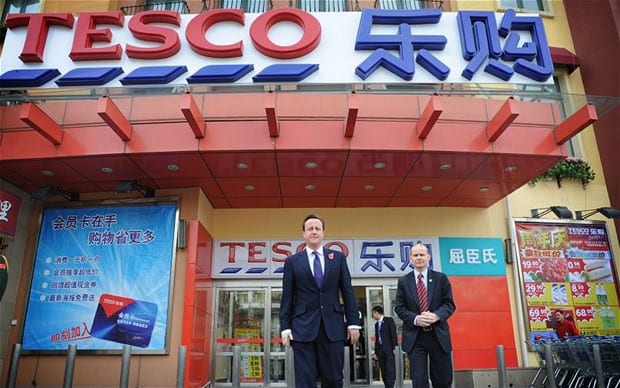
    British multinational groceries and general merchandise retailer Tesco has sold its shares in a Chinese joint venture, ending its operations in the country.

    According to Retail Gazette, the firm’s 20-per-cent shareholding in the Gain Land business has now been sold to a unit of its regional partner, Chinese state-owned conglomerate China Resources Holdings (CRH). The shares were sold for £275 million (US$356.6 million).

    The share transfer, set to take effect on Friday, completes Tesco’s six-year exit strategy from China, which began when the firm merged its 131 branded stores in the country with CRH’s Vanguard outlets. CRH operates close to 3000 Vanguard locations.

    Following the retreat, Tesco will focus on its core business, using the funds from the share sale for general business purposes. The firm has also announced a review of its operations in Malaysia and Thailand.

  • Apple Thailand store set to open

    Apple Thailand store set to open

    Photos have been leaked on Twitter, offering a preview of Apple Thailand’s second store

    Located in front of Central World, the construction space was recently revealed after being boarded up and closed off to the public for more than a year.  The store’s glass walls are temporarily covered.

    The architectural plans of the second store were also leaked, featuring the interior layout.

    On the ground floors, tables are set up in a circle while shelves are placed along the walls.

    A winding staircase is located at the center, leading to the second floor where a big screen is installed for the Forum area.

    Apple Thailand’s first store was opened last November at the IconSiam shopping center in Bangkok.

  • Burberry delivers AR technology to Google Search

    Burberry delivers AR technology to Google Search

    International luxury brand Burberry has launched an Augmented Reality (AR) shopping tool using Google Search that allows consumers to visualize its products within their immediate surroundings.

    The app embeds 3D images of the products in users’ environments as captured via their smartphone cameras, allowing them to “see” their prospective purchases as if they were right in front of them.

    Consumers searching for Burberry products on Google will be able to access the AR images so as to have a clearer conceptualization of the product before purchase. The tool is intended to enhance the inspiration phase of the decision to purchase, which is now thought to be becoming increasingly important for luxury consumers.

    The tool is currently available within searches for the brand’s Black TB bag or Arthur Check Sneaker conducted within the US or UK, with plans for global rollout for a variety of products over the coming months.

  • Uniqlo Singapore goes paper shopping bags

    Uniqlo Singapore goes paper shopping bags

    Uniqlo Singapore is ditching its plastic shopping bags in favor of paper.

    The decision reflects a global move by the brand to become more environmentally friendly and reduce its reliance on single-use plastics. The new bags will retail at 10 cents each, with a more robust eco-friendly tote bag available at SG$2.90.

    Uniqlo’s Japanese parent Fast Retailing Group announced intentions to eliminate unnecessary plastics use throughout its supply chain in July last year. The firm plans to reduce single-use plastic by 85 percent (around 7800 tons annually) by the end of this year.

    Uniqlo is also addressing other factors in its supply chain, including reducing the volume of water used in its jeans washing process by an average of 90 percent as well as introducing new material in its clothing items – Dry-Ex – derived from recycled plastic bottles