Tag: asia

  • First MOS Burger store opens in Manila

    First MOS Burger store opens in Manila

    The first MOS Burger store in the Philippines opened this week, on the second floor of Robinsons Galleria, Ortigas Center.

    MOS Food Services Inc chairman Atsushi Sakurada said the store is just one of many branches planned for Metro Manila this year.

    MOS Burger Philippines was formed last year by MOS Food Services Inc of Japan and Tokyo Coffee Holdings in a joint venture agreement.

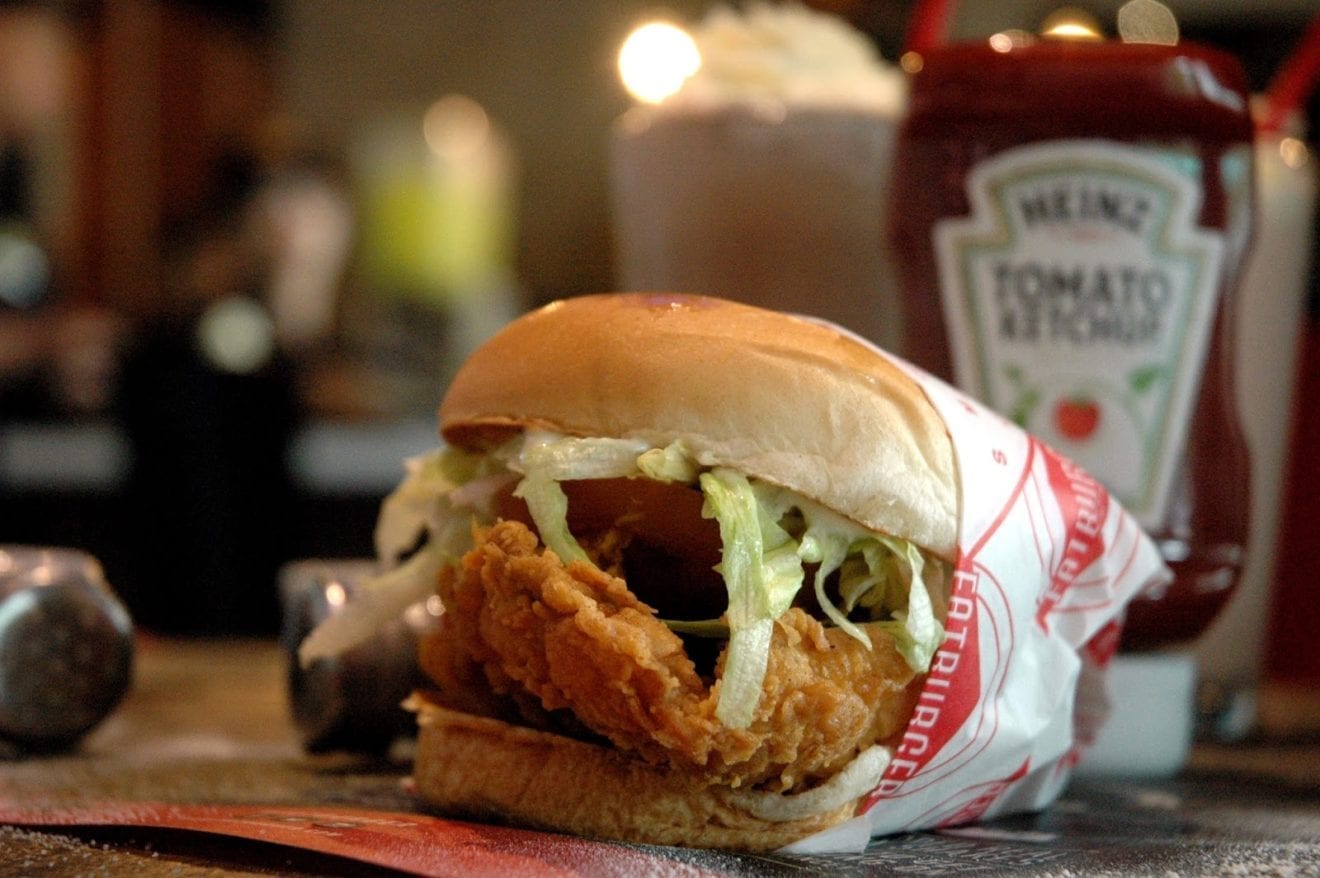
    The first MOS Burger store in the Philippines brings the chain’s internationally popular burgers to the local market, including cheeseburgers, Wagyu Burger and Wagyu Rice Burger.

    Founded in 1972, MOS Burger describes itself as fast casual. It is now Japan’s second-largest fast-food chain with 1300 stores domestically and 300 others around the world. In Asia it already has outlets in Thailand, Singapore, Hong Kong, Indonesia and South Korea and it plans to launch in Vietnam later this year.

    Like other fast-food chains targeting rapidly growing Southeast Asian markets, MOS Burger faces a challenge in changing local consumers’ habits of eating cheap street food to trade up to burger meals which are comparatively expensive.

    The chain’s unique selling point is its burger buns, which are made of rice mixed with barley and millet. It positions its meals as healthier than traditional fast-food fare.

    Prior to its Philippines opening, MOS Burger offered the public burgers for two days last month to tease the market and test its operations.

    Alongside burgers, the first MOS Burger store in the Philippines serves fried chicken, coffees, teas and its signature lemonade. Burgers are priced from PHP 189 (US$3.72) to PHP 309 ($6.08) for the upscale Wagu burger, with beverages from PHP 68 ($1.34) to PHP 149 ($2.93).

    MOS stands for Mountain, Ocean and Sun.
  • 7-Eleven Malaysia hits all time sales record

    7-Eleven Malaysia hits all time sales record

    7-Eleven Malaysia set a full-year sales record last year after revenue rose 6.4 percent to $33.76 billion.

    Much of the growth came from network expansion, but same-store sales rose 2.5 percent, despite declining cigarette sales. The company opened 165 new stores last year, 41 of those in the last quarter, taking its network to 2411. Other factors were higher footfall and an increase in the average transaction. Fresh-food sales grew more than 28 percent year on year.

    Profit attributable to shareholders was up 5.4 percent.

    7-Eleven Malaysia CEO Colin Harvey said the company had kept costs in check, reducing them from 29 percent of turnover to 28.4 percent, despite an increase in the minimum wage.

    “We are confident that continuous implementation and improvement of our strategic roadmap in strengthening the key areas of assortment, supply chain, operational excellence, store base and digitally enabling the organization will continue to deliver positive results despite challenging headwinds,” he said.

  • Jamie’s Italian Restaurants closing in Hong Kong and Taipei

    Jamie’s Italian Restaurants closing in Hong Kong and Taipei

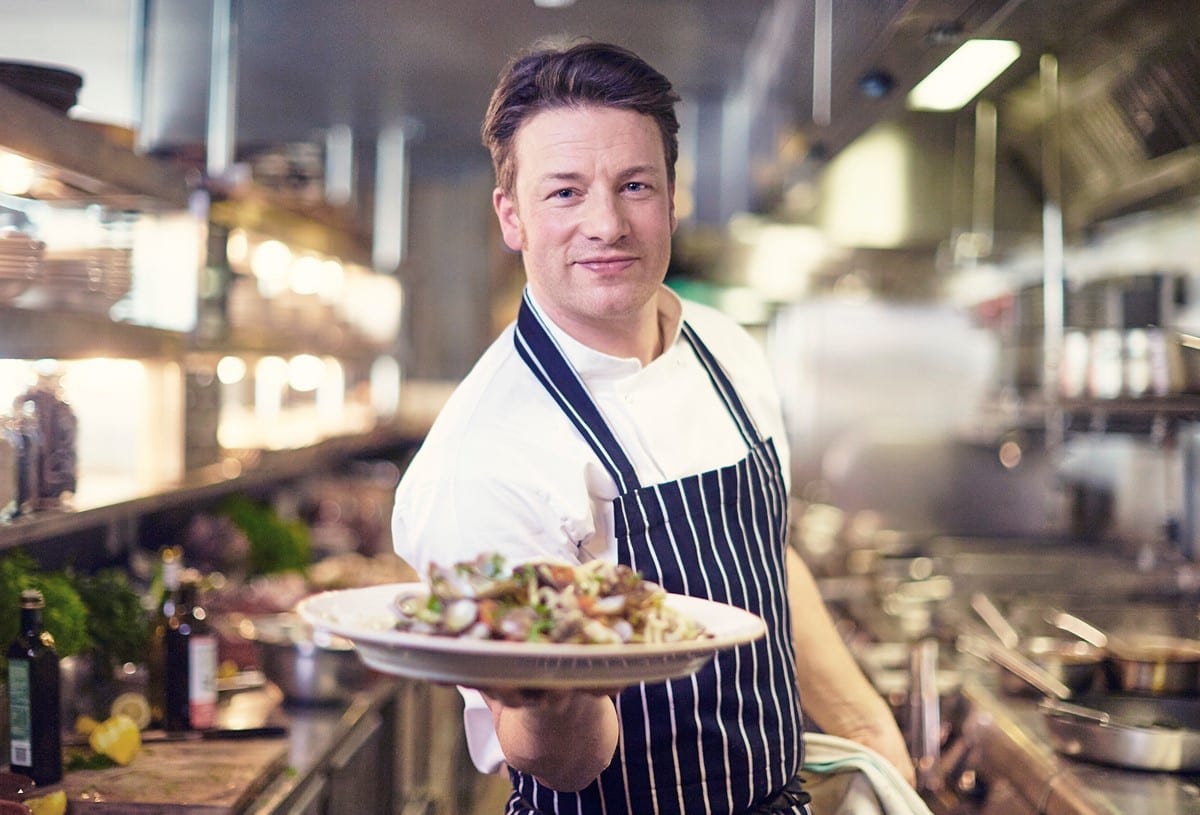
    Celebrity chef Jamie Oliver’s Italian restaurant franchise Jamie’s Italian will close its locations in Hong Kong today, while its restaurant in Taipei was shuttered yesterday.

    After facing significant setbacks to the business following its collapse in the UK last May, the local franchisee Big Cat Group ultimately faced its greatest setback during Hong Kong’s anti-government protests last year – with sales dipping 20–35 percent year on year. The ensuing coronavirus outbreak proved to be the chain’s final stand.

    “I’m deeply saddened that our restaurants in Hong Kong have had to cease trading,” Big Cat’s head William Lyon told the South China Morning Post. “Our absolute priority was to ensure that all affected staff were paid in full. We do not forecast a marked improvement over the next few months and have therefore made the difficult decision to close all three restaurants with immediate effect.

    “Despite the support from our Causeway Bay landlord, our other landlords have not been supportive enough during this period. We’d like to thank our fantastic staff and the thousands of customers we’ve had the pleasure of serving over the past few years.”

    Jamie’s Italian has not exited Asia, however. It operates two restaurants in Singapore and another in Bangkok under different licensees.

  • 80% of Casual Workers Say Negative Media Coverage Influences Their Job Choices

    80% of Casual Workers Say Negative Media Coverage Influences Their Job Choices

    Humanforce, a Sydney based global provider of workforce management solutions, has revealed that negative media coverage can impact Australian retailers’ ability to attract casual workers.

    Eighty percent of respondents in Humanforce’s casual worker survey stated that media coverage of a company underpaying staff would influence if they would work with that employer.

    Humanforce Founder and MD, Bruce Mackenzie, said the survey highlighted how negative media coverage can have long-lasting and costly effects on retail businesses.

    “There have been a number of cases recently involving local businesses underpaying their casual workers,” Bruce said. “Negative media attention makes it harder for any business to attract the best casual workers. This comes at a substantial cost considering a reliable and talented casual worker pool is what supports the success of many Australian retailers.”

    The survey also showed that there’s no hiding negative media coverage from potential casual workers, with 66 percent of respondents stating they would conduct an online search to research a new casual employer. And a further 64 percent said they would ask for word of mouth recommendations from current or previous employees before taking a casual job.

    From March 1st, new clauses aimed at reducing wage-theft come into effect for casual employees covered by a Modern Award with an annualised salary clause, that will require more stringent record-keeping and overtime control measures.

    “By international standards, Australia’s workforce awards and regulations are incredibly complex, which leads to errors,” Bruce said. “And, with the introduction of new practices for payroll aimed at minimising underpayments and non-compliance with awards, retailers operating without workforce management solutions will face increasing challenges in this area.”

    Workforce management solutions can help retailers navigate the complexities of managing casual workers. They help to automate and remove errors when it comes to time and attendance, rostering and scheduling, payroll, as well as managing awards and compliance.

    “While workforce management solutions can support retailers to meet award requirements, it is critical the systems are configured and customised to specifically meet Australia’s workforce awards and regulations. Off-the-shelf solutions from global software vendors are not positioned to interpret Australian awards.  Humanforce, as an Australian-based workforce management solutions provider with local expertise, knowledge and a development and support team on the ground here, is uniquely placed to assist local business with fully customisable solutions for the Australian market.”

    Beyond an employer’s media reputation, the casual worker survey highlighted some incentives that retailers can offer to attract causal staff. When assessing casual jobs and employers, respondents prioritised businesses that offered guaranteed shifts (60%), a positive and fun work culture (54%), wage incentives (52%), flexibility (47%), employee rewards (45%) and premium wages (41%).

    Find out more about Humanforce.

    Methodology

    Humanforce surveyed 500 Australians on their perspectives on casual work in the Q4 period of 2019 via the Zoho Research Platform.

  • Axa Mandiri Lays Out Plans to Grow Premium Income

    Axa Mandiri Lays Out Plans to Grow Premium Income

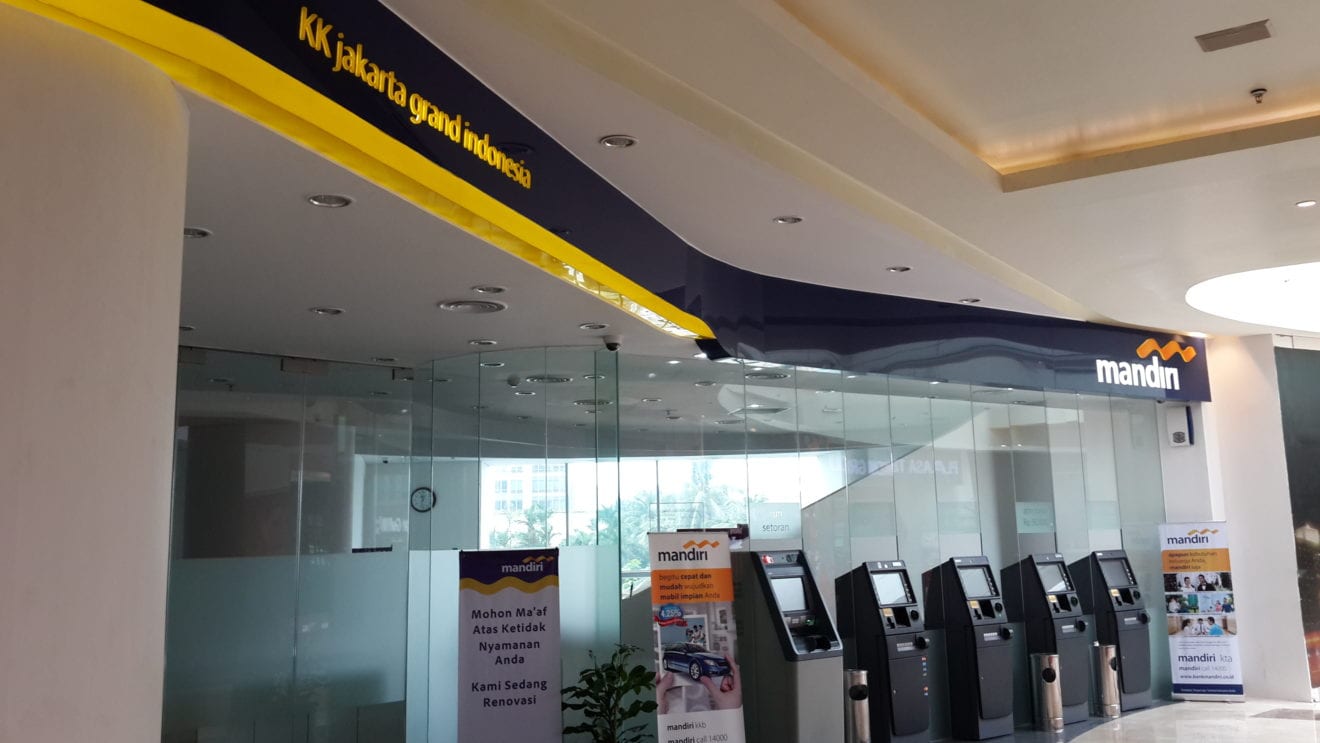
    Axa Mandiri Financial Services, one of Indonesia’s major insurance companies, expects to maintain double-digit growth in premium income this year, by tapping into the large customer base of its parent company, Bank Mandiri.

    Axa Mandiri Financial Services (Axa Mandiri)’s president director Handojo G. Kusuma said that the insurer would market its products more intensively to customers of Bank Mandiri, which has one of the largest customer bases in the country.

    We hope to book double-digit growth in premium income by tailoring insurance products to the special needs of Bank Mandiri customers,» said Kusuma, who was quoted.

    Despite having worked together with Bank Mandiri for many years, Axa Mandiri’s penetration among the bank’s clients was still below optimal levels, he noted.

    To realize the targeted double-digit growth in premium income, Axa Mandiri did a data analytics study on Bank Mandiri’s market segmentation. «By understanding the needs of each segment better, we will be able to improve upselling and cross-selling,» Kusuma added.

    To effectively market to the millennials, the company would study the behavior and characteristics of customers in that segment and offer an affordable and easy-to-understand retail package that would be relevant and convenient for them, Handojo explained.

    For the growing halal market, the company planned to expand its portfolio of sharia-compliant products to between 20 percent and 25 percent of its business in the upcoming year from 4 to 5 percent at present.

    If we look at the market share potential, we can say that 90 percent of Indonesians are Muslims, [hence] we will continue to grow our sharia business, said Axa Mandiri sales director Henky Oktavianus.

    He added that the company was still studying the sharia market segmentation of its sister company, Bank Syariah Mandiri, to understand what products to offer its clients and how best to sell them.

    Axa Mandiri booked a gross premium income of 9.5 trillion rupiahs ($698.5 million) in 2019, an increase of 11 percent from 8.59 trillion rupiahs in 2018. Net investment touched 668 billion rupiahs in 2019, following a deficit of 1.68 trillion rupiahs in 2018.

    As a result, revenue totaled Rp 10.74 trillion in 2019, a 44 percent year-on-year increase. Net profit, therefore, rose 6 percent to  1 trillion rupiahs in 2019.

    Axa Mandiri is jointly owned by Bank Mandiri, which has a 51 percent stake, and Axa Group’s National Mutual International, which holds 49 percent.

  • DBS Enhances Advice and Client Engagement for HNWIs

    DBS Enhances Advice and Client Engagement for HNWIs

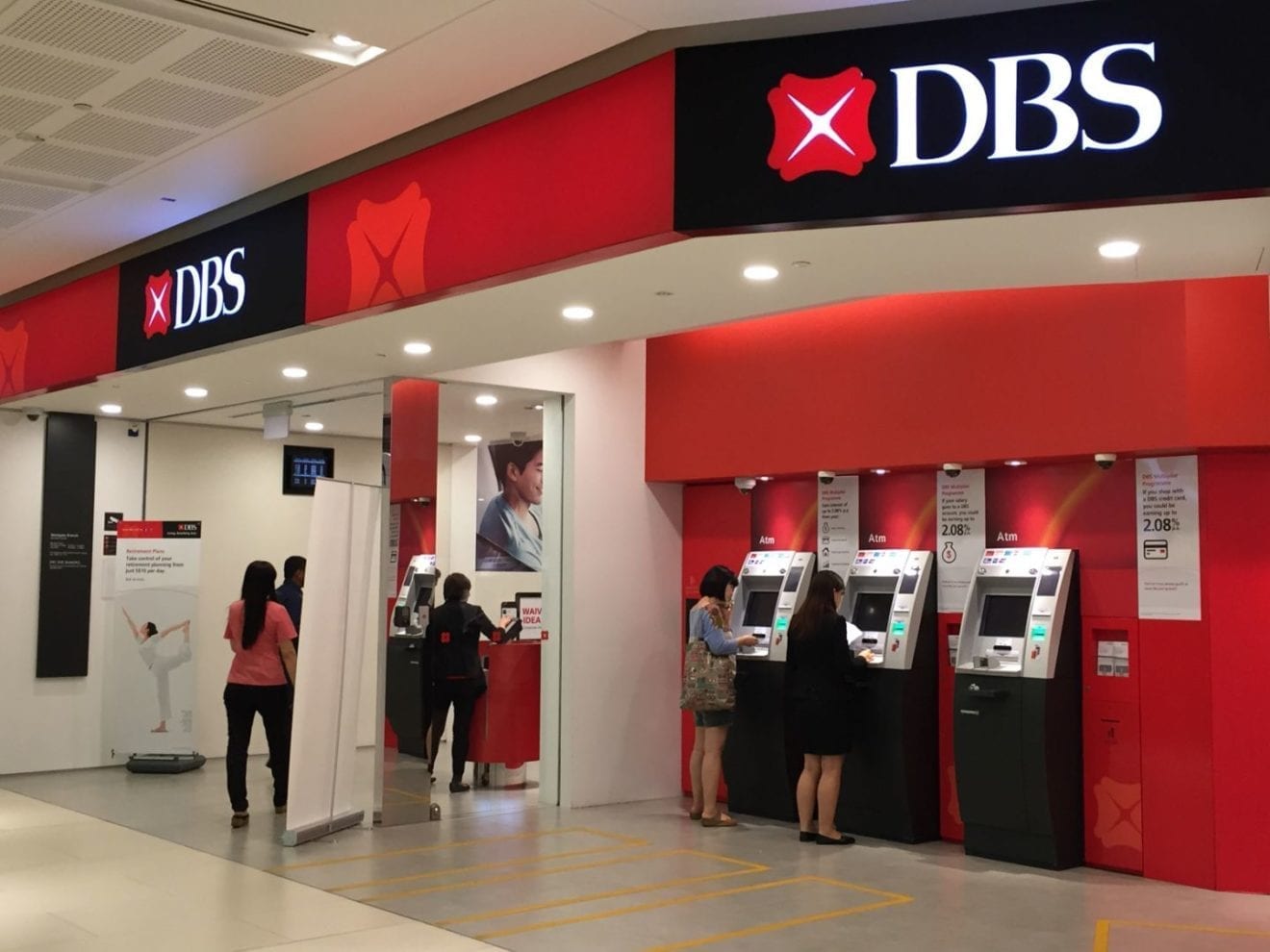
    DBS is ramping up its portfolio advisory capabilities to provide Private Bank and Treasures clients with more insightful and comprehensive investment reviews.

    DBS is introducing a portfolio review tool, co-developed with wealth technology provider EdgeLab, to give clients in-depth assessments of their portfolio performance and risk exposures, the bank announced in a statement on Thursday.

    According to the bank, the tool addresses gaps in traditional client investment reviews, which often miss valuable contextual information such as the performance of each investment against the wider portfolio or equivalent benchmarks, and where the overall portfolio risk exposures lie.

    Understanding what you own and how each investment impacts your portfolio is fundamental to making robust investment decisions. It is key to navigating today’s uncertain markets, where it is important to go back to basics, and not leave things to luck or chance,» Sim S Lim, group head of Consumer Banking and Wealth Management, said in the statement.

    A report with this information takes only five minutes to generate, and will allow relationship managers (RMs) to offer more personalized and relevant investment recommendations, DBS said. The report will also be provided as supplements to monthly client statements.

    The bank said that in the next phase of the development of the tool, it will equip RMs with the ability to stimulate investments into existing portfolios, as well as propose and construct new client portfolios.

    Among its efforts to enable more informed decision-making, DBS also recently added MSCI ESG Ratings, which measures a company’s resilience to long-term, financially relevant environmental, social and governance (ESG) risks, into its suite of wealth products, advisory and discretionary portfolio services.

  • Mercedes-Benz India Kick Starts Bookings For The A-Class Limousine

    Mercedes-Benz India Kick Starts Bookings For The A-Class Limousine

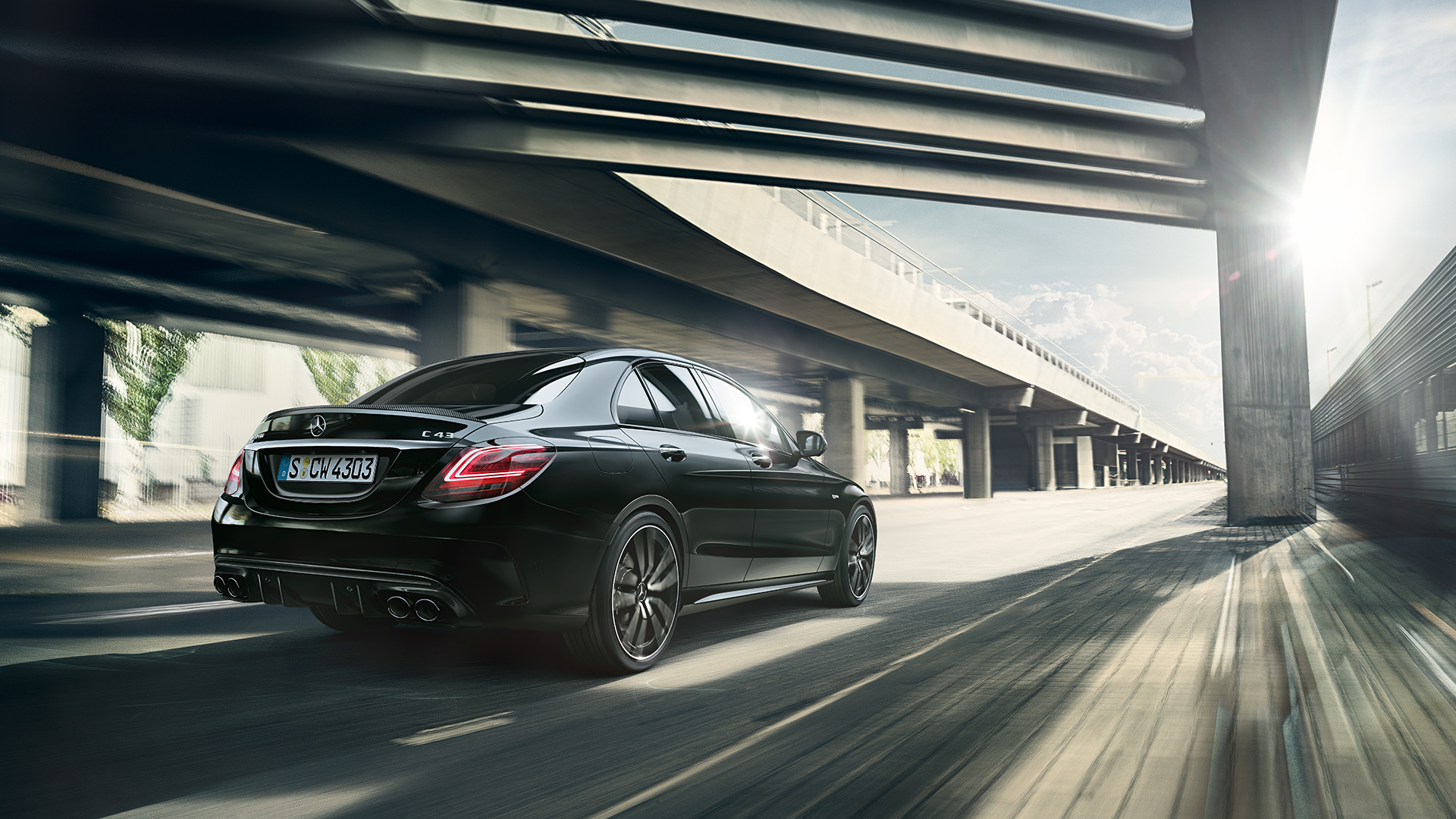
    Mercedes-Benz India will soon launch the A-Class Limousine and the company has already kick-started bookings in the country. A part on the new-generation A-Class range, the new sedan version is positioned below the Mercedes-Benz CLA, is currently the most affordable three-pointed star sedan globally. The A-Class Limousine will be available in 3 variants. There’ll be petrol, diesel and an AMG variant on offer. The booking amount for the car has been set at ₹ 2 lakh

    The front sees sharp-looking LED headlamps with eyebrow-like LED daytime running lamps. The Mercedes-Benz A-Class also comes with a set of sporty twin-5-spoke alloy wheels (in sizes 16 to 19 inches), new sleeker ORVMs with integrated LED turn signal lights, a bold waistline, blackened B-pillar, and a sloping roofline. The four-door notchback has the wheelbase of the hatchback (2729 millimeters) as well as the proportions of a compact saloon with short overhangs at the front and rear.

    The A-Class sedan’s cabin is largely identical to its hatchback counterpart with a well-equipped dashboard larger fully-digital instrument cluster paired with a fully-digital infotainment system. The dashboard also features the signature rotor-like chrome air-con vents, a multi-functional new steering wheel, and a smart-looking center console in piano black finish.

    The car will also get the MBUX multimedia system – Mercedes-Benz User Experience – with artificial intelligence, which made its debut in India with the new-gen GLE, which is also here on display. The system comes with features like – Apple CarPlay and Android Auto along with wireless charging areas for your smartphone. Powertrain wise, the A-Class will come with a pair of 2.0-liter petrol and diesel engine and both are BS6 compliant.

  • Facebook will ban and remove ads promising cure for the coronavirus

    Facebook will ban and remove ads promising cure for the coronavirus

    While governments are working hard to limit the coronavirus outbreak and to protect their citizens’ health, Facebook is working to protect people from misinformation in regards to the current public health situation.

    The tech giant will now ban ads promising a cure for the coronavirus, or ads that attempt to create a sense of urgency about the situation, which, as defined by a Facebook spokesperson, means implying of limited supply or other ways to urge people to buy coronavirus related products right away.

    The social media platform will also remove content containing conspiracy theories that have been flagged by health organizations, along with claims that create confusion in regards to available health resources.

    A lot of social platforms are experiencing surges of misinformation regarding COVID-19, which can prove to be harmful to people. Facebook used fact-checkers to suppress false news or misinformation in its news feed, and now it has decided upon completely removing such content from the platform.

  • Google further improves Gmail’s security on all platforms

    Google further improves Gmail’s security on all platforms

    Gmail is already a safe email app, but it’s far from being perfect and Google is aware of that. The most recent update introduces a brand-new technology that Google is still refining, which further improves malicious document detection.

    Google’s security technology is using deep learning, a term that’s been tied by many software developed in the last couple of years. In a fairly technical blog post, Google explains how the new changes will affect Gmail and what other improvements are expected to be added in the future.

    First off, Gmail already protects its users from malicious software that’s usually transmitted via Office documents, but thanks to Google’s new technology, the app can do that even better. Google launched a new scanner at the end of last year, which is supposed to increase the detection of Office documents packed with malicious scripts by 10 percent.

    According to Google, nearly 60 percent of the malware targeting Gmail users is represented by malicious documents, which is why the Mountain View company is so determined to find a way to prevent these emails to reach your Inbox.

    Gmail’s new scanner is an extra layer of security and will run at the same time with the already existing detection capabilities. Google’s approach to the problem seems to be the development of multiple scanners, each dedicated to particular tasks and working in parallel to find and remove all malicious content targeting Gmail users.

    These scanners use artificial intelligence, another piece of technology that’s been the cornerstone of developing faster and better software. Google will continue to use artificial intelligence with the purpose of protecting Gmail users’ inboxes, so this is probably a taste of what’s to come.

  • Vietnam says no more drinking scenes in movies

    Vietnam says no more drinking scenes in movies

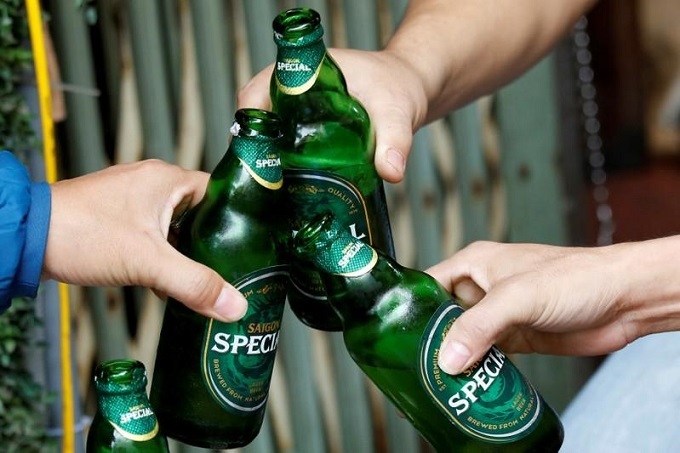
    Scenes of actors drinking alcohol in films will be restricted under a new decree guiding the alcohol law.

    Cinemas will only show actors drinking if they are playing historical characters or acting in scenes that criticize alcohol addiction, Decree 24, which took effect on Monday to guide several provisions of the Law on Preventing Alcohol’s Harmful Effects, lays down.

    Movies are not allowed to admire or praise individuals and organizations achieving success by producing alcohol or doing any business related to alcohol.

    In June last year lawmakers approved time restrictions for advertising liquor on television and radio. According to the decree, advertisements for alcoholic drinks will be banned from 6 p.m. to 9 p.m. and immediately before and after and during children’s programs.

    Decree 24 relaxes it slightly and permits beverages with an alcohol content of under 5.5 percent and made by sponsors of regional, continental or global sporting events held in Vietnam to be advertised between 6 p.m. to 9 p.m.

    Producers of drinks with less than 15 percent alcohol must add warnings saying drinking alcohol can lead to traffic accidents, affect the fetus and those under 18 are not allowed to drink under the law.

    If an advertisement appears on TV or radio, the warning must be read out aloud at a speed equivalent to that of other content.

    If it is advertised on a website, social media or print publications, the warning must make up at least 10 percent of the advertisement’s content and be in a color that makes it easy to read.

    A ban on advertising hard liquor has been in place for long.

    The new drunk driving law, which came into effect on January 1, doubled existing fines and revokes driving licenses for up to two years.

    There are fines for the first time for cyclists and electric bicycle riders, and anyone caught driving under the influence will have to pay VND400,000-600,000 ($17-26).

    Motorcyclists and car drivers could be fined VND6-8 million and VND30-40 million (VND1,730) and lose their licenses for 22-24 months.

    The country consumed some 4.6 billion liters of beer in 2019 after rising 10 percent from 2018, but growth could fall to 6-7 percent this year due to the tough new penalties, top brokerage SSI Securities Corporation (SSI) said last month.

  • Forever 21’s new owners tap H&M executive to lead turnaround

    Forever 21’s new owners tap H&M executive to lead turnaround

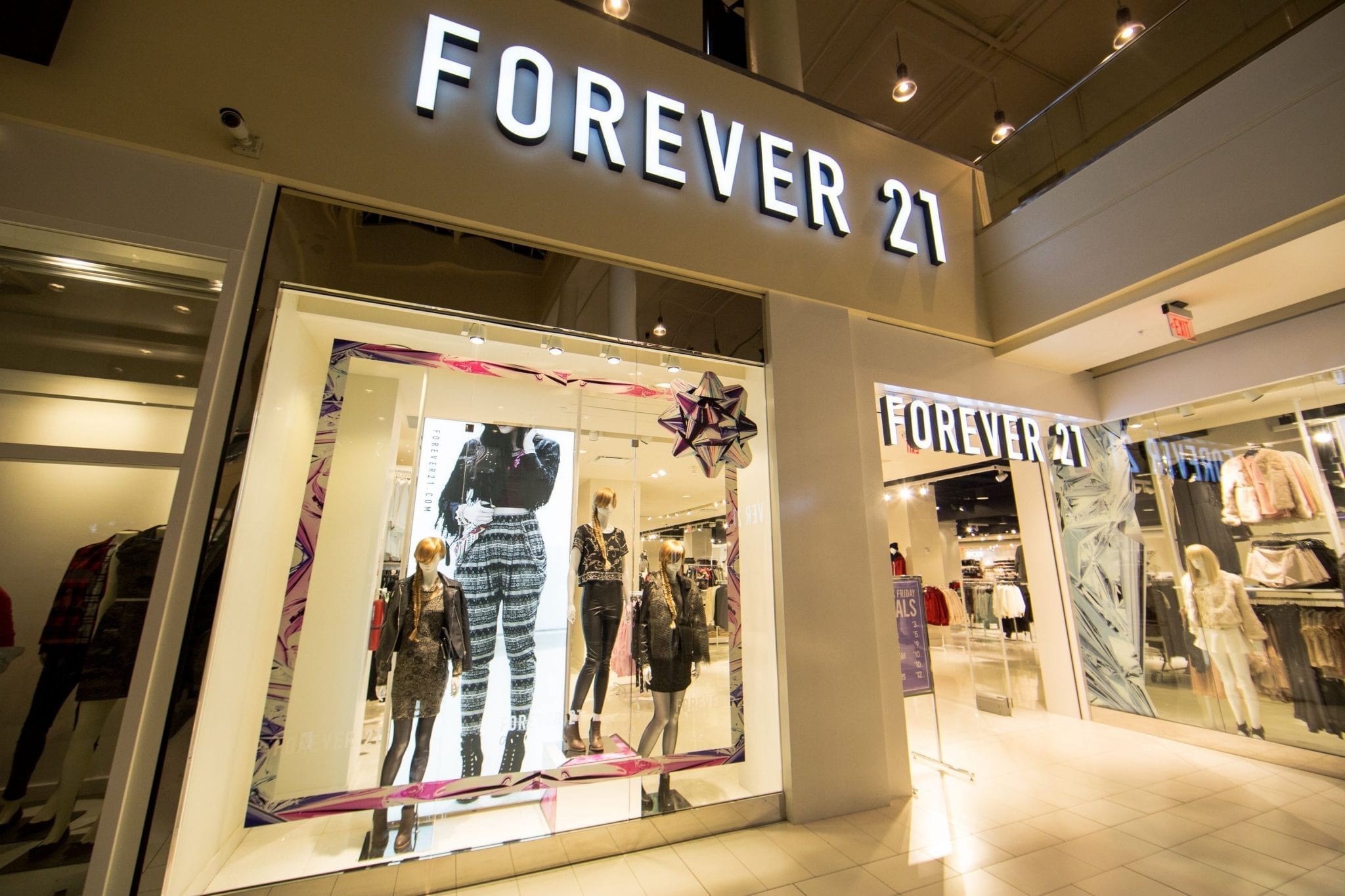
    The new owners of failed US fast-fashion firm Forever 21 have appointed a key H&M executive to take charge of a turnaround plan.

    Two of the chain’s landlords, Simon Property Group and Brookfield Property Partners, teamed with Authentic Brands Group to purchase the business for a bargain-basement price of just US$81.1 million. However, the consortium has also assumed some $300 million in liabilities as part of the deal.

    Former H&M US president Daniel Kulle has been appointed the firm’s new CEO. He will work with the new owners to maintain the majority of the 450-odd stores across the US. Some overseas stores will be licensed to local operators. The owners will seek to expand the brand throughout China, Southeast Asia and in other key markets, having already launched an online-first strategy.

    Under Kulle’s leadership, the brand will focus on current design trends, speed to market, sustainability and a younger target audience.

    “Forever 21 is a powerful retail brand with incredible consumer reach and a wealth of untapped potential,” said ABG founder, chairman, and CEO Jamie Salter. “We’re looking forward to working with the Forever 21 team and our global partners. Together, we’ll revitalize the brand’s core business and connect with audiences around the world through new product offerings and experiences.”

  • Hong Kong Fashion Week and Spring Fairs postponed

    Hong Kong Fashion Week and Spring Fairs postponed

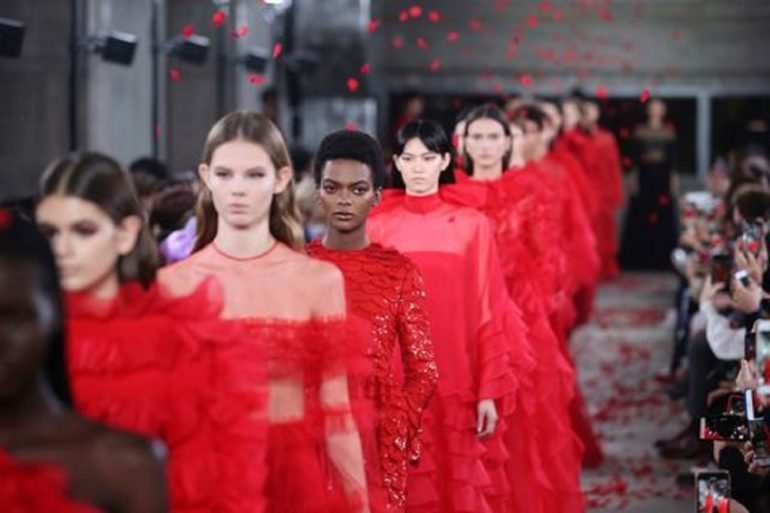
    Hong Kong Fashion Week and seven other Spring Fairs which were scheduled for April have been deferred until July 25-28, due to the coronavirus crisis.

    “The safety of exhibitors and buyers has always been a priority,” the organizer of the events, the Hong Kong Trade Development Council (HKTDC) said in an email announcing the postponements.

    “Considering the current development of the novel coronavirus outbreak, and in line with the health measures taken by the Hong Kong SAR Government, a decision has been made in consultation with industry representatives to reschedule eight HKTDC trade fairs.”

    The fairs are Hong Kong Fashion Week, Hong Kong International Lighting Fair (Spring Edition), Hong Kong Electronics Fair (Spring Edition), International ICT Expo, Hong Kong Houseware Fair, Hong Kong International Home Textiles and Furnishings Fair, Hong Kong Gifts & Premium Fair and the International Printing & Packaging Fair.

    “As always, the HKTDC will make every effort to provide fair participants with safe, efficient and effective trading platforms in the future, while helping enterprises maximize their business opportunities through multiple global channels,” the statement concluded.

  • Chinese bubble-tea chain Naixue Tea eyes IPO

    Chinese bubble-tea chain Naixue Tea eyes IPO

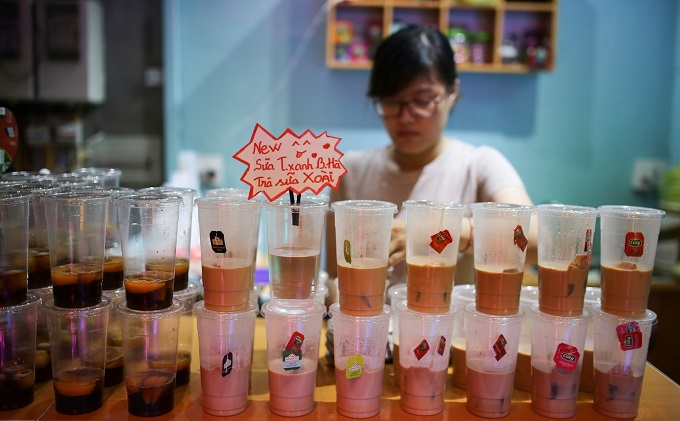
    Chinese bubble tea chain Naixue Tea – also known as Nayuki – is eyeing a listing in the US.

    The move could raise around US$400 million in capital, although many important details of the potential offering remain in flux as private discussions continue between the firm and its advisors.

    Naixue, which sells fresh fruit tea, cold-brew tea and cheese-tea blends as well as bakery items, operates more than 230 locations within China. The firm was launched in 2010 by Shenzhen Pindao Restaurant Management.

    Sources familiar with the transaction asked not to be identified, as the potential listing is still being discussed in private. Any plans may be impacted by the current coronavirus outbreak, which is still having a major effect on business within the country.

  • Denim makers welcome novel sustainability initiatives

    Denim makers welcome novel sustainability initiatives

    Global denim makers have long faced questions over their sustainability credentials, but recent developments across the industry are helping to show it in a more positive light.

    From the amount of water required to produce a pair of jeans, to the chemicals used in production, the sector is starting to make a concerted effort to move away from the stigma it has attracted over the years.

    Among efforts to drive change is the move by denim conference Kingpins Transformers to become the Transformers Foundation, a non-profit entity focused on driving change in key areas of the denim supply chain such as social responsibility, sustainable cotton, responsible chemical management and consumer education.

    Elsewhere, experts from denim makers have contributed to the ‘Jeans Redesign Guidelines’ to help fashion brands and manufacturers make jeans that meet minimum requirements for durability, material health, recyclability and traceability.

    In terms of product development, Spanish manufacturer Tejidos Royo has collaborated on an environmentally friendly indigo yarn-dyeing process that uses foam instead of water. According to the firm, Dry Indigo uses zero water in the dyeing process, reduces energy consumption by 65 percent during manufacture, and uses 89 percent fewer chemical products. It is also said to completely eliminate wastewater discharge.

    Industry heavyweight Gap announced last summer its Banana Republic brand would pilot the technology.

    US start-up Tinctorium is also attempting to eliminate the need for toxic chemicals in the color production process by producing indigo dye using bio-engineered bacteria. The bacteria secrete an indigo precursor that is mixed with an enzyme to create a liquid indigo solution that can be directly applied using existing denim equipment.

    However, while there has been a marked shift in the sector, denim makers and fashion brands must not rest on their laurels. There remains a great deal of work to be done to further improve the denim supply chain.

  • Malaysia’s 99 Speedmart starts in Singapore

    Malaysia’s 99 Speedmart starts in Singapore

    Malaysian convenience-store chain 99 Speedmart has opened three mini-market stores in Singapore.

    According to IGD, the 99 Speedmart stores in Singapore follow the same concept as Malaysia’s stores and range in size from 250 to 500sqm. They trade from 10am to 10pm daily.

    Besides normal grocery items, shoppers also can find Malaysian products displayed closer to the back of the stores.

    In Malaysia, 99 Speedmart operates more than 1500 grocery stores.

    “The retailer’s success is driven by low prices, carrying a narrow range of top-selling brands and great store visibility,” explains IGD senior retail analyst Soo-Eng Tan. “A quick look into its flagship store in Singapore suggests that it is pursuing the same strategy there.”

    99 Speedmart in Singapore aims to expand its retail network further this year. The company has acquired sites in commercial areas and light industrial parks.