Tag: asia

  • Cold Stone Creamery Singapore to shut down by month’s end

    Cold Stone Creamery Singapore to shut down by month’s end

    Ice-cream chain Cold Stone Creamery will close all three of its stores in Singapore at the end of this month.

    Cold Stone Creamery Singapore operates three stores, located at Hill V2, VivoCity and Waterway Point. The brand has operated in the city for the last 10 years.

    The local operator of the brand is Refinery Concepts, the restaurant and lifestyle-food arm of Far East Organization, which operates 14 businesses in the city, including Dean & Deluca. Oriole Coffee & Bar, Cin Cin and Fat Cow.

    To mark the closure, Cold Stone Creamery Singapore will offer discounts and free branded merchandise to customers to “thank them” for support during the decade.

    The US-founded brand continues to operate in other Asian markets, including Thailand, Japan, South Korea and China.

  • 6ixty8ight opens first store in Mongolia as China expansion ramps up

    6ixty8ight opens first store in Mongolia as China expansion ramps up

    Hong Kong lingerie brand 6ixty8ight has launched its first outlet in Mongolia and says it aims to open 16 more outlets in China this month.

    Located in Hohhot, the Mongolia 6ixty8eight store offers the latest trends in lingerie, homewear, loungewear, casualwear and accessories.

    The lingerie label has been growing significantly since its first China store opened in Beijing, with 16 new stores opening there this month.

    Last month, 6ixty8igtht opened its flagship stores on Lazada serving Singapore, Malaysia, Thailand and the Philippines. The brand is already making another new move to launch on another online platform, Shopee, this month.

    Founded in 2002, 6ixty8ight is one of Southeast Asia’s fastest-growing fashion brands, with more than 200 stores now trading across Greater China, South Korea, Singapore and Malaysia.

  • Hong Kong Post to open 80 more iPostal stations for online shoppers

    Hong Kong Post to open 80 more iPostal stations for online shoppers

    Hong Kong Post will roll out more than one new iPostal station every week this year, to boost services to online shoppers.

    The company will build 20 iPostal stations in the first quarter of this year and more than 80 by the end of the year, which will take the iPostal station network to more than 120.

    Hong Kong Post created iPostal stations as delivery address for online shoppers to have purchase delivered to a secure location to avoid missing parcels through not being at home during delivery attempts.

    Two new iPostal stations open tomorrow (January 7) in Oi Tung Estate and Siu Sai Wan Plaza, taking the network to 23.

    Senders now can set new iPostal station as the delivery address for their SmartPost, Local Parcel and Local CourierPost items through the EC-Ship platform, while recipients can set any of these stations as the default pick-up point for their items with a Mail Collection Number.

  • Miniso Philippines opens its 100th store

    Miniso Philippines opens its 100th store

    Miniso Philippines has opened a new store at Estancia Mall, marking its 100th store.

    To celebrate the launch, a Japanese Kagami Biraki ceremony was led by Miniso president Michael Hong.

    The Chinese discount merchandise chain’s new store features lifestyle products including electronics, health and beauty lines, fashion accessories, seasonal products, food and beverages. Miniso Philippines’ 100th store also offered gifts during the holiday season, including holiday mugs, pastel-coloured pouches, and tumblers.

    Miniso operates 4000 stores in more than 90 countries and regions including the US, Canada, Russia, Singapore, the UAE, Korea, Malaysia, Hong Kong, Vietnam and Macau.

  • Mumuso looking for rapid expansion in India

    Mumuso looking for rapid expansion in India

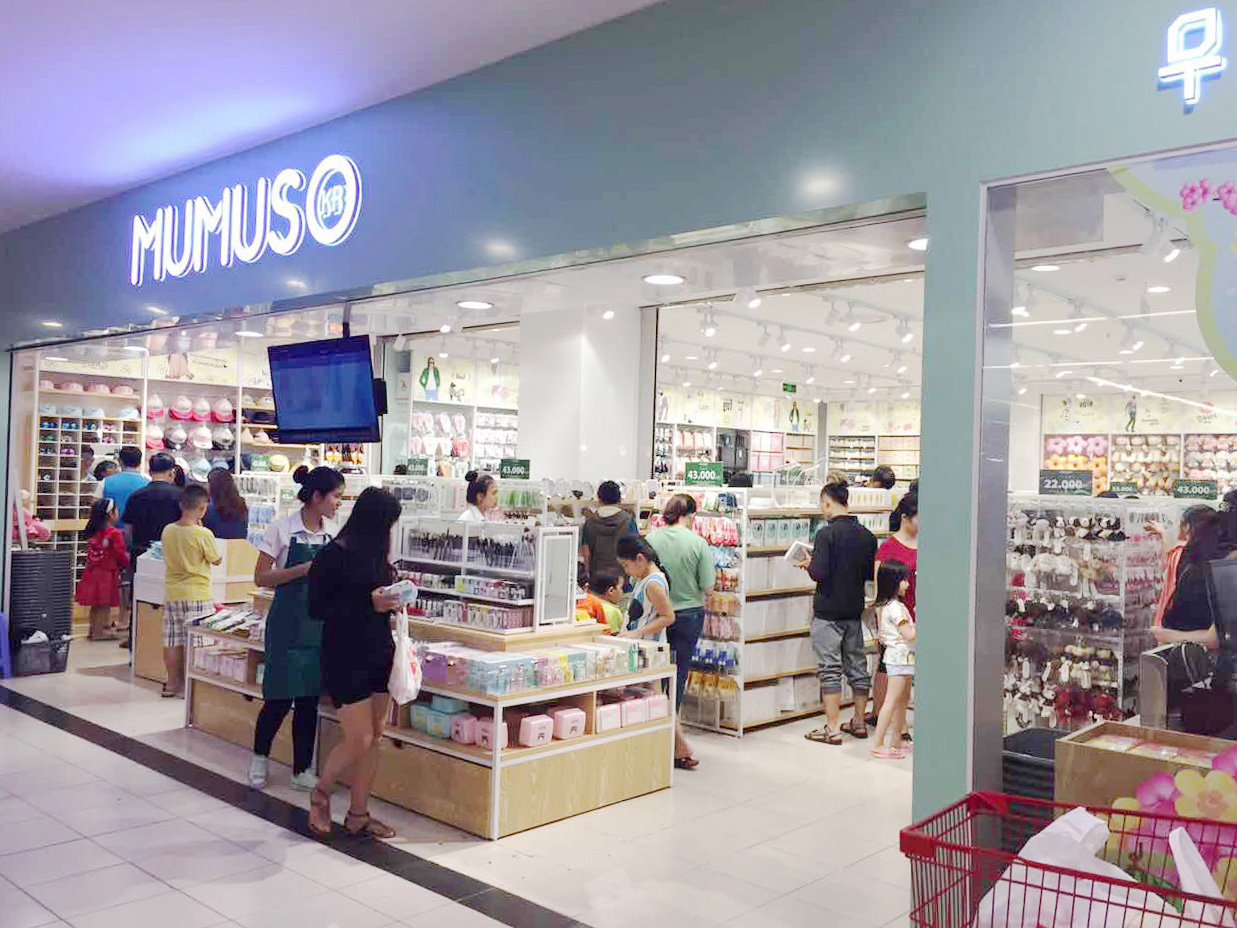
    Discount Chinese merchandise chain Mumuso is set to expand in India.

    The brand intends to launch outlets throughout the territory and is currently seeking potential franchise partners. It has already opened more than 30 locations in India at a rate of two per month since launching there.

    “Mumuso is eyeing at the Indian market aggressively,” said a statement released by the firm, “with new stores in different parts of the country”.

    Beyond its range of “Korean-inspired lifestyle products”, Mumuso is now looking at moving into the food-and-beverage sector.

    “I have been studying the retail market very closely,” said Mumuso India director Manoj Agarwal. “Indian retail market is huge. When it comes to lifestyle products, India has seen a sharp rise in the demand in the recent years. Our expansion strategy is to set up outlets all over India along with entering the e-commerce market as online shopping has seen a big boost in India in recent years. Mumuso, unlike distributorship, franchises will have more profit and direct access under B2C Format.”

  • Luckin Coffee stronger than Starbucks in China

    Luckin Coffee stronger than Starbucks in China

    Luckin Coffee has now become the largest coffee chain in China, surpassing Starbucks in terms of number of locations.

    The firm has launched 4500 outlets within the Chinese territory, around 200 more than its Seattle-headquartered competitor. The brand soared past Starbucks late last year and has rapidly multiplied its footprint in the market backed by strong investment from supporters such as BlackRock.

    The firm focuses primarily on the coffee delivery and pickup business, and so stores are typically smaller in size than Starbucks locations and some are without seating. Starbucks itself has responded to the challenge by entering into a partnership with Alibaba to offer a more robust delivery solution.

    Many of Luckin’s new locations are in areas not currently served by Starbucks.

  • BNP Paribas Launches Electronic FX Trading in Singapore

    BNP Paribas Launches Electronic FX Trading in Singapore

    BNP Paribas announced its plans to launch an electronic FX pricing and trading engine in Singapore in a move to further improve efficiency and liquidity in the city-state’s market.

    The new offering will include 50 currencies in spot, forwards, swaps, non-deliverable forwards (NDFs) and options, as well as commodities e-trading for both precious and base metals. According to BNP Paribas’ Southeast Asia head of global markets, Christophe Jobert, the engine intends to improve liquidity, price discovery and the speed of execution.

    Singapore is a key trading center for us in Asia Pacific, where we are committed to investing for growth,» he added. «In Southeast Asia, we have seen our e-FX trading volumes grow by double-digits year-on-year.

    The bank underlined that the move to launch the new FX trading and pricing engine was part of a broader plan to develop Singapore as «Asia Pacific’s FX trading hub» with support from the city-state’s regulator.

    BNP Paribas’s decision to launch its e-FX pricing and trading engine in Singapore will be an added boost to Singapore and Asia’s FX market, said Gillian Tan, executive director, financial markets development department at the Monetary Authority of Singapore.

    The engine seeks to enhance clients’ trading experiences with improved latency and pricing and will provide more efficient price discovery and improved liquidity in the Asian trading hours for clients in the Asia-Pacific, and support global follow-the-sun execution of FX trades.

    The engine’s roll-out coincides with the launch of BNP Paribas’ single dealer platform, «Cortex LIVE», which will offer Singapore clients access to a real-time digital trading assistant alongside real-time market intelligence driven by artificial intelligence and natural language processing.

    With the delivery of both the e-FX engine and Cortex LIVE in Singapore, clients here will benefit from an unrivaled combination of real-time feedback, quicker and more intelligent trade execution, greater transparency and enhanced controls,» said Rawad Khodr, APAC regional head of G10 FX spot trading, global markets at BNP Paribas.


  • Japanese bank seeks 9.9 pct stake in Vietnam’s OCB

    Japanese bank seeks 9.9 pct stake in Vietnam’s OCB

    Japan’s Aozora Bank Ltd could acquire 9.91 percent of Vietnam’s Orient Commercial Joint Stock Bank in a VND1.22 trillion ($52.8 million) deal.

    OCB is seeking shareholders’ approval to issue the private placement to the Japanese bank, with an offered price not lower than the book value per share at the end of the latest quarter.

    As OCB’s over-the-counter (OCT) shares are being traded from VND14,100-15,900 each (61-69 cents), Aozora will need to spend at least VND1.22 trillion ($52.8 million) on the deal, at VND14,100 apiece.

    Aozora was established in 1957. It has a total asset value of $48 billion and is listed on the Tokyo Stock Exchange at a market cap of $3.16 billion.

    OCB’s charter capital is currently around VND7.9 trillion ($341.9 million). Its January-September pre-tax profit last year was almost VND1.94 trillion ($83.96 million), up 15.3 percent year-on-year.

    Last year saw several foreign investors acquiring stakes or expressing interest in owning shares of Vietnamese banks.

    Vietnam’s largest bank by asset, BIDV, sold a 15 percent stake to South Korea’s KEB Hana Bank in November, while Vietcombank had in early 2019 sold a 3 percent stake to Japanese and Singaporean investors.

  • Vietnamese automaker ships buses to Philippines

    Vietnamese automaker ships buses to Philippines

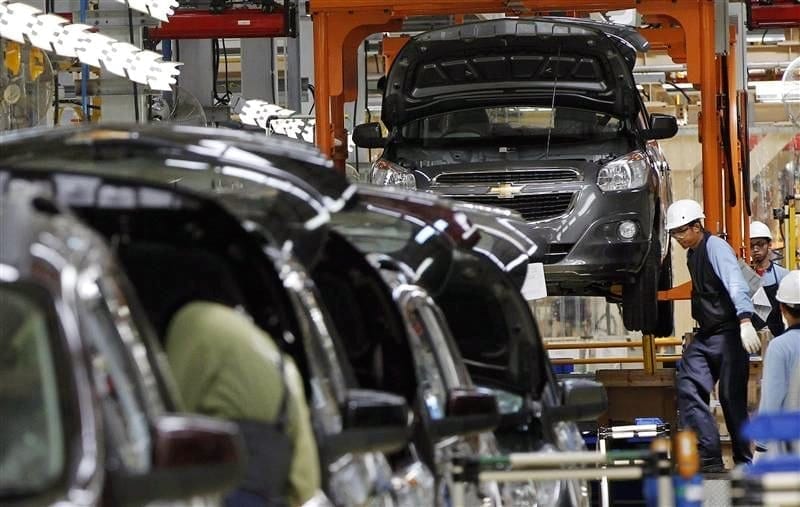
    Vietnam’s leading automaker and assembler Thaco shipped the first 15 buses to the Philippines on Saturday.

    Tran Ba Duong, chairman of Truong Hai Auto (Thaco), said the exported buses were redesigned after seven months of testing in the Philippines. They had a localization rate of 45 percent and complied with Euro 5 emission standards.

    All the buses were assembled in the Chu Lai open economic zone in Quang Nam Province, central Vietnam.

    Duong said a major challenge in exporting vehicles made or assembled in Vietnam was the complicated assessment process in foreign countries. For example, the process takes six months in Thailand, four to five months in the Philippines and a year in the U.S.

    Thaco expected to ship 200 buses to the Philippines in 2020.

    The firm exported 186 automobiles of various types to ASEAN countries and plans to export over 1,020 units next year. Thaco also exported auto parts and accessories worth $14.5 million to South Korea and Japan in 2019, and this is expected to rise to $21 million in 2020.

    Thaco has been researching, manufacturing and assembling buses and continuously promoting investment in the field since 2004. To date, the company has supplied over 17,000 buses to the domestic market, holding a 65 percent market share.

  • Number of new businesses, registered capital highest ever

    Number of new businesses, registered capital highest ever

    138,100 businesses were established in Vietnam this year, the highest ever, with the government’s initiative to increase the quantity and quality of enterprises bearing fruit.

    In terms of volume, the figure was up 5.2 percent year-on-year, while their registered capital also climbed a new high at over VND1,730 trillion ($75.1 billion), up 17.1 percent year-on-year, according to the General Statistics Office.

    This meant the average registered capital was VND12.5 billion ($542,000) per business.

    An additional 39,400 businesses resumed operations this year, up 15.9 percent from last year. But the year also saw 43,700 businesses filing for dissolution, up 41.7 percent year-on-year.

    The surge in the business numbers and registered capital is happening as the government seeks to improve its administrative policies to support enterprises as part of a plan to have the private sector spearhead economic growth.

    Prime Minister Nguyen Xuan Phuc said at a meeting with business leaders on December 23 that the large number of businesses dissolving each year, including big ones, was a matter of concern.

    Government agencies have been making proposals in this regard. In July, the Ministry of Finance proposed to the National Assembly that it considers scrapping corporate income tax on micro and small enterprises.

    There are about 760,000 businesses operating in the country. Vietnam targets taking this up to 1 million next year.

    Vietnam’s GDP growth of 7.02 percent in 2019 exceeded the parliament’s target of 6.6-6.8 percent as well as forecasts by several international organizations like the WB and the ADB. It had slowed from a record 7.08 percent in 2018, but remained the second highest growth figure in the last decade.

  • Vietnam Airlines reports record profit in 2019

    Vietnam Airlines reports record profit in 2019

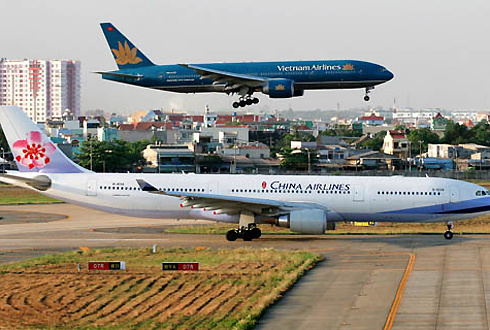
    National flag carrier Vietnam Airlines estimates its consolidated pre-tax profit for 2019 at an all-time high of VND3.37 trillion ($146 million).

    The figure also marks a 10 percent year-on-year increase, Vietnam Airlines said in a press release.

    Its consolidated revenue is estimated at VND101.18 trillion ($4.39 billion) this year, up 2.2 percent year-on-year.

    In 2019, Vietnam Airlines transported 23 million passengers and nearly 346,000 tons of cargo on 134,000 flights. The airline also began operating 22 new aircraft and 10 flight routes, bringing its fleet to above 100 aircraft.

    In 2020, it will focus on retaining its core customer segments and holding share in key markets, the airline said. It expects to invest in 50 additional narrow body aircraft between 2021 and 2015, as well as improving services and digitization of its systems.

    Vietnam Airlines is 86.16 percent state-owned, and Japanese air transportation company ANA Holdings has an 8.77 percent stake. The remaining shares are held by state-owned lender Vietcombank, private lender Techcombank, and other domestic individuals.

  • Tesla Reports Solid Q4 Auto Deliveries, Boosting Shares

    Tesla Reports Solid Q4 Auto Deliveries, Boosting Shares

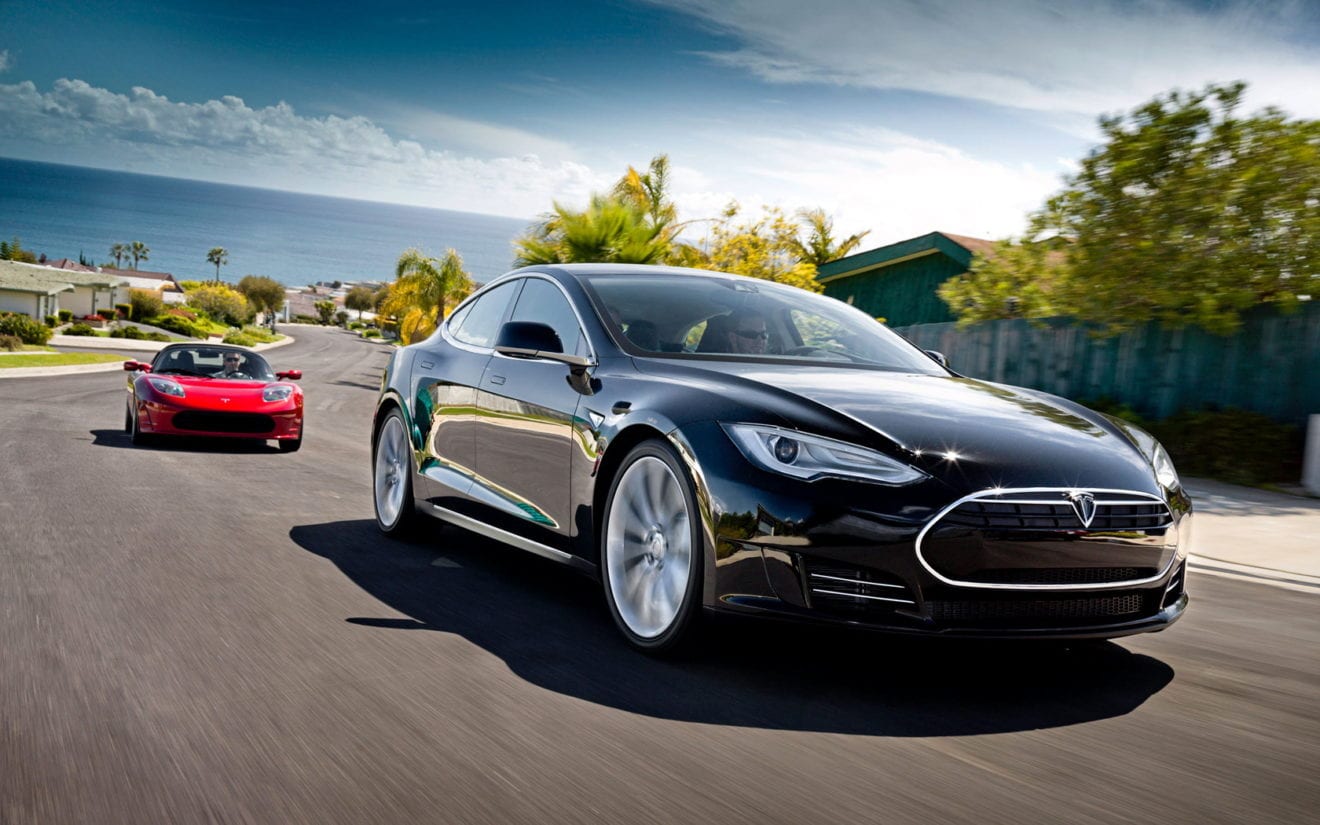
    Tesla reported Friday a jump in fourth-quarter auto deliveries, lifting shares as it ramps up output in the United States and China.

    The electric automaker led by Elon Musk delivered 112,000 vehicles in the quarter ending December 31, up about 23 percent from the year-ago period.

    The figures boosted full-year deliveries to 367,500, 50 percent above the 2018 level and in line with company forecasts.

    The solid figures come four days after Tesla delivered its first batch of China-made cars from its new multibillion-dollar Shanghai “Gigafactory”.

    Tesla touted its speedy completion of the China plant, saying Friday it has already produced just under 1,000 “customer salable cars” in China “despite breaking ground at Gigafactory Shanghai less than 12 months ago.”

    After a series of controversies surrounding Musk in 2018, including a quickly-aborted effort to take the company private, Tesla hit key targets in 2019 in the critical ramp-up of the Model 3 vehicle.

    Tesla shares have risen to all-time highs, and fewer investors are betting on a decline.

    Canaccord Genuity analyst Jed Dorsheimer on Thursday lifted his price target for the company in a note that predicted that sales in China “will be an important driver for the company in 2020.”

    Shares of Tesla rose 3.8 percent to $446.51 in mid-morning trading.

  • Vingroup airline expects profits in 3 years

    Vingroup airline expects profits in 3 years

    Vingroup’s Vinpearl Air, a $200 million venture, is seeking to launch its first flight in July with expectations of turning profitable by 2023.

    The new airline could also recover its investment in 5-6 years, according to an evaluation report recently submitted to the Prime Minister by the Ministry of Planning and Investment.

    The airline will have a total investment of VND4.7 trillion ($202.7 million), of which conglomerate Vingroup will contribute VND1.3 trillion ($56 million), or 28 percent. The remaining will be sourced from loans and other sources.

    Vinpearl Air is set to create 500-600 direct jobs when launched and 2,200-2,300 jobs by 2023-2024.

    It will pay a corporate income tax of VND1 trillion ($43.1 million) a year in the first five years of operation.

    Vinpearl Air plans to start off with six aircraft and increase the fleet to 30 by 2024.

    It wants to be based at the Noi Bai International Airport and park its aircraft in Hanoi as well as in other airports in Quang Ninh Province and Hai Phong City in the north, and Da Nang City and Khanh Hoa Province in the central region.

    The Ministry of Planning and Investment has said it supports the establishment of the airline, but asked the airline to provide more detailed financial calculations.

    Apart from Vinpearl Air, Vietravel Airlines and KiteAir are two other airlines seeking permission to fly this year.

    The country now has five commercial airlines: national flag carrier Vietnam Airlines, Jetstar Pacific, Vietjet Air, Bamboo Airways and Vietnam Air Services Company (VASCO).

    Airports across Vietnam served near 116 million passengers in 2019, up 12 percent from 2018, according to Airports Corporation of Vietnam (ACV).

  • Vietnam to buy 1.5 billion kWh of power annually from Laos

    Vietnam to buy 1.5 billion kWh of power annually from Laos

    State power utility EVN will buy around 1.5 billion kWh of electricity a year from Laos for two years starting in 2021.

    Under contracts it signed on Saturday, Vietnam Electricity (EVN) will buy over 596 million kWh a year from two hydropower plants belonging to Phongsubthavy Group and 632 million kWh from two plants belonging to Chealun Sekong Group from 2022.

    From 2021 it will start buying 263 million kWh annually from another plant belonging to the latter company.

    The import was approved by the Vietnamese government to mitigate power shortages predicted to hit the country from this year.

    The Ministry of Industry and Trade estimates shortages of 3.7 billion kWh in 2021 and nearly 10 billion kWh the following year.

    2023 will be the most stressful with the shortage expected to be around 15 billion kWh. From then on it will decrease, with the shortage expected to come down to 7 billion kWh and 3.5 billion kWh in 2024 and 2025 respectively.

    The industry ministry has said not more than 5-8 percent of electricity can be conserved, and the only way out is to import more from Laos and China.

    But buying from neighboring countries is only a band-aid solution, and in the long run it is necessary to speed up work on large power generation projects, it stated.

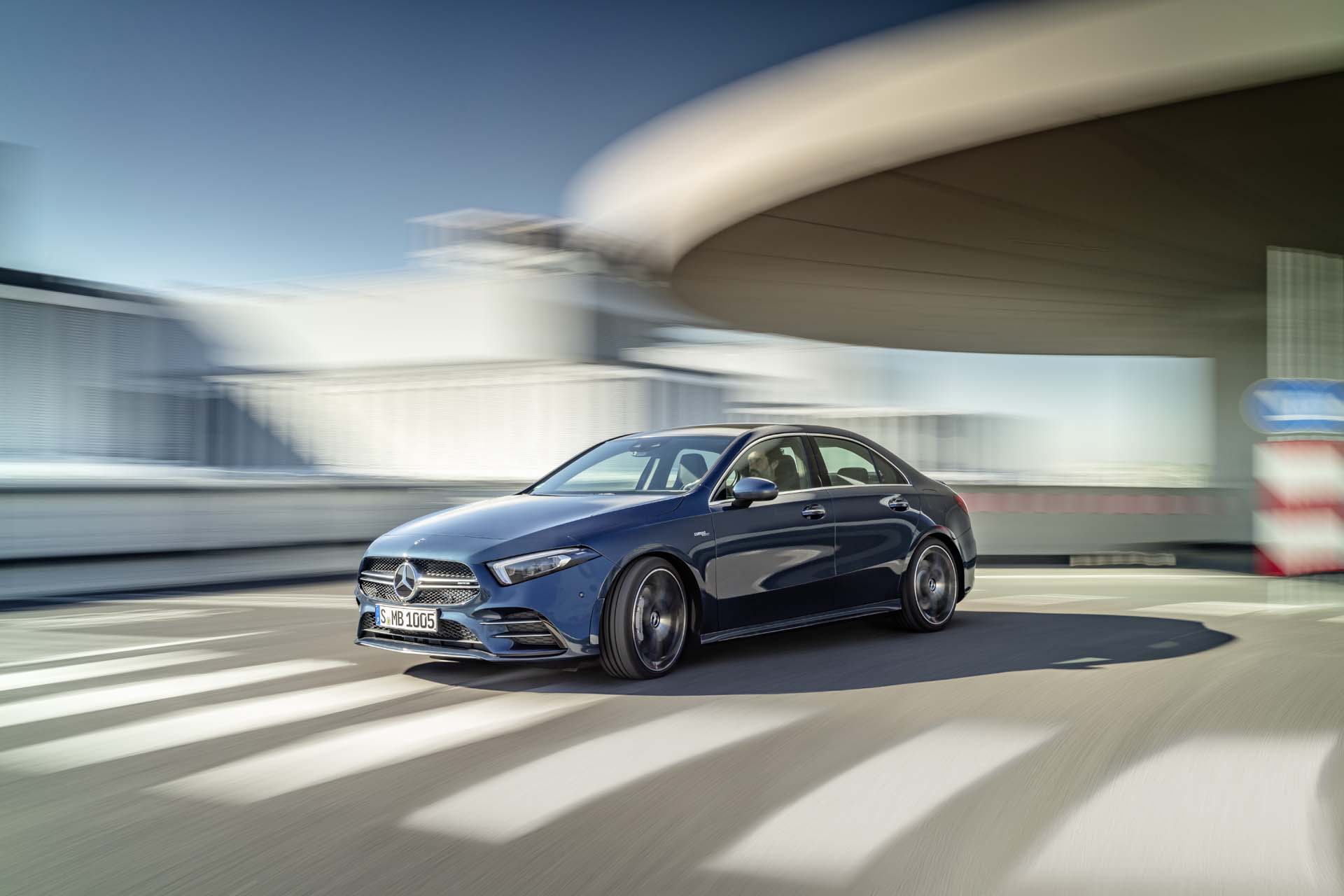
  • Daimler Recalls 744,000 Mercedes-Benz Vehicles In The US For Faulty Sunroofs

    Daimler Recalls 744,000 Mercedes-Benz Vehicles In The US For Faulty Sunroofs

    German automaker Daimler AG said on Saturday it will recall 744,000 Mercedes-Benz vehicles in the United States from the 2001 through 2011 model years because the sunroof glass panel could detach and pose a hazard. The large recall covers more two dozen vehicles from C-Class, CLK-Class, CLS-Class and E-Class model lines. The automaker said the bonding between the glass panel and the sliding room frame might not meet specifications and could lead to sunroofs detaching.

    Owners who paid for repairs for the issue will be able to seek reimbursements from Daimler. A Mercedes-Benz USA spokesman said on Saturday he did not have a worldwide vehicle total for the recall.

    Dealers will inspect the glass panel bonding and replace the sliding roof if necessary, the company said.

    Last month, Mercedes-Benz USA agreed to a $20 million civil penalty over its handling of U.S. vehicle recalls after a year-long U.S. government investigation into 1.4 million recalled vehicles.

    Under the terms of the settlement, the automaker will pay $13 million and faces another $7 million fine if it does not comply with the agreement. The U.S. National Highway Traffic Safety Administration said the company failed to notify owners in a timely fashion in some recalls, did not submit all reports and did not launch at least two recalls in a timely fashion.