Tag: asia

  • Fixed Fees Coming for Indonesia’s E-Wallet Transactions

    Fixed Fees Coming for Indonesia’s E-Wallet Transactions

    Indonesia’s central bank is planning to impose fixed fees on some e-wallet transactions in a move that not only eliminates pricing flexibility but could also deter small merchants from participating.

    Bank Indonesia is already in talks with the country’s largest digital payment startups to standardize fees on QR code transactions, according to a report citing five unnamed sources.

    Indonesia’s internet economy has a bright outlook with a Google, Temasek and Bain & Co report projecting the $40 billion market this year to grow more than three-fold by 2025. The market houses numerous global household e-wallet players including homegrown ride-hailing giant Gojek.

    The central bank wants to fix some e-wallet transaction fees at 0.7 percent – a move that could push out smaller merchants on the network that are currently being charged at very levels as an incentive. The would also hit revenue lines from large merchants, like Starbucks, which are already being charged up to 2 percent.

    In addition to pushing out smaller merchants and cut revenue from larger merchants, the central bank’s plan would also require e-wallet transaction fees to be split to an additional party: major Indonesian lenders.

    Under the new system, e-wallet transaction fees would be split between three parties: e-wallet companies, payment processors and the newly included National Electronic Transaction Settlement consortium made up of major local lenders which were previously not involved.

    This will hurt all of us, said one unnamed executive at an Indonesian e-wallet company.
  • 7-Eleven Malaysia buys into ride-hailing service

    7-Eleven Malaysia buys into ride-hailing service

    7-Eleven Malaysia Holding has acquired a 46.45-per-cent equity stake in local delivery firm Myinteractivelab (MSB) for US$1.8 million.

    According to a SEM’s spokesperson, the company entered into an agreement to accquire 490,030 shares of MSB with founder Nabil Fiesal Bamadhaj, who is the owner of Dego Rides, which launched on January 1.

    “The subscription represents an opportunity for the SEM Group to acquire a substantial equity stake in MSB, which will be undertaking the e-hailing bike services and to provide convenient delivery services for its 7-Eleven outlets,” SEM said in a stock-exchange filing.

    MSB, which operates Dego App, Dego Partners, and Dego Orders, is currently in the process of securing the licence and approval to run electronic hailing motorcycle-taxi services.

    The government had recently announced it would embark on a proof of concept trial for e-hailing bike services in the Klang Valley for the first six months this year.

    “The government’s initiative in undertaking the program is a positive step and augurs well with the proposed subscription as Dego Ride is the only company in Malaysia, besides Singapore’s GrabBike and Indonesia’s Gojek, which has indicated its interest in the program,” said SEM’s spokesperson.

    With 1500 riders and more than 60,000 users in three months before it was banned by the government in 2017, Dego Ride aims to increase its rider number to more than 4000.

  • NWP Retail to buy five Indonesian malls

    NWP Retail to buy five Indonesian malls

    Indonesian retail shopping mall platform NWP Retail is set to acquire five shopping malls, two owned by local subsidiaries of Singapore-listed Lippo Malls Indonesia Retail Trust.

    The two Lippo Malls will be purchased for a total price of IDR1.30 trillion (US$92 million), while the other three mall purchases total approximately IDR440 billion (US$31.5 million). The Lippo malls are located in Pejaten Village just out of Jakarta, and Binjai – a satellite city of Medan. The remaining three malls are in Bandar Lampung, Denpasar, and Depok.

    “This acquisition represents a milestone in NWP Retail’s rapid expansion,” said NWP Retail president director and CEO Timothy Daly. “It will strengthen the company’s presence across key markets in Tier-1 and Tier-2 cities in Indonesia and further expand its market leading position as Indonesia’s largest independent retail shopping mall platform.”

    NWP has expanded from four seed assets in 2015 to more than 40 today.

    “NWP Retail has executed a clear and consistent strategy since its founding, pillared on Indonesia’s strong consumption growth story,” added Daly. “Our unique strength lies in the ability to create value through a scalable and well-managed platform and to generate synergies across different retail asset classes. The company continues to seek high-potential, attractively priced retail acquisitions and development opportunities across key markets in Indonesia.”

    Earlier this year, NWP raised nearly US$200 million in its latest round of equity fundraising, one of the largest ever for a private real estate company in Indonesia.

  • ‘Grab-and-go’ coffee chain Kopi Kenangan reaches 200 stores

    ‘Grab-and-go’ coffee chain Kopi Kenangan reaches 200 stores

    Southeast Asian “grab-and-go” coffee chain Kopi Kenangan will expand its June Series A funding round with additional investments.

    The funding is being sourced from Roc Nation company Arrive; Serena Ventures; world-renowned basketball player Caris LeVert; and Sweetgreen CEO & co-founder Jonathan Neman, amongst others. Sequoia India, which led the US$20 million Series A round in June last year, also participated in this expansion.

    “We are inspired by Kopi Kenangan’s tenacity, vision, and ability to execute,” said Arrive co-founder and president Neil Sirni. “In just two years, they have expanded to 18 cities, 200 stores, and over 1800 employees. We’re excited to be an investor in and partner to Kopi Kenangan as they introduce Indonesian-style coffee to the world.”

    Kopi Kenangan sells at a price point between the high-priced coffee served at international coffee chains – which are beyond the price range for most Indonesians – and the instant coffee sold at many street stalls.

    Just a year ago, Kopi Kenangan only had 16 stores while serving a few thousand cups a day. Today, Kopi Kenangan it serves more than 3 million cups of beverage each month. On average, the company is opening more than one store per day.

    Kopi Kenangan plans to add more than 1000 new stores over the next two years and expand across Southeast Asia.

    “We want to build a legendary brand, and we’re excited to work with our new investors and advisors who have built global consumer franchises spanning sports, entertainment, F&B, and technology,” said CEO and co-founder Edward Tirtanata.

    “We have come a long way since our humble beginnings two years back and want to continue learning and improving our service and products to meet the expectations of our customers in Indonesia and other markets.”

  • CIMB Singapore Appoints CEO

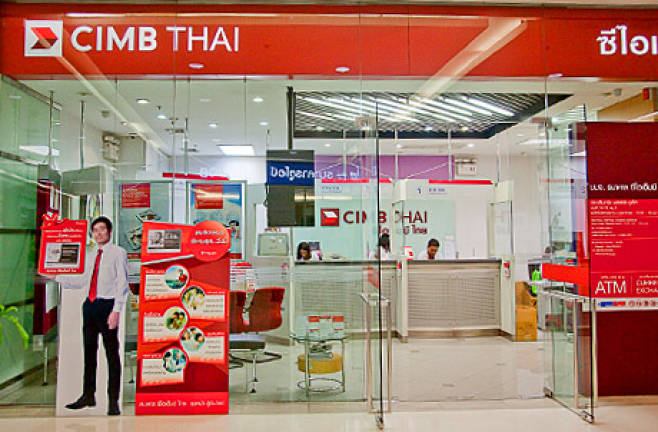
    CIMB Singapore Appoints CEO

    A corporate and retail banking stalwart replaces Mak Lye Mun, who retires after 10 years at the helm.

    CIMB Singapore has appointed Victor Lee as chief executive officer, the Malaysian bank announced on Thursday.

    With the new Industrial Revolution 4.0, we shall need to anchor down on partnerships, technology; customer obsession will be core, and an equally important sustainability agenda, Lee said about his priorities.

    He will concurrently hold the role of CEO of CIMB Group Commercial Banking, and will be a member of the CIMB Group’s senior management team.

    Lee joined CIMB in January 2019 as the bank’s CEO of group transaction banking, based in Malaysia. Prior to joining CIMB, Lee was executive vice president at Fullerton Financial Holdings for three years.

    According to his LinkedIn profile, Lee began his banking career in 1994 at DBS Bank. He has also held roles at UOB, Standard Chartered Bank, Citi and Sumitomo Mitsui.

  • Vietjet Receives New 240-Seat A321neo ACF Aircraft

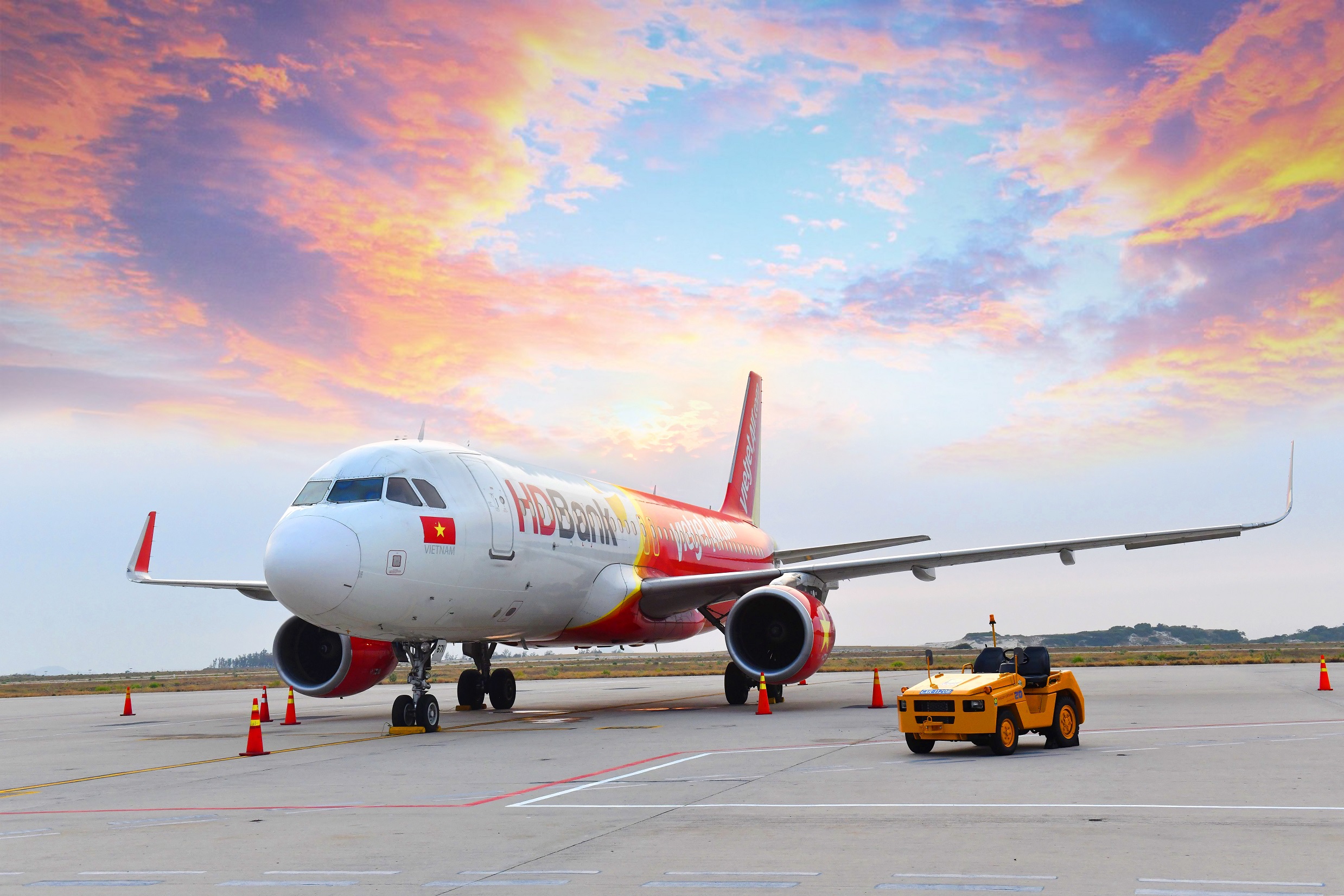
    Vietjet Receives New 240-Seat A321neo ACF Aircraft

    Vietjet has received two new Airbus A321 aircraft, registered as VN-A521 and VN-A542, on 31 December 2019 at Tan Son Nhat International Airport. The total number of aircraft in Vietjet’s fleet is now 80, and the VN-A521 aircraft is the third 240-seat A321neo ACF (Airbus Cabin Flex) aircraft in the world, with the two first of its type already being operated by Vietjet. With the arrival of the new aircrafts in the end of 2019, the new-age carrier is ready to meet the high travel demands during the festive period of Lunar New Year, as well as its fleet expansion plans in 2020.

    The new aircraft features leather seats and premium interiors. In particular, Vietjet’s third A321neo ACF aircraft has an innovative cabin structure to increase the total number of seats to 240. It also features the advantages of most modern Airbus aircrafts, including comfortable seat zones, fuel consumption savings of a minimum of 16 per cent, noise reduction of up to 75 per cent and emissions reduction of up to 50 per cent.

    Vietjet currently owns one of the world’s newest and most modern fleets with an average age of only 2.7 years. Vietjet has currently transported nearly 100 million passengers, with 130 routes covering destinations in Vietnam and international routes to Singapore, India, Japan, Hong Kong, South Korea, Taiwan, Thailand, Myanmar, Malaysia, China, Indonesia and Cambodia.


  • Tesla Says Will Start Delivering China-Made Model 3s To Public On January 7

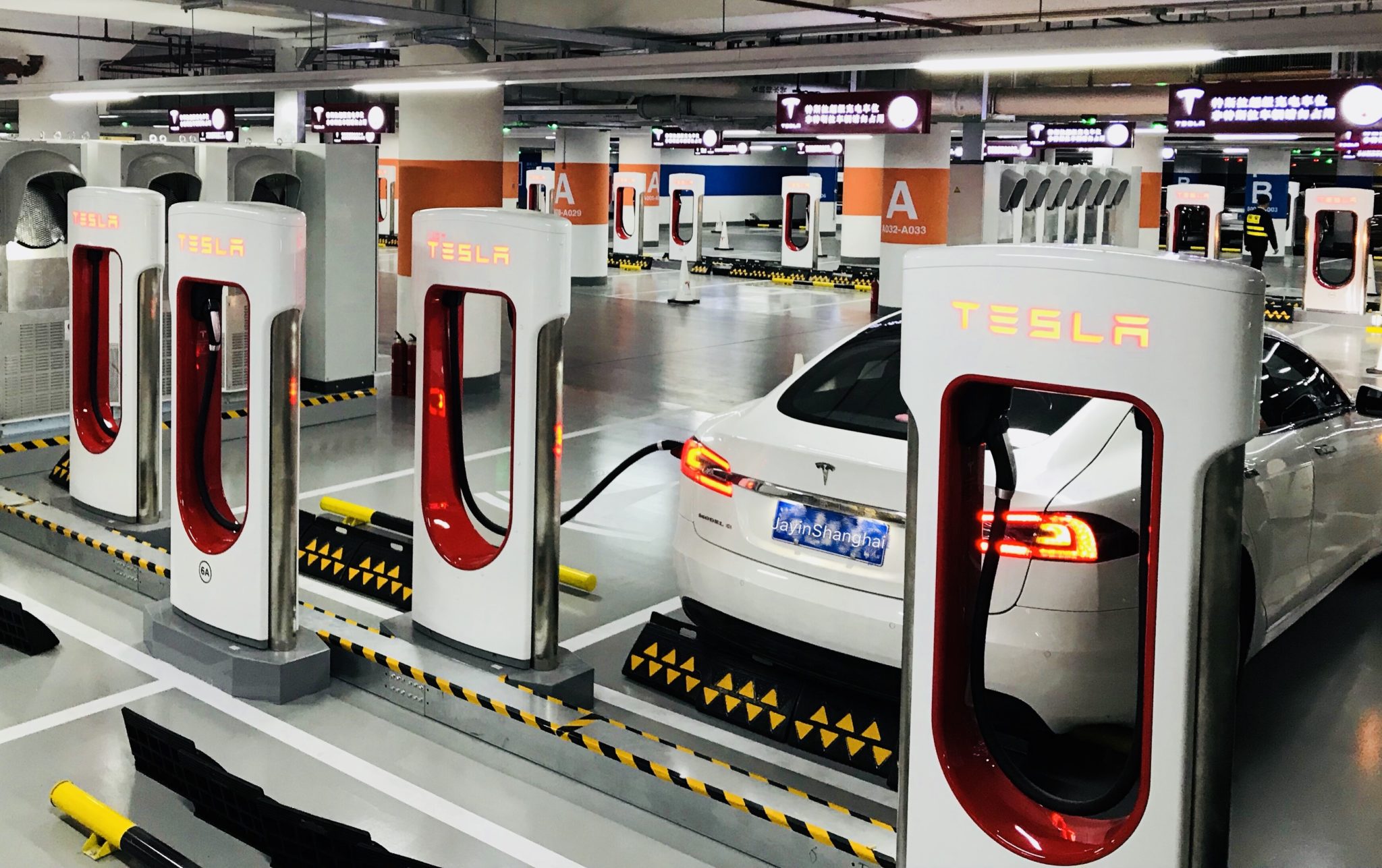
    Tesla Says Will Start Delivering China-Made Model 3s To Public On January 7

    Tesla will deliver its first Chinese made Model 3 sedans to the public on Jan. 7 at an event at its Shanghai plant, a representative for the firm told Reuters on Thursday. The Shanghai plant is part of the Silicon Valley automaker’s plans to bolster its presence in the world’s biggest auto market and minimise the impact of the U.S.-China trade war. Fifteen Tesla employees who had purchased a car were the first to receive their Model 3s on Monday after the first China-made vehicles rolled off the plant’s production line in October.

    The deliveries come a year after construction of Tesla’s only plant outside the United States began. Production started in October with a target of 250,000 vehicles a year once the Model Y is added to the line up. The Model 3 is priced at 355,800 yuan ($50,000) before subsidies. Tesla said previously that it wanted to start deliveries before the Chinese new year beginning on Jan. 25.

    Tesla’s China General Manager Wang Hao said the company plans to ramp up Model 3 deliveries in January.

    Tesla executives also told reporters the plant had achieved a production target of 1,000 units a week, or around 280 cars a day, and that sales for the China-made sedan had so far been “very good”.

  • Three of the biggest smartphone manufacturers unite to bring an AirDrop alternative to Android

    Three of the biggest smartphone manufacturers unite to bring an AirDrop alternative to Android

    Something people unfamiliar with iPhones are often surprised to learn is that iOS doesn’t have a “share via Bluetooth” option. Instead, Apple users rely on the company’s proprietary AirDrop feature to send files between each other but if an Android device gets involved, the options are email or an app.

    AirDrop uses a combination of Bluetooth and Wi-Fi to establish a fast and secure connection directly between two Apple devices which makes it very convenient. So far, there’s no such feature that works universally on all Android phones although some manufacturers have their own solutions. Well, that might change soon.

    Oppo, Vivo and Xiaomi announced in a press release that they’re forming the “Peer-to-Peer Transmission Alliance” in order to “provide users with an unparalleled file transfer experience.” The new file transfer system doesn’t have a name yet, but it will also use Bluetooth for pairing and WiFi P2P (peer-to-peer) for the data transfer.

    Despite relying on WiFi, the system won’t disconnect users from their WiFi networks and can be used simultaneously without interfering with other activities. The new system promises an average transfer speed of 20MB/s with maximum speeds potentially much higher depending on the devices involved.

    The three manufacturers are selling hundreds of millions of devices each year which will make a compelling case for other brands to join the alliance. Oppo owns the Realme and OnePlus brands, so we’ll likely see the new system on their new devices as well, while Xiaomi will surely add it to its Redmi phones. If Huawei and Samsung are convinced to join (less likely due to their large market shares) the system will encompass a very large percentage of Android devices and the remaining manufacturers will be smart to follow.

    Hopefully, what we’re seeing today is the laying of the foundation for an Android-wide file transfer system suitable for the needs of consumers today and in the future. The first smartphones with the new system will be available in February this year, according to the press release, with more to follow as the companies bring new phones to the market.

  • Microsoft takes action against hackers from North Korea

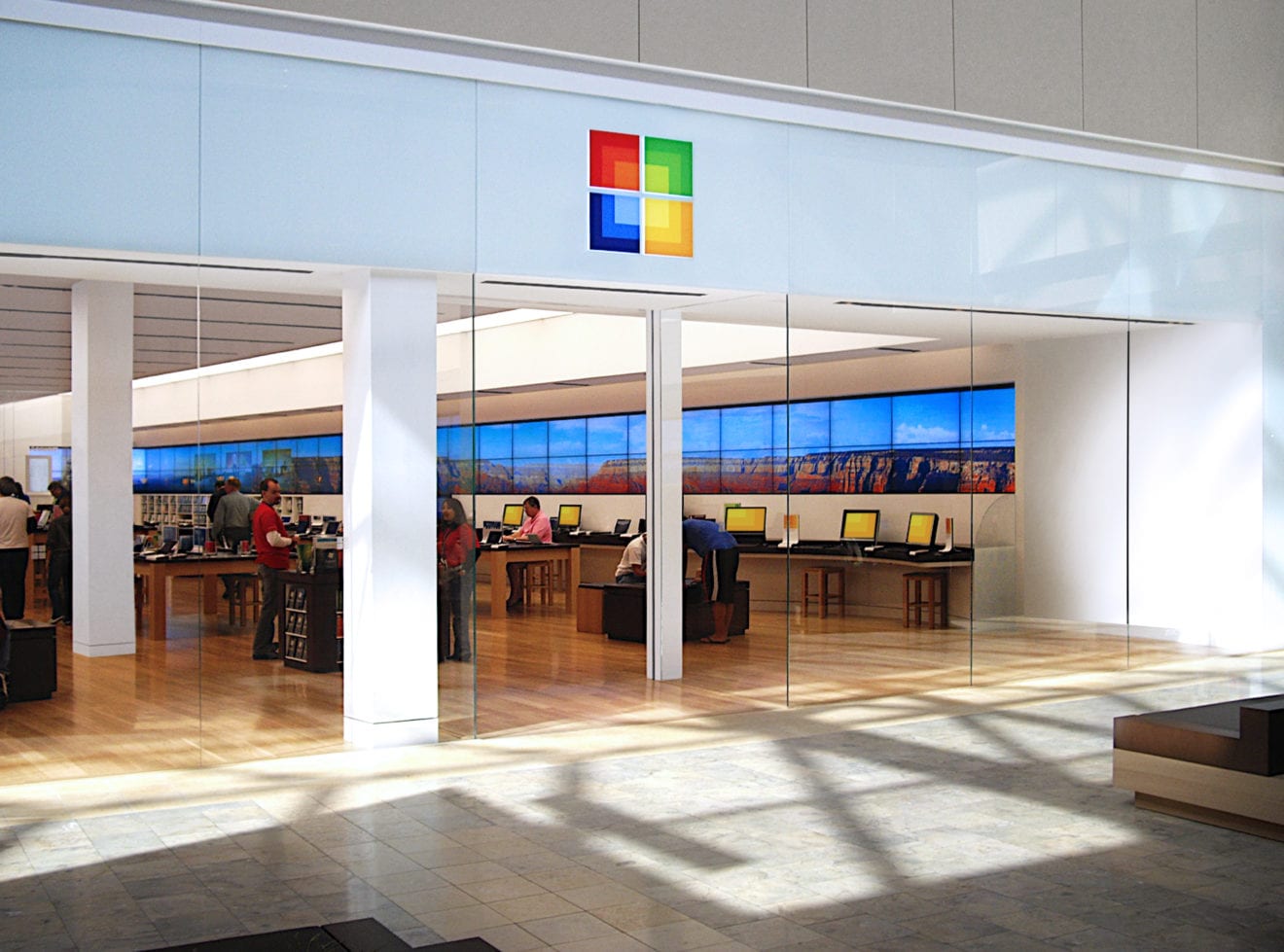
    Microsoft takes action against hackers from North Korea

    In a recent blog post on the Microsoft website, the company detailed steps it has taken to take legal action against a cybercrime group and protect customer information.

    The security threat came from a group known as Thallium, which reportedly is based in North Korea. The group used a technique called ‘spear phishing’ to steal sensitive information, in which the group replicated the form and design of a genuine Microsoft security email while embedding dangerous links that, when clicked, would allow the group to extract sensitive account information.

    According to the Washington-based firm, the threat was focused on users affiliated with the government, universities, human rights groups, and other organizations, with most of the victims concentrated in the US, Japan, and South Korea.

    The particularly dangerous part of the scheme is that once Thallium takes control of an account in this way, it is possible for it to set up automatic forwarding in a way that gives the group access to any new emails the victim receives, even after the password is reset.

    The cybercrime group was able to use this method by using domains such as “rniscoroft.com”, which uses the combination of ‘r’ and ‘n’ to facsimile the authentic Microsoft domain. Thus, the Windows company filed a court case and was able to take control of 50 such domains in order to stop the attacks.

    Microsoft states that this is the fourth nation-state cybercrime group they have taken legal action against. The security threat has hopefully now been neutralized, but users are advised to be wary of suspicious emails and always check carefully before clicking email links or entering sensitive information.

  • 759 Store parent boosts store count despite tough market

    759 Store parent boosts store count despite tough market

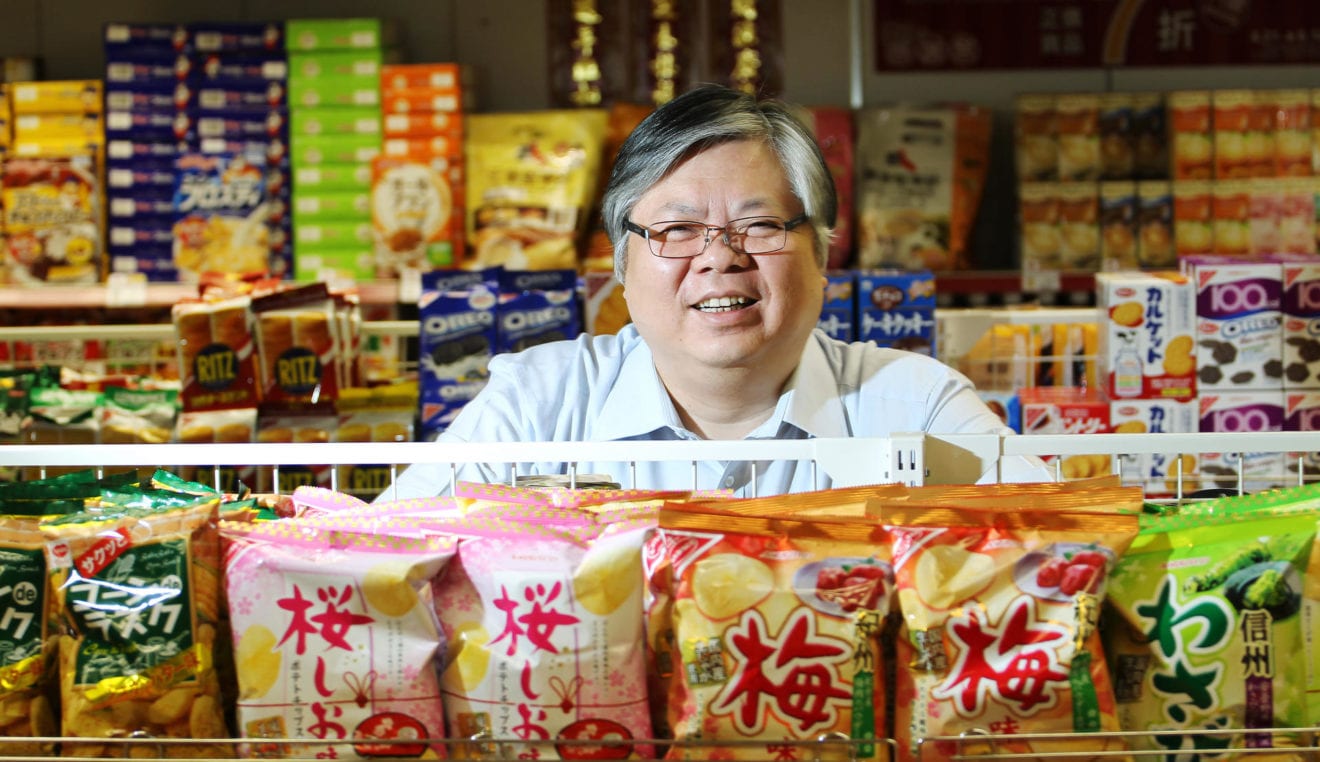
    Despite the torrid times facing Hong Kong retailers in the second half of last year, the 759 Store network achieved sales growth of 1.3 per cent to HK$853 million (US$109.5 million) in the six months to October 31.

    In a year that chairman Tang Fung Kwan described as “full of challenges” a one-off property valuation gain helped CEC increase its profit attributable to shareholders nearly fourfold in the October half. It rose from HK$1.431 million in the comparable six months to $5.07 million.

    Tang said changes happened “every single split second” during the period as the US-China trade war remained unpredictable and the local economy was affected by a series of “disturbances in society”.

    “In the period under review, the group held saving resources as its basic principle, adopting extremely prudent policies, taking restrictive cost control on the retail business and electronic component-manufacturing business, in order to … survive in the economic storm,” he said.

    The 759 Store network accounts for 96 per cent of the group’s revenue which on a consolidated basis was down by 1.1 per cent in the half year despite stronger retail sales.

    The consumer-goods retailer strengthened its portfolio of daily-living products during the half, including rice, noodles, food-grocery items and frozen food. That meant the share of snack foods and leisure foods in the portfolio decreased.

    To control costs, the group closed stores with relatively high rents but searched for potential sites that while in less prominent locations were available at reasonable rents. There was a net gain of three stores between April 30 and October 31 as six closed and nine opened.

    Tang said the company remained cautious of “the influences of uncertainties that come both internally and externally” in the year ahead.

    “The group will review the cost structure of current retail-store network, considering not to renew the tenancy agreements of some stores whose rents were too high, in the meantime searching for potential shop sites of suitable locations and relatively reasonable rents for replacement.

    “For the products, 759 Store will further strengthen its portfolio of food-grocery items, introducing many more items for rice, noodles, spaghettis, canned food, etc.”

    He said the company’s procurement team is approaching meat suppliers in Europe and North America with plans to boost its range of frozen meat. About four in five stores currently have freezer cabinets.

  • ColourLiving launches Wellness Living concept in Hong Kong

    ColourLiving launches Wellness Living concept in Hong Kong

    Hong Kong lifestyle store ColourLiving has launched a pop-up zone, Wellness Living, featuring a selection of home-enhancing concepts.

    Occupying 20,000sqft and spanning three levels, Wellness Living is the theme of the curated pop-up, which features three zones – Kitchen, Tailored Tea and Home Pool – all “based on the idea to help pacify the body and mind at home.

    The Kitchen area presents an ergonomic sink from Swiss brand Franke, offering multi-purpose preparation spaces equipped with appliances to create meals.

    Homegrown Hong Kong brand Lify is the second of the three debut Wellness Living home products. Specialised in dispensing premium natural herbal tea blends, the brand uses artificial intelligence (AI) to determine individual needs through an app. Herb qualities are independently certified, and the tea is filtered through specially-developed compostable discs.

    Designed and produced in Italy, Faraway Pool, sunken into the floor, combines whirlpool jets with contemporary aesthetics. The pool’s overspill perimeter appears as “an infinity edge”.

    Submerged mood lighting with colours adjustable on demand can help to relax or energise the pool user.

  • Major Thai retailers stop giving out plastic bags

    Major Thai retailers stop giving out plastic bags

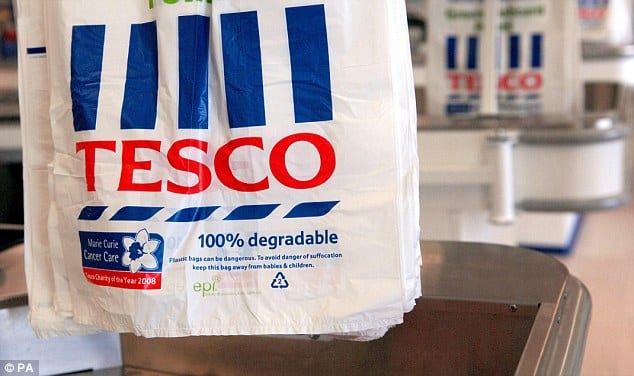
    Thai Retailers Association members have stopped providing customers with plastic bags as a ban took effect on January 1.

    A campaign titled Every Day Say No to Plastic Bags run by Thai Retailer Association will stop its 75 member chains from giving away plastic bags through 24,500 outlets, aiming to cut 13.5 billion plastic bags used in Thailand annually – about 30 per cent of the total.

    According to the Department of Pollution Control, 18 billion plastic bags (40 per cent) come from the fresh markets each year, while another 30 per cent or 13.5 billion bags come from local grocery stores. In Bangkok, each person uses eight plastic bags on average per day, creating around 80 million pieces of plastic waste daily.

    “Thailand was ranked sixth among the world’s top countries that dumps waste into the sea,” said Varawut Silpa-Archa, minister of natural resources and environment. “During the past five months, we were down to 10th … thanks to the cooperation of the Thai people.”

    The country reduced the use of plastic bags by 2 billion last year, in the first phase of a campaign to encourage consumers’ voluntary refusal of plastic bags from stores. Many department stores and supermarkets in Thailand already have their own programmes to cut down on plastic bags.

  • Charles & Keith opens more stores in Hong Kong

    Charles & Keith opens more stores in Hong Kong

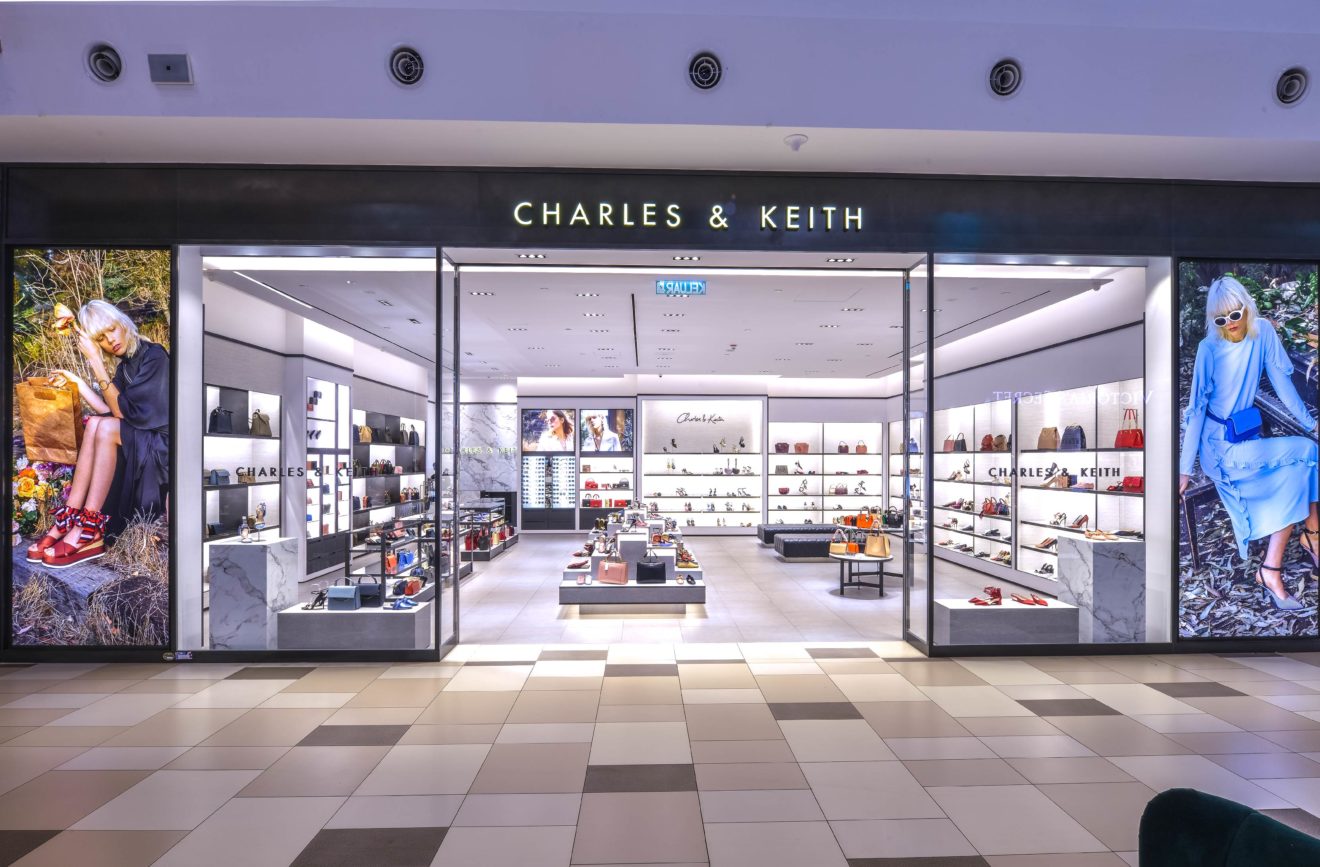
    Singapore footwear and accessories label Charles & Keith is unveiling three new stores at the APM mall, DFS T Galleria Sun Plaza Canton Road and Langham Place in Hong Kong.

    Each of the three new locations caters to a different demographic of shoppers – APM is a day to night shopping mall, while DFS T Galleria offers a luxury travel retail experience; Langham Place is the largest mall in Mong Kok.

    The aesthetic of the new Charles & Keith stores is inspired by a refined brand identity, featuring limestone fixtures in contrast with dark grey powder furnishing, attempting what the brand describes as “a sophisticated simplicity”. To provide customers with a curated experience, each section of the stores communicate different stories of the season.

  • Lancome launches Absolue Gold Power pop-up at Sanya

    Lancome launches Absolue Gold Power pop-up at Sanya

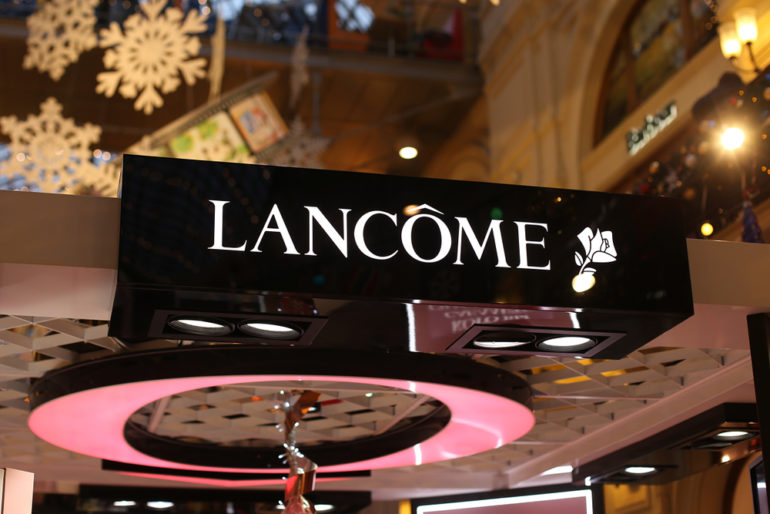
    Luxury beauty brand Lancome has launched a pop-up store at the Sanya International Duty Free Shopping Complex in Hainan, China.

    Following earlier VIP events in Beijing and Seoul, the Gold Power pop-up, which also marked the first Lancome x CDFG collaboration with the brand’s premium Absolue franchise, extended a luxurious experience to Sanya travellers while promoting Lancome’s French rose-infused Rejuvenated Absolue Soft Cream.

    The pop-up featured an outdoor installation of more than 5000 pink roses surrounding a larger-than-life Lancome Absolue gold jar. In store a 3D digital screen invited travellers to immerse themselves in the brand’s soft cream texture story and browse an assortment of skincare products and travel-exclusive offerings, with personalised skincare consultations.

    “Travelling consumers nowadays are looking for iconic products, desirable brands and memorable experiences,” said L’Oreal Travel Retail Asia Pacific MD Emmanuel Goulin. “This is precisely what we try to achieve with this first-ever Lancome Absolue pop-up in Haitang Bay created in partnership with China Duty Free Group. As such, I am confident that the Absolue range will continue to write the future of Lancome skincare, and become the perfect new cream to win in the highly competitive and strategic premium skincare market.”

    Prominent celebrities and KOLs were invited for special appearances at the pop-up, including Lancome’s brand ambassador, renowned actress Yu Fei Hong.

  • JD wants its My Pet Profile to transform animal lives across China

    JD wants its My Pet Profile to transform animal lives across China

    Customers of JD can now store detailed profiles of their pets online and receive updates of suitable products, services and care instructions through JD’s My Pet Profile Initiative function.

    With My Pet Profile, brands can improve their product specifications and target marketing campaigns to specific pet demographics. Nestle Purina’s Pro Plan brand has piloted the initiative recently, and saw its click rate quickly double among customers who received targeted recommendations.

    “By providing insights not only on pet owners, but for the first time also on their pets, JD has taken us to the next step,” said Zoe Zuo, marketing director at Nestle Purina. “The My Pet Profile Initiative represents an expanding database of growing importance for us because it helps us improve our products and strategies. We will work on these insights to recommend products to customers with more precision, helping ensure our customers have longer and happier relationships with their beloved pets.”

    A report released by JD and Nielsen shows that Chinese pet owners are now more engaged with their animals and more interested in improving their pets’ health and longevity. In 2018 the year-on-year sales increase of imported pet brands was 118 per cent higher than that of domestic brands. Services related to pets are also on the rise, such as grooming and medical care.

    Tianyang Fan, head of pet products at JD Fast Moving Consumer Goods, said the initiative provides a better shopping experience for pet owners, while also serving brand partners who are looking to improve their products and marketing solutions based on consumer insights.

    JD also hopes to become Chinese pet owners’ one-stop destination for pet-related information and the types of high-quality pet products. Currently applicable only to cats and dogs, the initiative could be expanded to offer tailored information about other pets, such as aquatic creatures.