Tag: asia

  • Thailand’s Central Retail Group confirms IPO launch

    Thailand’s Central Retail Group confirms IPO launch

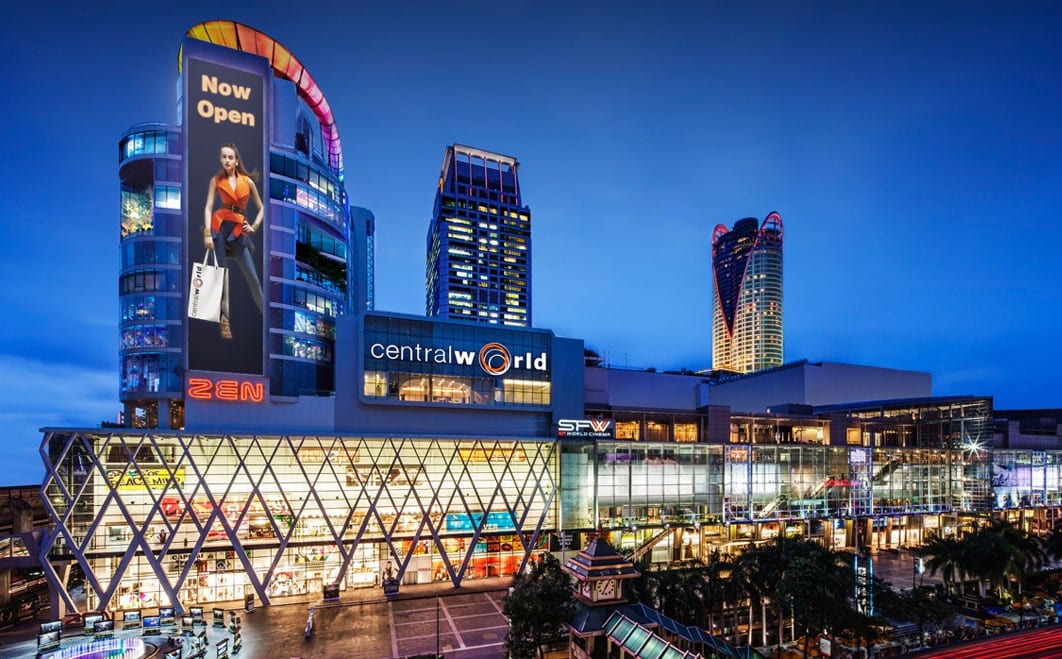
    Central Group subsidiary Central Retail Corporation, aims to raise up to THB81.1 billion (US$2.7 billion) in an initial public offering (IPO), which will be Thailand’s largest yet.

    Central Retail’s IPO price will range between THB40 to 48 per share. The company will sell up to 22.1 per cent of its stock or 1.69 billion shares with an overallotment option of 169 million shares. Investors can subscribe from February 6.

    Central Retail’s planned offering would be Thailand’s largest on record ahead of the BTS Rail Mass Transit Growth Fund, which raised US$2.1 billion in 2013.

    Funds raised will be used to expand its domestic and international businesses and to pay off debt, according to a spokesperson.

    As part of its listing plans, Central Group will delist its retail subsidiary Robinson PCL and offer a share swap to Robinson’s existing shareholders with no cash alternatives. The share swap will start in late January.

    Central Retail achieved sales of $3.46 billion in the six months to June. Some 43 per cent of that came via its food business, 34 per cent from fashion and the remainder from hardware.

  • Malaysia Plans Digital Banking License Launch

    Malaysia Plans Digital Banking License Launch

    Malaysia becomes the latest to capitalize on the rising trend of digital banking with plans to issue up to five licenses.

    Malaysia’s central bank will issue the new licenses under a proposed framework that will be finalized in the first half of 2020 which will cater to online banks offering both conventional and sharia-compliant services.

    Such digital banks are expected to offer meaningful access to and promote responsible usage of suitable and affordable financial solutions to financial consumers, according to a  report citing a statement from Bank Negara Malaysia (BNM).

    According to a draft proposal, the Internet-based lenders could help close the gap in Malaysia’s underserved customers and unbanked individuals. The new digital lenders will also have access to the country’s shared ATM network.

    Preference will be given to license recipients where the controlling equity interest in the proposed licensed digital bank resides with Malaysians, the draft added. Other requirements include demonstrable viability for the first three to five years of operations with an asset threshold of no more than 2 billion Malaysian ringgit ($490 million) during the period.

  • OCBC, Keppel, Validus Make Digital Banking Pull Out

    OCBC, Keppel, Validus Make Digital Banking Pull Out

    Despite initial interest, a consortium made up of Singaporean lender OCBC, marine giant Keppel and peer-to-peer lending platform Validus has decided not to pursue a digital banking license in the city-state.

    The decision against applying for a license is believed to be linked with an ongoing strategic review of Keppel’s core operations, according to a report, in the midst of a takeover via a partial offer by Temasek.

    The consortium was expected to leverage the network of small vendors from Keppel with financing through the Validus platform which houses several large corporates including shipyards and logistics firms. Effectively, the partnership would allow large corporates to take advantage of their blue chip status to provide financing to their small contractors and suppliers to ensure the completion of projects on schedule.

    The Monetary Authority of Singapore will issue just five licenses which include two full licenses, which covers retail banking, and three wholesale banking licenses. The latest reported interest came from a partnership between Grab and Singtel which envisions their establishment of a truly customer-centric digital bank.

  • VW Starts Settlement Talks With German Consumer Groups Over Diesel Scandal

    VW Starts Settlement Talks With German Consumer Groups Over Diesel Scandal

    Volkswagen on Thursday said it was in talks to discuss a settlement with German vehicle owners who are suing the carmaker over excessive pollution caused by VW’s diesel cars. In 2015 the carmaker admitted to using manipulated engine management software to mask excessive pollution levels in its diesel cars, sparking a raft of prosecutions and lawsuits that have led to at least 30 billion euros in legal costs and fines.

    “Volkswagen and the Federation of German Consumer Organisations vzbv have agreed to enter into discussions regarding a possible settlement,” the carmaker said.

    “The discussions are at a very early stage, and there is no guarantee that they will result in a settlement. Both parties have agreed that the discussions should remain confidential.”

    German consumers have had less success than vehicle owners in the United States in securing compensation from VW because German cars did not lose their road worthiness certification in the wake of the diesel scandal.

    In Germany VW’s diesel vehicles retained their road worthiness certification if customers agreed to an update of vehicle engine management software, leading VW to take a different approach to compensating consumers.

  • Razer-Led Consortium Bids for Digital Banking License

    Razer-Led Consortium Bids for Digital Banking License

    A consortium led by Razer is the latest to join the race for one of Singapore’s five digital banking licenses.

    The consortium includes the Singapore supermarket giant owners’ – the Lim brothers – private vehicle Sheng Siong Holdings; Richard Li’s insurance firm FWD Group; internet entrepreneur Chen Danian’s tech company LinkSure Global; Insignia Ventures Partners; and Carro, an online marketplace for cars.

    Razer, which leads the consortium, will own a 60 percent in the stake with the remaining five partners holding a 40 percent stake, according to an SCMP report citing a statement.

    We’ve thought about this long and hard,» said Lee Li Ming, Razer’s chief strategy officer and the newly appointed CEO of Razer Fintech as of January 1. We believe that we can do something revolutionary here in Singapore.

    According to Lee, the firm will target those in the age group of 12 to 35 years old due to the segment’s limited financial knowledge and challenges with entering the banking system due to a lack of savings and credit history. The firm will look to leverage its base of young users alongside its existing digital payment networks Razer Merchant Services and e-wallet service Razer Pay.

    Youth and millennials are underserved even in a crowded space like Singapore, Lee commented. We want to help them from a young age.

    Prior to the Razer-led consortium, Grab and Singtel were the latest to reportedly form a partnership to jointly bid for a digital banking license. The Monetary Authority of Singapore will announce the successful recipients of the digital banking clines in mid-2020.

  • Harrods opening store in Shanghai

    Harrods opening store in Shanghai

    British department store Harrods will open a location in Shanghai.

    According to Retail Gazette, the store will be the brand’s first standalone site outside the UK and will target China’s growing middle class.

    “If you look at all of the reports, they say, quite categorically that all of the growth in the next five years is going to come from Southeast Asia. And is going to come from millennials,” said Harrods MD Michael Ward. “So we’ve got to go after that. It’s very important that you follow the money. We see continued growth of China, but we see a need to be a more permanent resident in China.”

    Harrods has been making investments in China for a decade, and will launch in the Pudong area in response to strong consumer demand. The store will serve private shoppers targeting the high-end market.

  • Standard Chartered Adds Information Chief in Singapore

    Standard Chartered Adds Information Chief in Singapore

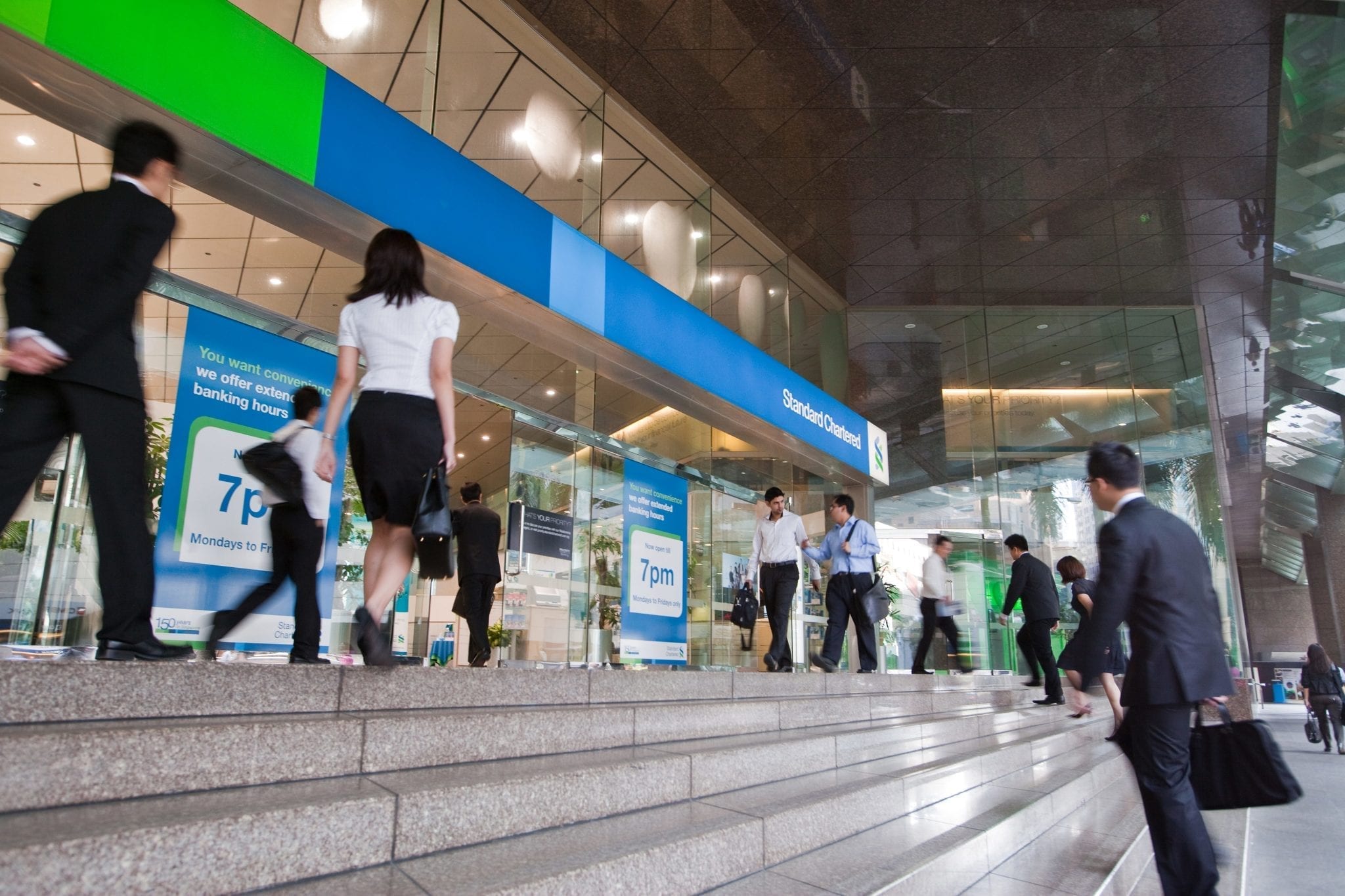
    Standard Chartered hires a chief information officer for its corporate, commercial and intuitional banking arm, based in Singapore.

    Rene W. Keller joins the British lender with responsibilities over the business’ «technology strategy, architecture and delivery value chain,» according to a release. He will report to Dr. Michael Gorriz, group chief information officer (CIO) at Standard Chartered.

    Keller was most recently a group data officer and group head of innovation at Deutsche Bank after serving as the bank’s global CIO of its private wealth arm. Previously, he was group CIO for Germany’s international exchange, Deutsche Börse; COO for fintech Information Mosaic; alongside other tech leadership roles at Swiss Life, Credit Suisse and UBS.

    The hire signals greater commitment by Standard Chartered to build capabilities to capitalize on the industry’s ongoing path towards digitalization as well as withstanding the emerging entrants of promising fintech players, especially in Asia.

    The hire signals greater commitment by Standard Chartered to build capabilities to capitalize on the industry’s ongoing path towards digitalization as well as withstanding the emerging entrants of promising fintech players, especially in Asia.

    The bank has already undergone several projects to boost its tech capabilities including: a mobile token rolled out for corporate clients in more than 38 markets; the joining of the Enterprise Etherium Alliance to develop blockchain research and application in banking; and established a new venture, alongside five other founding banks, to address unmet financing demand from the early stages of supply chains.

    Keller will play an instrumental role in driving the business forward by digitizing our clients’ experience and co-creating innovative solutions by partnering and maintaining its fundamental role against the growing competition of fintech and big tech,» said Gorriz, underlining the corporate, commercial and institutional business’ ongoing «growth and evolution journey.

  • India’s Lenskart wins US$275 million in Softbank funding

    India’s Lenskart wins US$275 million in Softbank funding

    Indian omni-channel eyewear retailer Lenskart has raised an investment of US$275 million from SoftBank Vision Fund.

    Several of the firm’s existing investors sold their stake in the business during the latest Series-G financing round. The new funding has lifted the firm’s total investments to date to $456 million, leaving Lenskart with a valuation of more than $1.5 billion.

    The firm currently sells via more than 500 outlets throughout more than 100 Indian cities. The firm started as an online-only business, with 60 per cent of current sales still taking place online.

    “We are thrilled to have SoftBank Vision Fund with us in our journey,” said Lenskart founder and CEO Peyush Bansal in an interview with TechCrunch. “Their understanding of consumer and technology will help us build the next edition of Lenskart.”

    The firm’s latest inflow of capital will be used to improve its IT infrastructure and supply chain.

  • JD’s 7Fresh launches two new concepts in Beijing

    JD’s 7Fresh launches two new concepts in Beijing

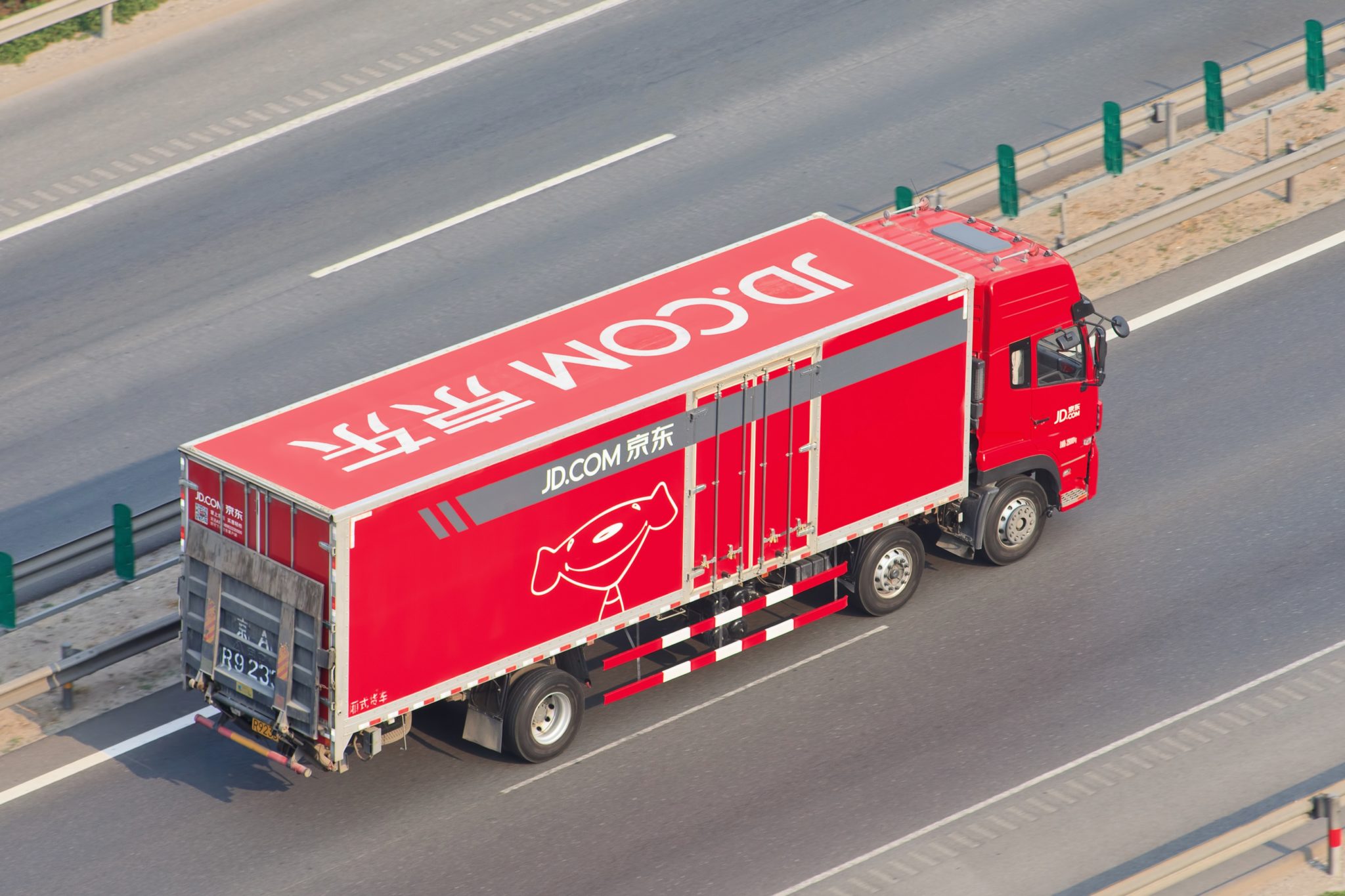
    E-commerce giant JD.com has opened a 24/7 store chain, 7Fresh Life, in Beijing.

    At the same time, the firm has launched its first Seven Fun lifestyle space in Beijing, intended to serve as a “third place” for working professionals.

    The 7Fresh Life food chain supermarket, which launched last month, offers mealtime solutions within a 300–400sqm area. The venue is located in the Huilongguan residential area in northern Beijing, one of the largest residential neighbourhoods in Asia.

    Targeting especially young mothers and kitchen owners, the chain is conceived of as a restaurant, fresh food store and convenience store combination, providing more than 3000 selected fresh items of produce, daily groceries and also ready-to-cook and ready-to-eat food, equipped with an in-store dining area.

    It also provides a location-based online channel through its app for consumers to buy from the community shop anytime and have items delivered to their doorstep within as fast as 30 minutes from the time of order. The home-delivery service covers a 1.5km radius, including 38 surrounding communities and three office areas, reaching 50,000 families and 1000 office professionals.

    As a brand under 7Fresh, Seven Fun consumers can order anything in the store from the same 7Fresh app to be delivered to their doorstep.

    In addition to the items offered in-store, a large number of products from JD’s e-commerce platform can be ordered through the chain’s online channel, such as seasonal, large-size, beauty and baby and maternal products. It also provides services such as power bank rental, 24-hour parcel pick-up lockers, bill payment, top up, courier and a dry cleaning service, among others.

    “With JD’s deep understanding of consumers and our strong supply chain providing global and local fresh produce and mealtime solutions, 7Fresh has become a trusted source for consumers buying fresh food offline,” said JD’s head of 7Fresh Jonathan Wang. “7Fresh Life will better serve the diverse and unique needs of Chinese families, providing for each person at any time for any need, online or offline.”

    Dine, drink and socialise

    The firm’s Seven Fun concept is a dining, drinking and social venue offering breakfast from sunrise and late night drinks as well as lunch, afternoon tea, snacks and daily groceries.

    Located in Galaxy Soho on the second ring road of Beijing, the roughly 1000sqm store is designed specifically to cater to working professionals aged between 26 and 45 in first-tier cities. It was designed to meet the trend of global consumers shifting from going to the store to buy products to going to the store to experience products and buy services.

    The inaugural Seven Fun outlet offers more than 3500 products such as fresh food, baked goods, fresh flowers, and groceries. It features 12 selected eateries targeting the 200,000 working professionals within a 1km radius of the store.

    “As a lifestyle retailer, Seven Fun is innovating the retail landscape in China,” said Wang. “Through this concept, JD provides an unprecedented “Solomome” (social, local, mobile and personalised) offline experience that serves as a pioneering model for future brick-and-mortar stores.”

    Future expansion of Seven Fun is expected to focus on tier-one cities, targeting working professionals with an annual income of more than RMB100,000 (US$14,360).

  • AirAsia starts exclusive route from Kuala Lumpur to Da Lat, Vietnam

    AirAsia starts exclusive route from Kuala Lumpur to Da Lat, Vietnam

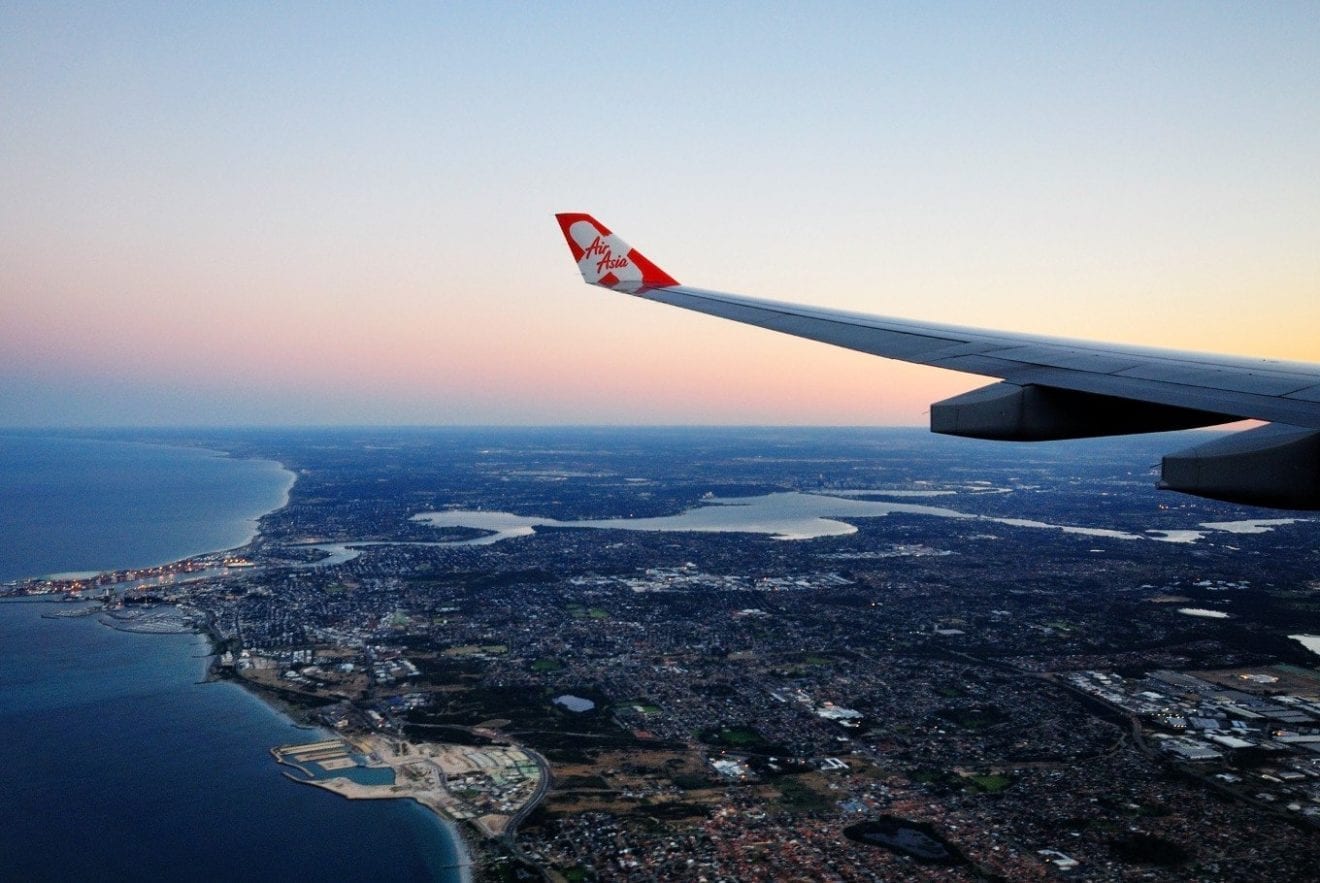
    AirAsia has unveiled its maiden flight to Da Lat, capital of Lam Dong province in the central highlands of Vietnam. The inaugural flight made history as the first international airline to offer direct services between Kuala Lumpur and Da Lat.

    Nattinee Tawanchulee, regional commercial head of AirAsia said: “We now add our latest destination to further expand footprint in Vietnam. This new direct service will provide additional air connectivity to the people in the central highlands of Vietnam to travel across the region, as well as introducing Da Lat as a holiday destination to the world. Also known as the city of eternal spring for its pleasant weather, it welcomes visitors all year round.”

    Da Lat is AirAsia’s seventh destination in Vietnam after Hanoi, Ho Chi Minh City, Da Nang, Nha Trang, Can Tho and Phu Quoc.

  • Tesla secures more than $1.4 billion in financing from China

    Tesla secures more than $1.4 billion in financing from China

    Tesla clinched more than 10 billion yuan ($1.4 billion) in financing from local banks for its Shanghai factory as it prepares to begin deliveries of China-made Model 3 sedans in the country, people familiar with the matter said.

    An announcement will probably be made as soon as this week, one of the people said, asking not to be identified discussing a private matter.

    CEO Elon Musk is counting on the China plant to help build on recent momentum for the company in the world’s largest market both for electric vehicles and autos in general. Tesla’s new-car registrations in China climbed to a five-month high of 5,597 in November, compared with 393 a year earlier, according to state-backed China Automotive Information Net.

    Tesla’s China-built Model 3s are set to start at about $50,000, slightly cheaper than imported versions. The company may lower the price of locally assembled sedans by 20 percent or more next year as it starts using more local components and reduces costs, people familiar with the matter have said.

    Reuters earlier reported on the financing. Tesla representatives didn’t immediately respond to requests for comment.

  • Apple reportedly has plans to bypass carriers and deliver data itself to the iPhone

    Apple reportedly has plans to bypass carriers and deliver data itself to the iPhone

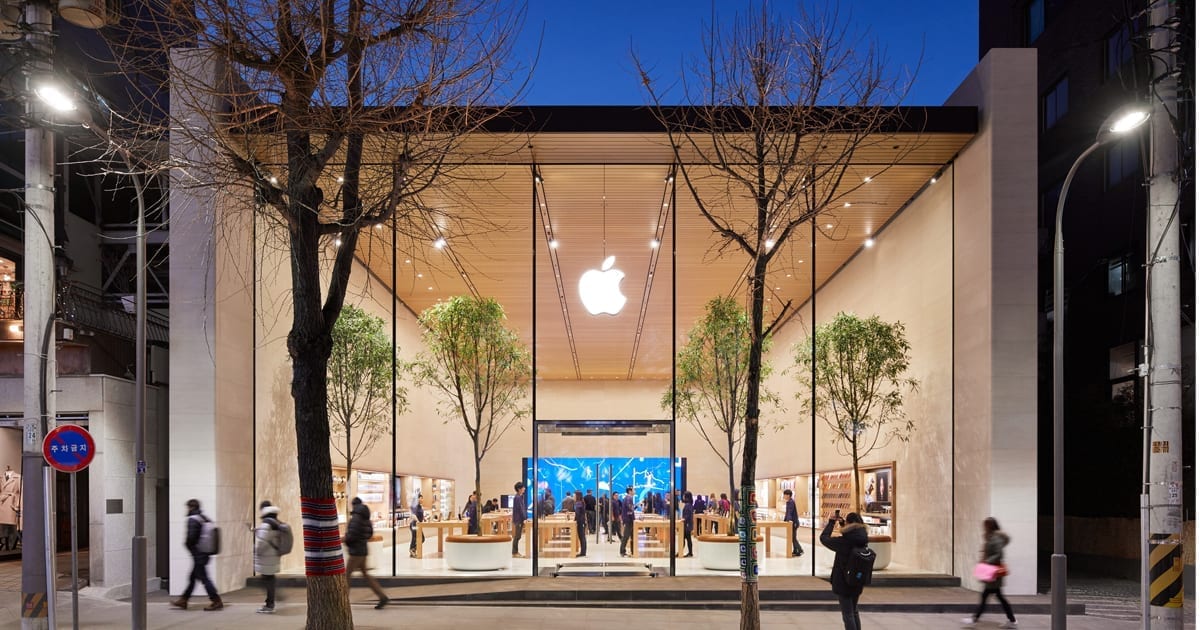
    In five years, Apple iPhone and iPad users might be able to receive online content on their phone directly via satellite and bypass their wireless carrier. According to Bloomberg, the company has a secret team involving 12 engineers currently working on such a project. Sources cited by Bloomberg caution that the project is in its early stages and could still be dropped. But with company CEO Tim Cook taking an interest in the project, it is clear that satellite delivery of online content is high on Apple’s to-do list.

    Besides using satellites to beam the internet directly to iPhone units, Apple could be looking into the use of satellite technology to provide iPhone owners with improved navigation and mapping capabilities. It is unclear whether the company plans on developing its own satellites, which would be a rather costly endeavor, or will use the equipment on the ground to send data obtained by a satellite and send it to iPhones and iPads.

    The project might not be limited to Apple’s mobile devices and could actually be a workaround allowing Apple to become a wireless operator. This would allow the company to take on the carriers worldwide. While this was something that the late Steve Jobs was hoping to accomplish, back in 2016 Tim Cook said that the company didn’t have the expertise on a network level. But using satellites might be a different story. However, this won’t be easy. “The lessons of prior failures like Iridium, Globalstar and Teledesic are that it’s really hard to find a viable business plan for multibillion-dollar satellite communications projects,” said satellite expert Tim Farrar, a principal at TMF associates. But Apple must feel confident that it can turn a buck with this technology. Apple isn’t the only tech company looking at the sky; Amazon plans on deploying more than 3,000 satellites that will first be sent into space in 2021. In a regulatory filing, Amazon said that it hoped to connect “tens of millions of unserved and underserved consumers and businesses in the United States and around the globe.”

    Some have noticed that Apple is looking for software and hardware engineers that have worked on designing components for communications equipment. Pair that with recent hires made by Apple of people with experience in the aerospace and wireless data delivery industries and it all starts to become a little clearer. The team working on the project is led by aerospace engineers Michael Trela and John Fenwick. The pair worked on a satellite imaging firm that was eventually sold to Google five years ago and they ended up running Google’s satellite and spacecraft operations before leaving for Apple in 2017. After spending 18 months examining whether Apple could benefit from satellite technology, the team has started work on making this a reality. Both Trela and Fenwick report to Apple’s iPhone engineering group.

    Apple’s work on the use of satellites to deliver content to mobile devices is one of several special projects that the company is reportedly working on. Virtual reality and augmented reality headsets are said to be in the works with launches expected in 2021 and 2022 respectively. Bloomberg also mentions that Apple continues to work on technology for the Apple Watch that will allow the timepiece to provide non-invasive blood glucose readings for diabetics. This is a project that we have mentioned from time-to-time. And the company is also planning to design its own modem chips which will allow it to replace Qualcomm. Even though Apple spent $1 billion to purchase Intel’s smartphone modem business earlier this year, it will still be several years before an Apple-designed modem chip is found inside the iPhone.

  • Twitter’s Android app gets patch to fix serious vulnerability

    Twitter’s Android app gets patch to fix serious vulnerability

    Twitter announced yesterday that it patched a vulnerability in the Twitter for Android app that could have allowed a hacker to control a Twitter user’s account and send tweets and DMs from it. The vulnerability also could have given bad actor access to non-public information. Twitter says that it has no evidence that the vulnerability was ever exploited, but just to play it safe it is “taking extra caution.”
    Users of the social-media app who might have affected are being notified via the Twitter app or by email. Either way, the user will receive instructions to follow that the company says will keep them safe. The instructions received by each affected subscriber depend on the versions of Android and the Twitter app for Android being used. Twitter says that if you’re not sure what to do, just install the latest version of the app from the Google Play Store.
    Twitter says that it is sorry and will continue working to keep your data secure. If you have some questions, you can ask the company how it protects your personal data by filling out a Data Protection Inquiry Form. The iOS version of the Twitter app did not have a vulnerability which means that iPhone and iPad users will not be receiving any instructions from the firm.
  • Vietnam improves its online shopping readiness

    Vietnam improves its online shopping readiness

    Vietnam has jumped five places to 64th in this year’s global index of readiness for online shopping, a UN report says.

    With an average score of 61.1 points on a scale of 100, Vietnam did better than most of its Southeast Asian peers in terms of its preparedness for e-commerce, according to the B2C (business-to-consumer) E-commerce Index recently released by the United Nations Conference on Trade and Development.

    Singapore ranked third on the global list while Malaysia came in 34th, Thailand (48th),  Indonesia (84th), the Philippines (89th), Laos (113rd), Cambodia (122nd), and Myanmar (126th).

    The ranking measured 152 countries and territories around the world based on four indicators with a high correlation to online shopping: Internet server access, postal service reliability, share of the population who use the Internet, and share of population aged above 15 who have an account with a financial institution or mobile-money-service provider.

    According to the report, 70 percent of Vietnamese people use the Internet and 31 percent of individuals aged from 15 and above have bank accounts or mobile bank accounts.

    Vietnam has proportions of secure Internet servers and postal reliability at 66 and 77 percent respectively.

    The report also showed online shoppers in Vietnam account for 31 percent of Internet users and 19 percent of the 94-million population.

    The country has targeted that 30 percent of its population shop online between 2016 and 2020, with yearly sales value of approximately $350 per person.

    E-commerce revenue reached $2.26 billion last year, up 30 percent over 2017, according to Germany-based data portal Statista.

    Vietnam’s e-commerce market is estimated at $5 billion this year and is set to reach $23 billion in 2025, according to a recent report by Google, Singapore-based investment firm Temasek, and U.S.-based consultancy Bain.

  • Global Christmas break can boost Vietnam stock market

    Global Christmas break can boost Vietnam stock market

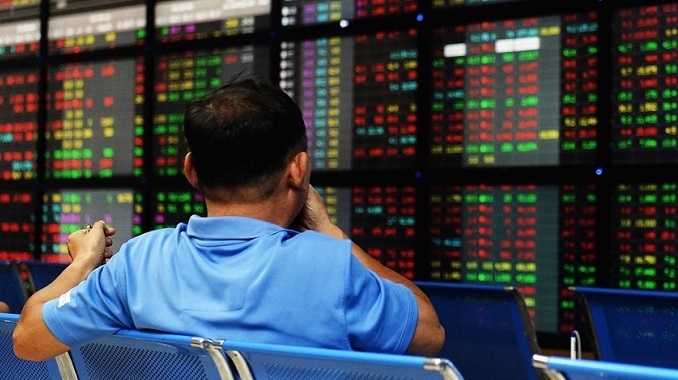
    Global stock markets closing for Christmas break on Wednesday could reduce selling pressure from foreign investors and help the VN-Index recover, analysts say.

    With foreign investors have been net sellers for the majority of sessions in December, the Christmas break could ease selling pressure and help the VN-Index reach 958-961 points in the first few sessions this week, according to a report from Bao Viet Securities (BVSC).

    Vietnam’s benchmark Index closed at 956.41 points on Friday, having risen 0.44 percent with most blue chips stocks in the green, despite a foreign net sell of VND340 billion ($14.66 million).

    If the stock market can rise above 960 points, a psychological threshold, the market could enter a recovery phase, potentially rising up to 980-985 points in the near future, BVSC said.

    Although the VN-Index had plunged from 1015.59 points to 956.41 points in the last two months, downward momentum had slowed down in the past two weeks. It lost only 10 points in the last two weeks, and neared the 950 support level many times but never fell further.

    The market is also beginning to show positive signals at the end of the year, considered a peak time when exchange-traded funds (ETFs) restructure their portfolios and futures contract mature, according to analysts.

    For instance, liquidity on Friday session reached VND3.39 trillion ($146.13 million), the highest level in the last two weeks, most recent sessions recording net buys from domestic investors, with the VN-Index hovering above the opening for the duration of these sessions.

    However, liquidity remains relatively low to averages of previous months, showing that investors are still cautious and it will be difficult for the market to make a breakthrough in the last sessions of the year, according to BVSC.

    After this week, Vietnam’s stock market will have two last sessions for 2019. Many analysts have released reports focusing on long-term drivers for the market, with positive stimulus expected from amendments to Public Investment Law due next year, the U.S.-China reaching a trade agreement, and Vietnam’s steadily growing macroeconomic indicators.

    Vietnam’s economy is estimated to expand by 6.8 percent this year, with a continued trade surplus and declining public debt, according to the latest report by the World Bank

    Asian Development Bank this month revised its GDP growth forecast for Vietnam from 6.8 to 6.9 percent in 2019.