Tag: asia

  • Asia will account for 45 per cent of global retail sales next year

    Asia will account for 45 per cent of global retail sales next year

    The world’s retail market is expected to slow down next year, but Asia will account for 45 percent of global retail sales, according to a new report from economic and business research group The Economist Intelligence Unit.

    In terms of volume, sales growth will slow compared to this year, but in US-dollar terms growth will accelerate. This divergence will reflect differing regional trends in demand, pricing and exchange rates, with developing markets outpacing developed ones.

    “It’s a mixed picture for global retail sales in 2020,” said The Economist Intelligence Unit consumer goods analyst Shveta Sharma. “Although there will be areas of opportunity, particularly in Asia, there are several threats to the industry.

    “The US-China trade war, Brexit and the protests in Hong Kong will all take a toll, while some retailers will also struggle to keep up with the continued shift online. We expect more store closures and job cuts.”

    Online retail will continue to undermine the competitiveness of brick and mortar stores next year, she said. Growth will be driven by social media apps such as TikTok and Instagram, as well as better digital payment systems. Retailers and consumer goods producers will need to adapt quickly to changing local conditions, shifting suppliers and closing stores as demand patterns change.

    The EU, however, is leading a backlash, scrutinizing the marketing tactics of online players as well as their efforts to avoid taxes. The scale of job cuts will also prompt more scrutiny in the US, in the run-up to November’s presidential election.

    The group’s full report on global retail sales is available for download here.

  • Hong Kong retail ‘will recover’ says analyst

    Hong Kong retail ‘will recover’ says analyst

    The Hong Kong retail industry – hammered by declining visitor numbers from the mainland will recover, says leading analyst Pascal Martin, a partner at OC&C Strategy Consultants.

    As reported earlier this week, Hong Kong retail sales in October plunged by 24.3 percent year on year – the largest decline since records began. That followed a revised fall of 18.2 percent in September and several retailers have told Inside Retail Asia they expect November’s figures to be even worse.

    But Martin has a positive spin: “The Hong Kong market will recover, as it always does. As soon as Chinese tourists are reassured about the safety and convenience of visiting Hong Kong, they will come back.”

    However, he cautions than the recent events have accelerated “a structural trend” that Hong Kong is not as attractive a retail destination as it used to be.

    “There are a variety of reasons contributing to this trend – among them the lower China taxes and duties, and brands’ global pricing structures that have become much more homogeneous and harmonized, with smaller price differences across markets because of the transparency created by the Internet.

    “Additionally, Chinese travelers also have a greater diversity of shopping destinations beyond Hong Kong, with Japan, South Korea, France, and Italy becoming increasingly popular.”

    Martin says many brands that have built extensive retail footprints in Hong Kong on the assumption that Chinese tourist numbers and spending power will continue to grow without limit will have to adjust their presence in Hong Kong.

    “The impact of this trend will not be felt immediately, but gradually, as brands reach the renewal date of their stores, one store at a time, over the next few years. There will be adjustments in the number of stores, and adjustments in rent levels.”

    Meanwhile, the Hong Kong Retail Management Association this week predicted Hong Kong retail will experience a “low double-digit drop” in sales for the full year.

  • Maiden Uniqlo store opens in Ho Chi Minh City

    Maiden Uniqlo store opens in Ho Chi Minh City

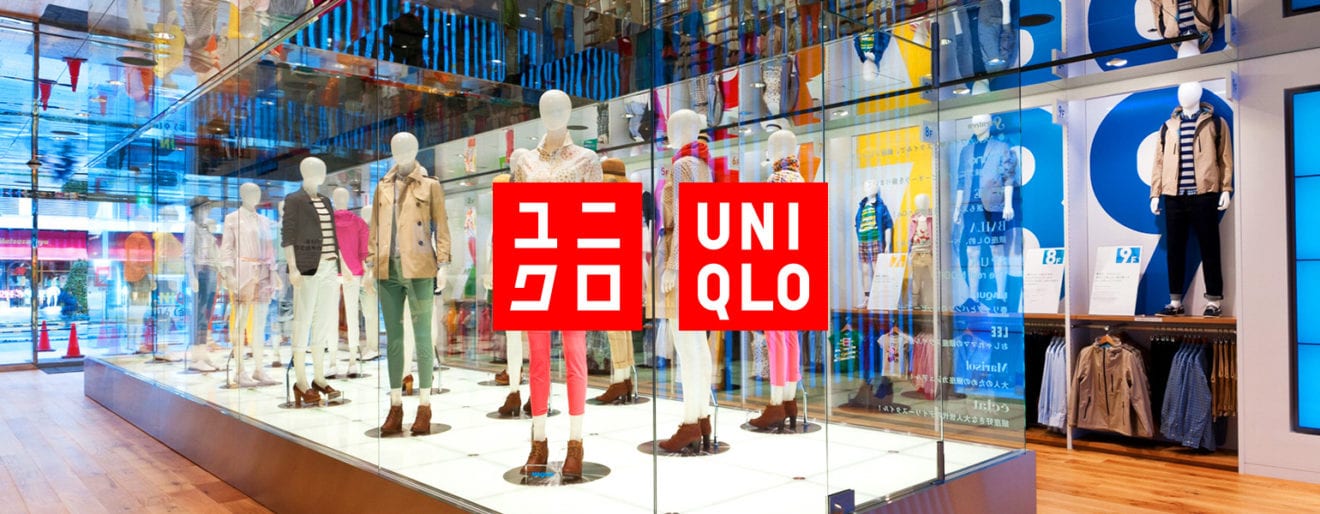
    The first Uniqlo Vietnam store opened its doors today, marking the Japanese fast-fashion brand’s sixth market in Southeast Asia.

    Setting its foot in one of the fastest-growing economies in the region, parent Fast Retailing hopes to strengthen its presence in both the country and the region at the same time as Vietnam becomes a manufacturing hub in the face of the ongoing US-China trade war.

    “I think Vietnam has massive potential and will be one of the biggest consumer markets in the world,” said Tadashi Yanai, chairman and CEO of Fast Retailing prior to the opening.

    Yanai described Vietnam as the key market in the region and an important part of the group’s development strategy.

    He said Uniqlo is now producing US$3 billion worth of products in Vietnam annually and plans to increase that even further. However, this does not mean that Vietnamese consumers will experience lower prices for Uniqlo products.

    “We implement a medium- and long-term pricing strategy to ensure revenue and profit for each store… We want to compete with high quality, sustainable products at reasonable prices, not [by] discounting,” said Osamu Ikezoe, Co-CEO of Uniqlo Vietnam.

    Uniqlo is already planning its second store in the country, which will be located in the capital city of Hanoi.

    “We are not talking about 100 stores in Vietnam,” said Yanai. “Much more.”

    The company says it is focusing on physical stores, with no plans to deploy an e-commerce sales channel as yet.

    Located opposite stores of rival fast-fashion chains H&M and Zara, Uniqlo Vietnam’s first store in Ho Chi Minh City is also its largest outlet in Southeast Asia to date, with a gross floor area of 3107sqm across three storeys.

  • Japanese streetwear brand íxi:z to make a comeback

    Japanese streetwear brand íxi:z to make a comeback

    Eighties-era Japanese streetwear brand íxi:z (pronounced ick-sees) is making a second debut in Singapore.

    Four decades after its initial launch in the region, Íxi:z is opening a retail store this month at Mandarin Gallery, with an official launch event planned for early next year.

    Those who grew up in the 80s may remember Íxi:z as a brand that encompassed everything from bomber jackets to wallets and pencil cases. At the height of Íxi:z fever the brand had a hardcore following of streetwear enthusiasts who until this day share brand memorabilia and show off their now-vintage items to fellow fans online.

    Thirty years on, grand plans have been drawn up to restore Íxi:z to its former glory and establish it as a premier Japanese streetwear brand for discerning teenagers and young adults.

    Featuring designs from its halcyon days along with newer, never-before-seen collections, Íxi:z will open its doors at Mandarin Gallery on December 14.

  • Olive Young partners with Dairy Farm to expand into SE Asia

    Olive Young partners with Dairy Farm to expand into SE Asia

    South Korean health and beauty brand CJ Olive Young is seeking to expand in Southeast Asia.

    The retailer is working with pan-Asian retailer Dairy Farm Group, which will distribute Olive Young products through its branded health and beauty stores in Indonesia and other markets in the region.

    The brand’s Southeast Asian launch will be in Singapore, where around 110 of its products will be sold at about 50 Dairy Farm stores.

    Olive Young is also known in its home market as an importer of US organic cosmetics brand Juice Beauty. While it has a high profile in South Korea, the brand has done little to expand abroad to date.

    The company opened its first store in 1999 and previously had a joint venture with Dairy Farm running from 2002 to 2008.

  • Why Ikea and Nike have walked away from Amazon

    Why Ikea and Nike have walked away from Amazon

    When major global brands like Ikea and Nike announce they are exiting a major global platform like Amazon, it is clear that a strategic shift is in the making

    What used to be a primary go-to-market strategy of brands by latching onto Amazon’s success seemed to have chipped away over the years: Amazon is now losing the grip on its throne and is no longer the “cool kid” everyone wants to play with.

    Welcome to the generation of the ‘hip indies’ where being “self-partnered”, transparent and ethical is the new status symbol – describing both the millennials and Gen Z groups, and the archetype of direct-to-consumer brands.

    Nike competes with itself

    Last month, Nike ceased its pilot partnership with Amazon after a two-year-long gig launched as a means to eject unlicensed distributors and knock-off items from the site. In a statement, Nike announced: “As part of our focus on elevating consumer experiences through more direct, personal relationships, we have made the decision to complete our current pilot with Amazon Retail”. The sportswear label sold a limited range on the marketplace however the control of the grey market it had hoped to regain never materialized. No did the strategy align with expectations.

    While Nike struggled to compete with counterfeits on Amazon, the sneaker giant will continue to sell through other third-parties. Globally it is narrowing the number of retail partners it works within favor of going direct to consumers using flagships and its own online sites.

    Ikea packs up

    In lesser-known and surprising news, just after Nike’s announcement, Swedish furniture and homewares giant Ikea followed suit in quitting Amazon US. The company had been selling a range of smaller products on the platform, taking advantage of Amazon’s speedy deliveries.

    However since the hiring of its new chief digital officer Barbara Coppola last year, the brand decided to revert back to direct selling without the aid of the marketplace. No explicit reasons as to why were released.

    Where Amazon fails, Tmall gains

    The benefits of pairing with a marketplace are obvious, quite aside from the reach and operational efficiencies such as Amazon’s infamous last-mile deliveries. In this case, analysts are split 50-50 on the decisions by Ikea and Nike to ditch Amazon. Some say the divorce will cause the brands to lose some of their market presence – perhaps to their competitors – while others are advocates of the new direct-to-consumer wave.

    However, the bigger issue lies with Amazon’s mundane marketplace and the lack of brand curation, in contrast to how Alibaba’s Tmall has been banking on international brands’ market entry into China.

    Nike’s featured page on the Chinese marketplace allows it to brand its page similarly to its own website, thus keeping its brand image intact – as opposed to the lacklustre stock images on Amazon. Nike has reaped success on Tmall, especially as being one of the top-selling fashion brands highlighted in this year’s Singles Day event.

    When Alibaba launched Tmall’s Luxury Pavillion, it allowed luxury brands such as Givenchy, Versace, Burberry and a string of others to entrust the marketplace with establishing its presence online – some, long before they had established their own direct e-commerce channels.

    Despite the historic association of China with fake goods – and on top of some long legal battles involving leading fashion conglomerates – Alibaba rebuilt its status by eradicating all counterfeits to quickly tap into the Chinese high net worth individuals with all the benefits of being the e-commerce giant in town.

    Being the David to the Goliath 

    Riding on the glorified success of brands like Warby Parker and Glossier, direct-to-consumer brands are hawked over by venture capitalists looking for a stake in ‘the next Unicorn’. The accomplishment of such brands has stemmed from their ability to truly capture the hearts of digital-savvy millennials and Gen Zers using authentic branding and cutting out the middlemen and corporate giants.

    These days, consumers are not necessarily looking to find the best price (money-conscious as they may be), rather they are looking to adorn themselves with brands that share the same values and beliefs.

    Ikea x Off-White collaboration

    Nike is a brand with a long-established and strong reputation for athleticism and its street game. However, in today’s cutthroat market where consumers side with which influencer wore what, brands need to reinforce their imagery, not only through their marketing, but also through their retail environment, whether that be experiential flagship stores or online channels.

    Ikea, for example, is looking to maintain an image as a trusted homewares brand – especially among the rising young millennial household-owner and new parent market segments. Ikea is achieving this by partnering with contemporary brands such as Hay and Off-White.

    The type of shoppers going to Amazon are no longer the type of core customer brands like Ikea and Nike are looking to reach. Therefore it makes sense such brands are choosing to take their own paths – paths they can control themselves.

  • UBS and Credit Suisse Rediscover Their Clients

    UBS and Credit Suisse Rediscover Their Clients

    UBS and Credit Suisse have courted the richest of the rich for many years – it became an end in itself. Now, the signs are that a rethink is underway.

    The two big banks have not been shy to show off their efforts to cater to ultra-rich clients, hoping to attract even more of what they claim is a lucrative business.

    Despite the fact that margins take a nosedive when banking with demanding clients, investors were told that the ultra-high net worth (UHNW) segment was lucrative and more stable than other segments. The investment banks are depicted as a competitive advantage for uber-rich clients to use their infrastructure for complex transactions.

    Still: the story as it was told by the banks didn’t convince their shareholders. They seem to put a lower value on the big banks than on private banks such as Julius Baer and Vontobel, with its focus on investment-related business.

    The two Swiss wealth management giants seem to have come around belatedly and now both simultaneously announced the launch of a push into the business with clients who have a little less money to invest.

    UBS, for instance, pledged to serve clients with assets of $500,000 to $5 million in a faster and more targeted fashion – and no longer according to the classic high net worth (HNW) approach. Credit Suisse will subsume the business with the not-so-rich in a sub-division. The banks say that this will help them respond better and more efficiently to demands in this segment.

    Two major areas of concern can be identified in the strategies and developments at the big banks, which prompted the repositioning. «Big banks realized that the focus on the UHNW business wasn’t enough to make successful and full use of their capacity,» said Robert Buess, financial services practice adviser at Oliver Wyman.

    With the focus on the richest clients, the erosion of margins accelerated despite the higher volumes of net new money.

  • Xiaomi Launches Online Lending in India

    Xiaomi Launches Online Lending in India

    Chinese smartphone giant Xiaomi expands its footprint in India – its largest overseas market – with the launch of online lending services.

    The firm will connect users with financiers, offering quick access to loans of up to 100,000 rupees ($1,400), Xiaomi’s India head Manu Jain said, according to a report. The online lending solution, «Mi Credit» rely on a partnership with five finance and fintech firms to audit the creditworthiness of customers and disburse loans.

    Xiaomi first entered India’s financial sector in March with «Mi Pay» which enables bill payments and money transferals. The latest online lending launch marks another move to further expand in the market.

    For now, India definitely is our biggest market outside China, not only in credit but pretty much in everything else, said Feng Hong, Xiaomi co-founder, and senior vice president. «We need to focus ourselves to make it really successful. We need to bring in more partners, bring more products, bring more users to make it really scale up. That’s our focus for the next 12 months

    Xiaomi’s financial unit in Indonesia shut down in 2018 and a report said it was due to its banking partner’s decision to pull out over concerns about invasive data collection practices. Documents unveiled tracking of a wide array of activities and disclaimers which require users to agree to share a myriad of personal data including message and browser history.

    During its launch, Xiaomi’s India head assured the public that data protection would be robust though the country has yet to establish law on the matter.

    We have strong data protection agreements with each of our partners that they cannot use this data for any other purpose, apart from giving loans to users, Jain said, adding that data would be 100 percent encrypted.

  • Maybank Extends Avaloq Partnership

    Maybank Extends Avaloq Partnership

    The Swiss banking software company will help the bank to create a better customer experience for its affluent clients with performance calculation and a suite of wealth products and services.

    Avaloq has won more business in Southeast Asia, with Maybank Group opting to use its suite of banking services to serve Maybank Premier clients in Singapore, the firm announced in a statement on Wednesday.

    Maybank has been using the Avaloq platform for its Singapore-based private banking division since March 2016, but this extends the relationship to include the bank’s affluent clients and will help deliver investment product features to them while upgrading the risk management and oversight of client portfolios, the statement said.

    The implementation successfully went live on 25 November.

    Having a strong backend platform is integral to building positive customer experience for our wealth management clients,» said Lim Kok Boon, head of Maybank Premier, Maybank Singapore.

    He said such technological upgrading is «vital to maintaining an advanced and digitally proficient wealth management suite to increase [Maybank’s] competitive edge.»

  • Hong Kong-Thailand Digital Currency Underway

    Hong Kong-Thailand Digital Currency Underway

    The central banks of Hong Kong and Thailand are working to launch a digital currency to facilitate cross-border trade.

    Following a signed agreement to bolster financial technology collaboration, the Hong Kong Monetary Authority (HKMA) and the Bank of Thailand (BOT) will jointly launch a digital currency to enhance cross-border trade, valued at $19.6 billion in 2018.

    HKMA’a cross-border payment platform leverages blockchain and the «depositary receipt corridor network» to enable companies in both markets to settle wholesale payments with one another directly, as opposed to the current conventional method of using multiple intermediaries that often cause delays.

    The roll-out will include a two-tier digital token with one focused on the issuance of tokens to Hong Kong banks participating in the pilot program (called «Project LionRock-Inthanon»); and another for banks to distribute to their corporate customers to settle wholesale payments with other banks or companies, according to an SCMP report.

    HKMA is currently working with HSBC and ZhongAn Technologies International while BOT is working with HSBC, Standard Chartered, and a handful of local lenders such as Kasikorn Bank and Krungthai Bank to further research and develop the project. More details on a proof-of-concept study are expected to be unveiled in the first quarter of 2020.

  • Grab Launches Physical Cards to Complement E-Wallets

    Grab Launches Physical Cards to Complement E-Wallets

    The move brings greater financial inclusion while promising greater security, an expanded rewards ecosystem and Grab payments integration.

    Grab has announced it is rolling out the GrabPay Card to users of its super app and e-wallet, the firm announced in a statement on Thursday. Part of the firm’s ongoing collaboration with Mastercard, a digital version of the GrabPay Card is available to users in Singapore from 5 December, with physical cards to be issued in the first half of 2020, the statement said.

    The move is a significant one as it allows users, even the unbanked, to transact at anywhere in the world that accepts Mastercard payments, whether online or offline while extending Mastercard’s reach across Southeast Asia.

    The GrabPay Card «represents an important step for GrabPay in becoming a truly Asean wallet,» GrabPay managing director Huey Tyng Ooi said.

    As the card is numberless, it promises greater security. There will also be options for additional benefits, including mobile protection insurance, e-commerce protection, and flight delay passes.

    Physical cards will be first issued in the Philippines in Q1/2020, with the rest of Southeast Asia to follow.


  • Hyundai Begins Feasibility Study For Fuel Cell Electric Vehicle in India

    Hyundai Begins Feasibility Study For Fuel Cell Electric Vehicle in India

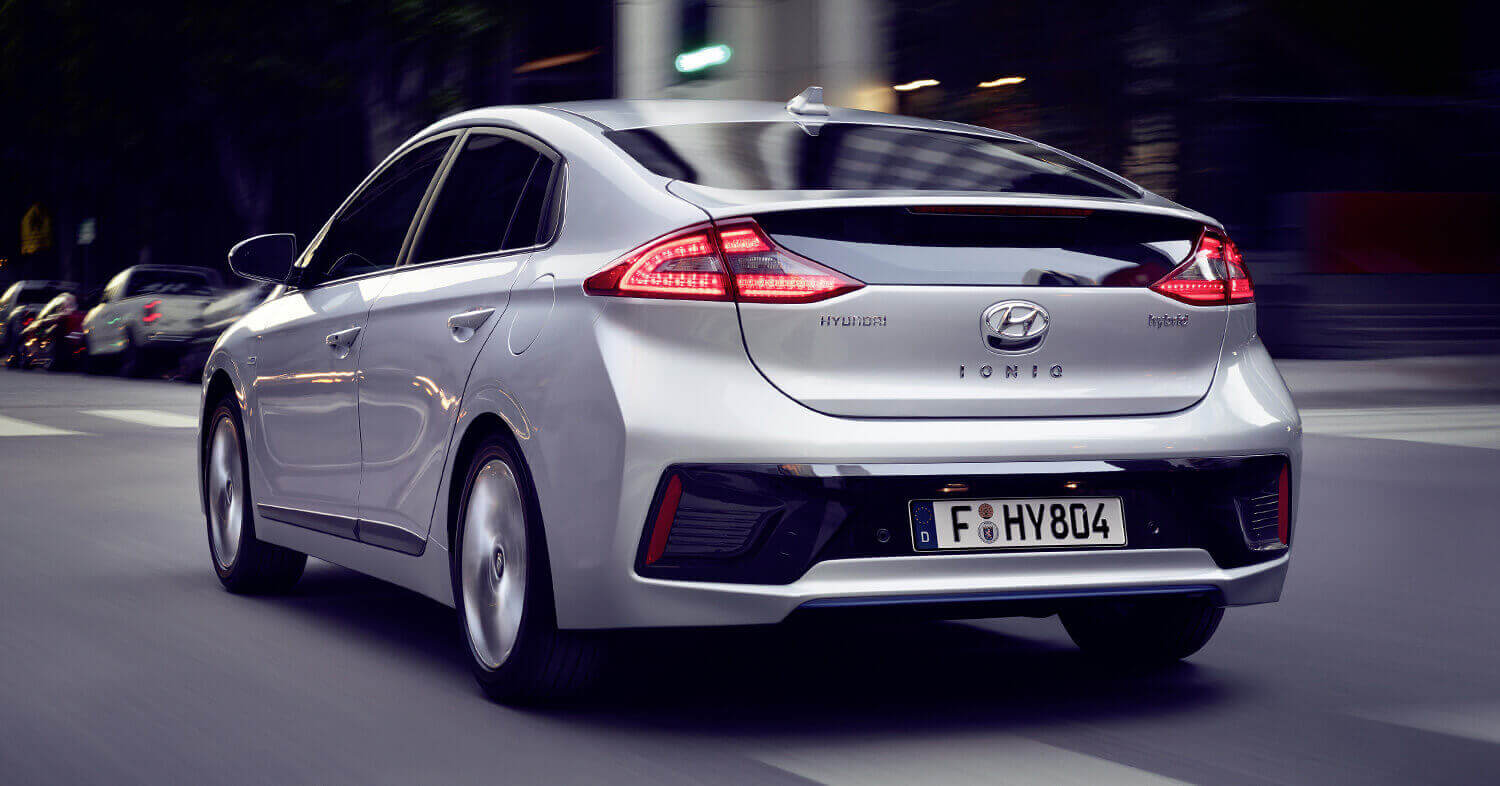
    Hyundai Motor India today announced that it plans to expand its green mobility portfolio in India which currently only has the Kona EV. Hyundai has had its share of success with the Kona EV in the country and even managed to bag a small order from EESL. But now the company is taking another step in bringing in more green cars to the country. Hyundai today announced that it is evaluating the feasibility of bringing fuel cell electric vehicles for India.

    We told you back in September 2018, that Hyundai was planning to launch a fuel cell vehicle in the country and the Nexo will very much be part of the company’s portfolio soon and this news only cements what we had said back then. While a timeline for the launch for the Nexo has not been charted out yet, we wait to see, when these plans reach fruition. We have brought you the exclusive review of the Nexo though. The Nexo SUV is Hyundai’s important step to develop low emission models globally. The company has had a record sales for Nexo in its home market in November 2019 where it sold 699 units.

    The Nexo gets a fuel cell drivetrain, which is lighter than a regular electric powertrain. Hyundai says that the Nexo makes about 161 bhp of max power and peak torque of 395 Nm. Also, the Nexo SUV can do the 0-100 kmph sprint in 9.2 seconds and has a top speed of 177 kmph. The car has a range of 609 kilometres on a single charge according to Korean test standards. In typical SUV way, the Nexo is designed to handle cold starts even when the outside temperature is -30 degree Celsius.

    Mr S S Kim, MD and CEO, Hyundai Motor India Ltd, said, “Progress for Humanity with Zero Emission Mobility is our responsibility and vision to make a long-term positive transformation for our future generations. We have initiated the feasibility study for Fuel Cell Electric Vehicle in India and promise to bring the ultimate solution in zero emission mobility”

  • Ford And McDonald’s Collaborate To Convert Coffee Bean Skin Into Car Parts

    Ford And McDonald’s Collaborate To Convert Coffee Bean Skin Into Car Parts

    Ford Motor and McDonald’s USA have collaborated to convert coffee bean skins to vehicle parts such as headlamp housing. We all know that the dried skin (chaff) of the bean comes off during the roasting process and it’s this skin that Ford will use to reinforce certain vehicle parts. The company found that chaff can be converted into a durable material. By heating the chaff to high temperatures under low oxygen, mixing it with plastic and other additives and turning it into pellets, the material can be formed into various shapes.

    By heating the chaff to high temperatures under low oxygen and mixing it with plastic and other additives it turns to pellets.

    The chaff composite meets the quality specifications for parts like headlamp housings and other interior and under hood components. According to Ford, the resulting components will be about 20 percent lighter and require up to 25 percent less energy during the molding process. Heat properties of the chaff component are significantly better than the currently used material, says the company.

    McDonald’s is expected to direct a significant portion of its coffee chaff in North America to Ford to be incorporated into vehicle parts. The project also involves Varroc Lighting Systems, which supplies the headlamps, and Competitive Green Technologies, the processor of the coffee chaff.

  • Instagram users now allowed to decide who can follow them

    Instagram users now allowed to decide who can follow them

    If you think that Facebook-owned apps already get too much of your personal data, you’re not going to be happy when we tell you that starting today, Instagram wants to know your birthday. However, this data is only required when creating a new account. Instagram says that its Terms of Use call for account holders to be at least 13 years of age in most countries. By requesting a new account holder’s birthday, Instagram can make sure that no one underage has an account. Instagram also says that it will “help us keep young people safer and enable more age-appropriate experiences overall.” Of course, birthdays can be faked and this doesn’t prevent an older person from creating an account for someone under 13 years of age.

    If you open a new Instagram account and provide your birthday, other members will not be able to view your date of birth. You will be able to find it when viewing your own personal profile information. If your Facebook account is connected to your Instagram account, the birthday listed on your Facebook profile will be added to your personal profile on Instagram and again, only you will be able to see it. And if for some reason you need to edit your date of birth on Facebook, your birthday on Instagram will also reflect the edit.

    Instagram does state that it plans on using the birthday information in the coming months to provide “more tailored experiences” including recommending to younger members certain privacy controls they should use and teaching them about account controls. “These newest updates are part of our ongoing commitment to ensuring Instagram remains a safe and supportive place, especially for the youngest people in our community,” Instagram said today in a blog post.

    And Instagram is also cracking down by allowing you to decide who can send you a Direct Message. Under Message Controls, you’ll be able to choose from options like Everybody, which will allow you to receive new message requests from everyone except those who you have blocked, and Only People You Follow. With the latter setting selected, you won’t receive new message requests and story replies from people you do not follow. Those you do not follow and haven’t blocked will know that you don’t accept messages from everyone.

    You can also determine who can follow your Instagram account. Select Everyone and your account can be added by any Instagram member except those who you have blocked. Choose Only People You Follow and people you don’t know won’t be able to follow your Instagram account. Those you don’t follow and haven’t blocked will know that you don’t allow everyone to add you to groups if they try to do so.

    If you do not have the Instagram app installed on your mobile device, you can find it in the Apple App Store and the Google Play Store. The purchase of Instagram by Facebook for $1 billion back in 2012 turned out to be one of the most profitable investments in tech history. As of last year, Bloomberg estimated Instagram’s value as a standalone company north of $100 billion. The app has more than 1 billion active monthly users and is the second most popular social network following Facebook. Instagram originally provided filters for photographs before it borrowed the Stories feature from Snapchat helping it to become the immensely popular online destination that it now is. And with 71% of its users under 35, Instagram is demand by advertisers looking to reach a decidedly younger demographic.

  • Viec.Co scoops Vietnam Startup 2019 title

    Viec.Co scoops Vietnam Startup 2019 title

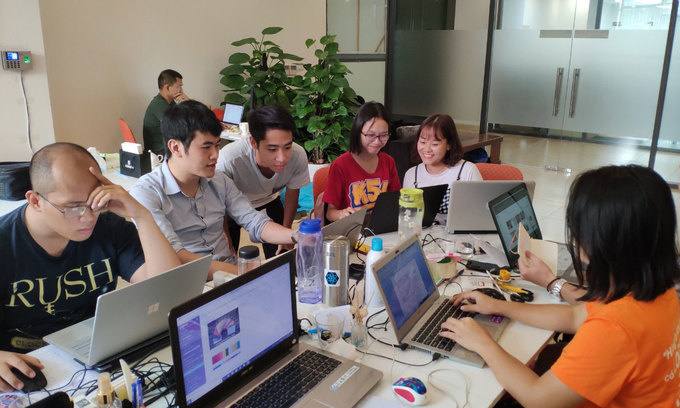
    Viec.Co, a platform connecting employers and freelancers, scored the highest in a startup competition organized by VnExpress, Vietnam’s most-read online newspaper.

    Viec.Co surpassed other contestants in the top 5 to be named the winner of the Vietnam Startup 2019, which concluded in the final Gala on December 2 in Ho Chi Minh City.

    Themed “Unicorn to be”, the final gathered the top 5, including Viec.Co, TripHunter, Liberzy, Tez and Sphacy for a debate in front of judges. Viec.Co was chosen as winner, based on criteria including leadership ability, uniqueness, new technology, product feasibility, global reach and community contribution

    Specialized in helping freelance workers access employment opportunities, Viec.Co provides a one-touch experience via a human resources platform. It is also a tool for employers to evaluate and recruit candidates at the lowest cost and simple procedure.

    Viec.Co has further applied the API (Application Programming Interface) to the Momo ecosystem, Vietnam’s mobile, e-wallet and payment application, to provide simple and convenient payment solutions.

    After one year of operation, the startup grew 30 percent per month, now boasting over 40,000 registered users, 10,000 employable freelancers, and 30 customers.

    Tez, the online library startup, is an educational platform that provides a comprehensive system of online lectures and materials for teachers and learners at all levels. It aims to create a “social network” that connects students, teachers, and the community to share knowledge more easily, conveniently and broadly. Of the top 5 in Vietnam Startup 2019, TripHunter is a tool to automatically build travel schedules, based on web and application platforms. The tool enables users to manually adjust their own schedules, and compare prices between online travel agents (OTAs), booking and managing all services such as airline ticketing and hotel reservations all via one application.

    Tez’s business model consists of two channels, which include selling user accounts and advertising revenue. Accordingly, 85 percent of Tez’s revenue comes from users and the rest from advertising services for English schools, institutes, and organizations.

    Tez has collated 83,000 lectures, 115,000 documents, 175,000 registered members over 10 months of operation. It has a turnover of VND8.3 billion ($358,000) and more than 18 million website and app visits.

    Operating similarly to the Grab ride-hailing platform and food ordering apps, Sphacy developed a pharmaceutical ordering application. It allows users to buy drugs anytime, anywhere via ordering – delivery using a mobile app.

    Sphacy directly connects customers with pharmaceutical suppliers, including wholesalers and retailers, along with quality control regulations. “It provides a solution to modern pharmaceutical problems, such as unknown origin, incorrect dosage, high level of antibiotic resistance,” said Sphacy’s CEO and founder Vu Van Thanh.

    With Liberzy, users can design trips according to their needs, with itineraries and notes visually displayed on the map. Each user has a personal page to share destinations, experiences and connect with others. Libezy also connects with suppliers to recommend suitable services such as airline tickets, hotels and restaurants based on a user’s schedule. Also specialized in tourism, Liberzy is a platform that helps create schedules and provides useful information about a specific trip, gathering together people with similar travel interests. “Liberzy stands for Liberty and Easy, denoting traveling with freedom and ease. In addition, the ‘S’ of ‘Easy’ has been changed to ‘Z’ to represent a travel platform for Generation Z, who love self-sufficient travel using modern technology,” Truong Duc Thang, Liberzy’s CEO and founder explained.

    At Vietnam Startup Gala 2019, Thinsulin, a startup that provides blood sugar lowering and weight loss methods, was named as the startup with the most audience votes. As a part of the Gala, a series of “Speed Dating” activities opened opportunities for Vietnamese startups to meet and present their ideas and projects to investors.

    Vietnam Startup 2019 is a voting event, annually organized by VnExpress. It underwent eight months of registration, online submissions, training and voting to find the top 25 and top 15 best startups in 2019.

    The five judges are well-known investors or mentors with great experience of the local start-up community, including Truong Gia Binh, chairman of FPT Corporation; Pham Phu Ngoc Trai, founder and chairman of Global Integration Business Consultants (GIBC); Tran Ngoc Thai Son, founder and chairman of e-commerce firm Tiki; Nguyen Lan Anh, CEO of Endeavor Vietnam; and Bui Kim Thuy, country representative of the US-ASEAN Business Council in Vietnam (USABC).

    The event is sponsored by Tiki (diamond sponsor), Grab (gold sponsor), IMAP (silver sponsor), Sun*Startup and LG (copper sponsors). AIM and Zone Startups Vietnam also act as partners.