Tag: asia

  • Vietnam second among ASEAN members in attracting fintech funding

    Vietnam second among ASEAN members in attracting fintech funding

    Vietnam’s fintech firms secured $410 million, or 36 percent of the global capital pouring into Southeast Asia between January and September, behind Singapore.

    The country’s share of regional venture capital funding devoted to fintech soared from just 0.4 percent in 2018, according to a report prepared by the United Overseas Bank (UOB), PwC and the Singapore Fintech Association (SFA).

    Singapore remained the top destination for regional fintech investment, with 51 percent, down from 53 percent in 2018, with Indonesia in third place with 12 percent, down from 37 percent last year.

    ASEAN Fintech Funding 2019PercentageSingaporeVietnamIndonesiaOthersSource: Tracxn

    By the end of the third quarter this year, ASEAN had received $1.14 billion in funding for fintech firms, up sharply from $35 million in 2014, the report said.

    The surge in investments in Vietnam this year is attributable to two large deals, both in digital payments. In July, digital payment firm VNpay received $300 million in investment from Japanese multinational conglomerate SoftBank and Singaporean sovereign wealth fund GIC.

    And in January, e-payment app MOMO Pay landed $100 million from investors led by American private equity firm Warburg Pincus in its Series C funding round. The two deals accounted for 98 percent of Vietnam’s total fintech funding in the first nine months.

    In terms of the number of funding deals in 2019, Vietnam came third in ASEAN at 8 percent of total deals, up from 2 percent in 2018, behind Singapore and Indonesia with 51 percent and 28 percent respectively.

  • A third of Southeast Asian e-commerce traffic happens in Vietnam

    A third of Southeast Asian e-commerce traffic happens in Vietnam

    Vietnam accounted for 30.9 percent of e-commerce web traffic in Southeast Asia in Q3, second only to Indonesia, a report says.

    Compared to the second quarter, e-commerce web traffic in Vietnam has risen by 5.2 percentage points, the highest growth in the six countries studied, while that of top market Indonesia fell 10.6 percentage points, according to Malaysia-based iPrice Group.

    Both foreign and local companies are seeking to expand in Vietnam, but domestic firms account for 72 percent of the traffic, while that of international players, mostly Singapore-based Shopee and Lazada, make up the remaining 28 percent, according to “The Map of Southeast Asian E-Commerce Q3 2019” report.

    This makes Vietnam second only to Singapore in the share of local players in web traffic, far exceeding Thailand, Malaysia and the Philippines, where foreign companies dominate, accounting for at least 78 percent.

    Although Shopee still topped the chart in Q3 with 34.6 million visits in Vietnam, home-grown player Sendo for the first time climbed to the second place with 30.9 million visits, up 10 percent from Q2.

    Mobile World climbed two places to third place with 29.3 million visits, while both Tiki and Lazada fell to the fourth and fifth place respectively.

    Vietnam’s internet economy will reach a value of $12 billion this year, with an annual growth rate of 38 percent since 2015 and is expected to surge to $43 billion by 2025, according to the “e-Conomy Southeast Asia report 2019” by Google, Temasek – a holding company owned by Singapore’s government, and U.S.-based global management consultancy Bain.   A

  • BMW Group Registers A Growth Of 1.4 Percent In Sales Globally In November 2019

    BMW Group Registers A Growth Of 1.4 Percent In Sales Globally In November 2019

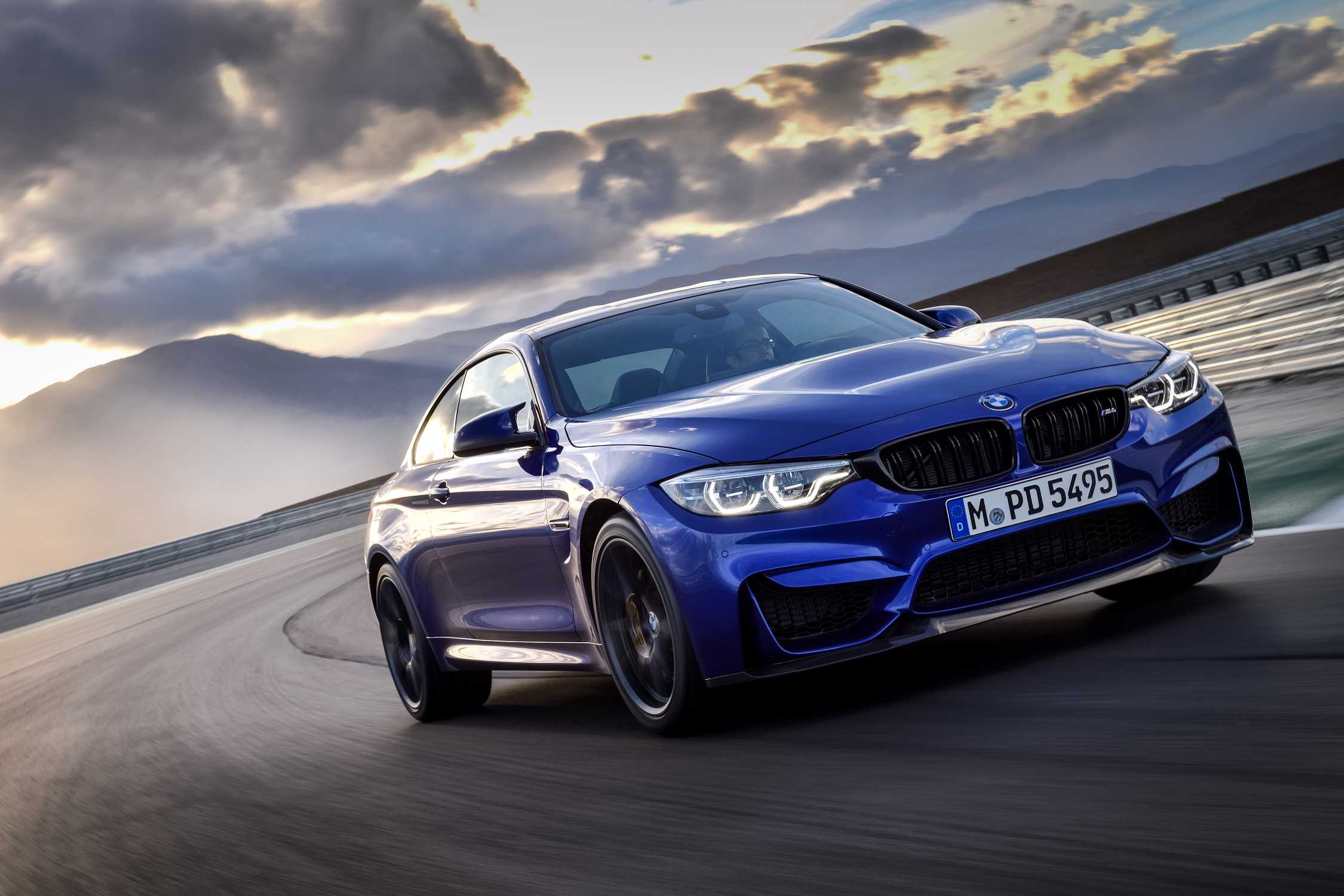
    The BMW Group registered worldwide deliveries of 2,25,662 units in the month of November this year. The company registered an increase in sales of 1.4 percent over the same month last year. Deliveries in the year to the end of November were up 1.7 percent year-on-year, with a total of 22,96,174 units sold by the Group. Total sales of BMW brand vehicles grew by 2.9 percent in November to 1,94,690 units. In the year to date, BMW brand sales increased by 2.4 percent to 19,72,394. The 3 Series sedan and Touring registered double digit growth in the month of November.

    Electrified vehicles continued to draw the attention of the customers. In November, sales of BMW Group electrified models reached a new all-time high of 17,480 units. This includes 13,590 plug-in hybrid models which were a bump in sales of more than 20 percent. The BMW i3 and the BMW i8 too registered a growth of 18 percent in sales. Sales of the MINI Cooper S E Countryman ALL4 Plug-in Hybrid climbed almost 50 percent in November with 1,950 vehicles sold worldwide.

    Worldwide MINI brand sales for the year to the end of November trended lower at 319,125 units, a drop of 2.7 percent. In November, 30,509 units were sold which marked a decline in sales of 6.8 percent. In addition to its core models, John Cooper Works variants proved especially popular with customers.

    BMW Motorrad continued to post solid sales growth. In the first eleven months of 2019, a total of 161,368 BMW motorcycles and maxi-scooters were delivered to customers around the globe, marking a growth of 6 percent. However, sales in November were down by -4.4 percent.

  • Tiffany in ‘a difficult position’ on lacklustre Hong Kong, home market sales

    Tiffany in ‘a difficult position’ on lacklustre Hong Kong, home market sales

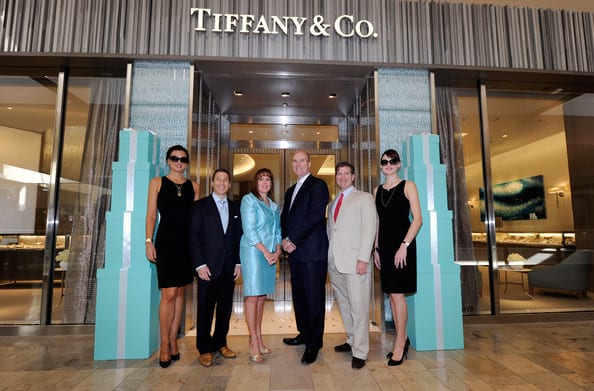
    Both overall and comparable-store sales growth at Tiffany came in flat during the last quarter, neither metric helped by the challenges in Hong Kong which overshadowed strong trading in the Chinese mainland.

    However, putting Asia to one side, it is clear that Tiffany’s main difficulties are coming from the US and European markets where it is struggling to generate growth.

    Similar to last quarter, sales in the Americas were down by 4 percent on both a total and same-store basis. Much of the slide is down to lower spending by tourists – something that has dogged the company for a few quarters and which we see as an ongoing issue as the firm enters the holiday period. Domestic demand slipped, mostly among middle-income shoppers who are cutting back on expensive, unnecessary purchases. Tiffany has not been able to entice them with its latest collections and we continue to see defections away from luxury to niche mid-priced brands which are less expensive but still offer stylish and fashionable products.

    While Tiffany’s customer share among the more insulated higher-income groups remains stable, the ongoing decline in share among middle-income shoppers is worrying. Tiffany is reliant on these customers to drive growth and the future trajectory of the economy suggests that shoppers in this segment are likely to become even more cautious and reluctant to spend next year. This includes more affluent millennial consumers that Tiffany has been trying to court.

    While brand awareness and favorability among this cohort has increased, this has not translated into purchases, partly because of a reluctance to spend large amounts of money and partly because some of the early sparkles of more youthful marketing has started to wear off.

    All of this leaves Tiffany in a difficult position. Within its core markets, sales to tourists are falling, a large part of its customer base has become more reticent about spending, and it is not replacing these losses with new customer groups. The softer sales numbers that result from such a dynamic are also having an impact on the bottom line where net income fell by 17 percent over the prior year.

    LVMH is inheriting challenges

    Tiffany’s weakness does not undermine the various changes the group has made over recent years, nor do they devalue the brand. However, they show that LVMH, which will take control of the company in the first half of next year, is inheriting a group where much more effort is needed to engineer future growth.

    The hope of LVMH will be that this position can be counterbalanced by driving higher sales overseas via a more effective distribution strategy. However, this will take time to engineer so in the short term Tiffany will remain exposed to a weaker performance.

    Unfortunately, it does not look like the holiday period will provide any respite for Tiffany. Our data continues to show that jewelry will not be a winning category over the holiday period, mostly because of rising economic concerns and prioritisation of more practical gifts. Fortunately, this will be mitigated, at least in part, by the softer comparative results that Tiffany will come up against. Even so, we are not optimistic that growth will return to the levels being delivered a year or so ago.

    In short, LVMH has bought a solid brand that will nicely complement its existing portfolio. However, it paid full price for a business that still needs a lot of work to reach its potential.

  • Nok Air gets new staff and planes

    Nok Air gets new staff and planes

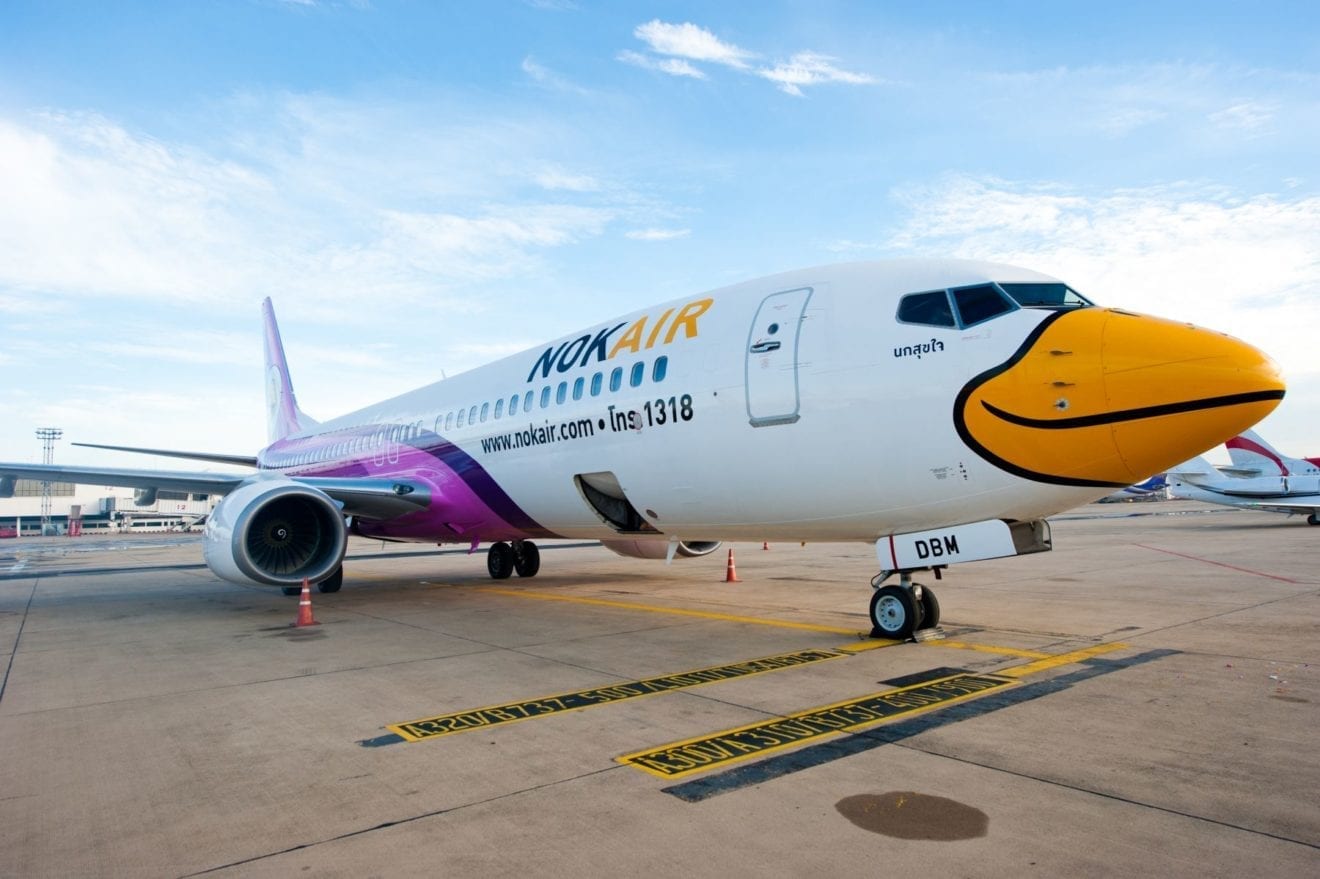
    Loss-ridden budget airline Nok Air is recruiting pilots and flight attendants and will acquire two new planes to serve high-season demand as its rehabilitation plan shows positive effects, its chief executive Wutthiphum Jurangkool said on Wednesday.

    He said that the airline’s recruitment of about 800 new pilots and flight attendants is evidence that its rehabilitation plan has been effectively implemented and has strengthened its financial status.

    Apart from staff recruitment, the airline would acquire two new aircraft to add to its 22-plane fleet by the end of the year.

    Mr Wutthiphum added that Nok Air will launch direct service between Bangkok (Don Mueang) and Hiroshima, Japan. It has increased domestic flight frequencies from three to four daily on the Don Mueang-Buri Ram route and from four to seven flights a week on the Chiang Mai-Ubon Ratchathani route.

    Nok Air’s passenger load factor stood at 88% in the first half this year, down from 91% year-on-year because of the reduction in aircraft numbers from 28 to 22, he said. The reduced fleet saw flight and passenger volume in the second quarter drop by 10.3% and 8.18 respectively.

    Nok Air reported a loss of 470 million baht in the second quarter, down from a loss of 742 million in the same period last year, and a net loss of 751 million for the first six months, down from a loss of 774 million year-on-year.

  • Lancome flagship unveiled in Paris

    Lancome flagship unveiled in Paris

    The French luxury beauty brand Lancome has launched its first flagship store on the prestigious Champs-Elysees in the heart of Paris.

    The new Lancome flagship store occupies a 300sqm area and spans two floors. From the entrance, Lancome’s customers will experience exhibition space called Joy Of Now which features a triple-height ceiling and decorated with hanging rose petals, that recreate the essence of the Lancome world.

    An illuminated pink floral wall is the backdrop for the diverse catalog of Lancome Perfumes displayed side by side. A floor-to-ceiling crystal chandelier was hung at its center, above a round table arrangement of newest-launched fragrances.

    “We’re proud to see the Lancome flagship come to life: this new home for Lancome offers a unique and elevated customer experience,” says Francoise Lehmann, global president at Lancome.

    “This new venue is a true home of beauty and happiness, where our guests are invited to experience and delve into what the brand has to offer in terms of beauty products, services, personalization, gifting and technology. Most importantly of all, we want them to leave feeling happy. We want this flagship to become a “must-see” and an iconic beauty address for Parisians and tourists of the world alike.”

    The Lancome flagship store features a wide selection of products including the brand’s limited editions, skincare and makeup products, perfumes, souvenirs, accessories, and others. Lancome will also organize masterclasses given by the brand’s makeup artists in this place.

    Before leaving, customers are invited to pick a present and have it personalized in the gift room at the end of the ground floor.

  • Cebu Pacific offers discounted fares for some local

    Cebu Pacific offers discounted fares for some local

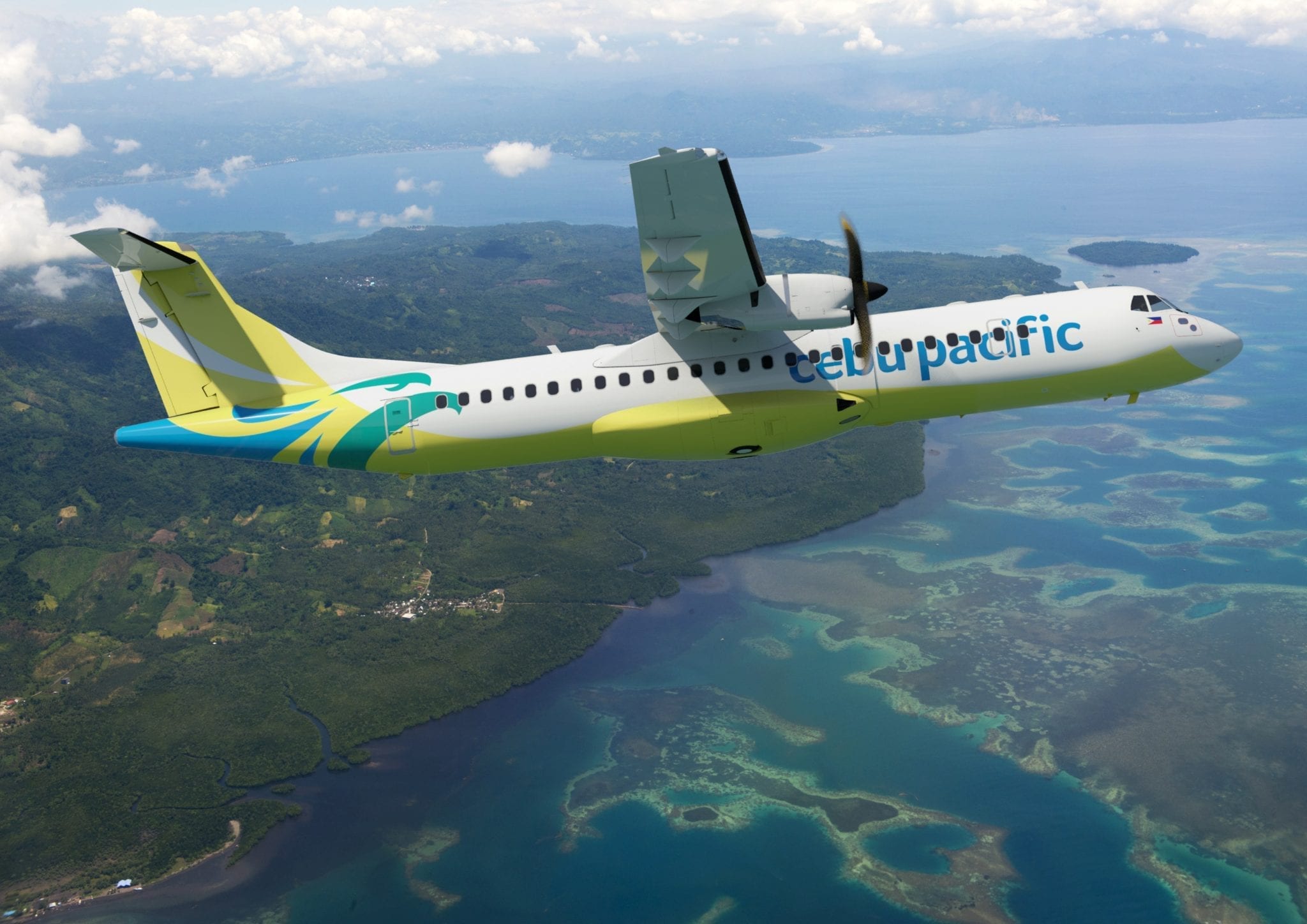
    Cebu Pacific is offering fares as low as P99 for local flights originating from Cagayan de Oro, Cebu and Clark, the airline announced Saturday.

    The so-called seat sale for domestic flights begins Saturday, Nov. 23, and runs until Monday, Nov. 25, with travel period between Jan. 1 and March 31, 2020.

    For international flights, the promo ends on Wednesday, Nov. 27., for travel between Dec. 10, 2019, and May 31 next year.

    The P99 price point is offered for flights departing Cebu for cities such as Bacolod, Boracay (Caticlan), Cagayan De Oro, Clark, Coron (Busunaga), Davao, General Santos, Iloilo, and Puerto Princesa, and more.

    The cheapest flights coming from Manila are P499 heading to Bacolod or Iloilo.

  • Hong Kong Customs seize $2m in fake goods in prime retail strip

    Hong Kong Customs seize $2m in fake goods in prime retail strip

    Hong Kong Customs raided an upstairs showroom in the heart of the city’s prime retail precinct this week, seizing about HK$2 million worth of fake goods.

    They arrested a 71-year-old man on site who was allegedly in charge of the counterfeit retailing business.

    A Customs spokesperson said the showroom had been operating in “a low-profile mode” and mainly served foreign visitors to Hong Kong. Typically in these businesses, tourists are approached by individuals and invited to see luxury goods in hidden-away ‘stores’.

    Customs had earlier discovered an upstairs showroom in Causeway Bay selling suspected counterfeit goods and after an investigation with the assistance of trademark owners, officers took enforcement action on Wednesday. After raiding the showroom they seized about 1700 items including handbags, belts, watches and sneakers.

    “Famous brands were involved and the goods available for sale had a high degree of resemblance,” said the spokesperson.

    Customs says it plans to step up investigations into the sale of counterfeit goods and enforcement of the law in the coming weeks as Christmas approaches.

    The spokesperson reminded traders to be “cautious and prudent” in merchandising since the sale of counterfeit goods is a serious crime and offenders are liable to criminal sanctions. Under the Trade Descriptions Ordinance, any person who sells or possesses for sale any goods with a forged trademark commits an offense. The maximum penalty upon conviction is a fine of $500,000 and imprisonment for five years.

  • APAC Anti Ocean Plastic Fund Raises Over $100 Million

    APAC Anti Ocean Plastic Fund Raises Over $100 Million

    Circulate Capital, investment managers dedicated to ocean plastic prevention, raised $106 million in its venture capital fund aimed to clear the waters in Asia.

    The fund will invest in companies and infrastructure that prevent ocean plastic in South and Southeast Asia through a model that blends concessionary funds with investment capital. It has identified more than 200 potential investment opportunities with the first targets for capital deployment earmarked for 2019-end.

    Founding investors of the fund include PepsiCo, Procter & Gamble, Dow, Unilever, Coca-Cola Company, Chevron Phillips Chemical Company and Danone.

    Asia is the leading contributor to the crisis, with 60 percent of ocean plastic originating from the region, according to a release. A recent Ocean Conservancy report found financing gaps of $28-40 per ton of plastic waste collection in the top five ocean polluters – China, Indonesia, Philippines, Thailand and Vietnam.

    «The good news is that we are able to reduce nearly 50% of the world’s plastic leakage by investing in the waste and recycling sector in Asia, and even more if we invest in innovative materials and technologies,» said Rob Kaplan, CEO of Circulate Capital.

    «This is why we are here in Singapore – a strategic hub of Southeast Asia – to prove that investing in this sector is scalable for the region and can generate competitive returns while moving closer to solving the ocean plastic crisis.»

    Corporate Returns

    In addition to investment returns, its founding investors could make gains from the actual activities engaged by firms. For example, ecosystems to support plastic recycling could result in astronomical long-term returns for companies involved in large scale packaging by potentially creating a «circular economy».

    That’s why at Coca-Cola we have invested in Circulate Capital and have committed to collect and recycle the equivalent of every bottle and can we produce by 2030, said Matt Echols, vice president of communications, public affairs and sustainability, Coca-Cola Asia Pacific.

    Packaging does not need to become waste. By investing in the waste collection and recycling sector in this critical region, beverage packaging can become a valuable material used again and again – a step closer towards a circular economy.

  • Adairs acquires online-only homewares brand

    Adairs acquires online-only homewares brand

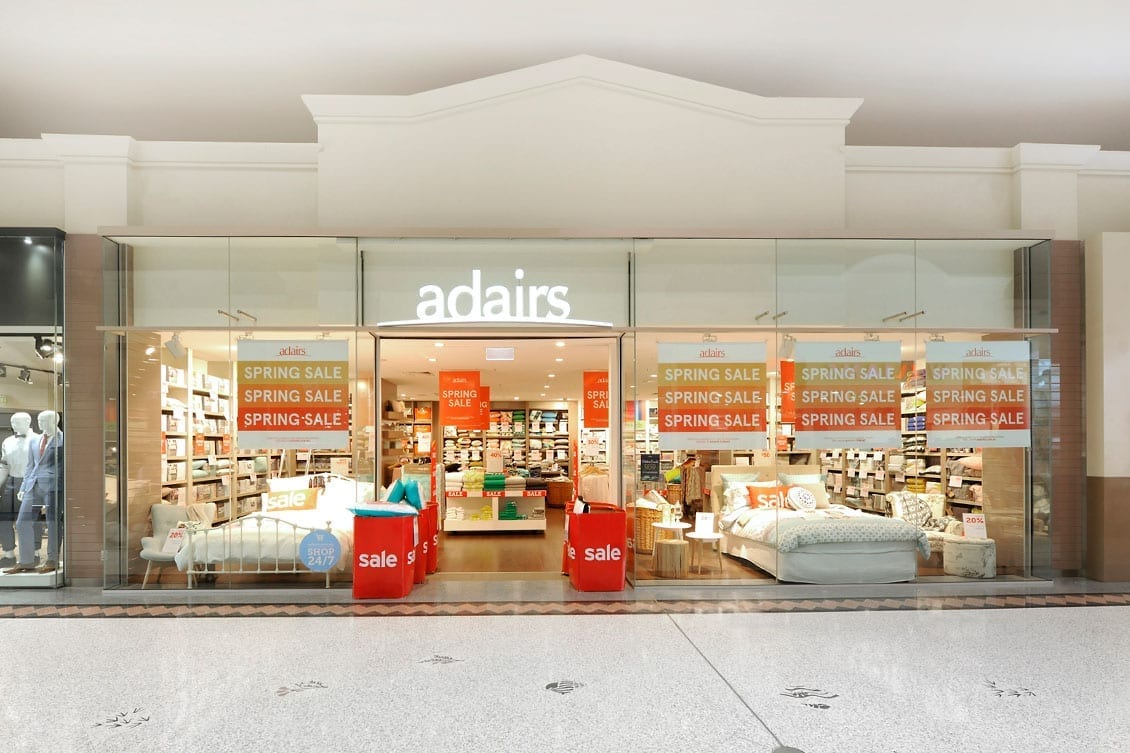
    Adairs has entered into a binding agreement to acquire pure-play homewares retailer Mocka for approximately $80 million.

    Mocka operates across Australia and New Zealand and will continue to run as an independent business with the existing management team leading its operations and strategy.

    All product design, development, sourcing, and marketing is done in house across two teams operating out of Brisbane and Christchurch.

    The acquisition is to be funded through Adairs’ group term debt facilities, as well as the issuing of 3.2 million ordinary shares to Mocka, and is expected to be completed in mid-December.

    The new shares issued will be escrowed to until the release of Adairs’ FY21 results, while the total amount will be paid over the next two to three years.

    According to Adairs chief executive Mark Ronan, the acquisition will be highly complementary to the homewares retailer.

    “We have shared DNA in that we are both design-centric with in-house product design and development which allows us to offer our customers high quality ‘design-led, value for money’ differentiated product,” Ronan said.

    “Importantly, this also means we have significant control of the vertical supply chain and in-market pricing. Finally, we are each highly customer-centric organization, with a passion for great service.”

    Ronan also said the acquisition gives Adairs a stronger foothold in the online space – with online sales growth for 17 percent of the business to almost 30 percent with the acquisition.

    “We see many opportunities for Adairs to add value to an already successful business,” Ronan said.

    “Our knowledge and experience of the home market will allow us to help management further develop the Mocka brand, especially in Australia, and support the Mocka team to continue to deliver growth.”

    Adairs also offered revised guidance for the business into FY20, taking into account how the addition of Mocka will affect sales and EBIT for the year.

    Sales are expected to reach $419 to $435 million over the course of FY20, while earnings before interest and tax is expected to hit between $54.5 and $58.7 million.

    This compares to the retailer’s initial guidance given for FY20 of between $377.7 to $393.4 million, and an EBIT of between $45 and $48 million.

  • La Mer opens flagship boutique in Singapore

    La Mer opens flagship boutique in Singapore

    Luxury skincare brand La Mer has opened its first flagship boutique in Marina Bay Sands.

    Occupying a 375sqft space, the new store features gold, cream and forest green as theme colors. The marble floor resembles the sea that “forms the bedrock of the brand’s formulations”.

    Beside its skincare products, the Marina Bay Sands La Mer flagship also offers a wide range of makeup products including foundation, concealer, powder and brushes, all displayed via a consultation area.

    La Mer’s customers can experience a beauty session with different personalized services and treatments in a private facial cabin with the full range of La Mer’s makeup and skincare offerings.

    Owned by the Estee Lauder Group, La Mer has been a solution for those in need of an anti-aging arsenal as its products employ fermented ingredients, sourced from the sea, to rejuvenate and enrich the skin.

  • Panerai opens its first airport boutique – in Hong Kong

    Panerai opens its first airport boutique – in Hong Kong

    Florentine luxury watchmaker Panerai has opened its first-ever airport boutique, at Hong Kong International Airport.

    The new store is the sixth opened in the Hong Kong area and joins existing locations in Canton Road, Landmark Prince’s, IFC, Times Square and Tsim Sha Tsui Centre.

    The new 27sqm boutique stands out for its blend of tradition and future, inviting clients to discover the Maison’s heritage, craftsmanship and technical expertise.

    The brand says the concept of the design and materials used, such as the oak wood and burnished brass, are a reminder of the sea and the heritage of the brand whose roots lie in the history of the Italian Navy.

    Panerai now operates 126 boutiques throughout the world.

  • Panda Express will open its first Philippines restaurant next week

    Panda Express will open its first Philippines restaurant next week

    US-based Asian dining concept Panda Express will open its first Philippines restaurant on December 12.

    Located at SM Megamall in Mandaluyong City, the first Panda Express will offer the same menu as those in the US, including its signature dish orange chicken in sweet spicy sauce.

    Panda Express Philippines is a 50-50 joint venture between Jollibee Foods Corporation (JFC) and Panda Restaurant Group.

    “Based on the consumer enthusiasm for the upcoming opening, we’re encouraged that the local market will love this food concept, a boost to JFC’s roster of restaurant chains,” said JFC founder Tony Tan Caktiong.

    Panda Express joins the portfolio of brands JFC operates including Chinese dim-sum restaurant Tim Ho Wan, American fast-casual hamburger chain Smashburger and coffee chain Coffee Bean & Tea Leaf.

    Founded in 1983, Panda Express is a privately owned restaurant company with more than 2000 outlets in the US and a presence in 10 international markets including Japan, South Korea, Canada, Mexico and now the Philippines.

  • Cafe chain Gloria Jean’s heading to India

    Cafe chain Gloria Jean’s heading to India

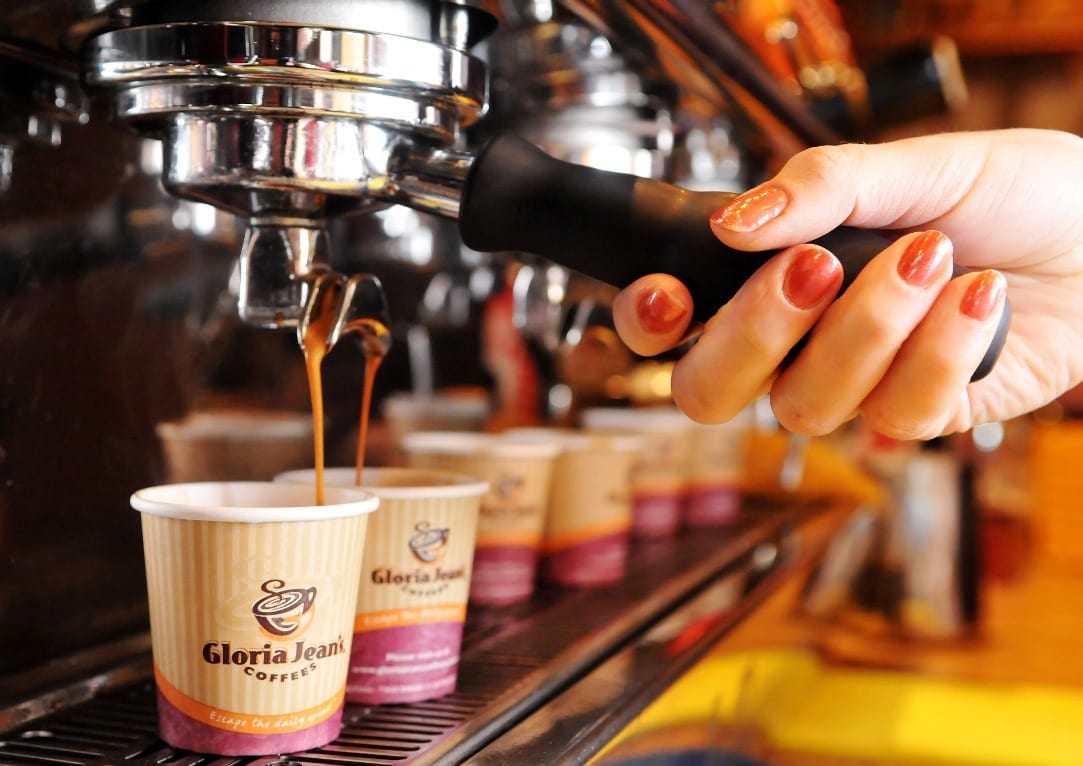
    Australian retail coffeehouse Gloria Jean’s is set to launch in India with its first outlet in Bengaluru.

    The franchise is being taken to India by recently-appointed CEO of Jay Jay Capital & Investments Rohit Malhotra. Jay Jay is planning multiple investments in launching brands new to India in the cafes, bars, restaurants, hotels and resorts, fashion, retail and entertainment sectors.

    Jay Jay subsidiary GJC Hospitality is the master franchise holder for Gloria Jean’s Coffees in India.

    The company has not said how many stores it is planning, but the first will act as a test of the concept enabling the company to finetune its offer for the local market.

    Malhotra says the company will be focusing on quality.

    “At Gloria Jean’s, we take our coffee very seriously, so not only does it taste great, but we also make sure we buy from suppliers that look after both their workers and the environment,” said Malhotra.

    “Our coffee beans are sourced from all over the world and from many different farms of all types and sizes – large plantations, co-operative groups and tiny family farms. This means that there is no one size fits all approach to buying responsibly, but we are focused on promoting sustainable farming and a better outcome for all”.

    Originating in the US but now Australian owned, Gloria Jean’s Coffees has about 760 coffee houses in more than 55 countries.

  • Big C reveals expansion plans at home and abroad

    Big C reveals expansion plans at home and abroad

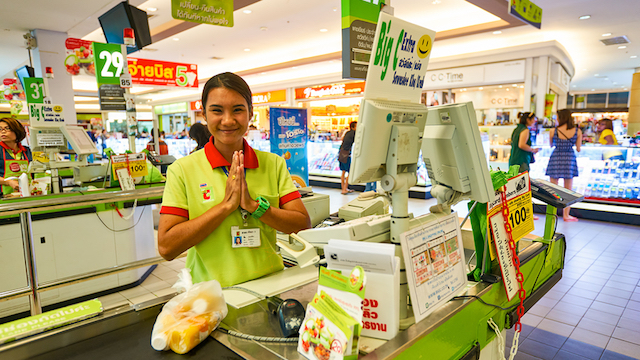
    Thai supermarket business Big C is planning to spend THB6.5 billion (US$214 million) on expansion both domestically and internationally next year.

    While the majority of the funds earmarked for growth will go towards development within the brand’s home territory, THB500 million ($16.5 million) will be set aside for overseas expansion. The brand has just launched its first 8000sqm Big C in Cambodia, and has designs on a launch in Laos next year.

    The firm’s domestic thrust is focused on small retail outlets – branded Mini Big C – designed to facilitate its reach to more customers in Bangkok and beyond. It is also investigating 3000–5000sqm hypermarkets as a “town centre” concept.

    “We are committed to investing in Thailand next year because we are confident in the country’s economic foundation,” said Big C’s CEO Aswin Techajareonvikul. “From next year, we will pay more attention to expanding our retail business abroad, focusing on Cambodia, Laos, Myanmar and Vietnam, where the economies are strong.”