Tag: asia

  • China Starts Fintech Regulation Pilot Program

    China Starts Fintech Regulation Pilot Program

    The program is part of the country’s efforts to create a more prudent and inclusive supervisory framework for the fintech sector.

    The People’s Bank of China is working with Beijing Municipality on a pilot program that will see it experiment with various oversight tools and regulatory guidelines in the fintech sector, the central bank announced in a statement.

    The pilot, which will explore fintech innovation regulatory tools «consistent with China’s realities and connected to international standards» will test flexible management procedures to make fintech regulation «more professional, unified and effective» and help financial institutions leverage technology to raise the quality and efficiency of financial services, the statement said.

    Last month, Fan Yifei, deputy governor of the People’s Bank of China, said the introduction of new standards is urgently needed to fill shortcomings in key areas, with a particular focus on data security.

    Under a fintech development plan released by the central bank in August, China aims to build a framework for fintech development by 2021. The calls for control of cyber risks and protection of financial information in the application of fintech.

  • New carrier KiteAir plans June takeoff

    New carrier KiteAir plans June takeoff

    KiteAir, an airline established by hospitality group Thien Minh, hopes to launch its first flight next June after getting the Prime Minister’s nod.

    The delay of three months over the original schedule was required as Thien Minh Group awaited investment approval from Prime Minister Nguyen Xuan Phuc, its Chairman Tran Trong Kien said.

    The Ministry of Transport had in September voiced support for the establishment of KiteAir, but required that it be more specific in its plans to make profits, as the airline had envisaged a loss of VND350 billion ($15 million) in the first three years of its operations.

    KiteAir is set to be headquartered in the central province of Quang Nam with a charter capital of VND1 trillion ($43 million), entirely invested in by Thien Minh Group.

    It plans to operate six short-haul ATR-72 aircraft with a capacity of 78 seats in the first year of operation, and expand the fleet to 30 jets by the fifth year, including 15 narrow-body Airbus A320/321 aircraft.

    The transport ministry has also supported the establishment of two other airlines, Vinpearl Air, a unit of private conglomerate Vingroup, and Vietravel Airlines, promoted by leading travel agency Vietravel.

    All three airlines have to get approval from the PM, and later the air operator certificate (AOC) from the Civil Aviation Authority of Vietnam before they can launch operations.

    Vietnam now has six licensed airlines: Vietnam Airlines, Vietnam Air Services Company (VASCO), Jetstar Pacific, Vietjet, Bamboo Airways, and military-run Vietstar Airlines, the last two making their debut this year.

    Last year, Vietnam’s 21 state-run airports served 103.5 million passengers, up 11 percent year-on-year, and the figure is set to rise to 112 million this year, according to the Airports Corporation of Vietnam.

  • Vietnam textile industry orders hit by African competition

    Vietnam textile industry orders hit by African competition

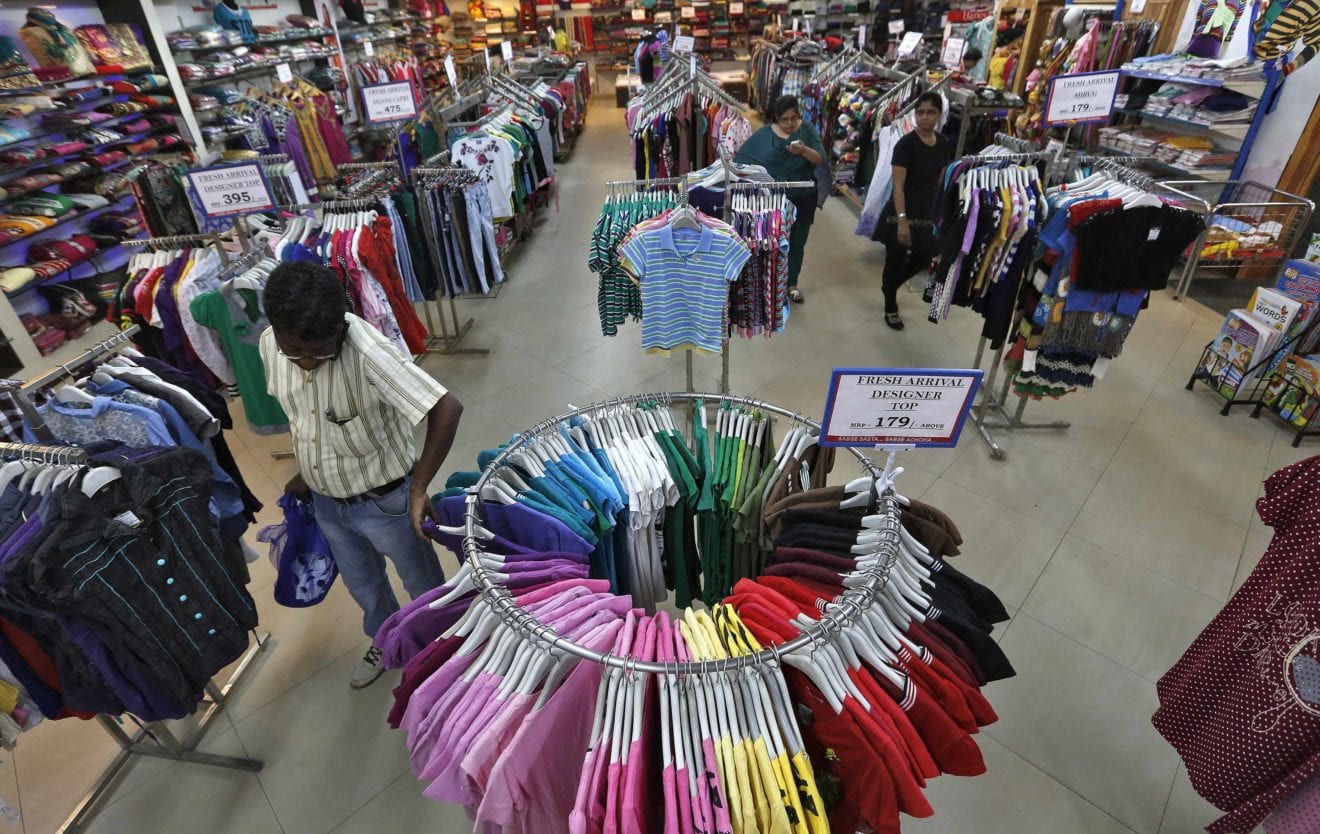
    Vietnamese textile manufacturers are seeing orders decline with buyers moving to others, cheaper developing countries.

    Normally, by the end of a year they would have enough orders for the whole of the following year, Nguyen Van Thoi, chairman of TNG Investment and Trading JSC, which makes garments, said. But this year many businesses have said they do not have enough orders for 2020, with some reporting a 20 percent drop in orders from last year.

    Besides, many have not signed long-term contracts for products, only monthly or quarterly, Thoi said.

    A Vietnam Textile and Apparel Association (VITAS) official, who did not wish to be named, said many orders have shifted to emerging countries in Africa, while competition with textiles superpowers like China, India and Bangladesh is becoming increasingly fierce.

    “Even China’s orders are being transferred to countries with preferential tariff rates such as Bangladesh and Cambodia.”

    Not only Vietnamese textile and garment producers, but also its fiber industry is facing increasing competition from foreign businesses and rivals in countries such as India, Thailand and Indonesia, he added.

    Experts had forecast at the beginning of the year that the U.S.-China Trade war and new free trade agreements (FTAs) signed by Vietnam would help it increase textile exports, but had done a U-turn by mid-year to say there would be a lack of orders, VITAS said.

    This is due to a slowdown in the global economy, affecting consumer demand, and failure by Vietnamese enterprises to adopt radical solutions to comply with FTAs’ rules of origin, VITAS explained.

    In June Vietnam signed the Vietnam-EU Trade Agreement (EVFTA), which has strict rules of origin like requiring domestic value to account for at least 42.5 percent of the ex-works price of a final textile product.

    If this condition is met, goods exported from Vietnam to the EU would be tax-free once the EVFTA comes into effect whereas the average tariff levied by the bloc now is 9.6 percent.

    Some 70 percent of the fabric used to produce garments in Vietnam is imported from mainland China or Taiwan, VITAS chairman Vu Duc Giang said.

    Other difficulties being faced by Vietnam’s textile industry include rising costs of raw materials from China and lower prices demanded by foreign buyers.

    Vietnam is losing its low labor cost edge over other countries even as its use of technology in production remains limited, leading to reduced competitiveness, VITAS said.

    Garment exports in the first 11 months of this year were up nearly 8 percent year-on-year to $30 billion, according to figures from the Ministry of Industry and Trade.

  • Vietnam Airlines wants caps removed on domestic ticket prices

    Vietnam Airlines wants caps removed on domestic ticket prices

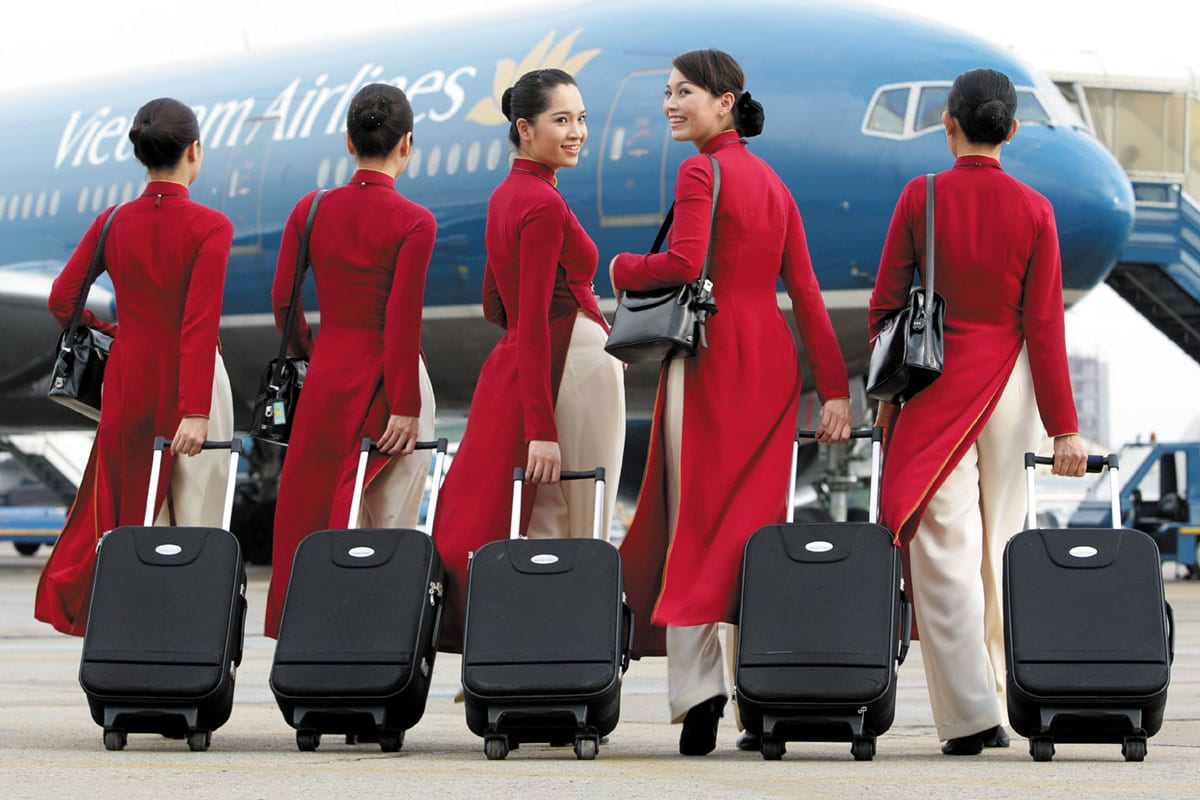
    National flag carrier Vietnam Airlines has proposed that price caps on domestic air tickets be removed to allow carriers more pricing flexibility.

    The current price ceiling makes it difficult for airlines to diversify their prices, increase profits during certain periods of time like peak seasons, and in turn, lower prices on some routes, Le Hong Ha, Deputy General Director of Vietnam Airlines, said at a tourism forum on Monday.

    Vietnam should abolish the domestic price ceiling, and allow market forces to decide prices. “The aviation market is already operating like a free market, so airlines should be allowed to freely adjust prices based on supply and demand,” Ha said.

    The Civil Aviation Authority of Vietnam (CAAV) supports the proposal, as Vietnam is one of the few countries in the world still have a price cap, said Vo Huy Cuong, deputy head of the authority.

    The CAAV has proposed the removal of the price cap every time amendments or supplements are made to the Civil Aviation Law, but these were not approved because the National Assembly felt it was necessary to protect the interest of many classes of civilians traveling by air, he said.

    If this regulation is not amended, airlines will focus on operating and developing international routes rather than domestic ones, he added.

    In mid-2018, many airlines requested the government to raise domestic price caps because they were losing money on many routes after cost of fuel and labor increased, but this was not approved either.

    Currently, air tickets on routes under 500 km operated to promote socio-economic development have a maximum price of VND1.6 million ($69), ordinary routes under 500 km VND2.2 million ($95), while the highest ceiling is VND3.75 million ($162) for routes of 1,280 km or above.

    According to the government portal, the air distance between the northernmost point of Vietnam to the southernmost point is 1,650 km.

    Local airlines served 50.3 million passengers from January to November, up 10.7 percent year-on-year, according to the General Statistics Office.

  • Nokia Halts Legal Action Against Daimler With Mediation Offer In Patent Row

    Nokia Halts Legal Action Against Daimler With Mediation Offer In Patent Row

    Finnish telecoms equipment maker Nokia has suspended legal action against German carmaker Daimler in the hope that mediation will resolve their dispute over technology licensing fees.

    However, the decision drew a cool response from Daimler, which reiterated that the two companies had different legal opinions on the dispute.

    Nokia’s pursuit of fees from Daimler has thrown a spotlight on the wider battle between tech companies and the car industry over royalties for technologies essential for navigation systems, vehicle communications and self-driving cars.

    Daimler, along with Bury Technologies, Continental, Valeo and Thales-owned Gemalto complained to the European Commission this year about fees demanded by Nokia for patents related to car communications.

    Nokia has in recent years initiated 10 court cases against Daimler in Germany for alleged patent infringements. Daimler, meanwhile, has issued its own lawsuits against Nokia.

    However, Nokia said on Monday that constructive negotiation was the best way to resolve matters, having last week offered to enter into independent mediation as part of efforts to avoid an EU antitrust investigation.

    “To ensure there is time for this mediation to be successful, we have unilaterally chosen to postpone the pending hearing on 10 December in Germany,” Nokia spokesman Mark Durrant said.

    “We trust that Daimler and its tier 1 suppliers will now engage in these meaningful efforts to reach settlement. There is more to gain for all if we work together.”

    Daimler declined to comment on Nokia’s move, reiterating its previous stance.

    “We have a different legal opinion on the question of how to license essential patents for telecommunications standards in the automotive industry. Nokia has so far refused to license our suppliers directly on a comprehensive basis,” the German company said.

    EU antitrust chief Margrethe Vestager however welcomed the mediation efforts, saying the postponement of the court hearing was a positive move.

    “This is why we think it is a good thing that they now try mediation at the International Chamber of Commerce,” she told reporters. “It would be a good thing if there could be a mutual understanding.”

    Nokia has also offered to negotiate with the car parts makers instead of only Daimler on licensing fees.

    Carmakers argue that car parts makers should deal with the licensing fees rather than them and that patent holders should be open to negotiations with whichever company is interested in using their patents.

    Sources had told Reuters that EU competition enforcers had been poised to open an investigation into the matter until Nokia made the mediation offer.


  • Tata Nexon EV Official Unveiling Date Announced

    Tata Nexon EV Official Unveiling Date Announced

    Tata Motors has postponed the unveiling of its first electric SUV, the Tata Nexon EV, to December 19, 2019. Initially, the fully electric Tata Nexon was slated to make its global debut in India on December 17. While the company hasn’t revealed the reason for the rescheduling, we are glad that it’s differed by just a couple of days. The launch, however, is slated for some time in the Q4 of the financial year 2019-2020 (January-March 2020), and it will be the first car to be built on the company’s new electric powertrain technology – Ziptron.

    While detailed specifications of the car will be announced at the time of its unveiling, the new Tata Nexon EV will come with a permanent magnet AC motor powered by a Lithium-Ion battery, which will be liquid-cooled and IP67 certified for water and dust resistance. The electric Nexon will come with a range of 250 to 300 km on a single charge and will also get fast charging support, and the motor will also get regenerative braking which charges the battery on the drive. Tata Motors has also announced that it will be offering 8-years warranty on the battery.

    The Tata Nexon EV will also come with a dedicated Battery Management System (BMS) with the Ziptron powertrain, which is designed for an extended battery life of up to eight years and will offer consistent performance. The powertrain also gets a dedicated cooling circuit in a bid to provide consistent performance in hot weather conditions.

    Visually, the Nexon EV will borrow most of its design and styling cues from the regular Nexon SUV. Having said that, Tata Motors is also working on a facelift for the ICE-powered Tata Nexon, which is also expected to break cover early next year. So, it is likely that the electric car will be based on the facelift of the Nexon. Based on some previous teasers, the cabin and the seating layout is identical to the regular Tata Nexon, however, the car will get a fully-digital instrument cluster offering information like battery level, range, and more.

  • Hyundai Announces A Price Hike Across All Models From January 2020

    Hyundai Announces A Price Hike Across All Models From January 2020

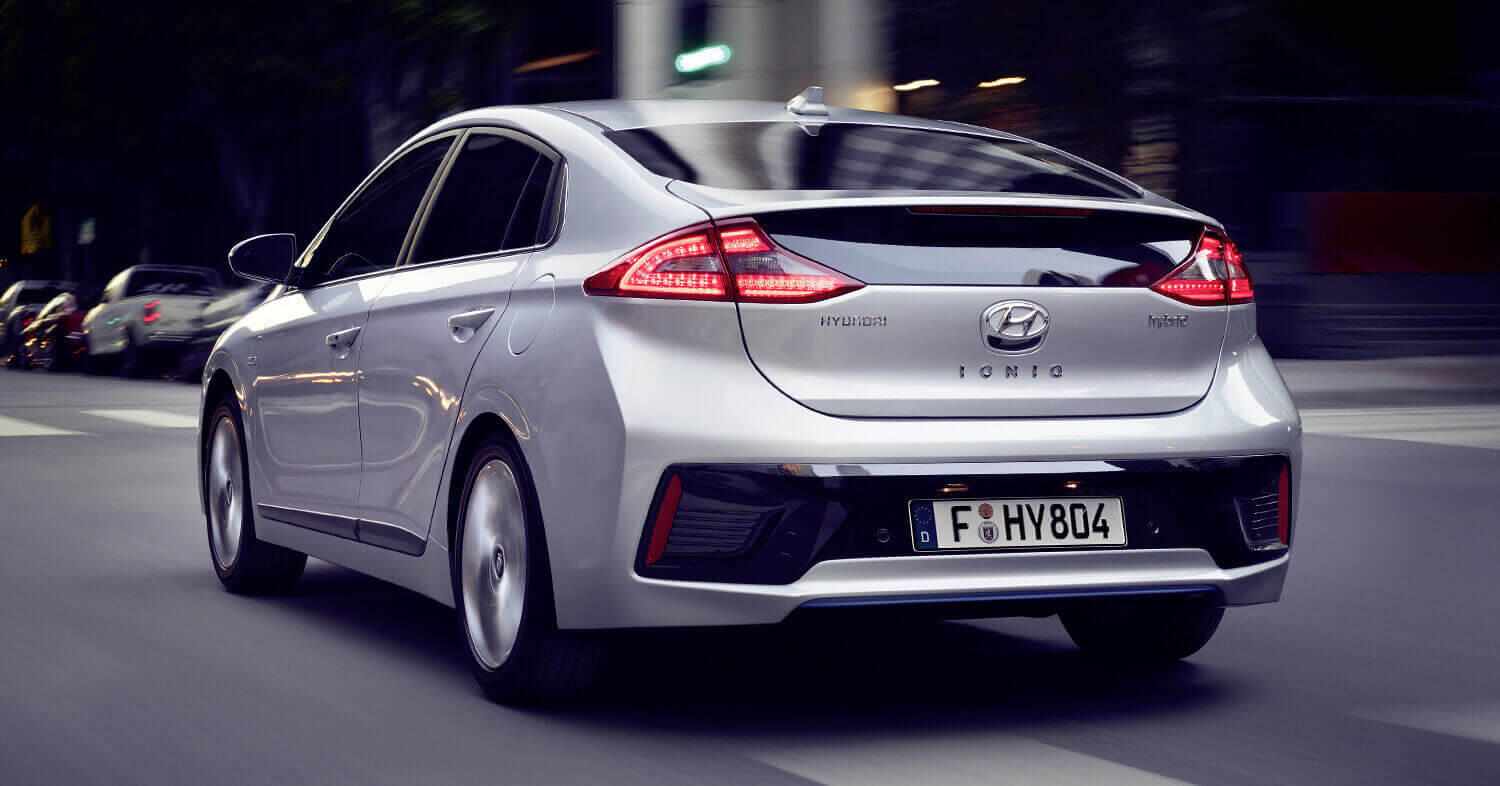
    South Korean auto giant, Hyundai Motor has announced that the company will be increasing prices across all its cars from January 2020. With the announcement, the manufacturer joins the list of other carmakers including Maruti Suzuki, Kia and Hero MotoCorp that have announced price hikes for the new year. Hyundai has not revealed details of the price hike at the moment but did say that the decision has been made due to the rise in the input and material costs. The extent of the price increase will vary depending on the model and the fuel type, it said further in a statement.

    Both Maruti Suzuki and Kia will increase prices across product line-up but are yet to announce the sum of the hike in question. Meanwhile, Hero has said that its two-wheeler range will see an increase in prices by up to ₹ 2000, depending on the model.

    While these manufacturers are the first to announce hikes, more companies are expected to follow suit. That being said, certain companies may refrain from announcing price increases on its models for now and roll out the BS6 ready versions that are set to get a price increase at a premium over the current asking price. Tata Motors will increase prices from January next year and did say that its passenger vehicles will see a rise by ₹ 10,000-15,000 on the BS6 versions.

  • China Auto Sales Drop For 17th Straight Month In November

    China Auto Sales Drop For 17th Straight Month In November

    Auto sales in China fell for a 17th consecutive month in November, with the number of new energy vehicles (NEVs) sold contracting for the fifth month in a row, data from the country’s biggest auto industry association showed on Tuesday. Total auto sales in the world’s biggest auto market fell 3.6% from the same month a year earlier, the China Association of Automobile Manufacturers (CAAM) said. That follows a drop of 4% in October and 5.2% in September.

    Car sales in the country contracted last year for the first time since the 1990s against a backdrop of slowing economic growth and a crippling Sino-U.S trade war. In November, sales of NEVs fell 43.7%, CAAM said, following a 45.6% drop in October NEV sales had jumped almost 62% last year even as the broader auto market contracted.NEVs include plug-in hybrids, battery-only electric vehicles and those powered by hydrogen fuel cells. China has been a keen supporter of NEVs and has implemented sales quota requirements for automakers.

    But it cut subsidies this year and plans to phase them out after 2020 amid criticism that some firms have become overly reliant on the funds, making NEVs costlier and dampening demand. The prolonged car sales crisis has made global carmakers from Ford to PSA cut China production plans. Geely, China’s best-known car maker globally, posted a 1% year-on-year sales growth in November while China’s biggest carmaker SAIC Motor saw a 9.6% drop due to poor performance from joint ventures with General Motors.NEV sales at both BYD and BAIC’s electric vehicle unit BluePark, in which Daimler has a stake, fell around 63% last month from a year ago.

  • Etihad extends contract with Hermes Logistics Technologies

    Etihad extends contract with Hermes Logistics Technologies

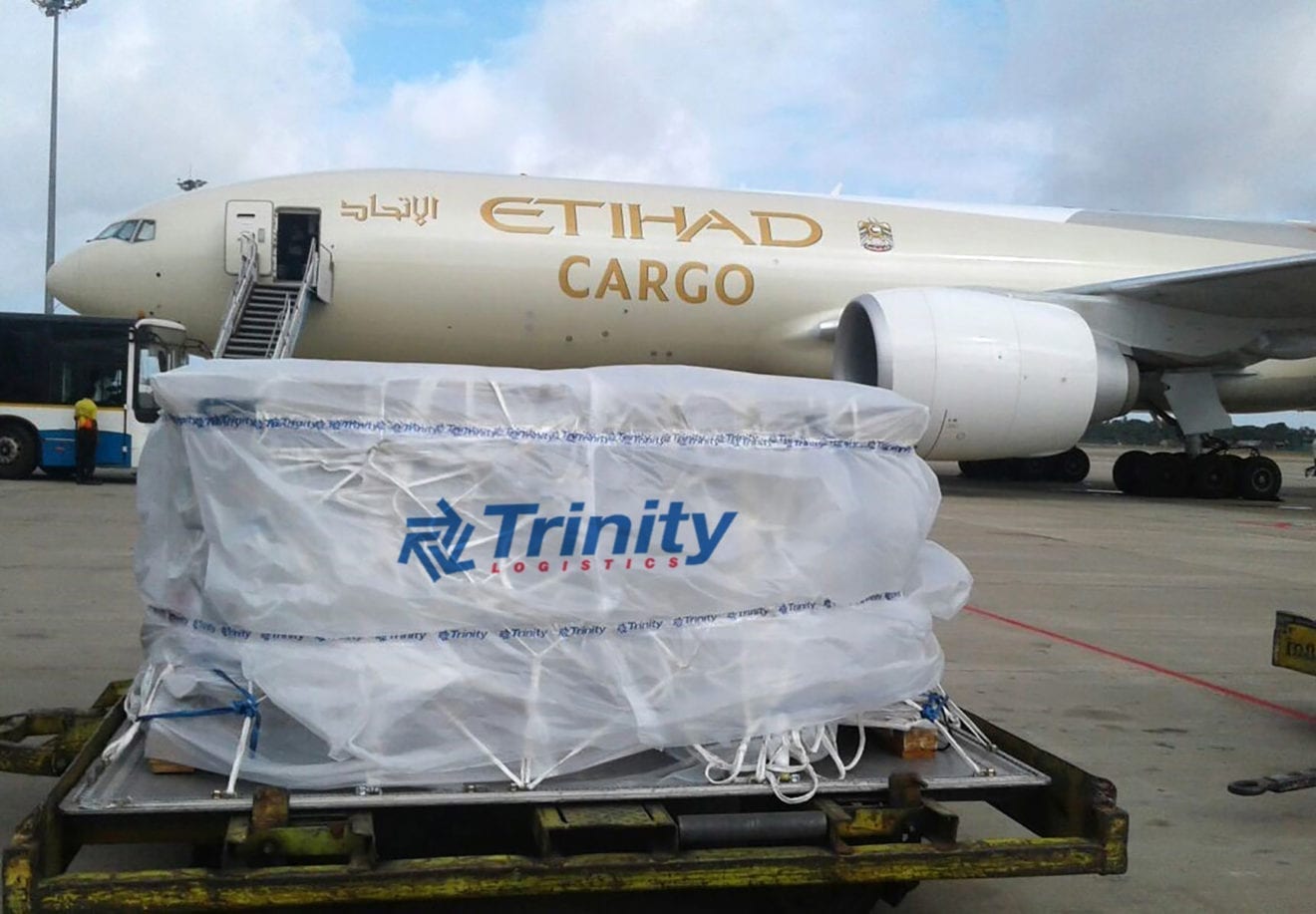
    Hermes Logistics Technologies (HLT) has extended its contract with Etihad Aviation Group and will begin upgrading Etihad’s cargo management system (CMS) to the latest version of Hermes 5 (H5).

    H5 will bring usability improvements, advanced integration with external applications, and open up business intelligence capabilities, which can be used with AI and machine learning algorithms to optimize business and handling processes.

    “We are delighted with the contract renewal with Etihad Aviation Group as it confirms HLT as a core strategic partner as they make major infrastructure upgrades to their hub in Abu Dhabi,” said Yuval Baruch, Chief Executive Officer (CEO), HLT.

    “H5 will provide the latest generation of data solutions to enable next-level business and cargo-handling process enhancements as the hub embraces the digital revolution and upgrades its e-commerce and pharma processing facilities.”

    H5 creates a cargo management ecosystem where external actors in the supply chain and third-party applications will all be able to collaborate seamlessly.

    “Etihad and Hermes Logistics Technologies have been collaborating since 2015 and we welcome the latest digital solution offered by our trusted partners,” said Frank Meyer, Chief Digital Officer, Etihad Aviation Group.

    “By upgrading to Hermes 5, we will have a digital solution tailored to Etihad’s needs, focusing on improving our cargo operations providing a seamless experience for our customers.”

    In addition to being open to external applications, H5 also forms the core of Hermes NG, a cloud-based suite of cargo management applications that include Business Intelligence (BI), Track&Trace, and eCheckin for customised cargo management solutions.

    “Our UK business analysis team joined our new development team from India on-site to complete significant upgrades to Etihad’s current CMS, laying the groundwork for the H5 implementation process,” said Jacek Lechocki, Head of Product and Services, HLT.

    “Hermes teams will be working closely with Etihad again to execute the next steps in the upgrade path, ensuring they reap the benefits of the latest, world-leading, CMS functionality available in H5.”

    Hermes NG’s modules can be used on a pay-as-you-go basis, and as a cloud-based system, no extra IT infrastructure is required to host them, allowing for maximum flexibility and savings on capital expenditure.

  • Burger King Taiwan gives away 10,000 burgers to McDonald’s, KFC customers

    Burger King Taiwan gives away 10,000 burgers to McDonald’s, KFC customers

    Burger King Taiwan is holding a marketing campaign offering 10,000 free burgers to customers of rivals McDonald’s and KFC.

    Consumers are being invited to swap a same-day receipt for a set meal at either franchise to receive a free Burger King burger.

    Burger King Taiwan, which has traded for 29 years, has lagged behind rival brands in market-share terms and has attempted a comeback over the past several years by shuttering 20 stores and replacing its management team. The brand was taken over by Asian private equity fund Nexus Point in late 2017.

    The brand has since expanded and expanded its reach via local food delivery platforms Foodpanda, Uber Eats, and Deliveroo among others.

    The campaign will run through to December 10.

  • South Korean cosmetics exports soars

    South Korean cosmetics exports soars

    South Korea is aiming to become the third-largest cosmetics exporter in the world by 2022. The move will be made through extensive investment in research and development and concerted marketing efforts, the government said Thursday.

    “The goal is to ship out more than KRW9 trillion (US$7.6 billion) worth of cosmetic products annually and have at least seven of the world’s top 100 makeup companies, from four at present,” the ministry said.

    It added that another goal is to have 276 local cosmetics companies with annual sales exceeding KRW5 billion ($4.2 million) in the target year, up from 150 now. Such growth will contribute to the creation of 73,000 new jobs in the sector.

    On the research and development front, Seoul will provide small-and-medium enterprises with KRW7.7 billion ($6.5 million) in support next year, with KRW20-30 billion ($16.86–25.3 million) to be injected in this field from next year onward.

    In regard to marketing, the ministry said more emphasis will be placed on the vast Southeast Asian market, where South Korean products are in high demand. The Southeast Asian market is attractive as it can generate overseas sales that have taken a hit after South Korean relations with China snagged since Seoul deployed the US Terminal High Altitude Area Defense (THAAD) on its soil in early 2017.

    However, as more Chinese consumers are taking an interest in the components contained in cosmetic products, South Korean cosmetic brands are infiltrating the Chinese market using their reputation for using ‘good recipes’.

    Venndata, a Chinese market research agency, reported that 45 percent of Chinese consumers were found to purchase cosmetics after carefully looking into the components. This trend is leading more Chinese consumers to buy products from South Korean cosmetic brands, which are renowned for using natural components to make their products.

    Trade data showed that in 2014, South Korea’s cosmetics exports stood at just $1.8 billion, but this has risen to $6.3 billion last year, placing it in fourth in the world overall.

    Its main overseas markets are China, Hong Kong, the US, Japan, Vietnam and Thailand, with total numbers of makeup manufacturing companies and retailers standing at 12,000.

  • HSBC Reshuffles Senior Team

    HSBC Reshuffles Senior Team

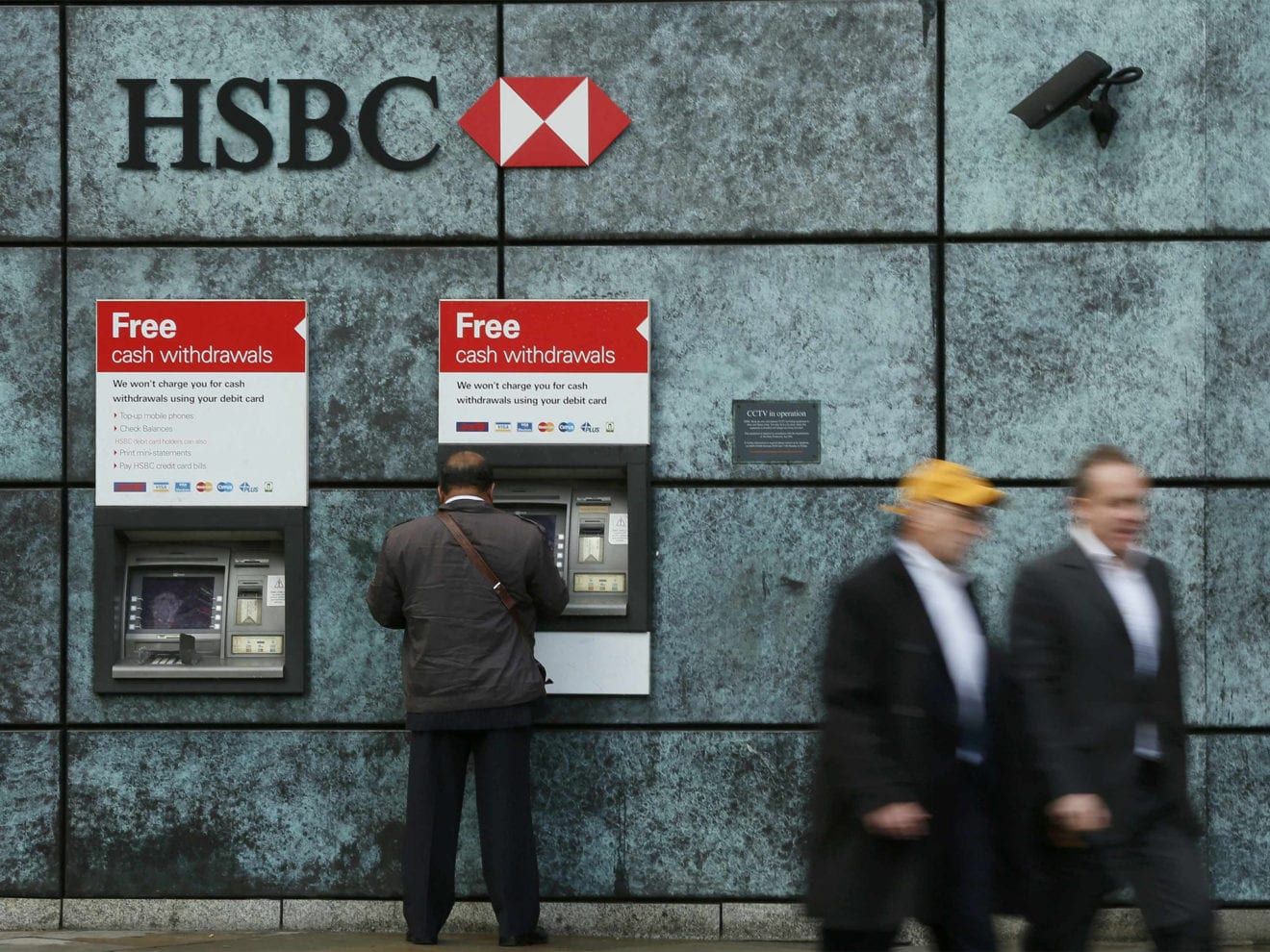
    In preparing the groundwork for a new direction under its next chief, HSBC Holdings has started to reshuffle top management.

    The bank is expected to announce the retirement Marc Moses, chief risk officer, and board member, according to a report in quoting people familiar with the situation. He is likely to be replaced by Pam Kaur, head of wholesale market and credit risk.

    Moses’ departure would mark the most senior exit from the business since the ouster of former chief executive John Flint. Chairman Mark Tucker said the bank needed a change of leadership to adapt to an increasingly complex business environment. Moses’s departure has been in the works since before Flint’s, and Kaur has been preparing to replace him for several months, one of the people said.

    HSBC’s new chief could focus more of its resources on Asia, where it reckons it can make a better return on its shareholders’ capital. Tucker told employees at an internal meeting recently that more than 30 percent of the bank’s capital was generating returns of less than 1 percent.

    HSBC’s interim Chief Executive Officer Noel Quinn, is reviewing the entire business. Quinn is aiming to get the top job on a permanent basis and is considered one of the front-runners for the post. Speaking in an internal video in October, Quinn told staff that he was more than a «caretaker» CEO.

    Gregory Guyett and Georges Elhedery will jointly run the unit once Samir Assaf steps down. Guyett is currently head of global banking, while Elhedery runs HSBC’s global markets business.

  • Citi and Lazada Unveil Co-Branded Credit Card

    Citi and Lazada Unveil Co-Branded Credit Card

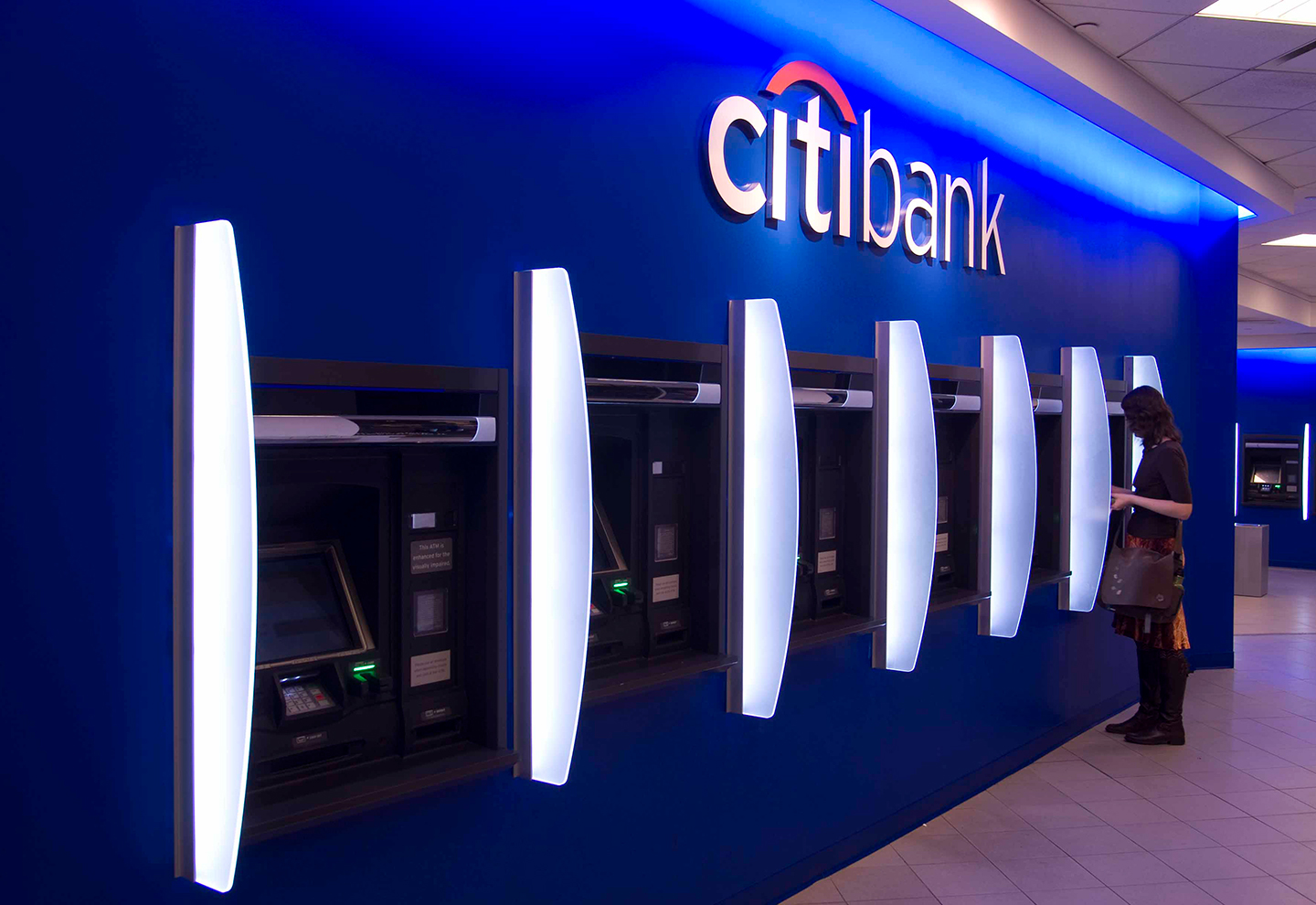
    Citi and e-commerce platform Lazada Group announced the launch of the Citi Lazada credit card in Singapore on Monday. The new co-brand credit card allows millennial shoppers to enjoy the launch promotions and card benefits as they shop online during the year-end festive season.

    Tapping into the growing purchasing power of millennial consumers in Singapore, Citi and Lazada aim to serve over 50 percent of young professionals locally with the new card over the next few years. Data from Citi, the world’s largest credit card issuer, shows that more than half of its new credit card customers in Singapore are digitally acquired and that these customers are more engaged with close to three times more spending than others within three months of onboarding.

    With over 30 per cent of our customers’ credit card spend now made via digital channels, it is important for us to continue expanding our presence and scale in digital ecosystems, and deepening our engagement with the growing eCommerce customer base in Singapore, said Brendan Carney, CEO of Citibank Singapore Limited and Global Consumer Banking ASEAN Cluster Head in a media statement.

    The Citi Lazada credit card launch is a natural extension to Citi and Lazada’s regional partnership, which began in Singapore in 2015. With the new card, Citi gains access to a younger, digitally-savvy customer pool that makes up the majority of eCommerce customers in the region, while Lazada widens its breadth of offers and services by leveraging a global financial platform. Together, the partners target over 500,000 new credit cards in Southeast Asia over the next few years.

    Over the first 11 months of the year, Lazada saw a 43 percent year-on-year increase in the number of customers aged 18-35 shopping on our platform in Singapore. Millennials are now buying more groceries, household supplies, and beauty products online than ever before. As eCommerce in Southeast Asia continues to flourish and meet consumers’ expanding needs, Citi and Lazada are unified by a common goal to develop the eCommerce ecosystem and provide more value to digital natives, said James Chang, CEO of Lazada Singapore.

  • UBS Optimus Foundation Launches Singapore Office

    UBS Optimus Foundation Launches Singapore Office

    UBS Optimus Foundation has established its first office in the city-state to expand its philanthropic offerings to clients in Asia. This is the foundation’s seventh office worldwide and third in Asia, after Hong Kong and Beijing.

    UBS said the Singapore office will engage the bank’s clients on philanthropic activities related to health, education and the protection of children, as well as sustainable and environmental causes. The foundation, which counts as one of the world’s largest international donors in China, supports over 200 programs around the world that are worth more than 200 million Swiss francs (S$274.5 million).

    Philanthropy and sustainable investing are an increasing focus of our clients in the region, many of whom are seeking investment opportunities in sectors including healthcare, oncology, and affordable education, said August Hatecke, co-head of UBS Wealth Management Asia-Pacific and the country head of UBS Singapore in a media statement on Monday.

    To mark the launch of the new office, UBS employees in Singapore raised a sum exceeding S$100,000 which, together with matching contributions from UBS, will fund the foundation’s first program in Singapore. Last year, the UBS Optimus Foundation raised 65 million Swiss francs (S$89.2 million) and committed to 92 new programs to reach out to close to 3 million children.

    We expect unprecedented amounts of wealth in Asia to be transferred across generations over the next 20 years. This will be a significant boost on philanthropy as many entrepreneurs are committed to using their wealth to create a legacy that has a positive social impact, said Desmond Kuek, the chairman of the UBS Optimus Foundation Singapore.

  • Vietnam aims to free tourist areas of plastic waste

    Vietnam aims to free tourist areas of plastic waste

    Vietnam will cut down 75 percent of its marine plastics and stop generating plastic waste in coastal tourist areas by 2030, the government says.

    Prime Minister Nguyen Xuan Phuc has issued a national action plan on the management of plastic waste in the ocean until 2030, which aims to fulfill the country’s international commitment to resolve the issue of marine plastics.

    According to the plan, by 2030, Vietnam would have reduced the amount of plastic waste being dumped into the ocean and collected 100 percent of lost or discarded fishing equipment. Additionally, 100 percent of coastal tourism service providers would stop using disposable plastic products and non-degradable plastic bags, and 100 percent of marine protected areas would be free of plastic waste.

    The government has asked the Ministry of Natural Resources and Environment to expand its annual monitoring activities and evaluate the current status of marine plastics at river mouths and in 12 island districts every five years.

    To achieve its goals, the government will work to promote and raise public awareness on the issue of plastic waste; change the public’s behavior and treatment of plastic products and marine plastics; collect, sort, store, transport and treat plastic waste generated by activities in coastal areas and on the seas.

    The PM asked the Ministry of Natural Resources and Environment to work with authorities of coastal provinces and municipalities to develop and pilot models for managing, reducing and eventually stopping the use of disposable plastic products and hard-to-degrade plastic bags in coastal areas.

    According to the United Nations Environment Program, Vietnam is the world’s fourth-largest marine plastic polluter after China, Indonesia and the Philippines. It has been estimated that Vietnam dumps an average of 300,000-700,000 tons of plastic waste into the ocean per year, accounting for six percent of the world’s marine plastics.