Tag: asia

  • Softbank, Line merger foretells the birth of a new tech powerhouse

    Softbank, Line merger foretells the birth of a new tech powerhouse

    The alliance between the two Japanese companies is estimated to be worth $30 billion and is expected to be concluded by October next year. The merger’s combined revenue could see it totalling $11 billion, easily surpassing its domestic competitor Rakuten.

    Tech analysts have lauded the merger, stating that this agreement would give Z Holdings and Line the opportunity to extend their reach towards a larger consumer base and increased negotiating power with its advertisers. Softbank and Naver, which owns Line, will each control 50% of the share in Z holdings.

    “We were driven by a sense of crisis about global competition and the pace of change in AI,” said Takeshi Idezawa, co-Chief Executive at Line. “The timing arrived for us to move on to the next phase [with this merger].”

  • Nokia, Hitachi union will support local enterprises through 5G and private LTE solutions

    Nokia, Hitachi union will support local enterprises through 5G and private LTE solutions

    As part of the collaboration, the Nokia Digital Automation Cloud platform with its secure, reliable and low-latency connectivity will be used for applications including video analytics, AI, machine learning and IoT, as well as drones, group communication, and AR/VR. It will also enable autonomous transport vehicles, such as trucks, trains, forklifts and straddle carriers, to increase productivity at factories, utilities, airports and ports.

    The Japanese government is releasing 5G spectrum designated for individual companies and local governments (known in Japan as local 5G) at the end of 2019. This will enable enterprises, regional authorities and other organizations in Japan to deploy the next-generation of industrial-strength wireless connectivity based on LTE and 5G technologies to create local private, reliable networks.

    Nokia and Hitachi Kokusai Electric will collaborate to provide an eco-system of solutions to support the deployment of new digital automation services. Hitachi Kokusai Electric will share its expertise as a leader in driving the adoption of private LTE networks for industry use and disaster prevention in Japan. Nokia will lend its private LTE/4.9G and 5G wireless connectivity solutions, which have established a global marketplace footprint across energy, transportation, public sector, manufacturing and logistics.

    Kaichiro Sakuma, Representative Director, President and Chief Executive Officer of Hitachi Kokusai Electric, commented, “Industrial grade private wireless networks will be very important for our industry customers, helping them to become more efficient, automating dangerous operations, and improving worker safety. Our collaboration with Nokia is helping to speed the delivery of these innovative capabilities to the Japanese market.”

    John Harrington, Head of Nokia Japan, said, “Partnerships such as this help us to better serve the increasing needs of local 5G and digitalization technology in Japan. Collaborating with partners with in-depth knowledge and expertise across industry segments is critical to the widespread adoption of digital automation and private wireless solutions in industrial settings. Thanks to our comprehensive end-to-end-portfolio, we are ideally placed to support Hitachi Kokusai Electric and its customers to benefit from secure, highly reliable, ultra-broadband wireless networking.”

  • China’s 3 mobile carriers kickstart commercial 5G rollout to the public

    China’s 3 mobile carriers kickstart commercial 5G rollout to the public

    Recently, China Mobile released the results of centralized procurement of Phase I NFV network equipment in 2019. This broad range of procurement involves 31 provincial companies in eight regions of China, which undoubtedly indicates that the full commercial deployment of 5G led by China Mobile has begun.

    NFV network is the only way leading to 5G era

    As we know, the 5G core network defined by 3GPP is a comprehensive cloud-based network architecture in order to meet the deployment requirements of edge diversified services in the 5G usage scenario of uRLLC (Ultra-reliable low latency communication), eMBB (enhanced mobile broadband), and network slicing. 4G will coexist with 5G in foreseeable future. The smooth evolution of 4G core network to 5G requires moving 4G EPC to the cloud, which call for a new technology: Network Function Virtualization (NFV).

    NFV is an important enabling technology in 5G core network era, which can decouple the network functions of traditional vertically integrated dedicated NEs into software and deploy them on COTS servers and switching devices, so that services can be rapidly deployed and launched. Besides, with NFV, 5G networks become more flexible, so as to better support access to different vertical business and meet differentiated service quality requirements of users in different industries.

    At present, SDN/NFV-based network cloudification and network reconstruction have become the common idea of the industry. With the issuance of 5G commercial licenses in various countries, NFV has indeed ushered in large-scale commercial deployment worldwide. China’s three mobile carriers have successively released their network reconstruction plans focusing on SDN/NFV, which include NovoNet 2020 in China Mobile, CTNet 2025 in China Telecom and CUBE-Net 2.0 in China Unicom. In February 2019, Smart Communications, Inc., the Philippines’ leading wireless provider, officially announced the successful commercial use of the world’s first NFV/SDN collaboration all-cloud core network. The US Media reported that the commercial deployment of NFV by AT&T International, Inc., an US mobile carrier, is also entering the turning point.

    The arrival of 5G will undoubtedly accelerate the network virtualization process, and NFV is the only way leading to that Era.

    5G brings huge market opportunities to NFV

    According to the disclosed information, this procurement covers PS domain NEs (vMME, vSAE GW, vPCRF, and vDNS) and IMS domain NEs (vCSCF, vVoLTE AS, vSBC, and vENUM/DNS) from 31 provincial companies in eight regions of China, which almost involves all NEs in the core network. It not only means that China Mobile NFV network project will officially enter the stage of large-scale construction, but also be regarded as the beginning of the full deployment of China Mobile’s 5GC, which will certainly further accelerate the maturity and commercialization of the domestic NFV industry chain.

    At the “China SDN/NFV/AI Conference 2019,” Wei Leping, Executive Deputy Director of Communication Technologies Commission of MIIT, said, “Now the industrial process of NFV in our country is relatively slow. The three mobile carriers should use NFV without hesitation, especially by taking advantage of the opportunity of 5G.” According to the NFV industry report released by Global Market Insights, the NFV market will exceed $70 billion by 2024. About 79% professionals in telecom industry view NFV as a key strategic focus for the next five years’ development.

    NFV becomes the “New Promising Technology”, virtualization services providers embrace bright future

    As we know, all cloud-based telecom networks must be realized the decoupling of hardware and software, which poses challenges and higher requirements for traditional telecom equipment manufacturers. According to the centralized procurement results of China Mobile, traditional equipment manufacturers such as Huawei, Ericsson, and ZTE still occupy the favorable position, providing China Mobile with virtualized NEs, virtualization layers, distributed storage, MANO, and integration services. Take ZTE for example, it is reported that ZTE will construct Virtualized Network Elements (VNF) for 12 provinces, including regional control plane NEs and provincial user plane NEs (GW-U, SBC-U). The telecom cloud resource pool that bears the NFV network is built with servers provided by Inspur and ZTE. Therefore, domestic telecom equipment manufacturers already have the capability to build large-scale NFV networks, and their NFV solutions and products have also been widely used in both global operators’ and government/enterprises’ networks. In this tender, ZTE demonstrated its comprehensive strength in providing end-to-end NFV solutions and a full range of NFV products.

    China is racing ahead in 5G with the largest 5G market. According to a report, total spending on 5G in China will account for about one-fourth in the world. This procurement from China Mobile alone can provide services for hundred millions of users. This not only reflects the technical and service strength of the bid-winning enterprises, but also indicates that virtualization service providers will embrace bright future in the NFV field of 5G era.

    With NFV, 5G can realize low-cost, open, and flexible, and 5G commercial use promotes the maturity and development of NFV industry chain. So, the common progress of 5G and NFV provides broad space for telecom equipment manufacturers.

  • Automobili Pininfarina’s Second Car To Rival The Urus

    Automobili Pininfarina’s Second Car To Rival The Urus

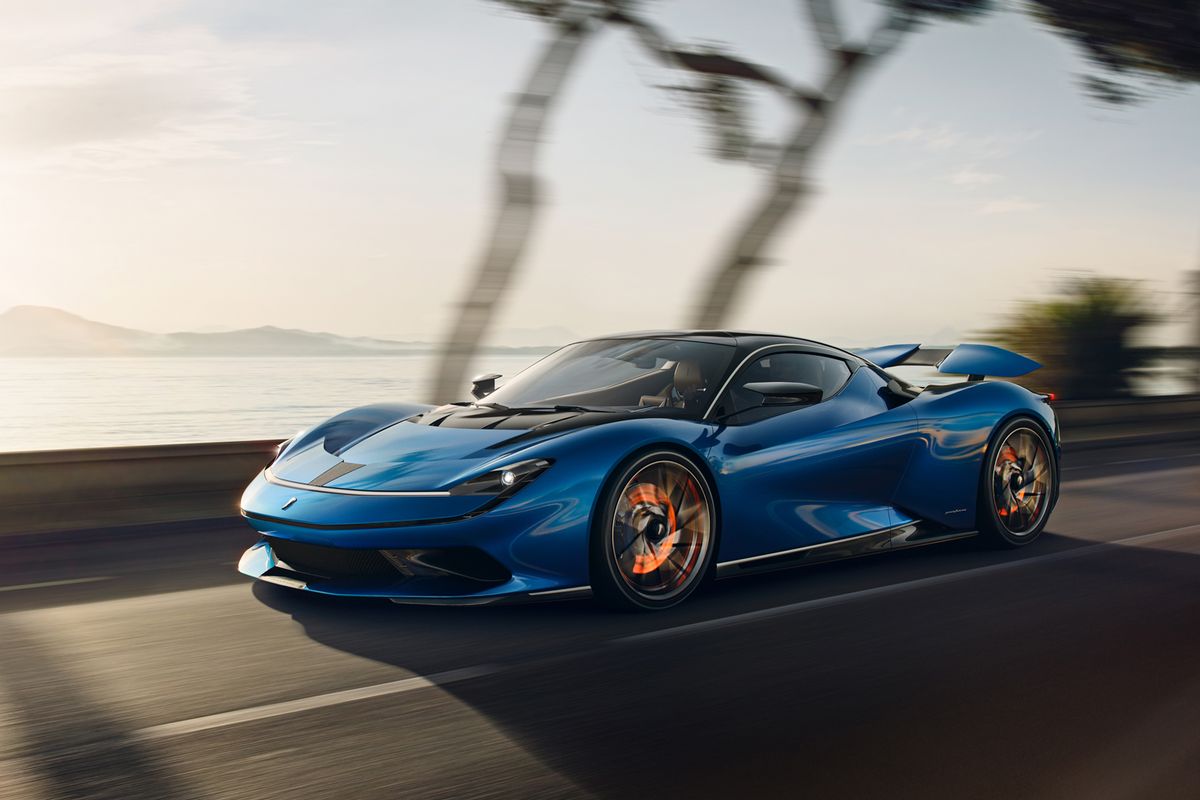
    It was at the 2019 Geneva Motor Show that Mahindra-owned Pininfarina showcased the world’s first luxury electric hyper-performance GT and it’s called the Battista. In fact, the company brought three models to the event. Back then, we told you that it doesn’t stop here and a new model was already in the pipeline. Speaking at a private event in Los Angeles, US, Automobili Pininfarina CEO, Michael Perschke revealed the plans of the company. He said, “We envisage a 5 model family now and by 2025 the family will be complete.”

    While deliveries of the Battista (PF0) will start in 2020, the company is already getting ready to showcase its next product – the PF1. Perschke had already said that the second car will slot somewhere between a Lamborghini Urus, Porsche Panamera Shooting Brake and a Ferrari GTC4 Lusso and of course, it will be an all-electric car. While there’s no doubting why the company is diving into the SUV segment, considering how big a global trend the segment is; it’s interesting to see Pininfarina taking the bull by the horns and streamlining its strategy for the Indian market. While it’s currently under development, and hence not much is known about it, of course, there are some details that Perschke threw some light on.

    In an exclusive interview during the 2019 Geneva Motor Show, Perschke said, “The car will have 4 seats, maybe 5 people can sit in, but it’s going to be super functional, super emotional, superb designs and it’; be a little higher, little longer than the Battista and it’s going to be super exciting and we have to do justice to this brand.” The company has now confirmed that the PF1 will come with a 4-seater configuration but with an optional rear-seat bench to offer a 5-seater variant. The interior trim will be made of rich material 90 per cent of which will be no plastic. However, it went on to state that 90 per cent of the dash will be wood.

    At a private event in Los Angeles though, a few more details were revealed and this includes the approximate price of the car. Perschke said that the second model will be priced from $200,000 ( ₹ 1.43 crore approx.) to $300,000 ( ₹ 2.15 crore) and will slot below the Battista which currently is priced at $2 million. He in fact said that the brand will never build a car which will cost less than $ 150,000 ( ₹ 1 crore approximately)

    Giving some more details about what the PF1 would look like, Luca Borgogno, Head of Design, Pininfarina said, ” The next car will be the first sustainable S-LUV (Sustainable Lifestyle utility vehicle). It will offer performance, luxury and comfort. We want to apply a low bonnet, big fender feeling and glass canopy feel to the car. We will work with suppliers to Boeing to have glass that can be darkened or lightened as the windows in the Dreamliner.” The roof canopy will also have heat reflection.

    On the dimensions front, the PF1 all-electric SUV will be 50mm lower than the Urus; it will be more than 5 metres long, more than 2 metres wide and will have an electric powertrain that will offer upto 1000 bhp. The PF1 will use 3 electric motors; 2 at back, one in front and will boast of a 50:50 weight distribution with 80 percent of weight below the H point since the batteries will be floor mounted.

    The PF1 will be based on a new platform that Pininfarina calls skateboard. The S-LUV will be the first car to be built on this platform and all future cars from Pininfarina will be based on it. The company says that the S-LUV will not be an off-roader but will be able to handle rough roads and some more. The car will come with AWD and air suspension will be part of the package.

    It is also confirmed now that the PF1 will come with 24-inch wheels which is a size bigger than the Lamborghini Urus. Of course, you’re wondering, whether it’s a limited edition model. Well, it isn’t. It was only the production of the Battista that was capped at 150 units. According to the folks at Pininfarina, the volume will vary with each model. As far as the PF1 (S-LUV) goes, it will have a minimum annual production of 1500 units. Between the Battista, PF1 and PF2, the company will not produce more than 5000 units annually.

    Production of the PF1 S-LUV will begin from 2022 and the car will be showcased for the first time as the Pura Vision Concept at the next Pebble Beach Concours d’Elegance.

  • Retailers need to offer more flexible in-store shopping options

    Retailers need to offer more flexible in-store shopping options

    The advancement of digital and mobile innovation is creating disruption across the Asian retail sector. Richard Wright, Managing Director Southeast Asia at Manhattan Associates, looks at how the role of traditional bricks and mortar retail stores are evolving and shifting as the prominence of online shopping continues to grow.

    With omnichannel initiatives such as buy-online-pickup-in-store (BOPIS) in full swing for almost every multi-channel retailer, the ability to execute on the promises of great experiences and fast, free delivery are putting tremendous pressure on retail fulfilment systems and teams to answer the bell profitably. To adjust to this changing environment, store associate roles are required to adapt as they are being asked to do more than ever before.

    As consumers, when we order online for in-store pickup, we are giving merchants a tremendous opportunity to engage with us to sell more than our original order. In fact, 46 percent of us will buy more when we arrive at the store to pick up our item. However, in order for us to purchase more, our experiences need to remain smooth and efficient. We want a single transaction and receipt and a single order to review later in our app or online — no matter how many items we added to the original order. For most retailers today, the fairly simple omnichannel experience described here is onerous to execute and nearly impossible to do so as a single transaction for their customer. They simply do not have systems designed for this kind of engagement.

    Retailers committed to a unified commerce experience need systems and tools that have been optimised and engineered specifically for omnichannel demands. They need a cloud-native, services-based architecture that enables exceptional scaling and provides maximum flexibility when new types of engagement are demanded — not another application on top of the legacy system.

    A single application that gives complete command and control of the customer buying experience and all store inventory and fulfilment functions is required. From mobile checkout to guided fulfilment and inventory location notification, associates are made more helpful and more efficient. From encouraging individual selling goals to monitoring the health of the store activity, managers are more keenly attuned to the customer experience and driven to improve it.

    For more information, please visit: https://www.manh.com/en-sg


  • The first ever DFS T Galleria at sea to open on board Dream Cruises ships

    The first ever DFS T Galleria at sea to open on board Dream Cruises ships

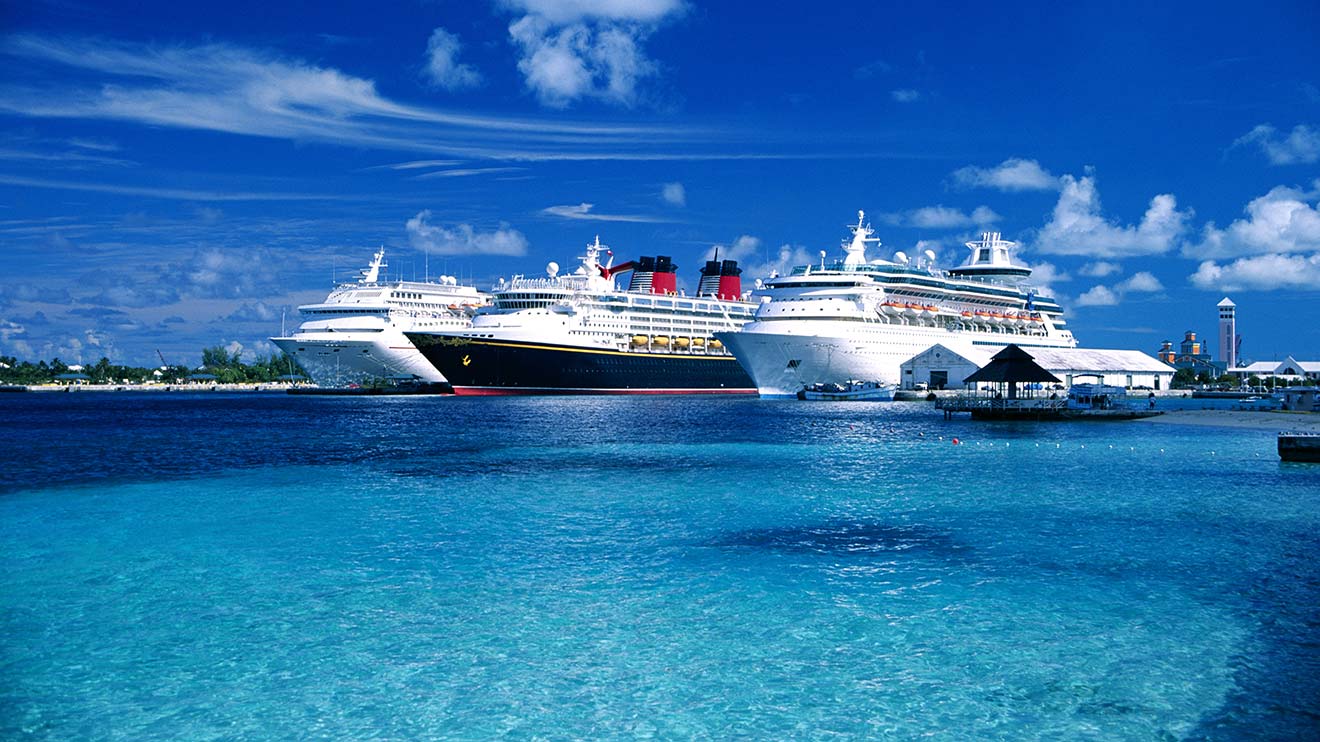
    Luxury travel retailer DFS Group is to launch its retail concept T Galleria at sea onboard Dream Cruises’ two new global class ships, Global Dream and its yet-to-be-named sister ship.

    The launch is a result of a partnership between DFS Group’s sister company Starboard Cruise Services and Genting Cruise Lines, the owner of Dream Cruises, along with other cruise line brands Crystal Cruises and Star Cruises.

    Starboard Cruise Services is a premier retailer at sea, providing retail operations for eight cruise line partners around the world. The company is part of the luxury goods conglomerate LVMH Group, which also the majority owns the Hong Kong-based DFS Group.

    The T Galleria at sea retail spaces at these ships will span around 18,000sqft, offering various categories, including fashion and accessories, beauty and fragrance, watches and jewelry, and food and gifts. The retail offering will include a combination of brand firsts, product introductions and activations, culminating in a seamless experience that is specifically curated for the guests.

    “DFS is proud to partner with its sister company, Starboard, on this first-of-its-kind travel retail opportunity. Starboard’s expertise in cruise retail, coupled with DFS’ skill in curating products and experiences for the global traveler, make it the perfect match for the world’s two largest passenger cruise ships,” said DFS Group CEO and chairman Ed Brennan.

    Dream Cruises’ two new global class ships will weigh in at approximately 208,000 tons and are expected to accommodate 9000-plus passengers and 2500 crew during peak holiday seasons, making them the world’s largest cruise ships by passenger capacity.

    “Dream Cruises is delighted to continue its long-standing collaboration with Starboard and to welcome the first DFS T Gallerias at sea onboard our new global class ships. With Genting Cruise Lines’ over 25 years of experience operating cruise ships in Asia, we know that retail and shopping is an important component of our guests’ vacation plans, and we are excited to have the highly coveted brands that both Starboard and DFS represent available on our ships,” said Kent Zhu, president of Genting Cruise Lines.

    Starboard and Dream Cruises have been partners since 2016 when the former opened a boutique at its Genting Dream cruise ship and continued through the latter’s subsequent ships, World Dream in 2017 and Explorer Dream in 2019.

    Global Dream will focus on taking Asian travelers around the world to destinations including Australia, New Zealand, the Baltic Sea and the Mediterranean from early 2021.

    “We invite everyone to come on board to experience our innovative facilities, thoughtful amenities, impeccable service, authentic Chinese cuisine and the largest variety of Asian and International dining at sea,” said Zhu during a presentation at August’s IBTM China.

  • Fashion industry ‘waking up’ to benefits of blockchain technology, robotics

    Fashion industry ‘waking up’ to benefits of blockchain technology, robotics

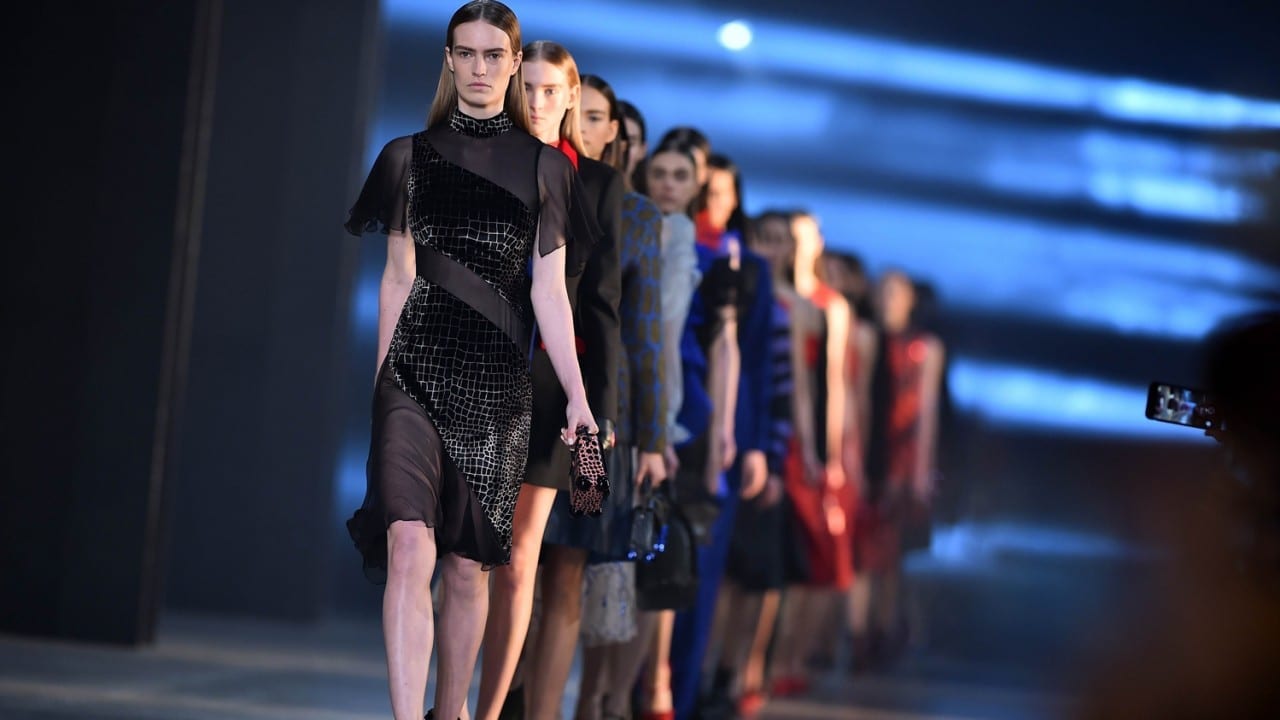
    Blockchain and robotics are becoming increasingly popular in the global fashion industry as brands look to increase transparency and improve efficiencies, according to GlobalData.

    While it is still in its infancy, blockchain technology has the potential to transform the global supply chain, says Michelle Russell, apparel correspondent at GlobalData. She says that during the last few years, the adoption of blockchain technology amongst apparel and textile companies has grown substantially as the pressure to have more visibility in the supply chain ramps up.

    “Its uses are varied as companies use the ledger to address problems in unethical behavior, excess waste, the origin of goods, and counterfeiting.”

    German start-up Retraced recently launched a blockchain-based transparency solution that it is trialing with a number of fashion brands. Other examples include OpenSC which received US$4 million in seed funding for its platform that aims to build transparency around commodities known to have significant environmental or human rights risks within their supply chain and Waste2Wear’s launch of the world’s first ocean plastic-based fabrics collection that is fully traceable using blockchain technology.

    “Blockchain is undoubtedly helping the apparel and textile industry overcome many of its problems,” continues Russell.

    “While still in its infancy there are undoubtedly many bumps to be ironed out, such as the need for common standards and regulations. However, despite the challenges, the increased adoption of blockchain shows there is a need for this type of technology in the industry and its potential is substantial.”

    Integrating robotics

    Meanwhile, apparel brands are beginning to realize the benefits of integrating robotics in their supply chains as a way of improving their speed-to-market, says Hannah Abdulla, also an apparel correspondent at GlobalData.

    “To meet consumer demand for accessing the latest trends more quickly, we’re seeing brands using robotics, which allows faster and greater output, as well as higher efficiencies in warehouse operations.

    “Of course, critics may argue such technology could lead to a reduction in manpower but, if the appetite for apparel and footwear continues to grow and demand for the latest trends continues to intensify, brands will be left with no choice, but to harness robotics.”

    Adidas recently announced it was deploying Speedfactory technologies at two Asian suppliers, enabling accelerated speed-to-market, and quicker response time to trends, a shift to mass personalization, efficiency, and greater sustainability. In a similar move, the Japanese owner of Uniqlo, Fast Retailing, has employed two robotic start-ups to help improve efficiencies in warehousing and distribution.

    “In today’s world, speed is everything,” adds Abdulla. “Consumers want access to the latest trends and they aren’t willing to wait. Employing robotic technologies in

  • Pizza Express faces tough debt decision

    Pizza Express faces tough debt decision

    Global Italian restaurant chain Pizza Express may be broken up as its Chinese parent Hony Capital resists attempts to negotiate the restructuring of more than £1.1 billion debt.

    According to Bloomberg, citing sources who asked not to be identified, investors who own 70 percent of the most senior-ranked bonds in Pizza Express have pledged to provide new funds to prop up the troubled chain. However, Hony, which paid £900 million for the company five years ago has yet to respond.

    Saro Bos, an analyst at Imperial Capital, described Pizza Express’ capital structure as “unsustainable” in a research note to clients. “We expect the company will eventually have to restructure.”

    Independent analyst Everest Research, has suggested a “sensible way” to restructure Pizza Express would be for the secured bondholders to take over the UK operations with Hony taking over the Chinese business – essentially a split in the operations.

    According to Bloomberg, the bondholders see value in the business, particularly in the UK, where it started, which is achieving 18 percent more sales per store than those elsewhere in the world. Hony bought the business with a vision to expand into Greater China, but this has reportedly failed to deliver the level of returns expected.

    The company recently closed its high-profile Hong Kong International Airport store but opened another in the Jewel Changi development in Singapore.

    “Creditors are concerned that the expansion is draining cash from the business,” reported Bloomberg, citing a report by Imperial Capital.

    Pizza Express’ debt begins to fall due in August next year.

  • Luxury labels increase focus on burgeoning Korean market

    Luxury labels increase focus on burgeoning Korean market

    South Korean consumers’ love for luxury labels is encouraging high-end brands to take bold, innovative moves into the market, opening pop-up stores and staging world-exclusive fashion shows.

    Louis Vuitton, listed by Forbes as the most powerful luxury brand, opened a new flagship boutique in Seoul late last month, a unique building designed by renowned architects Frank Gehry and Peter Marino and located in the high-end Cheongdam neighborhood in Gangnam. Bernard Arnault, chairman of the French luxury goods conglomerate LVMH, which has Louis Vuitton under its wing, attended the opening ceremony of the store during his third visit to South Korea in the last three years.

    In April, Louis Vuitton opened a pop-up store for its signature Twist bags in collaboration with Hyundai Vinyl and Plastic in Seoul. It was Louis Vuitton’s second single-theme pop-up store, following its Archlight sneakers pop-up launched in New York in 2017.

    In July, Louis Vuitton also teamed up with one of the country’s leading department stores, Shinsegae Department Store, to open its first Asian pop-up space at its Gangnam outlet in southern Seoul entirely devoted to handbags. A limited number of the items were exclusively sold at the store.

    The French luxury house has since showcased a series of pop-up stores at department stores in Seoul and the surrounding Gyeonggi Province, offering South Korean consumers the exclusive advance opportunity to buy select items from next year’s collection.

    “In the past, I usually purchased bags when I visited Paris as the latest items from the collection were first available there,” Kim Min-kyung, a 36-year-old VIP customer at a local department store, said.

    “Now, the latest collection items can be purchased here even in advance.”

    The luxury goods market in South Korea was valued at 14.2 trillion won (US$12.1 billion) last year, up from 11.46 trillion won in 2014, according to market research company Euromonitor International. It is also the fourth fastest-growing luxury goods market in the world behind India, Malaysia, and Indonesia.

    Multiple sets of industry data show sales of major luxury brands grew between 20 and 30 percent in the country last year, compared with an average of 2-per-cent growth for local department stores.

    South Korea’s luxury-handbag market was valued at 3.2 trillion won in 2017, making it the world’s fourth-largest following the US, China and Japan. It also outpaced France, the home of international powerhouses such as Louis Vuitton and Chanel.

    High-end jewelry and fashion brands have also held a series of world-exclusive launching events and fashion shows in Seoul. In April, Italian luxury brand Fendi, also part of LVMH, debuted its lively, street-style fashion collection “Roma Amor” at a Lotte Department Store outlet. It was the first time that Fendi has launched a new collection in Seoul.

    “The global luxury brand’s launch of a new collection in Seoul illustrates the growth of consumption power among Korean millennials,” Kim Hye-ra, a luxury department chief at Lotte Department Store, said.

    The millennial generation, consumers born between 1980 and 1994, approaches shopping differently from older people, whose top priority in consumption is satisfaction.

    In an apparent move to target the spending power of younger consumers, French luxury house Chanel revealed its exclusive Urban Capsule Collection in collaboration with US pop star Pharrell Williams earlier this year. The collection, vibrant and far from the conventional classics, has been popular among the younger generation.

    “Consumption of luxury goods, most noticeably among the so-called millennial generation, has constantly increased despite a slowdown in the economy,” said Ha In-hwan, an analyst at Meritz Securities, adding that international brands are accelerating their push into the country as the market is expected to show continued growth.

    Some luxury labels have recently taken further steps by opening branches there in an apparent move to directly target South Korean consumers without going through local importers or distributors that are mostly operated by the country’s major conglomerates.

    British-based luxury-handbag maker Mulberry recently took full ownership of its South Korean business by buying Mulberry Korea from local partner SHK. As part of a wider Asian development strategy, Mulberry made an additional investment of 1.3 million pounds.

    “Over the last 18 months, we have recruited a new management team and taken day-to-day control of the business in South Korea, an important market for luxury goods where the Mulberry brand has significant growth potential,” CEO Thierry Andretta said in a press release.

    Luxury fashion and perfume house Givenchy also recently terminated its distribution contract with Shinsegae International, part of the country’s largest retail conglomerate, Shinsegae to operate its own branch there.

    Givenchy Korea, under the leadership of Ramon Ros Parellada, has reportedly hired nearly 100 employees to kick off its own business. The company recently opened its first outlet in South Korea — its second in Asia — in Seoul, entirely dedicated to its kids collection.

    Delvaux, a Belgian luxury goods maker, also launched a branch in the country, its sixth overseas store. The brand, known for its delicate yet very expensive handbags, has recently pushed a local expansion by opening boutique stores.

    “The decision (to operate a South Korean branch) is to bring a unique experience to Korean consumers who can truly value good products,” Delvaux said.

    Market watchers think that global luxury labels will continue to rush into South Korea, as the country serves as a testbed for the Asian market. Also, the market offers a convenient and attractive shopping environment for Chinese customers, who account for almost a third of global spending in the luxury market.

    “Sales of major European luxury brands in the Asian market have shown steep growth this year despite a slowdown in other parts of the world,” said Kim Jae-im, an analyst at Hana Financial Investment.
  • Miniso Hong Kong shutters retail stores

    Miniso Hong Kong shutters retail stores

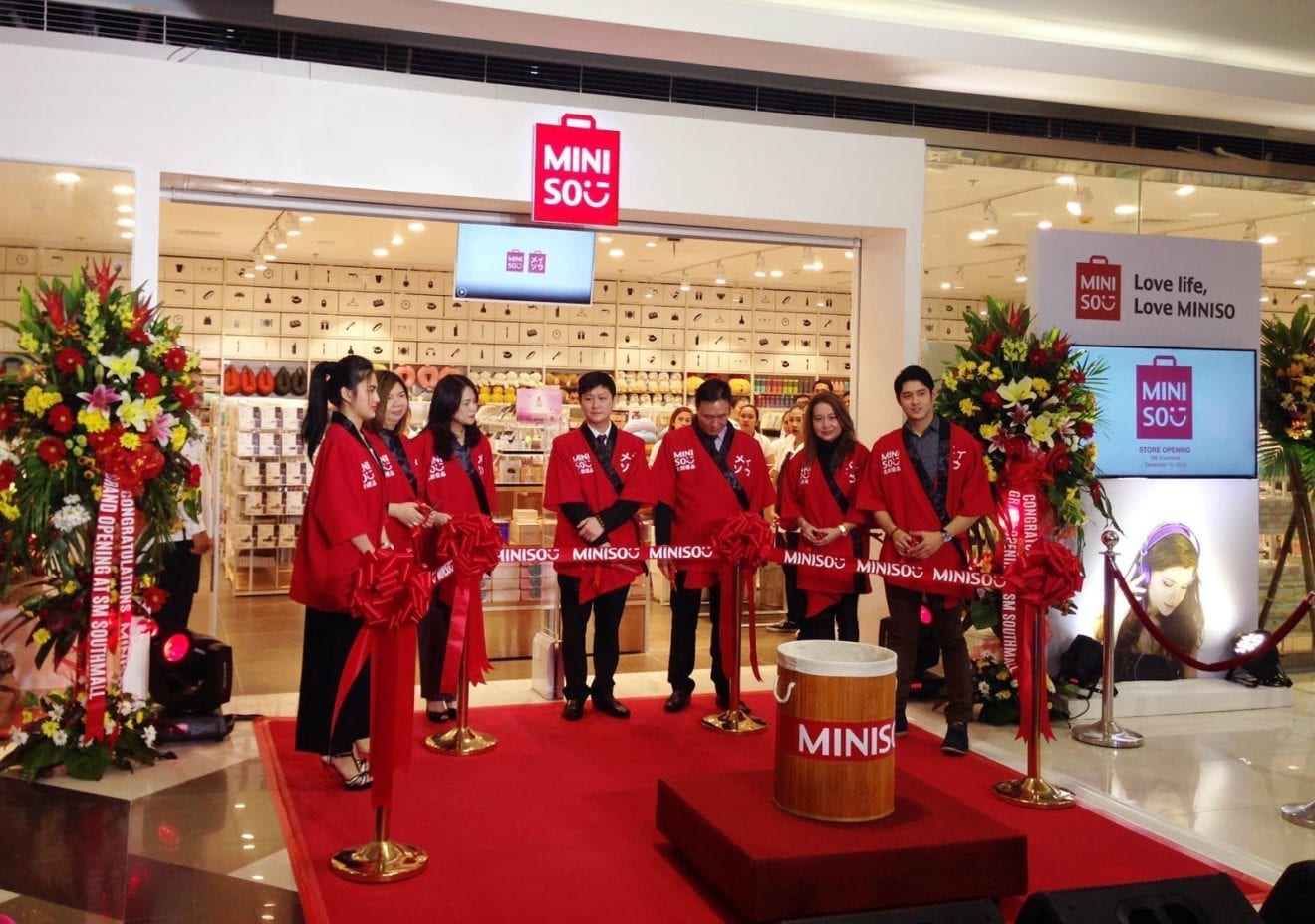
    Miniso Hong Kong has shuttered all of its 50 stores since November 14 citing ongoing protest action – and reportedly won’t be paying staff for the week.

    A leaked internal memo was sent to staff advising them of a seven-day closure and giving them just one day’s notice. According to Apple Daily, the decision was made on the basis of ensuring “employee’s safety”. However, staff members will not be paid for the enforced week off and any days of leave requested and falling due over the period will still be deducted from leave due.

    Miniso Hong Kong is one of the retailers listed by the protest movement which supporters have been asked to boycott. Store brands on the list have been targeted by protestors and graffitied for being China-owned.

    Miniso Hong Kong had already attracted negative consumer sentiment since its launch in the territory, being dubbed a ‘China copycat’ of Japanese labels Muji and Uniqlo, all the while trying to position itself in the market as a Japanese design store.

    During ongoing protests, activists have identified and categorized retailers as ‘blue’ or ‘yellow’ with the majority of the latter being supported as independent local businesses, versus pro-China large corporate chain stores.

    Whilst protestors have been actively boycotting businesses, some chains such as grocer Best Mart 360, have been vandalized. In Best Mart’s case, protestors allege the CEO is associated with the federation behind the Fujian triad gangs which have attacked Hong Kong citizens protesting against the government.

    Another company impacted is Maxim’s Group, a part-owned subsidiary of Dairy Farm International, picked on after Maxim’s founder’s daughter Pansy Ho repeatedly denounced protestors and labelled them rioters. Ho has no management role with Maxim’s Group.

    The company operates the Starbucks franchise in Hong Kong and a number of outlets have been vandalised, including one in Jordan yesterday.

  • DBS Partners with Exiger to Fight Financial Crime

    DBS Partners with Exiger to Fight Financial Crime

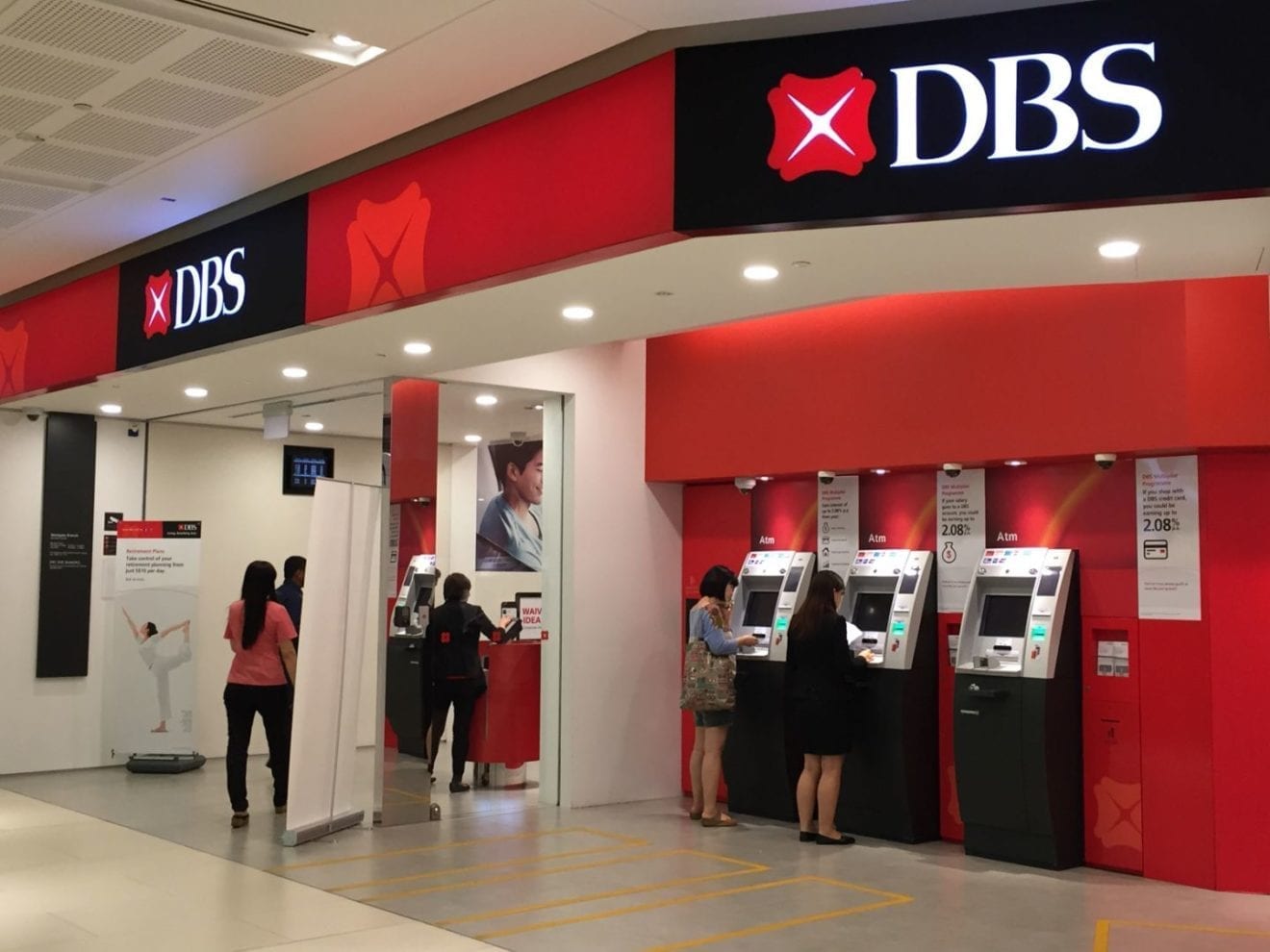
    To fend off the evolving risks of financial crime, DBS Bank has partnered with Exiger, a provider of risk and compliance solutions to implement a due diligence solution powered by artificial intelligence (AI) to streamline and further bolster the bank’s screening processes.

    DBS will be tapping on DDIQ, the automated AI-powered solution designed by Exiger that understands and analyses content with cognitive reasoning. The solution accelerates and enhances risk assessments of clients, investments, transactions, third parties, and counterparties.

    Using AI to help manage risk in financial crime is a journey that involves many small, difficult steps but tremendous ambition and commitment to keep moving.  It is incumbent for financial institutions and their like-minded partners to continue to strive to give customers great experiences yet be adversarial to criminals and terrorists,» said Lam Chee Kin, Managing Director and Head, Group Legal, Compliance and Secretariat at DBS Bank in a media statement on Friday.

    Findings from each level of risk assessment are recorded in Exiger’s platform in a transparent and concise manner to ease the process of manually extracting and collating data for audit, compliance, and regulatory purposes.

    Banks are quickly recognizing that legacy systems and legacy technology will hold them back from achieving the next phase of growth and meeting increasingly demanding regulatory compliance requirements. DBS is cutting the path for traditional financial institutions to transform and compete in today’s digital market, commented Brandon Daniels, President of Global Technology Markets at Exiger.

    Exiger has developed purpose-built technology – DDIQ and Insight 3PM – to accelerate the suitability, efficiency, quality and cost-effectiveness of clients’ compliance operations. Exiger operates in six countries and eight cities around the world, including London, New York City, the Washington, D.C. metro area, Toronto, Vancouver, Bucharest, Hong Kong and Singapore.

  • HSBC, No Virtual Bank License Required for Digital Supremacy

    HSBC, No Virtual Bank License Required for Digital Supremacy

    HSBC continues to ramp up its digital investments and developments, claiming that a virtual banking license is not necessary for virtual banking supremacy.

    The bank has globally spent $2.2 billion on growth and digital enhancements in the first half of 2019, a 17 percent year-on-year increase. Although it is cutting global headcount, digital talent remains in demand for the bank which hired 1,000 staff for related teams in Hong Kong and the broader Asia Pacific region.

    Despite its digital developments, HSBC has not pursued a virtual banking license and it insists that there is no need.

    HSBC has invested significantly in its digital banking platforms, said Andrew Eldon, HSBC’s Hong Kong head of digital banking, in an SCMP report. There is nothing a virtual bank can do which we cannot offer. We do not believe we must have a virtual bank license to operate digital banking services.

    HSBC is very keen on investment in our digital platform and talent,» reiterated Andrew Connell, the bank’s global head of partnership development and innovation, retail banking and wealth management, citing the success of the PayMe app and a high rate of transactions executed through digital platforms at 90 percent.

    The bank is also placing emphasis on artificial intelligence and robotics to further improve efficiency. It currently has 1,600 robotic devices globally that processed 11.5 million transactions last year, a tenfold increase from 2017, with success stories in mortgage loan applications in Canada (speed up from 22 days to 1 day) and credit card approvals in Hong Kong (from 6 days to 1 day).

    AI is an important area for us to invest in. Banking services that adopt AI technology can be quicker and more accurate than through traditional processes,» Connell said.

  • Ford Bets On An Electric Mustang To Charge Its Turnaround

    Ford Bets On An Electric Mustang To Charge Its Turnaround

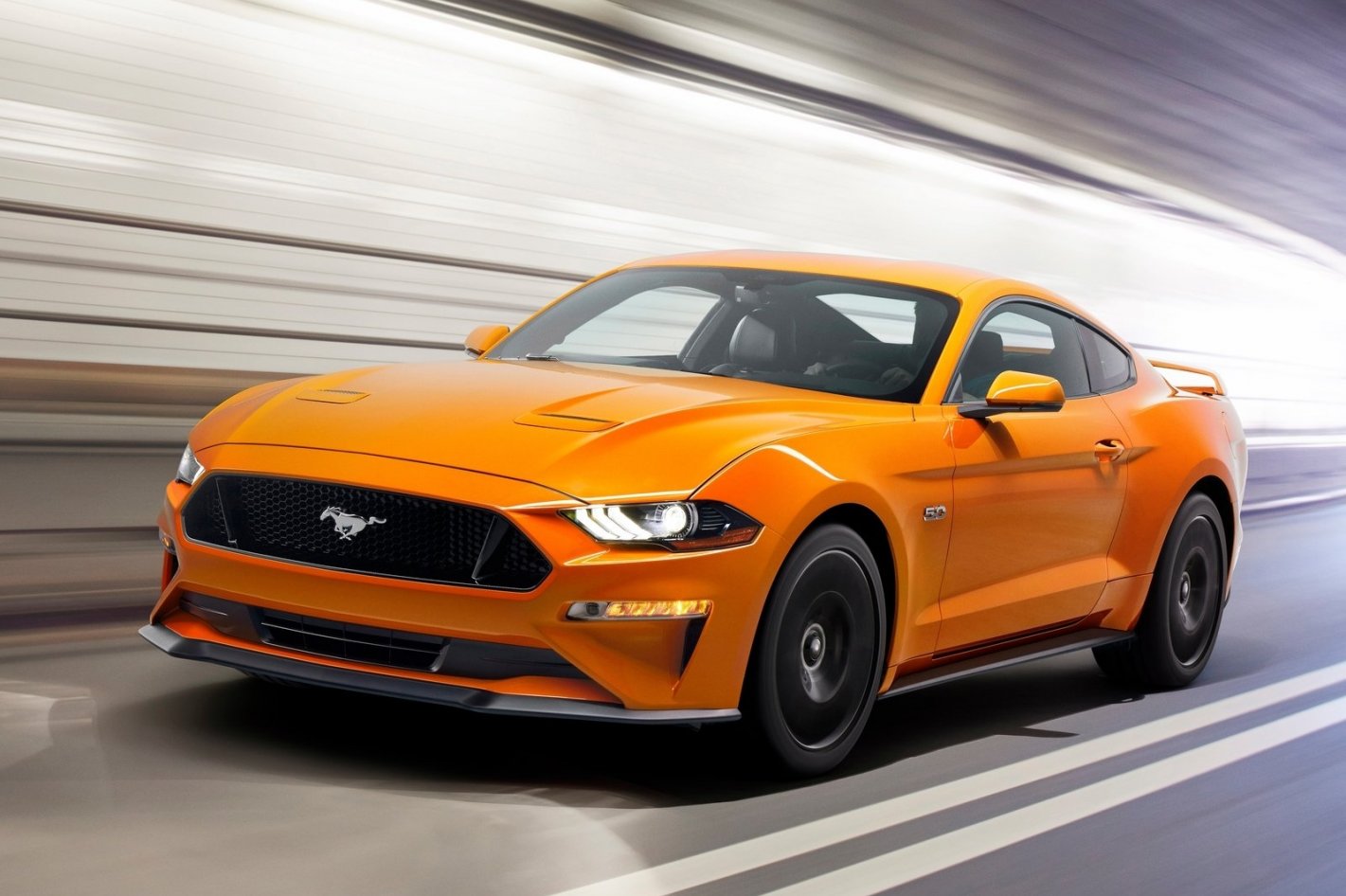
    The Mustang Mach E electric sport utility vehicle Ford Motor Co unveiled in Los Angeles on Sunday is more than another car for the storied automaker. The Mach E has become within Ford a high-profile test for a restructuring that has been marred by profit warnings, costly quality problems and the troubled launch this year of another important vehicle, the Ford Explorer sport-utility.

    For Chief Executive Jim Hackett, the Mach E’s aggressive design and futuristic interior represent a long-awaited, visible sign of the overhaul of the company’s product creation process that he has tried to explain to skeptical Wall Street analysts for the past two years.

    By accelerating the “clock speed” of vehicle development, cutting overlapping product architectures to just five from 13 and extending the company’s most successful brands to new products, Ford could slash $20 billion out of a five-year, 2018-2023 product plan, Hackett told Reuters.

    “This is the first thing we generated out of this new thinking,” Hackett said in an interview ahead of the Mach E unveiling. “We have a lot more coming.”

    For Ford Chairman Bill Ford Jr., the Mustang Mach E puts together two previously conflicting goals: His desire for Ford to be a leader in clean cars and make the automaker carbon-neutral by 2030, and his personal love of the Mustang and its growling V-8 engine.

    “We are really pushing our chips in on the table with this vehicle,” Ford said in an interview ahead of the Mach E’s unveiling. The automaker has said it will spend $11.5 billion developing electric and hybrid models by 2022.

    The Mach E started with humble ambitions. The SUV originally was to be what Ted Cannis, Ford’s global director for electrification, called a “compliance” play – an electric variant of a front-wheel-drive internal combustion vehicle, aimed at generating emissions credits to comply with clean air regulations at low cost. There was no link to the Mustang’s muscle car image.

    Boring electric cars were the norm for Ford and other legacy automakers. Then Tesla Inc in 2013 launched its Model S – an electric car that looked like a sporty European luxury sedan with a giant screen for a dashboard and entertainment and functional features that could be upgraded with over-the-air software updates. Tesla’s market value is now higher than Ford’s.

    Ford’s own customer research showed dull electric cars were a mistake, Cannis and other executives said. Those doubts came to a head in mid-2017 when Hackett, then newly appointed, reviewed the design for the electric SUV with Executive Vice President Jim Farley, who has owned seven of the cars starting with a 1965 model he restored when he was 14 years old.

    “It’s not good enough,” Hackett recalled saying. Farley agreed, and Hackett said, “We tear it up.”

    The team designing the vehicle started over, using a new architecture engineered from the start to be a battery-electric vehicle, instead of the original plan to use a modified version of an internal combustion engine vehicle, Ford executives said.

    The Mustang muscle car’s distinctive “shark face” front end and body proportions were adapted to a new skin, and under the floor Ford designed a new battery pack that can deliver up to 300 miles (483 km) of range in an “extended range” version.

    The re-do had to be accomplished much faster than normal to stay on target for a fall 2020 launch.

    “We were super behind time,” said exterior designer Chris Walter during a briefing on the vehicle ahead of the Los Angeles debut.

    A concept for new dashboard software and a display using a 15.5-inch (39 cm) diagonal screen was pulled together in just 90 days by a 15-person group that called itself Team Menlo – a reference to Thomas Edison’s Menlo Park, New Jersey, laboratory. A paper prototype of the new screen used an empty Keurig coffee pod to represent a large control knob.

    The overhaul cost money, but Ford product development chief Hau Thai-tang told Reuters the dedicated electric vehicle architecture should allow for 25% to 30% improvements in manufacturing efficiency to help offset the cost.

    The final call on using the Mustang name came from the top, and was not given easily.

    “I was dead set against it, initially,” Bill Ford said. Ford said he started to warm to the idea as he saw the styling and the performance data for the vehicle.

    Ford said he did not grant his approval until earlier this year after driving a prototype.

    “It felt like a Mustang experience to me,” he said.

    This is not the first time a challenge to reinvent the Mustang has emboldened Ford employees to break with convention during a rough patch in the company’s history.

    The original Mustang launched in 1964 was derived from a mainstream Falcon compact car, and quickly became a hit, far outselling the company’s projections.

    In the early 1990s, with the economy in a slump, a small group of Ford employees rebelled against a plan to transform the rear-wheel-drive Mustang into a front-wheel-drive car developed by Ford’s then-partner, Japanese automaker Mazda Motor Corp. That project became a laboratory for cutting the costs of product engineering by putting representatives of different functions on the same team.

    The Mach E is another turning point, Hackett said. “The science project platform for EVs is now gone.”

  • Cebu Pacific increases capacity in Clark, Palawan

    Cebu Pacific increases capacity in Clark, Palawan

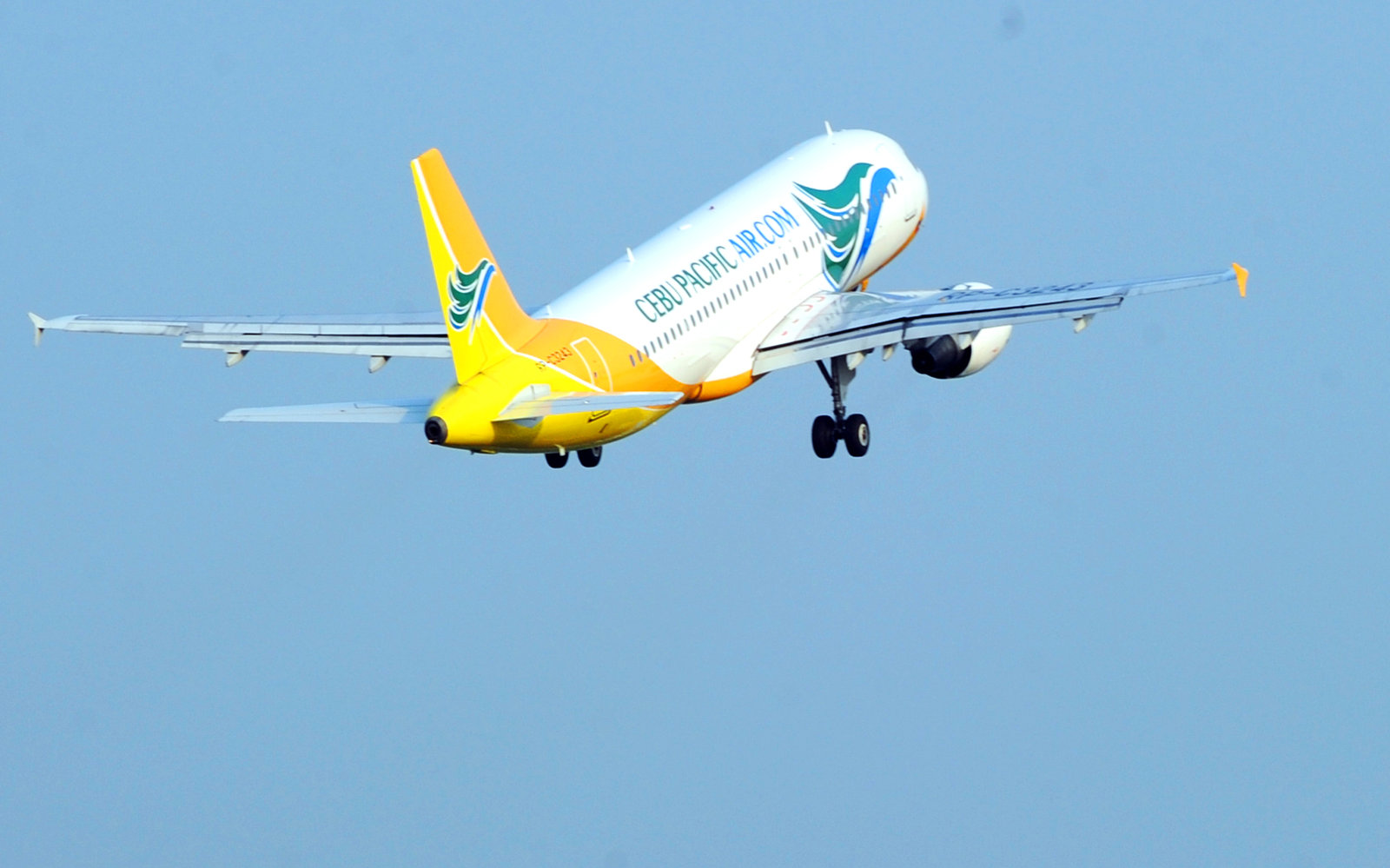
    Cebu Pacific said it will end the year as the biggest carrier in terms of capacity at the Clark International Airport and the Busuanga and Puerto Princesa airports in Palawan.

    In a statement, the Gokongwei-led budget carrier attributed the increased capacity share in Clark to the direct flights to Guangzhou and Puerto Princesa, as well as between Puerto Princesa and Hong Kong.

    Cebu Pacific said its capacity share at the Clark International Airport will hit 28% by end-2019. The airline mounts 190 flights weekly from this hub to Bacolod, Bohol, Caticlan, Cebu, Davao, Iloilo, Puerto Princesa, Guangzhou, Hong Kong, Macau, Narita and Singapore.

    “Cebu Pacific has taken a measured pace of expansion in Clark, but we have always believed in the potential of Clark. Over the past 12 months, our capacity growth in Clark hit over 90%. With the growth in passenger traffic in Clark, we are bullish that the new routes we launched over the past few months will continue to perform strongly,” Alexander G. Lao, chief strategy officer of Cebu Pacific, was quoted as saying.

    The airline is also set to end the year with 46% total capacity share in Puerto Princesa and the Busuanga Airport. Cebu Pacific mounts 190 flights a week to and from Palawan.

    “We remain confident that Hong Kong will bounce back, and despite current concerns, there is continued demand for travel between Hong Kong and the Philippines. We are confident in the potential of Palawan to grow tourism sustainably, and we will continue to work with our stakeholders in Palawan to better connect the province to the rest of the Philippines and to key tourist catch points in Asia,” Alex B. Reyes, vice-president for commercial at Cebu Pacific, said.

    Cebu Pacific increased capacity by 23% to 19 million seats as of end-September.

    Cebu Air, Inc., the listed operator of Cebu Pacific, said its nine-month profit surged 142% to P6.75 billion, as it added flights and raised average fares.

  • AirAsia to start selling competitor flights on website

    AirAsia to start selling competitor flights on website

    AirAsia has expanded its online offering to include flights on other airlines as it transforms airasia.com into Asia Pacific’s leading travel and lifestyle platform. This was done in partnership with leading travel technology company Kiwi.com. Powered by Kiwi.com, AirAsia’s website users will be able to book travel on more than 100 airlines to destinations currently not served by AirAsia, including Europe, Australia, New Zealand, the Middle East, and the Americas.

    airasia.com head of airline distribution Rajiv Kumar said in addition to the strategic partnership with Kiwi.com, which is focused on content and technology sharing, AirAsia is also exploring opportunities to partner directly with airlines and companies who complement our existing network and travel services beyond Asia Pacific.

    airasia.com CEO Tony Fernandes said, “Today is an unbelievable day. When we started AirAsia as a low-cost airline back in 2001, I never thought one day we would be selling our competitors. But if there’s one thing I’ve learned, it never says never. Never say never and believe the unbelievable. Today, with the help of Kiwi.com, we are reinventing ourselves as more than just an airline, bringing to life our vision for airasia.com to be the region’s one-stop travel shop.”

    Kiwi.com CEO Oliver Dlouhý said, “I’m extremely proud that Kiwi.com has been selected to power AirAsia’s transformation and its ambition to make airasia.com a leading travel and lifestyle platform. We have an abundance of airlines and ground carriers at our disposal and together with AirAsia and its enormous customer base, we are proud to be able to open their platform to the rest of the world.”

    To celebrate the announcement and its partnership with Davis Cup by Rakuten, which takes place on 18-24 November 2019 in Madrid, Spain, AirAsia has kickstarted a global marketing campaign featuring its very own Spanish Allstar, airasia.com. The campaign was launched at AirAsia’s global headquarters RedQ in Kuala Lumpur to much fanfare with a promotional all-in return fare to Madrid from Kuala Lumpur, Bangkok, Jakarta, and Sydney.

    The campaign comes off the back of the company’s reorganization, which separates AirAsia’s airline operations from its travel and lifestyle arm, airasia.com. Since the reorganization was announced in August this year, more than 700 Allstar staff have been recruited, and in addition to being based across Asia Pacific, a new airasia.com campus will open in central Kuala Lumpur early next year.