Tag: asia

  • Hulu is the latest streaming platform to announce a price hike

    Hulu is the latest streaming platform to announce a price hike

    Hulu is just the latest name on the long list of streaming services that increased their prices within the past few years. Netflix, YouTube TV, and AT&T TV Now are just some of the most popular platforms that admitted defeat and decided to make customers pay more for their services.

    Starting December 18, customers who wish to subscribe to Hulu + Live TV will have to pay no less than $55 per month, up $10 from its current price of $45 per month, Hulu announced. Of course, existing customers will be affected by the price hike as well, so they should see the changes reflected in their subsequent billing cycle after December 18.

    Hulu recommends those who can’t afford to pay for Hulu + Live TV to choose one of its less expensive on-demand plans during those months when there’s nothing interesting to watch that would only be available through Hulu + Live.

    Hulu + Live TV includes all of Hulu’s on-demand content, access to over 60 live sports, news and entertainment channels, as well as Hulu Originals like This is Us, The Good Doctor, Family Guy, ER and Lost.

    The price changes might be hard to stomach for many Hulu customers, but at least they’ll have the option to switch back and forth between plans to best suit their needs.

  • How retail technology can enhance the customer experience

    How retail technology can enhance the customer experience

    The path to purchase is becoming more complex than ever before for Asia-Pacific retailers. Rising expectations of today’s empowered customers, who have unlimited access to choices and pricing information online is creating operational challenges for many retail businesses.

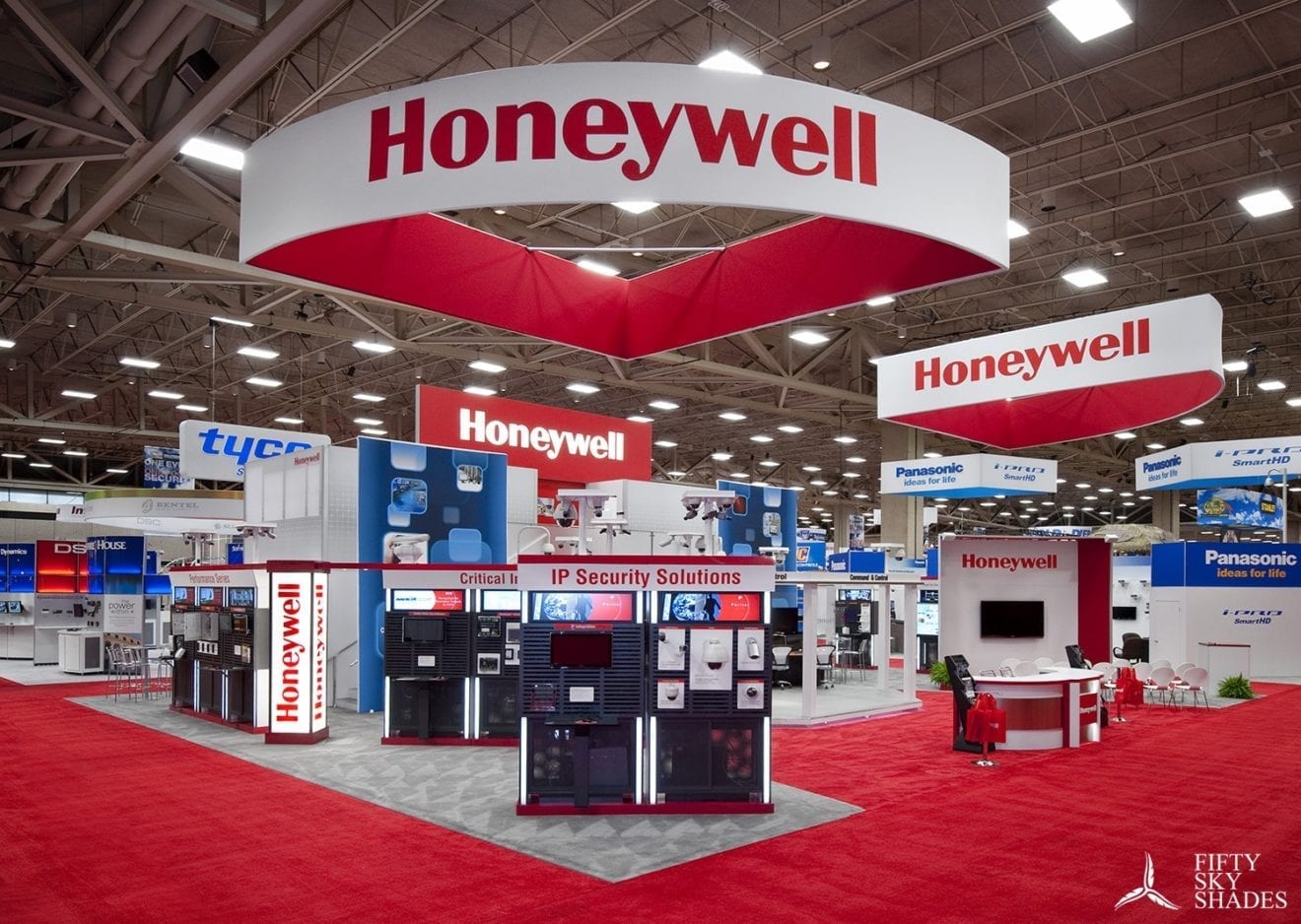
    Retailers cite meeting heightened customer expectations, managing a high turnover workforce and creating a frictionless experience between online and in-store as top challenges. Global research, undertaken by YouGov on behalf of Honeywell, recently found that only 44% of retailers believe they are meeting today’s customer expectations. As consumers increasingly seek new and surprising products and experiences, retailers are increasingly challenged to find ways to delight their customers and strengthen loyalty.

    The omnichannel challenge

    Worryingly for retailers trying to adjust to the rise in online shopping, while still maintaining bricks and mortar sites, a majority of retailers do not believe that they are prepared for the modern retail environment, with only 49% of retailers stating that they are doing an ‘excellent’ job with omni-channel integration.

    Retailers need to adopt an omnichannel operations model to compete for the connected consumer today. Enabling the store network as a distribution point for inventory should be an advantage against online competitors that have no physical footprint. However, without investment in technology specifically designed for omnichannel, the workarounds required to deliver on the customer promise can have a negative impact on profit margins.

    Room to improve many key retail operations

    When asked if they are outperforming their competitors in key success metrics like offering a smooth returns handling process and a personalised shopping experience, retailers reported overall low confidence in how they stack up against their competitors. Only 42% of retailers surveyed believed that they were offering a ‘personalised’ shopping experience, online or in-store. Furthermore, only 37% of retailers said that they offer convenient delivery options or ‘seamless’ delivery for customers.

    As shoppers gain more price and quality transparency coupled with a wide range of convenient delivery options, technology will be a key driver of success to increase the value added to consumers. Retailers who proactively ready their organisation for change and deliver a more exciting, simple and convenient customer experience will be best placed to capitalise on evolving shopper priorities.

    Retailers must enhance the shopping experience

    Retailers must embrace a consumer-first mentality as business strategies and initiatives are developed. Retail organisations who understand their consumers in terms of demands, expectations and pain points will be more successful in shaping and enhancing consumer experiences.

    Recent research conducted by global business mobility and IoT solutions provider SOTI, found that 61% of Australian consumers want to receive personalised customer service out of their in-store experience over other factors. Mobile technologies are sensible investments for retailers looking to improve the customer experience, which is key to converting shoppers into buyers in a competitive retail landscape. Shoppers today do not want to be confronted with long ques to make a purchase or encounter an impersonal retail environment.

    “The use of technologies like mobile point-of-sale (mPOS) devices in-store allows salespeople to provide customers with a better retail experience, which leads to increased sales. For instance, the adoption of mPOS helps sales by allowing shoppers to avoid long lines at the cash register, which often results in customers not completing a purchase,” said Michael Dyson, Managing Director Australia & New Zealand, SOTI.

    According to Honeywell research, 59% of retailers believe that technology has enhanced their customer experience. Arming retail associates with access to relevant, timely business information to enable consistent end-to-end customer experiences that span physical and digital channels is a key technology focus area today. Consumers want to be engaged by sales associates with information that enhances their shopping experience. This is leading to many retailers equipping customer facing staff with mobile devices that can showcase product ranges and pull up a customer’s purchasing history to better suggest new items, tailored to a customer’s own preferences.

    Understand the consumer, have the right solutions to succeed

    A successful understanding of the consumer, having the right systems in place and providing a personalised online and in-store shopping environment is critical to engaging shoppers today. Technologies such as advanced analytics, smartphone and mobile apps provide both the data to develop consumer insights and the direction to optimise consumer experiences.

    For more information, please visit: https://www.honeywellaidc.com/

    By Claudio Bratovic, ANZ Regional Manager, Honeywell


  • Google News to receive an important new feature in 2020

    Google News to receive an important new feature in 2020

    Beyond the Headlines is one of the important new features that Google News users will get next year. It’s meant to “connect readers with in-depth articles exploring important issues such as healthcare, the environment, education and more.”

    More importantly, Beyond the Headlines offers Google News users an estimated read-time feature, which lets them know how long it takes to read a story. Some media outlets already have this feature implemented on their websites, so it’s nice that Google has decided to show it the news app as well.

    According to Google, these pieces of news are surfaced and organized using Google News algorithms. Beyond the Headlines is now available on desktop globally in US English, so if you can’t wait until next year until it comes to mobile, you can check it out right now.

  • Vietjet targets Middle East, Australia with new long-range jets

    Vietjet targets Middle East, Australia with new long-range jets

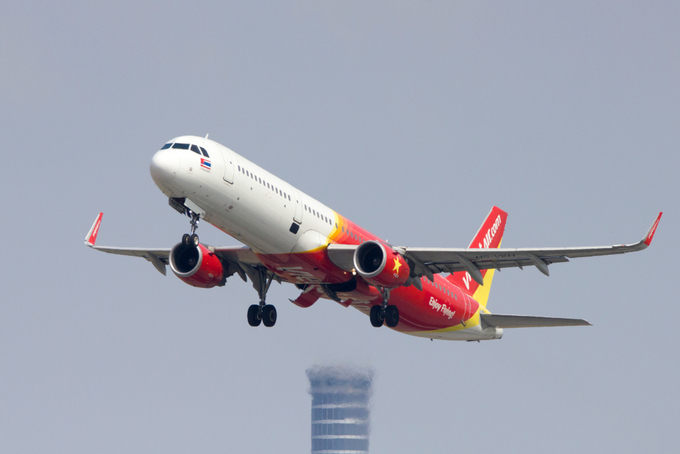
    Vietjet Air plans to start flying to the Middle East, Eastern Europe and Australia using the 20 Airbus A321XLR aircraft it has ordered.

    “When we receive the airplanes with the longer range, then we can serve up to 60 percent of the global population,” Nguyen Thi Phuong Thao, CEO of the budget carrier, told Reuters on the sidelines of the CAPA Asia Aviation Summit.

    The A321XLRs are scheduled to be delivered from 2023. Thao was quoted by the Centre for Asia Pacific Aviation, which named Vietjet the “Asia Pacific Low-Cost Airline of the Year” at the summit, as saying the carrier plans to add 10 international routes every year.

    Vietjet currently flies on 40 domestic and 66 international routes. It operates 385 flights daily within Vietnam and to places such as Japan, Hong Kong, South Korea, Taiwan, Singapore, mainland China, Thailand, Myanmar, and Malaysia.

    Vietnam’s fleet of over 200 aircraft last year could quadruple by 2038, U.S. aircraft maker Boeing said.

    Its 21 state-run airports served 106 million passengers in 2018, up 13 percent from a year earlier.

  • Panasonic Develops Battery Management Technology

    Panasonic Develops Battery Management Technology

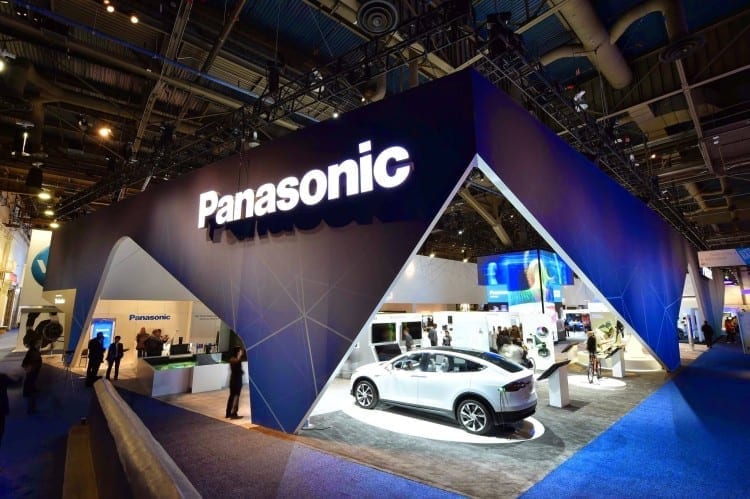
    Panasonic has developed a new battery management technology that measures a battery’s electrochemical impedance, which is an effective method of evaluating the residual value of lithium-ion batteries in devices. This technology is expected to be applied to various devices that use lithium-ion battery modules with many battery cells stacked in series and to future vehicles. Panasonic has developed this technology in collaboration with Professor Masahiro Fukui of Ritsumeikan University. Panasonic developed a new battery monitoring IC test chip, measurement algorithm, and software, while Ritsumeikan University evaluated the performance using actual batteries.

    The newly developed battery management technology makes it possible to measure electrochemical impedance using the AC current excitation method for lithium-ion stacked battery modules that are installed in operating devices. Furthermore, this technology aims to enable the evaluation of residual value by way of a deterioration diagnosis and failure estimation based on an analysis of acquired measurement data. This will contribute to the realization of a sustainable society where future lithium-ion batteries can be reused and recycled.

    Conventional electrochemical impedance spectroscopy is widely used as a non-destructive method for evaluating lithium-ion batteries. This measurement method requires an application specific measuring instrument and a large thermostatic chamber that keeps the temperature of the battery constant, and it was necessary to measure each cell in the laboratory.

    Conventional BMIC measures the individual battery voltage of 6 to 14 lithium-ion battery cells stacked in series. By using multiple BMICs, BMS acquires battery cell voltage data from several up to 200 cells connected in series, monitors the battery, and ensures its safe use. In addition, BMS calculates the remaining driving range and usable time by estimating the state of charge and the state of health.

    The newly developed BMIC test chip has a built-in electrochemical impedance measurement function using the AC current excitation method in addition to these conventional functions. The electrochemical impedance measurement is achieved by 15 fully parallel analog / digital converters and an AC current excitation circuit with pulse modulation from 0.1 Hz to 5 KHz and a complex voltage / complex current conversion circuit built in the BMIC. Therefore, the BMIC chip can measure the electrochemical impedance of a battery in operation without significantly changing the configuration of the current BMS installed in the battery.

  • Daimler Seeks 1 Billion Euros In Savings At Mercedes-Benz By Cutting Jobs

    Daimler Seeks 1 Billion Euros In Savings At Mercedes-Benz By Cutting Jobs

    Tougher emissions rules will hit Daimler’s profits in 2020 and 2021, prompting the German carmaker to seek more than 1 billion euros ($1.1 billion) in savings from cutting staff costs at its Mercedes-Benz business by the end of 2022, it said on Thursday.

    Daimler shares were down 2.3% in early trading at 52.17 euros, the biggest decline on Germany’s DAX blue-chip index, which was down 0.3%.

    Management positions will be cut by around 10%, and the company said it would also seek more than 300 million euros from cutting personnel costs – plus another 250 million euros in fixed costs – at its trucks business.

    Daimler said it needed to sell more electric vehicles to meet tougher European Union rules which force carmakers to cut carbon dioxide emissions from cars by 37.5% by 2030 compared with 2021 levels, and following a 40% cut between 2007 and 2021.

    The company said it expected to achieve a return on sales from operating activities at Mercedes-Benz Cars & Vans of at least 4% in 2020 and at least 6% in 2022.

    Mercedes-Benz expects car sales to grow by around 3% in 2020, but said potential trade tariffs and Brexit could depress the return on sales by up to 1%.

    Earlier this year, Daimler had said it hoped to achieve a return on sales of 3% to 5% at Mercedes-Benz Cars.

  • Toyota subsidiary to set up another airbag plant in northern Vietnam

    Toyota subsidiary to set up another airbag plant in northern Vietnam

    Japanese auto parts maker Toyoda Gosei plans to build another airbag plant in Thai Binh Province at a cost of $16.8 million next year.

    Work on the plant will begin in May 2020. When completed in October 2021 it will help increase the company’s capacity in Vietnam to 25 million airbags annually, Toyoda Gosei said in a statement on Wednesday. It will employ 700 workers initially, increasing to 2,000 by the end of 2023.

    Toyoda Gosei, a subsidiary of Toyota Motor Corp., built its first plant in Vietnam in Hai Phong City in 2004. Last July it opened a $24.6-million second plant at the Tien Hai Industrial Park in Thai Binh Province.

    It plans to increase the capacity of the Hai Phong factory to meet increasing orders. Airbags produced in Vietnam are exported mainly to Japan but also to other markets such as ASEAN and North America.

    Established in 1949, Toyoda Gosei has 67 facilities and factories in 17 countries around the world.

  • Samsonite sees third-quarter sales

    Samsonite sees third-quarter sales

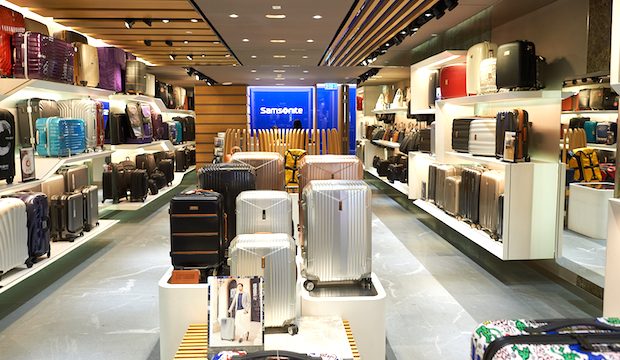
    Luggage company Samsonite’s net sales fell by 0.7 percent in the third quarter, as the US-China tariff war put pressure on the US market and increased distribution expenses affected the company’s gross profit margin.

    In its latest financial report, Samsonite said net sales in the three months to September 30 decreased to US$921.5 million while operating profit declined by 13.4 percent to US$104.9 million.

    Its performance in the nine months to September 30 also declined net sales down by 1.2 percent to US$2.677 billion and operating profit down 28 percent to US$229 million.

    CEO Kyle Gendreau says the decline was partly related to the increased expenses from expanding the brick-and-mortar retail network which took place in 2017 and the first half of last year, particularly in Europe.

    While its overall financial performance was weak, the company was pleased with its performance in Asia with net sales in the region increasing 4 percent to US$333.1 million during the third quarter. The increase was driven by robust constant-currency net-sales gains in China, Japan and India.

    Looking ahead, the company expects “continued uncertainty in the global outlook for the remainder of this year and into 2020 due to a number of geopolitical and macroeconomic factors, including the ongoing trade negotiations between the US and China, Brexit, economic growth slowing in parts of Europe and the recent events in Hong Kong”.

    Though it has expressed uncertainty in its outlook, the company is determined to continue to invest in the business to position itself for long-term growth and improved profitability while maintaining its focus on controlling costs, managing working capital, generating cash and further strengthening the balance sheet.

    The company plans to improve its financial performance by increasing its brick-and-mortar retail profitability, maintaining tight control on non-advertising administration expenses, and enhancing working capital efficiency.

  • Starbucks Chicago opens today

    Starbucks Chicago opens today

    Global coffee chain Starbucks today unveils a giant 35,000sqft Reserve Roastery outlet in Chicago, its largest store in the world to date.

    The five-story Starbucks Chicago store features a unique menu of Starbucks Reserve specialty coffee, boutique Milanese Princi bakery items, and an Arriviamo Bar featuring coffee cocktails Tributes to Chicago abound, including locally inspired craft cocktails, barrel aged coffee and collaborations with local artists and vendors.

    The Starbucks Chicago Reserve Roastery marks the brand’s sixth global Roastery and third in the US. Visitors will be able to see, hear and learn about the journey of coffee through intentional design, while enjoying a menu featuring unique beverages exclusive to this location. The Chicago Roastery joins locations in Seattle, Shanghai, Milan, New York and Tokyo.

    “Over the past five years, we have created the ultimate immersive experience around all-things-coffee in spectacular Starbucks Reserve Roasteries in flagship cities around the world,” said Starbucks CEO Kevin Johnson. “This week we are delighted to open our doors on the sixth global Roastery in an iconic building located on Chicago’s renowned Magnificent Mile.

    “These Roasteries amplify the Starbucks brand, serve as innovation hubs, and create experiences for millions of customers around the world.”

    “The design of the Chicago Roastery was inspired by the iconic Chicago landmark, and the city itself,” said Roastery design & concept for Starbucks VP Jill Enomoto. “We embraced the building’s natural light, married it with shades of classic Starbucks greens and intentionally wove in design features to encourage customer exploration and highlight the love and respect we have for coffee.”

    The Starbucks Chicago Reserve Roastery is a working coffee roastery where Starbucks roasters will be small-batch roasting Starbucks’ rarest single-origin coffees and blends called Starbucks Reserve. The coffee roasted in Chicago will be served exclusively to visitors of the location, available in handcrafted beverages as well as freshly scooped whole bean coffee.

    In a nod to the city’s vibrant history, artwork from local Chicago artists that tell stories and encourage customers to explore can be found throughout the building’s five floors. Customers can also purchase limited-edition merchandise from Chicago-based visual artist Mac Blackout to take home with them.

    There are three coffee bars at the Roastery, which in total offer seven brewing methods, including espresso, pour over, coffee press, siphon, Chemex, Clover and cold brewing:

    Starbucks Reserve Coffee Bar: Upon entering the Roastery, visitors can visit the Reserve coffee bar on the main level, where baristas are crafting classic espresso beverages such as cappuccino, latte and cortado.

    Experiential Coffee Bar: The third floor is home to the Experiential coffee bar which provides customers the opportunity to immerse in the art, science, and theatre of coffee.  It features elevated brew methods and pairings, as well as specialty Roastery creations and brew comparison flights.

    Barrel-Aged Coffee Bar: The barrel-aged coffee bar is found on the fourth floor and showcases a variety of spirit-free coffee beverages whose beans aged in barrels. Here, visitors can explore a menu of cocktail-inspired coffee creations exclusive to the Chicago Roastery, including the Smoked Cold Fashioned (a lightly sweetened whiskey barrel-aged cold brew with aromatic bitters, smoked tableside), Minted Cold Brew (whiskey barrel-aged cold brew, shaken with mint syrup and served over pebble ice) and more.

    On-demand nitrogen gelato

    The Starbucks Chicago Reserve Roastery is the only Starbucks location in the US to offer on-demand liquid nitrogen gelato. Designed to pair with Starbucks Reserve coffee, nitrogen gelato is mixed by hand, with every scoop made on the spot. Nitrogen gelato previously debuted at the Milan Roastery when it opened in September last year.

    Arriviamo cocktail bar

    The Chicago Roastery will feature a dedicated Arriviamo Bar, like the Starbucks Reserve Roastery locations in New York and Milan. Located on the fourth floor, the Arriviamo bar features traditional and unique cocktails, all designed by local mixologists Julia Momose, Annie Beebe-Tron and Rachel Miller. Some of the cocktails feature coffee and tea.

  • Davidoff Hong Kong opens cigar flagship

    Davidoff Hong Kong opens cigar flagship

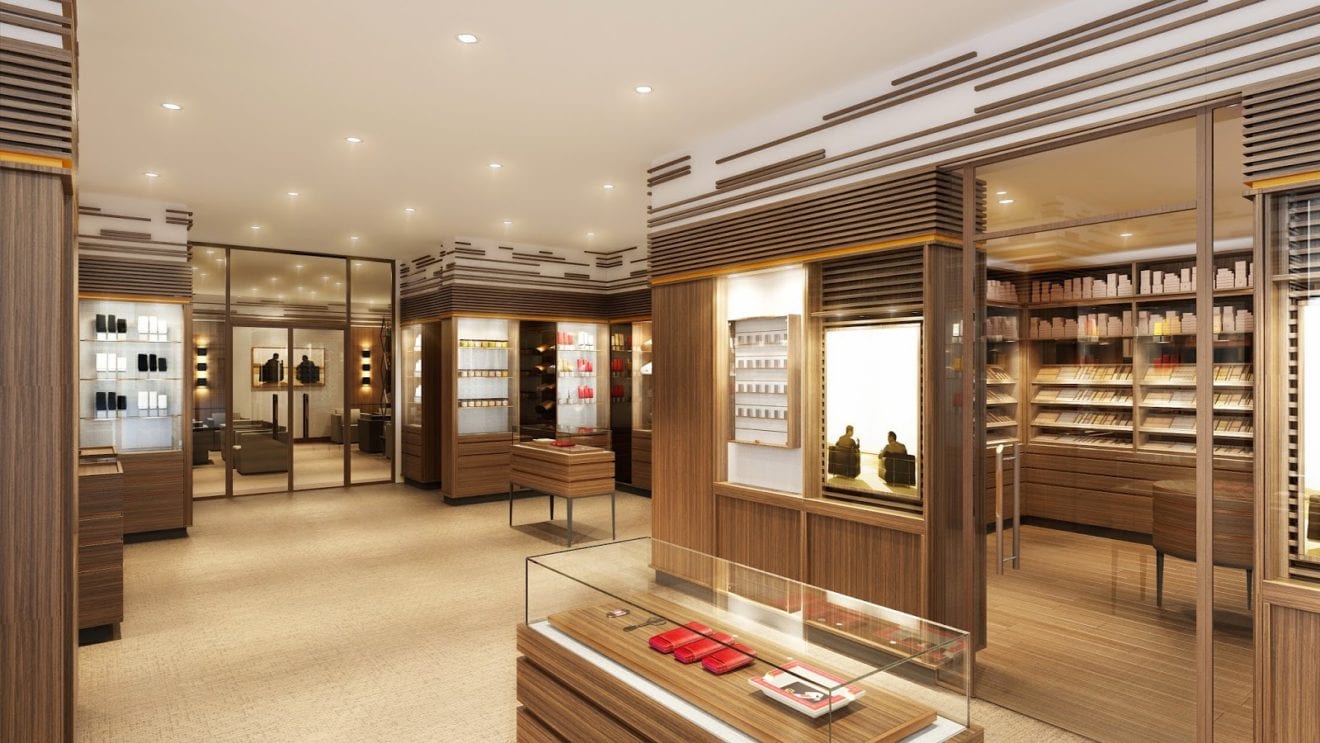
    Swiss tobacco brand Davidoff has launched its Hong Kong flagship in luxury retail complex The Landmark.

    The 580sqft outlet significantly enlarges the brand’s previous space in the mall by more than half its size. The original outlet was the brand’s third best-selling cigar outlet internationally, accounting for more than 25 percent of the brand’s Asian sales.

    “We are delighted to relocate our new flagship store in Hong Kong,” said Davidoff Asia MD Laurent de Rougemont. “The challenge in designing this unique cigar shop was to preserve the company’s history but to continue our mission to delight and surprise our customers worldwide by delivering unique brands and unrivaled retail experiences.”

    “This enlarged new flagship store continues the Davidoff legacy of an inspiring place where aficionados can find exceptionally crafted Discovery Series cigars from different regions, as well as the complex tasting profile of Winston Churchill Collection,” said Davidoff Hong Kong regional manager and store manager Charles Lim.

  • Burberry shrugs off Hong Kong woes, delivering solid growth

    Burberry shrugs off Hong Kong woes, delivering solid growth

    British fashion house Burberry has reported sales and profit increases in the first half-year, despite the turmoil in Hong Kong, one of its largest international markets.

    “We are pleased with our performance in the half, as we remain on track to deliver the first phase of our strategy,” said Marco Gobbetti, CEO of the Hong Kong-listed fashion company.

    “We delivered financial results in line with guidance despite the decline in Hong Kong and we confirm our outlook for the full year.”

    During the six months to September 30, Burberry achieved comp-store sales growth of 4 percent – or £61 million – to £1.281 billion and adjusted operating profit growth of 15.9 percent to £202 million.

    Gobbetti said customer response to its new products has been positive, delivering strong double-digit growth. “We also continued to strengthen momentum around our brand and transform our distribution.”

    Chloe Collins, senior retail analyst at GlobalData, said credit for Burberry’s turnaround is due to new creative director Riccardo Tisci, as his collections now dominate the product assortment, achieving double-digit growth and now accounting for 70 percent of the range,

    “Tisci’s modern and edgy re-imagining of Burberry’s classic and traditionally British fashion styles, with a heavy focus on the new monogram logo, have transformed the brand, helping it appeal to a younger audience, who will then carry their desire for the brand with them as they age.”

    She said the menswear categories reacted particularly well within the half, with sales lifting by 12.3 percent as Tisci’s new designs incorporate more streetwear elements to capitalize on the athleisure trend. Womenswear performance was also strong, with revenue growing by 7.7 percent, however sales of accessories were disappointing, dropping 2.5 percent.

    “With new styles, including the signature TB bag, reportedly receiving positive reactions, Burberry must heavily promote these via social media and give them prominent positioning in stores to maximise Christmas gifting opportunities and achieve stronger results for the third quarter.”

  • Jollibee Opening Tim Ho Wan restaurants in China

    Jollibee Opening Tim Ho Wan restaurants in China

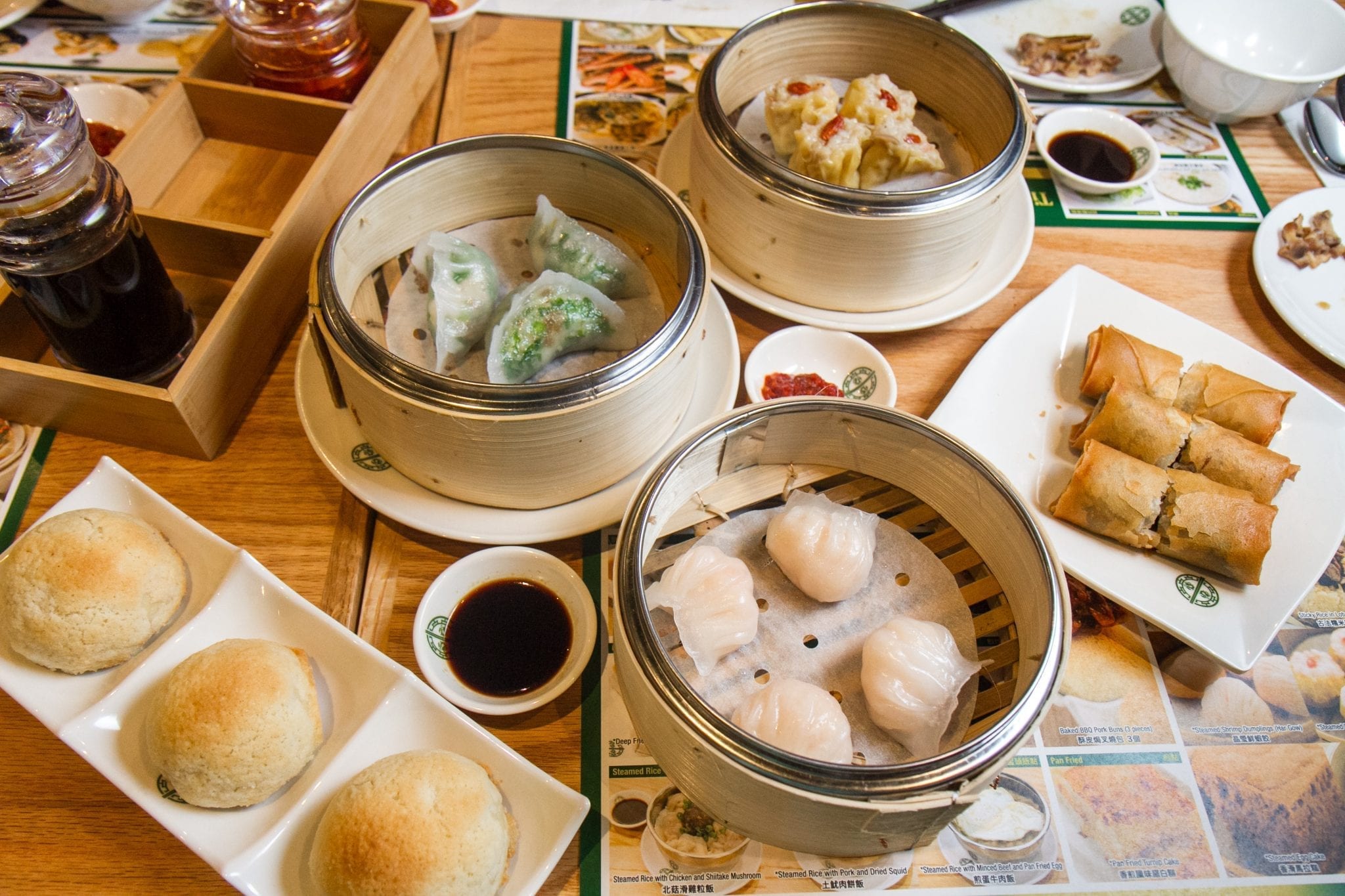
    Filipino restaurant operator Jollibee Foods Corporation (JFC) has signed a joint venture agreement with Dim Sum to operate Tim Ho Wan restaurants in China.

    JFC’s wholly-owned subsidiary Golden Plate will own 60 percent of the joint venture and Dim Sun will own the remaining 40 percent. The two companies have committed to invest US$13 million in the venture, of which up to US$7.8 million will be contributed by GPPL.

    Tim Ho Wan is a dim sum restaurant chain that originated in Hong Kong in 2009 where its Sham Shui Po outlet at 9 Fuk Wing Street has been awarded one Michelin star since 2010.

    A wholly-owned subsidiary of Titan Dining Holdings, Dim Sun already owns and operates Tim Ho Wan restaurants in Singapore.

    Currently, JFC operates three Chinese restaurant brands including Chowking, Yonghe King and Hong Zhuang Yuan. The company said that the three brands combined account for close to 20 percent of its systemwide sales.

    JFC operates 3238 restaurants across the Philippines, making it the largest restaurant operator in the country. Its brands include Jollibee, Chowking, Greenwich, Red Ribbon, Mang Inasal, Burger King and Pho24

    Overseas, JFC has 1451 restaurants across its brands Yonghe King, Hong Zhuang Yuan, Dunkin’ Donuts, Jollibee, Red Ribbon, Chowking, Highlands Coffee, Pho24, Hard Rock and Smashburger.

    Earlier this year, it has acquired Los Angeles-based The Coffee Bean & Tea Leaf.

  • CIMB Ties Up With SESAMi Holding

    CIMB Ties Up With SESAMi Holding

    CIMB Bank Singapore branch on Thursday announced a collaboration with SESAMi Holding to finance digital invoices under an automated workflow.

    Suppliers on SESAMi Holding’s platform will be paid immediately on their outstanding invoices within two business days, as soon as they are on-boarded on to the supply-chain financing program, CIMB Bank and SESAMi Holdings said in a joint statement. SESAMi Holding is an e-procurement platform in Singapore serving the supply chain needs for customers like Singtel, SATS, SIA, and SRC.

    Capital Match, which was acquired by SESAMi Holding, is the re-financing arm leading this initiative. Customer experience is one of our primary focus and the collaboration with SESAMi-Capital Match presents another scalable avenue for us. This is aligned with the government’s framework for e-invoices and call for companies to keep up with innovation, said Victor Lee, CEO of CIMB Group Commercial Banking in a media statement on Thursday.

    Capital Match will be reaching out to the supplier community to initiate this program. «The funding process will be extremely sped up through leveraging on our Early Payment System (EPS) which was launched earlier this year for the SESAMi supplier community. With the supply-chain financing, suppliers only need to submit minimal documents to be on-boarded under the program,” said Sharath Singh, commercial director of Capital Match.

    Our objective is to ensure a cost-efficient solution and non-recourse working capital funding option that supports our customers’ growth, said Lai Ven Li, head of corporate banking at CIMB Singapore.

  • Robocash Group reached the milestone of $ 500 million issued loans

    Robocash Group reached the milestone of $ 500 million issued loans

    Showing a 92% increase year-over-year in the volume of the issued loans in the first nine months in 2019, the company has targeted to hit $ 294 million by the end of the year. Meanwhile, the number of issued loans exceeded 6.5 million. With a preserved strong retention of customers, 75% of that amount has been obtained by repeated clients.
    In Q3 2019, mature companies of the group maintained their predominance in the overall loan portfolio. Thus, Russia had 63% of all loans issued, Kazakhstan – 15% and Spain – 4%. At the same time, the Asian markets that have been in focus for the group since 2017 grew their share from 16% in Q2 2019 up to 19%. Among the latter, the Philippines was leading with 15%.
    With the accelerated expansion, the number of customers of the group increased to 7.9 million. Following the huge demand for access to finance in the emerging markets, the highest dynamic was recorded in Asian countries. With a preserved upward trend in Q3 2019 in the Philippines (+16% QoQ), there was a significant increase in the number of served clients in Vietnam (+98%), Indonesia (+172%) and India (+333%).
    Commenting on the results, Sergey Sedov, Founder and Chief Executive Officer of Robocash Group noted, “Financial technologies are developing at a tremendous speed in Asia. Our case proves the need for relevant services. Take the recent estimate of Google & Temasek on digital lending in Southeast Asia: the loan book that is expected to grow from $23 billion in 2019 to $110 billion by 2025. These figures are not the limit. The growing use of digital solutions helps to narrow the gap in financial inclusion and benefits people in Asia already today. As a company, we are proud to be a part of that process and aspire to provide the fastest and most convenient access to finance no matter the country and any peculiarities.”
  • UPS enables Asian businesses to capture growth opportunities with more service enhancements

    UPS enables Asian businesses to capture growth opportunities with more service enhancements

    UPS announced a series of service enhancements that will benefit up to 1.4 million postal codes across 41 countries and territories in the Asia Pacific region, opening opportunities for businesses to develop more resilient supply chain strategies as they look within the region for growth.

    “Asia is an incredibly dynamic, evolving region, and trade in the region is helping to power the global economy—whether it’s through increased consumption in emerging economies such as Vietnam and the Philippines, or through supply chains that weave their way through the region and around the world,” said Ross McCullough, President, UPS Asia Pacific Region.

    “Businesses need greater agility to respond to the needs of customers and the market with more precision than before, and UPS is helping them to achieve this with faster transit times, a broader service footprint and a balanced portfolio of services.”

    The following enhancements are poised to deliver increased flexibility for businesses and support greater demand in the region:

    • Day-definite guarantee with one day faster transit time for UPS Worldwide Expedited service within Asia, enabling the majority of businesses in the region to enjoy delivery in two business days with a guaranteed delivery date
    • Improved geographic reach of UPS Worldwide Express® services with time-definite deliveries for international shipments to 205 new postal codes in Indonesia, Korea and Taiwan
    • Reduced transit time by one day for businesses exporting from Northern Malaysia to major territories in Asia, Europe and the US; from Northern Thailand to Europe and the US; and from major territories in Asia to China with UPS Worldwide Express® Saver service
    • Expansion of UPS Marketplace Shipping to 10[1] additional Asian markets, offering businesses an automated way to process their e-marketplace orders by streamlining the order management and shipping processes, and reaching more end-customers in other parts of the world

    “With service improvements such as guaranteed delivery timing and shorter transit time for UPS Worldwide Expedited®, most businesses shipping within Asia will now have their shipments delivered in as little as two business days,” McCullough added. “This offers an end-to-end service alternative for freight forwarding shippers in the region looking for a scalable solution as they venture into new markets.”

    These enhancements build upon a number of major investments UPS made in its network across the region earlier this year, including: increasing its Shenzhen Asia Pacific Air Hub’s processing capacity by 50%; expanding the reach of UPS Worldwide Express® morning services to reach Australia, Hong Kong, Japan, Singapore, and South Korea; extending pick-up times by up to five hours for export shipments from China, Japan, Taiwan, and South Korea; and commencing Saturday pick-up services in the U.S., enabling import shipments destined for eight markets in Asia to be delivered one day earlier than before.