Tag: asia

  • % Arabica to open four stores in Indonesia

    % Arabica to open four stores in Indonesia

    Bali, a beloved destination for tourists and popular amongst Australians has been setting up the coffee scene with Starbucks opening its largest Southeast Asian location at 20,000 sq ft earlier this year.

    Now, Kyoto-based coffee chain % Arabica has announced plans to enter the Indonesian market with four new store locations by the end of next year. Announced on the company’s Instagram feed, the new franchises will be located in Jakarta and Bali, with two of the Jakarta stores opening at District 8 and Central Park Mall.

    The first Bali store is planned for Ubud during the first quarter of next year, and will be designed by Ubud-based German designer Alexis Dornier, who previously created other % Arabica stores.

    Meanwhile, the independent coffee chain has opened its 44th global store in Hong Kong at K11 Musea designed by Pritzker Prizer winner Rem Koolhaas and David Gianotten in the shape of a golden cube kiosk.

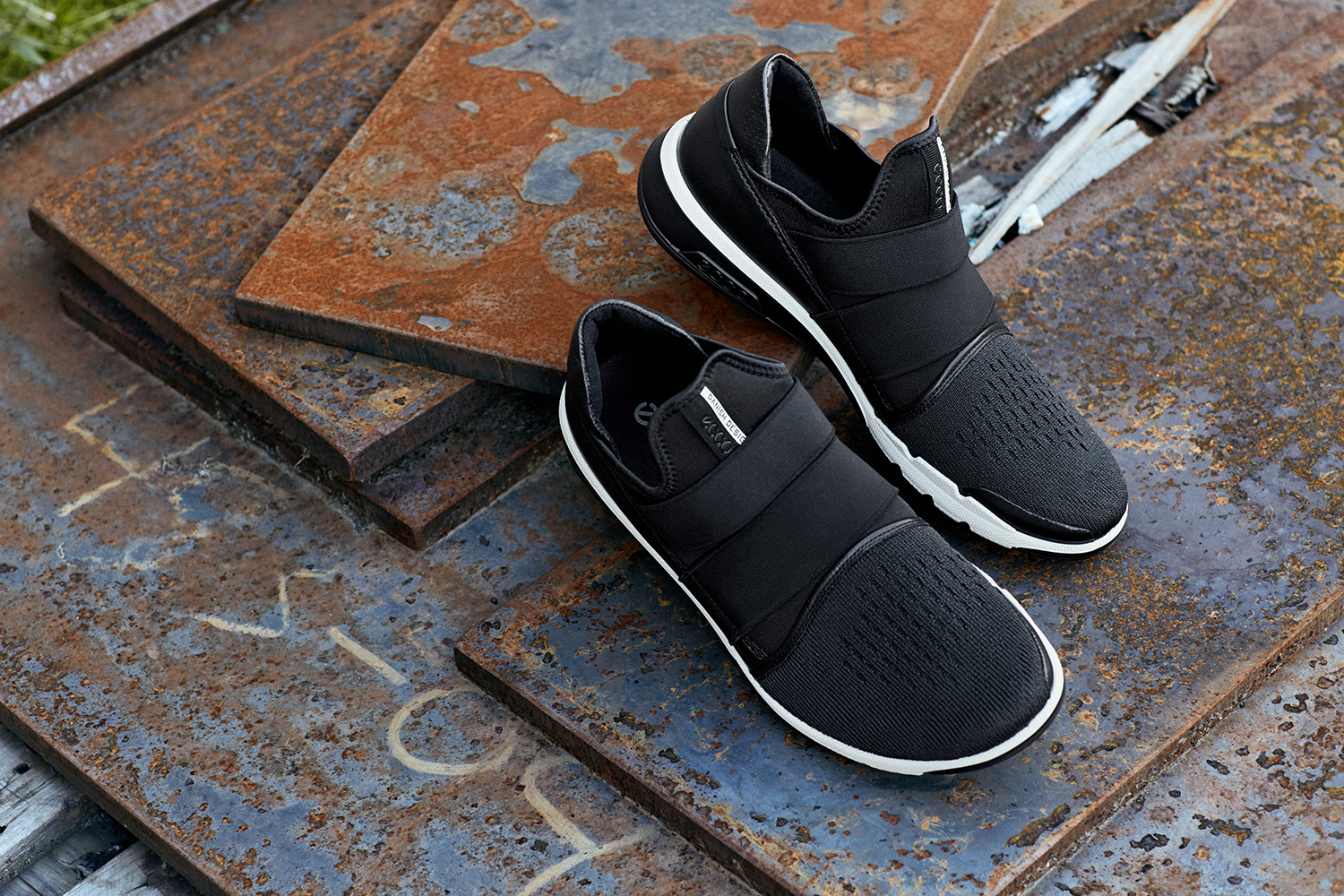
  • Ecco India opens its first store

    Ecco India opens its first store

    Ecco India has opened its first store in the country, located at Gurgaon Ambience shopping mall in New Delhi.

    Steen Borgholm, CEO of the Danish shoe and leather goods brand, says the company sees potential in the Indian retail market, despite the challenges.

    “We see strong demand from consumers who know what they want, and who appreciate the quality and consistent brand experience they get from Ecco. We continuously work to understand our customers better, and we hope to be able to convey the passion of our employees and our brand story to them,” he said.

    Ecco India has an expansion strategy which includes opening 20 concept stores in major cities over the next three years. It will also launch an online store in the first quarter of next year, allowing approximately 1.3 billion Indians to shop its products from the website.

    But first, says EVP for global sales, Michel Krol, the company will focus on positioning the brand in India, where the majority of the consumers are price sensitive.

    “We would like to take a long-term strategy to become a successful brand in India. That is why we will start with a small footprint to focus first on brand building so that the Indian consumer understands the brand’s narrative as to why the premium price we charge is justified,” says Krol.

    Founded in Denmark in 163, family-owned Ecco has more than 2250 stores worldwide, along with more than 14,000 points of sale. It owns and manages every aspect of the value chain from tanneries and shoe manufacturing to wholesale and retail activities.

  • McDonald’s Singapore launches limited-edition Hello Kitty carrier

    McDonald’s Singapore launches limited-edition Hello Kitty carrier

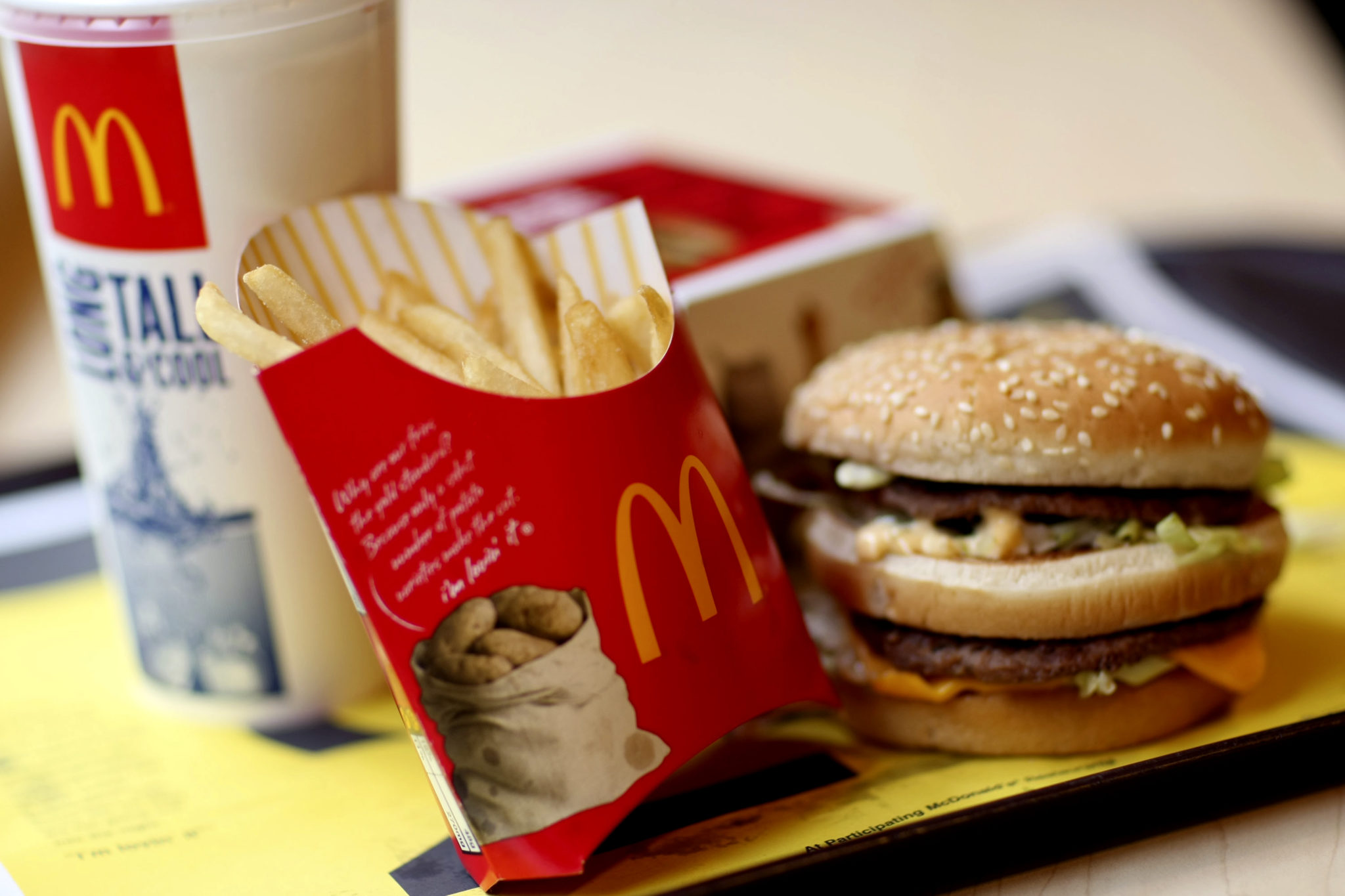
    McDonald’s has chosen Singapore as the first country in the world to launch its Hello Kitty carrier.

    The limited-edition Hello Kitty carrier is designed for drinks and fries. An adjustable strap allows carrying by hand or hanging from a car headrest.

    With the purchase of any Extra Value Meal and Doubles Feast, customers can buy up to two Hello Kitty items at SG$7.90 each (US$5.79).

    The limited-edition Hello Kitty carrier is available at McDonald’s Singapore outlets, except Tampines Shell, Hougang Shell and Tampines Kiosk.

  • Hong Kong’s Causeway Bay still top of the world’s most expensive retail strips

    Hong Kong’s Causeway Bay still top of the world’s most expensive retail strips

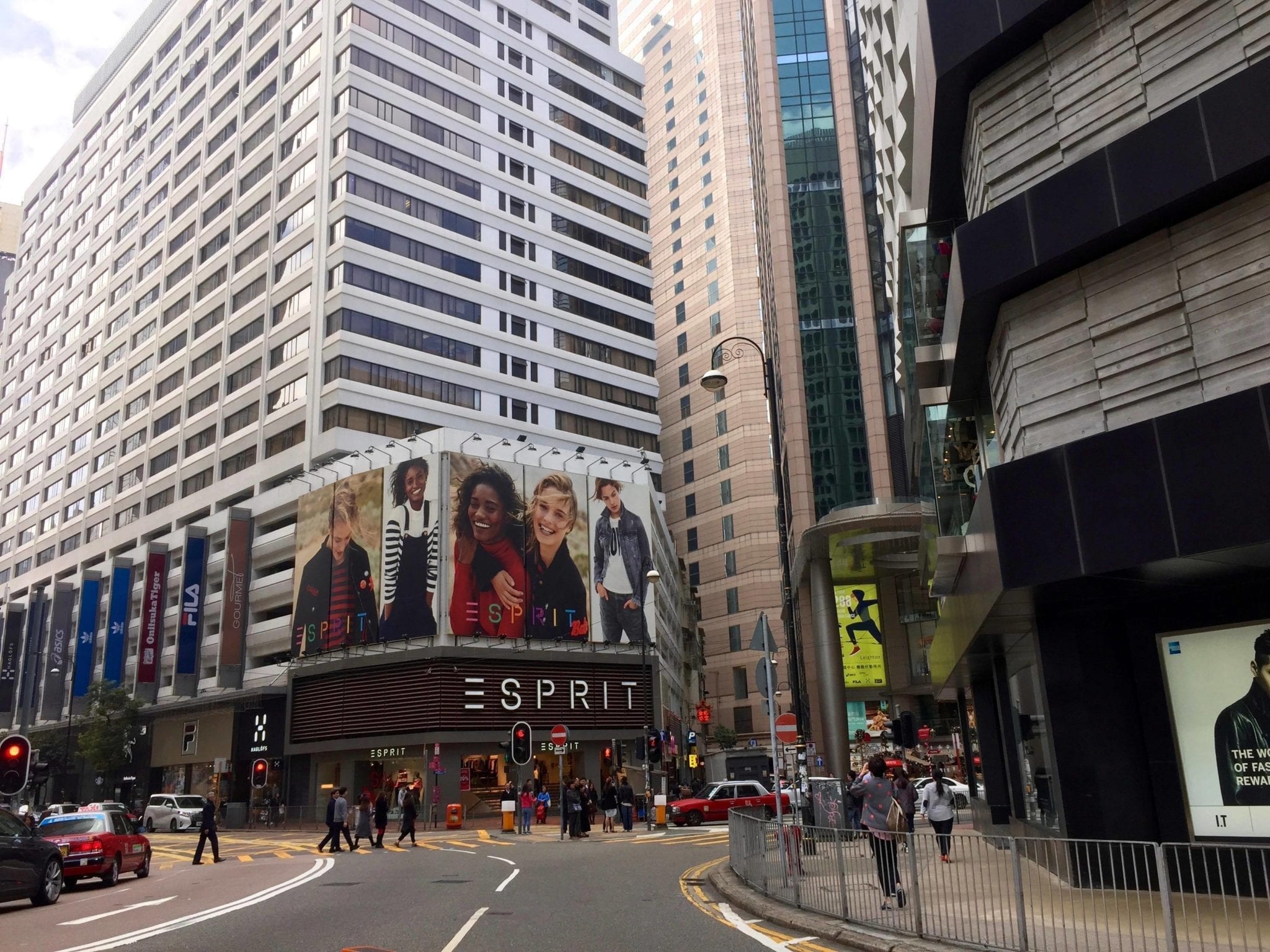
    Hong Kong ́s Causeway Bay remains top of the world’s most expensive retail strips, with rents rising to US$2745 per square feet per annum, 2.3 per cent higher than last year.

    New York ́s Upper 5th Avenue, with annual retail rents at $2250/sqft, retained the number two position on Cushman & Wakefield ́s latest rankings. Singapore’s Orchard Road does not appear in the top10, due to its retail stores considered to be almost exclusively inside shopping centres rather than defined as ‘high-street’.

    Completing the top five are New Bond Street in London, followed by Avenue des Champs-Elysees in Paris and Milan’s Via Montenapoleone.

    The top 10 worldwide shopping streets by rent (in US$/sqft/year):

    1 Causeway Bay (Hong Kong) – $2745

    2 Upper 5th Avenue (New York) – $2250

    3 New Bond Street (London) – $1714

    4 Avenue des Champs-Elysees (Paris) – $1478

    5 Via Montenapoleone (Milan) – $1447

    6 Ginza (Tokyo) – $1251

    7 Pitt Street Mall (Sydney) – $1076

    8 Bahnhofstrasse (Zurich) – $886

    9 Myeongdong (Seoul) – $862

    10 Kohlmarkt (Vienna) – $513

    Greater China represents seven of the top 20 Asian locations in the world’s most expensive retail strips, including Hong Kong (1st), Beijing (6th), Shanghai (8th), Shenzhen (11th), Guangzhou (13th), Taipei (15th) and Nanjing (20th).

    Major cities in China continue to see a significant amount of new retail developments, with activities being driven by both domestic and international retailers, with the latter continuing to pursue a strategy of opening in multiple locations.

    In Hong Kong, increasing pressure on rents continues as a result of growing local political unrest and the ongoing US-China trade tensions.

    Bonifacio High Street in Taguig, Greater Manila, in the Philippines recorded the biggest rental decline in Asia Pacific, posting 28.6-per-cent decrease.

    In Australia, rents in some locations have fallen, particularly in CBD strip retail areas. In contrast, rents on some of the higher footfall pitches have increased, including Sydney’s George Street.

    In the Americas, recent rental trends have varied by location, with high-street rents in some areas in Canada and the US remain under pressure.

    Retail rents in around 70 percent of the locations in Europe have generally stabilized despite the increasing polarisation.

    “In terms of rental performance, this year’s results are encouraging and demonstrate the resilience of the premier retail locations,” says Darren Yates, head of EMEA retail research at Cushman & Wakefield.

    “Rents on the world’s most expensive retail strips have been fairly stable and there is greater clarity on where retail is heading. However, there is downward pressure on rents in many weaker locations, particularly in the more mature markets of Europe and North America.  In Asia Pacific, retail has generally performed well across a very diverse group of markets.”

  • Cartier boutique opens at Hong Kong International Airport

    Cartier boutique opens at Hong Kong International Airport

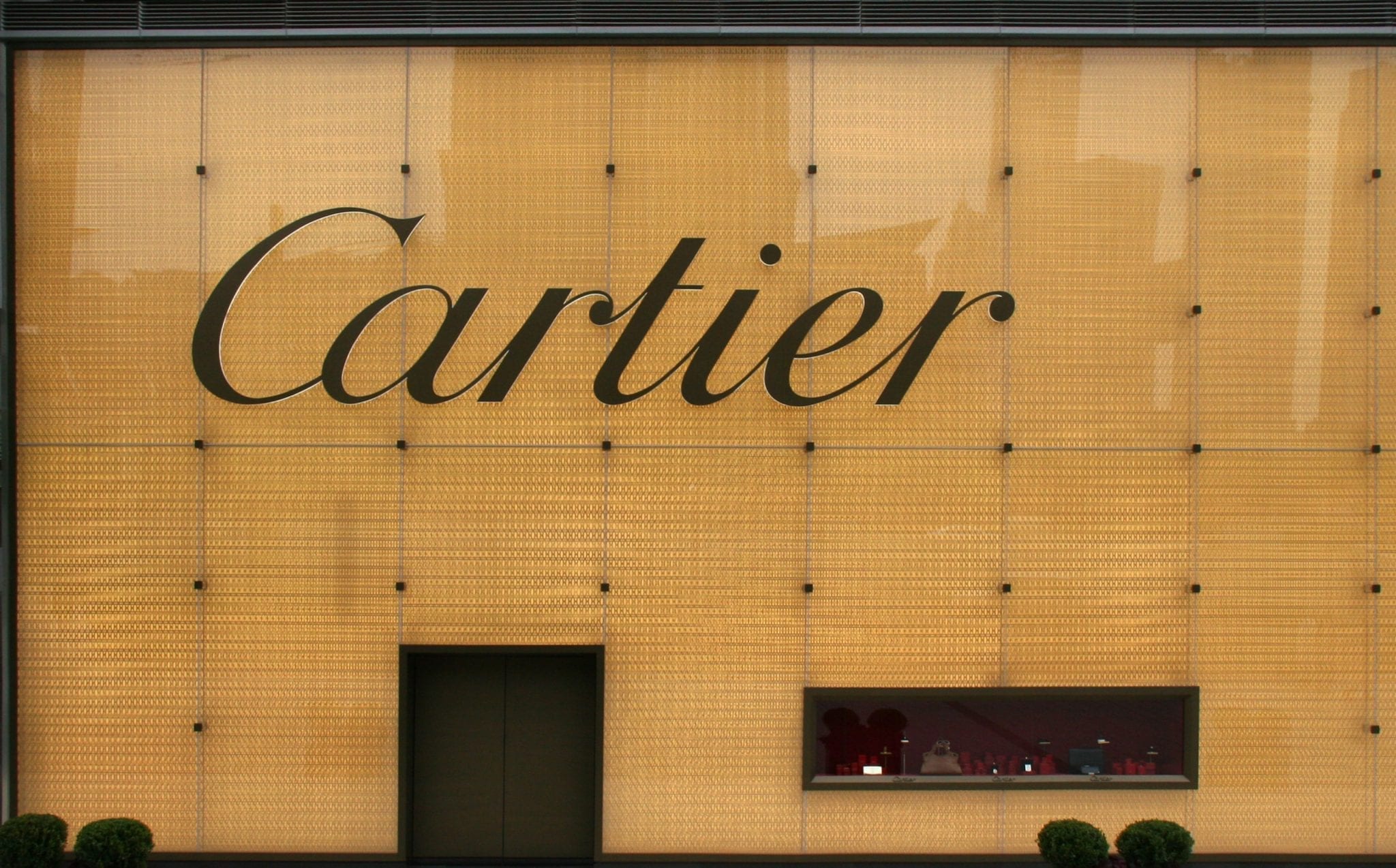
    French luxury goods house Cartier has partnered with King Power Global Development to open the doors of its reimagined boutique at Hong Kong International Airport.

    Conceived by Parisian artist and interior designer Bruno Moinard and located in the same shopping area, the Cartier HKIA boutique is the third in the world to follow the Maison’s latest airport-specific architectural concept.

    The see-through facade marks a considerable change in the overall decor, unveiling only one main entrance post-renovations. Traditional windows are replaced by vertical panels that play with lights, verticality and contrasts of the display. The boutique interior has been designed with practicality in mind, allowing for easy access and seamless retail experience. Marble flooring runs all around the boutique as an invitation for travelers and suitcases to navigate through jewelry counters. A dedicated “icon bar” area gives access to the Maison’s most “iconic” creations.

    King Power Global Development is a Joint Venture

  • Google Explores Bank Accounts With Citi, Stanford Federal

    Google Explores Bank Accounts With Citi, Stanford Federal

    Google is in talks with U.S. banks about offering checking accounts to its customers. The jointly-developed accounts could mirror the forms deployed in Asia.

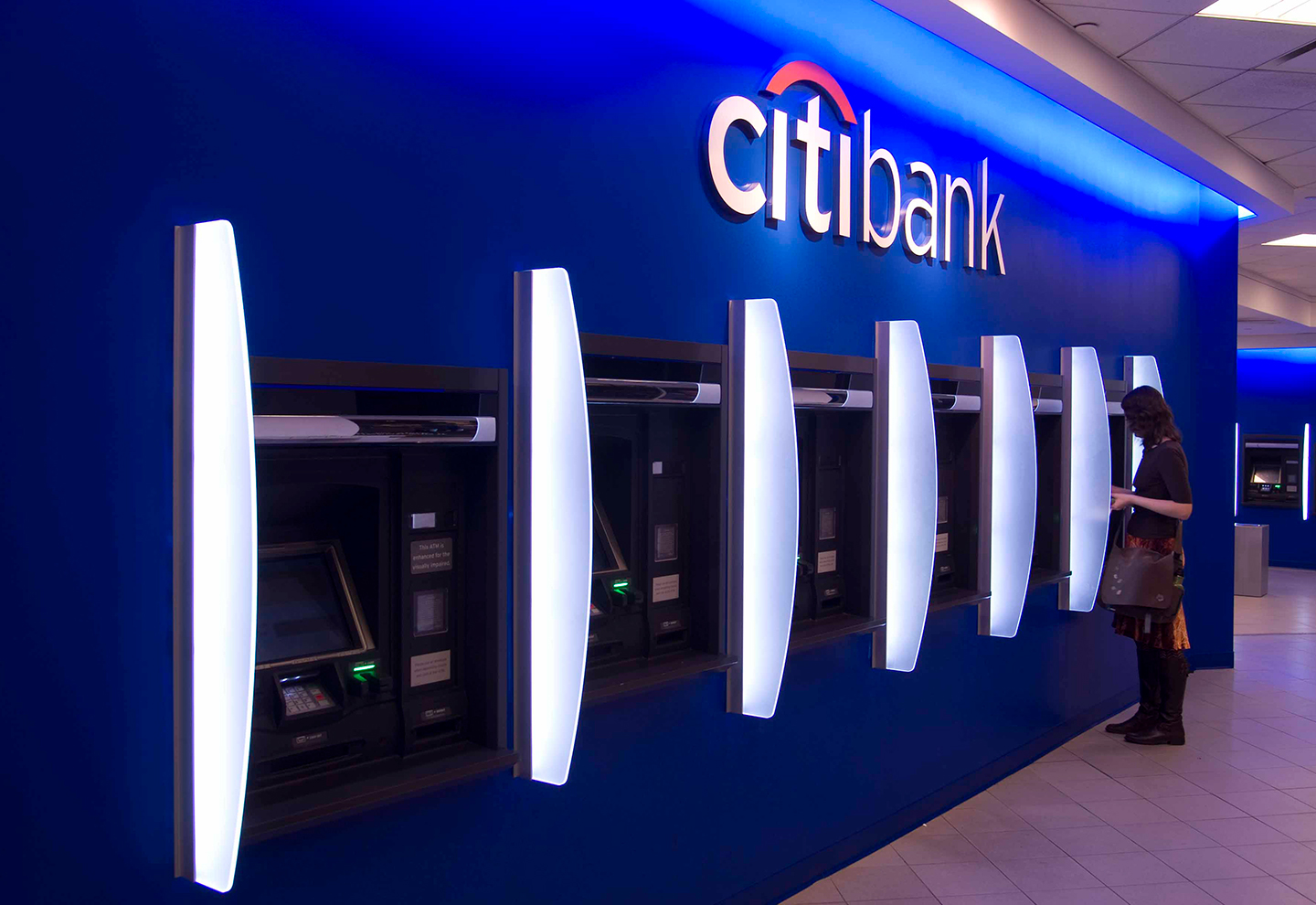
    Google has said it is working with initial partners – Citigroup and Stanford Federal Credit Union – on checking accounts for customers. The particular features and functions of the Google Pay-linked checking accounts are still being deliberated, but one working model could be Citi’s existing partnership with the messaging service WeChat in Asia, where Citibank customers make payments and complete other everyday banking transactions through the WeChat platform.

    We’re exploring how we can partner with banks and credit unions in the U.S. to offer smart checking accounts through Google Pay, helping their customers benefit from useful insights and budgeting tools, said a Google spokesperson. Similar to rival Apple Pay, Google Pay allows smartphones to be used for purchases online and in stores.

    Privacy and transparency are, and will continue to be critical priorities,” said Citigroup in a statement. A bank spokesperson quoted by FT said that it would control the banking relationships and that the accounts would comply with the same regulations as a traditional account.

    Although mobile and online payments such as WeChat Pay and Alipay are already widely used in China, Silicon Valley companies are just starting to move into the highly regulated world of financial services in the U.S. Earlier this year, Apple and Goldman Sachs teamed up to launch a credit card, offering cash back on purchases of Apple devices and an iPhone app to track
    spending.

    Google’s new banking effort, code-named Cache, is the technology giant’s latest foray into the personal finance industry. Google Pay, which already has tens of millions of users around the world, is already popular in India.

    On Monday, the technology firm announced plans to launch Google Pay in Singapore next year, partnering local banks DBS and OCBC. Our approach is going to be to partner deeply with banks and the financial system,” said Caesar Sengupta, Google’s general manager of payments.

  • CEO of SCB Julius Baer Resigns

    CEO of SCB Julius Baer Resigns

    The chief executive of SCB Julius Baer has left the role less than seven months into the appointment.

    Jiralawan Tangitvet, the CEO of SCB-Julius Baer, has resigned, according to a report in the Asian Private Banker. He was looking to make the newly-formed entity, a joint venture between Siam Commercial Bank and the Swiss bank, become a powerhouse in Thailand’s nascent private equity management sector.

    Tangitvet has joined the joint venture entity in April as its CEO this April. She was previously from Kasikorn Securities, where she was its managing director. Both banks could not be reached for comment at the time of this report.

    In June, SCB Julius Baer released its inaugural edition of the Wealth Report Thailand, which report focuses on the wealth management landscape in Thailand.

  • Revolut’s Lessons on Blitzscaling

    Revolut’s Lessons on Blitzscaling

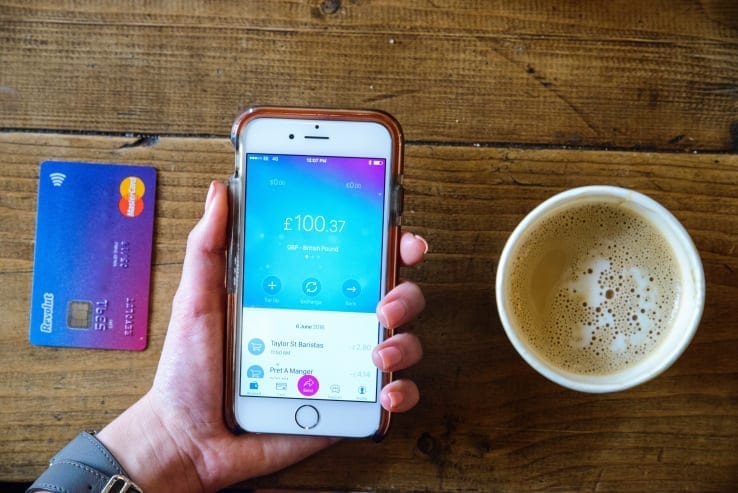
    The founder and CEO of neobank Revolut spoke about how he built the company from a 20 person outfit in a co-working space in 2015 to one of the fastest-growing fintechs globally.

    I sleep well, Revolut founder and CEO Nicholas Storonsky said to Mandy Lamb, Visa group country manager for Southeast Asia on Tuesday when asked about what keeps him awake at night.

    The British-Russian entrepreneur said he is comfortable with where the business is heading. Within four years, Revolut has amassed more than 8 million users and £40 billion ($49.19 billion) in transactions so far, according to its website. «Obviously, there are problems. But I believe that any problem is solvable. If you believe in your product, you will find a solution,» he said.

    Storonsky spoke about maintaining strong company culture, and how Revolut has had to transition from young and hungry pirate» to admirals, which was one of the most difficult parts of scaling at such a breakneck speed.

    Looking back, Storonsky said the most important thing he learned about growing a company is the importance of hiring the right people, and advised entrepreneurs to focus on building a strong leadership team.

    In October, the firm launched its services in Singapore, the first market outside Europe and Australia. One of the stumbling blocks Revolut faced when building the company and expanding into overseas markets was finding partners that could scale their services as quickly as it was growing, Storonsky said.

    Partnerships rarely work. It’s rare to find the perfect match, with companies that move at the same speed,» he said. «In my experience, only 5 percent of partnerships work, but when they do, it’s great.

    Earlier in the day, Storonsky spoke at the Singapore Fintech Festival 2019, where he said the firm would not pursue a digital banking license in Singapore because of the high capital requirements.

  • All-New Ferrari Roma Revealed

    All-New Ferrari Roma Revealed

    The new Ferrari Roma is here! It is a brand new model from the Italian marquee and it is one of those cars which make you go weak in the knees, even when you look at it in photographs. The flared fenders, sleek headlamps, and body-colored grille are a departure from traditional Ferrari styling but stunning nonetheless! The Roma is a nod to the Italian ‘La Dolce Vita’ concept which means to live a life full of pleasure and luxury and sure enough, the way the Roma looks and the price tag with which it will come.

    It definitely means that the Roma will be an exclusive affair and it sits in accordance with Ferrari’s plan of launching three brand new cars this year and one can see it on roads, globally, in the first quarter of 2020.

    Sleek lines, elegant silhouette and its understated class, make the Ferrari Roma look like a million bucks!

    Sitting in line with the typical Ferrari design, the Roma looks more like a concept and less of a production car. Sleek lines, elegant silhouette and its understated class, make the Ferrari Roma look like a million bucks! The car is longish at 4.6 metres in length and weighs in at 1,472 kg (dry weight).

    The 4.0-liter turbo V8 sits between the front and the middle and doles out about 620 bhp at 5,750-7,500 rpm along with churning out a massive 760 Nm of peak torque at 3,000-5,750 rpm. There is an 8-speed DCT gearbox which was taken from the SF90 Stradale! The Ferrari Roma has a top-speed in excess of 320 kmph and does the 0-100 kmph sprint in 3.4 seconds. The 0-200 kmph sprint takes 9.3 seconds.

  • Tesla To Build New Plant And Design Centre In Germany

    Tesla To Build New Plant And Design Centre In Germany

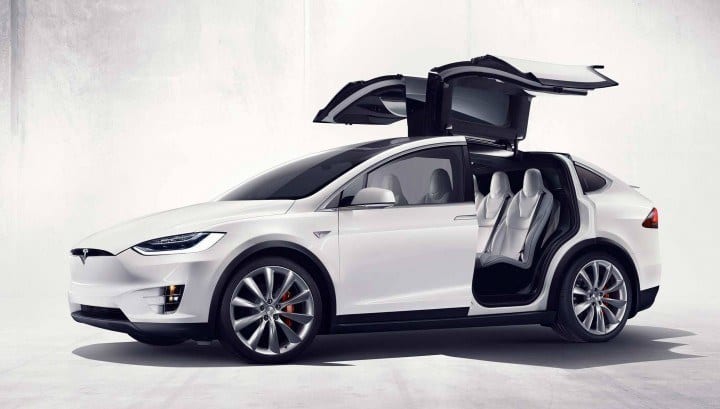
    Tesla will build its first European factory and design center near Berlin, giving the U.S. electric car pioneer the coveted “Made in Germany” label just as local rivals Audi, BMW and Mercedes prepare to launch competing cars.

    Tesla Chief Executive Elon Musk announced the move at a prestigious German car awards ceremony late on Tuesday and said the new plant would make batteries, powertrains and cars – starting with the Model Y sports utility vehicle.

    “Everyone knows German engineering is outstanding for sure. You know that is part of the reason why we are locating Gigafactory Europe in Germany,” Musk said at the ceremony in Berlin.

    The plan is a big boost for Germany as a centre for manufacturing after BMW and Mercedes in recent years chose to build new factories in Hungary, and after its auto industry was hit hard by Volkswagen’s admission in 2015 that it cheated U.S. diesel emissions tests.

    Germany’s powerful manufacturing industry has been slowing, with data on Thursday set to show whether Europe’s biggest economy has slipped into recession for the first time since 2013.

    Tesla is struggling to ramp up production and has yet to prove it can be consistently profitable as rivals including Audi-owner Volkswagen retool plants to mass-produce electric cars.

    Musk said the factory would be near Berlin’s new Brandenburg international airport, diversifying the Silicon Valley firm’s production beyond the United States at a time when global trade tariffs make exports more difficult. Besides Europe, Tesla is opening a factory in Shanghai.

    Tesla’s proposed factory will be within commuting distance of Poland, where labor costs are cheaper, a rival manufacturer – who also looked at the site – told Reuters.

    “Tesla’s decision to build an ultra-modern factory for electric cars in Germany is further proof of the appeal of Germany as an automotive hub,” Economy Minister Peter Altmaier said on Wednesday.

    “We think we now have the chance, in the coming years, to become an important international center in this future-oriented sector,” he said.

    The German government has earmarked financial support for making electric car battery cells locally as a way to secure manufacturing jobs as tougher emissions rules threaten demand for older technologies, like diesel engines.

    Dietmar Woidke, the premier of the Brandenburg state that surrounds Berlin, said any official support given to Tesla would be in accordance with European Union rulesAltmaier said there had been no discussion so far about any subsidies for Tesla’s plans, adding the company would be treated like all other carmakers.

    In a high-profile example of the impact of Brexit, Musk said he picked Germany for his new factory over Britain because of uncertainty over the nation’s exit from the European Union.

    “Brexit made it too risky to put a gigafactory in the UK,” he said in an interview with industry website Auto Express.

    Germany’s biggest labor union, the influential IG Metall, was quick to welcome Tesla’s plan. “This strengthens Berlin as an industrial location and creates jobs. We hope this sets an example,” said Birgit Dietze, IG Metall’s regional head.

    Even Germany’s auto industry association, VDA, welcomed the arrival of a U.S. competitor.

    “Elon Musk’s announcement shows how important Germany is as a location for producing electric vehicles in Europe,” VDA said. “We don’t shy away from competition, quite the opposite.”

    German carmakers and suppliers are preparing to build more than 150 electrified vehicles by 2023, VDA said.

    While Germany’s renowned car industry is mainly based in the south of the country, the capital has become a hub for start-ups and has attracted many creative and technology firms since the fall of the Berlin Wall three decades ago.

    “Tesla is coming to Brandenburg with a big investment,” said state premier Woidke, without giving details “We lobbied for this for a long time in intensive talks and with good arguments.”

    Berlin’s minister in charge of economic affairs, Ramona Pop, told public broadcaster RBB there had been talks about creating 6,000 to 7,000 jobs in production alone, with hundreds or even thousands more in areas such as design, software and research.

    Musk’s appearance at the awards ceremony is another example of Tesla’s efforts to give its cars the German stamp of quality.

    It already has an engineering firm in Pruem that specializes in automated manufacturing systems for battery factories and has tested its cars on the Nordschleife, the notorious

  • Google Maps update adds a new translator feature

    Google Maps update adds a new translator feature

    The new translator feature that will be added this month should allow a phone to speak out a place’s name and address in the local lingo. In order to do that, you’ll have to tap the new speaker button next to the place name or address, and Google Maps should then say it out loud.

    In addition, Google Maps will be able to link you to the Google Translate app when you need to have a more complex conversation. Thanks to the text-to-speech technology, your phone automatically detects what language your phone is using to determine what exactly you need help translating.

    According to Google, the new translator feature will be deployed to Android and iOS devices this month and will support 50 languages, although the Mountain View company says that more are on the way.

  • Foreign brands eager to enter booming fashion market

    Foreign brands eager to enter booming fashion market

    Major international brands are setting up shop in Vietnam and expanding quickly to tap a rapidly growing fashion market.  Last week Japanese casual wear retailer Uniqlo announced it would open its first store in the country in Ho Chi Minh City’s District 1 on December 6. The 3,000-square-meter store would be one of its biggest in Southeast Asia, the firm said.

    Opening stores in Vietnam is critical to Uniqlo’s expansion plans in Southeast Asia. As of last year it had 213 stores in the region, and plans to have 400 by 2022, Tadashi Yanai, CEO of Fast Retailing Group, which owns a 75 percent stake in Uniqlo, said.

    It is the latest in an expanding list of around 200 foreign fashion brands that have entered Vietnam, including Zara, H&M, Giordano, Mango, Topshop, Gap, and Old Navy.

    Vietnam, with its young demographic, growing incomes and 95 million population, is considered a hugely promising market. Foreign brands are attracted to its 15-20 percent annual growth, according to the chairman of the Vietnam Retailers Association, Dinh Thi My Loan.

    Vietnamese consumers are also shifting towards prioritizing items like clothes and fashion. In a report released last year market research firm Nielsen said clothes were Vietnamese consumers’ third spending priority after food and saving.

    The survey also found that Vietnam ranked third globally in the number of people fond of branded goods after only China and India.

    Laura McCullough, a senior Nielsen executive, said: “The change in the level of wealth of Vietnamese people enables them to buy international standard products and services. More and more Vietnamese are choosing to buy luxury goods or exclusive products.”

    Thanks to the Vietnamese fondness for fast fashion, Zara’s revenues in Vietnam doubled to VND1.7 trillion ($73.27 million) last year, four times its Thailand sales, the company said in its latest financial report.

    In 2018, H&M announced revenues of over VND763 billion ($32.89 million), nearly four times higher than what it had collected in 2017 when it opened its first store in Vietnam. While British brand Topshop has filed for bankruptcy and closed all of its stores in the U.S., the former maintains four stores in Vietnam.

    Vietnamese retail group Seedcom estimates the fashion industry to be worth $5 billion in 2018 and to reach $7 billion by 2023.

    German market analysis firm Statistics Portal expects 22.5 percent annual growth in 2017-22 while Nielsen forecasts 15-20 percent growth.

    Foreigners buying up local units

    Foreign investors have also been trying to enter with a series of acquisitions in the last few years. In September Japanese fashion company Stripe International acquired Global Fashion, which owns women’s footwear brand Vascara, for an undisclosed sum.

    Vascara, launched in 2007, has 134 stores nationwide. Stripe first came to Vietnam in 2017, and earlier acquired another fashion brand, NEM, which has 90 stores.

    In February Japanese buyout firm Advantage Partners acquired Elise Fashion, one of Vietnam’s major women’s fashion chains, again for an undisclosed sum.

    Elise, founded in 2011, targets women in the 20-45 age range and has 95 stores across Vietnam, with operations vertically integrated from design and manufacturing to customer-facing sales and retail.

    With financing from Stripe, Elise hopes to double the number of outlets and quadruple revenues in the next four years.

    According to Le Tien Truong, general director of the Vietnam National Textile and Garment Group (Vinatex), foreign players have bigger strengths in finance and human resources, and modern management methods.However, industry insiders are worried that the rapid expansion of major global fashion brands could overpower local brands such as Viettien, Canifa, Ninomaxx, and YaMe.

    Besides, many local businesses still do subcontracting work for foreign brands, the lowest level in the value scale in the fashion industry, he told the media.

    Robert Tran, CEO of U.S.-based RBNC Consulting, said: “The textile and apparel industry is too focused on outsourcing, big orders, competing for exports, and collecting wages, and is not investing in fashion design. So the term ‘fashion technology’ seems to have been forgotten in Vietnam.”

    “Asian countries like Japan, South Korea, Singapore, and Thailand all have domestic fashion brands, while it is difficult for international visitors to come to Vietnam to find a true Vietnamese fashion brand other than in traditional products such as “ao dai”, which can be purchased at medium prices.”

    Truong warned that if Vietnamese fashion houses do not change their mindset, consolidate their brands and create their own designs, they would forever be outsourcers for other countries.

    Seedcom founder and CEO Dinh Anh Huan said to remain competitive, Vietnamese retailers should use technology to understand consumer behavior, focus on digital marketing and develop online shopping channels to bring a better shopping experience to customers.

    The Vietnam Retailers Association (VRA) estimates there were 200 foreign brands in Vietnam by 2017-end, accounting for roughly 60 percent of the market.

    Zara, H&M and Mango are the three most recognised brands in Vietnam, followed by Gap, Forever 21 and Giordano, according to a survey done by market research firm Q&Me in September.

  • Feature phones remain popular in Vietnam

    Feature phones remain popular in Vietnam

    Feature phones still account for nearly four out of every 10 mobile phones sold in Vietnam. Around 1.7 million phones were sold in September, of which over 600,000, or 37 percent, were feature phones, according to market research institute GfK.

    While there have been predictions that feature phones will lose popularity with the advent of cheap smartphones, their sales remain steady at 620,000-700,000 a month, the institute said.

    In terms of market share, feature phones even saw a slight increase from 34 percent in July to 36 percent in August.

    Nokia remains the leading brand in this segment with a market share of 55-57 percent in recent months, with the Finnish brand accounting for over half of the 20 top selling feature phones in September.

    The second most popular feature phone was local brand Masstel with a market share of 14-15 percent. Other brands sold include Itel, Mobell, Fmobile and Coolpad each with a market share of below 10 percent.

    Nguyen Duy, an employee at a mobile phone supermarket in Hanoi’s Gia Lam District, said: “The main buyers [of feature phones] are usually ordinary workers, students, older people, and businesses buying phones for internal communication needs.”

    “A significant portion of them are first-time users who want a device that could make and receive phone calls so they could keep in touch, especially one that’s easy to use.”

    Besides, many people buy Nokia’s new products such as the 3310, 230 and 105 to use as backup for their smartphones, he said.

    Nguyen Tuan Anh, an experienced mobile phone seller, is confident that feature phones would perform well for at least a few more years.

    Since their customers often prioritize low price over brand, phones from China and nameless brands would continue to sell well if they meet buyers’ needs, he said.

    But revenues from feature phone sales remain low. According to GfK, 70 percent of them cost below VND500,000 ($21.5).

    The best-selling device in this segment is the Nokia 105 with a price tag of VND350,000 ($15). Itel, the third largest brand, has products costing below VND200,000 ($8.6) such as Value 100 and IT2161.

  • Hennessy unveils X.O pop-up at Changi Airport

    Hennessy unveils X.O pop-up at Changi Airport

    Luxury cognac brand Hennessy has partnered with Changi Airport and travel retailer DFS Group to launch an X.O pop-up store at Changi Airport.

    Located in Terminal 1’s departure transit hall, the pop up the airport’s biggest yet, spread across 150sqm.

    Hennessy says the pop-up is aimed at continuing the momentum from the latest X.O campaign launch and delivering a “multisensorial, interactive and immersive experience”.

    It offers a space to explore the ‘Seven Worlds’ of Hennessy X.O including the Sweet Notes, Rising Heat, Spicy Edge, Flowing Flame, Chocolate Lull, Wood Crunches and Infinite Echo, which are brought to life in a short film directed by Ridley Scott.

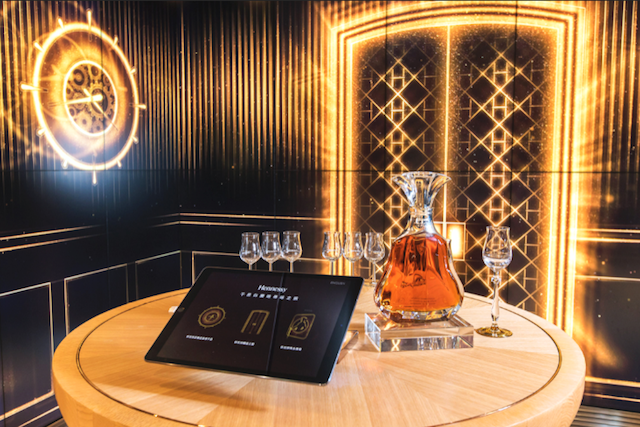
    Interactive installations such as digital kiosks with motion-sensing activity, give visitors an opportunity to create content such as becoming the character of the Wood Crunches. Visitors can also enjoy a sip of Hennessy X.O at the custom-built tasting bar, as well as experience food pairings in the form of spiced marshmallows dipped in dark chocolate and honey cinnamon lollipops.

    “At Hennessy, we recognize that travel retail goes well beyond being a key commercial channel. It’s an amazing platform to build brand desirability in front of affluent and worldly consumers,” says Laurent Boidevezi, Hennessy’s global travel retail president.

    The pop-up is open daily from 7am to midnight until February and will retail Hennessy’s carafes with limited-edition sleeves. The packaging features the chapters for Flowing Flame, which is exclusive for Changi Airport, and Rising Heat, which is APAC exclusive for travel retail.

    Hennessy, together with luxury fashion brand Louis Vuitton, is owned by French conglomerate LVMH Group.

  • Taco Bell launches another outlet in Auckland

    Taco Bell launches another outlet in Auckland

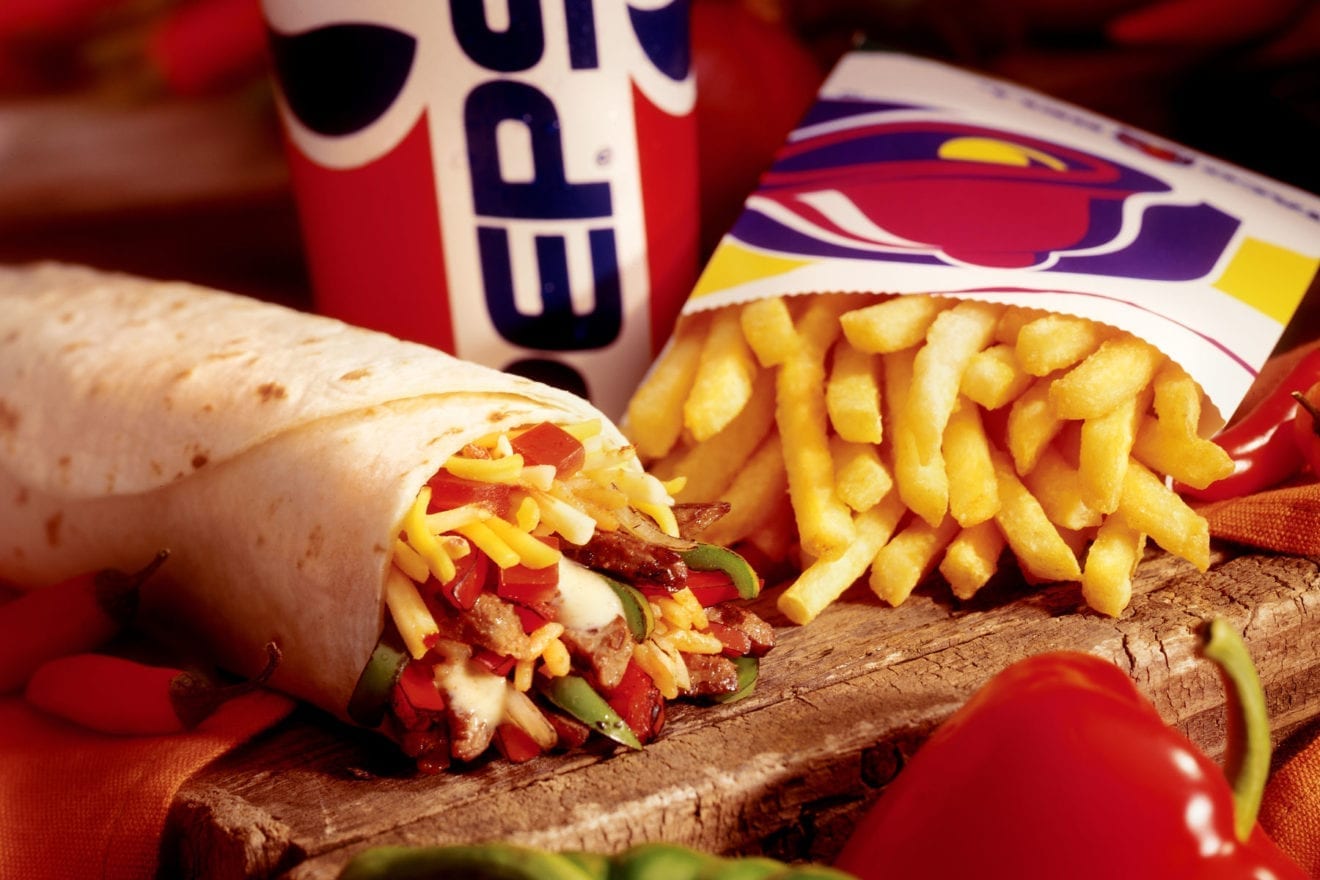
    The first New Zealand Taco Bell store has opened in The Brickworks at New Lynn’s LynnMall, bringing the Mexican-inspired fast-food chain to local shores.

    Launching on Tuesday, the store features a mural paying homage to west Auckland designed in collaboration with local artist Natasha Vermeulen, and design agency Stanley St.

    General manager for Taco Bell Clark Wilson said the business often defied the conventions of fast food, and was excited to bring its social-driven experience to New Zealand.

    The store also features an open kitchen allowing customers to see their food prepared, as well as offering free wifi, charging stations, kiosk ordering, and a self-serve jukebox.

    “We are delighted to finally answer the demand from our passionate fans with the opening of New Zealand’s first Taco Bell restaurant at LynnMall,” said Taco Bell managing director of Asia Pacific Ankush Tuli.

    “We are excited to launch Taco Bell here in Auckland, in partnership with Restaurant Brands Group, and look forward to expanding throughout New Zealand with the goal of delighting our fans along the way.”

    Franchise partner Restaurant Brands said it will launch up to 25 Taco Bell locations across New Zealand in the next five years, with the next restaurant to open in Q1 of next year.

    “While a priority for us has been on first launching the brand successfully in market, we can now shift our focus to the next phase,” Restaurant Brands Group chief executive Russel Creedy said.

    “At this stage, we are securing locations within the main metropolitans of Auckland, Wellington and Christchurch, with the view to expanding further afield in the coming years.

    “We are simultaneously rolling out in NSW and ACT in Australia, with a total estimated spend of $65 million across both markets over the next five years.”

    Restaurant Brands recently revealed it had grown group sales by 2.7 percent during the first half of FY20, though net profit had fallen 2 percent due to the implementation of a new accounting standard, NZ IFRS 16, which knocked profit down by $2.9 million.