Tag: asia

  • Rimowa Elements Hong Kong store relocates

    Rimowa Elements Hong Kong store relocates

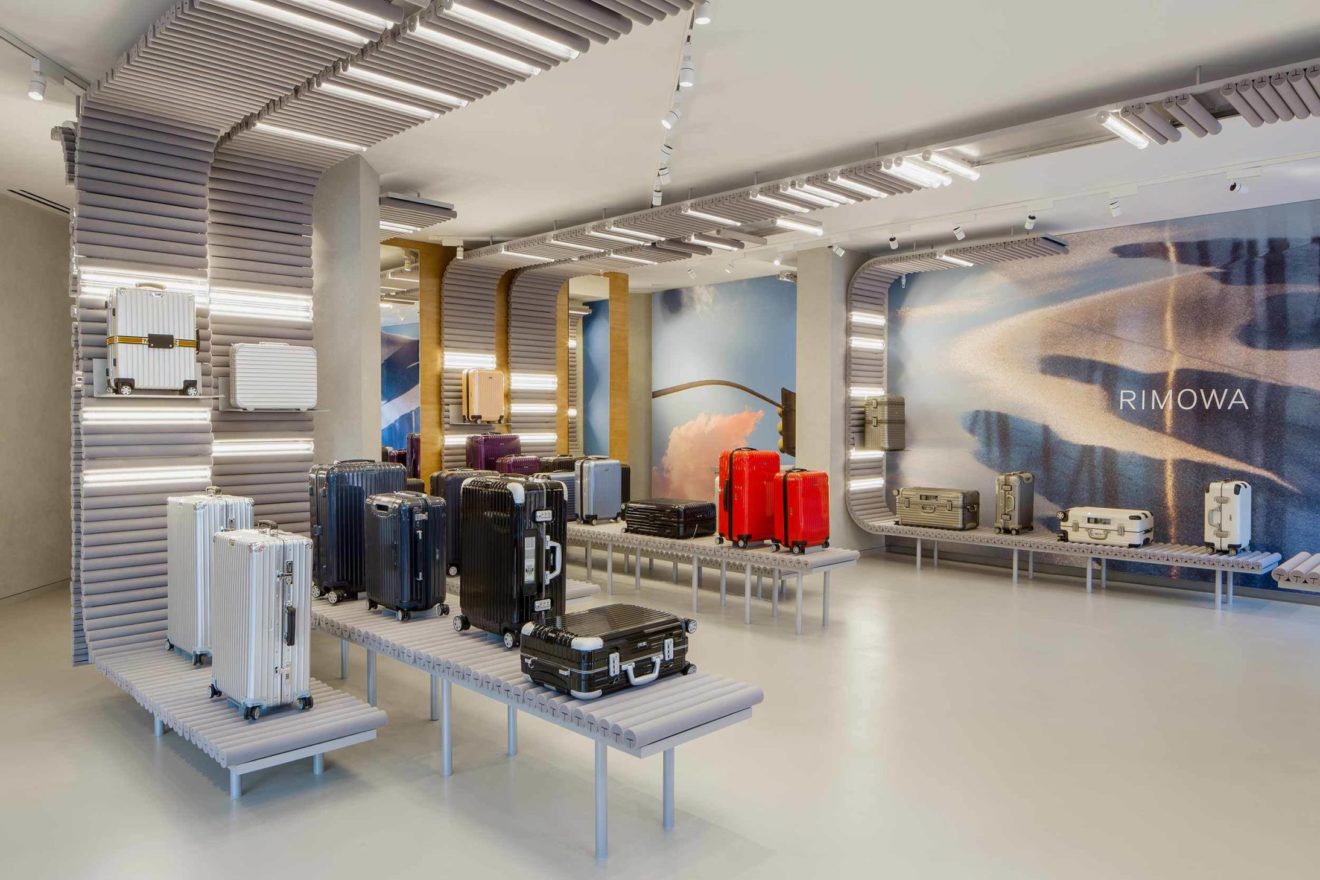
    Premium luggage label Rimowa has relocated and reopened its Hong Kong Rimowa Elements store.

    The new 1510sqft Rimowa Elements store features the brand’s latest store design concept and incorporates site-specific details, such as the wood and recycled rubber flooring that allows customers to roll-test their suitcases on a variety of surfaces before purchase.

    In addition to showcasing the brand’s latest luggage collections, the Rimowa Elements store features an in-store client-care center that can process most repairs – such as wheel exchange and handle & lock repair.

    As part of this fresh design, Rimowa Elements is introducing a hot stamping service, inviting customers to personalize their Rimowa leather travel accessories.

    Located in West Kowloon, Elements is one of the top tier shopping malls in Hong Kong, covering more than 1 million sqft of shopping, dining, art, and entertainment.

  • David Jones profit almost halves this year

    David Jones profit almost halves this year

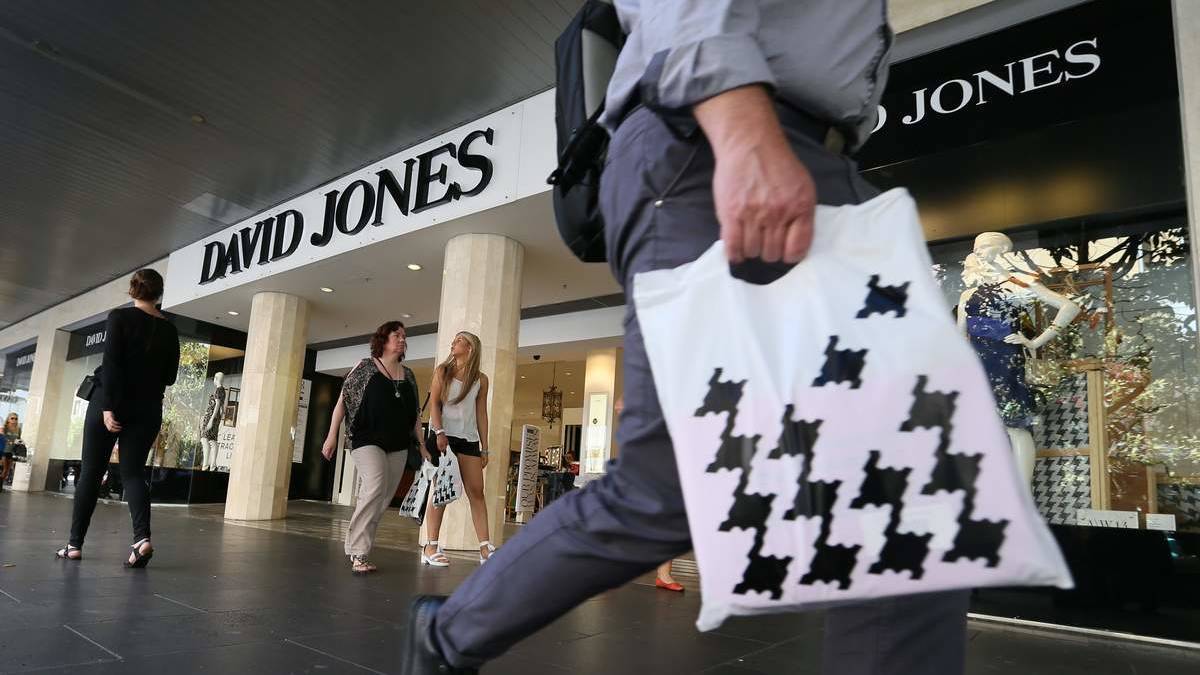
    David Jones’ operating profit fell 42 percent to $37 million in the 2019 financial year, hampered by tough trading conditions and little economic growth in the Australian market.

    Parent company Woolworths Holdings chief executive Ian Moir said the performance was fair considering the conditions, and that the management team has adapted their strategy to the changing retail landscape.

    “Our businesses are well-positioned to see through the significant economic and structural challenges retailers are facing,” Moir said in a statement to investors.

    “We are focused on building future-fit, customer-focused businesses with strong portfolios of brands that deliver long term value.”

    The South African retail group said it didn’t expect conditions to improve significantly in the short-term, with the retail market continuing to be tough due to heavy discounting and promotional material.

    As such, Woolworths Holdings said the previously announced plans to reduce store count is underway across the David Jones portfolio to improve stock productivity as online sales grow. David Jones didn’t specify which stores are being closed.

    The 2019 financial year also saw turnover and concession sales fall 0.8 percent for the department store, and comparable sales fall 0.1 percent. However, online sales grew 46.8 percent and now makeup 7.7 percent of total sales.

    Moir said he believes “the worst is over” for the struggling department store chain.

    “We’ve had many bad years at David Jones and learned many lessons,” Moir said.

    “We know more about the Australian customer through fixing the David Jones business because we have collected data and research about what they want. We believe the worst is over.

    “The year 2021 will be a much stronger year for David Jones.”

    Moir will relocate to Sydney to oversee the turnaround more closely, as he understands the Australian market from his time running Country Road Group.

    Country Road

    Country Road also saw its operating profit fall over the year – a 2.9 percent drop to $100 million.

    Sales at the clothing retailer grew 0.5 percent, while comparable sales fell 0.6 percent. Online sales now represent 20.3 percent of total sales, having grown 12.9 percent over the period.

    Net retail space reduced 2.9 percent over the period, with further space reductions a priority.

  • Luxiee secures six-figure funding from Singapore angel

    Luxiee secures six-figure funding from Singapore angel

    Singapore-headquartered online diamond marketplace, Luxiee, has raised a six-figure investment in a private seed-funding round.

    The team secured financier Kewee Kho, also vice-chairman of Roadbull Logistics and independent director of Courts Asia, as the leading investor.

    Luxiee, launched in January, bills itself as the world’s first online diamond marketplace that connects consumers directly to established suppliers in a transparent matching model that removes the middle-man, resulting in better value for customers. The funds raised will be channeled towards marketing, branding, public relations, and media placement, as well as building the business’ staff.

    “It’s about time a traditional industry like diamonds experience a new way of delivering real value to customers. It is a disruption to an old school economy,” said Kho in a statement. “The impressive background of Luxiee’s solid management team, with experts coming together from the creative, digital marketing, and precious gems industries, reinforces my belief in this new and current business model. Transformative growth awaits, and I look forward to an exciting and rewarding journey with the team.”

    Luxiee CEO Nicholas Lim said it was exciting to have an experienced investor like Kewee Kho on board.

    “We look forward to his strategic direction and advice. His confidence in the business is added assurance to the formula of our business model, and we are driven by opportunities to accelerate our growth.”

    Luxiee says the direct connection between supplier and consumer through its platform allows consumers to enjoy up to a 300-per-cent reduction in the diamond price compared with those sold at luxury retail outlets. For example: a 1.0 Carat, F Color, VS2 Clarity, Excellent Cut diamond can sell for as low as SG$7000 (US$5000).

  • Offshore boost for Harvey Norman sales

    Offshore boost for Harvey Norman sales

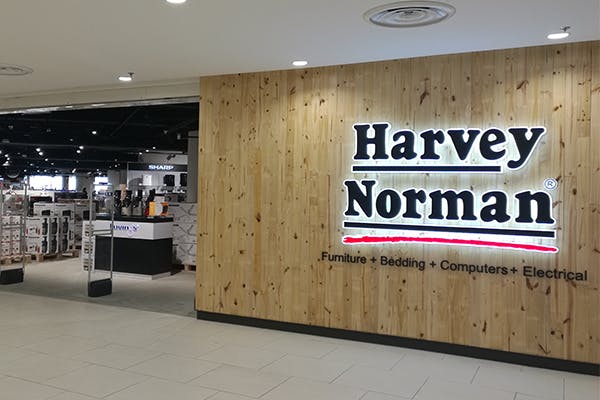
    Harvey Norman has lifted full-year profit by 7.2 percent to $402.3 million with its overseas ventures again outshining local franchisees, which struggled amid tough retail conditions.

    The homeware, whitegoods and electronics retailer lifted total sales by 12.1 percent to $2.23 billion in the 12 months to June 30, largely thanks to its 90 company-operated offshore stores breaking through the $2 billion sales barrier for the first time.

    An 11.7 percent rise in Harvey Norman’s overseas profitability to $129.70 million – including a 9.7 percent lift in offshore revenue to $2.05 billion – offset a 2.3 percent decline in revenue received from the company’s 195 franchised Australian complexes.

    Revenue from local franchisees was $944 million for the year, with total franchisee sales down by 1.8 percent to $5.66 billion amid a housing market downturn and broader economic jitters.

    Harvey Norman announced a $173.49 million capital raising to manage debt, but still increased its final dividend by 3.0 cents to a fully franked 21.0 cents.

    Shares in the company dropped by 1.82 percent to $4.585 by 1223 AEST, still 25 percent higher than $3.66 a year ago.

    Harvey Norman said it had been a particularly tough second half in Australia, with fourth-quarter aggregate comparable sales for franchisees dropping by 1.6 percent, for a full-year comparable sales decline of 0.9 percent.

    The company said local franchisees had nonetheless continued to invest in their operations in anticipation of federal government tax cuts, stabilizing house prices and an increase in lending by banks for mortgages and small business loans.

    Chairman Gerry Harvey said the company has begun replicating its successful overseas premium store format in Australia and New Zealand.

    A premium refit is currently underway at the company’s Cairns franchised complex, while franchised complexes at Campbelltown, Balgowlah, Preston, and Aspley will commence post-Christmas.

    The company said it intends to grow its international footprint with up to 21 new stores overseas within the next two years, including 17 alone in Singapore and Malaysia.

    “We intend to grow our international retail footprint and are on track with our expansion opportunities,” Mr Harvey said on Friday.

    Harvey Norman’s Singapore and Malaysia segment increased profit by 48.1 percent to $37.1 million for the year, while profit in Slovenia and Croatia ticked 0.8 percent higher to $7.46 million.

    In Ireland and Northern Ireland, profit nearly quadrupled to $6.39 million on double-digit growth across all key product categories.

    Challenging economic conditions weighed on the company’s New Zealand stores, with profit from across the ditch dropping by 6.0 percent to $77.39 million despite sales revenue increasing by $25.57 million.

    Overseas revenue has now increased by 48 percent over the last five years and profitability has nearly quadrupled.

  • Fjallraven opens huge Sydney flagship store

    Fjallraven opens huge Sydney flagship store

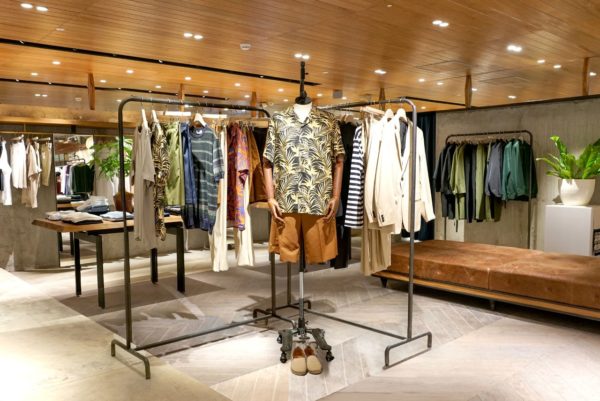
    Swedish heritage outdoor brand Fjallraven has opened a flagship store in Sydney nearly one year after making its brick-and-mortar debut in Australia.

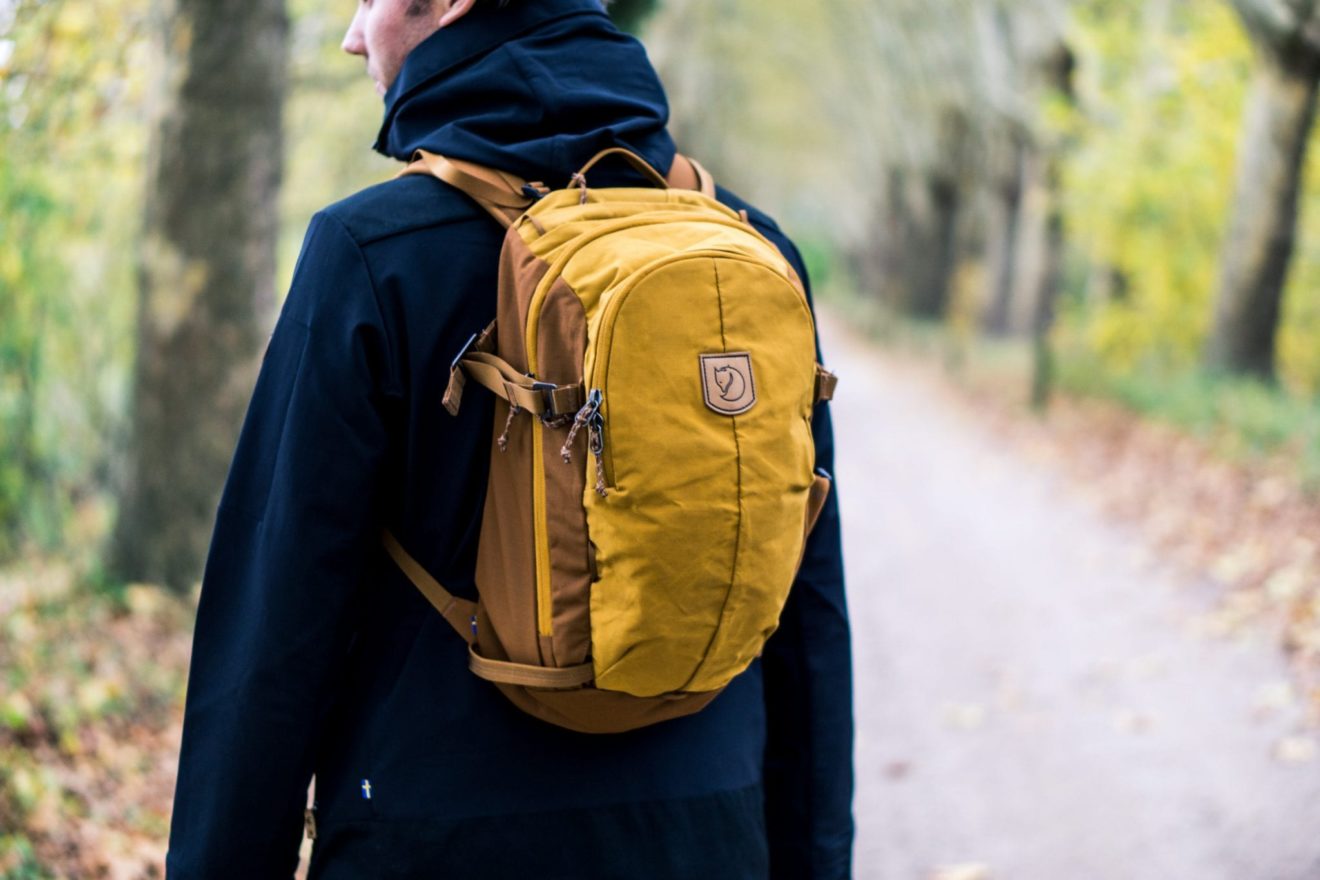
    The store, located on York Street in Sydney’s CBD, stocks the brand’s popular Kanken rucksack, as well as a broader range of outdoor apparel, including men’s and women’s jackets, tops and trousers.

    It is the brand’s second brick-and-mortar location in Australia. The first opened in Melbourne Central in October 2018, and marked Fjallraven’s inaugural location in the Southern Hemisphere.

    Susan Park, Fjallraven’s brand manager in Australia and New Zealand, said the Melbourne store has been trading well over the past year.

    “Opening our retail store was an important stage of brand development in Australia. We were optimistic about our performance before launch as we knew the demand was there,” she said.

    Fjallraven launched in Australia in early 2017 through retail partnerships and online, which helped the team better understand which products to range in the Melbourne store.

    Now, the team is further refining its decision-making through in-store feedback.

    “We review and incorporate our customers’ feedback into what we range and how we present our products in-store and it’s been a process of constant improvement,” Park said.

    According to Park, the Kanken rucksack is still a best seller, though interest in trekking equipment – especially trousers and jackets – has grown significantly as a result of increased access and awareness.

    More broadly, the store is driving an uplift in Fjallraven’s overall wholesale and e-commerce business in Australia, Park said.

    “We are really seeing the benefits of a controlled omnichannel approach and we anticipate this will be the case for Sydney as well,” she said.

    The Sydney store, like the Melbourne store, will also offer shoppers a daily ‘fika’, a Swedish tradition which translates roughly to a coffee break.

    The retailer serves complimentary coffee, tea, and small snacks to customers at certain times of the day and invites them to spend time in the store and chat with the staff.

    In addition to this in-store experience, the brand is planning to launch ‘Fjallraven Discovery Australia’ in 2020 – a three-day and two-night hike in the Grampians, designed to get people outdoors and back to nature.

    The hike will incorporate indigenous history and is in keeping with a growing theme of Fjallraven hikes all over the world.

  • Art meets fashion at The Shoppes at Marina Bay Sands, Singapore

    Art meets fashion at The Shoppes at Marina Bay Sands, Singapore

    The Shoppes at Marina Bay Sands has created a host of activities for shoppers to “rediscover luxury” in celebration of the Fall-Winter 2019 fashion season.

    A chic installation will be located at the Grand Colonnade Bay Level of The Shoppes until September 17, housing an immersive art showcase by local artists @Lioncolony and Esther Goh.

    Both artists, who have made their own marks in the visual arts and fashion scene, will illustrate their interpretations of fashion and its influence on society.

    Here, shoppers may also view the latest Fall-Winter collections by brands including Balmain, CH Carolina Herrera, Chloe, Ferragamo, Gentle Monster, Gianvito Rossi, Kenzo, Longchamp, and Tom Ford.

    Following the recent opening of Paul Smith’s second boutique in Singapore, The Shoppes at Marina Bay Sands continues to welcome a host of luxury brands this year. Italian luxury labels Missoni and Pomellato will be opening their first flagship boutiques in Singapore, bringing The Shoppes’ flagship assembly to more than 40 stores and counting. Luxury watchmaker Panerai will add to the mall’s line-up of luxury watch brands, while French luxury label Celine will further expand its current single unit store into a duplex by next year, offering both men’s and women’s collections.

    Other anticipated premium fashion and lifestyle brands slated to join The Shoppes at Marina Bay Sands this year include Aesop, CK Calvin Klein, Evisu, as well as La Mer’s first standalone boutique in Singapore which will house an exclusive facial cabin.

  • Zhang Yong Tops the latest Forbes Singapore Rich List

    Zhang Yong Tops the latest Forbes Singapore Rich List

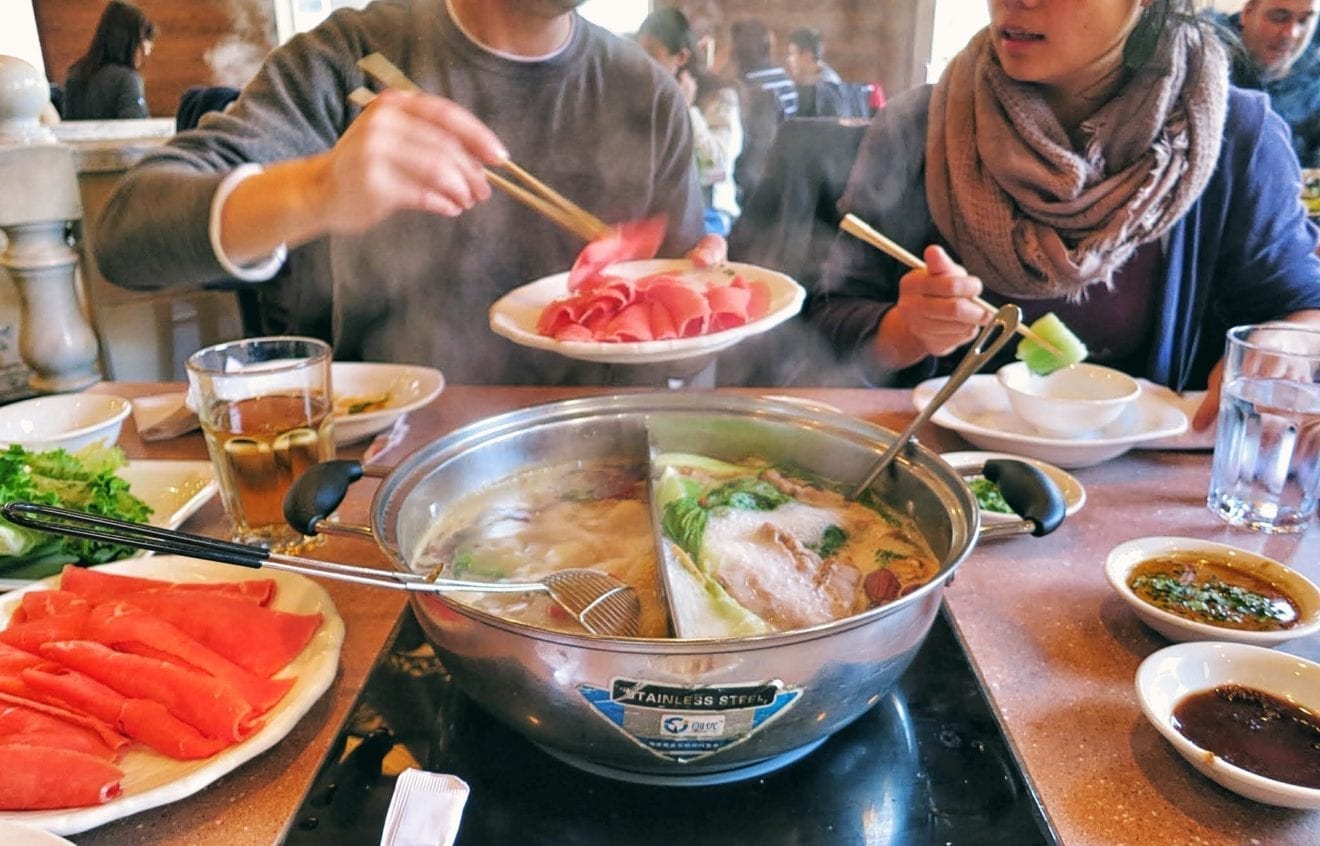
    Hotpot-restaurant tycoon Zhang Yong has topped the latest Forbes Singapore Rich List.

    Zhang, the founder of the Haidilao restaurant business, has an estimated net worth of US$13.8 billion (US$19.2 billion) – enough to push last year’s richest Singaporeans, property magnates Robert and Philip Ng into the second spot with their combined wealth of US$12.1 billion. This year is the first in a decade the Ngs, who own Far East Company, have not headed the rankings.

    Zhang, a native of China, has become a naturalized Singaporean citizen and resident, who was previously featured among China’s richest, is now a naturalized Singapore citizen and resident.

    Third place on this year’s list went to Eduardo Saverin, a founder and shareholder of Facebook, who lives in Singapore. His net worth was estimated at $10.6 billion, down $1.2 billion on last year.

    Haidilao opened 130 new restaurants in the first half of this year, boosting sales by 59.3 percent to RMB 11.7 billion (US$1.66 billion).

  • How 5G will revolutionize our retail industry as a great enabler

    How 5G will revolutionize our retail industry as a great enabler

    Mobile communication is about to experience its greatest revolution in the 12 years since Apple invented the smartphone. This time, however, it is not handsets that will drive the change, rather the network technology we have come to know as 5G. 5G technology offers data speeds 20-times faster than existing 4G long-term evolution (LTE) networks, promotes mass adoption of Internet of Things (IoT) by enhancing information exchange across different appliances, and better supports artificial intelligence (AI), virtual reality (VR) and augmented reality (AR) thanks to the low latency. In some cases, 5G will offer speeds 100-times faster.

    South Korea became the first country in the world to launch fully-fledged 5G commercial services in April. By June of this year, 5G subscribers in the country had surpassed the 1 million mark, encouraged by aggressive network promotional campaigns, along with Samsung’s new 5G-enabled Galaxy S10 smartphone. Next year, networks will be established in Australia, Japan, Hong Kong, and Singapore, initially in dense city environs before moving into smaller population centers. The worldwide rollout is inevitable. An Apple executive has confirmed that some of its next-generation iPhones scheduled for release next year will be 5G enabled.

    “The next chapter of IoT is just beginning,” wrote Carrie MacGillivray, vice-president for IoT and mobility at research house IDC, in a recent report. “We see a shift from digitally enabling the physical to automating and augmenting the human experience with a connected world.” Not surprisingly, that massive increase in speed and response time is delighting gamers, news services, and entertainment broadcasters: graphics or video imagery will be able to be streamed seamlessly in high definition.

    But are retailers ready? How many even understand the potential of the new-generation technology which is set to change our daily lives, let alone are making plans to ride the wave. To imagine the impact 5G will have on retail business, think of every single function of a retail store that becomes digital: the in-store AR experience, the product(s) presented to customers through Omni-channels, the seamless payment gateways, and the logistics required to fulfill customers’ order. Now think of them functioning at 20 times the current speed. That’s 20 times the data transfer rate. Now think of it happening at 100 times the current speed. That is 5G.

    Massive benefits for retailers

    Retailers will discover massive benefits using 5G. To customers, at the start of the process when consumers are researching and purchasing products during the delivery process, the incorporation of 5G and other technologies will, without doubt, uplift their experience. Despite the frustration faced by the early adopters of VR and AR technologies, both consumers and marketers, because of the latency, dropouts and limitations on the imagery definition; the arrival of 5G will eventually enable a seamless, free-moving experience outside a fixed, usually indoor environment.

    The high network speeds will allow a vastly more complex level of engagement between retailers and shoppers. It will allow high-quality imagery, seamless streaming 3D video and personalized product matching, including previews of how a product will look alongside a previous purchase; or for homewares or furniture, for example, inside a living space or office.

    5G also brings transparency. Put simply, faster data means it will soon be easier for your customers to compare your offer with those of your competitors. There won’t be secrets anymore on pricing, product specification, determining suitability for purpose, and more importantly, a store’s credibility – making the reviews from customers after checking out the shopping basket all the more important.

    Price, once a bedrock of customer decision, is being overtaken by value as a leading consideration. Consumers who connect through 5G devices will be able to access as much information as they want online faster than ever before: that includes price comparison sites, product review blog posts, unboxing videos by KOLs. Such content has been available in the past, and more are coming along with the rise of micro-influencers, which has accelerated since 2017. “The advent of 5G is going to be a make-or-break moment for retailers,” says Corey Pierson, co-founder, and CEO of US advanced customer analytics consultancy Custora. “And those that can effectively leverage the data at their disposal only stand to gain.”

    Research by Mintel found consumers lack trust in the online shopping process, a major barrier to online shopping; not just trust in data protection issues, but also the high chance of buying counterfeit products – more than 70 percent of them are sold online, and whether an unbranded product is true to the online description is sometimes also questionable.

    Improved consumer confidence and trust will remove a pain point for shoppers, potentially reducing return rates as well. But to make the most of this opportunity, retailers will have to embrace technologies like AR, VR, chatbots, and video streaming to replicate the in-store shopping experience for customers in a digital environment.

    A synonym of agility

    5G will be a synonym of agility, allowing changes of actions and vast amounts of information to be transmittable in an instant. An order could be canceled while the product is en route to the recipient: warehousing management tools could simultaneously update the inventory records and if there is another order waiting, redirect the product to another customer, sending all relevant details to the delivery driver in a heartbeat.

    With connectivity everywhere, technology like autonomous vehicles that are currently in limited testing in several countries such as Singapore and the US, will soon be commonplace in the major cities worldwide.

    On the other hand, imagine customers being able to see their shipments in real-time via AR through their smartphones, a service more than just the tracking of location thanks to the improved IoT; and logistics companies being able to increase the automation of sorting and delivery of packages, resulting in higher accuracy and speed to reaching the customers. 5G is a key to realizing the future of e-commerce fulfillment.

    5G is an enabler

    As new 5G networks are rolled out in more and more cities, it is imperative that companies embrace technologies based on 5G connectivity to remain competitive and responsive to consumer needs. As more and more consumers purchase and experience 5G devices, their expectations will rise: they will demand the brands and suppliers they deal with are keeping up with them, whether selling products, providing services such as delivery or providing content.

    5G is as much a cornerstone of customer engagement and connectivity in the next decade as smartphones and social media were in the last.

    But it is critical to remember that 5G is an enabler, not a solution in itself.
  • Sim Leisur to open theme park at Paradigm Mall

    Sim Leisur to open theme park at Paradigm Mall

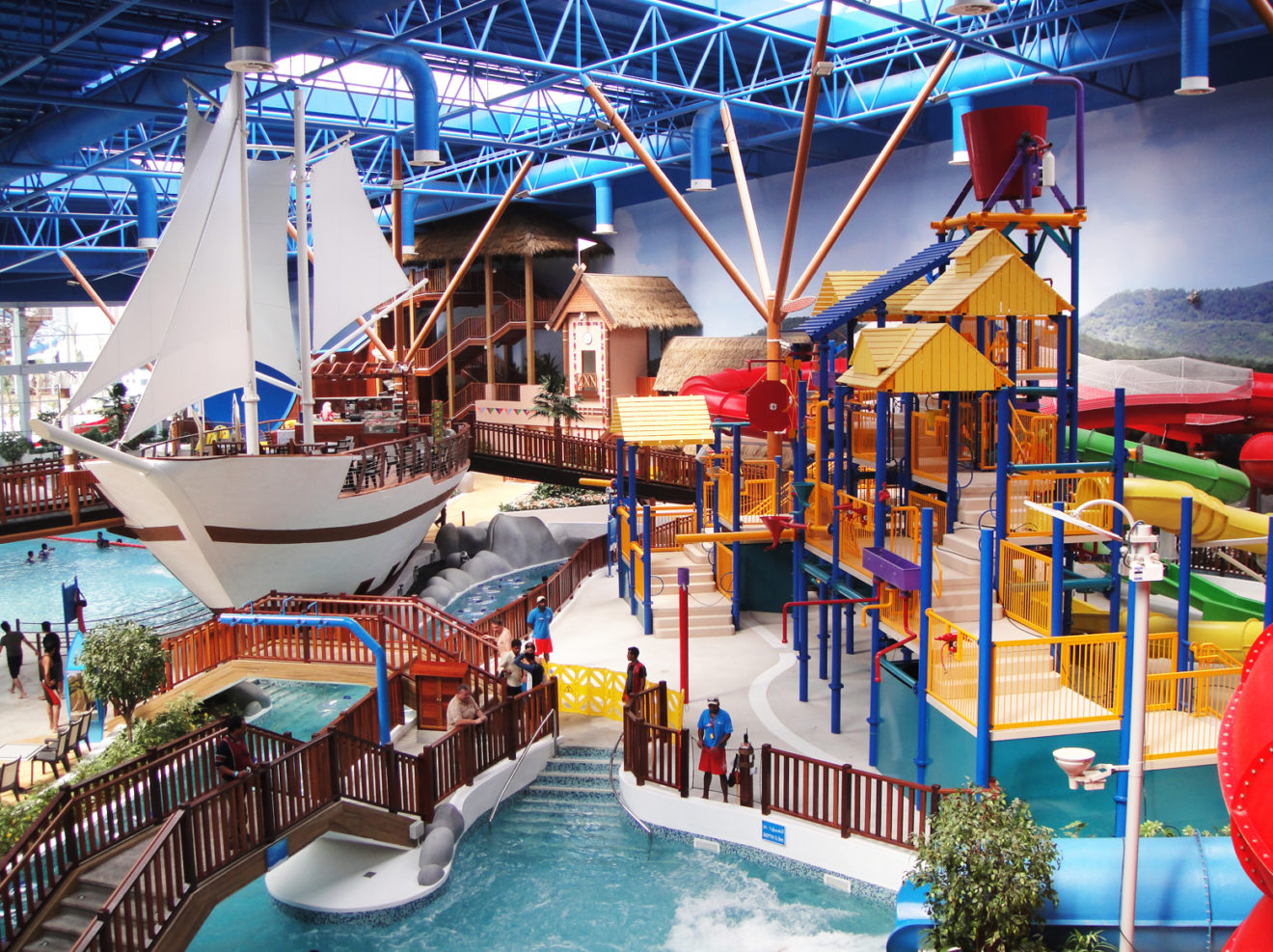
    Penang-based theme park developer Sim Leisure Group is to open an indoor recreational center at Paradigm Mall in Petaling Jaya, Malaysia.

    Sim Leisure has already started the construction of the 35,000sqft indoor recreational center which it will operate as a tenant for up to 12 years.

    It is scheduled to open by the end of November, before the peak year-end school-holiday season.

    Paradigm Mall is located in the heart of Petaling Jaya, next to the Lebuhraya Damansara-Puchong highway in Klang Valley. The six-floor mall has 700,000sqft of retail space and more than 300 retail spaces.

    Sim will build Escape Challenge, an indoor version of Escape, targeting youth and young families. Both Sim and the mall believe the new feature will help draw families to the mall, increasing foot traffic for the retail stores.

    “For years, we have been approached by developers and mall operators to develop an indoor version of Escape,” said Sim Leisure CEO Sim Choo Kheng. “Paradigm Mall Petaling Jaya is a strong community partner and perfectly highlights the unique traits of a family mall. We are very proud of this partnership given the affinity for play parks by parents and children. Installing the play area in the mall is a natural fit given that no other malls in Klang Valley have recreation centers of this genre,” he said.

    Sim will use the Escape Challenge at Paradigm Mall as a showcase of its capabilities as it tries to develop the indoor recreational concept in other markets, especially Mainland China.

    “We foresee this indoor version of Escape growing exponentially in the years to come as the retail shopping business continues to undergo a transformation.”

    “Following our initial public offering and a record year of profitability last year, our global aspirations remain on track. We will continue to scale our proven and successful business model into new markets across the region that are awaiting a new genre of affordable and healthy family entertainment.”

    Sim Leisure Group has been developing and operating theme parks in Penang. Sim Choo Kheng has more than 29 years of experience in the theming industry.

  • The Cheesecake Factory to open at Sands Cotai Central, Macau

    The Cheesecake Factory to open at Sands Cotai Central, Macau

    American upscale casual-dining restaurant The Cheesecake Factory in Macau is set to open in Sands Cotai Central.

    The more than 8500sqft restaurant, which will be operated by a subsidiary of Maxim’s Caterers Limited, will offer fresh from-scratch dishes and more than 30 cheesecakes and specialty desserts from the US.

    The venue is sized to accommodate more than 220 guests and is decorated with hand-painted wall murals and artistic lighting features, keeping a consistent look with The Cheesecake Factory restaurants all over the world.

    The Cheesecake Factory in Macau will also feature a Macao-only limited-edition dish with Macao culinary characteristics: Portuguese Chicken, a portion of a half roasted chicken with coconut curry and peanut sauces and crispy potatoes.

    The opening of The Cheesecake Factory in Macau follows launches regionally in Hong Kong, Shanghai, and Beijing.

  • Starbucks Reserve Riverside 66 Tianjin opens doors

    Starbucks Reserve Riverside 66 Tianjin opens doors

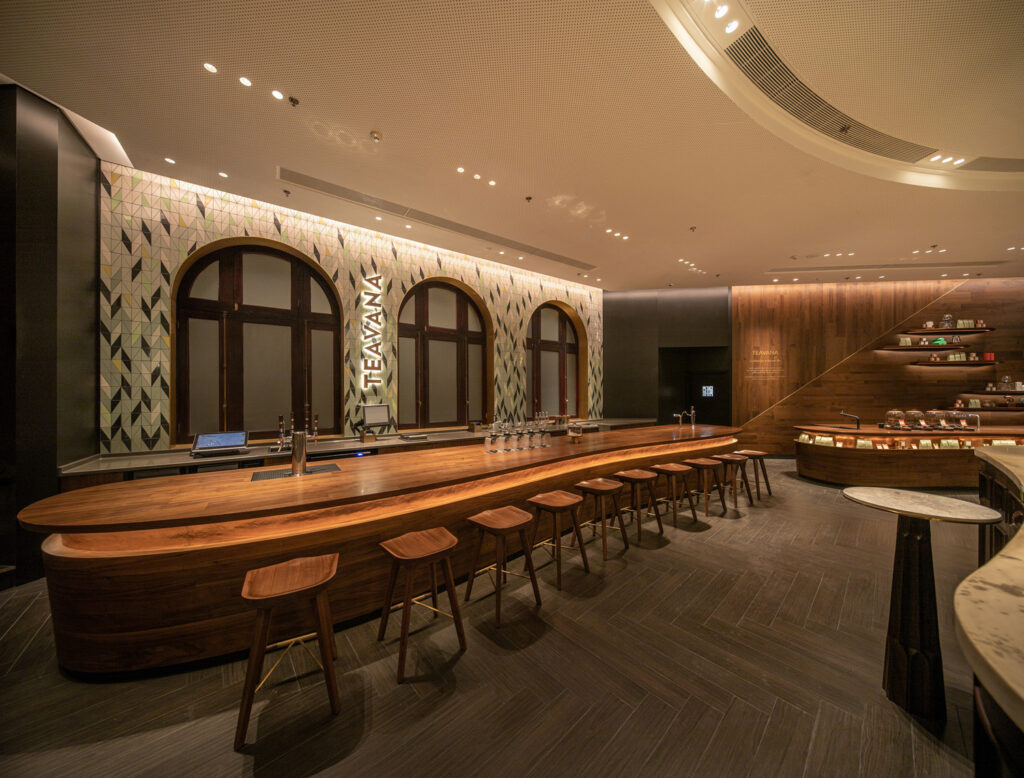
    Starbucks opened a flagship Reserve store in Tianjin, China, today which was built inside a Renaissance-era heritage building dating back to 1921.

    The Starbucks Reserve Riverside 66 Tianjin flagship store combines history with an entirely modern ‘third-place experience’ for the brand’s customers.

    “Over the past 20 years in China, Starbucks has constantly pushed to innovate and reimagine the third-place experience, to bring people and communities closer together,” said Leo Tsoi, senior VP, COO, and president at Starbucks China – retail. “We are immensely proud and privileged to preserve a revered piece of history that binds together four generations of Tianjin residents, and to share this rich cultural inheritance with more people, passing it on to future generations.”

    The new store marks the first in the city to feature a Starbucks Bar Mixato and Starbucks Teavana tea bar, in addition to its Starbucks Reserve offer.

    The building, located on the city’s main commercial street, was designed by Shen Liyuan, who was among the first Chinese architects to study overseas. It housed the Zhejiang Xinye Bank until the early 1950s, a symbol of the city’s economic prosperity and development.

    In the 1980s, the early days of China’s economic transformation, it reopened as the high-end Yongzheng Tailor Shop before being converted into the Xinye Foreign Trade Mall. The location was officially designated as a city heritage site in 1997 and has been vacant for the past 20 years.

    Working with local historic preservation experts, it took Starbucks three years to navigate technical complexities and realize the vision for a modern restaurant space in a preserved building.

    Features of the building, such as the majestic Greek-style exterior facade, glass dome, imported marble columns, and marble carvings, have all been preserved, along with the original bank counters. The architects specified bronze tubes to avoid using nails in the columns when the lighting was installed. Lighting and air conditioning systems were embedded into the glass dome.

    “Beyond preserving the century-old architecture in its fullest form, the Starbucks flagship store has also made creative use of its unique features,” said Luo Shuwei, historian and senior researcher from the Tianjin Academy of Social Sciences. “Starbucks partners have shown great passion and dedication to ensure that every design detail is in harmony with the original architectural style, to create a warm and welcoming ambiance that is also filled with history.”

  • Crabtree & Evelyn stores closed and brand moves to E-commerce

    Crabtree & Evelyn stores closed and brand moves to E-commerce

    Beauty-products brand Crabtree & Evelyn halved its losses in the first half of the year as parent, Hong Kong-listed Nan Hai Corporation continued its transformation from offline to online.

    Since January, Crabtree & Evelyn has closed all of its 150 traditional retail stores across eight countries, shifted its manufacturing and distribution to third-party providers and sold its Australian warehouse.

    Nan Hai Corporation CEO Liu Rong said that while traditional retail companies continue to struggle or close, “Crabtree & Evelyn is now ahead of the market in meeting the challenges of the current and future business environment”.

    Crabtree & Evelyn is the only retail activity business by Nan Hai Corporation, whose principal areas of focus are cinemas, news media, and property investment.

    The brand’s sales for the six months to June 30 reached HK$166.5 million (US$21.2 million), down from $288.5 million during the same period last year. The brand lost $185.1 million, down from $363.5 million.

    Liu said the decrease in revenue but lower loss were due to the effective execution of the innovative business restructuring initiated last November.

    Crabtree & Evelyn’s new focus on direct e-commerce drove online revenue to approximately $64 million, an increase of 69 percent compared to the corresponding period last year.

    Sales in Mainland China increased to approximately $8.2 million, up 93 percent year on year.

    Liu says Crabtree & Evelyn’s new strategy is to transform its business from one of traditional retailing to an “OMO operating model”, (which we believe refers to Open Market Operations), starting from e-commerce.

    In the current half-year, Crabtree & Evelyn is rolling out its new branding and business model internationally which comes off the back of two years’ research and development.

    “All of these products have been manufactured by third-party partnerships, the first result of a faster, more flexible, and lower cost global supply chain,” said Liu in Nan Hai’s half-yearly results analysis.

    “A new global digital platform with full e-commerce and social functionality will be introduced in 35 markets, with corresponding investment in internal teams and capabilities. The new products will also be launched on online shopping malls via exclusive arrangements with Tmall global, Amazon, and Feelunique. Initial feedback from both the new millennial consumer and retail partners has been extremely positive.”

    Liu said he expects the relaunch of Crabtree & Evelyn will inject new vitality into the brand. “We have prepared for this relaunch with the brand communication, product portfolio, digital communication and distribution model, and the transformation of the operating model along with business restructuring required to attract more users to become loyal customers.”

    Previously, the company had said it planned flagship stores in major cities in the future, but this was not referenced in the half-year results summary.

  • Google’s popular YouTube Kids app is getting a ‘Preschool’ filter and web version

    Google’s popular YouTube Kids app is getting a ‘Preschool’ filter and web version

    Back when Google unveiled the YouTube Kids app for Android and iOS devices in 2015, its goal was pretty simple and so was the execution of the product itself. Roughly four and a half years later, the children-friendly, parentally controlled video platform naturally looks far more mature and versatile, meeting the specific needs of more age groups and user categories than ever.

    After expanding its functionality to distinguish between “older” and “younger” users last year, YouTube Kids is now getting a third option to ensure even younger children can be kept protected from content deemed unsuitable for their age. We’re talking preschoolers aged 4 and under here, which will be served with videos that “promote creativity, playfulness, learning, & exploration” if their parents so choose.
    Of course, just like before, you’ll still also be able to select an “approved content only” option under which the search feature will be blocked and your child will merely get access to videos, channels, and collections hand-picked and green-lighted by yourself. Speaking of, you should continue to keep in mind that not all YouTube Kids content is manually reviewed and carefully grouped in the right age category, so if you end up activating the “preschool”, “younger”, or “older” setting, you’ll definitely need to keep an eye out for inappropriate videos and immediately report them as such.
    In other news, you might be happy to hear that after crossing 100 million installs through the Play Store alone, YouTube Kids will finally become available on the web as well. The app’s browser version is gearing up for an official launch “later this week”, although no further details are available at the moment.
  • Samsung Galaxy Fold launched

    Samsung Galaxy Fold launched

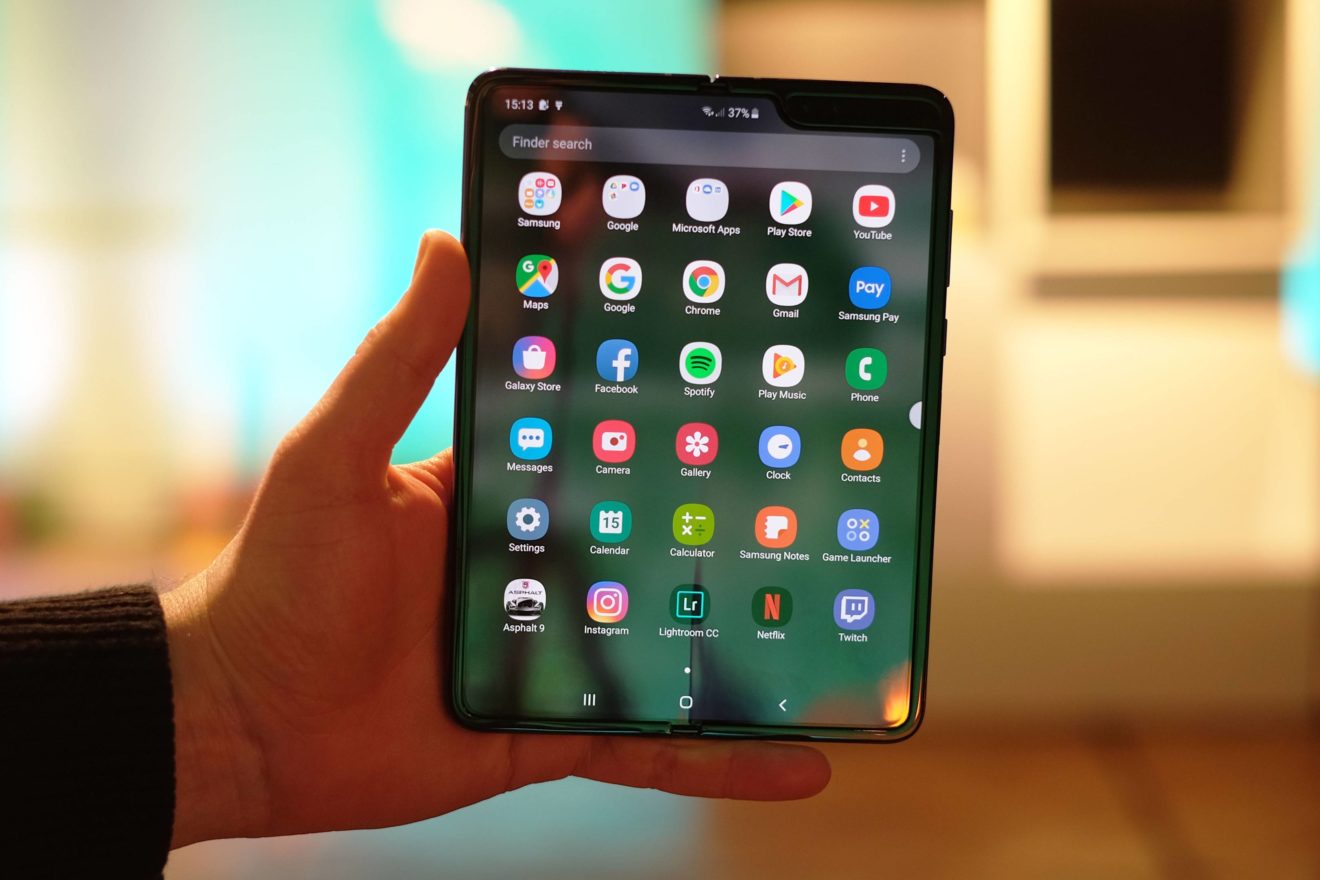
    Samsung confirmed that the Galaxy Fold will be launched on the market in September, but it didn’t reveal an exact release date. Although reports pointed to a rather late September launch, it looks like Samsung has decided to greatly advance the launch schedule.

    The Korean media reports Samsung is ready to launch the Galaxy Fold on September 6, the first day of IFA 2019 trade fair. Even though pre-registrations for the foldable smartphone recently opened in China, South Korea will be the first country to get the Galaxy Fold.

    The same report claims Samsung Galaxy Fold will be released in September in the United States and China, although an exact release date hasn’t been unveiled yet. Samsung expects to sell around 20-30,000 Galaxy Fold units in South Korea by the end of the year.

    A Samsung official responded to the report by saying that “the specific launch schedule is not yet confirmed,” but if the information is accurate, we’ll learn more about the Galaxy Fold availability in less than a week from now.

  • Skype brings a handful of new features to its app

    Skype brings a handful of new features to its app

    Skype’s messaging app might seem a bit obsolete for some due to the lack of many features, but that’s about to change. The developer announced a new set of improvements are coming to Skype in the coming days.

    The newest update brings message drafts, a much-needed feature that allows Skype users to save any messages they didn’t send in the corresponding conversation. Skype also says that messages saved as drafts are even available when you leave and come back to the Skype app, but we don’t think adding this feature in any other way would be useful.

    Message bookmarks is another important addition in this update. It will allow Skype users to bookmark any message in conversations by simply right-clicking or long-pressing the message and tapping Add bookmark. The message will be saved in the Bookmarks screen with other bookmarked messages.

    Furthermore, the update brings the option to preview photos, videos, and files that you want to share before sending them. You can even add a message that will be sent along with the files if you want to write an explanation or description for what you’re sending.

    Also, a new way to display multiple photos or videos sent at once. You’ll now see an album in the chat history with all the photos combined, but you can also check them out individually by clicking between the photos or videos in the album.

    All the new features announced today will be available on the latest version of Skype across all platforms, so expect to see them soon on your phone.