Tag: asia

  • Amazon In Talks For Stake In Indonesia’s Ride-Hailing Startup Go-Jek

    Amazon In Talks For Stake In Indonesia’s Ride-Hailing Startup Go-Jek

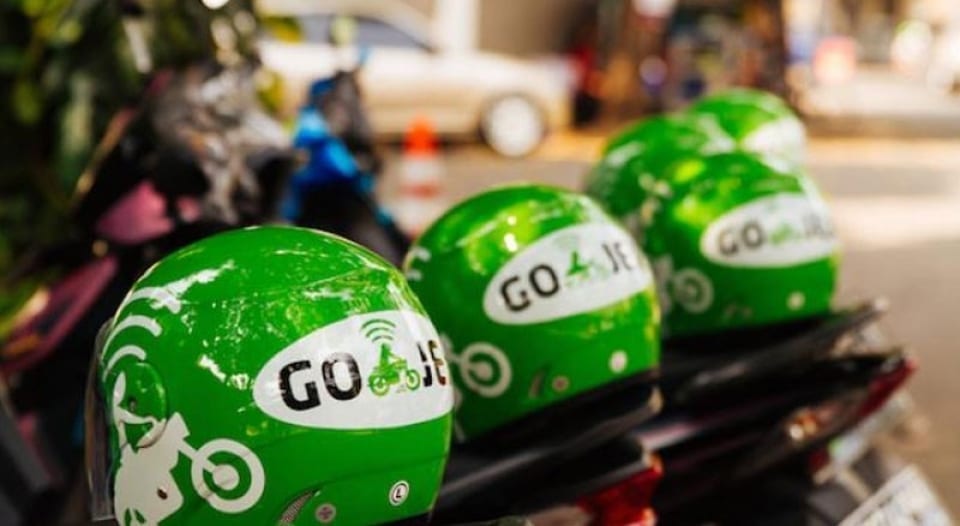
    Amazon.com Inc is in early talks with Go-Jek Group to buy a stake in the Indonesian ride-hailing startup, a source familiar with the matter told Reuters on Wednesday.

    Details of the stake were not known and the source did not want to be identified as the talks are private.

    Both Amazon and Go-Jek did not respond to a Reuters request for comment.

    Indonesia’s first unicorn, Go-Jek, has up to 20 services and has evolved from ride-sharing to allowing its customers to make online payments and order everything from food to groceries.

    Earlier this year, Amazon also bought a stake in British online food delivery company Deliveroo as it competes with Uber Technologies Inc’s Uber Eats in the global race to dominate the market for takeaway meals.

    Reuters reported in July that Amazon is expanding its transportation prowess to do virtually everything short of building a car.

    Go-Jek, which counts Alphabet Inc’s, Alibaba Group Holdings Inc, Tencent Holdings and Visa Inc (V.N) as investors, last raised here funding in July at a valuation of around $10 billion.

  • More Jobs In Auto Lost, Toyota And Hyundai Cut Production

    More Jobs In Auto Lost, Toyota And Hyundai Cut Production

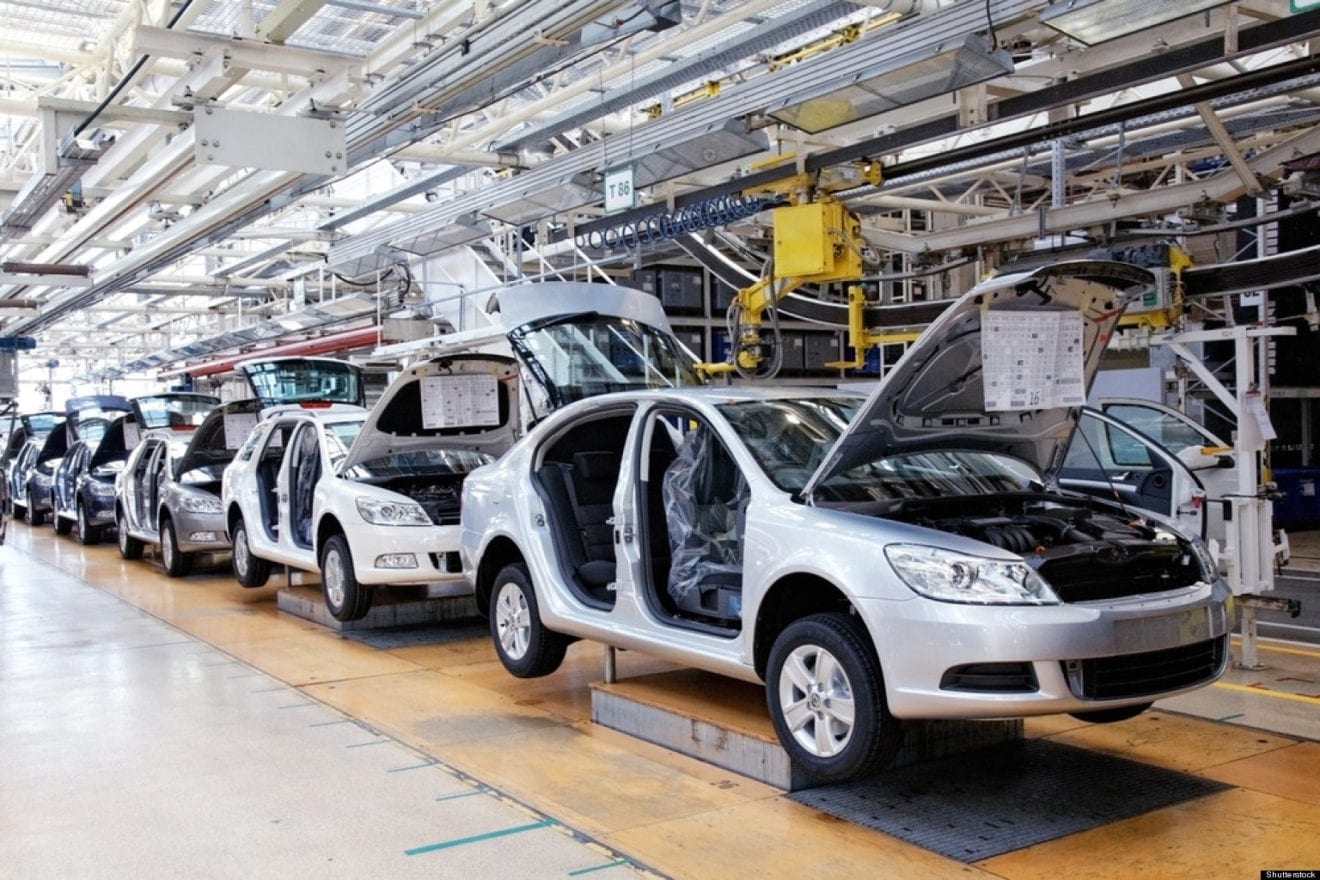
    With India’s auto sales declining for the ninth straight month in July, more automotive manufacturers are laying off workers and temporarily halting production to keep costs in check, according to sources and documents seen by Reuters.

    Japanese carmaker Toyota Motor and South Korea’s Hyundai Motor are the latest in a string of companies to briefly halt some parts of production at plants to combat slumping sales, according to company memos to employees, reviewed by Reuters.Passenger vehicle sales in July fell at the fastest pace in nearly two decades.

    The sales declines have triggered major job cuts in India’s auto sector, with many companies forced to shut down factories for days and axe shifts.

    Sources have told Reuters that even more companies have now begun to lay off temporary workers as the slowdown worsens.

    Denso Corp’s India unit, which makes powertrain and air-conditioning systems for cars, has cut some temporary workers at its Manesar plant in north India, four sources familiar with the matter told Reuters.

    A spokeswoman for Denso said the information was incorrect and declined to elaborate further.

    In a separate email, another company official disputed that the firm employed temporary workers at its Manesar plant.

    Bellsonica, which is part-owned by India’s biggest carmaker Maruti Suzuki and makes auto framework parts, has also let more than 350 workers go in Manesar, two sources said.In an email, Bellsonica said the workers that had been let go were temporary workers, and most had been let go earlier in the year.Reuters earlier this month reported automakers, component manufacturers and dealers had already cut 350,000 jobs

    In a meeting with India’s finance ministry on Aug 7, industry executives asked for tax cuts, and easier access to finance for dealers and buyers, in an effort to revive sales.Toyota, in a notice dated Aug 13, told its workers the company would halt production at its plants in Bengaluru in southern India on Aug 16 and 17 “due to low market demand of vehicles” and high stock of about 7,000 vehicles. N Raja, deputy managing director, at Toyota’s India unit, told Reuters that while the company had a flexible production system it had to resort to five no-production days in August to prevent the build up of stock.”The industry is deeply concerned with the reality of poor customer sentiment faced by the sector,” said Raja, adding he hoped the government would step in to support the industry

    Hyundai, in a memo on Aug 9, also said it would halt production for several days in August across various departments including the body shop and paint shop as well as its engine and transmission plants. A Hyundai Motor India spokesman said the company expected sales to pick up in the festive season starting next month and added that the company had not laid off any workers.

  • Tesla Raises Prices For Some Vehicles In China

    Tesla Raises Prices For Some Vehicles In China

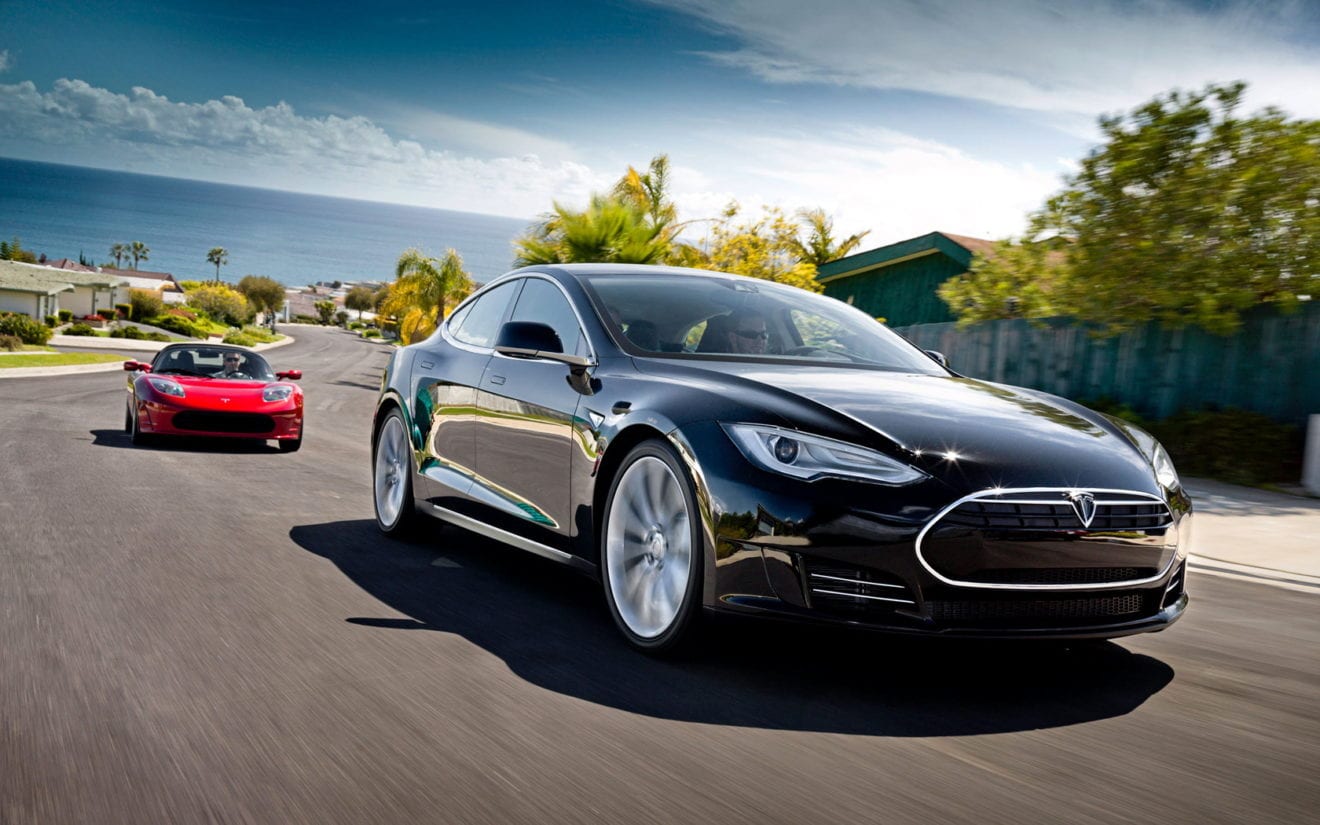
    U.S. electric vehicles maker Tesla Inc said on Friday it had raised prices for some vehicles in China, a decision that comes as the Chinese yuan trades at its weakest levels in more than 10 years.

    The starting price for the Model X sport utility vehicle (SUV) was now 809,900 yuan ($114,186) compared with 790,900 yuan previously, Tesla said on its China website. Its long-range dual-motor variants of mass-market Model 3 vehicles were now priced at 439,900 yuan, up from 429,900 yuan previously.

    People familiar with the matter told Reuters earlier this week that Tesla would hike prices on Friday and could do so again in December should Chinese tariffs on U.S.-made cars take effect.

  • Is the Chinese digital sector monopolized by a few companies?

    Is the Chinese digital sector monopolized by a few companies?

    There has been quite a lot of discussion about the Chinese digital reality. Almost everybody is aware that most of the Chinese online ad revenue share is occupied by either Tencent or Baidu.

    The international commerce market is also largely dominated by companies like Alibaba, which creates the understanding that a monopoly of sorts is present in the country. However, it’s not like we can judge these Chinese enterprises based on our understanding of Western ideals.

    Things like culture are one of the main key points that need to be focused on, but as a benefit of the doubt, let’s try and look at the operations of these companies as something similar to how they’d be dealt with in the Western world.

    Examples of possible monopolies

    Let’s take Tencent as an example for the gaming and telecommunications industries. Right now, the company is poised to take 13% of the global gaming market share, which already speaks volumes about the company’s market share in China alone.

    It is currently considered that in terms of gaming, Tencent has around 60-70% of the Chinese market share. And when it comes to telecommunications all we need to do is consider WeChat, which is basically a necessity in China. With this one product, Tencent occupies around 40-50% of the market share thanks to foreign media also having a small breakthrough thanks to amended regulation.

    But the question here is whether or not this needs to be regulated. Would the government consider artificially deflating the profit capabilities of some of their best-performing companies in order to open up opportunities for newer companies, or would they much rather keep these companies in their best shape as they drive more and more innovation as well as jobs for the local population?

    We’ve already encountered similar “suggestions” in the Western world, where the government in both the United States and the European Union were considering to somehow fine Google for their alleged monopoly on the search “industry”.

    The US could not find anything resembling the issue, while the EU fined the company for prioritizing platforms that were owned by Google. For example, the research showed that the company would first display their own products in the search arch, and only later display everything else, which was a clear breach of guidelines.

    It’s hard to apply that example to industries like gaming and telecommunications, but the point is easily understood.

    How monopolies can be dealt with

    Naturally, it would not necessarily be within the interests of the Chinese government to artificially deflate their best-performing corporations in order to free up space for smaller companies. One such reason is that the Chinese market is a very attractive opportunity for foreigners, which would fill the gap immediately, thus lowering the opportunity for Chinese nationals.

    The best way to do this is to conduct nation-wide research first, to determine if the local populace would be open to more options in various industries, or if they like this centralized style of doing business. Because in most cases, these large Chinese corporations are B2B aggregates for B2C businesses.

    A great example of this would be the latest survey in Finland where, according to Сasinopånett EU, is a monopoly on the betting industry from the government itself. But we can just as easily draw a parallel between these two nations.

    In Finland’s case, it’s within the interest of the population to have a privatized industry so that the market is based on competition, which is calculated through customer satisfaction and improved consumer spending.

    In China’s case though, restricting a company like Alibaba within the ramifications of a maximum market share it could have, would lower its competence on the global market. However, restricting Tencent could indeed see more advantageous options appear for telecommunications.

    The difficulty in concocting a universal law for every industry is that exceptions will have to be made for the advantage of the economy. This is mostly because China focuses a lot on export, therefore prioritizing its performance on the global markets, rather than the local one.

    Should the universal law against monopoly be implemented, China’s GDP will most surely be damaged as these companies will start failing to perform well on a global level.

    Is China full of monopolies?

    The immediate answer would be that yes, the country has clear signs of monopolies in various industries. This is determined by how fast and effectively large corporations can “get rid” of competition by lowering prices to a point where other options aren’t even considered by the consumers.

    In a sense, controlling the Chinese monopoly requires global laws, rather than local ones, which would require years of negotiation in itself.

    Sources:

    https://casinopånett.eu/nyheter/finnene-vil-ha-slutt-pa-landets-spillmonopol/

    https://newzoo.com/insights/articles/supercell-acquisition-tencent-set-to-take-13-percent-of-the-games-market/
  • Large police raid in the Philippines: Cebu POGO Operations employees arrested

    Large police raid in the Philippines: Cebu POGO Operations employees arrested

    The POGO (Philippines Offshore Gaming Operations) have been in quite a lot of trouble in their respective country in the last few years. There has been an insurmountable amount of pressure from the local government to somehow reduce their business power in the long term, by either planning crippling regulation updates or simply implying that they will support the industry.

    This was the case when the country’s president Rodrigo Duterte announced not too long ago that there are no plans to classify POGO as illegal business methods in the country, but the recent police raid on Cebu is a direct contradiction to that announcement.

    What happened?

    On the 7th of September, the Philippines police raided Cebu operations of Xing Huang Jin Cheng Co in the capital.

    According to the reports from the Philippine National Police-Criminal Investigation and Detection Group-Central Visayas, they arrested as many as 181 Chinese nationals that were legally employed in the company, alongside several locals, South Korean and Thai citizens.

    The number of employees arrested was so large that they had to be transported in a nearby gym to “keep them under control”.

    The charges being pressed against Cebu are based on suspicion of them lacking a license to conduct offshore gambling operations from the Philippines, but the lawyers of the company have something very different to say.

    What do the lawyers say?

    According to Jeff David, the lawyer representative of Cebu, the government is challenging the company for missing a POGO license but does not consider the fact that the BPO (business processing outsourcing) license is present.

    Furthermore, David mentions that the company has all of the legal documentation well undercover for their operations in offshore jurisdictions and that this is nothing but a hit against the company for not complying with the local police’s corrupt ways.

    Furthermore, David mentions the inhumane treatment of Chinese employees and the exploitation by the police of their severe lack of the English language. According to David, these employees had very little to defend themselves against the accusations or the demands that the police were making the moment they broke into the building.

    This could be plausible as Chinese nationals comprise a large majority of gaming companies based in South-East Asia or Oceania, and there have been recorded cases of local police keeping a much closer eye on these individuals specifically.

    In fact, according to Kathy Pena, an HR representative from Playamo AU, this is also the case in some Australian live casinos that offer blackjack and roulette games:

    “Our company mostly focuses on offshore jurisdictions as the primary source of customers. Therefore we have to have a large staff of people who understand these languages, or know how to structure our platform to better suit these audiences.

    Furthermore, we tend to employ Chinese nationals and bring them over to Australia with a working visa and no strings attached. We give them a stable job and it’s up to them to find a place to live here.

    We’ve had several altercations so to say with the local police, who more or less wanted to know why there were so many Chinese nationals working in an Australian company.

    The answer is quite simple. Once we find it hard to find skilled labor locally, we broaden our perspective to nearby jurisdictions, and so far, Chinese nationals have met our criteria to an A+.

    I fully understand the situation Cebu representatives may be in right now, as we’ve experienced a similar issue multiple times, but not at that scale and not so extreme. Hopefully, it all works out well for everybody involved.”

    What will be the next steps?

    It is likely that Cebu lawyers will start an investigation on whether or not this raid was warranted, and if it was nothing but a political move gains POGO companies in the Philippines.

    Both the lawyers and the company owners understand the aversion that the government has towards them, as gaming isn’t necessarily the most moral of businesses. But as long as the law allows it, there is absolutely no leverage the police can have against these individuals.

    Should the investigation prove that Cebu had both a POGO and a BPO license, the company would have some leverage over the government to compensate for inflicted damage. But should there be actual evidence of the license missing, multiple executives could find themselves in the Philippines jail or paying a humongous fine.

  • EFG Appoints New Chairwoman of APAC

    EFG Appoints New Chairwoman of APAC

    EFG International replaces former Asia Pacific chair, Tee Fong Seng, with a 40-year veteran and ex-CEO of DBS in Hong Kong.

    Amy Yip succeeds Tee, who recently joined Pictet as its Asia CEO of private wealth management, with the intention to «help drive and oversee the further expansion of EFG’s business in Asia Pacific, in line with its 2022 strategic plan». According to EFG, its 2022 plan for sustainable profitability includes a focus on hiring relationship managers and growing its international business.

    Yip is currently a member of the Board of Directors of Fidelity International, Deutsche Boerse, Temenos and American International Group. Her vast financial sector experience includes DBS in Hong Kong, where she was CEO (2006-2010), senior roles in the Hong Kong Monetary Authority (1996-2006), J.P. Morgan, Citibank and Rothschild Asset Management. Yip is also the founding partner of investment management firm RAYS Capital Partners, which specializes in Asian markets, established since 2011.

    «I am honored to have been appointed as the new Chair of EFG’s Asia Pacific Advisory Board. I look forward to working closely with Albert Chiu (Asia Pacific executive chairman), the regional management team and the Board of Directors to successfully grow EFG’s Asia Pacific business,» Yip said in the release.

    EFG International chair, John Williamson, expressed his confidence in Yip’s hire highlighting regional development «with a strong focus on the quality of client service and risk management».

  • Greater China Trio Exits BNP Paribas Wealth Management

    Greater China Trio Exits BNP Paribas Wealth Management

    BNP Paribas Wealth Management loses three senior Greater China private bankers, sources said, after shortlived stints of under 12 months.

    Andrew Wong, Peter Lam and Richard Chi will exit the French lender’s private wealth management arm.

    A spokesperson for the bank declined to comment on the exits.

    Wong joined the bank in late 2018 as head of China at BNP Paribas Wealth Management and was subsequently made co-head of the market when the bank appointed ex-HSBC private banker Philip Wong as its other co-head. Wong has over 20 years of senior private banking roles and was most recently with Credit Suisse before joining BNP Paribas.

    Lam reportedly joined BNP Paribas Wealth Management in March this year from Standard Chartered where he was last a managing director and deputy market head. He has over 30 years of China banking experience including with HSBC Private Banking, UBS and Citi.

    Chi’s license records with BNP Paribas kickstarted on June 29, just two months ago. He previously spent more than 12 years with Bank of Singapore and the former ING Asia Private Bank.

    The senior trio’s stay with the bank was short-lived after BNP Paribas sought to replenish its North Asia front office after a number of outflows last year including Wong’s predecessor, Alfred Tsai, who left to join UBP.

  • Volkswagen Polo & Vento Facelifts To Be Launched Next Month

    Volkswagen Polo & Vento Facelifts To Be Launched Next Month

    Volkswagen India will be introducing the facelifted versions of the Polo and the Vento models on September 4, 2019. VW’s most popular models in the country are set to get subtle cosmetic changes for the new model year along with feature upgrades. The updated cars were spotted testing earlier this year too, and the changes will keep the model fresh, with the next generation Polo and Vento for India still some time away from launch. We recently told you that the new generation Polo for India will be based on the MQB A0 platform, which will also spawn the new Vento.

    Based on what we’ve seen on the previous spy shots, the Volkswagen Polo and Vento facelifts will sport a revised front that includes changes to the grille that takes inspiration from the GTI models, while the front and rear bumper have been tweaked as part of the update. The silhouette on both cars remains unchanged. The updated versions will also get new alloy wheels finished in grey. In addition, the Volkswagen Polo and Vento facelifts will get a number of mandatory features as standard including front seatbelt reminders, rear parking sensors, and speed alert system. Dual airbags and ABS are already standard across all variants. It needs to be seen if the infotainment system gets any changes on the cars.

    0Comments

    The Volkswagen Polo completed 10 years in India this year and has largely remained the same barring the cosmetic upgrades and feature additions from time to time. The Vento too has gone through a similar process during its life in the country. With Skoda in charge of the VW Group in India, the company’s focus is on bringing the new range of SUVs first as part of the Volkswagen 2.0 plan, which will be followed by the new Polo and Vento that are likely to arrive by 2021. We do expect to hear a few official announcements at the Auto Expo next year.

  • Kaufland confirms two more sites in Victoria

    Kaufland confirms two more sites in Victoria

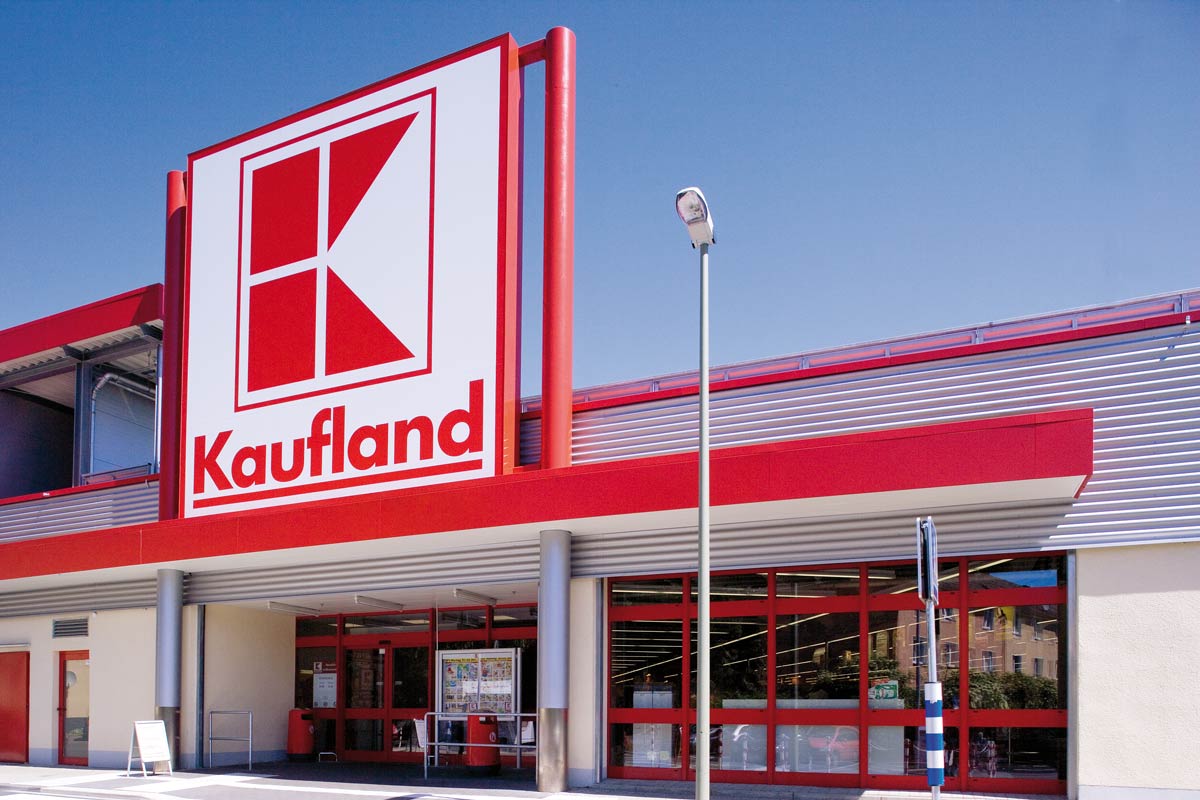
    Kaufland Australia has confirmed two more stores for Victoria, with a further nine to be reviewed by an advisory panel.

    The two new stores located at Oakleigh South and Coolaroo, take Kaufland’s approved store count in Victoria to five.

    The nine proposed sites, to be reviewed by an independent panel, including both metropolitan and regional cities, throughout western and eastern Victoria.

    In March, the retailer confirmed its first three Victorian stores at Dandenong, Epping and Chirnside Park and last week began construction of the first two, which will act as test stores in the Australian expansion.

    Kaufland Australia managing director Julia Kern said the Dandenong store will provide increased choice, value and promote fair competition for consumers.

    “Our Dandenong store marks a tremendous milestone in our development here in Australia, and we are very happy to break ground for our first store in Victoria,” Kern said in a statement on Thursday.

    The German retail giant has also already commenced construction of its $255 million distribution center in Mickleham, which will be one of the largest in Australia.

    Kern made the announcement on Thursday, alongside treasurer of Victoria and minister for economic development Tim Pallas. The development brings Kaufland’s planned total investment in Victoria to over half a billion dollars, with potential for up to 2400 new jobs.

    “With five approved stores, as well as the additional nine sites under review, we are committed to our long term, sustainable growth across Victoria. We look forward to creating thousands of jobs and creating opportunities for local businesses,” Kern said.

    “Australia is one of the fastest-growing regions in the world, and we are excited to grow with it. Our aim is to raise the bar in retail excellence and provide an uncompromising quality food shop for our customers.”

    She said the retailer is focused on delivering “quality, simplicity, variety, and price throughout Victoria and Australia”.

    Last week the retailer announced the acquisition of its third Queensland site at Morayfield Village Retail Centre, to add to the Toowoomba and Burleigh Heads sites.

    The retailer is also planning to build its first South Australian store in Prospect, an inner northern suburb of greater Adelaide.

  • Locations announced for new Lego stores in Queensland, Australia

    Locations announced for new Lego stores in Queensland, Australia

    Alceon Group has announced the locations of two new Lego stores opening in Queensland this year.

    The investment firm, which holds the distribution rights for Lego in Australia and New Zealand, will open stores in QIC’s Robina Town Centre on the Gold Coast and Westfield’s Chermside shopping center in Brisbane.

    The stores, measuring 188sqm and 236sqm respectively, will incorporate many of the custom-built design features seen in the Sydney store, such as brick-built mosaics and 3D models of local icons.

    “We are confident that brick fans of all ages will enjoy these new world-class retail experiences, with signature features that are a tribute to creativity and innovation,” Richard Facioni, executive director of Alceon Group, said in a statement.

    The Queensland store openings are part of a broader expansion of Lego’s bricks-and-mortar presence in Australia and New Zealand, following the opening of the first certified Lego store in the region at Westfield Bondi Junction in March.

    Alceon last month revealed plans to open additional stores in New South Wales, Victoria and Queensland this year, with more to follow in South Australia and Western Australia in 2020. A store is also set to open in Westfield’s Newmarket shopping center in Auckland this year.

    Facioni said in July that the brand has benefited from the popularity of the top-rated Lego Masters reality show; the stores will aim to capitalize on that momentum.

    “Our two landmark Lego certified stores in Queensland will attract both local and international visitors as we unveil fun and inspiring retail environments that showcase the creative potential of the world-famous Lego brick,” he said in a statement.

    Alceon has become one of the biggest investors in the retail sector, after it acquired the Specialty Fashion Group brands Katies, Millers, Autograph, Crossroads and Rivers in 2018. The company has a controlling stake in Noni B and ethical designer fashion brand Ginger and Smart, and owns Ezibuy, SurfStitch, and Pumpkin Patch, among other retail assets.

    The company this week reported a 136 percent increase in sales at Noni B Group, which includes the womenswear chain and five former SFG brands, to $881.9 million, though net profit was down 52 percent to $8.2 million due to restructuring costs associated with the acquisition.

  • Duoyun Books’ flagship in Shanghai is 52 floors above ground level

    Duoyun Books’ flagship in Shanghai is 52 floors above ground level

    Design firm Wutopia Lab has designed a unique “books above clouds” store in Shanghai’s tallest building for Duoyun Books.

    The design for 2259sqm flagship located on level 52 of Shanghai Tower was commissioned by Shanghai Century Publishing to provide space for 60,000 books. As well as the book-retailing area, the store features a lecture room, exhibition space and a cafe.

    Wutopia’s scheme centres around a “white abstract mountain” of stacked translucent bookshelves and includes curved entrances and large windows offering expansive views over the city.

    A “Tiffany-blue” cafe is embedded amidst the bookshelves, while a pink dessert house is positioned at the end of the store to surprise visitors.

  • Don Quijote eyes massive US rollout

    Don Quijote eyes massive US rollout

    Hard on the heels of a successful expansion in Singapore and launching in Hong Kong and Thailand, Japanese variety retailer Don Quijote is now eyeing continental USA.

    Pan Pacific International Holdings, the company’s parent, already has Marukai supermarkets trading in the US and three Don Quijote stores in Hawaii.

    But rather than replicate its Asian concept, Pan Pacific will create a new format tailored to the US but with “Don Quijote-ism at the core,” CEO Koji Ohara told the publication.

    The expansion will be led by Ohara who will resign from his current role and relocate to the US to build the business there, with a target of expanding its network from 38 currently to 100.

    Sean Butler, MD at supply-chain consulting firm LIDD, told Grocery Dive that he expects Don Quijote will stick to its three pillars – convenience, discount, and amusement – when it launches in the US.

    In the US, Don Quijote has an opportunity to reach an audience hungry for low-price groceries and consumer goods, he said.

    “The company is betting that it can execute experiential retail better than the status quo – and pick up a nice chunk of the world’s largest consumer economy in the process.”

  • Everlane launches on Chinese Tmall Platform

    Everlane launches on Chinese Tmall Platform

    US fashion brand Everlane has opened a store on Alibaba’s cross-border e-commerce marketplace Tmall Global.

    The Tmall Global store will offer Chinese consumers access to Everlane’s latest products, including womenswear, menswear, shoes, and accessories. It is the San Francisco-based label’s first sales channel in China, apart from its own site.

    The brand is known for championing sustainable practices and its ethos of “radical transparency,” revealing the costs behind each product – from materials and labor to transport and duties – and offering it to consumers at a price below the traditional retail markup. When shoppers look at the Tmall Global product page for its Day Market Tote, for example, they will see the leather bag costs about RMB807 (US$112.9) to make and is sold at RMB1514 – nearly half the traditional market price, according to Everlane.

    “China is one of the most thoughtful and sophisticated consumer markets in the world,” said Everlane’s founder and CEO Michael Preysman. “The Chinese consumer cares about beautiful quality at a great price and cares about the planet and their impact on the world. We want to help support their vision and offer beautiful basics that are also ethically made.”

    “As the consumer demand for ethical clothing and sustainable products grows, we believe Everlane will welcome a new era of shopping on the platform,” said Tmall Global deputy GM Yi Qian.

    “Everlane has pioneered the idea of radical transparency in their supply chain by showing their costs and factories, and we look forward to partnering with them closely to bring their products and stories to Chinese consumers.”

  • Cecilia Woo opens outlet in Hong Kong

    Cecilia Woo opens outlet in Hong Kong

    The first store for California fashion label Cecilia Woo opens in Hong Kong, targeting an international audience at the new K11 Musea.

    The brand’s founder Cecilia Woo says that since the business was set up in late 2014 in California, the brand has been leveraging its concept to serve the specific needs of modern women. Over the years, Cecilia Woo has built a foundation in key mainland cities such as Beijing, Shanghai, and Chongqing, developing a significant following through physical and online channels.

    “Hong Kong is Asia’s world city,” said Woo. “This place is highly relevant for light luxury brands in terms of fashion trends and ways of life. The city also attracts travelers from around the globe. It is an ideal landing point for us with solid international opportunities.”

    She added that the company considers now is the right time to develop the brand across global markets.

    “We appreciate the spirit of women here as well as the work-hard culture, which is very much the essence of this city,” said Woo. “Our brand is dedicated to serving modern women. We cannot think of anywhere else that is more relevant than Hong Kong to develop our Muse concept for women.”

    “Hong Kong’s international status adds value for foreign investors targeting global markets,” commented the brand’s associate director-general of investment promotion, Dr. Jimmy Chiang. “In addition, we offer comprehensive systems such as a low tax regime, an effective legal system and an availability of experienced sales and marketing professionals, making our city the ideal place for brands that want to promote their products and concepts to the world. We are confident that Cecilia Woo can prosper in Hong Kong and thrive in the world markets.”

  • Ted Baker appoints Sojitz Infinity as its partner for Japan

    Ted Baker appoints Sojitz Infinity as its partner for Japan

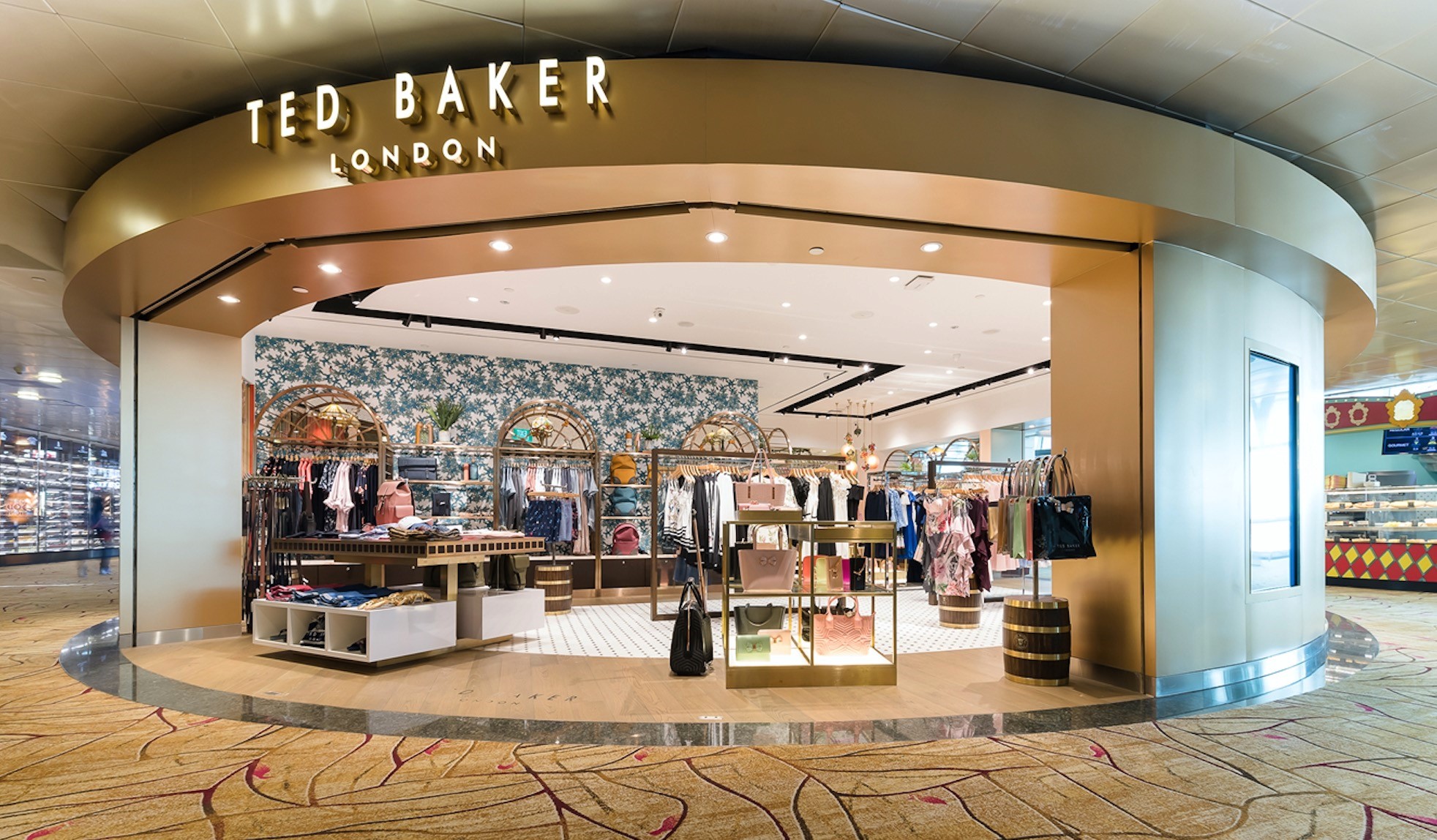
    Lifestyle fashion brand Ted Baker has signed an exclusive retail license deal for Japan with local apparel manufacturer and distributor Sojitz Infinity, initially for five years.

    Sojitz Infinity will drive the long-term expansion of the Ted Baker brand in the region, combining its local expertise – especially within the department store sector – with the buying, merchandising and brand-building expertise of Ted Baker.

    The licence, expected to commence on October 1, marks Ted Baker’s 17th retail license partner globally.

    Over recent years, the firm has invested in introducing and developing the Ted Baker brand in the Japanese market, having opened five stores in the territory to date. Sojitz Infinity intends to build on Ted Baker’s existing store portfolio, expanding the concession network and investing in Ted Baker’s online presence.

    The deal will kick off the brand’s next growth phase in Japan, said Ted Baker CEO Lindsay Page. “Over recent years, we have invested in introducing Ted Baker to Japanese customers and we are confident that our new Japanese retail-license partner will build on this platform and deliver meaningful long-term growth.

    “In Sojitz Infinity, we have an extremely capable partner that brings local market expertise to our brand alongside our already well-established design, buying and merchandising skillset. This combination will drive an acceleration in the performance of the business. We firmly believe that Japan has the long-term potential to be an important market for the Ted Baker brand.”

    As part of the appointment, Ted Baker will transfer certain existing assets relating to its Japanese business (which includes existing non-current stock, fixed assets, and leases) to Infinity at nil value to support the successful transition of the operations.

    As a consequence, Ted Baker anticipates exceptional transaction-related costs of approximately £4 million (US$4.88 million); the costs include onerous lease expenses, restructuring charges, and deal-related costs. The non-cash charges of about £1 million ($1.22 million) include the transfer of non-current stock and fixed assets. Current season stock is being transferred on commercial terms.

    It is expected that the appointment of the license partner will be accretive to the group’s pre-tax profit in the current financial year. The positive impact of profit will increase during the later years of the contract.

    Sojitz Infinity CEO Kohei Ono said Ted Baker is a brand the company has followed since its arrival in Japan.

    “We believe it has the potential to appeal to more consumers in this market. Our knowledge and experience in building fashion brands through stores, concessions and online should add value to Ted Baker and we look forward to working together.”