Tag: asia

  • Growth rate down for China retail sales in July

    Growth rate down for China retail sales in July

    Chinese retail sales in July rose at a slower rate than in June, although the decline was largely attributed to falling sales of new motor vehicles.

    Official government retail sales figures include motor vehicles, making it difficult to assess the true trend of ‘real’ retail sales in the market.

    Chinese retail sales in July rose by 7.6 per cent year on year, compared to a 9.8-per-cent increase in June. The growth rate was slower than analysts had been forecasting.

    July marked the 13th consecutive month of decline in China’s new-car market, affected by the imposition of stricter environmental controls and a generally cooling economy.

  • Vodafone named ‘national retailer of the year’

    Vodafone named ‘national retailer of the year’

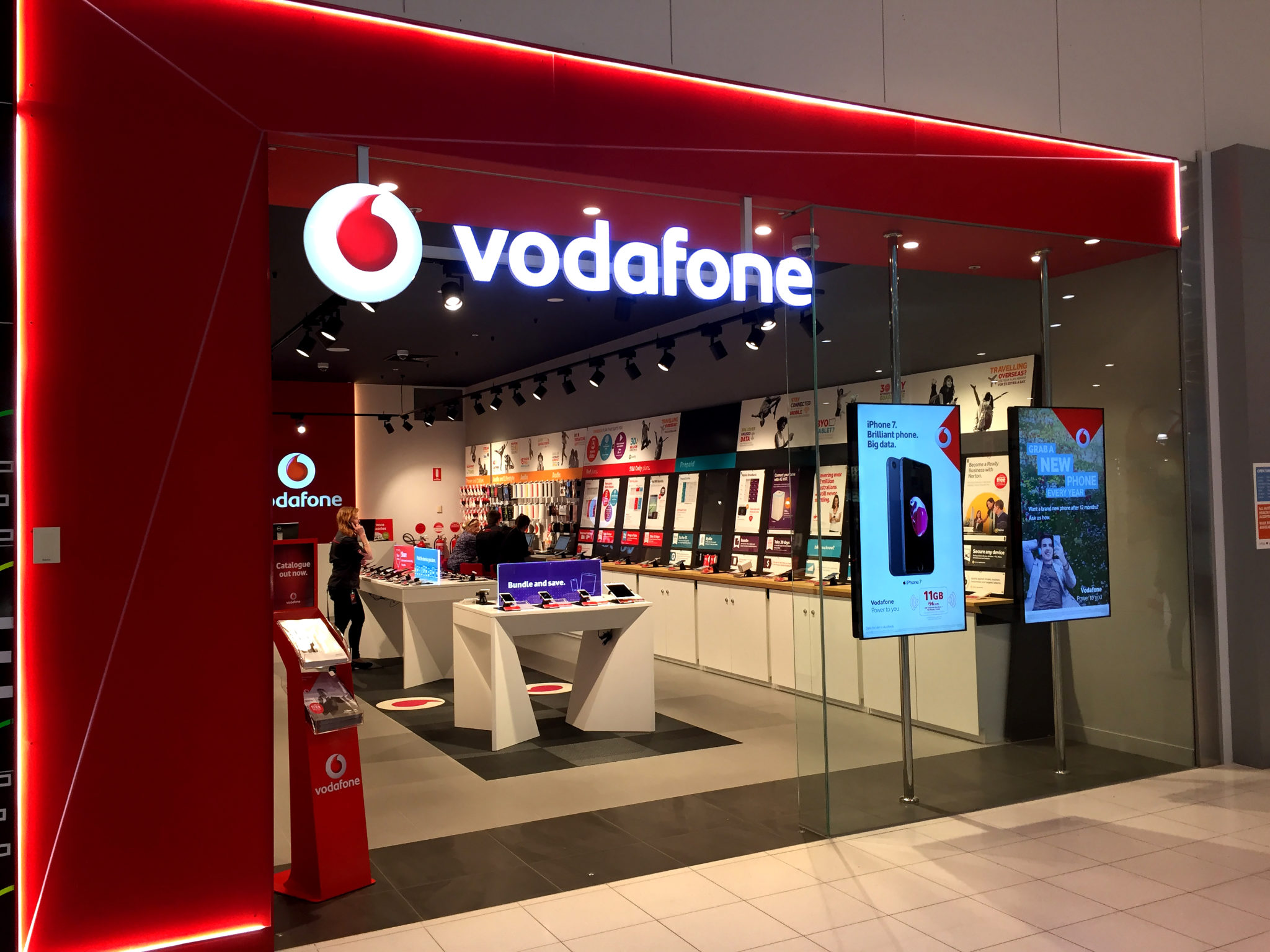
    Vodafone was crowned ‘national retailer of the year’ at the Australian Retailers’ Association’s annual awards in Melbourne on Thursday.

    The telecommunications company said it had made significant improvements to its business and customer experience since a low point a few years ago by making common sense decisions and backing its people.

    This was a fitting result, given this year’s theme, ‘Retail Morphosis’, which is all about how retailers adapt to change in order to succeed.

    “Although the retail landscape will continue to be disrupted by emerging technology and international competitors, it is truly gratifying to see the industry filled with hardworking retailers who continue to power retail through innovation and adaption,” Russell Zimmerman, executive director of the ARA, said.

    Retailers including Petstock, Bakers Delight, Birdsnest, Coles Group and Biome were recognised for their achievements in innovation, marketing, customer experience and more. The winners in all 12 categories are listed below.

    The awards took place at Myer Mural Hall on Thursday morning, and featured fashion parade capturing the history of Australian retail from the 1920s to the 1990s, with outfits curated by Myer and hair and make-up created by Chiseled Hair.

    Consumer futurist Amanda Stevens delivered a keynote speech on what the latest consumer research insights reveal about the opportunities for growth in the sector, and host Steve Plarre, CEO of Ferguson Plarre Bakehouses, entertained the audience with a rendition of ‘Uptown Funk’.

  • Australian dollar declines

    Australian dollar declines

    The Australian dollar has declined Friday, buying 67.75 US cents from 67.83 US cents on Thursday.

    Yesterday, better-than-expected jobs data has helped edge up the Aussie dollar as fears the global economy is headed for recession continue to weigh on the currency.

    The Australian dollar has struggled under the weight of worldwide economic anxiety even as domestic data showed jobs jumped past expectations in July and lessened the risk of a rate cut in the very near term.

    The figures helped the Aussie edge up to $US0.6780, from an early low of $US0.6747, but left it short of Wednesday’s $0.6809 high after a 0.7 per cent drop overnight.

    The New Zealand dollar was sidelined at $US0.6439 after easing 0.3 per cent overnight to as low as $US0.6422.

    Both currencies had been pressured by concerns the United states, and with it the rest of the world, was heading for recession as Treasury yields sank to record lows.

    The yield on 30-year bonds broke under 2.0 per cent for the first time on Thursday and briefly traded beneath the three-month bill rate, an inversion that has foretold recessions in the past.

    The Aussie won some respite when domestic data showed 41,100 new jobs were added in July, well above forecasts of 14,000, with full-time work up 34,500.

    That was enough to make investors pare the probability of a rate cut from the Reserve Bank in September to 18 per cent, from 38 per cent earlier.

    However, the data also showed unemployment held at 5.2 per cent in July as more people went looking for work, implying that wage growth and inflation would stay subdued.

    Futures imply an 84 per cent chance of a quarter-point rate cut to 0.75 per cent in October, with November seen better than 100 per cent.

    RBA deputy governor Guy Debelle also highlighted the risks from the trade war in a speech earlier on Thursday, warning it could trigger a self-fulfilling global downturn.

    That outlook, coupled with the global rush to safe havens, kept Australian bonds well bid.

    Yields on the 10-year note hit another historic low of 0.88 per cent, having dived a staggering 60 basis points in the past month.

    New Zealand’s 10-year bond yields dropped to a record trough of 1.033 per cent to be down 65bps from this time last month.

  • Vietjet is named Forbe’s Vietnam’s Best 50 Listed Companies

    Vietjet is named Forbe’s Vietnam’s Best 50 Listed Companies

    New-age carrier Vietjet has been named one of Forbes’ Vietnam’s Best 50 Listed Companies. This is the third consecutive year that Vietjet has been included in Forbes’ “50 Best” List since it was officially listed on the Ho Chi Minh City Stock Exchange (HOSE) in February 2017. The award ceremony was held by Forbes Magazine during the Business Forum 2019 in Ho Chi Minh City on August 15.

    Forbes’ seventh “50 best listed companies in Vietnam” gathered leading companies on HOSE and Hanoi Stock Exchanges (HNX), including Vinamilk, Sabeco, FPT, Vietjet, DHG Pharmaceutical, Bao Viet, Mobile World and Vingroup. The chosen companies this year were evaluated by industry standards, based on compound annual growth rate, profit, return on equity, earnings per share growth between 2013 to 2018, branding, quality of corporate management, source of profit and the prospect of sustainable development.

    According to Forbes, the companies chosen this year has shown impressive growth. All 50 companies in this year’s list accumulated VND 127,530 billion (approximately USD 546 million) in profit after tax, an increase of 19.2 per cent year on year. The total capitalisation of the 50 companies reached USD 94 billion, equivalent to 63% of the total market capitalisation on HOSE and HNX.

    The 50 best listed companies in Vietnam this year recognised in particular the growth of the private sector, highlighting companies such as Vietjet, Vingroup, Masan and Hoa Phat. HOSE companies dominated the list with 45 companies, while five HNX companies were included.

    With outstanding business results, Vietjet’s shares have attracted the attention of investors, being listed in VN30 in the first year of its listing. In 2018, Vietjet had year of high and sustainable growth, with its revenue at VND 53,577 billion (approximately USD 2.3 billion) and profit before tax at VND 5,816 billion (approximately USD 249 million).

    In the first six months of 2019, Vietjet’s air transport revenue increased sharply by 22 per cent to reach VND 20,148 billion (approximately USD 863 million), while the pre-tax profit of air transport reached VND 1,563 billion (approximately USD 67 million), up 16 per cent year on year. Consolidated revenue reached VND 26,301 billion (approximately USD 1.1 billion), an increase of 24 per cent, and profit before tax reached VND 2,398 billion (approximately USD 103 million), up 11 per cent year on year. Vietjet operated a total of 68,821 flights and transported 13.5 million passengers in the first half of 2019, accounting for up to 45 per cent of the total number of flights operated by all Vietnamese airlines. As a result, Vietjet has maintained its leading position in domestic transport.

    To date, the new age carrier has operated 129 domestic and international routes to countries such as Singapore, Japan, South Korea, China, Indonesia, Malaysia, Myanmar, Cambodia, Thailand and Taiwan.  Vietjet also maintains the one of the highest safety and operation requirements in the world and region. With remarkable business and operation results, Vietjet’s CEO is also the first ‘self-made’ female billionaire in Southeast Asia, and the first and only Vietnamese female billionaire in Forbes’ and Bloomberg’s top lists. She has been mentioned in the world’s Top 100 most powerful women in 2017 and 2018. With all the successes of Vietjet, she was also mentioned in a research case study from Harvard University.

  • Li Ning profit up as restructure pays off

    Li Ning profit up as restructure pays off

    Chinese sportswear retailer Li Ning reaped the benefits of a restructure in the first half of this year, with net profit attributable to shareholders by 196 per cent to RMB795 million (US$113 million).

    For the last two years, Li Ning has been investing in its retail business, upgrading stores, refining its product offer and reorganising its supply chain and other back-of-house operations.

    More recently it has launched a new retail brand Li Ning Young, which has added 79 more stores so far this year, taking the network to 872.

    The company said its margin has increased from 5.7 per cent during the first half of last year to 12.7 per cent in the same period this year.

    While the huge profit boost was partly due to non-operational factors, the regular business still posted a surplus up 109 per cent to RMB561 million, and net profit margin was 9 per cent.

    Group sales revenue rose 33 per cent to RMB6.255 billion ($889.5 million), with same-store sales growing by the mid-teens.

    The company said it was focused on strengthening its brand and product competitiveness during the first half, especially its five core categories: basketball, running, training, badminton and sports casual.

    “We set professionalism and functionalism as the foundation, and consolidated the brand’s DNA of professional sports,” the company said in an earnings statement.

    As at June 30, Li Ning had 6422 points of sale, a net increase of 112 over three months.

    The network of conventional stores, flagship stores, China Li-Ning stores, factory outlets and multi-brand stores under its brands amounted to 7294 as of June 30, representing a net increase of 157 since December 31.

  • Digital Payment Provider QFPay Raises $20 Million

    Digital Payment Provider QFPay Raises $20 Million

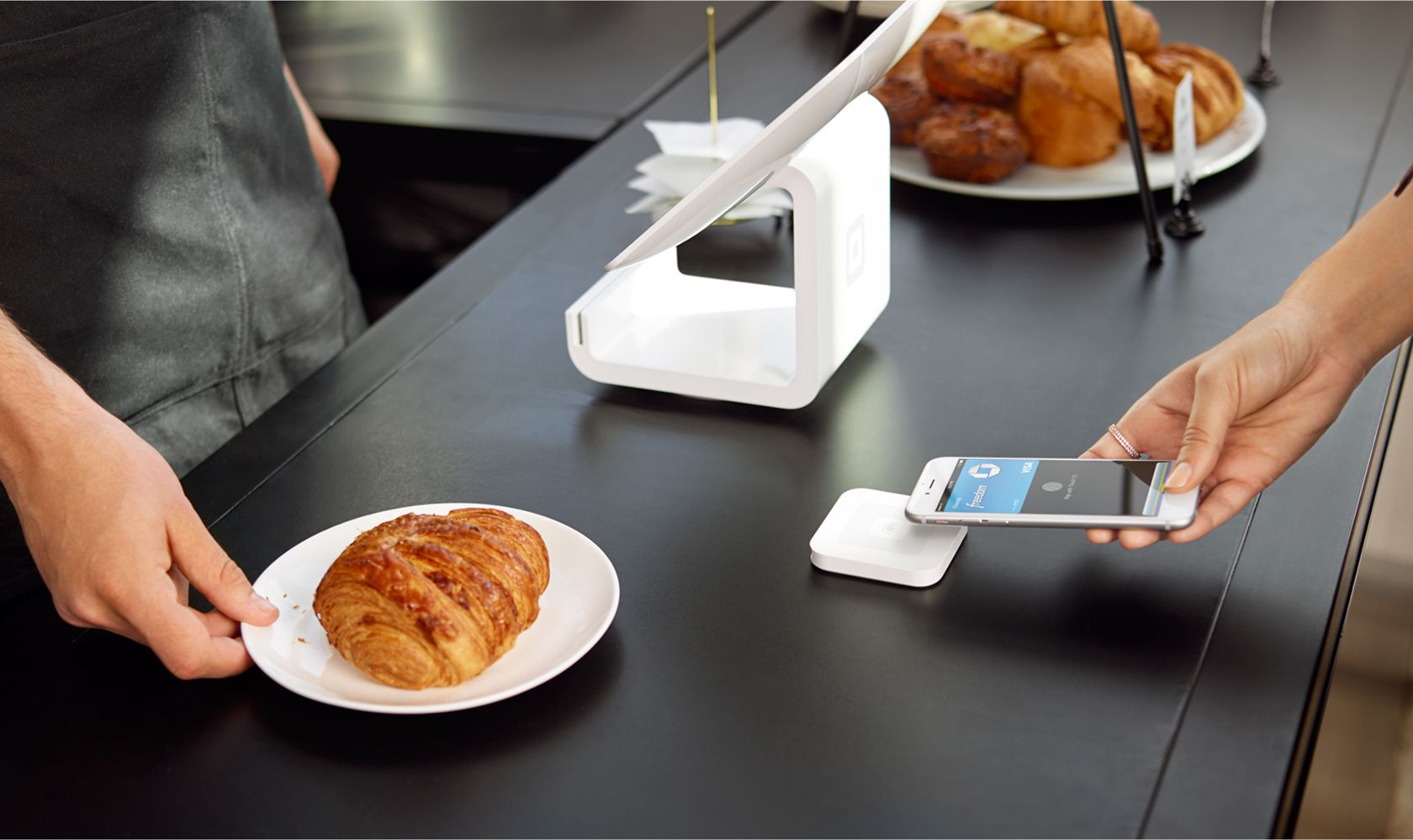
    Major Asian digital payment tech firm QFPay has raised another $20 million from both existing investors and a new list of renowned names including Sequoia Capital and Rakuten.

    Sequoia Capital China, which has participated in all three funding rounds, joins Matrix Partners as returning investors. New investors also include Rakuten Capital, the VC arm of major Japanese internet service provider, Rakuten; MDI Ventures, the VC arm of Indonesia’s largest telecom, Telkom Indonesia; and VentureSouq, a Dubai-based VC firm specializing in tech startups.

    According to QFPay co-founder and CEO, Patrick Ngan, the value from new investors this round extends beyond just funding to matters such as market-specific strategic growth.

    We have been witnessing tremendous growth in digital payment adoptions across Asia and given the need for localized strategy and networks in each of the markets, having support from trusted strategic partners like MDI Ventures, Rakuten Capital and VentureSouq as your investors and advisors plays an important role in navigating through the complex business environments, he elaborated.

    Asia is currently the leader for digital payments driven by demand from the region’s largely unbanked population. The ASEAN region is a major contributor to the sector with the market expected to grow 25 percent CAGR till 2027 to reach $109 billion, according to a research report by Nomura. QFPay is well-positioned to capture some of this growth with presence in 13 markets in Asia and the Middle East including Cambodia, China, Hong Kong, Indonesia, Japan, Korea, Laos, Malaysia, Myanmar, Philippines, Singapore, Thailand and United Arab Emirates.

    We have built our track record, know-how and expertise in this industry since we launched in China which is dubbed as the birthplace of digital payment, added Tim Lee, co-founder and CEO of QFPay.

    We are excited to leverage what we have learned in the past seven years to help lead the cashless movement in the rest of Asia as demand for digital payment, particularly QR-code payment method, heats up in the region.

  • Strong retail interest in Asia, but very little action

    Strong retail interest in Asia, but very little action

    More than 80 percent of Australian businesses have Asia on their radar, but most are failing to generate significant revenue from Asian markets, a new report from Asialink Business has found.

    Of the businesses surveyed, 83 percent generate less than half of their annual revenue from Asia, and 55 percent generate less than 5 percent of their annual revenue from Asia. This is because they haven’t taken the necessary steps to grow.

    These include hiring staff with the right language skills and experience to operate in Asia, keeping up with Asian customers’ fast-changing preferences and having a presence on the ground – three characteristics that top performers in the Asian market share.

    “The business opportunities that exist in Asia are well known and well versed. But while many Australians businesses are including Asia as part of their strategy, we know that majority of these organizations don’t optimize their operations to maximize revenue streams,” Jonathan Yeung, head of Asian business banking at Commonwealth Bank of Australia, which sponsored the report, said.

    One business that is tapping into the Asian market successfully is Australian health and beauty brand G&M Cosmetics, which was profiled in the report.

    The Sydney-based business, which has been manufacturing and selling to national and global retailers for over 22 years, first started exporting to China in 1998, and now exports 600,000 units of skincare products to the country every week.

    CEO Zvonko Jordanov said it is crucial to understand the customer in each market you sell in.

    For instance, Emu oil-based products are best-sellers in Taiwan and Malaysia, but Lanolin is preferred in China. This changes quickly, though, and Jodanov said avocado, goat’s milk, and manuka honey products are on the rise.

    At its laboratory in Australia, G&M also looks at the suitability of certain skincare products for different markets based on local conditions, including weather and humidity.

    “We’re all humans. The number one thing is that you respect the consumer. Give them a proper product and don’t promise the impossible,” Jordanov said.

    According to the Asialink Business survey, businesses that tailor and adjust their product or service and marketing earn, on average, more than eight times the revenue from Asian markets than those that sell the same offering using the same marketing.

    Businesses that always mention these Asian language skills and experience in the Asian market in job ads earn, on average more than five times the revenue from Asia than those that do not.

    And 33 percent of businesses that earn more than 5 percent of their annual revenue from Asia undertook in-country visits at least once a month – more than double that of businesses earning less than 5 percent of their revenue from Asia.

    The businesses most likely to be doing well in Asia were professional services firms, according to the report, followed by private education and training organizations.

    China was the top Asian market for 44 per cent of respondents, followed by the ASEAN countries, which include Indonesia, Malaysia, Philippines, Singapore, Thailand, Vietnam, Laos, Brunei, Cambodia, and Myanmar, for 32 per cent of respondents.

    Overall business sentiment towards Asia remains positive, despite the ongoing China-US trade tensions, the report found.
  • The Source Bulk Foods opens Restaurant in Singapore

    The Source Bulk Foods opens Restaurant in Singapore

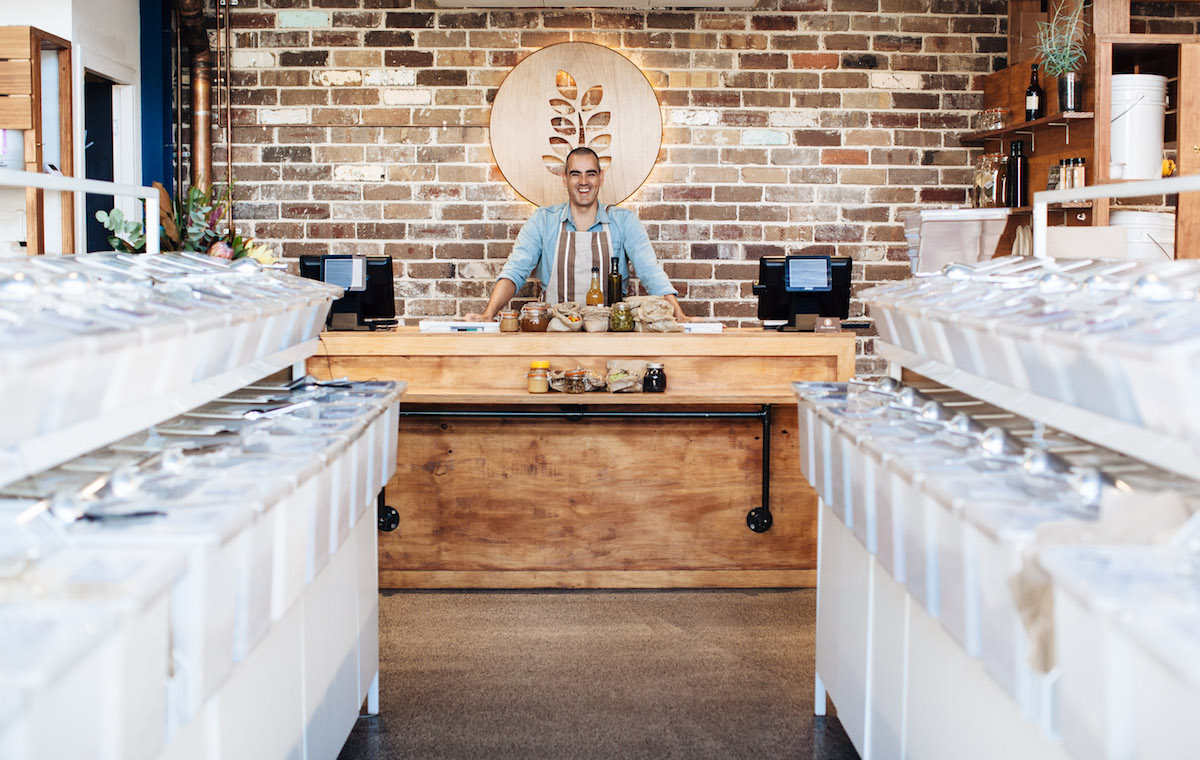
    Australia’s largest bulk foods and zero waste retailer The Source Bulk Foods has unveiled its first outlet in Singapore.

    Located at Cluny Court, the store will carry a wide range of pantry staples, numbering more than 350 products that include premium whole foods and treats as well as packaging-free household products.

    Founded in 2012 in Byron Bay, Sydney, Australia, The Source Bulk Foods has promoted an ethos of zero packaging, encouraging customers to buy and use only what is needed.

    “We are as much about providing nutritious products as we are about embracing a zero waste goal, and creating a healthy community,” said The Source Bulk Foods master franchisor for Southeast Asia Rob Behennah.

    “Our passionate team looks forward to delivering wholesome food, nourishing families, and in doing so, taking a hands-on approach to nurturing our planet.”

    Shoppers at the store are given three easy steps to purchase: grab a bag (or refill a jar), write the product code, and fill the bag with the desired amount of the chosen product. Customers then proceed to the cashier, where their groceries will be weighed and payment made.

    “The Source Bulk Foods is revolutionising the way we shop,” said franchise partner and full-time nutritionist Sarah Widjaja.

    “At every step of the way, suppliers, retailers, and customers can reduce their use of unnecessary packaging and single-use plastics. By buying only what is needed, we can also minimise food waste.”

  • JD exceeds Show Fantastic Growth Numbers

    JD exceeds Show Fantastic Growth Numbers

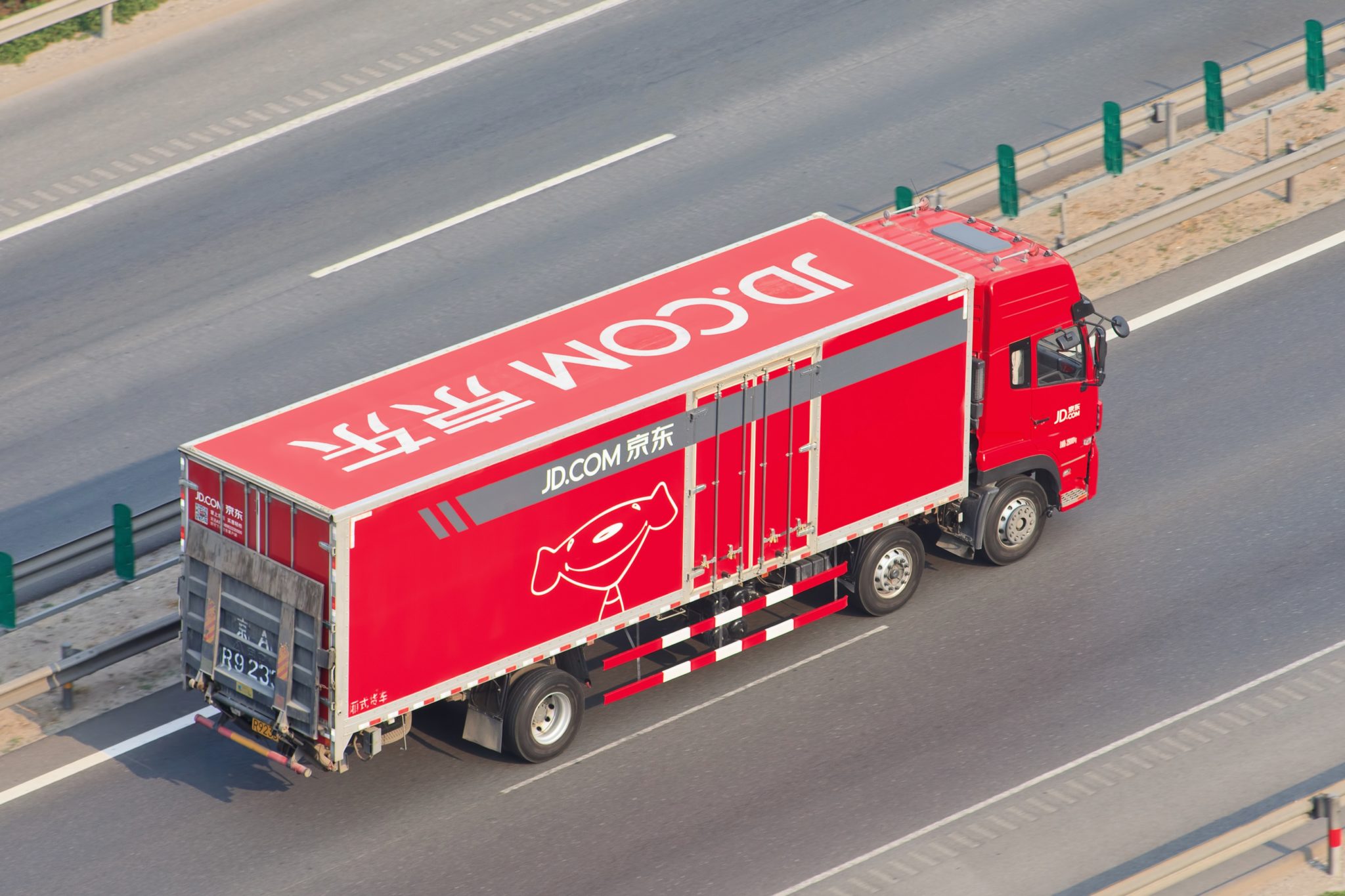
    Chinese e-commerce giant JD exceeded revenue expectations in the June quarter, net sales up by 23 per cent to 50.28 billion yuan (US$21.28 billion).

    The company has cited forays into the convenience-store sector and supermarkets, as well as the harnessing of artificial intelligence in its advertising and logistics operations for the improved result, as it tries to be less reliant on its core online retail platform for growth.

    Net income for JD reached 618.8 million yuan ($90.1 million), a significant turnaround from the 212.4 million yuan net loss of the same period last year.

    Significantly, the company’s logistics business broke even during the quarter.

    Discussing the results during an analyst briefing, a senior executive said the company was now turning its attention to lower tier Mainland China cities for growth, hoping to broaden its customer base. That strategy has been working for JD’s archrival Alibaba to date.

    Other plans afoot include developing more private-label products and improving its WeChat interface to increase customer engagement there.

  • Starbucks Korea profit up with 28 percent

    Starbucks Korea profit up with 28 percent

    Starbucks Korea has reported a 28-per-cent year-on-year jump in its operating profit in the first half of the year amid rising appetite for premium coffee, discount store chain E-Mart said Tuesday.

    From January to June, the US coffee giant posted an operating profit of 74.7 billion won (US$61 million) in Korea, up from 58.3 billion won in the year-ago period, according to E-Mart’s first-half earnings results.

    E-Mart, the country’s biggest discount store chain operated by Shinsegae Group, holds a 50-per-cent stake in Starbucks Korea, with the other 50 per cent controlled by Starbucks US.

    South Korea is one of the fastest-growing premium coffee markets, and Starbucks expects further growth in this country.

    Sales also jumped 25 per cent to 887.7 billion won in the first half from 709 billion won a year earlier, the data showed. Net earnings were not available.

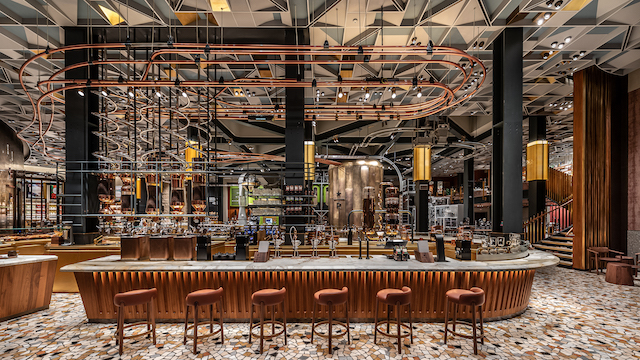
    Starbucks, which entered Korea in 1999, currently operates 1308 stores, including 50 upscale Starbucks Reserve outlets, in Asia’s fourth-largest economy.

    Starbucks Korea earned 1.5 trillion won in sales last year, up 20 per cent from 1.28 trillion won a year earlier.

  • Swarovski says sorry for ‘misleading’ communication over Chinese sovereignty

    Swarovski says sorry for ‘misleading’ communication over Chinese sovereignty

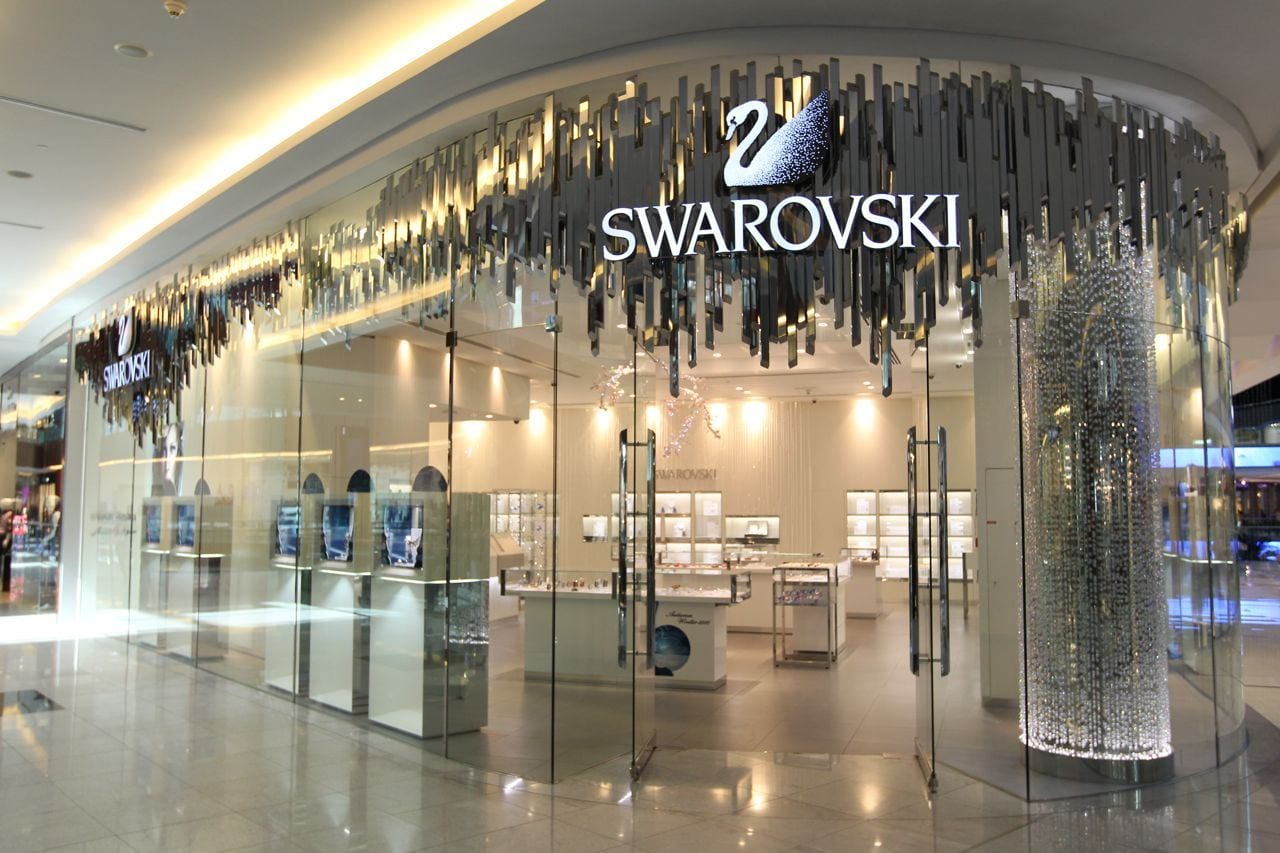
    Jewelry retailer Swarovski has issued a sweeping apology over implying Hong Kong is not part of China, the latest international brand to fall foul of rising nationalistic sentiments on the mainland.

    The apology followed the resignation of its Chinese brand ambassador Jiang Shuying and follows a string of social-media controversies in recent weeks over fashion brands differentiating Hong Kong and China, including Coach, Givenchy, and Versace.

    Instances of Hong Kong is portrayed as an independent country or market have garnered far more attention since June, coinciding with growing protests in the territory against perceived mainland encroachment on Hong Kong laws and governance.

    “Considering the recent happenings in China, Swarovski takes full responsibility and sincerely apologises to the people of China, as well as to our collaborative partners and brand ambassador, Ms Jiang Shuying, who have been deeply disappointed due to misleading communication on China’s National Sovereignty,” Swarovski wrote in a statement distributed via social media.

    “We have strengthened our global brand awareness and we will continue to review all our digital platforms globally to correct any inaccuracies,” the statement continued.

    “We abide by our commitment to act as a responsible corporate citizen, which has been embedded in the way we do business since the foundation of our company in 1895. In keeping with this tradition, Swarovski has always firmly respected China’s national sovereignty and territorial integrity, providing the Chinese market with unified worldwide services and products.

    “Swarovski will continue to support a harmonious society, together with the Chinese people.”

  • What retailers can learn from Ikea Retail

    What retailers can learn from Ikea Retail

    “Innovation has nothing to do with how many R&D dollars you have. When Apple came up with the Mac, IBM was spending at least 100 times more on R&D. It’s not about money. It’s about the people you have, how you’re led, and how much you get it.”

    – Steve Jobs

    “These businesses are wholly aware that Amazon is eyeing what’s theirs and that what worked yesterday probably won’t work tomorrow. They are motivated to embrace change and their customers are certainly changing.”

    – Beck Besecker, Forbes

    As Besecker goes on to say, consumers, today have constant access to entertainment and communication through smartphones and the internet, while real estate development trends are leaning away from bedroom communities and towards new urbanism and gentrification.

    And so adaptation remains far more relevant than innovation. To adapt we must have:

    • vision
    • bravery
    • skill
    • risk appetite
    • insights
    • and an insatiable ability to question why.

    Businesses that meet these criteria will be hugely successful in this retail landscape both now and into the future because they will be best placed to meet three inescapable trends emerging quickly:

    • In-store retail is naturally becoming less about inventory and more about providing intermediary and indispensable, location-based services that result in sales, craft relationships with customers and captures new data.
    • Advances in fulfillment and same-day delivery services will dictate largely the role of retail shops as points of sheer fulfillment
    • As this blends into the landscape, physical space in shops will start to decrease, and digitally integrated experiences will become more common, and sales will occur in different ways.

    Bricks-and-mortar retail has always been about the fantasy of what is possible, and that inspirational experience remains at the heart of retail.

    Emerging retail formats will further blur the line between shopping and entertainment – so much so that the customer may lose sight of the fact that they are in a store.

    Take the Ikea shopping experience, which is designed to help people imagine Ikea products as part of their day-to-day lives. Ikea doesn’t just sell furniture, it sells a lifestyle, and its stores are set up to entice customers to adopt the Ikea way of thinking.

    But while the global retailer traditionally has built huge lifestyle outlets, now the brand is adapting its store format to global consumer trends around urbanization.

    Last year, the Swedish furniture brand announced it would open 30 new store concepts in urban centers, from stores of the future to sub-100sqm shops to pop-ups, to standalone cafes and singular category shops.

    The stores are backed up by the most advanced technology, providing everything Ikea has to offer, but in a virtual environment. The goal is to make every interaction between the customer and the brand more seamless, allowing consumers to have fun while shopping and learning about the brand along the way.

    Looking at Ikea’s urban store in Madrid, there are three very important reasons for the success of this concept:

    • services
    • proximity
    • entertainment.

    The new store offers much more than a standard Ikea store. There is a high level of entertainment available, with the main goal being to engage customers. And since the store is located in the city center, customers can easily shop on their way to work, or while they spend their time in the city.

    Customer can learn how to customize their products, try different furniture concepts and styles, receive expert decoration and design advice, enjoy various projections and visual merchandising of products, and so much more.

    Other retailers can learn from Ikea’s example. Aside from delivering the highest level of brand engagement, inspiration, and entertainment, it also uses digital to make its services and products fully customer-centric.

    Ikea is also continuing to explore new store methods and formats that will allow it to get even closer to its customers and deliver world’s best omnichannel offer while remaining a leading brand in furniture retail, and potentially revolutionizing the way people buy products.

  • Losses widen for Larry Jewelry in subdued luxury-goods market

    Losses widen for Larry Jewelry in subdued luxury-goods market

    Listed Hong Kong jewelry and Chinese-medicine retailer Larry Jewelry has reported a higher loss as its sales plunged 23.1 percent in the six months to June.

    Sales in its jewelry business fell by 17.6 percent, largely in the Hong Kong market, however, the group achieved a better profit margin both there and in Singapore. The company said the luxury-goods market remained soft in the first half of the year.

    The Tung Fong Hung (TFH) business, which retails Chinese pharmaceutical products, dry seafood, health products, and foodstuffs in Hong Kong, Macau and Mainland China, recorded a sales decline of about 25 percent. TFH has 15 stores in Hong Kong, two in Macau and 36 on the mainland.

    The company said it will review the sales network and customer focus of TFH and introduce more locally made products to suit the needs of domestic market through its newly refurbished food and traditional Chinese medicine production facilities.

    The loss attributable to shareholders was HK$49.485 million for the six months to June 30, up from $41.066 million in the same period last year, on group sales of $147.138 million, down from $191.236 million.

    A 31.2-per-cent decrease in gross profit margin was attributed to changes in the company’s product mix during the period.

    Executive director Danny Wong said that in light of the recent business environment and financial resources on hand, the group will continue to seek suitable business opportunities to diversify its existing business stream.

    “The group remains cautiously optimistic in the luxury jewelry market in the long-run. [We] will explore opportunities to broaden the geographic base of customers to markets outside Hong Kong and Singapore and increase its visibility across Southeast Asian countries,” he said.

    “The group also seeks to achieve a diversified customer base through the introduction of new distinctive and unique product designs to more youthful, cosmopolitan audience.”

  • 7-Eleven Japan Experience first sales decline in a decade

    7-Eleven Japan Experience first sales decline in a decade

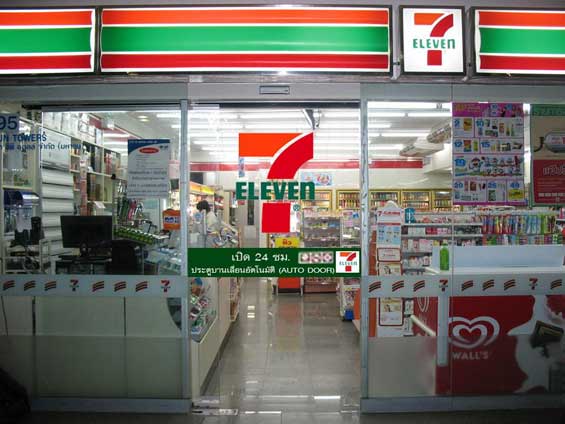
    Japanese convenience-store chain 7-Eleven has suffered its first year-on-year downturn in more than nine years.

    The decline in monthly sales throughout the chain has been attributed to heavy rains and the hack of its doomed 7Pay e-payment platform last month, which prompted customers to use rival services.

    Sales chainwide dropped 1.2 percent last month, with a 5.6-per-cent decline in same-store customer traffic. The inclement weather has also affected sales of particular items such as drinks and ice cream.

    7-Eleven’s same-store sales receded 3.4 percent this month, while the number of franchises grew 2.7 percent² to 20,990 stores.

    7-Eleven has discontinued its 7Pay service following a security breach that prompted the firm to stop the app from charging linked cards and put a block on new registrations.

    The firm has also been struggling with its 24-hour service model, with some franchisees growing increasingly uncomfortable with rising labor costs involved with round-the-clock opening hours.

  • Spotify removes Android homescreen widget

    Spotify removes Android homescreen widget

    Spotify has announced that it will remove the home screen widget from the Android app at some point this week. Spotify users will still be able to access the same playback features and information about what is playing through the app’s playback notification and device lock screen.

    Even though the company confirmed the Spotify Widget for Android will be going away, there’s a small chance that the feature will make a comeback in the same or slightly different form. Apparently, Spotify has introduced a new Live Idea feature that will allow users to vote to show their support for adding a widget.

    For the time being, the idea is tagged as “Not right now,” but if the number of voters will increase to a certain level, it might consider adding the widget back. Still, don’t get your hopes too high, even though there are a few thousand votes for the home screen widget.

    Anyway, going forward, you’ll be able to access the playback controls on Android by simply swiping down while you are using Spotify to access the controls.