Tag: asia

  • Cebu Pacific to begin Cebu-Busuanga flights in October

    Cebu Pacific to begin Cebu-Busuanga flights in October

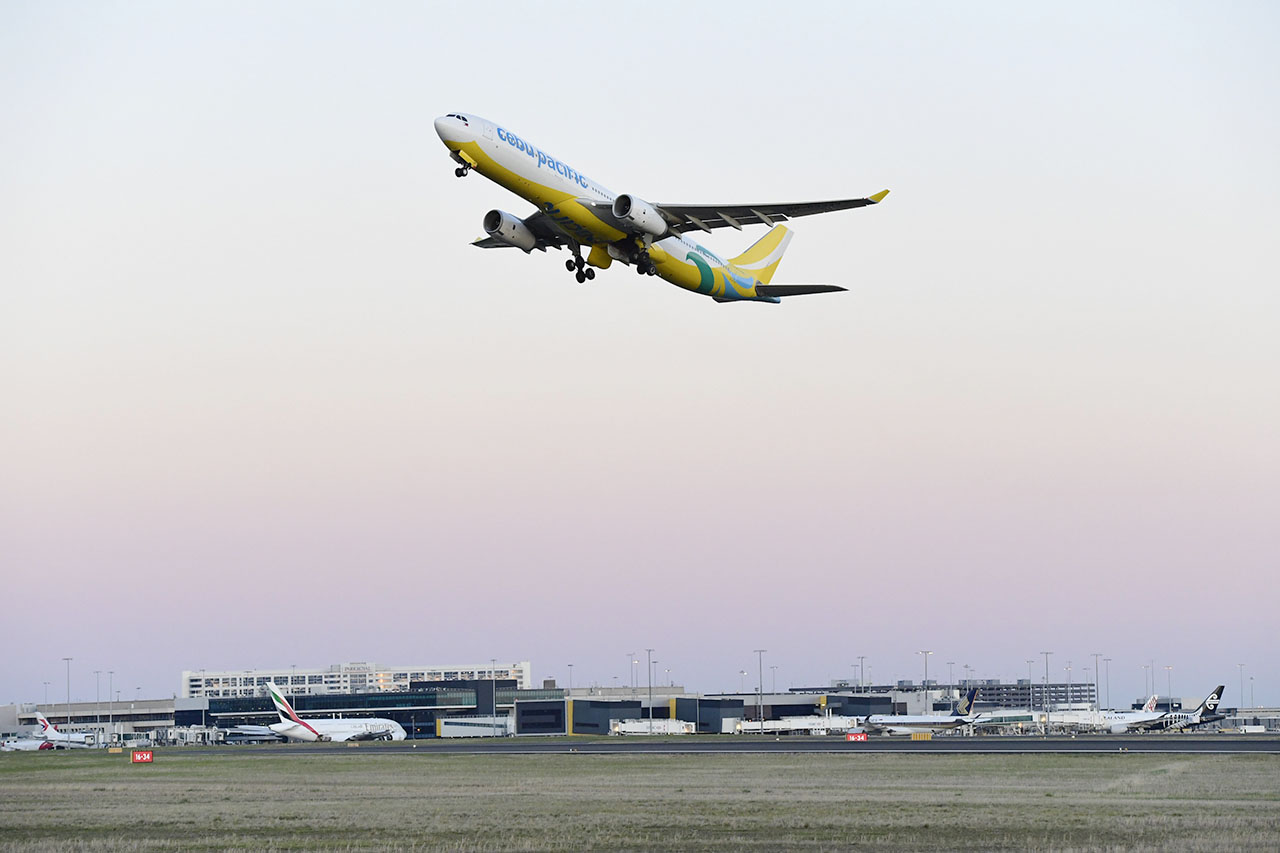
    Budget carrier Cebu Pacific announced on Thursday, August 15, that it is launching direct flights from Cebu to Busuanga (Coron) in Palawan.

    Cebu Pacific’s subsidiary Cebgo will fly twice daily between the Mactan-Cebu International Airport and Francisco B. Reyes Airport, beginning October 27 this year.

    • 1st flight
      • departing Cebu at 7:25 am, arriving in Busuanga at 9 am
      • (turnaround flight) departing Busuanga at 9:20 am, arriving in Cebu at 11 am
    • 2nd flight
      • departing Cebu at 10:25 am, arriving in Busuanga at 12:05 pm
      • (turnaround flight) departing Busuanga at 12:25 pm, arriving in Cebu at 2:10 pm

    “We believe that these twice daily flights will enable residents from Cebu and other parts of Visayas and Mindanao to explore Palawan, without having to make the trip to Metro Manila to catch their flights,” said Cebgo president and chief executive officer Alexander Lao in a statement on Thursday.

    “With this direct Cebu-Busuanga route, the islands of Coron and Culion are easier to get to. This will also allow locals from the rest of Southern Luzon to easily connect to Cebu and its network of over 20 domestic and 6 international destinations,” he added.

    Cebu Pacific is having a seat sale for the new route from Thursday until Saturday, August 17, with a base fare as low as P299. The travel period is from October 27, 2019 to March 28, 2020.

    Aside from Cebu, Cebu Pacific operates flights out of Manila, Clark, Kalibo, Iloilo, Davao, and Cagayan de Oro.

    Its network covers over 100 routes and 64 destinations, spanning Asia, Australia, the Middle East, and the United States.
  • Travellers Can Now Order Boba Milk Tea On AirAsia Flights

    Travellers Can Now Order Boba Milk Tea On AirAsia Flights

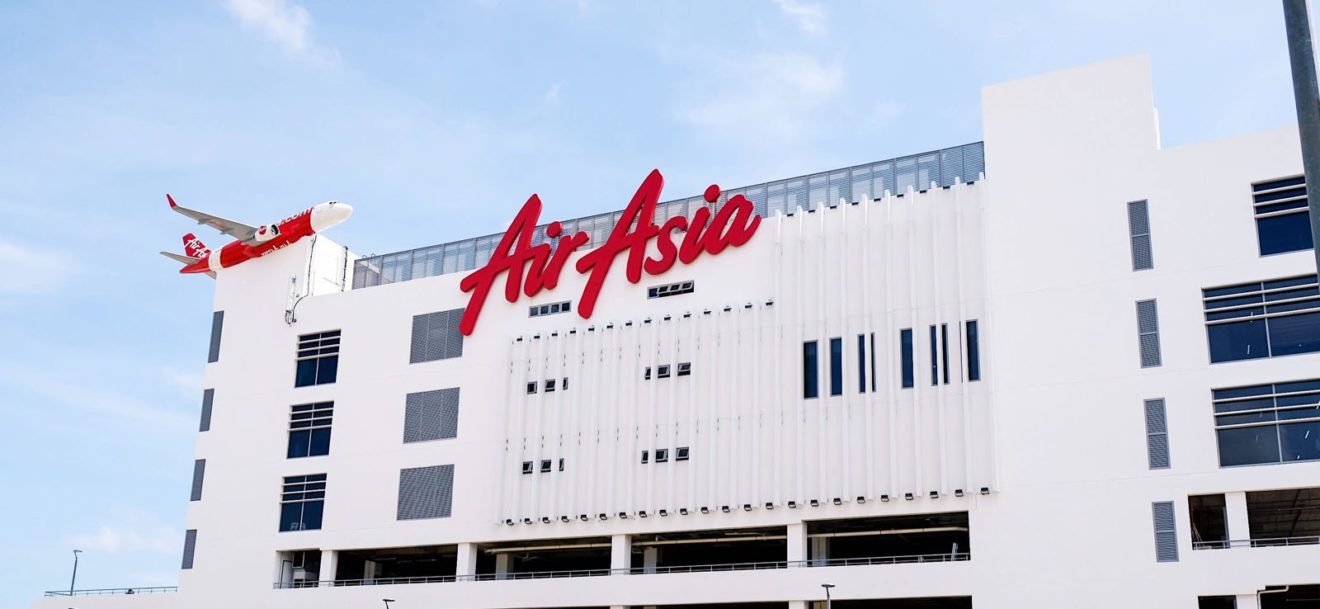
    AirAsia Thailand recently introduced bubble milk tea in their in-flight menu – much to the delight of customers. There’s even a poster that says that passengers can now enjoy Boba milk tea 35,000 feet in the air.

    You’ve probably come across articles on how unhealthy bubble tea drinks can be, due to its sugar intake, sweeteners and artificial flavourings. To combat that, AirAsia Thailand has come up with a healthier option flyers.

    Enter AirAsia’s milk tea with konjac bubbles. According to Google, konjac (also known as konnyaku and devil’s tongue) “is high in fiber and has almost no calories”. Made from the root of a plant, some of its alleged health benefits include helping people to lose weight.

    Its boba also come in diamond shapes. There is only 1 flavoured bubble tea on the menu for the time being though.

    Priced at ฿75 (RM10), it is available on AirAsia Thailand and AirAsiaX Thailand flights.

  • Wesfarmers to reposition Target

    Wesfarmers to reposition Target

    In a move to differentiate itself from sister brand Kmart, department store Target will see an accelerated transformation to offer higher quality apparel, soft homewares and toys.

    This shift will reposition the department store to compete against more specialty and middle-market offerings, and could keep Kmart and Target from potentially cannibalising one another’s sales.

    As a result, however, approximately 80 head office roles have been restructured. A Target spokesperson confirmed it is aiming to redeploy some of these staff into other parts of its business, or into the wider Wesfarmers group.

    Kmart Group managing director Ian Bailey said he believed it was the right time to recast Target against higher-quality competitors such as Cotton On, Myer, or Country Road, though at a more affordable price.

  • Sephora Hong Kong confirms September opening and promises new brands

    Sephora Hong Kong confirms September opening and promises new brands

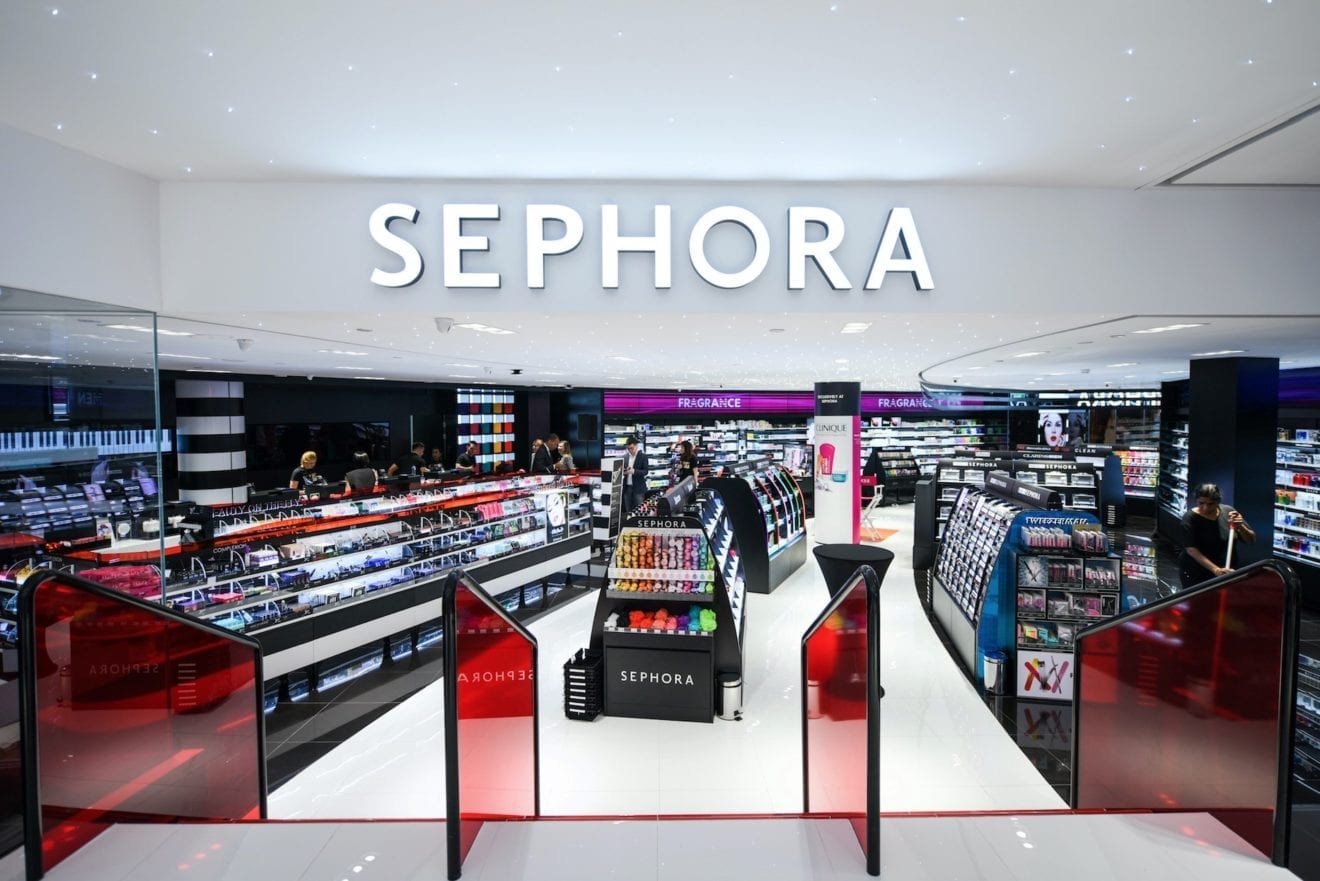
    Sephora Hong Kong will open its new flagship store at IFC mall in “early September” the company announced yesterday.

    And the LVMH-owned beauty retailer has promised to launch more than 40 brands onto the Hong Kong market, “new and exclusive” to the territory. These include what the company describes as “cult beauty favourites” such as Drunk Elephant, Sunday Riley, Huda Beauty, Anastasia Beverly Hills and Fenty Beauty; and niche fragrance labels including Clean Reserve, Kayali, Bon Parfumeur and Maison Margiela.

    Sephora Hong Kong will also introduce new beauty and fragrance brands that are making their debut in the market such as Loewe, Tarte, IT Cosmetics and Jack Black.

    “We are really proud of the exciting brand portfolio for our new store,” said Benjamin Vuchot, Asia president at Sephora.

    “We believe the new Sephora Hong Kong will be the ultimate one-stop beauty destination in the region that consumers will find joy in exploring the countless products and services on offer.”

    Vuchot believes Sephora will offer the most extensive brand portfolio in the market, supported by a unique omni-channel model dedicated to offering an “unparalleled shopping experience in-store and online through its upgraded e-commerce platform”.

    More brands will be added later – both instore and online – to provide customers with “endless new discoveries” across different categories.

    Beyond the new brands, Sephora Hong Kong will also be launching new, innovative customer services, including Virtual Artist, a new beauty app designed to offer customers an opportunity to try on and compare different products digitally.

    Online bookings will be taken for a variety of personalised services at the Sephora Beauty Studio.

    On launch day, Sephora will offer a complimentary ferry ride between Tsim Sha Tsui and Central on the opening day. The first 300 customers to visit the new Sephora Hong Kong store will be given a goodie bag with a curated selection of Sephora products.

    Sephora Hong Kong has confirmed it will open eight stores in the territory, with the second planned for Windsor House in Causeway Bay in the fourth quarter of this year. Six more will follow over a two-year time frame, their locations not yet revealed.

  • Alibaba may buy Kaola from Netease

    Alibaba may buy Kaola from Netease

    Alibaba and Chinese tech firm Netease are in talks on the internet giant’s potential acquisition of its cross-border e-commerce platform Kaola, which would be merged with Tmall.

    According to sources from the mainland, Alibaba may offer as much as US$2 billion for the business.

    “The deal would represent a step toward market consolidation in China’s e-commerce sector,” wrote Tech Node’s Emma Lee. “A merger between the country’s top cross-border players would create a single market behemoth.”

    She said Alibaba could also use the deal to fend off rival Pinduoduo, which has also taken an interest in Kaola to expand its cross-border presence.

    Tmall was responsible for 32.3 per cent of China’s entire cross-border e-commerce takings in the first quarter, with Netease Kaola in second place with 24.8 per cent of the business.

    Alibaba rival Pinduoduo has also expressed interest in the Kaola business.

    “Netease has always been open-minded in seeking business development opportunities and strategic business partners to bring more vitality to Netease’s cross-border e-commerce and other business units,” said Netease CFO Yang Zhaoxuan.

  • Alibaba adds 20 million users but sales down

    Alibaba adds 20 million users but sales down

    Alibaba Group boosted second-quarter revenues by 42 per cent, as the number of active users on its e-commerce sites grew by 20 million.

    “Alibaba had a great quarter, expanding our user base to 674 million annual active consumers, demonstrating our superior user experience,” said Daniel Zhang, CEO.

    “We will continue to expand our customer base, increase operating efficiency and deliver robust growth. With strong cash flow from our core commerce business, we will continue to invest in technology and bring digital transformation to millions of businesses globally,” he said.

    CFO Maggie Wu said the company was pleased to see sustained user engagement and consumer spending across its platforms. “We continue to invest for long-term growth while at the same time gaining cost efficiencies in our investment areas,” she said.

    The group reported net income attributable to shareholders of RMB21.252 billion (US$3.096 billion), on total revenue of RMB114.924 billion (US$16.741 billion). The annual active consumers on the group’s Mainland China retail marketplaces reached 674 million in the year to June 30.

    The company said its Taobao marketplace was the fast-growing consumer community, adding users and strengthening engagement in less-developed areas of the mainland. “The increase in annual active consumers reflects strong user acquisition programs, such as referrals through the Alipay app and another record-breaking 6.18 Mid-Year Shopping Festival, which deepened our penetration into less-developed areas,” the company said.

    “During the quarter, more than 70 per cent of the increase in annual active consumers was from less-developed areas, demonstrating the success of our initiatives to cater to a broader base of users, such as using simpler interfaces for first-time or less-frequent users.”

    Sales on grew at 34 per cent year on year, driven by increases in the number of users and their average spend, reflecting strength in fast-moving consumer goods, apparel, consumer electronics and home furnishings.

    Alibaba’s self-owned-and-operated grocery-retail chain Freshippo (Hema) continued to achieve robust same-store sales growth, expand its footprint, optimising its stores and introducing new initiatives to improve the customer experience, the company said. As at June 30, there were 150 self-operated Freshippo stores in 17 mainland cities.

    The group’s international business also showed growth, especially in Southeast Asia where Lazada showed “solid operational improvement” after strengthening its third-party marketplace business, management team and technology infrastructure. For the third consecutive quarter, Lazada achieved more than 100-per-cent year-on-year order growth.

  • BreadTalk Group CEO Resigns

    BreadTalk Group CEO Resigns

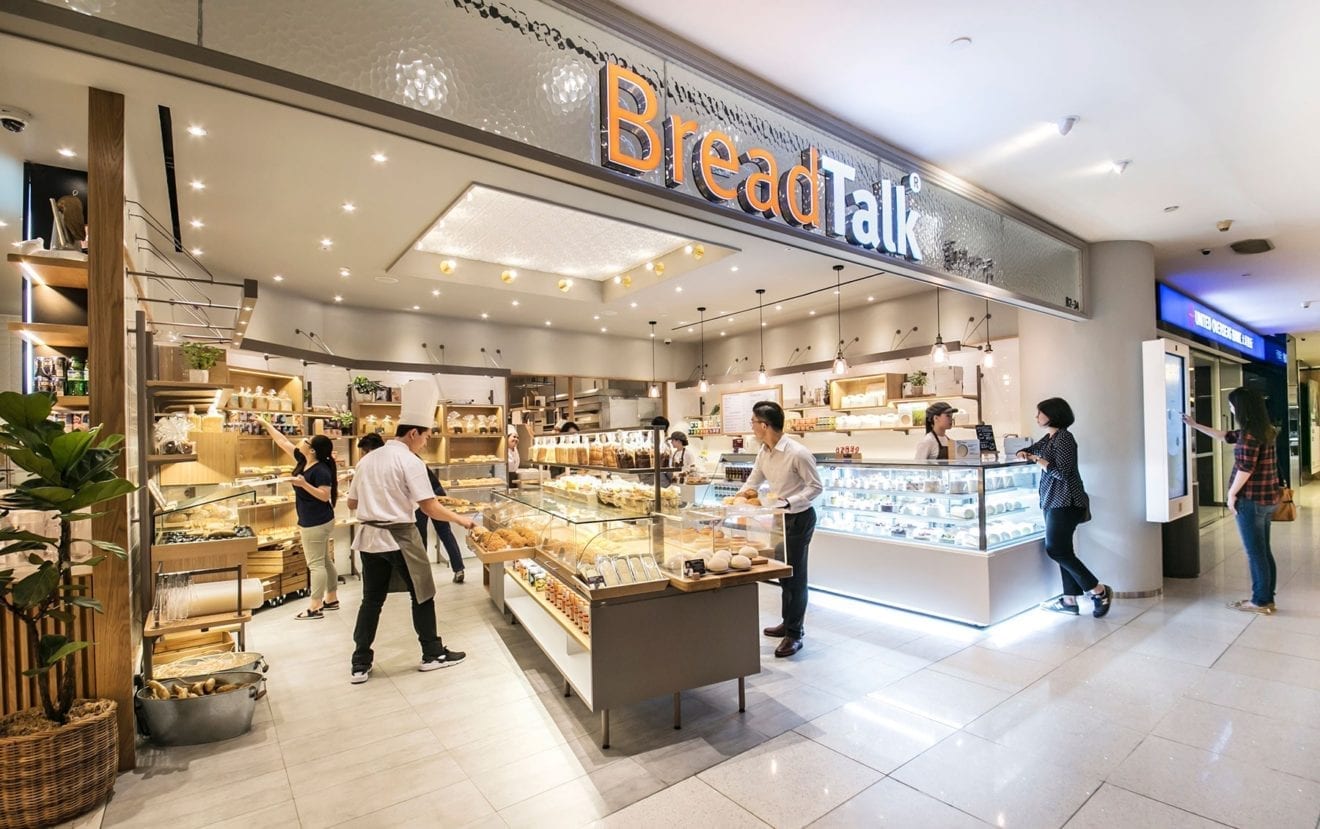
    BreadTalk Group CEO Henry Chu has resigned, citing “personal and health reasons”.

    Chu will depart from the helm of the Singapore-headquartered pan-Asian bakery and restaurant business at the year’s end. He will be temporarily replaced by company founder Dr George Quek until a new head is appointed from either within or outside the firm.

    “On behalf of the board, I would like to thank Henry for working tirelessly with the senior management team to maximise growth opportunities and successfully diversify our portfolio of brands in the last 2.5 years,” said Quek in a statement.

    BreadTalk entered significant partnerships with Wu Pao Chun Bakery and Song Fa Bak Kut Teh, and expanded into London and Cambodia under Chu’s lead.

    The change comes as BreadTalk faces declining revenue largely brought on by heavy competition. It operates almost 1000 outlets globally.

  • Shopee signs Cristiano Ronaldo

    Shopee signs Cristiano Ronaldo

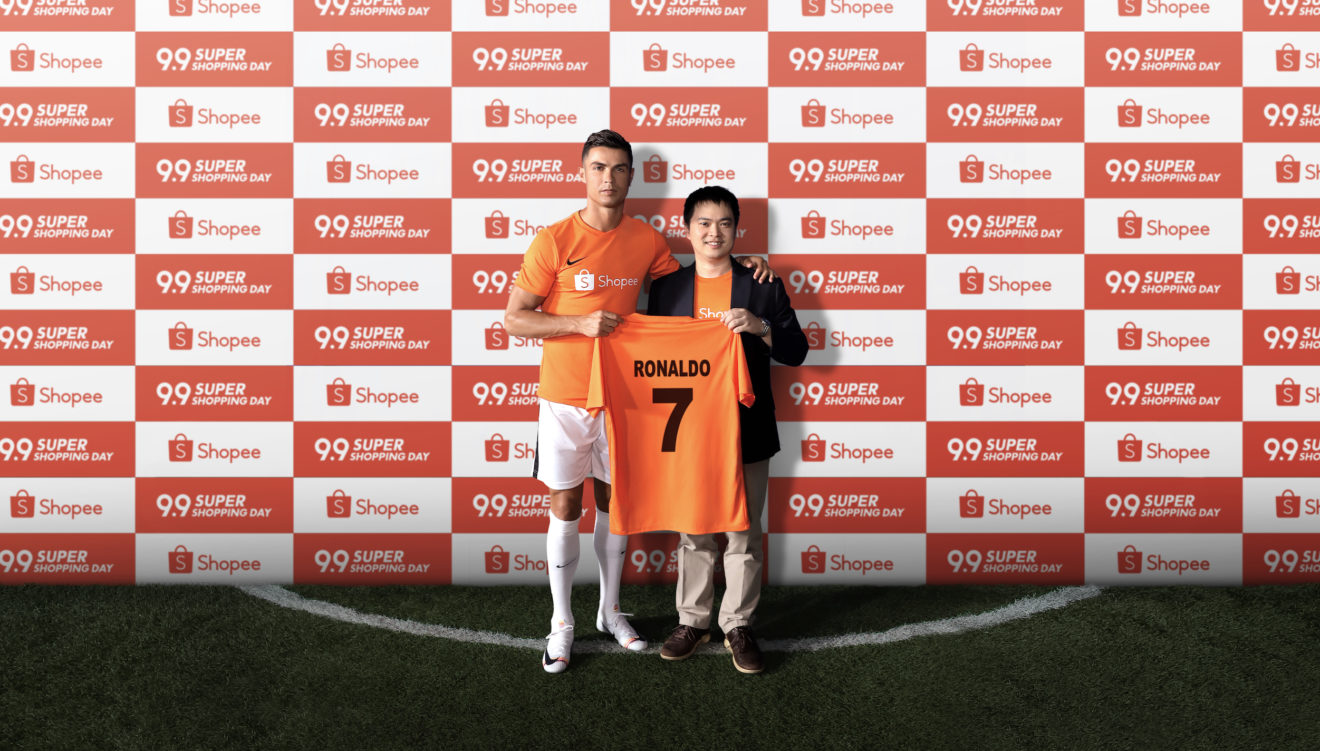
    Southeast Asian/Taiwanese e-commerce platform Shopee has appointed global football icon Cristiano Ronaldo as its newest brand ambassador.

    Ronaldo will work with Shopee on a wide range of initiatives to engage and inspire customers in the region, starting with Shopee’s annual shopping event, 9.9 Super Shopping Day.

    “Cristiano Ronaldo is one of the greatest athletes of our time,” said Shopee CEO Chris Feng. “He is an inspiration to many, and his dedication to football matches the deep commitment we have towards our users. Together with Cristiano Ronaldo, we look forward to creating a lasting positive impact on our region.”

    “I am proud to be Shopee’s brand ambassador as we share the same ambition to be the best in our fields,” said Ronaldo. “I am always improving my game for my fans and my team, just as Shopee innovates to benefit their users in this region. I am excited by this partnership, and I look forward to creating more special moments for my fans together with Shopee.”

    Cristiano Ronaldo stars in Shopee’s newest 9.9 TVC, which will air in all seven Shopee markets in the region.

  • Tumi in Hong Kong opens eighth store

    Tumi in Hong Kong opens eighth store

    Tumi in Hong Kong has opened its eighth store – including its airport store – at Times Square.

    The 670sqft space will become the second store in Hong Kong to feature its newly introduced personalisation bar concept.

    The store is celebrating its launch with a special promotion through to August 31 – a complimentary Tumi Monaco gusseted card case with any purchase of HKD4000.

    Meanwhile, Tumi’s global ambassador, Hollywood actor Chris Pratt, was recently in Hong Kong to shoot Fall 2019 Tumi campaign.

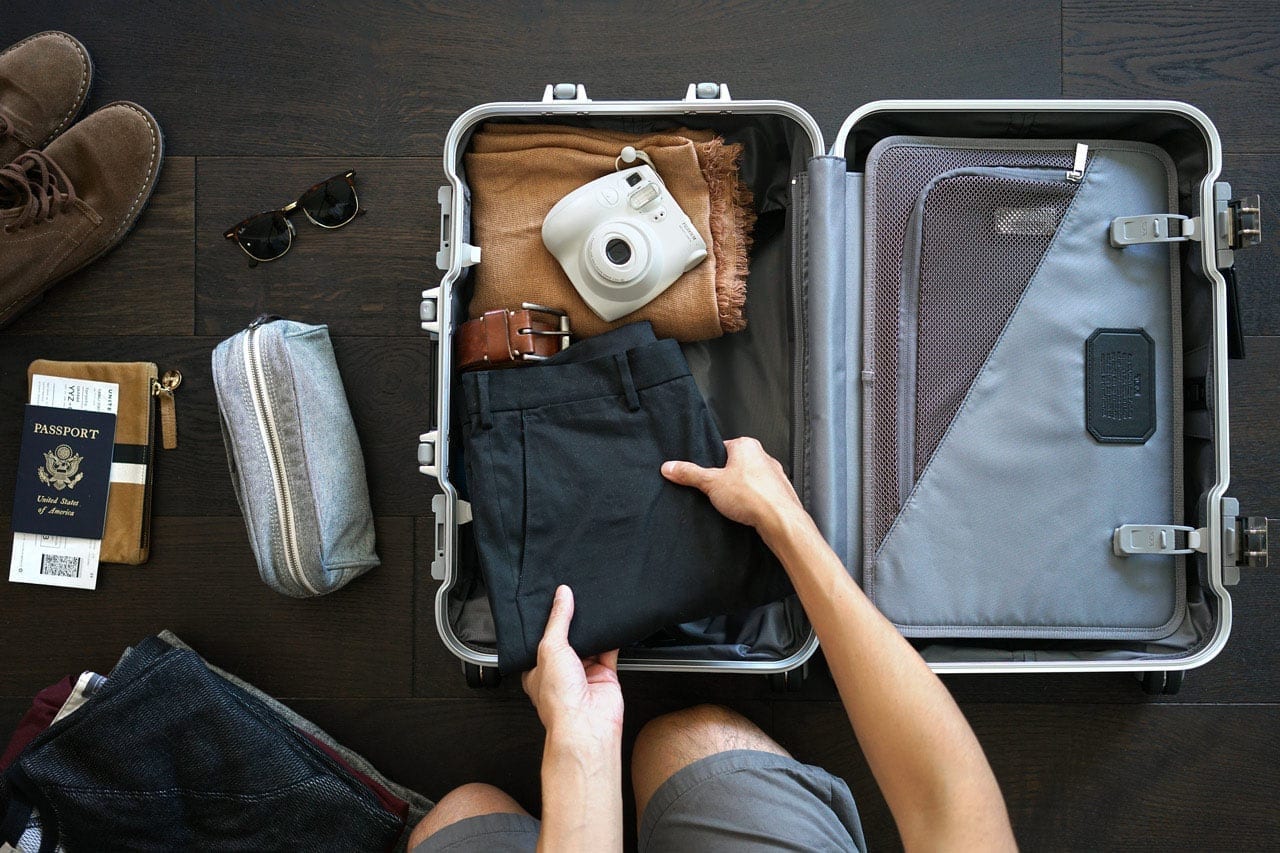
    “It’s an incredible place and it makes me want to travel around Asia to experience more of the region. When travelling, it is important to have something that roots me and makes me feel at home. I live out of my Tumi – it allows me to effortlessly move through my journey, and makes me feel at home wherever I go.”

    “It has been a pleasure to work with Chris in all phases of the brand’s regional collaboration,” said Tumi creative director Victor Sanz. “As a longtime Tumi user, Chris has a deep appreciation for the brand and the efforts we take to perfect the journeys of our customers every step of the way.”

  • Baby Bunting’s online focus pays off

    Baby Bunting’s online focus pays off

    Specialty retailer Baby Bunting said its online focus is paying off after posting strong online sales in the 12 months to June 30.

    The retailer posted a 46 per cent increase in online sales for the period compared to the previous corresponding period saying “online continues to be the company’s largest trading unit” with online sales being 11.8 per cent of total annual sales.

    Baby Bunting said click-and-collect sales grew 55 per cent in the period, and in areas where Baby Bunting has a store, click-and-collect sales now represent around 50 per cent of online sales in that trading catchment.

    “Again, this demonstrates the role that stores and online can play in driving complementary sales growth,” the company said in a statement about its full-year results on Friday.

    The one-stop baby shop posted a 43.3 per cent rise in full-year profit to $12.4 million, buoyed by demand for its new product range and further expansion of its private label and exclusive wares.

    Total revenue for the 12 months rose 21 per cent to $368 million and the company hiked its fully franked final dividend by 2.6 cents to 5.1 cents.

    “I am very proud of our performance for the year,” said Matt Spencer, Baby Bunting CEO and managing director. “We had an excellent year that has consolidated our position as the go-to destination for baby goods in Australia.”

    Spencer said the retailer has pursued a number of actions to grow market share and profitability during FY19, including a continued focus on customer service, capitalising on available market share opportunities, securing prime sites for our store network, stabilising gross margin without compromising value, expanding private label and exclusive products and investing in their people and systems to support growth.

    Spencer said Baby Bunting is expecting FY20 to be another year of solid growth with pro forma NPAT expected to be in the range of $20 million to $22 million and pro forma EBITDA expected to be in the range of $34 million to $37 million, representing growth of 25 per cent to 36 per cent.

  • Merger may create giant Japanese drugstore chain

    Merger may create giant Japanese drugstore chain

    Retailer Cocokara Fine may be acquired by its larger rival Matsumotokiyoshi Holdings to create the largest Japanese drugstore chain.

    Should it proceed, the merger would create a discount-pharmacy chain taking an annual ¥1 trillion (US$9.4 billion) in revenues, significantly higher than current market leader Welcia Holdings.

    Matsumotokiyoshi’s heavily discounted snacks, soft drinks and liquor have made it a tough competitor against other conventional retailers in the segment.

    Cocokara has reportedly discontinued merger talks with another rival – Sugi Holdings, which owns the Sugi Pharmacy chain – in favour of achieving a deal with Matsumotokiyoshi.

  • Japanese conveyor belt sushi chain Sushiro makes debut in Hong Kong

    Japanese conveyor belt sushi chain Sushiro makes debut in Hong Kong

    Japanese conveyor belt sushi restaurant chain Sushiro has opened its first Hong Kong outlet.

    The franchise is moving for a foothold in the local market and aiming to use the city’s international status to expand across the region.

    The flagship store, located at a commercial building near Jordan MTR Station, offers traditional sushi alongside other side dishes and desserts. To ensure freshness, it will soon deploy a high-tech system currently used in Japan, that can automatically remove unclaimed plates after they travel more than 350 metres on the belt and replace them with new ones.

    “Hong Kong has a sophisticated Japanese cuisine market,” said Sushiro Hong Kong president Kazuo Aratani. “People here love sushi and demand the best.

    “All of these conditions work perfectly with our competitive advantages. We are dedicated to offering customers the highest quality sushi at affordable prices.”

    “We are happy to see that a popular Japanese sushi restaurant chain has set up a presence in Hong Kong and joined our dynamic food and beverage scene,” said investment promotion associate director-general Dr Jimmy Chiang. “We wish it every success in leveraging on Hong Kong’s business advantages to expand in the region.”

  • Ariana Grande perfume launched, named after her anthem

    Ariana Grande perfume launched, named after her anthem

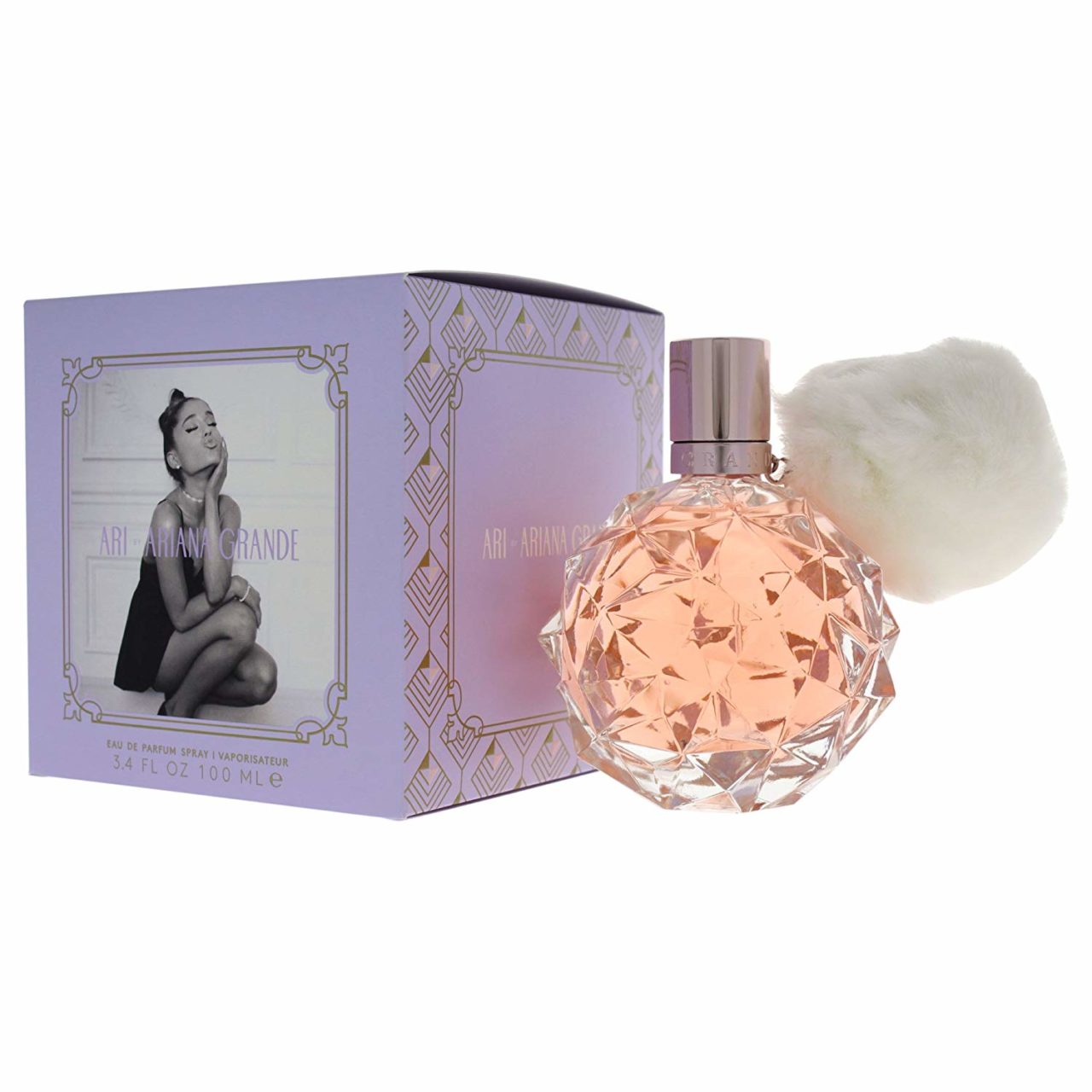
    An Ariana Grande perfume has gone on sale, named after her hit song Thank U Next.

    The fragrance, released in partnership with Luxe Brands, will launch exclusively on Ulta.com on August 18 before going on shelf in Ulta Beauty retail stores US-wide and at Shoppers Drug Mart in Canada on September 1.

    Grande’s hit song debuted at number one on the Billboard Hot 100 and went on to break the record for the most-watched music video with 55 million YouTube views in under 24 hours. Thank U, Next has been regarded as the phrase of the year, symbolising moving on and taking control in a self-affirming way.

    Following her 2019 Fragrance of the Year win for Cloud, Grande has moved to build a stronger platform for her brand by extending the Thank U, Next franchise into a fragrance.

    “For the Thank U, Next fragrance campaign, Grande and Luxe Brands partnered with Hannah Lux Davis to seamlessly weave Grande’s newest fragrance creation into the Thank U, Next world,” said Luxe CMO Noreen Dodge. “Ariana’s creative vision for Thank U, Next perfectly communicates the combination of sexiness and sweetness, while cleverly conveying the details of Ariana’s latest fragrance in a fresh, modern way that is both authentic to Ari and unique to the category.”

    “I wanted to make a fragrance that smells related to my first fragrance Ari but more summery,” said Grande. “So I revisited Ari’s fruity pear and raspberry notes and changed it up by adding some coconut. I was inspired to design a bottle that represented the message of my song – the emergence of the perfume from the broken heart represents moving forward from a challenging chapter.”

    Crafted by Robertet’s Jerome Epinette, the perfumer and artisan behind Byredo and Atelier Cologne, Jerome was inspired to develop new territory with the new fragrance.

    “Each of Ariana’s fragrances surpasses the last and Thank U, Next will be no exception,” said Luxe CEO Tony Bajaj. “The scent, packaging and campaign are all a perfect representation of Ariana’s globally embraced message. It is remarkable how Ariana connects with her fans and shares her incredible passion through everything she does.”

    “Building on the global appeal and success of Ariana Grande, we have strategically grown the international footprint of her fragrance franchise,” said Designer Parfums CEO Dilesh Mehta. “Our success is in partnership with Luxe Brands and our key retail partners Boots and Superdrug in the UK and exclusively with Douglas in over 12 countries.”

  • Store fined for displaying non-compliant PMDs for sale

    Store fined for displaying non-compliant PMDs for sale

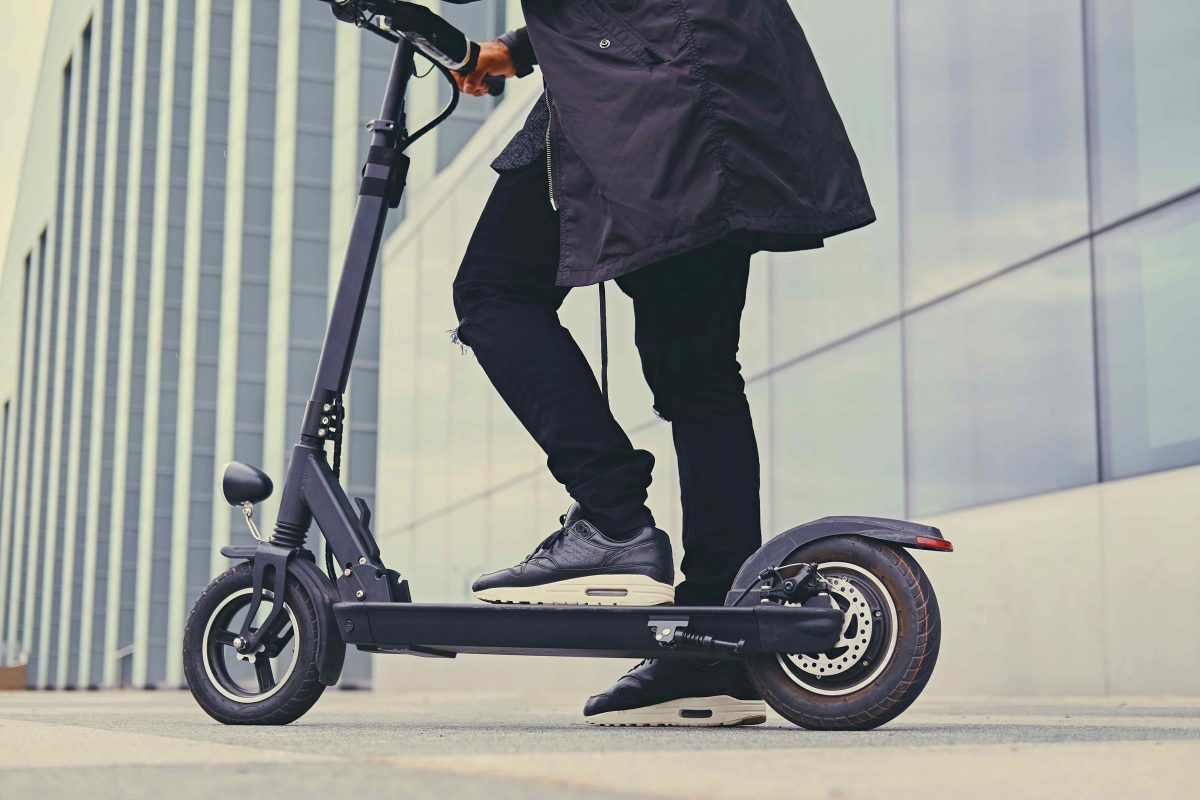
    A Paya Lebar retailer has been fined $750 for displaying personal mobility devices (PMDs) for sale which did not comply with Singapore laws.

    It was the first prosecution under the Active Mobility Act (AMA) which took effect after the July 1 deadline for all PMDs to be certified by the Land Transport Authority (LTA).

    Chew Tat Weng, the manager of Ning Pte, which operates as Orion@Paya Lebar, pleaded guilty to the charge of displaying three PMDs for public purchase.

    Retailers face a maximum penalty of three months in jail or a $1000 fine if they are caught trying to sell PMDs which do not comply with certification, part of a range of restrictions on the devices following rising accidents and incidents of fires in Singapore.

    According to Ng Jun Kai, a prosecution officer for the LTA, Ning Pte had posted advertisements online and produced flyers promoting the sale of PMDs at the company’s store at 160 Paya Lebar Road, which also sells sporting goods, bicycles and boats.

    Chew told the court he had stopped selling PMDs in mid June and the ones spotted by LTA staff were leftover inventory.

    However, Kai said the LTA had given retailers at least seven months grace after the laws took effect to remove non-compliant PMDs from sale. “Ning Pte Ltd had blatantly continued displaying non-compliant PMDs.”

    Presiding, Judge Ho warned retailers not to flout the new laws.

    “Retailers are now forewarned and this serves as a cautionary note,” said the judge, quoted by Channel News Asia. “Retailers … should clear all non-compliant devices from their premises. They should not think they will not be in trouble with the law if they are merely keeping old stock … Do not expect the courts to be lenient with them.”

  • Maxis store designers create ‘retail experience of the future’

    Maxis store designers create ‘retail experience of the future’

    Australian retail design firm Public Design Group and retail consultancy Fitch have collaborated to create a “retail experience of the future” for Malaysian telco Maxis.

    According to Public Design Group, the new Maxis flagship store at Gardens Mall – which follows the consultancies’ previous collaboration with Singtel – is a contemporary twist on a cafe-style theatre set, where shoppers receive “the highest level of personalised service from a brand new human service model” based on a conviction that “mall retailers have an inherent responsibility to engage and entertain shoppers well beyond the confines of product”.

    The store features a Gallery of Living Potential – a series of product-solution stories told through products, staff and large-format digital screens leaning back against the “gallery” wall. Waiters serve shoppers at tables in the “street”, while maitre d’ sales staff engage browsers throughout the store to discuss the new Maxis proposition.

    “The business focus is no longer on selling third-party devices,” said Public Design Group’s director of retail strategy Jason Pollard. “It’s now all about raising awareness of how the internet enables better living. This leads to multiple devices, premium content, and managed services all being sold under one umbrella lifestyle story, for example Wellbeing”.

    The store’s retail experience is designed to optimise human exchange with personalised demonstration of product solutions, digital queuing systems and seamless transaction processes.

    “Motivating store teams is key to ensuring a sustainable increase in business performance, and that’s what we have been able to do by creating a theatre set for customers and staff alike,” said Pollard. “When staff can play and enjoy the product, they self-educate whilst becoming advocates. The staff in this store stage a singing and dancing performance for customers daily; their happiness directly influences the quality of shopper experience.”

    “The lack of corporate colour and the recessed store entrance is part of the Maxis corporate brand being deliberately recessive,” said Public Design Group chief designer Dan Cooper. “We are seeing a gradual shift in retailers understanding of the importance of brand experience over and above branded environments.

    “Shoppers believe this environment has been designed for them to experience rather than for Maxis to sell; it’s very much a ‘pull’ rather than a ‘push’ psychology. When we look at what the Maxis brand means to people, it’s not their logo, their promotions or their tone of voice any more, it’s a fantasy world that shoppers can escape into, full of optimism, colour and compelling lifestyle stories.”

    Fitch Hong Kong collaborated with Public Design Group to create the digital content in the store, as well as developing a number of tech-driven initiatives to optimise customer processing and transactions. They are now working on phase two of the customer experience plan, where the stories in the Gallery of Living Potential are being taken to a deeper level of digital immersion.