Tag: asia

  • Huawei discount phone promotion leads to anger

    Huawei discount phone promotion leads to anger

    Huawei discount phone promotion has backfired causing shops to be shuttered and one indignant shopper arrested.

    The Chinese company promoted that its Huawei Y6 Pro 2019 model would be discounted from S$198 to $54 for consumers aged over 50 for three days beginning last Friday. But when hundreds of would-be buyers arrived at the company’s 27 stores across the island on Friday morning they were told stock had run out before opening hour, causing many to wonder if there was ever any stock in the first place, or the brand was adopting a bait-and-click tactic to get customers into stores. Instead of the $54 Y6, disappointed shoppers were offered another discount on a Huawei Mate 20, a promotion due to start on Saturday and since canceled.

    Police were called to some of the stores where angry customers were demanding Huawei stick to its promise. A woman, aged 53, was arrested for trespass after refusing to leave one store.

    A Huawei spokesperson said the ‘Sold Out’ signs were put up by store employees before opening time in response to seeing the long queues formed outside.

    “We are truly sorry to have disappointed those who have shown your support from early morning… Y6 Pro 2019 handsets have been sold out island-wide and have recorded an unprecedented surge of demand,” Huawei said.

    “The company would like to thank members of the public for their continued support and regrets the insufficient supply for the masses.”

    “How can it be that you are telling the public there is no stock before the store opens or the promotion starts?,” one customer asked. “Are you trying to fool people and make use of the nation’s 54th anniversary?”

    Huawei launched the promotion celebrate the generation of Singaporeans that made great contributions to the nation’s development, ahead of the country’s 54th National Day on August 9.

    The company did not reveal how many of the handsets were sold during the Huawei discount phone promotion or how many were available at each outlet.

  • Protests take their toll on Watsons outlets

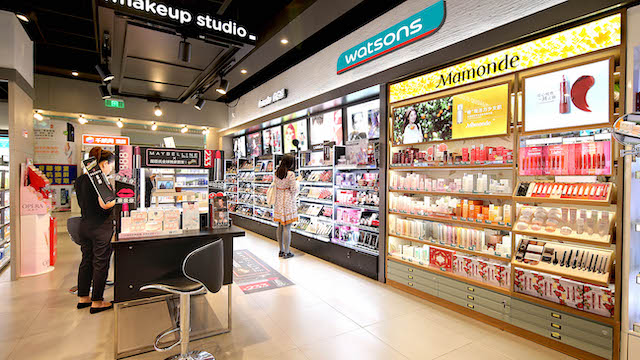
    Protests take their toll on Watsons outlets

    Sales by Watsons stores located in areas affected by ongoing street protests have fallen markedly in both June and July. The protests have been ongoing since early June, largely confined to the island suburbs of Admiralty, Wan Chai and Causeway Bay.

    “Month-to-date July our sales have fallen by a double-digit [percentage] from the same period last year,” the chain’s MD Diane Cheung said during the launch of a diagnostic service at a Hong Kong store yesterday.

    “That said, last year’s comparison base was relatively high and given we achieved favorable first-half sales and that we expect openings of new and renovated stores in the second half, we believe we will fare better than the entire retail market for the full year.”

    Cheung said other factors were also impacting on the group’s sales, a reference to the changing demographics of mainland visitors and general economic uncertainty fuelled by the ongoing trade war between the US and China. However, Watsons stores located in the districts where most of the protests have occurred were worst affected.

    The Hong Kong Retail Management Association warned of the impact the protests were having on some of its members earlier this month.

    “Large-scale parade activities have caused individual stores to suspend business. Not only are the retail companies under pressure, so is the income of store employees,” the organization said in a prepared statement.

    AS Watson expects to open a net 20 new Watsons stores in Hong Kong by the end of this year, taking its network to 260. Globally the group opens a new store on average every seven hours.

  • DHL Supply Chain partners with Tetra Pak to implement its first digital twin warehouse in Asia-Pacific

    DHL Supply Chain partners with Tetra Pak to implement its first digital twin warehouse in Asia-Pacific

    DHL Supply Chain has successfully implemented an integrated supply chain solution for Tetra Pak’s warehouse in Singapore. This is the first smart warehouse for DHL in Asia-Pacific to deploy the digital twin technology, which involves using digital models to better understand and manage physical assets.

    “Tetra Pak is the world’s leading food processing and packaging solutions company serving the needs of hundreds of millions of people in more than 160 countries, and we are proud to play a part in their vision to make food safe and available everywhere,” said Jerome Gillet, CEO of DHL Supply Chain Singapore, Malaysia, Philippines. “By jointly implementing a digital solution to support Tetra Pak’s warehousing and transport operations, this collaboration is a great example for smart warehouses of the future to deliver agile, cost-effective and scalable supply chain operations.”

    Combining the Internet of Things (IoT) technology with data analytics, DHL Supply Chain created a smart warehouse solution for Tetra Pak by bridging its physical warehouse with a unique virtual representation that monitors and simulates both the physical state and behavior of the warehouse assets in real-time. With this digital twin solution, Tetra Pak can maintain 24/7 coordination of its operations to resolve issues as they occur, particularly those that involve safety and productivity.

    Warehouse supervisors can use real-time operational data to make informed decisions to reduce congestion, improve resource planning and allocate workload. Using IoT and proximity sensors on materials handling equipment (MHE), spatial awareness is enhanced, thus reducing potential collision risks. Controlled areas with restricted access are also monitored with management alerts.

    A DHL control tower monitors the flow of inbound and outbound goods to maintain time efficiency, ensuring goods are correctly shelved within 30 minutes of receipt, and delivery-bound goods are ready for shipment within 95 minutes.

    To reduce operational risks and improve safety, DHL Supply Chain has implemented a container storage management solution that minimizes the need for employees to handle heavy containers. All employees are also trained to work within newly introduced safety measures.

    “Innovation has always been at the heart of what we do at Tetra Pak,” said Devraj Kumar, director of Integrated Logistics, South Asia, East Asia & Oceania, Tetra Pak. “To keep the cogs of our operations turning seamlessly, it is vital that we have complementary warehousing and supply chain solutions that can meet the high demands of our customers. We are pleased with the successful implementation of this smart warehouse, and look forward to partnering with DHL Supply Chain to further enhance our productivity and maintain our high safety standards in our supply chain operations.”

  • AirAsia keeps improving flight services

    AirAsia keeps improving flight services

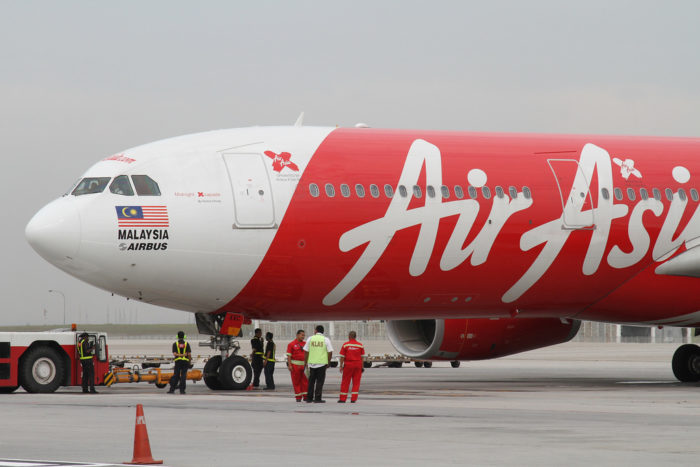
    AirAsia won for the 11th time at the prestigious Skytrax World Airline Awards as the world’s best low-cost airline during the Paris Air Show in Le Bourget, Paris, France, in the middle of June 2019. But despite the awards, it has never let itself get complacent.

    The airline keeps its commitment to continue increasing and improving its flight services for domestic routes and foreign routes, by being continually committed to providing low cost but quality flight services on all of the routes it serves.

    In July 2019, the airline launched three new routes from Jakarta to Sorong in West Papua, Lombok in West Nusa Tenggara and Semarang in Central Java. The new routes will start operating on Sept. 1 and will be served by Airbus A320 aircraft with a capacity of 180 seats. In June, AirAsia launched five new domestic routes. The five round-trip domestic routes are Jakarta-Lombok (11 flights per week), Bali-Lombok (seven flights per week), Yogyakarta Kulonprogo-Lombok (three flights per week), Bali-Labuan Bajo (seven flights per week) and Surabaya-Kertajati (three flights per week). AirAsia will start operating its flight services on the five new domestic routes from Aug. 1 onwards.

    In an effort to attract more passengers to the new routes, AirAsia is offering special prices, namely for Jakarta–Lombok starting from Rp 635,000, Bali–Lombok from Rp 243,000, Surabaya–Kertajati from Rp 626,000. All the prices are one-way but include tax and free baggage up to 15 kg.

    The flight tickets, which are offered at a price of Rp 2.49 million for Jakarta-Sorong, Rp 590,000 for Jakarta-Lombok and Rp 341,000 for Jakarta-Semarang, can be ordered at airasia.com and through the AirAsia application. The prices are only for one-way but include passenger service charge and free baggage up to a maximum of 15 kg. The prices are only available on flights booked until July 28, for flights from Sept. 1 until Oct. 26.

    Sorong is the largest city in West Papua and stands as a gateway to Raja Ampat, one of the most exotic and beautiful tourist destinations in Indonesia.

    In Lombok, where AirAsia has recently opened its new hub, travelers can enjoy a number of enchanting destinations, such as Bukit Merese, the Gili Islands, Tanjung A’an, Pink Beach and Mandalika.

    In Semarang, which is also known as the little Netherlands, travelers can trace its history through the old buildings mostly from the Dutch colonial era, while hunting for local delicacies along the exotic journey.

    Besides the route expansion, last month AsiaAsia also offered five million cheap tickets through its Big Sale 2019 program for various domestic and international destinations. The promotional tickets include those on favorite routes, such as Jakarta-Singapore at a price of only Rp 150,000, Medan-Penang from Rp 230,000 and Surabaya-Bali from Rp 359,000.

    The airline has also introduced a new standard of flight comfort with its Airbus A330neo, which will certainly change the public perception of long-distance flights. It will offer the best value of ticket prices for 30 long-distance destinations in 10 major markets of AirAsia Group.

    “Besides developing international connectivity to support the visit of foreign tourists to Indonesia, this year, as we promised, we are focusing on expanding our domestic routes, especially those to eastern Indonesia.,” said AirAsia’s president director Dendy Kurniawan recently during the ceremony to launch the new routes.

    Currently, AirAsia Indonesia operates a total of 292 flights per week from Jakarta to various domestic and international destinations, such as Kuala Lumpur, Penang, Bangkok, Phuket, Surabaya, Yogyakarta and Bali.

    Overall, AirAsia serves more than 700 flights per week on 38 direct routes from 15 cities of Indonesia for domestic and international routes. It has a fleet of more than 200 airplanes of the type Airbus A320-200 and Airbus A330-300 in six countries, namely Indonesia, Malaysia, Thailand, Philippines, India and Japan, with more than 140 international destinations in Asia, Australia, the Middle East and the US.

    “We’ll continue to be committed to providing low cost but quality flight services in Indonesia. We realize it through the principle of efficiency, innovation and operation digitalization. It is not just a marketing gimmick. It is part of our vision and mission to realize ‘Now Everyone Can Fly,” Dendy Kurniawan concluded.
  • AirAsia’s Tony Fernandes: ‘Too Many Leaders Stay Too Long’

    AirAsia’s Tony Fernandes: ‘Too Many Leaders Stay Too Long’

    The public nature of aviation means it tends to attract large-scale palace intrigue about executive leadership changes from employees, customers and other stakeholders and observers. With the industry typically having small margins and many uncontrollable events, it is easy to hope the executive change will improve the experience, hence calls for Bob Crandall to return to American Airlines.

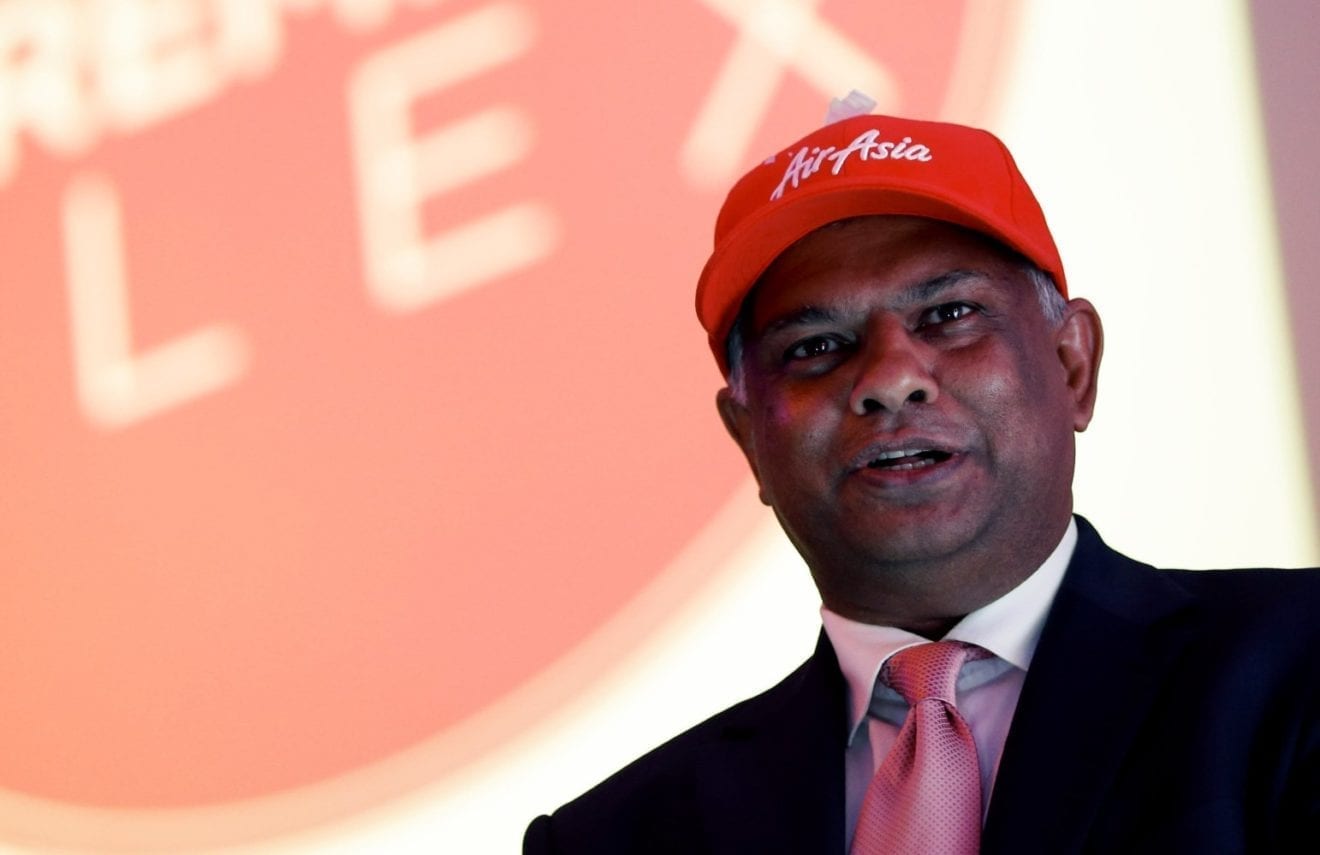
    Change can be a sensitive topic, but not to AirAsia co-founder Tony Fernandes. “Retirement is important,” he said at the Rise technology conference in Hong Kong this month. “Too many leaders stay too long. I think leadership needs to be refreshed.”

    His comments were not directed at anyone or prompted by any events, but leadership change discussion can come up often for executives.

    Emirates President Sir Tim Clark has spent most of his professional life at the Dubai giant, including almost 17 years as president. He is routinely asked of his future plans, not only because of his long tenure as president but also because that at 69 years old, he is above the government’s retirement limit of 65. The official retirement age is 60 for non-Emiratis but this can be extended up to 65, the government says.

    Clark is asked so often about retirement that he has talking points with the eloquence he is known for. “Time will knock on the door and this is a younger man’s business,” he said in 2018. That is similar to his 2015 comment that “It’s a younger man’s game.”

    He deflects to the owner – the Dubai government – and told Airline Ratings: “My succession will be determined by the shareholder.” He said, “I believe that the owner will have plenty of scope there.”

  • India’s Auto Parts Makers Warn Of 1 Million Job Cuts

    India’s Auto Parts Makers Warn Of 1 Million Job Cuts

    India’s auto parts industry could be forced to slash a fifth of its five million or so workforce if the slowdown in vehicle sales continues, the president of the country’s largest industry group for auto parts makers said. India’s auto industry is in the middle of one of its worst slumps. Passenger vehicle sales fell 18.4 percent in the first quarter, and monthly passenger vehicle sales in June fell by the biggest margin in 18 years. The slump has prompted automakers to cut production and automakers and parts makers to cut jobs.

    The drop in production “has led to a crisis like situation in the auto component sector,” Ram Venkataramani, president of the Automotive Component Manufacturers Association of India (ACMA), said in a statement late on Wednesday. “If the trend continues, an estimated 1 million people could be laid-off.”

    The slump in the auto sector, which accounts for nearly half of India’s manufacturing output, has been a major factor behind the slide in economic growth to a five-year low earlier this year.

    Speaking to NDTV about the present condition of the auto industry, Jagdish Khattar, former Managing Director, Maruti Suzuki said, “The employment related to the automobile industry, direct and indirect is 35 million, which includes transportation, insurance, finance, dealership network, service, spare parts and all that. So, it’s a huge employment and not couple of million. The total output is ₹ 8.30 lakh crore.

    He added further, “The impression is manufacturers are big names, the fact is 70-80 percent of the production of the components comes from small and medium industries. Two years back, we used to have 40 per cent diesel vehicles. Today it is less than 20. Rural areas used to have 30-40 per cent sales. The rural areas are distressed today. With Euro6, the industry has invested over a lakh and fifty thousand crore. However, Euro6 hasn’t even come yet and we are talking about electric vehicles. Euro6 will increase the prices of cars, and the Supreme Court has said that you have to take three years of insurance. I mean, everything has gone wrong as this industry is concerned. Yes, it is not the only industry, others have also been affected but this industry has a very major role to play in manufacturing, employment etc.”

    “If the government was to reduce GST, it will not make much of a difference. There are far too many things. The economy should grow, people’s confidence should grow. People are losing jobs. If I’m losing a job, am I going to buy a car? No, I’m going to wait for it,” he said. Khattar also pointed out congestion, pollution, parking charges as some of the other factors against people buying new cars.

    Venkataramani said investments in the auto sector have been frozen due to a lack of government clarity on its electric vehicles (EVs) policy. He said a government plan to speed up the rollout of EVs would raise India’s import bill and damage prospects for auto components manufacturers.

    Venkataramani also called for a cut in the goods and services tax for the vehicles and auto component sector.

  • Google makes a subtle but important change to the Search app

    Google makes a subtle but important change to the Search app

    A look at the updated version of the Google Search app reveals that Google is phasing out its Voice Search feature in favor of the Google Assistant. Voice Search could be found in the Google Search app and on the app’s widget. The iconic microphone icon, when tapped, would allow the user to verbally request a search. But now, Google wants its virtual digital assistant to take over all voice searches.

    A subtle change can be found in the Google Search app (aka the Google app) in version 10.24 or 10.28 beta. The microphone icon once found on the right-hand side of the search bar has been replaced with the Google Assistant icon. In addition, the old search bar included the words “Say Hey Google” while the updated version now reads “Ask any question.”

    Google Assistant is at the heart of the Google ecosystem. It is considered to be the best digital assistant among the top four, a group that also includes Amazon’s Alexa, Apple’s Siri and Microsoft’s Cortana. According to Google, there are now over 1 million actions that Google Assistant can handle. And with Assistant available on all of the Google Home smart speakers and the Nest Hub smart displays, replacing Voice Search with Google Assistant is a way for the company to bring all of its apps and devices in sync with each other.

    Google hasn’t finished rolling this update out to everyone yet, but it is easy to check to see if it has hit your phone. Simply open the Google Search app and check out which icon is in the search bar.

    The first virtual assistant found on a smartphone was Siri, which debuted with the Apple iPhone 4s on October 4, 2011. Apple had acquired the technology when it purchased Siri Inc. in 2010. At the time, Siri was a concierge app in the Apple App Store and its developers planned to offer it for Android and BlackBerry devices. Even though Apple had a head start in this space, some of the company’s former employees said last year that Apple lost its vision for Siri the day after it was first introduced on the iPhone 4s; that was the day that Steve Jobs died.

    Meanwhile, several tests have shown that Google Assistant recognizes questions and gives appropriate responses better than Siri. An extensive test was conducted last year of the four major digital assistants by venture capital firm Loup Ventures and its analyst Gene Munster. The test showed that Google Assistant answered correctly or performed the correct actions better than its rivals in all five categories that were being tested (Local, Commerce, Navigation, Information and Command). Siri finished last in three of the categories and only got 12% of navigation queries correctly. Alexa finished second in four of the categories while Cortana finished third in three of the classifications.

    The aforementioned test was conducted on smart speakers. So a few months later, Loup put the assistants through the paces again, but this time it used different smartphones. Google Assistant on a Pixel XL understood all 800 of the questions asked. Siri misunderstood 11 queries while Alexa and Cortana missed 13 and 19, respectively. Google Assistant won four out of the five categories (Local, Commerce, Navigation and Information) while finishing second in one of them. Siri placed second in four categories, topping Google Assistant in Command. Alexa was all over the place with a second-place finish (Information), three third-place finishes (Local-tie, Commerce, Information, Command) and wound up last in one category (Navigation). Cortana was ranked last in three categories (Commerce, Information, Command), and finished third twice (Local-tie, Navigation).

  • NomadX adds more provision shops

    NomadX adds more provision shops

    Multi-label concept store NomadX has updated and expanded its space, adding new stores.  Technology has also been rolled out: along with a touchscreen directory, interactive screens and “game stations” that help customers to find their style, there are mirrors that offer automated store assistance. Customers can also scan the product QR code to add any products to their digital cart for purchases.

    Among the new brands at NomadX is The Lucky Shop (by Zha Huo Dian), a boutique offering ‘old-school’ and vintage fashion for men and women.

    Another is a faux ‘supermarket’ M*Art which displays apparel and accessories in neon-pink repurposed refrigerators.

    Other newcomers include homegrown fashion and accessories brands Qlothe, The Sophia Label, Ans.ein and Studio Emoi. Mrphy’s home decor range and French beauty company Melvita are making their Singapore debut there.

    More brands will be popping up at the store, including sustainable-swimwear label August Society, Pleatation and Love SG.

  • Apple Card expected to be launched in August

    Apple Card expected to be launched in August

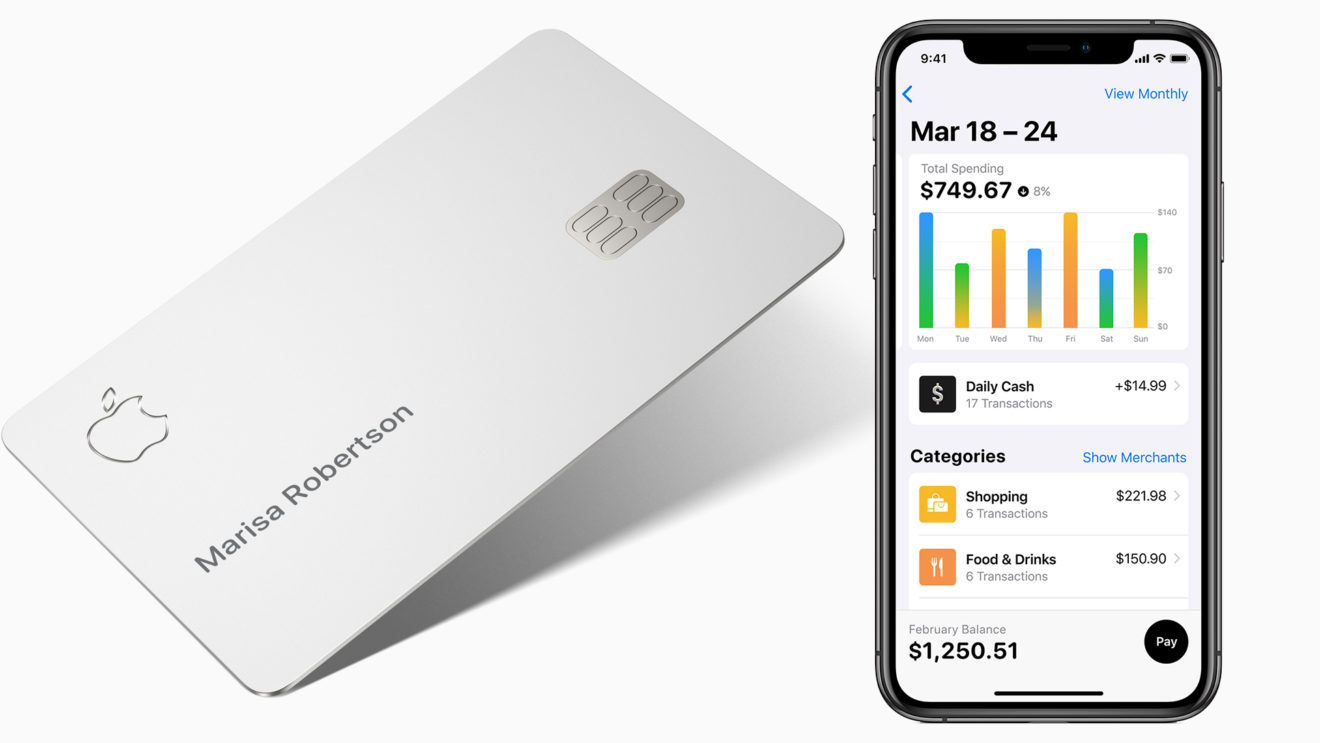
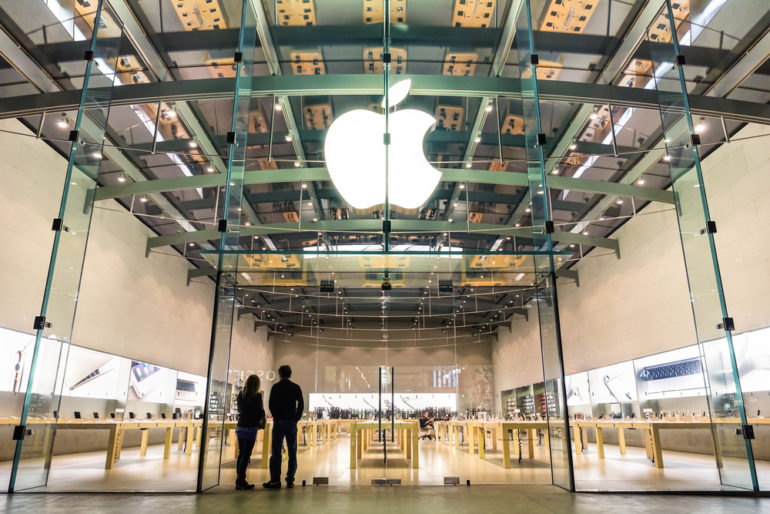
    When Apple announced its card back in March, the company said it will be available at some point this “summer,” but didn’t commit to a certain date. Now that Apple added support for Apple Card in the latest iOS 12.4 update, we can expect the card to be made available very soon.

    Apple and Goldman Sachs Group have reached an agreement for the launch of the Apple Card in the first half of August, a person familiar with both companies claims.

    According to people familiar with the matter, the Apple Card was a complex project that “involved the mixing of two very different corporate cultures as the companies split up responsibilities for the project and worked together on the new technology.”

    To use the new Apple Card, iPhone users will have to sign up for the card using the Wallet app, which has been recently added support for this specific feature.

    It’s worth mentioning that the Apple Card uses a cash-back rewards structure instead of points, which means users will get 1% on purchases made with the physical card, 2% for Apple Pay transactions and 3% for purchases of Apple products and services.

    Keep in mind that while the Apple Card has been designed to be used mainly via Apple Pay, the Cupertino-based company said users will be offered physical cards for merchants that don’t accept Apple Pay.

  • Samsung may launch new Galaxy Buds color to match the Note 10

    Samsung may launch new Galaxy Buds color to match the Note 10

    We’re less than two weeks away from Samsung’s big Galaxy Note 10 reveal, but information about the phone continue to pour in. But the Galaxy Note 10 might not be the only new product Samsung plans to reveal next month. The South Korean company is expected to introduce a brand new tablet, the Galaxy Tab S6, and a new set of accessories to go with its new flagship smartphone.

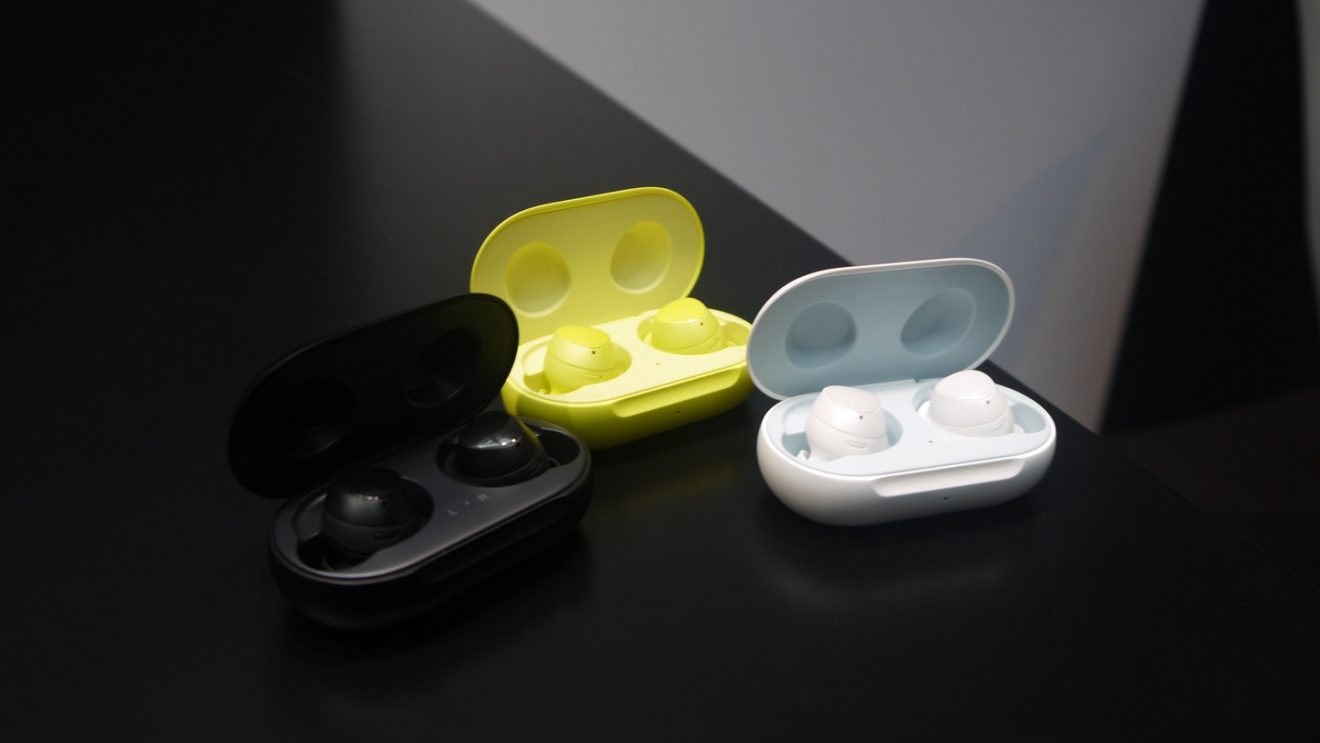
    A new pair of Galaxy Buds will be unveiled along with the Samsung Galaxy Note 10 on August 7. Unfortunately, these are not a new model, but a different color of the current model.

    The new Samsung Galaxy Buds earphones will match the Galaxy Note 10/10+ color, which is called “Aura Glow.” Both the buds and the carrying case will have the same white-silver color to match the Galaxy Note 10/10+.

    As far as price goes, these will cost the same as the original model that was launched back in April: €150/$150. It’s yet unclear whether or not they will be offered for free as an incentive for those who pre-order the Galaxy Note 10/10+, but we’ll most likely find out more about that on August 7.

    In the same piece of news, the same report claims Samsung plans to launch a few new in-ear headphones with AKG branding, created especially for the Galaxy Note 10/10+. The so-called Samsung ANC Wired Headphones will connect via USB Type-C port to the Note 10/10+ and will feature Active Noise Canceling technology for a low price. There will at least one other new pair AKG-branded headphones unveiled next month along with the Galaxy Note 10/10+, but that’s about all we know for now.

  • Trump says Apple will soon announce plans to build a new apple factory in Texas

    Trump says Apple will soon announce plans to build a new apple factory in Texas

    Stop us if you’ve heard this before. President Donald Trump said that Apple will follow his wishes by opening a U.S. factory in Texas. The president’s comments were made the same day that he disseminated a tweet saying that he would not grant the tech giant a waiver that would prevent it from having to pay import taxes on parts for the Mac Pro imported from China. Trump also pointed out that if Apple made the parts in the states, it wouldn’t face tariffs on them. While Apple designs its products in the U.S., many of them are actually manufactured in China. Even though there is a “truce” in the trade war between the U.S. and China, the already announced tariffs remain in place.

    You might remember that in July 2017, Trump said that he was told by Apple CEO Tim Cook that the company was building “three big plants, beautiful plants.” The only problem with that comment was that it was not true. Apple later denied that any such conversation took place and said that it certainly did not have plans to build any factories in the U.S.

    Trump has had a love-hate relationship with Apple, calling for a boycott of the company back in February 2016. Apple had refused a court order to unlock the iPhone 5c that belonged to San Bernardino shooter Syed Farook. Apple refused to do so because it would have required that the company develop a special operating system for the government; Apple was afraid that the software could get into the wrong hands making all iPhones vulnerable to getting hacked. Trump threatened to stop using his iPhone and said that he would use a Samsung handset until Apple gave the FBI what it wanted. An unnamed Apple executive responded by saying, “Trump’s call for (an) Apple boycott puts the company in standing with other good people he has criticized.”

    In June of 2018, The New York Times reported that Trump had promised Cook that the iPhone would not be subject to any tariffs. Economist and Trump advisor Peter Navarro denied that this promise was made. And while Apple’s most important product has not yet been hit with tariffs, if the current truce doesn’t hold up, the next tier of products from China to receive an import tax is said to include smartphones like the iPhone. According to Morgan Stanley analyst Katy Huberty, tariffs could add $160 to the price of the iPhone XR. That would raise the retail price of the 64GB model from $749 to $909. Last month, Apple tried to warn the president that tariffs on the iPhone could damage the U.S. economy.

    Some of you might be surprised to learn that the tariffs are actually an import tax paid by consumers. In May, President Trump incorrectly tweeted that “tariffs are NOW being paid to the United States by China of 25% on Billions of Dollars worth of goods and services. These massive payments go directly to the Treasury of the U.S.” Either Trump doesn’t know how tariffs work, or the president purposely tried to mislead the country. China does not pay one cent of the tariffs. They are taxes paid by U.S. corporations that can eat them, or pass them along to U.S. consumers by raising prices. Apple, to its credit, has eaten the tariffs imposed on certain iPhone and iPad cases in order to keep the cost to consumers the same. This lowers Apple’s profit margin on those products. So if a tariff is imposed on the iPhone, either Apple will be negatively impacted, or U.S. consumers will be in the form of higher prices for the device.

    Meanwhile, we wouldn’t be holding our breath waiting for Apple to announce a new plant in Texas. It is likely to be found next to the three non-existent factories that Trump said Apple was going to build two years ago.

  • Tesla To Soon Get Netflix, YouTube Streaming Support

    Tesla To Soon Get Netflix, YouTube Streaming Support

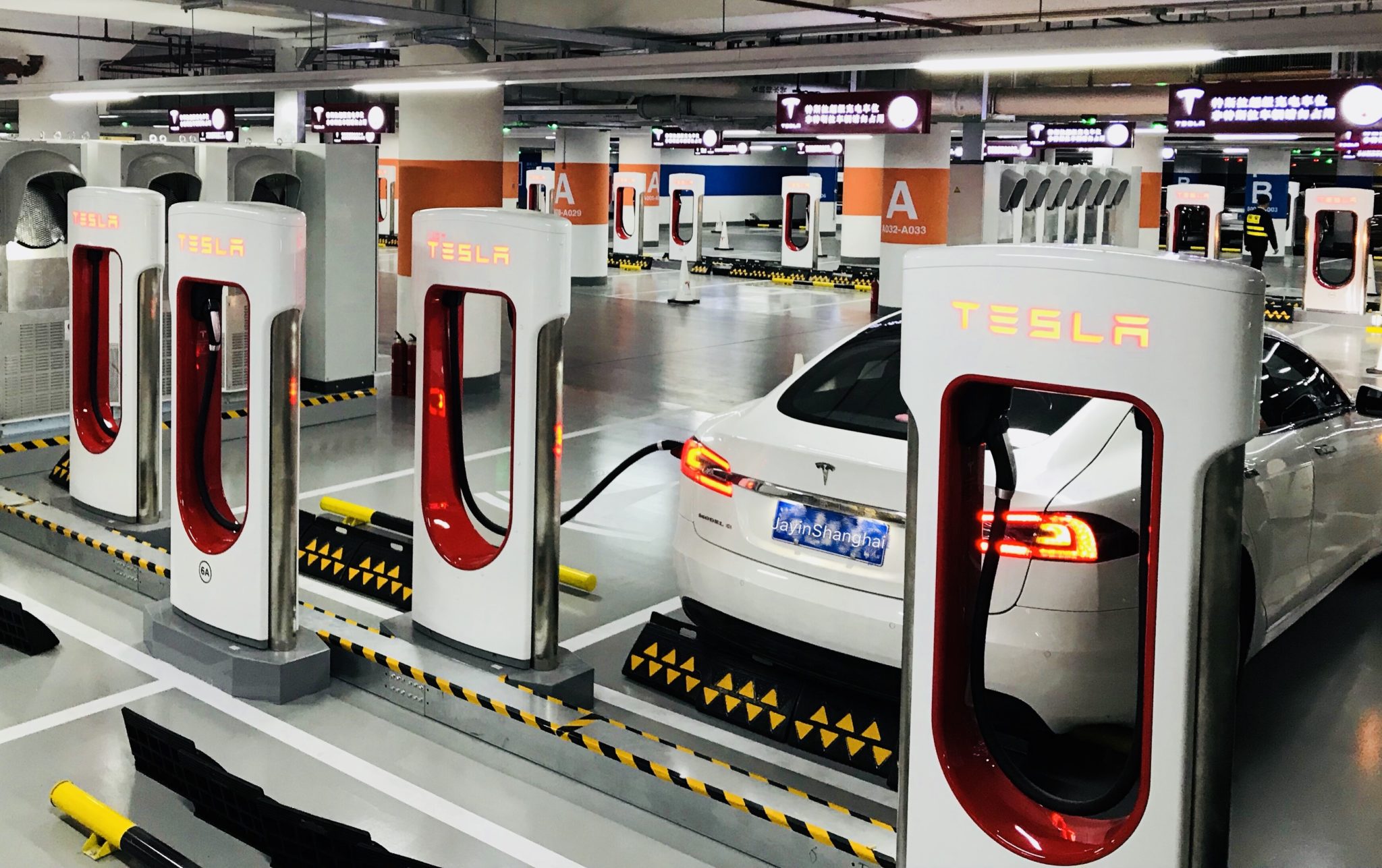
    Tesla CEO Elon Musk has confirmed that people would be soon able to stream videos on digital platforms like Netflix and YouTube in parked Tesla electric vehicles. “Ability to stream YouTube and Netflix when car is stopped coming to your Tesla soon! Has an amazingly immersive, cinematic feel due to the comfy seats & surround sound audio,” Musk wrote on his Twitter handle.

    “When full self-driving is approved by regulators, we will enable video while moving,” he added.

    The desire to allow drivers and passengers to watch video is not a total surprise – Musk noted at E3 that the ability to watch YouTube was coming, The Verge said.

    Tesla has already unveiled games that drivers can play on the displays in their cars. The games also only work when the car is stationary so that the player can use the steering wheel as a controller.

    On Friday, the company announced that chess game is also coming to the Tesla Arcade.

    But there are huge concerns that come along with such features.

    Test vehicles are required to have a driver behind the wheel to take over in case something goes wrong, and even as self-driving technology improves, it’s hard to imagine that going away completely, the report said.

    In March 2017, an Uber self-driving car crashed into pedestrian in Arizona as the driver was watching The Voice on content streaming platform Hulu and lost track of the road.

  • Apple Music trial may shrink from three months to just one

    Apple Music trial may shrink from three months to just one

    One way for music streaming services to expand their subscribers base is through trials. Offering their services for free for a limited is a great way to convince potential subscribers whether or not a service suits their needs.

    Apple is one of the not so many companies that offer a generous 3-month trial to those who want to try out its music streaming service. However, the situation might change.

    A new banner published on Apple’s page for accessories offers a one month free trial of Apple Music instead of the standard three-month free trial. It doesn’t look like this is a mistake, but it’s possible that Apple will start offering 1-month trials in addition to the usual 3-month trials.

    If you click on the banner, you will get the prompt for a three-month free trial in iTunes, so that’s encouraging. Also, Apple hasn’t yet officialized the move on the Apple Music website, so it remains to be seen whether or not this a mistake or the company plans to change the duration of its Apple Music trial.

  • CapitaLand Malaysia Mall Trust profits down

    CapitaLand Malaysia Mall Trust profits down

    Introducing fresh retail concepts and organizing more shopper-centric initiatives weren’t enough to prevent a 5.7 percent fall in net property income (NPI) for CapitaLand Malaysia Mall Trust (CMMT) in the first half of this year.

    CapitaLand Malaysia Mall REIT Management (CMRM), which manages the trust, (US$25 million) for the period, down from 110.4 million ($26.8 million).

    The company said Gurney Plaza, East Coast Mall and Tropicana City Office Tower turned in stronger performances that partially mitigated lower contributions from the Klang

    Valley shopping malls Sungei Wang, 3 Damansara and The Mines.

    But David Wong, CMRM’s chairman, was positive about the trust’s future prospects despite the decline.

    “Amid a challenging operating environment, we are optimistic that the underlying strength of CMMT’s portfolio of quality malls will continue to deliver sustainable income distributions for unitholders in the long term.

    “We continue to reinforce our efforts in strengthening the appeal of CMMT malls through proactively managing lease renewals, introducing fresh retail concepts and organizing more shopper-centric initiatives.”

    Low Peck Chen, CMRM’s CEO, said during the first half of the year Gurney Plaza and East Coast Mall continued their steady performance to chart year-on-year revenue growth.

    “Our Klang Valley malls remain affected by the growing supply of retail space. Sungei Wang and The Mines were further impacted by downtime from asset enhancement works and vacancies.

    “The Jumpa lifestyle zone in Sungei Wang is on track to open by end-September. The new retail concepts at Jumpa will complement the existing offerings in the Bukit Bintang- Kuala Lumpur City Centre shopping belt and help to revitalize and boost the appeal of Sungei Wang,” she said.

    “For The Mines and 3 Damansara, we are focusing on strengthening their tenant mix in key trade categories to enhance their positioning as necessity shopping malls.”

  • Lagardere travel business post strong growth driven by China

    Lagardere travel business post strong growth driven by China

    French-headquartered Lagardere says its travel retail business achieved a 15.8-per-cent increase in consolidated sales in the first half-year.

    Like-for-like sales were up 6.5 percent, the difference attributable to a €134 million positive impact resulting from the acquisition of HBF and of Smullers in the Netherlands, and to a €26 million positive foreign exchange impact.

    Earnings before interest and tax for the travel retail division rose 12 percent to €46 million.

    In the Asia-Pacific region, sales grew 6.5 percent, largely driven by organic growth in China.

    Consolidated group revenue, incorporating the company’ publishing, sports and entertainment business activities, grew by 6.7 per cent on a like-for-like basis, to €3.612 billion.

    Group recurring earnings before tax and interest came in at €153 million for first-half, up from €139 million a year earlier, owing mainly to business growth at Lagardere Travel Retail and a busy sporting calendar for Lagardere Sports and Entertainment.